NCT05879978 is a Phase 1 study of obrixtamig (BI 764532), a DLL3xCD3 bispecific T-cell engager, combined with the anti-PD-1 antibody ezabenlimab in patients with DLL3-expressing small cell lung cancer and other neuroendocrine carcinomas. Both agents are investigational and neither is FDA approved; the trial evaluates safety and early activity. Sponsor: Boehringer Ingelheim. Early data were discussed at ELCC 2026.
Discover KOL Sentiment on NCT05879978 →Design — Phase 1 study; obrixtamig (BI 764532, DLL3xCD3 bispecific T-cell engager) + ezabenlimab (BI 754091, anti-PD-1), DLL3-expressing SCLC and neuroendocrine carcinoma (NCT05879978). Boehringer Ingelheim. (ELCC 2026)
Target / rationale — DLL3 is broadly expressed on SCLC and high-grade neuroendocrine tumors; obrixtamig redirects T cells to DLL3-expressing tumor cells, and ezabenlimab adds PD-1 checkpoint blockade. (trial design)
Endpoints — Early-phase focus on safety, tolerability, dose-finding and preliminary anti-tumor activity of the combination. (trial design)
Data maturity — Early Phase 1 data; discussed at ELCC 2026. No mature efficacy/survival readout for the combination yet. (ELCC 2026)
Regulatory — INVESTIGATIONAL — neither obrixtamig nor ezabenlimab is FDA approved; the combination is not an approved regimen. (FDA)
Sponsor / Drugs — Boehringer Ingelheim; obrixtamig (BI 764532) + ezabenlimab (BI 754091). (trial design)
Compiled and reviewed by the KOL Pulse research team, led by Brian Shields, Founder, KOL Pulse. Last updated July 21, 2026.







Top 4 by impressions -- click to view on X
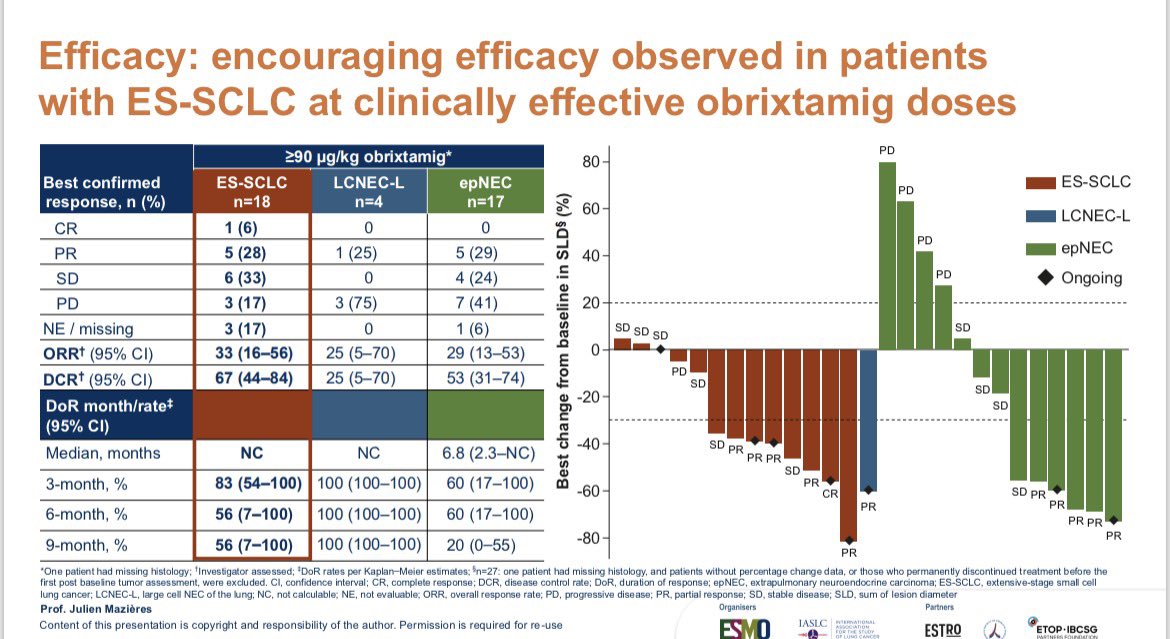
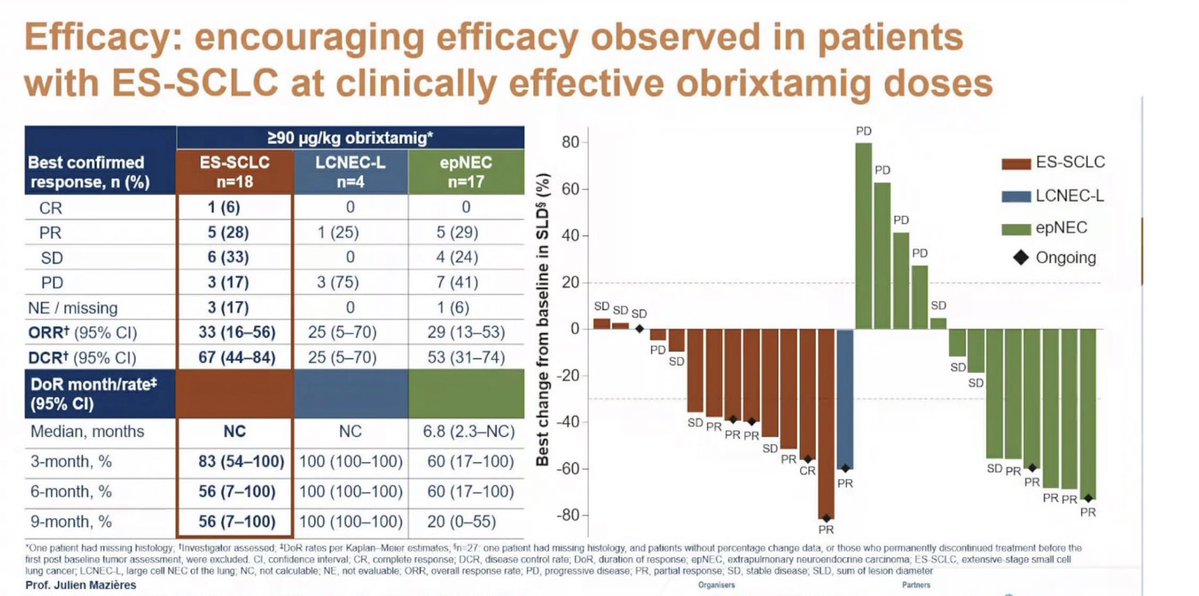
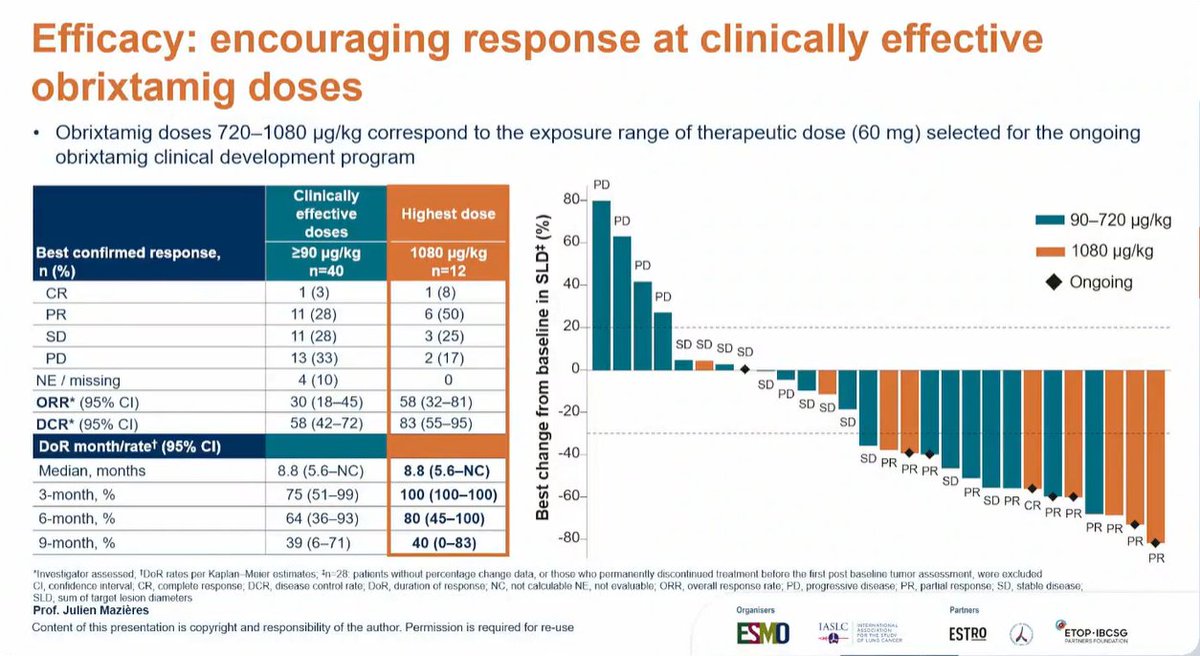
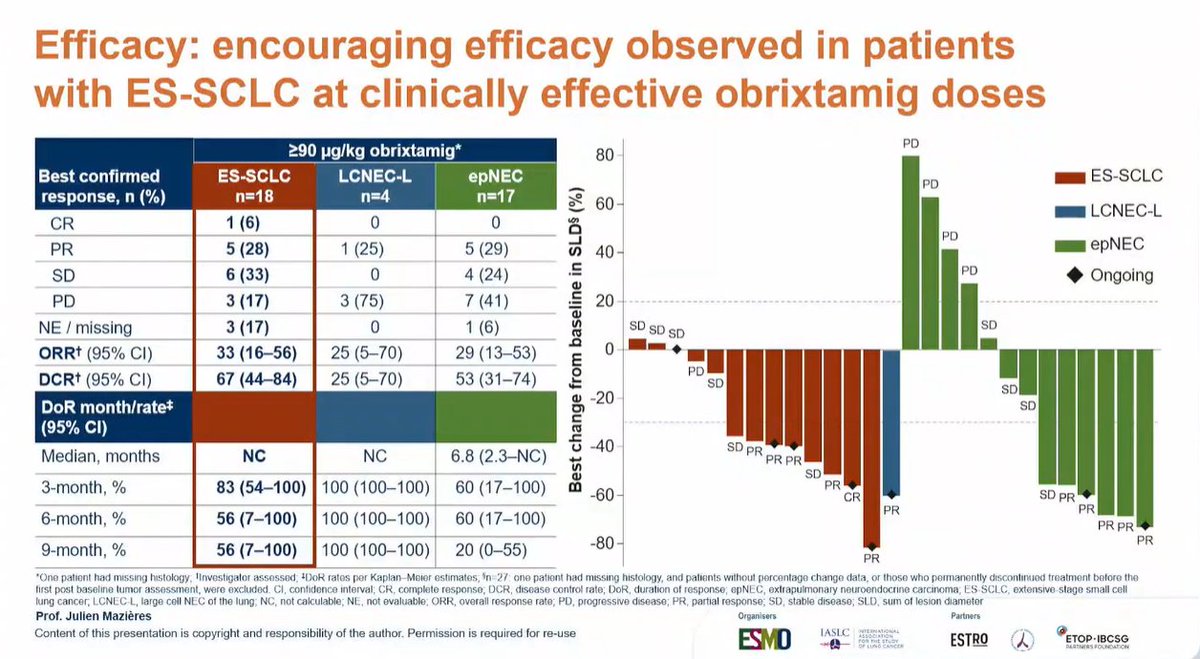
Today presentation #ELCC26 phase 1 of Obrixtamig + ezabenlimab in SCLC, LCNEC or other NECs Overall: ORR 30%, DCR 58%, mPFS 4.4m Highest dose: ORR 58%, DCR 83%, mPFS 10m SCLC: ORR 33%, PFS 5.7 m. @OncoAlert @CHUdeToulouse @IUCTOncopole
NEW #ELCC26 @myESMO Proffered Paper session 1 Obrixtamig + ezabenlimab in SCLC or NECs Overall: ORR 30%, DCR 58%, mPFS 4.4m Highest dose: ORR 58%, DCR 83%, mPFS 10m @JulienMazieres Chair: @peters_solange NCT05879978
Congrats @JulienMazieres on the great presentation and the encouraging results for our lung NETs. Really impressive study testing the combination in all the different neuroendocrine tumor subtypes! #SCLC #ELCC2026
REVIEW #ELCC26 @myESMO Proffered Paper session 1 Obrixtamig + ezabenlimab in SCLC or NECs Overall: ORR 30%, DCR 58%, mPFS 4.4m Highest dose: ORR 58%, DCR 83%, mPFS 10m @JulienMazieres NCT05879978
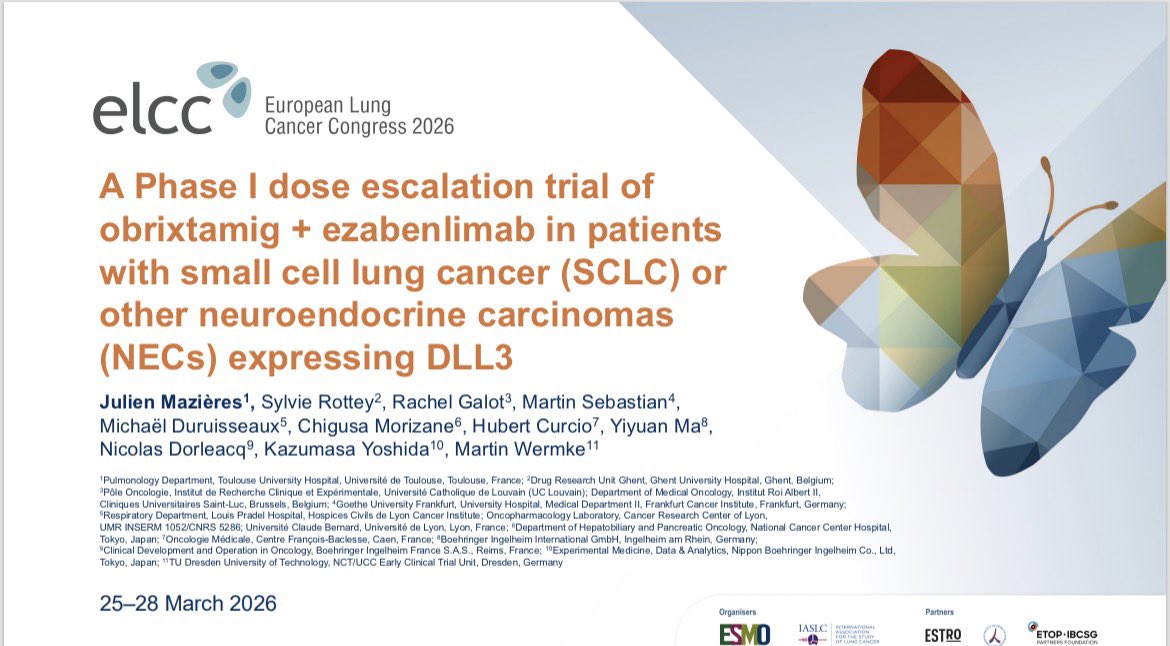
NCT05879978 is an ongoing phase I dose-escalation trial evaluating obrixtamig, a novel IgG-like DLL3-targeted T-cell engager (bispecific antibody), in combination with ezabenlimab (anti-PD-1) in patients with advanced DLL3-expressing extensive-stage small cell lung cancer (ES-SCLC), large cell neuroendocrine carcinoma of the lung (LCNEC-L), and extrapulmonary neuroendocrine carcinomas (epNEC). The study was presented by Prof. Julien Mazieres at ELCC 2026 as a Proffered Paper. Obrixtamig binds simultaneously to DLL3 on cancer cells and CD3 on T-cells, creating an MHC-independent cytolytic synapse. Preclinical data showed that obrixtamig upregulates PD-1 and PD-L1, providing the rationale for combining with the anti-PD-1 antibody ezabenlimab to potentially enhance antitumor activity.
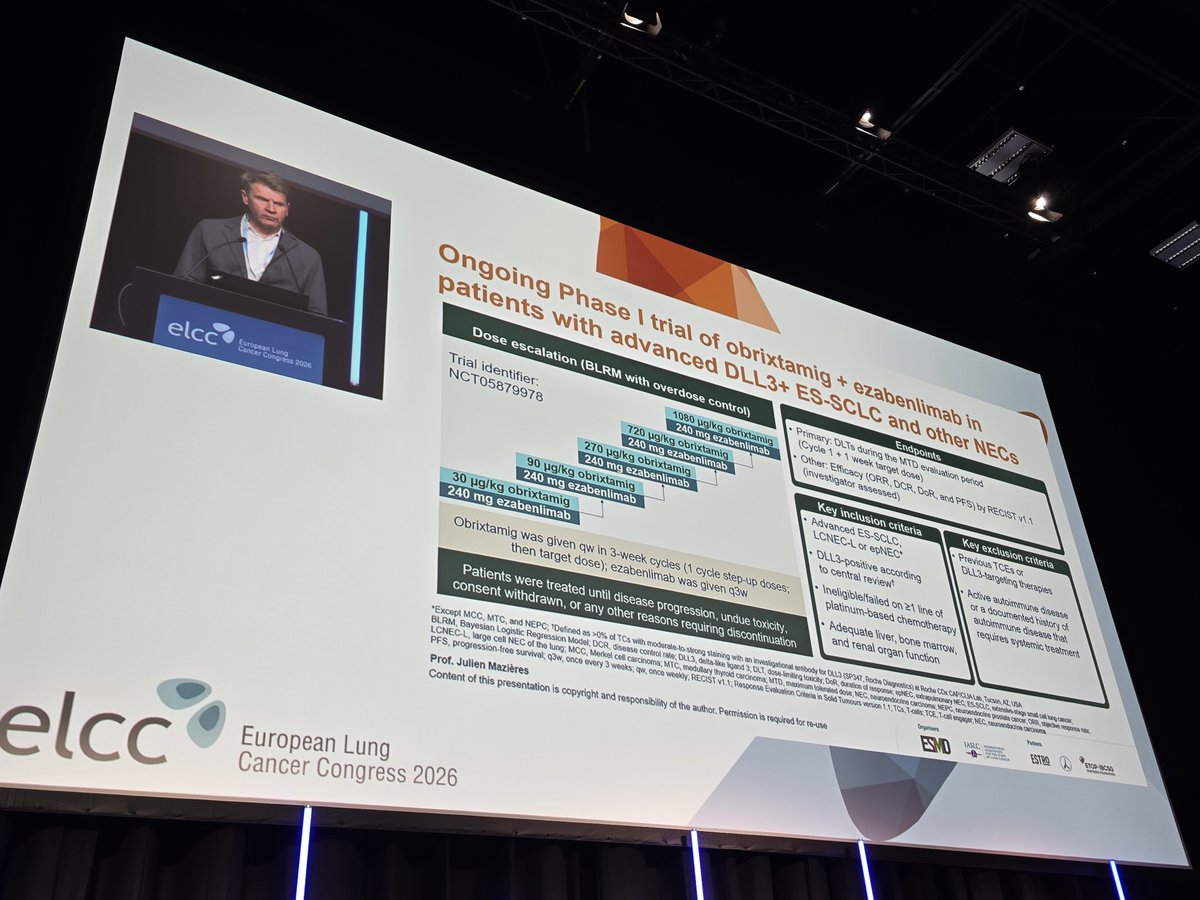
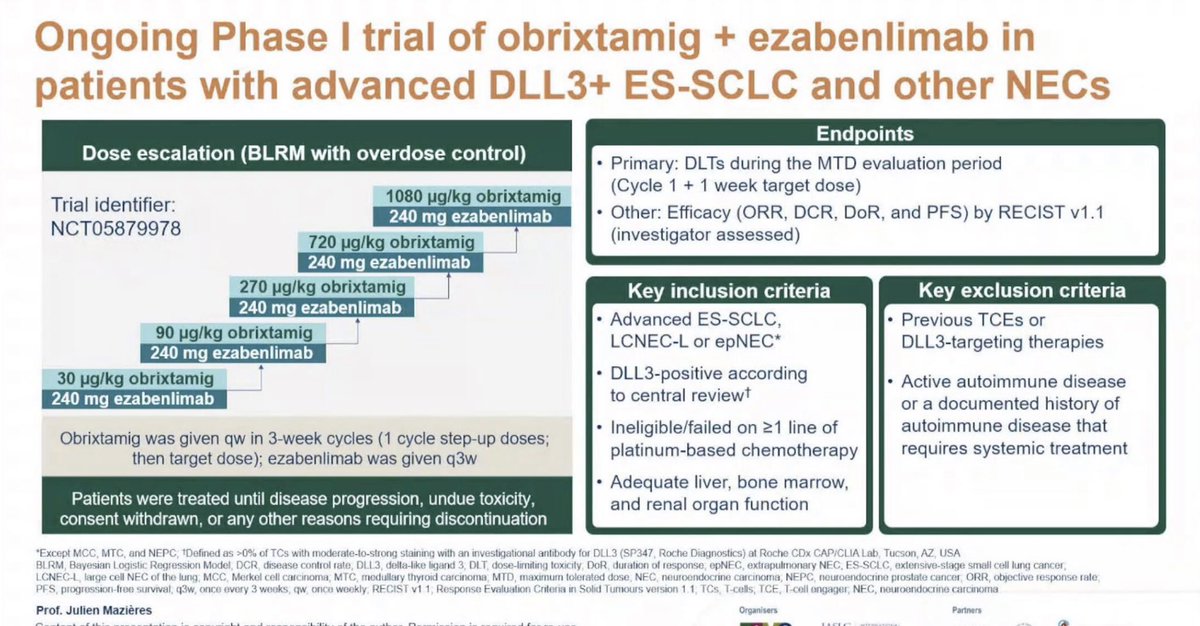
Phase I dose escalation using a Bayesian Logistic Regression Model (BLRM) with overdose control. Obrixtamig administered weekly in 3-week cycles (1 cycle step-up doses, then target dose); ezabenlimab given every 3 weeks (q3w). Five dose cohorts: 30, 90, 270, 720, and 1080 mcg/kg obrixtamig with 240 mg ezabenlimab.
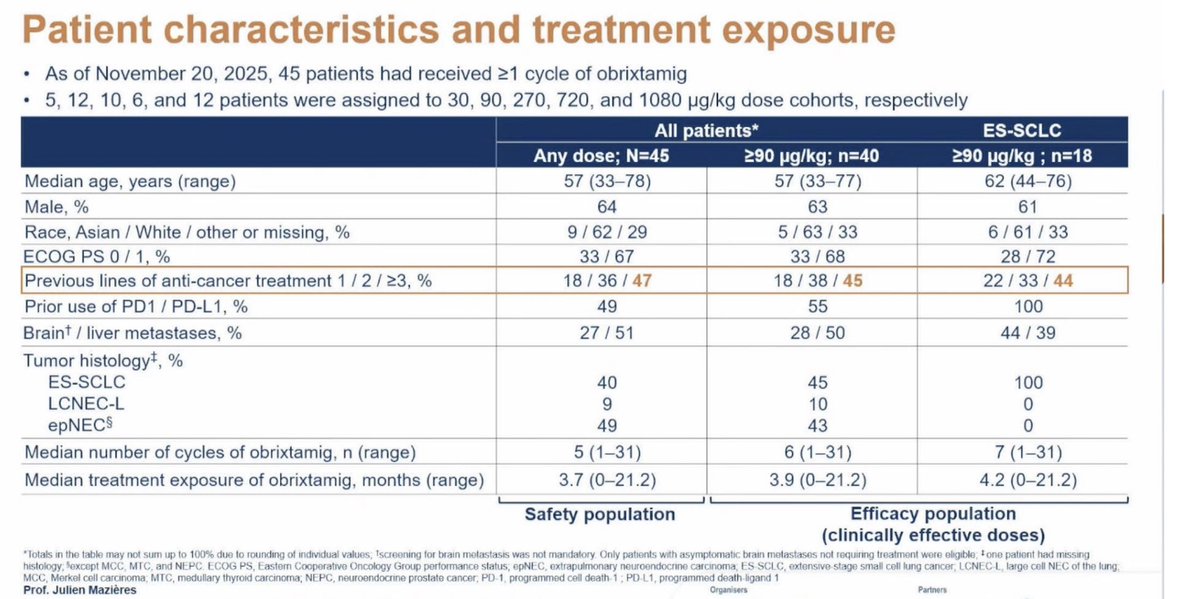
45 patients with advanced DLL3-positive ES-SCLC, LCNEC-L, or epNEC who had failed at least one line of platinum-based chemotherapy. DLL3 positivity defined as >0% of tumor cells with moderate-to-strong staining (SP347, Roche Diagnostics). Median age 57 years, 64% male, 49% with prior PD-1/PD-L1 therapy.
Obrixtamig (DLL3xCD3 T-cell engager) + ezabenlimab (anti-PD-1 humanized IgG4 mAb). Treatment continued until disease progression, undue toxicity, or consent withdrawal. Clinically effective doses identified as 720-1080 mcg/kg (corresponding to therapeutic dose of 60 mg).
Primary: Dose-limiting toxicities (DLTs) during the MTD evaluation period (Cycle 1 + 1 week at target dose). Secondary: Efficacy endpoints including ORR, DCR, DoR, and PFS by RECIST v1.1 (investigator assessed).
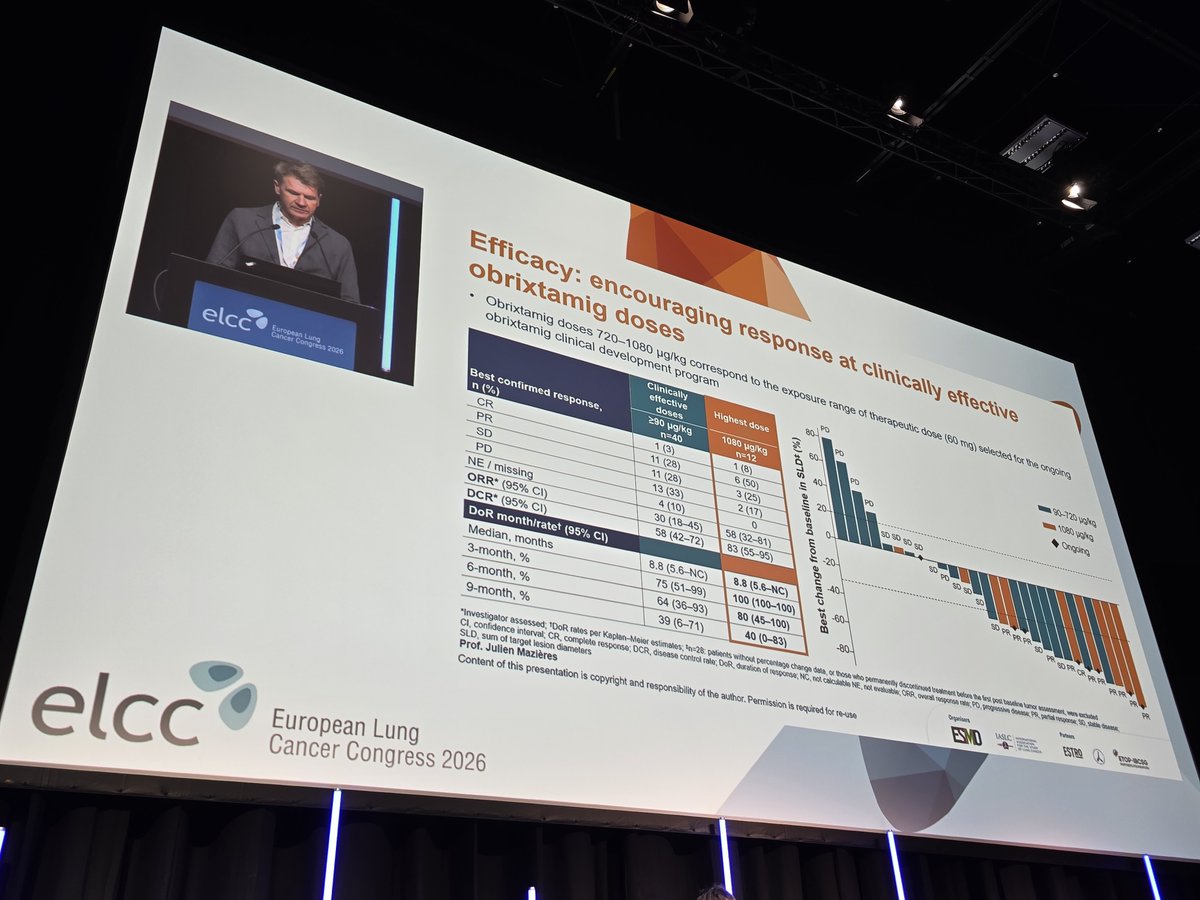
At clinically effective obrixtamig doses (>=90 mcg/kg, n=40), the overall response rate (ORR) was 30% (95% CI: 18-45) with a disease control rate (DCR) of 58% (95% CI: 42-72). At the highest dose (1080 mcg/kg, n=12), ORR improved to 58% (95% CI: 32-81) with DCR of 83% (95% CI: 55-95). Median duration of response was 8.8 months (95% CI: 5.6-NC) with a 6-month DoR rate of 64% at clinically effective doses.
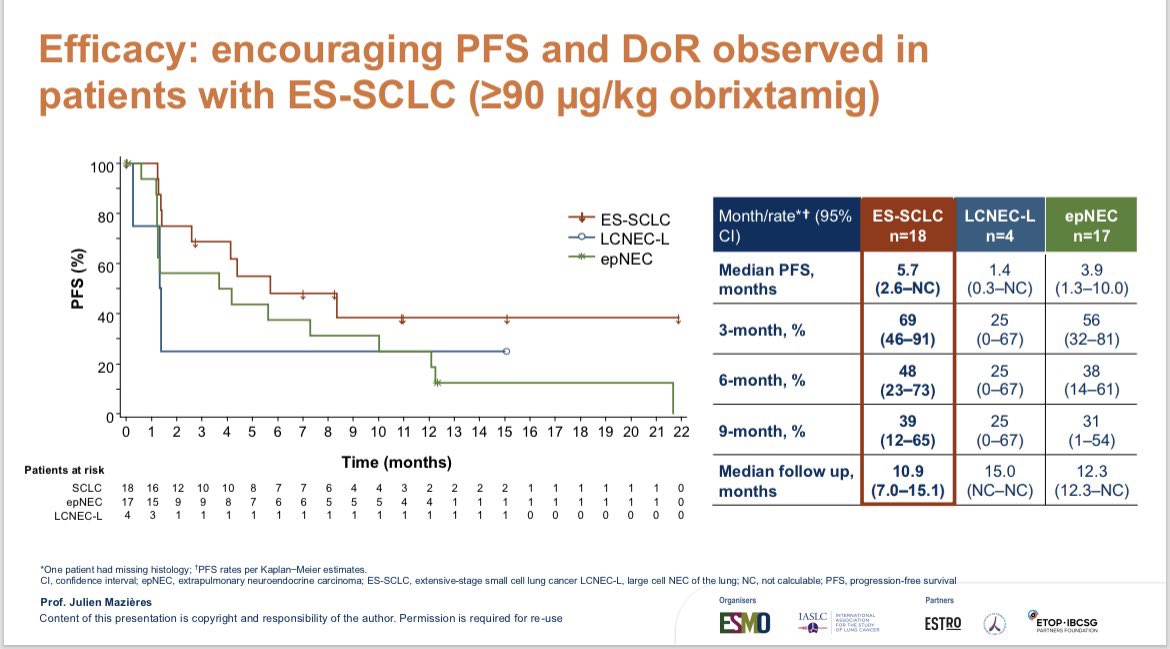
Overall median PFS was 4.4 months. By histology at clinically effective doses (>=90 mcg/kg): ES-SCLC (n=18) showed median PFS of 5.7 months (95% CI: 2.6-NC) with a 6-month PFS rate of 48% (23-73); epNEC (n=17) had median PFS of 3.9 months (95% CI: 1.3-10.0); LCNEC-L (n=4) had median PFS of 1.4 months (95% CI: 0.3-NC). At the highest dose, median PFS reached 10 months.
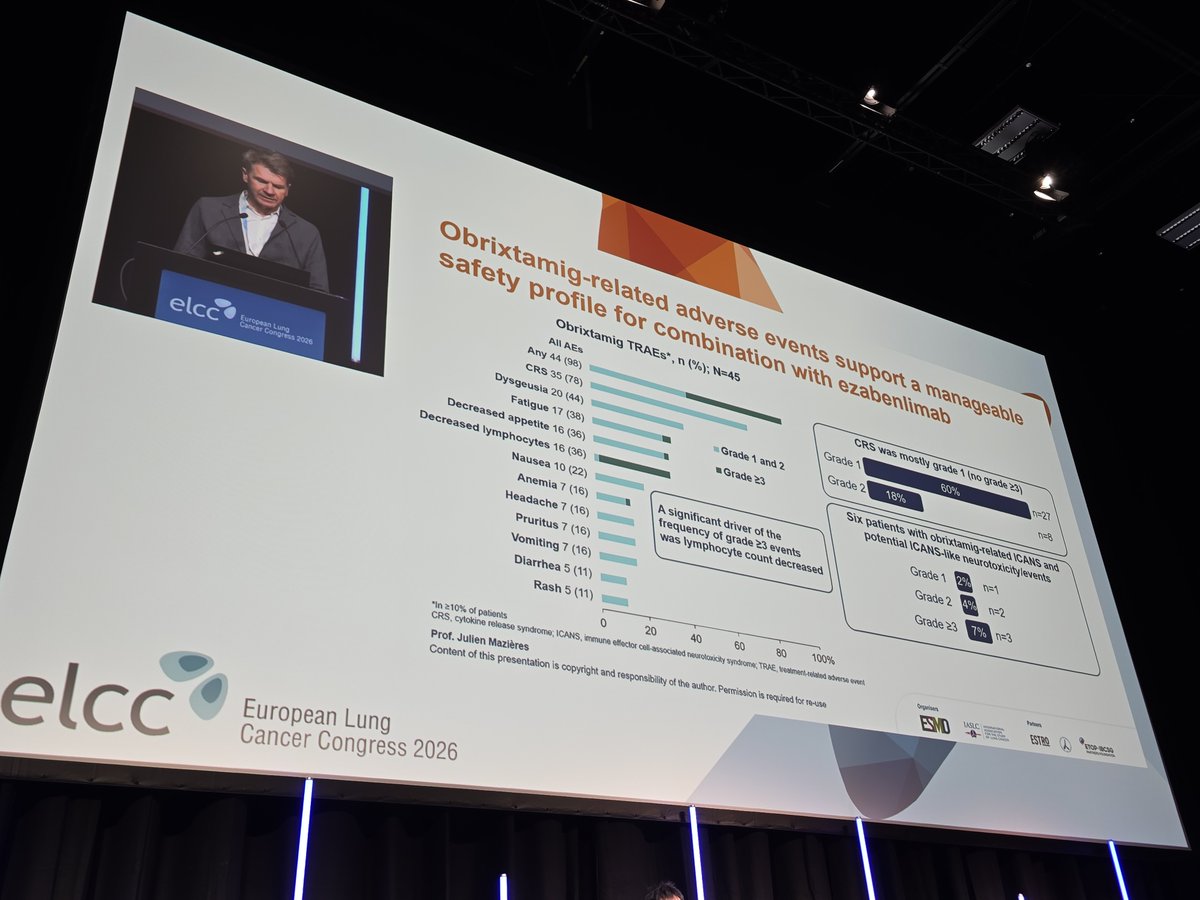
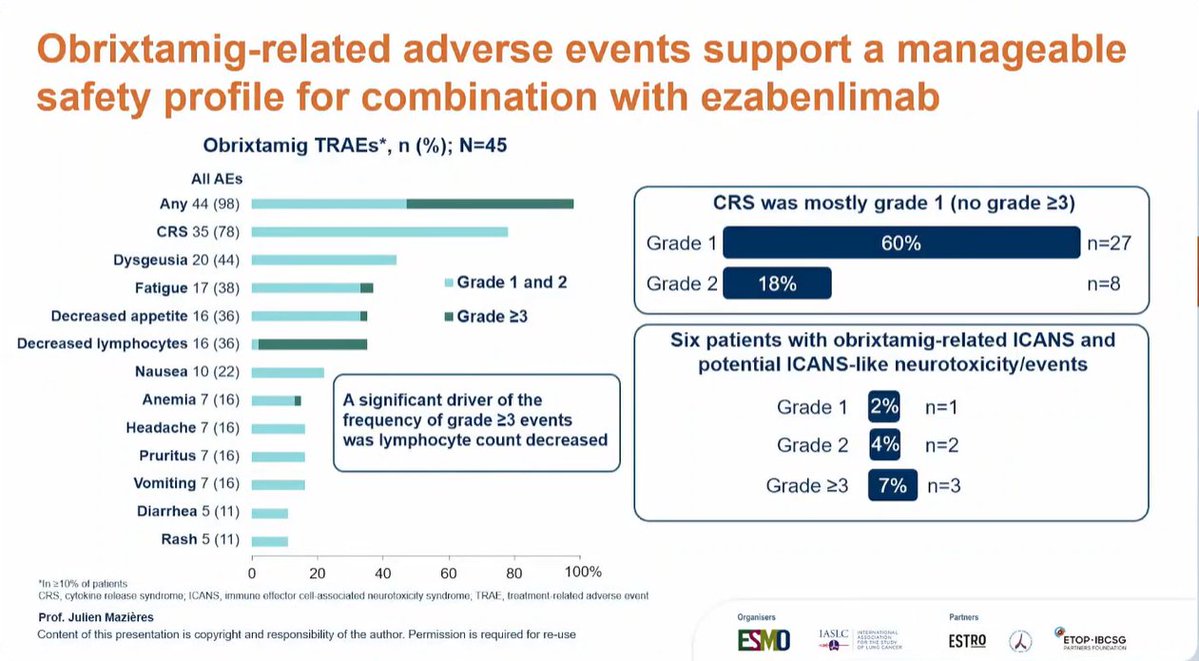
Treatment-related adverse events (TRAEs) occurred in 98% of patients (44/45). The most common TRAE was cytokine release syndrome (CRS) in 78% of patients, which was mostly grade 1 (60%, n=27) with no grade 3 or higher CRS events. Other common TRAEs included dysgeusia (44%), fatigue (38%), decreased appetite (36%), and decreased lymphocytes (36%). Six patients experienced ICANS or potential ICANS-like neurotoxicity events (grade 1: 2%, grade 2: 4%, grade >=3: 7%). Lymphocyte count decrease was identified as a significant driver of grade >=3 events.
The combination of obrixtamig and ezabenlimab demonstrates encouraging antitumor activity across DLL3-expressing neuroendocrine carcinomas, with particularly notable responses at the highest dose level. The manageable safety profile, characterized by predominantly low-grade CRS and limited ICANS events, supports continued clinical development. This trial represents one of the first evaluations of a DLL3-targeted T-cell engager combined with PD-1 blockade, and the dose-response relationship observed at 1080 mcg/kg (ORR 58%, mPFS 10 months) is especially encouraging for patients who have progressed on prior platinum-based chemotherapy and immunotherapy. Obrixtamig + ezabenlimab remains investigational and is not approved for any indication.
NCT05879978 is a Phase 1 study by Boehringer Ingelheim evaluating obrixtamig (BI 764532), a DLL3xCD3 bispecific T-cell-engaging antibody, in combination with the anti-PD-1 antibody ezabenlimab (BI 754091) in patients with DLL3-expressing small cell lung cancer and other neuroendocrine carcinomas.
Delta-like ligand 3 (DLL3) is a protein broadly and selectively expressed on the surface of small cell lung cancer and high-grade neuroendocrine tumor cells, with limited expression on normal tissue. This makes it an attractive target; obrixtamig is designed to bind DLL3 on tumor cells and CD3 on T cells, redirecting T cells to kill DLL3-expressing tumor cells.
No. Both obrixtamig (BI 764532) and ezabenlimab (BI 754091) are investigational and neither is FDA approved. The combination studied in NCT05879978 is an early-phase investigational regimen and is not an approved treatment for small cell lung cancer or neuroendocrine carcinoma.
NCT05879978 is a Phase 1 study focused on safety, tolerability, dose-finding and preliminary anti-tumor activity of the obrixtamig plus ezabenlimab combination. Early data were discussed at ELCC 2026; there is not yet a mature efficacy or survival readout for the combination.
It is part of a broader effort to exploit DLL3 in small cell lung cancer and neuroendocrine carcinoma using T-cell-engaging bispecific antibodies, a class that has drawn intense interest following the approval of another DLL3-targeting bispecific in SCLC. Combining a DLL3 T-cell engager with PD-1 blockade aims to enhance and sustain anti-tumor immune responses.