Adjuvant HR+/HER2- early BC - Novartis
See ASCO 2026 Biomarker Analysis →Presented by Stephen K.L. Chia, MD (May 30, 2026 · Chicago) — PAM50 intrinsic subtype + gene-expression sub-analysis of 3,022 patients from the NATALEE adjuvant ribociclib + NSAI trial in HR+/HER2− early breast cancer.
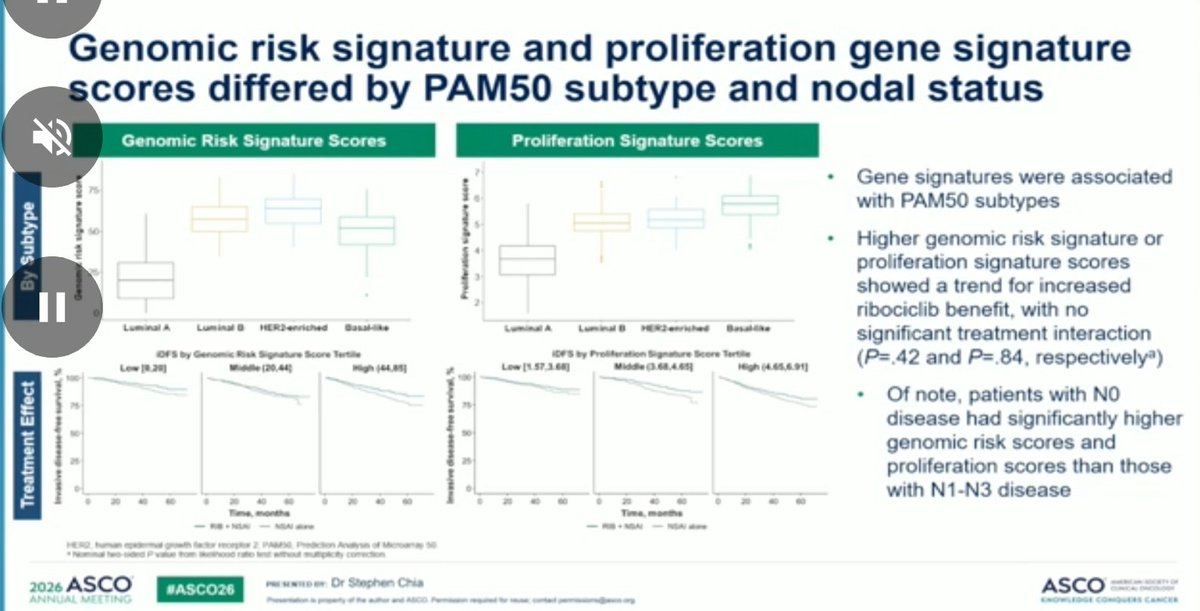
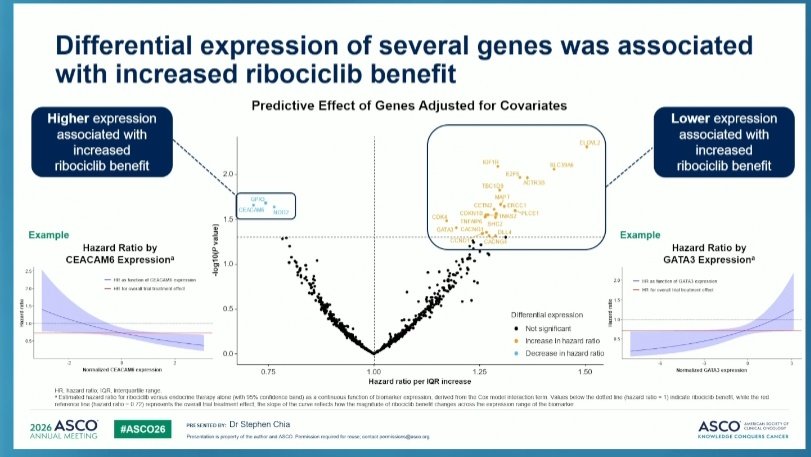
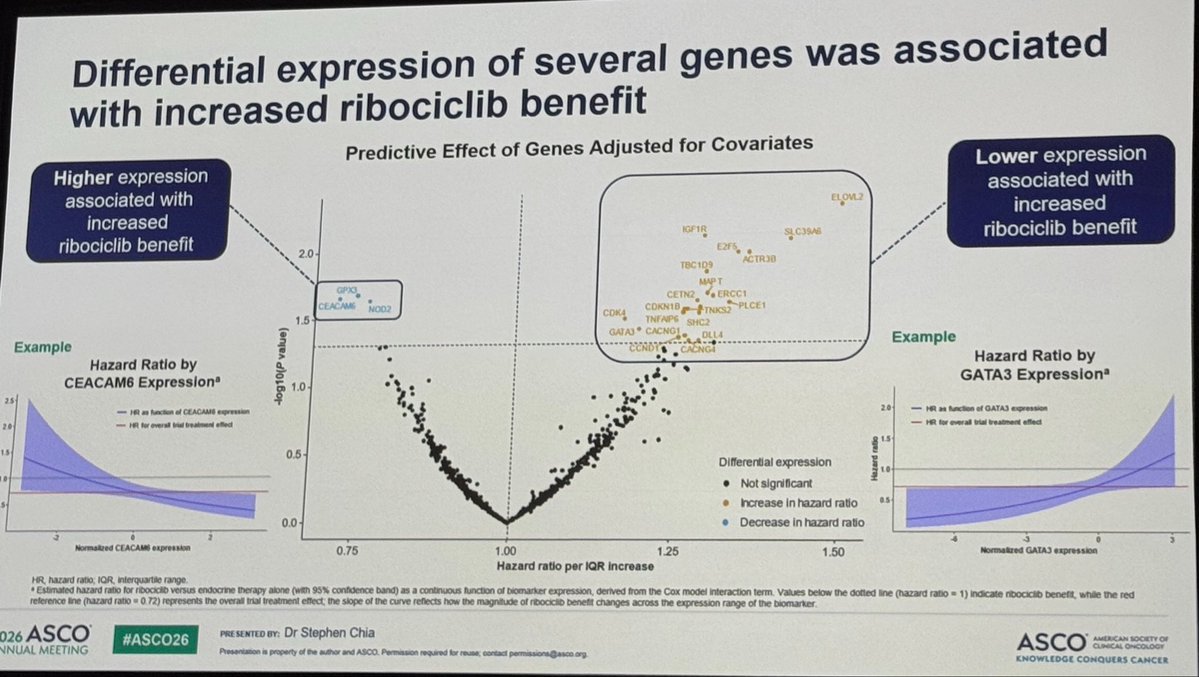
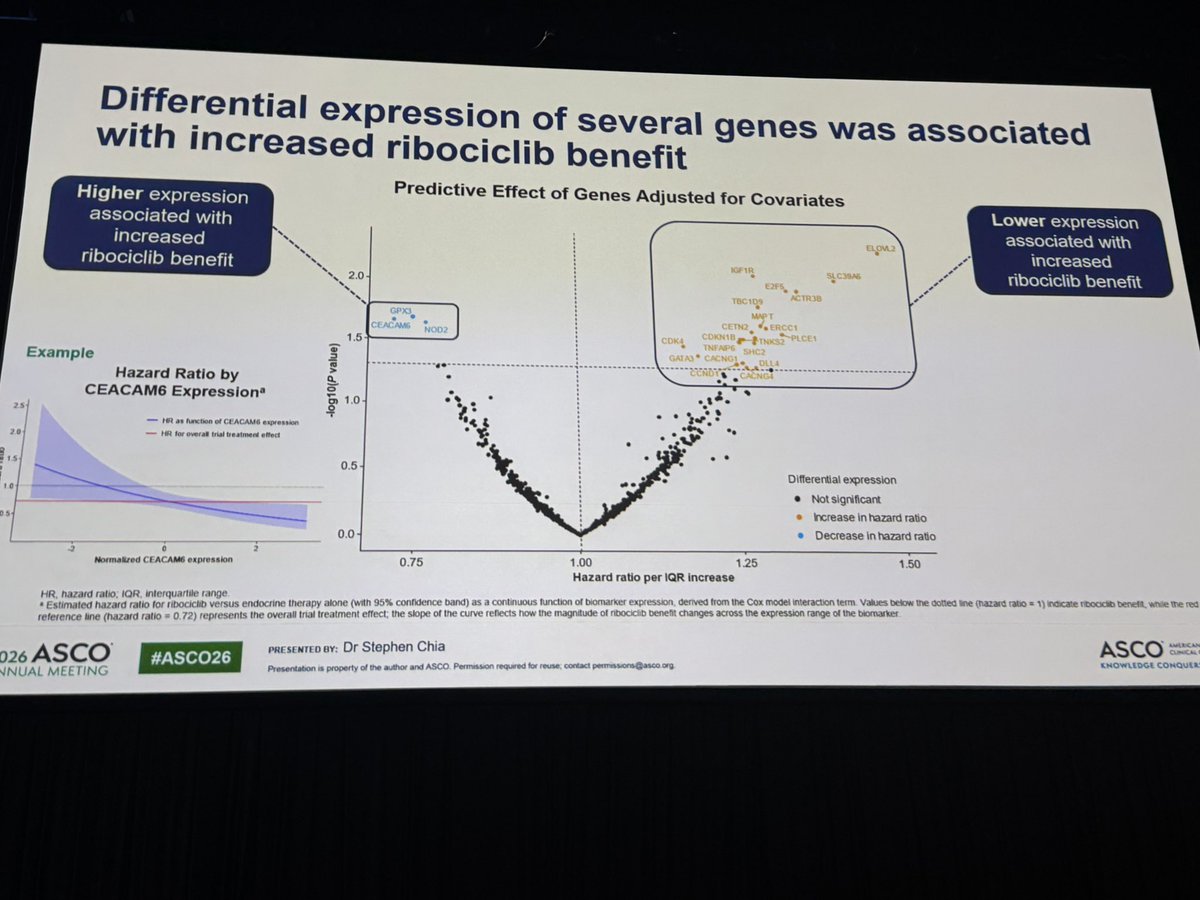
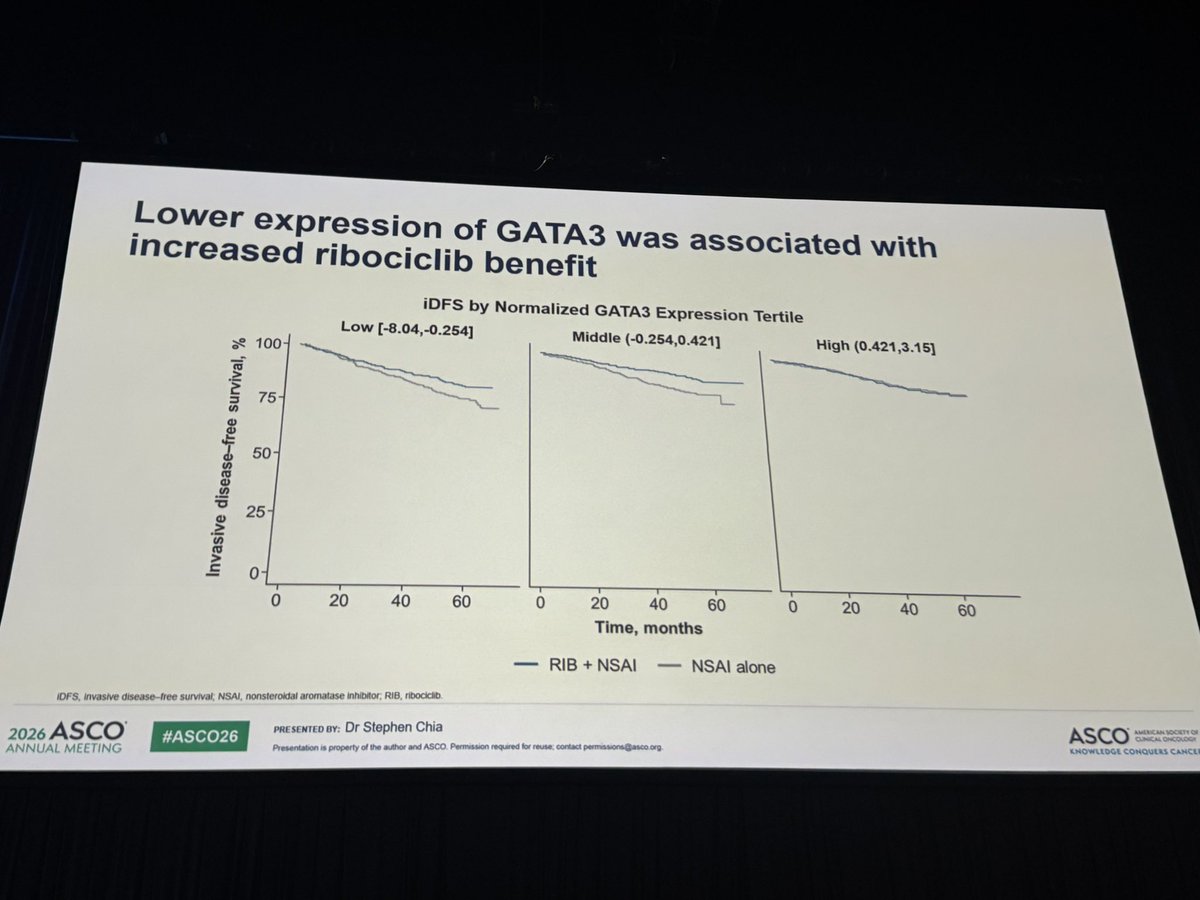
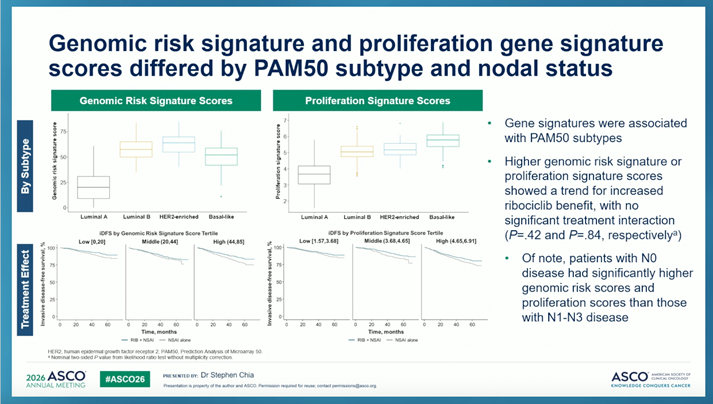
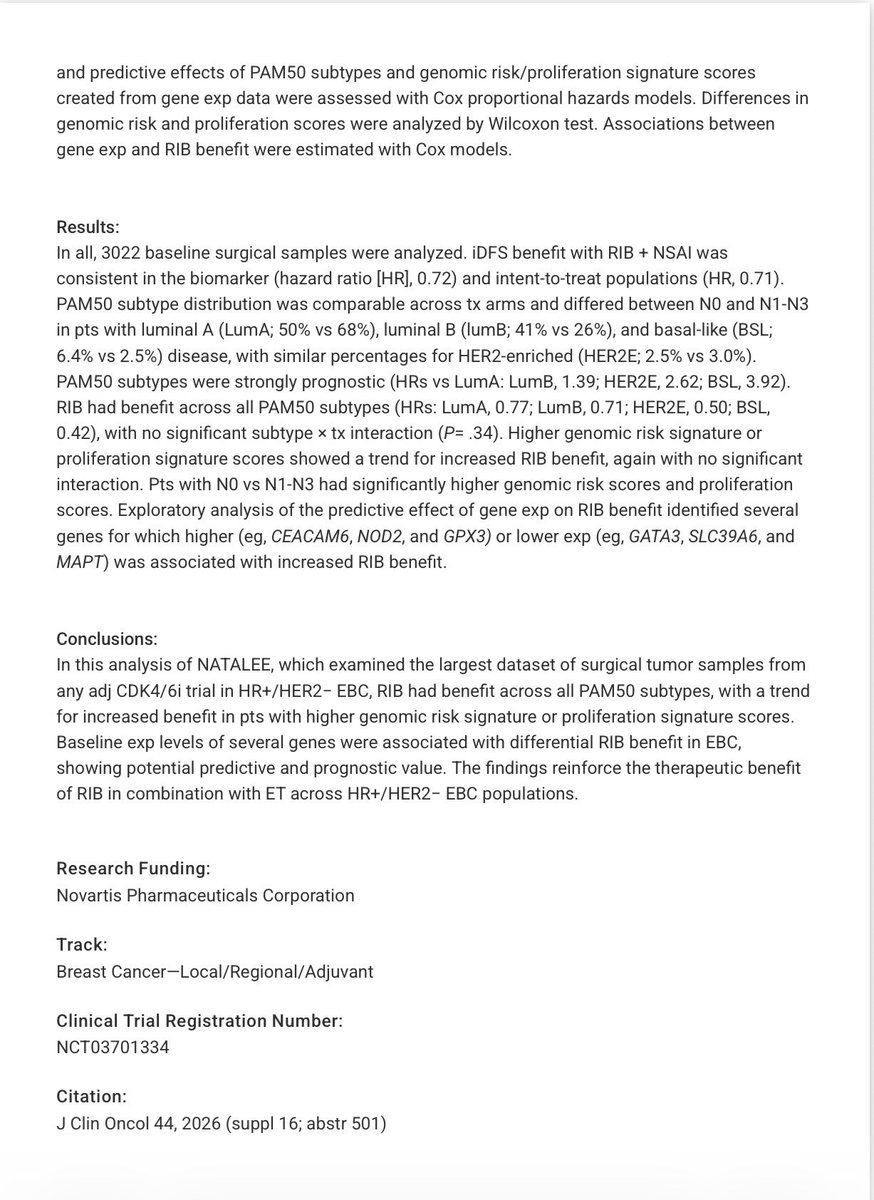
Gene-expression signal (exploratory): higher genomic risk and proliferation scores trended toward larger ribociclib benefit; higher CEACAM6 and lower GATA3 / CDK4 expression were associated with greater iDFS gain. None reached statistical significance for treatment interaction.
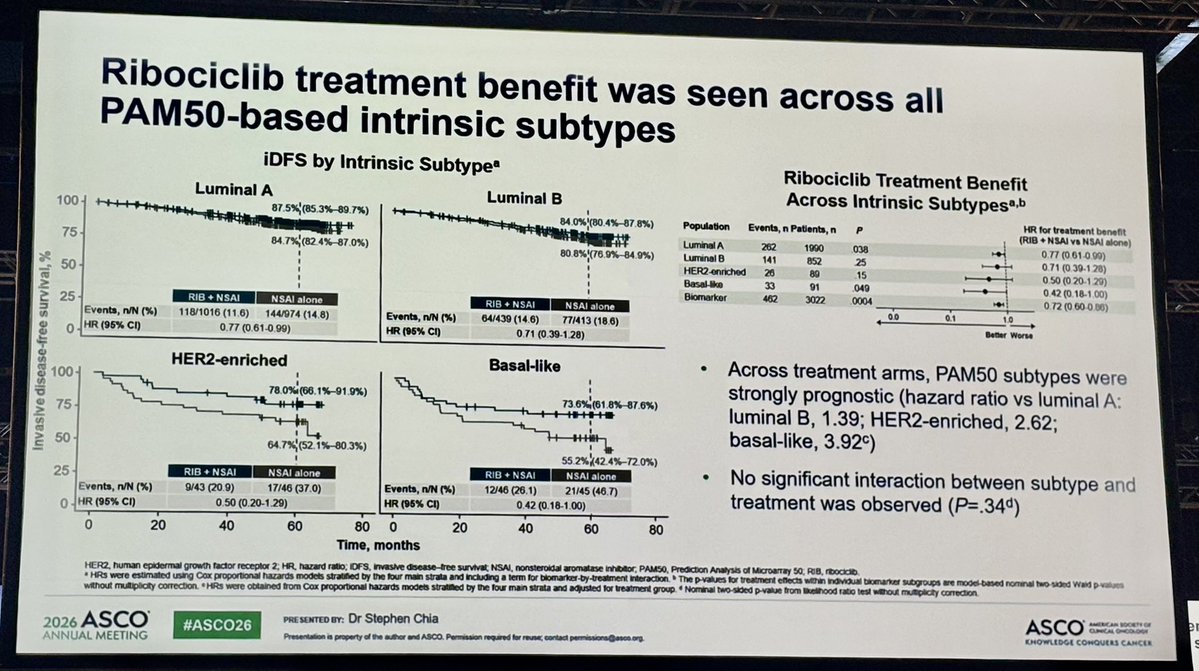
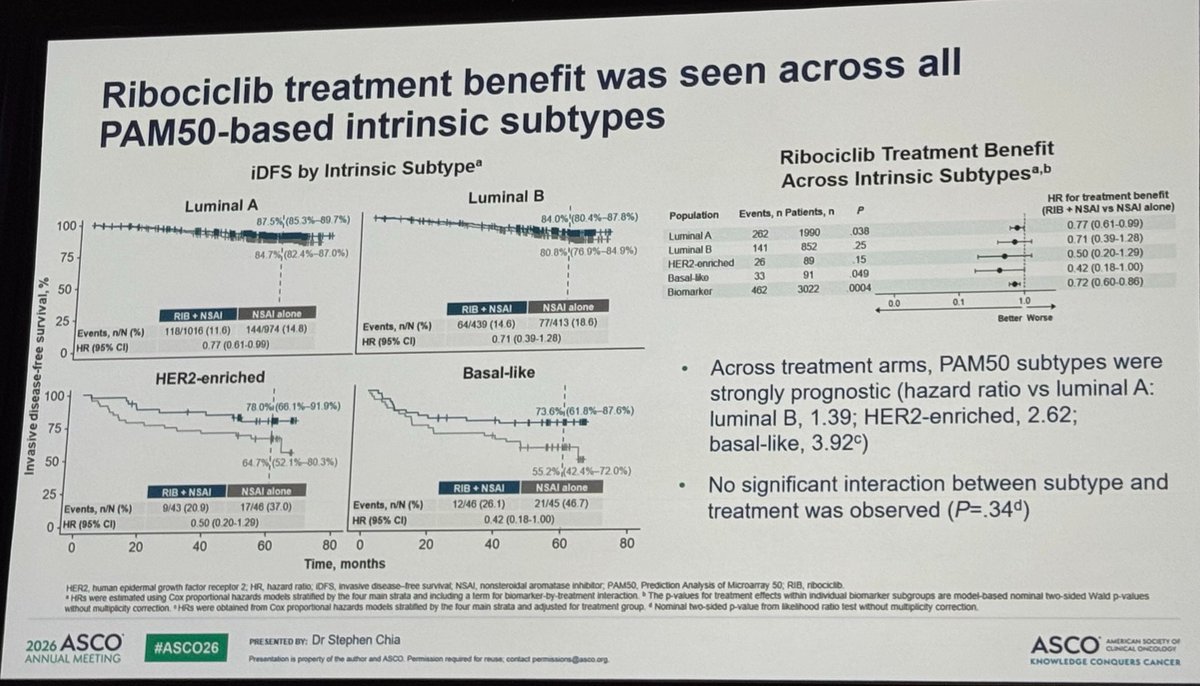
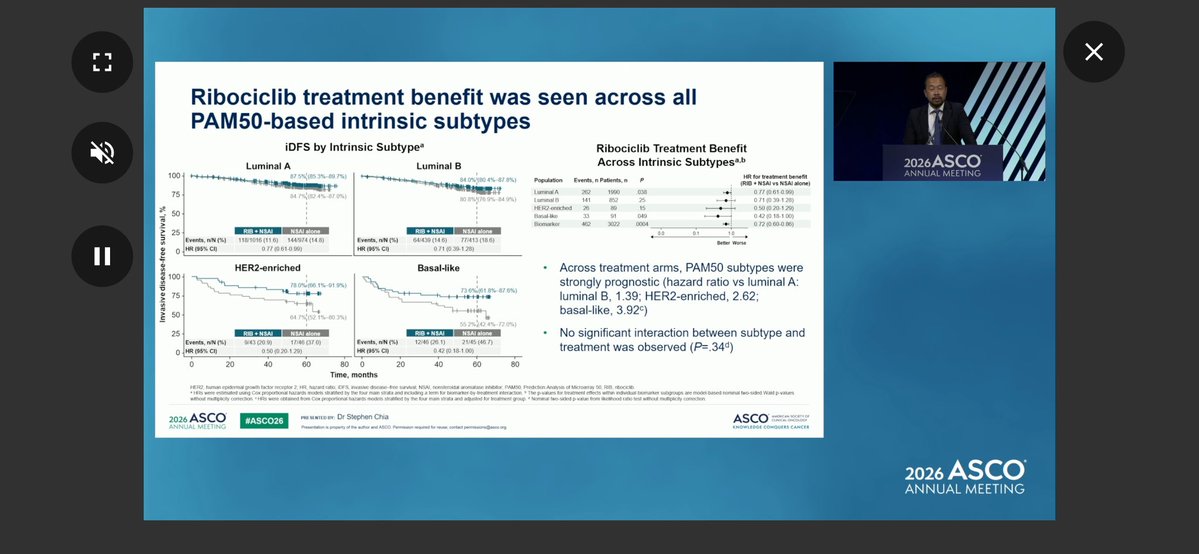
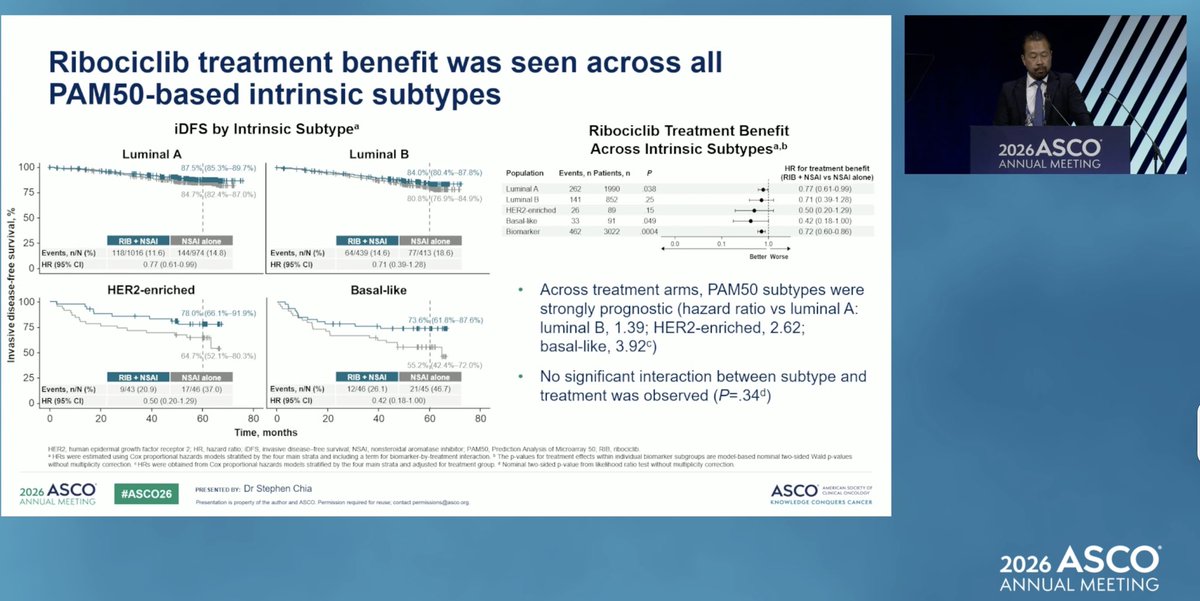
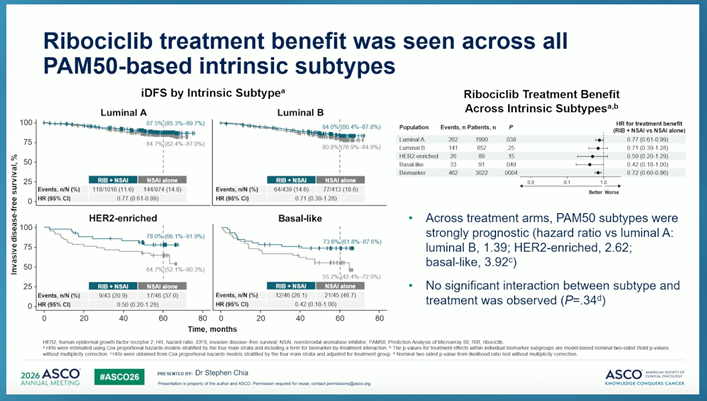
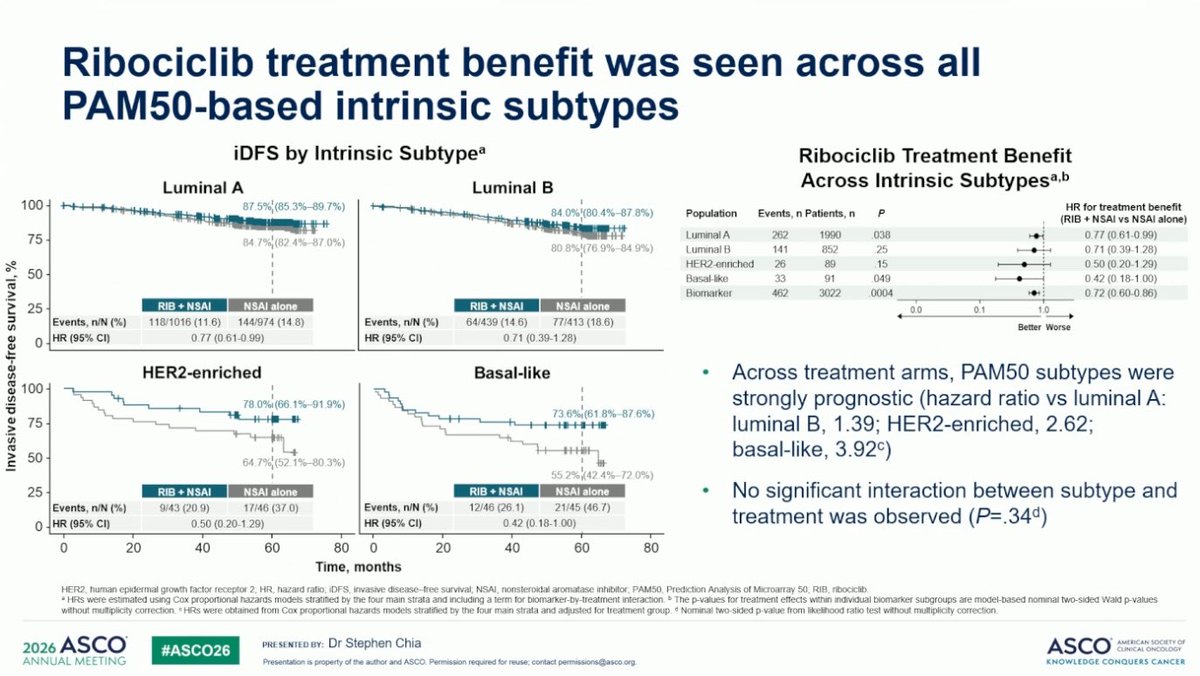
KOL takeaway — Paolo Tarantino, MD: "Interesting PAM50 sub-analysis from NATALEE, presented by Stephen Chia, showing a clear prognostic, but not predictive, role for PAM50 subtypes. Benefit from adjuvant ribociclib observed across subtypes and risk scores, with larger delta in HER2-E and basal-like tumors." [source →]
Live ASCO 2026 coverage → · Source: ASCO 2026 Abstract 501 (Chia et al., n=3,022 PAM50)



Top 12 by impressions (ASCO 2026 leads · deduped) - click to view on X

#ASCO26 🧬 Not all HR+/HER2- early breast cancers behave the same. New biomarker analysis from NATALEE suggests adjuvant ribociclib benefits were seen across ALL PAM50 subtypes, with a possible trend toward greater benefit in genomically higher-risk disease. 📌 3022 tumor https:/

💫🌟🚨 Top 10 #BreastCancer abstracts for #ASCO26 — selected by our leads and finalized via a Delphi voting process 🗳️🔬 1️⃣ 500 — OPTIMA 2️⃣ LBA1006 — PERSEVERA BC 3️⃣ 507 — KEYNOTE-522 final analysis 4️⃣ LBA1007 — SERENA-6 5️⃣ 502 — LIDERA BC 6️⃣ LBA1000 — ASCENT-04 7️⃣ 501 — NATA

NATALEE試験において、結局、アジュバントでのRibociclibはPAM50によるサブタイプに関わらず上乗せ効果あり。 誰にでも同じぐらい効いていたとも言えるけど、いまいちいいバイオマーカーが出てこないからやらなくていい集団がいまいち見つからないCDK4/6阻害薬… #ASCO26 https://t.co/SNsmeOcYl9

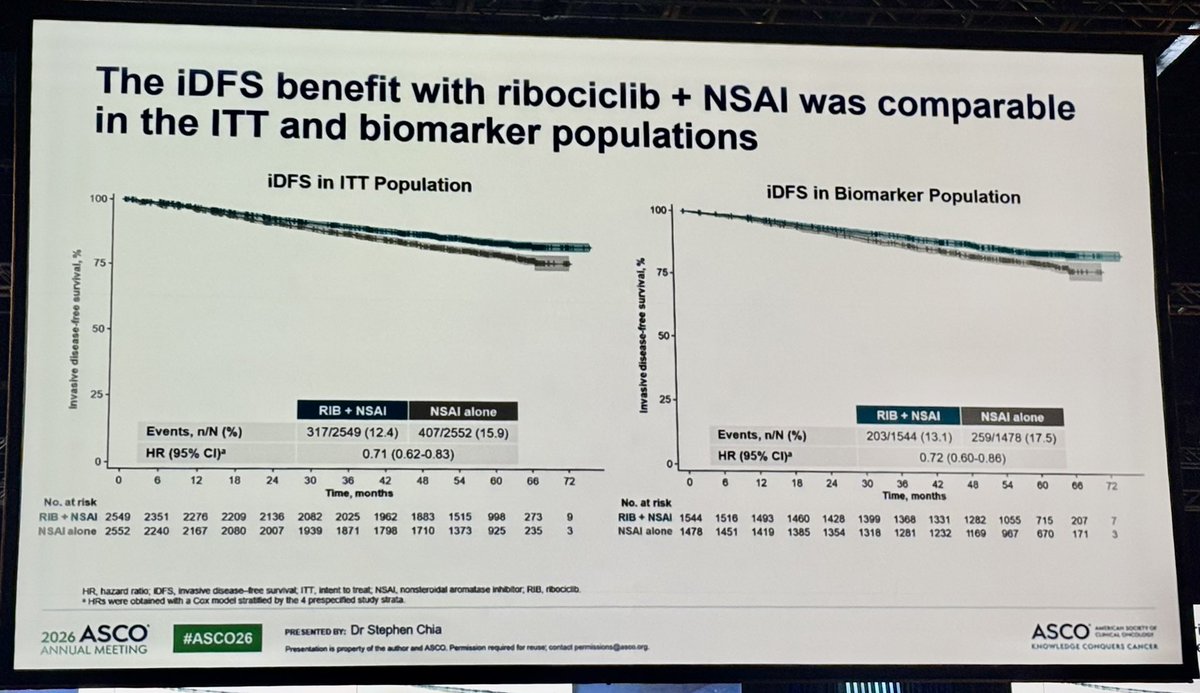
NATALEE Biomarker Analysis #ASCO26 Ribociclib + NSAI demonstrated consistent iDFS benefit across all PAM50 intrinsic subtypes in HR+/HER2− early breast cancer — regardless of luminal A, luminal B, HER2-enriched, or basal-like classification (interaction P=.34). iDFS HR: 0.71

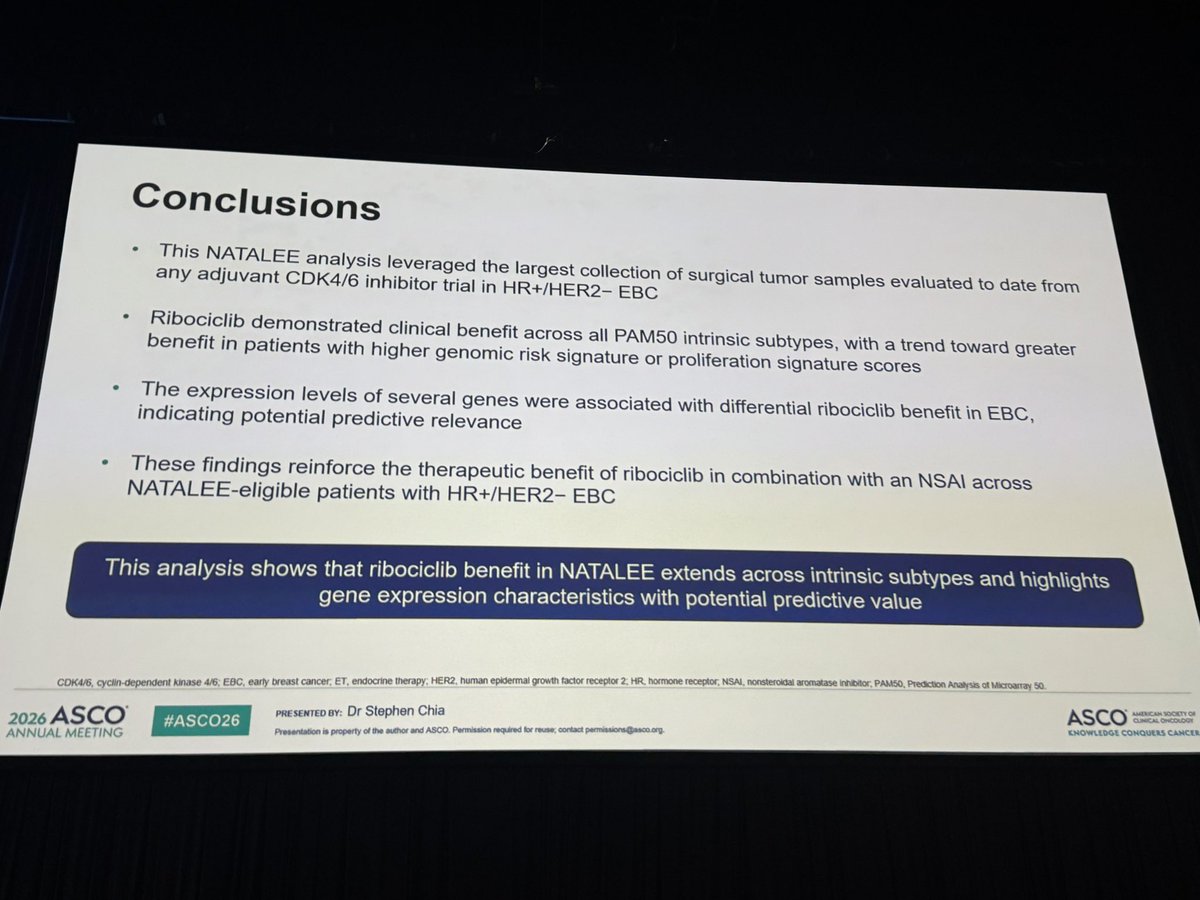
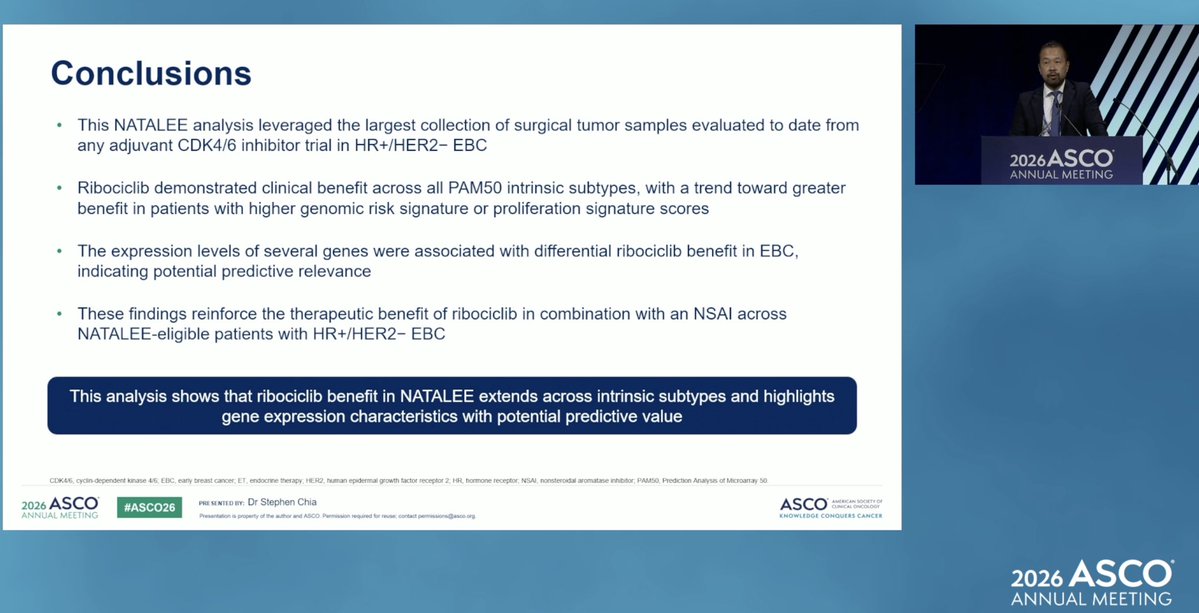
Benefit of #ribociclib in #NATALEE: - persists across intrinsic subtypes - is greater in pts with higher risk tumors - may be variable based on certain gene expression ( ⬆️ benefit CEACAM6, ⬇️ CDK4, GATA3 etc) #ASCO26 #bcsm https://t.co/7BlAYcA46M

リボシクリプの術後内分泌療法への追加を見たNATALEE試験のバイオマーカー別サブ解析 内因性サブタイプがluminalより他のタイプの方が差が大きく見えたり、アグレッシブな遺伝子変化のほうが大きな利益は興味深い アベマシクリブも似た話になりそう #ASCO26 https://t.co/CJo6VbLIF6

NATALEE Trial: Consistent iDFS Benefit with Ribociclib Across All PAM50 Intrinsic Subtypes in HR+/HER2− Early #BreastCancer @OncoAlert @ASCO #ASCO26 #bcsm https://t.co/Xa11SvqEDs

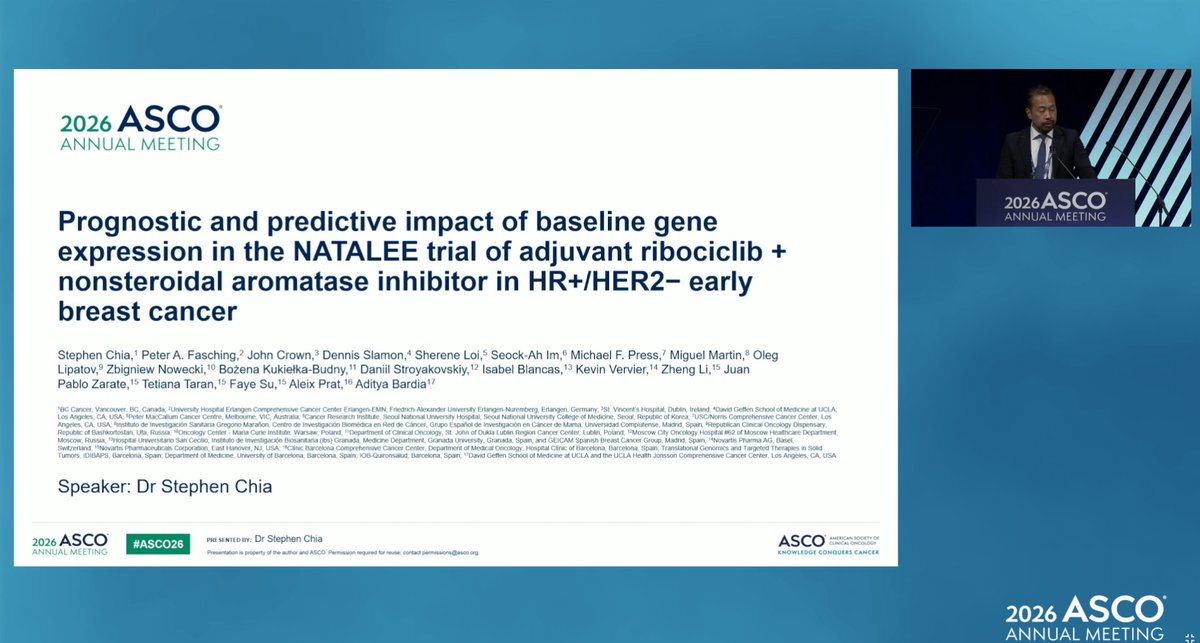
Prognostic and predictive impact of baseline gene expression in the NATALEE trial of adjuvant ribociclib + nonsteroidal aromatase inhibitor in HR+/HER2− early #BreastCancer Stephen K.L. Chia #ASCO26 @OncoAlert #OncoAlert https://t.co/irIGGXNUGx

New biomarker insights from NATALEE trial presented by Stephen Chia, MD 📊 Baseline gene expression shows prognostic & predictive impact in HR+/HER2- early #breastcancer treated with adjuvant ribociclib + aromatase inhibitor #ASCO26 @ASCO https://t.co/iCG3ubX768

NATALEE gene-expression analysis presented #asco26 Ribociclib benefit seen across all PAM50 intrinsic subtypes Trend toward greater benefit for higher genomic risk or proliferation signatures Expression of several gene associated with increased ribociclib benefit @OncoAlert h
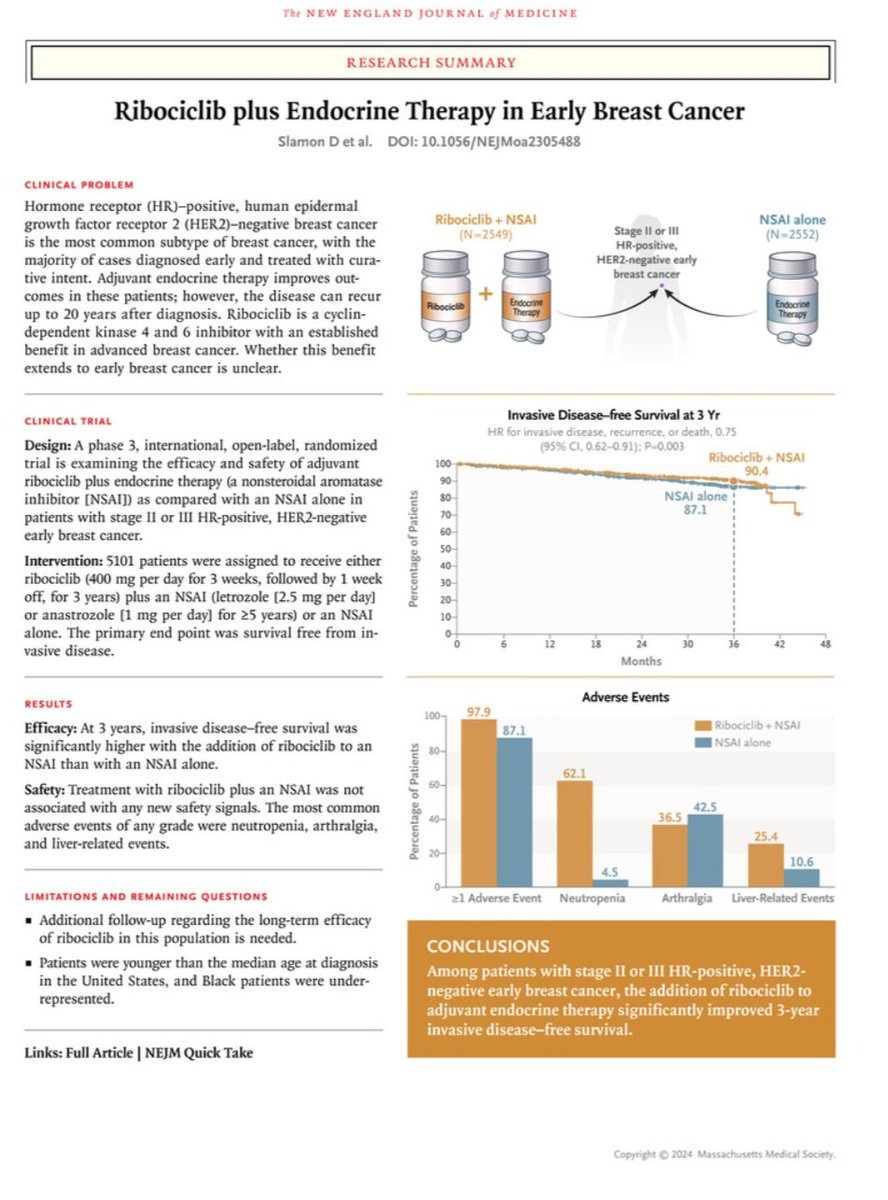
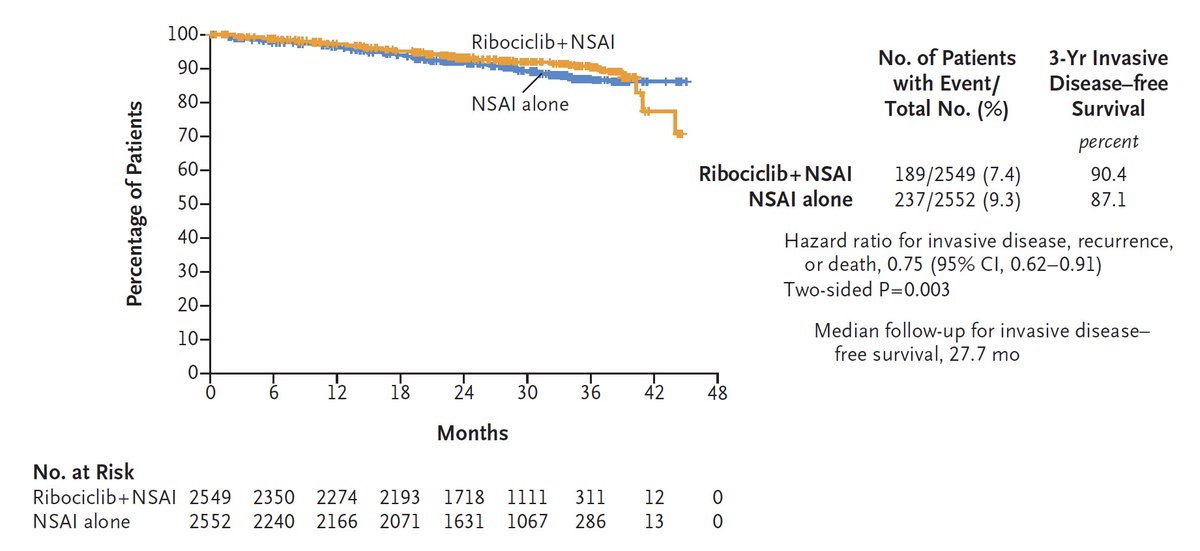
Ribociclib plus Endocrine Therapy in Early Breast Cancer : NATALEE 3y-iDFS: 90.4% vs 87.1% (HR:0.75) https://t.co/tdzIF8ctHs https://t.co/4QOTM26wu0
If you can fit a laser pointer between the curves, you can give the #ASCO24 plenary! https://t.co/TrmXCzrp3J
NATALEE is a global Phase III, multicenter, randomized, open-label trial that established adjuvant ribociclib (Kisqali) at 400 mg as the first CDK4/6 inhibitor approved for the broadest population of patients with HR+/HER2-negative stage II and III early breast cancer at high risk of recurrence. The trial randomized 5,101 patients across 20 countries to receive ribociclib plus a nonsteroidal aromatase inhibitor (letrozole or anastrozole) for 3 years with endocrine therapy for at least 5 years, or endocrine therapy alone. NATALEE uniquely included node-negative patients and used a lower 400 mg dose (versus the 600 mg metastatic dose) to optimize tolerability over the 3-year treatment duration.
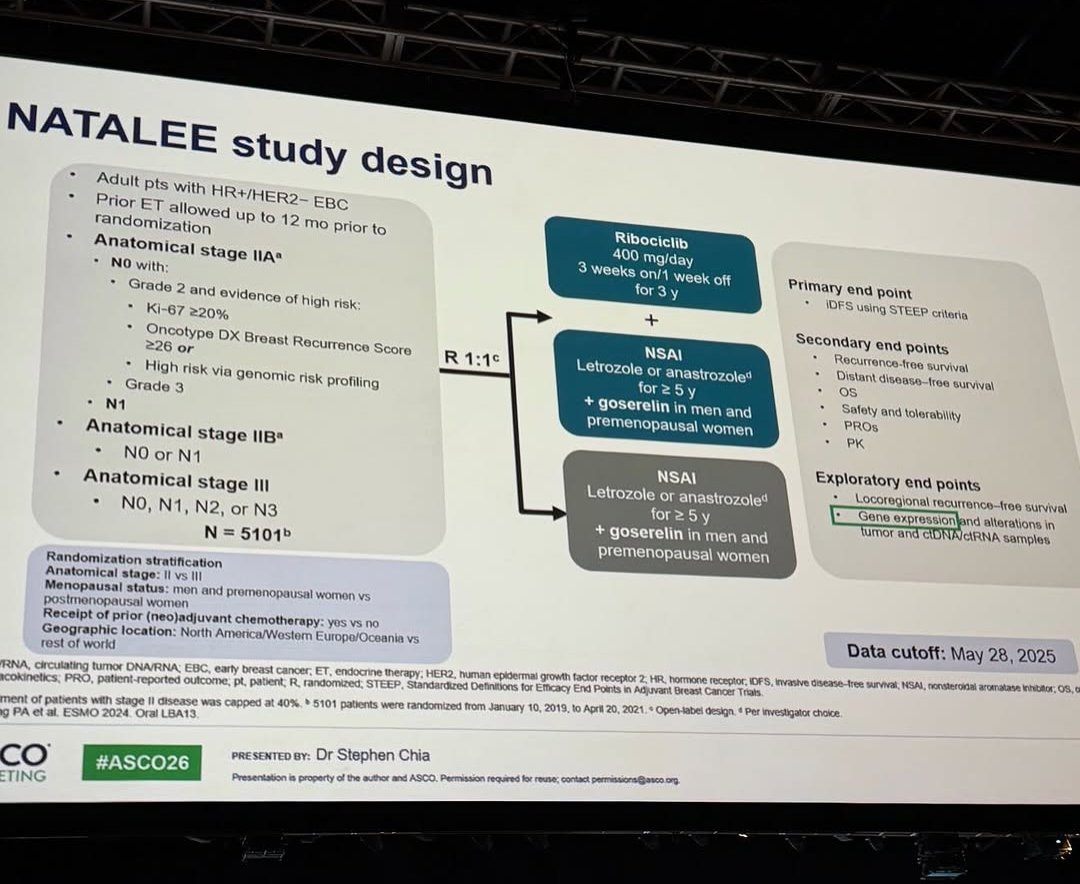
Phase III, global, multicenter, randomized (1:1), open-label trial conducted at 393 centers across 20 countries in collaboration with TRIO. Stratified by menopausal status, AJCC 8th edition anatomic stage (II vs. III), prior neoadjuvant/adjuvant chemotherapy (yes vs. no), and geographic region.
Adults (men and pre- or postmenopausal women) with HR+/HER2-negative stage II or III early breast cancer at high risk of recurrence. Stage IIA T2N0 patients required grade 2 tumor with Ki-67 >=20% or high genomic risk (Oncotype DX Recurrence Score >=26, or high-risk by Prosigna/PAM50, MammaPrint, or EndoPredict), or grade 3 tumor. Node-positive disease of any stage II/III was eligible regardless of additional risk factors. Stage II comprised 40.3% and stage III comprised 59.4% of the study population.
Ribociclib 400 mg once daily (3 weeks on / 1 week off in 28-day cycles) for up to 36 months plus NSAI (letrozole or anastrozole) for at least 5 years, with goserelin for men and premenopausal women. Control arm received NSAI alone for at least 5 years.
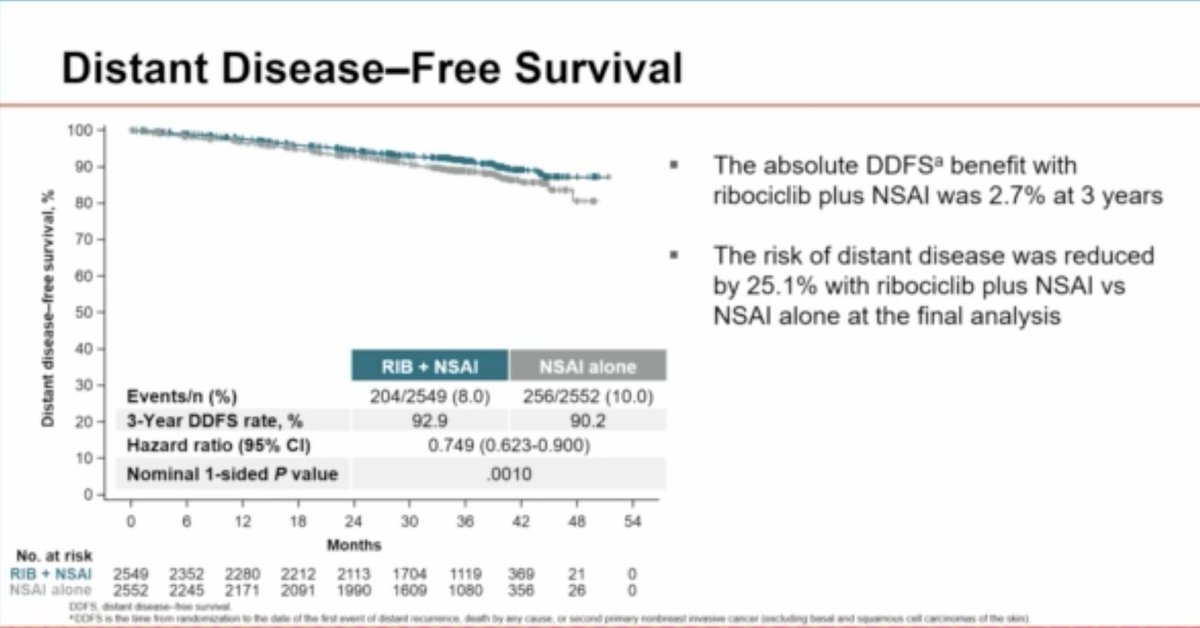
Primary endpoint: invasive disease-free survival (iDFS) per STEEP criteria. Secondary endpoints: recurrence-free survival (RFS), distant disease-free survival (DDFS), overall survival (OS), patient-reported outcomes (PROs), safety/tolerability, and pharmacokinetics. Exploratory endpoints included locoregional recurrence-free survival and time to subsequent antineoplastic therapy.
At the final iDFS analysis (median follow-up 33.3 months), ribociclib plus ET demonstrated a significant iDFS benefit with HR 0.749 (95% CI: 0.628-0.892; p=0.0006). The 3-year iDFS rates were 90.7% versus 87.6%, a 3.1% absolute benefit. At the 4-year landmark analysis (44.2 months median follow-up), the benefit was sustained with HR 0.715 (95% CI: 0.609-0.840; p<0.0001). At the 5-year analysis (58.4 months median follow-up), HR was 0.716 (95% CI: 0.618-0.829; nominal p<0.0001), with 5-year iDFS rates of 85.5% versus 81.0%, representing a 4.5% absolute improvement and a 28.4% reduction in risk of recurrence sustained approximately 2 years after completing ribociclib treatment.
Overall survival data remain immature. At the final iDFS analysis, there were 84 deaths (3%) on the ribociclib arm and 88 deaths (3%) on the ET-alone arm, with an OS HR of 0.89 (95% CI: 0.66-1.20). At the 5-year analysis, the OS trend favored ribociclib with HR 0.800 (95% CI: 0.637-1.003; nominal 1-sided p=0.026), but the trial was not powered for OS.
The 400 mg dose showed a predictable and manageable safety profile. Grade 3+ neutropenia occurred in 44.3% but rarely led to clinical complications (febrile neutropenia 0.3%, no neutropenia deaths). Hepatotoxicity occurred in 26.4% (grade 3+: 8.6%), with DILI in 0.4% including 8 Hy's Law cases, all resolving after discontinuation. QTc prolongation was infrequent at 5.3% all-grade (grade 3+: 1.0%), with no Torsades de Pointes. Treatment discontinuation due to AEs was 19.5%, primarily from elevated transaminases (ALT 7.1%) occurring early (median ~4 months). Dose interruptions occurred in 86.1% and dose reductions in 26.7%, primarily for neutropenia. Median relative dose intensity was 94.0%.
NATALEE established adjuvant ribociclib as the standard of care for the broadest population of HR+/HER2- early breast cancer patients at risk of recurrence, including those with node-negative disease. The 5-year data showing sustained benefit approximately 2 years after completing 3 years of treatment supports a durable biological effect. Key clinical debates include the optimal selection between ribociclib (NATALEE) and abemaciclib (monarchE) given their different patient populations and dosing strategies, the 3-year treatment duration versus the 2-year duration used with abemaciclib, and whether the lower 400 mg dose adequately balances efficacy and tolerability for long-term adjuvant use.