CAMILLA (gastric/esophageal cohort; NCT03539822) is a Phase 2 basket study of cabozantinib (Cabometyx) plus durvalumab (Imfinzi) in chemotherapy-refractory, microsatellite-stable advanced gastric, gastroesophageal-junction and esophageal adenocarcinoma. The combination showed anti-tumor activity (overall ORR ~20.7%), with a stronger signal in PD-L1 CPS greater-than-5 disease (ORR 25%, median OS 19.3 months). The regimen is investigational. Investigator: Anwaar Saeed, University of Pittsburgh.
Discover KOL Sentiment on CAMILLA →Design — Phase 2 investigator-initiated basket (gastric/esophageal cohort); cabozantinib (Cabometyx) + durvalumab (Imfinzi), chemotherapy-refractory MSS advanced gastric/GEJ/esophageal adenocarcinoma (NCT03539822). PI Anwaar Saeed, University of Pittsburgh. (ASCO GI 2024)
Overall response — Overall objective response rate ~20.7% in the MSS chemo-refractory population. (ASCO GI 2024)
PD-L1 CPS >5 signal — PD-L1 CPS greater-than-5 subgroup: ORR 25% with median overall survival 19.3 months, versus 5.6 months in the overall cohort. (ASCO GI 2024)
Investigator conclusion — Signal judged worthy of randomized evaluation in PD-L1 CPS >=5 chemo-refractory gastric/esophageal cancer. (ASCO GI 2024)
Regulatory — INVESTIGATIONAL — the cabozantinib + durvalumab combination is not FDA approved in gastroesophageal cancer. (FDA label)
Sponsor / Drugs — University of Pittsburgh (investigator-initiated), with AstraZeneca and Exelixis; cabozantinib (Cabometyx, MET/VEGFR2 TKI) + durvalumab (Imfinzi, anti-PD-L1). (trial design)
Compiled and reviewed by the KOL Pulse research team, led by Brian Shields, Founder, KOL Pulse. Last updated July 21, 2026.



Top tweets by impressions — click to view on X
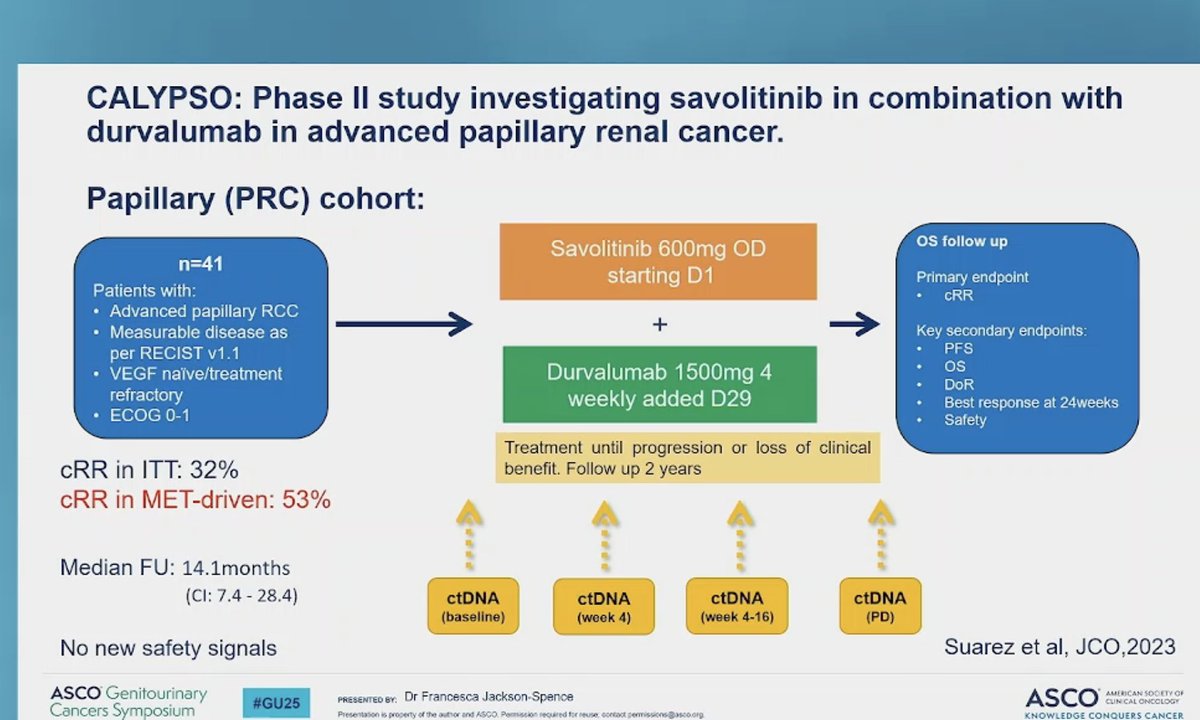
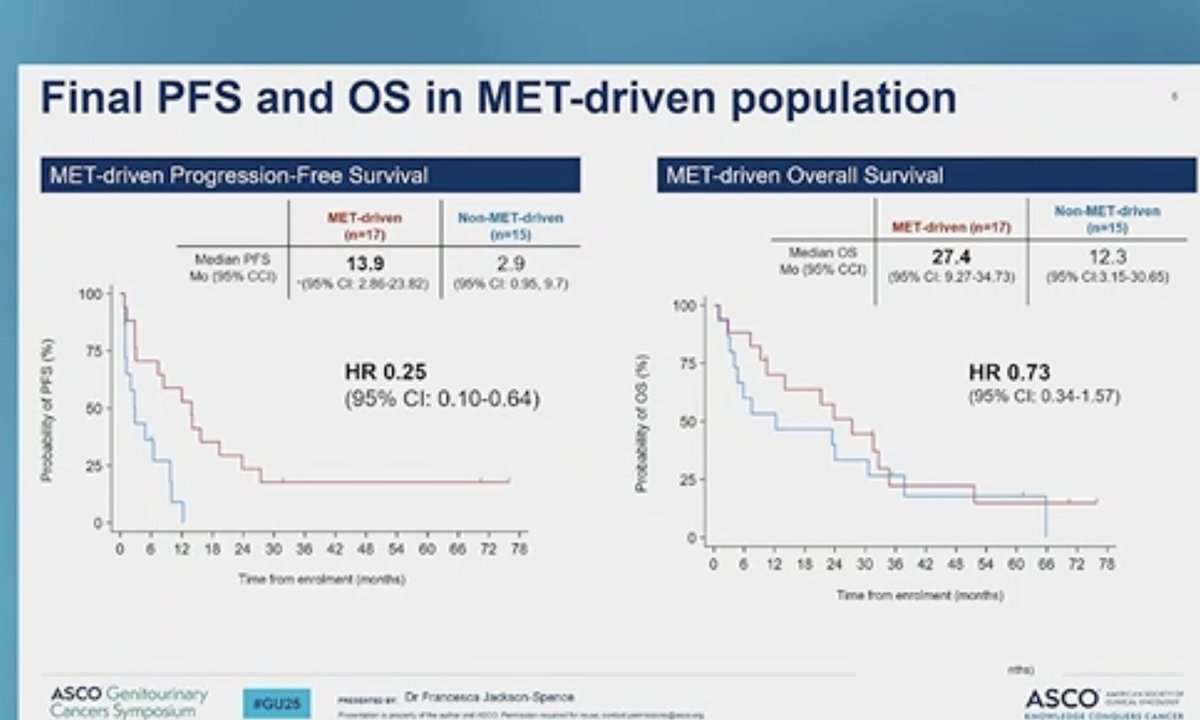
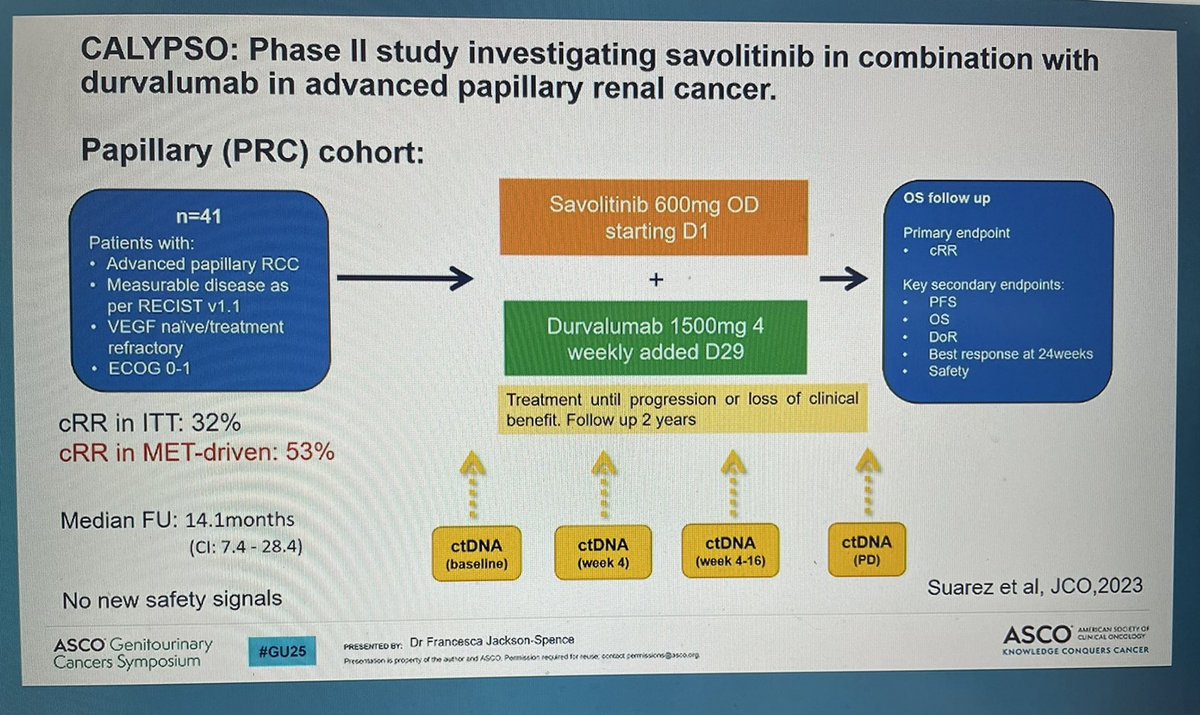
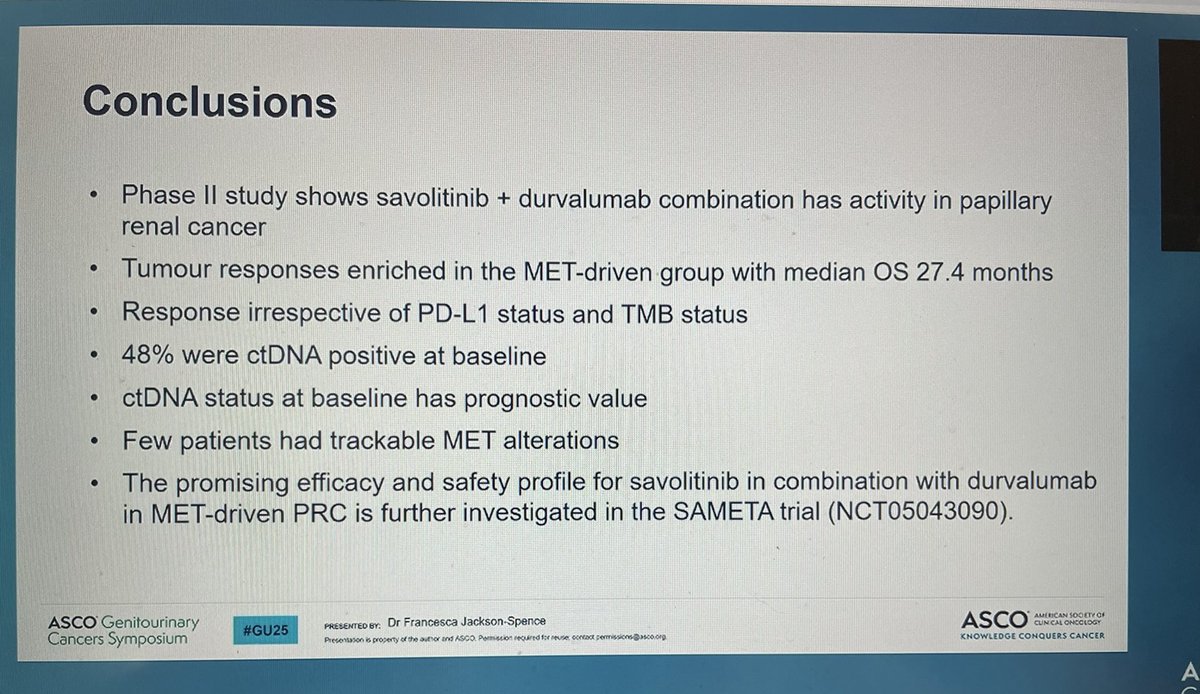
SAMETA: the 1st biomarker driven R3 papillary RCC study #GU25 . CALYPSO is the phase 2 data supporting it. RR PFS and OS in the MET driven group looks promising for durva/savolitinib. @drfrankiejs…
⏩ @ASCO #GU25:
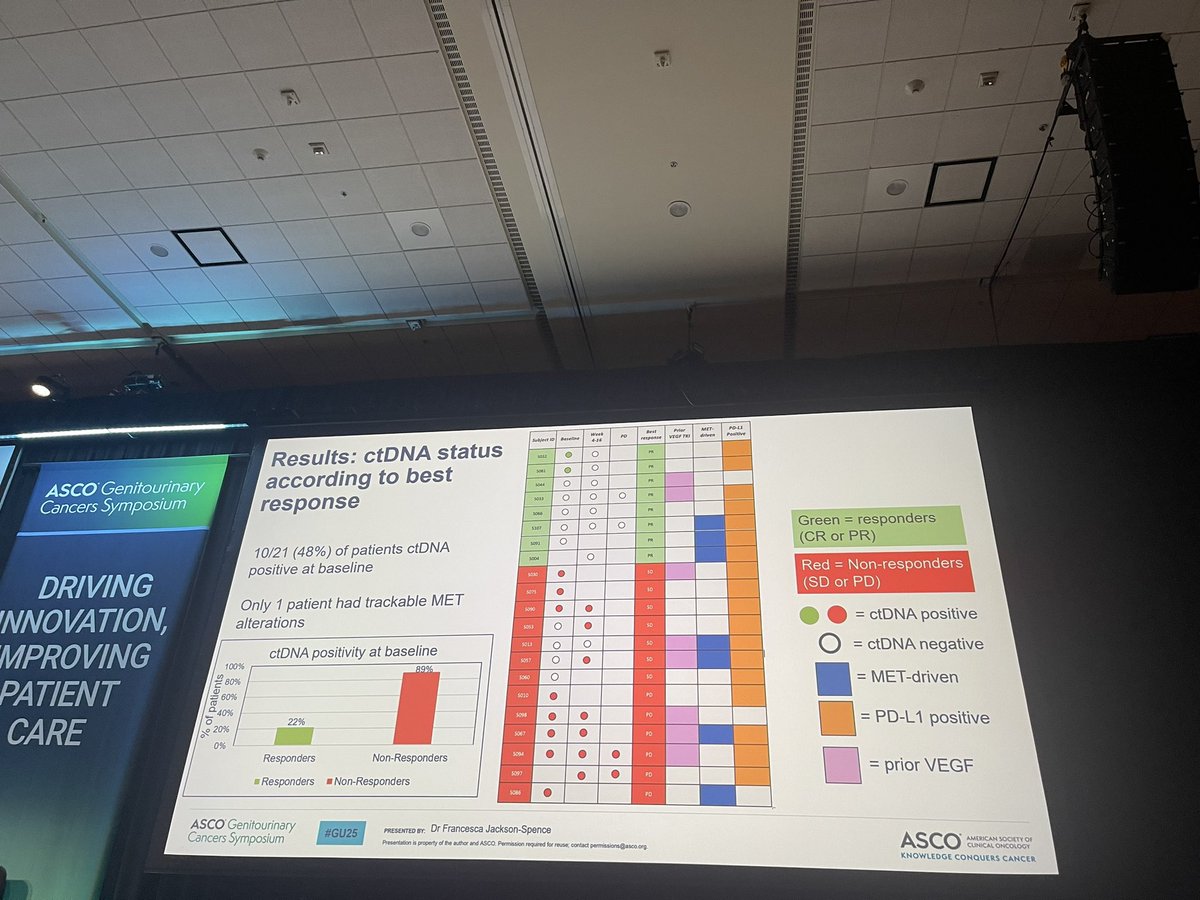
Durvalumab + Savolitinib shows strong efficacy in MET-driven advanced papillary RCC + promising ctDNA-based prognostic insights:
🔹 Response Rate: 34% (all aPRC), 59% (MET-driven)
🔹…
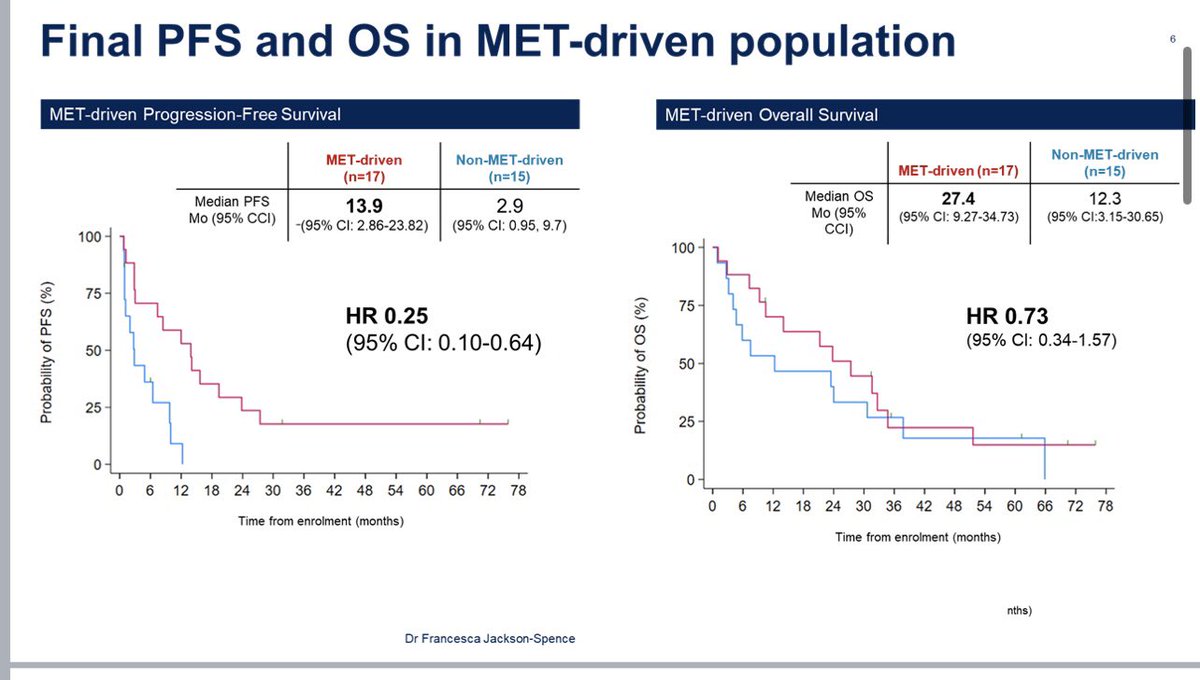
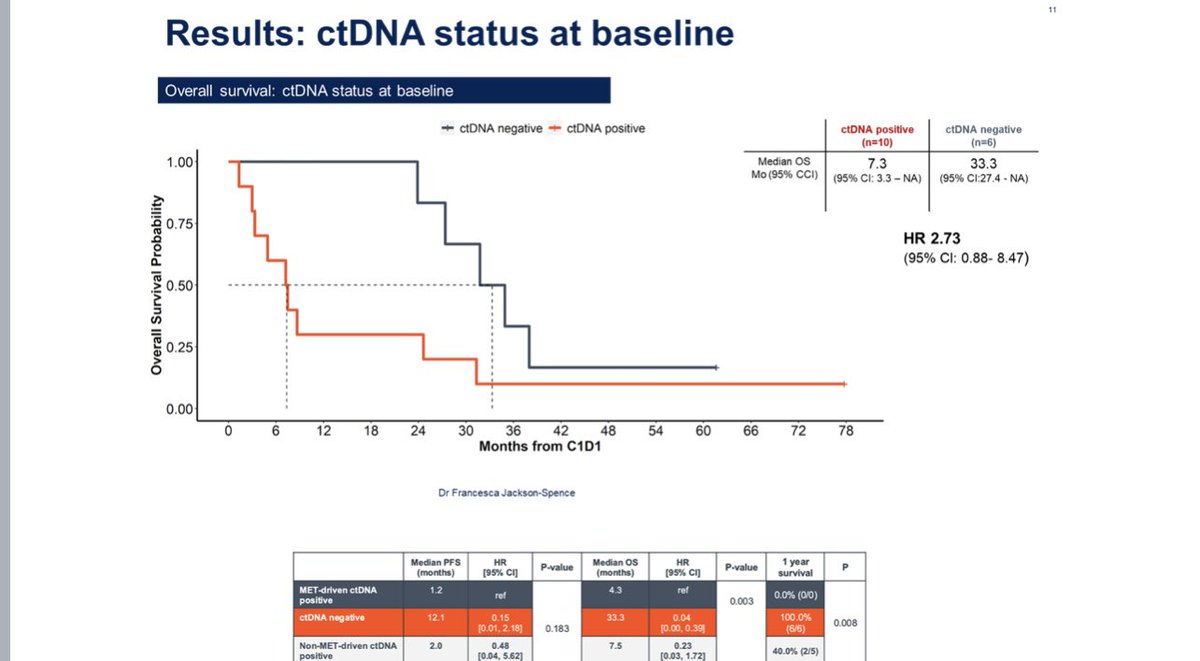
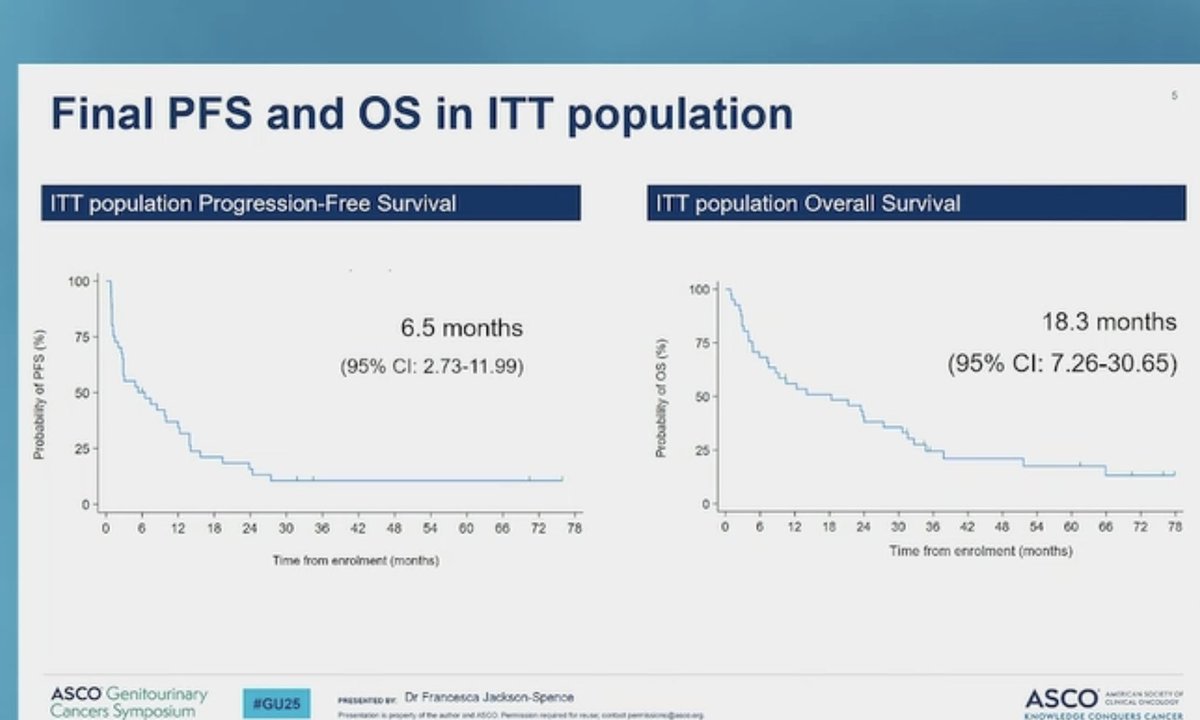
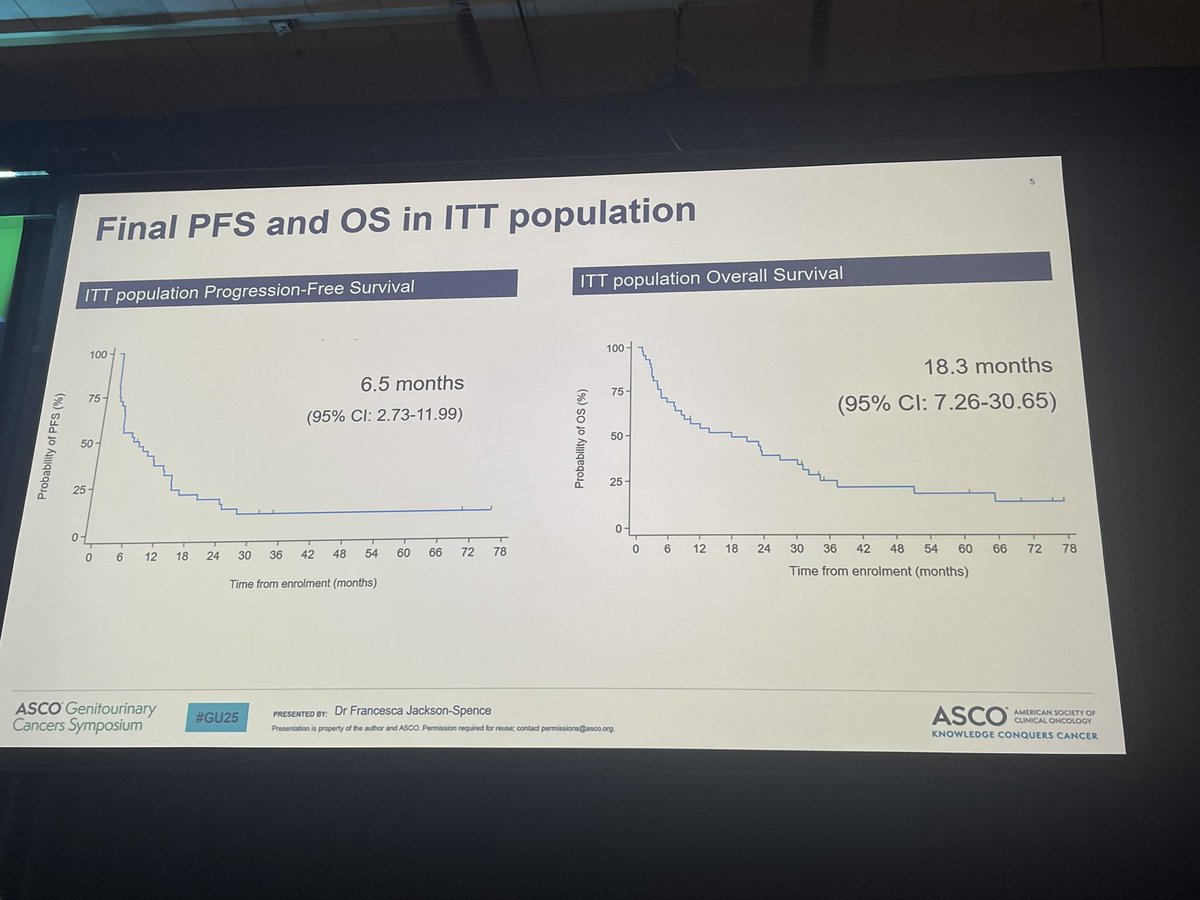
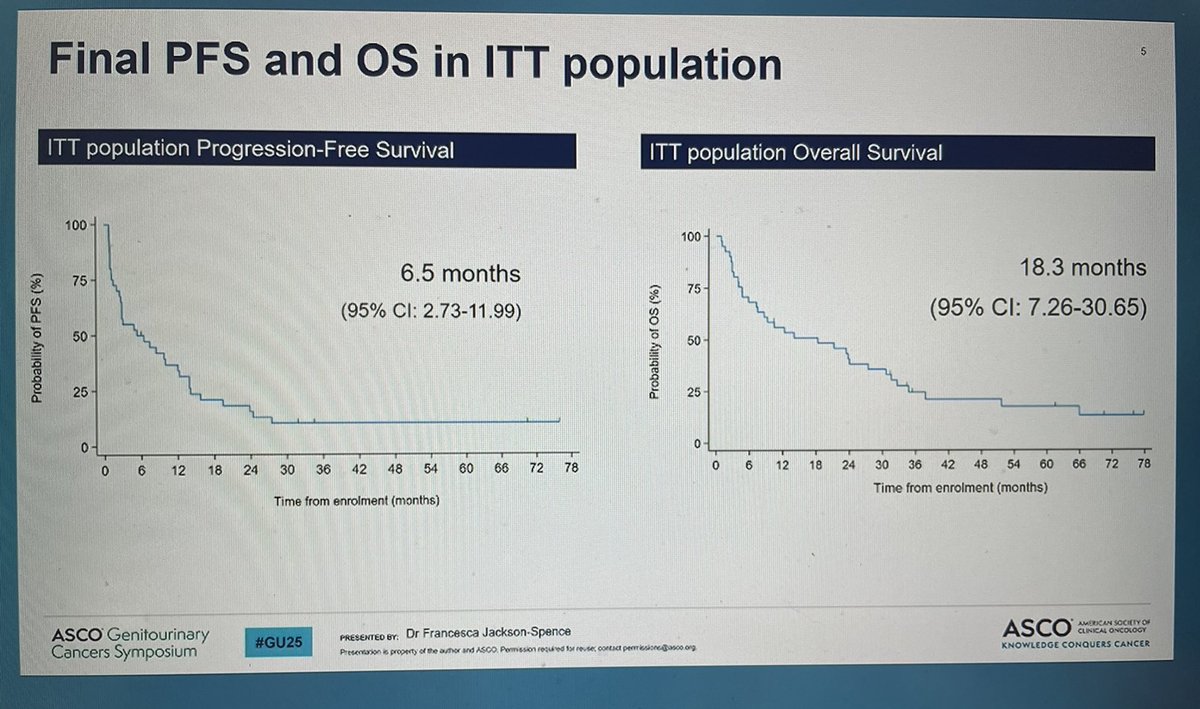
PhII single-arm CALYPSO of savolitinib + durva in VEGF naive/refractory papillary #RCC ➡️ median OS 18.3 mos (27.4 when MET-driven), OS 33.3 mos in those ctDNA- at baseline & 31.3 mos w/ctDNA…
Durvalumab + Savolitinib in MET-driven aPRC: Strong Efficacy!
-RR 59%, PFS 16.7m, OS 27.4m in MET-driven tumors.
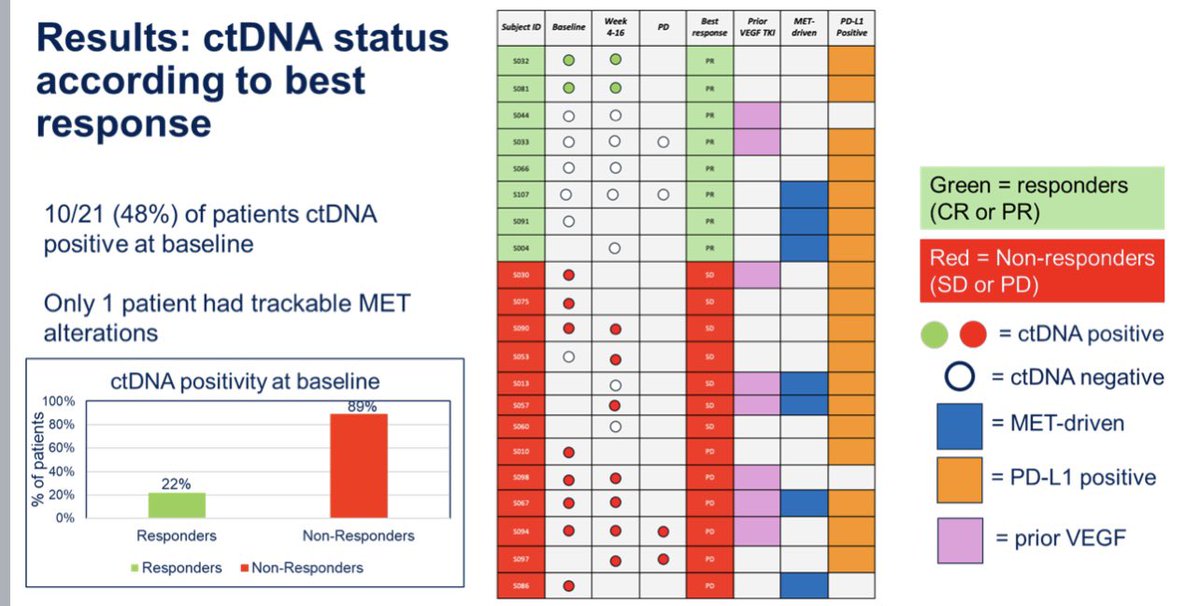
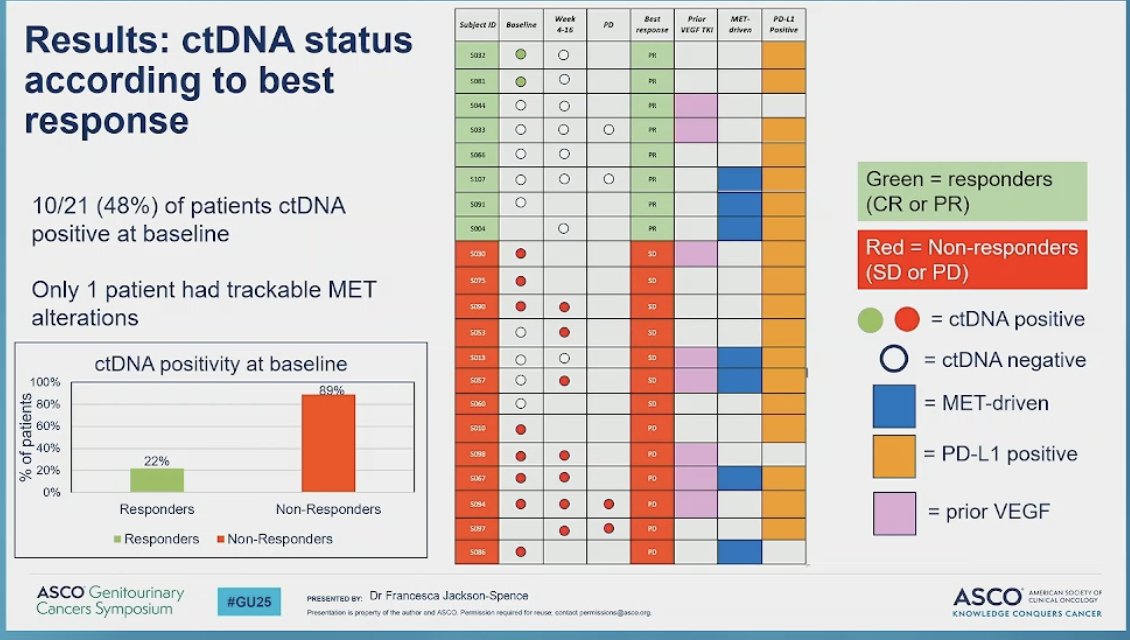
🧬ctDNA positivity linked to worse OS
🩸🧬ctDNA clearance = better PFS
Francesca…
Updated data from Calypso trial demonstrating activity of savolitinib + durvalumab in MET driven papillary RCC. #GU25 @DrChoueiri @tompowles1 https://t.co/lzoUuMHgLJ
Durvalumab + Savolitinib in MET-driven aPRC: Strong Results!
RR 59%, PFS 16.7m, OS 27.4m in MET-driven tumors.
🧬ctDNA positivity = worse OS
🔎 ctDNA clearance predicts better PFS Francesca…
CAMILLA G/E cohort demonstrated anti-tumor activity of cabozantinib + durvalumab in chemotherapy-refractory MSS advanced gastric/gastroesophageal/esophageal adenocarcinoma. Overall ORR 20.69%, but striking signal in PD-L1 CPS >5 subgroup: ORR 25% with median OS 19.3 months (vs. 5.6 months overall). Investigators concluded further evaluation in PD-L1 CPS ≥5 warranted in a randomized trial. Competes for later-line activity with FGFR2b (bemarituzumab), CLDN18.2 (zolbetuximab), Trop-2 ADCs, and HER2-low T-DXd approaches in this setting. Part of University of Pittsburgh's multi-cohort CAMILLA basket (total enrollment 117 planned).
Median: 20.69 % ORR (6/29 evaluable; 5 PR + 1 CR) (cabozantinib 40mg + durvalumab 1500mg Q4W). Overall G/E cohort (N=29 evaluable) rate: 20.69% (ORR %) vs. 86.2% (DCR %) vs. 4.4% (mPFS months) vs. 5.6% (mOS months). PD-L1 CPS >5 subgroup (n=12) rate: 25% (ORR %) vs. 5.5% (mPFS months) vs. 19.3% (mOS months). Phase II multi-cohort trial (CAMILLA basket). G/E adenocarcinoma cohort: N=31 enrolled, 29 evaluable. Chemotherapy-refractory MSS advanced disease. Median age 61 (range 32-79); 86% ECOG 1; 48% with ≥2 prior systemic lines (range 1-4). Intervention: cabozantinib 40mg QD + durvalumab 1500mg IV Q4W (RP2D). Primary ORR 20.69% (6 confirmed: 5 PR + 1 CR). DCR 86.2% (25/29). Median PFS 4.4 months (95% CI 2.2-5.4); median OS 5.6 months (95% CI 3.6-8.3). PD-L1 CPS >5 subgroup (12/29): ORR 25%, mPFS 5.5 months (95% CI 1.8-12.4), mOS 19.3 months (95% CI 2.3-28.2) — notable OS signal in biomarker-selected subset. Park et al., JCO 2024;42(3)_suppl:373.
Overall median OS 5.6 months. PD-L1 CPS >5 subgroup: median OS 19.3 months (95% CI 2.3-28.2) — substantial signal. Supports PD-L1-selected randomized trial as next step.
Grade ≥3 adverse events: 19% (cabo_durva). Key AEs: fatigue (65%), anorexia (58%), liver enzymes elevation (39%), diarrhea (35%). Grade >3 TRAEs in 19% of patients. Immune-related AEs Grade >3: 6%. Manageable safety profile. No new safety signals beyond known cabozantinib + durvalumab combination profiles.
🔄 Phase 2 signal worth randomized evaluation in PD-L1 CPS ≥5 chemo-refractory gastric/esophageal. CAMILLA G/E cohort demonstrated anti-tumor activity of cabozantinib + durvalumab in chemotherapy-refractory MSS advanced gastric/gastroesophageal/esophageal adenocarcinoma. Overall ORR 20.69%, but striking signal in PD-L1 CPS >5 subgroup: ORR 25% with median OS 19.3 months (vs. 5.6 months overall). Investigators concluded further evaluation in PD-L1 CPS ≥5 warranted in a randomized trial. Competes for later-line activity with FGFR2b (bemarituzumab), CLDN18.2 (zolbetuximab), Trop-2 ADCs, and HER2-low T-DXd approaches in this setting. Part of University of Pittsburgh's multi-cohort CAMILLA basket (total enrollment 117 planned).
The CAMILLA gastric/esophageal (G/E) cohort (NCT03539822) is part of a Phase 2, investigator-initiated basket study of cabozantinib (Cabometyx) plus durvalumab (Imfinzi) in chemotherapy-refractory, microsatellite-stable advanced gastric, gastroesophageal-junction and esophageal adenocarcinoma. It was led by Anwaar Saeed at the University of Pittsburgh, with AstraZeneca and Exelixis.
The cabozantinib plus durvalumab combination showed anti-tumor activity, with an overall objective response rate of about 20.7%. The signal was stronger in the PD-L1 CPS greater-than-5 subgroup, where the objective response rate was 25% and median overall survival was 19.3 months, compared with 5.6 months in the overall cohort.
No. The cabozantinib (Cabometyx) plus durvalumab (Imfinzi) combination studied in the CAMILLA gastric/esophageal cohort is investigational and not FDA approved for gastric, gastroesophageal-junction or esophageal cancer. Each drug is separately FDA approved in other tumor types, but this combination in this setting is not approved.
Although the overall response rate was modest, activity concentrated in tumors with higher PD-L1 expression (CPS greater-than-5), where responses and survival were markedly better. Investigators concluded that a randomized trial of the combination specifically in PD-L1 CPS >=5 chemo-refractory gastroesophageal cancer is warranted to confirm the signal.
CAMILLA explores an immunotherapy-plus-antiangiogenic TKI approach in later-line, chemo-refractory MSS gastroesophageal adenocarcinoma — a setting with few options. It competes conceptually with FGFR2b (bemarituzumab), CLDN18.2 (zolbetuximab), TROP-2 ADC and HER2-low T-DXd strategies being developed for this disease, and remains an early, hypothesis-generating signal.