1L advanced renal cell carcinoma (aRCC) — Merck / Eisai partnership
Discover KOL Sentiment on CLEAR →Design - Multicenter, open-label, randomized Phase 3: lenvatinib + pembrolizumab (with a separate lenvatinib + everolimus arm) vs sunitinib in first-line advanced RCC across all IMDC risk groups (ASCO GU 2021 primary; ASCO 2024 long-term update).
Progression-free survival (primary) - Median PFS 23.9 months with lenvatinib + pembrolizumab vs 9.2 months with sunitinib (HR 0.47, 95% CI 0.38-0.57; final analysis; primary NEJM 2021 HR 0.39). ORR 71% vs 36%, with benefit across all IMDC risk categories.
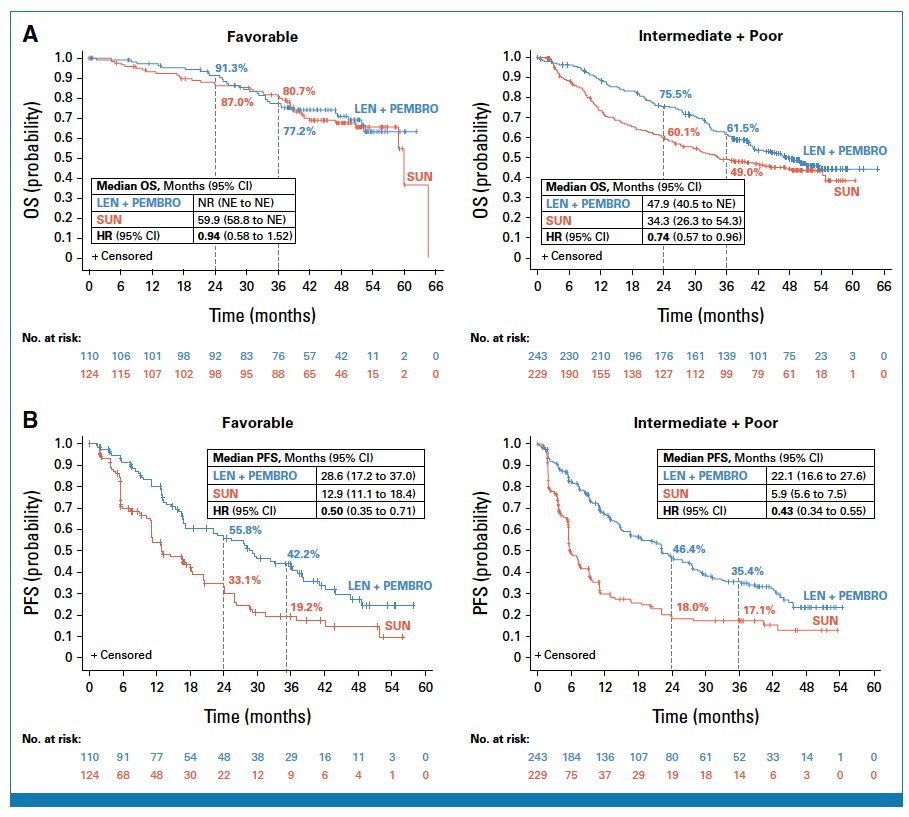
Overall survival - Final OS analysis: median OS 53.7 vs 54.3 months, HR 0.79 (95% CI 0.63-0.99); 36-month OS 66.4% vs 60.2%. The counterintuitive medians reflect high crossover from the control arm; PFS and ORR remain the most robust efficacy signals.
Safety - Grade >=3 treatment-related AEs 72% vs 62% with sunitinib; most common were hypertension, diarrhea, and fatigue. Lenvatinib dose modifications were commonly required; no new safety signals in extended follow-up.
Regulatory / sponsor - FDA approved August 10, 2021: lenvatinib (Lenvima) + pembrolizumab (Keytruda) for first-line advanced RCC. Lead sponsor: Eisai, in partnership with Merck. 1L standard of care across all IMDC risk groups.
Compiled and reviewed by the KOL Pulse research team, led by Brian Shields, Founder, KOL Pulse. Last updated August 19, 2026.







Top tweets by impressions — click to view on X
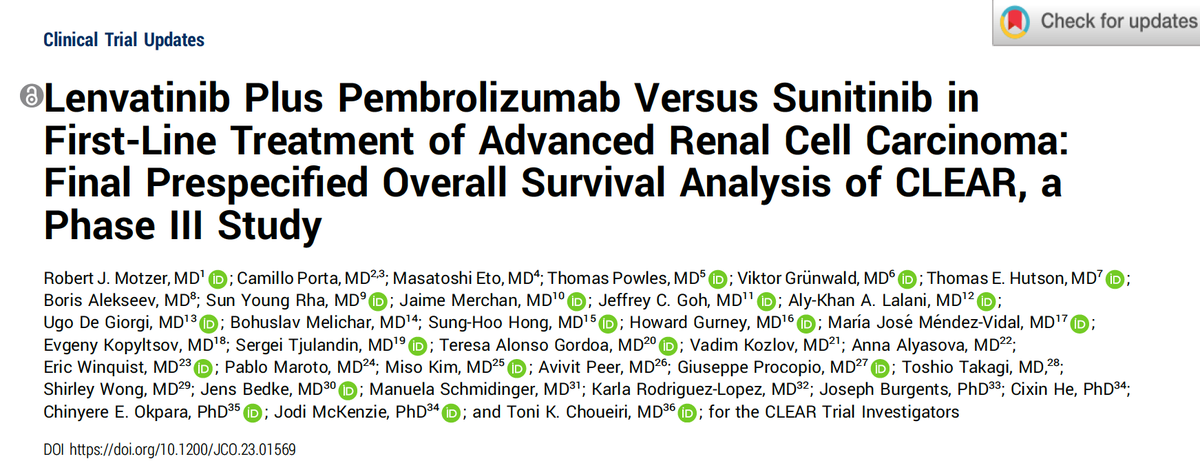
Final Prespecified Overall Survival Analysis of CLEAR, a Phase III Study:
⭕️Final CLEAR trial results: Lenvatinib+pembrolizumab reduces mortality risk by 21% vs sunitinib in advanced RCC.
⭕️While…
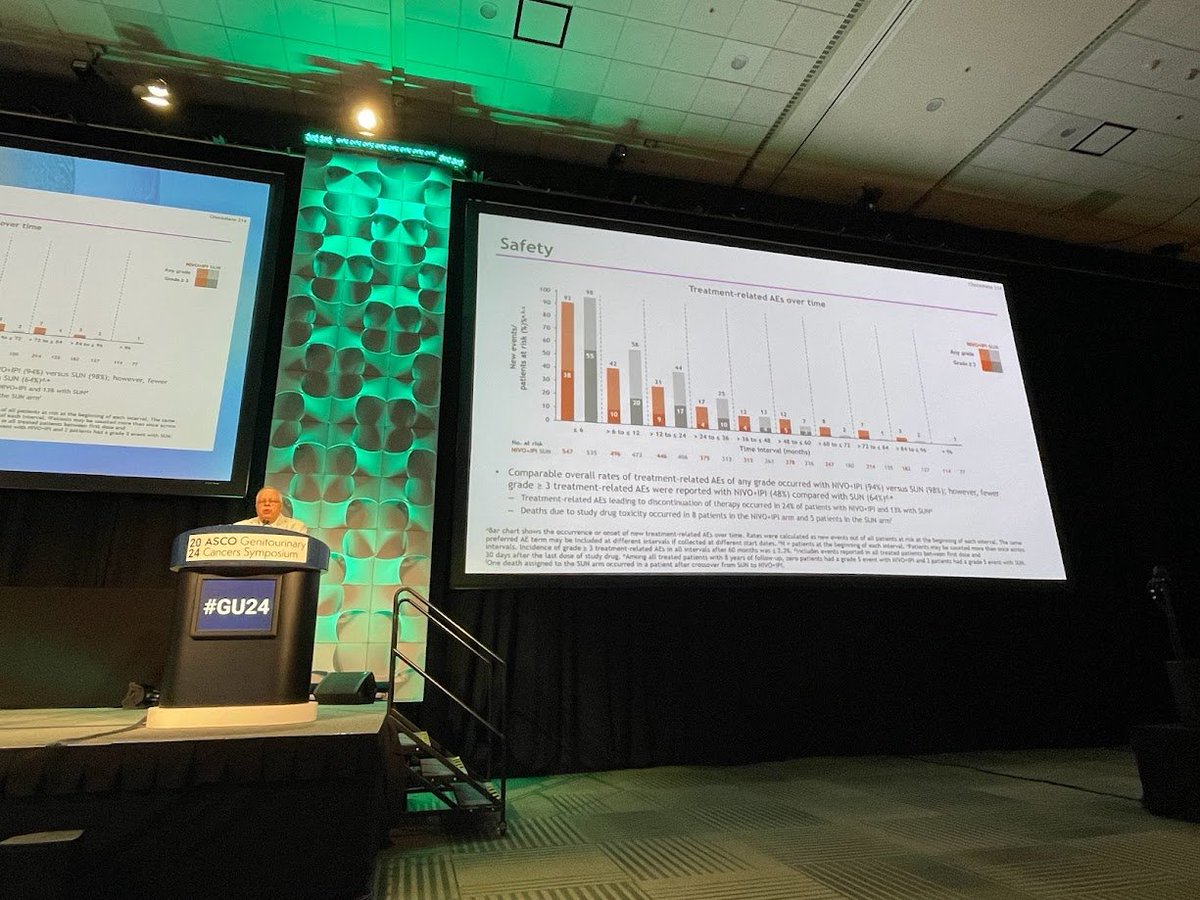
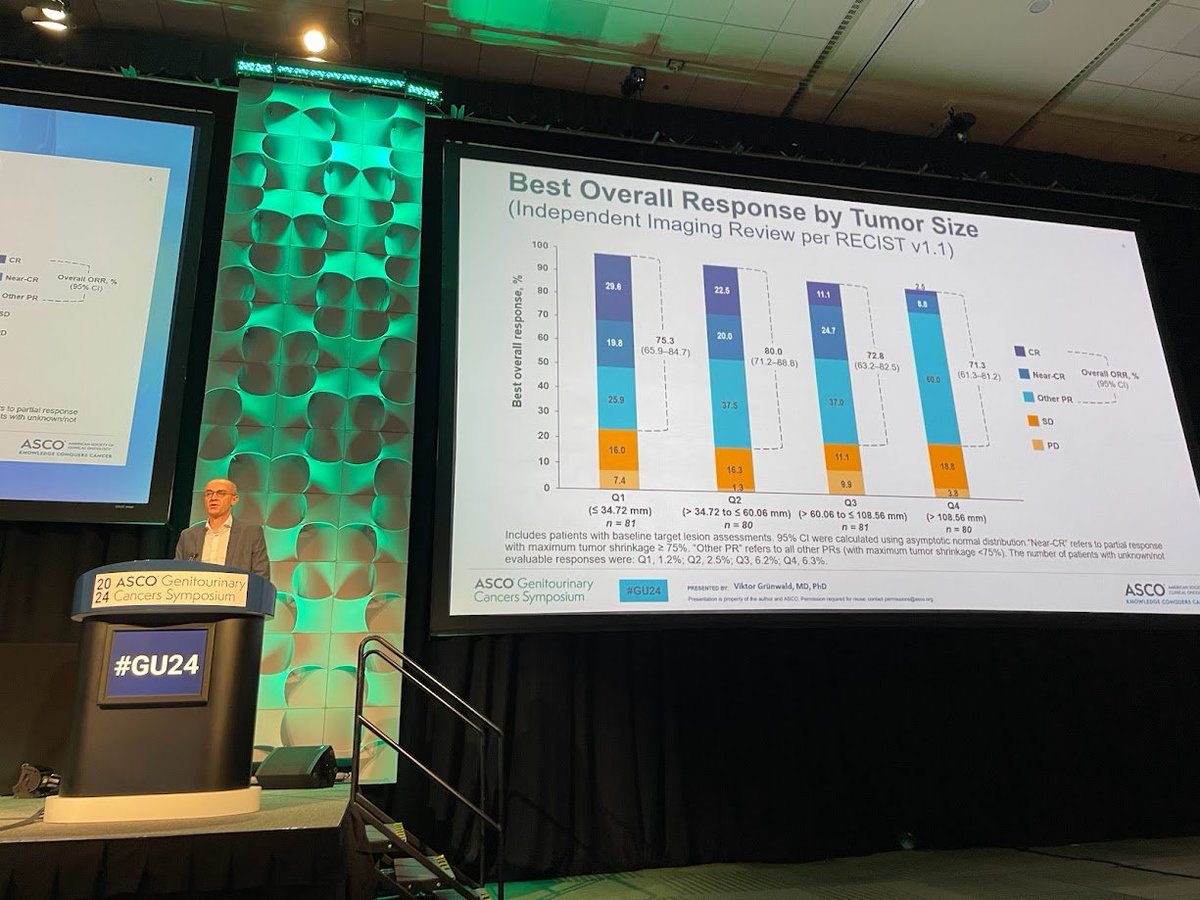
Always so useful to hear updates on pivotal P3 trials in #kidneycancer. Congrats to @BourlonMaite, Tannir & Grunwald on terrific talks updated #CM9ER, #CM214 & #CLEAR datasets. The #CM214…
🧬 Phase III LITESPARK-022: Adjuvant pembrolizumab + belzutifan improved disease-free survival vs pembrolizumab alone in high-risk clear cell #RCC post-nephrectomy.
➡️ 24-mo DFS: 80.7% vs 73.7%
➡️ HR…
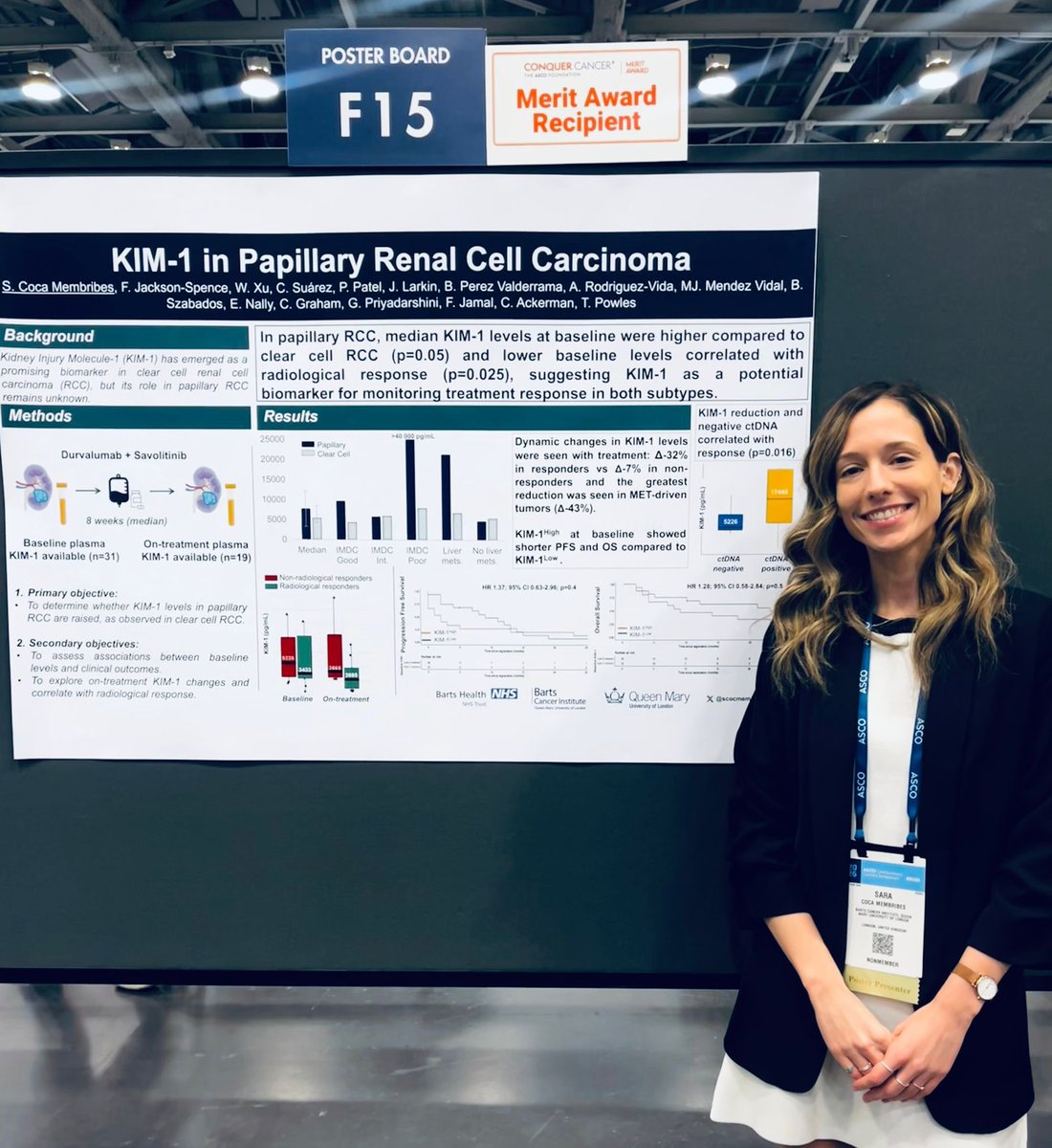
Dr Sara Membribes @BartsECMC presented exploratory data on KIM-1, a promising new biomarker in papillary renal cancer. Baseline KIM-1 levels were higher than we’ve seen in advanced clear cell RCC…
Exploring the impact of tumor burden at progression & IMDC changes in advanced RCC patients treated with lenvatinib + pembrolizumab in the phase 3 CLEAR trial. 📊💡 Key findings that could shape…

⭐️@ASCO #GU26 Insights: Radiotherapy + Immunotherapy in Metastatic Clear Cell RCC!
@MikeSerzanMD +@KalantriShreyas discuss #CYTOSHRINK!
❌ Did NOT improve PFS (primary endpoint)
🗣️ Biomarker…
🧑🤝🧑 Patients with clear cell #RenalCellCarcinoma who worsen after immunotherapy have many options.
Data from #ASCOGU26 @ASCO showed #belzutifan plus #lenvatinib @EisaiUS significantly improved PFS…

Urology update(March 11, 2026)
LITESPARK-011: At the ASCO GU Symposium, Dr. Robert Motzer presented phase 3 results showing that a combination of belzutifan (Welireg) and lenvatinib improved…
👀 Adjuvant #pembrolizumab @KEYTRUDA plus #belzutifan @Merck improved disease-free survival 2️⃣8️⃣% for patients with clear cell #RenalCellCarcinoma, according to data presented at #ASCOGU26 @ASCO.
📈…
⏫ #Belzutifan @Merck plus #lenvatinib significantly improved PFS and response for patients with clear cell #RenalCellCarcinoma compared with #cabozantinib.
📊 @motzermd @MSKCancerCenter presented the…
One of three IO-TKI combinations established as 1L standard for aRCC. Counterintuitive final OS (mOS 53.7 vs 54.3 mo; HR 0.79, CI 0.63-0.99) reflects high crossover in control arm — PFS benefit (HR 0.47) and ORR (71% vs 36%) remain robust. Selection among CLEAR, CheckMate-9ER (nivo+cabo), KEYNOTE-426 (axi+pembro) is individualized by IMDC risk and toxicity tolerability.
Median PFS was 23.9 months with lenvatinib+pembrolizumab vs. 9.2 months with sunitinib (HR 0.47, 95% CI 0.38-0.57). ORR: 71% vs. 36%. Highly significant benefit across all IMDC risk categories.
Final OS analysis: median OS 53.7 mo (lenva+pembro) vs. 54.3 mo (sunitinib) with HR 0.79 (95% CI 0.63-0.99). 36-month OS: 66.4% vs. 60.2%. The counterintuitive median OS reflects high crossover from the control arm; PFS and ORR benefits remain the most robust efficacy signals.
Grade ≥3 treatment-related AEs occurred in 72% with lenva+pembro vs. 62% with sunitinib. Most common AEs: hypertension, diarrhea, fatigue. Lenvatinib dose modifications commonly required. No new safety signals in extended follow-up.
✅ 1L standard of care for advanced RCC (all IMDC risk groups). One of three IO-TKI combinations established as 1L standard for aRCC. Counterintuitive final OS (mOS 53.7 vs 54.3 mo; HR 0.79, CI 0.63-0.99) reflects high crossover in control arm — PFS benefit (HR 0.47) and ORR (71% vs 36%) remain robust. Selection among CLEAR, CheckMate-9ER (nivo+cabo), KEYNOTE-426 (axi+pembro) is individualized by IMDC risk and toxicity tolerability.
CLEAR (also called Study 307 or KEYNOTE-581; NCT02811861) is a multicenter, open-label, randomized Phase 3 trial comparing lenvatinib plus pembrolizumab, and lenvatinib plus everolimus, against sunitinib in first-line advanced renal cell carcinoma. It was run by Eisai in partnership with Merck, with primary results at ASCO GU 2021 and a long-term update at ASCO 2024.
Lenvatinib + pembrolizumab delivered median PFS of 23.9 months vs 9.2 months with sunitinib (HR 0.47, 95% CI 0.38-0.57; final analysis; primary NEJM 2021 HR 0.39) and an ORR of 71% vs 36%, with benefit across all IMDC risk categories. The final OS analysis showed HR 0.79 (95% CI 0.63-0.99) with median OS 53.7 vs 54.3 months - medians confounded by high crossover from the control arm.
Yes. On August 10, 2021 the FDA approved lenvatinib (Lenvima) in combination with pembrolizumab (Keytruda) for the first-line treatment of adult patients with advanced renal cell carcinoma, based on the CLEAR trial.
Grade >=3 treatment-related adverse events occurred in 72% of the lenvatinib + pembrolizumab arm vs 62% with sunitinib. The most common AEs were hypertension, diarrhea, and fatigue, and lenvatinib dose modifications were commonly required. No new safety signals emerged in extended follow-up.
The final OS medians (53.7 vs 54.3 months) look counterintuitive because a large share of control-arm patients crossed over to subsequent therapy, diluting the between-arm difference; the OS hazard ratio still favored the combination (HR 0.79, 95% CI 0.63-0.99). The PFS benefit (HR 0.47) and ORR advantage (71% vs 36%) remain the most robust efficacy signals, and selection among CLEAR, CheckMate-9ER, and KEYNOTE-426 is individualized by IMDC risk and toxicity tolerability.
