RECAP DAVA Hawaii Lung 2026 — top KOL voices, trial buzz & every conference slide, decoded View Full Coverage →
KOL Pulse - Trial Profile

MARIPOSA-2 Trial

EGFR NSCLC 2L post-osimertinib - Janssen

EGFR NSCLC 2L post-osimertinib Rybrevant + lazertinib + chemo ASCO 2025 FDA Approved
Discover KOL Sentiment on MARIPOSA-2 →

Top KOLs Discussing MARIPOSA-2

Jarushka Naidoo
Jarushka Naidoo
@DrJNaidoo
9.7K impressions
Hidehito HORINOUCHI
Hidehito HORINOUCHI
@HHorinouchi
2.1K impressions
R A
R A
@Polarbear900R
1.9K impressions
Kelsey Pan, MD, MPH
Kelsey Pan, MD, MPH
@KelseyPanMD
1.3K impressions
Stephen V Liu, MD
Stephen V Liu, MD
@StephenVLiu
1.1K impressions
Eric K. Singhi, MD
Eric K. Singhi, MD
@lungoncdoc
505 impressions

MARIPOSA-2 Key Slides & Visuals

Official trial slides and relevant visuals shared by KOLs at ASCO 2025. Click any image to expand.

Hidehito HORINOUCHI
Hidehito HORINOUCHI @HHorinouchi
MARIPOSA-2 Data
2.1K impressions · 36 likes · Jan 24, 2026
View on X ↗
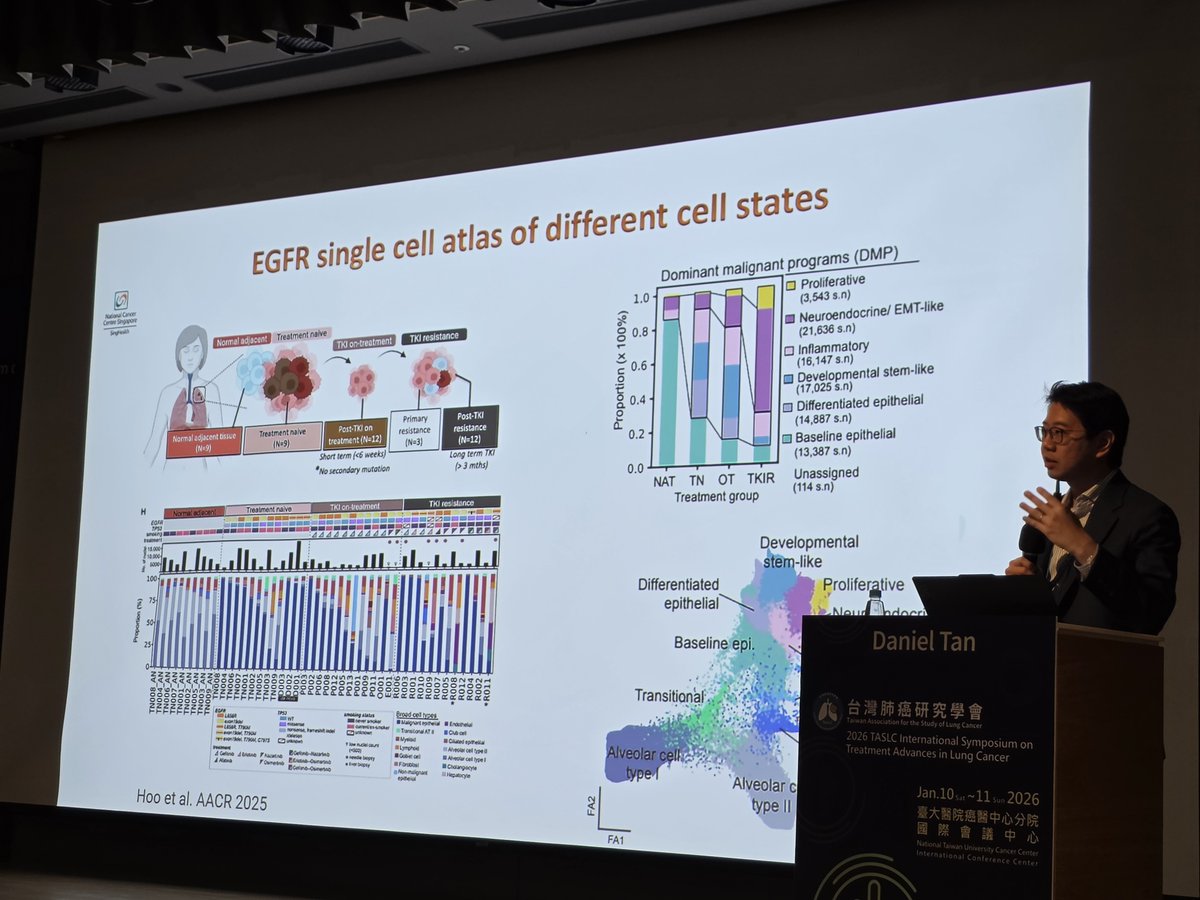
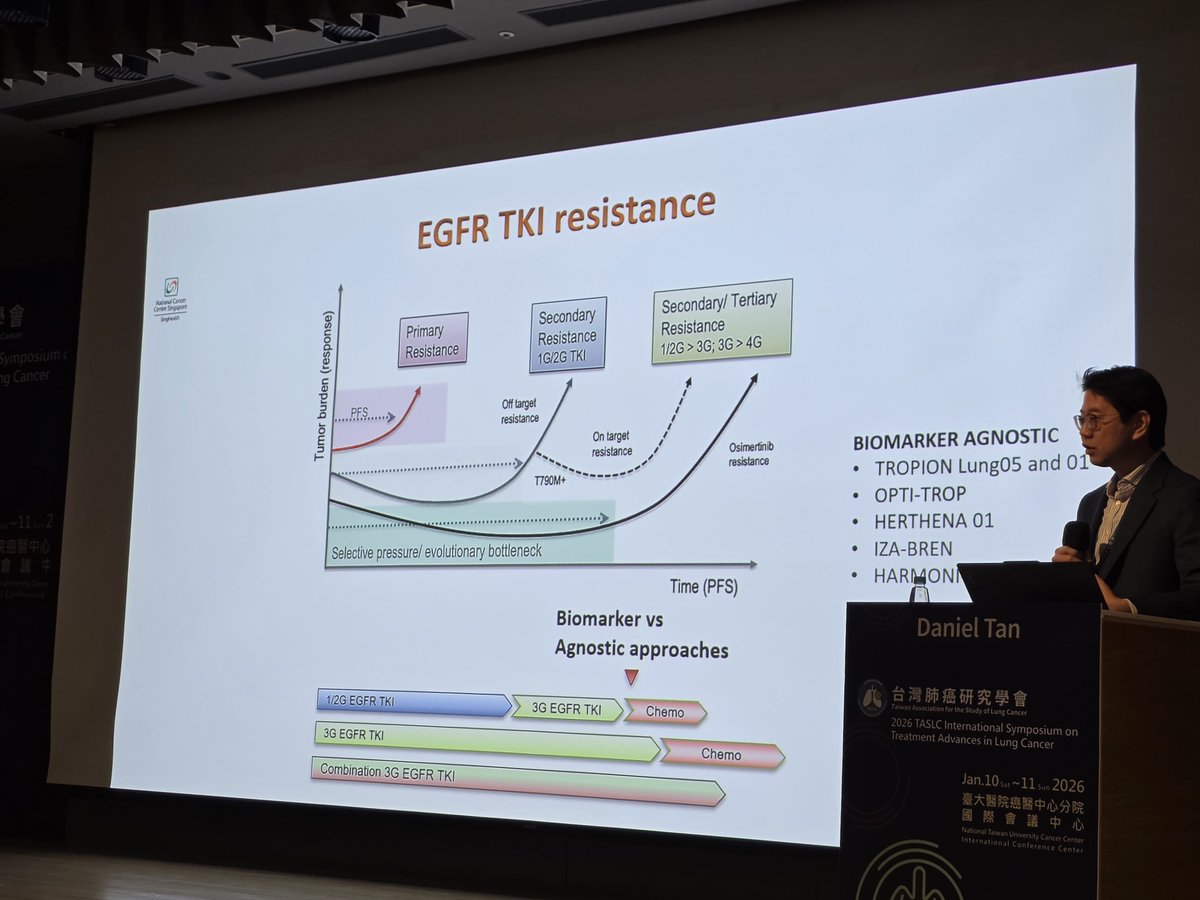
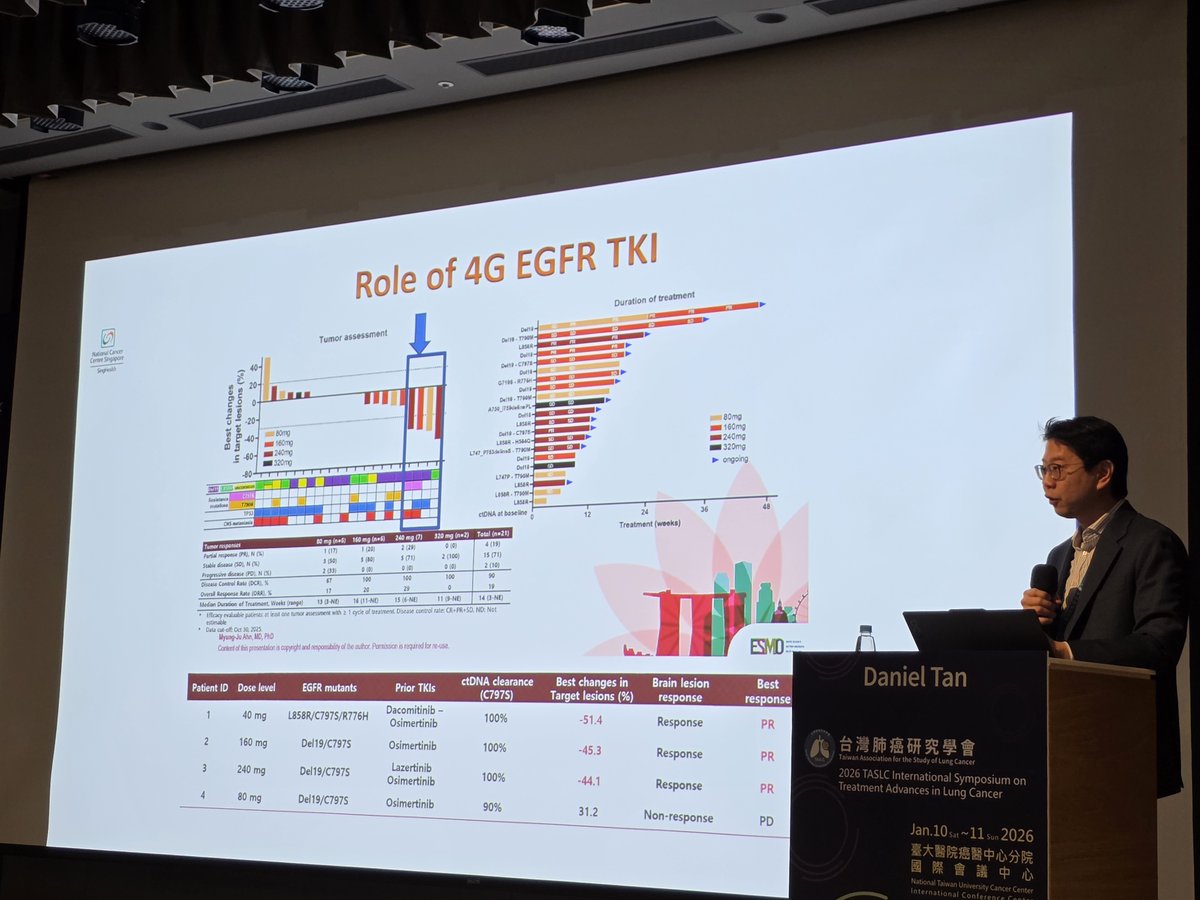
[Slide 1] EGFR single cell atlas of different cell states National Cancer Centre Segapore Segmests Dominant malignant programs (DMP) Normal ad acent Treatment naive 1.0 Proliferative TKI on-treatment TKI resistance (3,543 s.n) Proportion (x 100%) 0.8 Neuroendocrine/ EMT-like (21,636 s.n) 0.6 Inflammatory (16,147 s.n) Developmental stem-like Normal adjacent ussue Primary Post-TKI 0.4 (17,025 s.n) Treatment have Post-TKI on resistance (N=9) resistance (N*9) treatment (N=12) Differentiated epithelial (N=3) (N=12) Short term (<6 weeks) 0.2 (14,887 s.n) Long term TXI Baseline epithelial No secondary mutation P mths) (13,387 s.n) 0.0 NAT TN OT TKIR Unassigned H Normal adjection Treatment have TKI on treatment TKI resistance Treatment group (114 s.n) EGRA TPS2 18.000 I I 10.000 Developmental sociey stem-like 100 Differentiated Proliferative 75- Proportion € epithelial Neur 50 Baseline epi. Daniel Tan 25 0 TN008 AN TN004 AN TN006 AN TN007 AN TN001 AN TN002 AN TN005 AN TN005_AN TN003 AN TN009 AN TN008 TN004 TN006 TN007 TN001 TN002 TN005 TN003 TN009 0003 0002 D001 P003 P002 P006 POOB P012 P005 P013 P001 P009 P011 1000 E001 R006 R003 R001 R010 R009 R007 R005 *R008 R012 R004 R002 *R011 Transitional the Mally Cancer - (PS) - status Broad cell yes, LASAR at - Maignart estheial trainels 2026 TASLC International Symposium on LISAR Than - I that Mysical . spitella Treatment Advances in Lung Cancer 1 1780M chirs I #Lymphod I Alveolar cell - DEL 4 - I peper Owner type F Ownetno Alveolar C Jan. 11 2026 FA2 type II n ф Hoo et al. AACR 2025 FA1 Conference Center --- [Slide 2] EGFR TKI resistance National Cancer Center Separe Signature Tumor burden (response) Primary Secondary Secondary/ Tertiary Resistance Resistance Resistance 1G/2G TKI 1/2G > 3G; 3G > 4G PFS Off target resistance On target resistance Osimertinib BIOMARKER AGNOSTIC resistance T790M+ TROPION Lung05 and 01 OPTI-TROP HERTHENA 01 Selective pressure/ evolutionary bottleneck IZA-BREN HARMONI Time (PFS) Biomarker VS Daniel Tan Agnostic approaches Association 10 the Study of Lung Cancer 1/2G EGFR TKI 3G EGFR TKI Chemo 2026 TASLC International Symposium on Treatment Advances in Lung Cancer 3G EGFR TKI Chemo Jan.10 11 2026 Combination 3G EGFR TKI National aisan-University Cancer Center International Conference Center --- [Slide 3] Factors influencing efficacy:toxicity ratio of ADCs National Cancer Centre Singapore Signath Antibody selectivity Binding and internalisation Antigen expression VS dependency Sensitivity to payload Immunogenic cell death On-target on-tumor (typically <1%) Distribution Clearance ADC metabolism Off-target (including Payload in circulation on-target off-tumor) 1,000 (typically >99%) Concentration (nmol/L) 100 10 ADC PK 1 Payload PK Daniel Tan 0.1 0 7 14 21 Time after dose (days) Linker stability Albumin-bound Free circulating payload the Study Cancer 2026 TASLC International Symposium on Treatment Advances in Lung Cancer Presenter: Daniel SW Tan Colombo et al. Cancer Discovery 20 ф National Cancer Center inter Conference enter --- [Slide 4] Role of 4G EGFR TKI Duration of treatment National Cancer Tumor assessment Comm Shiport Della- Della 1700M Seguion 40 LBSAR Date 20 Best changes in target lesions (%) Dulla 0 Date Del18-7700M- 20 Della- 40 80mg LASAR 160mg 30mg 160mg -60 240mg L147 пки- 240mg 320mg Delli 320mg -80 Della ongoing - LASER 17808 1753 LASER- CMS - CIDNA baseline : 12 24 36 48 Treatment (weeks) Tumer (not) mg (n+5) 240 mg (7) 320 mg (n+2) Total (n=21) Partial response PALN OR (PA), 1(17) 1 (29) (29) 0 (0) 4(19) Subie disease (10) N(%) (50) $ (80) $ (71) (100) 15 (71) Progressive docase (POLN (S) 2 (33) 0.00 0 (0) 0.00 2 (10) Disease Control Rate (DCR), % ST 100 100 100 90 Overall Response Rate (DAR), % 17 20 29 0 19 Median Duration of Trustment, Weeks (range) 13 O-NO 14-11-ND 15 (6-NE) 11 (I-NO 14 (3-ND) evaluable patients at eat and tumor assessed with cycle of treatment Disease control rate CR+PR=SD NO Not estimable Data - of CAT N 205 Myung M MO,PNO Contentiol his presentation 5 copyright and esponsibility of be author Purmission is required N-W ESMD ctDNA clearance Patient ID Dose level EGFR mutants Prior TKIs Best changes in Brain lesion Best Daniel Tan (C797S) Target lesions (%) response response Dacomitinib 1 40 mg L858R/C797S/R776H Osimertinib 100% -51.4 Response PR 2 160 mg Del19/C797S Osimertinib 100% -45.3 Response PR Taiwan Association for the Study of Cancer 3 Lazertinib 240 mg Del19/C797S 2026 TASLC International Symposium on Osimertinib 100% -44.1 Response PR Treatment Advances in Lung Cancer 4 80 mg Del19/C797S Osimertinib 90% 31.2 Non-response PD ф National Cancer Center International Conference
Stephen V Liu, MD
Stephen V Liu, MD @StephenVLiu
MARIPOSA-2 Data
1.1K impressions · 14 likes · Oct 25, 2023
View on X ↗
[Slide 1] MARIPOSA-2 Intracranial Progression-free Survival by BICR Among Patients With a History of Brain Metastases and No Prior Brain Radiotherapy Amivantamab-Chemotherapy Amivantamab-Lazertinib- 100 vs Chemotherapy Chemotherapy vs Chemotherapy 1001 Median icPFS: NE VS 6.3 months Median icPFS: 11.1 vs 6.3 months HR, 0.36 HR, 0.44 80 76% (95% CI, 0.16-0.84) (95% CI, 0.25-0.79) Patients who are progression-free (%) IIIIIIII. P=0.013ᵇ P=0.005ᵇ 60 70% 53% Amivantamab-Chemotherapy 52% 40% 40 Amivantamab-Lazertinib-Chemotherapy 20 Chemotherapy 26% 0 0 3 6 9 12 15 Months No. at risk Amivantamab-Chemotherapy 24 20 13 8 1 0 Amivantamab-Lazertinib-Chemotherapy 56 42 22 10 5 0 Chemotherapy 61 32 17 7 1 0 MADRID congress 2023 ESMO Amivantamab-lazertinib-chemotherapy arm includes all patients regardless of the dosing regimen received. Nominal P-value; endpoint not part of hierarchical hypothesis testing. BICR, blinded independent central review; CI, confidence interval; HR, hazard ratio; icPFS, intracranial progression-free survival; NE, not estimable. Copies of TVS presentation obtained through OR code are for personal 250 only and may not be reproduced without written permission of the authors --- [Slide 2] CheckMate 816 (NIVO + chemo vs chemo): 3-y results by tumor PD-L1 expression Efficacy outcomes in patients with tumor PD-L1 < 1% pCR EFS os NIVO + chemo Chemo NIVO + chemo Chemo 50 (n 78) (n 77) (n 78) (n 77) Median EFS, mo 26.4 20.8 Median os, mo NR NR (95% CI) (14.8-NR) (13.9-42.1) (95% CI) (48.6-NR) (31.2-NR) HR (95% CI) 0.87 (0.57-1.35) HR (95% CI) 0.81 (0.48-1.36) 40 100 100 89% Difference 80 87% 79% 80 30 72% 71%f pCR rate (%) 14.1%a 70% 60 66% 52% 60 NIVO + chemo 20 16.7%b EFS (%) 42%d os (%) 60%g Chemo NIVO chemo 40 43% 40 39%e Chemo 10 20 20 2.6%c 0 0 0 NIVO + chemo Chemo 0 6 12 18 24 30 36 42 48 54 0 6 12 18 24 30 36 42 48 54 60 n/N 13/78 2/77 Months from randomization Months from randomization No. at risk NIVO chemo 78 57 46 37 33 30 18 8 4 0 78 71 66 62 60 54 46 26 8 2 0 Chemo 77 59 45 36 28 26 18 8 3 0 77 72 66 59 51 45 37 22 11 3 0 Median TTDM (95% CI) was 48.6 mo (36.6-NR) VS 27.4 mo (21.4-NR) for NIVO + chemo vs chemo (HR, 0.72; 95% CI, 0.45-1.15); 3-year TTDM rates were 63%h vs 46%¹ Baseline characteristics were generally similar between tumor PD-L1 subgroups and treatment arms, although a higher proportion of patients with tumor PD L1 < 1% had ECOG PS 1 (both arms) Minimum/median follow-up: 32.9/41.4 months. MPR rates were 29.5% (95% CI, 19.7-40.9) with NIVO chemo and 14.3% (95% CI, 7.4-24.1) with chemo (difference, 15.2%; 95% CI, 2.1-27.7). Unweighted differences in pCR and MPR rates between treatment arms were calculated using the Newcombe method. **95% Cl: 4.8-24.0; 9.2-26.8; 0.3-9.1; 30-54; *28-51; '59-80; 48-71; 51-74; 34-57. --- [Slide 3] Depth of response by Investigator Assessment Waterfall plot for change in target lesions 100 BEST RESPONSE SD 80 PR 60 Best % change in sum of target lesions dimension from baseline 40 20 0 -20 -40 -60 8 -100 MADRID ESMO congress 2023 Claudia Proto, MD Content of this presentation is copyright and responsibility of the author. Permission is required for re-use.
Kelsey Pan, MD, MPH
Kelsey Pan, MD, MPH @KelseyPanMD
MARIPOSA-2 Data
585 impressions · 8 likes · Jun 18, 2025
View on X ↗
[Slide 1] A Median progression-free n survival, months (95% CI) 100 Amivantamab-chemotherapy 131 6.3 (5.6-8.4) Amivantamab-lazertinib-chemotherapy 263 8.3 (6.8-9.1) Chemotherapy 263 4.2 (4.0-4.4) Amivantamab-chemotherapy versus chemotherapy: 80 Hazard ratio for disease progression or death, 0.48 (95% CI 0.36-0.64) Patients who are progression-free (%) P<0.001 Amivantamab-lazertinib-chemotherapy versus chemotherapy: 60 Hazard ratio for disease progression or death, 0.44 (95% CI 0.35-0.56) P<0.001 40 Amivantamab-lazertinib-chemotherapy 20 Amivantamab-chemotherapy Chemotherapy 0 0 3 6 9 12 15 18 Months No. at risk Amivantamab-chemotherapy 131 99 49 27 7 0 0 Amivantamab-lazertinib-chemotherapy 263 194 104 52 21 4 0 Chemotherapy 263 135 49 17 6 0 0

MARIPOSA-2 Top Tweets

Top 10 by impressions - click to view on X

Jarushka Naidoo
Jarushka Naidoo@DrJNaidoo

What is the role of Dato-Dxd in EGFR+ NSCLC? @JTOonline - pooled analysis TropionLung01+05 - 117pts (med. 3 lines) - ORR 43%, mPFS 5.8m, mOS 15.6m - 60% stomatitis, g3+ 9% Reasonable...

👁 9.7K ♡ 48 ↻ 17 Jun 12, 2025
Hidehito HORINOUCHI
Hidehito HORINOUCHI@HHorinouchi

🌟 #TASLC26 #NTUCC 🔥High Hits for Stage IV #EGFR mutated NSCLC Tx 2025 ☑️Multiple options @ 1st line: FLAURA2, MARIPOSA, Nothstar ☑️New options...

👁 2.1K ♡ 36 ↻ 11 Jan 24, 2026
R A
R A@Polarbear900R

The User’s Guide to Amivantamab | Targeted Oncology

👁 1.9K ♡ 31 ↻ 10 Feb 07, 2025
Stephen V Liu, MD
Stephen V Liu, MD@StephenVLiu

@Alfdoc2 @DrJNaidoo @PatelOncology I could list 300 from #ESMO23! To choose 3 different ones that surprised me: 1. MARIPOSA2: amivantamab and CNS...

👁 1.1K ♡ 14 ↻ 4 Oct 25, 2023
Kelsey Pan, MD, MPH
Kelsey Pan, MD, MPH@KelseyPanMD

@TumorBoardTues @lungoncdoc @IntegrityCE @JuliaRotow 11/20 #TumorBoardTuesday 👨🏽‍🏫Mini Tweetorial 8👨🏽‍🏫 🦋 MARIPOSA2 compared Ami/chemo,...

👁 585 ♡ 8 ↻ 3 Jun 18, 2025
Eric K. Singhi, MD
Eric K. Singhi, MD@lungoncdoc

@KelseyPanMD @TumorBoardTues @IntegrityCE @JuliaRotow As combination strategies move to the frontline for our patients, how do we integrate the...

👁 505 ♡ 7 ↻ 3 Jun 18, 2025
Balazs Halmos
Balazs Halmos@BalazsHalmosMD

@lungoncdoc @KelseyPanMD @TumorBoardTues @IntegrityCE @JuliaRotow @OncBrothers @jillfeldman4 With ivonescimab at least delayed and...

👁 391 ♡ 4 ↻ 2 Jun 18, 2025
Kelsey Pan, MD, MPH
Kelsey Pan, MD, MPH@KelseyPanMD

@TumorBoardTues @lungoncdoc @IntegrityCE @JuliaRotow 13/20 #TumorBoardTuesday 👨🏽‍🏫Mini Tweetorial 10👨🏽‍🏫 ➡️Led to the approval of...

👁 353 ♡ 5 ↻ 2 Jun 18, 2025
Kelsey Pan, MD, MPH
Kelsey Pan, MD, MPH@KelseyPanMD

@TumorBoardTues @lungoncdoc @IntegrityCE @JuliaRotow 12/20 #TumorBoardTuesday 👨🏽‍🏫Mini Tweetorial 9👨🏽‍🏫 ‼️ Can’t forget about the 🧠 🧪Ami/CP: CNS...

👁 334 ♡ 4 ↻ 2 Jun 18, 2025
Tom Newsom-Davis
Tom Newsom-Davis@tnewsomdavis

💥 Would want to see significant OS benefit too, as data matures, but this is huge news 💥 Especially given negative HER3-DXd news yesterday Will be a much easier regimen than MARIPOSA-2 re. TRAEs

👁 269 ♡ 0 ↻ 0 May 30, 2025

About the MARIPOSA-2 Trial

MARIPOSA-2 is a Phase 3, randomized, open-label trial (NCT04988295) that established Rybrevant (amivantamab) plus chemotherapy as the first and only targeted regimen to significantly improve progression-free survival compared to chemotherapy alone in patients with EGFR-mutated advanced NSCLC after progression on osimertinib. The trial enrolled 657 patients across three arms and demonstrated that amivantamab combined with carboplatin and pemetrexed reduced the risk of disease progression or death by 52%, with consistent benefit across all prespecified subgroups including patients with brain metastases.

FDA Approval

FDA APPROVED Rybrevant (amivantamab-vmjw) — In combination with carboplatin and pemetrexed for the treatment of adult patients with locally advanced or metastatic NSCLC with EGFR exon 19 deletions or exon 21 L858R substitution mutations, whose disease has progressed on or after treatment with an EGFR tyrosine kinase inhibitor

On September 19, 2024, the FDA approved amivantamab-vmjw (Rybrevant) with carboplatin and pemetrexed for adult patients with EGFR-mutated advanced NSCLC progressing on or after an EGFR TKI. This was the third new indication for Rybrevant in 2024, following the exon 20 insertion + chemo approval (March 2024) and the frontline amivantamab + lazertinib approval (August 2024). Approved under Project Orbis. NCCN Category 1 recommendation for patients progressing on osimertinib who are symptomatic with multiple lesions.

Source: FDA Press Release

Trial Methodology & Results

Study Design

Phase 3, randomized (1:2:2), open-label, multicenter trial evaluating two amivantamab-containing regimens versus chemotherapy alone in patients with locally advanced or metastatic EGFR-mutant (exon 19 deletion or L858R) NSCLC progressing on or after osimertinib. Dual primary endpoints compared PFS by BICR (RECIST v1.1) for each experimental arm versus chemotherapy.

Population

Adults with locally advanced or metastatic NSCLC harboring EGFR exon 19 deletions or L858R substitution mutations whose disease progressed on or after treatment with osimertinib. All participants underwent serial brain imaging to assess intracranial endpoints, as approximately 30% of patients had a history of brain metastases.

Interventions

Arm 1: Amivantamab + carboplatin + pemetrexed (amivantamab + CP). Arm 2: Amivantamab + lazertinib + carboplatin + pemetrexed. Arm 3: Carboplatin + pemetrexed alone (control). Amivantamab is a bispecific antibody targeting EGFR and MET with immune cell-directing activity; lazertinib is an oral third-generation EGFR TKI.

Primary Endpoints

Dual primary endpoint: PFS by BICR for each amivantamab arm vs. chemotherapy. Key secondary endpoints: overall survival (OS), objective response rate (ORR), duration of response (DOR), time to subsequent therapy, PFS after first subsequent therapy (PFS2), and intracranial PFS.

Progression-Free Survival (PFS)

Amivantamab + chemotherapy demonstrated a median PFS of 6.3 months (95% CI: 5.6-8.4) vs. 4.2 months (95% CI: 4.0-4.4) for chemotherapy alone (HR 0.48; 95% CI: 0.36-0.64; P<0.0001), representing a 52% reduction in the risk of disease progression or death. The triplet arm (amivantamab + lazertinib + chemo) showed median PFS of 8.3 months vs. 4.2 months (HR 0.44; 95% CI: 0.35-0.56; P<0.001), a 56% risk reduction. PFS benefit was consistent across all prespecified subgroups.

PFS HR 0.48 — 52% risk reduction vs chemo

Source: FDA Approval - MARIPOSA-2

Overall Survival (OS)

At the prespecified second interim analysis with 85% of deaths needed for the final analysis, amivantamab + chemotherapy showed a favorable trend toward improved overall survival (stratified OS HR 0.73; 95% CI: 0.54-0.99), but this did not reach statistical significance. Time to symptomatic progression was significantly improved: median 16.0 months (95% CI: 12.7-19.4) vs. 11.8 months (95% CI: 8.9-13.6) for chemotherapy (HR 0.73; 95% CI: 0.55-0.96; P=0.026). OS follow-up is ongoing.


Source: J&J Press Release - ESMO 2024 OS Update

Safety & Tolerability

The most common adverse events (>=20%) with amivantamab + chemo were rash, infusion-related reactions, fatigue, nail toxicity, nausea, constipation, edema, stomatitis, decreased appetite, musculoskeletal pain, vomiting, and COVID-19 infection. Serious AEs occurred in 32% with amivantamab + chemo vs. 20% with chemo alone. The triplet (+ lazertinib) had higher serious AE rate of 52% and increased hematologic toxicity. VTE rates were higher in amivantamab arms but mostly Grade 1-2, with no Grade 5 events and discontinuation due to VTE in ≤1%. ILD/pneumonitis incidence was ≤3% across amivantamab arms. Treatment-related death rates were low and comparable across all arms.

VTE mostly G1-2; serious AEs 32% (doublet)

Source: FDA Approval Label

Clinical Implications

MARIPOSA-2 established amivantamab + chemotherapy as the new standard of care for EGFR-mutated NSCLC after progression on osimertinib, addressing a critical unmet need where platinum-based chemotherapy was previously the only option. The amivantamab doublet (without lazertinib) received FDA approval based on a favorable benefit-risk profile, as the triplet added toxicity without clearly superior efficacy. Key clinical debates include the role of the triplet versus doublet, competition with ivonescimab + chemo (HARMONi-A), optimal management of VTE risk, and whether intracranial PFS improvements translate to meaningful CNS disease control.

MARIPOSA-2 in the News

Key KOL Sentiments - MARIPOSA-2

DoctorSentimentComment
Jarushka Naidoo
@DrJNaidoo
● NEUTRAL What is the role of Dato-Dxd in EGFR+ NSCLC? @JTOonline - pooled analysis TropionLung01+05 - 117pts (med. 3 lines) - ORR 43%, mPFS 5.8m, mOS 15.6m - 60% stomatitis, g3+ 9% Reasonable option, though data not in the era of MARIPOSA+/-2 @OncoAlert #L
Hidehito HORINOUCHI
@HHorinouchi
● NEUTRAL 🌟 #TASLC26 #NTUCC 🔥High Hits for Stage IV #EGFR mutated NSCLC Tx 2025 ☑️Multiple options @ 1st line: FLAURA2, MARIPOSA, Nothstar ☑️New options against resistance: Dato-DXd, Sac-TMT, MET TKIs, MARIPOSA-2 🎙️ @danieltanmd @TaslcTw @IASLC @OncoAlert #LC
R A
@Polarbear900R
● NEUTRAL The User’s Guide to Amivantamab | Targeted Oncology https://t.co/0GQSguhE0x
Stephen V Liu, MD
@StephenVLiu
● NEUTRAL @Alfdoc2 @DrJNaidoo @PatelOncology I could list 300 from #ESMO23! To choose 3 different ones that surprised me: 1. MARIPOSA2: amivantamab and CNS activity - maybe not essential to continue TKI? 2. CheckMate 816: EFS in PDL1 neg much less impressive
Kelsey Pan, MD, MPH
@KelseyPanMD
● NEUTRAL @TumorBoardTues @lungoncdoc @IntegrityCE @JuliaRotow 11/20 #TumorBoardTuesday 👨🏽‍🏫Mini Tweetorial 8👨🏽‍🏫 🦋 MARIPOSA2 compared Ami/chemo, Ami/chemo/Laz vs. chemo alone following progression on Osi 👉Ami/CP: mPFS 6.3 mo (HR 0.48), ORR 64% 👉Ami/CP/Laz: mP
Eric K. Singhi, MD
@lungoncdoc
● NEUTRAL @KelseyPanMD @TumorBoardTues @IntegrityCE @JuliaRotow As combination strategies move to the frontline for our patients, how do we integrate the #MARIPOSA2 regimen in our practice? @BalazsHalmosMD @OncBrothers @jillfeldman4
Balazs Halmos
@BalazsHalmosMD
● NEUTRAL @lungoncdoc @KelseyPanMD @TumorBoardTues @IntegrityCE @JuliaRotow @OncBrothers @jillfeldman4 With ivonescimab at least delayed and patritumab out of the game- MARIPOSA2 has a pretty solid landing in 2nd line post front-line osi (or afatinib for uncom
Tom Newsom-Davis
@tnewsomdavis
● NEUTRAL 💥 Would want to see significant OS benefit too, as data matures, but this is huge news 💥 Especially given negative HER3-DXd news yesterday Will be a much easier regimen than MARIPOSA-2 re. TRAEs https://t.co/UZw3jbIE3N
● NEUTRAL @BalazsHalmosMD @lungoncdoc @KelseyPanMD @TumorBoardTues @IntegrityCE @JuliaRotow @OncBrothers @jillfeldman4 I agree that there is a role for amivantamab (either w TKI or chemo) after #FLAURA2 (if the chemo had been stopped) but in general, amivantam
Bertrand Delsuc
@BertrandBio
● NEUTRAL @ArianaPantasy @Banana_Oncology It's my understanding that Astra positions FLAURA2 only for subpopulations like pts with brain mets or other subgroups of interest with a larger clinical benefit than in ITT, given the tox addon of chemo. For the other
Santhosh Ambika
@RenoHemonc
● NEGATIVE @Dr_ElvinaA @oncodaily @Larvol @TwitOnco Ami + chemo ( MARIPOSA2) Or tailored regimen depending on resistance mutations Taxol Ram as of now Dato Dxd after PDUFA approval in July Patritumab data is disappointing.