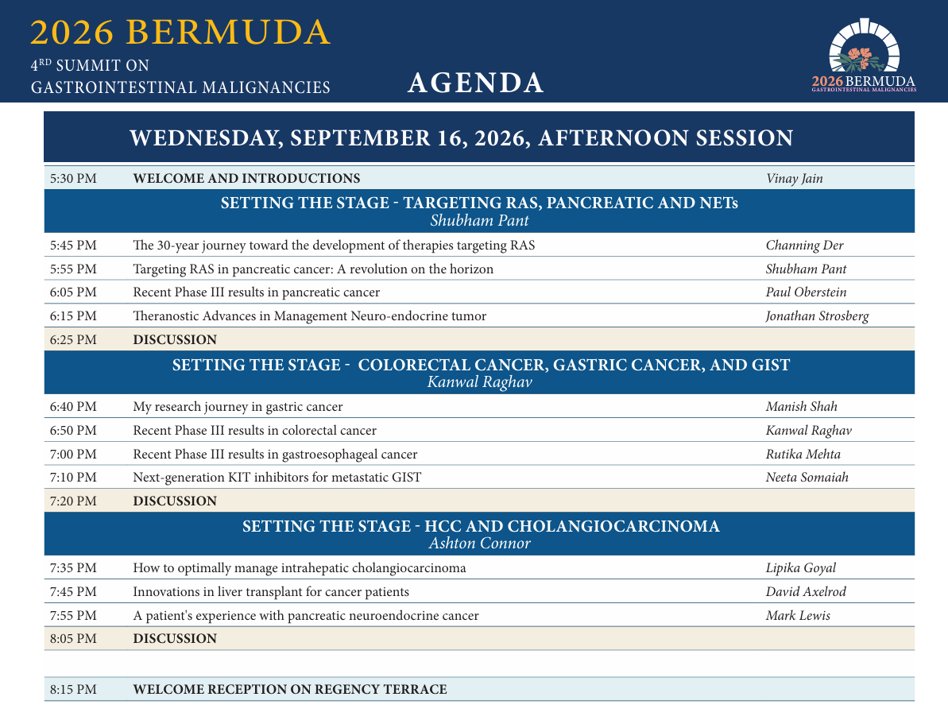
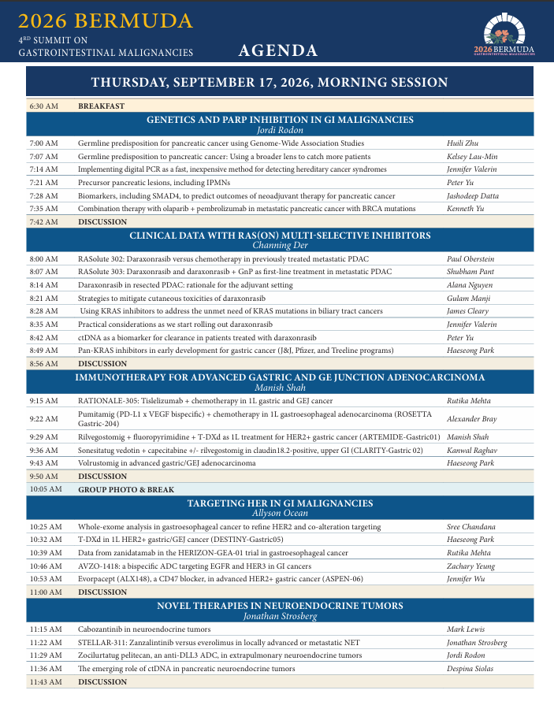
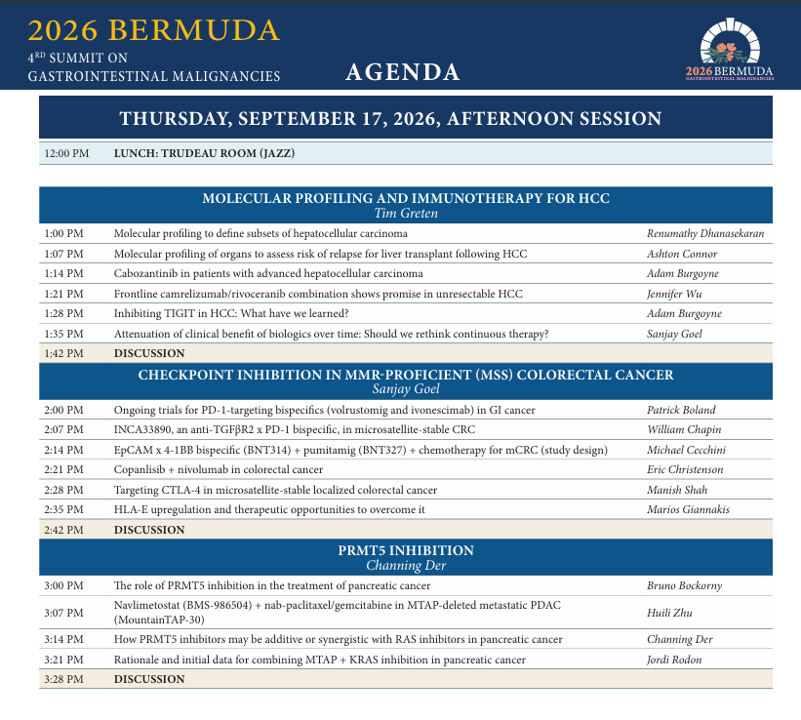
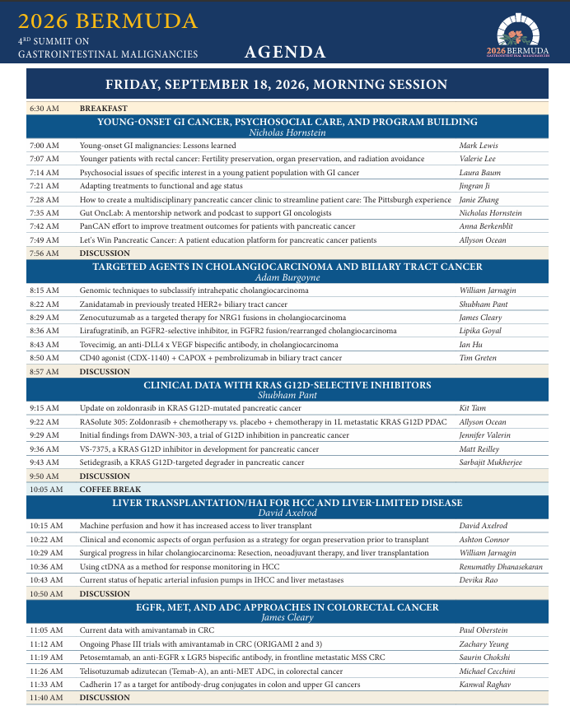
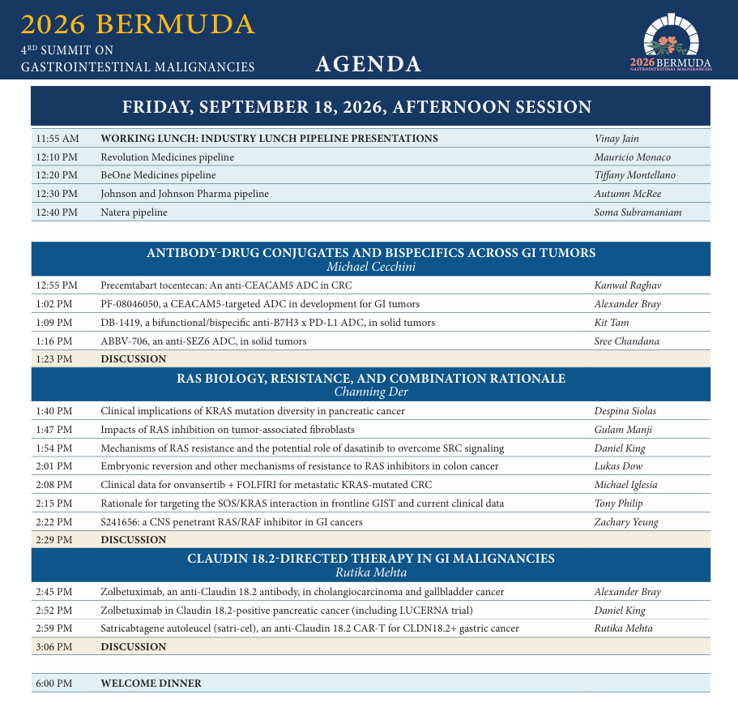
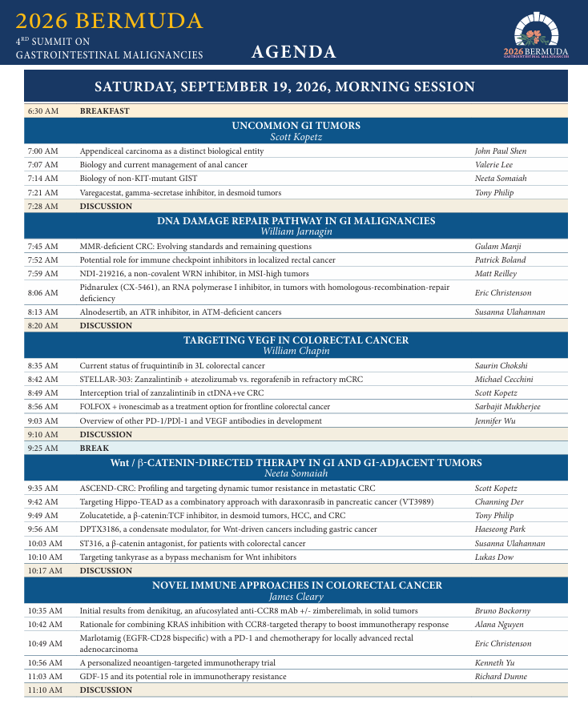
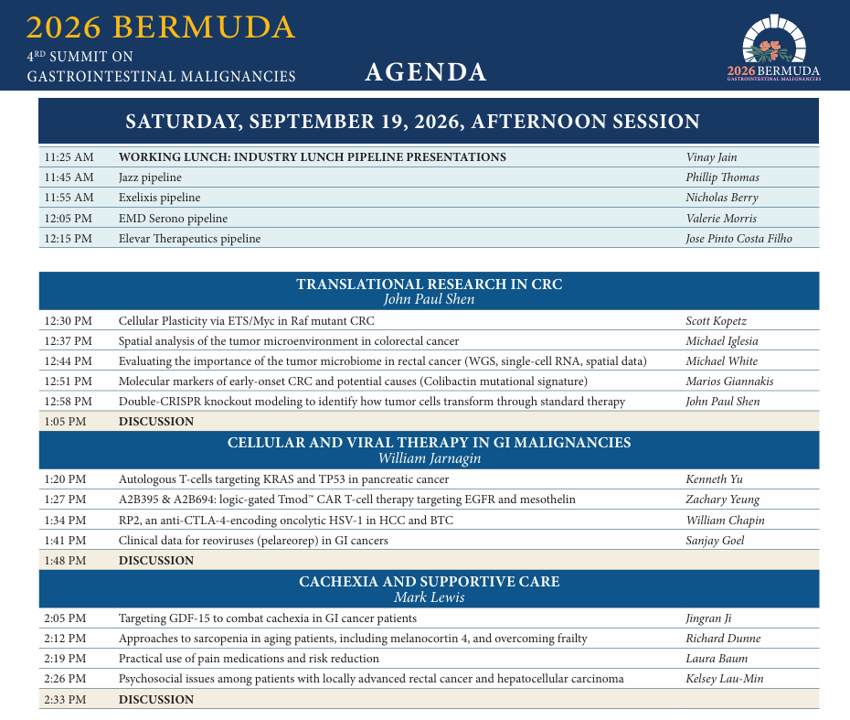
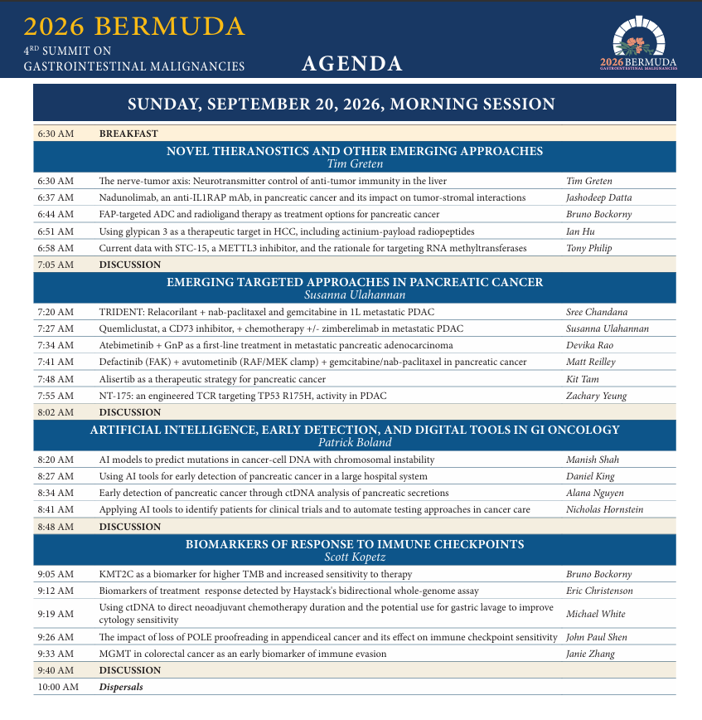
Fairmont Hamilton Princess, Bermuda · September 16–20, 2026
DAVA Oncology’s 4th Summit on Gastrointestinal Malignancies wrapped September 20 at the Fairmont Hamilton Princess, Bermuda. This page archives the meeting’s session feed — 170 slide posts and 524 captured slides across colorectal, pancreatic/RAS, gastroesophageal, hepatobiliary, NET & rare GI, translational, supportive-care and surgical sessions — with verbatim captions, slide text and links to KOL Pulse trial profiles.
170
Slide Posts
524
Slides Captured
77
Trials Named
60
Faculty
60 physicians · 31 on X
Faculty
The treating physicians and scientists on the Bermuda GI 2026 program, A–Z by surname. Portraits come from each speaker’s X profile where they have one; cards with a handle link straight to that profile.
Recent phase 3 results in colorectal cancer, from Dr. @kanwal_raghav (@UTMDAnderson) at #DAVAGI: ATOMIC (atezolizumab + FOLFOX in dMMRstage III), BREAKWATER (encorafenib + chemo in BRAF V600E 1L), KRYSTAL-10 (adagrasib + cetuximab), and STELLAR-303. #GIOnc
[Slide 1]
[Panel 1 — session intro card] Trials framed as "The Good, The Bad, The Ugly and The Meh": BREAKWATER · KRYSTAL-10 · STELLAR-03 · ATOMIC. (Raghav, DAVA 2026)
[Panel 2] ATOMIC: Chemoimmunotherapy in dMMR Stage 3 CRC
Context: MOSAIC 2004 — Stage 2/3, FOLFOX vs FL, 3yr DFS: 72.2% vs 65.3% · IDEA 2018 — Stage 3, FOLFOX 6m vs 3 m, 3yr DFS: 75.5% vs 74.6% · KEYNOTE-177 — mCRC 1st line, Pembrolizumab vs IC-SOC, 2yr PFS: 48.3% vs 18.6%.
ATOMIC eligibility (N = 712): confirmed Stage III colorectal adenocarcinoma; dMMR + (local IHC; retro central confirmation of dMMR status was performed); no prior systemic treatment (1 cycle FOLFOX allowed). R 1:1 → Atezolizumab + mFOLFOX X 6 months (N = 357) vs mFOLFOX X 6 months (N = 357). Primary Endpoint: DFS; Key Secondary Endpoints: OS.
Andre et al. NEJM 2004; Grothey et al. 2018; Andre et al. NEJM 2020; Sinicrope et al. NEJM 2026.
[Panel 3] ATOMIC: Results
3-Yr Disease-free Survival: Atezolizumab + mFOLFOX6 46/357 events, 86.3 (81.8–89.8) vs mFOLFOX6 81/357, 76.2 (70.9–80.6); Hazard ratio for disease recurrence or death, 0.50 (95% CI, 0.35–0.73); Stratified P<0.001 by log-rank test.
· 5-year OS: 89.7% in Atezo–mFOLFOX6 vs 87.9% in mFOLFOX6 group (stratified HR for death, 0.90; 95%CI: 0.55 to 1.47)
· TRAEs grade 3/4: 72.5% with Atezo–mFOLFOX6 vs 61.7% with mFOLFOX6
· 2 grade 5 events in Atezo-mFOLFOX6 vs None in mFOLFOX6
Sinicrope et al. NEJM 2026.
---
[Slide 2]
[Panel 1] BREAKWATER: BRAF-Targeted Therapy in 1st-Line mCRC
Table 3 (PRIME context, Douillard et al.): efficacy by RAS and BRAF mutation status, panitumumab–FOLFOX4 vs FOLFOX4 alone — No RAS or BRAF mutations: n=228 vs 218; median PFS 10.8 (9.4–12.4) vs 9.2 (7.4–9.6) months, HR 0.68 (0.54–0.87), P=0.002; median OS 28.3 (23.7–NE) vs 20.9 (18.4–23.8), HR 0.74 (0.57–0.96), P=0.02. No RAS mutation, BRAF mutation: n=24 vs 29; median PFS 6.1 (3.7–10.7) vs 5.4 (3.3–6.2), HR 0.58 (0.29–1.15), P=0.12; median OS 10.5 (6.4–18.9) vs 9.2 (8.0–15.7), HR 0.90 (0.46–1.76), P=0.76.
BREAKWATER: EC + mFOLFOX6 KM curves (PFS and OS) vs standard care.
Cohort 3 eligibility (N = 147): confirmed metastatic colorectal adenocarcinoma; measurable disease (RECIST 1.1); BRAF V600E mutant; not received prior systemic therapy for metastatic disease. R 1:1 → EC + FOLFIRI (N = 73) vs SOC (FOLFIRI ± Bevacizumab) (N = 74). Dual Primary Endpoints: ORR by BICR.
Douillard et al. NEJM 2013; Elez et al. NEJM 2025; Kopetz et al. Ann Oncol. 2026.
[Panel 2] BREAKWATER (cohort 3): Results — APPROVED
PFS: EC+FOLFIRI 32 events (43.8%), median PFS 15.2 (13.6-NE) months vs Control 42 (56.8), 6.3 (5.9-9.6); Hazard ratio, 0.44 (95% CI, 0.27-0.70).
OS: EC+FOLFIRI 28 (34.2), median OS NE (21.0-NE) vs Control 36 (47.3), 20.3 (13.2-NE); Hazard ratio, 0.58 (95% CI, 0.34-0.94).
cORR: 64% vs 39% · DOR ≥ 6 months: 57% vs 34% · TRAEs Gd ≥ 3: 53% vs 54%
Kopetz et al. Ann Oncol. 2026.
---
[Slide 3]
[Panel 1] KRYSTAL-10: KRAS-G12C-Targeted Therapy in 2nd-Line mCRC
Context — KRYSTAL-1: refractory mCRC, Ada + Cetux, ORR: 46%; mDOR: 7.6m. CODEBREAK-300: refractory mCRC, Soto + Panitumumab vs SOC, ORR: 26% v 6% v 0%; PFS (ITT): Sotorasib 960 mg + panitumumab median 5.62 mo, HR 0.48 (0.30–0.78), P=0.005; Sotorasib 240 mg + panitumumab 3.91, HR 0.59 (0.37–0.95), P=0.036; standard care 2.04.
KRYSTAL-10 eligibility (N = 460): confirmed metastatic colorectal adenocarcinoma; ECOG PS 0-1; KRAS-G12C mutant; progression on 1L fluoropyrimidine-based oxaliplatin/irinotecan regimen. R 1:1 → Adagrasib 600mg BID + Cetux Q2W (N = 231) vs SOC (mFOLFOX/FOLFIRI ± Bev) (N = 230). Dual Primary Endpoints: PFS by BICR, OS.
Yaeger et al. NEJM 2022; Tabernero et al. ESMO GI 2026.
[Panel 2] KRYSTAL-10: Results
· At final analysis, Ada+Cetux did not provide statistically significant improvements in OS and PFS over chemotherapy.
OS: Ada+Cetux (n=231) vs Chemo (n=230): events 159/165; median OS 21.6 vs 21.7 months (16.4-25.5 / 18.0-24.4); HR (95% CI) 0.83 (0.67-1.03); P = 0.0938 (one-sided).
PFS (dual primary endpoint): events 169 vs 128; median PFS 7.5 vs 8.1 months (6.3-9.2 / 7.3-9.2); HR 0.89 (0.71-1.13); P = 0.3241 (one-sided).
ORR %: 47 (40-53) vs 16 (11-21); difference in response rate 31 (23-39). Best overall response %: CR 7 vs <1; PR 39 vs 15; SD 40 vs 58; PD 8 vs 8; NE 5 vs 18. Median DOR (95% CI): 9.2 (7.4-11.1) vs 9.4 (5.6-11.8) months.
Safety, n (%): Any-grade TRAE 225 (98) vs 198 (96); Grade 3-5 TRAE 105 (46) vs 113 (55); any-grade serious TRAE 20 (9) vs 24 (12); TRAE leading to discontinuation of regimen 6 (3) vs 4 (2); treatment-related deaths 0 vs 1 (<1).
Tabernero et al. ESMO GI 2026.
---
[Slide 4]
[Panel 1] STELLAR-303: Zanzalintinib + Atezolizumab in Refractory mCRC
Context — CAMILLA: refractory pMMR mCRC, cabozantinib + durvalumab, ORR: 27%, mPFS: 3.6m; mOS: 9.1m. CORRECT Trial: refractory mCRC, regorafenib vs. placebo, HR 0.77 (95% CI 0.64-0.94, p=0.0052); mOS: 6.4m vs 5.0m; mPFS: 1.9m v 1.7m; DCR: 41% vs 15%.
STELLAR-303 eligibility (N = 901): confirmed metastatic colorectal adenocarcinoma; pMMR; progressed/refractory or intolerant to prior therapy with a fluoropyrimidine, irinotecan, and oxaliplatin, +/- anti-VEGF monoclonal antibody. R 1:1 → Zanza (100mg daily) + Atezo (1200 mg Q3W) (N = 451) vs SOC (Regorafenib 160mg PO Days 1-21 Q4W) (N = 450). Dual Primary Endpoints: OS in ITT population & in subset without liver metastases.
Grothey et al. The Lancet 2013; Saeed et al. Nat Commun. 2024; Hecht et al. The Lancet 2025.
[Panel 2] STELLAR-303: Results
· 12-month OS: 46% for zanzalintinib–atezolizumab vs 38% for regorafenib
· OS in the nlm ITT population: HR 0.79 (95%CI: 0.61–1.03); P=0.087 (mOS: 15.9 months vs 12.7 months).
· mPFS: 3.7 vs 2.0 months and in the nlm ITT population: 5.3 vs 3.7 months.
· ORR: 4% vs 1%
Forest plot by subgroups shown (liver metastases subset highlighted).
[Panel 3] STELLAR-303: Safety Profile
Grade ≥ 3 TRAEs: 60% (zanzalintinib–atezolizumab) vs 37% (regorafenib).
Most common Gd ≥ 3 TRAEs: HTN (15%), proteinuria (6%), fatigue (6%), diarrhea (6%), HFSR (3%) vs HTN (9%), proteinuria (2%), fatigue (2%), diarrhea (2%), HFSR (9%).
Serious TRAEs: 26% vs 10% · TRAEs leading to discontinuation: 18% vs 15%.
Deaths considered related to treatment by investigators were due to intestinal perforation (n=2) for zanzalintinib, pneumonitis (n=1) and renal failure (n=1) for atezolizumab, altered state of consciousness (n=1) for zanzalintinib–atezolizumab, and jejunal perforation (n=1) for regorafenib.
Hecht et al. The Lancet 2025.
Starting Now: Checkpoint Inhibition in MMR-proficient (MSS) Colorectal Cancer
Moderated by Dr. Sanjay Goel @RutgersCancer #DAVAGI
[Slide 1]
Checkpoint Inhibition in MMR-proficient (MSS) Colorectal Cancer
Thursday, September 17 2026 | 2:00 PM
Panelists: Patrick Boland · William Chapin · Michael Cecchini · Eric Christenson · Manish Shah · Marios Giannakis
Moderator: Sanjay Goel
DAVA Oncology
PD-1–targeting bispecifics in mCRC were reviewed by @PMBolandMD from @RutgersCancer: CANTOR is evaluating volrustomig with FOLFIRI/bevacizumab, while ivonescimab showed ~71% ORR and 9-month PFS rates of ~76% and 70%; HARMONi-GI3 is ongoing. #DAVAGI
CANTORHARMONi-GI3
[Slide 1]
CANTOR Study (Rutgers Cancer Institute)
Untreated mCRC · No liver mets · pMMR/MSS · ECOG PS 0-1 · n=80
Randomize 2:1 → FOLFIRI + bevacizumab + vilrostumig vs FOLFIRI + bevacizumab
Primary Outcome: PFS, AEs
Secondary Outcomes: OS, ORR, DCR, PFS2
---
[Slide 2]
Ivonescimab (PD-1 x VEGF) (Rutgers Cancer Institute)
Figure 1. Trial Design: Extension Phase — Key Eligibility Criteria: Age ≥18 years · Metastatic CRC · MSS or pMMR disease · Expected survival ≥3 months · No prior systemic therapy for metastatic disease · Not a candidate for surgical resection or local treatment · ECOG PS 0-1
Randomization 1:1 → Ivonescimab 20 mg/kg + mFOLFOX6 Q2W or Ivonescimab 10 mg/kg + mFOLFOX6 Q2W → Treatment until: disease progression, prohibitive toxicity, patient withdrawal, or 24 months of treatment → Safety and survival follow-up
80% L-sided, 67% liver mets, 29% RAS wt, 53% RAS mut
• ORR ~71%
• Landmark PFS rate at 9 mo: ~76% and 70%
Figure 2. Best Change in Sum of Diameters From Baseline (Response Analysis Set): 20 mg/kg (n=24) and 10 mg/kg (n=24) waterfall plots (SD/PR)
Berz D, et al. ASCO Annual Meeting 2026
---
[Slide 3]
HARMONi-GI3 – Phase III Trial (Rutgers Cancer Institute)
Figure 1. Trial Design — Key Eligibility Criteria: Age ≥18 years · Metastatic CRC · Not a candidate for surgical resection · No prior systemic therapy for metastatic disease · ECOG PS 0-1 · MSI-H/dMMR status excluded · BRAF V600E mutation excluded · n = 600
Randomization (1:1):
• Ivonescimab 20 mg/kg + mFOLFOX6 Q2W (8 cycles) → Ivonescimab 20 mg/kg + 5-FU/LV Q2W (maintenance)
• Bevacizumab 5 mg/kg + mFOLFOX6 Q2W (8 cycles) → Bevacizumab 5 mg/kg + 5-FU/LV Q2W (maintenance)
Treatment Until: Disease progression or Prohibitive toxicity or Patient withdrawal → Safety and survival follow-up
Stratification Factors: Geographic region (East Asia vs North America vs Europe) · Liver metastases at study entry (yes vs no) · RAS mutational status (mutant vs wild-type)
Study Endpoints — Primary: PFS by IRRC · Secondary: OS, ORR, and DOR by IRRC, safety, PK, and immunogenicity
Abbreviation footnote: 5-FU, 5-fluorouracil; CRC, colorectal cancer; dMMR, deficient mismatch repair; DOR, duration of response; ECOG PS; IRRC, independent radiology review committee; LV, leucovorin; mFOLFOX6, modified 5-FU, leucovorin, and oxaliplatin; MSI-H; ORR; OS; PFS; PK; Q2W; RAS.
NCT07228832
ORR/DCR with INCA33890 were 12%/20% in patients with active liver metastases (9/75 responses) and 23.3%/50% without them (7/30). Across 28 prior MSS CRC immunotherapy trials, mean ORRs were 4.8% and 23%, respectively. Presented by Dr. William Chapin from @PennMedicine. #DAVAGI
[Slide 1]
Safety in Phase 1 Study (Penn Medicine; slide adapted from Garralda et al. ESMO 2025 with permission)
• INCA33890 doses up to 1200 mg q2w were well tolerated with no DLTs
• 1500 mg q2w exceeded MTD [1 DLT (myocarditis) + additional irSAEs (DKA, encephalomyelitis, adrenal insufficiency)]
• Recommended doses for expansion of 300, 600, and 900 mg q2w were selected based on safety, PK, PD, and preliminary efficacy
• Safety profiles were similar across recommended doses for expansion:
• Investigator-identified irAEs occurred in 31.0% of patients at RDEs — Grade 3 irAEs occurred in 7.5% of patients · 10 patients discontinued therapy due to irAEs
• Investigator-identified immune reactions occurred in 9.2% of patients — 2 patients had grade 4 anaphylaxis IRRs that led to discontinuation
TRAEs Across RDEs, TRAE n (%) — 300 mg q2w (n=99) / 600 mg q2w (n=30) / 900 mg q2w (n=110) / Total (n=239): TRAE 58 (58.6) / 23 (76.7) / 58 (52.7) / 139 (58.2) · Serious TRAE 10 (10.1) / 4 (13.3) / 6 (5.5) / 20 (8.4) · Grade ≥3 TRAE 12 (12.1) / 4 (13.3) / 8 (7.3) / 24 (10.0) · TRAE leading to dose delay 17 (17.2) / 6 (20.0) / 14 (12.7) / 37 (15.5) · TRAE leading to treatment discontinuation 8 (8.1) / 3 (10.0) / 2 (1.8) / 13 (5.4)
Most Common Any-Grade TRAEs (in ≥5% Across RDEs), preferred term n (%) by maximum grade (G1/2, G3+) — 300 mg / 600 mg / 900 mg / Total any-grade: Fatigue 14 (14.1), 0 (0) / 5 (16.7), 0 (0) / 14 (12.7), 0 (0) / 33 (13.8) · Skin toxicity 6 (6.1), 2 (2.0) / 6 (20.0), 3 (10.0) / 7 (6.4), 2 (1.8) / 26 (10.9) · Pruritus 6 (6.1), 0 (0) / 3 (10.0), 1 (3.3) / 10 (9.1), 1 (0.9) / 21 (8.8) · IRR 4 (4.0), 1 (1.0) / 5 (16.7), 0 (0) / 10 (9.1), 0 (0) / 20 (8.4) · Nausea 5 (5.1), 0 (0) / 5 (16.7), 0 (0) / 7 (6.4), 0 (0) / 17 (7.1) · Diarrhoea 5 (5.1), 0 (0) / 1 (3.3), 0 (0) / 9 (8.2), 0 (0) / 15 (6.3) · ALT increased 4 (4.0), 2 (2.0) / 1 (3.3), 0 (0) / 4 (3.6), 1 (0.9) / 12 (5.0)
---
[Slide 2]
Efficacy in patients with MSS CRC (Penn Medicine; slide adapted from Garralda et al. ESMO 2025 with permission)
• Among 105 patients treated at recommended doses for expansion, 93.3% had >2 prior regimens and 71.4% had active liver metastases
• 16 patients responded; 14 confirmed (ORR 15.2%); median duration of therapy: 7.3 months
Waterfall plot: Tumour Shrinkage With INCA33890 in MSS CRC: Impact of Liver Metastases — INCA33890 dose level: 300 mg q2w / 600 mg q2w / 900 mg q2w; Liver Metastasis: Yes (solid) / No (hatched); best percentage change from baseline in sum of diameters of target lesions; iPR in PD by new lesion noted
---
[Slide 3]
Efficacy in subgroups of patients with MSS CRC (Penn Medicine; slide adapted from Garralda et al. ESMO 2025 with permission; Moyer et al. ASCO GI 2026; Beiter et al. JCO 2025)
Impact of Sites of Metastasis:
• Active Liver Metastases — 12% ORR (9/75 patients) · 20% DCR
• No Active Liver Metastases — 23.3% ORR (7/30 patients) · 50% DCR
• Particularly interesting given finding across 28 trials of immunotherapy regimens in MSS CRC encompassing nearly 1500 patients — Mean ORR 23% in patients without liver mets · Mean ORR 4.8% in patients with liver mets
Impact of PD-L1 Expression Level (ORR % with 95% CI; Tumor Area Positivity score (TAP score)): PD-L1 ≥5% (n=13): 38.5% · PD-L1 ≥1% (n=56): 17.9% · PD-L1 <1% (n=22): 9.1% · Overall (n=78): 15.4%
• No impact of tumor mRNA expression of TGFβ or associated signatures on response
@Cecchini_OncMD from @YaleMed presents NCT07079631, a phase 1/2 study of BNT314, an EpCAM × 4-1BB bispecific plus pumitamig and chemotherapy in MSS/pMMR metastatic CRC. Planned enrollment is up to 482 patients. #DAVAGI
NCT07079631
[Slide 1]
A Phase 1/2 trial to investigate efficacy and safety of EpCAM x 4-1BB bs Ab (BNT314/GEN1059) in combination with pumitamig and chemotherapy in patients with metastatic colorectal cancer (NCT07079631) — Yale New Haven Health / Smilow Cancer Hospital / Yale Cancer Center; Elez et al. Presented at GI ASCO 2026
A 3-part study:
Part A: Safety run-in — 2L+ MSS/pMMR mCRC, BOIN, BNT314 (Q6W) + pumitamig; dose levels A-DL1 through A-DL5 (BNT314 DL1–DL5 + pumitamig); Two BNT314 dose levels may be selected to investigate pumitamig at a lower dose; Primary endpoint: Safety · Secondary endpoints: ORR, DOR, DCR, PK, ADA
Part B: Dose optimization — 2L MSS/pMMR mCRC: B1: BNT314 (SDL1) Q6W + pumitamig + SoC chemotherapy · B2: BNT314 (SDL2) Q6W + pumitamig + SoC chemotherapy; 1L MSS/pMMR mCRC: B3: BNT314 (SDL1) Q6W + pumitamig + SoC chemotherapy · B4: BNT314 (DL2) Q6W + pumitamig + SoC chemotherapy; Safety run-in with DLT evaluation after first 5 patients per cohort; Primary endpoint: Safety, ORR · Secondary endpoints: DOR, DCR, PK, ADA
Part C: Phase 2 — 2L MSS/pMMR mCRC, randomized: C-TA1: BNT314 (Q6W) + pumitamig + SoC chemotherapy · C-TA2: Bevacizumab + SoC chemotherapy · C-TA3: Pumitamig + SoC chemotherapy; Primary endpoint: PFS · Key secondary endpoint: ORR · Secondary endpoints: DOR, OS, Safety; Strata: Liver metastases (yes, no), BRAF/RAS (wildtype vs mutant)
---
[Slide 2]
A Phase 1/2 trial to investigate efficacy and safety of EpCAM x 4-1BB bs Ab (BNT314/GEN1059) in combination with pumitamig and chemotherapy in patients with metastatic colorectal cancer (NCT07079631) — Yale / Smilow; Elez et al. Presented at GI ASCO 2026
Patient eligibility — Key inclusion criteria: Adults aged ≥18 years · Have unresectable histologically confirmed adenocarcinoma of the colon or rectum · Have confirmed non-microsatellite instability-high (non-MSI-H)/pMMR mCRC · Have measurable disease defined by RECIST v1.1 · Must provide a tumor tissue sample · Have ECOG PS of 0 or 1 · Have a life expectancy of ≥12 weeks · Have adequate organ and bone marrow function · Have had an adequate previous treatment washout period before randomization/enrollment
Key exclusion criteria: Confirmed MSI-H/dMMR mCRC · Medical, psychological, or social condition which, in the opinion of the investigator, could compromise their wellbeing... · Prior treatment with EpCAM or 4-1BB targeted or immunotherapy · Prior treatment with immune checkpoint inhibitors or PD(L)-1/VEGF bispecific antibody · Candidate to locoregional treatment (including surgical resection, stereotactic radiation therapy or tumor ablation) with potential to induce complete or near complete response and prolonged tumor control, per investigator's assessment · Have evidence of major coagulation disorders or other significant risks of hemorrhage · Uncontrolled or significant cardiovascular disease
Planned study sites: Countries with activated sites: United States, United Kingdom, Spain, and Germany · Countries/regions with planned sites: Europe, Asia-Pacific, and Australia · A total of 65 sites are planned to take part; 9 sites initiated as of December 17th, 2025: 3 in the United States, 3 in the United Kingdom, 2 in Spain and 1 in Germany · The first patient was dosed on August 13th, 2025. As of December 17th, 2025, 5 patients have been enrolled
Up to 482 patients to be enrolled
Starting soon: “EGFR, MET, and ADC Approaches in Colorectal Cancer” moderated by @JamesClearyMD
@DanaFarber #DAVAGI
[Slide 1]
EGFR, MET, and ADC Approaches in Colorectal Cancer
Friday, September 18 2026 | 11:05 AM
Panelists: Paul Oberstein · Zachary Yeung · Saurin Chokshi · Michael Cecchini · Kanwal Raghav
Moderator: James Cleary
[DAVA Oncology session card]
Dr. @md_oberstein, @nyulangonediscusses current data with amivantamab in CRC. Presents OrigAMI-1 study. With AMI + Chemo, confirmed ORR was 51% overall, 73% in 1L and 44% in 2L
In RAS/BRAF WT mCRC after anti-EGFR therapy, median PFS was 7.0 vs 2.8 months and OS 16.1 vs 10.4 months for ≥2 vs ≤2 mutational-decay half-lives.
. #DAVAGI
OrigAMI-1
[Slide 1]
OrigAMI-1 study design
OrigAMI-1 eligibility criteria: Unresectable mCRC · WT KRAS, NRAS, BRAF, EGFR ectodomain, with no evidence of ERBB2/HER2 amplification by central testing (cohorts A–E) · WT KRAS, NRAS, BRAF, PTEN, fusion-negative to ALK, ROS-1, RET, and NTRK-1, with no evidence of ERBB2/HER2 amplification by central testing (cohort F)
Cohorts A-C*: Amivantamab 1,050 mg IV (1,400 mg if body weight ≥80 kg) weekly for the first 4 weeks, then every 2 weeks
· Cohort A: Amivantamab monotherapy in L-sided — 2-3 prior lines in a metastatic setting (no prior EGFR therapy)
· Cohort B: Amivantamab monotherapy in L-sided — 2-3 prior lines in a metastatic setting (with prior EGFR therapy)
· Cohort C: Amivantamab monotherapy in R-sided — 2-3 prior lines in a metastatic setting (prior EGFR therapy allowed)
Cohorts D and E†: Amivantamab 1,050 mg IV (1,400 mg if body weight ≥80 kg) weekly for the first 4 weeks, then every 2 weeks · Combined with standard mFOLFOX6 or FOLFIRI dosing · No prior EGFR inhibitor treatment
· Cohort D: Amivantamab plus FOLFOX in L- and R-sided — Maximum of 1 prior line in a metastatic setting (no prior EGFR therapy)
· Cohort E: Amivantamab plus FOLFIRI in L- and R-sided — Maximum of 1 prior line in a metastatic setting (no prior EGFR therapy)
Cohort F: SC amivantamab every 4 weeks · Treatment-naïve → [Enrolling] Cohort F: SC amivantamab plus FOLFOX in R-sided — Treatment-naïve in the metastatic setting
*Participants must have received standard-of-care fluoropyrimidine-, oxaliplatin-, and irinotecan-based chemotherapy and anti-VEGF therapy, with or without an anti-EGFR therapy. †Maximum of one prior line in the metastatic setting.
[4th Summit on Gastrointestinal Malignancies, Bermuda, 2026 — slide 382]
---
[Slide 2]
Best response by line of therapy in Ami + chemo combo
Figure 4: Best response by line of therapy — A. 1L subgroup (n=11): Median follow-up: 18.3 months; 1L ORR=73%; DoR=not reached. B. 2L subgroup (n=32): Median follow-up: 12.7 months; 2L ORR=44%; DoR=7.4 months. [Waterfall plots; best confirmed response: CR / PR / SD / PD; L = L-sided disease, R = R-sided disease]
Subgroups by line of therapy:
· There were 11 participants who received first-line (1L) amivantamab plus FOLFOX or FOLFIRI
– ORR was 73% (95% CI: 53–86; Figure 4A), with median DoR not reached
– 4 (36%) of 11 participants proceeded to curative intent surgery and were censored upon completion
· The remaining 32 participants received 2L amivantamab plus FOLFOX or FOLFIRI
– ORR was 44% (95% CI: 26–62; Figure 4B), with a median DoR of 7.4 months (95% CI: 5.4–14.5)
– 2 participants proceeded to curative intent surgery
Liver metastases subgroup:
· In total, 30 participants had target liver lesions
· ORR was 57% (95% CI: 37–75) — 1 participant had a complete response
· Clinical benefit rate was 77% (95% CI: 58–90)
· Median PFS was 11.3 months (95% CI: 5.9–16.4)
· Median OS was not estimable (95% CI: 18.1–NE) — 12-month rate was 85%; 18-month rate was 75%
Key Takeaway: Amivantamab plus FOLFOX or FOLFIRI demonstrated clinically meaningful and durable antitumor activity among participants with RAS/BRAF wild-type metastatic colorectal cancer, including those with liver metastases
Chen et al., J Clin Oncol 44, 166 (ASCO GI 2026) [slide 386]
---
[Slide 3]
Transcriptomic Landscape of CRC using Consensus Molecular Subtypes (CMS)
BACKGROUND
· Colorectal tumors can be classified into 4 CMS (Figure 1)
· In RAS/BRAF WT mCRC, the majority of tumors are classified as canonical EGFR-dependent (CMS2) and mesenchymal EGFR-independent (CMS4), with the latter associated with poor prognosis and limited response to traditional EGFR inhibition
– In prior analyses, cetuximab monotherapy demonstrated greater antitumor activity against CMS2 versus CMS4 tumors
– Additionally, CMS2 to CMS4 subtype switching has been described as a potential cetuximab monotherapy resistance mechanism
· Amivantamab, an EGFR-MET bispecific antibody, has demonstrated antitumor activity in refractory mCRC, independent of sidedness
· Given the role of HGF/MET signaling in the mesenchymal subtype (CMS4), targeting with amivantamab could demonstrate antitumor activity in both CMS2 and CMS4 mCRC
Figure 1: CMS in colorectal cancer — CMS1 (Immune): MSI, CIMP, BRAF V600E mutation, hypermutated; Immune activated · CMS2 (Canonical): MSS, CIN, Wnt/MYC activation, EGFR dependence; Immune desert · CMS3 (Metabolic): CIN-MSI mixed, metabolic dysregulation, KRAS mutations; Immune mixed · CMS4 (Mesenchymal): MSS, CIN, stromal infiltration, TGF-β, Angiogenesis; Immune suppressed
Cruz-Correa et al., J Clin Oncol 44, 3548 (ASCO 2026)
---
[Slide 4]
Conclusion
· Significant and deep responses seen with single agent and in combination of Ami + chemotherapy.
· The combination is generally well tolerable
· Responses seen in R sided as well (3 of 7 patients with 2nd line R sided CRC)
· Provides justification to test in combination with FOLFOX or FOLFIRI in earlier lines
· Ongoing Randomized Phase III trials in both 1st and 2nd line
[4th Summit on Gastrointestinal Malignancies, Bermuda, 2026]
Dr. Zachary Yeung of @BannerHealth reviews ongoing phase III ORIGAMI-2/3 trials in CRC. Earlier OrigAMI-1 data for amivantamab+ FOLFOX/FOLFIRI showed ORR 73% in 1L and 44% in 2L. #DAVAGI
OrigAMI-1ORIGAMI-2ORIGAMI-3
[Slide 1]
Responses were deep in the 1L and 2L to allow for conversion to definitive therapy
Subgroups by line of therapy:
· There were 11 participants who received first-line (1L) amivantamab plus FOLFOX or FOLFIRI
– ORR was 73% (95% CI: 53–86; Figure 4A), with median DoR not reached
– 4 (36%) of 11 participants proceeded to curative intent surgery and were censored upon completion
· The remaining 32 participants received 2L amivantamab plus FOLFOX or FOLFIRI
– ORR was 44% (95% CI: 26–62; Figure 4B), with a median DoR of 7.4 months (95% CI: 5.4–14.5)
– 2 participants proceeded to curative intent surgery
– Of note, 12 of the 32 participants were on amivantamab for >1 year (Figure 5)
· Among the 4 participants still ongoing, 3 have been on amivantamab for >2 years
Figure 4: Best response by line of therapy — A. 1L subgroup (n=11): median follow-up 18.3 months, 1L ORR=73%, DoR=not reached. B. 2L subgroup (n=32): median follow-up 12.7 months, 2L ORR=44%, DoR=7.4 months. [Waterfall plots; best confirmed response CR/PR/SD/PD; L = L-sided, R = R-sided]
---
[Slide 2]
ORIGAMI2: 1L NCT06662786 — Banner MD Anderson Center
Key Eligibility Criteria: Unresectable or metastatic left-sided CRC · Treatment naïve for unresectable or metastatic CRC · KRAS/NRAS/BRAF wild type
Randomization (1:1; N=1000) — 28-day Treatment Cycles:
Arm A: Amivantamab* + mFOLFOX6 or FOLFIRI (N=500)
Arm B: Cetuximab† + mFOLFOX6 or FOLFIRI (N=500)
Stratification factors: Chemotherapy (mFOLFOX6/FOLFIRI) · Limited disease‡ (yes/no) · Prior adjuvant therapy (yes/no)
* 1600 mg (BW <80kg) or 2240 mg (BW ≥ 80kg). Cycle 1: Weekly administration (ie. Days 1, 8, 15, and 22); Cycle 2+: bi-weekly administration (ie. Days 1 and 15)
† Biweekly regimen: 500 mg/m2 on Days 1 and 15; or Weekly regimen: 400 mg/m2 on C1D1 then 250 mg/m2 weekly
‡ Defined as up to two metastatic sites and up to 5 metastatic lesions in each site
Primary Endpoint: Progression-free survival (PFS) by blinded independent central review
Secondary Endpoints: Efficacy (OS, ORR, DOR, PFS2) · Safety (AE, laboratory abnormalities) · PROs (e.g. EORTC QLQ-C30, EORTC QLQ-CR29)
---
[Slide 3]
ORIGAMI 3: 2L NCT06750094 — Banner MD Anderson Center
Figure 1: Schematic Overview of the Study
Key Eligibility Criteria: Recurrent, unresectable or metastatic CRC · Received 1 line of systemic therapy for mCRC · Anti-EGFR and irinotecan naïve · KRAS/NRAS/BRAF wild type
Randomization (1:1; N=700) — 28-day Treatment Cycles:
Arm A: Amivantamab* + FOLFIRI (N=350)
Arm B: Cetuximab¶ or Bevacizumab† + FOLFIRI (N=350)
Stratification Factors: Choice of control (cetuximab/bevacizumab) · Primary tumor location (left/right) · Prior anti-VEGF therapy (yes/no) · Duration of 1L therapy‡ (≥6mo/<6mo)
* 1600 mg (BW <80kg) or 2240 mg (BW ≥ 80kg). Cycle 1: Weekly administration (ie. Days 1, 8, 15, and 22); Cycle 2+: bi-weekly administration (ie. Days 1 and 15)
¶ Biweekly regimen: 500 mg/m2 on Days 1 and 15 OR, Weekly regimen: 400 mg/m2 on C1D1 then 250 mg/m2 weekly
† 5mg/kg on Days 1 and 15
‡ start of therapy to disease progression. Duration of first line therapy (in months) is calculated as date of progression or relapse on first line therapy minus start date of first line therapy plus 1 divided by 30.4375.
Dual Primary Endpoints: Progression-free survival (PFS) by blinded independent central review · Overall Survival
Key Secondary Endpoints: Efficacy (ORR, DOR, PFS2) · Safety (AE, laboratory abnormalities) · PROs (e.g. EORTC QLQ-C30, EORTC QLQ-CR29)
Note: Left-sided CRC is defined as a primary tumor that involves the splenic flexure, descending colon, sigmoid colon, overlapping lesion of colon, rectosigmoid junction, or rectum. Right-sided CRC is defined as a primary tumor that arises from the cecum, the ascending colon, the hepatic flexure or the transverse colon.
planned to open in 230 sites in 25 countries
Dr. @Cecchini_OncMD, @YaleMed discussed Telisotuzumab adizutecan(Temab-A), an anti-MET ADC, in colorectal cancer.
Temab-A monotherapy at 2.4 mg/kg yielded 18% ORR, 78% CBR and 5.3-mo mPFS. At 2.4 mg/kg + bevacizumab vs TAS-102+bev: ORR 30% vs 0% in SOC, mPFS 6.8 vs 4.2 mo in SOC. Overall ILD/pneumonitis rate was 5%; no G4/5 events. #DAVAGI
[Slide 1]
Telisotuzumab adizutecan (Temab-A) monotherapy in advanced mCRC (Sharma et al. ASCO 2024; Cecchini et al. ASCO GI 2025)
Response to Telisotuzumab adizutecan in mCRC (waterfall by dose): 1.6 mg/kg ORR 6%, CBR 75%, mPFS mo (95% CI) 5.1 (2.8-6.8) · 2.4 mg/kg ORR 18%, CBR 78%, mPFS 5.3 (3.8-5.9) · 3.0 mg/kg ORR 24%, CBR 68%, mPFS 4.1 (2.6-6.7)
Clinical Responses Were Observed in Patients Positive for Actionable Biomarkers (Biomarker / Patients (N) / cPR (n) / cPR Rate % [95% CI]):
All patients with CRC 113 / 19 / 16.8 [11.0, 24.8]
TMB High (>=20 mut/Mb) 48 / 10 / 20.8 [11.7, 34.3] · NE 14 / 0 / 0 [0.0, 21.5] · Low 51 / 9 / 17.6 [9.6, 30.2]
KRAS mut Pos 73 / 10 / 13.7 [7.6, 23.4] · Neg 40 / 9 / 22.5 [12.3, 37.5]
NRAS mut Pos 26 / 2 / 7.7 [2.1, 24.1] · Neg 87 / 17 / 19.5 [12.6, 29.1]
KRAS G12C mut Pos 5 / 0 / 0 [0.0, 43.4] · Neg 108 / 19 / 17.6 [11.6, 25.8]
BRAF mut Pos 14 / 3 / 21.4 [7.6, 47.6] · Neg 99 / 16 / 16.2 [10.2, 24.6]
HER2 amp Pos 9 / 2 / 22.2 [6.3, 54.7] · Neg 104 / 17 / 16.3 [10.5, 24.6]
Conclusions: Temab-A monotherapy demonstrates promising activity in advanced CRC · Responses are seen across biomarkers and c-MET IHC levels
---
[Slide 2]
TEAEs were primarily hematologic and gastrointestinal toxicities, consistent with the safety profile of Temab-A monotherapy (Yale New Haven Health / Smilow Cancer Hospital / Yale Cancer Center; Cecchini et al. Presented at ESMO 2025)
Pooled Temab-A 7a and 7b (n=63) vs SOC (n=20), Grade 1-2 / Grade >=3 (%):
Anemia 37/12 vs 15/15 · Neutropenia 16/13 vs 25/35 · Thrombocytopenia 5/17 vs 30/5 · Nausea 60/- vs 65/- · Decreased appetite 2/33 vs 35/- · Fatigue 8/41 vs 50/- · Vomiting 2/40 vs 25/- · Diarrhea 24/- vs 35/5 · Constipation 2/24 vs 25/- · Cough 24/- vs 10/-
Bullets: Hematologic TEAEs were dose dependent with increased frequency at higher doses of Temab-A · The overall adjudicated ILD/pneumonitis rate in Temab-A + Bev-treated patients was 5% (n=3); one patient (2%) experienced a grade 3 event, with no grade 4 or 5 events reported
---
[Slide 3]
Temab-A + Bev combination therapy showed promising efficacy in patients with 3L+ CRC, with 30% ORR in 2.4-mg/kg Temab-A + Bev group vs 0% in SOC (Cecchini et al. Presented at ESMO 2025)
Waterfalls: Temab-A 2.0 mg/kg + Bev ORR 19% · Temab-A 2.4 mg/kg + Bev ORR 30% · TAS-102 + Bev ORR 0%
Outcome table - Temab-A 1.6 mg/kg + Bev (n=7) / Temab-A 2.0 mg/kg + Bev (n=26) / Temab-A 2.4 mg/kg + Bev (n=30) / Total Temab-A + Bev (n=63) / TAS-102 + Bev (n=20):
ORR, n (%): 1 (14) / 5 (19) / 9 (30) / 15 (24) / 0
DCR, n (%): 7 (100) / 21 (81) / 29 (97) / 57 (91) / 14 (70)
DCR12, n (%): 5 (71) / 15 (58) / 25 (83) / 45 (71) / 12 (60)
Median follow-up time, months (range): 15 (7-15) / 9 (1-11) / 10 (2-13) / 10 (1-15) / 10 (0.4-11)
---
[Slide 4]
Median PFS for Temab-A + Bev across doses is 6.7 months vs 4.2 in SOC (Cecchini et al. Presented at ESMO 2025; Part 7 Pooled KM: TAS-102 + Bevacizumab 5.0 mg/kg Q2W vs Temab-A 2.0 mg/kg + Bevacizumab 7.5 mg/kg Q3W vs Temab-A 2.4 mg/kg + Bevacizumab 7.5 mg/kg Q3W)
Outcome table - Temab-A 1.6 mg/kg + Bev (n=7) / Temab-A 2.0 mg/kg + Bev (n=26) / Temab-A 2.4 mg/kg + Bev (n=30) / Total Temab-A + Bev (n=63) / TAS-102 + Bev (n=20):
Median PFS, months [95% CI]: 6.0 [3.9, 14.1] / 5.6 [3.9, 8.2] / 6.8 [5.4, 9.5] / 6.7 [5.6, 7.0] / 4.2 [1.8, 6.3]
Median OS, months [95% CI]: 13.8 [6.7, NE] / 9.8 [5.7, NE] / NR [NE, NE] / 13.8 [9.8, NE] / 9.6 [7.7, NE]
At #DAVAGI, @kanwal_Raghav (@UTMDAnderson) reviews precemtabart tocentecan (M9140), a CEACAM5-targeted ADC with stable linker and exatecanTOP1 payload. Early combination data: ORR 12.5%, DCR 87.5%, mPFS 9.5 mo. Phase 3 PROCEADE-CRC-03 ongoing with first patient dosed May 21, 2026.
PROCEADE-CRC-01PROCEADE-CRC-03
[Slide 1]
Precem-T: PROCEADE-CRC-01 (Kopetz et. al. Nature Medicine 2025)
Phase 1, FiH, open-label study NCT05464030. Key eligibility criteria: Patients with confirmed la/m CRC, intolerant/refractory to or progressing after systemic therapies, including irinotecan · ECOG PS <=1 · Patients with MSI-H status must have received treatment with an ICI unless contradicted. N~200
Part 1: Monotherapy (IV) Q3W; RDE determined at 2.8 mg/kg and 2.4 mg/kg (dose escalation mCRC)
Dose expansion mCRC (ongoing): Part 2A: Dose optimization - Precem-TcT monotherapy (IV), Q3W; Arm A1: 2.8 mg/kg, Arm A2: 2.4 mg/kg · Part 2B: alternative regimen · Part 2C: combination regimen · Part 2D: combination regimen
Endpoints for Part 2A - Primary: AEs, objective response, duration of response. Secondary: PK, OS, PFS, AEs, ECG changes, ADA, disease control, time-to-response
Bullets: Dose-escalation: 8/4/2022 - 2/2024: N = 40 patients from US, Europe and Japan · Precem-TcT across seven DLs: 0.6, 1.2, 2.4, 2.6, 2.8, 3.0, 3.2 mg/kg · Heavily pretreated, with 80% having received >= 3 prior lines of treatment, and all had irinotecan.
---
[Slide 2]
PROCEADE-CRC-01: Dose-Optimization (Kopetz et. al. ESMO 2025; Prager et. al. NEJM 2023)
Figure 4. OS (KM): Arm A1 2.8 mg/kg Q3W (n=29) - No. of events 10, Median (months) NE, 95% CI 8.7-NE · Arm A2 2.4 mg/kg Q3W (n=31 [n legible as ~31]) - No. of events 17, Median 10.6, 95% CI 7.0-NE
Figure 5. PFS (KM): Arm A1 2.8 mg/kg Q3W (n=29) - events 25, Median 6.9, 95% CI 4.4-9.5, 6-month PFS (%) 64.3, 95% CI 43.8-78.9 · Arm A2 2.4 mg/kg Q3W (n=31) - events 26, Median 7.0, 95% CI 3.1-9.7, 6-month PFS 54.8, 95% CI 36.0-70.3
Right panel - SUNLIGHT Trial: FTD-TPI + Bevacizumab vs FTD-TPI (NEJM): OS hazard ratio for death 0.61 (95% CI 0.49-0.77), P<0.001; PFS hazard ratio for disease progression or death 0.44 (95% CI 0.36-0.54), P<0.001
mPFS: 5.6 (95%CI: 4.5 to 5.9) vs 2.4 months & mOS: 10.8 (95%CI: 9.4 to 11.8) vs 7.5 months
---
[Slide 3]
PROCEADE-CRC-01: Bevacizumab Combination (Kopetz et.al. ESMO GI 2026)
Design recap: dose escalation mCRC Part 1 Monotherapy Q3W, RDE at 2.8 and 2.4 mg/kg; dose expansion Part 2A dose optimization (2.8 vs 2.4 mg/kg), Part 2B alternative regimen, Part 2C1: Precem-TcT Q3W + Bevacizumab 7.5 mg/kg (2.8 or 2.4 mg/kg Precem-TcT), Part 2C2: Precem-TcT + Bevacizumab + Capecitabine, Part 2D combination regimen. Endpoints for Part 2C - Primary: DLTs, AEs; Secondary: PK, PFS, ADA, OR, DoR, DCR, TTR
Parameter table (Precem-TcT 2.8 mg/kg Q3W + Bevacizumab 7.5 mg/kg, N=16): Confirmed ORR, % (95% CI) 12.5 (1.6, 38.3) · Confirmed BOR, n (%): Partial response 2 (12.5), Stable disease 13 (81.3), Progressive disease 1 (6.3) · DCR at Week 12 visit, % (95% CI) 87.5 (61.7, 98.4) · DOR, median (95% CI), months 8.8 (NE, NE)
Figure 3: Best overall response waterfall (SD/PD/PR labels; percentage of CEACAM5 positive tumor cells >=1+, >=2+, 3+ rows mostly 90-100; KRAS/NRAS/BRAF mutation status Y/N/U row)
Figure 4: Progression-free survival (KM) - Precem-TcT 2.8 mg/kg Q3W + Bevacizumab 7.5 mg/kg N=16: No. of events 9; mPFS, months (95% CI) 9.5 (5.6, NE); number at risk 16,16,15,13,12,10,9,6,6,5,1,1
---
[Slide 4]
PROCEADE-CRC-03: A randomized, open label, 3-arm Phase 3 study of Precemtabart Tocentecan with or without bevacizumab compared to trifluridine/tipiracil plus bevacizumab in participants with previously treated advanced colorectal cancer (Raghav et.al. ESMO GI 2026)
Key eligibility criteria: Adult patients with histopathologically confirmed metastatic CRC · Intolerant to or progressed after not more than 2 prior systemic treatment regimens for metastatic disease · Must have been treated with a fluoropyrimidine, irinotecan, oxaliplatin, and bevacizumab, along with additional treatments based on biomarker status · ECOG PS <=1. N~1020
Randomization 1:1:1 - Arm 1: Precem-TcT monotherapy (2.8 mg/kg Q3W) · Arm 2: Precem-TcT (2.8 mg/kg Q3W) + bevacizumab (7.5 mg/kg Q3W) · Arm 3: Trifluridine-tipiracil (FTD-TPI; D1-D5, D8-D12, oral, twice daily, Q4W) + bevacizumab (5.0 mg/kg, D1+D15, Q4W)
Stratification by Region (North America vs East Asia vs ROW); ECOG PS (0 vs 1); Presence of liver metastases (Yes vs No)
Primary endpoint: OS. Secondary endpoints: PFS, OR, DoR, Safety and tolerability, PK profile, Immunogenicity, Quality of life
Actual study start date: 06 May 2026; Estimated primary completion date: 16 October 2029
First patient has been dosed in the Phase 3 PROCEADE-CRC-03 trial (NCT07549412) @ May 21, 2026.
CRDF-004 explores PLK1 inhibition in 1L RAS-mutated mCRC: ORR was 72.2% with onvansertib 30 mg + FOLFIRI/bev vs 42.1% with FOLFIRI/bev, with PFS and safety analyses providing additional context. Michael D. Iglesia, MD, PhD @IglesiaMichael @UNC_SOM #DAVAGI
How much immunotherapy is enough in dMMR CRC? @DrGManji @columbiacancer reviews adjuvant ATOMIC and neoadjuvant data, including 68% pCR with ipilimumab/nivolumab in NICHE-2. Treatment duration, ctDNA and selection for organ preservation remain key questions. #DAVAGI
[Slide 1]
Stage III Adjuvant - ATOMIC (Columbia University Herbert Irving Comprehensive Cancer Center / NewYork-Presbyterian)
KM plot: percentage of patients without event — Atezolizumab + mFOLFOX6 vs mFOLFOX6 (atezolizumab arm superior)
Discussion questions: "Do we really need chemotherapy? PACE (Phase III Sintilimab versus CAPOX)" · "Is one year of atezolizumab necessary? SMALLER (Phase III for stage 2)"
Adverse Events of Grade 3 or 4 (bar): Atezolizumab + mFOLFOX6 84.3% vs mFOLFOX6 71.9%
Right panel: forest plot of hazard ratios for disease recurrence or death by subgroup (values in small print, not legible)
Sinicrope FA, et al. N Engl J Med. 2026;394:1113-1124.
---
[Slide 2]
NICHE-2: Dual ICB in dMMR/MSI-H Colon Cancer (Columbia / NewYork-Presbyterian)
· Neoadjuvant short course Ipilimumab/Nivolumab
· 68% path CR and 98% path PR
Waterfall: Pathological Tumor Regression (%) per patient; Lymph-Node Status: Negative / Positive; reference lines for Partial response and Major pathological response
Chalabi M, et al. N Engl J Med 2024 Jun 6;390(21):1949-1958
---
[Slide 3]
ctDNA in NEOPRISM-CRC (Columbia / NewYork-Presbyterian; Kai-Keen Shiu, ASCO 2026)
NEOPRISM-CRC Study Design: 32 patients · Radiological high-risk stage II or stage III CRC · ECOG PS 0-1 · dMMR by IHC or MSI-H by PCR → Pembrolizumab 200 mg Q3W Cycle 1 → TMB testing → Pembrolizumab 200mg Q3W C2+3 → Surgery 4-6 weeks after last cycle → adjuvant FOLFOX or CAPOX · Trial CT CAP +/- MRI; colonic biopsies of tumour and normal tissue; FoundationOne CDx profile; blood for germline, ctDNA and PBMCs; stool and oral samples (ctDNA, PBMCs, stool and oral samples pre cycle 2 and 3, pre op and 4-6 weeks post op; 2-year follow-up: EOT CT CAP, ctDNA, PBMCs; 3-5y: CT CAP at 12/24/36mo) · NCT05197322
Primary endpoint: Pathological complete response rate · Secondary endpoints: 3-year RFS, OS, Safety, Health-related Quality of Life · Exploratory endpoints: ctDNA response to neoadjuvant therapy, minimal residual disease monitoring, genomic and microbiome biomarker signatures
Waterfall: Pathological tumor regression (%) with tracks for Lynch syndrome, radiological T status (T3b/T3c/T3d, T4a/T4b), radiological N status (N0, N1, N2), post-surgical N status (N0, N1a)
· 62% were locally advanced T4a or T4b tumors and 11/32 patients had Lynch Syndrome
· Well tolerated: 6.2% (n=2) G3-4 IREs
· Perioperative ultrasensitive ctDNA profiling using NeXT Personal, and baseline TCR profiling was done
Yanrong Jiang et al AACR 2026 LB_10527
---
[Slide 4]
How much immunotherapy is enough? (Columbia / NewYork-Presbyterian)
Bubble plot: Complete Response (%) vs Median Duration of Treatment (mo) across dMMR/MSI-H trials (Cercek et al. 2022 anti-PD-1; Chalabi et al. 2024 (NICHE-2); Andre et al. 2020 (KEYNOTE-177); Ludford et al. 2023; Lenz et al. 2024 (CheckMate-8HW) and others; Type of Cancer: Colorectal / Colon / Rectal; bubble size = No. of Patients). Probit treatment-duration coefficient with 95% CI shown in small print (not fully legible).
Right panels: complete-response rate vs pCR or cCR by regimen class (anti-PD-1 +/- CTLA-4 single agent; anti-PD-1 + anti-CTLA-4; other combinations including PD-1) across cancer types.
Rousseau et al. N Engl J Med 2025;392:824-826
Dr. @PMBolandMD @RutgersCancer reviews PD-1 strategies in localized pMMR rectal cancer. Adding sintilimab to neoadjuvant chemoradiotherapy improved 3-year DFS: 90.6% vs 81.2% (HR 0.36). Optimal combinations need definitive testing. #DAVAGI
TORCH-iTNT
[Slide 1]
PD-1 axis combos are active in early stage MSS CRC (Rutgers Cancer Institute)
· NICHE: Nivo + Ipi — waterfall; Surgery @ ~5 weeks; MPR 20%
· NEST 1/2: Bot + Bal — pathologic response waterfall (NEST-1 p-adnR / NEST-2 p-adnR / p-MMR groups); Surgery @ ~4 wks: MPR 29%; ~8 wks: MPR 47%
· Chemotx +/- PD-1/CTLA-4 — three waterfalls (A mFOLFOX/FOLFIRI+AK112 [as printed], B mFOLFOX6/BR, C mFOLFOX6): pCR: 26.8% vs 14.6% vs 9.8% · MPR: 68.3% vs 46.3% vs 43.9%
Tan PB, et al. Nature 2025; Shah MA, et al. Clin Cancer Res 2026; Zhang J et al. Med 2026
---
[Slide 2]
Outcomes with Standard Tx in Rectal Ca (Rutgers Cancer Institute)
pCR Rates — SCRT +/- chemo (RAPIDO schema): 14% (standard) vs 28% (RAPIDO total neoadjuvant arm)
ChemoRT -> chemo (four sequencing schemas): 20% · 23% · 26% · 37%
OPRA: cCR rate (initial) — INCT-CRT: 37% · CRT-CNCT: 44%; TME-free survival — INCT-CRT: 39% · CRT-CNCT: 54%
CR rate / organ preservation best with long course chemoRT, followed by chemotherapy
Tbahadoer [Bahadoer] RR, et al. Lancet 2021; Garcia-Aguilar, J, et al. Lancet Oncol 2015.
---
[Slide 3]
TORCH-iTNT Trial (Rutgers Cancer Institute)
· LARC w/ >= 1 high-risk feature
Fig 1. The diagram of the regimens of TORCH-iTNT: Key eligibility criteria — Age 18-75 years · ECOG PS 0-1 · pMMR/MSS rectal adenocarcinoma · Tumor <10 cm from anal verge · Clinical stage T3-4 or N+ with >=1 risk factor: cT4a-b, cN2 [small print], MRF+, EMVI+, or LLN+ — Randomized 1:1:
Group A: Immunochemotherapy — (CAPOX+PD-1)x6 → TME/WW → Adjuvant CRT if local risky
Group B: Radiotherapy + Immunochemotherapy — SCRT → (CAPOX+PD-1)x6 → TME/WW
Outcomes table (Group A N=65 vs Group B N=72): WW with continuous cCR 5 vs 22 · Surgery 54 vs 49 · pCR 19 vs 22 · Others (refusal of surgery, continuation of treatment or observation) 5 vs 0 · PD 0 vs 1 · pCR 19/54 (35.2%) vs 22/49 (44.9%) · Overall CR 24/65 (36.9%) vs 44/72 (61.1%)
Increase in CR rate with SCRT → ~24% · Group B Overall: cCR ~30%, CR ~61% · FOxTROT ~4% pCR rate
Yang Y, et al. ASCO Annual Meeting 2026
Dr. Matthew Reilley @UVACancerCenter presents NDI-219216, an investigational non-covalent WRN inhibitor: preclinical activity in MSI-H CRC and a heavily pretreated patient with disease stability at 12 months and >99% ctDNA decline. Phase 1/2 study ongoing. #DAVAGI
[Slide 1]
Werner syndrome helicase pathway (University of Virginia Health System)
Schematic: DNA Damage → NHEJ branch (KU70/80, DNA-PKcs; alt-NHEJ with WRN Defect → PARP1, MRE11, CtIP, Pol-theta → Genome Instability; c-NHEJ: KU70/80, DNA-PKcs, WRN phosphorylation → Genome Stability → Repair Completed) and HR branch (MRE11/NBS1/RPA/CtIP → WRN loading → WRN phosphorylation by ATR/CDKs, p300/CBP acetylation, SIRT1 deacetylation → Recombination Completed; Ubiquitination → WRN degradation)
Pu C et al. Eur J Med Chem. 2026 Jul 5;311:118842. doi: 10.1016/j.ejmech.2026.118842.
---
[Slide 2]
Werner syndrome helicase pathway — MSI-H Tumors Require WRN Helicase Activity For Survival (University of Virginia Health System)
Schematic: MMR deficiency → TA-repeat expansion → Long TA-repeats form cruciform DNA that stall DNA replication → WRN unwinds cruciform DNA → Tumor Survival · Without WRN, endonucleases cleave cruciform DNA → DNA Damage & Tumor Cell Death
Boiko et al. Abstract #2894 Presented at AACR Annual Meeting, April 25-30, 2025.
---
[Slide 3]
NDI-219216: A Non-Covalent WRN Inhibitor (University of Virginia Health System)
· Preclinical studies show WRN inhibitors triggered dose dependent degradation of WRN protein levels.
Western blot: WRN and Actin bands across increasing dose of Nimbus Covalent, Nimbus Non-covalent, RO7589831 (Covalent), HRO761 (Non-covalent) vs vehicle (Veh)
Boiko et al. Abstract #2894 Presented at AACR Annual Meeting, April 25-30, 2025.
---
[Slide 4]
NDI-219216: A Non-Covalent WRN Inhibitor (University of Virginia Health System)
· Covalent but not non-covalent WRN inhibitors lost potency in cells with a Cysteine 727 (C727A) mutation.
HCT116 C727A Knock-in Cells — four dose-response panels (p21 fold induction vs vehicle, WT vs C727A): Nimbus Noncovalent, Nimbus Covalent, HRO761, RO7589831
Boiko et al. Abstract #2894 Presented at AACR Annual Meeting, April 25-30, 2025.
Can replication stress sensitize MSS CRC to PD-1 blockade? Dr. Eric Christenson @HopkinsMedicine outlines phase I/II testing of pidnarulex (CX-5461), an RNA pol I inhibitor, alone or with cemiplimab in refractory liver-metastatic MSS CRC, assessing safety, dose and PFS. #DAVAGI
[Slide 1]
The clinical question (Johns Hopkins Medicine, September 18, 2026, slide 3)
The Population — Refractory Microsatellite Stable (MSS) Colorectal Cancer: Historically unresponsive to single-agent immune checkpoint blockade · Characterized by an immunologically "cold" tumor microenvironment · High unmet clinical need following progression on standard therapies.
The Hypothesis — Targeting replication stress will improve immunotherapy responses: Can inducing targeted DNA damage alter the tumor microenvironment? · Does stabilizing G-quadruplex structures create synthetic lethality in tumors with specific vulnerabilities? · Will combining a novel RNA polymerase I inhibitor (pidnarulex) with an anti-PD-1 antibody (cemiplimab) yield meaningful clinical activity where PD-1 blockade alone fails?
---
[Slide 2]
Pidnarulex: mechanism of action (Johns Hopkins Medicine, September 18, 2026, slide 4)
Flow: Pidnarulex (CX-5461) → Stabilizes G4 Structures (telomeric sequences, c-KIT1, c-MYC) → Replication-Dependent DNA Damage
RNA Polymerase I Inhibition: Pidnarulex is a first-in-class small molecule designed to selectively inhibit RNA polymerase I transcription.
G-Quadruplex (G4) Stabilization: The compound selectively targets and stabilizes G4 structures. These secondary structures form in guanine-rich regions of the genome, notably at telomeres and the promoters of specific oncogenes like c-MYC and c-KIT1.
DNA Damage Induction: By stabilizing these structures, pidnarulex creates physical blocks to the replication machinery. This induces replication-dependent DNA damage, ultimately leading to cancer cell death in susceptible populations.
---
[Slide 3]
Clinical development landscape (Johns Hopkins Medicine, September 18, 2026)
Registry · Population · Intervention:
NCT05425862 — Solid Tumors with BRCA1/2, PALB2, or HRD Mutations — Pidnarulex Monotherapy
NCT05425862 [as printed; appears same registry number as row above] — Metastatic Castration-Resistant Prostate Cancer — Pidnarulex + Talazoparib (PARP inhibitor)
NCT07147231 (highlighted) — Refractory Microsatellite Stable Colorectal Cancer — Pidnarulex + Cemiplimab (anti-PD-1)
NCT07137416 — HER2-Positive Solid Tumors and Breast Cancer — Pidnarulex + Trastuzumab Deruxtecan (T-DXd)
Pidnarulex is fast-tracked by the FDA for early-stage clinical studies in BRCA1-, BRCA2-, and PALB2-mutated cancers, with multiple ongoing clinical trials.
(inset waterfall figure, values not legible)
---
[Slide 4]
NCT07147231: Phase I/II study design (Johns Hopkins Medicine; Source: ClinicalTrials.gov [NCT07147231])
Refractory Liver-Metastatic Microsatellite Stable (MSS) Colorectal Cancer
Phase I: Dose Finding — Dose Escalation: Determine safety, tolerability, and the Recommended Phase 2 Dose (RP2D) of pidnarulex in combination with cemiplimab. Planning to target MYC amplified or FBXW7 mutated tumors → Proceed to Phase II at RP2D
Phase II: Randomized Evaluation — Arm A: Pidnarulex Monotherapy, IV on Days 1 and 8 (28-day cycle) · Arm B: Pidnarulex + Cemiplimab — Pidnarulex: Days 1, 8; Cemiplimab: Days 1, 15 (28-day cycle)
Where does fruquintinib fit in later-line mCRC? Dr. Saurin Chokshi @UTHSC reviews FRESCO-2: median OS 7.4 vs 4.8 months with placebo (HR 0.662). Sequencing remains individualized; studies are evaluating combinations with TAS-102 (FRUITION trial) and tislelizumab (QUINTIS trial). #DAVAGI
FRESCO-2FRUITIONQUINTIS
[Slide 1]
The pivotal evidence: FRESCO and FRESCO-2 at a glance (The University of Tennessee Health Science Center)
Two randomized, double-blind, placebo-controlled phase 3 trials
Fruquintinib demonstrated meaningful clinical benefit in patients with mCRC from across the globe,* with consistent results in two large, double-blind, randomized Phase 3 trials(1-3)
FRESCO-2 trial(1,2): Global, randomized, double-blind, Phase 3 trial evaluating fruquintinib + BSC compared with placebo + BSC in patients with mCRC previously treated with >=3 lines of therapy: All standard chemotherapies · Anti-VEGF therapy · Anti-EGFR therapy, if indicated · TAS-102 and/or regorafenib
FRESCO trial(1,3): Single-country, multicenter, randomized, double-blind, Phase 3 trial evaluating fruquintinib + BSC compared with placebo + BSC in patients with mCRC previously treated with >=2 lines of therapy: All standard chemotherapies · Anti-VEGF therapy permitted · Anti-EGFR therapy permitted · No prior VEGFR inhibitor (eg, regorafenib) — Note: TAS-102 was not widely available when FRESCO was conducted
· More than 1,100 patients were studied across FRESCO and FRESCO-2(2,3)
· The safety population analyzed for the USPI included 911 patients with mCRC treated with single-agent fruquintinib (including 781 across three Phase 2/3 RCTs and 124 across three open-label trials)(1,7)
· More than 10,000 patients have been treated with fruquintinib in the US since approval in Nov 2023(4)
---
[Slide 2]
FRESCO-2 Global Phase 3 Trial (header; The University of Tennessee Health Science Center)
FRESCO-2: Fruquintinib significantly prolonged survival compared with placebo in patients with advanced mCRC (Takeda logo)
Fruquintinib significantly prolonged survival, corresponding to a 34% reduction in the risk of death and a 68% reduction in the risk of progression or death
OS — FRUQUINTINIB + BSC (n=461) vs PLACEBO + BSC (n=230): Median follow-up, months 11.3 vs 11.2 · Events, n (%) 317 (68.8) vs 173 (75.2) · Stratified p-value (log rank) <0.001 · Stratified HR (95% CI) 0.662 (0.549, 0.800) · Median OS (95% CI), months 7.4 (6.7, 8.2) vs 4.8 (4.0, 5.8) · Median OS difference, months 2.6
PFS — Events, n (%) 392 (85.0) vs 213 (92.6) · Stratified p-value (log rank) <0.001 · Stratified HR (95% CI) 0.321 (0.267, 0.386) · Median PFS (95% CI), months 3.7 (3.5, 3.8) vs 1.8 (1.8, 1.9)
Subsequent anticancer medication in the two arms: 29.4% (fruquintinib) vs 34.3% (placebo)
Kaplan-Meier curves for OS and PFS with at-risk tables (probability of OS / probability of PFS vs time since randomization, months)
Footnote: BSC, best supportive care; CI, confidence interval; HR, hazard ratio; mCRC, metastatic colorectal cancer; OS, overall survival; PFS, progression-free survival · 1. Dasari A, et al. Lancet 2023;402:41-53. 2. Takeda. Data on file. FRESCO-2 trial [footnote small print, partially legible]
---
[Slide 3]
QUINTIS: Fruquintinib in combination with tislelizumab in MSS/pMMR CRC (Takeda logo)
Randomized, open-label, multicenter, Phase 2 trial in 3L MSS/pMMR mCRC (NCT06856837 [NCT digits partially legible])
KEY ELIGIBILITY CRITERIA: Aged ≥18 years · Histologically/cytologically confirmed MSS/pMMR unresectable mCRC (adenocarcinoma) · Known RAS and BRAF mutational status · No active liver metastases (highlighted) · Prior treatment with fluoropyrimidine, oxaliplatin, irinotecan, VEGF(R) inhibitor, and/or, if indicated, EGFR and/or BRAF inhibitor* · ECOG PS 0 or 1 · No prior fruquintinib, TAS-102, regorafenib, or anti-PD-(L)1 antibodies
Target enrollment: N=140 · R 1:1
Arm 1: FRUQUINTINIB + TISLELIZUMAB — Fruquintinib: 5 mg PO QD, D1–21 Q4W · Tislelizumab: 400 mg IV D1 Q4W
Arm 2: TAS-102 + BEVACIZUMAB — TAS-102: 35 mg/m2 PO BID, D1–5 + D8–12 Q4W · Bevacizumab: 5 mg/kg IV, D1 Q2W
Status: Recruiting · Estimated primary completion date: Dec 2029 · Until disease progression, unacceptable toxicity, patients' request, or end of protocol-defined treatment time (maximum of 15 months)
Randomization stratified by: Previous antiangiogenic therapy (yes vs no) · RAS/BRAF status (wild type vs mutated) · History of liver metastases (never vs prior but treated)
PRIMARY ENDPOINT: PFS · SECONDARY ENDPOINTS: OS, ORR, DCR, DOR, Safety and tolerability, HRQOL · EXPLORATORY ENDPOINT: Identify molecular biomarkers predictive for tumor response and survival · STUDY SPONSOR: Institut für Klinische Krebsforschung (IKF)/AIO, Germany · COUNTRIES: Germany, Austria (highlighted)
---
[Slide 4]
FRUITION: Fruquintinib and TAS-102 in combination in refractory MSS CRC (Takeda logo)
Randomized, open-label, multicenter, Phase 2 trial in 3L mCRC (NCT06992258)
KEY ELIGIBILITY CRITERIA: Aged ≥18 years · Histologically/cytologically confirmed MSS/pMMR mCRC · Prior treatment with fluoropyrimidine, oxaliplatin, irinotecan, bevacizumab, and cetuximab/panitumumab* · PD or intolerance to last regimen · No prior fruquintinib, TAS-102, or regorafenib · ECOG PS 0 or 1
Target enrollment: N=120 · R 1:1
Arm 1: FRUQUINTINIB — 5 mg PO QD, D1–21 Q4W
Arm 2: FRUQUINTINIB + TAS-102 — Fruquintinib: 5 mg PO QD, D1–21 Q4W · TAS-102: 35 mg/m2 PO BID, D1–5; D15–19 Q4W [TAS-102 dosing days partially legible]
Status: Recruiting · Estimated primary completion date: Dec 2027 · Until disease progression, unacceptable toxicity, or another protocol-defined reason for discontinuation
Randomization stratified by: RAS status (wild type vs mutated) · Primary tumor sidedness (left vs right)
PRIMARY ENDPOINT: PFS · SECONDARY ENDPOINTS: ORR, DCR, DOR, CBR, OS · Toxicity profile; incidence of: Grade ≥3 TRAEs, Dose reductions or delays due to TRAEs, Treatment discontinuation due to TRAEs · STUDY SPONSOR: Academic GI Cancer Consortium (AGICC) – Criterium, United States · COUNTRIES: United States
STELLAR-303 results: Dr. @Cecchini_OncMD @YaleCancer reports median OS of 10.9 vs 9.4 months with zanzalintinib + atezolizumab vs regorafenib in refractory MSS mCRC (HR 0.80). Grade 3+ TRAEs: 60% vs 37%. OS was not significant in the no-liver-metastasis subgroup. #DAVAGI
STELLAR-303
[Slide 1]
Oral kinase inhibitors in combination with anti PD-1 / PD-L1 — Immunotherapy has failed here in the past (twice)
Prior IO combinations in pMMR / MSS mCRC: IMblaze 370: Atezolizumab +/- cobimetinib vs regorafenib (no OS benefit) · LEAP-017: Pembrolizumab + Lenvatinib vs SOC (no OS benefit)
Possible hypothesis for failure: An immunosuppressive TME driven by myeloid / macrophage suppression impairs ICI in MSS mCRC
Could zanzalintinib + ICI be different? Zanzalintinib is a multitargeted oral TKI with direct inhibition on TAM receptor family
TAM kinases TYRO3 / AXL / MER reprogram immunosuppressive macrophages · MET implicated in tumor immune evasion and resistance · VEGFR anti-angiogenic; normalizes tumor vasculature
Yale New Haven Health · Smilow Cancer Hospital · Yale Cancer Center
---
[Slide 2]
STELLAR-303 Study Design (NCT05425940)
Global, open-label randomized phase 3 trial for patients with previously treated pMMR / MSS mCRC
Key Eligibility Criteria: Age ≥18 years, ECOG PS 0–1 · Metastatic adenocarcinoma of colon/rectum, measurable disease (RECIST v1.1) · Radiographic progression on/intolerance to fluoropyrimidine, irinotecan, oxaliplatin (± anti-VEGF) · pMMR / MSS mCRC · No prior zanzalintinib, regorafenib, TAS-102, or ICI
R 1:1 → Zanzalintinib 100 mg QD PO + Atezolizumab 1200 mg Q3W IV (n=451) vs Regorafenib 160 mg QD PO days 1–21 of each 28-day cycle (n=450)
Primary Objectives (dual): OS, intention-to-treat (ITT) population · OS, non-liver-metastasis (NLM) population
Stratification factors: Region, RAS status, and presence of liver metastases.
Yale New Haven Health · Smilow Cancer Hospital · Hecht et al, Lancet 2025
---
[Slide 3]
STELLAR-303 Meets its Primary Endpoint
Overall survival for Zanzalintinib-atezolizumab vs regorafenib
Kaplan-Meier plot (panel A, overall survival % vs time since randomization, months, with number-at-risk table): inset table columns Events/patients and Median overall survival, months (95% CI) — Zanzalintinib-atezolizumab and Regorafenib rows [inset values too small to read reliably]; HR line reads HR 0.80 with p-value [inset small print; HR 0.80, p=0.0045 stated legibly on companion slide t139_s1; 95% CI illegible here]
PFS (ITT): 3.7 vs 2.0 mo, HR 0.58
ORR: 4% vs 1%, DCR 54% vs 41%
Yale New Haven Health · Smilow Cancer Hospital · Hecht et al, Lancet 2025
---
[Slide 4]
A 2026 update to the non-liver metastasis subgroup
EXELIXIS press release: 'Exelixis Provides Update on the Phase 3 STELLAR-303 Trial Evaluating Zanzalintinib in Combination with an Immune Checkpoint Inhibitor in Patients with Metastatic Colorectal Cancer' — June 22, 2026
15.9 vs 12.7 months (Median OS, zanza + atezo vs regorafenib) · HR 0.83 (95% CI 0.68–1.03 [upper bound partially legible]) · P=0.1185 (Not statistically significant)
• Final analysis (June 2026 data cutoff): OS in the NLM subgroup did not reach statistical significance.
• Median OS: 15.9 months (zanzalintinib + atezolizumab) vs 12.7 months (regorafenib) stratified HR 0.83, p = 0.1185.
• Contrasts with ITT co-primary endpoint
• Safety profile was consistent with ITT population
Yale New Haven Health · Smilow Cancer Hospital
Dr. @skopetz @UTMDAnderson outlines STELLAR-316: zanzalintinib with or without pembrolizumab vs placebo after definitive therapy for stage II/III CRC with positive ctDNA and no radiographic disease. Primary endpoint: disease-free survival. #DAVAGI
ALTAIRGALAXYSTELLAR-303STELLAR-316
[Slide 1]
Zanzalintinib is a next-generation VEGFR / MET / TAM-kinase inhibitor
VEGFR2 — The angiogenic switch: a micrometastasis needs to grow past 1 to 2 mm; VEGF also impairs dendritic-cell maturation. Blocks the growth transition and one arm of immune suppression.
MET — The HGF-rich liver niche drives invasion, survival, and resistance to anti-angiogenic therapy. Liver is the dominant CRC recurrence site: 31% of relapses in INTERCEPT.
TAM kinases: TYRO3, AXL, MERTK — GAS6/PROS1-driven efferocytosis polarizes macrophages toward an IL-10 / TGF-beta phenotype and suppresses T-cell priming; AXL supports tumor-cell dormancy. The innate-immune brake PD-1 blockade alone cannot release.
Re-engineered from cabozantinib: ~1 day half-life, against roughly 4 days for cabozantinib, giving faster resolution of adverse events.
STELLAR-303 dosing: 100 mg orally daily, with atezolizumab 1200 mg every 3 weeks.
Footnote citations [small print]: Grisham 2018; Nat Rev Cancer; Myers 2019; Yan; Cancer; Yarchi 2020; Cancer [partially legible]
---
[Slide 2]
STELLAR-316 randomizes zanzalintinib, with or without subcutaneous pembrolizumab, against placebo in MRD-positive colorectal cancer
Population: Resected stage II or III colorectal cancer, definitive therapy completed, tumor-informed Signatera ctDNA-positive, no radiographic disease.
R → Arms: Zanzalintinib + subcutaneous pembrolizumab · Zanzalintinib + placebo · Placebo
Endpoints — Primary: disease-free survival. Secondary: longitudinal ctDNA clearance on serial Signatera, overall survival, safety.
Why pembrolizumab, not atezolizumab: Anti-drug antibodies to atezolizumab may attenuate efficacy, and the subcutaneous formulation suits an outpatient population with no evidence of disease.
REGISTRATION: NCT07750158 [last digit partially legible] · SPONSOR: Exelixis, with Merck and Natera · STATUS: Not yet recruiting, August 2026 · ENROLLMENT ROUTE: Routine commercial Signatera testing
---
[Slide 3]
Randomized MRD trials work when the mechanism fits the biology
IMvigor011 : Bladder — Muscle-invasive bladder cancer, ctDNA-positive after cystectomy. Atezolizumab against placebo. Median DFS 9.9 mo vs 4.8 mo. DFS HR 0.64 · OS HR 0.59. Born from a negative unselected trial: in IMvigor010, ctDNA-positive HR 0.59, ctDNA-negative HR 1.38. First level-1 evidence for acting on ctDNA.
ALTAIR : CRC — Colorectal cancer, ctDNA-positive after adjuvant therapy, CIRCULATE-Japan. Trifluridine/tipiracil against placebo. Median DFS 9.3 mo vs 5.6 mo. DFS HR 0.79, p = 0.107, not met. Benefit confined to stage IV and microsatellite-stable subsets. Cytotoxic alone: signal, no win.
CALGB/SWOG 80702. : CRC — Stage III colon cancer, ctDNA-positive subgroup. Celecoxib against placebo. 3-year DFS 41% against 23%. DFS HR 0.55. Overall-survival hazard reduced 42%; number needed to treat about 5. No effect in ctDNA-negative patients. Retrospective design, exploratory endpoint not pre-specified.
Placebo-arm median disease-free survival converges near 5 months across tumor types, matching the INTERCEPT lead time. The natural history of MRD is a known quantity.
Citations [small print]: Powles et al, NEJM 2025; Bando et al, Nat Med 2025; Nowak et al, ASCO GI 2025 [partially legible]
---
[Slide 4]
MD Anderson — What about DFS? Do we need randomization for MRD trials?
Single arm studies and potential of synthetic controls for MRD studies: TAS-102 Example
Left: MD Anderson INTERCEPT — Single Arm + Synthetic Control, Stage IV. DFS plot: patients without recurrence (%) vs time (months), TAS-102 vs Synthetic control. At-risk table: TAS-102 at risk 15, 15, 12, 9, 4, 3, 2, 2, 1; censored 0, 0, 0, 4, 4, 4, 4, 4, 5; events 0, 0, 3, 4, 7, 8, 9, 9, 9. Synthetic at risk 30, 27, 20, 8, 4, 4, 2, 2, 1; censored 0, 0, 0, 0, 0, 0, 0, 0, 1; events 0, 3, 10, 22, 26, 26, 28, 28, 28 [at-risk rows partially legible]. Pellatt et al JCO PO '25
Right: Japan GALAXY — Randomized ALTAIR, Stage IV. Disease-Free Survival vs time from enrollment (months): HR=0.53, 95% CI: 0.32–0.87; P=0.012. Number at risk: FTD/TPI 34, 23, 9, 2, 1; Placebo 32, 10, 4, 1, 0. Bando et al ASCO '25
Dr. @Sarbaji85064063 @BaptistHealthSF highlights phase 2 ivonescimab + mFOLFOX6 in first-line MSS/pMMR mCRC: 70.8% ORR and 100% DCR in both dose arms. Phase 3 HARMONi-GI3 compares against bevacizumab + mFOLFOX6; confirmation of benefit is pending. #DAVAGI
HARMONi-GI3STELLAR-303
[Slide 1]
The Unmet Need — MSS CRC and Immunotherapy
• MSS/pMMR accounts for ~85–95% of mCRC with ORR <5% to ICI monotherapy — driven by immune-desert TME, low TMB, and Treg/MDSC enrichment
• Current 1L standard (bevacizumab + FOLFOX) delivers ORR ~50% and median PFS ~9–10 months, with no immunotherapy contribution
• STELLAR-303 provided the first phase 3 OS benefit with immunotherapy in MSS mCRC (zanzalintinib + atezolizumab vs. regorafenib; HR 0.80, p=0.0045) — but only in the refractory setting
Inset: STELLAR-303 overall-survival Kaplan-Meier figure (zanzalintinib-atezolizumab vs regorafenib) [inset numbers too small to read]
References: Kim, C. G., et al. (2019). Sci Immunol, 4(41), eaay0555. · Terme, M., et al. (2013). Cancer Res, 73(2), 539–549. · Hecht, J. R., et al. (2025). Lancet, 406(10517), 2360–2370.
---
[Slide 2]
Ivonescimab — Molecular Design
• First-in-class humanized tetravalent bispecific antibody (anti-PD-1 × anti-VEGF-A) with an Fc-silent IgG1 scaffold that eliminates ADCC against PD-1+ T cells
• Cooperative binding: VEGF engagement increases PD-1 affinity >10-fold and vice versa, concentrating dual blockade at tumor sites where both targets are co-expressed
• Cyclical VEGF suppression (shorter t½ ~5–7 days vs. bevacizumab ~20 days) with sustained PD-1 receptor occupancy >80%
Diagram: Ivonescimab — first-in-class, humanized bispecific antibody targeting PD-1 and VEGF-A simultaneously; PD-1 binding site and VEGF-A binding site labeled on both arms. High-affinity, specific binding — preclinical studies showed that ivonescimab could specifically bind to human PD-1 and VEGF-A with high affinity.
References: Zhong, T., et al. (2025). iScience, 28(3), 111722. · Frentzas, S., et al. (2024). J ImmunoTher Cancer, 12(4), e008037. · Wang, F., et al. (2025). Cancer Med, 14(6), e70653.
---
[Slide 3]
Phase 2 in First-Line mCRC: Ivonescimab + mFOLFOX6
Key Eligibility Criteria: Age ≥18 years · Metastatic CRC · MSS or pMMR disease · Expected survival ≥3 months · No prior systemic therapy for metastatic disease · Not a candidate for surgical resection or local treatment · ECOG PS 0-1
Arms: Ivonescimab 20 mg/kg + mFOLFOX6 Q2W (n=24) and Ivonescimab 10 mg/kg + mFOLFOX6 Q2W · Treatment until: disease progression, prohibitive toxicity, patient withdrawal, or 24 months → safety and survival follow-up
Stratification factor: Geographic region · Study Endpoints: Primary — ORR by RECIST v1.1, and safety (incidence and severity of TEAEs); Secondary — DCR, DOR, TTR, PFS, and OS by RECIST v1.1, PK, and immunogenicity
Waterfall plots (best change in sum of diameters from baseline) for 20 mg/kg (n=24) and 10 mg/kg (n=24 [n partially legible]) arms
• ORR 70.8% in both arms, DCR 100%, 6-month PFS rate 95.2% (20 mg/kg) and 84.8% (10 mg/kg) — median PFS not reached
• Manageable safety: Grade ≥3 ivonescimab-related TEAEs 40.0% vs. 33.3%; no treatment-related deaths; discontinuation rate 4.0% vs. 0%
Berz et al. J Clin Oncol 44, 2026 (suppl 16; abstr 3576)
---
[Slide 4]
HARMONi-GI3 — The Pivotal Phase 3 Trial
Figure 1. Trial Design — Key Eligibility Criteria: Age ≥18 years · Metastatic CRC · Not a candidate for curative resection · No prior systemic therapy for metastatic disease · ECOG PS 0-1 · MSI-H/dMMR excluded · BRAF V600E mutation excluded
Randomization 1:1: Ivonescimab 20 mg/kg + mFOLFOX6 Q2W (8 cycles) → Ivonescimab 20 mg/kg + 5-FU/LV Q2W (maintenance) vs Bevacizumab 5 mg/kg + mFOLFOX6 Q2W (8 cycles) → Bevacizumab 5 mg/kg + 5-FU/LV Q2W (maintenance) · Treatment until disease progression, prohibitive toxicity, or patient withdrawal → safety and survival follow-up
Stratification Factors: Geographic region (East Asia vs North America vs Europe) · Liver metastases at study entry (yes vs no) · RAS mutational status (mutant vs wild-type)
Key inclusion criteria: Histologically or cytologically confirmed mCRC · Not amenable to curative resection · Age ≥18 years · Eastern Cooperative Oncology Group performance status score of 0 or 1 · Expected life expectancy ≥6 months · No prior systemic therapy for mCRC · At least 1 measurable lesion [wording partially legible]
Key exclusion criteria: Microsatellite instability-high (MSI-H) or deficient mismatch repair (dMMR) disease · BRAF V600E mutant status · Current presence of significant radiographic or clinical manifestations of gastrointestinal (GI) obstruction · Ascites requiring paracentesis within last 30 days · Patients who have received prior immunotherapy or anti-angiogenic therapy for CRC · Active or prior history of inflammatory bowel disease (e.g., Crohn's disease, ulcerative colitis, chronic diarrhea) · Resectable disease
Primary endpoint: PFS, defined as time from randomization until disease progression (assessed by independent radiology review committee per Response Evaluation Criteria in Solid Tumors, v1.1)
Secondary endpoints: Overall survival · Objective response rate · Duration of response · Safety · Pharmacokinetics · Immunogenicity
Parikh et al. J Clin Oncol 44, 2026 (suppl 16; abstr TPS3682)
Dr. @skopetz from @UTMDAnderson presents ASCEND-CRC, a study using serial tissue and liquid biopsies across 1L-3L metastatic colorectal cancer to map tumor evolution, identify resistance mechanisms and inform adaptive treatment strategies #DAVAGI
ASCEND-CRC
[Slide 1]
ASCEND Master Protocol – First Phase (Yrs 1-3) (ASCEND-CRC)
Eligibility: Metastatic Colorectal Cancer · ECOG PS 0-2 · Age ≥ 18 years · Measurable per RECISTv1.1 · Biopsiable disease per protocol
PART 1 (N = 250) · *Pts may enter in 2nd line · **Example, pending discussions
Schema — 1st Line, 2nd Line, and 3rd Line each: Start SOC → Cycles 2-3 SOC → Continue SOC until PD; sampling: Tissue Biopsy Pre-C1 · Liquid Biopsy Pre-C1 · Tissue Biopsy C2-3 · Liquid Biopsy C2-3 · Liquid Biopsy Every Restaging
How is the tumor evolving with standard of care (SOC) treatment and what are the mechanisms of resistance?
---
[Slide 2]
Biospecimens (ASCEND-CRC)
Tissue: Whole Exosome Sequencing [as printed] — 2 core biopsies (C1 biopsy) — Tempus xE: WES at 500x · RNA Sequencing — 1 core biopsy for RNA only (C3 biopsy) — Tempus xR: 50M read · Single Cell Spatial Transcriptomics — 2 slides from 1 core — TBD · Multiplex IF — 2 slides from 1 core — TBD
Plasma (4 vials): ctDNA: 523 gene panel — Tempus xF+, >5,000x · ctDNA Methylation: >500 genes — Tempus xM, 500x · ctDNA Whole Methylome — Diagenode cfMeDIP-seq · Whole Exome Germline — Tempus xE: 150x · Exosomal RNAseq — 1 vial — MDACC (Vince Bernard lead)
Digital: H&E digitized — 1 slide from 1 core — Tempus CRO · CT Scans uploading — Each restaging — Tempus AI CRO · Patient-reported outcomes — Various timepoints — MDACC (Amy Ahn lead)
Banking: Microbiome (fecal / oral) — 1 sample / site at baseline, on study, progression — MDACC / Broad / Harvard SPH · Plasma, Germline PBMCs — 1 vial at each restaging — Banking · Microorganospheres/PDXs — 1 core as available — MDACC/DFCI/MGH/Mayo/Duke/Colorado Collections
---
[Slide 3]
ASCEND Master Protocol – Second Phase (Yrs 4-6) (ASCEND-CRC)
Hub Protocol — Eligibility: Metastatic Colorectal Cancer · ECOG PS 0-2 · Age ≥ 18 years · Measurable per RECISTv1.1 · Biopsiable disease per protocol
PART 2 (N = 300) · Treatment status: Naïve (1st Line gp) (N = 188) · S/P 1st Line (2nd Line gp) (N = 62) · *Supplemented by synthetic control
→ Screening (Tissue Biopsy Pre-C1 · Liquid Biopsy Pre-C1)
Non-response predictors → AR → Sub Protocol C: 'Delta' Biomarker Guided — First Choice SOC Rx (Tissue Biopsy C2-3 · Liquid Biopsy C2-3) → Delta Biomarker: (−) Continue First Choice SOC · (+) Change to Second Choice SOC; other arm: First Choice SOC Therapy*
Evolution/Resistance Biomarker(s):
Sub Protocol D: 'N of Few' Novel Rx — Novel Therapy again Evolutionary/Resistance Target [as printed]
Sub Protocol E: Novel Therapeutic — AR → Novel Therapy Against Evolutionary/Resistance Target · First Choice SOC Therapy*
---
[Slide 4]
ADAPT Ecosystem: Bioinformatic Strategies (ASCEND-CRC)
Inputs: Training Datasets + Clinical Trial Data → Omics · Imaging · Clinical
Processing & Encoding: Projection / Mapping · Feature Engineering / Learning · Network Modeling
Modeling Architectures and Learning Strategies: Multi-modal fusion architectures · Contrastive learning · Adaptive modality- & time-aware weighting strategies · Multi-scale feature embeddings using ML · Self-supervised representation learning
Resistant Trait Modeling: Resistance phenotype definition & learning · Evolutionary modeling of tumor resistance · Validation with 2D and 3D in vitro models
Biomarker Prediction: Multi-modal predictive signatures · Causal modeling · Resistance traits <> Therapy targets · Mono- and combination therapy predictions · Optimal drug sequences across the tumor trajectory
Integration into Clinical Trial: Biomarker prioritization SOPs · Adaptive therapy recommendations · Interpretation-ready clinical reports
Cross-cutting bands: Biological Knowledge Integration (e.g., pathways, knowledge graphs) · Data Integration · Handling Missing Data · Mechanism Elucidation · Explainable AI · Uncertainty Prediction
Dr. Susanna Ulahannan (@Phase1Onc) from @OUHealth presents early phase 2 data for ST316 + FOLFIRI/bevacizumab in 2L MSS CRC: ORR was 47% (7/15) and DCR 93% (14/15). Responses included patients with liver metastases and RAS mutations #DAVAGI
[Slide 1]
Phase 1/2 Study Design to Investigate ST316 Safety, Pharmacokinetics, Pharmacodynamics and Efficacy in Selected Advanced Unresectable and Metastatic Solid Tumors
Phase 1 Dose Escalation - Monotherapy (Complete): POPULATION — Relapsed/refractory solid tumor types selected based on prevalence of abnormalities of the Wnt/β-catenin signaling pathway* · OBJECTIVES — Understand safety, PK, PD; Identify RP2D · DESIGN — 3 + 3; Monotherapy; 1x/weekly IV · Dose levels: 0.5 mg/kg QW IV N=3 · 1 mg/kg QW IV N=4 · 2 mg/kg QW IV N=4 · 4 mg/kg QW IV N=4 · 8 mg/kg QW IV N=4 (RP2D selected for combination) · 12 mg/kg QW IV N=4
* Phase 1 tumor types: Colorectal, NSCLC, Ovarian, Synovial Sarcoma, Cholangiocarcinoma, HCC, Pancreatic, Melanoma, Breast
Phase 2 Dose Expansion - Combination (Ongoing): POPULATION — Colorectal cancer (2L MSS CRC); Potential to assess additional Wnt/β-catenin-driven indications · OBJECTIVES — Confirm safety; Explore PD; Assess efficacy · DESIGN — 2L CRC: ST316 + FOLFIRI + Bevacizumab (N=15)
Baseline characteristics (ST316 + FOLFIRI + bevacizumab, n=15): Sex — Male 8 (53.3%), Female 7 (46.7%) · Age, median (range) 54 (22-74) · Liver metastases, n (%) 10 (66.7%) · Mutations, n (%): APC 10 (66.7%), β-catenin 1 (6.7%), KRAS 9 (60%), NRAS 3 (20%), MSS 15 (100%) · Prior treatments, n (%): Chemo 15 (100%), Bevacizumab 8 (53.3%)
---
[Slide 2]
Most common Adverse events, reported in >20% on patients. Favorable ST316 Safety Profile as Monotherapy (n=23) or in Combination with FOLFIRI + Bevacizumab in 2L CRC patients (n=15) — Safety
Table — AEs | Escalation – ST316 Monotherapy (n=23): All Grades n, n% / Grade ≥3 n, n% | Expansion – Combination ST316 + Bevacizumab + FOLFIRI (n=15): All Grades / Grade ≥3:
Abdominal Pain: 11, 47.8 / 0, 0 | 1, 6.7% / 0, 0
ALT increase: 6, 26.1 / 3, 13% | 14, 93.3% / 4, 26.7%
AST increase: 6, 26.1 / 2, 8.7% | 14, 93.3% / 5, 33.3%
Constipation: 2, 8.7 / 0, 0 | 8, 53.3% / 0, 0
Decreased appetite: 8, 34.8 / 0, 0 | 1, 6.7% / 0, 0
Fatigue: 12, 52.2 / 2, 8.7% | 12, 80.0% / 0, 0
Nausea: 7, 30.4 / 0, 0 | 10, 66.7% / 0, 0
Decreased neutrophil count: 0, 0 / 0, 0 | 8, 53.3% / 8, 53.3%
Vomiting: 5, 21.7 / 0, 0 | 1, 6.7% / 0, 0
• Majority of AEs are grade 1-2 and resolved
• Liver enzyme elevations without increases in bilirubin were observed, with higher incidence in the combination cohort, and resolved by dosing holidays
---
[Slide 3]
Phase 2: 2L CRC — 2L CRC Cohort: ST316 + FOLFIRI + Bevacizumab
ORR 47% (7/15 patients); 93% Disease Control Rate (14/15 patients)
Waterfall plot: Percent change in sum of target lesions from baseline (%); Partial Response (green) · Stable Disease (yellow) · Progressive Disease (red)
Per-patient baseline rows: ST316 Starting dose (mg/kg): 8 Q2W, 8 Q2W, 8 QW, 4 QW, 8 QW, 8 Q2W, 8 Q2W, 8 Q2W, 8 QW, 8 Q2W, 8 Q2W, 8 Q2W, 8 QW, 8 QW, 4 QW, 8 Q2W · APC: M, M, M, WT, M, M, M, WT, M, M, M, M, WT, M, WT, WT · β-catenin: WT for all except M in final column · RAS: WT, K, WT, WT, K, K, K, K, K, K/Nras, Nras, WT, Nras, K, K · Liver met: N, Y, Y, N, Y, Y, Y, Y, N, Y, Y, N, N, Y, Y · Prior bevacizumab: Y, N, Y, N, N, Y, Y, N, Y, Y, N, N, N, Y, Y [grid rows as printed; some cells partially legible] · WT=wild type; M=mutation; K=KRAS mutation
Initial ORR data in Cohort 2 compare favorably to historical clinical outcomes for FOLFIRI + Bevacizumab in 2L mCRC — FOLFIRI + Bevacizumab(1) vs ST316 + FOLFIRI + Bevacizumab: ORR 11% vs 47% (circled) · mPFS 6.1-6.4 mo vs >10 mo · mOS 16.3-17.0 mo vs NE
• Responses seen or maintained with lower dose/frequency
• Responders include patients with liver mets (4/7) and RAS mutations (6/7)
(1) Iwamoto et al, Ann Oncol 2015 (EAGLE Study) · Ongoing study data subject to change, Data Cut July 27, 2026 · slide 280
---
[Slide 4]
Phase 2: 2L CRC — 2L CRC Cohort: Responses Maintained Over Time
ORR 47% (7/15 patients); 93% Disease Control Rate (14/15 patients)
Spider plot: % Change from Baseline vs Months on Study (0–15); legend: Partial Response (green) · Stable Disease (yellow) · Progressive Disease (red) · Progression free (circle-arrow); dashed reference line at -30%; multiple green responders maintained through ~9–13+ months, one deepening to -100%
* Patient is off treatment but is progression free at last scan and remains on study
Ongoing study data subject to change, Data Cut July 27, 2026 · slide 281
Starting Now: Novel Immune Approaches in CRC and Other GI Cancers
Moderator: Dr. James Cleary
The session will explore emerging immunotherapy strategies and novel approaches to overcoming treatment resistance across gastrointestinal malignancies #DAVAGI
[Slide 1]
Session card — Novel Immune Approaches in CRC and other GI cancer · Saturday, September 19 2026 | 10:35 AM · DAVA Oncology
Panelists: Bruno Bockorny · Alana Nguyen · Eric Christenson · Kenneth Yu · Richard Dunne
Moderator: James Cleary
Dr. Eric Christenson from @HopkinsMedicine presents a radiation-sparing pilot in locally advanced MSS rectal cancer testing CAPOX + cemiplimab alone or with fianlimab or marlotamig (REGN7075), an EGFR×CD28 bispecific. Primary endpoint: pCR #DAVAGI
[Slide 1]
Marlotamig (REGN7075)
· EGFR-CD28 bispecific antibody
· Bridges EGFR-expressing tumor cells with CD28-positive T cells to support further T-cell activation by endogenous tumor antigens
· Being explored in combination with aPD1 (cemiplimab)
Schematic: REGN7075 (EGFRxCD28 bispecific) bridging re-activated T cell (CD28, TCR, PD-1) with dying cancer cell (EGFR, pMHC I, PD-L1); cemiplimab (anti-PD-1); Signal 1 / Signal 2.
Johnson et al. JITC 2022 · Johns Hopkins Medicine
---
[Slide 2]
Phase 1/2 study of REGN7075 with cemiplimab
· Interim analysis presented in abstract form at ASCO 2024
· Enrolled 94 patients with solid tumors who had exhausted SOC options (heavily pretreated)
· 65% were microsatellite stable colorectal cancer
· 15 patients with MSS CRC without liver metastases had disproportionate benefit with ORR of 20% and DCR of 80%
· Overall well tolerated with no DLTs reported, did report infusion related reactions
Johns Hopkins Medicine
---
[Slide 3]
Ongoing studies using Marlotamig (REGN7075)
NCT04626635 · COMBINE-EGFR-1 · Phase 1/2 · Advanced solid tumors · REGN7075 ± cemiplimab, with/without chemotherapy · Target enrollment ~548
NCT06465329 · Perioperative cemiplimab + chemotherapy ± other treatments · Phase 2 · Resectable NSCLC, stage II–IIIB · Cemiplimab + platinum chemotherapy + REGN7075 · 120
NCT07058012 · EMPIRE / NSABP FC-13 · Phase 2 · MSS colorectal cancer with ctDNA-positive MRD after definitive therapy · Cemiplimab + REGN7075 · 79
NCT07154290 · Ubamatamab (MUC16-CD3) ± marlotamig · Phase 2 · Advanced/metastatic NSCLC after prior therapy · Ubamatamab (REGN4018) + REGN7075, with sarilumab (aIL-6) for toxicity management · 300
NCT07281768 · CAPOX + cemiplimab ± fianlimab or REGN7075 · Phase 2 · MSS locally advanced rectal cancer, neoadjuvant · CAPOX + cemiplimab + REGN7075 · 66
Johns Hopkins Medicine
---
[Slide 4]
Early stage microsatellite stable colorectal cancer has better responses to immune checkpoint blockade
Left waterfall (Chalabi et al. Nature Medicine 2020): histopathological tumor regression (%) with nivolumab or ipilimumab + nivolumab; tumor subtypes dMMR vs pMMR; *celecoxib; deep regressions predominantly dMMR, several pMMR responders marked.
Right waterfall (Shah et al. CCR 2026): pathologic response (%) by group — NEST1 & pMMR, NEST2 & pMMR, dMMR; deep pathologic responses seen in pMMR groups and near-complete responses in dMMR.
Johns Hopkins Medicine
Coming up Next: Translational Research in CRC
Moderator: Dr. John Paul Shen
The session will explore emerging translational research and novel insights shaping the understanding and treatment of colorectal cancer.
#DAVAGI
How does tumor plasticity shape resistance in BRAF-mutant CRC? @skopetz of @UTMDAnderson examines ETS/MYC core-regulatory circuits, BET inhibition, and the Phase 1 ZEN-3694 + encorafenib + cetuximab trial in refractory BRAF-V600E mCRC. #DAVAGI
[Slide 1]
SINGLE-NUCLEUS MULTIOME — MAPK blockade removes TA and colonocyte-like cells, leaving a dedifferentiated residue
· Day-10 C5002 PDX: EC and ECZ deplete proliferative TA/colonocyte-like cells, which carry the highest RAS/MYC activity
· LGR5/ASCL2-high stem-like cells expand; pseudotime roots the residual population at stem/Paneth-like
· Caveat: sampled at the onset of regression; tumors keep shrinking to day 21 on the triplet
Panel E: cell-type proportions by treatment (colonocyte-like, EEC-like, goblet-like, stem-paneth-like, stem-like, TA-G2/M-phase, TA-S-phase, TA-like).
Panel J: pseudotime, snRNA and snATAC UMAPs.
Lee et al., CCR 2026
---
[Slide 2]
EPIGENETIC CRISPR SCREEN — An epigenetic CRISPR screen finds BRD2 synthetically lethal with BRAF ± EGFR inhibition
Panel D: normalized Z-score (BRAFi vs. DMSO) by ranked genes — BRD2 flagged.
Panel E: normalized Z-score (BRAF/EGFRi vs. DMSO) — BRD2 flagged; 519-gene epigenetic modifier screen in RKO under vemurafenib ± cetuximab.
Panel F: BRAFi vs BRAF/EGFRi correlation, Pearson correlation 0.9276 (P < 0.0001).
· BRAF-V600E CRC carries gained H3K27ac enhancers on MAPK and PI3K genes
· BRD2 is a top hit in both arms; knockout sensitizes RKO and B1003
Lee et al., CCR 2026
---
[Slide 3]
BET INHIBITION IN VIVO — Adding ZEN-3694 to encorafenib + cetuximab converts stable disease into regression
Panel A: tumor volume change (%) over treatment time (days) in four PDX models (B8120, C5002, C5069, B1003) — arms: EA006 vehicle, ZEN3694 (50 mg/kg once daily), Encorafenib (20 mg/kg twice daily) + Cetuximab (20 mg/kg twice weekly), ZEN + Encor/Cetux.
· Triplet regresses BRAF-V600E PDX; in C5002 and B8120 regression requires all three drugs, with no weight loss
· MAPK activity score falls farther with BETi + MAPKi than MAPKi alone, addressing CRC's incomplete-ERK-suppression problem
Panel C: MPAS, PDX RNA-seq violin plots by treatment.
Lee et al., CCR 2026
---
[Slide 4]
MECHANISM — BET inhibition strips the super-enhancers that ETS factors and MYC depend on
· H3K27ac lost at enhancers looped to CCND1, DUSP4/6 and the FOSL1-bound MYC super-enhancer
· The ETS family (EHF, ETS1/2, ETV4) loses SE-driven autoregulation; KLF5/ELF3 circuitry spared
· ETS factors are the transcriptional effectors of MAPK, so their loss is a second, orthogonal hit on MAPK output
Panel D: core-regulatory circuit, before and after BETi or BETi + MEKi treatment (KLF5, RXRA, MYC, MYB, ELF3, EHF, ETS1/2 nodes; +SE annotations).
Panel F: gene expression (Z-score) panels for ETS1, ETS2, EHF, ETV4 — ETS expression falls with BETi and BETi + MEKi (CTR / MEKi / BETi / MEKi+BETi).
Lee et al., CCR 2026
What may be contributing to the rise in early-onset CRC? @GiannakisLab of @DanaFarber reviews the birth cohort effect and molecular clues linking pks+ E. coli colibactin mutational signatures with younger-onset disease. #DAVAGI
[Slide 1]
pks+ E.coli (colibactin) mutational signature is a feature of EOCRC
Panel b: Age of onset enrichment (adjusted by sex, country, tumor subsite, and purity) — signature prevalence by age of onset (0-39, 40-49, 50-59, 60-69, 70+) for SBS (SBS1, SBS5 enriched late; SBS88, SBS_M enriched early), DBS, and ID signatures (ID2, ID1, ID14, ID9, ID4, ID10, ID18 among labeled).
Panel c: Age of onset trend enrichment — SBS88 prevalence 9/27 (0-39), 16/70, 27/136, 28/279, 29/290; p-trend = 1.3e-04. ID18 prevalence 13/27 (0-39, ~48%), 27/70, 28/136, 46/279, 39/290; p-trend = 2.0e-07.
Panel d: Presence of colibactin signatures (SBS88 or ID18) vs age of onset — positive vs negative, p = 1.6e-08.
Díaz-Gay M, et al Nature 2025
---
[Slide 2]
The colibactin signature/motif in NHS/HPFS and CALGB 80702
NHS 1976 / HPFS 1986 cohorts → Diagnosis → Formalin Fixation → Whole-Exome/Transcriptome Sequencing + Pathology (H&E, TMAs); Epidemiology Data Collection → Mutations/Neoantigens, Immune Gene Expression · Immune Infiltrate Quantification · Survival/Diet/Lifestyle → INTEGRATION.
890 WES from primary CRCs in NHS/HPFS.
SWOG/CALGB 80702: 6 versus 12 treatments FOLFOX; Celecoxib versus Placebo — Arm A 12 FOLFOX + Placebo daily; Arm B 12 FOLFOX + Celecoxib 400 mg daily; Arm C 6 FOLFOX + Placebo daily; Arm D 6 FOLFOX + Celecoxib 400 mg daily.
943 WES from Stage III CRCs.
---
[Slide 3]
Proposed etiologies of EOCRCs birth cohort effect
Life stages: zygote → pre/perinatal period → infancy → childhood → adolescence → adulthood.
· Zygote: in vitro fertilization, other reproductive technologies
· Pre/perinatal: parity, cesarean delivery, term of birth, birth wt; maternal lifestyle, diet, disease, medication, etc.
· Infancy: breastfeeding, antibiotic exposure, growth & development
· Childhood/adolescence lifestyle: diet, supplement, exercise, smoking, alcohol, medications, sleep habit, bowel habit etc.
· Adulthood: chronic health conditions — diabetes, inflammatory bowel disease, obesity etc.
Early-life exposome · early-life biospecimens · germline genetics · G×E interaction · microbiome
Akimoto et al, Nat Rev Clin Oncol. 2021
---
[Slide 4]
Increase in early-onset CRC reflects a birth cohort effect
Rate ratio by birth cohort (~1890–1990), colon (open circles) and rectum (triangles); rates fall to a nadir around the 1940s–1950 cohorts then rise steeply.
Rectum: IRR=4.3 (95% CI, 2.2-8.5) · Colon: IRR=2.4 (95% CI, 1.1-5.2)
Dr. Sanjay Goel of @RutgersCancer explores pelareorep, a reovirus that selectively replicates in cancer cells and induces an inflamed tumor phenotype. In KRAS-mutant MSS CRC, he highlights synergy with irinotecan and ICI, with a 50% RR at the RPTD #DAVAGI
REO 022
[Slide 1]
Pelareorep (Reovirus/Reolysin)
· Naturally occurring isolate of reovirus
· Double-stranded RNA (dsRNA) genome; replicates in the cytoplasm
· Non-pathogenic, not genetically modified
· Selectively replicates in cancer cells and not in healthy cells
· Induces an inflamed tumor phenotype
· Administered intravenously
· Allows for targeting of both primary and metastatic tumors
· Facilitates delivery of booster doses
· Safe and simple dosing
Diagram: virus core/outer capsid; 1. Direct cell lysis · 2. Innate immune response (activation of NK cells, release of inflammatory cytokines) · 3. Adaptive immune response (release of tumor- and viral-associated antigens, antigen presenting cell, T-cell activation).
Rutgers Health — Rutgers Cancer Institute · NCI-Designated Comprehensive Cancer Center · slide 120
---
[Slide 2]
Efficacy by RR and PFS/OS (REO 022)
Waterfall (Figure 1): maximum change from baseline per RECIST 1.1 (%); dose cohorts — Irinotecan 150, Reovirus 1x10^10; Irinotecan 150, Reovirus 3x10^10; Irinotecan 180, Reovirus 3x10^10; Irinotecan 150, Reovirus 3x10^10 + Bevacizumab 5; Irinotecan 180, Reovirus 3x10^10 + Bevacizumab 5.
Evaluable patients: 29 · RR at RPTD: 50%
KM: OS median 25.1 months; PFS median 15.3 months (data on 6 evaluable patients at RPTD). Historical: OS 11 months; PFS 6 months.
Goel et al. Mol Cancer Ther (19): 1148-56, 2020 · Rutgers Cancer Institute · slide 126
---
[Slide 3]
Summary of 2nd line studies in mCRC
OS months: FOLFIRI(1) 11.7 · FOLFIRI + Ramucirumab(1) 13.3 · FOLFIRI(2) 12.1 · FOLFIRI + Aflibercept(2) 13.5 · FOLFIRI(3) 9.8 · FOLFIRI + Bevacizumab(3) 11.2 · REO 022 RPTD(4) 25.1
PFS months: 4.5 · 5.7 · 4.67 · 6.9 · 4.1 · 5.7 · 15.3
RR %: 12.7 · 13.4 · 11.1 · 19.8 · 4 · 6 · 50%
1 Tabernaro J. Lancet Oncol (16): 499-508, 2015 · 2 Van Cutsem E. J Clin Oncol (30):3499–506, 2012 · 3 Bennouna J. Lancet Oncol (14):29–37, 2013 · 4 Goel S. Mol Cancer Ther (19): 1148-56, 2020
Rutgers Cancer Institute · slide 130
Dr. Michael White @UTMDAnderson highlights both the promise and limits of ctDNA in colorectal cancer. Peritoneal recurrence can be a ctDNA “blind spot,” with lower VAF and lower 3-month ctDNA positivity, while the NOMINATE trial showed 98.4% pre-treatment ctDNA positivity and clearance in all cCR patients. #DAVAGI
[Slide 1]
A Prospective Feasibility Study Using ctDNA to Tailor Neoadjuvant Chemotherapy for Patients with Colorectal or Appendiceal Adenocarcinoma
Schema: Patient presenting with peritoneal CRC or AC → Diagnostic laparoscopy & washings (+ Signatera "bespoke" probes generated) → if resectable: Neoadjuvant chemotherapy x2-3 months → Restage → progressive → Change agent or dose chemotherapy → MDTB Discussion (unresectable → Definitive chemotherapy); Stable or improved → ctDNA negative → Diagnostic laparoscopy → Cytoreduction & HIPEC → Routine surveillance CT, tumor markers, ctDNA; ctDNA positive → Neoadjuvant chemotherapy x2-3 months → (resectable) Diagnostic laparoscopy · ctDNA Measured on protocol
Statistics table: Proportion of ctDNA negative 60% · Type I error (2-sided) 0.05 · Power 0.8 · Accrual rate per month 5 · Sample size 43 · Sample size with 10% dropout 48 · Expected # of events 21 · Accrual duration in month 9.6
MD Anderson Cancer Center · slide 261
---
[Slide 2]
Primary tumor preoperative ctDNA Dynamics
- NOMINATE Trial
- T3/4 Rectal Cancers
- Randomized to CRT then CAPOX or CAPOX/Bev, CRT, then CAPOX
- Peripheral plasma studied for ctDNA dynamics
- 98.4% positive pre-treatment
- All cCR patients cleared ctDNA
- 2/5 patients with regrowth were ctDNA positive
Panel A: ctDNA positivity by timepoint — T0 (n=64) 98%, T1 (n=62) 32%, T2 (n=60) 15%, T3 (n=64) 30%, T4 (n=63) 5% (ctDNA negative vs positive stacked bars)
Panel B: Mean tumor molecules per mL trajectories — cCR/near cCR: ctDNA clearance 88, 100, 100, 100 (%) at T1-T4 · Non-cCR: ctDNA clearance 54, 75, 51, 92 (%) at T1-T4
Source: Akiyoshi et al. Clin Cancer Res. 2025. PMID: 40772855 · MD Anderson Cancer Center · slide 260
---
[Slide 3]
ctDNA in CRC Peritoneal Metastatic Disease
Sankey: Pre-NeoCT Positive (n=22), Pre-NeoCT Negative (n=12), Pre-NeoCT Not Tested (n=53) → Post-NeoCT Positive (n=10), Post-NeoCT Negative (n=27), Post-NeoCT Not Tested (n=50) → Post-CRS Positive (n=30), Post-CRS Negative (n=53), Post-CRS Not Tested (n=4)
Recurrence-Free Survival (KM capture per RULE 23):
Post-operative: ctDNA Negative vs Positive, Log-rank p < 0.0001 · number at risk (0 mo): Negative 53, Positive 30
Pre-operative: Negative vs Positive, Log-rank p = 0.0305 · number at risk (0 mo): Negative 27, Positive 10
Source: Brown et al. Ann Surg Onc. Under Review · MD Anderson Cancer Center · slide 258
---
[Slide 4]
Peritoneal Recurrence: can we do better?
- Peritoneal CRC recurrence is common
- Equal to liver recurrence in DYNAMIC-III and isolated in 63% of patients
- 13.6% of MDACC T4 resected patients with a peritoneal recurrence
- PM are often ctDNA negative
- 37% ctDNA for peritoneal versus 16% liver only
- VAF 0.4% PM vs 23.1% liver only; 3-month ctDNA+ in only 25% of peritoneal-only vs 94.4% of other recurrences
- More imaging may not be the answer
- 21% of peritoneal metastases in COLOPEC were radiologically occult
Table (Trial · N · Population · Follow-Up (months) · Peritoneal Recurrence · Isolated PM (% of all PM) · Liver Metastases · Lung Metastases):
Tie et al. 2016: 230 · Stage II · 27 · 8 (3.5%) · 7/8 (88%) · 18 (7.8%) · 6 (2.6%)
Tie et al. 2019: 96 · Stage III · 28.9 · 8 (8.3%) · 5/8 (63%) · 9 (9.4%) · 6 (6.3%)
DYNAMIC-III: 961 · Stage III · 47 · 90 (9.4%) · 57/90 (63%) · 92 (9.6%) · 64 (6.7%)
Sources: Ofori et al. Ann Surg Onc. 2026. PMID: 42265516 · Morgan et al. J Gastrointest Surg. Under review · MD Anderson Cancer Center · slide 257
POLE loss-of-proofreading mutations are associated with ultra-high TMB and dramatic response to ICI. At #DAVAGI, Dr. @jpshen_md @UTMDAnderson highlights POLE P286R with TMB >100 mut/Mb, a near-complete response to ipilimumab/nivolumab, and median PFS of 2.1 months with standard frontline therapy in POLE LOP CRC.
[Slide 1]
CRC tumors with POLE LOP mutation respond poorly to doublet chemotherapy
Swimmer plot: patients nLOP_MSS1-9 vs LOP1-9; therapy segments Cytotoxic 1st Line, Cytotoxic 2nd Line, 3rd line or greater, Combo IO, Mono IO; markers for disease still under control/alive, progression, toxicities/tolerance, surgery, deceased. LOP patients show long ongoing responses on IO; nLOP_MSS patients cycle through cytotoxic lines.
PFS KM (LOP vs MSS_non-LOP): Median PFS of only 2.1 months with standard frontline therapy! · 2.1 vs 9.7 months, HR 3.33, p=0.021
Callout: Perform upfront NGS and give ICI first line
Source: Maddalena et al, Journal for ImmunoTherapy of Cancer, 2024
---
[Slide 2]
Polymerase ε (POLE) P286R Mutation is Associated with Ultra High TMB
Panel B (lollipop): POLE drivers cluster — P286S/R/H, V411L, P436R/S/H, C810G, E978G/K (No. of Tumors up to ~25) over Exonuclease, DNA POL B, DUF domains; passengers below (incl. R446Q)
Panel A: Clustering of trinucleotide mutation signature — clusters 1-8 across diseases (Other, Skin, Brain, Lung, Endometrial, Sarcoma, Breast, CRC) with MSI-Status (MSI-H, MSS, MSI-unk, MSI-amb) and proportion tracks (MMR-POLE, MMR, POLE, Tobacco Smoke, Alkylating, UV Light, APOBEC)
Panel B right: C1/C3/C2 tumor-type distributions, Mutations per MB (boxplots ~500/200/50), MSI-H, POLE mut, Children pie tracks
Callout: specific POLE mutations causes hypermutation, but in a different way from loss of MSS
Source: Campbell et al, Cell 2017
---
[Slide 3]
How to treat tumors with Polymerase ε (POLE) loss of proofreading (LOP) mutation?
Bar panels: Frequency of any POLE mutation (%) by tumor (Prostate, NSCLC, Esophagogastric Adenocarcinoma, Hepatocellular carcinoma, Bladder Urothelial Carcinoma, Melanoma, CRC, Glioblastoma, Small Cell Lung Cancer, Endometrial Ca — endometrial highest ~23%) · Fraction of POLE mutations that cause LOP · Frequency of LOP POLE mutation (%): Endometrial (6.6%), CRC (1.3%)
OS - Pan-Cancer cohort KM: LOP (n=94) vs Non-LOP (n=635) vs wildtype (25741) — LOP curve plateaus high (~85% at 60 months); non-LOP and wildtype ~50%
Waterfall: Change from baseline (%) — LOP (red) mostly deep reductions vs NonLOP (green) increases
PFS KM: LOP (n=7) 100% plateau vs NonLOP (n=7) vs MSI-H (n=15), P<0.0001 · "Dramatic response to ICI"
Source: Maddalena et al, Journal for ImmunoTherapy of Cancer, 2024
---
[Slide 4]
Which Polymerase ε (POLE) Mutations Cause Hypermutation?
Panel A: # POLE mutations lollipop across protein domains DNA_pol_B_exo1 (green), DNA_pol_B (red), DUF1744 (blue), residues 0-2286 — sparse clustered mutations near exonuclease domain
Panel B: same domains with dense mutation distribution across the full protein
Conclusion: Loss of Proofreading mutations cluster in exonuclease (aka proofreading) domain
Credit: Fadl Zeineddine
At #DAVAGI, Dr. @JanieYZhang @PittDeptofMed reviews MGMT in CRC, highlighting discordance between promoter methylation and protein expression, immune-evasive features of MGMT-high tumors, lower 3-year DFS, and the MGMT–Wnt/β-catenin link.
[Slide 1]
A LINK BETWEEN MGMT AND THE WNT/B-CATENIN SIGNALING PATHWAY
- Combining direct MGMT inhibitors and TMZ have been limited by overlapping toxicities
- Wickström et al. (Nat Comm 2015):
1. MGMT and β-catenin co-localizes in the CRC cancer cell (top left — Colon Adenocarcinoma, MGMT/β-catenin/DAPI IF, 20 μm)
2. MGMT is regulated by β-catenin (top right — LS174T western: Active β-catenin 92 kDa, Axin2 95 kDa, MGMT 21 kDa, GAPDH 37 kDa across 0.5/1.0/1.5 μg ml-1 doxy)
3. Inhibition of the Wnt/β-catenin pathway synergizes with TMZ to suppress CRC growth:
a) In a human CRC cell line model (bottom left — SW480 clonogenic-forming ability: Control, TMZ 50 μM, TMZ 100 μM, Cele 10 μM, Cele 10 μM + TMZ 50 μM, Cele 10 μM + TMZ 100 μM; *** significant)
b) In a mouse xenograft model of CRC (bottom right — LS174T tumour volume index over 12 days: Control, shβ-catenin, Temozolomide, shβ-catenin + temozolomide)
Note: SW480 and LS174T are human colorectal cancer cell lines. Celecoxib (Cele), the selective COX-2 inhibitor, is used here as a Wnt inhibitor.
Source: Wickström M, et al. Nat Commun. 2015 Nov 25;6:8904. PMID: 26603103.
---
[Slide 2]
INFERIOR CLINICAL OUTCOMES IN MGMT-HIGH CRC
DFS KM (capture per RULE 23):
CRC Cohort A (n = 149): MGMT-LO (n = 22), MGMT-INT (n = 105), MGMT-HI (n = 22) — HR 2.46 (1.01 - 6.01), P = 0.05
CRC Cohort B (n = 240): MGMT-LO (n = 34), MGMT-INT (n = 161), MGMT-HI (n = 34) — HR 1.70 (0.92 - 3.15), P = 0.09
- Cases with the highest levels of MGMT expression in tumor cells (top 15th percentile) showed decreased 3-year DFS
- Independent from other prognostic variables in multi-variate analysis
Source: Zhang JY, et al. J Immunother Cancer 2025;13:e011653. PMID: 40935566.
---
[Slide 3]
HIGH MGMT EXPRESSION IN CRC IS ASSOCIATED WITH ADAPTIVE IMMUNE EVASION
Left: MGMT QIF Score per individual case — Colorectal carcinomas: cancer-cells mean = 3780 vs stromal-cells mean = 4840, P < 0.0001; Non-tumor colonic mucosa: epithelial-cells mean = 2249 vs stromal-cells mean = 5070, P = 0.39
- A subset of CRCs display high MGMT protein expression specific to tumor cells (more likely to be pMMR/MSS than dMMR/MSI-H)
- MSS CRC with high MGMT protein displayed lower levels of γH2AX in tumor cells and fewer CD8+ T cells in the tumor microenvironment
Right: co-culture experiment timeline (Days 0-6: plate tumor cells → transfection with MGMT & empty vector → cytokines TNFα, IFNγ → co-culture with PBMCs → measurement of Annexin V+/GFP+ tumor cells and CD69+/CD8+ T cells)
Bar charts: % CD69+ in CD8+ T cells (MGMT-high vs MGMT-low): 48 hours p=0.48, 72 hours p=0.09 · % Annexin V+/7-AAD- : 48 hours p=0.015, 72 hours p=0.004
- An alloreactive co-culture of donor PBMCs and CRC tumor cells +/- MGMT expression showed protective effect of high-MGMT from effector T cell cytotoxicity
Source: Zhang JY, et al. J Immunother Cancer 2025;13:e011653. PMID: 40935566.
---
[Slide 4]
DISCORDANCE BETWEEN MGMT PROMOTER METHYLATION STATUS AND MGMT PROTEIN EXPRESSION IN CRC
Heatmap: Selected CRC cases with high and low MGMT protein expression — High QIF score vs Low QIF score columns; rows = probes for specific CpG islands in the MGMT promoter (cg00618725, cg23998405, cg02022136, cg01341123, cg25946389, cg05068430, cg19706602, cg16215402, cg18026026, cg02802904, cg14194875, cg12981137, cg12434587); Beta value scale 0.2-0.8; probes classed Esteller / Non-Esteller; arrows mark High methylation-High expression and Low methylation-Low expression Discordant Cases
- Promoter hypermethylation is the most widely used test for MGMT status in clinical oncology
- Promoter methylation ≠ low MGMT expression in all cases · Accuracy: 72 - 75% · κ: 0.438 - 0.5
- MGMT protein expression may be a more biologically relevant measure of MGMT activity
- Additional mechanisms of MGMT regulation remain to be elucidated
Source: Zhang JY, et al. J Immunother Cancer 2025;13:e011653. PMID: 40935566.
Create a free account, pick the tumor types you cover, and go beyond the tweet — the intelligence pharma teams use to map influence and prepare for engagement:
Choose the tumor types you follow. No cost, unsubscribe anytime.
32 posts · 95 slides
Pancreatic Cancer & RAS Targeting
Post: Starting soon the first session of the 4th Summit on Gastrointestinal Malignancies: Setting the Stage - Targeting RAS, Pancreatic and NETs, Moderated by Dr. @DrShubhamPant from @UTMDAnderson #DAVAGI
[Slide 1]
DAVA Oncology session card: Setting the Stage - Targeting RAS, Pancreatic and NETs
Wednesday, September 16 2026 | 5:45 PM
Panelists (photos): Channing Der · Shubham Pant · Paul Oberstein · Jonathan Strosberg
Moderator: Shubham Pant
RAS Revolution in Pancreatic Cancer: At #DAVAGI, Dr. @DrShubhamPant from @UTMDAnderson presented RASolute 302 daraxonrasib OS data, zoldonrasib and setidegrasib in KRAS G12D PDAC, RAS + PRMT5/MTAP combos, and Claudin 18.2 targeting strategies.
Recent phase 3 advances in pancreatic cancer, presented by Dr. Paul Oberstein (@md_oberstein) from @nyulangone at #DAVAGI: PASS-01 (FFX vs G/A), GIANT in elderly, RECITE (romiplostim for CIT), PANOVA-3 (TTFields), GLEAM (zolbetuximab), and daraxonrasib resistance.
[Slide 1]
The PASS-01 trial was designed to compare FFX to G/A; PFS was primary endpoint and trended to benefit from G/A (NYU Langone Health; Jennifer Knox et al, JCO 2025; 4th Summit on Gastrointestinal Malignancies, Bermuda, 2026)
Panel A - PFS (KM): GnP treatment Events/Total 71/80, Median 5.3 mo (95% CI 3.9-6.7), Reference · mFFX treatment 72/80, Median 4.6 mo (3.1-6.1), HR 1.37 (0.97 to 1.92), Log-rank P value .0688
Panel B - OS (KM): GnP treatment Events/Total 53/80, Median 9.7 mo (95% CI 7.9-16.5), Reference · mFFX treatment 63/80, Median 8.5 mo (7.6-10.4), HR 1.57 (1.08 to 2.28), Log-rank P value .0170
---
[Slide 2]
GIANT Study (EA2186): OS (Primary Endpoint) and PFS (NYU Langone Health; Dotan. ASCO 2024. Abstr 4003; 4th Summit on Gastrointestinal Malignancies, Bermuda, 2026)
PFS: GA mPFS = 3.0 mo (95% CI: 1.9-4.3) vs 5FU/LI mPFS = 2.4 mo (95% CI: 1.9-3.7); HR 1.10 (0.79-1.53); P = .58
OS: GA mOS = 4.7 mo (95% CI: 4.1-7.4) vs 5FU/LI mOS = 4.4 mo (95% CI: 3.1-8.9); HR 1.12 (0.76-1.66); P = .72
---
[Slide 3]
Romiplostim for Chemotherapy-Induced Thrombocytopenia (CIT) in GI Cancers: Efficacy (Al-Samkari. NEJM. 2026;394 [page number partly obscured]; NYU Langone Health)
No CIT-induced Dose Modifications (Primary Endpoint): Romiplostim (n=109) 84% vs Placebo (n=56) 36%, P<.001
Events/Total (%) - Romiplostim vs Placebo vs Risk Ratio (95% CI):
All patients 92/109 (84) vs 20/56 (36) - 2.77 (1.78-4.3)
Tumor type: Colorectal 72/82 (88) vs 14/42 (33) - 2.63 (1.70-4.07) · Gastroesophageal 10/14 (71) vs 3/7 (43) - 1.67 (0.67-4.17) · Pancreatic 10/13 (77) vs 3/7 (43) - 1.79 (0.73-4.44)
Platelet count at randomization: <50 x 10^9/L 7/11 (64) vs 2/6 (33) - 1.91 (0.57-6.44) · >=50 x 10^9/L 85/98 (87) vs 18/50 (36) - 2.41 (1.65-3.51)
Stage of disease: 1-3 26/28 (93) vs 7/18 (39) - 2.39 (1.33-4.30) · 4 or recurrent 65/80 (81) vs 13/38 (34) - 2.38 (1.51-3.74)
CT regimen: FOLFOX 64/70 (91) vs 12/34 (35) - 2.59 (1.63-4.11) · CAPOX 17/21 (81) vs 5/9 (56) - 1.46 (0.78-2.71) · FOLFIRINOX 8/10 (80) vs 2/3 (67) - 1.20 (0.51-2.83) · FOLFOXIRI 3/5 (60) vs 1/2 (50) - 1.20 (0.25-5.71)
---
[Slide 4]
PANOVA-3 (two slides; NYU Langone Health; Picozzi. ASCO 2025. Abstr LBA4005. Babiker. JCO 2025;43:2350)
[Slide 1] PANOVA-3: OS and Pain-Free Survival
OS: TTFields + Gemcitabine/Nab-Paclitaxel (n=285) events 201, mOS 16.2 mo (95% CI 15.0-18.0) vs Gemcitabine/Nab-Paclitaxel (n=286) events 230, mOS 14.2 mo (12.8-15.4); HR 0.82 (0.68-0.99); Log-rank P value .039
Pain-Free Survival: events 102 vs 110; median 15.2 mo (10.3-22.8) vs 9.1 mo (7.4-12.7); HR 0.74 (0.56-0.97); Log-rank P value .027
[Slide 2] PANOVA-3: TTFields + Gemcitabine and Nab-Paclitaxel for Locally Advanced Pancreatic Adenocarcinoma - FDA graphic: "Delivering Tumor Treating Fields - Low-Intensity Electrical Fields Disrupting Cancer Cell Division"
Great start to @DAVAOnc GI Summit in beautiful Bermuda 🇧🇲 w/ focus on the history, scientific journey, & explosion 💥 of RAS inhibitors in #PancreaticCancer @cjder23 @DrShubhamPant @md_oberstein @aberkenblit —the future is brighter for our patients than its ever been🔆 #DAVAGI
[Slide 1]
DAVA Oncology · 4th Summit on Gastrointestinal Malignancies · September 16-20, 2026 · 2026 Bermuda · SPEAKERS board:
David Axelrod (University Hospitals), Laura Van Metre Baum (Dana-Farber Cancer Institute), Anna Berkenblit (PanCAN), Nicholas Berry (Exelixis), Bruno Bockorny (Beth Israel Deaconess Medical Center), Patrick Boland (Rutgers Cancer Institute), Alexander Bray (The University of Alabama at Birmingham), Adam M. Burgoyne (UC San Diego Health), Michael Cecchini (Yale School of Medicine), Sreenivasa R. Chandana (The Cancer & Hematology Centers), William J. Chapin (Penn Medicine), Saurin Chokshi (The University of Tennessee Health Science Center), Eric Christenson (Johns Hopkins Medicine), James M. Cleary (Dana-Farber Cancer Institute), Ashton A. Connor (Houston Methodist), Jashodeep Datta (University of Miami), Channing J. Der (University of North Carolina at Chapel Hill), Renumathy Dhanasekaran (Stanford Medicine), Lukas Edward Dow (Weill Cornell Medicine), Richard Dunne (University of Rochester Medicine), Marios Giannakis (Dana-Farber Cancer Institute), Sanjay Goel (Rutgers Cancer Institute), Lipika Goyal (Stanford Medicine), Tim F. Greten (National Cancer Institute), Nicholas J. Hornstein (Northwell Health), Z. Ian Hu (MD Anderson Cancer Center), Michael D. Iglesia (University of North Carolina at Chapel Hill), William R. Jarnagin (Memorial Sloan-Kettering Cancer Center), Jingran Ji (UCLA Health), Daniel Alexander King (Northwell Health), Scott Kopetz (MD Anderson Cancer Center), Kelsey Lau-Min (Massachusetts General Hospital), Valerie Lee (Johns Hopkins Medicine), Mark Lewis (Intermountain Health), Gulam A. Manji (Columbia University), Autumn McRee (Johnson & Johnson), Rutika Mehta (NYU Langone Health), Mauricio Monaco (Revolution Medicines), Tiffany Montellano (Beone Medicines), Valerie Morris (EMD Serono), Sarbajit Mukherjee (Baptist Health), Alana T. H. Nguyen (Weill Cornell Medicine), Paul E. Oberstein (NYU Langone Health), Allyson Ocean (Weill Cornell Medicine), Shubham Pant (MD Anderson Cancer Center), Haeseong Park (Dana-Farber Cancer Institute), Tony Philip (Northwell Health), Kanwal Raghav (MD Anderson Cancer Center), Devika Rao (Memorial Sloan-Kettering Cancer Center), Matthew Reilley (University of Virginia), Jordi Rodon Ahnert (MD Anderson Cancer Center), Manish A. Shah (Weill Cornell Medicine), John Paul Y.C. Shen (MD Anderson Cancer Center), Despina Siolas (Weill Cornell Medicine), Neeta Somaiah (MD Anderson Cancer Center), Jonathan Strosberg (Moffitt Cancer Center), Soma Subramaniam (Natera), Kit W. Tam (UC Davis Health), Phillip Thomas (Jazz Pharmaceuticals), Susanna Ulahannan (The University of Oklahoma), Jennifer B. Valerin (University of California, Irvine), Michael G. White (MD Anderson Cancer Center), Jennifer Wu (NYU Langone Health), Zachary Yeung (Banner Health), Kenneth H. Yu (Memorial Sloan Kettering Cancer Center), Peter Y. Yu (NYU Langone Health), Janie Y. Zhang (University of Pittsburgh), Huili Zhu (MD Anderson Cancer Center)
---
[Slide 2]
Photo of projected slide (presenter at podium; nameplate Vinay Jain, DAVA Oncology): RAS drug discovery: moving beyond KRAS-G12C
Top 10 KRAS mutations in all cancers (87%): pie — G12D (27%), G12V (22%), G12C (13%), plus G13D, G12R, G12A, Q61H, G12S, G13C, Q61R, Other
Top 10 KRAS mutations in PDAC (98%): pie — G12D (42%), G12V (31%), G12R (15%), G12C (<2%), plus Q61H, Q61R, G12C, Q61L, Q61K, G12A, G12L, Other
90 RAS inhibitors have entered clinical evaluation, targeting essentially all RAS mutations
Right panel: ClinicalTrials.gov (August 2026) agent lists grouped by target — KRAS-G12C, KRAS-G12D, KRAS-G12V, KRAS-G12S, Pan-KRAS, Pan-RAS, Pan-NRAS — color-coded Approved / Recruiting / Not yet recruiting / Active, not recruiting / Completed/Terminated / Unknown status. Legible entries include Adagrasib/MRTX849, Sotorasib/AMG 510, Daraxonrasib/RMC-6236, LUNA18, RLY-8161; most individual agent names in the dense lists are [illegible] at this resolution.
Panel on Genetics of pancreatic cancer @DAVAOnc #DavaGI
[Slide 1]
Panel photo, Genetics/PARP session (speaker at podium, moderator and five panelists on stage; DAVA Oncology Bermuda Gastrointestinal Malignancies Summit backdrop). Projected slide partially visible: "Background" — Pancreatic ductal adenocarcinoma (PDAC) is estimated to become the 2nd [lead]ing cause of cancer death in the US; 5-year survival remains ~13% · ~10% of PDAC is familial; heritability of pancreatic cancer range 21-36% based on European twin studies · High-penetrance rare variants (BRCA1/2, PALB2, ATM, CDKN2A, STK11, Lynch [gen]es, PRSS1) explain only ~10-20% of familial clustering · [Th]e remaining heritability is largely polygenic · Established modifiable/clinical risk factors: smoking (~2-fold risk), new-onset [diab]etes, chronic pancreatitis, obesity, ABO non-O blood group (left edge of slide cut off by framing)
Dr. Huili Zhu of @UTMDAnderson reviews germline predisposition in PDAC. GWAS mapped >20 risk loci; PRS stratify risk (OR ~1.5–1.6/SD) but are insufficient alone. rs77196339 significantly interacted with smoking. #DAVAGI
[Slide 1]
4th Summit on Gastrointestinal Malignancies 2026 - slide 13
Key Takeaways
- PDAC has a substantial polygenic germline component; GWAS has mapped >20 common risk loci (ABO, NR5A2, TERT-CLPTM1L, KLF5, and others)
- PRS meaningfully stratify risk (OR ~1.5-1.6/SD) but are not yet sufficient alone for clinical decision-making in a low-prevalence disease
- Genome wide interaction study using the UK Biobank identified a SNP that significantly interacts with smoking to perturb pancreatic cancer risk
- Gene-environment interactions could identify heritability unexplained by standard GWAS and enable context-aware risk prediction
- Path forward: larger, ancestry-diverse consortia; functional validation; prospective evaluation of integrated risk models to guide surveillance and early detection
---
[Slide 2]
4th Summit on Gastrointestinal Malignancies 2026 - slide 11
Development of a Polygenic Risk Score
Panel A: ROC curve (Sensitivity vs Specificity), Method: mPRS vs mPRS + intPRS; p=0.031
Panel B: Cumulative Incidence Pancreatic Cancer by Age (Years, ~40 to >75) across PRS quintiles Q1-Q5; incidence rises steeply after age ~65 and is highest in Q5 (approaching ~0.02 by the late 70s)
Source: Zhu H, et al. JCO Precis Oncol. 2024;8:e2300355. PMID 38564682
---
[Slide 3]
4th Summit on Gastrointestinal Malignancies 2026 - slide 10
Variant rs77196339 at 2q32
Table columns: SNP - Chr:BP - MAF - OR, Never-Smokers - OR, Ever-Smokers - P_int
rs77196339 - 2:192442474 - 0.04 - 2.31 (1.69,3.15) - 0.53 (0.3,0.91) - 3.54x10^-8 [highlighted row]
rs145440394 - 10:79833802 - 0.08 - 1.65 (1.26,2.15) - 0.6 (0.4,0.9) - 9.74x10^-7
rs117732931 - 14:78999105 - 0.05 - 1.75 (1.3,2.35) - 0.58 (0.36,0.93) - 1.23x10^-6
rs138130320 - 6:84011804 - 0.01 - 3.21 (1.62,6.34) - 0.25 (0.05,1.3) - 1.68x10^-6
rs12715476 - 3:5548037 - 0.41 - 0.76 (0.64,0.91) - 1.25 (1.01,1.56) - 2.04x10^-6
rs17597591 - 2:6929483 - 0.10 - 0.54 (0.37,0.77) - 1.32 (0.87,1.98) - 2.74x10^-6
rs7580183 - 2:168086515 - 0.10 - 1.67 (1.32,2.12) - 0.79 (0.57,1.1) - 2.78x10^-6
rs28465315 - 8:10074214 - 0.17 - 1.33 (1.08,1.63) - 0.72 (0.55,0.95) - 2.81x10^-6
rs4963511 - 12:6943370 - 0.15 - 1.34 (1.08,1.66) - 0.71 (0.53,0.95) - 4.33x10^-6
Source: Zhu H, et al. JCO Precis Oncol. 2024;8:e2300355. PMID 38564682
---
[Slide 4]
4th Summit on Gastrointestinal Malignancies 2026 - slide 9
Genome Wide Interaction Study (UK Biobank logo)
- Few studies have investigated the interaction between germline single nucleotide polymorphisms (SNPs) and smoking
- UB Biobank
- a large-scale biomedical database and research resource
- genetic and health information from over 500,000 participants from the UK
- genotype data on over 10 million variants are available for analysis
- longitudinal study that follows the health of these participants
Side panel: UK Biobank BREADTH AND DEPTH graphic (physical measures, lifestyle, cognition and hearing, biomarkers, genetics, physical activity, online surveys, imaging, health outcomes)
Source: Zhu H, et al. JCO Precis Oncol. 2024;8:e2300355. PMID 38564682
Dr. Kenneth Yu @MSKCancerCenter presents olaparib + pembrolizumab maintenance in metastatic PDAC, highlighting the POLAR trial: in core-HRD disease, ORR was 35% and 6-month PFS 64%, with median OS 28 months and 2-year OS 56%. Prespecified Phase 2 efficacy thresholds were not met, but durable benefit was observed in a subset.#DAVAGI
POLAR
[Slide 1]
Take-home points:
- The combination is feasible and produced durable benefit in a subset of core-HRD PDAC; the prespecified phase 2 efficacy thresholds were not met.
- A subset of core-HRD PDAC patients had very prolonged disease control; signal was much weaker in ncHRD and HRD-negative cohorts.
- Durable benefit clustered with molecular residual disease negativity, higher T-cell infiltration and enrichment of frameshift indel neoantigens, supporting a model of HRD-driven genomic instability plus an immune-permissive tumor microenvironment.
- Future work: developing profiles to identify patients most likely to benefit; CTLA4? - added toxicity; other strategies to ramp up neoantigens/DNA damage.
---
[Slide 2]
POLAR trial - Translational analyses point to an immune-permissive HRD phenotype
Bar chart (median burden): Core HRD (A) - median frameshift indels 8, median indel burden 10; HRD- (C) - 2 and 2
ctDNA / molecular residual disease: Five participants had PFS >36 months; four of these had undetectable or near-undetectable mean ctDNA VAF at baseline and 6 weeks, suggesting mRD negativity may associate with durable benefit.
Immune infiltration: Baseline CD3+CD8+ TILs were higher in cohort A than cohort C and higher among patients with longer PFS. TIL-high tumors showed longer PFS in exploratory analyses.
Neoantigen quality: Core HRD tumors had significantly higher indel and frameshift-indel burdens than HRD-negative tumors; these features potential linked to neoantigen quality.
Safety: no grade 4-5 treatment-related AEs. Grade 3 TRAEs included anemia (15%) and abdominal infection (1.6%); grade 3 immune-related AEs occurred in 4 participants.
Ref: Park et al., Nature Medicine, 2026.
---
[Slide 3]
POLAR trial - Long-term survival signal in core HRD disease
Stat tiles: median OS cohort A 28 mo; median OS cohort B 18 mo; median OS cohort C 10 mo; 2-year OS (A) 56%; 3-year OS (A) 44%; median disease-control duration 32 mo*
Bar chart (median PFS / median OS, months): A core HRD ~8 / 28; B ncHRD ~5 / 18; C HRD- / platinum-sensitive ~3 / 10
Genotype heterogeneity within cohort A: Median PFS - BRCA2 9.9 months; PALB2 12.0 months; BRCA1 6.1 months. Median OS: 28.0, 27.0, and 18.0 months, respectively.
*32 months when the 13 patients with non-measurable baseline disease were included in disease-control analysis.
Ref: Park et al., Nature Medicine, 2026.
---
[Slide 4]
POLAR trial - Benefit concentrated in core HRD cohort
Stat tiles: 63 treated - 33 core HRD - 37 mo median follow-up
Three prospective cohorts: A: core HRD - BRCA1/BRCA2/PALB2 mutations (n=33); B: non-core HRD - other HRR gene mutations (n=15); C: HRD-negative but platinum-sensitive >=6 months (n=15). All received olaparib 300 mg BID + pembrolizumab; 6-weekly pembrolizumab after the first 6 months.
Cohort A co-primary thresholds: ORR >=43% and 6-month PFS >=77%.
Cohort A (HRD): ORR 35%, 6-mo PFS 64% - did not meet prespecified thresholds
Cohort B (ncHRD): ORR 8%, 6-mo PFS 47% - exploratory cohort
Cohort C (HRD-): ORR 14%, 6-mo PFS 13% - platinum-sensitive only
Cohort A nuance: 13/33 had non-measurable baseline disease after deep platinum response; 10 remained progression-free >4 months.
Post hoc: including the 13 patients with undefined baseline disease and durable PFS >4 months increased the exploratory response rate to 52% (17/33).
Bar chart: 6-mo PFS (%) and ORR (%) by cohort (A: core HRD ~64/35; B: ncHRD ~47/8; C: HRD- / platinum-sensitive ~13/14)
Ref: Park et al., Nature Medicine, 2026.
Up next at #DAVAGI: Clinical Data with RAS(ON) Multi-selective Inhibitors
Moderated by Dr. @cjder23 @UNC_SOM, this session will explore emerging clinical data and the evolving role of RAS(ON) multi-selective inhibitors in GI oncology.
#BermudaGI2026 #GIOncology
[Slide 1]
DAVA Oncology session card - Clinical Data with RAS(ON) Multi-selective Inhibitors
Thursday, September 17 2026 - 8:00 AM
Panelists: Paul Oberstein, Shubham Pant, Alana Nguyen, Gulam Manji, James Cleary, Jennifer Valerin, Peter Yu, Haeseong Park
Moderator: Channing Der
Remarkable results from RASolute 302. 🧬At #DAVAGI, Dr. @md_oberstein @nyulangone presents this Phase 3 study of daraxonrasib vs chemotherapy in previously treated metastatic PDAC: median OS was 13.6 vs 6.6 months in the RAS G12 population.
[Slide 1]
Safety Data - Most Common (>15%) Treatment-Related Adverse Events (RASolute 302; data cutoff 10 Feb 2026; presented at the 2026 ASCO Annual Meeting; 4th Summit on Gastrointestinal Malignancies, Bermuda, 2026)
Patients (%), Daraxonrasib any grade / grade >=3 vs Chemotherapy grade >=3 / any grade:
Rash: 85 / 14 vs 0 / 6
Diarrhea: 58 / 5 vs 7 / 38
Stomatitis: 53 / 12 vs 3 / 17
Nausea: 46 / 2 vs 2 / 39
Vomiting: 37 / <1 vs <1 / 22
Fatigue: 23 / 4 vs 6 / 44
Anemia: 18 / 4 vs 16 / 40
Decreased appetite: 17 / 1 vs <1 / 22
Paronychia: 17 / 0 vs 0 / 0
Neutropenia: 7 / 2 vs 28 / 38
Thrombocytopenia: 10 / 2 vs 10 / 33
Peripheral neuropathy: 2 / [not shown] vs 3 / 25
Footnotes define preferred-term groupings for rash, stomatitis, neutropenia, thrombocytopenia, peripheral neuropathy.
---
[Slide 2]
PFS by BICR (RASolute 302; data cutoff 10 Feb 2026; median (range) follow-up 8.5 (3.2-15.9) months; presented at the 2026 ASCO Annual Meeting)
RAS G12 Population - Daraxonrasib (n=228) vs Chemotherapy (n=231): events 112 (49%) vs 121 (52%); mPFS 7.3 (6.3-8.1) vs 3.5 (2.9-3.8) months; HR 0.45 (0.34-0.59); p=3.2x10^-9; 6-month PFS 58.7% vs 31.7%
Overall Population - Daraxonrasib (n=248) vs Chemotherapy (n=252): events 127 (51%) vs 130 (52%); mPFS 7.2 (5.7-7.5) vs 3.6 (2.9-4.2) months; HR 0.49 (0.38-0.64); p=5.2x10^-8; 6-month PFS 56.0% vs 32.9%
HRs and 95% CIs based on stratified Cox model with Efron method of tie handling; p-values from stratified log-rank test. BICR = blinded independent central review.
---
[Slide 3]
Secondary Endpoint: OS in Overall Population (RASolute 302; data cutoff 10 Feb 2026; median (range) follow-up 8.5 (3.2-15.9) months; presented at the 2026 ASCO Annual Meeting)
Daraxonrasib (n=248) vs Chemotherapy (n=252): events 79 (32%) vs 141 (56%); mOS 13.2 (10.0-NE) vs 6.7 (5.8-8.0) months; HR 0.40 (0.30-0.53); p=4.6x10^-11; 12-month OS 53.2% vs 17.3%
HRs and 95% CIs based on stratified Cox model with Efron method of tie handling; p-value from stratified log-rank test. NE = not estimable.
---
[Slide 4]
Primary Endpoint: OS in RAS G12 Population (RASolute 302; data cutoff 10 Feb 2026; median (range) follow-up 8.5 (3.2-15.9) months; presented at the 2026 ASCO Annual Meeting)
Daraxonrasib (n=228) vs Chemotherapy (n=231): events 72 (32%) vs 127 (55%); mOS 13.2 (10.0-NE) vs 6.6 (5.4-8.2) months; HR 0.40 (0.30-0.54); p=5.9x10^-10; 12-month OS 53.3% vs 18.7%
HRs and 95% CIs based on stratified Cox model with Efron method of tie handling; p-value from stratified log-rank test. NE = not estimable.
Dr. @DrShubhamPant @UTMDAnderson presents 1L daraxonrasib + GnP data in treatment-naïve mPDAC: 58% ORR, 90% DCR, 84% 6-month PFS and 90% 6-month OS. He also highlights RASolute 303, a global randomized Phase 3 study evaluating daraxonrasib monotherapy or daraxonrasib + GnP versus GnP in the 1L setting. #DAVAGI
RASolute 303
[Slide 1]
RASolute 303 (slide 113)
Phase 3, Global, Randomized, Open-Label Study of 1L Daraxonrasib Monotherapy or Daraxonrasib Plus Gemcitabine and Nab-paclitaxel Versus Gemcitabine and Nab-paclitaxel in Patients with Metastatic Pancreatic Adenocarcinoma
Key Eligibility Criteria: Adults (>=18 years) with histologically or cytologically confirmed pancreatic adenocarcinoma; diagnosis of metastatic disease <=6 weeks prior to informed consent; documented RAS mutation status; no prior treatment with systemic anticancer therapy in the metastatic setting or prior RAS-targeted therapy in any treatment setting; ECOG PS 0-1; adequate organ function
Design: N~900, randomized 1:1:1 to Daraxonrasib 300 mg; Daraxonrasib 200 mg + GnP (then Daraxonrasib 300 mg); or GnP
Primary Endpoints: PFS assessed by investigator; OS. Secondary Endpoints: ORR assessed by investigator; DOR assessed by investigator; PRO; QoL; PK; Safety
ClinicalTrials.gov: NCT07491445. Sponsor: Revolution Medicines, Inc.
Footnotes: Daraxonrasib (200 mg) + GnP (1000 mg/m2 and 125 mg/m2) given on Days 1, 15 in a 28-day cycle for up to 6 months, followed by daraxonrasib monotherapy (300 mg). GnP (1000 mg/m2 and 125 mg/m2) on Days 1, 8, and 15 in a 28-day cycle. Per RECIST v1.1. PRO per EORTC QLQ-C30/QLQ-PAN26. ClinicalTrials.gov NCT07491445 updated March 24, 2026; Revolution Medicines February 2026 Corporate Presentation.
---
[Slide 2]
Efficacy of Daraxonrasib + GnP in Patients With Treatment-Naive Metastatic PDAC (1L Combo with GnP)
All treated (n=40): ORR 58% (95% CI 41, 73); DCR 90% (76, 97); 6-month PFS 84% (68, 93); 6-month OS 90% (76, 96)
Waterfall plot: best percentage change in SOD from baseline in target tumor burden - majority of patients with tumor reduction; responses marked CR/PR/SD/PD; number of post-baseline scans shown per patient
Data cutoff: December 1, 2025. Wolpin B, AACR (2026). Median (range) follow-up was 9.7 (5.7-13.8) months.
Footnotes: One unconfirmed CR was a confirmed PR. All treated patients received an initial dose of 200 mg QD of daraxonrasib and GnP every 2 weeks and had at least 18 weeks of follow up prior to data cutoff date. Includes confirmed CR and PR. Two patients included in denominator of ORR but not displayed on waterfall due to lack of adequate baseline/post-baseline assessments. DCR includes CR, PR and SD. Estimate based on Kaplan-Meier method. PFS and OS data remain immature.
---
[Slide 3]
Treatment-Related Adverse Events of Daraxonrasib + GnP in Patients With Treatment-Naive Metastatic PDAC
1L Monotherapy (N=40), median (range) treatment duration 7.7 (0.03-15) months - Any TRAE 38 (95%), Grade >=3 15 (38%); Any Serious TRAE 4 (10%), Grade >=3 3 (8%)
1L Combo with GnP (N=40), median (range) treatment duration 8.2 (0.5-13.5) months - Any TRAE 40 (100%), Grade >=3 29 (73%); Any Serious TRAE 11 (28%), Grade >=3 10 (25%)
Monotherapy TRAEs in >=15% of patients, n (%) any grade / grade >=3: Rash 35 (88) / 4 (10); Diarrhea 25 (63) / 4 (10); Fatigue 14 (35) / 1 (3); Nausea 21 (53) / 1 (3); Vomiting 20 (50) / 2 (5); Stomatitis/mucositis 25 (63) / 4 (10)
Combo with GnP TRAEs in >=30% of patients, n (%) any grade / grade >=3: Rash 36 (90) / 6 (15); Diarrhea 30 (75) / 6 (15); Fatigue 28 (70) / 7 (18); Nausea 27 (68) / 2 (5); Vomiting 22 (55) / 0; Anemia 20 (50) / 13 (33); Stomatitis/mucositis 18 (45) / 4 (10); Edema peripheral 17 (43) / 0; Neutrophil count decreased 17 (43) / 8 (20); Peripheral neuropathy 15 (38) / 0; Platelet count decreased 15 (38) / 3 (8); Alopecia 13 (33) / 0; AST increased 12 (30) / 1 (3)
Data cutoff: December 1, 2025. Wolpin B, AACR (2026). Footnotes define MedDRA preferred-term groupings for rash and stomatitis/mucositis.
---
[Slide 4]
Daraxonrasib + Gemcitabine and Nab-Paclitaxel in 1L Treatment Setting of mPDAC from RMC-GI-102
1L mPDAC, N=40: >=18 years old; ECOG PS of 0 or 1; measurable disease per RECIST 1.1; adequate organ function; patients with primary CNS tumors, active brain metastases, or impaired gastrointestinal function were excluded
Dose Escalation: Dose Level 1A - Daraxonrasib (200 mg PO QD) + GnP D1, D8, D15 (backfill); Dose Level 1B - Daraxonrasib (200 mg PO QD) + GnP D1, D15 (backfill)
Dose Expansion (RP2D): Dose Level 1B - Daraxonrasib (200 mg PO QD) + GnP D1, D15. Enrolled patients received first-line daraxonrasib 200 mg PO QD + GnP on Days 1 and 15 in 28-day cycles
Objectives - Primary: safety, tolerability; Secondary: antitumor activity; Exploratory: ctDNA response
Data cutoff: December 1, 2025. Wolpin B, AACR (2026). Footnotes: patients with wild-type RAS tumors were permitted; GnP: G, 1000 mg/m2; nP, 125 mg/m2; backfilling of cohorts opens once a dose level clears DLT assessment and is considered safe and tolerable.
Cutaneous toxicity is a key practical consideration with daraxonrasib, with rash leading to dose reduction in 17.4% of patients and a median time to first onset of 13 days. At #DAVAGI, Dr. @DrGManji @ColumbiaMed discusses strategies to mitigate daraxonrasib-associated rash, including prophylaxis and isotretinoin-mediated improvement in Grade 3 rash.
[Slide 1]
Isotretinoin-mediated Improvement in Rash (Columbia University Herbert Irving Comprehensive Cancer Center / NewYork-Presbyterian)
Swimmer plot: Change in CTCAE Severity of Daraxonrasib-associated Rash (N=14). Patients 1-14 tracked over days since rash onset (0 to ~800 days); color bands show CTCAE grade 0-3 over time. Treatment-event markers: daraxonrasib hold (rash-related and not rash-related), intermittent daraxonrasib hold, daraxonrasib dose reduced (rash-related and not), isotretinoin start / hold / dose increased / dose reduced, cyclosporine start/stop; end-of-course status: daraxonrasib stopped (disease progression), stopped (patient withdrew consent), deceased. Rash severity generally improves (toward grade 0-1 bands) after isotretinoin start in multiple patients.
---
[Slide 2]
Daraxonrasib Mediated Rash Prophylaxis Recommendation (RASONQUE Package Insert)
2.1 Prophylactic and Concomitant Medication: When initiating RASONQUE and throughout treatment, prophylactic and concomitant medications are recommended to reduce the risk of dermatologic reactions [see Warnings and Precautions (5.1)]:
- administer a topical corticosteroid (applied to the face and chest) and emollient creams
- advise patients to limit sun exposure and use broad-spectrum sunscreen (SPF 30 or higher)
- consider prophylactic oral antibiotics (e.g., doxycycline or minocycline)
Table 2: Recommended Dosage Modifications for Adverse Reactions - Dermatologic Toxicity (rash):
Grade 2: consider withholding RASONQUE until recovery to <= Grade 1; initiate supportive measures as necessary; resume RASONQUE at the same dose level or the next lower dose level.
Grade 3: withhold RASONQUE until recovery to <= Grade 1; initiate supportive measures as necessary, and consider consultation with a dermatologist; resume RASONQUE at the next lower dose level.
Grade 4: permanently discontinue.
---
[Slide 3]
Daraxonrasib Mediated Rash (RASONQUE Package Insert)
WARNINGS AND PRECAUTIONS - Dermatologic and Soft Tissue Toxicity: RASONQUE can cause dermatologic toxicity, which may be severe. Clinical manifestations included, but were not limited to, rash, pruritus, paronychia, dry skin, and skin fissures. In clinical trials of patients with pancreatic adenocarcinoma, dermatologic toxicity occurred in 86% of patients treated with RASONQUE, of which 10% were Grade 3. The median time to first onset was 13 days (range: 1 to 106 days). The median time to improvement from Grade 3 to Grade 1 or resolution was 16 days (range: 8 to 218 days). Dermatologic toxicity led to interruption of RASONQUE in 24% of patients, dose reduction in 16% of patients, and dose discontinuation in 0.5% of patients.
Monitor patients who develop dermatologic or soft tissue toxicities while receiving RASONQUE. Initiate prophylactic measures (e.g., topical corticosteroids, emollient creams, sunscreen, oral antibiotics) prior to the first dose of RASONQUE to reduce the risk of moderate to severe dermatologic reactions. Advise patients to limit sun exposure while taking RASONQUE. Initiate supportive measures (e.g., oral corticosteroids) as clinically indicated, and consider dermatologic consultation. Withhold, reduce the dose, or permanently discontinue RASONQUE based on severity.
Key stats: median time to first onset 13 days (1-106 days); improvement from Grade 3 to Grade 1 or resolution 16 days (8-218 days); dose interruption in 24%; dose reduction in 16%; dose discontinuation in 0.5%
---
[Slide 4]
Daraxonrasib Mediated Adverse Events (O'Reilly EM et al. N Engl J Med 2026;395:325-337)
Table 2. Adverse Events (Safety Population), no. of patients (%) - Daraxonrasib (N=241) vs Chemotherapy (N=214):
Any adverse event 241 (100) vs 209 (97.7)
Grade >=3 event 149 (61.8) vs 149 (69.6)
Treatment-related adverse event 236 (97.9) vs 200 (93.5)
Grade >=3 treatment-related adverse event 105 (43.6) vs 123 (57.5)
Serious treatment-related adverse event 26 (10.8) vs 40 (18.7)
Grade 5 treatment-related adverse event 1 (0.4) vs 0
Treatment-related adverse event leading to dose modification 137 (56.8) vs 153 (71.5)
Dose interruption 135 (56.0) vs 118 (55.1)
Dose reduction 87 (36.1) vs 123 (57.5)
Treatment-related adverse event leading to treatment discontinuation 3 (1.2) vs 24 (11.2)
Right-hand per-event table (any grade; grade 3; grade 4 columns partially small): Rash 206 (85.5); 33 (13.7) vs 12 (5.6); 0 [highlighted]; Stomatitis 128 (53.1); 29 (12.0) vs 37 (17.3); 6 (2.8); Nausea 112 (46.5); 5 (2.1) vs 84 (39.3); 4 (1.9); Vomiting 89 (36.9); 1 (0.4) vs 47 (22.0); 1 (0.5); Fatigue 56 (23.2); 9 (3.7) vs 95 (44.4); 12 (5.6); Anemia 44 (18.3); 10 (4.1) vs 85 (39.7); 35 (16.4); Decreased appetite 41 (17.0); 3 (1.2) vs 48 (22.4); 1 (0.5); Paronychia 40 (16.6); 0; Dry skin 32 (13.3); 0 vs 4 (1.9); 0; remaining rows (AST increased, asthenia, neutropenia, ALT increased, edema peripheral, thrombocytopenia, alopecia, pyrexia, peripheral neuropathy) present but small on slide
Callouts: Rash specifically caused dose reductions in 17.4%. Stomatitis caused reductions in 6.6%. Median dose intensity was 93.1%.
Dr. Jennifer Valerin @UCIrvine discusses the practical management of daraxonrasib-associated toxicities in metastatic PDAC, with rash reported in 85.5% of patients and a median onset of 13 days. At #DAVAGI, she highlights rash prophylaxis, early dermatology referral, step-up management, and approaches to stomatitis/mucositis, which occurred in 53.1% of patients.
[Slide 1]
Side Effect Management (Stomatitis/Mucositis)
- Oral care: Maintain good oral hygiene, avoid alcohol based oral care products (mouthwashes), avoid flavored toothpastes
- sodium bicarbonate mouth rinse BID (1/2 tsp in a glass of water), don't swallow
- viscous lidocaine or frozen fruit pops for pain
- soft creamy & pureed high protein/high calorie foods
- avoid rough textured, high temperature, tart, acidic, spicy or salty foods
- Alternatives to Dexamethasone soln .5mg/5ml swish & spit 4X per day
- Budesonide soln 3mg/10 ml (crush tab in water) 3X per day, low bioavailability through oral mucosa (hold in mouth for 4-6 min, spit out, no eating for 15 min)
- Topical steroids for focal erosions, 0.5% fluocinonide ointment on a tongue depressor
- May add tacrolimus 0.1mg/5ml to the above
- Consider HSV PCR with high level of suspicion
---
[Slide 2]
Side effect management (Rash)
- Set expectations!
- Refer to Dermatology early
- PPX: Doxycycline 100 mg BID or Minocycline 100 mg qD, 2.5% Hydrocortisone Cr or Desonide Cr for face BID, 0.1% Triamcinolone Cr for torso & limbs BID
- Alternatives: Topicals: 7% Dapsone, 0.1% Tacrolimus, Aprepitant 1%, Cyclosporin 0.5-1.0%, Dapsone 5-7.5% gel
- Alternatives: Oral Meds: Isotretinoin 20-40 mg/day, Acitretin 10-20 mg/day, Dapsone 25-50 mg/day, Dupilumab 600 mg SC initially -> 300 mg SC Q 14 days
- Emollients for skin & nails (Ointment>Cream<Lotion)
- Gentle Skin Care: Lukewarm showers, Low pH cleanser, avoid fragrance, Pat dry, don't scrub, Apply moisturizer immediately after shower/bath, 'Ice it like a cake'
---
[Slide 3]
Side effect management (Rash)
- RASOLUTE 302: Daraxonrasib group (n=241), 206 (85.5%) patients experienced any-grade TRAEs, and 33 (13.7%) patients experienced Grade >=3 TRAEs
- Median (range) time to onset of rash events was 13 (1-197) days
Before/after patient photos illustrating daraxonrasib-associated facial rash.
---
[Slide 4]
FDA Approved and Part of NCCN Guidelines! (RASONQUE prescribing information highlights)
RASONQUE (daraxonrasib) tablets, for oral use - Initial U.S. Approval: 2026
Indications and Usage: RASONQUE is an inhibitor of the RAS GTPase family, indicated for the treatment of adult patients with metastatic pancreatic adenocarcinoma who have received at least one prior systemic therapy or who are not candidates for multiagent systemic therapy.
Dosage and Administration: recommended dosage 300 mg orally once daily; swallow tablets whole with or without food; administer prophylactic and concomitant medications to reduce the risk of dermatologic reactions. Dosage forms: tablets 100 mg; 150 mg. Contraindications: none.
Warnings and Precautions: dermatologic and soft tissue toxicity; stomatitis and oral disorders; diarrhea; gastrointestinal perforation; interstitial lung disease (ILD)/pneumonitis; embryo-fetal toxicity.
Adverse Reactions: most common (>=20%) were rash, diarrhea, stomatitis, nausea, fatigue, vomiting, abdominal pain, edema, decreased appetite, and hemorrhage; most common laboratory abnormalities (>=20%) include decreased albumin, decreased calcium, decreased hemoglobin, increased AST, decreased lymphocytes, decreased platelets, increased ALT, decreased sodium, decreased white blood cells, decreased magnesium, increased alkaline phosphatase, increased creatinine, and decreased potassium.
Drug Interactions: strong CYP3A inhibitors with P-gp inhibition - avoid concomitant use; strong CYP3A inhibitors without P-gp inhibition - reduce RASONQUE dosage; moderate CYP3A inhibitors with or without P-gp inhibition - reduce RASONQUE dosage; P-gp inhibitors - reduce RASONQUE dosage; cyclosporine A - avoid concomitant use; strong CYP3A inducers - avoid concomitant use / increase RASONQUE dosage if unavoidable; moderate CYP3A inducers - increase RASONQUE dosage; P-gp substrates - take at least 4 hours apart from RASONQUE. Lactation: advise women not to breastfeed. Revised: 08/2026.
Red annotations: Common PGP inhibitors/substrates used in PDAC: carvedilol, azithro, ketoconazole, tamoxifen. Prohibited on trial but allowed in commercial use: PPIs.
Dr. @PeterYuMD @nyulangone presents KRAS ctDNA monitoring in patients receiving daraxonrasib, with a 45% reported RAS ctDNA clearance rate and NYU experience showing KRAS ctDNA detected in 60% at baseline and 40% clearance on follow-up. The key question: Does early KRAS ctDNA clearance on daraxonrasib associate with clinical efficacy, including ORR and PFS? #DAVAGI
[Slide 1]
KRAS ctDNA clearance rate is 40% (NYU Langone Health)
Spaghetti plots of KRAS VAF (%) at baseline, 4 wks, 8 wks (log scale 0.01-100). Outcome groups: Clearance 4/10; Persistence 4/10; Progression 2/10. Not detected set to 0.01%.
---
[Slide 2]
KRAS ctDNA is detected in 60% of patients at baseline (NYU Langone Health; data cut-off 9/14/26)
Bar charts: + TF (tumor fraction) positive 31/42 (~74%); + KRAS positive 25/42 (~60%)
KRAS mutation pie chart (Total=28): G12D (largest share), G12V, Q61H, Q22R, G12R, G12L
---
[Slide 3]
ctDNA monitoring in patients with PDAC receiving daraxonrasib (NYU Langone Health)
Real-time monitoring to assess response and detect resistance. Sampling timepoints: Baseline (C1D1, before starting daraxonrasib); On-treatment (C2D1 ~ 4 weeks); On-treatment (every 4 weeks); End of treatment / Progression
ctDNA Analysis (Guardant360): detect mutations, copy number alterations, amplifications, and fusions
Goal: inform treatment decisions and improve outcomes. Footer: Assisted by ChatGPT-5.6 (OpenAI).
---
[Slide 4]
RAS ctDNA clearance rate is 45% (NYU Langone Health; Aronchik et al ASCO GI 2025)
Scatter/box plot: RAS Mutation VAF % Change (On-Treatment vs Pre-Treatment) by RAS mutant group (KRAS G12X vs RAS Other); most patients cluster near -100%
Table: >50% RAS VAF decrease from pre-treatment - KRAS G12X (N=60): 56 (93%); RAS Mutant (N=73): 66 (90%). 100% RAS VAF decrease from pre-treatment - 29 (48%) vs 33 (45%)
Question posed: Does RAS ctDNA clearance associate with efficacy?
@HuiliZhu from @UTMDAnderson presents MountainTAP-30 (NCT07076121) in untreated metastatic PDAC with homozygous MTAP deletion/loss. Eligibility includes measurable disease, ECOG PS 0–1 and ≤1 prior cycle of nab-P/gem. #DAVAGI
MountainTAP-30
[Slide 1]
Expected Outcomes (4th Summit on Gastrointestinal Malignancies 2026, slide 197)
• Key questions along the way:
– Does PRMT5 inhibition add efficacy without compounding chemotherapy toxicity (myelosuppression, fatigue)?
– Is benefit consistent across MTAP-deletion detection methods (NGS, IHC) and KRAS genotypes?
– Depth and durability: can the monotherapy DOR signal translate to longer disease control in the frontline setting?
• If positive: first targeted therapy for MTAP-deleted PDAC and a new biomarker mandate — essential to obtain MTAP/CDKN2A status at diagnosis
---
[Slide 2]
Expanding Beyond Metastatic: Perioperative and Locally Advanced Disease (4th Summit on Gastrointestinal Malignancies 2026, slide 198)
Cohort 1 — Perioperative: Resectable / borderline resectable PDAC · BMS-986504 + nab-P/gem x 4 neoadjuvant cycles → surgery → adjuvant therapy · Endpoints: safety, major pathological response, surgical outcomes (resection rate, fistula, delays)
Cohort 2 — Locally advanced: Unresectable, non-metastatic PDAC · BMS-986504 + nab-P/gem for 4–6 months → maintenance BMS-986504 monotherapy until progression · Endpoints: safety, 6-month disease control (PFS)
Cohort 3 — Metastatic: Alternative chemotherapy backbone · BMS-986504 + mFOLFIRINOX for 4–6 months · Endpoints: safety, 6-month disease control; tests backbone flexibility beyond nab-P/gem
NCT07283705
Starting soon: “Clinical Data with KRAS G12D-selective Inhibitors,” moderated by @DrShubhamPant @MDAndersonNews, featuring discussion on emerging clinical evidence, efficacy, safety, and the evolving role of KRAS G12D-targeted therapies. #DAVAGI
[Slide 1]
Session card — Clinical Data with KRAS G12D-selective Inhibitors · Friday, September 18 2026 | 9:15 AM (DAVA Oncology)
Panelists: Kit Tam · Allyson Ocean · Jennifer Valerin · Matthew Reilley · Sarbajit Mukherjee
Moderator: Shubham Pant
Dr. @drallysonocean of @WeillCornell reviewed early RASolute data in KRAS G12D-mutant PDAC. Zoldonrasib + mFOLFIRINOX achieved 82% ORR and 96% DCR, while zoldonrasib + GnP achieved 61% ORR and 90% DCR. #DAVAGI
RASolute 305
[Slide 1]
RASolute 305 [Weill Cornell Medicine]
Zoldonrasib + chemotherapy vs placebo + chemotherapy
First-line metastatic KRAS G12D pancreatic ductal adenocarcinoma (PDAC)
From early RAS(ON) proof-of-concept to a registrational first-line strategy
Phase 3 · NCT07621718 · Global N=670
Presenter: Allyson J. Ocean, M.D. — Professor of Clinical Medicine, Weill Cornell Medicine; Director, Pancreatic Cancer Research Program; Director, Hereditary GI Cancer Program, EIPM
---
[Slide 2]
Why KRAS G12D is a high-value target in PDAC — A biologically dominant driver in a disease with few genotype-directed options [Weill Cornell Medicine]
>90% of PDAC tumors harbor RAS mutations
~40% have the RAS/KRAS G12D subtype
Oncogenic signaling logic: KRAS G12D (GTP-bound ON) → RAF → MEK → ERK → Proliferation/survival · Zoldonrasib targets the active RAS(ON) state
Clinical rationale: Suppress the dominant oncogenic driver while chemotherapy attacks rapidly dividing tumor cells through complementary mechanisms.
The Phase 3 question: can adding selective G12D blockade to established 1L chemotherapy improve PFS and OS?
Sources: Revolution Medicines ESMO GI 2026 release; AACR 2026 zoldonrasib mechanism release.
---
[Slide 3]
Phase 1/2 signal that launched RASolute 305 [Weill Cornell Medicine]
1st line RAS G12D PDAC · zoldonrasib 1200 mg QD + investigator-selected chemotherapy
Bar chart: Zoldonrasib + mFOLFIRINOX — ORR 82%, DCR 96% · Zoldonrasib + GnP — ORR 61%, DCR 90%
Early efficacy population:
mFOLFIRINOX arm — Enrolled: n=41 · Efficacy evaluable: n=22 · ORR 82% (95% CI 60–95) · DCR 96% (95% CI 77–100)
Gemcitabine + nab-paclitaxel — Enrolled: n=40 · Efficacy evaluable: n=31 · ORR 61% (95% CI 42–78) · DCR 90% (95% CI 74–98)
Interpretation: unusually high response rates for a first-line PDAC signal—but from small, nonrandomized early-phase cohorts.
ClinicalTrials.gov update (NCT07621718; posted Aug 21, 2026):
Recruiting Phase 3; global, randomized, parallel assignment; estimated enrollment 670.
Double-blind for zoldonrasib vs placebo; chemotherapy is open-label and chosen by investigator (mFOLFIRINOX or gemcitabine/nab-paclitaxel).
Key eligibility: age ≥18, ECOG 0–1, metastatic pancreatic adenocarcinoma diagnosed ≤6 weeks before screening, documented KRAS G12D, RECIST 1.1 measurable disease, no prior systemic therapy for metastatic/unresectable disease.
Primary outcomes: investigator-assessed PFS and OS (up to ~4 years). Secondary: BICR PFS, ORR, DOR, safety, QoL (EORTC QLQ-PAN26 / QLQ-C30), and zoldonrasib PK.
Timeline: actual start May 22, 2026; estimated primary completion Dec 30, 2028; estimated study completion Apr 22, 2030.
Sources: Revolution Medicines ESMO GI 2026 release (uploaded, p. 1); ESMO Daily Reporter, 2 Jul 2026. Early-phase cross-trial comparisons are not definitive. Source: ClinicalTrials.gov NCT07621718 (accessed Sep 1, 2026).
---
[Slide 4]
RASolute 305: pivotal Phase 3 design [Weill Cornell Medicine]
Global · randomized · double-blind · placebo-controlled · first-line metastatic RAS G12D PDAC
Target enrollment: 670 · Randomization: 1:1 · Zoldonrasib: 1200 mg QD
Key eligibility: Confirmed metastatic pancreatic adenocarcinoma · No prior systemic therapy for metastatic disease · Documented KRAS G12D mutation · ECOG performance status 0–1
Arms (R 1:1): Zoldonrasib 1200 mg QD + mFOLFIRINOX or GnP (n≈335) vs Placebo + mFOLFIRINOX or GnP (n≈335)
Primary endpoints: Progression-free survival (PFS) · Overall survival (OS)
Key secondary endpoints: Objective response / duration of response · Safety & tolerability · Patient-reported outcomes
First patients treated: June 2026
Sources: Revolution Medicines RASolute 305 initiation release, 23 Jun 2026; Revolution Medicines investor presentation (public, Aug 2026); NCT07621718.
Dr. Jennifer Valerin of @UCIrvineHealth highlighted INCB161734, a reversible, noncovalent inhibitor targeting both GTP- and GDP-bound KRAS G12D, and the phase 3 DAWN-303 trial evaluating it with mFOLFIRINOX or GnP in untreated KRAS G12D-mutated mPDAC. #DAVAGI
DAWN-303
[Slide 1]
INCB161734: KRAS G12D Selective Inhibitor [Incyte]
• KRAS proteins are molecular switches that control signaling cascades governing cellular proliferation and survival
• KRAS is one of the most frequent driver oncogenes in solid tumors
• G12D, accounting for ≈29% of oncogenic mutations in KRAS, is the most common KRAS isoform and has high incidence in PDAC, CRC, and nsNSCLC
G12D incidence: PDAC 39.5% · CRC 15% · nsNSCLC 4.9%
[Schematic: normal KRAS GDP/GTP cycle with GAP/GEF regulation and normal pathway activation (RAF-MEK-ERK, PI3K-AKT-mTOR) → proliferation, differentiation, survival · vs KRAS G12D constitutive pathway activation → tumorigenesis]
AKT, protein kinase B; CRC, colorectal cancer; ERK, extracellular signal-related kinase; GAP, GTPase-activating protein; GDP, guanosine diphosphate; GEF, guanine nucleotide exchange factors; GTP, guanosine-5'-triphosphate; KRAS, KRAS proto-oncogene, GTPase; MEK, mitogen-activated protein kinase; mTOR, mammalian target of rapamycin; nsNSCLC, nonsquamous non–small cell lung cancer; P, phosphate; PDAC, pancreatic ductal adenocarcinoma; PI3K, phosphoinositide 3-kinase; RAF, rapidly accelerated fibrosarcoma.
1. Erlanson DA, Webster KR. Curr Opin Chem Biol. 2021;62:101-108. 2. Simanshu DK, et al. Cell. 2017;170:17-33. 3. Lee JK, et al. NPJ Precis Oncol. 2022;6:91. 4. Zehir A, et al. Nat Med. 2017;23:703-713. 5. Wainberg Z, et al. ASCO-GI 2026. Oral presentation 654.
---
[Slide 2]
Anti-tumor activity of INCB161734 with SOC Chemotherapy in mPDAC [Incyte]
Waterfall plot (best change from baseline, %; investigator assessed per RECIST 1.1; ongoing-treatment arrows):
600 mg qd + chemotherapy (n=15): ORR 27% (4) · DCR 87% (13)
1,200 mg qd + chemotherapy (n=8): ORR 50% (4) · DCR 88% (7)
Per-patient annotations: Prior lines 0 or 1 · Chemotherapy backbone GA or FX
Footnotes: Investigator assessed per RECIST 1.1 in patients with ≥1 postbaseline scan or who discontinued due to clinical progression or death. Missing data: death before first scan (n=1). In the advanced/metastatic setting with first-line or second-line PDAC.
FX, modified leucovorin calcium, fluorouracil, irinotecan hydrochloride, oxaliplatin; GA, nab-paclitaxel + gemcitabine.
Wainberg Z, et al. ASCO-GI 2026. Oral presentation 654.
---
[Slide 3]
Safety in Combination with Gem/NabP [INCB161734 + GEMNabP; Incyte]
• 46% of patients were second line or later and had received prior systemic chemotherapy
• Median RDI was 74% for both GEM and NabP, comparable to previous reports for the GEMNabP regimen
Any-grade TRAEs, n (%) — INCB161734 600 mg qd (n=12) / 1,200 mg qd (n=16):
Any TRAE: 12 (100) / 14 (87.5)
TRAEs leading to INCB161734: Interruption 7 (58.3) / 7 (43.8) · Reduction 0 (0) / 1 (6.3) · Discontinuation 0 (0) / 0 (0)
TRAEs leading to chemotherapy: Interruption 8 (66.7) / 6 (37.5) · Reduction 3 (25.0) / 7 (43.8) · Discontinuation 1 (8.3) / 0 (0)
Most Common TRAEs (≥10% of patients; grade 1-2 / grade ≥3 incidence bars per dose): Nausea · Diarrhea · Neutropenia (includes neutropenia and neutrophil count decreased) · Vomiting · Thrombocytopenia (includes thrombocytopenia and platelet count decreased) · Anemia · Pyrexia · ALT increased · Decreased appetite · AST increased · Asthenia · Dizziness · Fatigue · Headache · Hypotension · Malaise · Peripheral sensory neuropathy · Rash maculopapular
ALT, alanine aminotransferase; AST, aspartate aminotransferase; GEM, gemcitabine; NabP, nab-paclitaxel; RDI, relative dose intensity.
1. Wainberg Z, et al. ASCO-GI 2026. Oral presentation 654. 2. Von Hoff DD, et al. N Engl J Med. 2013;369:1691-1703.
---
[Slide 4]
DAWN 303 Study Design [Incyte]
Study Design: Global, randomized, double-blind, phase 3 study (ClinicalTrials.gov, NCT07522073) to evaluate the efficacy and safety of chemotherapy with or without INCB161734 (KRASG12Di) in participants with metastatic PDAC. N≈588
Key Eligibility Criteria: Metastatic PDAC with locally or centrally determined KRAS G12D mutation · No prior systemic therapy for metastatic disease · ECOG PS 0 or 1 · Measurable disease per RECIST 1.1
Select chemotherapy regimen (investigator's choice between mFOLFIRINOX or GEMNabP) → R 1:1 → mFOLFIRINOX or GnP + INCB161734 vs mFOLFIRINOX or GnP + placebo → Treatment until PD → 30-day safety follow-up and OS
Primary Outcome Measures: ORR by BICR per RECIST v1.1 · PFS by BICR per RECIST v1.1 · OS
Secondary Outcome Measures: DOR by BICR and INV · DCR by BICR and INV · PFS by INV · ORR by INV · Incidence of TEAEs leading to treatment interruption, dose reductions, or discontinuation · Change in health-related QoL assessments
1L, first-line; BICR, blinded independent central review; DCR, disease control rate; DOR, duration of response; GnP, gemcitabine + nab-paclitaxel; INV, investigator assessment.
1. ClinicalTrials.gov. Accessed Apr 2026. https://www.clinicaltrials.gov/study/NCT07522073. 2. Wainberg Z, et al. ASCO-GI 2026. Oral presentation 654.
Dr. @Sarbaji85064063 of @BaptistHealthSF discussed setidegrasib, a KRAS G12D-targeted degrader in pancreatic cancer, highlighting its mechanism, phase 1 efficacy and safety data, and ongoing phase 3 evaluation in first-line metastatic PDAC. #DAVAGI
@DAVAOnc @Sarbaji85064063 @BaptistHealthSF Important milestone: the first KRAS-targeted degrader has reached Phase 3. But target degradation ≠ durable tumor control. The key question is longitudinal: can G12D depletion be sustained as KRAS copy number, bypass signaling and cell state evolve under therapy? #DAVAGI #KRAS
GLEAM safety data showed serious TEAEs in 73.7% with zolbetuximab + gemcitabine/nab-paclitaxel vs 53.9% with chemotherapy alone; nausea and vomiting were prominent GI toxicities. Daniel King, MD, PhD @DrDanielKing @NorthwellHealth #DAVAGI
Can engineered T cells target intracellular drivers in pancreatic cancer? Kenneth Yu of @MSKCancerCenter reviews TCR-T approaches against TP53 R175H and KRAS G12D, including Phase 1 programs NT-175, NT-112, and AZD0240. No dose-limiting toxicities were observed with NT-175 across dose levels, with no dose-dependent increase. Grade ≥3 AEs occurred in 45.5% of patients #DAVAGI
[Slide 1]
Conclusions
· NT-175 is an armored TCR-T therapy that targets TP53 R175H-mutated tumors
· NT-175 has a manageable safety profile with no DLTs reported
· A one-time infusion of NT-175 resulted in an ORR of 40.9% in heavily pretreated patients with refractory advanced/metastatic solid tumors
· Potential for prolonged treatment-free interval with response lasting ≥6 months in 4 of the 9 responders
· Strong signal in PDAC with 5/7 patients achieving PR and 6/7 patients with clinical benefit
· The Phase 1 study (NCT05877599) is currently ongoing at multiple sites in the US
Abbreviations: CRS, cytokine release syndrome; DLT, dose limiting toxicity; ICANS, immune effector cell-associated neurotoxicity syndrome; IEC-HS, immune effector cell-associated hemophagocytic syndrome; ORR, objective response rate; PDAC, pancreatic adenocarcinoma; PR, partial response; TCR-T, T-cell receptor-engineered T-cell therapy
2026 ASCO Annual Meeting · #ASCO26 · Presented by: Rishi Surana, MD, PhD
---
[Slide 2]
NT-175: An armored TCR-T targeting TP53 R175H
Autologous T cells genetically engineered ex vivo with CRISPR-Cas9
HLA-A*02:01-restricted TCR targeting TP53 R175H, the most common TP53 hotspot mutation
Schematic: TP53 R175H TCR insertion; TRAC and TRBC KO; TGFβR2 KO; mDHFR.
1. Optimized TCR Design — clinically proven TCR sequence with published responses; TRAC & TRBC KO to prevent mispairing with endogenous TCR
2. TGFβR2 Armoring — TGFβR2 KO to protect from the inhibitory effects of TGFβ
3. Optimized Manufacturing — modified DHFR enables MTX selection to enrich for engineered TCR-T cells during manufacturing
References incl. Freed-Pastor & Prives, Genes & Dev 2012; Kim GP et al. Cancer Immunol Res 2022; Schober K et al. Nat Biomed Eng 2019; Bendle GM et al. J Immunol 2013; Jonnalagadda M et al. Gene Ther 2013.
2026 ASCO Annual Meeting · #ASCO26 · Presented by: Rishi Surana, MD, PhD
---
[Slide 3]
Background
Diagram (Malvia, M, et al., Immunological Reviews, 2023): Cancer cell with peptide MHC complex / TCR-CD3 complex (TCR T cell therapy) and tumor antigen / scFv with 41BB-CD28-CD3ζ intracellular costimulatory domains (CAR T cell therapy).
TCR T cell Therapy — Advantages: mimics normal T cell activation; able to target tumors expressing low levels of antigen; less incidence of CRS; able to access intracellular antigens that are more specific to tumor. Disadvantages: limited adaptability across patient populations; must account for endogenous TCR mispairing.
Common Pitfalls: off tumor toxicity; time-consuming and costly manufacturing process; challenge of finding new targets; immune escape.
CAR T cell Therapy — Advantages: several iterations have been FDA approved; high binding affinity; rapid and extensive T cell expansion after engaging target; adaptable across multiple patient populations. Disadvantages: lack of access to intracellular antigens; high incidence of CRS.
---
[Slide 4]
Ongoing Phase 1 study design (NCT05877599)
Key Eligibility: HLA-A*02:01-positive adults with TP53 R175H-mutated unresectable, advanced, and/or metastatic solid tumors; ≥1 prior line of systemic therapy; no active CNS metastases; ECOG PS 0–1; no prior adoptive cell and gene therapy, alloHCT, or solid organ transplantation.
Key Endpoints — Primary: incidence of DLTs, TEAEs, and SAEs. Secondary: objective response rate (investigator-assessed, per RECIST v1.1); best objective response, duration of response, clinical benefit rate. Exploratory: in vivo cellular kinetics of TCR-T cells.
Patient Journey: Pre-screening (TP53 R175H mutation & HLA-A*02:01 confirmation) → Leukapheresis → Manufacturing of NT-175 (bridging therapy optional) → Lymphodepletion (Cy 30 mg/kg Days −7 and −6; Flu 25 mg/m2 Days −7 to −3) → NT-175 one-time infusion (DL1→DL2→DL3) → rIL-2 300,000 IU/kg SC daily Days 0 to 7 (up to 8 doses) → End of DLT period (D28) → Follow-up, ongoing safety and efficacy assessments.
2026 ASCO Annual Meeting · #ASCO26 · Presented by: Dr Rishi Surana, MD
Targeting the stroma: two modalities, one target. At #DAVAGI, Dr. @BrunoBockorny @BIDMChealth reviews FAP-targeted ADC and radioligand approaches in PDAC: OMTX705 + pembrolizumab showed 38% DCR, while LuMIERE reported a durable PR >12 months with ¹⁷⁷Lu-FAP-2286.
LuMIERE
[Slide 1]
Next steps for OMTX705
From refractory disease toward front-line pancreatic cancer
1) OMTX705-001 phase 1/2 expansion — NCT05547321 · Oncomatryx · open at BIDMC
· Dose escalation complete; no MTD reached
· Expansion of OMTX705 + pembrolizumab in PDAC at the recommended dose
· Prospective FAP IHC and on-treatment biopsies to refine patient selection
2) OMTX705-006 phase 1b, earlier line — NCT07377045
· Advanced/metastatic PDAC, treatment-naïve or ≤1 prior cytotoxic line, gemcitabine/nab-paclitaxel eligible
· Part 1 → 3+3 run-in · OMTX705 + gem/nab + tislelizumab
· Part 2 → R: gem/nab | gem/nab + OMTX705 | gem/nab + OMTX705 + tislelizumab
· 69 patients planned
Development path: Phase 1 escalation (refractory solid tumors, n = 83) → Phase 1/2 expansion (PDAC + pembrolizumab at RP2D) → Phase 1b randomized (1L/2L PDAC with gem/nab-P ± PD-1) → Registration path (biomarker-informed PDAC study)
ClinicalTrials.gov NCT05547321, NCT07377045. Dana-Farber Cancer Institute | Beth Israel Deaconess Medical Center | Harvard Medical School
---
[Slide 2]
Efficacy with a PDAC lens
Combination with pembrolizumab: disease control in tumors where PD-1 alone is inactive
38% DCR in PDAC combo (95% CI 18–62) · 2 PRs — PDAC (4th line, DOR 8 mo), MSS CRC (3rd line, DOR 11 mo)
· Monotherapy: no objective responses; SD mainly in sarcomas
· PDAC combination:
- 20% (4/20) with PFS > 4 months;
- 2 patients beyond 8 months;
- 13 patients overall with target-lesion shrinkage (median −17%)
· MSS CRC combination: 21% with PFS > 4 months, 2 beyond 8 months
Spider plot: PDAC patients treated with OMTX705 + pembrolizumab (n = 21)
ASCO 2025 #3028. Responses per RECIST 1.1; evaluable patients at data cut-off. Dana-Farber Cancer Institute | Beth Israel Deaconess Medical Center | Harvard Medical School
---
[Slide 3]
Safety and pharmacokinetics
0 dose-limiting toxicities · 18 / 13.5 max administered dose, mg/kg (mono / combo) · 100% relative dose intensity at all levels · 17 mo longest exposure (510 days)
Treatment Emergent Adverse Event (TEAE), by PT; n (%) —
Monotherapy (n=31), Grade 3-4 / All-grade: Anemia 3 (10) / 10 (32); Abdominal pain 2 (6) / 9 (29); Asthenia 2 (6) / 19 (61); GGT increased 2 (6) / 7 (33); Pleural effusion 2 (6) / 2 (6); Subileus 2 (6) / 2 (6).
Combination (n=52), Grade 3-4 / All-grade: Anemia 5 (10) / 17 (33); AST increased 3 (6) / 21 (40); Asthenia 3 (6) / 24 (46); ALT increased 2 (4) / 16 (31); Blood bilirubin increased 2 (4) / 5 (10); Cholangitis 2 (4) / 2 (4); GGT increased 2 (4) / 5 (10); Immune-mediated hepatitis 2 (4) / 2 (4); Muscular weakness 2 (4) / 3 (6); Pulmonary embolism 2 (4) / 2 (4).
Pharmacokinetics — Cycle 1 Day 1: total (left) vs conjugated (right) antibody, all dose levels
· Linker stable in circulation: Total and payload-conjugated antibody curves overlap
· Free payload barely detectable (Cmax 2–5 ng/mL at 18 mg/kg)
ASCO 2025 #3028; data cut-off 9 April 2025. Dana-Farber Cancer Institute | Beth Israel Deaconess Medical Center | Harvard Medical School
---
[Slide 4]
OMTX705-001 (NCT05547321): phase 1 dose escalation
Classical 3+3 · no biomarker selection
OMTX705 dose levels (mg/kg): 1, 2, 3, 4, 5.5, 7.5, 10, 13.5, 18
Teal: monotherapy only · Amber: also tested with pembrolizumab · backfill at 4, 5.5, 7.5
Monotherapy: OMTX705 1 → 18 mg/kg IV, Days 1 & 8 q21d · 9 dose levels · n = 31
Combination: OMTX705 2 → 13.5 mg/kg D1 & D8 + pembrolizumab 200 mg D1 q21d · n = 52. Enriched for PDAC and MSS CRC
Primary: safety / DLT. Secondary: efficacy (RECIST 1.1), PK, biomarkers (FAP IHC, on-treatment biopsies, plasma cytokines)
Combination cohort (n = 52): Median age 64 (58–71); ECOG 0 / 1 42% / 58%; Stage IV 100%; Median prior lines 3 (1–5); Prior ICI 17%; PDAC 21 (40%); MSS CRC 15 (29%); NSCLC / other 6 (12%) / 10 (19%)
Data cut-off 9 April 2025 · 83 patients dosed · escalation complete
Torres-Jiménez J, … Bockorny B, et al. ASCO 2025, abstract #3028. Dana-Farber Cancer Institute | Beth Israel Deaconess Medical Center | Harvard Medical School
Spotlight on emerging targeted strategies at #DAVAGI 🎯
Moderated by Dr. Susanna Ulahannan(@Phase1Onc)(@OUHealth), the session “Emerging Targeted Approaches in Pancreatic Cancer”will explore new targeted therapies and evolving treatment strategies in pancreatic cancer.
#BermudaGI2026 #GIOncology
[Slide 1]
Emerging Targeted Approaches in Pancreatic Cancer
Sunday, September 20 2026 | 7:20 AM
DAVA Oncology
Speakers: Sreenivasa Chandana, Susanna Ulahannan, Devika Rao, Matthew Reilley, Kit Tam, Zachary Yeung
Moderator: Susanna Ulahannan
Dr. Sreenivasa Chandana of The Cancer & Hematology Centers discusses glucocorticoid receptor inhibition in pancreatic cancer and the Phase 2 TRIDENT study of relacorilant + nab-paclitaxel + gemcitabine in chemotherapy-naïve metastatic PDAC, currently in dose-finding. #DAVAGI
TRIDENT
[Slide 1]
TRIDENT | Study Schema
(TRIDENT: Study of RELA w/ gemcitabine & nab-pac in pancreatic cancer)
Key Eligibility Criteria:
· Diagnosis of mPDAC
· No prior systemic chemotherapy for mPDAC
· No prior gemcitabine/nab-paclitaxel for PDAC
· ECOG PS 0–1
· No hyperbilirubinemia
· Adequate organ function
Dose-finding Part 1: Cohort 1 (n=6) Relacorilant + Gemcitabine + Nab-paclitaxel → Cohort 2 (n=6) Relacorilant + Gemcitabine + Nab-paclitaxel → Optimal Dose and Schedule
Primary Endpoints: DLTs, AEs, SAEs; MTD and/or optimal dose schedule
Secondary Endpoint: Relacorilant and nab-paclitaxel PK
Expansion Part 2: N≈54 — Primary Endpoint: PFS; Secondary Endpoints: OS, BOR, ORR, DoR, CBR at 24 weeks, CA19-9 kinetics, Safety and PK
Abbreviations: AE, adverse event; BOR, best overall response; CA, cancer antigen; CBR, clinical benefit rate; DLT, dose-limiting toxicity; DoR, duration of response; ECOG PS, Eastern Cooperative Oncology Group performance status; mPDAC, metastatic PDAC; MTD, maximum tolerated dose; ORR, objective response rate; OS, overall survival; PDAC, pancreatic ductal adenocarcinoma; PFS, progression-free survival; PK, pharmacokinetics; SAE, serious AE; SRC, Safety Review Council.
This study is being conducted at up to 30 sites in the United States and is currently in dose-finding.
---
[Slide 2]
Relacorilant Improves Tumor Growth Inhibition Due to Paclitaxel ± Gemcitabine in Human Pancreatic Xenograft Models
Relacorilant Combined With Paclitaxel — Pancreatic (MIA PaCa-2), tumor volume (mm3) vs day: Vehicle ~2000 by day 26; Paclitaxel 7.5 mg/kg ~1000; Paclitaxel 7.5 mg/kg + Relacorilant 30 mg/kg ~200 (suppressed)
Relacorilant Combined With Paclitaxel + Gemcitabine — Pancreatic (MIA PaCa-2): Vehicle ~1300 by day 25; Paclitaxel 7.5 mg/kg ~850; Paclitaxel 7.5 mg/kg + Gemcitabine 60 mg/kg ~650; Paclitaxel 7.5 mg/kg + Gemcitabine 60 mg/kg + Relacorilant 30 mg/kg ~350
Oncotarget. 2021;12(13):1243–1255.
---
[Slide 3]
Rationale for Use of Relacorilant in Pancreatic Adenocarcinoma
Pancreatic Adenocarcinoma Frequently Expresses the Glucocorticoid Receptor — 76% ≥1+ (PDAC; Negative/Weak/Moderate/Strong stacked bar). Strong Nuclear Immunoreactivity in a PDAC. HMV304, rabbit recombinant monoclonal, ardoci GmbH, Hamburg, Germany. Biomedicines 2025;13(7):1683.
Dexamethasone Inhibits and Relacorilant Restores the Apoptotic Effects of Gemcitabine in Pancreatic Cancer Cells In Vitro — MIA PaCa-2
Table: Group / Dex (nM) / Relacorilant (nM) / Gemcitabine IC50 (nM): 1: - / - / 13.3; 2: 100 / - / 16.0; 3: 100 / 100 / 15.7; 4: 100 / 300 / 9.8; 5: 100 / 1000 / 8.6
Viability (% control) vs Gemcitabine (uM 0.123 / 0.37 / 1.11): P=0.011, P=0.00071, P=0.0040
Oncotarget. 2021;12(13):1243–1255. Dex, dexamethasone.
---
[Slide 4]
Background
· Ovarian and pancreatic cancer cells express the glucocorticoid receptor (GR), a marker of poor prognosis
· Inhibition of GR signaling promotes anti-cancer immunity, upregulating antigen presentation, increasing effector T-cell infiltration and function, and reducing the immunosuppressive cancer microenvironment
· Cortisol, acting through the GR, provides survival signals that reduce the sensitivity of tumor cells to chemotherapy
· Relacorilant is a novel, selective GR antagonist (SGRA) that promotes anti-cancer immune control and restores the sensitivity of cancers to cytotoxic chemotherapy
Graphic: Mechanisms of Action of GR Inhibition — Upregulation of Tumor Cell Antigen Presentation (MHC-I ↑); Decreased Immunosuppressive T-reg Function (Tregs ↓); Increased Infiltration & Function of Effector T-cells; Decreased Infiltration of Myeloid-Derived Suppressor Cells (MDSCs ↓); Increased anti-cancer immunity; Pro-apoptotic synergy with taxanes; Taxane-induced microtubule disruption; Reduced Cortisol Survival Signals → Pro-apoptotic Phenotype; Apoptotic Cell Death
References: Int J Gynecol Cancer 2025;35:100009. Gynecol Oncol 2017;146:153. Oncotarget 2021;12:1243. Clin Cancer Res 2009;15:3196. Gynecol Oncol. 2015;138:656. Clin Cancer Res. 2022;28:3214. Nat Commun 2021;12:7041. J Clin Invest 2023;133:e164599. Immunity 2020;53:658. Endocrinol 2026;167:bqag019. Int Immunopharmacol 2023;120:110312. Horm Cancer 2018;9:95-107. Clin Cancer Res 2022;28:3214. Eur J Med Chem 2014;87:89. Nat Rev Cancer 2004;4:253. Front Pharmacol 2022;13:933112. Biomolecules 2023;13:653. Trends Pharmacol Sci 2013;34:518. Mol Cancer 2018;17:104. Oncogene 2008;27:6245
At #DAVAGI, Dr. @Phase1Onc @OUHealth highlights biomarker findings from ARC-8 evaluating quemliclustat + gemcitabine/nab-paclitaxel ± zimberelimab in PDAC: high tumor NR4A expression was associated with improved OS, while maximal on-treatment NR4A downregulation was linked to T-cell activation and improved survival.
ARC-8
[Slide 1]
Extended Data Fig. 1 | OS for the Quemli100 cohort versus SCA.
Kaplan-Meier Estimate of OS: Quemli100 (n = 122) vs SCA (n = 122)
· OS, months, median: 15.7 vs 9.8
· Events, % (n): 58 (71) vs 86 (105)
Number of patients at risk (months 0/3/6/9/12/15/18/21/24/27/30/33/36/39/42):
Quemli100: 122, 108, 89, 72, 59, 47, 34, 23, 8, 3, 1, 0, 0, 0, 0
SCA: 122, 104, 85, 61, 49, 32, 26, 21, 12, 7, 4, 3, 1, 0, 0
G/nP, gemcitabine/nab-paclitaxel; OS, overall survival; Q, quemliclustat 100 mg; Quemli100, all patients treated with Q and G/nP with or without Z; SCA, synthetic control arm; Z, zimberelimab.
---
[Slide 2]
Expression of the NR4A family is downregulated by quemliclustat combination, and patients with the maximal downregulation have robust increase in T cell activity and receive the most survival benefit
a) NR4A family (ssGSEA scores) Pre-Tx vs On-Tx, n = 37 each: P = 0.0092
b) Max decrease: Pre-Tx vs On-Tx P = 7.6 x 10⁻⁶ (n = 18 / 18); Min decrease: P = 0.29 (n = 19 / 19)
e) PFS by strata — HR (95% CI): 0.49 (0.22–1.08), P = 0.073. Number at risk: Min decrease 19, 7, 1, 0, 0; Max decrease 18, 13, 6, 3, 1 (months 0-20)
f) OS by strata — HR (95% CI): 0.24 (0.08–0.67), P = 0.0035. Number at risk: Min decrease 19, 16, 12, 4, 2, 1; Max decrease 18, 18, 13, 11, 8, 2 (months 0-25)
---
[Slide 3]
Expression of the NR4A gene family can be regulated by adenosine and is predictive of clinical benefit in ARC-8
d) NR4A family scores, log10(PFS HR) — Clinical dataset: ARC-8 Quemli100 BEP; PRINCE G/nP + nivo; Morpheus G/nP. Adenosine signature (ARC-8 Quemli100 BEP): NR4A family; Fong adenosine; Sidders adenosine.
e) NR4A family scores, log10(OS HR) — Clinical dataset: ARC-8 Quemli100 BEP; PRINCE G/nP + nivo; Morpheus G/nP. Adenosine signature: NR4A family; Fong adenosine; Sidders adenosine.
PFS estimate (%): HR (95% CI) NR4A-high vs NR4A-low: 0.42 (0.23–0.76), P = 0.0034. Number at risk: NR4A-low 58, 25, 8, 1, 0; NR4A-high 22, 15, 10, 5, 1 (months 0-20)
g) OS estimate (%): HR (95% CI) NR4A-high vs NR4A-low: 0.41 (0.20–0.86), P = 0.015. Number at risk: NR4A-low 58, 28, 10, 0; NR4A-high 22, 16, 9, 1 (months 0-30)
---
[Slide 4]
c) Kaplan-Meier estimate of OS — OS, months, median (95% CI): Q+G/nP (n=29) 19.4 (12.1–23.0), events 52 (15); Q+G/nP+Z (n=61) 14.6 (10.6–21.5), events 54 (33); Pooled Q+G/nP+Z (n=93) 13.9 (11.1–18.7), events 60 (56); Quemli100 (n=122) 15.7 (12.4–20.9), events 58 (17).
d) Kaplan-Meier estimate of PFS — PFS, months, median (95% CI): Q+G/nP (n=29) 8.8 (6.4–12.6), events 69 (20); Q+G/nP+Z (n=61) 4.9 (3.7–6.0), events 80 (49); Pooled Q+G/nP+Z (n=93) 5.4 (4.9–7.3), events 77 (72); Quemli100 (n=122) 6.3 (5.4–7.7), events 75 (92).
Table 3 | Clinical response — Dose-expansion phase, n (%): Q+G/nP (n=29) / Q+G/nP+Z (n=61) / Pooled Q+G/nP+Z (n=93)
ORR (95% CI) Confirmed: 38% (21–58) / 25% (15–37) / 26% (17–36)
ORR Unconfirmed: 41% (24–61) / 34% (23–48) / 38% (28–48)
DCR (95% CI) Confirmed: 86% (68–96) / 72% (59–83) / 75% (65–84)
DCR Unconfirmed: 86% (68–96) / 72% (59–83) / 75% (65–84)
DOR, months, median (95% CI): 5.5 (4.1–11.2) / 3.7 (2.6–10.5) / 4.7 (3.3–9.3)
*Median was estimated using the Kaplan-Meier method, and 95% CI was calculated using the Brookmeyer-Crowley method. Pooled Q+G/nP+Z, all patients treated with Q and G/nP with Z; Q, quemliclustat 100 mg.
At #DAVAGI, Dr. Devika Rao @MSKCancerCenter discusses atebimetinib + GnP as 1L therapy for mPDAC, highlighting Durability and Tolerability with deep cyclic MEK inhibition. In Phase II, median OS was 17.3 months, with no Grade 5 treatment-related AEs and Grade 3 rash in 5%.
At #DAVAGI, Dr. Zachary Yeung @BannerHealth discusses NT-175, an engineered TCR targeting TP53 R175H, with activity in PDAC. TP53 R175H is reported in 4.2% of PDAC, and a 57% decrease in tumor burden at 3 months was observed.
[Slide 1]
Banner MD Anderson Center — Tumor response at baseline vs at 3 months
Baseline CT: lesions measuring 22.61 mm x 22.93 mm and 28.02 mm x 32.13 mm
3 Months CT: lesions measuring 13.70 mm x 14.08 mm and 16.11 mm x 7.17 mm
57% decrease
---
[Slide 2]
Banner MD Anderson Center — Signals of clinical activity in metastatic PDAC
ORR 71.4%, CBR 85.7% (N=7)
Best percentage change from baseline in target lesion size in PDAC across DLs — spider plot, best change from baseline in SLD (%) vs time since infusion (months); PD threshold (+20%), PR threshold (-30%). Dose level: DL1, DL2, DL3, OOS. Response: PR, SD, PD. Most PDAC patients reach approximately -40% to -70% reduction.
CT images: Baseline vs Week 18 (three paired axial scans with target lesions outlined)
---
[Slide 3]
Banner MD Anderson Center — TP53 is targetable in multiple tumor types across dose levels
Best percentage change from baseline in target lesion size (N=22) — waterfall by dose level: DL1 (n=3), DL2 (n=4), DL3 (n=13), OOS (n=2). Tumor types along axis: CRC, CRC, NSCLC, CRC, App. Adeno, CRC, PDAC, CRC, CRC, CRC, PDAC, CRC, BC, CRC, LMS, PDAC, CRC, CRC, PDAC, PDAC, PDAC, BC, PDAC. Responses: PD, SD, PR (PD threshold +20%, PR threshold -30%)
Total (N=22): ORRa, n (%) 9 (40.9); PRb, n (%) 9 (40.9); SD, n (%) 10 (45.5); CBR, n (%) (PR + SD ≥12 weeks) 14 (63.6)
Data cutoff March 28, 2026. *One BC patient reported PR followed by PD; thus, the PR was not confirmed, and the best overall response was SD. Analysis included all pts with measurable disease at baseline who received NT-175 treatment and had ≥1 post-treatment disease assessment. No complete responses were observed. aInvestigator-assessed per RECIST v1.1. bAll PRs were confirmed.
App. Adeno, appendiceal carcinoma; BC, breast cancer; CBR, clinical benefit rate; CI, confidence interval; CRC, colorectal adenocarcinoma; DL, dose level; LMS, leiomyosarcoma; NSCLC, non-small cell lung cancer; OOS, out of specification; ORR, objective response rate; PD, progressive disease; PDAC, pancreatic ductal adenocarcinoma; PR, partial response; RECIST v1.1, Response Evaluation Criteria in Solid Tumors version 1.1; SD, stable disease; SLD, sum of lesion diameters from target lesions
---
[Slide 4]
Banner MD Anderson Center — TP53 important target across a broad population in solid tumors
Homogeneous expression of mutated oncogenes (Healthy cell → Tumor cell schematic)
TP53 is amongst the most commonly mutated genes in cancer
TP53 R175H* prevalence table: CRC 6% · PDAC 4.2% · Breast 6.7% · Lung 1.2% · H&N 3.7% · Ovarian 3.5% · Appendix Unk · Endometrial Unk
Dr. Kit Tam @UCDavisHealth discusses alisertib, an oral Aurora A kinase inhibitor, as a therapeutic strategy in pancreatic cancer. In Phase I, alisertib was safely administered in combination with full-dose gemcitabine. #DAVAGI
[Slide 1]
Phase I study of Alisertib (MLN8237) and Gemcitabine in Advanced Solid Tumors and Pancreatic Cancer
- Alisertib can be safely administered in combination with full dose gemcitabine
- RP2D of alisertib is 50 mg PO BID on days 1-3, 8-10, and 15-17 in combination with gemcitabine 1000 mg/m² on days 1, 8, 15 in q28-day cycles
- There is no apparent correlation between expression of aurora kinase A or proliferative index (pHH3) with clinical response to treatment with alisertib and gemcitabine
---
[Slide 2]
Phase I study of Alisertib (MLN8237) and Gemcitabine in Advanced Solid Tumors and Pancreatic Cancer
Waterfall plot: Best % Change from Baseline per patient, bars labeled by dose level (3, 2, 2, 4, 4, 4, 4, 3, 3, 3, 3, 4, 3, 4, 1, 1, 1, 4, 4, 4, 4, 4). Range from ~+46% to ~-55%; dashed reference lines at +20% and -30%; two deepest reductions (~-35% and ~-55%, green bars) at dose level 4.
Source: Cancer Chemotherapy and Pharmacology (2022) 90:217-228
---
[Slide 3]
Phase I study of Alisertib (MLN8237) and Gemcitabine in Advanced Solid Tumors and Pancreatic Cancer
Treatment Related Adverse Events by Grade (N / % · Any Grade, then Grade 3-5):
Any: 21 100 · 18 86
Hematologic · Hemoglobin 16 76 · 3 14 · Leukopenia 20 95 · 10 48 · Lymphopenia 13 62 · 7 33 · Neutropenia 17 81 · 12 57 · Thrombocytopenia 14 67 · 3 14
Cardiac · Pericardial Effusion 1 5 · 1 5
Constitutional · Fatigue 13 62 · 0 0
Gastrointestinal · Anorexia 4 19 · 0 0 · Constipation 6 29 · 0 0 · Dehydration 1 5 · 1 5 · Diarrhea 5 24 · 1 5 · Esophagitis 1 5 · 1 5 · Mucositis 9 43 · 2 10 · Nausea 10 48 · 0 0 · Vomiting 7 33 · 1 5
Metabolic/Laboratory · Hypoalbuminemia 8 38 · 1 0 · Alkaline phosphatase 4 19 · 0 0 · ALT 13 62 · 0 0 · AST 11 52 · 0 0 · Creatinine Increased 5 24 · 0 0 · Hypokalemia 5 24 · 0 0 · Hypomagnesemia 3 14 · 0 0 · Hyponatremia 8 38 · 4 19 · Hypophosphatemia 3 14 · 1 5
Respiratory · Dyspnea 2 10 · 1 5
Dose Reductions table (Pt ID · alisertib dose · gem dose · alisertib dose reduction 1/2 (Cycle #) · gem dose reduction 1/2 (Cycle #)): Pts 1-3 at 20/1000 no reductions; Pts 4-6 at 30/1000 no reductions; Pt 7 40/1000 alisertib 30 (2), gem 750 (2); Pts 8-10, 12 at 40/1000 no reductions; Pt 11 40/1000 alisertib 30 (2); Pt 13 50/1000 alisertib 40 (4); Pt 17 50/1000 alisertib 40 (3); Pts 15, 19-21 50/1000 NC; others at 50/1000 0. NC, not completed
---
[Slide 4]
Aurora Kinase A
- Aurora Kinase A
- Belongs to family of serine-threonine kinases
- localizes to centrosomes and spindle poles
- Promotes mitotic spindle assembly and centrosome maturation
- Inhibition results in mitotic arrest and apoptosis
Diagram: cell-cycle wheel (M-phase, G2-phase, S-phase, G1-phase) showing Aurora-A / active Aurora-A localization through mitosis.
Source: Nikonova et al. Cell Mol Life Sci. 2013 Feb;70(4):661-87
Three practice-shaping GE cancer trials at #DAVAGI, reviewed by Dr. @rutikamehtaMD, @nyulangone: MATTERHORN (periop durvalumab + FLOT, improved EFS/OS), HERIZON-GEA-01 (zanidatamab, 1L HER2+), and DESTINY-Gastric-04 (T-DXd, OS 14.7 vs 11.4 mo, HR 0.70, 2L HER2+)
[Slide 1]
[Slide A — MATTERHORN study design] MATTERHORN is a global, Phase 3, randomised, double-blind, placebo-controlled study.
Study population: G/GEJ adenocarcinoma · Stage II-IVA per American Joint Committee on Cancer 8th edition · No evidence of metastasis · No prior therapy · ECOG PS 0 or 1 · Global enrolment from Asia, Europe, North America and South America.
Randomized (1:1), N=948. Neoadjuvant: Durvalumab + FLOT (2 cycles) vs Placebo + FLOT (2 cycles) → SURGERY → Adjuvant up to 1 year: Durvalumab + FLOT (2 cycles) then Durvalumab (10 doses) vs Placebo + FLOT then Placebo.
Stratification factors: Geographical region (Asia versus non-Asia) · Clinical lymph node status (positive versus negative) · PD-L1 expression (TAP <1% versus TAP ≥1%).
Primary endpoint: EFS. Key secondary endpoints: OS · pCR (central review by modified Ryan criteria).
[Slide B — Overall Survival in the overall population] (KM curve; NYU Langone Health / Perlmutter Cancer Center, p196)
No. of Deaths/Total No. of Participants (%) · Median OS (95% CI), mo:
Durvalumab plus FLOT: 145/474 (30.6) · NR (40.7–NR)
Placebo plus FLOT: 176/474 (37.1) · 32.8 (27.9–NR)
P=0.03 stratified log-rank test [exceeding/vs significance threshold — fine print partially legible: P<0.0001]
0 to 12 Months: Durvalumab plus FLOT 67/474 (14.1) NR (NR–NR); Placebo plus FLOT 67/474 (14.1) NR (NR–NR); Hazard ratio for death 0.99 (95% CI, 0.70 to 1.39)
≥12 Months: Durvalumab plus FLOT 78/403 (19.4) NR (NR–NR); Placebo plus FLOT 109/395 (27.6) NR (45.3–NR); Hazard ratio for death 0.67 (95% CI, 0.50 to 0.90)
KM landmark labels on curve: 81.1 / 75.7 (durvalumab) and 77.3 / 70.4 (placebo) [percent, partially legible]
[Slide C — EFS by phases of treatment completion] (p197) Four small KM panels: A) Participants who started the neoadjuvant period but did not complete surgery or receive any adjuvant treatment; B) Participants who completed the neoadjuvant period and surgery but did not receive any adjuvant treatment; C) Participants who completed the neoadjuvant period and surgery and started but did not complete the adjuvant period; D) Participants who completed all treatment periods. Durvalumab + FLOT vs Placebo + FLOT curves shown; individual numbers too small to read at this resolution.
---
[Slide 2]
[Slide A — HERIZON-GEA-01 Study Design] Global phase 3 trial of zanidatamab + chemotherapy ± tislelizumab vs trastuzumab + chemotherapy in previously untreated patients with HER2+ mGEA.
Key Eligibility Criteria: Age ≥18 years · Unresectable, locally advanced, recurrent or metastatic GEA · HER2 IHC 3+ or IHC 2+/ISH+ per central testing · ECOG PS 0 or 1 · No prior treatment for locally advanced or metastatic disease · No prior HER2-targeted agents or immunotherapy in any setting.
R 1:1:1, N=914. Arm A: Trastuzumab + chemotherapy. Arm B: Zanidatamab 1800 mg (<70 kg)/2400 mg (≥70 kg) IV Q3W + chemotherapy. Arm C: Zanidatamab + tislelizumab + chemotherapy. CT/MRI Q6W. Prophylaxis to prevent IRR and diarrhea was mandatory in the zanidatamab-containing arms. Treatment until disease progression/death/unacceptable toxicity; chemotherapy could be discontinued after 6 cycles.
Dual Primary Endpoints: PFS (per BICR) · OS. Select Secondary Endpoints: cORR (per BICR) · Frequency and severity of AEs. Stratification Factors: Geographic region · HER2 status · ECOG PS. ClinicalTrials.gov: NCT05152147. Elimova E, et al. J Clin Oncol. 2026. (p200)
[Slide B — Primary endpoint: Progression free survival] (p203) Left panel, Zanidatamab + CT vs Trastuzumab + CT: Median PFS 12.4 mo (95% CI 9.8–14.[illegible]) vs 8.1 mo (7.0–8.9); HR 0.65 (95% CI 0.52–0.81 [partially legible]); P<0.0001. Right panel, Zanidatamab + tislelizumab + CT vs Trastuzumab + CT: Median PFS 13.4 mo (95% CI ~9.5–16.[illegible]) vs 8.1 mo (7.0–8.9); HR 0.6[illegible] (0.51–0.79 [partially legible]); P<0.0001. Forest plot of PFS HR by subgroup (all patients, age, geographic region, ECOG PS, anatomical subtype, HER2 status, PD-L1 status); the HER2 IHC 2+/ISH+ row is highlighted in red with HR point estimates crossing/above 1 (right column reads ~1.73, CI lower bound >1 [small text, partially legible]).
[Slide C — Primary endpoint: Overall Survival] (p204) Left panel, Zanidatamab + CT vs Trastuzumab + CT: Median OS 24.4 mo (95% CI 20.[illegible]–30.[illegible]) vs 19.2 mo (16.5–21.6); HR 0.80 (95% CI 0.64–1.0[illegible]); P=0.0[illegible]64 [small text]. Right panel, Zanidatamab + tislelizumab + CT vs Trastuzumab + CT: Median OS 25.4 mo (95% CI 21.5–30.[illegible]) vs 19.2 mo (16.5–21.6); HR 0.72 (95% CI 0.57–0.90); P=0.004[illegible]. Forest plot of OS HR by subgroup; all patients HR 0.72 (0.57–0.90 [partially legible]); HER2 IHC 2+/ISH+ row highlighted in red (CI crosses 1). Elimova E, et al. J Clin Oncol. 2026.
---
[Slide 3]
[Slide A — DESTINY GASTRIC-04 Study Design] DESTINY-Gastric04: A Global, Multicenter, Randomized, Phase 3 Trial (NCT04704934).
Patient Population: HER2+ (IHC 3+ or IHC 2+/ISH+) GC/GEJA · HER2 status confirmed locally or centrally on a recent biopsy obtained after progression on trastuzumab · ECOG PS 0 or 1 · No clinically active CNS metastases.
R 1:1 → T-DXd 6.4 mg/kg Q3W vs RAM + PTX.
Primary Endpoint: OS. Secondary Endpoints: PFS (INV) · Confirmed ORR (INV) · DCR (INV) · DOR (INV) · Safety. Exploratory Endpoints: PROs.
Stratification factors: HER2 status (IHC 3+ vs IHC 2+/ISH+) · Geography (Asia [excluding mainland China] vs Western Europe vs mainland China/rest of world) · Time to progression on 1L therapy (<6 months vs ≥6 months).
[Slide B — PFS by Investigator: Key Secondary Endpoint] KM curve: T-DXd mPFS 6.7 months vs RAM + PTX mPFS 5.6 months · Hazard ratio 0.74 (95% CI, 0.59–0.92) · P value = 0.0074 · landmark rates on curve: 52.6% vs 41.5%; 22.9% vs 13.6% · Patients still at risk at 0 mo: T-DXd 246, RAM + PTX 248.
"T-DXd demonstrated a statistically significant improvement in PFS compared with RAM + PTX in HER2+ GC/GEJA, showing a 26% reduction in risk of progression or death" (NYU Langone Health)
Spotlight on immunotherapy at #DAVAGI ✨
Moderated by Dr. @MDmanishshah @WeillCornell, the session "Immunotherapy for Advanced Gastric and GE Junction Adenocarcinoma" will highlight the evolving treatment landscape and latest clinical insights.
#BermudaGI2026 #GIOncology
[Slide 1]
Immunotherapy for Advanced Gastric and GE Junction Adenocarcinoma
Thursday, September 17 2026 | 9:15 AM
Panelists: Rutika Mehta · Alexander Bray · Manish Shah · Kanwal Raghav · Haeseong Park
Moderator: Manish Shah
DAVA Oncology
Dr. @rutikamehtaMD @nyulangone presents RATIONALE-305, evaluating tislelizumab + chemotherapy in 1L gastric/GEJ cancer. Median OS was 17.2 vs 12.6 mo in TAP ≥5% and 15.0 vs 12.9 mo in all randomized patients, with PFS benefit also reported.#DAVAGI
RATIONALE-305
[Slide 1]
Chemo plus tislelizumab better than chemo regardless of peritoneal metastasis
OS in patients without peritoneal metastasis (TIS + Chemo vs PBO + Chemo): Median OS, mo (95% CI) 17.3 (15.0-20.8) vs 14.0 (12.7-16.1) · HR 0.79 (0.65-0.95)
OS in patients with peritoneal metastasis: Median OS, mo (95% CI) 12.3 (10.8-15.0) vs 11.8 (10.6-13.1) · HR 0.78 (0.64-0.96)
NYU Langone Health · [Qiu] M et al. J Clin Oncol (2025)
---
[Slide 2]
Addition of tislelizumab showed PFS benefit
PD-L1 TAP score >=5% population: Tislelizumab plus chemotherapy — events 169 (61.7%), median PFS 7.2 mo (5.8 to 8.4) vs Placebo plus chemotherapy — events 206 (75.7%), 5.9 mo (5.6 to 7.0); stratified HR 0.67 (95% CI 0.55 to 0.83), log-rank P<0.001
Slide text: In TAP >=5%, median OS of C + tisle vs C alone was 7.2 mos vs 5.9 mos (HR 0.67; p<0.001) [note: slide says OS but figures are the PFS values]
All randomised patients: Tislelizumab plus chemotherapy — events 361 (72.1%), median PFS 6.9 mo (5.7 to 7.2) vs Placebo plus chemotherapy — 391 (78.8%), 6.2 mo (5.6 to 6.9); stratified HR 0.78 (0.67 to 0.90)
Slide text: In all randomized patients, median OS of C + tisle vs C alone was 6.9 mos vs 6.2 mos (HR 0.67; p<0.001)
NYU Langone Health · Qiu MZ et al. BMJ 2024
---
[Slide 3]
Addition of tislelizumab showed OS benefit
PD-L1 TAP score >=5% population: Tislelizumab plus chemotherapy — events 130 (47.4%), median OS 17.2 mo (13.9 to 21.3) vs Placebo plus chemotherapy — 161 (59.2%), 12.6 mo (12.0 to 14.4); stratified HR 0.74 (95% CI 0.59 to 0.94), P=0.006
In TAP >=5%, median OS with C+ tisle vs C alone was 17.2 mos vs 12.6 mos (HR 0.74; p=0.006)
All randomised patients: Tislelizumab plus chemotherapy — events 370 (73.9%), median OS 15.0 mo (13.6 to 16.5) vs Placebo plus chemotherapy — 406 (81.9%), 12.9 mo (12.1 to 14.1); stratified HR 0.80 (0.70 to 0.92), P=0.001
In all randomized patients, median OS with C+ tisle vs C alone was 15.0 mos vs 12.9 mos (HR 0.80; p=0.001)
NYU Langone Health · Qiu MZ et al. BMJ 2024
---
[Slide 4]
ORR, DCR and DoR
PD-L1 TAP score >=5% population*: Tislelizumab plus chemotherapy arm (n=274) vs Placebo plus chemotherapy arm (n=272) · All randomised patients†: Tislelizumab plus chemotherapy arm (n=501) vs Placebo plus chemotherapy arm (n=496)
Confirmed objective response rate, n (% (95% CI)): 138 (50 (44 to 56)) vs 117 (43 (37 to 49)) · 237 (47 (43 to 52)) vs 201 (41 (36 to 45))
Odds ratio (95% CI)¶: 1.36 (0.97 to 1.92); P=0.08 · 1.33 (1.03 to 1.72)
Best overall response, n (%):
Complete response: 9 (3) vs 5 (2) · 19 (4) vs 19 (4)
Partial response: 129 (47) vs 112 (41) · 218 (44) vs 182 (37)
Stable disease‡: 104 (38) vs 109 (40) · 213 (43) vs 212 (43)
Progressive disease: 12 (4) vs 32 (12) · 23 (5) vs 55 (11)
Undetermined**: 20 (7) vs 14 (5) · 28 (6) vs 28 (6)
Disease control rate, n (% (95% CI)): 242 (88 (84 to 92)) vs 226 (83 (78 to 87)) · 450 (90 (87 to 92)) vs 413 (83 (80 to 86))
Clinical benefit rate, n (% (95% CI)): 176 (64 (58 to 70)) vs 161 (59 (53 to 65)) · 316 (63 (59 to 67)) vs 292 (59 (54 to 63))
Median duration of response, months (95% CI)§: 9.0 (8.2 to 19.4) vs 7.1 (5.7 to 8.3) · 8.6 (7.9 to 11.1) vs 7.2 (6.0 to 8.5)
Median time to response, months (range)§: 1.4 (0.9 to 11.3) vs 1.4 (1.0 to 17.5) · 1.4 (0.9 to 13.4) vs 1.4 (1.0 to 17.5)
Qiu MZ et al. BMJ 2024
At #DAVAGI, Dr. @MDmanishshah @WeillCornell discusses TIGIT-directed therapy in gastric cancer, including rilvegostomig, a PD-1/TIGIT bispecific antibody. The discussion also features ARTEMIDE-Gastric01, a global Phase III study of rilvegostomig + T-DXd + FU vs SOC in 1L HER2+ gastric cancer.
ARTEMIDE-Gastric01GEMINI
[Slide 1]
Open to Accrual - ARTEMIDE-Gastric 01
A Randomized, Phase III Study of Rilvegostomig in Combination With Fluoropyrimidine and Trastuzumab Deruxtecan Versus Trastuzumab, Chemotherapy, and Pembrolizumab for the First Line Treatment of HER2-positive Gastric Cancer (ARTEMIDE-Gastric01). NCT06764875
Participant population: Histologically confirmed locally advanced or metastatic gastric GEJ · No prior treatment · HER2+ (HER2 3+ or 2+/ISH-positive) · CPS >= 1 · N = 840, R 1:1:1
Intervention: Arm A: T-DXd + 5FU / Cape + Rilve (N = 280) · Arm C: Trastuzumab + CTx + Rilve (N = 280) · Arm B: Trastuzumab + CTx + pembro (N = 280)
Endpoints: Primary Endpoints (Arm A vs Arm B) PFS, OS · Key Secondary Endpoints (Arm C vs Arm B) PFS, OS · Secondary Endpoints: other efficacy parameters, PK, Safety, Immunogenicity, PROs
Stratification Factors: HER2 status (IHC 3+ vs IHC 2+ plus ISH-positive) · Geographic region (Japan/South Korea vs Rest of Asia [including China] vs North America/EU/ROW) · PD-L1 expression (CPS >= 10 vs CPS < 10)
Treatment arms: Arm A (treatment arm): T-DXd (dosed at 5.4 mg/kg), fluoropyrimidine (capecitabine [Investigators Choice of 750 mg/m2 twice-daily (BD) for 14 days] or 5-FU [600 mg/m2/day over 5 days]), and Rilvegostomig (dosed at 750 mg); Arm B (control arm): Trastuzumab (8 mg/kg loading dose, followed by 6 mg/kg for subsequent cycles), with Investigators Choice of either cisplatin/5-FU (cisplatin dosed at 80 mg/m2 and 5-FU dosed at 800 mg/m2/day over 5 days) or CapeOx (capecitabine dosed at 1000 mg/m2 BD for 14 days and oxaliplatin dosed at 130 mg/m2) and pembrolizumab (dosed at 200 mg); Arm C (CoC arm): Trastuzumab and chemotherapy the same as control arm, Rilvegostomig (dosed at 750mg)
Weill Cornell
---
[Slide 2]
GEMINI efficacy signals with Rilve+CTX in 1L HER2- Gastric
Rilvegostomig + XELOX/FOLFOX 1L HER2- Gastric (n=40)
Waterfall: best change in target lesion size from baseline, by PD-L1 CPS <5 (n=22), PD-L1 CPS >=5 (n=16), Missing (n=2)
Median PFS (95% CI), months: PD-L1 CPS <5 (n=22) 7.1 (6.1, 8.6) · PD-L1 CPS >=5 (n=16) 11.1 (5.6, NE) · All patients (n=40) 8.3 (7.0, 9.9)
Comparison table: Ph2 GEMINI (Rilve+CTx) All-com N=40 / CPS>5 N=16 vs Ph3 CM649 (Nivo+CTx, global) All-com n=603 / CPS > 5 n=379
Median F/U: 8.5m (GEMINI) · 36m · 36m (CM649)
cORR: 63% · 81% · 58% · 60%
mPFS: 8.3m · 11.1m · 7.7m · 8.3m
CM649 Global: ASCOGI23 · GEMINI DCO 04 July 2024 · Data from competitor trials are presented for contextual reference only and have not been directly compared in a head-to-head manner
---
[Slide 3]
Rilvegostomig: bispecific antibody targeting PD-1 and TIGIT
Enhancing anti-tumor immune response by coordinated inhibition of both targets
Bi-specific molecule design (DuetMab platform): Anti-PD-1 Fab KD 0.32 nM · Anti-TIGIT Fab KD 0.015 nM · IgG1 triple-mutant Fc
- Bispecific format enables synchronous, coordinated and localised inhibition of both targets on the same cell to maximise immunological control.
- In contrast to FC enabled anti-TIGIT assets an Fc reduced design may minimise depletion of TIGIT expressing immune cells, preserving an effective anti-tumor immune response whilst maintaining a favourable safety profile.
Enhanced anti-tumor activity in vivo: Humanised mouse model (PC9-MART1), human donor T cells; tumor volume curves for isotype control, anti-PD-1, anti-PD-1 + anti-TIGIT, Rilvegostomig (*p<0.05 ***p<0.0001) — Increased anti-tumor activity compared to anti-PD1 and combinations of anti-PD-1/-TIGIT monoclonal antibodies.
Enhanced ex vivo immune activation more effectively than aPD-1 + aTIGIT monospecific mAbs: Ex vivo model (NSCLC) with IFN-y secretion used as a surrogate marker of immune activation; ORR column: Rilvegostomig 57% · aPD-1 + aTIGIT (bivalent) 48% · aPD-1 + aTIGIT (monovalent) 32% · Pembrolizumab 35% · aPD-1 (bivalent) 40% · aTIGIT (bivalent) 13%
- Rilvegostomig demonstrated greater tumor immune activation across all NSCLC samples: +8% versus bivalent PD-1/TIGIT co-administration · +25% versus monovalent PD-1/TIGIT combination · +22% versus pembrolizumab alone · +44% versus anti-TIGIT monotherapy
Refs: Brandão M | Preliminary efficacy and safety of rilvegostomig (AZD2936) in checkpoint inhibitor-pretreated advanced/metastatic non-small-cell lung cancer: ARTEMIDE-01, ESMO 2023 · Hiltermann J | Efficacy and Safety of Rilvegostomig, an Anti-PD-1/TIGIT Bispecific, for CPI-naive Metastatic NSCLC with PD-L1 1-49% or >=50%, WCLC 2024 · Chariou P | Dual blockade of PD-1 and TIGIT with rilvegostomig enhances anti-tumor activity through CD8 T cell activation and modulation, SITC 2024 · Lee K | Preclinical studies support clinical development of AZD2936, a monovalent bispecific humanized antibody targeting PD-1 and TIGIT, SITC 2022
---
[Slide 4]
Rilvegostomig
- Rilvegostomig is a monovalent, bispecific, humanized IgG1 monoclonal antibody targeting both PD-1 and TIGIT receptors that has shown encouraging efficacy with manageable safety as monotherapy in non-small-cell lung cancer
Rilvegostomig (AZD2936) is designed to dual blockade PD-1 and TIGIT pathway
Ligation of PD-1 & TIGIT deliver negative signals to T cells to suppress antitumour immunity (schematic: PD-L1/PD-1, CD155 weak→CD226 / strong→TIGIT, co-inhibitory, intratumoral CD8+ T cell)
A monovalent bispecific antibody: Affinity to human TIGIT: 15 pM · Affinity to human PD-1: 0.4 nM · Fc isotype: human IgG1-TM (reduced ADCC)
Weill Cornell · Adapted from Ge Z, et al. Front Immunol 2021 · slide 222
HER2 testing goes beyond a single assay. Dr. Sreenivasa Chandana discusses how IHC, ISH, NGS, and ctDNA can complement one another while accounting for tumor heterogeneity in gastroesophageal cancer. #DAVAGI
[Slide 1]
IHC/ISH/targeted-PCR on tissue is the preferred initial approach; NGS and ctDNA are complementary.
- Step 1 — Obtain tissue at diagnosis. HER2 (IHC first), plus MMR/MSI, PD-L1, and CLDN18.2 for GastroEsophageal Cancers (NCCN; ASCO 2026 Good Practice Statement 1.1)
- Step 2 — HER2 IHC. Score 0/1+/2+/3+. 3+ = positive; 0/1+ = negative; 2+ = equivocal → reflex ISH/FISH
- Step 3 — Reflex ISH/FISH (IHC 2+ only). Positive if HER2:CEP17 >=2 or average HER2 copy number >=6.0 signals/cell (GEA)
- Step 4 — NGS (tissue). Considered later in the course when sufficient tissue remains; assesses ERBB2 amplification plus MSI, TMB, BRAF, NTRK/RET fusions simultaneously
- Repeat biomarker testing may be considered at clinical/radiologic progression.
NCCN Gastric v3.2026 (GAST-B-3/B-6), NCCN Esophageal v3.2026 (ESOPH-B-3/B-6); ASCO Immunotherapy and Targeted Therapy for Advanced Gastroesophageal Cancer, 2026.
---
[Slide 2]
How accurately can sequencing identify HER2 positivity?
The strongest GI evidence supports validated targeted NGS—not universal extrapolation to WES.
Table (Evidence set | Genomic assay | Reference | Sensitivity | Specificity | PPV | Agreement):
Breast + GEA (n=252; GEA n=39) | Targeted DNA NGS¹ | IHC/FISH | NR | NR | NR | 98.4%
GEA subset (n=6 paired positives) | Tissue NGS² | IHC/FISH | Not estimable | Not estimable | 83% | NR
Non-breast cancers (n=22 paired) | Tissue NGS² | IHC/FISH | Not estimable | Not estimable | 76% | NR
Pan-tumor >70,000 (GI subgroup included) | WTS / RNA-seq³ | IHC 3+ | >90% | >90% | Prevalence-dependent | NR
GI-specific WES | Whole-exome DNA | IHC/ISH | No validated universal value | No validated universal value | No validated universal value | Platform-dependent
Clinical interpretation: Use WES/WTS as a discovery or screening signal. Confirm ERBB2 amplification or expression with tumor-specific IHC ± ISH before treatment selection—especially when copy number is low, tumor purity is limited, or staining is heterogeneous.
¹ Ross et al., J Mol Diagn 2017 · ² Shah et al., Oncotarget 2022 · ³ Nagamine et al., JCO Precis Oncol 2026 | NR: not reported; PPV depends on prevalence and cutoff.
---
[Slide 3]
ERBB2 copy-number amplification strongly correlates with HER2 protein expression
HER2 IHC distribution by genomic subgroup (Tumors within subgroup, %):
Positive CN amplification (3.1% of cohort, n=20): IHC3+ 75.00% · IHC2+ 20.00% · IHC1+ 5.00%
Intermediate CN amplification (3.5% of cohort, n=23): IHC3+ 8.70% · IHC2+ 47.80% · IHC1+ 21.70%
Pathogenic ERBB2 mutation: IHC3+ 5.00% · IHC2+ 20.00% · IHC1+ 35.00%
ORDINAL ASSOCIATION: Somers' D 0.73 · 95% CI 0.607-0.854 · P < .001
Higher ERBB2 copy number aligns with higher HER2 IHC expression
Percentages show the reported IHC1+, IHC2+, and IHC3+ categories. Other or IHC0 categories were not provided.
CN, copy number; CI, confidence interval; IHC, immunohistochemistry.
---
[Slide 4]
Why NGS in HER2 Testing
- HER2 alterations have implications for prognosis and treatment across GI Cancers
- IHC and NGS testing is complementary diagnostic strategy
- HER2-directed therapies including mABs and ADCs are evolving and likely impact patient survival in GI Cancers
New HERIZON-GEA-01 data take center stage as @rutikamehtaMD of @nyulangone reviews zanidatamab-based first-line therapy in HER2+ gastroesophageal cancer, including PFS, OS, response durability, and safety findings. #DAVAGI
[Slide 1]
HERIZON-GEA-01 Study Design
Global phase 3 trial of zanidatamab + chemotherapy ± tislelizumab vs trastuzumab + chemotherapy in previously untreated patients with HER2+ mGEA
Key Eligibility Criteria: Age >=18 years · Unresectable, locally advanced, recurrent or metastatic GEA · HER2 IHC 3+ or IHC 2+/ISH+ per central testing · ECOG PS 0 or 1 · No prior treatment for locally advanced or metastatic disease · No prior HER2-targeted agents or immunotherapy in any setting
R 1:1:1, N = 914 → Arm A: Trastuzumab + chemotherapy · Arm B: Zanidatamab 1800 mg (<70 kg)/2400 mg (>=70 kg) IV Q3W + chemotherapy · Arm C: Zanidatamab 1800 mg (<70 kg)/2400 mg (>=70 kg) IV Q3W + tislelizumab + chemotherapy · CT/MRI Q6W
Stratification Factors: Geographic region · HER2 status · ECOG PS
Dual Primary Endpoints: PFS (per BICR) · OS. Select Secondary Endpoints: cORR (per BICR) · Frequency and severity of AEs
Prophylaxis to prevent IRR and diarrhea was mandatory in the zanidatamab-containing arms · Treatment until disease progression/death/unacceptable toxicity; chemotherapy could be discontinued after 6 cycles
ClinicalTrials.gov: NCT05152147 · NYU Langone Health · [Elimova] et al. J Clin Oncol. 2026
---
[Slide 2]
HERIZON-GEA-01 — Primary endpoint - Progression free survival
Left KM: Zanidatamab + CT vs Trastuzumab + CT — Median PFS (95% CI), mo: 12.4 (9.9-14.5) vs 8.1 (7.0-8.9) · HR 0.65 (0.52-0.81) · P<0.0001
Right KM: Zanidatamab + tislelizumab + CT vs Trastuzumab + CT — Median PFS (95% CI), mo: 13.4 (9.8-16.5) vs 8.1 (7.0-8.9) · HR 0.63 (0.51-0.79) · P<0.0001
Forest plot of PFS HR by subgroup (all patients, age, geographic region, ECOG PS, anatomical subtype [gastric/GEJ/esophageal], HER2 status [IHC 3+ vs IHC 2+/ISH+], PD-L1 status [TAP >=1% vs <1%]) — IHC 2+/ISH+ row and PD-L1 rows highlighted; individual subgroup values too small to transcribe reliably
NYU Langone Health · [Elimova] et al. J Clin Oncol. 2026
---
[Slide 3]
HERIZON-GEA-01 — Primary endpoint - Overall Survival
Left KM: Zanidatamab + CT vs Trastuzumab + CT — Median OS (95% CI), mo: 24.4 (20.6-30.[illegible]) vs 19.2 (16.6-21.8) · HR 0.80 (0.64-1.01) · P=[illegible, appears 0.0564]
Right KM: Zanidatamab + tislelizumab + CT vs Trastuzumab + CT — Median OS (95% CI), mo: 26.4 (21.5-30.[illegible]) vs 19.2 (16.6-21.8) · HR 0.72 (0.57-0.90) · P=0.0043
Forest plot of OS HR by subgroup (age, geographic region, ECOG PS, anatomical subtype, HER2 status, PD-L1 status) — subgroup values too small to transcribe reliably
NYU Langone Health · [Elimova] et al. J Clin Oncol. 2026
---
[Slide 4]
HERIZON-GEA-01 — Key Secondary Endpoint: Antitumor Activity
Responses were deeper and more durable in the zanidatamab-containing arms vs the trastuzumab + CT arm
Confirmed ORR in patients with measurable disease:
Zanidatamab + tislelizumab + CT: cORR 70.7% (95% CI 65.0-76.0) — CR 19.6%, PR 51.1%
Zanidatamab + CT: cORR 69.6% (95% CI 63.9-75.0) — CR 17.1%, PR 52.5%
Trastuzumab + CT: cORR 65.7% (95% CI 59.9-71.2) — CR 11.0%, PR 54.8%
Median DOR (95% CI), mo: Zanidatamab + tislelizumab + CT (n = 195) 20.7 (12.6-37.7) · Zanidatamab + CT (n = 186) 14.3 (11.5-21.9) · Trastuzumab + CT (n = 198) 8.3 (6.7-9.8)
cORR defined as the proportion of patients achieving a best overall response of CR or PR, as determined by BICR using RECIST v1.1, with the response confirmed at a subsequent visit >=28 days after the initial assessment. DOR was assessed among patients with measurable disease at baseline who achieved a confirmed objective response by BICR per RECIST v1.1.
NYU Langone Health · [Elimova] et al. J Clin Oncol. 2026
At #DAVAGI, Rutika Mehta, MD, MPH reviews early-phase satri-cel data in CLDN18.2+ gastric/GEJ and pancreatic cancers, including response, tumor shrinkage and safety across dose levels. @rutikamehtaMD @nyulangone
ELIMYN18.2
[Slide 1]
CAR-T therapy in refractory gastric cancer — Trial Design and Procedure schema (NYU Langone Health)
An open-label, multicenter, randomized controlled trial conducted in China.
Study population: 18-75 years of age · Advanced G/GEJC confirmed by pathology · Failure to at least 2 prior lines treatment · CLDN18.2 expression: IHC 2+/3+, ≥40%; HER2 negative · At least 1 measurable lesion · ECOG PS 0-1
R 2:1 → n=104: Apheresis → Bridging therapy → Lymphodepletion → Satri-cel (250 ×10^6 cells) [Reinfusion (up to 3 times)] → Disease progression or intolerable toxicity, etc.
n=52: Apheresis → Treatment of physicians' choice (TPC) (one of apatinib, paclitaxel, docetaxel, irinotecan or nivolumab) → Disease progression or intolerable toxicity, etc. → if eligible: Satri-cel 250 ×10^6 cells (up to 3 times)
Stratification factors: Prior anti-PD-(L)1: Yes or No or Unknown · Liver metastasis: Yes or No · ECOG PS: 0 or 1
Primary endpoint: PFS assessed by IRC. Key secondary endpoint: OS. Other secondary endpoints: PFS assessed by investigator, ORR, DOR, DCR, DDC, Safety
---
[Slide 2]
Abstract #356 · CLDN18.2 Chimeric Antigen Receptor T Cell Therapy for Patients with Advanced Gastric and Pancreatic Adenocarcinoma: Results of ELIMYN18.2 Phase 1b Clinical Trial
Gregory P. Botta, MD, PhD · Ronan J. Kelly, MD · Zhaohui Jin, MD · Hong Ma, MD · Geoffrey Y. Ku, MD · Dan Zhao, MD, PhD · Rutika Mehta, MD, MPH · Julia Carnevale, MD · Gloria Sierra, PhD · Jie Jia, PhD · Raffaele Baffa, MD · Zonghai Li, MD, PhD · Dae Won Kim, MD · Harry H. Yoon, MD (UC San Diego Moores · Baylor · Mayo Clinic Rochester · MSK · Moffitt · MD Anderson · UCSF · CARsgen Therapeutics)
Table 3. CT041-related TEAEs (All DLs, total incidence >=15%) — columns: All DLs GC/GEJ (N=7) n (%) Gr>=3 / Any; All DLs PC (N=12) Gr>=3 / Any; Total (N=19) Gr>=3 / Any
CRS: 0, 6 (85.7) · 2 (16.7), 11 (91.7) · 2 (10.5), 17 (89.5)
Pyrexia: 0, 6 (85.7) · 0, 11 (91.7) · 0, 17 (89.5)
Fatigue: 0, 1 (14.3) · 0, 6 (50.0) · 0, 7 (36.8)
Rash: 0, 3 (42.9) · 0, 4 (33.3) · 0, 7 (36.8)
Chills: 0, 2 (28.6) · 0, 4 (33.3) · 0, 6 (31.6)
Headache: 0, 3 (42.9) · 0, 3 (25.0) · 0, 6 (31.6)
Hypotension: 1 (14.3), 3 (42.9) · 1 (8.3), 3 (25.0) · 2 (10.5), 6 (31.6)
ALP increased: 1 (14.3), 3 (42.9) · 0, 2 (16.7) · 1 (5.3), 5 (26.3)
ALT increased: 1 (14.3), 2 (28.6) · 1 (8.3), 2 (16.7) · 2 (10.5), 4 (21.1)
Tachycardia: 0, 1 (14.3) · 0, 3 (25.0) · 0, 4 (21.1)
Abdominal pain: 0, 2 (28.6) · 0, 1 (8.3) · 0, 3 (15.8)
AST increased: 1 (14.3), 1 (14.3) · 1 (8.3), 2 (16.7) · 2 (10.5), 3 (15.8)
Hypoxia: 0, 1 (14.3) · 1 (8.3), 2 (16.7) · 1 (5.3), 3 (15.8)
Lipase increased: 2 (28.6), 3 (42.9) · 0, 0 · 2 (10.5), 3 (15.8)
Vomiting: 0, 1 (14.3) · 0, 2 (16.7) · 0, 3 (15.8)
Table 4. Treatment Efficacy as Assessed by Investigator — columns: DL3 (N=7) GC/GEJ (n=2) PC (n=5); All DLs GC/GEJ (N=7); All DLs PC (N=12)
Confirmed ORR, n (%): 3 (42.9) · 3 (42.9) · 2 (16.7); 95% CI: 9.9, 81.6 · 9.9, 81.6 · 2.1, 48.4
Best overall response, n (%) — CR: 1 (14.3) · 1 (14.3) · 0; PR: 2 (28.6) · 2 (28.6) · 2 (16.7); SD: 3 (42.9) · 1 (14.3) · 4 (33.3); Progressive disease: 1 (14.3) · 2 (28.6) · 5 (41.7); Not evaluable (NE): 0 · 1 (14.3) · 1 (8.3)
CBR**, n (%): 5 (71.4) · 4 (57.1) · 4 (33.3); 95% CI: 29.0, 96.3 · 18.4, 90.1 · 9.9, 65.1
mPFS***, months (95% CI): 4.6 (1.0, NE) · 5.7 (1.0, NE) · 2.7 (1.0, 4.6)
mOS***, months (95% CI): 12.9 (8.9, NE) · 8.9 (3.3, NE) · 8.9 (2.5, 16.6)
**CBR is defined as the incidence of a best overall response of CR, PR, or SD>=180 days · ***from satri-cel infusion · NYU Langone Health
---
[Slide 3]
Figure 1. Maximum Reduction of Target Lesions in Sum of Diameters (waterfall, % change from baseline of tumor size; GC/GEJ vs PC)
· 9 of 12 PC patients had tumor shrinkage.
· 5 of 7 GC/GEJ had tumor shrinkage.
· The parentheses in x-axis show confirmed best overall response.
Figure 2. Best Response and Duration of Response per Dose Level (swimmer plot by dose level 250/300, 375/400, 600; legend: Cont. Resp., Death, Re-inf., CR, PR, SD, PD, Before Asmt.; x-axis: Month after CAR-T infusion, 0–19)
· The following patients received additional infusions not captured in Figure 2: PT05, PT06, PT11, PT14.
NYU Langone Health
---
[Slide 4]
Overall results
· 24 eligible patients underwent leukapheresis and 19 patients were treated (7 GC/GEJC, 12 PC) across 3 dose levels ranging from 250-600 x 10^6 cells: DL1: 250-300 x 10^6 (n=6), DL2: 375-400 x 10^6 (n=6), DL3: 600 x 10^6 (n=7)
· All patients received prior systemic therapy among which 6 GC/GEJC (85.7%) and 7 PC (58.3%) patients received >=3 lines of prior systemic treatment.
· Median follow up: 8.9 months (range, 1.5-18.7).
NYU Langone Health
Optimally managing intrahepatic cholangiocarcinoma, reviewed by Dr. Lipika Goyal from @StanfordMed at #DAVAGI: targeting FGFR2 fusions (pemigatinib, futibatinib, lirafugratinib, tinengotinib), IDH1 mutations (ivosidenib), and HER2 (zanidatamab, T-DXd). #GIOnc
FIRST-308
[Slide 1]
Lirafugratinib (RLY-4008): The First Highly Selective FGFR2 Inhibitor
In contrast to pan-FGFRi, RLY-4008 is a potent and selective FGFR2 inhibitor
Biochemical IC50 (nM) table — Inhibitor / Mechanism of Action / FGFR1 / FGFR2 / FGFR3 / FGFR4:
· RLY-4008 — Irreversible FGFR2 selective — 864.3 / 3.1 / 274.1 / 17,633
· Infigratinib — Reversible Pan-FGFRi — 1.1 / 1 / 2 / 61
· Pemigatinib — Reversible Pan-FGFRi — 0.39 / 0.46 / 1.2 / 30
· Futibatinib — Irreversible Pan-FGFRi — 1.8 / 1.4 / 1.6 / 3.7
RLY-4008 overcomes multiple FGFR2 resistance mutations in preclinical testing (heatmap vs Futibatinib, Pemigatinib, Infigratinib, Erdafitinib across V564F, N549D, V564L, N549K, V564I, E565A, L617V, N549H, M537I, K641N, K659M)
Patients With FGFR2 Fusions or Rearrangements, FGFRi-Naïve, Chemotherapy pre-treated (pivotal cohort, N = 114): waterfall — ORR 46.5%. Median duration of treatment 41 weeks (range 4-138) in Pivotal Cohort.
PDUFA date: September 27, 2026
Refs: Schönherr H. et al. MedChem GRC 2022; Goyal L. et al. AACR 2021; Truseltiq (infigratinib) package insert 2021; Pemazyre (pemigatinib) NDA 2019; Sootome H. et al. Cancer Res. 2020;80(22):4986-4997; Subbiah, et al, Cancer Discov, 2023
---
[Slide 2]
Tinengotinib (TT-00420): Evaluable CCA Patients With FGFR2 Alterations, Pretreated by FGFR inhibitors (N = 39)
*Tinengotinib lacks the bulky dimethoxyphenyl moiety shared by infigratinib, pemigatinib
*Forms three hydrogen bonds with E566 and A568 of FGFR2.
Goyal, et al, Annals of Onc, 2024
· ORR 22.2% in 9 patients with FGFR inhibitor-naive FGFR-altered CCA
· ORR 16.7% in 30 patients FGFR inhibitor-pretreated FGFR-altered CCA
· PFS 5.5 months in FGFR-inhibitor pre-treated CCA
Waterfall/swimmer plots: Cohort A1, Cohort A2, Cohort B — unconfirmed/confirmed partial response, stable disease, progressive disease
Javle, etal Lancet Gastroenterol Hepatol. 2026
---
[Slide 3]
FIRST308: Phase III trial of Tinengotinib in FGFR2 fusion+ Cholangiocarcinoma previously treated with an FGFR inhibitor:
First and only pivotal study in this setting in the United States
Study Population:
· ≥3L unresectable locally advanced/metastatic CCA
· Documentation of FGFR alterations status
· Had at least one line of systemic chemotherapy
· Progressed after one prior FDA-approved FGFR inhibitor.
· ECOG PS ≤ 1
· Adequate organ function
Part A Enrollment (2:2:1): Tinengotinib 10 mg QD n=20; Tinengotinib 8 mg QD n=20; Physician's Choice n=10
Endpoints to Support Part B Dose Selection — Primary Endpoint: AEs; Secondary Endpoints: ORR, DOR, TTR, PFS, PK. IDMC and Sponsor will jointly select the Part B Dose.
Part B Enrollment: Tinengotinib Selected Dose n=100 vs Physician's Choice n=50 (Randomization Ratio 2:1) — FOLFOX/FOLFIRI
· Primary Endpoint: PFS
· Secondary Endpoints: OS, ORR, DOR, TTR, PFS, QOL, Pop PK
Global PI: Milind Javle, MD Anderson
---
[Slide 4]
Clinical Trial Correlatives: Futibatinib Resistance in the FOENIX Phase I/II study
A — All tumor types, FGFR inhibitor-naive and -exposed (n = 27): Total number of mutations = 81. Kinase domain mutations: C492F, N550, L551F, L552F, V563L, V565, E566A, L618V, L634V, K642R, N653S. Bar chart: percentage of patients with kinase domain mutations at N550 (All, K, H, D, T) and V565 (All, F, L, I, T) — V565 All ~74%.
B — Cholangiocarcinoma, FGFR inhibitor-naive only (n = 21): Total number of mutations = 67. Mutations: C492F, N550, L551F, V563L, V565, E566A, L634V, K642R. Bar chart: N550 (All, K ~48%; H, D, T lower) and V565 (All ~85%, F ~62%, L ~70%, I, T low).
Goyal, etal, Annals of Oncology, 2025
KRAS mutations occur in ~15–20% of biliary tract cancers, with G12D the most common #DAVAGI, Dr. @JamesClearyMD @DanaFarber reviews emerging RAS-directed strategies in BTC, including clinical responses to daraxonrasib in KRAS-mutant cholangiocarcinoma and the development of pan-RAS and KRAS G12D inhibitors.
[Slide 1]
RAS Inhibitors in Clinical Development (Ebright et al., Cancer Discover 2025; Dana-Farber Cancer Institute; slide 153)
pan-RAS Inhibitors: BI-3706674 (Boehringer Ingelheim, Pan-KRAS); LY4066434 (Lilly, Pan-KRAS); ALTA-3263 (Alterome, Pan-KRAS); PF-07934040 (Pfizer, Pan-KRAS); BGB-53038 (BeiGene, Pan-KRAS); PF-07985045 (Pfizer, Pan-KRAS); QTX3034 (Quanta, Pan-KRAS, G12D preferred); QTX3544 (Quanta, Pan-KRAS, G12V preferred); LUNA18 (Chugai, Pan-RAS); Daraxonrasib (RMC-6236) (Revolution Medicines, Pan-RAS); YL-17231/TEB-17231 (Shanghai YingLi/280 Bio, Pan-RAS)
KRAS G12D Inhibitors: LY3962673 (Lilly); Zoldonrasib (RMC-9805) (Revolution Medicines); HRS-4642 (Hengrui); TSN1611 (Tyligand); VS-7375/GFH375 (Verastem and GenFleet); INCB161734 (Incyte); QTX3046 (Quanta); MRTX1133 (Mirati/Bristol Myers Squibb); RNK08954 (Ranok Therapeutics); GDC-7035 (Roche/Genentech); INCB186748 (Incyte); QLC1101 (Qilu Pharmaceutical); AZD0022 (AstraZeneca); ASP3082 (Astellas); ASP4396 (Astellas); PT0253 (PAQ Therapeutics) - all KRAS G12D
---
[Slide 2]
Clinical Responses to Daraxonrasib in KRAS-Mutant Cholangiocarcinoma (Entrialgo-Cadierno et al., Cancer Cell 2026; Dana-Farber Cancer Institute; slide 152)
CT images: Patient 1 (A) - baseline vs 72 weeks, liver lesion markedly reduced; Patient 2 (B) - baseline vs 30 weeks, target lesion reduced. Circled lesions shrink on daraxonrasib.
---
[Slide 3]
Encouraging Activity of pan-RAS Inhibitors in Murine Models of KRAS-Mutant Biliary Tract Cancer (Entrialgo-Cadierno et al., Cancer Cell 2026; Dana-Farber Cancer Institute; slide 151)
Tumour volume (mm3) vs time (days), Control vs RMC-7977 or Daraxonrasib:
A EGI.1 (RMC-7977) p<0.0001; B HUCCT1 (RMC-7977) p<0.0001; C SNU-869 (RMC-7977) p<0.0001; D KKU-213A (RMC-7977) p<0.0001; E PDX41 (RMC-7977) p<0.0001; F PDX120 (RMC-7977) p<0.0001; G LIV254 (Daraxonrasib) p<0.0001; H CTG-1480 (Daraxonrasib) p=0.0069; I CTG-0011 (Daraxonrasib) p=0.0019
Treatment suppressed tumor growth versus control in all nine models.
---
[Slide 4]
Adagrasib in Advanced Solid Tumors Harboring a KRAS G12C Mutation (Bekaii-Saab TS, Yaeger R, Spira AI, Pelster MS, Sabari JK, Hafez N, Barve M, Velastegui K, Yan X, Shetty A, Der-Torossian H, Pant S; Huang et al., Signal Transduction and Targeted Therapy 2021; Dana-Farber slide 150)
Tumor Type - ORR % (95% CI) - Median PFS, months (95% CI) - Median OS, months (95% CI):
All patients: n=57, 35.1 (22.9 to 48.9); n=57, 7.4 (5.3 to 8.6); N=64, 14.0 (8.5 to 18.6)
Pancreatic cancer: n=21, 33.3 (14.6 to 57.0); n=21, 5.4 (3.9 to 8.2); n=21, 8.0 (5.2 to 11.8)
Biliary tract cancer [highlighted]: n=12, 41.7 (15.2 to 72.3); n=12, 8.6 (2.7 to 11.3); n=12, 15.1 (8.6 to NE)
Cholangiocarcinoma: n=8, 50.0 (15.7 to 84.3); n=8, 11.3 (1.6 to NE); n=8, 15.1 (12.5 to NE)
Ampullary: n=3, 33.3 (0.8 to 90.6); n=3, 5.3 (2.7 to NE); n=3, 15.5 (8.6 to NE)
Gallbladder: n=1, 0 (0.0 to 97.5); n=1, 9.2 (NE to NE); n=1, 14.2 (NE to NE)
Side panel - KRAS G12C: NSCLC - KRAS G12C is most common mutation (41%); Biliary Tract Cancer - seen in 6% of KRAS mutated cancers; Pancreatic Cancer - very rare (1.7% of all KRAS mutations)
For post-liver transplant HCC surveillance, a tumor-informed ctDNA assay was evaluated in 38 patients. The presented data showed high specificity and moderate sensitivity relative to traditional biomarkers. Presented by @Ashton_A_Connor from @HMethodistMD #DAVAGI
[Slide 1]
4.1 Houston Methodist Experience (Houston Methodist — Leading Medicine)
Workflow: Referral → Evaluation → Waitlist Chemotherapy → Transplant → Follow Up
Liquid Biopsy (under Evaluation): In process
Solid Tumor (at Transplant) — Two cohorts: 1. 50-gene targeted, n=91 · 2. WES / WTS, n>300
Liquid Biopsy (Follow Up) — One cohort: 1. Signatera, n=38
Aims:
• To molecularly characterize HCC in LT context
• Molecular recurrence prediction
• Pre-LT liquid biopsy concordance
Connor et al. Front Transplant. 2026. · Connor et al. JCO Precis Oncol. 2026. · Abdelrahim et al. J Gastrointest Oncol. 2025. (slide 32)
---
[Slide 2]
4.2 Houston Methodist Experience (Houston Methodist)
Oncoprint rows: Cell Cycle Pathway · WNT Pathway · RTK-RAS-PIK3 Pathway · Tumor Focality · Lymphovascular Invasion · Recurrence · Survival
Gene alteration frequencies: CTNNB1 19% · TP53 13% · PTEN 7% · APC 4% · ATM 3% · CDKN2A 2.2%
• Validated cell cycle pathway alterations as prognostic in targeted sequencing (n=91), TCGA (n=372), and WES (n>300)
• Including cell cycle pathway alterations in multivariable analyses improved model fits (p < 0.001)
Discovery, n=91: Overall Survival — Cell Cycle pathway wild type n=77 vs Cell Cycle pathway alteration n=14, p = 0.05; Recurrence Free Survival — wild type n=77 vs alteration n=13, logrank p = 0.01
TCGA, validation: Overall Survival — Cell Cycle Pathway altered n = 88 vs intact n = 283, logrank p = 0.002; Progression Free Survival — altered n = 88 vs intact n = 283, logrank p = 0.0017
Connor et al. Front Transplant. 2026. (slide 33)
---
[Slide 3]
4.3 Houston Methodist Experience (Houston Methodist)
Table 3. Biomarker test parameters for circulating tumor DNA versus traditional primary liver cancer biomarkers — Detection method, % [95% CI]: Sensitivity / Specificity / PPV / NPV, with P values (sensitivity, specificity):
All tumor types — Excluding patients with non-complete ctDNA tests: P >0.99 (sensitivity), 0.16 (specificity)
· ctDNA: 75 [19–99] / 100 [87–100] / 100 [29–100] / 96 [82–100]
· AFP/CA19-9: 75 [19–99] / 93 [76–99] / 60 [15–95] / 96 [80–100]
Non-complete tests = negative results: P 0.32 / 0.16
· ctDNA: 50 [12–88] / 100 [89–100] / 100 [29–100] / 91 [77–98]
· AFP/CA19-9: 83 [36–100] / 94 [79–99] / 71 [29–96] / 97 [83–100]
Including patients with non-complete ctDNA tests:
· ctDNA and AFP/CA19-9: 100 [54–100] / 94 [79–99] / 75 [35–97] / 100 [88–100]
Footnote: P values reflect differences between ctDNA and AFP/CA-19-9 tests. AFP, alpha-fetoprotein; CA19-9, carbohydrate antigen 19-9; CI, confidence interval; ctDNA, circulating tumor DNA; NPV, negative predictive value; PPV, positive predictive value.
Discovery, n=38 (box plots of time-to-collection/reporting by draw: First n=38, Repeat 1 n=27, Repeat 2 n=20, Repeat 3 n=10, Repeat 4 n=2, Repeat 5 n=2; P<0.001)
• Tumor-informed liquid biopsy post-LT as surveillance
• High specificity, moderate sensitivity
• Patient compliance wanes over time
Abdelrahim et al. J Gastrointest Oncol. 2025. (slide 34)
Dr. Jennifer Wu from @nyulangone reviewed CARES-310: frontline camrelizumab–rivoceranib improved median OS (23.8 vs 15.2 months; HR 0.64), PFS (5.6 vs 3.7 months; HR 0.54), and ORR (26.8% vs 5.9%) versus sorafenib in unresectable HCC. #DAVAGI
CARES-310
[Slide 1]
Camrelizumab plus rivoceranib: CARES-310 study design (Vp4 excluded) (Qin, Lancet, 2023) — NYU Langone Health / Perlmutter Cancer Center
• Phase III, international, open-label, randomized 1:1 (95 sites, 13 countries)
• Camrelizumab 200 mg IV q2w + rivoceranib 250 mg PO qd vs sorafenib 400 mg PO BID
• Treatment-naive unresectable/metastatic HCC, BCLC B/C, Child-Pugh A, ECOG 0-1
• Co-primary endpoints: PFS (BICR) and OS
CARES-310 enrollment (N=543): Camrelizumab + Rivoceranib 272 · Sorafenib 271
---
[Slide 2]
Camrelizumab plus rivoceranib delivers the longest reported median OS in frontline HCC (CARES-310) (Qin, Lancet Oncol, 2025) — NYU Langone / Perlmutter Cancer Center
• Median OS: 23.8 vs 15.2 months (HR 0.64)
• Median PFS: 5.6 vs 3.7 months (HR 0.54)
• 24-/36-month OS: 49.0%/37.7% vs 32.6%/24.8%
• OS benefit consistent across subgroups
Panel A — PFS: median PFS Camrelizumab–rivoceranib 5.6 (95% CI 5.5–6.3) vs Sorafenib 3.7 (95% CI 2.8–3.7) months; Stratified HR 0.52 (95% CI 0.41–0.65), one-sided log-rank p=0.0001. Number at risk (0 mo): 272 vs 271.
Panel B — OS: median OS Camrelizumab–rivoceranib 22.1 (95% CI 19.1–27.2) vs Sorafenib 15.2 (95% CI 13.0–18.5) months; Stratified HR 0.62 (95% CI 0.49–0.80), one-sided log-rank p<0.0001. Number at risk (0 mo): 272 vs 271.
---
[Slide 3]
Camrelizumab plus rivoceranib produces high, durable responses (CARES-310) (Qin, Lancet Oncol, 2025) — NYU Langone / Perlmutter Cancer Center
• ORR: 26.8% vs 5.9% (final analysis)
• Median DOR: 17.5 vs 9.2 months
• Response benefit consistent regardless of PD-L1 status, Baseline AFP, RACE, Age
Forest plot (Unstratified HR, 95% CI; camrelizumab–rivoceranib vs sorafenib events/patients), selected legible rows: Age <65 0.63 (0.47–0.84); ≥65 0.64 (0.39–1.03) · Sex Male 0.59 (0.45–0.77); Female 1.11 (0.57–2.17) · Region Asia 0.66 (0.51–0.86); Non-Asia 0.55 (0.29–1.02) · Race Asian 0.66 (0.50–0.86); White 0.55 (0.29–1.02) · ECOG 0: 0.67 (0.46–0.98); ECOG 1: 0.61 (0.45–0.85) · AFP <400 ng/mL 0.64 (0.46–0.90); ≥400 ng/mL 0.63 (0.44–0.90) · BCLC Stage B 0.73 (0.31–1.72); Stage C 0.62 (0.48–0.80) · Macrovascular invasion/extrahepatic metastasis or both: Yes 0.59 (0.44–0.77); No 0.81 (0.48–1.37) · Hepatitis B virus 0.66 (0.50–0.87); Hepatitis C virus 0.45 (0.18–1.16); Non-viral 0.71 (0.37–1.36) · Previous local therapy Yes 0.72 (0.52–0.99); No 0.57 (0.39–0.83) · PD-L1 TPS <1% 0.58 (0.44–0.76); TPS ≥1% 0.72 (0.37–1.42) · PD-L1 CPS <1 0.59 (0.44–0.79); CPS ≥1 0.55 (0.32–0.96) · Overall 111/272 vs 151/271: 0.64 (0.50–0.82)
---
[Slide 4]
Camrelizumab plus rivoceranib: a predictable, manageable safety profile (CARES-310) (Qin, Lancet Oncol, 2025) — NYU Langone / Perlmutter Cancer Center
• Grade ≥3 treatment-related AEs: 81% vs 54%
• Grade 3/4 hypertension: 39% vs 15%
• Grade 3/4 AST/ALT increase: 17%/14% vs 5%/3%
• Serious treatment-related AEs: 25% vs 7%
• Discontinuation Rate: 17.6% for camrelizumab, 16.9% for rivoceranib, and 4.4% for both agents simultaneously · 4.4% for sorafenib
Grade 3/4 treatment-related AEs (%) — Camrelizumab + Rivoceranib vs Sorafenib: Hypertension 39% vs 15% · AST increase 17% vs 5% · ALT increase 14% vs 3% · PPE syndrome 12% vs 16%
Dr. Adam Burgoyne from @UCSDHealth reviews TIGIT inhibition in HCC. In MORPHEUS-Liver, tiragolumab + atezolizumab/bevacizumab showed ORR 43% vs 11% by RECIST v1.1 and 55% vs 17% by mRECIST; the small control arm underperformed historical data. #DAVAGI
[Slide 1]
MORPHEUS-Liver: Tiragolumab Cohort — Efficacy
Spider plot legend: Partial response · Stable disease · Progressive disease · Not evaluable
ORR (RECIST v1.1): 43% vs 11% — Δ 31% (95% CI 6–57)
ORR (mRECIST): 55% vs 17% — Δ 38% (95% CI 11–65)
Interpretation/Caveat: The atezolizumab plus bevacizumab control arm underperformed relative to historical data — ORR 11% here vs 30% in IMbrave150
Panel A — PFS: median PFS Tiragolumab plus atezolizumab plus bevacizumab (n=40) 12.3 (8.2–17.5) vs Atezolizumab plus bevacizumab (n=18) 4.2 (1.6–7.4) months; HR 0.51 (0.27–0.95)
Panel B — OS: median OS Tiragolumab plus atezolizumab plus bevacizumab (n=40) 28.9 (22.2–NE) vs Atezolizumab plus bevacizumab (n=18) 15.1 (6.4–18.5) months; HR 0.39 (0.19–0.78)
Mature analysis (data cutoff Aug 21, 2023; median follow-up 20.6 months)
Finn RS et al. Lancet Oncol 2025;26:214-26.
---
[Slide 2]
AdvanTIG-206: Adding Anti-TIGIT Did Not Improve Efficacy
Randomized phase 2 study conducted in China
Population (n=94): Advanced / unresectable HCC · No prior systemic therapy — randomized 2:1
Arm A (n=62): Ociperlimab 900 mg IV Q3W + Tislelizumab 200 mg IV Q3W + BAT-1706 15 mg/kg IV Q3W
Arm B (n=32): Tislelizumab 200 mg IV Q3W + BAT-1706 15 mg/kg IV Q3W
Primary Endpoint: Confirmed ORR (BICR, RECIST v1.1) · Secondary Endpoints: PFS, OS, DoR, Safety
37.1% vs 40.6% — Confirmed ORR (BICR) — no meaningful difference
59.7% vs 32.3% — Grade ≥3 treatment-related AEs — increased with combination
Adding the anti-TIGIT antibody ociperlimab to tislelizumab did not improve efficacy over tislelizumab alone — and increased toxicity
Ren Z et al. Cancer Immunol Immunother 2026;75(5):158.
---
[Slide 3]
IMbrave152/SKYSCRAPER-14: Results
KM table — Tira + atezo + bev (n=331) vs Pbo + atezo + bev (n=338): Patients with event, n (%): 215 (65.0) vs 224 (66.3) · Median INV-PFS, months (95% CI): 8.3 (7.1–9.8) vs 8.2 (7.0–9.7) · Stratified HR (95% CI): 0.97 (0.8–1.2) · p-value (stratified log-rank): 0.7464
Patients at risk at 0 mo: 331 vs 338
ORR (RECIST v1.1): Atezo/bev/tira 29.9% · Atezo/bev/pbo 26.0%
Median DOR: Atezo/bev/tira 15.0 mo · Atezo/bev/pbo 13.2 mo
OS: HR 0.94 (95% CI 0.72–1.22, immature) — not expected to reach significance
Grade 3–5 TRAEs 44.3% (tiragolumab arm) vs 36.6% (control) — no new safety signals identified
Primary endpoint (PFS) not met – Adding tiragolumab to atezolizumab plus bevacizumab did not improve efficacy in first-line HCC
Finn RS et al. ESMO 2025 (Annals Oncol 2025;36[suppl 2]:S1594, LBA50).
---
[Slide 4]
LIVERTI: Domvanalimab Plus Zimberelimab in Refractory HCC
Fc-silent anti-TIGIT + anti-PD-1, single-arm phase 2, in anti–PD-(L)1-refractory disease
Population (N=29): Unresectable HCC · Progression on/after prior anti–PD-(L)1 therapy
Single arm: Domvanalimab 1200 mg IV Q3W + Zimberelimab 360 mg IV Q3W
Primary Endpoint: Confirmed ORR (RECIST v1.1) · Secondary Endpoints: PFS, OS, Safety, ctDNA biomarker analysis
17.2% Confirmed ORR (95% CI 5.8–35.8) — missed prespecified threshold of 20%
4.4 months Median PFS (95% CI 4.1–4.6)
55.2% Any-grade treatment-related AEs
On-treatment ctDNA dynamics with potential pharmacodynamic biomarker of response
Sankey diagram: Prior response to anti-PD-1/L1 therapy (CR/PR/SD/PD) vs response to domvanalimab plus zimberelimab (CR/PR/SD/PD)
Hsiehchen D et al. Nat Commun 2025;16:5819.
Up next: Targeted Agents in Cholangiocarcinoma and Biliary Tract Cancer
Moderated by Dr. Adam Burgoyne, @UCSDCancer. #DAVAGI
[Slide 1]
Session card — Targeted Agents in Cholangiocarcinoma and Biliary Tract Cancer · Friday, September 18 2026 | 8:15 AM (DAVA Oncology)
Panelists: William Jarnagin · Shubham Pant · James Cleary · Lipika Goyal · Z. Ian Hu · Tim Greten
Moderator: Adam Burgoyne
Dr. William Jarnagin of @MSKCancerCenter presented the Hidden Genome Classifier, which stratifies intrahepatic cholangiocarcinoma into biliary- and HCC-aligned groups associated with different survival outcomes. #DAVAGI
[Slide 1]
Biliary Tract Adenocarcinoma
Spectrum of disease [imaging panels]: Intrahepatic (ICC) · Hilar · Gallbladder · Distal (EH; GB, CBD, D, PD labels)
1° Liver Cancer: Hepatocellular Carcinoma (HCC) — Common cause of cancer death world-wide · Intrahepatic Cholangiocarcinoma (ICC) — Rare · [hepatic sinusoid histology image]
J Hepatol 2019 ("Global trends in mortality from intrahepatic and extrahepatic cholangiocarcinoma"):
• World-wide increase in IHC incidence and mortality
• Mortality from EHC stable or decreased
• Genomic spectra and driver mutations
• Differ according to location → Genetically diverse · Different diseases · Different therapeutic targets
• ICC — Marked intra-tumoral heterogeneity
[Genomic spectra of biliary tract cancer figure: ICC-specific FGFR2 fusion, IDH1/2, EPHA2, BAP1 mutation; ICC and ECC shared; ECC-specific; biliary-duct common TP53, BRCA1, BRCA2, PIK3CA mutation; poor-prognosis subtype with high immune checkpoint activity]
Nat Genet 2015;47(5):1003
---
[Slide 2]
Biliary Tract Adenocarcinoma: Genomics — ICC among the most heterogeneous tumors
IHC: Inter/Intra-tumoral heterogeneity
• Intrahepatic Cholangiocarcinoma: Histologically diverse · Multiple potential cells of origin → Cholangiocytes · Hepatic progenitor cells · Transformed hepatocytes
• Extrahepatic Biliary Cancers: Biliary epithelial cells
• Mechanism: Cells of origin · Genomic instability · Microenvironmental selection pressure · Frequent subclonal driver alterations
• Implications: Single biopsy insufficient · Differential clinical behavior · Variable drug sensitivity → Cause of treatment failure
Does recurrent/metastatic/progressive disease genetically parallel the 1° tumor?
"Concordance in Oncogenic Alterations Between the Primary Tumor and Advanced Disease: Insights Into the Heterogeneity of Intrahepatic Cholangiocarcinoma"
• Sample pairs from 65 patients · Genomic analysis · 54 ICC, 11 ECC
• Overall concordance = 70% for oncogenic driver alterations · 84% for ECC · 58% for ICC
Rizvi Gastroenterology 2013;145:1215; Nakanuma World J Hepatol 2010;2:419; McIntyre S JCO-PO 2024
---
[Slide 3]
Biliary Tract Adenocarcinoma: Genomic Heterogeneity — Hidden genome classifier (HGC)
Definition:
• Statistical/machine-learning framework — Classifies tumors based on somatic profiles · Does not rely on major pathway drivers (i.e., TP53) · Extracts data based on rare/unseen somatic variants
• Uses multilevel meta-feature regression — Individual variants connected to higher-level features → Entered into a regularized multinomial model
• Not a mutational signature classifier — Probabilities that a tumor resembles a reference lineage · Heterogenous tumors → Positioned along a genomic continuum
• Useful for quantifying heterogeneity and inferring lineage — For tumors at anatomic/developmental crossroads → When histology alone is inadequate
• Ampullary cancer: duodenum, pancreas, bile duct — INT vs. PB vs. Mixed histologic subtypes · Subjective and insufficient
• Model: Sequenced cohort of 3411 patients: PDAC, distal BD, CRC · Significant heterogeneity among histologic subtypes · Genomic scores with higher CRC probability → Better survival · HGC outperformed histologic classification
[Inset: "Genome-derived Classification Signature for Ampullary Adenocarcinoma to Improve Clinical Cancer Care" — Clin Cancer Res. 2021 November 01;27(21):5891-5899. doi:10.1158/1078-0432.CCR-21-1906]
Chakraborty S et al Biometrics 2020; Clin Cancer Res 2021
---
[Slide 4]
Biliary Tract Adenocarcinoma: Genomic Heterogeneity — Hidden genome classifier (HGC)
Genomic Alteration Landscape of Pan-Biliary Tumors (oncoprint; subtype columns: EHC, GB, IHC, HCC) — per-gene alteration frequencies:
TP53 35% · MDM2 5% (TP53 pathway) · CDKN2A 16% · CDKN2B 10% (Cell cycle) · KRAS 12% · ERBB2 5% · ERBB3 5% · FGFR2 9% (RTK-RAS) · ARID1A 17% · IDH1 10% · BAP1 10% · PBRM1 8% (Epigenetic) · PIK3CA 5% (PI3K) · SMAD4 9% (TGF-Beta) · CTNNB1 5% (WNT4) · TERT 19% · MYC 5% · RECQL4 5%
Alterations legend: Oncogenic Del · Oncogenic Amp · Oncogenic Fus · Oncogenic Mut · Deletion · Amplification · Fusion · Mutation
Dr. @DrShubhamPant of @UTMDAnderson outlined phase 3 HERIZON-BTC-302, testing the addition of zanidatamab to CisGem with or without PD-(L)1 blockade in first-line HER2+ biliary tract cancer. Primary endpoint: PFS in IHC 3+ tumors. #DAVAGI
HERIZON-BTC-302
[Slide 1]
Zanidatamab (ZW25), A Bispecific Antibody for HER2-Expressing Cancers
Zanidatamab's unique binding geometry:
• Biparatopic binding targets two distinct HER2 epitopes and results in HER2 binding across a range of expression levels (low to high)
– The geometry of zanidatamab prevents it from binding to the same HER2 molecule
– Binding occurs on 2 separate HER2 molecules in trans
[Schematic: zanidatamab arms binding ECD2 and ECD4 of HER2 protein; trans binding across HER2 molecules]
Dual HER2-binding of zanidatamab drives unique MOA:
• HER2-receptor cross-linking, clustering, internalization, and downregulation
– Enhanced receptor clustering on cell surface (cluster internalization, receptor downregulation) compared to trastuzumab ± pertuzumab
– Inhibition of cellular proliferation
• Fc-mediated cytotoxicity: ADCC, ADCP, CDC
1. Weisser NE et al. Nature Commun. 2023;14:1394.
---
[Slide 2]
Disease Response in Patients with HER2-positive BTC (Cohort 1) [ASCO 2023 slide, presented by Shubham Pant, MD]
• 16 patients had ongoing responses at the time of data cutoff
Table — By ICR Assessment (N = 80) / By Investigator Assessment (N = 80):
cORR, % (95% CI): 41.3 (30.4, 52.8) / 41.3 (30.4, 52.8)
Confirmed BOR, n (%): CR 1 (1.3) / 4 (5.0) · PR 32 (40.0) / 29 (36.3) · SD 22 (27.5) / 21 (26.3) · PD 24 (30.0) / 25 (31.3) · NE¹ 1 (1.3) / 1 (1.3)
DCR [CR + PR + SD], % (95% CI): 68.8 (57.4, 78.7) / 67.5 (56.1, 77.6)
CBR [CR + PR + (SD ≥ 6 months)], % (95% CI): 47.5 (36.2, 59.0) / 47.5 (36.2, 59.0)
CBR = clinical benefit rate; CI = confidence interval; CR = complete response; DCR = disease control rate; NE = not evaluable; PD = progressive disease; PR = partial response; SD = stable disease.
¹ NE = one patient died prior to first post-baseline tumor assessment.
---
[Slide 3]
OS From Week 9 of Treatment in Responders (CR or PR) and Nonresponders (SD, PD, or Other) [Kaplan-Meier landmark analysis]
CR or PR: n=27 · median OS 24.5 months (95% CI 16.6–NE) · HR 0.30 (95% CI 0.16–0.59) vs all others
SD, PD, or other: n=33 · median OS 10.5 months (95% CI 6.3–16.0)
Overall: n=60 · median OS 16.0 months (95% CI 10.5–21.2)
Endpoint: overall survival from the week-9 landmark; OS estimated using Kaplan-Meier methodology with CIs based on the Brookmeyer and Crowley method with log-log transformation; included patients with confirmed or unconfirmed CR and PR on or prior to the week-9 landmark; "Other" included 1 patient without a tumor assessment prior to week 9 who went on to achieve a PR.
Harding JJ, et al. Presented at ASCO GI; January 8-10, 2026; San Francisco, CA. (Poster: C14).
---
[Slide 4]
Phase 3 HERIZON-BTC-302 Study Design
Population: Previously untreated unresectable, locally advanced or metastatic HER2+ BTC (N ≈ 286)
Exclusion Criteria: ECOG PS >1 · Prior HER2-targeted therapy (except for patients who completed it for breast cancer >5 years prior to BTC diagnosis) · >2 cycles of a gemcitabine-based regimen ± pembrolizumab or durvalumab
R 1:1 · 21-day treatment cycles (≤8 cycles):
Active: Zanidatamab plus CisGem ± PD1/L1 inhibitor
SOC: CisGem ± PD1/L1 inhibitor (pembrolizumab or durvalumab at physician's discretion if locally approved)
Up to 52 months (primary endpoint) · Up to 68 months (secondary outcomes)
Primary endpoints: PFS in patients with IHC 3+ tumors
Secondary endpoints include: OS in patients with IHC3+ tumors · PFS for all participants · OS for all participants · cORR rate · DOR · TEAEs
cORR = complete overall response rate; CisGem = cisplatin and gemcitabine; DOR = duration of response; IHC = immunohistochemistry; PFS = progression-free survival; TEAE = treatment-emergent adverse events. IHC 3+ or IHC 2+/ISH+.
In the phase 2 eNRGy cholangiocarcinoma cohort, zenocutuzumab achieved a 37% ORR and median PFS of 9.2 months in 19 patients with advanced NRG1 fusion-positive disease. At #DAVAGI Dr. James Cleary of @DanaFarber reviewed these findings.
eNRGy
[Slide 1]
NRG1 Fusions: Rare but Targetable Alteration in Cholangiocarcinoma [Dana-Farber Cancer Institute]
• Rare: <1% of cholangiocarcinoma
• Found in large number of young adults (less than 40) with pancreatic cancer
• HER2/HER2 antibody zenocutuzumab — FDA approved in NRG1 fusion pancreatic and lung cancer
[Schematic: An example of WT NRG1 and NRG1 fusion signaling — WT NRG1 signaling → Normal cell growth; NRG1 fusion signaling (signaling domain is tethered to membrane) → Uncontrolled cell growth and cancer]
NRG1 fusions remain anchored in the cell membrane, where they bind to and activate HER3, leading to dimerization with HER2 and downstream oncogenic signaling.
---
[Slide 2]
HER2/HER2 Bispecific Antibody Zenocutuzumab Has Activity in NRG1 Fusion Positive Solid Tumors [Dana-Farber Cancer Institute]
Waterfall plot: best change in tumor burden across patients by tumor type — non-small-cell lung cancer, endometrial cancer, breast cancer, gastric cancer, pancreatic cancer, colorectal cancer, cholangiocarcinoma, ovarian cancer, renal-cell carcinoma, cancer of unknown primary site (individual bar values not labeled)
Swimmer/duration plot: median time to response 1.8 mo · 24-wk marker · markers for complete response, partial response, unconfirmed response, progressive disease, nonmeasurable disease, ongoing treatment
Schram et al., NEJM 2025
---
[Slide 3]
eNRGy Phase 2 Trial: Zenocutuzumab Cholangiocarcinoma Cohort [Dana-Farber Cancer Institute]
Populations: NSCLC · PDAC · Other solid tumors, including cholangiocarcinoma
Inclusion criteria: Age ≥18 years · Advanced or metastatic solid tumor · NRG1 gene fusion* · Previously treated unless considered unlikely to tolerate or benefit from standard therapy · ECOG PS ≤2
Treatment plan: Zenocutuzumab 750 mg, 2-hour IV infusion Q2W until PD or unacceptable toxicity · Tumor assessment Q8W
Cholangiocarcinoma — Data cutoff date: April 9, 2025
Enrollment and analysis: Patients enrolled (safety analysis subset): n=22 · Excluded due to KRAS mutation (n=1) · Excluded due to prior anti-HER3 antibody therapy (n=2) · Primary efficacy subset: n=19
Primary endpoint: ORR using RECIST v1.1 per investigator assessment
Secondary endpoints: DOR, CBR, and PFS per investigator and BICR assessment · Safety
Enrollment at 65 institutions over 6 years
---
[Slide 4]
Radiological Responses in NRG1 Fusion Positive Cholangiocarcinoma Patients Treated with Zenocutuzumab [Dana-Farber Cancer Institute]
Waterfall plot (best change in sum of diameters from baseline, %) — Best overall response: PR (n=7) · PD (n=1) · SD (n=9) · NE (n=2)
Objective Response Rate: 37% (95% CI 16-62)
At #DAVAGI, Dr. Tim Greten of @theNCI discussed CD40 agonism in biliary tract cancer and early results with CDX-1140 + CAPOX + pembrolizumab. Phase I was completed with no new or unexpected toxicities and encouraging responses.
[Slide 1]
Mechanism of action [CD40 agonism immunology schematic; National Cancer Institute]
CD4+ T cell (TCR, CD40L) engages cDC1 (MHC class II, CD40 — CD40L:CD40 interaction circled) · cDC1 licenses CD8+ T cell via MHC class I:TCR, CD70:CD27, CD80 or CD86:CD28, IL-12:IL-12R · IL-15 / Type I interferon · IL-2 / IL-21 · IL-2Rα on CD8+ T cell
Borst et al. (2018) Nature Rev. Immunol. 18:635-47
---
[Slide 2]
Treatment schedule [NCI trial; NCT: 05849480]
Pembrolizumab: Day 8, 200mg IV q-3-weeks until PD
CDX-1140: Day 8, 1.5 mg/kg q-3-weekly until PD
Oxaliplatin: Day 1, 130mg/m2 IV q-3-weeks for 6 cycles
Capecitabine: Days 1–14, 750 mg/m2 twice daily PO q-3-weeks for 6 cycles
Timeline: Screening Day -28 · dosing days 1, 22, 43, 106, 127, 148 · Correlatives at each timepoint · Biopsy at screening and day 22 · Staging at screening, ~day 43 and ~day 127
National Cancer Institute
---
[Slide 3]
Preliminary responses and duration on treatment [National Cancer Institute]
Waterfall (change from baseline, %; Patient IDs P3, P6, P5, P10, P7, P3, P8, P2, P1): 4 patients with increases up to ~+20%, 5 patients with tumor reduction, best ~-80% (individual values not labeled)
Duration on treatment (Patients A–I): bars from ~2 months up to ~22 months (longest patient I ~22 months; exact values not labeled)
---
[Slide 4]
Preliminary PFS and OS [National Cancer Institute]
Kaplan-Meier curves of OS and PFS (probability of survival vs months, 0–25). No median values, HR, N, or landmark rates are printed on the slide.
[Six axial CT panels with target lesions labeled L1, L2, L3 pre/post treatment]
From target biology to clinical testing, CLDN18.2 is being evaluated across biliary tract cancer. At #DAVAGI, Alexander Bray @UABNews reviews preclinical rationale, zolbetuximab data and ongoing investigation of additional CLDN18.2-directed platforms.
[Slide 1]
CLDN18.2 – Expression in Biliary Tract Cancer (UAB Medicine)
Diagnosis | Country | Antibody | Expression | "High" Expression | Study:
ICC and ECC | Japan | Polyclonal (Zymed) | 68.68% | 35.71% | Shinozaki et al., 2011 DOI: 10.1007/s00428-011-1092-z
GBC | Chile | Polyclonal (Life Technologies) | -- | ~50.00% | Espinoza et al., 2019 DOI: 10.1111/his.13797
ICC and GBC | Taiwan | Polyclonal (Sigma Aldrich) | 44.44% | 22.22% | Li et al., 2020 DOI: 10.1097/PAS.0000000000001583
ICC and ECC | China | LBP-CLDN18.2 (Guangzhou LBP) | 51.61% | 29.03% | Yan et al., 2024 DOI: 10.1136/jcp-2023-209268
ICC and ECC | Germany | 43-14A (Roche)* | 30.63% | 13.10%† | Kinzler et al., 2025 DOI: 10.1111/his.15407
GBC | China | 43-14A (Roche)* | 39.91% | 12.28%† | Ni et al., 2025 DOI: 10.1136/jcp-2024-209914
ICC and ECC | USA | 43-14A (Roche)* | 37.14% | 13.33%† | Desai et al., 2025 DOI: 10.21037/jgo-2024-925
ICC, ECC, and GBC | Italy | 43-14A (Roche)* | 29.50% | 5.5%† | Angerilli et al., 2025 DOI: 10.1016/j.esmoop.2025.105049
ICC | China | ab222512 (Abcam) | 24.10% | -- | Yu et al., 2025 DOI: 10.3389/fonc.2025.1636367
ICC | Taiwan | 43-14A (Roche)* | -- | 18.70%† | Kuo et al., 2025 DOI: 10.1007/s00428-025-04081-x
ICC, ECC, and GBC | Japan | ab222512 (Abcam) | 39.10% | 13.00% | Hashimoto et al., 2025 DOI: 10.1111/cas.70100
GBC | China | CLDN18 (Signalway Antibody) | 45.95% | 18.90%† | Min et al., 2026 DOI: 10.1007/s00428-026-04592-1
ICC, Intrahepatic Cholangiocarcinoma; ECC, Extrahepatic Cholangiocarcinoma; GBC, Gallbladder Carcinoma. *Clinically validated antibody used in SPOTLIGHT and GLOW Trials. †Clinically validated cutoff used in SPOTLIGHT and GLOW trials (staining intensity ≥ 2 + in ≥ 75% of tumor cells)
---
[Slide 2]
Phase II Trial of Zolbetuximab in Biliary Tract Cancer (UAB Medicine; NCT07723534)
Schema: Advanced/unresectable or metastatic BTC, receipt of only 1 prior line of systemic therapy → Informed consent → Screening: Archived or fresh tumor biopsy sample for Claudin 18.2 testing. Subjects must have expression of CLDN18.2 in ≥ 75% of tumor cells demonstrating moderate to strong membranous staining as determined by central immunohistochemical testing by a CLIA certified lab using the VENTANA CLDN18 (43-14A) antibody (Roche Diagnostics). → Investigator's Choice Chemotherapy Regimen: mFOLFOX6 (Cycle = 14 days): Oxaliplatin IV Day 1, Leucovorin IV Day 1, 5-FU bolus Day 1, 5-FU CIV Day 1-3, Zolbetuximab IV Day 1 — OR — CAPOX (Cycle = 21 days): Oxaliplatin IV Day 1, Capecitabine PO BID Days 1-14, Zolbetuximab IV Day 1 → Response evaluation every 8-9 weeks (windows per Section 7) → Continue protocol therapy for complete response, partial response or stable disease per RECIST 1.1 for a maximum of 2 years / Discontinue protocol therapy for disease progression per RECIST 1.1, clinical progression, intolerable toxicity or physician/patient choice.
Primary Endpoint: Progression-Free Survival (PFS) rate at 6 months. Null Hypothesis: 6-month PFS rate of 30% (ABC-06 trial). Alternate Hypothesis: 6-month PFS rate of 50%. Sample Size: 28 patients will be required to reject null hypothesis (Power = 80% and 1-tailed alpha rate of 10%). Sites: University of Michigan, UAB, and 4 other Hoosier Cancer Research Network (HCRN) Institutions
---
[Slide 3]
Zolbetuximab in Biliary Tract Cancer (UAB Medicine)
GASTROINTESTINAL CANCER—GASTROESOPHAGEAL, PANCREATIC, AND HEPATOBILIARY · e16174 · Publication Only
"Zolbetuximab in CLDN18.2-positive biliary tract cancer after prior systemic therapy: A prospective observational pilot cohort study of early outcomes, safety, and patient-reported quality of life." Assen Dudov, Ivsan Chan; Acibadem City Clinic University Hospital Mladost, Sofia, Bulgaria
Seven eligible patients (ECOG 0-2) received zolbetuximab; all had received ≥2 prior systemic lines
• High CLDN18.2 expression (≥75%) was observed in 5/7 patients
• ORR 14% (1 partial response) and DCR 57%.
Citation: Assen Dudov et al. J Clin Oncol 44, e16174-e16174(2026).
---
[Slide 4]
Novel CLDN18.2-Directed Therapies (UAB Medicine; source: Claudin 18.2 as a novel therapeutic target. Nat Rev Clin Oncol. 2024 Mar 19)
Monoclonal antibodies: Zolbetuximab · Osemitamab · ASKB589 · AB011 · MIL93 · LM-102 · ZL-1211 · TORL-2-307-MAB · SPX-101 · FL-301 (NBL-015) · DR30303
ADC: SYSA1801 · CMG901 · RC118 · TORL-2-307-ADC · SOT102 · SKB315 · JS107 · LM-302 (TPX-4589) · EO-3021 · IBI-343
Bispecific antibodies or T cell engagers: Gresonitamab · QLS31905 · ASP2138 · AZD5863 · Q-1802 · TJ-CD4B · PT886
CAR-T: CT041 · IBI345 · RD07 · CT048 · IMC002 · LB1908 · KD496
Mechanism schematic: claudin 18.2 on cancer cell; NK cell/macrophage ADCC via complement; macrophage 'don't eat me' (SIRPa-CD47) vs 'eat me' signal with anti-claudin 18.2/CD47 bispecific antibody; T cell engagement via CD3; CAR-T construct (anti-claudin 18.2 scFv, CD8a hinge region, CD28 transmembrane region, CD28 co-stimulatory domain, CD3ζ intracellular signal region).
GPC3 is overexpressed in 70–80% of HCC. At #DAVAGI, Dr. Ian Hu @UTMDAnderson discusses GPC3-directed approaches, including CAR-T therapy (Ori-C101), bispecific antibodies (BGB-B2033), and theranostic radiopharmaceuticals, with a focus on actinium-225–based targeted therapy.
[Slide 1]
Theranostic radiopharmaceuticals
· 225Actinium is currently used for treatment due to:
· Alpha radiation is more damaging compared to beta radiation and able to cause double-stranded DNA breaks vs single-stranded DNA breaks
· Close tissue range of 20 to 80 um in alpha radiation compared to 2 to 11.5 mm in beta radiation
· Half life of 10 days, allowing it to be produced and used efficiently, not too long, not too short
· 225Actinium is chelated to anti-GPC3 monoclonal antibody which delivers 225Actinium to the target cells
Ongoing clinical trials:
· NCT06726161 (Rayzebio/BMS, RYZ801)
· NCT06764316 (Bayer, BAY3547926)
Schematic: Binder to GPC3 — Linker — Chelator with radioisotope; 225Ac-GPC3 targeting GPC3-expressing HCC cell with alpha particle
Lin, J Nucl Med, 2024; Tjeertes, J Nucl Med, 2026
---
[Slide 2]
Bispecific antibodies
· Phase 1 study of monotherapy dose-escalation (1mg to 1000 mg q3w) with BGB-B2033 in pretreated advanced HCC
· 60 pts with HCC enrolled
· 91% Asian and 89% male and 86.9% w/ Hepatitis B
· Median of 2 lines of therapy (96% had prior PD-1/PDL-1 therapy, 78% had prior TKI, and 75% had combination of therapy)
· ORR: 20.3% at all dose levels, 28.9% at doses ≥ 300 mg
Waterfall plot (Best Change from Baseline %, BOR by Inv: CR / PR / SD / PD):
· 300 mg Q3W — cORR: 28.6, uORR: 28.6 (bars: 117, 24, 19, -3, -15, -16, -21, -22, -39, -74, -100, -100)
· 600 mg Q3W — cORR: 35.7, uORR: 35.7 (bars: 85, 63, 36, 23, 17, 0, -3, -7, -26, -42, -67, -70, -72, -87)
· 1000 mg Q3W — cORR: 20.0, uORR: 30.0* (bars: 35, 8, 6, 1, -11, -17, -47, -62, -65)
Hong Jae Chon, ASCO 2026
---
[Slide 3]
Cellular therapy
· Earliest therapies with Y035 GPC3 CAR-T cells treated 13 pts with treatment refractory HCC
· Although 2 pts had a PR, 9 pts developed CRS, including 1 grade 5 CRS
· Ori-C101 is an armored CAR-T cell designed for increased survival in the TME
· In the BEACON study, 19 pts were treated with Ori-C101 and must have progressed on ≥2 prior lines of systemic therapy
· CRS occurred in all pts
· ORR was 50% (9/18) overall, with 66.7% (6/9) at DL 3 and 100% (3/3) at DL4
Ongoing trials:
NCT06084884 (Astrazeneca, AZD585)
NCT04864054 (Eureka Thereapeutics, ECT204)
Response chart: DL1 (N=3) 100% PD; DL2 (N=3) 100% SD; DL3 (N=9) ORR 67%, DCR 89%; DL4 (N=3) ORR 100%, 33% CR (n=1), 67% (n=2)
CRS & ICANS table, n (%) — DL 1 n=4 / DL 2 n=3 / DL 3 n=12 / DL 4 n=6 / Overall N=25:
CRS: 3 (75.0) / 3 (100) / 9 (75.0) / 4 (66.7) / 19 (76.0)
· Grade 1/2: 3 (75.0) / 3 (100) / 4 (33.3) / 1 (16.7) / 11 (44.0)
· ≥ Grade 3: 0 / 0 / 5 (41.7) / 3 (50.0) / 8 (32.0)
Treated with: Tocilizumab 2 (50.0) / 2 (66.7) / 9 (75.0) / 4 (66.7) / 17 (68.0); Corticosteroid 0 / 0 / 6 (50.0) / 4 (66.7) / 10 (40.0)
ICANS, n (%): 0 / 0 / 0 / 0 / 0
Shi, Clin Cancer Research, 2020; Zhou, ASCO 2026
---
[Slide 4]
Background
· Glypican 3 (GPC3) is a cell surface proteoglycan with high expression levels during embryogenesis and downregulated in adult tissues
· GPC3 is overexpressed in 70-80% of HCC
· Given its relative selective overexpression in tumor tissue, GPC3 provides a promising therapeutic target in HCC
Schematic: N-terminal subunit (40kDa), Furin cleavage site (358/359), C-terminal subunit (30kDa), Heparin sulfate side chain (495, 508), GPI anchor (560), NH2
Fillipi, Biomedicines, 2025
Advancing Radioligand Therapy in NETs: Dr. Jonathan Strosberg (@MoffittNews) presented 177Lu-DOTATATE and DOTATOC data (XTR008, COMPETE) and alpha-emitter therapies including 212Pb-Dotamtate and 212Pb-VMT-α-NET for GEP-NETs at #DAVAGI. #GIOnc #NETs
ALPHAMEDIX02COMPETE
[Slide 1]
PFS by BICR (A) and Investigator (B) and ORR (177Lu-Dotatate vs Control; Xu J et al, Ann Oncol. 2025 Dec 31:S0923-7534(25)04697-6. doi: 10.1016/j.annonc.2025.08.3758. Epub ahead of print. PMID: 41111031)
KM A (BICR-assessed PFS): HR 0.06 (95% CI 0.031-0.136), P < 0.0001
KM B (Investigator-assessed PFS): HR 0.06 (95% CI 0.027-0.133), P < 0.0001
Table 2. BIRC-assessed objective tumour response (full analysis set) - 177Lu-Dotatate (n=99) vs Control (n=97):
Best overall response, n (%): Complete response 0 vs 0 · Partial response 43 (43.4) vs 1 (1.0) · Stable disease 51 (51.5) vs 69 (71.1) · Progressive disease 2 (2.0) vs 24 (24.7) · Unknown 3 (3.0) vs 3 (3.1) · Not dosed 1 (1.0) vs 1 (1.0) · No valid after baseline assessment 2 (2.0) vs 2 (2.1)
Objective response rate, % 43.4 vs 1.0; 95% CI 33.5-53.8 vs 0.0-5.6; Difference (95% CI) 42.4 (32.7-52.4); P value <0.0001
Disease control rate, % 94.9 vs 72.2; 95% CI 88.6-98.3 vs 62.1-80.8; Difference (95% CI) 22.8 (13.1-33.1); P value <0.0001
BIRC, blinded independent review committee.
---
[Slide 2]
COMPETE trial (two slides; Walter T et al. Lancet. 2026 Jul 18;408(10551):234-247) - [177Lu]Lu-edotreotide vs everolimus
[Slide 1] COMPETE: PFS (BICR) and ORR - KM shows median ~23 months vs median ~14.1 months for everolimus (exact CI values small/[illegible]); stratified HR ~0.6 [exact value illegible on photo], P value shown on forest/abstract as <0.05 [illegible]
Key secondary endpoints table ([177Lu]Lu-edotreotide n=207 vs Everolimus n=102): Objective response rate 44 (22%; 16.2 to 27.6) vs 4 (4%; 0.2 to 8.2), p<0.0001 · Complete response 4 (2%) vs 0 · Partial response 40 (19%) vs 4 (4%) · Stable disease 123 (59%) vs 74 (73%) · Progressive disease 34 (16%) vs 17 (17%) · Not evaluable 0 vs 0 · No post-baseline CT scan data available 6 (3%) vs 7 (7%)
Other secondary endpoints: Disease control rate 167 (83%; 77.9 to 88.3) vs 78 (82%; 74.4 to 89.8), p=0.87 · Median duration of disease control (IQR), months 27.3 (14.7 to NR) vs 17.2 (6.0 to NR)
[Slide 2] Safety - [177Lu]Lu-edotreotide (n=217) vs Everolimus (n=99), p value:
Patients with >=1 TEAE 211 (97%) vs 99 (100%), 0.18 · >=1 TEAE related to study treatment 178 (82%) vs 96 (97%), 0.0001 · >=1 SAE 66 (30%) vs 44 (44%), 0.022 · >=1 SAE related to study treatment 7 (3%) vs 15 (15%), 0.0004 · >=1 TEAE leading to study discontinuation 14 (6%) vs 23 (23%), <0.0001 · >=1 TEAE related to study treatment leading to study discontinuation 4 (2%) vs 15 (15%), <0.0001 · >=1 TEAE leading to action on study treatment (drug interrupted, withdrawn, or dose reduced) 23 (11%) vs 67 (68%), <0.0001 · >=1 TEAE related to study treatment leading to action on study treatment 8 (4%) vs 52 (53%), <0.0001 · TEAEs leading to death 14 (6%) vs 7 (7%), 0.81
---
[Slide 3]
212Pb-Dotamtate in GEP-NETs (three stacked slides; Strosberg et al. ESMO 2025)
[Slide 1] ALPHAMEDIX02 Study Design: Inclusion - adults >=18, histologically confirmed unresectable or metastatic NETs, somatostatin receptor-positive (SSTR+) imaging, at least 1 site of measurable disease per RECIST 1.1; RLT-naive in Cohort 1; patients previously treated with RLT in Cohort 2. Treatment arms: Cohort 1 RLT-naive GEP-NETs N=35; Cohort 2 RLT-exposed GEP-NETs N=26; 212Pb-DOTAMTATE 67.6 uCi/kg every 8 weeks up to 4 doses. Endpoints - Primary: overall response rate (ORR) per investigator's assessment; incidence of adverse events (AEs). Key secondary: progression free survival (PFS), time to tumor progression (TTP), overall survival (OS), health-related quality of life (HRQoL). Molecule schematic: SSA vector ("TATE"), chelating agent ("DOTAM"), radionuclide payload (212Pb)
[Slide 2] PFS and ORR in PRRT-Naive (left) and PRRT-Refractory (right) Cohorts: PRRT-naive 36-month PFS rate (95% CI) 72.3% (53.3-84.5), ORR 60% · PRRT-refractory 18-month PFS rate (95% CI) 82.6% (59.0-93.3), ORR 35%
[Slide 3] PRRT-naive cohort: Long-term toxicities of interest (N=35; n (%) All Grades / Grade >=3): Dysphagia 17 (48.6) / 1 (2.9) · Renal events 13 (37.1) / 6 (17.1) - Chronic kidney disease 9 (25.7) / 3 (8.6); Blood creatinine increased 3 (8.6) / 1 (2.9); Glomerular filtration rate decreased 3 (8.6) / 3 (8.6) · Myelodysplastic Syndrome (MDS) / Acute Myeloid Leukemia (AML) 0 / N/A
The evolving GIST landscape via PEAK: 2L bezuclastinib + sunitinib improved PFS (16.5 vs 9.2 mo, HR 0.50) and ORR (45.6% vs 25.8%) vs sunitinib in imatinib-resistant/intolerant disease. Presented by Dr. @NeetaSomaiahMD from @UTMDAnderson at #DAVAGI. #GIOnc
PEAK
[Slide 1]
[Slide A — Peak study design] Peak is a Global, Randomized, Open-Label Phase 3 Study (NCT05208047). ASCO 2026: Andrew J. Wagner, Jonathan C. Trent, William D. Tap, Robin L. Jones, Sebastian Bauer, Margaret von Mehren, Michael C. Heinrich, Min-Hee Ryu, Breelyn A. Wilky, Albiruni R. Abdul Razak, Omar Farooq Khan, Felipe Pinto Negrete, Amanda Pilla, Zahabia Adenwala, Celeste LaHaie, Liangxing Zou, Lei Sun, Rachael Easton, Jessica Sachs, Neeta Somaiah.
• Evaluating the efficacy and safety of bezuclastinib + sunitinib versus sunitinib as 2L treatment • In adult patients intolerant to imatinib or whose tumors had imatinib-resistance.
Patients 1:1 Randomized → Bezuclastinib 600 mg QD + Sunitinib 37.5 mg QD, n = 204 vs Sunitinib 37.5 mg QD, n = 209 (crossover allowed following BICR confirmed PD).
Patient Eligibility: Age ≥ 18 years · Histologically confirmed GIST with at least 1 measurable lesion per mRECIST v1.1 · Locally advanced, unresectable or metastatic GIST · Documented disease progression on or intolerance to imatinib.
Primary Endpoint: Progression Free Survival per BICR. Key Secondary Endpoints: Objective Response Rate per BICR · Overall Survival. Secondary Endpoints: Progression Free Survival per Investigator · Disease Control Rate · Time to Response · Duration of Response. Data cut-off as of 30 September 2025. (p222)
[Slide B — Bezuclastinib + Sunitinib Extended PFS with 50% Reduction in Risk of Progression or Death] KM curve: Median PFS — Bezuclastinib + Sunitinib 16.5 months (95% CI, 13.8 to 19.2) vs Sunitinib 9.2 months (95% CI, 7.2 to 11.0); Hazard Ratio = 0.50 (95% CI, 0.39 to 0.65; p<0.0001). Patients at Risk at 0 mo: Bezuclastinib + Sunitinib 204, Sunitinib 209. (p223)
---
[Slide 2]
[Slide A — Bezuclastinib + Sunitinib Combination Significantly Improved ORR] (p224)
Objective Response: Bezuclastinib plus Sunitinib (n=204) vs Sunitinib (n=209): Objective response (95% CI) — % 45.6 (38.6–52.7) vs 25.8 (20.0–32.3); P value <0.001.
Best overall response — no. (%): Complete response 13 (6.4) vs 4 (1.9) · Partial response 80 (39.2) vs 50 (23.9) · Stable disease 91 (44.6) vs 108 (51.7) · Progressive disease 15 (7.4) vs 41 (19.6) · Could not be evaluated 5 (2.5) vs 6 (2.9). As of Sep 30, 2025, OS data remain immature.
Combination Improved PFS Among All Evaluated Subgroups, Including Various Mutational Profiles — KIT mutations forest plot (HR, 95% CI): Any Exon 9 0.60 (0.29, 1.23) · Any Exon 11 0.51 (0.39, 0.68) · Any Exon 11 + 13/14 0.44 (0.24, 0.80) · Any Exon 11 + 17/18 0.39 (0.20, 0.75) · Any Exon 13/14 0.44 (0.27, 0.71) · Any Exon 17/18 0.40 (0.24, 0.66). Favors Bezuclastinib + Sunitinib ← → Favors Sunitinib. KIT mutations based on pooled analyses of ctDNA, archival tissue, or tumor sequencing from pathological report.
[Slide B — All Grade TEAEs ≥ 20% Demonstrate Balance Between Arms] (p225) All grade TEAEs ≥ 20% in either treatment arm — Bezuclastinib + Sunitinib (n=204) All Grade | Grade 3+ vs Sunitinib (n=208) All Grade | Grade 3+:
Diarrhea 159 (77.9) 16 (7.8) vs 138 (66.3) 15 (7.2) · ALT/AST increased* 115 (56.4) 22 (10.8) vs 35 (16.8) 3 (1.4) · Hypertension 106 (52.0) 60 (29.4) vs 108 (51.9) 57 (27.4) · Taste disorder* 97 (47.5) 0 vs 52 (25.0) 0 · Nausea 81 (39.7) 1 (0.5) vs 56 (26.9) 2 (1.0) · Hair color changes 79 (38.7) 0 vs 37 (17.8) 0 · Fatigue 72 (35.3) 9 (4.4) vs 70 (33.7) 5 (2.4) · Neutropenia* 71 (34.8) 31 (15.2) vs 70 (33.7) 32 (15.4) · PPE 59 (28.9) 6 (2.9) vs 95 (45.7) 5 (2.4) · Vomiting 56 (27.5) 2 (1.0) vs 45 (21.6) 4 (1.9) · Decreased appetite 55 (27.0) 6 (2.9) vs 46 (22.1) 0 · Anemia 54 (26.5) 19 (9.3) vs 42 (20.2) 10 (4.8) · Abdominal pain 51 (25.0) 6 (2.9) vs 52 (25.0) 4 (1.9) · Stomatitis 46 (22.5) 6 (2.9) vs 68 (32.7) 10 (4.8) · GERD 45 (22.1) 0 vs 30 (14.4) 0 · Dyspepsia 43 (21.1) 5 (2.5) vs 29 (13.9) 0 · Thrombocytopenia* 39 (19.1) 2 (1.0) vs 55 (26.4) 9 (4.3)
• TEAEs reported at a higher frequency (>15%) in combination arm: ALT/AST increased, taste disorder, and hair color changes • TEAEs reported less frequently in combination arm: PPE, stomatitis and thrombocytopenia • The safety profile of bezuclastinib combination is generally consistent with the known safety profile of sunitinib alone and no new risks were identified with the combination. Data cut-off as of 30Sep2025; *Pooled terms. TEAE, treatment-emergent adverse event; PPE, Palmar-Plantar Erythrodysesthesia; GERD, Gastroesophageal Reflux Disease.
---
[Slide 3]
Future 2nd line treatment sequencing change for KIT mutated GIST
Pending regulatory review.
TODAY'S TYPICAL SEQUENCE: 1st line Imatinib → 2nd line Sunitinib alone → 3rd line Regorafenib → 4th line Ripretinib
LIKELY FUTURE SEQUENCE: 1st line: Imatinib → 2nd line: Bezuclastinib + sunitinib → 3rd line: Regorafenib ?? → 4th line: Ripretinib ??
Will some patients may stay on sunitinib alone? If someone is already stable and tolerating sunitinib well, continuing may still make sense (decision made with their care team).
Other Phase 3 trials that might impact sequencing: -INSIGHT: 2nd Line Ripretinib vs Sunitinib in exon 11+17 (completed, results awaited) · -StrateGIST 3: 2nd Line Valzatinib vs Sunitinib
Starting soon: Jonathan Strosberg, MD, moderates “Novel Therapies in Neuroendocrine Tumors,” featuring discussion on evolving systemic therapies and novel targets in NETs. #DAVAGI
[Slide 1]
Novel Therapies in Neuroendocrine Tumors
Thursday, September 17 2026 | 11:15 AM
Panelists: Mark Lewis · Jonathan Strosberg · Jordi Rodon · Despina Siolas
Moderator: Jonathan Strosberg
DAVA Oncology
In advanced NETs, cabozantinib improved median PFS to 8.4 vs 3.9 months in GI/thoracic NETs and 13.8 vs 4.4 months in pancreatic NETs. Jonathan Strosberg, MD, of @MoffittNews reviews how these data inform STELLAR-311. #DAVAGI
STELLAR-311
[Slide 1]
Progression-Free Survival: RADIANT Studies
RADIANT 2 — advanced NET with history of carcinoid syndrome, 1:1, N=429: Everolimus 10 mg/d + Octreotide LAR vs Placebo + Octreotide LAR. Kaplan-Meier median PFS: Everolimus 16.4 mo · Placebo 11.3 mo · HR 0.77 (95% CI [illegible]) · p=[illegible]
RADIANT 3 — advanced pNET, 1:1, N=410: Everolimus 10 mg/d vs Placebo. Kaplan-Meier median: Everolimus 11.0 mo · Placebo 4.6 mo · Hazard ratio 0.35 (95% CI 0.27-0.45) · P<0.001 by one-sided log-rank test
RADIANT 4 — advanced NET, no history of carcinoid syndrome, 2:1, N=302: Everolimus 10 mg/d vs Placebo. Kaplan-Meier median PFS: Everolimus 11.0 months · Placebo 3.9 months · HR 0.48 (95% CI [illegible]) · p<0.000[illegible] by stratified one-sided log-rank test
Refs: Pavel ME, et al. Lancet 2011; 378:2005-2012 · Yao JC, et al. N Engl J Med 2011; 364:514-523 · Yao JC, et al. Lancet 2016; 387:968-877
---
[Slide 2]
Zanzalintinib Kinase Inhibition Profile
- Zanzalintinib (XL092) is an orally bioavailable small molecule RTK inhibitor that retained the target inhibition profile of cabozantinib with a pharmacokinetic profile that may be suitable for once daily oral dosing¹ (structures: XL092 → EXEL-1827; Phase 2 metabolism (Glucuronidation) Clearance)
- Zanzalintinib (XL092) was shown to inhibit kinase activity of VEGFR2, MET, TYRO3, AXL, and MER in vitro.¹·²
Kinase activity inhibition table: Biochemical Kinase Inhibition* IC50 ± SEM (nmol/L): VEGFR2 15.0 ± 0.95 · MET 3.0 ± 0.27 · TYRO3 NA# · AXL 5.8 ± 0.38 · MER 0.6 ± 0.054
Cellular Kinase Activity Inhibition† IC50 ± SD (nmol/L): VEGFR2 1.57 ± 1.52 · MET 11.9 ± 1.55 · TYRO3 306 ± 1.37 · AXL 3.89 ± 1.61 · MER 6.01 ± 1.56
Footnotes: enzymatic assays IC50 evaluated at ≤3 nmol/L ATP; cellular assays conducted in serum-free conditions; XL092 IC50 value of 13 nM was found for TYRO3. 1. Hsu J, et al. Mol Cancer Ther. 2023;22:179-191. 2. Hsu J, et al. EORTC-NCI-AACR 2020, Abstract 33 (poster presentation).
---
[Slide 3]
Phase 2/3 Trial Design (zanzalintinib vs everolimus in NET)
Patients with locally advanced or metastatic NETs (N=440), R 1:1 → Zanzalintinib PO QD vs Everolimus PO QD; crossover allowed upon disease progression confirmed by BICR
Stratification factors: Primary tumor site (pNET vs epNET) · Prior PRRT (yes vs no) · Tumor grade (grade 1/typical carcinoid vs grade 2 or 3/atypical carcinoid)
- Multicenter trial with 1:1 randomization of zanzalintinib vs. everolimus
- Approximately 120 patients randomized in phase 2 portion prior to expansion of additional 320 patients on phase 3
- Primary endpoint: Progression-Free Survival (PFS) by blinded, independent central review
- Secondary endpoints: PFS by investigator review · ORR · OS · Safety · DOR, DCR · QOL by EORTC QLQ C30 and GI-NET 21
---
[Slide 4]
Conclusions
- TKIs with improved therapeutic index are needed, particularly given the relative indolent nature of well-differentiated NETs
- Randomized trials comparing risk/benefit of novel drugs to standard agents are needed
- Stellar-311, if positive, will likely make zanzalintinib the VEGFR-targeting TKI of choice for advanced NET (replacing cabozantinib and sunitinib), and relegate everolimus to situations where zanzalintinib use is contraindicated or to late line of therapy.
From T-cell engagers to ADCs, DLL3 is being targeted with multiple therapeutic approaches. Jordi Rodon Ahnert, MD from @MDAndersonNews highlights ZL-1310 phase 1b data, including a 38.2% confirmed ORR across neuroendocrine tumor cohorts. #DAVAGI
[Slide 1]
Therapeutic modalities for the cancer surfaceome
Cancer specific, accessible and not shed, persistent expression throughout tumor and metastases.
Table — Density: The higher, the better · Specificity: On-target off tumor tox · Homogeneity: Avoid mixed responses
1. Antibodies · 2. Bispecific antibodies · 3. T-Cell Engagers · 4. Antibody-drug conjugates · 5. Cell Therapies (CARTs and NK cells) · 6. RLTs
Off-the-shelf: Conventional development (1-2) · Advanced Therapies (5-6): Special expertise · Complex treatment logistics · Supply chain logistics
T-cell engagers: Still in specialized centers · Cytokine release syndrome management is improving · Needs a robust immune fitness, T-cell trafficking, and synapse formation
ADCs: Huge development · Lack of diversity in payloads · Mechanisms of resistance related with target and payload
MD Anderson Cancer Center · Making Cancer History
---
[Slide 2]
Notch inhibitory ligand DLL3
- Cell-surface target specifically expressed in poorly differentiated neuroendocrine carcinomas, including small-cell lung cancer (SCLC) and the majority of NEPC tumors (76.6%)
- Tarlatamab is a DLL3-targeted T cell engager that was approved by the FDA in 2024 for SCLC.
- Tarlatamab is associated with a response rate of >55% in patients with heavily pretreated SCLC.
- CRS was common, although grade 3 CRS was infrequent.
Schematic: DLL3 structure (Membrane, EGF-Like Repeats, DSL Domain, C/N termini); body map of DLL3 expression by tumor type including Respiratory (SCLC ~2/-85% (~85%?)), Medullary Thyroid Carcinoma, Merkel Cell (Skin), Stomach, Gastroenteropancreatic, Pancreas, Small Intestine, Bladder, Prostate (NEPC), Cervix Uteri [per-site percentages too small to transcribe reliably]
MD Anderson Cancer Center · Making Cancer History
---
[Slide 3]
Landscape of drugs targeting DLL3
- Before tarlatamab, the DLL3-targeted ADC rovalpituzumab tesirine (Rova-T) was developed but ultimately discontinued owing to a high toxicity profile and lack of efficacy in phase III studies in patients with SCLC.
- Despite the discontinuation of Rova-T, other therapeutic strategies targeting DLL3 have been developed, including new-generation ADC, radionuclides and T cell engagers.
Table (Agent | Targets | Phase | Sponsor):
T-Cell Engagers: Tarlatamab (AMG757) | DLL3/CD3 | FDA approved SCLC | Amgen Inc. · BI 764532 | DLL3/CD3 | II | Boehringer Ingelheim · QLS31904 | DLL3/CD3 | I | Qilu Pharmaceutical · PT-217 | DLL3/CD47 | I/II | Phanes Therapeutics · RO7616789 | DLL3/CD3/CD137 | I | Hoffmann-La Roche · HPN328 | DLL3/CD3/albumin | I/II | Harpoon Therapeutics · ZG006 | DLL3/DLL3/CD3 | I/II | Suzhou Zelgen Bio-pharmaceuticals
Antibody-Drug conjugates: FZ-AD005 | DLL3/Topoisomerase I inhibitor | I | Zhangjiang Bio-Pharmaceutical · ZL1310 | DLL3 | I/II (SCLC), II (NE) | Zai Lab (Shanghai)
CAR-T: AMG119 | DLL3/CD28/4-1BB/CD3 | I | Amgen · LB2102 | DLL3/DLL3 | I | Legend Biotech USA Inc
CAR-NK: NK-92 | DLL3 | I | Tianjin Cancer Hospital
Radiopharmaceuticals: [177Lu]Lu-DTPA-CHX-A''-SC16 | DLL3 | I/II | Memorial Sloan Kettering Cancer Center
MD Anderson Cancer Center · Making Cancer History
---
[Slide 4]
Zocilurtatug pelitecan (ZL-1310)
- Target: DLL3 (Delta-like ligand 3) · Antibody: humanized anti-DLL3 IgG1 · Payload: C24, a camptothecin-derived topoisomerase-I inhibitor · DAR: 8 · Linker: cleavable tripeptide linker
Phase I in Relapsed SCLC (1+L): In 2L SCLC: ORR* of 67%-79% (depending on prior lines) and DCR of 97-100% (ASCO 2025 waterfall shown)
Phase III DLLEVATE: Randomized study of ZL-1310 vs investigator's choice in Relapsed SCLC
Phase 1b (epNEC program): Stage 1 — Cohort 1: GEP NEC n = 10; Cohort 2: Other NECs and DLL3-expressing solid tumors* n = 10 → If response >=1 out of 10 pts: Stage 2 — Enroll 10 more pts (Cohort 1) / Enroll 16 more pts (Cohort 2) → Phase 2: Single-arm extension 2L+ epNEC
*For patients with DLL3+ solid tumors must be relapsed/refractory to or have documented intolerance to standard of care.
AACR 2026: Best Percentage Change in Target Lesions (RECIST v1.1) — waterfall by Phase 1b Cohort 1, Phase 1b Cohort 2, Treatment Ongoing; confirmed ORR bars: 33.3% · 43.8% · 38.2% (Phase 1b Cohort 1 / Cohort 2 / Total; bar sub-labels partially legible)
MD Anderson Cancer Center · Making Cancer History
Can ctDNA help monitor response during PRRT in GEP-NETs? @DrDespina123 from @WeillCornell reviews a longitudinal case series in which ctDNA tracked disease dynamics, including a >5-fold decline by month 3 and a rise preceding radiographic progression. #DAVAGI
[Slide 1]
Four PRRT doses created a practical question: Is it working?
Imaging: Essential for response assessment · Performed intermittently · Radiographic change may take months
Chromogranin A: Serum-based protein biomarkers · Convenient but nonspecific · Confounded by proton pump inhibitors and renal dysfunction
What happens between the scans? Imaging too early may miss response, while waiting months delays clinical decisions.
Timeline: Dose 1 → Dose 2 → Dose 3 → Dose 4 → Imaging assessment · CgA: NCCN category 3
---
[Slide 2]
We asked whether ctDNA could monitor response during PRRT
Potential Advantages: Tumor-specific · Serially measurable · May respond rapidly to changing tumor burden
Challenges in NETs: Low tumor mutational burden · Variable or low shedding in indolent disease · Detectability may favor advanced, high-burden disease
Cancer cells release circulating tumor DNA (ctDNA) into the bloodstream
Bogdani C, et al. JCO Precis Oncol. 2026;10:e2500833
---
[Slide 3]
In an ileal NET, ctDNA tracked disease dynamics
Patient 1 Longitudinal Oncology Timeline: ctDNA (MTM/mL) and CgA (ng/mL) vs Months; radiographic response markers (Stable, Progression, Response); [177Lu] dosimetry bands
Patient 1: metastatic, well-differentiated ileal NET (Ki-67 15%)
1 Early molecular response: ctDNA declined >5-fold by month 3 after starting PRRT.
2 Imaging Initially Lagged: Early imaging showed stable disease; later imaging demonstrated response.
3 Progression and retreatment: ctDNA rose followed by radiographic confirmation of progression. After PRRT retreatment, ctDNA declined again.
Bogdani C, et al. JCO Precis Oncol. 2026;10:e2500833
---
[Slide 4]
The signal is promising—but ctDNA remains complementary and exploratory
What the series supports: Early molecular response — ctDNA may change before radiographic response becomes evident. · Closer assessment after a sustained rise — A sustained rise may prompt earlier imaging or clinical review. · Context when tests disagree — ctDNA may complement imaging, CgA and clinical status.
What the series does not establish: A validated threshold for response or progression · Benefit from changing therapy on ctDNA alone · Performance in localized or low-burden GEP-NET · Generalizability across NET grades and primary sites
Limitations: retrospective; heterogeneous tumors and treatments, nonstandardized sampling, and high metastatic burden
Bogdani C, et al. JCO Precis Oncol. 2026;10:e2500833
In the CABINET trial, cabozantinib improved median PFS to 13.8 vs 4.4 months in pNET and 8.4 vs 3.9 months in epNET. @marklewismd from @Intermountain reviews the Phase 3 data and subgroup findings shaping treatment of advanced neuroendocrine tumors. #DAVAGI
[Slide 1]
Schema — CABINET (A021602) Trial Design
Extra-pancreatic NET (epNET) N=203, R 2:1 · Pancreatic NET (pNET) N=95, R 2:1 → Cabozantinib 60 mg daily → PD · Placebo daily → PD* → Open-label Cabozantinib 60 mg daily
*Unblinding and crossover allowed after confirmation of PD by central radiology review
Enrollment: 10/2018 - 8/2023 at 62 sites in the US
Key inclusion criteria: Well- to moderately differentiated NET, grades 1-3 · Disease progression by RECIST within 12 months prior to randomization · Progression or intolerance of at least 1 prior FDA-approved systemic therapy, not including somatostatin analogs (SSA) · Includes everolimus, sunitinib, or Lu-177 dotatate for pNET · Includes everolimus for lung NET · Includes everolimus or Lu-177 dotatate for GI-NET · Concurrent SSA allowed provided stable dose for >= 2 mo
Study Endpoints: Primary per cohort: Progression-free survival (PFS) by blinded independent central review · Secondary per cohort: Overall survival · Objective response rate · Safety and tolerability
Alliance for Clinical Trials in Oncology · Intermountain Health · Chan JA, et al. N Engl J Med. 2025; 392(7):653-665 · https://www.asco.org/abstracts-presentations/246520/slides
---
[Slide 2]
CABINET Results - pNET cohort
A: Progression-Free Survival in the Pancreatic NET Cohort — No. of Events/Total No.: Cabozantinib 32/64, Placebo 25/31 · Median PFS (95% CI), mo: Cabozantinib 13.8 (9.2-18.5) vs Placebo 4.4 (3.0-5.9) · Hazard ratio for disease progression or death 0.23 (95% CI 0.12-0.42) · P<0.001 by log-rank test
No. at Risk (with censored data): Cabozantinib 64 (0), 33 (16), 18 (24), 8 (27), 3 (30), 2 (30), 0 (32) · Placebo 31 (0), 6 (4), 0 (6), ...
C: Subgroup Analysis for PFS in the Pancreatic NET Cohort (Cabozantinib vs Placebo, no. of events/total no. + HR for disease progression or death, 95% CI) — subgroups: Age (<=60 yr, >60 yr), Sex, Race, ECOG PS 0 / 1 or 2, Use of somatostatin analogue, Previous use of sunitinib, Tumor grade 1/2/3, Previous use of everolimus, Previous use of Lu-177 dotatate; HR point estimates listed include 0.25 (0.12-0.53), 0.18 (0.08-0.46), 0.21 (0.11-0.61) [remaining per-row values too small to transcribe reliably]; axis: Cabozantinib Better | Placebo Better
Intermountain Health · Chan JA et al. Phase 3 Trial of Cabozantinib to Treat Advanced Neuroendocrine Tumors. N Engl J Med. 2025 Feb 13;392(7):653-665.
---
[Slide 3]
CABINET Secondary endpoints
Response table — Extrapancreatic NET Cohort: Cabozantinib (N=134) vs Placebo (N=69); Pancreatic NET Cohort: Cabozantinib (N=64) vs Placebo (N=31)
Objective response — % (95% CI): 5 (2 to 10) vs 0 (0 to 5) · 19 (10 to 30) vs 0 (0 to 11)
Best overall response — no. (%): Partial response 7 (5) vs 0 · 12 (19) vs 0 · Stable disease 87 (65) vs [illegible] · 39 (61) vs 17 (55) · Progressive disease 7 (11)? vs 24 (35) · 5 (8) vs 12 (39) [some cells small/partially legible] · Not evaluable 25 (19) vs 8 (12) · 8 (12) vs 2 (6)
Adverse Event table (Any Grade / Grade 3-4 for cabozantinib vs placebo in each cohort — rows include fatigue, diarrhea, ALT/AST increase, hypertension, thromboembolic event, nausea, PPE syndrome, anorexia, weight loss, etc.) — individual cell values too small to transcribe reliably
Chan JA et al. Phase 3 Trial of Cabozantinib to Treat Advanced Neuroendocrine Tumors. N Engl J Med. 2025;392(7):653-665.
Intermountain Health
---
[Slide 4]
Subgroup analyses: G3 well-differentiated NETs
KM plot, Progression-Free Survival (%) vs Time From Randomization (Months):
Arm A: Cabozantinib · Events/Total 11/16 · Median 7.9 ([illegible]–NE) mo · HR 0.15 (95% CI 0.04–0.57)
Arm B: Placebo · Events/Total 6/8 · Median 3.3 (1.5–NE) mo · Reference
One-Sided Stratified Log-rank P-value 0.0034
Strosberg JR et al. Cabozantinib for advanced grade 3 neuroendocrine tumors: subgroup analysis of the phase 3 CABINET trial (Alliance A021602). Endocr Relat Cancer. 2026 Jan 24;33(1):e250415
At #DAVAGI, Sreenivasa R. Chandana, MD, PhD presents ABBV-706 data in NENs. GEPNEC (n=13): ORR 23.1%, mPFS5.45 mo. All NENs (N=65): ORR 36.9%, mPFS 7.62 mo. Most common grade ≥3 TEAEs were hematologic (anemia 49.2%, neutropenia 41.5%); grade ≥3 GI events 5%.
[Slide 1]
ABBV-706 has promising antitumor activity in NENs
Change in Target Lesion Size by Dose (N=65) — waterfall plot of best change in target lesions (%); ABBV-706 dose: 1.8 mg/kg N=8 · 2.5 mg/kg N=49 · 3.0 mg/kg N=7 · 3.5 mg/kg N=1.
Outcome table, Total NEN (N=65):
ORR, n (%) [95% exact CI]: 24 (36.9) [25.3, 49.8]
Best response, n (%): CR 1 (1.5) · PR 23 (35.4) · SD 37 (56.9) · PD 4 (6.2)
Median DOR, months [95% CI]: 6.37 [4.44, 9.46]
Median PFS, months [95% CI]: 7.62 [5.52, 8.31]
• As of January 3, 2025, cutoff, 17/65 (26%) patients remain on treatment
• Median follow-up was 8.67 months for the 2.5-mg/kg cohort (n=49/65, 75%)
Footnotes: Patients with response evaluation per RECIST v1.1. 49 of 65 (75%) patients received ABBV-706 at 2.5 mg/kg. Requires a CR or PR confirmed ≥4 weeks later. CI, confidence interval; CR, complete response; DOR, duration of response; NEN, neuroendocrine neoplasm; ORR, objective response rate; PD, progressive disease; PFS, progression-free survival; PR, partial response; RECIST v1.1, Response Evaluation Criteria in Solid Tumors version 1.1; SD, stable disease.
---
[Slide 2]
ABBV-706 has promising antitumor activity in LCNEC
Change in Target Lesion Size in LCNEC (N=15) — waterfall plot; ABBV-706 dose: 1.8 mg/kg N=1 · 2.5 mg/kg N=12 · 3.0 mg/kg N=2; "L" = LCNEC lung.
Table: LCNEC (N=15): ORR, n (%) [95% exact CI] 5 (33.3) [11.8, 61.6] · DOR, months [95% CI] 6.97 [4.40, NE] · PFS, months [95% CI] 5.78 [3.98, 8.31]
LCNEC lung (N=8): ORR 4 (50.0) · DOR NA · PFS NA
Response in a Patient With Lung LCNEC (CT images, Screening vs Week 18): TL1 (left lung): Screening = 44.8 mm, Week 18 = too small · TL3 (mediastinal node): Screening = 24.3 mm, Week 18 = too small
• 78-year-old male with LCNEC of the lung • 2 prior lines of therapy • Confirmed PR with 83% reduction in target lesion size
Footnotes: Patients with response evaluation per Response Evaluation Criteria in Solid Tumors v1.1. Requires a CR or PR confirmed ≥4 weeks later. CI, confidence interval; DOR, duration of response; LCNEC, large cell neuroendocrine carcinoma; NA, not available; NE, not evaluable; ORR, objective response rate; PFS, progression-free survival; PR, partial response; RECIST v1.1.
---
[Slide 3]
Most common high-grade TEAEs are hematologic
Hematologic Toxicities (N=65) — paired bar chart, Total (%)/Grade ≥3 (%) for All AEs vs Related AEs (Grade ≥3 (%)/Total (%)):
Anemia: All AEs 60.0/49.2 · Related AEs 47.7/56.9
Neutropenia: All AEs 50.8/41.5 · Related AEs 41.5/50.8
Thrombocytopenia: All AEs 33.8/20.0 · Related AEs 20.0/33.8
Leukopenia: All AEs 32.3/27.7 · Related AEs 27.7/32.3
Lymphopenia: All AEs 13.8/9.2 · Related AEs 9.2/13.8
• Cytopenias were dose dependent and manageable with supportive care
• Gastrointestinal toxicity was mostly G1/2; G≥3 events, 5%
• All-grade pneumonitis/ILD (unadjudicated) for patients with NENs: n=2 (3%); both events at 2.5 mg/kg; G≥3, n=1 (2%)
• Febrile neutropenia: n=2 (3%); both events at 2.5 mg/kg; G≥3, n=2
Footnotes: Includes the terms "neutrophil count decreased" and "neutropenia." Includes the terms "platelet count decreased" and "thrombocytopenia." Currently being adjudicated. G, grade; ILD, interstitial lung disease; NEN, neuroendocrine neoplasm; TEAE, treatment-emergent adverse event.
Starting Soon: Uncommon GI Tumors.
Moderated by Dr. @skopetz @UTMDAnderson.
This session showcases new data spanning appendiceal carcinoma, anal SCC, SDH-deficient GIST, and desmoid tumors, from biology to targeted therapy. #DAVAGI
[Slide 1]
Uncommon GI Tumors · Saturday, September 19 2026 | 7:00 AM · DAVA Oncology
Panelists: John Paul Shen · Valerie Lee · Neeta Somaiah · Tony Philip
Moderator: Scott Kopetz
John Paul Shen, MD, @jpshen_md @MDAndersonNews at #DAVAGI: appendiceal carcinoma is distinct from CRC. In low-grade mucinous disease, 5FU-based chemo gave 0 objective responses (14 SD, 4 PD). With KRAS inhibitors: ORR 71.4%, DCR 100%. No FDA-approved systemic therapies yet.
[Slide 1]
Molecular Differences, AA vs CRC
Transcriptional profiling from ~250 AA tumors:
· Tumor cells are a minority of cells present in most AA tumors (correlates with grade)
· Most tumors are fibrotic, with large proportions of macrophages, monocytes, fibroblasts. Some tumors are immune-enriched
Panels: ssGSEA z-score bar chart (CAF highlighted; inset scatter R = 0.68, p < 0.0001) · Microenvironment Composition (interpretation of comprehensive genomic profile results; fibroblasts, macrophages, CD8 T cells PD-1^high, endothelium, Tregs) · correlation scatters: R = -0.50, p < 0.0001 (T cells) and R = -0.45, p = 0.0002 (lymphoid vs fibroblasts)
Collaboration with Boston Gene
Contributors listed: Nathan Fowler, Micheal Hensley, Saikat Chowdhury, Sacha El Khoury
---
[Slide 2]
Chemotherapy Response in Appendiceal Adenocarcinoma is NOT the same as Colorectal Adenocarcinoma
JAMA Network Open — Original Investigation, Oncology: "Efficacy of Systemic Chemotherapy in Patients With Low-grade Mucinous Appendiceal Adenocarcinoma: A Randomized Crossover Trial" — John Paul Shen, MD; Abdelrahman M. Yousef, MD; Fadl A. Zeineddine, MD; Mohammad A. Zeineddine, MD; Rebecca S. Tidwell, MS; Karen A. Beaty, PA-C; et al. (Keith Fournier, MD)
Waterfall (change from baseline %): Best Overall Response — PD: Progressive Disease, SD: Stable Disease · Zero objective responses (14 SD, 4 PD)
Design schematic: Low Grade Mucinous Appendiceal Adenocarcinoma (inoperable) → Randomization → 5-FU based Tx (6 months) vs Observation (6 months) → Cross-over → Observation (6 months) / 5-FU based Tx (6 months)
Bottom line: Colorectal (5FU-based) chemotherapy is ineffective in low-grade AA
---
[Slide 3]
No survival benefit to adjuvant chemotherapy in early-stage AA
Panels: (A) Number of patients — Not relapsed 90.6% vs Relapsed 9.4%; (B) RFS probability with cumulative relapse ~2.7% at 1 year, 5.5% at 3 years, 9.7% at 5 years; (C) RFS probability by stage (log-rank p = 0.014 [small print]); relapse-site bars (Goblet cell ~3%, Mucinous ~14%, Adenocarcinoma/MOS [small print] ~17.5%, Signet ring cell ~29%); time-to-relapse bars (months): Goblet cell 30.3, Mucinous 23, Adenocarcinoma/MOS 13
Bottom KM panels (No adjuvant chemotherapy vs Adjuvant chemotherapy):
· MSA cohort RFS: log-rank P = 5e-4; HR = 2.06 (95% CI 1.36-3.13), P = 0.001
· MSA cohort Overall Survival: log-rank P = 0.06; HR = 1.74 (95% CI 0.96-3.13), P = 0.08
· Stage II RFS: log-rank P = 0.032; HR = 1.9 (95% CI 1.3-3.1 [small print]), P = 0.035
· Stage II Overall Survival: log-rank P = 0.4; HR = 1.5 (95% CI 0.5-3.7 [small print]), P = 0.4
Note — there is zero prospective data suggesting survival benefit from adjuvant chemotherapy in AA
El Khoury et al, JAMA Surgery, 2026
---
[Slide 4]
KRAS inhibitors are active in patients with appendix cancer
Overall Response Rate: 71.4% · Disease Control Rate: 100% (1 CR, 9 PR, 4 SD)
All 10 patients evaluable for biochemical response (at least one tumor marker twice the upper limit of normal at baseline) achieved a rapid and deep biochemical response; average reduction of 81.7% occurring in the first 12 weeks on treatment
Response in patients with both high and low-grade tumors (swimmer plot AA-KRAS-1 through AA-KRAS-15; legend: Irinotecan-based, Oxaliplatin-based, Immunotherapy, Other systemic, KRAS inhibitor, Contains anti-VEGF, CRS/HIPEC, Surveillance, Death, Treatment on-going; x-axis: Time (months from 1L start), 0–108)
Dose-response curves (normalized viability): AA-PDO-16 (KRAS G12V) and AA-PDO-01 (KRAS G12D) vs [MRTX1133] nM; AA-PDO-01 (KRAS G12D) vs RMC-6236 (nM)
Chowdhury et al, J Hematology & Oncology, 2026
Valerie Lee, MD, of @HopkinsMedicine describes how does anal SCC develop, and how is it managed at #DAVAGI. Mostly HPV 16/18, progressing from persistent infection to dysplasia to invasive cancer. Prevention: HPV vaccination, smoking cessation. Nigro protocol: curative, ostomy-free survival.
POD1UM-303/InterAACT-2
[Slide 1]
Anal Cancer Statistics (SEER 2026 · Johns Hopkins Medicine)
At a Glance: Estimated New Cases in 2026: 11,270 · % of All New Cancer Cases: 0.5% · Estimated Deaths in 2026: 1,700 · % of All Cancer Deaths: 0.3%
5-Year Relative Survival: 70.9% (2016-2022)
Percent of Cases by Stage (pie): Localized (confined to primary site) 39% · Regional (spread to regional lymph nodes) 38% · Distant (cancer has metastasized) 14% · Unknown (unstaged) 8%
Trend chart: rate of new cases vs death rate per 100,000 persons, 1992-2024 (new cases rising, deaths flat). New cases from SEER 12; deaths from U.S. Mortality. All races, both sexes, rates age-adjusted.
---
[Slide 2]
Development of Anal SCC (Johns Hopkins Medicine, slide 35)
· Mostly HPV 16 and 18
· Increased incidence with receptive anal intercourse
· Non-HPV is rare, but include Crohn's, perianal
Progression schematic: 1. HPV Infection → 2. Persistent Infection → 3. Dysplasia (Pre-cancer) → 4. High-Grade Dysplasia / CIS → 5. Invasive Cancer
Cofactors: Cigarette Smoking · ?HIV · Chronic myelosuppression (transplant/steroids) · Chronic lymphopenia
---
[Slide 3]
Locoregional management - Nigro Protocol (Johns Hopkins Medicine, slide 38)
· Nigro protocol developed in 1974!
- Curative with excellent ostomy free survival
- 5-FU/mitomycin is toxic and myelosuppressive
· "Updates"
- capecitabine/MMC
- IMRT
---
[Slide 4]
PODIUM-303 (Johns Hopkins Medicine, slide 41)
Rao et al. "Survival outcomes in POD1UM-303/InterAACT-2: a phase III study of retifanlimab plus carboplatin-paclitaxel in first-line advanced squamous anal cancer." ESMO Annals of Oncology August 2026
PFS table (Placebo + carboplatin-paclitaxel vs Retifanlimab + carboplatin-paclitaxel): Number of participants evaluable 154 vs 154 · Number (%) of events 119 (77.3) vs 99 (64.3) · Number (%) of censoring 35 (22.7) vs 55 (35.7) · Median PFS (95% CI), months 7.4 (6.9, 7.6) vs 9.3 (7.6, 12.7)
OS table (n=154 vs n=154): Median follow-up (range), months 20.6 (0.0, 56.5) vs 26.3 (0.6, 52.7) [small print] · Number (%) of censoring 60 (38.0) vs 76 (49.4) [small print] · Median OS (95% CI), months 22.2 (15.7, 27.2) vs 32.[0/6 - digit unclear] (25.7, 44.5) · 36-month OS rate (95% CI) 34.3 (26.4, 42.3) vs 47.5 (38.8, 55.6) · HR (95% CI) 0.73 (0.55, 1.0[final digit illegible]) · P value [illegible]
"What are future steps?"
Beyond KIT: Dr. @NeetaSomaiahMD from @UTMDAnderson on non-KIT mutant GIST. In SDH-deficient GIST, rogaratinib gave PR in 10/24 pts (best ORR 41.7%), temozolomide ORR 22%, olverembatinib ORR 23.1%. ETV6-NTRK3 fusion in quadruple-WT GIST is targetable. #DAVAGI
[Slide 1]
Genomic landscape of GIST — Composite frequencies synthesized from multiple published cohorts
· KIT — 75-80%
· PDGFRA — ~10%
· SDH-deficient — ~7-8% of all GIST: SDHx mutation (germline/somatic) ~3-4%; SDHC epimutation (promoter hypermethylation) ~3-4%
· NF1-associated — ~1.5%
· BRAF V600E — ~1-2%
· RAS pathway (NRAS/KRAS/HRAS) — <1%
· Rare kinase fusions (NTRK, FGFR1, other) — <1%
· No driver identified — ~1%
Sources: Oppelt et al., J Gastrointest Oncol 2021 · Rutkowski et al., Nowotwory J Oncol 2022 · Killian et al., Sci Transl Med 2014 & Sci Rep 2019 · Boikos et al., JAMA Oncol 2016 · NETSARC+ (Bulai Livideanu et al.), ESMO Open 2025 · Agaram et al., Genes Chromosomes Cancer 2008 · Shi et al., J Transl Med 2016. Chart uses cohort-midpoint estimates; individual studies report ranges.
---
[Slide 2]
Temozolomide: Phase II trial in SDH-deficient GIST
NCT03556384 · UC San Diego · OHSU · Fox Chase · Sylvester Comprehensive Cancer Center · PI: Adam Burgoyne, MD, PhD
Elevated Succinate Levels Inhibit DNA Damage Response (DDR); Sensitizes cells to DNA Damaging agents
ORR 22% (stacked bar: PR 22%, SD 74%, PD 4%) · Waterfall plot by SDHx mutation status: >=20% shrinkage in 39%
22% Objective response rate (RECIST) · 74% Stable Disease · 4% Progressive disease
Data Courtesy Dr. Jason Sicklick
---
[Slide 3]
Olverembatinib in SDH-deficient GIST (Phase 1b China)
Olverembatinib (HQP1351) targets multiple kinases, such as BCR-ABL1, KIT, FGFR1-4, SRC, PDGFR, and VEGFR2
Overall response rate, 23.1% — Among 26 evaluable patients, 6 experienced partial response (PR) as the best response despite multiple lines of prior treatment. (waterfall: 30 mg / 40 mg / 50 mg; Partial response / Stable disease / Progressive disease)
Clinical benefit rate, 92.3% — The median (range) treatment duration was 15.6 (1.8-42.3) months. A total of 24 patients had PR or stable disease (SD) > 16 weeks (4 cycles). (swimmer plot: PR, SD, PD, On-going, Withdrew; x-axis treatment duration (cycle))
2024 ASCO Annual Meeting #ASCO24 · Presented by: Haibo Qiu, MD, PhD
Lipid enrichment in SDH-deficient GISTs (overexpression of lipid uptake-related genes and proteins; CD36, fatty acid binding proteins, fatty acid transport proteins, and lipid metabolites). Olverembatinib suppressed lipid uptake and CD36 expression in GIST cells. — Hai-Bo Qiu, et al. Nature Nov 2025
---
[Slide 4]
Phase 2 Study OF Rogaratinib (BAY 1163877) in SDH-Deficient GIST
Priscilla et al. Nature Medicine, June 2026
Waterfall: Best percent change from baseline (%) as per RECIST 1.1 · Best response: Partial response / Stable disease / Progressive disease · tracks below: SDHA mutation, SDHB mutation, SDHC mutation, Likely SDHC hypermethylation (SDHX status)
PR in 10/24 pts · Best ORR 41.7%
Bayer elected to not pursue further development of this drug
A phase 2 study of Pemigatinib (approved FGFRi) has been initiated - led by Dr. Suzanne George
Dr. @TonyOncDoc @NorthwellHealth reviews phase 3 RINGSIDE in desmoid tumors: varegacestat achieved 55.7% ORR, reduced risk of progression or death by 84% vs placebo, and improved pain. Ovarian toxicity highlights the need for reproductive counseling. #DAVAGI
RINGSIDE
[Slide 1]
RINGSIDE Phase 3 Trial (NCT04871282) — STUDY DESIGN (DAVA Oncology GI Summit 2026; Varegacestat — GSI in Desmoid Tumors; 2026 ASCO Annual Meeting #ASCO26, presented by Mrinal Gounder, MD)
Key Eligibility Criteria: Adults with histologically confirmed DT that has progressed in the past 12 months per RECIST 1.1 · Treatment-naive and previously treated patients · Measurable disease · ECOG PS score 0-1
Randomized 1:1 → Varegacestat 1.2 mg PO once daily (n=79) vs Placebo PO once daily (n=77) → Open Label Extension (OLE): Varegacestat 1.2 mg PO once daily
Stratification factors: Tumor location (intra- vs. extra-abdominal)
Enrollment: Nov. 15, 2022 - Feb 14, 2024 · Data cutoff date: October 7, 2025
Endpoints — Primary: PFS by BICR; Key Secondary: ORR by BICR · Change in est. tumor volume from baseline at Week 24 by BICR · Change in GODDESS patient-reported worst pain intensity (WPI) from baseline at Wk 12
*crossover to OLE from either arm allowed if progressive disease. BICR: blinded independent central review; DT: desmoid tumor; ECOG PS: Eastern Cooperative Oncology Group performance status; GODDESS: GOunder/Desmoid Tumor Research Foundation DEsmoid Symptom/Impact Scale; ORR: objective response rate; PFS: progression free survival
---
[Slide 2]
EFFICACY — Improved PFS, Tumor Volume, and Pain Intensity (DAVA Oncology GI Summit 2026)
Varegacestat Demonstrated Significant Improvement in PFS: 84% reduction in the risk of radiographic disease progression or death with varegacestat vs. placebo
KM table: Varegacestat — No. of Patients 79, No. of Events 7, Median PFS (95% CI), mo: NE (NE, NE) · Placebo — 77 patients, 29 events, 24.87 (13.88, NE) · Hazard ratio: 0.16 (95% CI, 0.07, 0.38), P<0.0001
Change in Worst Pain Intensity Score: LS mean change from baseline by analysis visit (weeks) — placebo flat (worsening side), varegacestat sustained decrease (improving)
---
[Slide 3]
Waterfall plots (varegacestat vs placebo; REC1ST legend: CR, PR, SD, PD):
· Varegacestat ORR: 55.7% (percent change waterfall, +20% / -30% reference lines)
· Placebo ORR: 9.1%
· Varegacestat median best percent change: -83% (range: -100 to 55)
· Placebo median best percent change: +11% (range: -100 to 199)
Right side: two NBA game photos (Spurs vs Knicks scoreboard 106-107) used as a visual aside — no clinical content.
---
[Slide 4]
SAFETY — Class-Consistent Tolerability Profile (Varegacestat — GSI in Desmoid Tumors, DAVA Oncology GI Summit 2026)
TEAE bars: Diarrhea 82% · Fatigue 44% · Rash 43% · Nausea 35% · Cough 34%
Most treatment-emergent AEs were grade 1-2; no deaths attributed to toxicity were reported with varegacestat.
Under-recognized risk of hidradenitis suppurativa with GSIs
CLASS-EFFECT TO COUNSEL FEMALES: Ovarian toxicity occurred in 55.6% of premenopausal women treated with varegacestat — consistent with the known gamma-secretase inhibitor class effect also seen with nirogacestat. Reproductive counseling is crucial before initiation.
Zolucatetide is moving toward phase 3 evaluation in desmoid tumors, while combination studies in MSS CRC and a dedicated HCC cohort continue. Key evidence gaps include mature PFS, response duration, patient-reported outcomes and combination safety, presentation by Dr. @TonyOncDoc from @NorthwellHealth at #DAVAGI
[Slide 1]
Canonical Wnt/β-catenin signaling (DAVA Oncology Summit 2026)
Pathway schematics: Wnt Off — Frizzled; destruction complex (GSK-3β, β-Catenin, Axin, APC, CK1α) → phosphorylated β-Catenin → Ubiquitin-mediated proteolysis. Wnt On — Canonical Pathway: Wnt → Dvl; GSK-3β/β-Catenin/APC/Axin complex disabled → β-Catenin → TCF/LEF target genes (e.g. MYC, Cyclin D, COX/VEGF/PDGF). Notch On — DLL/JAG, ADAM10, γ-secretase → NICD → HES (Noncanonical Notch Pathway)
ON — Wnt ligand, APC loss, or CTNNB1 mutation: Wnt ligand → FZD / LRP6 (cell membrane) · Destruction complex (APC, AXIN, GSK3β, CK1α) inactivated or mutated (crossed out) · Stabilized β-catenin accumulates and enters the nucleus · Nucleus: β-cat + TCF/LEF → Transcription ON: AXIN2 · NKD1 · SP5 · MYC · CCND1
undruggable ?? — β-catenin:TCF is an intracellular protein–protein interaction with a large, flat binding surface: small molecules bind poorly, and antibodies cannot enter cells. · Upstream pathway drugs are bypassed when APC or CTNNB1 mutations stabilize β-catenin downstream.
---
[Slide 2]
Zolucatetide : a cell-penetrant, hyperstabilized helical peptide (DAVA Oncology Summit 2026)
Target potency: Cellular β-catenin:TCF · mouse plasma protein binding 98.5%
On-target selectivity: Suppresses AXIN2/NKD1 in APC-mutant cells · SP5/AXIN2 suppression lost in CTNNB1-knockout isogenic cells
Human PK: Weekly IV infusion (28-day cycles); dose-proportional exposure, extensive distribution
Schematic: Destruction complex (APC · AXIN · GSK3β · CK1α) ← APC loss / CTNNB1 exon 3 mutation → β-catenin stabilization & nuclear entry → β-catenin : TCF transcriptional complex ← ZOLUCATETIDE: Binds β-catenin inside the cell and competitively blocks TCF binding so potentially agnostic to Wnt-activating mutations
Note: γ-secretase inhibitors (nirogacestat, the approved desmoid therapy) inhibit Notch signaling and do not directly target β-catenin.
Original schematic. Sources: Parabilis zolucatetide program page; Klempner SJ et al., AACR-NCI-EORTC 2025 poster (bone/GI toxicity comparison); OncLive, Dec 17 2025 (GSI mechanism context, Cote GM ESMO 2025).
---
[Slide 3]
DESMOID TUMOR · EFFICACY — Desmoid tumors: first clinical data (ESMO 2025) (DAVA Oncology Summit 2026)
Cohort (n = 12; data cut mid-Aug 2025): Median age 32.5 y (20–53) · Mutation: CTNNB1 83% · APC 8% · NA 8% · Location: Extra-abdominal 92% · intra-abdominal 8% · Median target lesion 95.5 mm (37–250) · Prior systemic lines: Median 1.5 (0–5) · Prior agents: Nirogacestat 75% · sorafenib 50% · chemo 42% · Dose levels: DL2 n=1 · DL4 n=9 · DL6 n=2
100% DCR — tumor reduction in all 10 patients with ≥1 post-baseline scan
80% ORR (RECIST 1.1) — 4 of 5 patients with >1 post-baseline scan
Most common treatment-related AEs, any grade (%): Fatigue 58.3% · Alopecia 50.0% · AST increased 41.7% · Nausea 41.7% · ALT increased 33.3%
Sources: Cote GM, Cecchini M, Papadopoulos KP, et al. Ann Oncol 2025;36(suppl 2):S1435-S1436 (ESMO 2025).
---
[Slide 4]
What we know (DAVA Oncology Summit 2026)
• First clinical validation that β-catenin can be drugged directly
• Desmoid: high, consistent activity (DCR 100%, ORR 74%) including post-GSI patients; Phase 3 planned 1H 2027
• MSS CRC: dose-dependent disease control and ctDNA responses; combinations under study
• HCC: dedicated cohort enrolling
What we are waiting on
• Peer-reviewed, mature data with PFS, duration of response and patient-reported outcomes from current study
• Combination safety and efficacy in MSS CRC
• HCC data, including patients with cirrhosis
(Right: '2026 NEW YEAR SAME GOAL' Buffalo Bills graphic — decorative)
Targeting RAS in Pancreatic Cancer: At #DAVAGI, Dr. Channing Der (@cjder23) from @UNC_SOM traced 45 years from KRAS/HRAS discovery (1981) to daraxonrasib FDA approval (Aug 2026), spanning FTIs, ERK inhibitors, G12C drugs, and tri-complex on-state inhibitors. #GIOnc
[Slide 1]
RAS genes: identification of first human cancer genes (timeline slide; speaker Channing Der at podium)
1911 Rous identified first cancer causing virus (RSV) · 1914 Boveri proposed existence of tumor suppressor genes and oncogenes · 1960 First human chromosome abnormality (Ph) identified in cancer · 1971 Knudson proposed "2-hit" hypothesis for genetic basis retinoblastomas · 1976 Viral src oncogene is derived from normal gene · 1982 (highlighted) HRAS and KRAS first human cancer genes identified; MYC translocation in Burkitt's lymphoma; ABL translocation in chronic myelogenous leukemia · 1984 HER2 (Neu) discovered as oncogene in rat neuroblastoma · 1986 First human tumor suppressor gene (RB1) is cloned · 2006 First human cancer exomes are sequenced (breast and colon) · 2008 First human cancer genome sequenced (AML) · 2018 TCGA completes sequencing of 33 cancers · 2026 763 genes are listed in the Cancer Gene Census
"44 years and ~300 publications on RAS (73% of my publications) later ..."
PubMed screenshot: search "Der CJ and RAS" - 298 results
---
[Slide 2]
History of KRAS drug discovery: 39 years from discovery to approval of the first KRAS drug
1982 · NIH/3T3 assay detected oncogenes in DNAs from human cancer cell lines and tumors, identified as KRAS and HRAS
2013 · Small molecule direct inhibitor of KRAS-G12C that bound to a previously undiscovered pocket in switch II; "formation of a new pocket that is not apparent in previous structures of Ras, beneath the effector binding switch-II region" - "Shokat compound"-bound KRAS-G12C (Kevan Shokat; Switch I / Switch II / Cysteine-12)
2016 · KRAS-G12C inhibitor ARS-853 suppressed growth of KRAS-G12C-mutant cancer cell lines in vitro
2018 · KRAS-G12C inhibitor ARS-1620 caused tumor regression in KRAS-G12C-mutant lung cancer xenografts in mice
2021 · FDA granted accelerated approval to sotorasib for second line treatment of KRAS-G12C-mutated NSCLC cancer
2022 · FDA granted accelerated approval to adagrasib for second line treatment of KRAS-G12C-mutated NSCLC cancer
2024 · FDA granted accelerated approval to adagrasib plus cetuximab for KRAS-G12C-mutated CRC
2025 · FDA approved sotorasib with panitumumab for KRAS-G12C-mutated CRC
Journal covers shown: NEJM 384;25 (June 24, 2021) Sotorasib for Lung Cancers with KRAS p.G12C Mutation (Skoulidis et al.) · NEJM 387;2 (July 14, 2022) Adagrasib in Non-Small-Cell Lung Cancer Harboring a KRAS-G12C Mutation (Janne et al.) · NEJM 389;23 (December 7, 2023) Sotorasib plus Panitumumab in Refractory Colorectal Cancer with Mutated KRAS G12C (Fakih et al.) · Cancer Discovery June 2024, 983: Efficacy and Safety of Adagrasib plus Cetuximab in Patients with KRAS-G12C-Mutated Metastatic Colorectal Cancer (Yaeger et al.)
---
[Slide 3]
KRAS timeline (continued) + Key discoveries in RAS inhibitor development
2021 · FDA granted accelerated approval to sotorasib for second line treatment of KRAS-G12C-mutated NSCLC; Acquired DNA alterations identified in ~50% of relapsed patients treated with G12C inhibitors
2022 · MRTX1133 selectively inhibited KRAS-G12D-mutant cancer cell line-derived (CDX) and patient-derived (PDX) xenograft tumors; FDA granted accelerated approval to adagrasib for second line treatment of KRAS-G12C-mutated NSCLC
2023 · NMR-based fragment screening developed pan-KRAS inhibitor BI-2493 suppressed KRAS-mutant CDX and PDX tumors; Cyclophilin A-binding tri-complex on-state covalent inhibitor KRAS-G12C inhibitor RMC-6291 suppressed KRAS-G12C-mutant tumors
2024 · Tri-complex on-state pan-RAS inhibitor RMC-7977 demonstrated anti-tumor efficacy and limited toxicity in RAS-mutant cancer models; FDA granted accelerated approval to adagrasib plus cetuximab for KRAS-G12C-mutated CRC; RMC-7977 exhibited GAP activity against KRAS-G12X
2025 · FDA approved sotorasib with panitumumab for KRAS-G12C-mutated CRC tumors; RMC-9805 on-state covalent KRAS-G12D inhibitor suppressed KRAS-G12D-mutant tumors
2026 · FDA grants compassionate use of daraxonrasib for trial-ineligible previously treated metastatic PDAC; Acquired DNA alterations identified in relapsed patients treated with daraxonrasib are distinct from G12C-selective inhibitors
Key discoveries in RAS inhibitor development: 2012 Warp Drive Bio founded, with drug discovery based on natural products · 2016 Warp Drive Bio acquired by Revolution Medicines (Greg Verdine)
Schematic: Cyclophilin A + RMC-7977* -> binary complex (KD1 200 nM) + RAS-GTP -> tri-complex (KD2 ~100 nM). *Tool compound analog of daraxorasib
---
[Slide 4]
Three approvals, more to come
- 91 inhibitors, with 369 total clinical trials initiated
- 79 inhibitors in 242 currently active trials
ClinicalTrials.gov (August 31, 2026); status color legend: Approved / Recruiting / Not yet recruiting / Active, not recruiting / Terminated-completed / Unknown status; footnotes: a Degrader, b Also G12C, c Tri-complex with cyclophilin A, d FDA Breakthrough Therapy Designation, e NMPA-approved (China only), f Antibody-drug conjugate (ADC)
Inhibitor count table: KRAS-G12C 28 · KRAS-G12D 26 · KRAS-G12V 2 · KRAS-G12S 2 · Pan-KRAS 21 · Pan-NRAS 1 · Pan-RAS 11 · Total 91
Phase columns (drug code grid, by phase):
Terminated (11): BPI-421286, JNJ-74699157, LY3499446, Opnurasib, ASP4396a, AZD0022, INCB186748, MRTX1133, BGB-53038, PF-07985045, LUNA18
Phase 1 (49) includes: BBO-8520, BEBT607, BI 1823911, GEC255, GH35, HS-10541, SY-5933, ABSK141, ARV-806a, D3S-003, GDC-7035, HRS-6093, HS-10529, KQB548, LT-010391a, LY3962673, PT0253a, QLC1101, QTX3034, QTX3046, QTX3544, RMC-5127a, KQB365b, KQB368b, ABSK211, ALTA3263, AMG 410, ASP5834a, AUBE00, BBO-11818, BI 3706674, BLU924/SAR449336, BMS-986523, ERAS-4001, KST-6051, LY4066434, MK-4716, PF-07934040, PT0511a, TLN-372, TQB3205, AN4035c,f, AN9025c, BG-85738c, BPI-572270c, GFH276c, HRS-2329, RO7673396, YL-17231, RLY-8161
Phase 2 (11): Elironrasib c,d, Elisrasib, FMC-376, HS-10370, HYP-2090PTSA, YL-15293, ZG19018, INV-8989a, RNK08954, TSN1611, HMPL-A8f, ERAS-0015/JYP0015e
Phase 3 (16): Calderasib, Divarasib, Fulzerasiba, Garsorasiba, Glecirasib, HRS-7058, Olomorasibd, Sosimerasiba, DN022150, HRS-4642, INCB161734, Setidegrasiba, VS-7375/GFH375, Zoldonrasibc,d, JAB-23E73
Approved (2 column; 3 drugs listed): Adagrasib, Sotorasib, Daraxonrasibc
(c) 2026 Bjorn Papke rasinhibitors.com
Moderated by Dr. Jordi Rodon @UTMDAnderson, the session “Genetics and PARP Inhibition in GI Malignancies” will explore the role of genomic alterations and PARP inhibition across GI cancers.
#DAVAGI
[Slide 1]
DAVA Oncology session card · Genetics and PARP Inhibition in GI malignancies · Thursday, September 17 2026 | 7:00 AM
Panelists: Huili Zhu, Kelsey Lau-Min, Jennifer Valerin, Peter Yu, Jashodeep Datta, Kenneth Yu
Moderator: Jordi Rodon
Dr. Jennifer Valerin @UCIrvine presents work on MLH1 c.2054 C>T, showing increased mutation frequency consistent with an MMR defect and demonstrating that a customizable dPCR assay can detect the variant across affected patients and at-risk relatives within the family. #DAVAGI
[Slide 1]
Our dPCR assay can detect the mlh1-2054 mutation across all four patients and two relatives within the family
Probe schematic: MLH1 (FAM probe) vs mlh1-2054 (HEX probe) - genotype readouts: 100% FAM / 0% HEX; 50% FAM / 50% HEX; 0% FAM / 100% HEX
Bar chart: VAF (%) for MLH1 (blue) and mlh1-2054 (red) across Control, Patient 1, Patient 2, Patient 3, Patient 4, Relative 1, Relative 2, Relative 3. Control and Relative 1 ~100% MLH1 / ~0% mlh1-2054; Patients 1, 2, 4 and Relatives 2-3 ~50%/50%; Patient 3 ~25% MLH1 / ~75% mlh1-2054
Turnaround: 24 hr (dPCR) vs 4-6 wks (conventional)
Nicholas Pannunzio Lab - Cameron Hom
Refs: Moldenhauer, Mahadevan, Hom et al., Cancer Letters, 2026; Soyfer, Heidmann, Ramanathan, et al. Blood Neoplasia, 2024
---
[Slide 2]
5-FOA assay assesses MMR capability through selection with URA3
Schematic: yeast strains carrying URA3, ymlh1-delta, ypms1-delta plus plasmids hMLH1 (HIS) + hPMS2 (TRP), or hmlh1-2054 (HIS) + hPMS2 (TRP); plate onto 5-FOA supplemented media
Left outcome: 5-FOA converted to 5-FU (toxic) - MMR proficiency maintains URA3 gene (few colonies)
Right outcome: MMR deficiency increases mutation frequency, increasing probability for URA3 inactivation (many colonies survive)
Ref: Moldenhauer, Mahadevan, Hom et al., Cancer Letters, 2026
---
[Slide 3]
WGS of patients in affected family suggests MLH1 c.2054 C>T causes MMR defect
Number of mutations (log scale): Patient 2 - Indel 4621, SNV 13389; Patient 3 - Indel 279, SNV 1341
Point mutation relative contribution (Patient 2, no. mutations = 13,389; Patient 3, no. mutations = 1,341): categories C>A, C>G, C>T other, C>T at CpG, T>A, T>C, T>G - dominant contributions from C>T (other + at CpG, ~0.35-0.45) and T>C (~0.30)
SBS signature absolute contribution: Patient 2 - SBS26 (defective MMR) 4590, SBS5 (clock/aging) 5166; Patient 3 - SBS5 1293. SBS6 = defective MMR (legend)
Indel signature absolute contribution: Patient 2 - ID1 (DNA replication strand slippage) 781, ID2 (DNA replication strand slippage) 2672, ID7 (defective MMR) 895; Patient 3 - ID1 60, ID2 118
Contributor: Angie Nguyen
Ref: Moldenhauer, Mahadevan, Hom et al., Cancer Letters, 2026
---
[Slide 4]
Providing evidence for mlh1-2054 pathogenicity and using dPCR for customizable family screening
Panels: MLH1-PMS2 protein structure with S685F residue highlighted (MLH1 orange, PMS2 cyan); Whole Genome Sequencing workflow; yeast system schematic - URA3, mlh1::KANMX4, pms1::HPHMX4 with plasmids hMLH1 or hmlh1-2054 (HIS) and hPMS2 (TRP)
dPCR probe schematic: MLH1 (FAM) vs mlh1-2054 (HEX): 100% FAM / 0% HEX; 50% FAM / 50% HEX; 0% FAM / 100% HEX
Contributors: Feng Qiao, PhD; Ning-Hsiang Hsu
Ref: Moldenhauer, Mahadevan, Hom et al., Cancer Letters, 2026
Up next: “Targeting HER in GI Malignancies,” moderated by @drallysonocean, MD. The session will explore evolving HER-targeted approaches and their role across GI cancers. #DAVAGI
[Slide 1]
Targeting HER in GI Malignancies
Thursday, September 17 2026 | 10:25 AM
Panelists: Sreenivasa Chandana · Haeseong Park · Rutika Mehta · Zachary Yeung · Jennifer Wu
Moderator: Allyson Ocean
DAVA Oncology
AVZO-1418 combines EGFR and HER3 targeting with a topoisomerase I inhibitor payload and a DAR of 6. Zachary Yeung MD, from @BannerHealth highlights its binding profile, preclinical rationale, and ongoing first-in-human Phase 1/2 development. #DAVAGI
[Slide 1]
AVZO-1418: Potential Best-in-Class EGFR/HER3 ADC
- EGFR involved in pathogenesis and progression CRC and BTC
- HER3 preferentially forms heterodimers with HER2 or EGFR to facilitate signaling
- HER3 expression enhanced upon inhibition of EGFR → simultaneous targeting of EGFR and HER3 could enhance tumor selectivity and improve therapeutic efficacy
- AVZO-1418 has demonstrated compelling in vivo efficacy in preclinical models
Schematic: HER3 + EGFR bispecific, DAR = 6, P1021 (TOP1 inhibitor), Differentiated "1+1" bispecific mAb format
Mouse xenograft LD1-0012-370723 (CRC, EGFR H-score 265, HER3 H-score 280): tumor volume curves — Vehicle · DB-1418 (AVZO-1418) 3 mg/kg · DB-1418 (AVZO-1418) 10 mg/kg · BL-B01D1 analog 10 mg/kg · Parental bivalent anti-EGFR ADC 11.7 mg/kg · Parental bivalent anti-HER3 ADC 8.8 mg/kg
AVENZO Therapeutics · Note: BL-B01D1 generated in-house. Janne P et al: Cancer Discovery (2022)
---
[Slide 2]
Banner MD Anderson Cancer Center — AVZO-1418
- Novel EGFR-HER3 bispecific antibody-drug conjugate (ADC) composed of toxin P1021 (a topoisomerase I inhibitor) and an anti-EGFR human IgG1 antibody fused to 1 anti-HER3 human single chain fragment variable via a cleavable linker with a drug to-antibody ratio of 6
- AVZO-1418 binds specifically to EGFR and HER3 on tumor surfaces and internalized through endocytosis
- Once internalized, P1021 released in lysosomes resulting in tumor cell death by hindering DNA replication and RNA synthesis
Schematic: aEGFR Fab KD 21.6 nM · aHER3 scFv KD 3.5 nM · LC1, HC1, HC2 · Interchain Cysteine Residue · Linker-payload
---
[Slide 3]
Study Design (AVZO-1418)
- This first-in-human Phase 1/2 study will aim to obtain safety and tolerability data when AVZO-1418 is administered intravenously to patients with locally advanced or metastatic epithelial solid tumors.
- This information, together with the pharmacokinetic (PK) and efficacy data, will help establish the doses and dosage regimen suitable for administration to patients as either monotherapy or combination therapy.
- The biliary tract cohort has opened in Q3 of 2026
Banner MD Anderson Cancer Center
---
[Slide 4]
Figure 1: Overall Study Schema — Study Design: Phase 1-2 (AVZO-1418)
Phase 1 Part A: Dose Escalation Monotherapy · Phase 1 Part B: Escalation in Combination
Objectives: MTD/Preliminary RP2D · BOIN Design: 3-12 DLT evaluable patients at each dose level followed by backfill at selected dose level · n=~60 dose escalation & 40 backfill (Part A); n=~30 dose escalation & 20 backfill (Part B)
Cohort 1A1: Q2W schedule — Dose level 1 2 mg/kg · Dose level 2 4 mg/kg · Dose level 3 6 mg/kg · Dose level 4 8 mg/kg · Dose level 5 10 mg/kg
Cohort 1A2: Q3W schedule — Dose level 1 6 mg/kg · Dose level 2 8 mg/kg · Dose level 3 10 mg/kg
Cohort 1B1: Epithelial solid tumors (Dose Level 1-3) AVZO-1418 + Pembrolizumab
Cohort 1B2: NSCLC EGFRm (Dose Level 1-3) AVZO-1418 + Osimertinib
Phase 2 Part A: Dose Expansion Monotherapy 2L+ · Phase 2 Part B: Expansion in Combination -1L · Objectives: ORR & Dose Optimization
Cohort 2A1: NSCLC EGFRm (n=~40) · Cohort 2A2: NSCLC with no actionable genetic alteration (n=~40) · Cohort 2A3: Head & Neck [SCCHN, NPC] (n=~40) · Cohort 2A4: TNBC (n=~40) · Cohort 2A5: TBD (n=~40)
Cohort 2B1: NSCLC (no actionable genetic alteration) AVZO-1418 + Pembrolizumab (n=~40) · Cohort 2B2: NSCLC EGFRm AVZO-1418 + Osimertinib (n=~40)
Banner MD Anderson Cancer Center
Dr. Channing Der from @UNC_Lineberger examines how PRMT5 and RAS inhibition may interact in pancreatic cancer. The presented data use MTAP-deleted, KRASG12D-mutant preclinical models; clinical efficacy cannot be inferred from these experiments. #DAVAGI
[Slide 1]
Combination PRMT5i and KRAS-G12Di enhances and prolongs tumor suppression — KP-4 (MTAP-del/KRAS G12D) (Mirati Therapeutics; Drizyte-Miller et al (2025) Cancer Res 85:3540)
Tumor volume (mm3) vs study days: Vehicle · PRMT5i 100 mg/kg · G12Di 30 mg/kg · Comb. — combination shows deepest and most prolonged suppression (regrowth after ~day 50)
In vivo efficacy (% TGI/% Regression) at Day 21, Day 24, Day 35: combination shows greatest regression (** Day 24, **** Day 35)
Body weight (g) over study days: stable across all arms (KP4)
---
[Slide 2]
Concurrent PRMT5 inhibition prolongs tumor regression induced by VS-7375 KRAS G12D inhibitor (Verastem Oncology)
MTAP-del/KRAS G12D-mutant PANC-1 pancreatic cancer cell line
Tumor volume (mm3 +/- SEM) vs days after first dose: Vehicle · VS-7375 50 mg/kg BID · BMS-986504 100 mg/kg QD · VS-7375 + BMS-986504 — vehicle and PRMT5i (BMS-986504) arms grow rapidly; G12Di (VS-7375) regrows after ~day 40; combination maintains regression through ~day 95
G12Di = VS-7375 (GFH375); PRMT5i = BMS-986504 (MRTX1719)
---
[Slide 3]
PRMT5 and KRAS regulate distinct transcriptomes but converge on shared functions (Kristina Drizyte-Miller, Clint Stalnecker)
RNA-Seq/GSEA network: signatures PRMT5i down · G12Di down · Comb. down · PRMT5i up · G12Di up · Comb. up; scaled log2FC 0–5; CRISPR Dependency 0/-1/-2
PRMT5i + G12Di GSEA (Normalized Enrichment Score, -log10(adj.pval)): Enriched up — PDAC KRAS DN, HALLMARK INTERFERON GAMMA RESPONSE, HALLMARK INTERFERON ALPHA RESPONSE, KEGG CELL ADHESION MOLECULES CAMS, HALLMARK INFLAMMATORY RESPONSE, HALLMARK ESTROGEN RESPONSE EARLY, HALLMARK COMPLEMENT, HALLMARK TNFA SIGNALING VIA NFKB, HALLMARK EPITHELIAL MESENCHYMAL TRANSITION, HALLMARK HEME METABOLISM; Enriched down — KEGG SPLICEOSOME, KEGG RNA DEGRADATION, KEGG DNA REPLICATION, KEGG PYRIMIDINE METABOLISM, HALLMARK G2M CHECKPOINT, HALLMARK E2F TARGETS, HALLMARK MYC TARGETS V2, PDAC KRAS UP, KEGG RIBOSOME, HALLMARK MYC TARGETS V1
PRMT5i = navlimetostat; G12Di = MRTX1133
---
[Slide 4]
Distinct mechanisms of resistance to PRMT5 and KRAS inhibitors (Verastem Oncology; Ryan Mouery)
MTAP-del/KRAS G12D-mutant pancreatic cancer cell line PANC-1; schematic: MTAP-del/KRAS-mut PDAC cell line (Parental) + Drug → Resistant
Left panels: KRAS G12D inhibitor resistant cells retain PRMT5i sensitivity — viability (%DMSO) vs Log10 [G12Di] (nM): G12Di-R stays >100% while Parental drops; vs Log10 [PRMT5i] (nM): Parental and G12Di-R both respond
Right panels: PRMT5 inhibitor resistant cells retain RAS inhibitor sensitivity — vs Log10 [PRMT5i]: PRMT5i-R resistant (~110%+), Parental/G12Di-R/RASi-R respond; vs Log10 [G12Di]: G12Di-R and RASi-R resistant, Parental and PRMT5i-R respond
G12Di = VS-7375 (GFH375); RASi = daraxonrasib; PRMT5i = navlimetostat
Starting soon: “Antibody-drug Conjugates and Bispecifics across GI Tumors,” moderated by Michael Cecchini, MD @Cecchini_OncMD of @YaleCancer. The session will explore emerging ADCs and bispecific approaches across colorectal and other GI cancers. #DAVAGI
[Slide 1]
DAVA Oncology session card: Antibody-drug Conjugates and Bispecifics across GI Tumors
Friday, September 18 2026 | 12:55 PM
Panelists (photos): Kanwal Raghav · Alexander Bray · Kit Tam · Sreenivasa Chandana
Moderator: Michael Cecchini
PF-08046050 (SGN-CEACAM5C) is a CEACAM5-directed ADC with an AMDCPT topoisomerase I inhibitor payload. Alexander Bray, MD, PhD from @UABNews reviews its development in the context of prior and ongoing CEACAM5-directed ADC programs. #DAVAGI
[Slide 1]
Malignant Expression of CEACAM5 (UAB Medicine; Jansen K et al. Carcinoembryonic Antigen Expression in Human Tumors: A Tissue Microarray Study on 13,725 Tumors. Cancers (Basel). 2024 Dec 3;16(23):4052. doi: 10.3390/cancers16234052)
Bar chart of Positive vs Strong Positive expression by tumor type (approximate order, highest to lower): Colon Adenocarcinoma · Small Cell Lung Cancer · Pancreatic Adenocarcinoma · Esophageal Adenocarcinoma · Ampullary Adenocarcinoma · Lung Adenocarcinoma · Gastric Adenocarcinoma · Squamous Cell Carcinoma of Cervix · Mucinous Carcinoma of Ovary · Small Cell Carcinoma of Prostate · Colorectal Neuroendocrine Carcinoma · Squamous Cell Carcinoma of Anus
Strong positive defined as 2+ staining intensity in >70% or 3+ intensity in >30% of tumor cells
---
[Slide 2]
History of CEACAM5-Directed ADCs (UAB Medicine)
Agent / Payload / Pivotal Trial / Population / Outcome:
Tusamitamab ravtansine (SAR408701) / Maytansinoid DM4 (Tubulin inhibitor) / CARMEN-LC03 (Phase III) / 2nd Line NSCLC (High CEACAM5 Exp) / Failed to improve PFS vs Docetaxel - Development Discontinued
Labetuzumab govitecan (anti-CEACAM5-SN-38) / SN-38 (Top1 inhibitor) / IMMU-130 (Phase I/II) / Heavily Pretreated Colorectal Cancer / ORR 1%, Median PFS 3.6 mo - Development Discontinued
Precemtabart tocentecan (Precem-TcT, M9140) / Exatecan (Top1 inhibitor) / PROCEADE (Phase I/II) / Pretreated solid tumors / PDAC: ORR 21.7%, Median PFS 6.9 - Study Ongoing (NCT06710132)
SGN-CEACAM5C (PF-08046050) / AMDCPT (Top1 inhibitor) / SGNCEA5C-001 (Phase I) / Pretreated and untreated solid tumors / No published results - Study Ongoing (NCT06131840)
Newer agents are characterized by: 1. More potent chemotherapy payloads 2. Reduced p-glycoprotein efflux 3. Higher Drug-to-antibody ratio (DAR) 4. Enhanced bystander killing of neighboring CEACAM5 negative cells
Refs: Besse B et al. OA08.05 Tusamitamab Ravtansine vs Docetaxel in Previously Treated Advanced Nonsquamous NSCLC: Results from Phase 3 CARMEN-LC03 Trial. Journal of Thoracic Oncology, 19, S25-S26 · Dotan E et al. Phase I/II Trial of Labetuzumab Govitecan (Anti-CEACAM5/SN-38 Antibody-Drug Conjugate) in Patients With Refractory or Relapsing Metastatic Colorectal Cancer. J Clin Oncol. 2017 Oct 10;35(29):3338-3346.
---
[Slide 3]
SGN-CEACAM5C: Preclinical Efficacy (UAB Medicine; Yves Baudat et al. A novel topoisomerase I inhibitor antibody-drug conjugate targeting CEACAM5 has potent anti-tumor activity in colorectal cancer models. [abstract] AACR 2023; Cancer Res 2023;83(7_Suppl):Abstract nr 4890)
10 mg/kg single dose in Patient-derived Colorectal Cancer Xenografts (n=16): Disease Control Rate: 95% · Objective Response Rate: 50% · *Per RECIST criteria
---
[Slide 4]
SGNCEA5C-001 (NCT06131840) Phase I Trial (UAB Medicine; https://clinicaltrials.gov/study/NCT06131840)
Part A (Dose Escalation) / Part B (Dose Optimization): Colorectal Cancer (CRC), Gastric Cancer (GC), Gastroesophageal Junction Cancer (GEJ), Pancreatic Ductal Adenocarcinoma (PDAC), NSCLC - Endpoint: Safety/Tolerability as single agent
Part C (Dose Expansion): CRC <=2 prior lines · GC/GEJ: prior platinum/fluoropyrimidine chemo · PDAC <=1 prior lines · NSCLC: prior platinum chemo +/- PD1/PDL1i · Small Cell Lung Cancer (SCLC) <=3 prior lines - Endpoint: Efficacy as single agent
Part D (Combination Dose Escalation) / Part E (Combination Dose Expansion): 2L & 3L CRC + bevacizumab · 1L & 2L CRC + bev + 5FU · 1L CRC + bev + 5FU + oxaliplatin · 2L PDAC + 5FU · 1L PDAC + 5FU + oxaliplatin · *No prior TOPO1-directed chemotherapy - Endpoint: Safety and efficacy of combination regimens
Exploring a B7-H3×PD-L1 dual-target ADC strategy in GI tumors at #DAVAGI. Kit Tam, MD, MHS @UCDavisHealth reviews GI-relevant preclinical data for DB-1419, including CRC and HCC models, alongside the Phase 1a dose-escalation and Phase 1b/2a expansion study design.
[Slide 1]
DB-1419 (bispecific anti-B7-H3 x PD-L1 ADC slide)
Binding motif / Biology function schematic: 1. Anti-PD-L1 (block PD-1 binding) - T cell activation, tumor cell targeting · 2. Fc-gamma-1 wildtype - ADCC and CDC effect · 3. Anti-B7-H3 nanobody - mediate internalization by target binding · P1003, a topoisomerase I inhibitor (payload)
Rationale: Synergistic effect between ADC and IO. ADC - B7-H3 is a promising ADC target: overexpressed in multiple tumor types and correlates with poor prognosis; P1003, DB-1419 payload, induces immunogenic cell death (ICD) and stronger than Dxd. Immune oncology - Dual targeting PD-L1 and B7H3 immune check point exert potent immune oncology effect. Potential enrichment in tumor tissue because both targets have TAA property
DB-1419 profile: Efficacy - In vitro: significant bystander effect; In vivo: superior anti-tumor activity than B7H3 ADC and PD-(L1) mAb alone in several tumor types. Safety - In vitro: not induce cytokine release; In vivo: exhibiting a favorable safety profile in monkey (HSTD > 120mg)
---
[Slide 2]
Trial Design
Phase 1a (Dose Escalation): Approximately 90 participants. | Phase 1b/2a (Dose Expansion): Approximately 270 participants.
Part 1 Dose Escalation (Phase 1a) — "3+3" design: ATD 1.5 mg/kg q2w*, n=1 · 3 mg/kg q2w*, n=3-6 · 6 mg/kg q2w*, n=3-6 · 9 mg/kg q2w*, n=3-6 · 12 mg/kg q2w*, n=3-6 · 15 mg/kg q2w*, n=3-6; alternative dashed cohorts: 6 mg/kg q3w, d1, d8, n=3-6 · 9 mg/kg q3w, d1, d8, n=3-6 · 12 mg/kg q3w, d1, d8, n=3-6 · 15 mg/kg q3w, d1, d8, n=3-6.
Backfill (ie, a small dose expansion): If a dose level is confirmed to be safe by the SMC, backfill patients will be enrolled; When antitumor activity is observed at the specific dose level, then up to 20 patients are allowed to be enrolled at this dose level; If feasible, at least 10 of these should be SCLC patients, and others prefer HCC, NSCLC, melanoma patients across all dose levels.
Part 2 Dose Expansion (Phase 1b/2a) — Cohorts for dose optimization (Cohort 1 SCLC & Cohort 2 HCC & Cohort 3 NSCLC): Cohort 1 SCLC (n=40) R 1:1 → Dose 1 (n=20) / Dose 2 (n=20) · Cohort 2 HCC (n=40) R 1:1 → Dose 1 (n=20) / Dose 2 (n=20) · Cohort 3 NSCLC (n=40) R 1:1 → Dose 1 (n=20) / Dose 2 (n=20) · Cohort 4 Melanoma (n=30) · Cohort 5 ESCC (n=30) · Cohort 6 TNBC (n=30) · Cohort 7 SCLC (1L maintenance) (n=30) · Cohort 8 Other solid tumors (n=30).
Footnotes: Six provisional dose escalation cohorts to be explored for Q2W dosing regimen: 1.5 mg/kg, 3 mg/kg, 6 mg/kg, 9 mg/kg, 12 mg/kg, and 15 mg/kg. Besides the initial dosing regimen (Q2W), the SMC and Sponsor may decide to explore alternative dosing schedules (eg, Day 1 and Day 8 Q3W) based upon the emerging safety, PK, and other relevant data. Four dose escalation cohorts to be explored for Day 1 and Day 8 Q3W dosing regimen: 6 mg/kg, 9 mg/kg, 12 mg/kg, and 15 mg/kg. · It's possible for additional and/or intermediate dose levels / alternative dosing intervals to be added during the course of the study.
(Podium slide, DAVA Oncology 4th Summit on Gastrointestinal Malignancies, Bermuda 2026)
DB-1419 is more than a dual-marker ADC: it tests whether tumor heterogeneity can become part of the therapeutic design—using B7-H3/PD-L1 targeting, payload delivery and checkpoint biology in one construct. Promising preclinical rationale; clinical validation now matters. #DAVAGI #ADC
Up next: “RAS Biology, Resistance, and Combination Rationale,” moderated by Channing Der, PhD @cjder23 of @UNC_Lineberger. The session will explore KRAS biology, mechanisms of resistance, and emerging combination strategies across pancreatic, colorectal, and other GI cancers. #DAVAGI
[Slide 1]
RAS Biology, Resistance, and Combination Rationale — Friday, September 18 2026 1:40 PM (DAVA Oncology session card)
Panelists: Despina Siolas · Gulam Manji · Daniel King · Lukas Dow · Michael Iglesia · Tony Philip · Zachary Yeung
Moderator: Channing Der
Translational data highlight changes in cancer-associated fibroblasts following RAS inhibition in PDAC. At #DAVAGI, Gulam Manji @DrGManji @Columbia presents translational data from PDAC models and human explants, showing reduced myCAF and increased iCAF abundance and implications for stromal biology.
[Slide 1]
RAS inhibition reduces myCAFs and increases iCAFs in PDAC (KPC model)
Three ternary density plots (axes: myCAF / iCAF / apCAF, scale 20–100) at Vehicle, 1 Day, and 1 Week of treatment: cell density shifts from the myCAF apex (Vehicle) toward the iCAF corner by 1 Week.
AC Hess.... M Hasselluhn. Abstract B098. AACR. 2025. (Columbia University Herbert Irving Comprehensive Cancer Center / NewYork-Presbyterian)
---
[Slide 2]
RAS inhibition reduces myCAFs and increases iCAFs in human PDAC
Human Explants: immunofluorescence panels (Gli1 / IL6 / DAPI) for DMSO, IPI-926, and RMC-7977. Scatter plots (KRAS G12D circles, KRAS G12R triangles): myCAF abundance (Gli1+ puncta normalized to tissue area) significantly decreased with IPI-926 and RMC-7977 vs DMSO (***); iCAF abundance (IL6+ puncta normalized to tissue area) significantly increased with IPI-926 and RMC-7977 vs DMSO (***).
AC Hess.... M Hasselluhn. Abstract B098. AACR. 2025. (Columbia / NewYork-Presbyterian)
---
[Slide 3]
RAS inhibition alters ECM composition (KPC in vivo)
SPARC IHC panels (VEH, SD1D, 1W1D) with SPARC Expression scatter plot (SPARC+ area %, decreased vs VEH, *). Tissue Stiffness (Nano-indentation): Effective Modulus (E_eff, kPa) scatter plot, VEH vs 1W1D, reduced stiffness with treatment (*).
(Columbia University / NewYork-Presbyterian)
Moving beyond genetic resistance: Lukas Dow, PhD (@dow_lab, @WeillCornell) presents evidence that KRAS inhibition activates TBK1 signaling, and that dual inhibition of KRAS and the TBK1 pathway reduces resistant outgrowth in human PDOs and mouse organoid models. #DAVAGI
[Slide 1]
Co-existing resistance profiles in individual biopsies
Multiplexed imaging figure: columns IF · Cell Typing · MAPK signaling · YAP signaling; Zoom 1 and Zoom 2 insets each showing MAPK signaling and YAP signaling probability maps (color scale 2.5–10; scale bars 100 uM and 2 mm). Legend: panCK, Membrane, DAPI, CD45; Cancer, Neural, CAFs, Monocytes. Zoom 1 shows high YAP-signaling cell density where MAPK signaling is low; Zoom 2 shows the converse — co-existing MAPK-driven and YAP-driven resistant populations within one biopsy.
---
[Slide 2]
TBK1 inhibition blocks resistant outgrowth in organoids
PM1050 PDO line (KRAS G12C / CTNNB1 dex3 / TP53 S241C / SMAD4 P356L / PIK3CA E545K): bar chart of organoid area fold change (~20-25x) for DMSO, Alpelisib, Defactinib, Pexidartinib, SP600125, TPCA-1, LY2157299, Ruxolitinib, TBK1/IKK-IN-5 alone; with + Adagrasib all fall to ~10-13x, and TBK1/IKK-IN-5 + adagrasib suppresses outgrowth further (~5x; **, highlighted).
Right schematic: dsDNA/mtDNA → STING → TBK1 → IRF3; IFN → IFNAR-1/2 → TyK2/JAK1 → STAT1/STAT2/IRF9 (ISGF3) → ISRE transcription.
---
[Slide 3]
TBK1 is activated under KRASi treatment
Mouse CRC westerns (Adagrasib 72hr, 1–1000 nM): pErk1/2 (Thr202/Tyr204) decreases while pTbk1 (Ser172) increases with dose (Erk1/2, Tbk1, beta-actin loading controls).
Human CRC westerns (HCT116, RMC7977 1 nM–1 uM): pERK1/2 (T202/Y204) decreases; pTBK1 (Ser172) increases (ERK1/2, Vinculin, TBK1, B-Actin, pIRF3 shown).
TBK1-IRF3 targets are elevated following KRAS inhibition — patient biopsy heatmap (P1–P12) of IFI44L, IFIH1, IFIT1, IFIT3, IFITM1, IFITM3, OAS1, OAS2, OAS3, MX1, CXCL10, TNFSF10, BST2 (Log2 fold change −2 to 2). Volcano plot (mouse CRC organoids): IFNy targets (red) and IRF3 targets (blue; Ifit2, Mx2, Ifit1, Rsad2, Isg15, Oasl2, Cxcl10, Ifit1/3, Bst2) UP in Adagrasib.
---
[Slide 4]
TBK1 inhibition blocks resistant outgrowth in organoids
WCM1050 PDO growth curves (Organoid Area normalized to D1; D1–D13): DMSO, TBK1/IKKe-IN-5, Momelotinib grow to ~20-24x; Adagrasib alone ~12x; TBK1/IKKe-IN-5 + Ada and Momelotinib + Ada suppressed (~5x; **). Brightfield insets: DMSO vs Adagrasib for DMSO / TBK1/IKK-IN-5 / Momelotinib rows (Human PDOs).
AKP-G12C mouse organoids (Organoid Area, D1–D7): DMSO ~15x, TBK1/IKK-IN-5 ~15x, Momelotinib ~12x, Adagrasib ~5x, Momelotinib + Adagrasib and TBK1/IKK-IN-5 + Adagrasib ~3x (**). Brightfield insets (Mouse organoids).
A CNS-penetrant RAS/RAF strategy is moving from broad preclinical activity into GI cancer evaluation. At #DAVAGI, Zachary Yeung, MD (@BannerHealth) reviews S241656/BDTX-4933 across BRAF classes and RAS-driven models, with cohorts in PDAC, CRC and biliary tract cancer.
[Slide 1]
Servier BDTX 4933 (Banner MD Anderson Cancer Center)
• BDTX-4933 is a potent, reversible, CNS penetrant RAF MasterKey inhibitor designed to target the oncogenic conformation of RAF in response to any of the 3 classes of BRAF mutations or to RAS mutations
• Also targets constitutively active RAF dimers promoted by upstream oncogenic MAPK pathway alterations, such as RAS mutations
Right panel: "BDTX-4933 addresses unmet need remaining for all classes of BRAF and RAS driven cancers" — schematic of Normal RAS/BRAF signaling; Mutant BRAF V600 (Class I, RAS independent BRAF monomer kinase activity — approved BRAFi); Mutant BRAF (Class II, RAS independent BRAF mutant homodimers); Mutant BRAF (Class III, RAS dependent BRAF mutant heterodimers, impaired kinase activity); Mutant RAS (RAF homo/heterodimer kinase activity) — no approved drugs beyond Class I; 4933 blocks MEK-ERK pathway across all classes.
---
[Slide 2]
Preclinical data (Banner MD Anderson Cancer Center)
• Pre-clinical studies demonstrated tumor regression in multiple xenograft models, supporting first-in-human evaluation. The objective of this trial is to evaluate the safety, PK and PD parameters, and antitumor efficacy of S241656.
BDTX-4933 inhibits BRAF & CRAF homodimers and heterodimers in KRAS mutant cells* — pERK IC50 table: compounds BDTX-4933, Encorafenib, Vemurafenib, LXH254, Belvarafenib, Fore-8394 across KO: ARAF (Expressed: B/CRAF), KO: ARAF + BRAF (Expressed: CRAF), KO: ARAF + CRAF (Expressed: BRAF); BDTX-4933 <50 nM in all three; comparators mostly 50-500 nM or >500 nM. *ARAF, ARAF+BRAF, or ARAF+CRAF were KO by CRISPR in KRAS mutant cells.
BDTX-4933 achieves on-target inhibition of cell proliferation driven by wide spectrum of oncogenic BRAF and NRAS mutations — Cell Proliferation IC50 table (BDTX-4933 vs Encorafenib vs Belvarafenib) for Class I V600E; Class II & III (Non-V600) G466A, G469A, L597Q, K601N, K601E, F247L, KIAA fusion; NRAS Q61K; WT (>1000 nM; encorafenib paradoxical activation). Target Engagement, pERK IC50 table for BRAF-mutant cancer cell lines (Class I V600E; Class II & III K601E, loop deletion, fusion; NRAS Q61R). IC50 color code: <50 nM / 50–150 nM / >150 nM.
BDTX-4933 is an active-site inhibitor that binds to both protomers of a mutant BRAF dimer — crystal structure of dimeric BRAF G469A in complex with BDTX-4933.
---
[Slide 3]
S241656 is active in all BRAF mutation classes (Banner MD Anderson Cancer Center)
BDTX-4933 achieves strong anti-tumor activity across all BRAF mutation classes in in vivo models — tumor volume (mm3) vs days post treatment:
BRAF Class I (V600E): Vehicle grows to ~2000 mm3 by day 20; Belvarafenib (15 mpk) ~750; BDTX-4933 (3 mpk) regression toward ~200; BDTX-4933 (10 mpk) regression.
BRAF Class II (KIAA1549 fusion): Encorafenib (60 mpk) tracks Vehicle (~1500 mm3 by day 12); BDTX-4933 (3 mpk) regression to near 0.
BRAF Class III (G466V): Vehicle ~280-350 mm3 by day 13; Encorafenib (60 mpk) ~250; BDTX-4933 (5 mpk) ~150 (tumor control).
No significant body weight changes observed with BDTX-4933 across all doses tested
---
[Slide 4]
Servier BDTX 4933 (Banner MD Anderson Cancer Center)
PART 1: BDTX4933-101 Dose Escalation in monotherapy and combination · PART 2: Dose Optimization and Expansion in monotherapy and combination; Food Effect sub-study
Part 1A: NSCLC Monotherapy Escalation → PART 2A: NSCLC Dose Optimization (S241656 TBD mg N=up to 20; S241656 TBD mg N=up to 20) → NSCLC Dose Expansions: Part 2A1: S241656 Expansion (KRAS) N=40 · Part 2A2: S241656 Expansion (BRAF) N=40 · Part 2A3: S241656 Expansion Active Brain Mets N=20 · Part 2A4: S241656 Expansion (KRAS G12C) N=20
Part 1B: GI Tumors Monotherapy Escalation → Part 2B1: PDAC ≥2L Monotx Exp N=20 · Part 2B2: CRC ≥2L Monotx Exp N=20 · Part 2B3: BTC ≥2L Monotx Exp N=40
Part 1C: PDAC Combo Escalation, S241656 + Gem/nab-Paclitaxel (2L) → Part 2C1: PDAC Combo Exp
Part 1D: CRC Combo Escalation, BDTX-4933 + FOLFOX/FOLFIRI + Panit/Cetux (2L) → Part 2D1: CRC Combo Exp
Part 1E: Other Solid Tumors Monotherapy Escalation · Part 2F: Exploratory Food Effect N= up to 14
Abbreviations: 2L = 2 prior lines of therapy; BTC: biliary tract cancer; CRC: colorectal adenocarcinoma; DL = dose level; Exp = expansion; GI = gastrointestinal; mets = metastasis(es); Monotx = monotherapy; N: number of participants; NSCLC: non-small cell lung cancer; panit = panitumumab; PDAC: pancreatic adenocarcinoma.
Targeting replication stress in ATM-deficient cancers: Dr. Susanna Ulahannan @Phase1Onc @StephensonCC presents STELLA data for ATR inhibitor alnodesertib + low-dose irinotecan. At the recommended phase II dose, ATM-negative tumors had 50% confirmed ORR and median PFS of 12.1 months. #DAVAGI
STELLA
[Slide 1]
Optimized Patient Selection (AACR Annual Meeting 2025 Chicago, April 25-30)
Evolution of Methods to Optimize Patient Selection: 1. ATM genomic deficiency (next-generation sequencing; liquid biopsy, solid biopsy) → 2. ATM genomic and protein deficiency (next-generation sequencing and immunohistochemistry; solid biopsy) → 3. ATM protein deficiency (immunohistochemistry; solid biopsy)
H score scale runs from 0 to 300: ATM Negative (0) · ATM Low (0-50) · ATM High (up to 300)
H score is a method to evaluate protein expression in tissue based on intensity of staining and percentage of stained cells.
ATM: Ataxia telangiectasia mutated.
---
[Slide 2]
Dose Escalation (AACR Annual Meeting 2025 Chicago)
ART0380 plus low dose irinotecan regimen - 21 day cycle (irinotecan 60 mg/m2; ART0380 200 mg; dosing days marked on cycle calendar)
Part A1 Dose Escalation: 3 pts — 25mg ART0380 + irinotecan 60mg/m2 · 6 pts — 50mg ART0380 + irinotecan 60mg/m2 · 6 pts — 200mg ART0380 + irinotecan 85mg/m2 · 8 pts — 200mg ART0380 + irinotecan 60mg/m2 (DLT x2: febrile neutropenia) · 3 pts — 300mg ART0380 + irinotecan 60mg/m2 · 4 pts — 400mg ART0380 + irinotecan 60mg/m2 (DLT x3: Grade 4 neutropenia) · 7 pts — 300mg [ART0380] + irinotecan 60mg/m2 (less desirable — neutropenia)
Part B1 Preliminary Dose Expansion: 10 pts — 200mg ART0380 + irinotecan 60mg/m2
Part B1 Dose Expansion @ RP2D (ongoing follow up): 200mg ART0380 + irinotecan 60mg/m2 = RP2D · 20 patients with ATM negative cancers in the dose expansion at RP2D
ATM: Ataxia telangiectasia mutated; DLT: Dose-limiting toxicity; RP2D: Recommended phase II dose.
---
[Slide 3]
Summary of Patients Enrolled by H Score at RP2D (AACR Annual Meeting 2025 Chicago)
· ATM negative: 50% confirmed ORR · ATM low: 22% confirmed ORR · ATM high: 0% confirmed ORR
(waterfall + swimmer panels per group; tumor types color-coded; response legend: Confirmed CR, Confirmed PR, Unconfirmed PR, SD, PD, Ongoing treatment)
37% Objective Response Rate (ORR) in ATM negative and low
ATM: Ataxia telangiectasia mutated; CR: Complete response; CRC: Colorectal cancer; PD: Progressive disease; PR: Partial response; RP2D: Recommended phase II dose; SD: Stable disease. Differences in patient numbers in waterfall and swimmer are due to some patients not having a follow up scan.
---
[Slide 4]
Progression Free and Overall Survival at Recommended Phase II Dose (AACR Annual Meeting 2025 Chicago)
Progression Free Survival — Median PFS: ATM negative = 12.1 months · ATM low = 4.3 months · ATM high = 1.4 months (N at risk at 0 mo: ATM Negative 20, ATM Low 18, ATM High 16)
Overall Survival — Median OS: ATM negative = 14.1 months · ATM low = Not reached · ATM high = 3.9 months (N at risk at 0 mo: ATM Negative 20, ATM Low 18, ATM High 15)
ATM: Ataxia telangiectasia mutated.
What's next for bispecifics in GI oncology? Dr. Jennifer Wu @nyulangone reviews BNT327 + chemotherapy in first-line MSS/pMMR mCRC, cadonilimab survival data in gastric/GEJ cancer, and CS2009 trispecific trials targeting PD-1, VEGF and CTLA-4. #DAVAGI
COMPASSION-15
[Slide 1]
NYU Langone Health · Perlmutter Cancer Center — An NCI-designated Comprehensive Cancer Center
BNT327 (PM8002/pumitamig): a PD-L1 x VEGF-A bispecific advancing into first-line HCC and gastric trials (Guo, ASCO 2023; Hamilton, AACR 2025; ClinicalTrials.gov NCT06584071)
• Bivalent anti-VEGF-A IgG1 fused to two anti-PD-L1 VHH domains, Fc-silenced to limit off-target antibody effector function
• Normalizes tumor vasculature while relieving PD-1/PD-L1-mediated T-cell suppression from a single molecule
• Phase 1/2a monotherapy dose-escalation (PM8002-A001, N=384 solid tumors) established 20mg/kg Q2W/Q3W schedules with no new safety signals. Most common toxicities in Phase I: proteinuria (18.6%), thrombocytopenia (11.9%), AST increase (10.2%)
• Now expanding into GI-specific cohorts: first-line HCC (NCT06584071), and gastric/GEJ and colorectal cancer under the BNT326 platform (NCT07070232, NCT07133750)
Chart: Dedicated GI-cancer trials identified for BNT327 — HCC 1 · Gastric/GEJ 1 · Colorectal 1
---
[Slide 2]
Cadonilimab, a PD-1 x CTLA-4 bispecific, significantly prolongs OS in first-line gastric/GEJ cancer (COMPASSION-15) (Pang, Nat Med 2025; Shen, ESMO 2025) — NYU Langone Health · Perlmutter Cancer Center
STUDY DESIGN — Key Eligibility Criteria: Previously untreated, locally advanced unresectable or metastatic G/GEJ adenocarcinoma · HER2-negative status · ECOG PS 0-1 · 18-75 y/o · Measurable tumor lesion per RECIST v1.1 criteria · Life expectancy ≥3 months
N = 610, R 1:1: Cadonilimab 10mg/kg Q3W + XELOX* (maximum 6 cycles) → Cadonilimab 10mg/kg Q3W · vs · Placebo Q3W + XELOX* (maximum 6 cycles) → Placebo Q3W
Primary Endpoint: OS in the ITT population · Secondary Endpoints: OS in the CPS ≥ 5 population; PFS, ORR, DCR, DoR assessed by investigator, in both CPS ≥ 5 population and ITT population; Safety, PK, ADA, HRQoL
Stratification factors: ECOG PS (0 vs 1) · PD-L1 expression (CPS ≥5 vs <5/NE) [partially legible] · Liver metastases (with vs. without)
Final analysis: Data cutoff date: Dec. 8, 2023 · Median follow-up: 33.9 months · # of OS events: 491
Planned OS analyses table: OS Interim Analysis — Time 28 months, ~303 OS events, p-value boundary (1-sided) 0.012, HR boundary 0.787; OS Final Analysis — 39 months, 443 events, boundary 0.021, HR boundary 0.825 [table small print, partially legible]
Presenter: Lin Shen (ESMO presentation screenshot at right)
---
[Slide 3]
Cadonilimab, a PD-1 x CTLA-4 bispecific, significantly prolongs OS in first-line gastric/GEJ cancer (COMPASSION-15) (Pang, Nat Med 2025; Shen, ESMO 2025) — NYU Langone Health · Perlmutter Cancer Center
OVERALL SURVIVAL AT FINAL ANALYSIS — Long-term OS benefits regardless of PD-L1 expression
Three Kaplan-Meier panels, each Cadonilimab+XELOX vs Placebo+XELOX with median OS (95% CI), HR (95% CI), p-value, and number-at-risk tables [inset numbers small; reliable fragments only]:
• ITT Population (N=305 vs N=305): median ~13.9 vs ~10.8 months; HR box 0.61 (0.51, 0.73) [partially legible]; 12-mo rate 55.6% vs 44.0% [partially legible]; 24-mo rate 36.0% vs 14.9% [partially legible]
• PD-L1 CPS≥5 (N=116 vs N=110 [partially legible]): median ~16.8 vs ~10.8 months [partially legible]; HR 0.49 (0.36, 0.65) [partially legible]; 12-mo rate 57.8% vs 45.6% [partially legible]; 24-mo rate 43.7% vs 13.5% [partially legible]
• PD-L1 CPS<5 (N=147 vs N=142 [partially legible]): median ~11.7 vs ~11.3 months [partially legible]; HR 0.76 (0.56, 1.00) [partially legible]; 12-mo rate 53.8% vs 45.8% [partially legible]; 24-mo rate 23.5% vs 13.6% [partially legible]
[All numeric values in this slide's KM insets are small-print and flagged partially legible — verify against Pang, Nat Med 2025 / Shen, ESMO 2025 before citing]
---
[Slide 4]
NYU Langone Health · Perlmutter Cancer Center — CS2009 phase 2 dose-expansion spans 15 cohorts across 9 tumor types, including four GI indications (CStone, 2026; BioPharm International, 2026)
• Phase 1 data (2025 ESMO) showed a favorable safety profile with encouraging antitumor activity, supporting dose selection for the expansion cohorts
• In patients with heavily pretreated mCRC, monotherapy (30 mg/kg dose level) achieved an ORR of 20% and a DCR of 93.3%.
• Phase III CRC in combination with CAPOX first line showed promising ORR of 66.3% and DCR of 100% [as printed on slide]
Chart: CS2009 phase 2 expansion cohorts by tumor category — GI tumor types: 4 · Non-GI tumor types: 5
Coming Up Next: Wnt/β-Catenin-Directed Therapy in GI and GI-Adjacent Tumors
Moderator: Dr. Neeta Somaiah
The session will explore emerging approaches to target Wnt/β-catenin signalingacross gastrointestinal and related cancers. Stay tuned #DAVAGI
[Slide 1]
Session card — Wnt / β-Catenin-Directed Therapy in GI and GI-Adjacent Tumors · Saturday, September 19 2026 | 9:35 AM · DAVA Oncology
Panelists: Scott Kopetz · Channing Der · Tony Philip · Haeseong Park · Susanna Ulahannan · Lukas Dow
Moderator: Neeta Somaiah
Dr. @cjder23 from @UNC_Lineberger presents evidence that YAP/TAZ-TEAD activation drives resistance to RAS inhibitors in KRAS-mutant pancreatic cancer, supporting evaluation of TEAD inhibition with daraxonrasib #DAVAGI
[Slide 1]
CRISPR screen identifies loss of Hippo pathway components as mediators of KRAS(G12C) inhibitor resistance
Druggable genome CRISPR library*: pie chart — Approved 15% · Cancer pathways 13% · Mutated in cancer · Kinome 28% · DNA damage 8% · Chromatin modifiers 25% · Controls. Workflow: 2,500-genes (5 gRNA per gene) → Lentivirus generation → Infection & selection → ± G12Ci → Deep sequencing → Analysis; PDAC cell lines; Druggable genome CRISPR + Cas9 library screen
3D CRISPR screen: ΔMAGeCK β-scores (MRTX1257) vs Rank; labeled hits: KEAP1, TAOK1, NF2, RB1, PTEN, NF1, LATS2, STK4, STK3, TAOK2, LATS1; legend: yellow = Identified in patients · teal = Hippo pathway; -log10 pval 2 / 4 / 6
HIPPO tumor suppressor pathway inactivation and TEAD activation: Merlin → (TAOK1/2) → MST1/2 → LATS1/2 ⊣ YAP1/TAZ → nucleus: YAP1/TAZ + TEAD1-4 → AREG, AXL, CTGF, CYR61, ECT2, MYC, Etc. Gene/Protein table: NF2 = Merlin · STK3 = MST2 · STK4 = MST1
Edwards et al (2023) Cancer Res 83:4122
---
[Slide 2]
YAP1 activation and dependence in adagrasib-resistant KRAS(G12C) mutant cell lines
Left — YAP activation in adagrasib resistant KRAS(G12C)-mutant cell lines: immunofluorescence panels (Merge / Nucleus / YAP1 / Zoom) for H358 and MIA PaCa-2 cell lines, Parental vs Resistant (nuclear YAP1 accumulation in resistant lines)
Right — Concurrent TEAD inhibition prolongs adagrasib suppression of tumor growth: CR6243 KRAS(G12C)-mutant CRC patient-derived xenograft; average tumor volume (mm3) vs day post-treatment start (0–63); arms: Vehicle · Adagrasib · VT3989 · Adagrasib + VT3989; combination arm shows sustained suppression (**** significance bracket); treatment window shaded ~day 0–31
Edwards et al (2023) Cancer Res, 83:4122
---
[Slide 3]
Acquired resistance to RMC-7977* associated with Myc and Yap1-Tead activation: TEAD inhibition overcomes resistance
KPC (Kras(G12D)) mouse PDAC allograft — KPC Survival: tumor volume (mm3) vs time on study (days), VEH vs RMC-7977; 7 of 11 (64%) RMC-7977 resistant tumors exhibited focal copy number gains in Myc
Middle — scatter of Naive Myc stable log2(FC) RMC-7977 vs DMSO against Resistant Myc gain log2(FC) RMC-7977 vs DMSO; labeled genes: CDC20, ECT2, Survivin; enrichment tracks: MAPK up: NES = -2.2; FDR 9 × 10⁻⁶ · MAPK down: NES = 1.6; FDR 0.037 · YAP: NES = 1.9; FDR 0.003 · MYC V1: NES = -2.3; FDR = 10-10 [values as printed; side-track NES values partially legible]
Right — K18509R - resistant Myc gain: relative viability (%) vs log[RMC-7977 (M)] dose-response curves; synergy heatmap [IAG933] (nM) × [RMC-7977] (nM): Mean synergy = 17.77
*Tool compound analog of daraxonrasib
Wasko et al (2024) Nature 629:927
---
[Slide 4]
ERK reactivation drives resistance to RAS inhibitors
KRAS(G12C) inhibitor relapsed patient MEK1 mutations drive resistance to the pan-RAS inhibitor RMC-7977. Pathway schematic: KRAS(G12D) → RAF → MEK1 → ERK; MEK1 mutations listed: Q56P, K57N/T, D199_K104del [as printed], E102_I103del. Growth assay: % Growth vs RMC-7977 (LOG10 mM, 5 day), Pa16C PDAC cell line; series: LUC, MEK1(WT), MEK1(Q56P), MEK1(K57N), MEK1(E102-I103del), MEK1(S218D/S222D)
Right, three publication mastheads with author lists:
• Science 384, eadk0775 (2024): 'Defining the KRAS- and ERK-dependent transcriptome in KRAS-mutant cancers' — Jeffrey A. Klomp, Jennifer E. Klomp, Clint A. Stalnecker, Kirsten L. Bryant, A. Cole Edwards, et al.; senior authors include Adrienne D. Cox, Channing J. Der
• Science 384, eadk0850 (2024): 'Determining the ERK-regulated phosphoproteome driving KRAS-mutant cancer' — Jennifer E. Klomp, J. Nathaniel Diehl, Jeffrey A. Klomp, et al.; authors include Lewis C. Cantley, Adrienne D. Cox, Channing J. Der, Clint A. Stalnecker
• Nature Vol 629, 23 May 2024, 919: 'Concurrent inhibition of oncogenic and wild-type RAS-GTP for cancer therapy' — Matthew Holderfield, Bianca J. Lee, Jingjing Jiang, et al. ... David Wildes & Mallika Singh
Dr. Bruno Bockorny from @BIDMCHealth presents phase 1 denikitug monotherapy data in advanced solid tumors: ORR was 8% (4/52), DCR 46% (24/52), median TTR 4 months and median DOR 4.3 months. Responders had received a median of 6 prior lines #DAVAGI
[Slide 1]
Study Design (denikitug; Dana-Farber Cancer Institute · Beth Israel Deaconess Medical Center · Harvard Medical School Teaching Hospital; slide 303)
Denikitug Monotherapy(a) | Denikitug Plus Zimberelimab (greyed)
Key Eligibility: Advanced solid tumors intolerant to or ineligible for therapies with known benefit · ≥18 years of age · ECOG PS 0–2 · Adequate organ function
Part A (n=16): Dose Escalation — 1 mg Q3W → 3 mg Q3W (Accelerated titration) → 10 mg Q3W → 30 mg Q3W → 100 mg Q3W (i3+3 design)
Part B (n=41): Paired Tumor Biopsy — Evaluable biopsies(b) (n=26): Gastric/EGJ adenocarcinoma · Breast cancer · HNSCC · NSCLC · Gynecologic cancer
Primary endpoints, Part A: Safety and tolerability · Secondary endpoints, Parts A and B: Pharmacokinetic and immunogenicity analyses · Key exploratory endpoints, Parts A and B: Preliminary efficacy (ORR, DCR, TTR, DOR); Biomarker analyses
Treatment duration and response follow-up: 1 year. Data as of March 24, 2026, unless otherwise noted.
Median prior lines of therapy = 3 · Prior anti–PD-(L)1 = 67%
Footnote (a): Sample size per dose level: 1 mg (n=1), 3 mg (n=1), 10 mg (n=19), 30 mg (n=19), 100 mg (n=17). (b): Evaluable biopsies were fresh tissue obtained during screening and on-treatment (C2D5) from the same anatomical site with sufficient tumor content and tissue quality to allow successful biomarker analysis. Abbreviations: C2D5, cycle 2 day 5; DCR, disease control rate; DOR, duration of response; ECOG PS, Eastern Cooperative Oncology Group performance status; EGJ, esophagogastric junction; HNSCC, head and neck squamous cell carcinoma; i3+3, interval 3+3 design; NSCLC, non-small cell lung cancer; ORR, objective response rate; Q3W, every 3 weeks; TTR, time to response.
---
[Slide 2]
Monotherapy Efficacy (denikitug; Dana-Farber · BIDMC; slide 304)
Tumor Reductions Observed Across a Variety of Tumor Types(a,b)
Waterfall: Maximum Reduction From Baseline (%) per patient; color legend: Breast cancer · Gastric/EGJ adenocarcinoma · HNSCC · NSCLC · Gynecologic cancer · Other; yellow marker = Prior anti-PD-(L)1 mAb use; // values exceeding 100%; PR labels on deepest bars; CCR8 Expression (%)(c) row beneath each bar (values 3, <1, 2, 4, 1, 15, etc.)
Efficacy Evaluable Population (n=52)(a) — Best overall response, n (%): cCR 0 (0) · cPR 4 (8) · SD 20 (38) · PD 28 (54) · ORR(b), n (%) 4 (8) · DCR(c), n (%) 24 (46) · Median (range) TTR, months 4 (2.1–4.1) · Median (range) DOR, months 4.3 (3.7–14.6)
• Dose levels for confirmed PRs were 10 mg (n=3) and 100 mg (n=1)
• In this heterogeneous participant population, no clear relationship was observed between CCR8 expression and RECIST response
• Responders had a median of 6 prior lines of therapy
Footnotes: efficacy evaluable population included all treated participants with measurable baseline disease and ≥1 postbaseline tumor assessment; ORR = cCR + cPR; DCR = cCR + cPR + SD; CCR8 expression determined by immunohistochemistry (433H) with a digital scoring algorithm ([#CCR8+ cells/total cells] × 100), pathologist-confirmed [small print]
Bockorny B et al, AACR 2026.
---
[Slide 3]
Treatment-Related Adverse Events (denikitug; Dana-Farber · BIDMC; slide 305)
• Common TRAEs were consistent with an immunomodulatory mechanism of action
TRAEs in >5% of Participants (N=57)(a) — Percentage of Participants (Grade 1 or 2 / Grade 3):
Rash(b) 39 / 4 · Pruritus 37 / — · Diarrhea 21 / 4 · Fatigue 21 / 2 · Decreased appetite 12 / — · Lipase increased 2 / 9 · Nausea 7 / 2 · Arthralgia 9 / — · Cough 5 / 2 · Dry skin 7 / — · Headache 7 / — · Stomatitis 5 / 2 · Vomiting 5 / 2
(a) The safety evaluable population included all participants who received ≥1 dose of denikitug. Multiple AEs were counted only once, at the highest severity grade, for each participant. (b) Combines rash and maculopapular rash. AE, adverse event; TRAE, treatment-related adverse event.
Bockorny B et al, AACR 2026.
---
[Slide 4]
Take Home Points & Open Questions
· Denikitug monotherapy is pharmacologically active at doses ≥10 mg
· Most common TRAEs: skin rash, pruritus, and diarrhea — manageable
· Monotherapy showed antitumor activity in heavily pretreated participants with prior exposure to anti–PD-(L)1.
1. Can baseline CCR8 expression serve as a biomarker to enrich for responders?
2. What is the efficacy in earlier lines?
3. What is the efficacy when combined with anti-PD1 ?
Slide 308 · Dana-Farber Cancer Institute · Beth Israel Deaconess Medical Center · Harvard Medical School Teaching Hospital
Dr. @NguyenAlana from @WeillCornell presents the rationale for combining KRAS inhibition with CCR8-targeted therapy: mutant KRAS promotes suppressive Tregs, while KRAS blockade can recruit Tregs that blunt response. Selective CCR8+ Treg depletion may enhance efficacy #DAVAGI
[Slide 1]
Mutant KRAS Directly Reprograms T Cells into Tregs
· KRAS-mutant colon cancer cells (SW620, SW480) — but not wild-type lines (Colo320, Widr) — convert co-cultured conventional T cells into FOXP3+CTLA4+CD122+ Tregs.
· Mechanism: constitutive KRAS signaling drives MEK–ERK–AP1-dependent secretion of IL-10 and TGF-β1; silencing mutant KRAS abolishes both cytokine output and Treg induction.
· In vivo, genetic or pharmacologic KRAS inhibition reduced Treg infiltration in a carcinogen-driven lung tumor model — before tumors even formed.
Panel B: Positive cells (%) for FOXP3, CTLA4, CD122 — IVA + Colo320 / IVA + Widr (WT Kras) vs IVA + SW620 / IVA + SW480 (Mut Kras), gated on CD3+CD4+; mutant-KRAS co-cultures markedly higher (** / *).
Figure adapted from Zdanov et al., Cancer Immunol Res 2016;4:354–365 (Fig. 1B).
---
[Slide 2]
Confirmed Directly in Resected Human Pancreatic Cancer
· Across 64 resected PDAC specimens, KRASG12D mutation status was determined by droplet-digital PCR and matched to Foxp3+ Treg infiltration by IHC.
· Tumors carrying the KRASG12D mutation showed significantly higher Treg infiltration than KRAS-wild-type tumors (P<0.01).
· Mechanistic follow-up confirmed the same MEK/ERK→IL-10/TGF-β axis: KRASG12D knockout reversed Treg conversion; overexpression induced it.
Scatter plot: Tregs by Kras G12D Mutation vs None mutation, P<0.01.
Figure adapted from Cheng et al., Cancer Lett 2019;446:103–111 (Fig. 1E).
---
[Slide 3]
KRAS G12D Marks the Most Immunosuppressive, Worst-Prognosis Tumors
· In TCGA-PAAD (n=179), KRASG12D & TP53 co-mutant tumors had the poorest overall survival among all driver-mutation subtypes (P=0.0004).
· These tumors cluster into a distinct, Treg-high immune subtype (C2) — median OS 17.5 vs 71.7 months compared with the inflamed TP53-wild-type C3 subtype (HR 3.36, P=0.0076).
· In contrast, KRASG12V/TP53-wild-type tumors are inflamed and derive the greatest benefit from adjuvant chemotherapy — nominating KRAS-G12D tumors specifically for immune-directed combination strategies.
KM (TCGA-PAAD): KRAS-G12D C2 (n=17) vs TP53wt C3 (n=19) · HR 3.36 (95% CI 1.29–8.75), P=0.0076 · Median OS: 17.49 vs 71.74 months.
Figure adapted from Zou et al., Cancer Lett 2024;599:217134 (Fig. 2F).
---
[Slide 4]
Targeting Tregs Rescues Efficacy of KRAS-Targeted Therapy
· In orthotopic KPC2 PDAC models, KRAS* inhibition (MRTX1133 or daraxonrasib) recruits diverse T-cell infiltrates, including Tregs — creating a therapeutic window.
· Screening six checkpoint strategies, only anti-CTLA4 synergized with KRAS* targeting — extending survival to ~100% at the study endpoint versus ~0% with KRAS inhibitor alone.
· Mechanism: anti-CTLA4 reprograms effector Tregs to a naive phenotype and reverses CD8+ exhaustion — a proof of concept for pairing KRAS inhibition with Treg-directed immunotherapy.
KM panels (disease-specific survival, days): Veh/Iso vs αCTLA4 ns; MRTX1133 vs MRTX1133+αPD1 ns; MRTX1133+αCTLA4 P<0.0001 (also 0.0013 comparison); Daraxonrasib arms — Daraxonrasib+αCTLA4 P<0.0001.
Figure adapted from Mahadevan et al., Nat Commun 2026;17:9105 (Fig. 2B–C).
Starting soon: Cellular and Viral Therapy in GI Malignancies
Moderator: Dr. William Jarnagin
The session the session features Kenneth Yu, Zachary Yeung, William Chapin, and Sanjay Goel discussing TCR-T, logic-gated CAR T, oncolytic HSV-1, and pelareorep approaches. #DAVAGI
[Slide 1]
Cellular and Viral Therapy in GI Malignancies — Saturday, September 19 2026 | 1:20 PM — DAVA Oncology
Speakers: Kenneth Yu · Zachary Yeung · William Chapin · Sanjay Goel
Moderator: William Jarnagin
Logic-gated cellular therapy takes the spotlight as Zachary Yeung of @BannerHealth reviews A2B395 and A2B694 Tmod CAR T-cell approaches targeting EGFR and mesothelin in HLA-A*02-loss solid tumors, including GI cancers, with a glimpse of DENALI-1 and EVEREST. #DAVAGI
DENALI-1EVEREST-2
[Slide 1]
Banner MD Anderson Center — EVEREST2
· A2B694 an autologous, logic-gated Tmod chimeric antigen receptor T-cell (CAR T) therapy that contains a mesothelin (MSLN) CAR activator, an HLA-A*02 blocker
· Population: Unresectable, locally advanced, or metastatic CRC, NSCLC, PANC, OVCA, MESO, or other solid tumors that express MSLN and have lost HLA-A*02 expression
· A2B543 adds a membrane-tethered IL-12 booster designed to enhance persistence and potency while avoiding systemic IL-12 toxicity
Schematic: Tumor cell (LOH, HLA-A*02-negative) → Kill via MSLN activator antigen; Normal cell (HLA-A*02-positive) → Not Kill via HLA-A*02 blocker antigen; Tmod CAR T cell.
---
[Slide 2]
Banner MD Anderson Center — Trial design
· DENALI-1 (NCT06682793) is a first-in-human, open-label, Phase 1/2 study evaluating safety and recommended Phase 2 dose of A2B395 in adults with pre-treated EGFR+ advanced solid tumors
· Platform has used commercial NGS platforms for HLA screening
· BASECAMP-1 (NCT04981119) prescreens for germline HLA-A*02 heterozygous patients with tumor-associated HLA-A*02 LOH
---
[Slide 3]
Banner MD Anderson Center — DENALI
· Designed with logic-gate: an EGFR activator and HLA-A*02 blocker
· In patients with HLA-A*02 loss of heterozygosity (LOH), the blocker inhibits both CAR and endogenous T-cell receptor (TCR) activity on normal tissue, providing tumor selectivity without gene editing, reducing on-target, off-tumor toxicity, and mitigating GVHD
· A short-hairpin RNA module downregulates HLA class I alleles to minimize host allo-CAR rejection
Schematic: Tumor cell (Kill; CEA or MSLN activator antigen) vs Normal cell (HLA-A*02 blocker antigen; blocker to protect normal cells); Tmod Cell.
---
[Slide 4]
Banner MD Anderson Center — DENALI-1
A2B395 is an allogeneic Tmod CAR-T for the treatment in heterozygous HLA-A*02 adults with recurrent, unresectable locally advanced, or metastatic CRC, NSCLC, HNSCC, TNBC, RCC or other solid tumors that express EGFR and have lost HLA-A*02 expression.
Tumor types listed: NSCLC · CRC · HNSCC · TNBC · RCC
Schematic: Tumor cell (Kill) vs Normal cell — blocker to protect normal cells; Tmod Cell.
Spotlight on emerging science at #DAVAGI 🔬
Moderated by Dr. Tim Greten @theNCI, the session “Novel Theranostics and Other Emerging Approaches” will explore evolving biology, novel therapeutic strategies, and emerging approaches across GI oncology.
#BermudaGI2026 #GIOncology
[Slide 1]
Novel Theranostics and Other Emerging Approaches
Sunday, September 20 2026 | 6:30 AM
DAVA Oncology
Speakers: Tim Greten, Jashodeep Datta, Bruno Bockorny, Z. Ian Hu, Tony Philip
Moderator: Tim Greten
Spotlight on AI advances in GI oncology at #DAVAGI 💻
Moderated by Dr. @PMBolandMD @RutgersCancer, the session “Artificial Intelligence, Early Detection, and Digital Tools in GI Oncology” will explore emerging approaches in AI, early detection, and digital technologies across GI cancers.
#BermudaGI2026 #GIOncology
[Slide 1]
DAVA Oncology session card · Artificial Intelligence, Early Detection, and Digital Tools in GI Oncology · Sunday, September 20 2026 | 8:20 AM
Panelists: Manish Shah, Daniel King, Alana Nguyen, Nicholas Hornstein
Moderator: Patrick Boland
At #DAVAGI, Dr. @MDmanishshah @WeillCornell presents TESSERA, a foundation model trained on ~10,000 tumour genomes across 30+ cancer types, integrating mutations and copy-number patterns to support tumour classification, prognosis, and regimen selection, including first-line CRC and PDAC.
[Slide 1]
COLORECTAL · FIRST LINE · FOLFOX vs FOLFIRI in CRC
Three PFS Kaplan-Meier panels (RULE 23 capture):
1) Both arms pooled: not prognostic — FOLFOX-favored (n=798) vs FOLFIRI-favored (n=654), whole cohort n=1452, both arms pooled: HR 0.98 [0.88-1.08], P = 0.66 · the score does not predict risk
2) Model recommends FOLFOX (n = 798): FOLFOX (n=650) vs FOLFIRI (n=148) — FOLFOX wins · PFS HR 0.61 [0.51-0.74], Cox P < 0.001
3) Model recommends FOLFIRI (n = 654): FOLFOX (n=554) vs FOLFIRI (n=100) — FOLFIRI wins · PFS HR 1.31 [1.05-1.63], P = 0.016
Endpoint: PFS probability over PFS (months), 0-36 mo
---
[Slide 2]
THE MODEL · Inputs, model, and outputs
INPUTS: Pretrained foundation model (frozen) — Pretrained SNV encoder: somatic variants (chr7 C>T, chr17 G>A, chr3 A>G, chr12 T>C, chr9 G>C ... up to thousands) → per-variant embeddings; Pretrained CNA encoder: CNA segments (chr8q gain, chr17p loss, chr1q gain, chr9p loss ... tens to hundreds) → per-segment embeddings
AGGREGATION → FINGERPRINT: Aggregation-SNV (mean-pool over per-variant embeddings 256; max-pool 256; log(1+TMB) total mutational burden 1) + Aggregation-CNA (mean-pool over per-segment embeddings 256; max-pool 256; log(1+n_seg) total altered segments 1) → concat → GENOMIC FINGERPRINT: one compact per-tumour vector (mean, max, TMB, mean, max, n)
DOWNSTREAM USES: Classification (e.g. tumour type; MLP head trained per task) · Unsupervised visualisation (UMAP · clustermap) · Survival & treatment effect (Cox models · counterfactuals; KM curves, Cox HR)
---
[Slide 3]
THE MODEL · TESSERA learns the cancer genome the way ChatGPT learns language
ChatGPT: 1 Reads billions of sentences from the internet · 2 Hides a word and predicts it from the words around it ("The patient was started on ____ for atrial fibrillation.") · 3 Learns the structure of language. No labels. · 4 One model, many tasks: summarise, translate, answer questions
TESSERA: 1 Reads ~10,000 tumour genomes across 30+ cancer types (TCGA) · 2 Hides a mutation and predicts it from the DNA around it and the other mutations in the same tumour · 3 Learns the structure of the cancer genome. No labels, no outcomes. · 4 One model, many tasks: tumour type · prognosis · which regimen
---
[Slide 4]
TUMOUR TYPE · The model predicts tumour type
ROC · macro-average AUC 0.99 (ROC Curves - SNV+CNA InfoNCE Ensemble; per-type AUCs legible in part: BLCA 0.986, BRCA 0.987, COADREAD 0.997, GBM 0.995, KIRC 0.995, TGCT 1.000, THCA 0.987, UCEC 0.991, micro-average 0.992, macro-average 0.986)
Precision-recall · macro-average AP 0.89 (per-type APs legible in part: BLCA 0.847, BRCA 0.927, COADREAD 0.969, GBM 0.921, KIRC 0.948, TGCT 0.980, THCA 0.972, micro-average 0.908, macro-average 0.893, random baseline 0.043)
23 TCGA cancer types · mutations + copy number, jointly aligned (InfoNCE) · nested cross-validation
Can AI-assisted navigation improve pancreatic cancer care delivery?
At #DAVAGI, Dr. @DrDanielKing @NorthwellHealth discusses an NLP-based pancreatic mass detection tool with 77% PPV and 94% sensitivity, integrated into a daily workflow. Implementation was associated with 72% vs 46% treated and 44% vs 27% receiving curative-intent therapy.
[Slide 1]
Results · Improvements in Care & Consistency
- Numeric reductions in time to care delivery outcomes
- Significant reduction in standard deviation of metrics (P < 0.001)
- 72% vs 46% treated
- 44% vs 27% treated with curative intent therapy
- Improvements shared in racial/ethnic minorities
Bar charts: Time to Biopsy, Time to Oncology Appointment, Time to First Treatment (Duration, days) — Retrospective Cohort (January) vs Prospective (June), shown for White and Underserved Minority groups; right panel Duration (days) for Biopsy p=0.173, Oncology Visit p=0.192, Treatment p=0.136 (Retrospective vs Prospective)
Source: King, Oncologist, 2026
---
[Slide 2]
Two Steps Needed to Test This Hypothesis
1. Developed an NLP-based Pancreatic Mass Detection Tool
2023 Pilot Grant: NLP-based Pancreatic Mass Detection Tool
- Innovation & Transformation Team
- Google's BERT NLP
- Pretrained model using several million radiology text reports
- Fine-tuned model using a pancreatic cancer training set
- 1136 CT abdominal reports, representative population
- 77% PPV, 94% sensitivity
2. Implemented the NLP tool in a Prospective Daily Workflow
Timeline 7AM-1PM: NLP Tool (7AM) → Coordinator / Oncologist (9AM) → Navigator (11AM) → MD Follow-up · Clinical Research Coordinator (1PM)
---
[Slide 3]
A Fundamental Problem In Care Delivery
- Navigators facilitate care, reduce disparities but referral streams remain inadequate.
Traditional Care Delivery: Signs & Symptoms, Screening → Scan → Biopsy → Diagnosis → Tumor Board → Oncologist Appointment → Trial Screening → Treatment
Sequential · Reactive · Slow · Onus on patients → Care Delays · Missed Opportunities · Disparities in care
Inset map: "In our large healthcare system" (Northwell network map of cancer centers, community partnerships, imaging centers, etc.)
---
[Slide 4]
Traditional Cancer Detection & Management: Risk Factors → Signs & Symptoms → Scan → Biopsy → Diagnosis → Oncology Appointment → Trial Screening → Treatment
Toward a New Paradigm of Computationally Assisted Health Care: Pre-diagnostic Identification, Early Detection, Interception → (Patient Navigation → Biopsy → Oncology Appointment → Treatment: Decreased Time to Treatment) · (Pre-screening for Research → Trial Screening) · (Early Detection → Interception: Increased Chance to Cure) · Time axis
Unstructured text in. Structured, source-linked data out. At #DAVAGI, Dr. @GIMedOnc @NorthwellHealth presents LUCID. Across seven clinical domains, accuracy ranged from 93–100%, with processing completed in 85 seconds per patient. The platform is being applied to clinical trial screening and molecular testing workflows.
[Slide 1]
APPLICATION TWO · MOLECULAR TESTING · Making sure the test happens
THE PROBLEM, MEASURED: When molecular results first appeared in the chart (% of patients): Visit 1 35% · Visit 2 15% · Visits 3-5 20% · Visits 6-10 12% · Visit 11+ 18%
WHAT WE BUILT: 1 Twice-weekly data refresh lands in the data lake · 2 LUCID identifies new metastatic colorectal cases from structured data · 3 Cases with no molecular order on file are routed for review · 4 A physician attached to nurse navigators confirms the diagnosis and approves entry · 5 Testing is ordered; results return to the treating oncologist and to the data lake
47% → more than 85% (baseline, and target of pilot)
Built, tested and validated, now in compliance review.
Footer: LUCID · Northwell Health · DAVA GI Summit
---
[Slide 2]
APPLICATION ONE · FINDING TRIAL CANDIDATES · What actually changed in clinic
BEFORE: Trial nurses screened referrals. A patient was considered for a study only if a treating physician thought to send them, and remembered which studies were open that month. Screening capacity scaled with the number of nurses available to do it. A site without its own screening staff had no practical way to pre-screen at all.
NOW: Since July, every new GI cancer patient at the main cancer hospital is pre-screened against the full trial portfolio before their first visit. No referral required. The nurse starts from a candidate list with the supporting chart text attached, rather than from an empty queue.
31 open GI studies, ten of them activated in the last twelve months · Every new GI patient at the main cancer hospital, not just referrals · Any site — the architecture supports a site with no screening staff of its own
Footer: LUCID · Northwell Health · DAVA GI Summit
---
[Slide 3]
APPLICATION ONE · FINDING TRIAL CANDIDATES · One patient, screened against 33 trials
Screenshot: Trial Matcher — Patient Screening Report · Patient 01 (Colorectal, Stage II, adenocarcinoma, Active) — 2 TRIAL MATCHES · 3 NEEDS REVIEW · 28 INELIGIBLE · 33 TRIALS SCREENED · Live weekly screening report from the GI oncology pilot. Patient identifiers replaced.
GUARDRAILS: PROVENANCE — Every value links to the document and the source it came from. · INELIGIBILITY IS SHOWN — The report names each criterion. · UNCERTAINTY GOES TO A PERSON — Conflicting or missing data is flagged for manual review.
ONE DISEASE MANAGEMENT TEAM, ONE WEEK AT ONE SITE: 175 patients screened · 4 consented to a study who might otherwise have been missed (were not referred)
Footer: LUCID · Northwell Health · DAVA GI Summit
---
[Slide 4]
VALIDATION · Measured against clinician-adjudicated ground truth
Cases read independently by two clinicians, disagreements adjudicated by a third.
Domain · N · Accuracy · Precision · Recall · F1 · Errors:
Cancer presence 30 · 100% · 100% · 100% · 1.00 · —
Valid resection 30 · 93% · 100% · 82% · 0.90 · 2 FN
Histology and differentiation 30 · 97% · 95% · 100% · 0.98 · 1 FP
T stage 20 · 100% · 100% · 100% · 1.00 · —
N stage 20 · 100% · 100% · 100% · 1.00 · —
M stage 20 · 95% · 95% · 100% · 0.97 · 1 FP
Longitudinal radiographic change 106 · 96% · 95% · 98% · 0.96 · 3 FP
93-100% accuracy across seven clinical domains · 85 sec of processing per patient · $0.03 in compute per patient
Cases drawn at random from patients biopsied at Northwell over the last decade with a GI malignancy code — six histologies, stages I through IV, an average of 13 imaging studies per patient. Errors appeared in genuine edge cases like pseudo-malignant cysts.
Sondhi A, Rose A, Samaddar A, et al. LUCID: Turning Clinical Noise Into Signal — Structuring Oncology Data at Scale. ASCO 2026.
Spotlight on biomarkers of immunotherapy response at #DAVAGI 🧬
Moderated by Dr. @skopetz @UTMDAnderson, the session “Biomarkers of Response to Immune Checkpoints” will explore factors associated with response to immune checkpoint therapy across GI cancers.
#BermudaGI2026 #GIOncology
[Slide 1]
DAVA Oncology session card · Biomarkers of Response to Immune Checkpoints · Sunday, September 20 2026 | 9:05 AM
Panelists: Bruno Bockorny, Eric Christenson, Michael White, John Paul Shen, Janie Zhang
Moderator: Scott Kopetz
At #DAVAGI, Dr. @BrunoBockorny @BIDMChealth presents KMT2C as a biomarker of increased sensitivity to platinum and immunotherapy. KMT2C defines an HRD-enriched population, while KMT2C-mutant GI cancers are enriched for MSI-H/TMB-high and showed prolonged PFS with immunotherapy; improved OS/PFS was seen with platinum.
[Slide 1]
KMT2C mutation identify an immunotherapy-sensitive subset of GI cancers
Real World Progression-Free Survival following Immune Checkpoint Inhibitor (rw PFS, KM capture per RULE 23):
Colorectal Cancer: KMT2C-mut median NR vs KMT2C-WT 6.2 months, p = 1.07e-07 (time axis 0-17.5 months)
Gastroesophageal Cancer: KMT2C-mut median NR vs KMT2C-WT 6.0 months, p = 0.004 (time axis 0-12 months)
Footer: Dana-Farber Cancer Institute · Beth Israel Deaconess Medical Center · Harvard Medical School Teaching Hospital · slide 239
---
[Slide 2]
KMT2C mutations define an MSI-high, TMB-high, immunogenic subset of GI cancers · Tempus Lens Cohort
Colorectal cancer (n = 8,374): KMT2C-mut (n = 346) vs KMT2C-WT (n = 8,028), p-value · Gastroesophageal cancer (n = 2,622): KMT2C-mut (n = 112) vs KMT2C-WT (n = 2,510), p-value
Baseline characteristics — Median age, y (Q1, Q3): 63 (51, 72) vs 59 (50, 68), <0.001 · GE: 67 (59, 76) vs 64 (56, 71), 0.002
Male, n (%): 199 (58%) vs 4,609 (57%), >0.9 · GE: 71 (63%) vs 1,889 (75%), 0.005
Stage IV, n (%): 261 (80%) vs 6,740 (88%), <0.001 · GE: 93 (86%) vs 2,186 (93%), 0.021
Received ICI, n*: 110 vs 252, — · GE: 31 vs 654, —
Immune biomarkers — Median TMB, mut/Mb: 39.2 vs 4.7, <0.001 [red box] · GE: 7.9 vs 4.6, <0.001
TMB ≥10 mut/Mb, n (%): 207 (60%) vs 536 (6.7%), <0.001 · GE: 49 (44%) vs 188 (7.5%), <0.001
MSI-High, n (%): 197 (57%) vs 205 (2.6%), <0.001 [red box] · GE: 42 (38%) vs 50 (2.0%), <0.001
PD-L1 CPS ≥5, n (%): 47 (32%) vs 497 (14%), <0.001 · GE: 26 (34%) vs 463 (29%), 0.4
IPS High, n (%): 104 (35%) vs 578 (8.3%), <0.001 · GE: 36 (36%) vs 420 (19%), <0.001
IPS, immune profile score
Source: Bockorny B et al. J Clin Oncol 44, 3565-3565(2026) suppl.3565 · slide 238
---
[Slide 3]
Improved Outcomes with Platinum
Median OS (months) by KMT2C status: Gastrointestinal N=8,188 — KMT2C-mt 18.9 (15.8-22.8) vs KMT2C-wt 15.7 (15.1-16.2), p = 0.005 · Endometrial N=940 — 42.3 (33.9-NR) vs 31.9 (25.6-35.1), p = 0.03 · Head & Neck N=980 — 19.2 (13.2-25.2) vs 11.6 (11.2-12.2), p = 0.02
Colorectal Treated with Platinum (N= 3,656), KM capture per RULE 23:
rwOS: KMT2C-mt 51.0 (21.8-NR) vs KMT2C-wt 25.3 (23.9-26.9), p = 0.01
rwPFS: KMT2C-mt NR (19.6-NR) vs KMT2C-wt 16.7 (14.4-18.3), p = 0.001
Footer: Dana-Farber · Beth Israel Deaconess · Harvard Medical School · slide 236
---
[Slide 4]
KMT2C and Cancer
- KMT2C is a histone methyltransferase that regulates gene expression, chromatin accessibility, and replication fork stability.
- KMT2C loss produces a Homologous Recombination deficiency, which sensitizes tumors to PARP inhibition.
Bar chart (alteration frequency by tumor type, ~20% down to ~1%): KMT2C mutations · 6% of all solid cancers · 6-10% of Colorectal Cancer (colorectal highlighted)
Diagram: KMT2C/D complex (KDM6A, PAXIP1, PAGR1, NCOA6, WDR5, ASH2L, DPY30, RBBP5) at enhancer, H3K4me1/K120 marks
Sources: Chang A, et al. Cancer Res 2021; Rampias T, EMBO Rep 2019; Tinsley E, et al. Trends in Cancer 2024; cBioPortal, MSKCC Impact · slide 234
A physician's own journey with pancreatic neuroendocrine tumor: at #DAVAGI, Dr. Mark Lewis (@marklewismd) from @Intermountain shared his own experience with a pancreatic NET, his diagnosis, understanding germline mutation, decision-making, and surgery.
[Slide 1]
Intermountain Health — A patient's experience with pancreatic neuroendocrine tumor
DAVA Oncology Summit · September 16th, 2026
Mark A. Lewis, MD, FASCO · Director, Gastrointestinal Oncology · Intermountain Health
Starting soon: “Young-onset GI Cancer, Psychosocial Care, and Program Building”
Moderated by Dr. Nicholas Hornstein @GIMedOnc of @NorthwellHealth.#DAVAGI
[Slide 1]
Young-onset GI Cancer, Psychosocial Care, and Program Building
Friday, September 18 2026 | 7:00 AM
Panelists: Mark Lewis · Valerie Lee · Laura Baum · Jingran Ji · Janie Zhang · Nicholas Hornstein · Anna Berkenblit · Allyson Ocean
Moderator: Nicholas Hornstein
DAVA Oncology
Dr. @marklewismd of @Intermountain highlighted the fertility implications of young-onset GI cancer, reviewing potential disease drivers, evidence on oxaliplatin's gonadal effects and barriers to fertility preservation. #DAVAGI
[Slide 1]
Dysbiosis as oncogenesis? (Intermountain Health, slide 11)
Four spline plots of odds ratio vs antibiotic use (days): Colon P-non-linear <0.0001 · Rectum P-non-linear =0.0005 · Proximal colon P-non-linear =0.0179 · Distal colon P-non-linear =0.50
Embedded abstract — Background: Microbiome dysbiosis predisposes to colorectal cancer (CRC), but a population-based study of oral antibiotic exposure and risk patterns is lacking. Objective: To assess the association between oral antibiotic use and CRC risk. Design: A matched case–control study (incident CRC cases and up to five matched controls) was performed using the Clinical Practice Research Datalink from 1989 to 2012. Results: 28,980 CRC cases and 137,077 controls were identified. Oral antibiotic use was associated with CRC risk, but effects differed by anatomical location. Antibiotic use increased the risk of colon cancer in a dose-dependent fashion (p_trend <0.001). The risk was observed after minimal use, and was greatest in the proximal colon and with antibiotics with anti-anaerobic activity. In contrast, an inverse association was detected between antibiotic use and rectal cancers (p_trend =0.003), particularly with length of antibiotic exposure >60 days (adjusted OR (aOR), 0.85, 95% CI 0.79 to 0.93) as compared with no antibiotic exposure. Penicillins, particularly ampicillin/amoxicillin increased the risk of colon cancer (aOR=1.09 (1.05 to 1.13)), whereas tetracyclines reduced the risk of rectal cancer (aOR=0.90 (0.84 to 0.97)). Significant interactions were detected between antibiotic use and tumour location (colon vs rectum, p_interaction <0.001; proximal colon versus distal colon, p_interaction =0.019). The antibiotic–cancer association was found for antibiotic exposure occurring >10 years before diagnosis (aOR=1.17 (1.06 to 1.31)). Conclusion: Oral antibiotic use is associated with an increased risk of colon cancer but a reduced risk of rectal cancer. This effect heterogeneity may suggest differences in gut microbiota and carcinogenesis mechanisms along the lower intestinal tract.
Zhang J, Haines C, Watson AJM, Hart AR, Platt MJ, Pardoll DM, Cosgrove SE, Gebo KA, Sears CL. Oral antibiotic use and risk of colorectal cancer in the United Kingdom, 1989-2012: a matched case-control study. Gut. 2019 Nov;68(11):1971-1978.
---
[Slide 2]
Adding to the urgency (Intermountain Health, slide 12)
Excerpt (Business Insider): Finding out she had cancer also prompted an upheaval in Brinlee's long-term future. The first question her surgeon asked was whether she ever wanted to have children. The surgery to excise the tumor from her colon would cut into her digestive tract, potentially hurting her odds of a viable pregnancy. Egg or embryo freezing would cost between $15,000 to $20,000 out of pocket. With less than two weeks to make a call, the couple decided to go for it, hoping that family and their community could help them foot the bill.
Hours of frantic Googling turned up a few financial resources specifically for fertility treatment in young cancer patients. The couple applied for aid, which covered some of the initial treatment: they received a discount on the treatment through Livestrong (a cancer advocacy nonprofit), and a small grant from Worth the Wait (a nonprofit providing financial assistance for young adults undergoing cancer treatment who want to become parents).
Brinlee and Parker now pay $85 a month to store their 17 frozen embryos in a petri dish at a clinic. Brinlee said the procedure was "excruciatingly painful." The hormones she took to balloon her ovaries for optimal egg retrieval exacerbated the cramps and bloating she had endured for months.
https://www.businessinsider.com/identical-twins-young-colon-cancer-diagnosis-2025-11
---
[Slide 3]
A false de-legitimization (Intermountain Health; Selecthealth.org)
Insurance policy excerpt — Women's Health Policies, Continued; Infertility Evaluation and Treatment, continued: Sperm isolation · Sperm washing · Spermatic vein ligation · Testicular fine needle aspiration (TEFNA) · Testicular sperm aspiration (TESA) · Testicular sperm extraction (TESE) · Transurethral resection of the ejaculatory ducts (TURED) · Vasal sperm aspiration
Highlighted: Select Health does NOT cover the following tests, treatments, or procedures for infertility; they are considered experimental/investigational. Not-covered tests, treatments, or procedures (this list is not all-inclusive): Antiphospholipid antibodies · Antiprothrombin antibodies · Circulating natural killer cell measurement · Co-culturing of embryos/oocytes · Computer-assisted sperm motion analysis · Cryopreservation, storage, and thawing: oocytes, ovaries, semen, testicular tissue · Cryopreservation and storage of embryos when not undergoing covered active infertility treatment · Direct intraperitoneal insemination · Donor charges · Embryotoxicity assay · Endometrial receptivity testing · Fallopian tube sperm transfusion · Fine needle aspiration mapping · Hemizona test · Hyaluronan binding assay (HBA) · Intrafollicular insemination · IV immunoglobulins · Laser-assisted necrotic blastomere removal from cryopreserved embryos · Leukocyte immunization · Over-the-counter (OTC) prediction/pregnancy tests · Post-coital test · Reactive oxygen species testing (ROS) · Serum inhibin-B for detecting ovarian reserve · Sperm evaluation (hamster penetration test) · Sperm DNA integrity testing · Sperm precursors · Sperm viability test (diagnostic) · Surrogacy
---
[Slide 4]
A buried acknowledgment (Intermountain Health, slide 17)
Utah legislation excerpt (lines 35–74): Be it enacted by the Legislature of the state of Utah: Section 1. Section 26-18-420.1 is enacted to read: 26-18-420.1. Medicaid waiver for fertility preservation services. (1) As used in this section: (a) "Iatrogenic infertility" means an impairment of fertility or reproductive functioning caused by surgery, chemotherapy, radiation, or other medical treatment. (b) "Physician" means an individual licensed to practice under Title 58, Chapter 67, Utah Medical Practice Act, or Title 58, Chapter 68, Utah Osteopathic Medical Practice Act. (c) "Qualified enrollee" means an individual who: (i) is enrolled in the Medicaid program; (ii) has been diagnosed with a form of cancer by a physician; and (iii) needs treatment for that cancer that may cause a substantial risk of sterility or iatrogenic infertility, including surgery, radiation, or chemotherapy. (d) "Standard fertility preservation service" means a fertility preservation procedure and service that: (i) is not considered experimental or investigational by the American Society for Reproductive Medicine or the American Society of Clinical Oncology; and (ii) is consistent with established medical practices or professional guidelines published by the American Society for Reproductive Medicine or the American Society of Clinical Oncology, including: (A) sperm banking; (B) oocyte banking; (C) embryo banking; (D) banking of reproductive tissues; and (E) storage of reproductive cells and tissues. (2) Before January 1, 2022, the department shall apply for a Medicaid waiver or a state plan amendment with CMS to implement the coverage described in Subsection (3). (3) If the waiver or state plan amendment described in Subsection (2) is approved, the Medicaid program shall provide coverage to a qualified enrollee for standard fertility preservation services. (4) The Medicaid program may not provide the coverage described in Subsection (3) before the later of: (a) the day on which the waiver described in Subsection (2) is approved; and (b) January 1, 2023. (5) Before November 1, 2023, and before November 1 of each third year after 2023, the department shall: (a) calculate the change in state spending attributable to the coverage described in this section; and (b) report the amount described in Subsection (5)(a) to the Health and Human Services Interim Committee and the Social Services Appropriations Subcommittee.
Dr. Laura Baum of @DanaFarber discussed psychosocial challenges in young-onset GI cancer, including post-traumatic stress, fear of recurrence or progression, and parenting concerns, highlighting CBT, psychoeducation, and social support as management strategies. #DAVAGI
[Slide 1]
Agenda (slide 33)
• Background
• Cancer-related Post-Traumatic Stress Symptoms
• Fear of Cancer Recurrence or Progression
• Parenting with cancer
Quote: 'It was very hard watching everybody around you move forward, and you're just stuck.'
---
[Slide 2]
Psychological functioning framework (Meghan E. McGrady et al. Psychological Outcomes in Adolescent and Young Adult Cancer Survivors. J Clin Oncol)
Wheel diagram — outer levels: Patient level (eg, developmental stage, social transitions and milestones, treatment-related factors) · Social support level (eg, support persons, social network and involvement) · Health care system level (eg, resources and access) · Institution level (eg, institutional resources, institutional expertise); inner quadrants: Emotional health · Social functioning · Cancer-related cognitive impairment · Health behaviors
Bulleted list: Mental Health — Fear of Cancer Recurrence or Progression (FCR) · PTSS/PTSD · Depression/Anxiety; Resilience · Sexual health · Fertility · Identity · Work and school · Finances · Substance Use · Family and peer support · Parenting · Pain and function
---
[Slide 3]
Acute Stress Reactions (PTSS)
➤ Physical/somatic · ➤ Cognitive · ➤ Affective- mood · ➤ Behavioral
PTSD — why do some people develop PTSD while others not?
(Illustration of person under a storm cloud; slide 35)
---
[Slide 4]
Post-Traumatic Stress Symptoms (PTSS, slide 36)
Graphic categories: Intrusion (Nightmares, Flashbacks) · Avoidance (Avoiding reminders of the event, Not talking about the event) · Changes in thinking and mood (Negative thinking, Forgetting important aspects of the traumatic event) · Changes in arousal and reactivity (Irritability and angry outbursts, On high alert)
• Cr-PTSS in 44% of young adult patients and 52% of their caregivers with new cancer diagnoses (Baum, et. al)
• Cancer related-post traumatic stress symptoms can occur at any time throughout the course of illness.
• May be worse in patients living with advanced cancers or high symptom burden.
How can frailty assessment guide GI cancer care? Dr. Jingran Ji of @UCLAHealth highlighted GAIN, which reduced grade 3–5 toxicity to 51% vs 71%, and GAP70+, which reduced grade 3+ toxicity to 50.5% vs 60.5%, supporting function-based care in older adults. #DAVAGI
GAIN
[Slide 1]
Chemotherapy toxicity risk scores in older adults (DAVA GI Malignancies Summit podium slide)
CARG Toxicity Score — chart: % With Grade 3+ Toxicity by Total Risk Score: 0-3: 25% (Low) · 4-5: 32% · 6-7: 50% (Medium) · 8-9: 54% · 10-11: 77% · 12-19: 89% (High)
• 11 clinical, laboratory based, and geriatric assessment variables, developed based on a cohort of older adults 65+
• 27% of validation cohort had GI cancers
• Limitation: having a GI cancer is +2 points
Hurria et al, JCO 2011
CRASH Score — chart: % With Grade 3+ Toxicity by Total Risk Score (Low to High categories)
• Score takes into account chemotherapy regimen intensity, basic laboratory values and performance status, less geriatric assessment focused
• 11.6% of validation cohort had GI cancers
• Limited validation in GI-specific cohorts
Extermann et al, Cancer 2012
G8 Score — chart: Rate of new severe AEs (%) by Number of Cycles of Chemotherapy, High G8 score vs Low G8 score
• Evaluates eight clinical categories to assess for frailty risk, no laboratory values
• Well studied across disease types, associated with survival outcomes
• No GI-specific cohorts
[illegible] et al, Oncologist 2020
Areas for Improvement:
• Evaluation of novel aging biomarkers (cellular senescence, epigenetic age, clonal hematopoiesis) to further refine the accuracy of pre-treatment predictive scores
• Design intervention trials that utilize predictive scores to guide treatment modifications and supportive interventions
• Clinic workflow implementations to improve ease of administration of these risk scores to minimize clinical staff burden
---
[Slide 2]
Geriatric assessment intervention trials (table):
GAIN Study — Design: Multicenter Cluster RCT, N=718, solid tumors and lymphoma · Intervention: Geriatric assessment and summary of findings sent to oncologists · Outcomes: Grade 3-5 toxicity lower in intervention cohort (51% vs. 71%, RR 0.74)
GAP 70+ Study — Design: Single-center RCT, N=613, 33% patients with GI cancers · Intervention: Multidisciplinary geriatric assessment guided interventions · Outcomes: Grade 3+ toxicity lower in intervention cohort (50.5% vs. 60.5%, p = 0.02)
INTEGRATE Study — Design: Multicenter RCT, N=154, solid tumors · Intervention: Multidisciplinary geriatric assessment guided interventions · Outcomes: Fewer unplanned admissions (RR 0.60), Better HRQOL (ELFI)
Examples of geriatric assessment-guided Interventions:
• Poor physical function: exercise prescription, home safety evaluation, fall risk evaluation, physical therapy
• Comorbidities: optimizing regimens with primary care and appropriate referrals
• Psychosocial deficits: social work referral, psychiatry/psychology evaluation, chaplain/spiritual support
• Nutrition: dietician consultation, supplement prescriptions, speech/swallow evaluation, oral hygiene
• Cognitive deficits: delirium prevention, cognitive testing, caregiver teaching
---
[Slide 3]
Understanding how biological age changes during treatment delivery can help prevent or mitigate the accelerated aging effects of cancer and its treatment
Schematic: Physiologic Reserve vs Time · phases: Diagnosis → Treatment Planning → Treatment Initiation → Cancer Treatment → Treatment Completion → Survivorship
Curves: Non-Cancer · Cancer · Treatment Interventions (interventions narrow the reserve decline during cancer treatment)
Treatment Interventions: Treatment De-escalation · Exercise and Nutrition · Toxicity Prevention · Bone Marrow Support · Aging Biology (Cachexia and sarcopenia medications · Novel targeted interventions)
---
[Slide 4]
Multimodal interventions throughout cancer diagnosis and treatment will ultimately produce the best outcomes for our patients and survivors of cancer
Schematic: Physiologic Reserve vs Time · phases: Diagnosis → Treatment Planning → Treatment Initiation → Cancer Treatment → Treatment Completion → Survivorship
Curves: Non-Cancer · Cancer · Combination Interventions (combined interventions keep reserve near non-cancer trajectory)
Combination Interventions (icon grid: assessment, supportive infusions, labs, exercise/nutrition, toxicity prevention, supportive medications, psychosocial, specialty care, aging biology)
Future Directions:
• Improved prediction tools
• Ease of clinical implementation
• Incorporate aging biomarkers
• Refine treatment selection using functional assessment
• Mechanism-based interventions
From mentorship to podcasting, @GIMedOnc of @NorthwellHealth presented Gut Onc Lab, combining structured trainee mentorship with multidisciplinary conversations on trial applicability, treatment sequencing and clinical uncertainty. #DAVAGI
[Slide 1]
Why We Started (Gut Onc Lab · DAVA GI Summit)
We were working in silos — Three junior faculty focused on three different diseases, solving overlapping problems separately.
Expertise stayed in private conversations — Useful advice depended on knowing who to ask (and having their number).
Trainees were looking for a way in — A real project and someone to help finish it.
Chart: Complete biomarker testing in mNSCLC (% of patients, 2018 vs 2020): All 5 biomarkers 42% → 49% · NGS testing 33% → 45% · annotation: "Also, this is scary"
We started working together, then brought others in.
---
[Slide 2]
How It Works (Gut Onc Lab · DAVA GI Summit)
Mentorship — A defined question, a named mentor and a timeline. Interest → Proposal → Timeline → Publication
Podcast — One guest, one disease area, about half an hour every 2 weeks. [photo of four podcast participants]
This was all already happening we just made it more accessible.
---
[Slide 3]
What (We Hope) Listeners Get From The Podcast (Gut Onc Lab · DAVA GI Summit)
How does this change what you do in clinic?
What do you do when the patient differs from the trial population?
What is on the horizon or coming next?
A chance to hear how experienced clinicians reason through a decision. (You all, not us).
The Gut Onc Lab Podcast episode cards:
• "The Precision Shift: Re-Writing the Colorectal Cancer Roadmap with Dr. Arvind Dasari" — in-person episode filmed from the floor at ASCO 2026; Drs. Nicholas Hornstein, Timothy Brown, and Udhayvir Grewal welcome guest Dr. Arvind Dasari — Jun 22 · 22 min 22 sec
• "ASCO 2026: GI Oncology Abstracts to Look Forward To." — Drs. Nicholas Hornstein, Timothy Brown, and Udhayvir Grewal sit down for a rapid-fire preview — May 26 · 34 min 36 sec
• "Organ Preservation in Upper GI Cancers" — landmark fifth episode; first guest, radiation oncologist Dr. Nina Sanford — May 15 · 35 min 19 sec
---
[Slide 4]
Our Guests — Twelve episodes in six months, virtually and live. (Gut Onc Lab · DAVA GI Summit)
MEDICAL ONCOLOGY:
Simron Singh — Sunnybrook Odette · neuroendocrine
Kim Reiss — Penn Abramson · pancreatic
Mark Yarchoan — Johns Hopkins · hepatocellular
Juan Valle — Biliary tract cancer
Arvind Dasari — MD Anderson · colorectal, neuroendocrine
Yelena Janjigian* — Memorial Sloan Kettering · gastroesophageal
Mark Lewis* — Intermountain Health · hereditary GI cancer
Sarbajit Mukherjee* — Baptist Health · upper GI
BEYOND MEDICAL ONCOLOGY:
Nina Sanford — UT Southwestern · radiation oncology
Robert C.G. Martin II — University of Louisville · surgical oncology
Joseph McCollom — Parkview · community and palliative oncology
Our job is to provide a space and ask semi-reasonable questions. The goal is to share the guest's expertise.
* First Live Event Guest
At #DAVAGI, @drallysonocean of @WeillCornell described @LetsWinPC's specialist and trial-finding tools, bilingual education and PanChat podcast to help patients explore care options. #DAVAGI
[Slide 1]
Let's Win origin story slide:
2015: Anne Glauber, 60yo PR executive presented with painless jaundice
Stage IV pancreatic cancer metastatic to liver
"Get your affairs in order."
Anne: Pancreatic Cancer has a PR problem
Patients need to be empowered to seek out the very best treatment options BEYOND standard of care
Organoid creation at CSHL
[Right: ASCOPost.com article, November 10, 2016 — "Let's Win: Innovative Online Community Offers Guidance to Patients With Pancreatic Cancer and Their Families" by Caroline Helwick; pictures Allyson J. Ocean, MD and Cindy Price Gavin; describes letswinpc.org online community, sections My Treatment / Promising Science / Clinical Trials / Newsfeed, organoid research collaboration with Cold Spring Harbor Laboratories, and founding partners Kerri Kaplan (Lustgarten Foundation CEO) and Willa Shalit; pull quotes from Dr. Ocean and Cindy Price Gavin on empowering patients beyond standard of care]
---
[Slide 2]
THE PANCREATIC CANCER PARADOX — Today, the science is improving faster than the outcomes. Our programs close this gap.
Scientific progress — Let's Win ensures patients have access to the latest science.
• FDA approval of daraxonrasib in August 2026
• Advances in biomarker testing and molecular profiling
• Precision medicine matching patients to treatments based on tumor biology
• AI-enhanced imaging and early detection models in development
• Emerging blood-based biomarkers for earlier diagnosis
• Over 1,400 active pancreatic cancer clinical trials worldwide
Sobering reality — Our programs make a difference, but patient needs are urgent.
• The five-year survival rate is approximately 13%
• On track to become the second leading cause of cancer death
• There are no standard of care early detection tools
• Less than 20% of cases are caught early enough for surgery
• Only 4% of patients enroll in clinical trials
---
[Slide 3]
A DECADE OF ACTION — We've expanded our programs to deliver what patients need at every stage.
Nested program diagram: Editorial Platform supported by a World Class Scientific Advisory Board (core) · Survivor Videos · Partnerships & Outreach · Spanish Website · Clinical, Patient and Next Gen advisory boards · PanChat Podcast · Trial Finder · Doctor Finder · (Expansion) Early Detection Program · (Expansion) Clinical Trial Program · Strategic Growth
Research-focused. Medically-vetted. Patient-centered.
---
[Slide 4]
A PATIENT FIRST PLATFORM — Our resources and tools are patient-focused
• Our content meets patients where they are in their journey, is medically vetted and available in Spanish.
• Our Trial Finder helps patients find the care they need.
• Our Doctor Finder helps patients find specialists wherever they are.
[Screenshots: Recently Diagnosed content page · "Finding a Clinical Trial" tool · US-map Doctor Finder]
Dr. @DrR_DUNNE from @UR_Med presents GDF-15 as a potential link between cancer cachexia and immunotherapy resistance. Elevated GDF-15 can impair T-cell trafficking, while anti-GDF-15 therapy may restore immune infiltration and support PD-1 rechallenge #DAVAGI
GDFATHER
[Slide 1]
Primer on GDF-15
· Member of the TGF-B super family
· Binds GFRAL in the area postrema in hindbrain
· GDF-15/GFRAL binding results in nausea, food aversions, anorexia and weight loss
· Increased in those receiving platinum chemo
· Physiologically, highest levels in pregnancy and thought to be involved in feto-maternal immune tolerance.
· Low levels predict miscarriage
· Most prominent cytokine produced by tumor secrotome.
· Elevated levels associated with advanced stage and poor prognosis
Lockhart et al. Endocrine Reviews, 2020. Welsh et al. Proc Natl Acad Sci, 2003.
---
[Slide 2]
GDF-15 promotes immune tolerance by impairing T-cell adhesion & T-cell trafficking
· Pre-clinical studies show that GDF-15 impairs T-cell adhesion by interfering with LFA-1:ICAM-1 interaction
· Blocking GDF-15 enhances CD4+CD8+ T-cell infiltration into the TME in multiple animal models including MC38 CRC and Panc & into draining lymph nodes in a breast ca model.
· GDF-15 overexpression led to ICI resistance and anti-GDF-15 + ICI resulted in increased RR and improved survival.
Dot plots: CD8+ cells (% of all cells) p=0.043; perinecrotic infiltration score p=0.0033 — Vehicle vs αGDF-15 vs Vehicle+αPD-1 vs αGDF-15+αPD-1, MC38-hGDF-15 (n=4).
KM survival (MC38-hGDF-15): vehicle (n=9), αPD-1 (n=10), αGDF-15 (n=7), αPD-1+αGDF-15 (n=8). Hazard ratios (Cox proportional hazard models): vehicle vs. αPD-1 HR 2.62 (95% CI 1.00–6.89), p=0.05; αGDF-15 vs. αPD-1 HR 1.39 (0.50–3.84), p=0.52; αGDF-15+αPD-1 vs. αPD-1 HR 0.28 (0.08–0.96), p=0.044.
LFA-1: leukocyte function associated antigen-1 · ICAM: intercellular adhesion molecule · ICI: immune checkpoint inhibitor
Haake et al. Nature Communications, 2023.
---
[Slide 3]
PH1-2 GDFATHER study: participants who received ICI were re-challenged with Nivo plus Visugromab, an anti-GDF-15 antibody.
· Ph 1 on treatment biopsies found increases in FoxP3-CD4 and CD8+ T-cells.
Ph 2:
· For Non-squamous NSCLC, ORR was 18.2% and DOR was 32.2 m
· In UC, ORR was 18.5% with a [bottom line cut off] month DOR
Swimmer plots (NSCLC and UC cohorts): CR/PR/SD/PD, tumour shrinkage, EoT, post-EoT, progression, ongoing treatment, RT; responses extending past 6, 12, 18 months.
Deep responses were seen, many better than initial response to first-time exposure to PD-1 inhibition
Melero et al. Nature, 2025. Melero et al. J Hematol Oncol, 2026.
---
[Slide 4]
ORR with Visugromab + Nivolumab was 14.3% in a heavily pre-treated HCC Cohort that was refractory to 1st line Immunotherapy.
>60% were 3rd line or later.
Spider plot (HCC): responders 1-02-010 (CR), 1-05-014 (CMR), 1-02-006 DL4 (HCC) (PR), 2-03-001 (CR); CMR = Complete Metabolic Response; response = % change from baseline in target lesion over weeks.
Swimmer plot: CR/PR/CMR/SD/PD/NE(post RT), post-EoT, treatment paused, progression, ongoing/continued response; responses out to ~24–36 mo. Data cut: Aug 2025.
Melero et al. J Hematol Oncol, 2026.
Up next at #DAVAGI: Cachexia and Supportive Care, moderated by Dr. Mark Lewis. The panel will explore cachexia, sarcopenia, opioid stewardship, and supportive care interventions across GI malignancies.
[Slide 1]
Cachexia and Supportive Care — Saturday, September 19 2026 | 2:05 PM — DAVA Oncology
Speakers: Jingran Ji · Richard Dunne · Laura Baum · Kelsey Lau-Min
Moderator: Mark Lewis
Could GDF-15 be a therapeutic target in cancer cachexia? Dr. Jingran Ji of @UCLAHealth explores GDF-15 as a target in cancer cachexia and ponsegromab, a monoclonal antibody that blocks GDF-15/GFRAL signaling. He highlights RIVER-mPDAC, evaluating ponsegromab in Phase 2b and Phase 3 for cachexia in metastatic pancreatic cancer. #DAVAGI
RIVER-mPDAC
[Slide 1]
The mechanism of cachexia is complex, involving multiple signaling molecules and feedback loops affecting the brain, adrenal glands, muscle, and adipose tissue
Diagram (Baracos et al, Nature Reviews Disease Primers 2018): Tumour with immune infiltration → crosstalk → tumour-derived catabolic factors (activins, myostatin, TGFβ, serotonin, parathyroid hormone-related protein, adrenomedullin, miR-21, HSP70 and HSP90 exported in exosomes); pro-inflammatory mediators arising from tumour–immune system crosstalk: IL-1α, IL-1β, IL-6, IFNγ, TNF, IL-11, IL-17, LIF, GDF15 [highlighted], TWEAK, TRAF6, Oncostatin M, TNFRSF12A, PGE2.
CNS (neuropeptide Y, melanocortins, appetite centres) + adrenal gland → target organs: skeletal and cardiac muscle, white adipose tissue, 'browned' adipose tissue, brown adipose tissue.
Outcome: anorexia, fatigue, reduced food intake, muscle deconditioning, excess proteolysis, excess lipolysis, futile cycling. Catabolic sympathoadrenal / behavioural / sympathetic outputs.
---
[Slide 2]
Ponsegromab is a highly selective, humanized monoclonal antibody that binds circulating GDF-15, inhibiting interaction with the GFRAL receptor
Diagram: Tumor → GDF-15 → brain stem (↓ appetite, ↑ satiety, ↑ nausea, ↑ vomiting); Ponsegromab (Anti–GDF-15) intercepts circulating GDF-15.
Vickie Baracos, NEJM 2024
---
[Slide 3]
Phase II, randomized, double-blind, 12-week trial of ponsegromab to treat cancer cachexia among patients with advance malignancies
N=187 · Study Population: adults >18 years; diagnosis of cancer (non-small-cell lung cancer, pancreatic cancer, or colorectal cancer); cachexia per *Fearon criteria; serum GDF-15 level of at least 1500 pg per milliliter; ECOG score of ≤3; life expectancy of at least 4 months.
1:1:1:1 randomization: Ponsegromab 100 mg SubQ q4 weeks · Ponsegromab 200 mg SubQ q4 weeks · Ponsegromab 400 mg SubQ q4 weeks · Placebo SubQ q4 weeks.
*Fearon Criteria: weight loss >5% over past 6 months or weight loss >2% with BMI <20 kg/m2.
Change in body weight from baseline (kg): placebo slightly negative; dose-dependent gains with 100 mg, 200 mg, 400 mg (~+2 kg at 400 mg).
No. of patients: 45 / 46 / 46 / 50; No. of patients with Wk-12 data: 32 / 32 / 39 / 34.
Goarke et al, NEJM 2024
---
[Slide 4]
RIVER-mPDAC: Research InVestigation of ponsEgromab in canceR cachexia – metastatic Pancreatic Ductal AdenoCarcinoma
Study Population:
· Newly diagnosed metastatic or locally advanced unresectable pancreatic adenocarcinoma
· Prior to initiating systemic chemotherapy with FOLFIRONIX or gemcitabine/nab-paclitaxel
· Experiencing cachexia as defined by Fearon Criteria*
· ECOG performance 0-1
· Life expectancy >4 months
Stratified by:
· ECOG performance status
· Chemotherapy regimen
· Pre-treatment BMI
Phase 2b, N=186 — 1:1:1 Randomization:
· Ponsegromab 200 mg SubQ q4 weeks
· Ponsegromab 400 mg SubQ q4 weeks
· Placebo SubQ q4 weeks
Duration: 12 weeks
→ Phase 3, N=796 — 1:1:1 Randomization:
· Ponsegromab Phase 2b Selected Dose SubQ q4 weeks
· Placebo SubQ q4 weeks
Duration: up to 48 weeks
*Fearon Criteria: Weight loss >5% over past 6 months or weight loss >2% with BMI <20kg/m2
NCT06989437
Sarcopenia, cachexia, and frailty are distinct but interconnected challenges in cancer care. @DrR_DUNNE of @UofR reviews nutrition, physical activity, and olanzapine, alongside emerging strategies targeting MC4R and GDF-15, including the MC4R antagonist TCMCB07 in a Phase II RCT in advanced PDAC and CRC. #DAVAGI
[Slide 1]
Sarcopenia is associated with chemo toxicity and poorer survival in older patients with cancer
Operational Definition of Sarcopenia:
1. Low Muscle Strength
2. Low muscle quantity or Quality
3. Low Physical Performance
1+2 = Sarcopenia
1+2+3 = Severe Sarcopenia
Table — Any Grade 3-5 toxicity: Sarcopenia Yes 79% / No 21%, p-value 0.272, Odds Ratio 1.57 (0.70-3.49); No Sarcopenia Yes 71% / No 29%.
Any Grade 3-5 non-hematologic toxicity: Sarcopenia Yes 64% / No 36%, p-value 0.022, Odds Ratio 2.24 (1.12-4.47); No Sarcopenia Yes 44% / No 56%.
*Adjusted for age, tumor site, gender, impaired comorbidities, treatment type, prior chemo
KM curves (survival probability, time in days from regimen initiation, 0-360):
· Sarcopenia: Survival at 1 year — Logrank p=0.0509 (No vs Yes)
· Severe Sarcopenia: Survival at 1 year — Logrank p=0.0098 (No vs Yes)
Dunne et al. JCSM, 2026, In Press. Cruz-Jentoft et al. 2019, Age and Ageing.
---
[Slide 2]
Sarcopenia, Cachexia, and Frailty: Not Interchangeable
· Sarcopenia: Low Muscle Strength/Quantity/Quality
- Progressive skeletal muscle disorder
- Physiologic (aging/inactivity) or pathologic, e.g. Cancer
· Cachexia: Weight/Muscle/Fat Loss
- Skeletal muscle and fat wasting and decreased function
- Not fully reversed by nutritional support
- Exclusively in diseased states
· Frailty
- Weight Loss, Exhaustion, weakness, slowness, inactivity
Venn diagram: Cachexia overlapping Sarcopenia → Frailty (Weight Loss, Exhaustion, Weakness, Slowness, Inactivity)
Fearon et al. Lancet Oncol, 2011. Cruz-Jentoft et al. Age and Aging, 2019.
---
[Slide 3]
Olanzapine — 2 single-center placebo-controlled trials showing benefit
Study in India:
· 2.5 mg olanzapine daily
· 60% gained significant weight vs. 9% in Placebo
· ↑ QOL, appetite
· ↓ Chemo Toxicity
Sandhya et al. JCO 2023.
Study in Egypt:
· 5 mg olanzapine daily
· 14% gained significant weight vs. 0% in placebo group
· ↓ Anxiety, Insomnia, Nausea
· No improvement in strength
Othman et al. JNCCN 2025.
Phase III Trial in Alliance: Olanzapine vs. Megestrol Acetate to improve appetite, achieve weight gain — Completed Enrollment (NCT0493090)
---
[Slide 4]
Neurohormonal Targets in Cachexia — The Melanocortin System
· Central Melanocortin system regulates appetite and metabolism
· Dual MC3R and MC4R Agonists drives weight loss and anorexia in primates.
· TCMCB07, a MC4R antagonist, reverses cachexia in rats.
Schematic: MC4R / MC3R, α-MSH, AgRP, POMC, Target neuron
NCT06937177 Phase II RCT: 1st Line aPDAC and 1st Line aCRC → TCMCB07 → 12.5 mg / 25 mg / 50 mg / Placebo, 1:1:1:1
Prindle et al. Frontiers Endocrinology, 2026; Seiler et al. Nat Commun, 2026; Zhu et al. J Clin Invest, 2024.
Supportive care must match the complexity of multidisciplinary GI oncology. Kelsey Lau-Min of @MassGeneralNews discusses tailored interventions in HCC, rectal cancer, and pancreatic cancer, including ongoing HARMONY and PATHWAYS pilot RCTs. #DAVAGI
HARMONYPATHWAYS
[Slide 1]
Case #1: Hepatocellular carcinoma
Intervention components → Intervention targets → Patient outcomes:
· Disease education → ↑ Self-efficacy
· Psychosocial skills → ↓ Prognostic distress
· Self-compassion → ↓ Internalized stigma
→ Patient outcomes: ↓ Psychological distress, ↑ Quality of life
Lau-Min et al, ASCO Quality 2025, manuscript under review
---
[Slide 2]
Case #2: Locally advanced rectal cancer
Intervention components → Intervention targets → Patient outcomes:
1. Managing one's health → ↑ Self-efficacy
2. Building a support system → ↓ Social isolation
3. Adjusting to life with cancer → ↑ Coping
→ Patient outcomes: ↓ Symptom burden, ↓ Psychological distress, ↑ Quality of life
CBT, chronic disease self-management; Stakeholder input from patients, caregivers, and expert clinicians → PATHWAYS (A Comprehensive Guide to Your Treatment)
4 weekly, 45-minute virtual coaching sessions delivered by a behavioral medicine expert
Lau-Min et al, JPSM 2026
---
[Slide 3]
Pilot RCT schema
Patients newly diagnosed with HCC → RANDOMIZE* → HARMONY [intervention] vs Curated list of supportive care resources
* Stratified by receipt of systemic therapy
Overlay: Ongoing pilot RCTs for:
· HARMONY (HCC)
· PATHWAYS (LARC)
· PDAC-PATHWAYS
STUDY OUTCOMES —
PRIMARY: Feasibility (enrollment ≥40%)
SECONDARY: Acceptability
EXPLORATORY: Quality of life, Psychological distress, Self-efficacy, Internalized stigma, Social isolation, Prognostic distress, Coping
NCT06541990, NCT05914766, NCT07047807
---
[Slide 4]
Supportive care interventions must be tailored to the unique needs of a given population.
Hepatocellular carcinoma:
· Balance between cancer and liver disease
· Stigma associated with liver disease-related risk factors
· Competing medical and non-medical priorities
Rectal cancer:
· Lengthy, complex, and unpredictable treatment journey
· Body image and sexual health concerns
· Possibility of organ preservation
Pancreatic cancer:
· Lengthy, complex, and unpredictable treatment journey
· Significant physical symptom burden
· High risk of metastatic progression
Expanding indications in liver transplant oncology, reviewed by Dr. David Axelrod from @Uhhospitals at #DAVAGI: covering LT for HCC (XXL trial), cholangiocarcinoma, colorectal liver metastases (TransMet, ITT 5-yr OS 57% vs 13%), and neuroendocrine mets. #GIOnc
[Slide 1]
XXL Trial – Mazzeferro et. al [title as written on slide]
• Randomized trial of downstaging with LT vs. chemo/RT alone
• 74 patients enrolled
• 45 patients randomized 1:1 to LT vs. sorafenib for patients with stable disease 3 months after LRT
• DFS and OS improved
Kaplan-Meier (tumour event-free survival, %): HR 0.20 (95% CI 0.07–0.57); p=0.003. Number at risk (number censored) at 0/12/24/36/48 months: Transplantation group 23 (0), 20 (1), 18 (2), 16 (2), 15 (3); Control group 22 (0), 14 (1), 6 (2), 3 (2), 3 (2)
Mazzaferro V, Citterio D, Bhoori S et al. Liver transplantation in hepatocellular carcinoma after tumour downstaging (XXL): a randomised, controlled, phase 2b/3 trial. The Lancet Oncology, 2020: 21, 947-956
University Hospitals Cleveland Medical Center · Cleveland, Ohio | 262
---
[Slide 2]
Liver Transplant for Intrahepatic Cholangiocarcinoma
• Sapisochin et al. 2016
• Multicenter international study
• Very early iCCA group, single tumor < 2 cm
• Advanced iCCA group, single tumor >2 cm or multiple tumors
Actuarial survival plot: Actuarial patient survival in the very early vs. advanced iCCA groups; p=0.02. Patients at risk at 0/12/24/36/48/60 months after liver transplant: 'Very Early' 15, 14, 10, 9, 8, 7; 'Advanced' 33, 26, 18, 14, 12, 8
University Hospitals Cleveland Medical Center · Cleveland, Ohio | 267
---
[Slide 3]
TransMet Study
Randomized study comparing chemotherapy followed by LT vs. chemotherapy alone in definitively unresectable liver limited patients with CRLM.
• 94/157 randomized in 4-5 years
• 59-month median follow-up
• ITT 5 year OS 57% vs 13% (p=0.0003)
• Per-protocol 5 yr survival 73% vs 9%, P < 0.0001
At the end of the observation period, 15 were NED in the LT arm (42%) vs 1 (3%) in the chemotherapy arm.
Results — Primary endpoint: Intention to treat overall survival. KM: LT + C group: median not reached · C alone group: median 29.7 (95% CI: 20.8–39.4) · HR 0.37 (95% CI 0.21–0.65) Log Rank p= 0.0003 · curve landmarks 66% and 57% (LT+C) vs 35% and 13% (C alone)
The estimated RMST up to 60 months was 43.9 months (95% CI: 38.0–49.9) for the LT+C group and 31.3 (95% CI: 26.3–36.3) (p=0.0014)
Cut-off date: January 18th, 2024. At median follow-up: 59 months (IQR 42–60).
University Hospitals Cleveland Medical Center · Cleveland, Ohio | 272
---
[Slide 4]
LT for Neuroendocrine Mets
• Unresectable metastatic disease stable over 6 months on systemic therapy
• Achieves OS survival of 80-90% at 5 years with LT vs. 20-50% with systemic therapy
• Disease progression 13-15% vs. 90%
• High rates of recurrence rates (57% at 5 years)
Panel A — Overall Survival (Transplant vs No Transplant): HR: 14.48 (95% CI, 5.06–41.42), P<0.001; Adjusted HR: 7.4 (95% CI, 2.4–23.0), P=0.001. Patients at risk (0–120 months): Transplant 42, 42, 41, 40, 38, 35, 31, 31, 28, 23, 22; No Transplant 46, 43, 34, 24, 18, 15, 13, 11, 9, 9, 6
Panel B — Time to Progression: HR: 21.3 (95% CI, 8.0–57.1), P<0.001; Adjusted HR: 14.6 (95% CI, 4.3–50.0), P<0.001. Patients at risk: Transplant 42, 42, 41, 38, 35, 32, 27, 27, 25, 20, 20; No Transplant 46, 30, 15, 6, 6, 3, 2, 2, 2, 2, 2 [at-risk rows partially legible]
Mazzaferro V, Sposito C, Coppa J et al. The Long-Term Benefit of Liver Transplantation for Hepatic Metastases From Neuroendocrine Tumors. Amer J Transplant, 2016; 16, 2892-2902
University Hospitals Cleveland Medical Center · Cleveland, Ohio | 275
Dr. @Ashton_A_Connor from @MethodistHosp presented Clinical and economic aspects of organ perfusion as a strategy for organ preservation prior to transplant and shares key NMP versus SCS, DCD graft use was 22.3% vs 3.3%, and more waitlisted patients achieved transplant. DCD graft/patient survival improved, fewer graft loss while non-anastomotic strictures were 2.8% vs 12.2% #DAVAGI
[Slide 1]
3. Waitlist — Houston Methodist J.C. Walter Jr. Transplant Center
[Cumulative incidence curves: Liver Transplant and Death & Too Sick, Pre-OCS vs Post-OCS era, time from waitlisting 0–300 days]
Table — Variable | Strata | Frequency | HR (competing risk regression):
Era: Pre-OCS 592 (42.1%) | Post-OCS 813 (57.9%) — 1.19 (1.03-1.37, p=.019)
MELD 0-15: 347 (24.7%)
MELD 15-25: 373 (26.5%) — 1.19 (1.02-1.38, p=.026)
MELD 25-35: 392 (27.9%) — 2.43 (2.05-2.89, p<.001)
MELD 35-40: 278 (19.8%) — 3.52 (2.77-4.47, p<.001)
Status 1A: 15 (1.1%) — 3.01 (1.13-8.06, p=.028)
Age at Listing: Mean ± SD 56.3 ± 12.4 — 0.99 (0.98-0.99, p<.001)
· NMP use liberalized in January 2022, resulting in greater proportion of waitlisted patients achieving transplant. [slide 310]
---
[Slide 2]
4.2 Transplant: OR details — Houston Methodist J.C. Walter Jr. Transplant Center
Table — Variable | Strata | SCS (N=1243) | NMP (N=480) | p:
TXA no: 668 (68.4%) | 292 (62.5%) | 0.032
TXA yes: 309 (31.6%) | 175 (37.5%)
pRBC Median (IQR): 1204 (0 to 2408) | 2100 (1200 to 3300) | <.001
FFP Median (IQR): 640 (0 to 1505) | 900 (600 to 1568) | <.001
PLT Median (IQR): 0 (0 to 400) | 200 (0 to 600) | <.001
CryoPP Median (IQR): 0 (0 to 404) | 400 (0 to 722) | <.001
EBL Median (IQR): 2500 (1000 to 5000) | 3000 (1500 to 4500) | 0.304
Duration (hours) Median (IQR): 5.55 (4.76 to 6.47) | 5.47 (4.7 to 6.47) | 0.558
Reperfusion time 0600-1800: 351 (28.2%) | 350 (72.9%) | <.001
Reperfusion time 1800-0600: 892 (71.8%) | 130 (27.1%)
[Histogram: number of cases by hour of portal vein reperfusion, SCS vs NMP]
· Greater use of blood products implies NMP allowed for more technically challenging operations.
· Greater proportion of cases performed during daytime hours, decreased OR strain. [slide 312]
---
[Slide 3]
4.3 Transplant: Outcomes — Houston Methodist J.C. Walter Jr. Transplant Center
Table — Variable | Strata | SCS (N=1243) | NMP (N=480) | p:
Length of stay Median (IQR): 18 (12 to 30) | 19 (12 to 32.5) | 0.19
Early Allograft Dysfunction No: 650 (69.5%) | 273 (66.9%) | 0.377; Yes: 285 (30.5%) | 135 (33.1%)
Anastomotic strictures No: 40 (97.6%) | 90 (84.1%) | 0.05; Yes: 1 (2.4%) | 17 (15.9%)
Non-Anastomotic strictures No: 36 (87.8%) | 104 (97.2%) | 0.064; Yes: 5 (12.2%) | 3 (2.8%)
[KM graft survival curves, time from transplant 0–5 years: DBD SCS n=1202 vs DBD NMP n=373, log-rank p=0.41; DCD SCS n=41 vs DCD NMP n=107, log-rank p=0.024]
· Graft and recipient survival with DCD transplants significantly improved.
· Non-anastomotic stricture rate reduced. [slide 313]
---
[Slide 4]
6. Summary — Houston Methodist J.C. Walter Jr. Transplant Center
Normothermic machine perfusion of livers grafts is associated with:
1. Donors: use of more marginal grafts with greater total preservation time
2. Waitlist: greater proportion achieving transplantation
3. Recipients: plan for more challenging operations
4. OR resources: more daytime operations
5. Outcomes:
1. Greater graft and patient survival with DCD, leading to less re-transplantation
2. Fewer non-anastomotic strictures
6. Program: volumes increases
7. Economics: reflects system-wide resource optimization [slide 316]
Dr. William Jarnagin from @MSKCancerCenter: discusses Surgical progress in hilar cholangiocarcinoma: Resection, neoadjuvant therapy, and liver transplantation. Resection achieved 5-year survival up to 45%, but among 1,701 patients major morbidity was 49% and 90-day mortality 13.6%. Overall 10% of patients are eligible for transplantation. In high-risk ICC, neoadjuvant GOLP EFS was 18 vs 9 months, PR rate 55% #DAVAGI
[Slide 1]
Hilar Cholangiocarcinoma: Resection
Resection: Most effective therapy
· Historically among the most challenging tumors for HPB surgeons
· Difficult EOD assessment
· Extensive resection in the setting of impaired liver
· Significant morbidity and mortality
· Long-term outcomes fair at best
· Improving results:
· Safety
· Long-term outcome
Goals of resection: R0 resection leaving behind a well-perfused liver remnant with adequate biliary drainage
· Remove bile duct
· Remove involved liver
· Caudate resection
· Portal lymphadenectomy
· Biliary reconstruction
· Vascular reconstruction
· Easier said than done
· Technically challenging
· Major sacrifice of liver parenchyma
· Reduced regenerative capacity due to biliary obstruction
· Contaminated bile from biliary stents
· High rates of postoperative infection and liver failure
---
[Slide 2]
Hilar Cholangiocarcinoma: Resection
Table — Author | Resections | Survival (5-yr) | Morbidity (%) | Mortality (%):
Nakeeb et al 1996: 109 | 11 | 47 | 4
Klempnauer et al 1997: 151 | 28 | — | 10
Miyazaki et al 1998: 76 | 26 | 33 | 13
Neuhaus et al 1999: 80 | 22 | 55 | 8
Kosuge et al 1999: 65 | 33 | 37 | 9
Gazzaniga et al 2000: 75 | 18 | 85 | 10
Launois et al 2000: 131 | — | — | 17
Lee et al 2000: 128 | 35 | 64 | 10
Gerhards et al 2000: 112 | — | 65 | 17
Kawarada et al 2002: 65 | 26 | 27 | 3
Rea et al 2004: 46 | 26 | 42 | 9
Nashio et al 2005: 301 | 22 | — | 7.6
Hemming et al 2005: 53 | 35 | 40 | 9
Jarnagin et al 2005: 106 | 40 | 50 | 7.5
Unno et al 2009: 125 | 35 | 49 | 8
Igami et al 2009: 298 | 42 | 43 | 2
Rocha et al 2012: 157 | 32 | 59 | 7
Hosokawa et al 2025: 373 | 45 | 57 | —
McClements et al 2025: 450 | 33 | 73 - 82 | 10 - 15
Poletto et al 2025: 1054 | 25 | 46 | 13
Results over the past 3 decades:
· 5-year survival up to 45% · 0% without resection
· The price: Persistently high morbidity/mortality · Over 10% at many centers
---
[Slide 3]
Hilar Cholangiocarcinoma: Resection — Are things getting better?
[Left — Olthof et al Ann Surg Oncol 2024: "Higher Postoperative Mortality and Inferior Survival After Right-Sided Liver Resection for Perihilar Cholangiocarcinoma: Left-Sided Resection is Preferred When Possible"]
· 1701 Patients from 25 Western centers (after 2000)
· Liver resection = 100%
· PV reconstruction = 31%
· Preop biliary drainage = 83%
· Major morbidity = 49%
· 90 Day Mortality = 13.6%
· Median follow-up = 63 months
· 1145 (67%) of patients dead
· Median OS = 30 months
[Right — McClements et al. HPB 2025: "Peri-hilar cholangiocarcinoma: results from the UK nationwide CAPBIL study"]
· 450 resected hilar cc patients over 7 years · 22 UK centers
· 138 patients with early-stage tumors · Smaller, N0, less vascular involvement
· Early-stage tumors: Markedly better OS (43 vs. 27 mos.) · Lower 90-day mortality (10% vs. 16%)
· OS in with locally-advanced tumors · Similar to that in patients with M1 dz
· Morbidity rates remain high at centers worldwide
· Influence of pushing resection limits in patients with advanced disease
---
[Slide 4]
[Duplicate of t90_s3] Hilar Cholangiocarcinoma: Resection — Are things getting better?
Olthof et al Ann Surg Oncol 2024: 1701 patients from 25 Western centers (after 2000) — liver resection 100%; PV reconstruction 31%; preop biliary drainage 83%; major morbidity 49%; 90-day mortality 13.6%; median follow-up 63 months; 1145 (67%) of patients dead; median OS 30 months.
McClements et al. HPB 2025 (UK nationwide CAPBIL study): 450 resected hilar cc patients over 7 years across 22 UK centers; 138 patients with early-stage tumors (smaller, N0, less vascular involvement); early-stage tumors: markedly better OS (43 vs. 27 mos.), lower 90-day mortality (10% vs. 16%); OS with locally-advanced tumors similar to that in patients with M1 dz.
· Morbidity rates remain high at centers worldwide
· Influence of pushing resection limits in patients with advanced disease
Dr. Devika Rao from @MSKCancerCenter presents Current status of hepatic arterial infusion pumps in IHCC and liver metastases. In PUMP II iCCA, 1-year OS was 80% vs 47% historical (p<.001), RR was 44%, and 10% converted to resection. After CRLM resection, HAI+SYS achieved 86% 2-year OS and 90% vs 60% survival free of hepatic recurrence. #DAVAGI
PUMP II
[Slide 1]
2022 Meta-Analysis of 9 HAI Studies — 39.5% 3-year OS
Table 1 — OS, 154 patients pooled data: 1-year OS (n=154) 86.4% · 2-year OS (n=154) 55.5% · 3-year OS (n=144) 39.5% · 5-year OS (n=106) 9.7%
· 39.5% 3-year survival with HAI
· 3% 3-year survival with SYS alone as reported in the Advanced Biliary Cancer (ABC) trials
· Weighted mOS of patients with unresectable iCCA treated with HAI was 29 months
· mOS range was 25–39 months
STUDY METHODS: Literature search resulted in 661 publications after removal of duplicates and full text analysis of 26 · Excluded: studies with no floxuridine (8), <5 patients treated (4), results not separated (2), no mOS data (2) · Systematic review and meta-analysis of 9 published studies · 154 unique patients with unresectable iCCA included in pooled analysis
LIMITATIONS: No randomized controlled trials available in this patient population · Small number of studies and patients · Variety of systemic regimens included
1. Holster J, et al. Ann Surg Oncol. 2022;29(9):5528–5538. 2. Valle J, et al. N Engl J Med. 2010;362(14):1273–1281. [Memorial Sloan Kettering Cancer Center]
---
[Slide 2]
PUMP II Prospective Trial — 32% 3-year OS; 38% from diagnosis
· Achieved Primary Endpoint, 1-Year OS of 80% vs. 47% in historical cohort (p<0.001)
· 44% response rate, 84% disease control at 6 months
· 1st line setting: 59% response rate, 25.3-month mOS
· 5 patients (10% converted to resection), 1 with complete response
Table — Measure | Outcome | 95% CI:
From Pump Placement — 1-Year OS: 80.0% | 68.6%–91.5% · Median OS: 22.3 m | 19.7–35.9 m · 3-Year OS: 31.5% | 20.6–48.6% · PFS: 11.4 m | 9.0–12.4 m · HPFS: 12.1 m | 11.1–17.1 m
From Diagnosis — Median OS: 28.6 mo | 23.2–40.0 mo · 3-Year OS: 37.6% | 26.2–53.9%
STUDY METHODS: Prospective single-arm study conducted at 3 centers in The Netherlands, 2020–2022 · 50 patients with advanced unresectable liver-confined iCCA · 70% first-line HAI + Gem-Cis SYS · 22% received HAI w/o SYS (previously progressed on Gem-Sys) · Median time from diagnosis to pump placement 57 days (1st line), 251 days (2nd line)
LIMITATIONS: Immune checkpoint inhibitors not included (enrollment predated TOPAZ/KEYNOTE 966) · Single-arm study
Franssen, et al. Journal of Clinical Oncology 2025; DOI: 10.1200/JCO-25-00623. [Memorial Sloan Kettering Cancer Center]
---
[Slide 3]
RCT Evaluating 2-Year Overall Survival with adjuvant HAIP — 86% 2-year OS for HAI + SYS; 50% improvement (90% vs. 60%) in 2-year survival free of hepatic recurrence
[KM curves: OS in patients treated with combined therapy vs. monotherapy; survival free of hepatic recurrence with combined therapy vs. monotherapy]
Table 1 — At 2 years | SYS + HAI (n = 74) | SYS alone (n = 82) | p-value:
OS: 86% | 72% | 0.03
Survival free of hepatic recurrence: 90% | 60% | < 0.001
STUDY METHODS: Randomized controlled trial (RCT) · 156 patients · HAI + SYS (n = 74) vs. SYS alone (n = 82) · SYS: fluorouracil, with or without leucovorin · Primary endpoint: 2 year OS
LIMITATIONS: Single-center study · Study predated the use of modern oxaliplatin/irinotecan-based chemotherapy protocols
Kemeny N, et al. N Engl J Med. 1999;341(27):2039–48. [Memorial Sloan Kettering Cancer Center]
---
[Slide 4]
HAI Therapy Across Unresectable CRLM Treatment Lines
Chemo-Naive(1,2): 79–86% RR · 62% CTR or CR · 72% 5-yr OS with CTR or CR · 53 months mOS for entire cohort
Pre-Treated(2) (67% patients prior SYS): 67% RR (prior SYS only pop) · 52% CTR · 63% 5-yr OS with CTR · 36% 5-yr OS entire cohort
Second/Third Line(3,4): Doubled mOS from 15 to 33 months with HAI +SYS (independent of CTR) · Refractory Setting: 33% RR, 54% SD, 20-month mOS
[CT images: example of an unresectable patient before and after HAI therapy administration — prior to HAI + systemic therapy / after HAI + systemic therapy]
RR = Response Rate; CTR = Conversion to Resection; CR = Complete Response; OS = Overall Survival; mOS = Median Overall Survival; SYS = Systemic Chemotherapy; SD = Stable Disease
1. Verheij FS, et al. Ann Surg Oncol. 2023;30(13):7950–7959. 2. Pak LM, et al. J Surg Oncol. 2018;117(4):634–640. 3. Dhir M, et al. Ann Surg Oncol. 2017;24(1):150–158. 4. Cercek A, et al. Journal of Surgical Oncol 2016; DOI: 10.1002/jso.24399. [Memorial Sloan Kettering Cancer Center]
Dr. David Axelrod from @Uhhospitals discusses expanded liver transplant supply through DCD, machine perfusion, RAPID and living donation. LT volume rose 40%. In 23 LDLTs for unresectable CRLM, 1-year OS/RFS were 100%. At 3 years, OS was 91% and RFS 40%. #DAVAGI
[Slide 1]
Machine Perfusion of Livers Has Improved Survival after DCD — University Hospitals Cleveland Medical Center
DCD LT was associated with reduced allograft survival
· Ischemia reperfusion injury from the period of poor perfusion prior to cardiac arrest
· Greater incidence of biliary ischemic injury
· Higher rate of retransplantation
[Chart: One-Year Graft Survival trend, Jan '18–Jul '26, DCD (blue) vs DBD (black) — DCD one-year graft survival rises toward DBD levels in recent years]
Cleveland, Ohio | 296
---
[Slide 2]
Normothermic Machine Perfusion — University Hospitals Cleveland Medical Center
· Oxygenated blood-based perfusion
· Allows preservation up to 24 hours
· Associated with a dramatic reduction in the risk of biliary complications
· Facilitates transplant of older donor livers vital for liver oncology
· Per case cost $70,000-$100,000
[Bar chart: Number of DCD LTs by year 2016–2025, stacked by donor age (18–49 y, 50–59 y, 60-69 y, ≥70 y); Pre-MP era vs MP era divider ~2021/2022; volumes rise from <500 (2016) to ~3,400 (2025) with growing older-donor fractions]
Giorgakis E, Ziogas IA, Moris D, Varvoglis DN, Theocharopoulos C, Yoeli D, Adams MA, Barbas AS, Montenovo MI, Chen M, Kapoor S, Calderon E, Moon AM, Deutch-Link S, Shroff H, Shah ND, Fix OK, Barritt AS, Mathur AK, Nydam T, Desai CS, Martins PN and Schlegel A (2026) Transplantation of older DCD livers in the machine perfusion era: a U.S. cohort study. Transpl. Int. 39:16689.
Cleveland, Ohio | 297
---
[Slide 3]
Resection And Partial Liver Transplantation With Delayed Total Hepatectomy (RAPID) — University Hospitals Cleveland Medical Center
· Combine resection of diseased liver with partial transplantation
· Delayed removal of the remaining liver segment following hypertrophy
· Applied for HCC and CRLM
[Schematic: Right-sided HCC and Left-sided HCC — resection / thermoablation / TACE → RAPID-graft implantation (First Stage) → right hepatectomy (HS678) (Second Stage); photo: native right trisegment and left lateral section transplant]
Cleveland, Ohio | 299
---
[Slide 4]
The Rochester Protocol for Living Donor Liver Transplantation of Unresectable Colorectal Liver Metastasis: A 5-Year Report on Selection, Approval, and Outcomes — University Hospitals Cleveland Medical Center
· Is living donor liver Tx (LDLT) a feasible approach for patients with unresectable colorectal liver metastasis (uCRLM)?
· Single center cohort study, 2019–2024
· Adult LT candidates with uCRLM evaluated via Rochester Protocol · 23 underwent LDLT
· Assess: Overall and recurrence-free survival · Patient selection and insurance approval processes
Survival proportions — Overall | Recurrence-free: 1 yr 100% | 100% · 3 yr 91% | 40%
· Patients referred earlier in oncologic course were more likely eligible for Tx
· Median delay of 10 days related to insurance appeal · 30% delayed longer than 30 days
Byrne et al · AJT · ajt.2024.09.027
Cleveland, Ohio | 300
Every trial named in the captured session feed, with how many talks referenced it. The 10 in green have a full KOL Pulse trial profile — click through for the data, the KOL commentary and the regulatory status.
The daily agenda cards @DAVAOnc posted each morning and afternoon — the meeting’s own session-by-session program.
Bermuda GI 2026 starts tonight! 🌴✨
An exciting evening of expert perspectives, engaging discussions, and timely conversations in GI oncology begins here.
Join us virtually:
#DAVAGI #BermudaGI2026 #GIOncology
[Slide 1]
2026 BERMUDA · 4th Summit on Gastrointestinal Malignancies · AGENDA
WEDNESDAY, SEPTEMBER 16, 2026, AFTERNOON SESSION
5:30 PM · Welcome and Introductions · Vinay Jain
SETTING THE STAGE - TARGETING RAS, PANCREATIC AND NETs · Shubham Pant
5:45 PM · The 30-year journey toward the development of therapies targeting RAS · Channing Der
5:55 PM · Targeting RAS in pancreatic cancer: A revolution on the horizon · Shubham Pant
6:05 PM · Recent Phase III results in pancreatic cancer · Paul Oberstein
6:15 PM · Theranostic Advances in Management Neuro-endocrine tumor · Jonathan Strosberg
6:25 PM · DISCUSSION
SETTING THE STAGE - COLORECTAL CANCER, GASTRIC CANCER, AND GIST · Kanwal Raghav
6:40 PM · My research journey in gastric cancer · Manish Shah
6:50 PM · Recent Phase III results in colorectal cancer · Kanwal Raghav
7:00 PM · Recent Phase III results in gastroesophageal cancer · Rutika Mehta
7:10 PM · Next-generation KIT inhibitors for metastatic GIST · Neeta Somaiah
7:20 PM · DISCUSSION
SETTING THE STAGE - HCC AND CHOLANGIOCARCINOMA · Ashton Connor
7:35 PM · How to optimally manage intrahepatic cholangiocarcinoma · Lipika Goyal
7:45 PM · Innovations in liver transplant for cancer patients · David Axelrod
7:55 PM · A patient's experience with pancreatic neuroendocrine cancer · Mark Lewis
8:05 PM · DISCUSSION
8:15 PM · WELCOME RECEPTION ON REGENCY TERRACE
Good morning from Bermuda! ☀️🌴
Day 2 of Bermuda GI 2026 is underway, with a full morning of expert insights, emerging data, and engaging conversations across GI oncology.
Join us virtually:
#DAVAGI #BermudaGI2026 #GIOncology
[Slide 1]
2026 BERMUDA · 4th Summit on Gastrointestinal Malignancies · AGENDA · THURSDAY, SEPTEMBER 17, 2026, MORNING SESSION
6:30 AM BREAKFAST
GENETICS AND PARP INHIBITION IN GI MALIGNANCIES — Jordi Rodon
7:00 AM Germline predisposition for pancreatic cancer using Genome-Wide Association Studies — Huili Zhu
7:07 AM Germline predisposition to pancreatic cancer: Using a broader lens to catch more patients — Kelsey Lau-Min
7:14 AM Implementing digital PCR as a fast, inexpensive method for detecting hereditary cancer syndromes — Jennifer Valerin
7:21 AM Precursor pancreatic lesions, including IPMNs — Peter Yu
7:28 AM Biomarkers, including SMAD4, to predict outcomes of neoadjuvant therapy for pancreatic cancer — Jashodeep Datta
7:35 AM Combination therapy with olaparib + pembrolizumab in metastatic pancreatic cancer with BRCA mutations — Kenneth Yu
7:42 AM DISCUSSION
CLINICAL DATA WITH RAS(ON) MULTI-SELECTIVE INHIBITORS — Channing Der
8:00 AM RASolute 302: Daraxonrasib versus chemotherapy in previously treated metastatic PDAC — Paul Oberstein
8:07 AM RASolute 303: Daraxonrasib and daraxonrasib + GnP as first-line treatment in metastatic PDAC — Shubham Pant
8:14 AM Daraxonrasib in resected PDAC: rationale for the adjuvant setting — Alana Nguyen
8:21 AM Strategies to mitigate cutaneous toxicities of daraxonrasib — Gulam Manji
8:28 AM Using KRAS inhibitors to address the unmet need of KRAS mutations in biliary tract cancers — James Cleary
8:35 AM Practical considerations as we start rolling out daraxonrasib — Jennifer Valerin
8:42 AM ctDNA as a biomarker for clearance in patients treated with daraxonrasib — Peter Yu
8:49 AM Pan-KRAS inhibitors in early development for gastric cancer (J&J, Pfizer, and Treeline programs) — Haeseong Park
8:56 AM DISCUSSION
IMMUNOTHERAPY FOR ADVANCED GASTRIC AND GE JUNCTION ADENOCARCINOMA — Manish Shah
9:15 AM RATIONALE-305: Tislelizumab + chemotherapy in 1L gastric and GEJ cancer — Rutika Mehta
9:22 AM Pumitamig (PD-L1 x VEGF bispecific) + chemotherapy in 1L gastroesophageal adenocarcinoma (ROSETTA Gastric-204) — Alexander Bray
9:29 AM Rilvegostomig + fluoropyrimidine + T-DXd as 1L treatment for HER2+ gastric cancer (ARTEMIDE-Gastric01) — Manish Shah
9:36 AM Sonesitatug vedotin + capecitabine +/- rilvegostomig in claudin18.2-positive, upper GI (CLARITY-Gastric 02) — Kanwal Raghav
9:43 AM Volrustomig in advanced gastric/GEJ adenocarcinoma — Haeseong Park
9:50 AM DISCUSSION
10:05 AM GROUP PHOTO & BREAK
TARGETING HER IN GI MALIGNANCIES — Allyson Ocean
10:25 AM Whole-exome analysis in gastroesophageal cancer to refine HER2 and co-alteration targeting — Sree Chandana
10:32 AM T-DXd in 1L HER2+ gastric/GEJ cancer (DESTINY-Gastric05) — Haeseong Park
10:39 AM Data from zanidatamab in the HERIZON-GEA-01 trial in gastroesophageal cancer — Rutika Mehta
10:46 AM AVZO-1418: a bispecific ADC targeting EGFR and HER3 in GI cancers — Zachary Yeung
10:53 AM Evorpacept (ALX148), a CD47 blocker, in advanced HER2+ gastric cancer (ASPEN-06) — Jennifer Wu
11:00 AM DISCUSSION
NOVEL THERAPIES IN NEUROENDOCRINE TUMORS — Jonathan Strosberg
11:15 AM Cabozantinib in neuroendocrine tumors — Mark Lewis
11:22 AM STELLAR-311: Zanzalintinib versus everolimus in locally advanced or metastatic NET — Jonathan Strosberg
11:29 AM Zocilurtatug pelitecan, an anti-DLL3 ADC, in extrapulmonary neuroendocrine tumors — Jordi Rodon
11:36 AM The emerging role of ctDNA in pancreatic neuroendocrine tumors — Despina Siolas
11:43 AM DISCUSSION
The conversations continue this afternoon at Bermuda GI 2026! 🌴✨
Join us for another engaging lineup of expert perspectives, emerging data, and thought-provoking discussions across GI oncology.
#DAVAGI #BermudaGI2026 #GIOncology
Join us virtually:
[Slide 1]
2026 BERMUDA · 4th Summit on Gastrointestinal Malignancies · AGENDA
THURSDAY, SEPTEMBER 17, 2026, AFTERNOON SESSION
12:00 PM LUNCH: TRUDEAU ROOM (JAZZ)
MOLECULAR PROFILING AND IMMUNOTHERAPY FOR HCC — Tim Greten
1:00 PM Molecular profiling to define subsets of hepatocellular carcinoma — Renumathy Dhanasekaran
1:07 PM Molecular profiling of organs to assess risk of relapse for liver transplant following HCC — Ashton Connor
1:14 PM Cabozantinib in patients with advanced hepatocellular carcinoma — Adam Burgoyne
1:21 PM Frontline camrelizumab/rivoceranib combination shows promise in unresectable HCC — Jennifer Wu
1:28 PM Inhibiting TIGIT in HCC: What have we learned? — Adam Burgoyne
1:35 PM Attenuation of clinical benefit of biologics over time: Should we rethink continuous therapy? — Sanjay Goel
1:42 PM DISCUSSION
CHECKPOINT INHIBITION IN MMR-PROFICIENT (MSS) COLORECTAL CANCER — Sanjay Goel
2:00 PM Ongoing trials for PD-1-targeting bispecifics (volrustomig and ivonescimab) in GI cancer — Patrick Boland
2:07 PM INCA33890, an anti-TGFβR2 x PD-1 bispecific, in microsatellite-stable CRC — William Chapin
2:14 PM EpCAM x 4-1BB bispecific (BNT314) + pumitamig (BNT327) + chemotherapy for mCRC (study design) — Michael Cecchini
2:21 PM Copanlisib + nivolumab in colorectal cancer — Eric Christenson
2:28 PM Targeting CTLA-4 in microsatellite-stable localized colorectal cancer — Manish Shah
2:35 PM HLA-E upregulation and therapeutic opportunities to overcome it — Marios Giannakis
2:42 PM DISCUSSION
PRMT5 INHIBITION — Channing Der
3:00 PM The role of PRMT5 inhibition in the treatment of pancreatic cancer — Bruno Bockorny
3:07 PM Navlimetostat (BMS-986504) + nab-paclitaxel/gemcitabine in MTAP-deleted metastatic PDAC (MountainTAP-30) — Huili Zhu
3:14 PM How PRMT5 inhibitors may be additive or synergistic with RAS inhibitors in pancreatic cancer — Channing Der
3:21 PM Rationale and initial data for combining MTAP + KRAS inhibition in pancreatic cancer — Jordi Rodon
3:28 PM DISCUSSION
Friday is in full swing at Bermuda GI 2026! ☀️🌴
A fresh morning of emerging data, evolving evidence, and expert perspectives in GI oncology is about to begin. #DAVAGI #BermudaGI2026 #GIOncology
Tune in virtually:
[Slide 1]
2026 BERMUDA · 4th Summit on Gastrointestinal Malignancies · AGENDA
FRIDAY, SEPTEMBER 18, 2026, MORNING SESSION
6:30 AM BREAKFAST
YOUNG-ONSET GI CANCER, PSYCHOSOCIAL CARE, AND PROGRAM BUILDING — Nicholas Hornstein
7:00 AM Young-onset GI malignancies: Lessons learned — Mark Lewis
7:07 AM Younger patients with rectal cancer: Fertility preservation, organ preservation, and radiation avoidance — Valerie Lee
7:14 AM Psychosocial issues of specific interest in a young patient population with GI cancer — Laura Baum
7:21 AM Adapting treatments to functional and age status — Jingran Ji
7:28 AM How to create a multidisciplinary pancreatic cancer clinic to streamline patient care: The Pittsburgh experience — Janie Zhang
7:35 AM Gut OncLab: A mentorship network and podcast to support GI oncologists — Nicholas Hornstein
7:42 AM PanCAN effort to improve treatment outcomes for patients with pancreatic cancer — Anna Berkenblit
7:49 AM Let's Win Pancreatic Cancer: A patient education platform for pancreatic cancer patients — Allyson Ocean
7:56 AM DISCUSSION
TARGETED AGENTS IN CHOLANGIOCARCINOMA AND BILIARY TRACT CANCER — Adam Burgoyne
8:15 AM Genomic techniques to subclassify intrahepatic cholangiocarcinoma — William Jarnagin
8:22 AM Zanidatamab in previously treated HER2+ biliary tract cancer — Shubham Pant
8:29 AM Zenocutuzumab as a targeted therapy for NRG1 fusions in cholangiocarcinoma — James Cleary
8:36 AM Lirafugratinib, an FGFR2-selective inhibitor, in FGFR2 fusion/rearranged cholangiocarcinoma — Lipika Goyal
8:43 AM Tovecimig, an anti-DLL4 x VEGF bispecific antibody, in cholangiocarcinoma — Ian Hu
8:50 AM CD40 agonist (CDX-1140) + CAPOX + pembrolizumab in biliary tract cancer — Tim Greten
8:57 AM DISCUSSION
CLINICAL DATA WITH KRAS G12D-SELECTIVE INHIBITORS — Shubham Pant
9:15 AM Update on zoldonrasib in KRAS G12D-mutated pancreatic cancer — Kit Tam
9:22 AM RASolute 305: Zoldonrasib + chemotherapy vs. placebo + chemotherapy in 1L metastatic KRAS G12D PDAC — Allyson Ocean
9:29 AM Initial findings from DAWN-303, a trial of G12D inhibition in pancreatic cancer — Jennifer Valerin
9:36 AM VS-7375, a KRAS G12D inhibitor in development for pancreatic cancer — Matt Reilley
9:43 AM Setidegrasib, a KRAS G12D-targeted degrader in pancreatic cancer — Sarbajit Mukherjee
9:50 AM DISCUSSION
10:05 AM COFFEE BREAK
LIVER TRANSPLANTATION/HAI FOR HCC AND LIVER-LIMITED DISEASE — David Axelrod
10:15 AM Machine perfusion and how it has increased access to liver transplant — David Axelrod
10:22 AM Clinical and economic aspects of organ perfusion as a strategy for organ preservation prior to transplant — Ashton Connor
10:29 AM Surgical progress in hilar cholangiocarcinoma: Resection, neoadjuvant therapy, and liver transplantation — William Jarnagin
10:36 AM Using ctDNA as a method for response monitoring in HCC — Renumathy Dhanasekaran
10:43 AM Current status of hepatic arterial infusion pumps in IHCC and liver metastases — Devika Rao
10:50 AM DISCUSSION
EGFR, MET, AND ADC APPROACHES IN COLORECTAL CANCER — James Cleary
11:05 AM Current data with amivantamab in CRC — Paul Oberstein
11:12 AM Ongoing Phase III trials with amivantamab in CRC (ORIGAMI 2 and 3) — Zachary Yeung
11:19 AM Petosemtamab, an anti-EGFR x LGR5 bispecific antibody, in frontline metastatic MSS CRC — Saurin Chokshi
11:26 AM Telisotuzumab adizutecan (Temab-A), an anti-MET ADC, in colorectal cancer — Michael Cecchini
11:33 AM Cadherin 17 as a target for antibody-drug conjugates in colon and upper GI cancers — Kanwal Raghav
11:40 AM DISCUSSION
The momentum continues this Friday afternoon at Bermuda GI 2026! 🌴✨
More expert perspectives, emerging data, and dynamic discussions are ahead as we continue exploring what’s shaping the future of GI oncology. #DAVAGI #BermudaGI2026 #GIOncology
Tune in virtually:
[Slide 1]
2026 BERMUDA · 4th Summit on Gastrointestinal Malignancies · AGENDA
FRIDAY, SEPTEMBER 18, 2026, AFTERNOON SESSION
11:55 AM · Working Lunch: Industry Lunch Pipeline Presentations · Vinay Jain
12:10 PM · Revolution Medicines pipeline · Mauricio Monaco
12:20 PM · BeOne Medicines pipeline · Tiffany Montellano
12:30 PM · Johnson and Johnson Pharma pipeline · Autumn McRee
12:40 PM · Natera pipeline · Soma Subramaniam
ANTIBODY-DRUG CONJUGATES AND BISPECIFICS ACROSS GI TUMORS · Michael Cecchini
12:55 PM · Precemtabart tocentecan: An anti-CEACAM5 ADC in CRC · Kanwal Raghav
1:02 PM · PF-08046050, a CEACAM5-targeted ADC in development for GI tumors · Alexander Bray
1:09 PM · DB-1419, a bifunctional/bispecific anti-B7H3 x PD-L1 ADC, in solid tumors · Kit Tam
1:16 PM · ABBV-706, an anti-SEZ6 ADC, in solid tumors · Sree Chandana
1:23 PM · DISCUSSION
RAS BIOLOGY, RESISTANCE, AND COMBINATION RATIONALE · Channing Der
1:40 PM · Clinical implications of KRAS mutation diversity in pancreatic cancer · Despina Siolas
1:47 PM · Impacts of RAS inhibition on tumor-associated fibroblasts · Gulam Manji
1:54 PM · Mechanisms of RAS resistance and the potential role of dasatinib to overcome SRC signaling · Daniel King
2:01 PM · Embryonic reversion and other mechanisms of resistance to RAS inhibitors in colon cancer · Lukas Dow
2:08 PM · Clinical data for onvansertib + FOLFIRI for metastatic KRAS-mutated CRC · Michael Iglesia
2:15 PM · Rationale for targeting the SOS/KRAS interaction in frontline GIST and current clinical data · Tony Philip
2:22 PM · S241656: a CNS penetrant RAS/RAF inhibitor in GI cancers · Zachary Yeung
2:29 PM · DISCUSSION
CLAUDIN 18.2-DIRECTED THERAPY IN GI MALIGNANCIES · Rutika Mehta
2:45 PM · Zolbetuximab, an anti-Claudin 18.2 antibody, in cholangiocarcinoma and gallbladder cancer · Alexander Bray
2:52 PM · Zolbetuximab in Claudin 18.2-positive pancreatic cancer (including LUCERNA trial) · Daniel King
2:59 PM · Satricabtagene autoleucel (satri-cel), an anti-Claudin 18.2 CAR-T for CLDN18.2+ gastric cancer · Rutika Mehta
3:06 PM · DISCUSSION
6:00 PM · WELCOME DINNER
Saturday starts strong at Bermuda GI 2026! ☀️🌴
A new morning brings fresh perspectives, important data, and thought-provoking discussions across GI oncology.
#DAVAGI #BermudaGI2026 #GIOncology
Join us virtually:
[Slide 1]
2026 BERMUDA · 4th Summit on Gastrointestinal Malignancies · AGENDA
SATURDAY, SEPTEMBER 19, 2026, MORNING SESSION
6:30 AM Breakfast
UNCOMMON GI TUMORS (Scott Kopetz)
7:00 AM Appendiceal carcinoma as a distinct biological entity — John Paul Shen
7:07 AM Biology and current management of anal cancer — Valerie Lee
7:14 AM Biology of non-KIT-mutant GIST — Neeta Somaiah
7:21 AM Varegacestat, gamma-secretase inhibitor, in desmoid tumors — Tony Philip
7:28 AM DISCUSSION
DNA DAMAGE REPAIR PATHWAY IN GI MALIGNANCIES (William Jarnagin)
7:45 AM MMR-deficient CRC: Evolving standards and remaining questions — Gulam Manji
7:52 AM Potential role for immune checkpoint inhibitors in localized rectal cancer — Patrick Boland
7:59 AM NDI-219216, a non-covalent WRN inhibitor, in MSI-high tumors — Matt Reilley
8:06 AM Pidnarulex (CX-5461), an RNA polymerase I inhibitor, in tumors with homologous-recombination-repair deficiency — Eric Christenson
8:13 AM Alnodesertib, an ATR inhibitor, in ATM-deficient cancers — Susanna Ulahannan
8:20 AM DISCUSSION
TARGETING VEGF IN COLORECTAL CANCER (William Chapin)
8:35 AM Current status of fruquintinib in 3L colorectal cancer — Saurin Chokshi
8:42 AM STELLAR-303: Zanzalintinib + atezolizumab vs. regorafenib in refractory mCRC — Michael Cecchini
8:49 AM Interception trial of zanzalintinib in ctDNA+ve CRC — Scott Kopetz
8:56 AM FOLFOX + ivonescimab as a treatment option for frontline colorectal cancer — Sarbajit Mukherjee
9:03 AM Overview of other PD-1/PDl-1 and VEGF antibodies in development — Jennifer Wu
9:10 AM DISCUSSION
9:25 AM BREAK
Wnt / beta-CATENIN-DIRECTED THERAPY IN GI AND GI-ADJACENT TUMORS (Neeta Somaiah)
9:35 AM ASCEND-CRC: Profiling and targeting dynamic tumor resistance in metastatic CRC — Scott Kopetz
9:42 AM Targeting Hippo-TEAD as a combinatory approach with daraxonrasib in pancreatic cancer (VT3989) — Channing Der
9:49 AM Zolucatetide, a beta-catenin:TCF inhibitor, in desmoid tumors, HCC, and CRC — Tony Philip
9:56 AM DPTX3186, a condensate modulator, for Wnt-driven cancers including gastric cancer — Haeseong Park
10:03 AM ST316, a beta-catenin antagonist, for patients with colorectal cancer — Susanna Ulahannan
10:10 AM Targeting tankyrase as a bypass mechanism for Wnt inhibitors — Lukas Dow
10:17 AM DISCUSSION
NOVEL IMMUNE APPROACHES IN COLORECTAL CANCER (James Cleary)
10:35 AM Initial results from denikitug, an afucosylated anti-CCR8 mAb +/- zimberelimab, in solid tumors — Bruno Bockorny
10:42 AM Rationale for combining KRAS inhibition with CCR8-targeted therapy to boost immunotherapy response — Alana Nguyen
10:49 AM Marlotamig (EGFR-CD28 bispecific) with a PD-1 and chemotherapy for locally advanced rectal adenocarcinoma — Eric Christenson
10:56 AM A personalized neoantigen-targeted immunotherapy trial — Kenneth Yu
11:03 AM GDF-15 and its potential role in immunotherapy resistance — Richard Dunne
11:10 AM DISCUSSION
Saturday afternoon brings a new round of discussions at Bermuda GI 2026! 🌴✨
More expert insights, evolving evidence, and perspectives across GI oncology are ahead.
#DAVAGI #BermudaGI2026 #GIOncology
Join us virtually:
[Slide 1]
2026 BERMUDA — 4th Summit on Gastrointestinal Malignancies — AGENDA
SATURDAY, SEPTEMBER 19, 2026, AFTERNOON SESSION
11:25 AM Working Lunch: Industry Lunch Pipeline Presentations — Vinay Jain
11:45 AM Jazz pipeline — Phillip Thomas
11:55 AM Exelixis pipeline — Nicholas Berry
12:05 PM EMD Serono pipeline — Valerie Morris
12:15 PM Elevar Therapeutics pipeline — Jose Pinto Costa Filho
TRANSLATIONAL RESEARCH IN CRC — John Paul Shen
12:30 PM Cellular Plasticity via ETS/Myc in Raf mutant CRC — Scott Kopetz
12:37 PM Spatial analysis of the tumor microenvironment in colorectal cancer — Michael Iglesia
12:44 PM Evaluating the importance of the tumor microbiome in rectal cancer (WGS, single-cell RNA, spatial data) — Michael White
12:51 PM Molecular markers of early-onset CRC and potential causes (Colibactin mutational signature) — Marios Giannakis
12:58 PM Double-CRISPR knockout modeling to identify how tumor cells transform through standard therapy — John Paul Shen
1:05 PM DISCUSSION
CELLULAR AND VIRAL THERAPY IN GI MALIGNANCIES — William Jarnagin
1:20 PM Autologous T-cells targeting KRAS and TP53 in pancreatic cancer — Kenneth Yu
1:27 PM A2B395 & A2B694: logic-gated Tmod CAR T-cell therapy targeting EGFR and mesothelin — Zachary Yeung
1:34 PM RP2, an anti-CTLA-4-encoding oncolytic HSV-1 in HCC and BTC — William Chapin
1:41 PM Clinical data for reoviruses (pelareorep) in GI cancers — Sanjay Goel
1:48 PM DISCUSSION
CACHEXIA AND SUPPORTIVE CARE — Mark Lewis
2:05 PM Targeting GDF-15 to combat cachexia in GI cancer patients — Jingran Ji
2:12 PM Approaches to sarcopenia in aging patients, including melanocortin 4, and overcoming frailty — Richard Dunne
2:19 PM Practical use of pain medications and risk reduction — Laura Baum
2:26 PM Psychosocial issues among patients with locally advanced rectal cancer and hepatocellular carcinoma — Kelsey Lau-Min
2:33 PM DISCUSSION
Final morning at Bermuda GI 2026! 🌴☀️
The final day brings another lineup of expert perspectives, key insights, and engaging discussions across GI oncology.
#DAVAGI #BermudaGI2026 #GIOncology
Join us virtually:
[Slide 1]
2026 BERMUDA — 4th Summit on Gastrointestinal Malignancies — AGENDA
SUNDAY, SEPTEMBER 20, 2026, MORNING SESSION
6:30 AM BREAKFAST
NOVEL THERANOSTICS AND OTHER EMERGING APPROACHES — Tim Greten
6:30 AM The nerve-tumor axis: Neurotransmitter control of anti-tumor immunity in the liver — Tim Greten
6:37 AM Nadunolimab, an anti-IL1RAP mAb, in pancreatic cancer and its impact on tumor-stromal interactions — Jashodeep Datta
6:44 AM FAP-targeted ADC and radioligand therapy as treatment options for pancreatic cancer — Bruno Bockorny
6:51 AM Using glypican 3 as a therapeutic target in HCC, including actinium-payload radiopeptides — Ian Hu
6:58 AM Current data with STC-15, a METTL3 inhibitor, and the rationale for targeting RNA methyltransferases — Tony Philip
7:05 AM DISCUSSION
EMERGING TARGETED APPROACHES IN PANCREATIC CANCER — Susanna Ulahannan
7:20 AM TRIDENT: Relacorilant + nab-paclitaxel and gemcitabine in 1L metastatic PDAC — Sree Chandana
7:27 AM Quemliclustat, a CD73 inhibitor, + chemotherapy +/- zimberelimab in metastatic PDAC — Susanna Ulahannan
7:34 AM Atebimetinib + GnP as a first-line treatment in metastatic pancreatic adenocarcinoma — Devika Rao
7:41 AM Defactinib (FAK) + avutometinib (RAF/MEK clamp) + gemcitabine/nab-paclitaxel in pancreatic cancer — Matt Reilley
7:48 AM Alisertib as a therapeutic strategy for pancreatic cancer — Kit Tam
7:55 AM NT-175: an engineered TCR targeting TP53 R175H, activity in PDAC — Zachary Yeung
8:02 AM DISCUSSION
ARTIFICIAL INTELLIGENCE, EARLY DETECTION, AND DIGITAL TOOLS IN GI ONCOLOGY — Patrick Boland
8:20 AM AI models to predict mutations in cancer-cell DNA with chromosomal instability — Manish Shah
8:27 AM Using AI tools for early detection of pancreatic cancer in a large hospital system — Daniel King
8:34 AM Early detection of pancreatic cancer through ctDNA analysis of pancreatic secretions — Alana Nguyen
8:41 AM Applying AI tools to identify patients for clinical trials and to automate testing approaches in cancer care — Nicholas Hornstein
8:48 AM DISCUSSION
BIOMARKERS OF RESPONSE TO IMMUNE CHECKPOINTS — Scott Kopetz
9:05 AM KMT2C as a biomarker for higher TMB and increased sensitivity to therapy — Bruno Bockorny
9:12 AM Biomarkers of treatment response detected by Haystack's bidirectional whole-genome assay — Eric Christenson
9:19 AM Using ctDNA to direct neoadjuvant chemotherapy duration and the potential use for gastric lavage to improve cytology sensitivity — Michael White
9:26 AM The impact of loss of POLE proofreading in appendiceal cancer and its effect on immune checkpoint sensitivity — John Paul Shen
9:33 AM MGMT in colorectal cancer as an early biomarker of immune evasion — Janie Zhang
9:40 AM DISCUSSION
10:00 AM Dispersals
Slides were captured from the meeting’s own session feed on X
(@DAVAOnc and attending faculty); every card links back to the post it came from and
captions are verbatim. Slide text is machine-transcribed and shipped as-is, including
[illegible] markers where the capture could not be read. Trial names link to KOL Pulse
trial profiles where one exists.
Free access — track oncology’s top KOLs in your specialty: profiles, pharma influence, ad-board patterns & 2025 Open Payments analysis.KOL Pulse Insider
 Bruno Bockorny@BrunoBockornyBeth Israel Deaconess Medical Center
 Patrick Boland@PMBolandMDRutgers Cancer Institute
 Michael Cecchini@Cecchini_OncMDYale School of Medicine
 James M. Cleary@JamesClearyMDDana-Farber Cancer Institute
 Ashton A. Connor@Ashton_A_ConnorHouston Methodist
 Jashodeep Datta@DrJashDattaUniversity of Miami
 Channing J. Der@cjder23University of North Carolina at Chapel Hill
 Lukas Edward Dow@dow_labWeill Cornell Medicine
 Richard Dunne@DrR_DUNNEUniversity of Rochester Medicine
 Nicholas J. Hornstein@GIMedOncNorthwell Health
 Michael D. Iglesia@IglesiaMichaelUniversity of North Carolina at Chapel Hill
 Daniel Alexander King@DrDanielKingNorthwell Health
 Scott Kopetz@skopetzMD Anderson Cancer Center
 Mark Lewis@marklewismdIntermountain Health
 Gulam A. Manji@DrGManjiColumbia University
 Rutika Mehta@rutikamehtaMDNYU Langone Health
 Sarbajit Mukherjee@Sarbaji85064063Baptist Health
 Alana T. H. Nguyen@NguyenAlanaWeill Cornell Medicine
 Paul E. Oberstein@md_obersteinNYU Langone Health
 Allyson Ocean@drallysonoceanWeill Cornell Medicine
 Shubham Pant@DrShubhamPantMD Anderson Cancer Center
 Tony Philip@TonyOncDocNorthwell Health
 Kanwal Raghav@kanwal_RaghavMD Anderson Cancer Center
 Manish A. Shah@MDmanishshahWeill Cornell Medicine
 John Paul Y.C. Shen@jpshen_mdMD Anderson Cancer Center
 Despina Siolas@DrDespina123Weill Cornell Medicine
 Neeta Somaiah@NeetaSomaiahMDMD Anderson Cancer Center
 Susanna Ulahannan@Phase1OncThe University of Oklahoma
 Peter Y. Yu@PeterYuMDNYU Langone Health
 Janie Y. Zhang@JanieYZhangUniversity of Pittsburgh
 Huili Zhu@HuiliZhuMD Anderson Cancer Center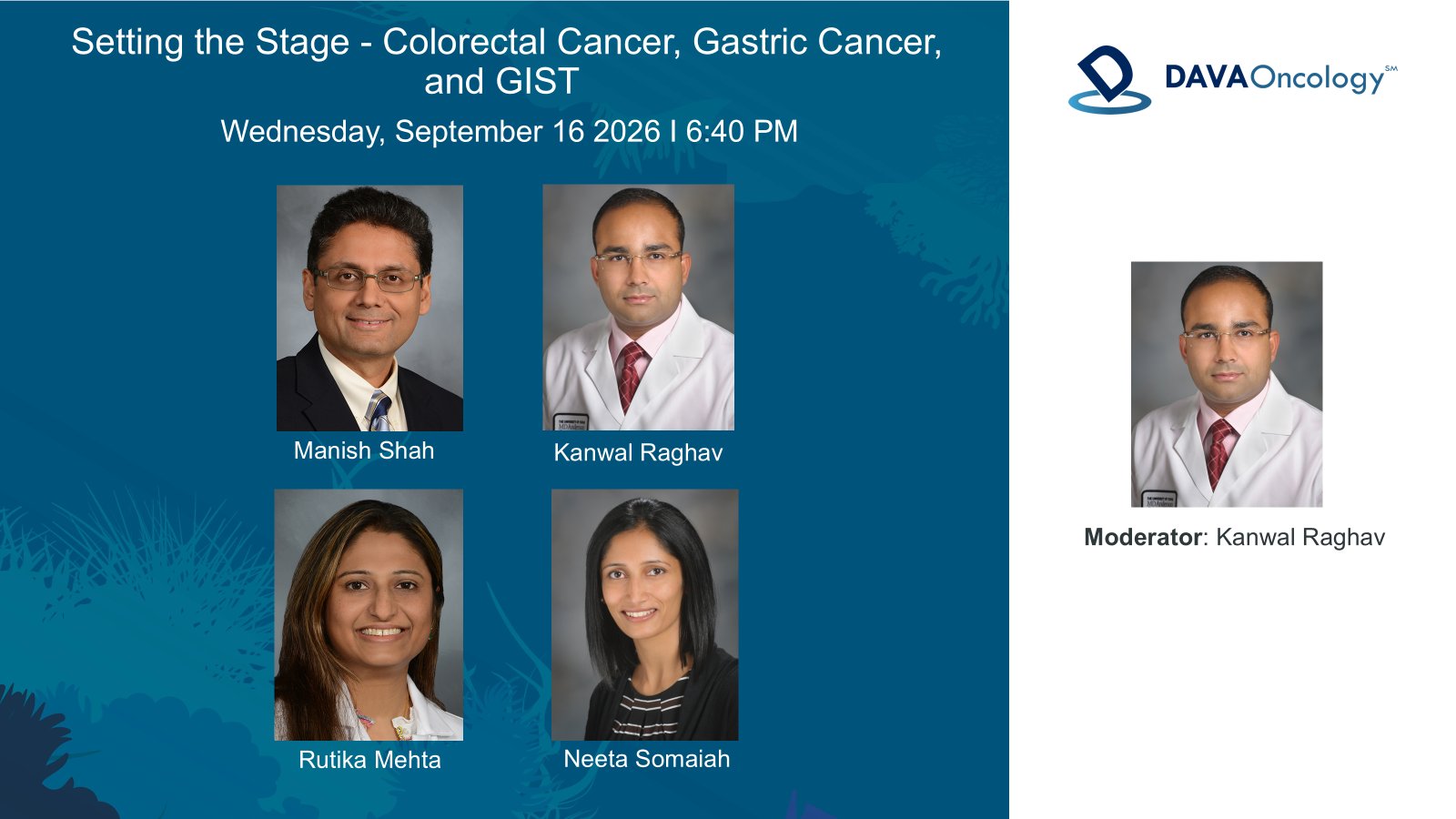
![Bermuda GI 2026 slide — [Panel 1 — session intro card] Trials framed as "The Good, The Bad, The Ugly and The Meh": BREAKWATER · KRYSTA](https://kolpulse.com/hubfs/conference-slides/davagi26/t15_s1.jpg)
![Bermuda GI 2026 slide — [Panel 1] BREAKWATER: BRAF-Targeted Therapy in 1st-Line mCRC](https://kolpulse.com/hubfs/conference-slides/davagi26/t15_s2.jpg)
![Bermuda GI 2026 slide — [Panel 1] KRYSTAL-10: KRAS-G12C-Targeted Therapy in 2nd-Line mCRC](https://kolpulse.com/hubfs/conference-slides/davagi26/t15_s3.jpg)
![Bermuda GI 2026 slide — [Panel 1] STELLAR-303: Zanzalintinib + Atezolizumab in Refractory mCRC](https://kolpulse.com/hubfs/conference-slides/davagi26/t15_s4.jpg)
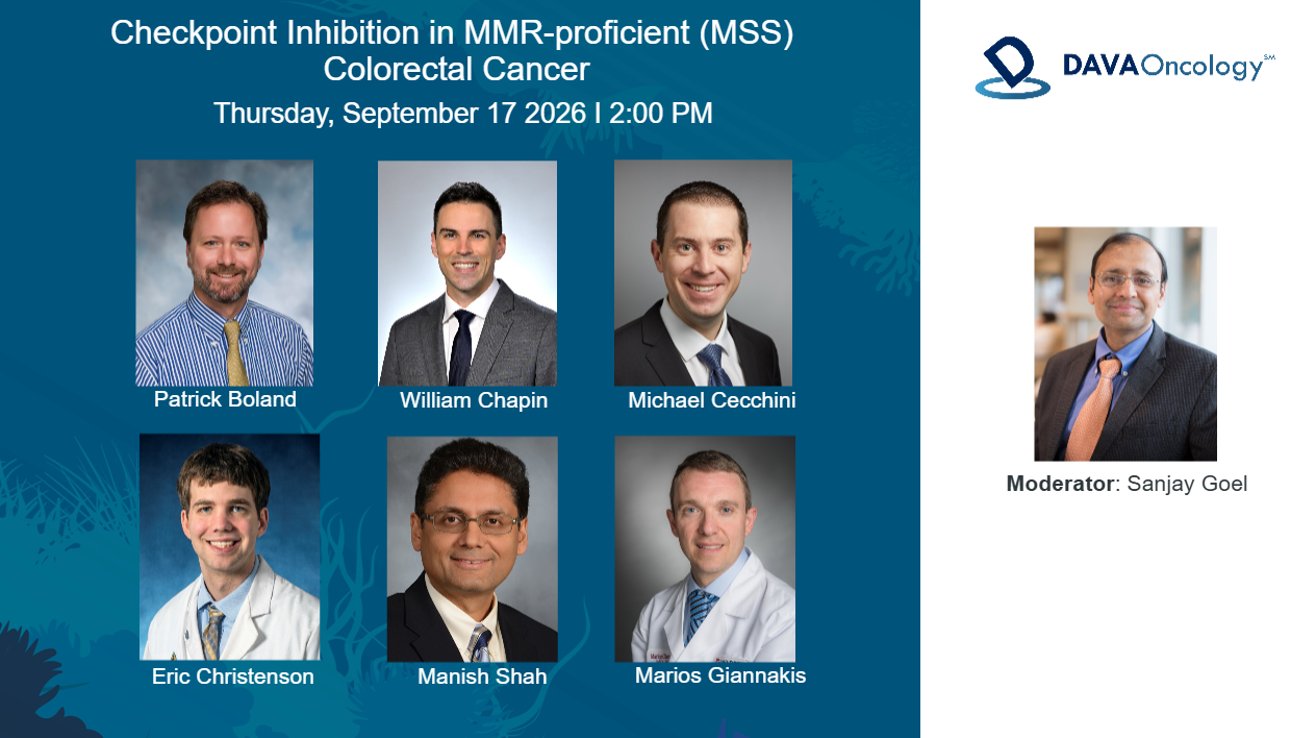
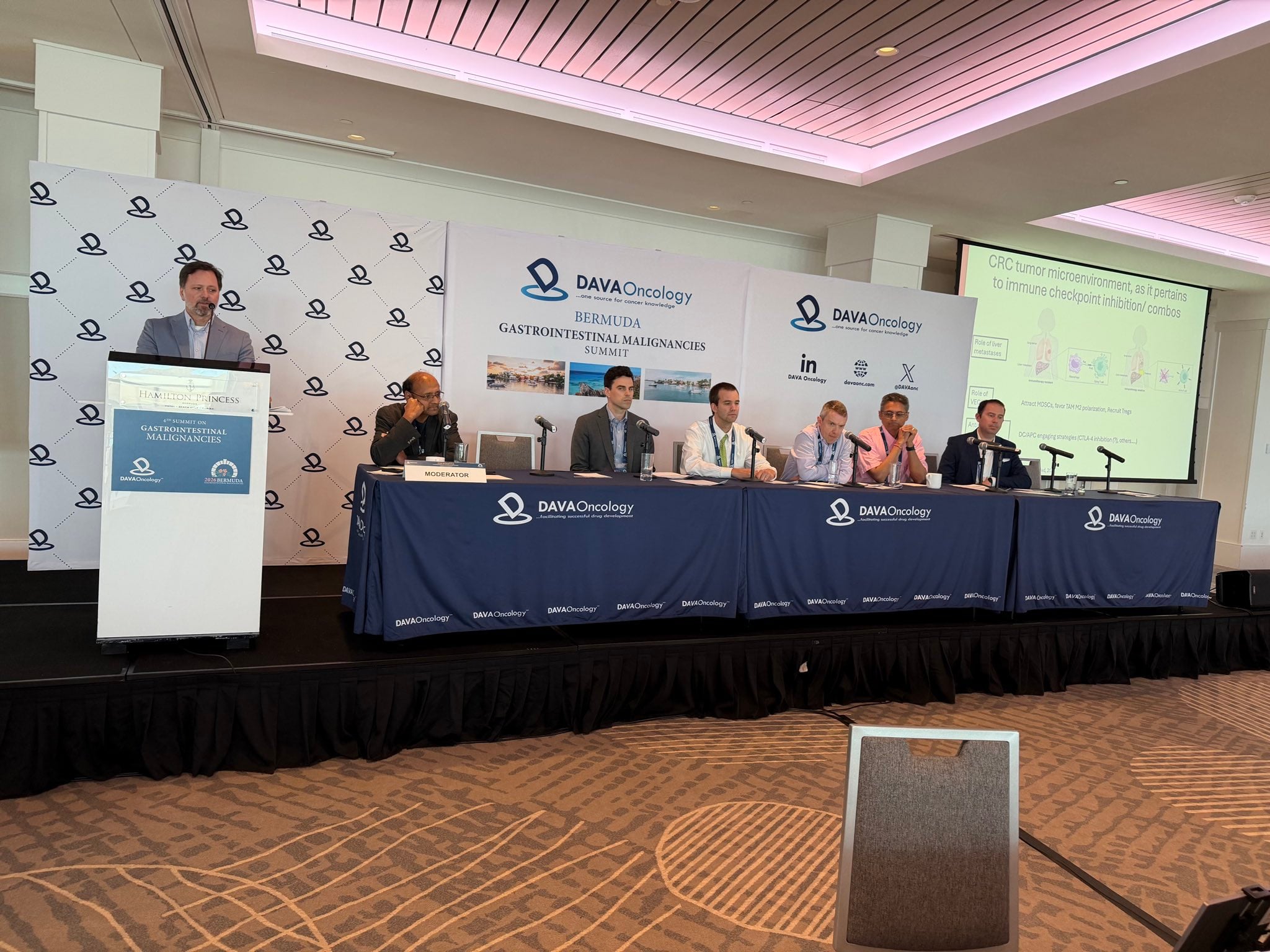
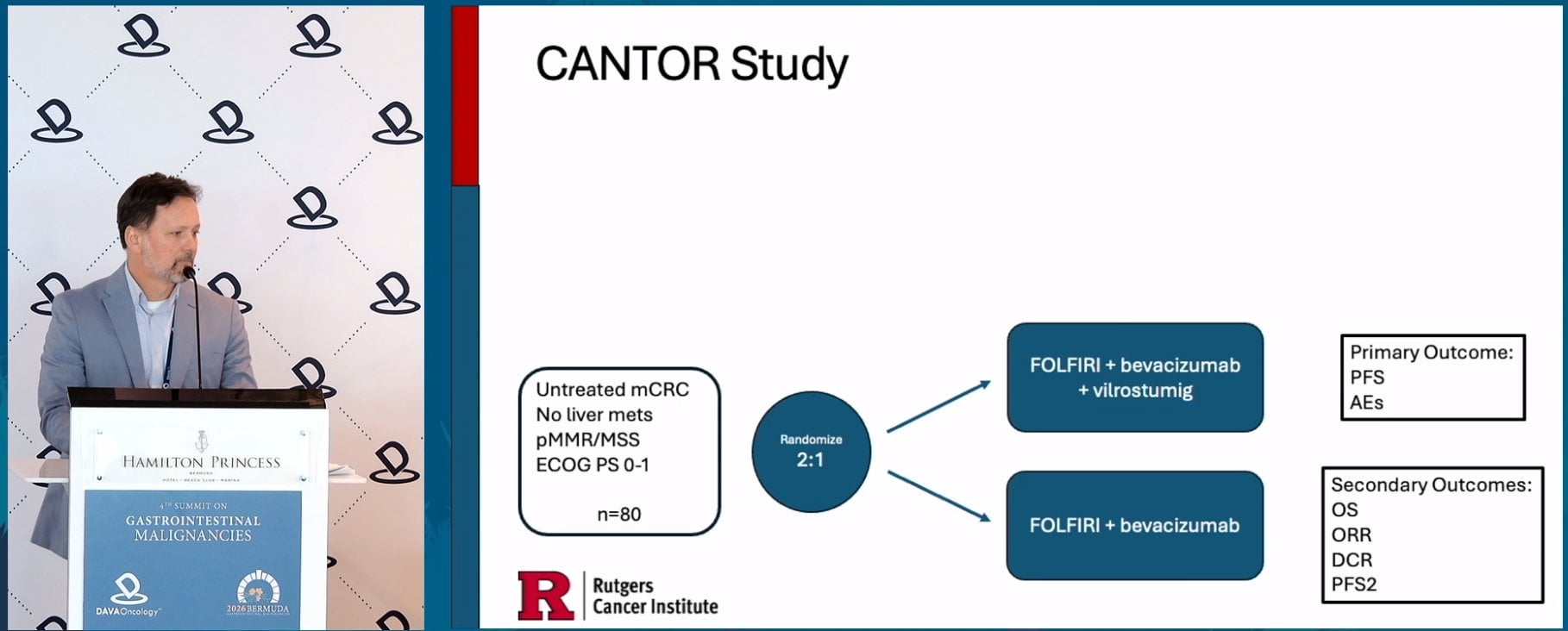
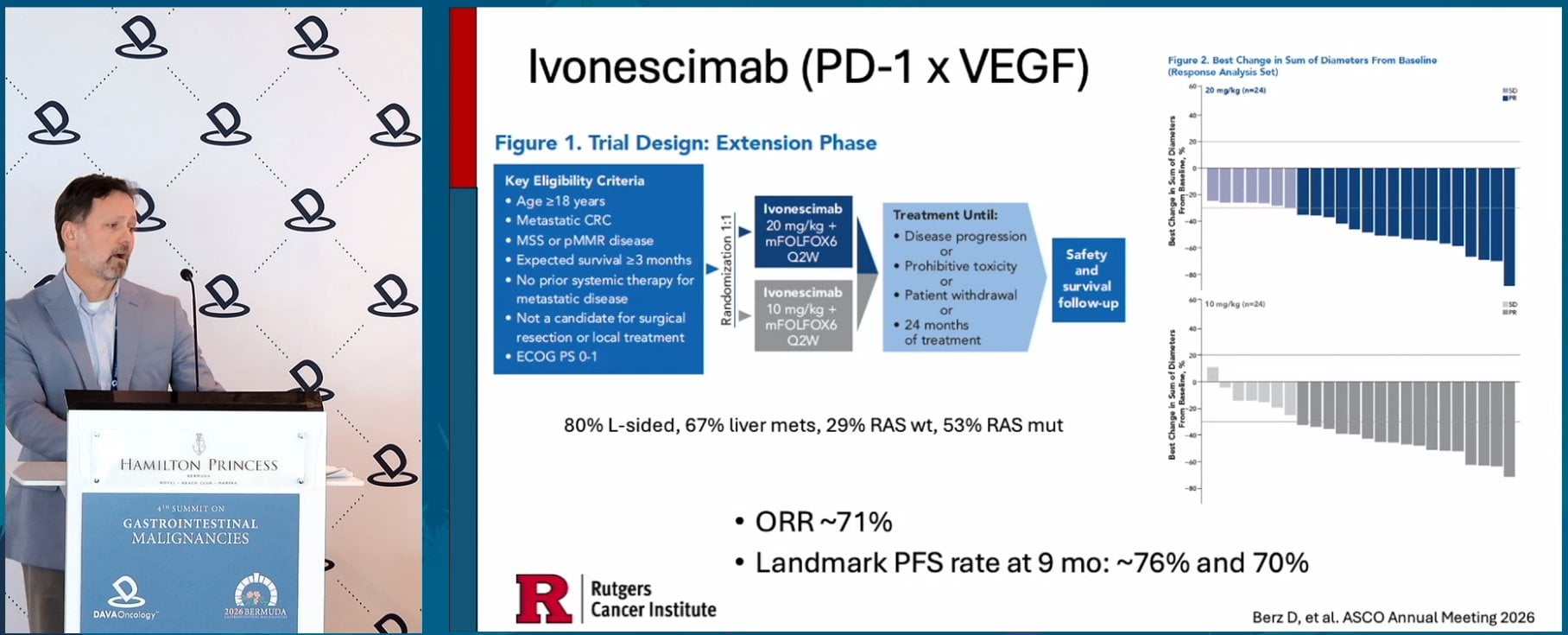
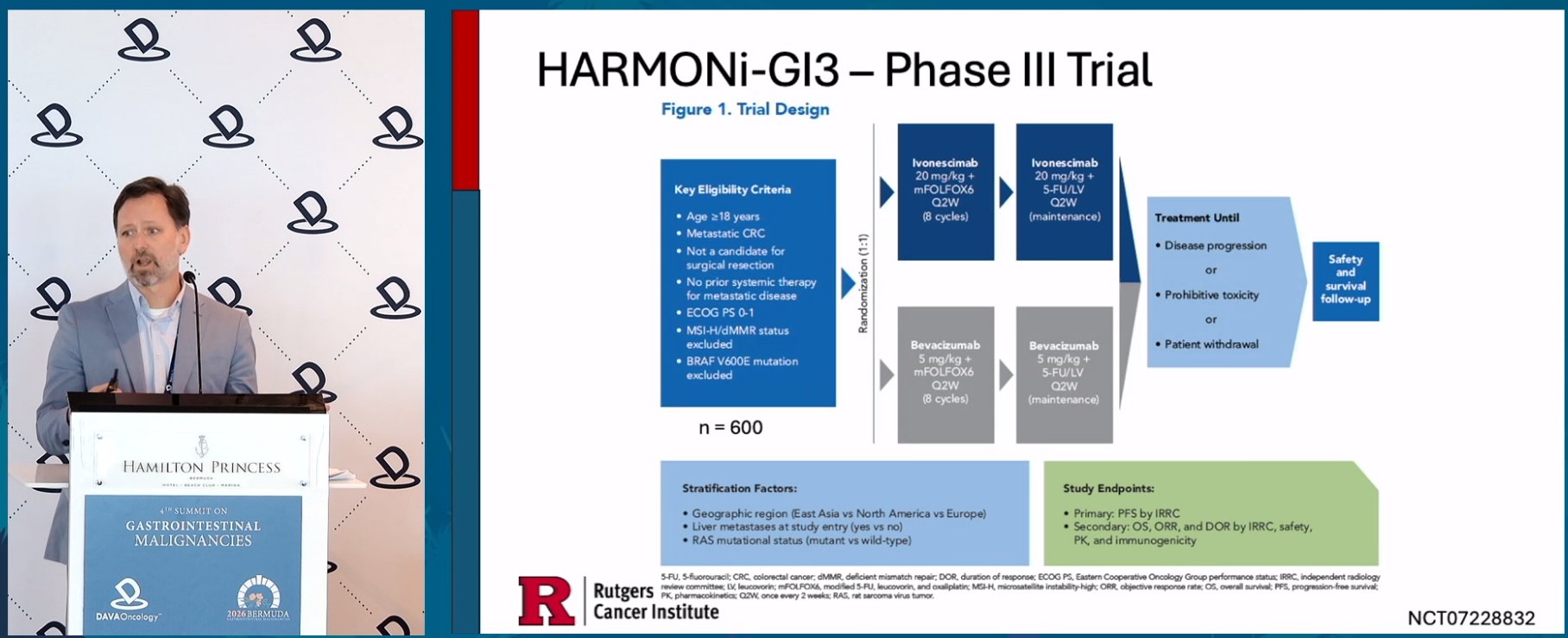
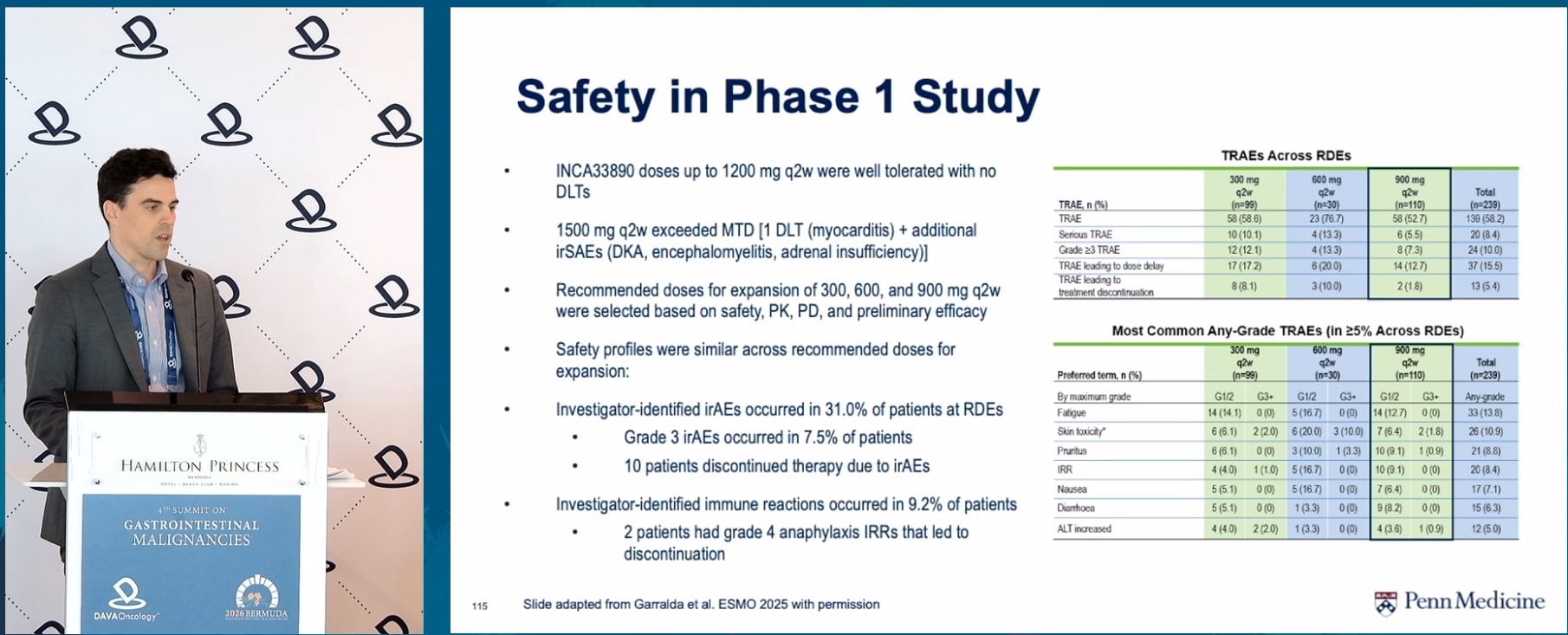
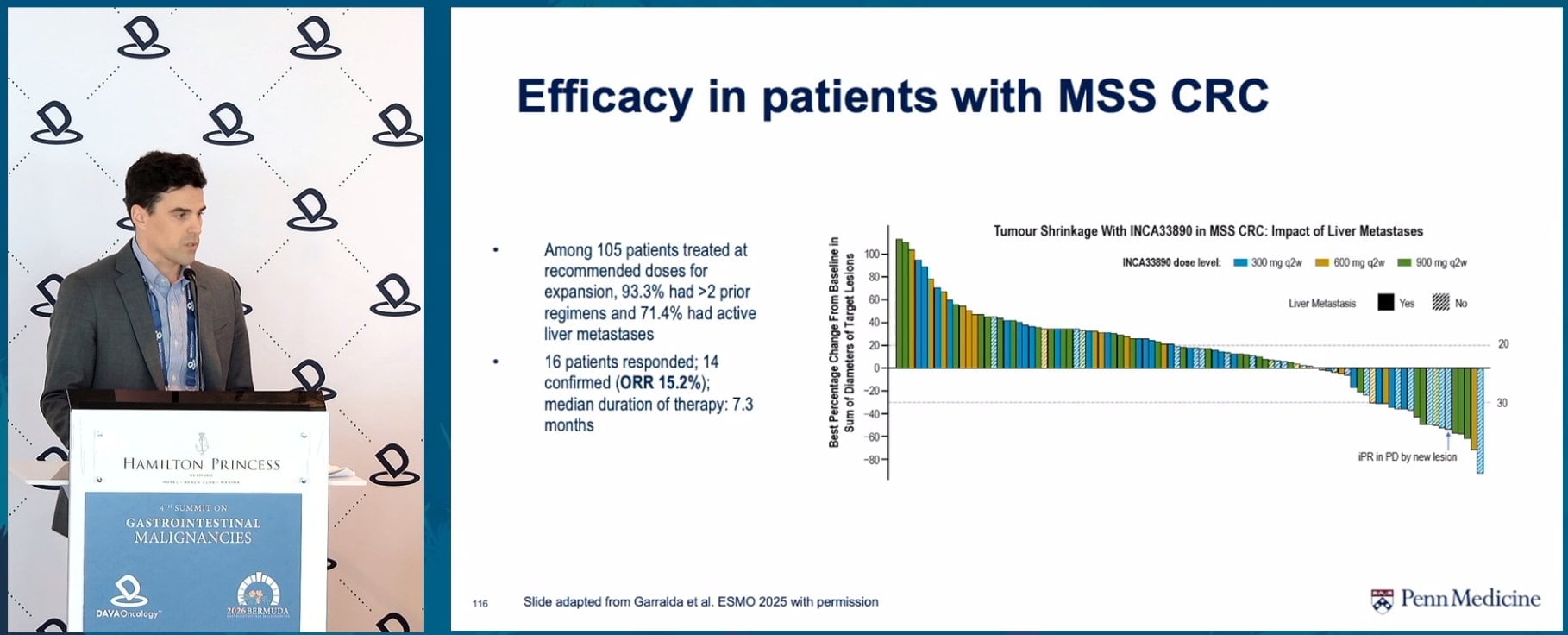
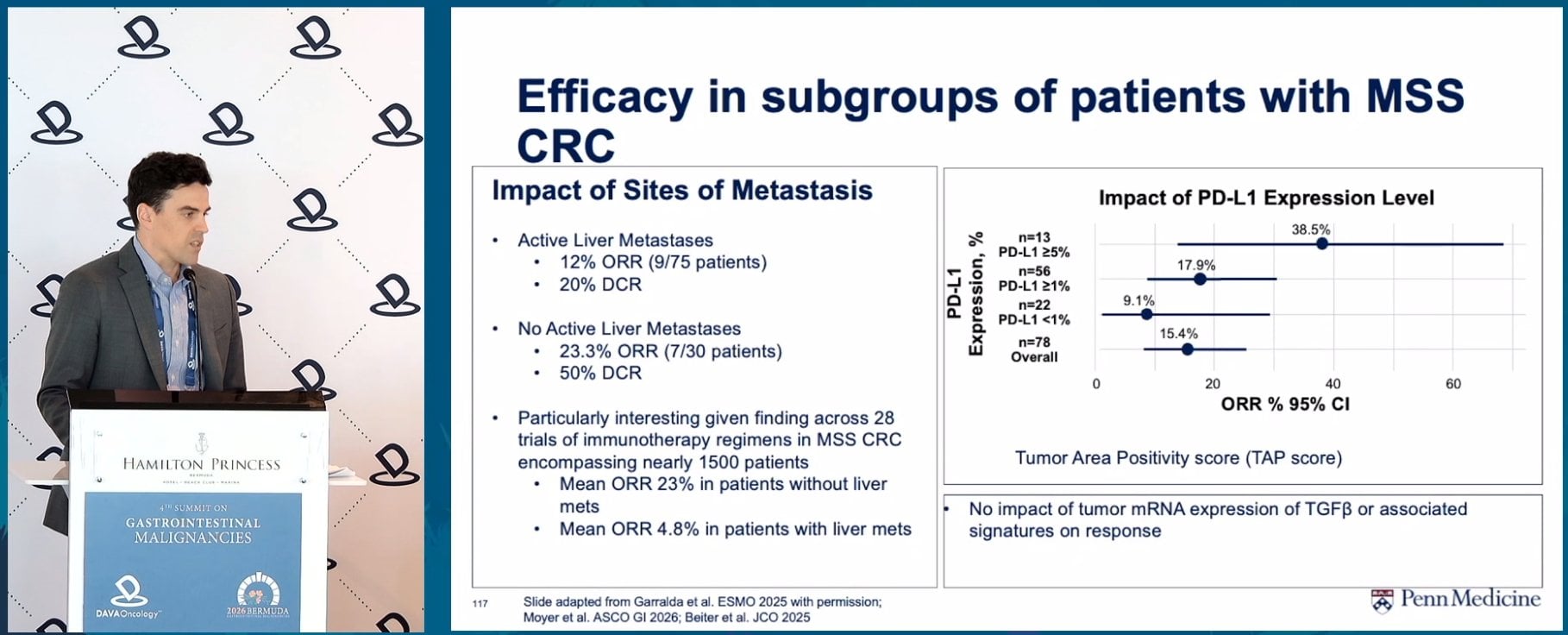
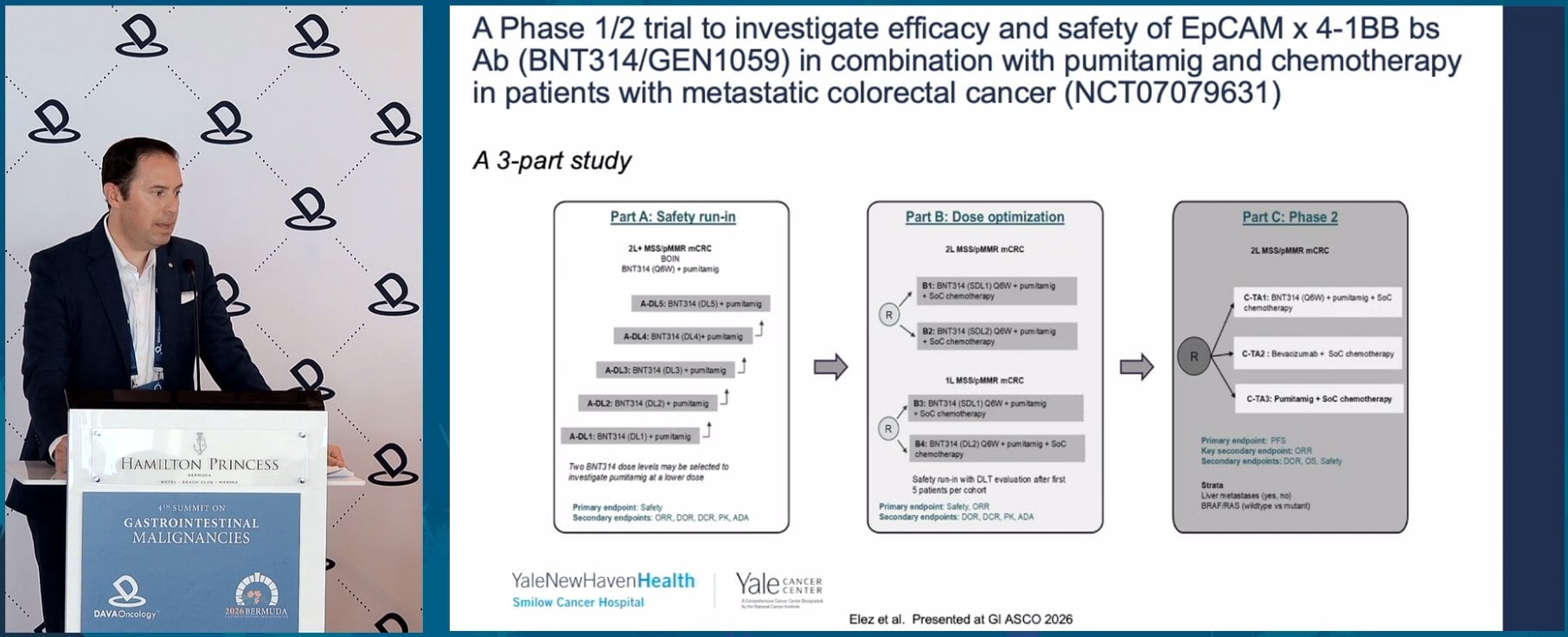
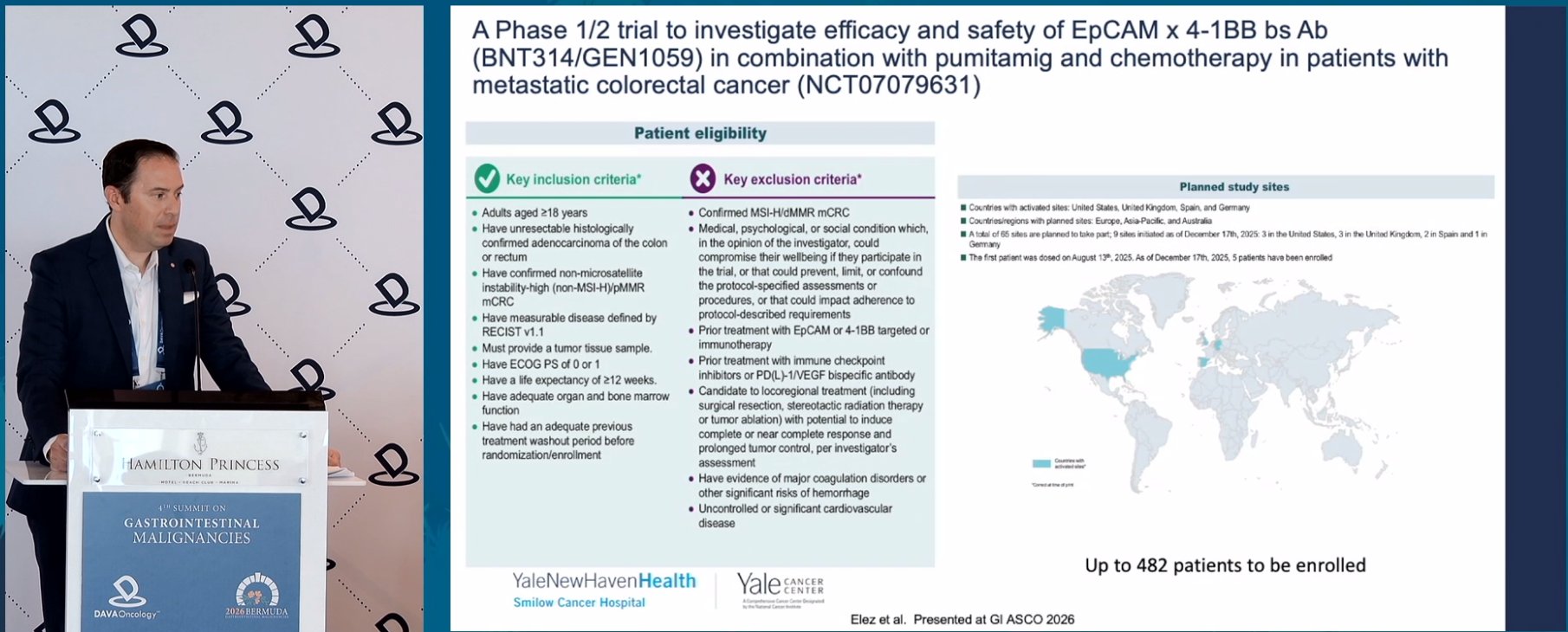
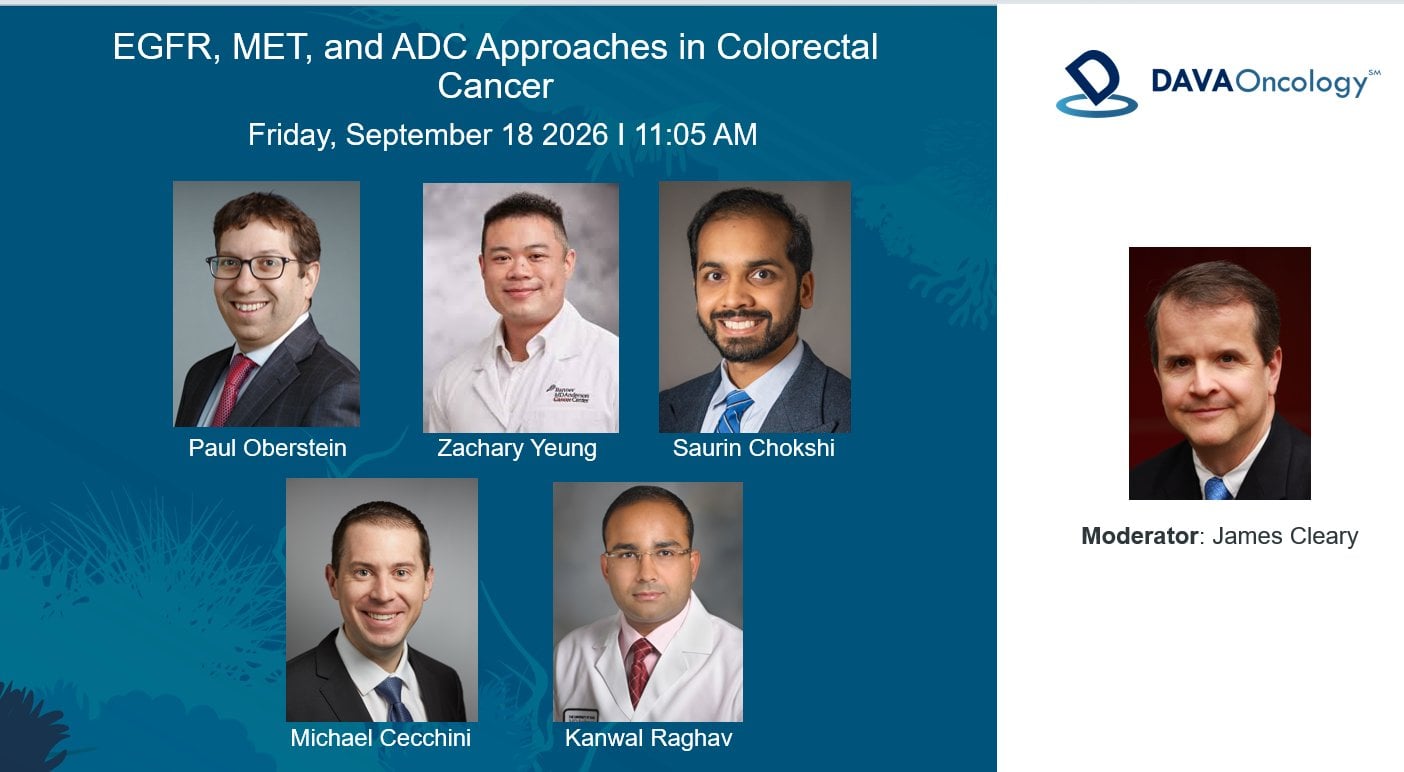
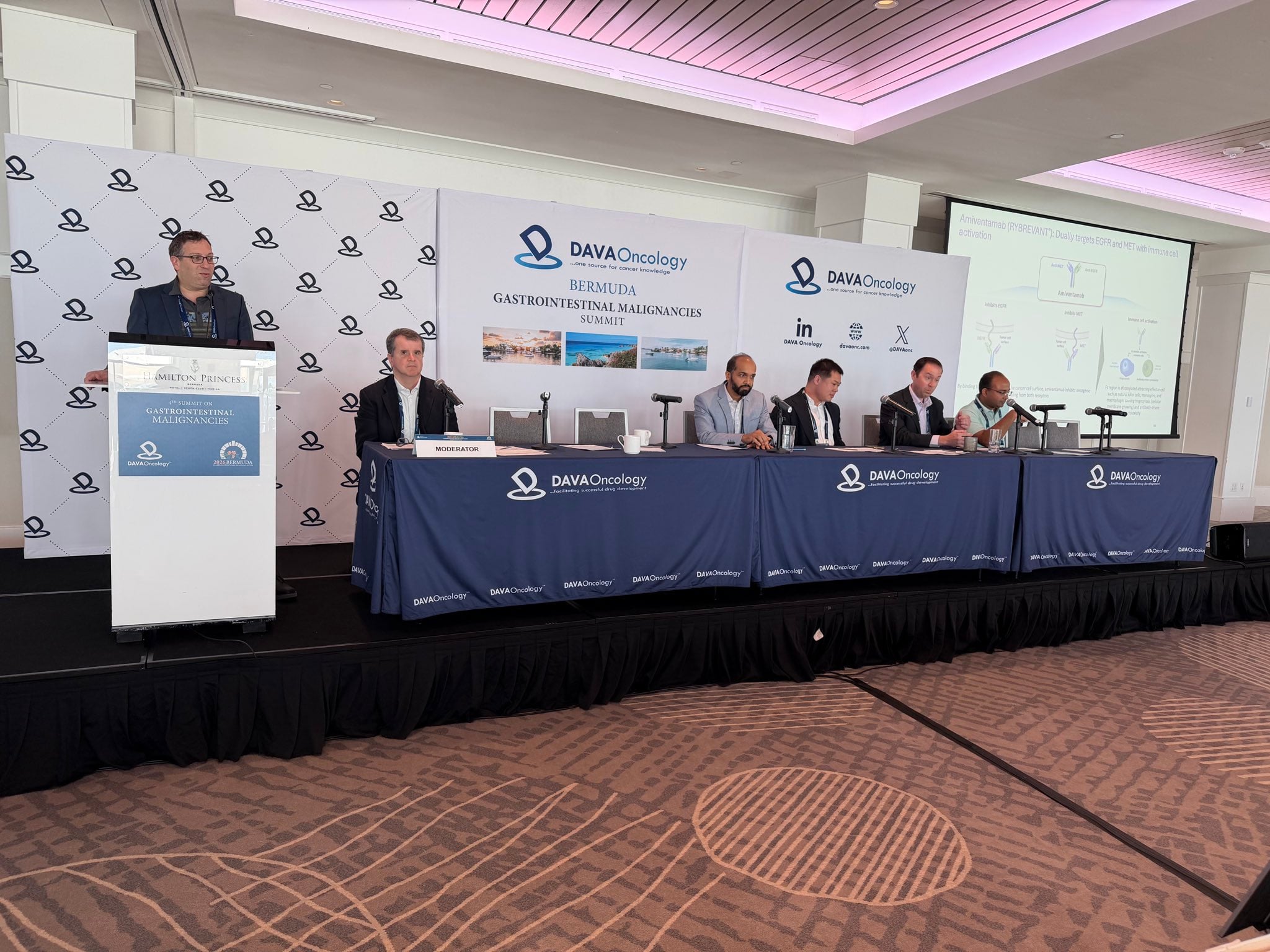
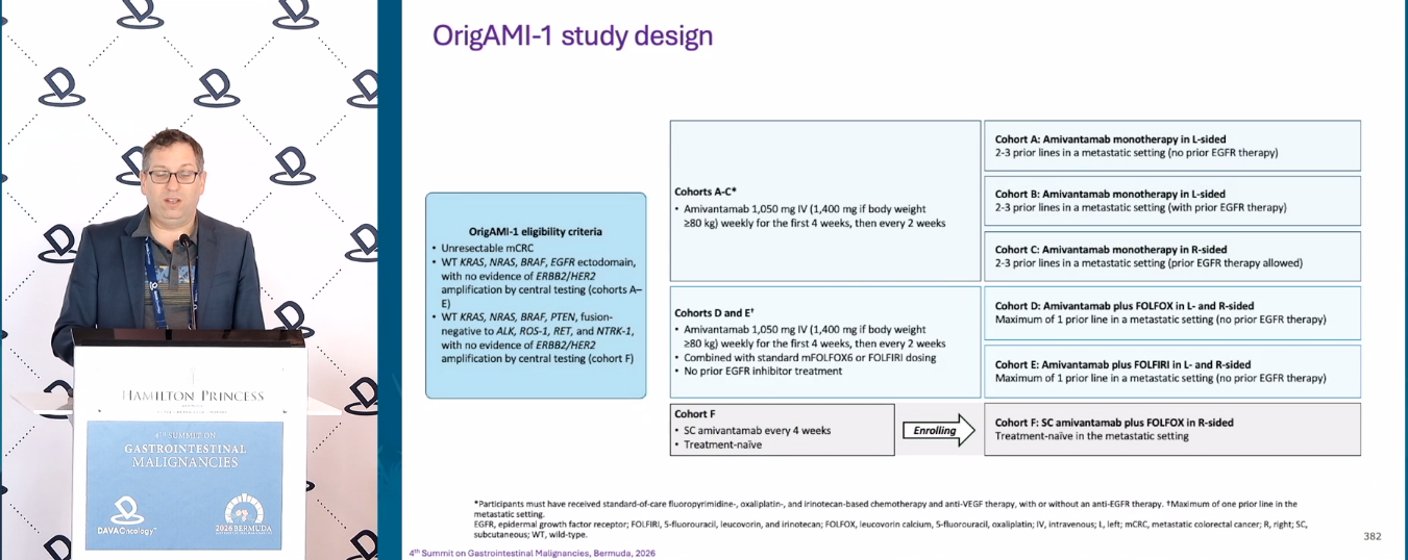
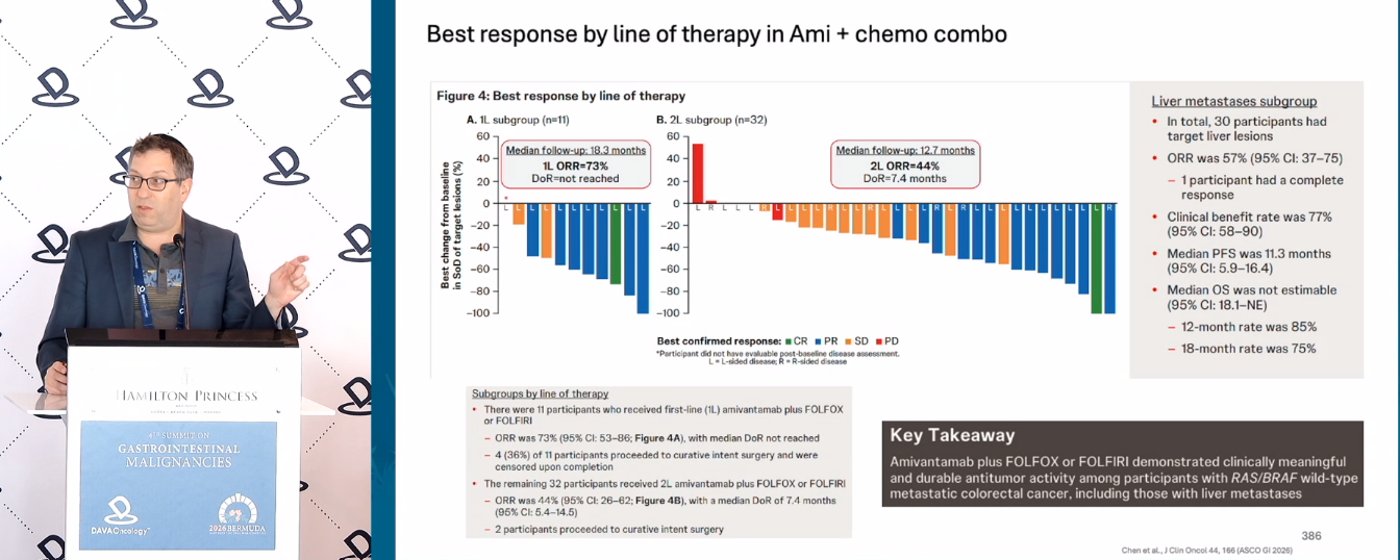
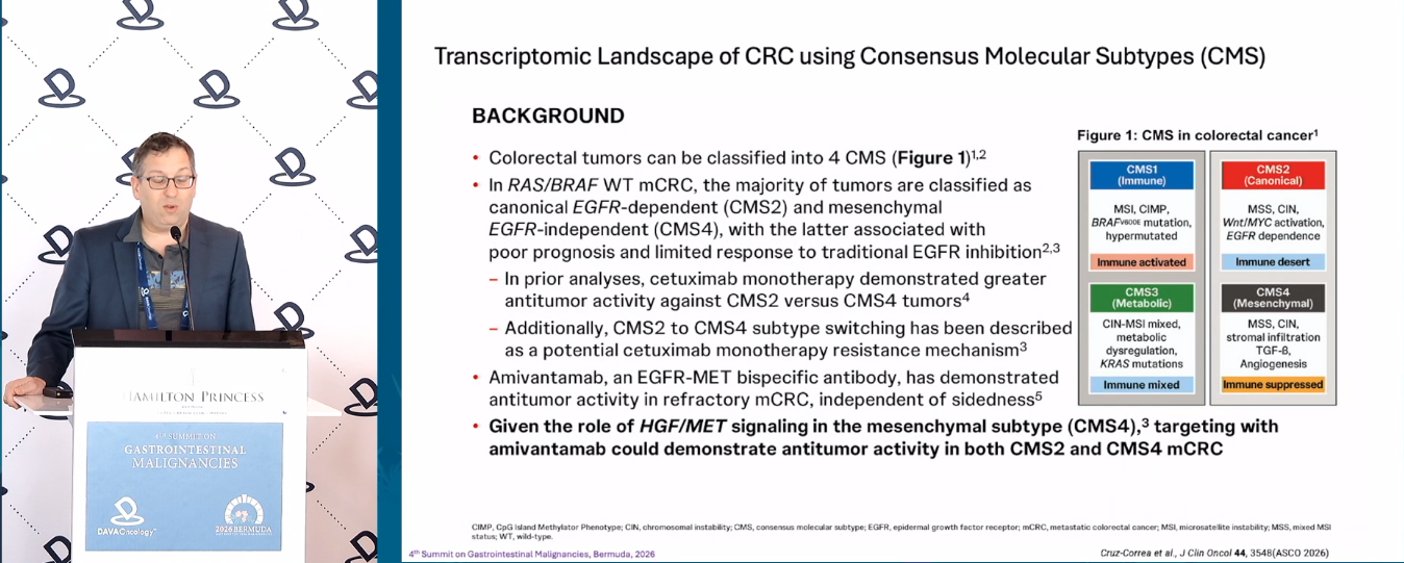
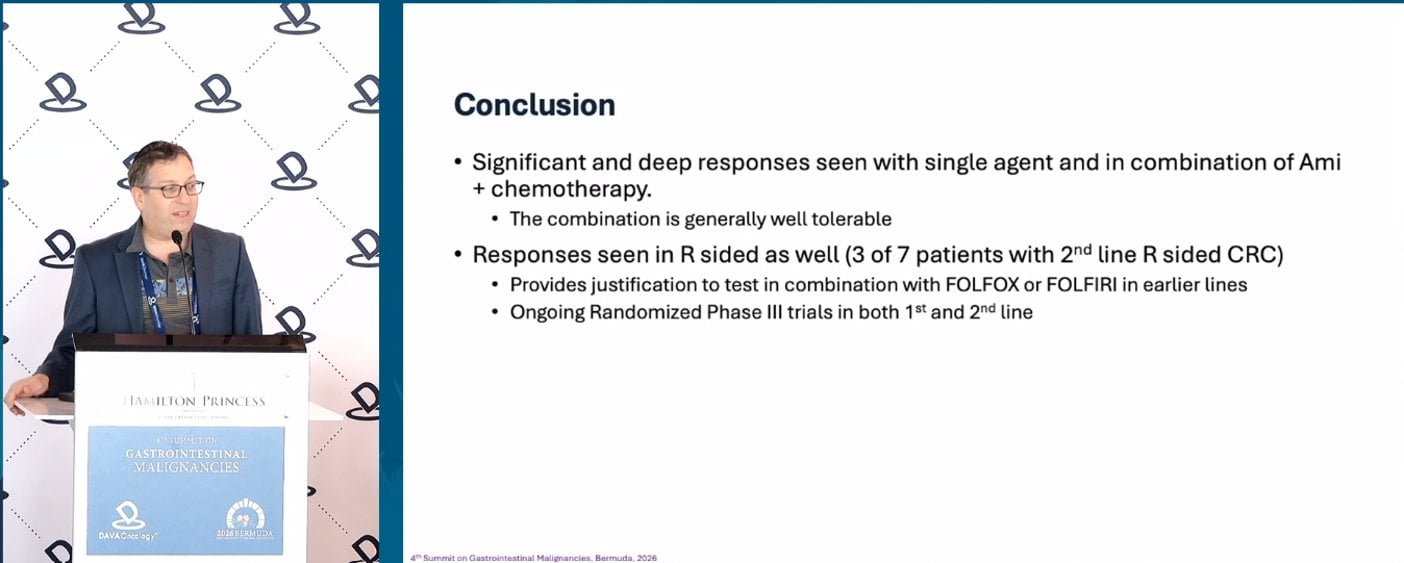
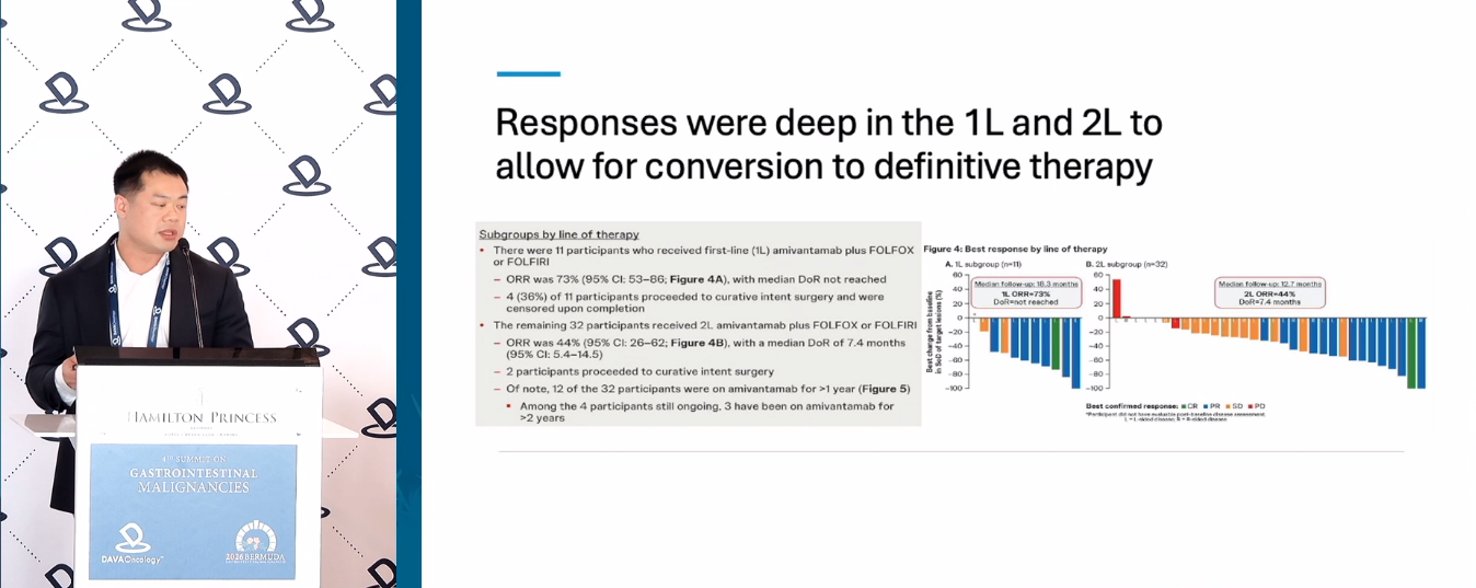
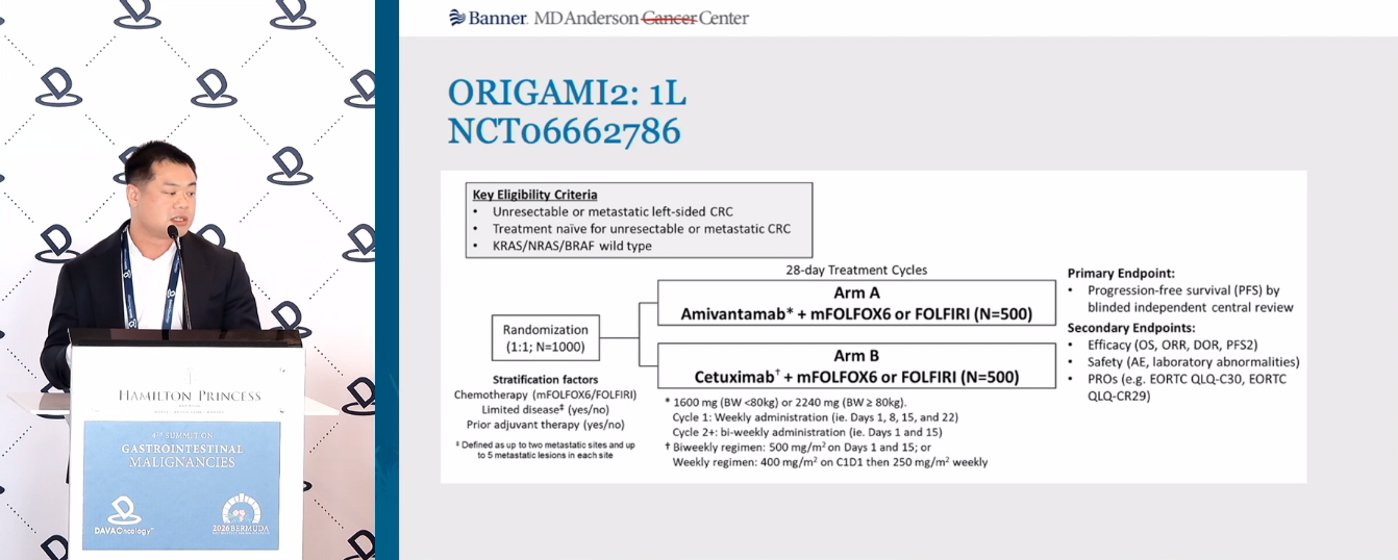
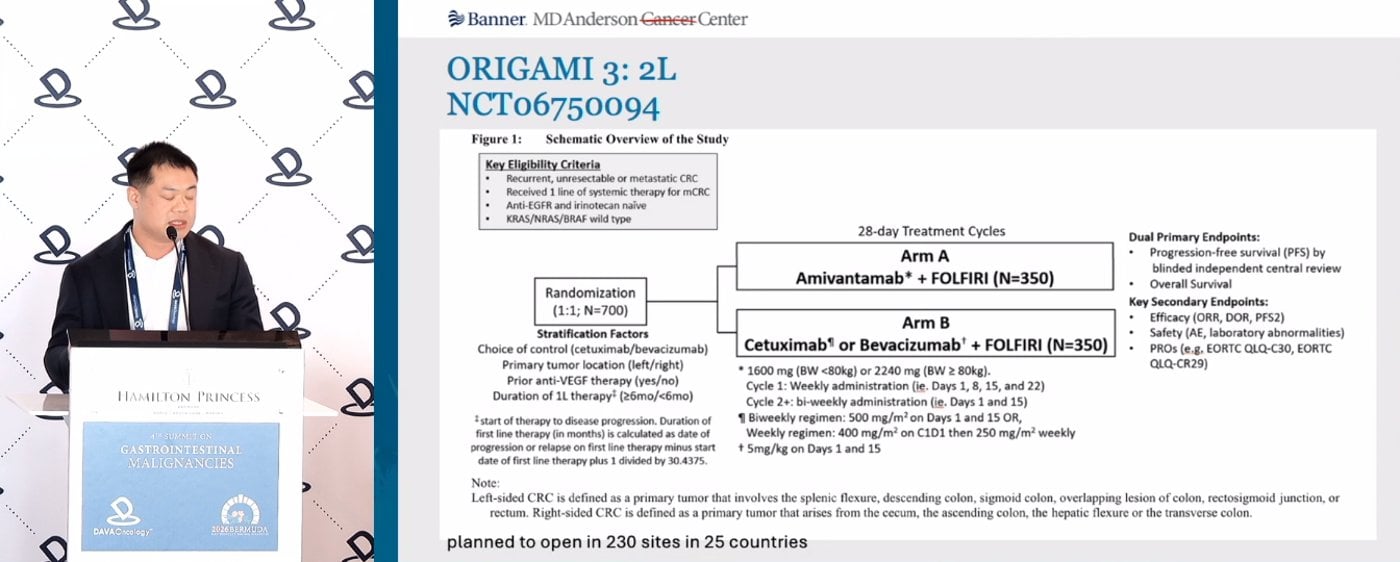
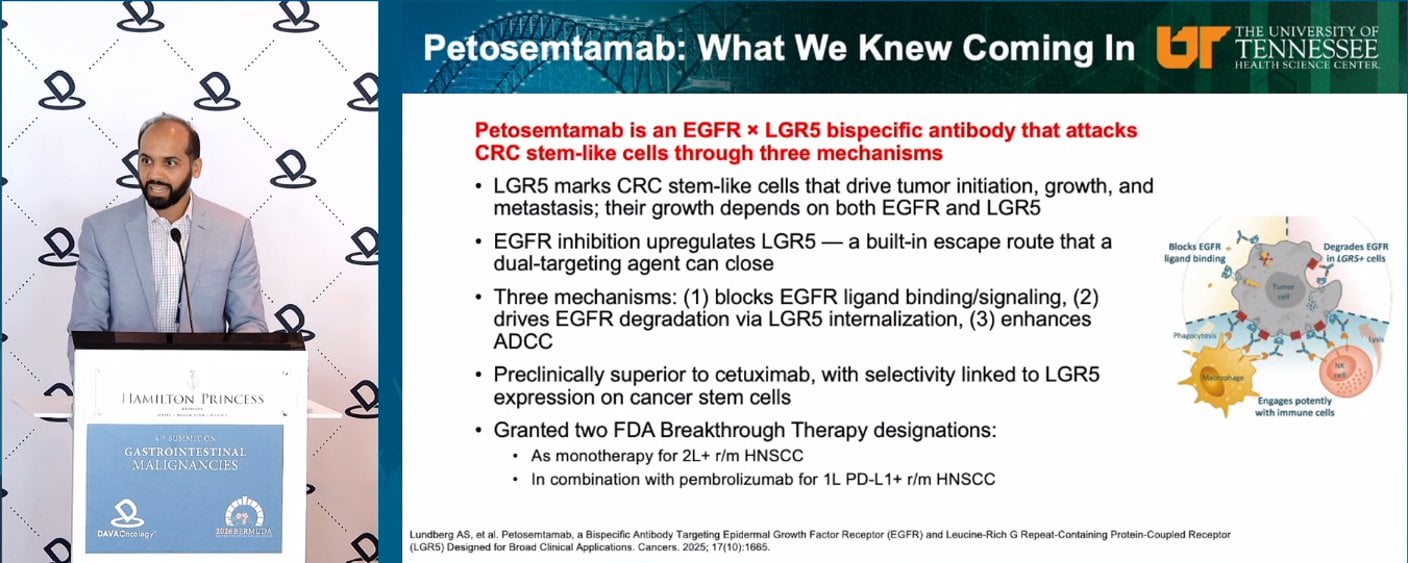
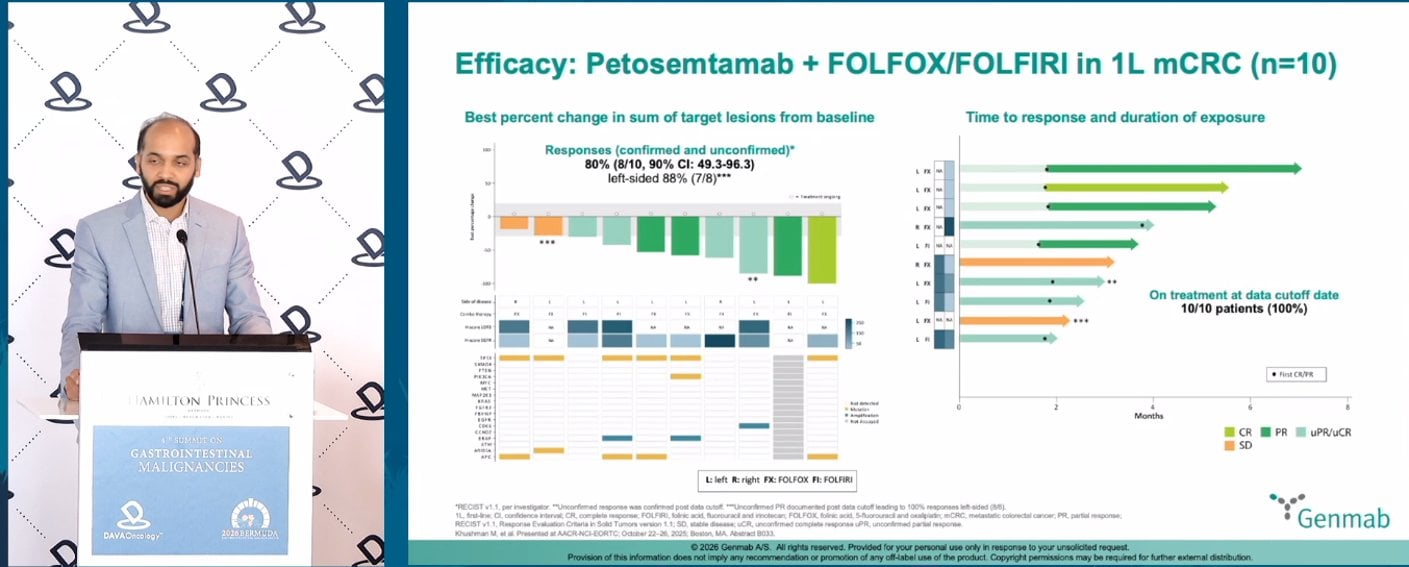
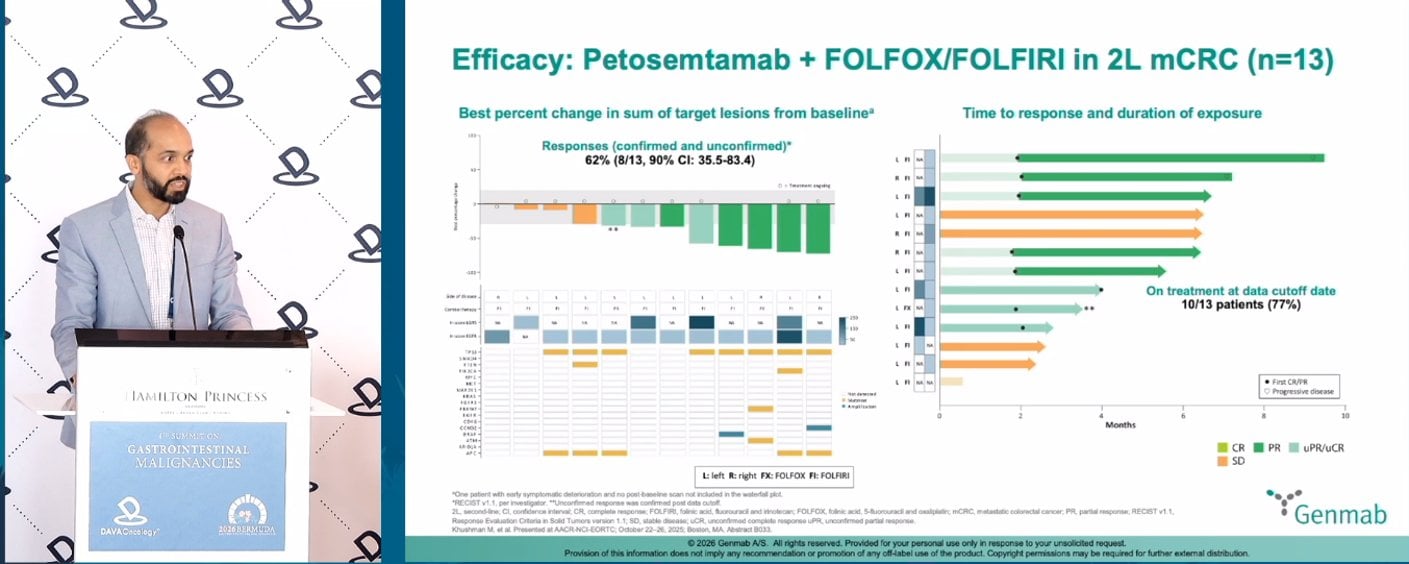
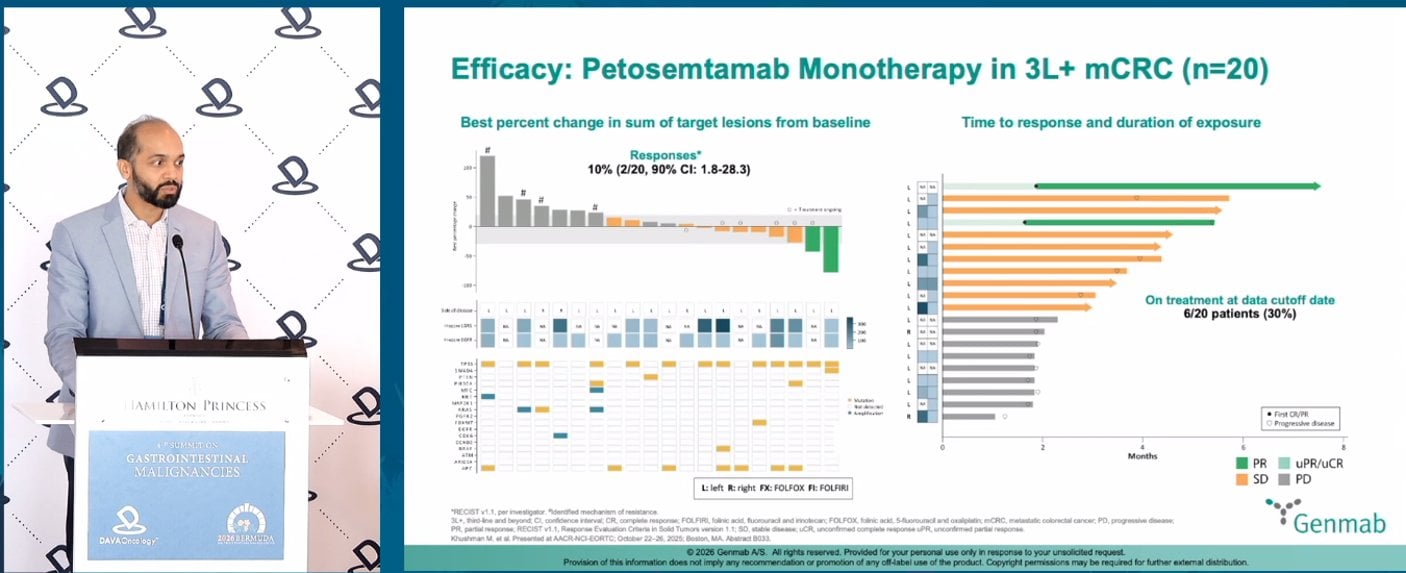
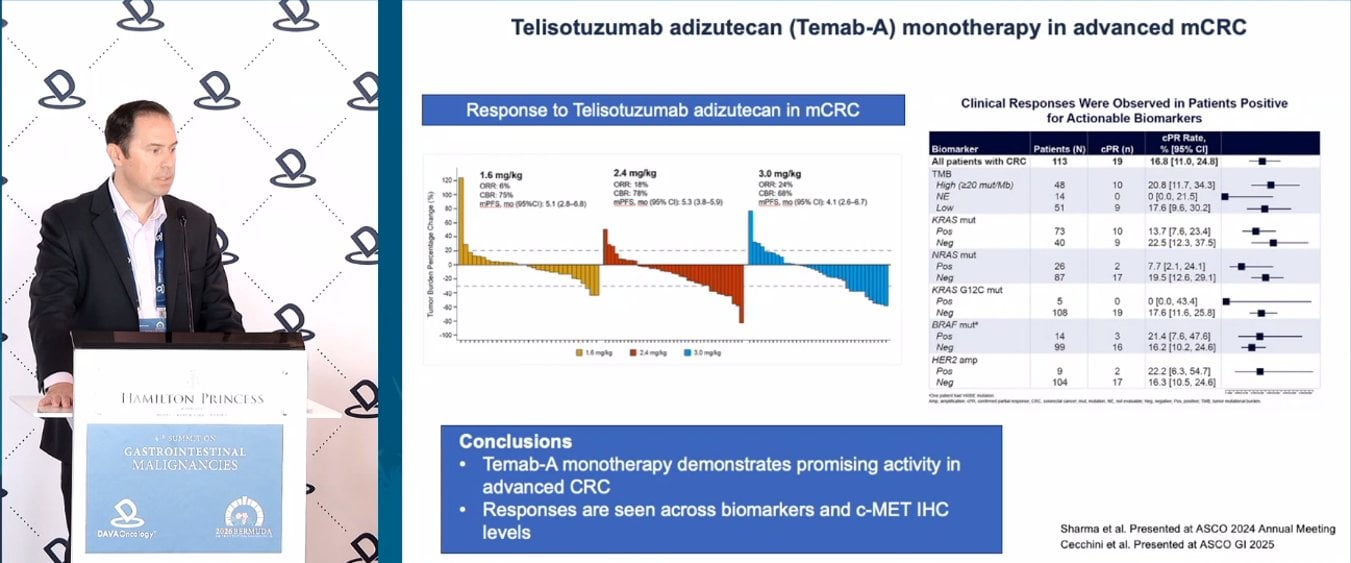
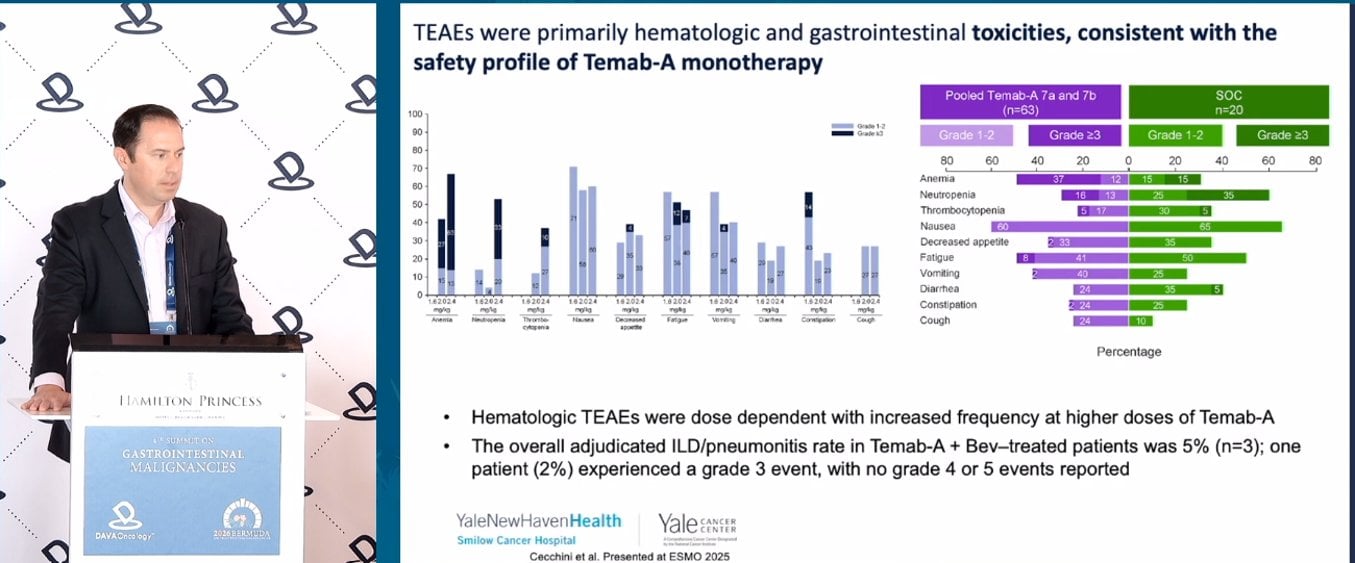
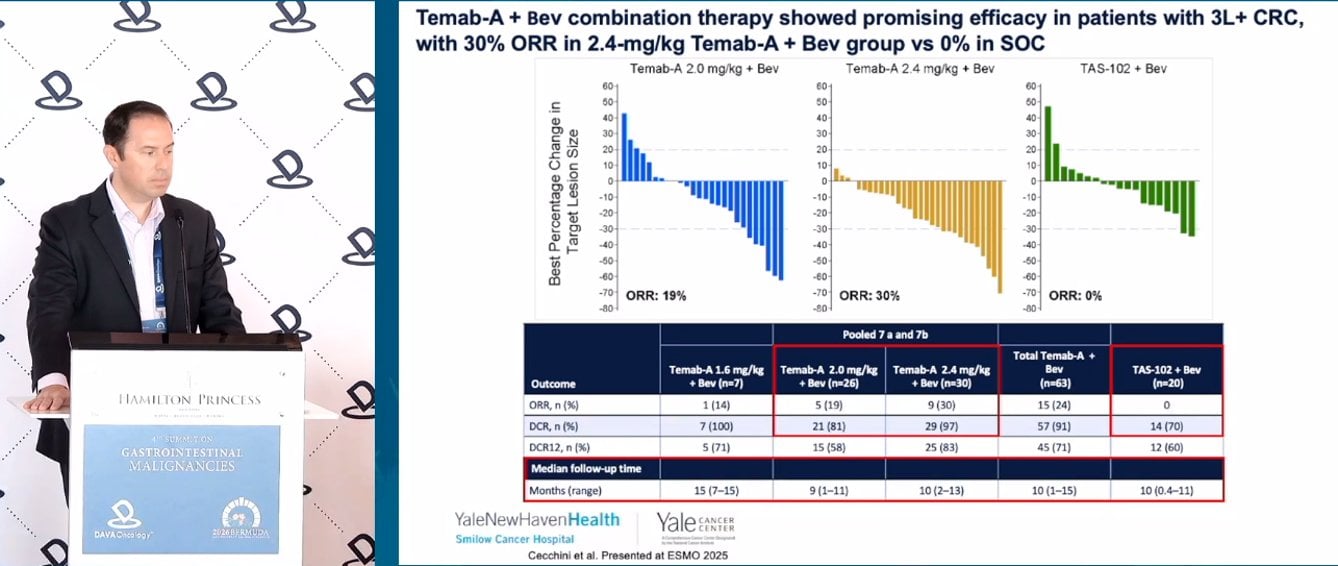
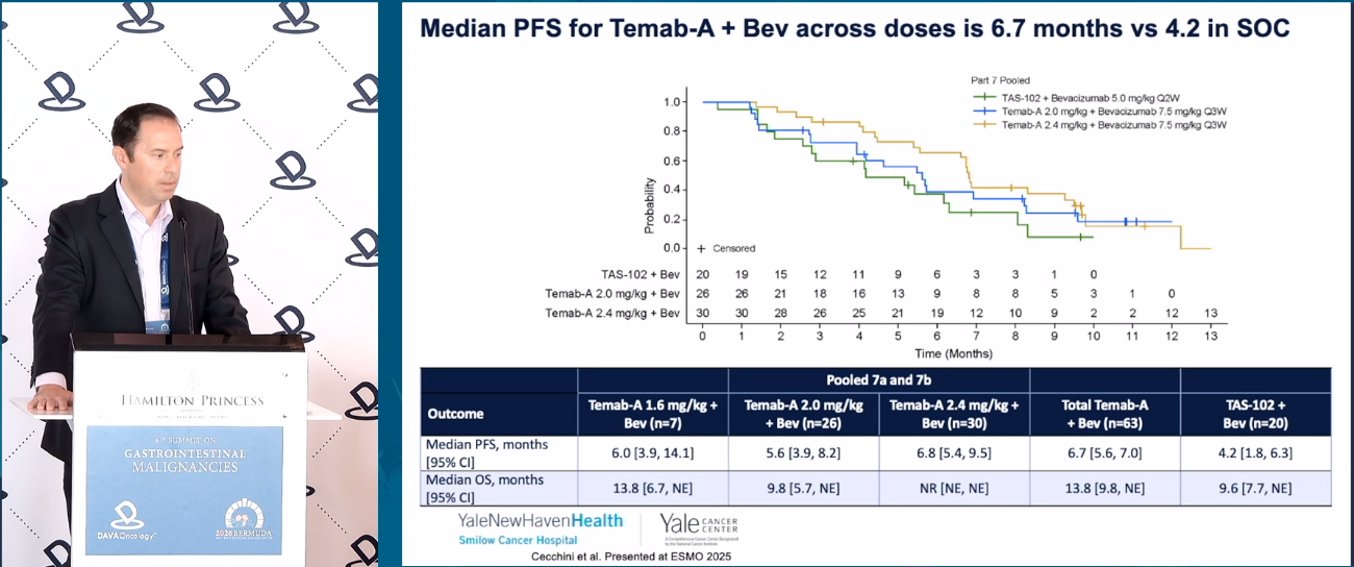
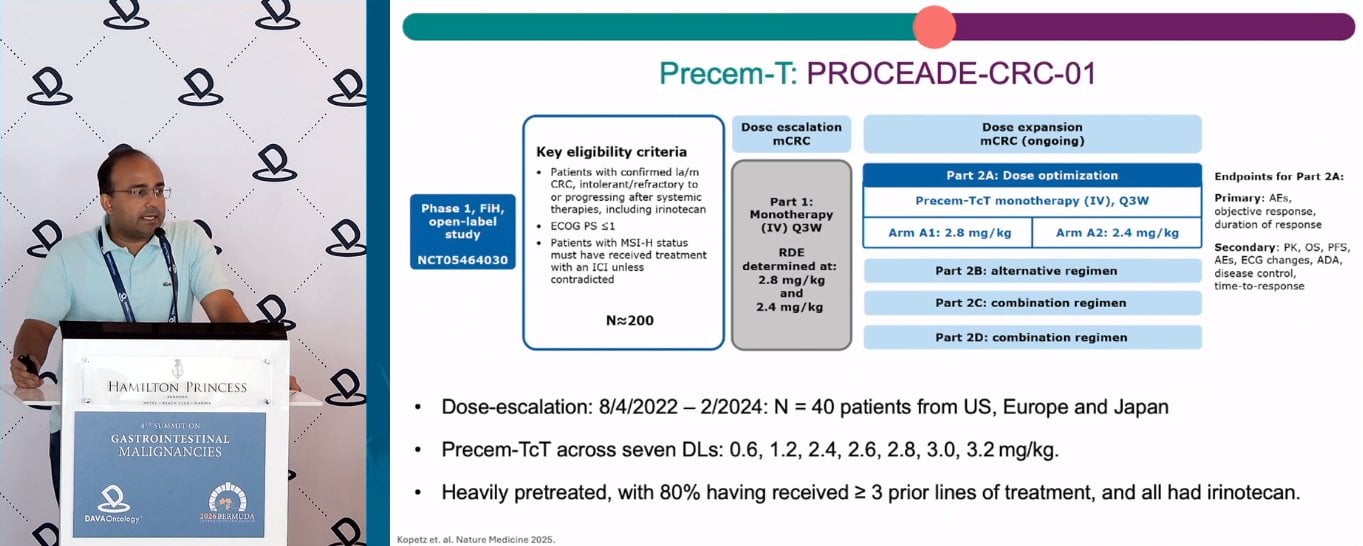
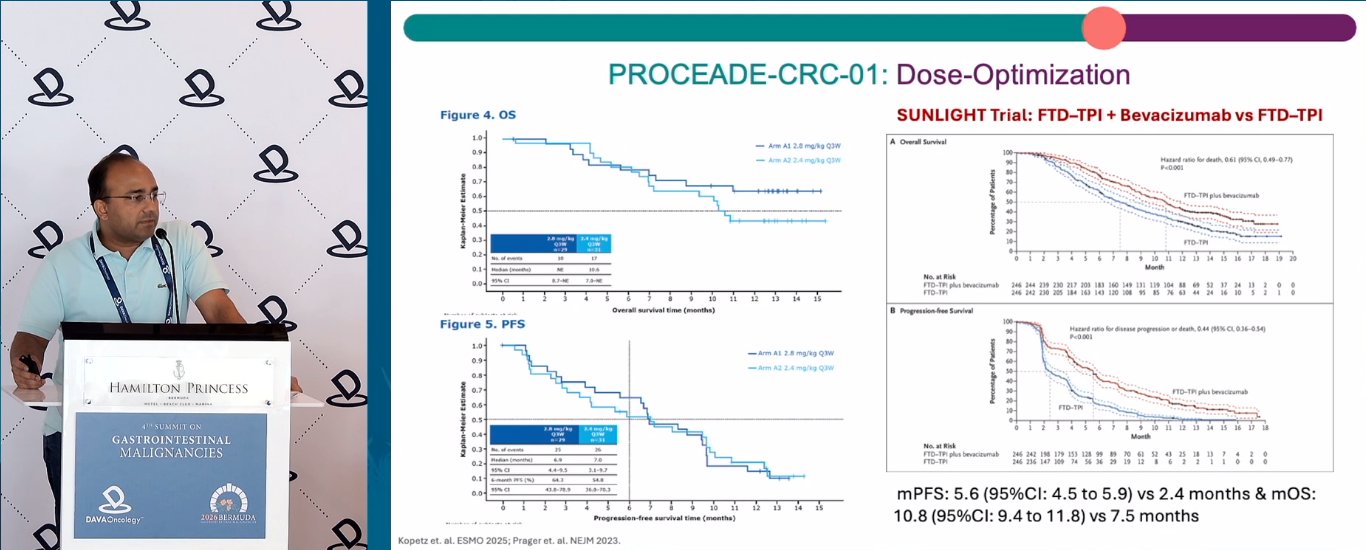
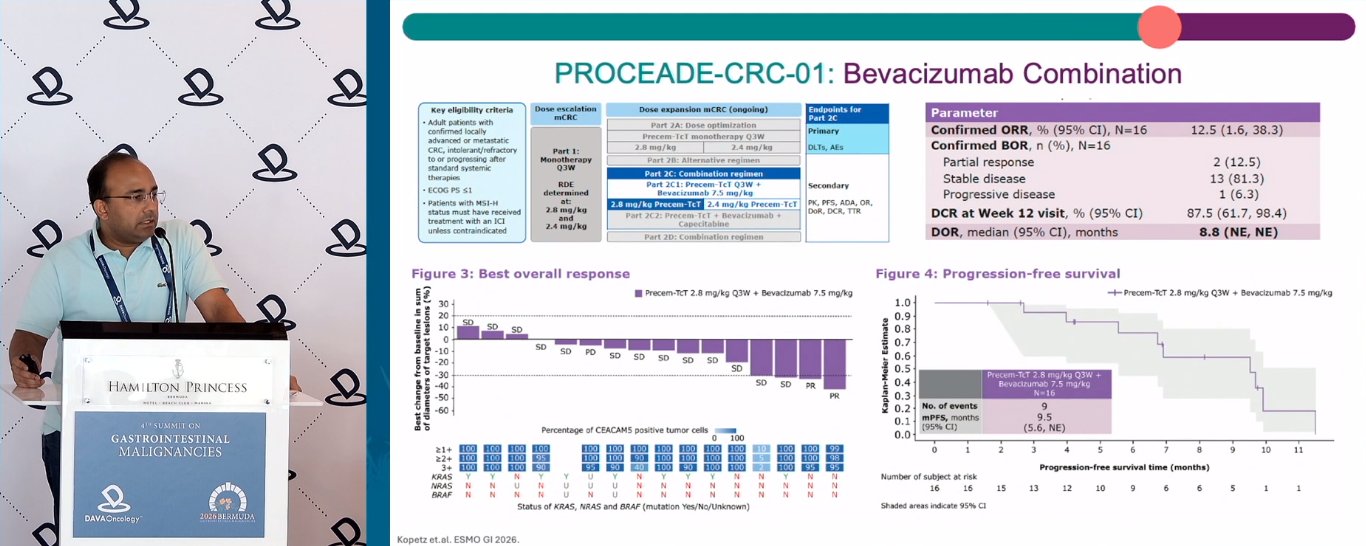
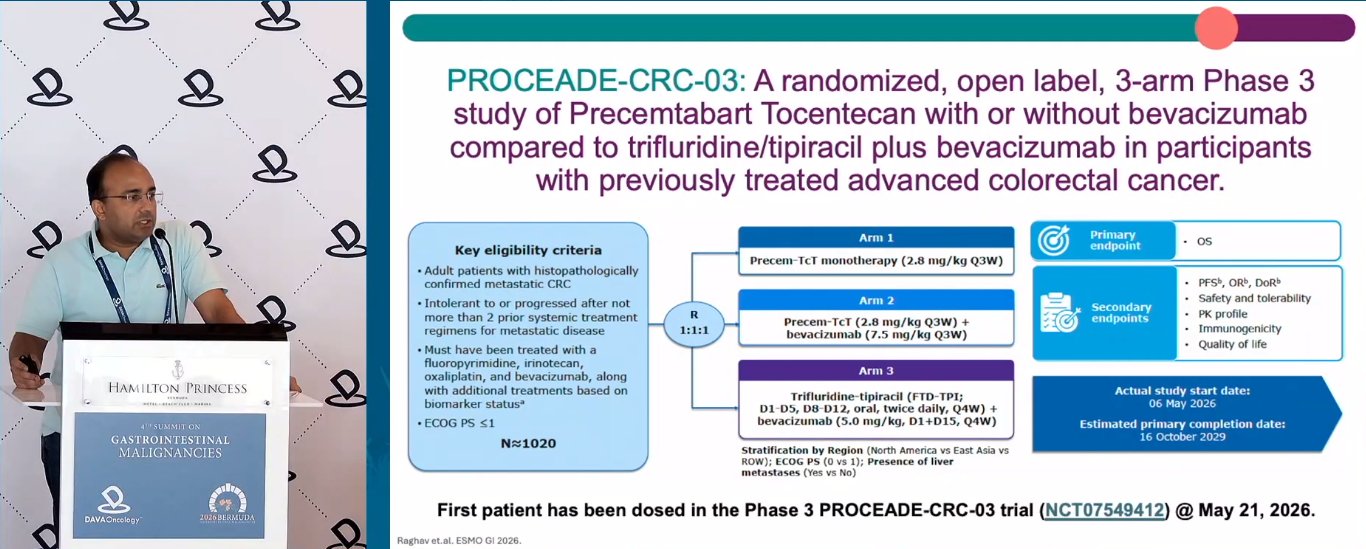
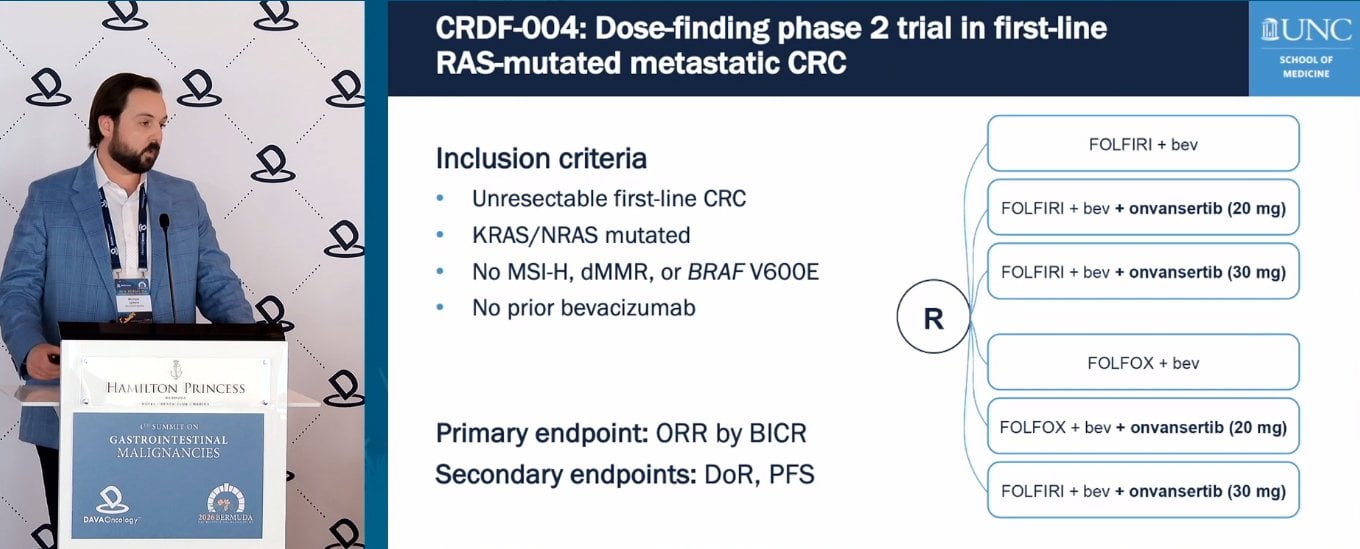
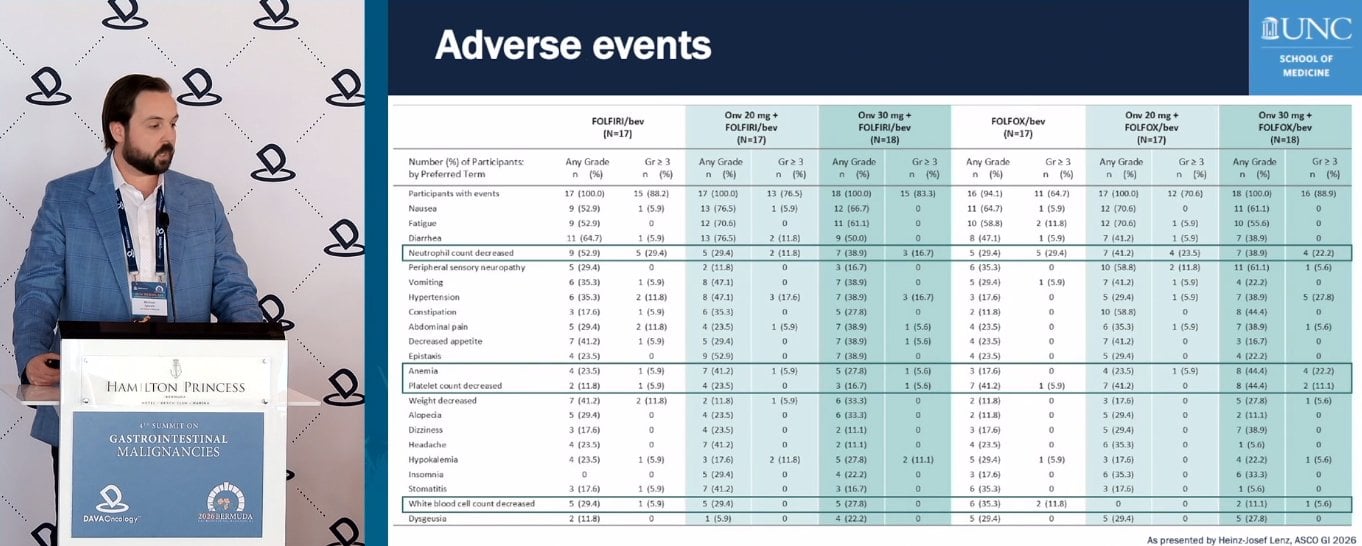
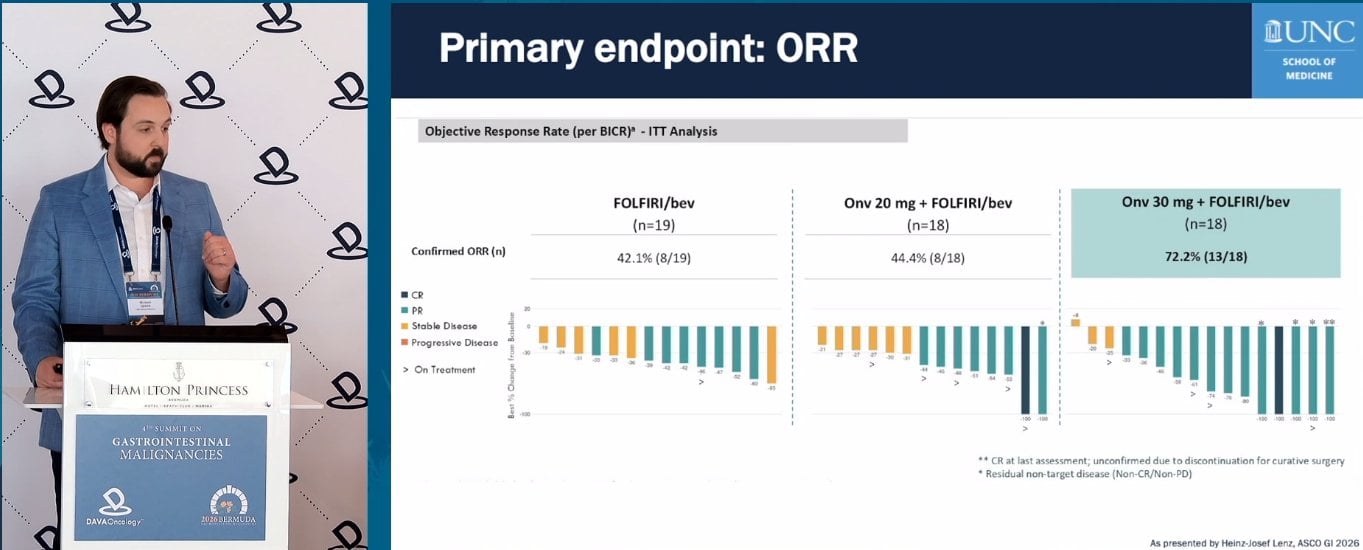
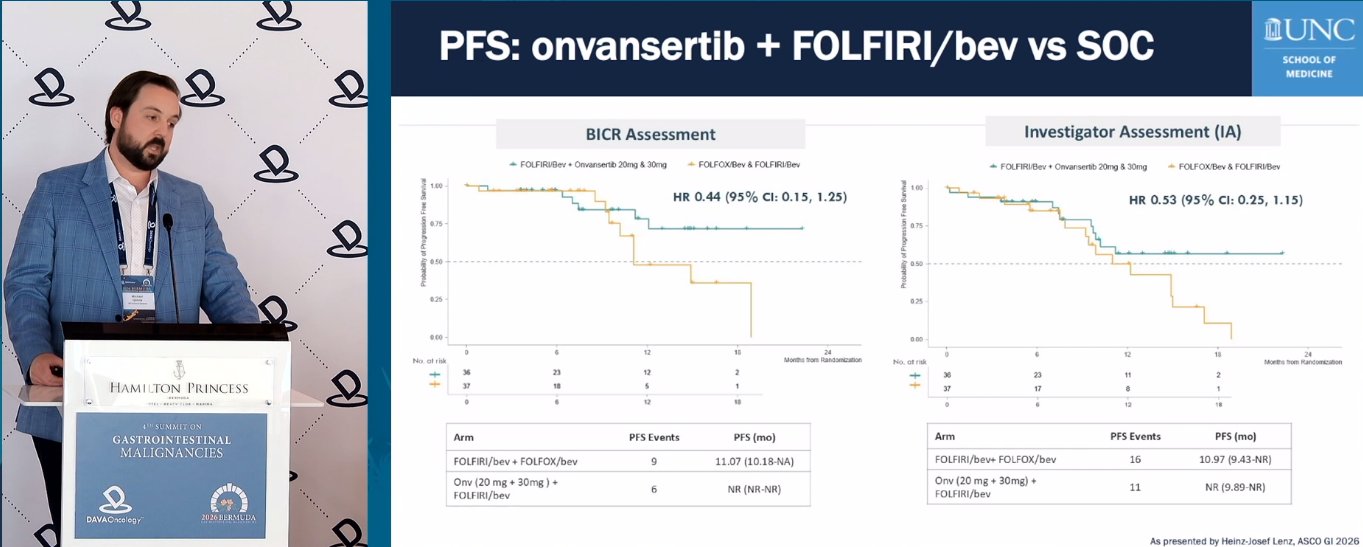
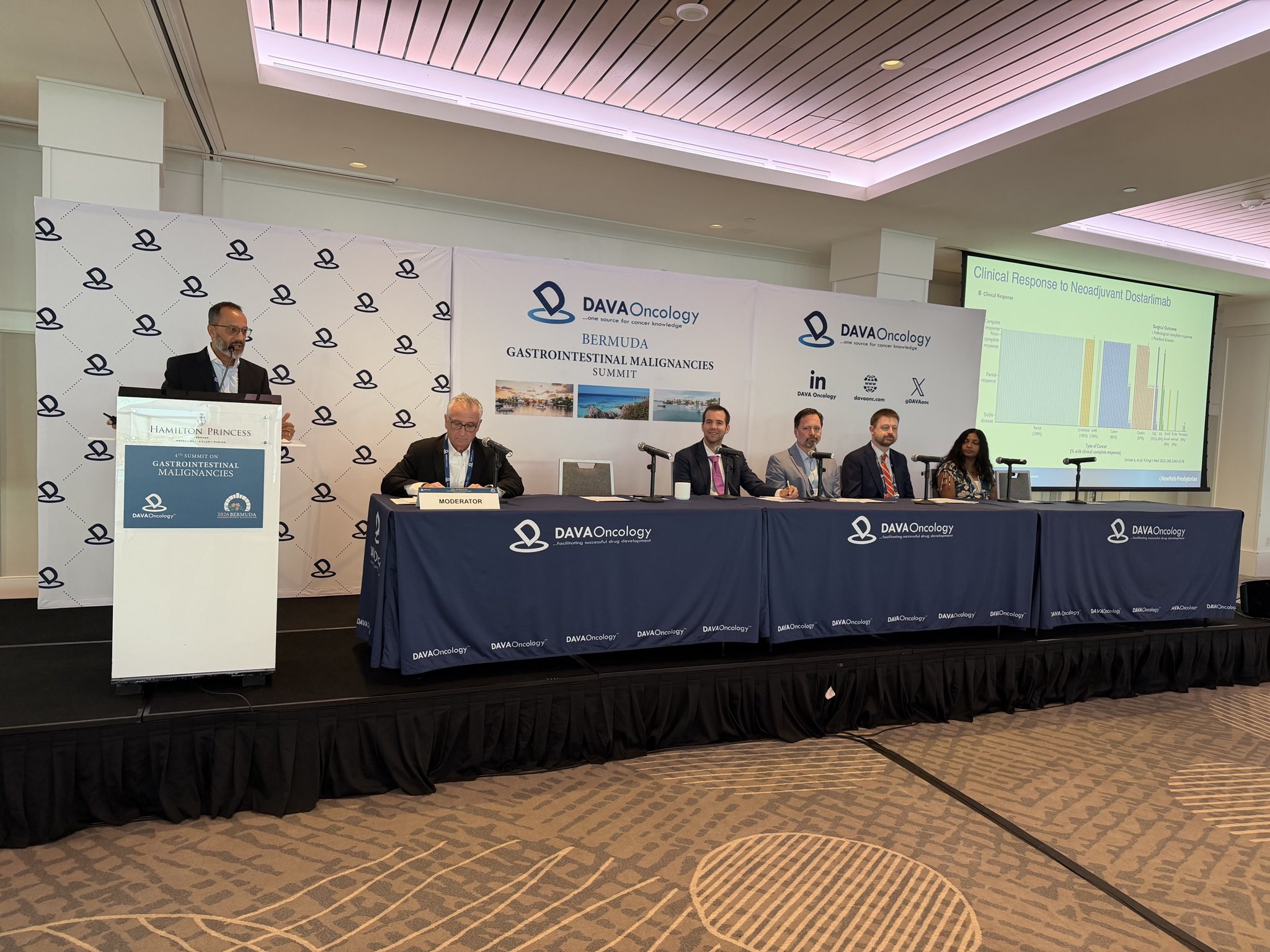
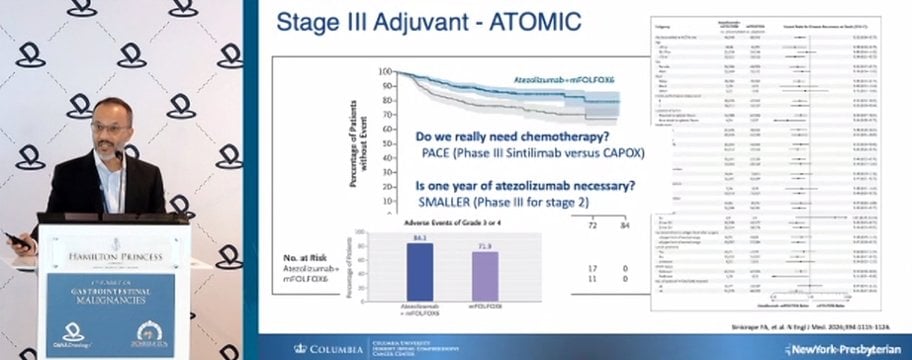
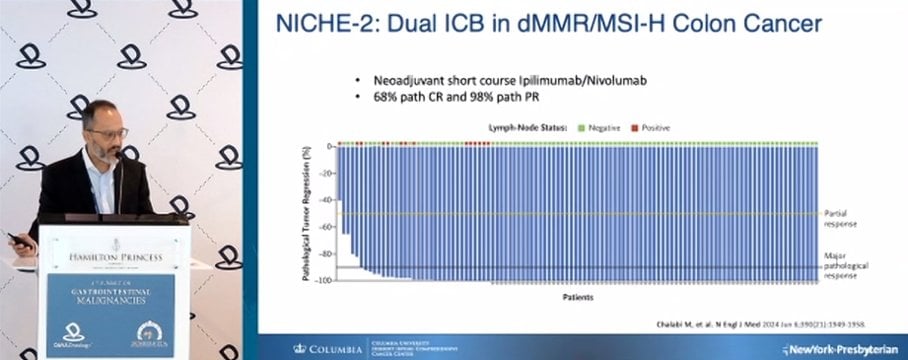
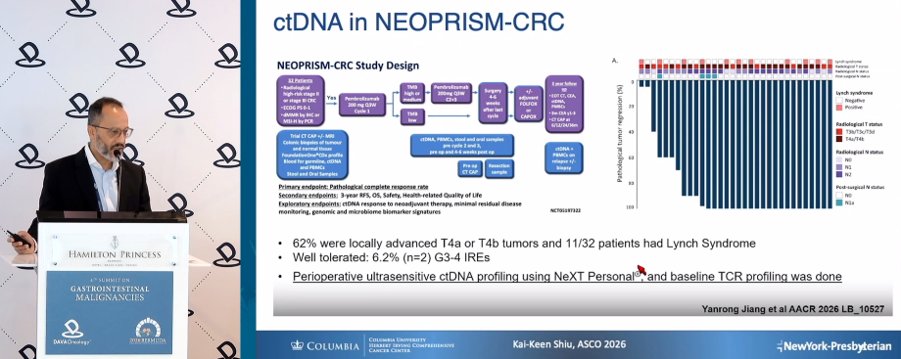
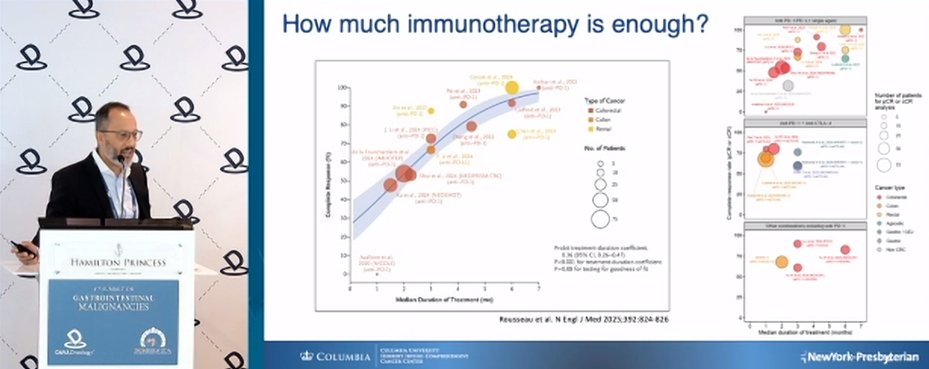
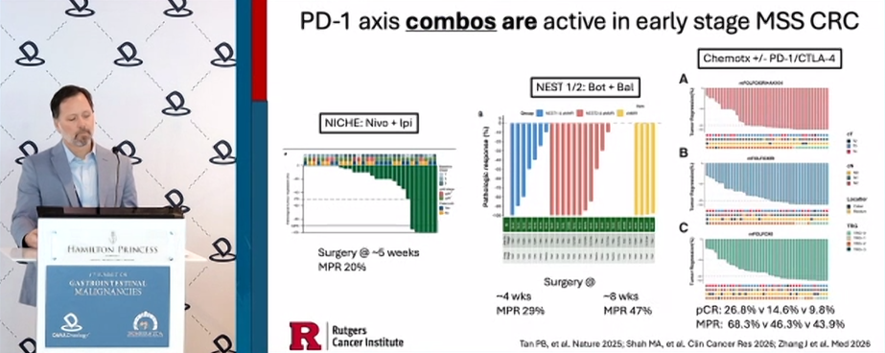
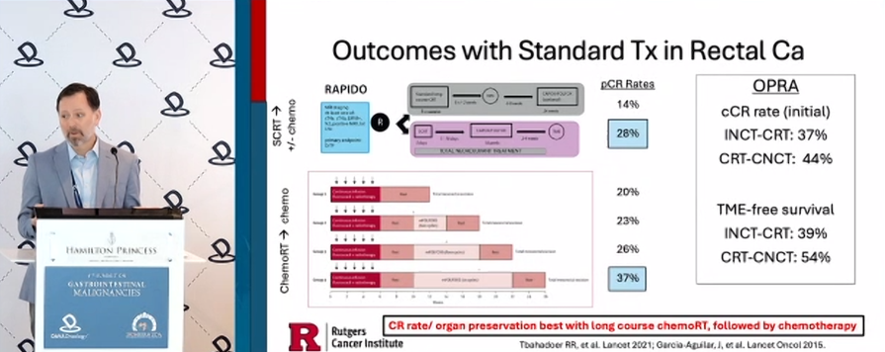
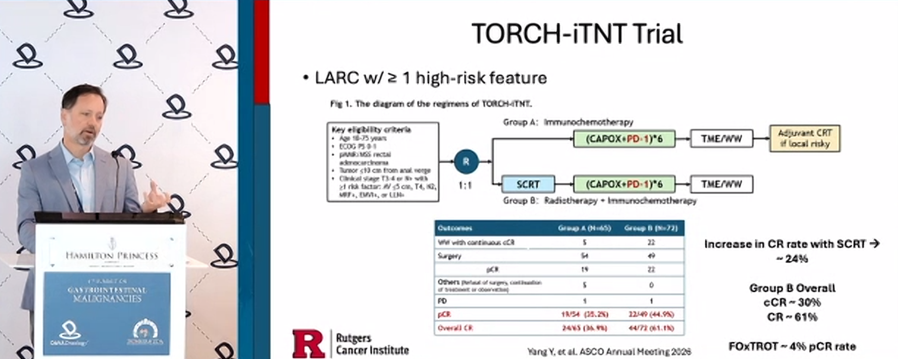
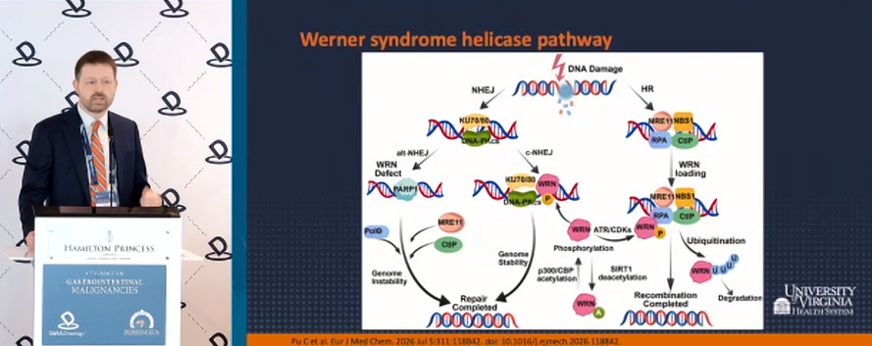
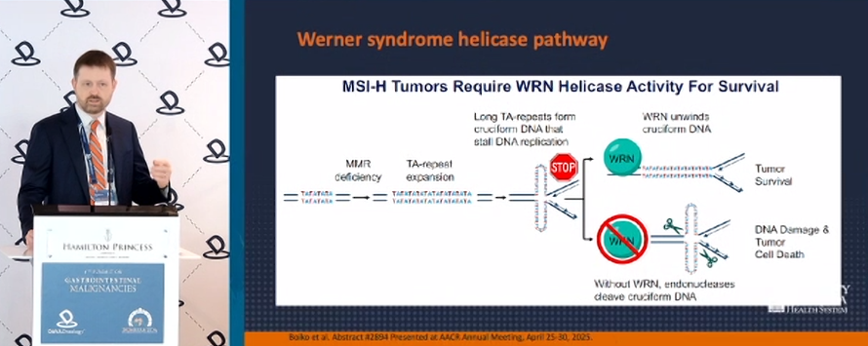
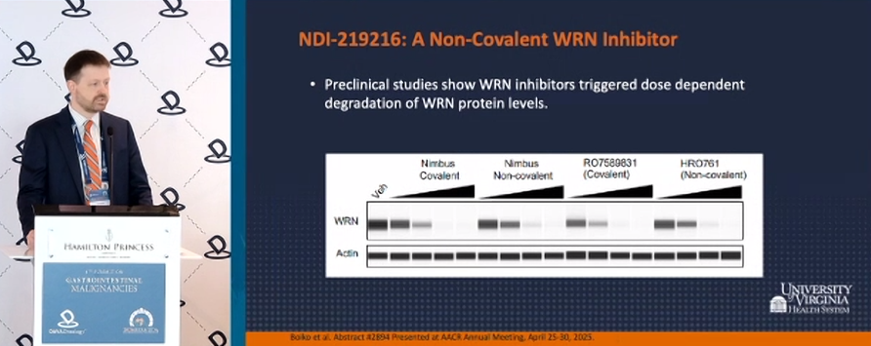
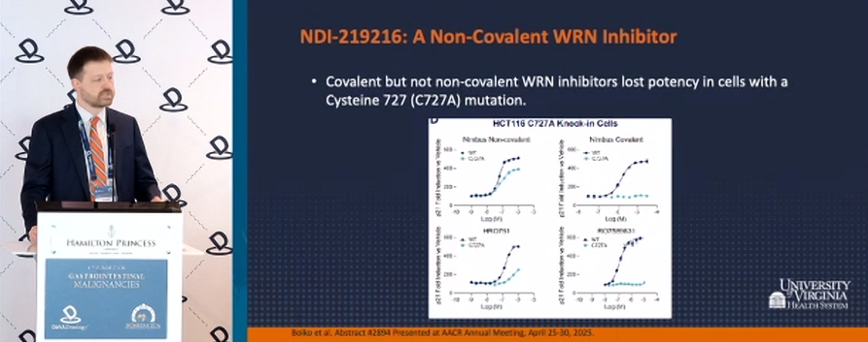
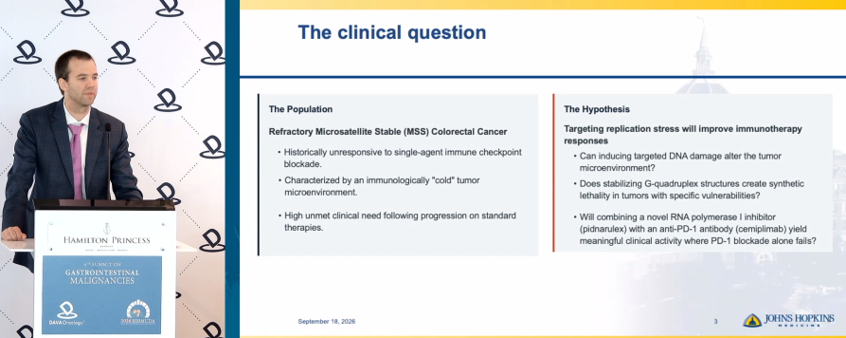
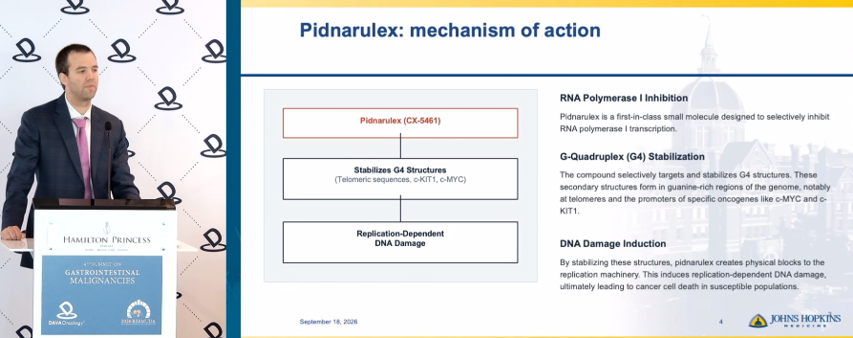
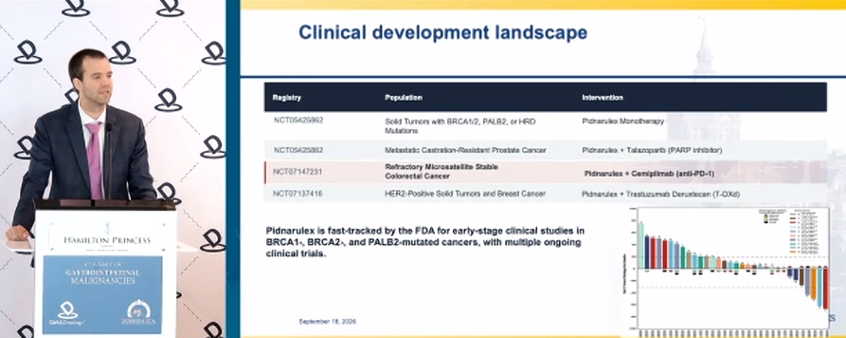
![Bermuda GI 2026 slide — NCT07147231: Phase I/II study design (Johns Hopkins Medicine; Source: ClinicalTrials.gov [NCT07147231])](https://kolpulse.com/hubfs/conference-slides/davagi26/t135_s4.jpg)
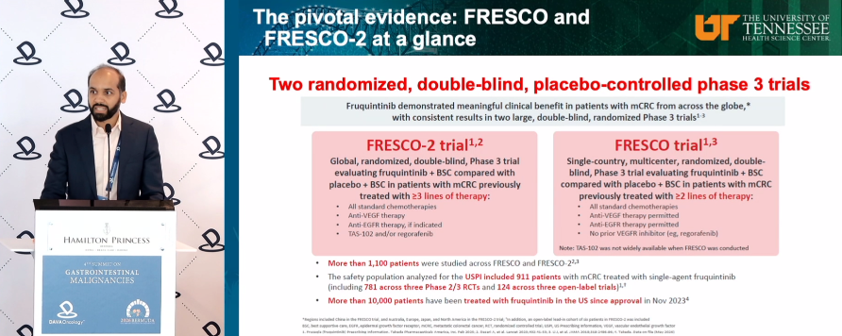
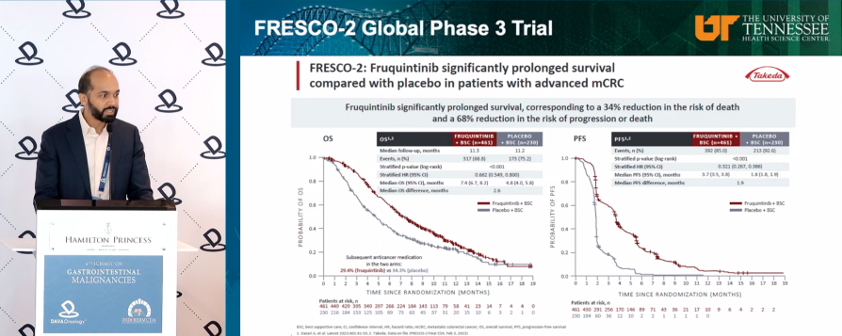
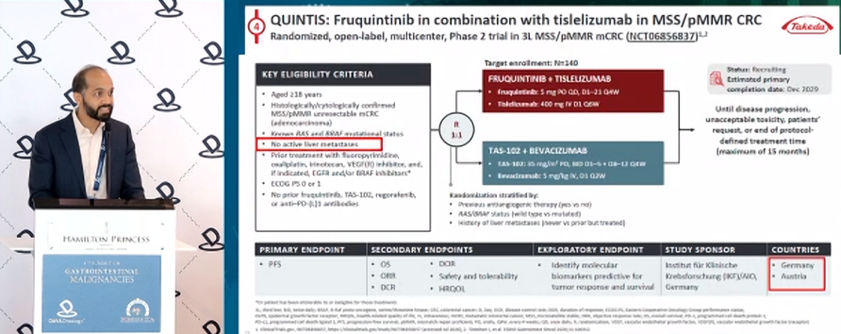
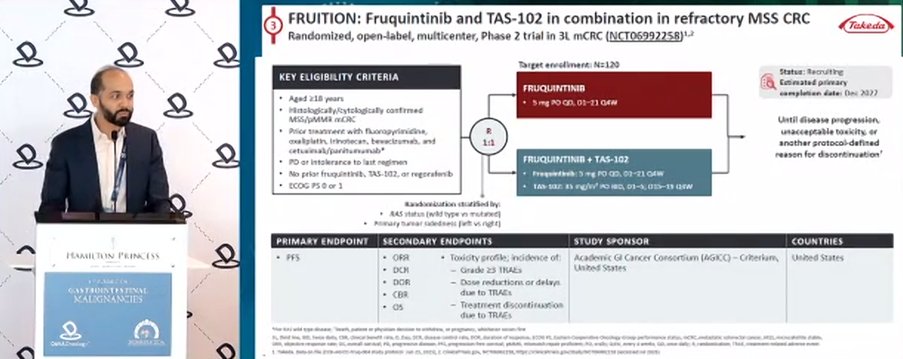
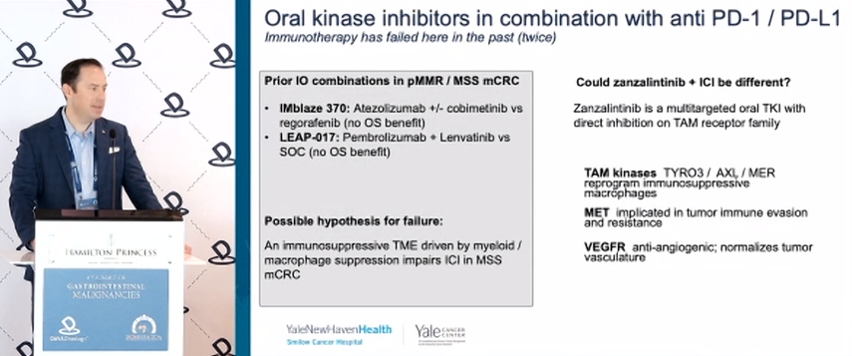
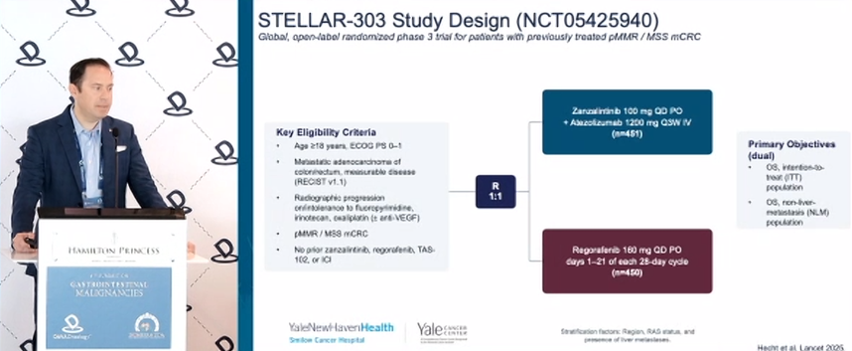
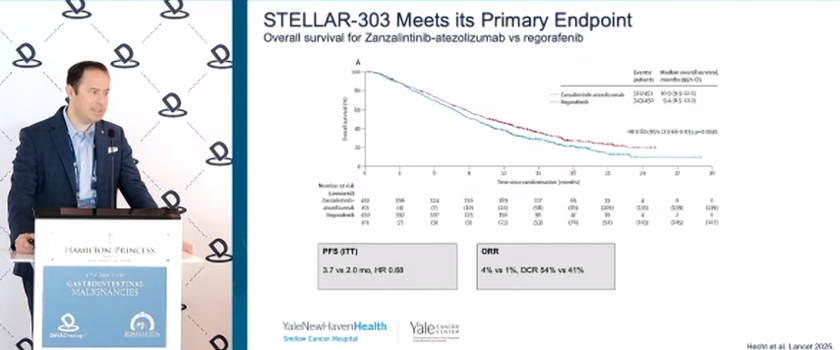
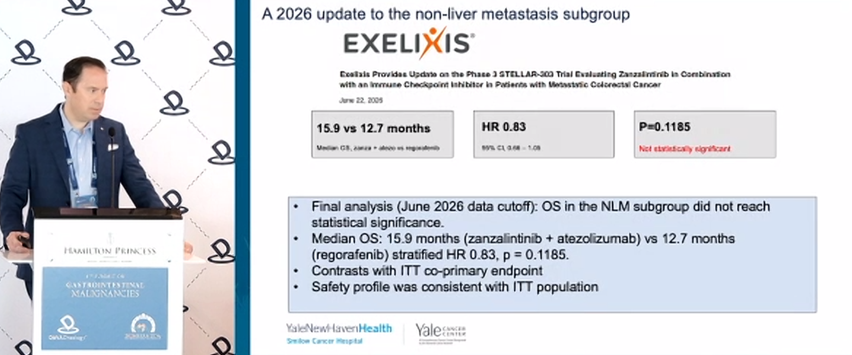
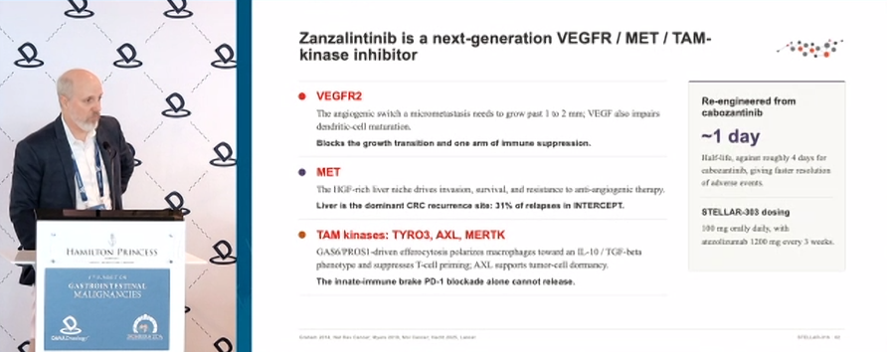
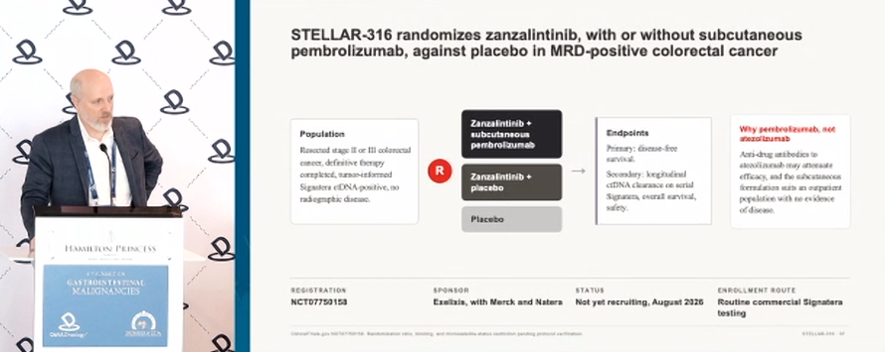
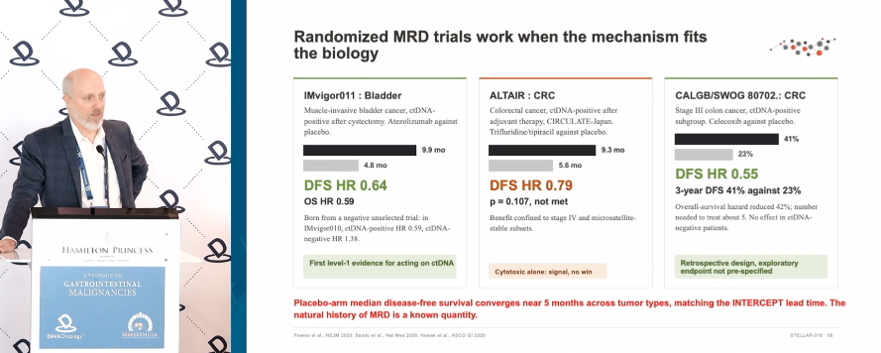
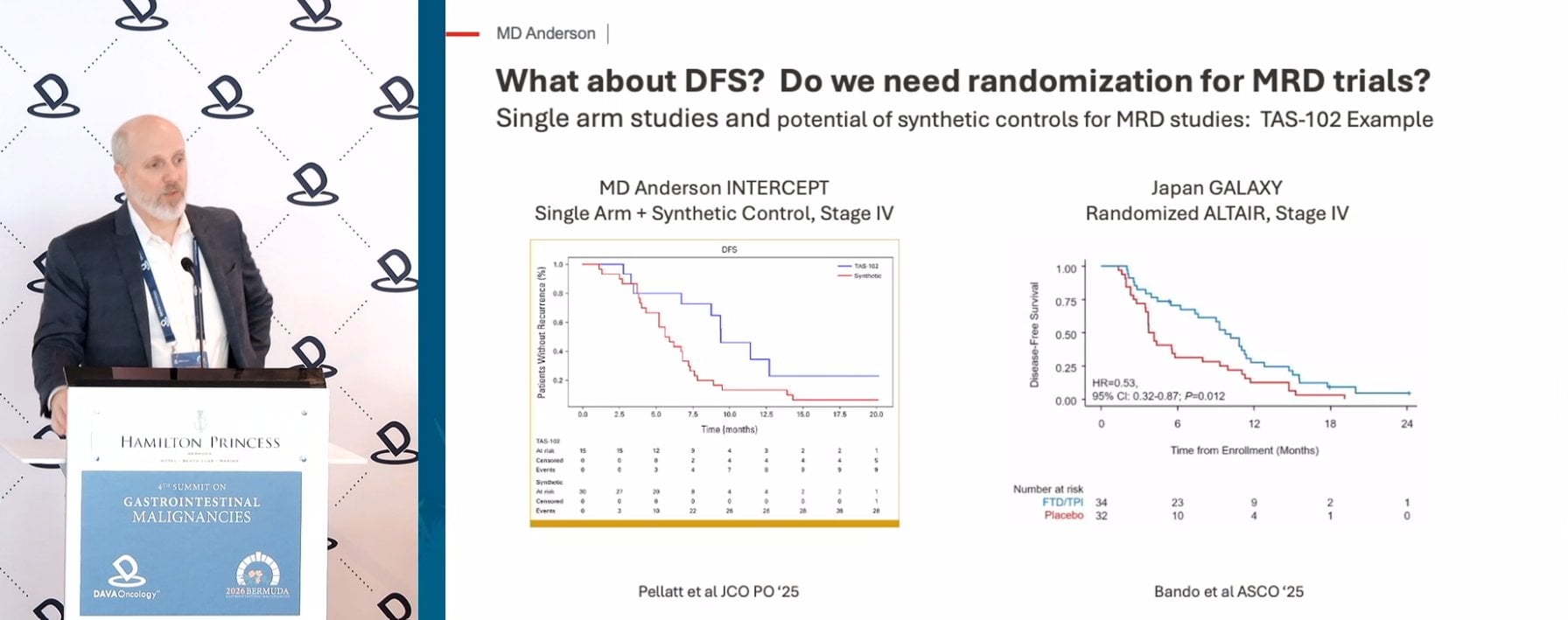
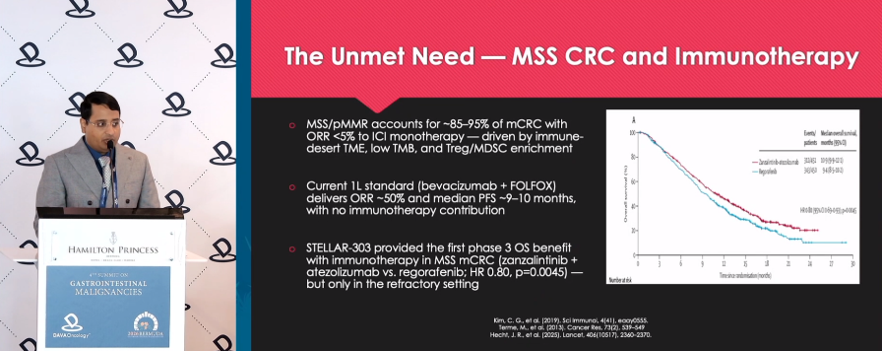
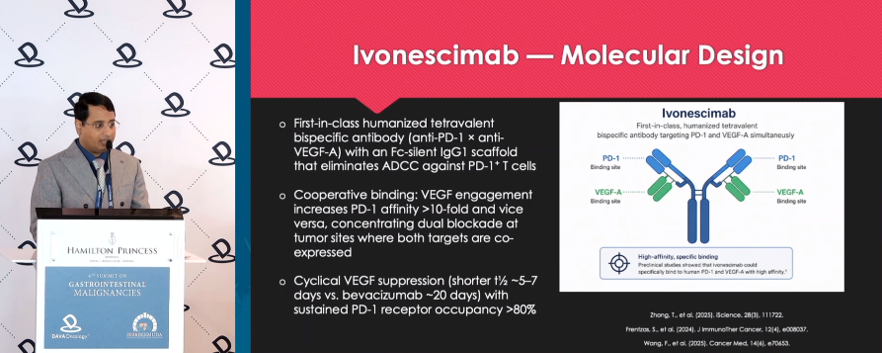
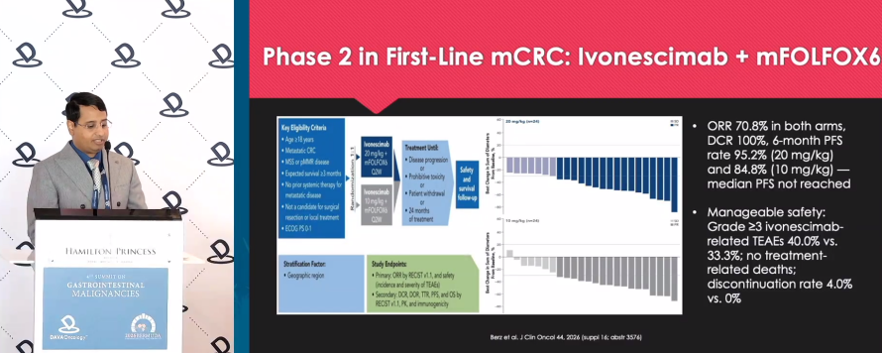
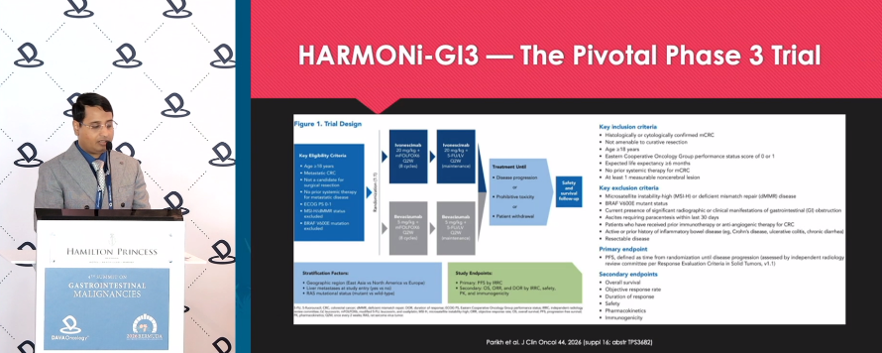
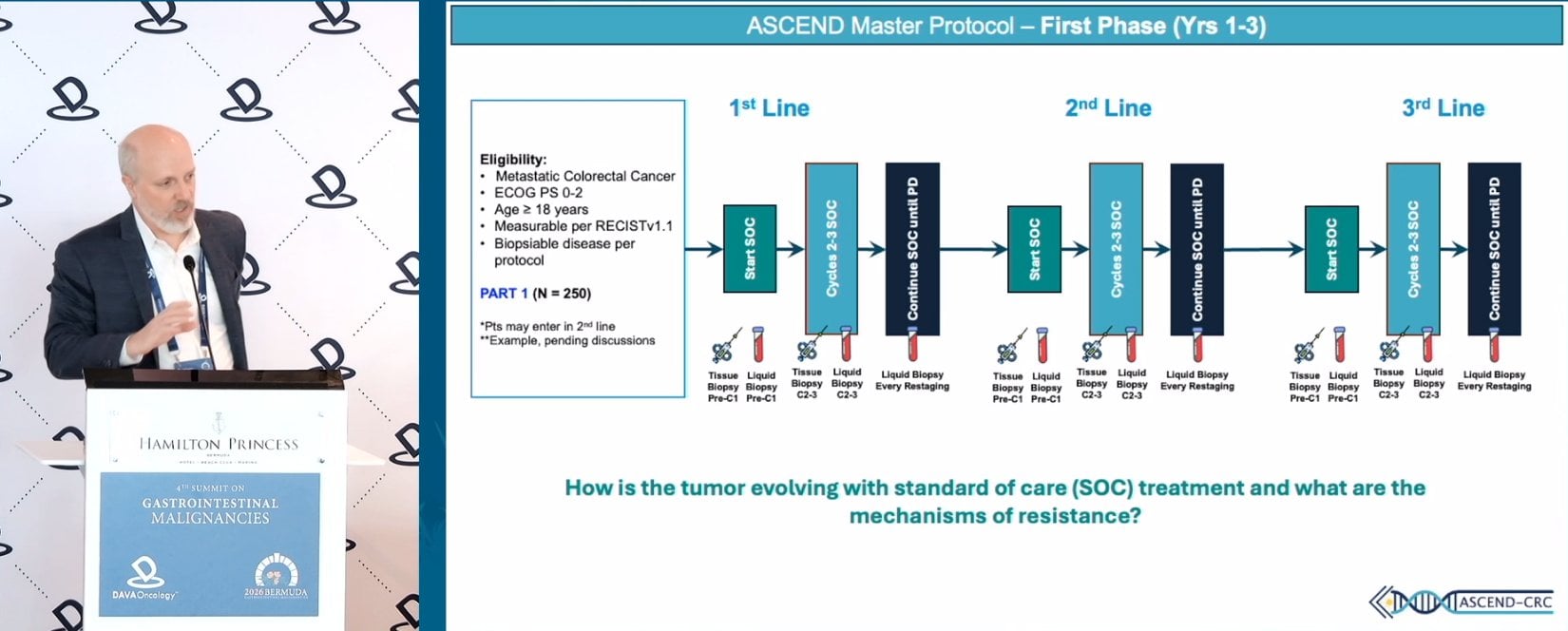
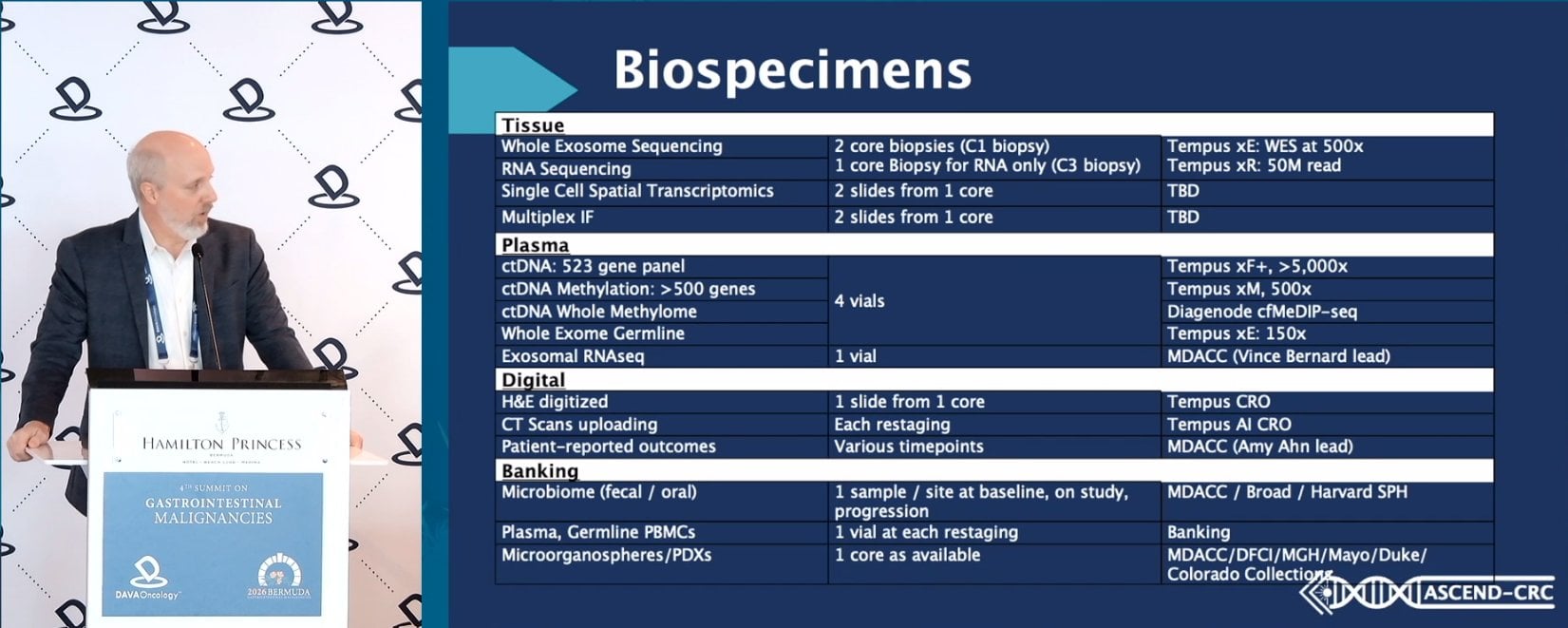
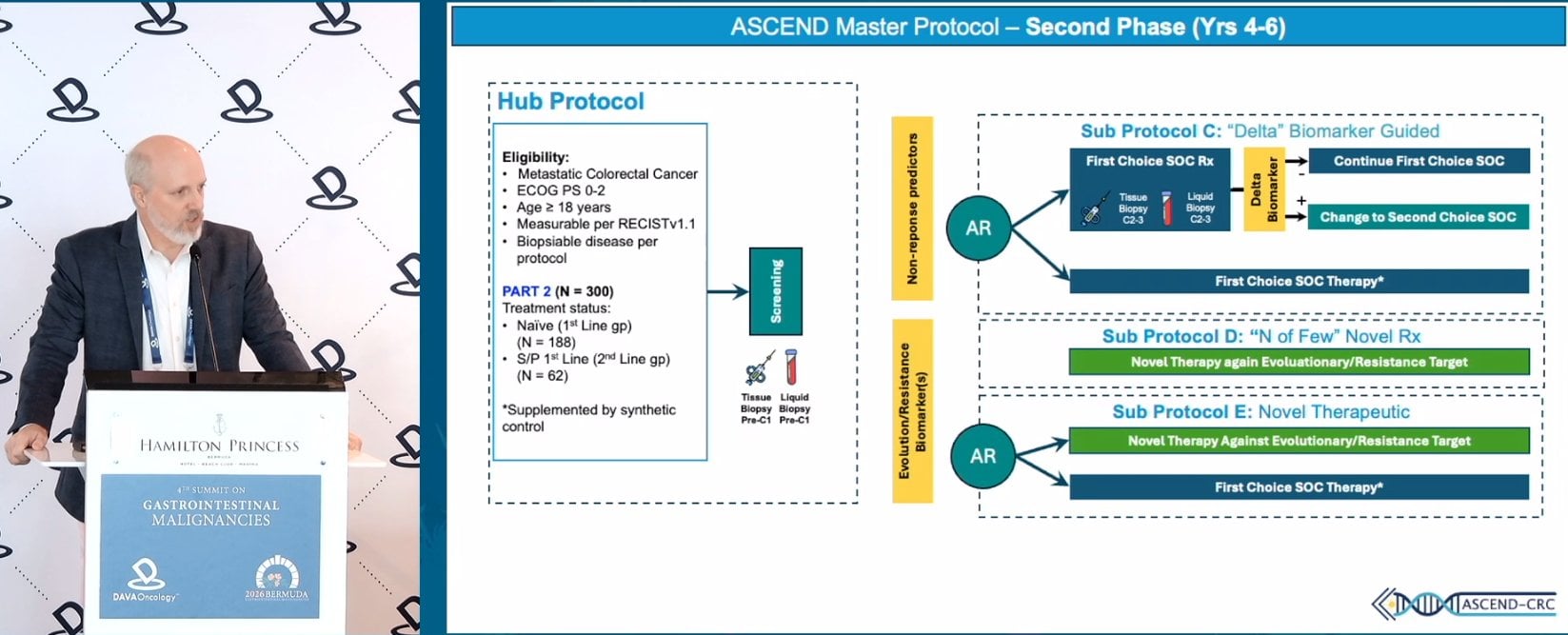
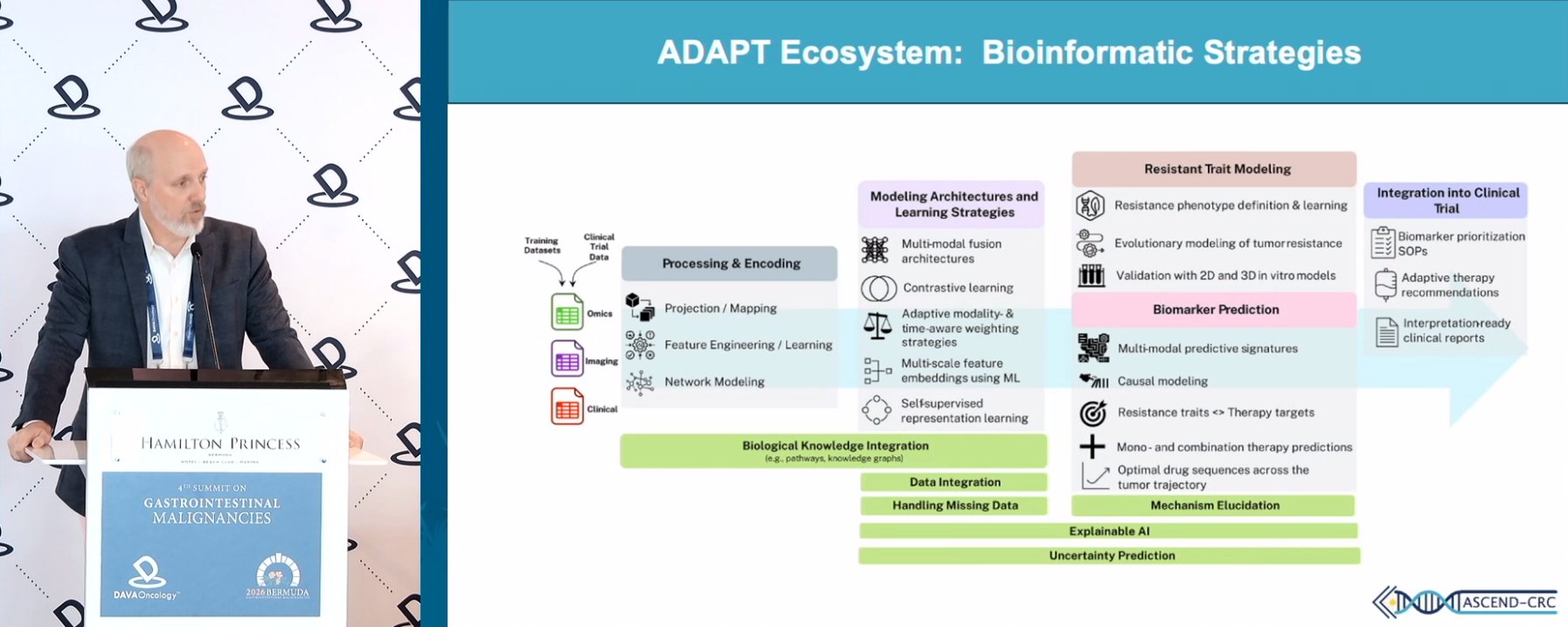
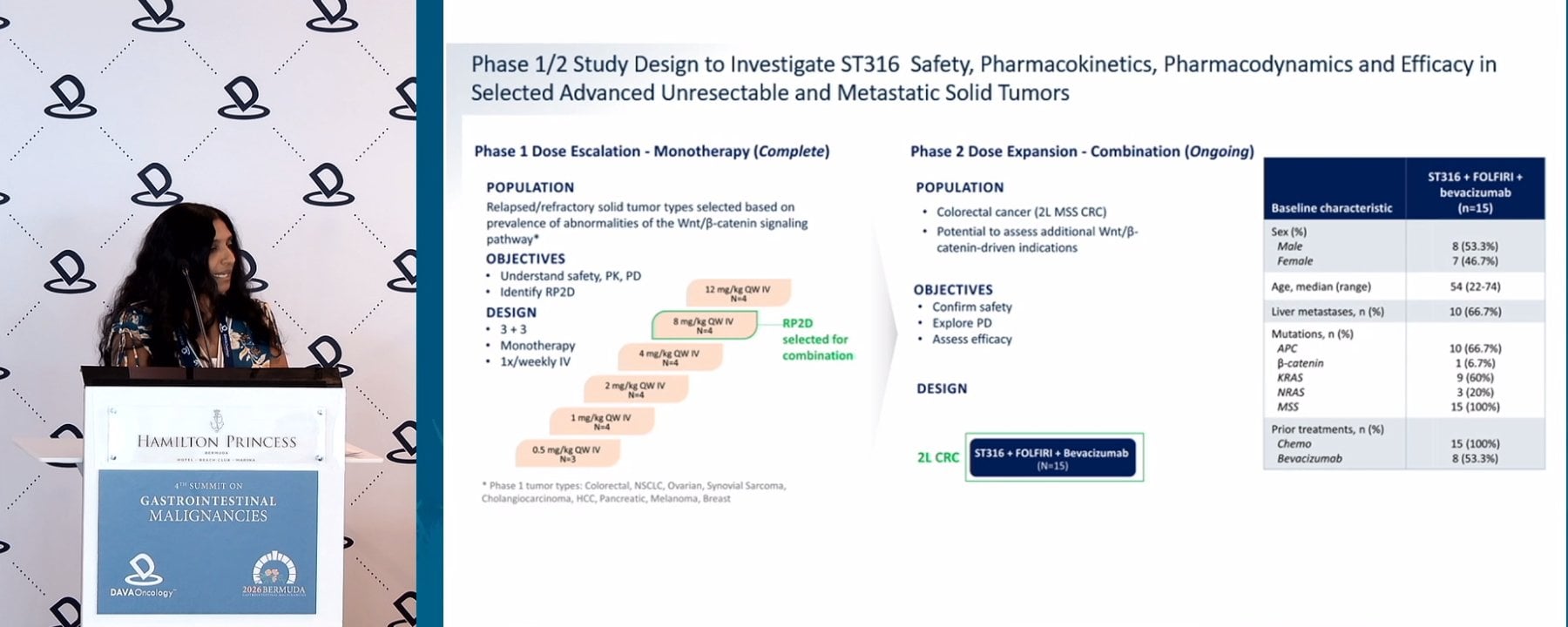
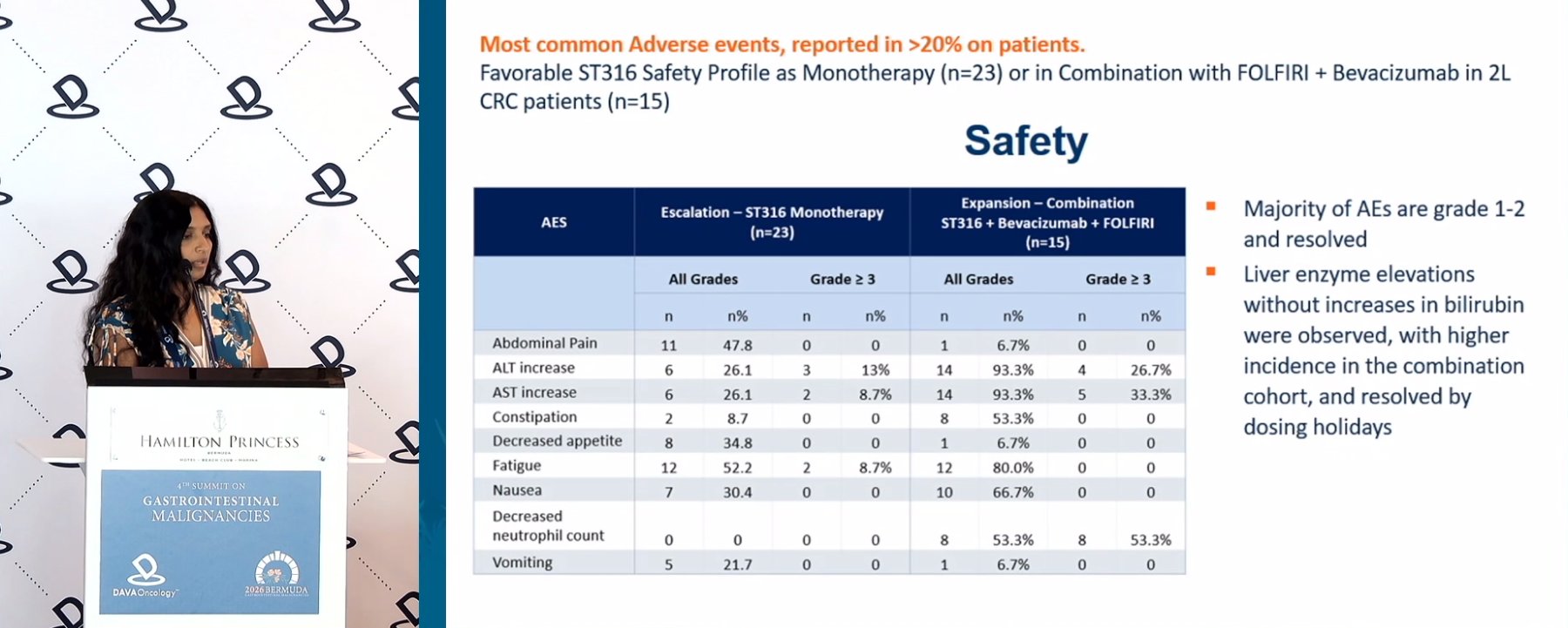
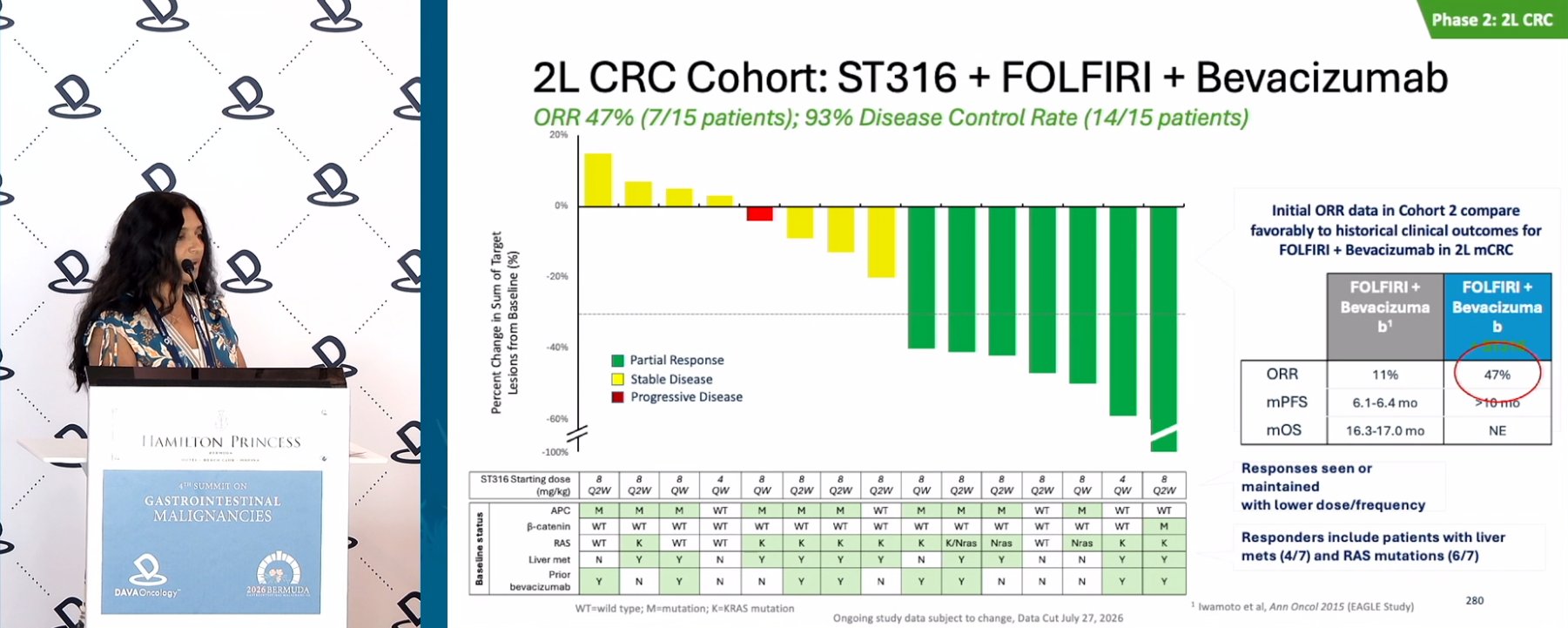
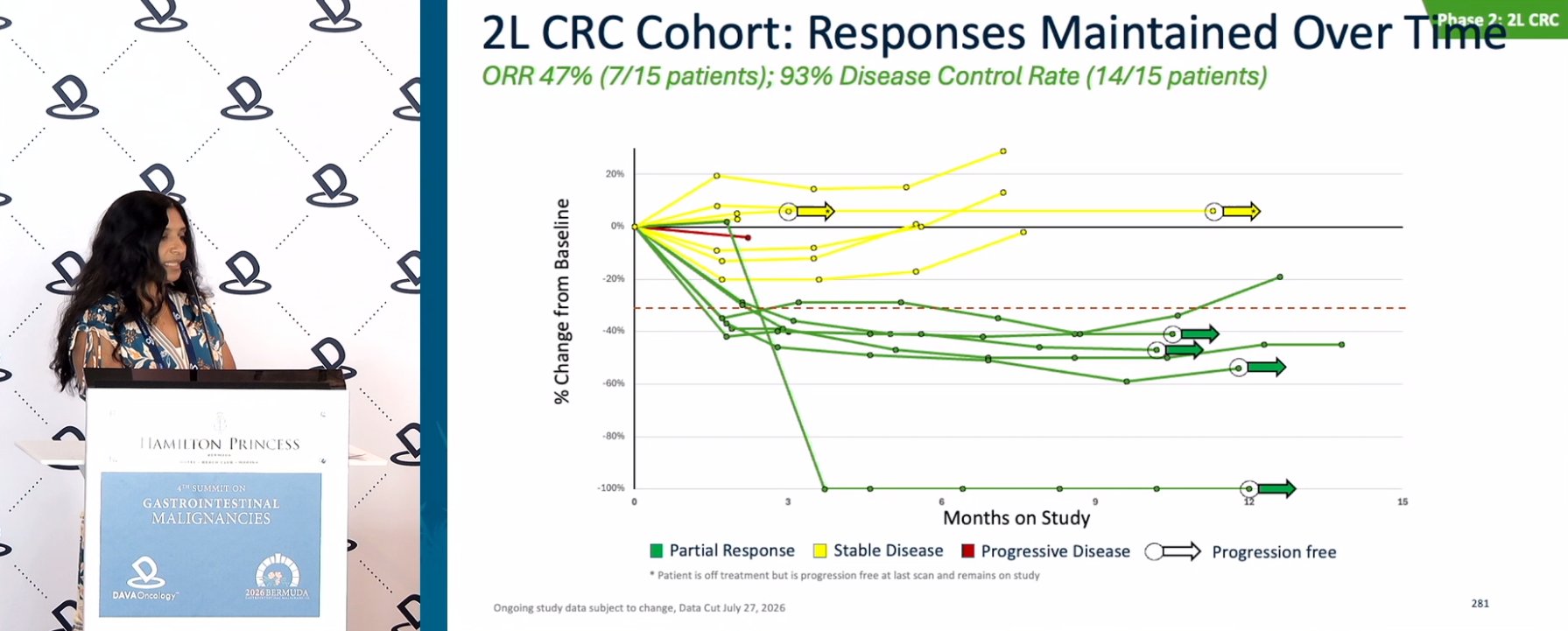
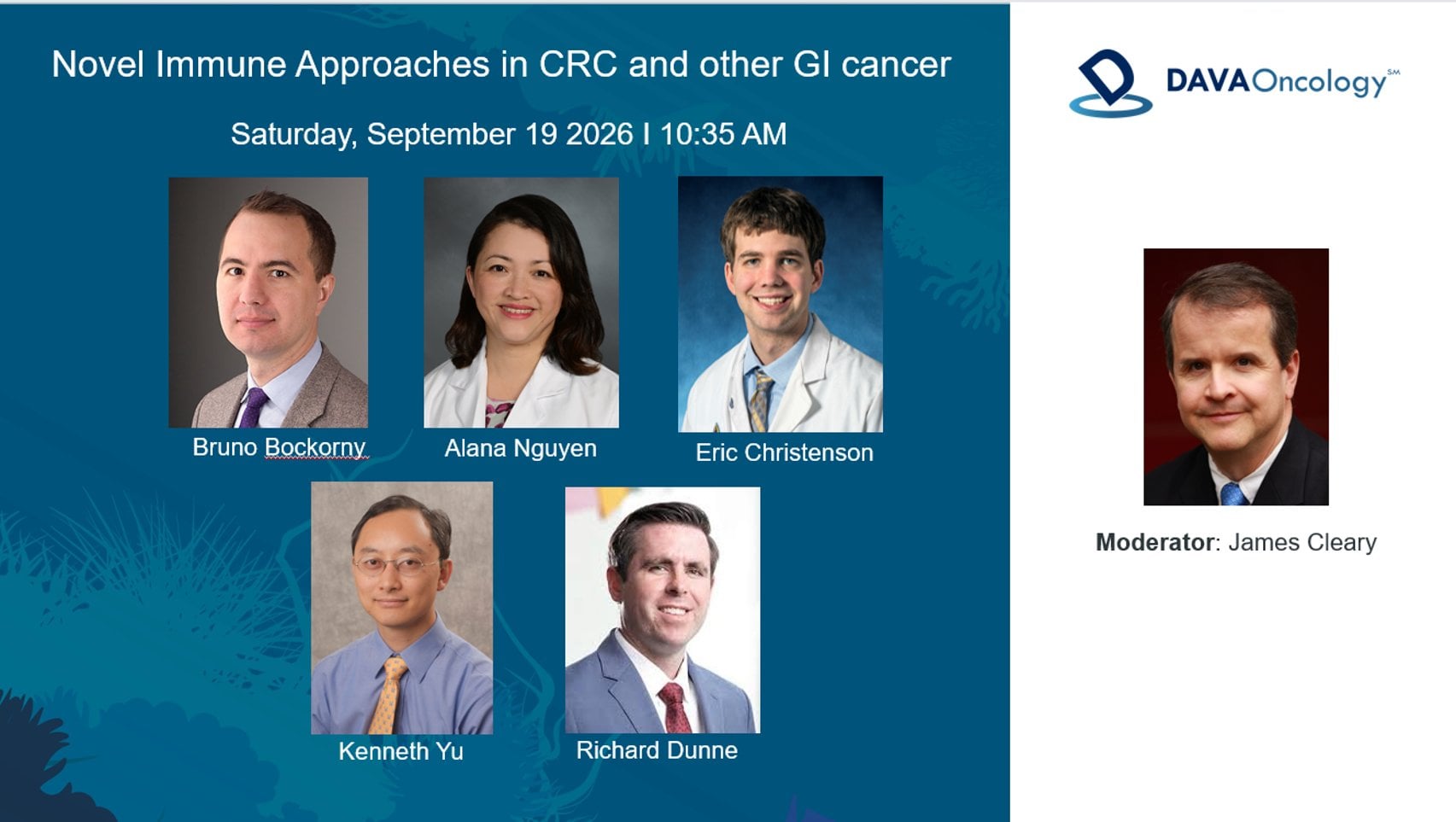
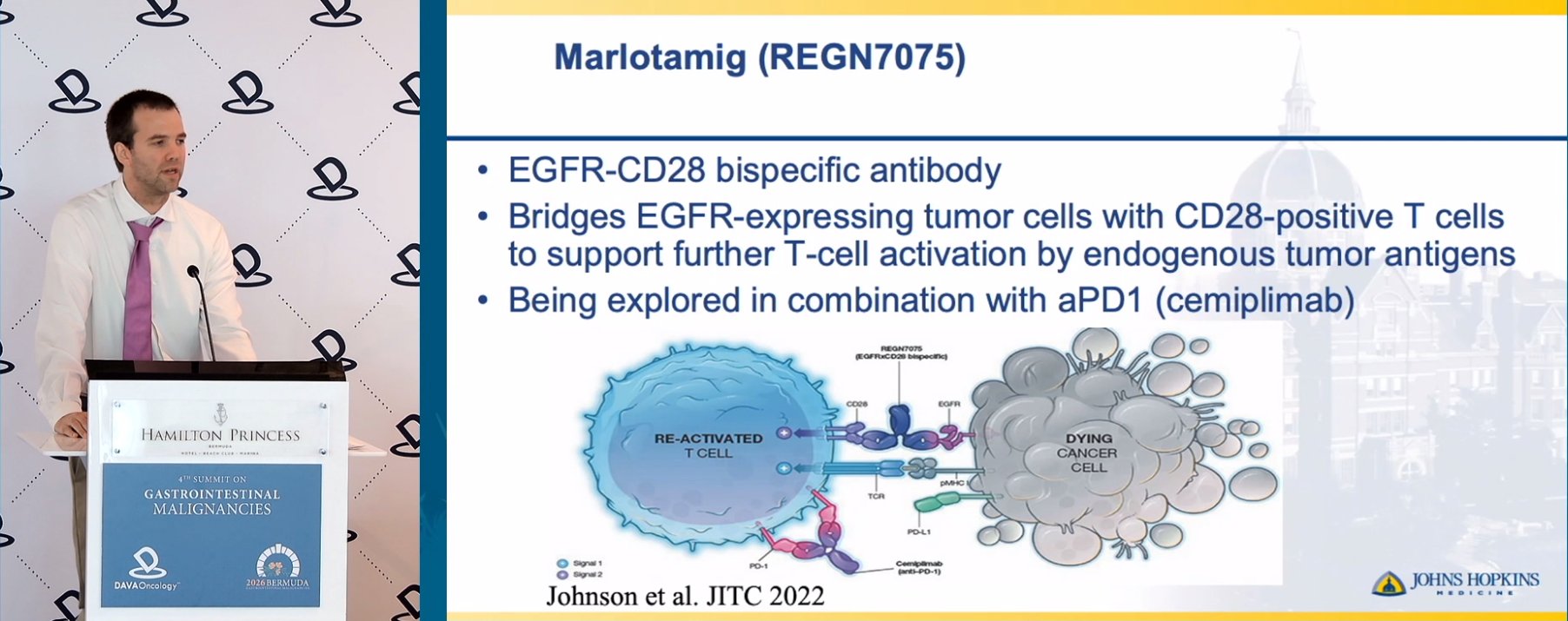
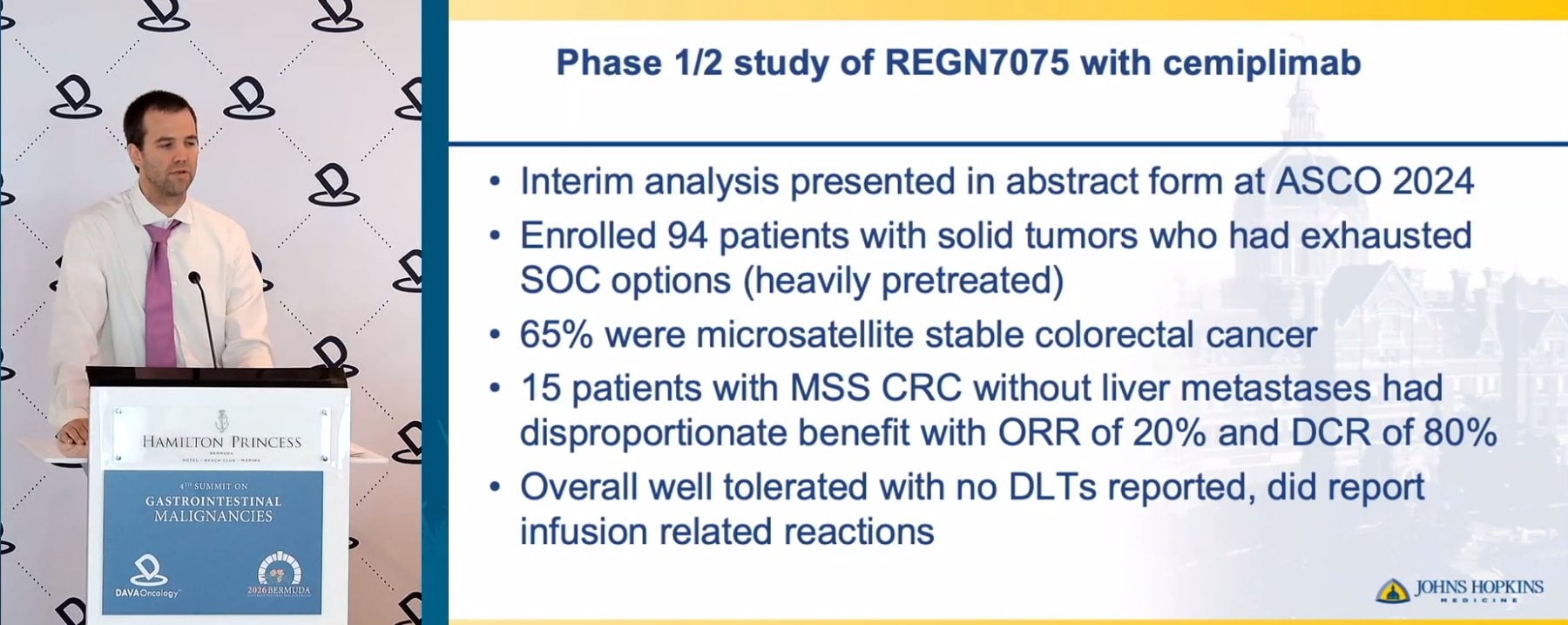
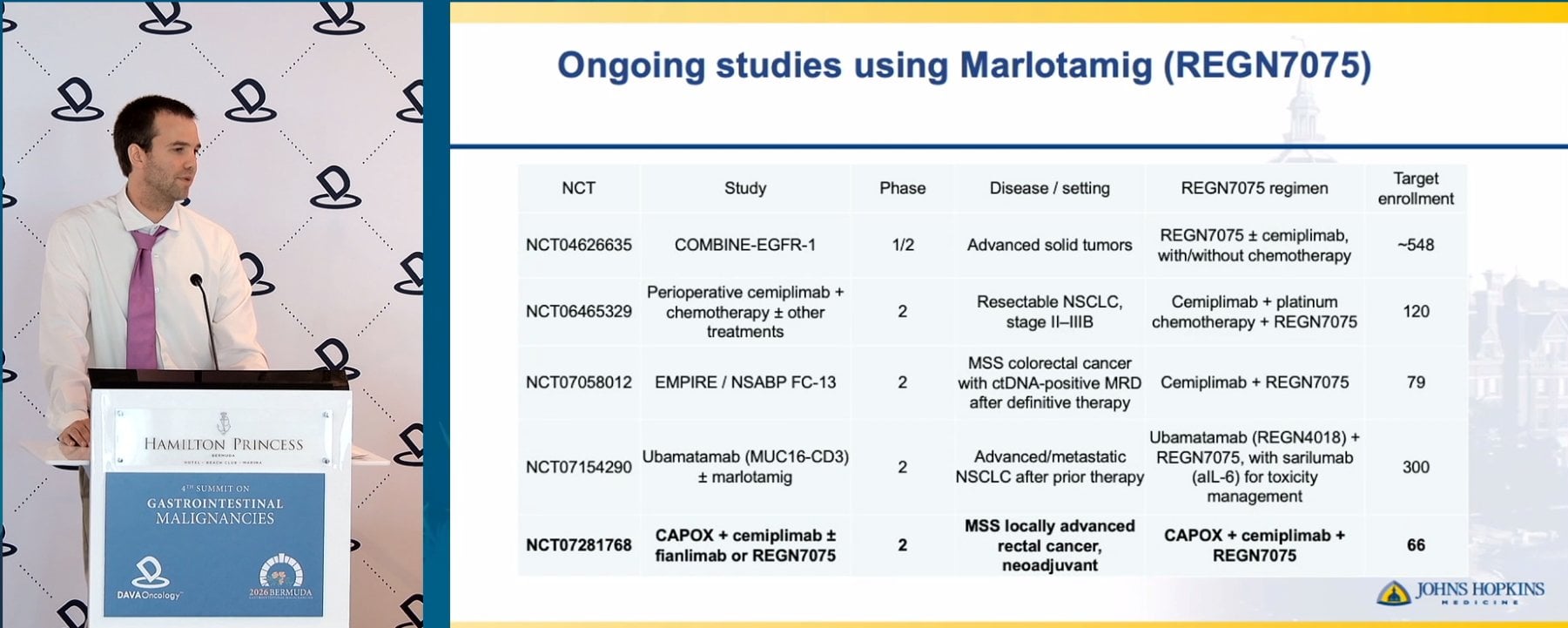
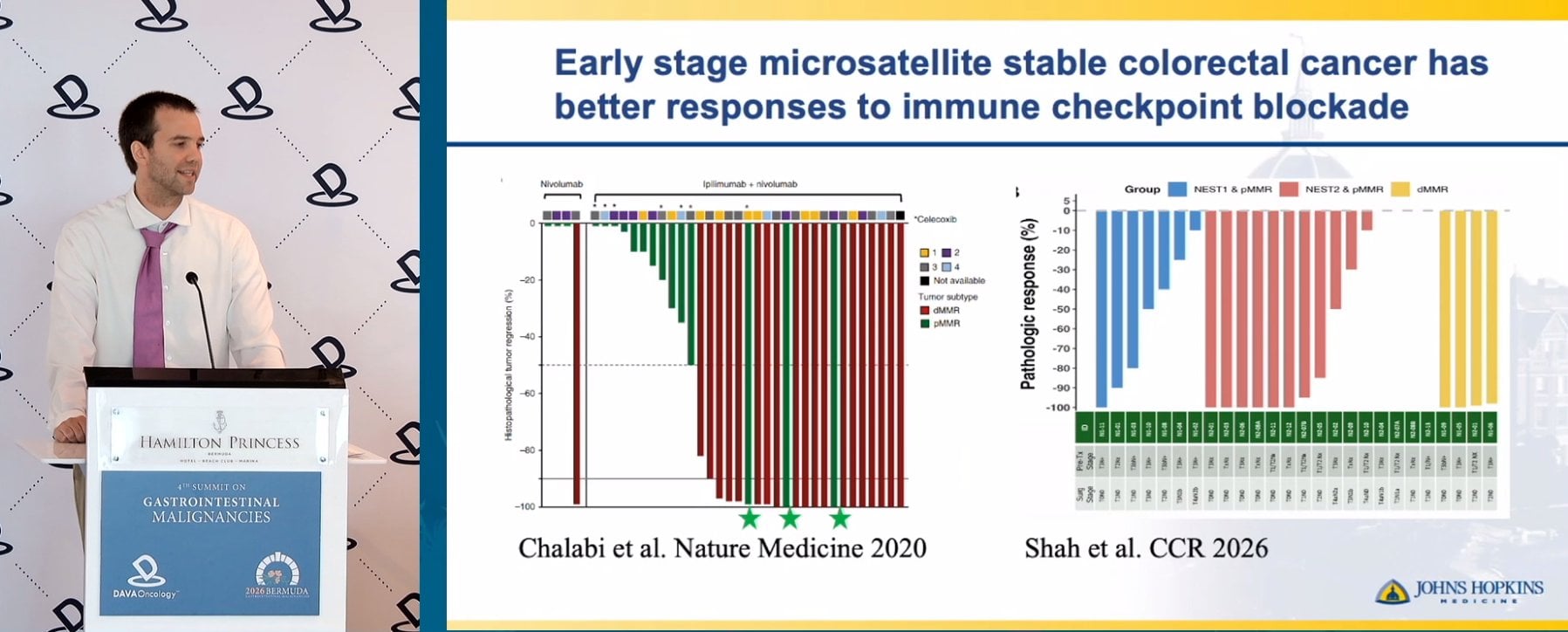
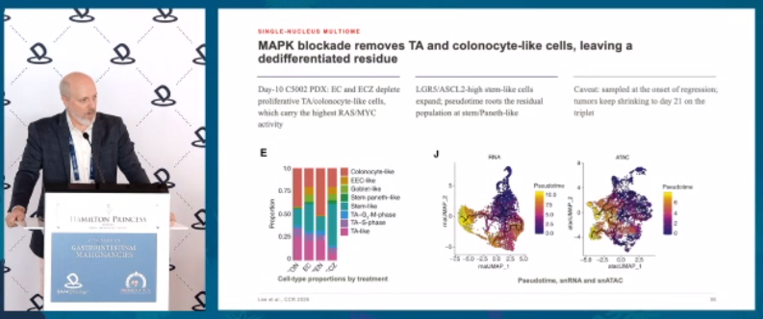
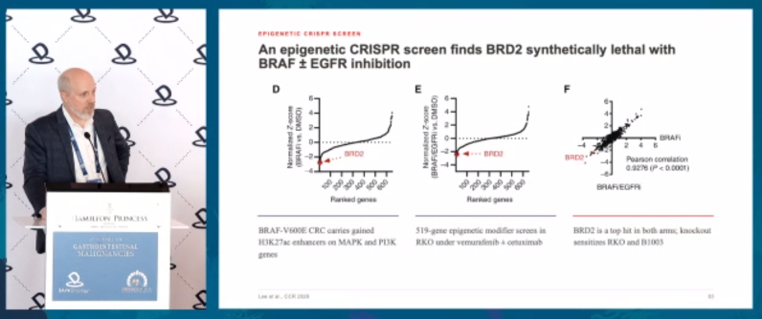
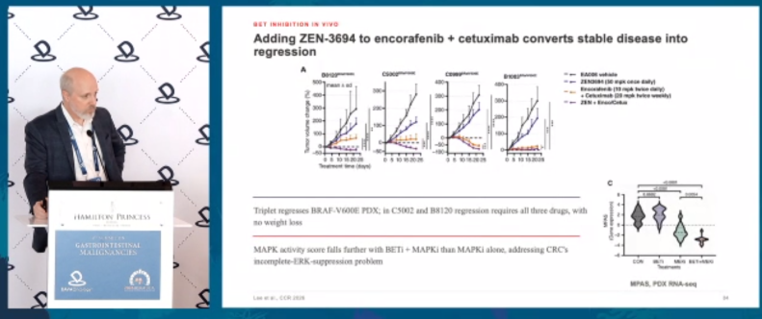
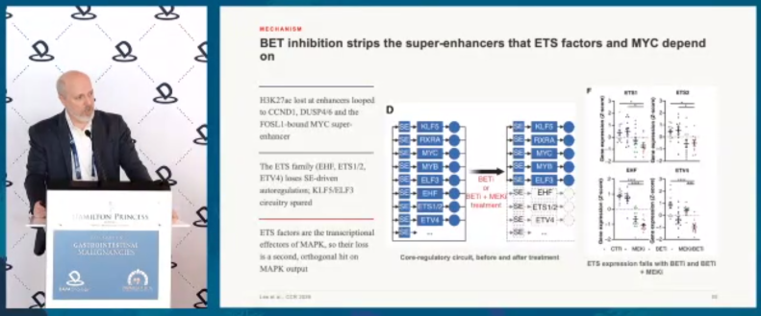
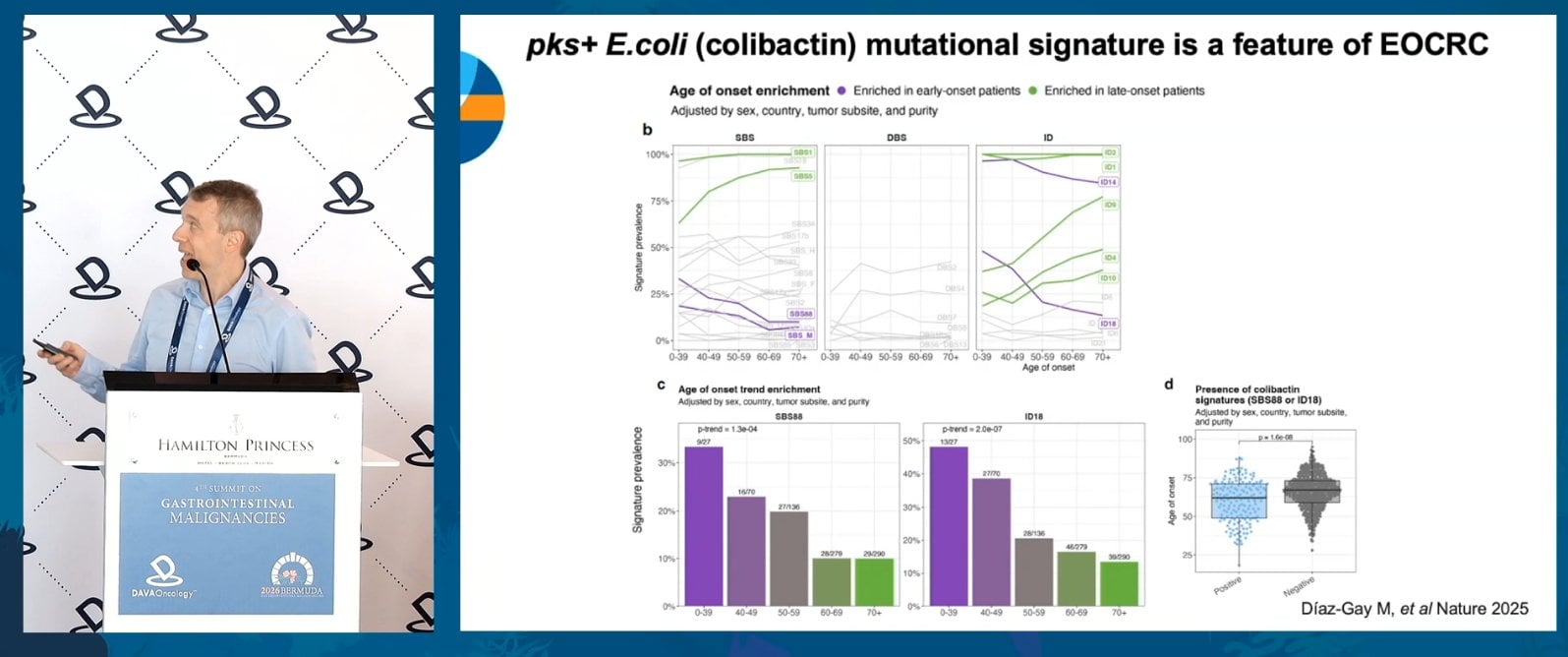
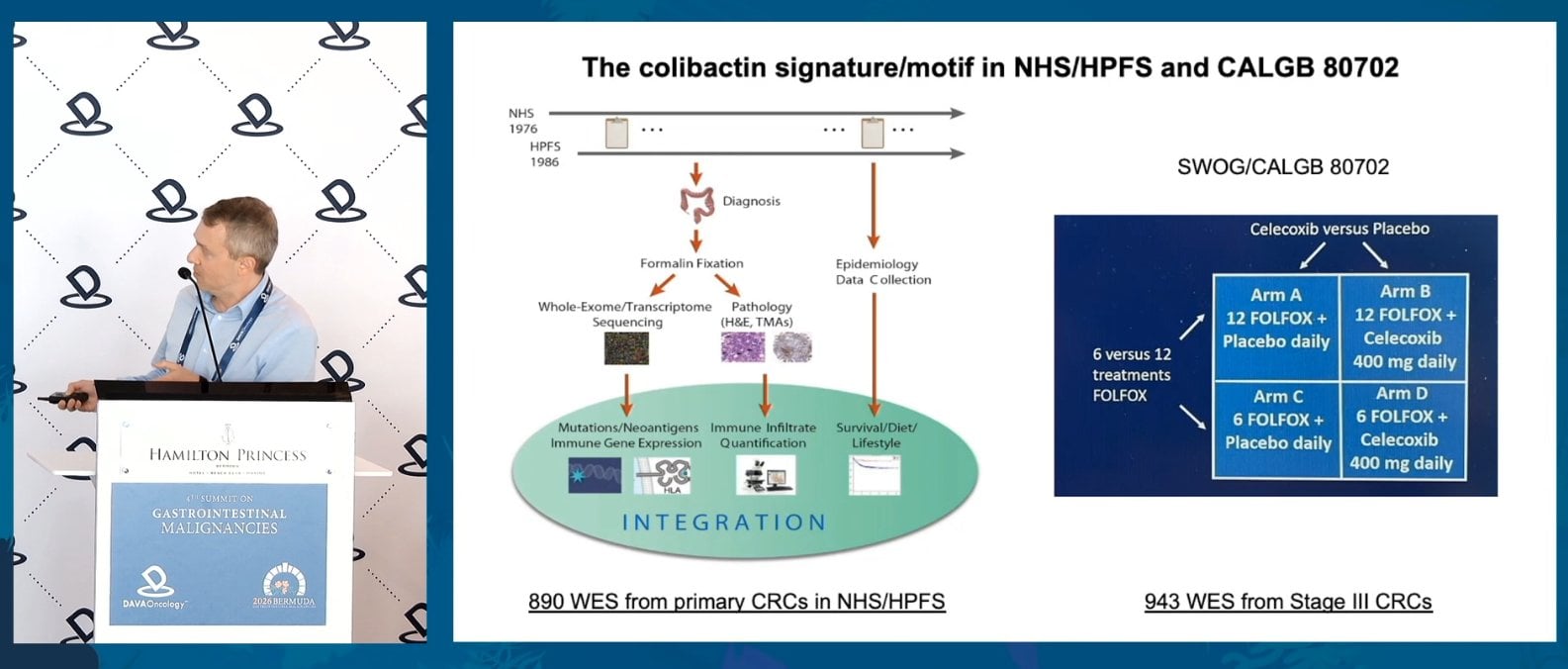
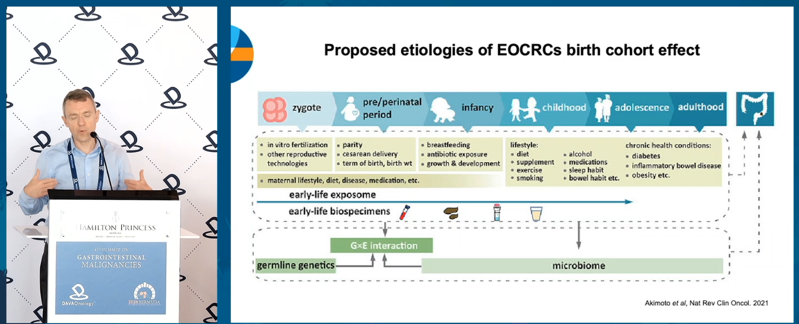
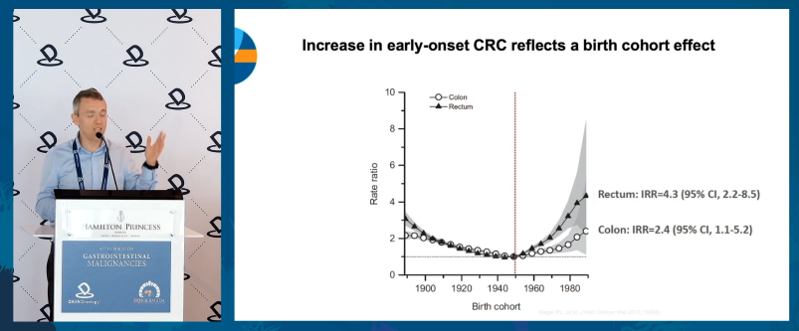
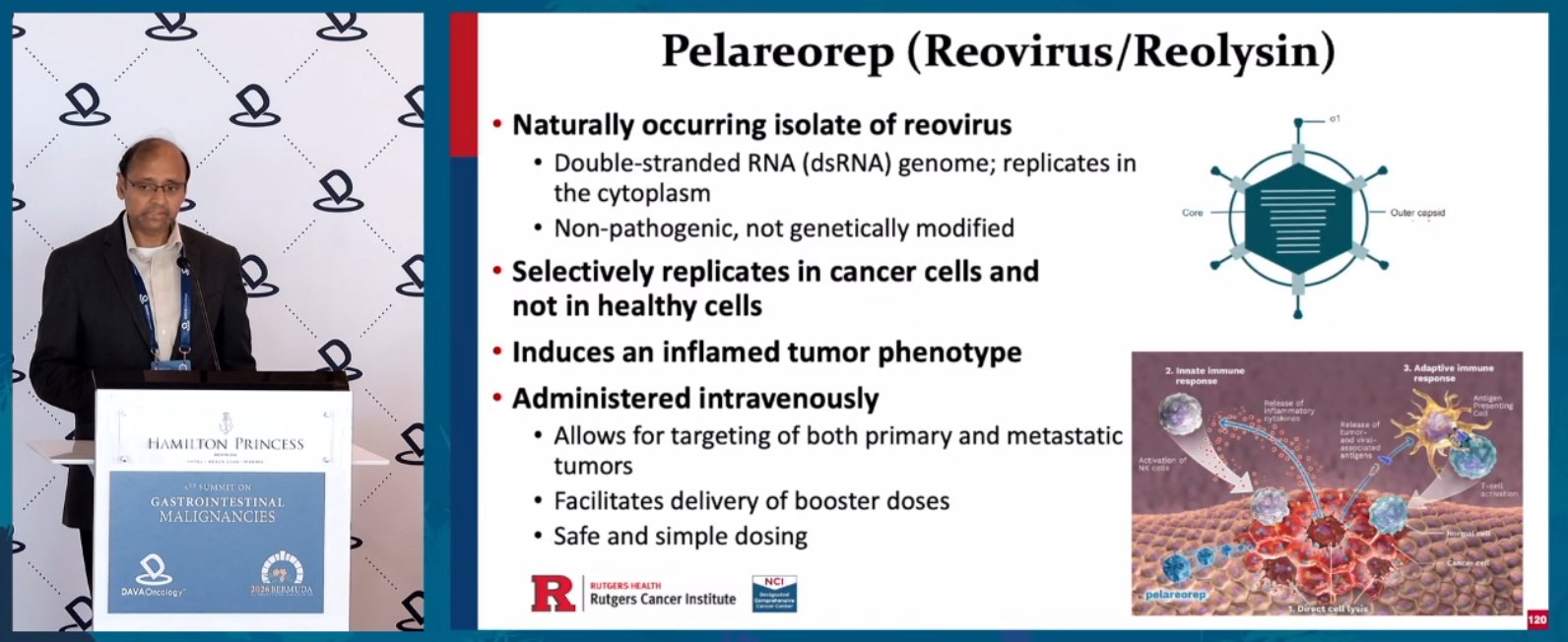
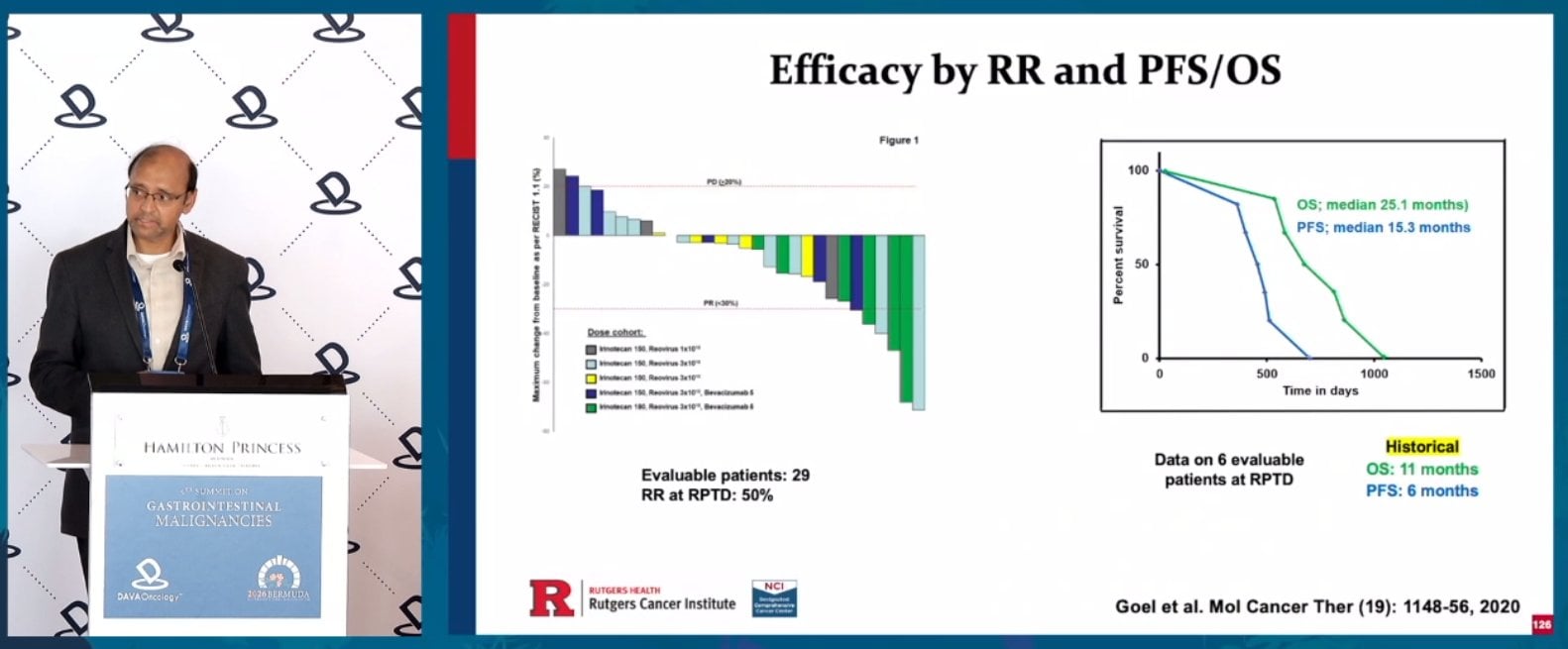
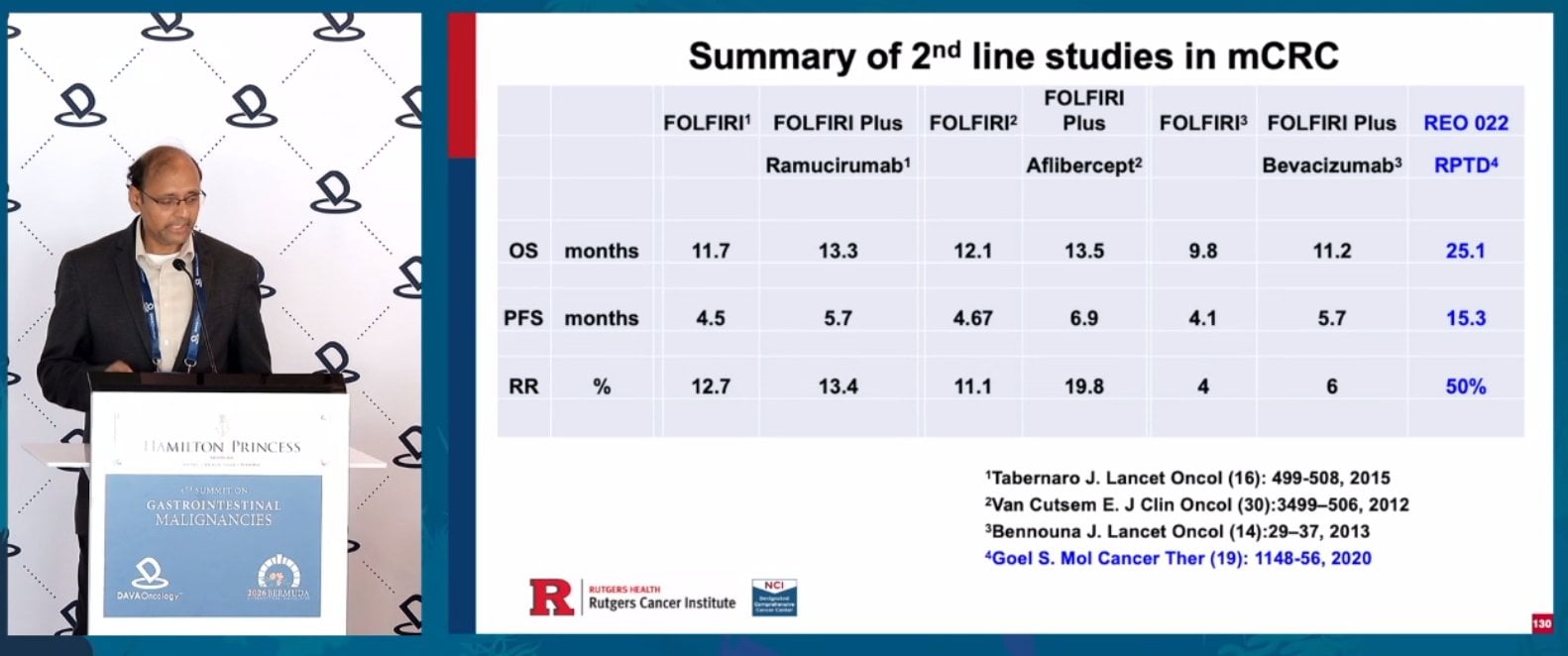
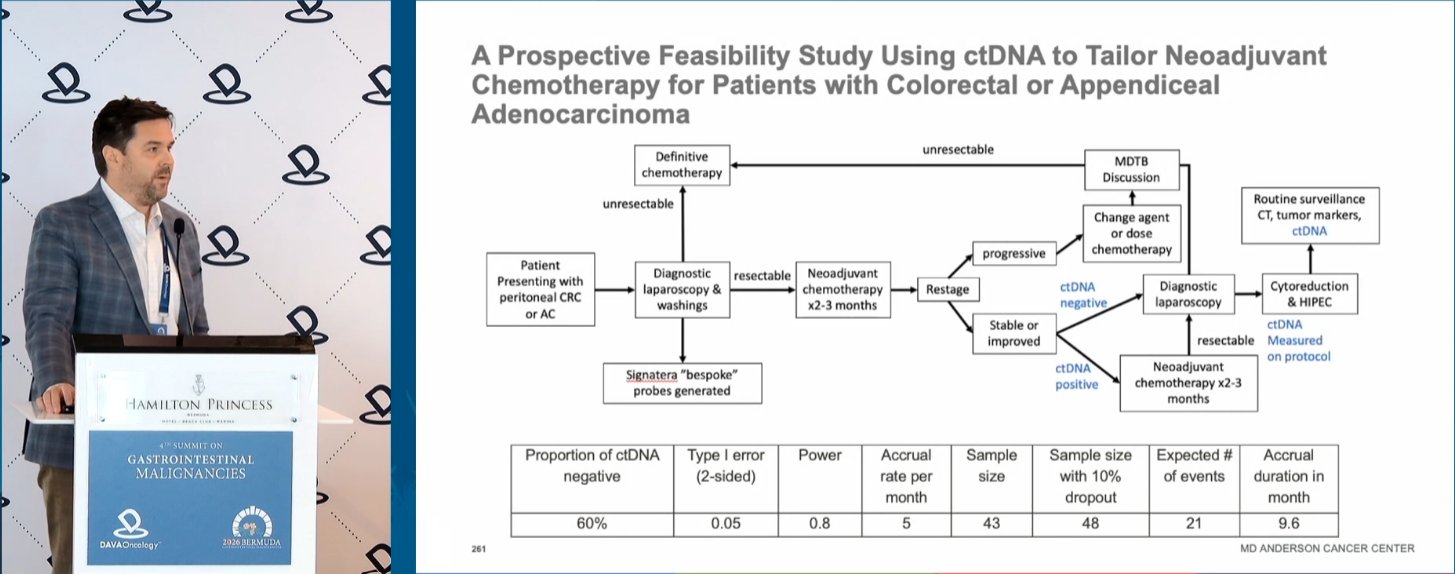
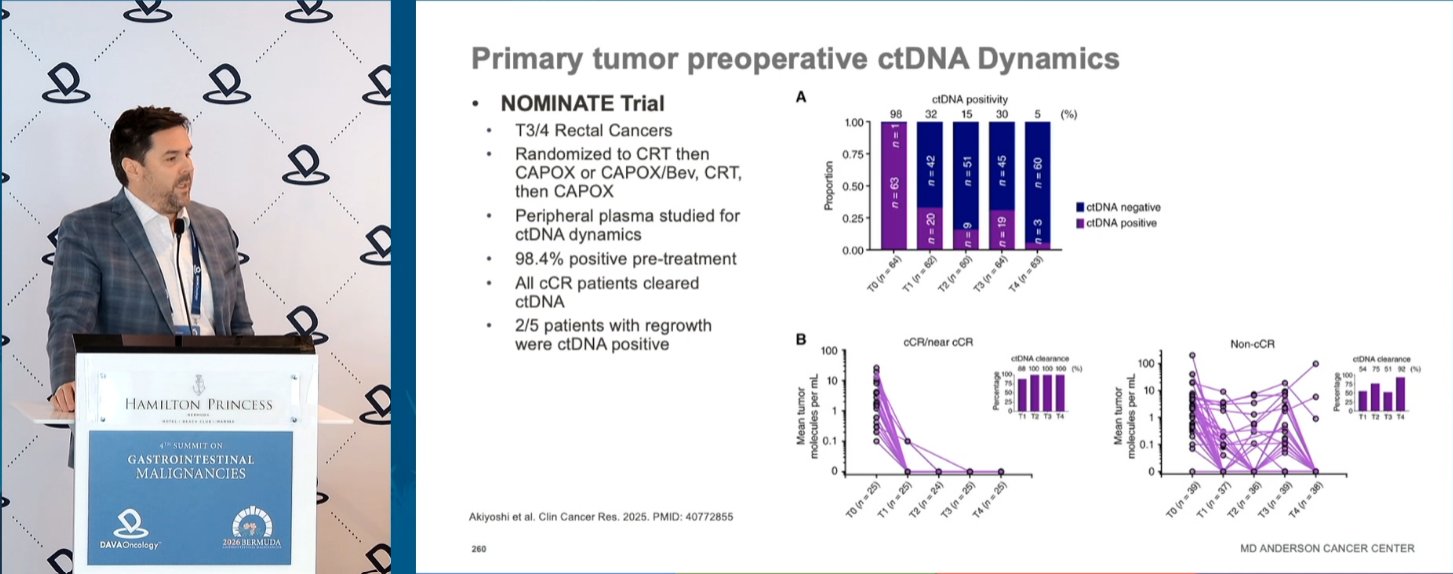
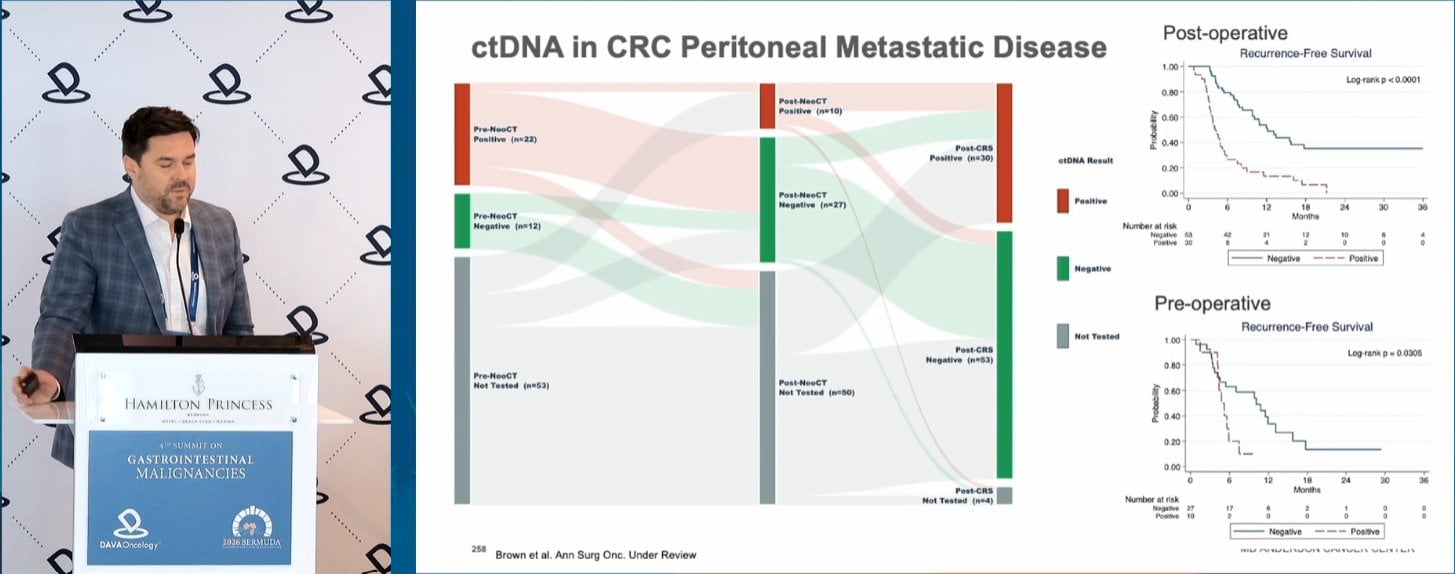
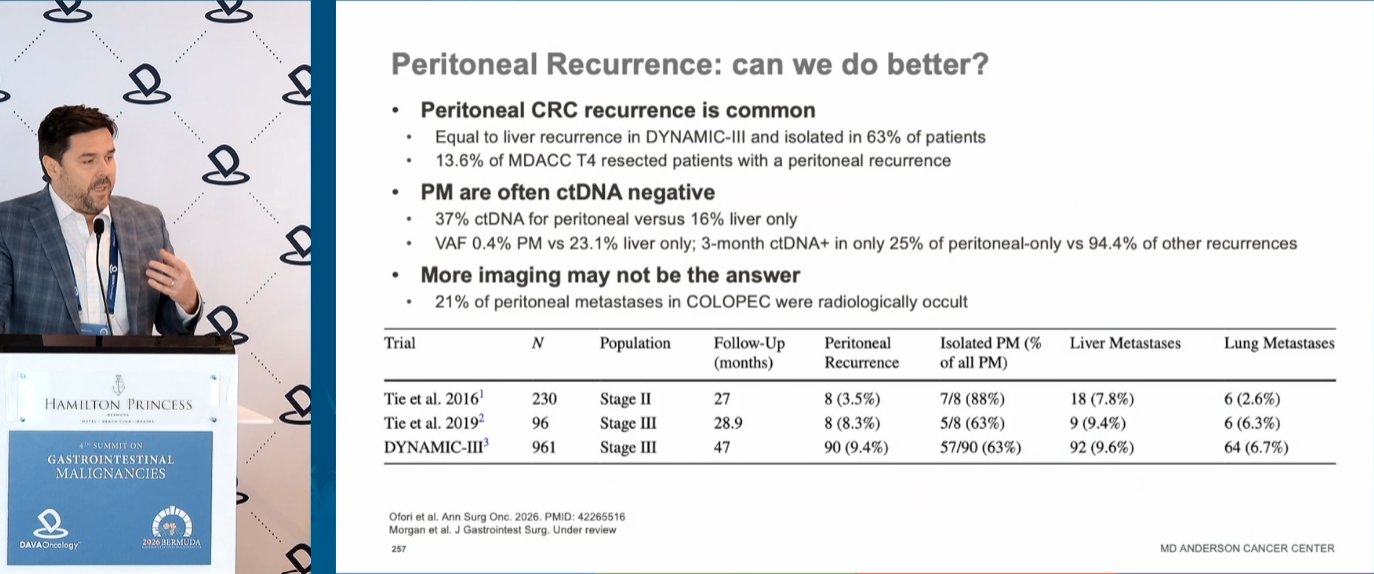
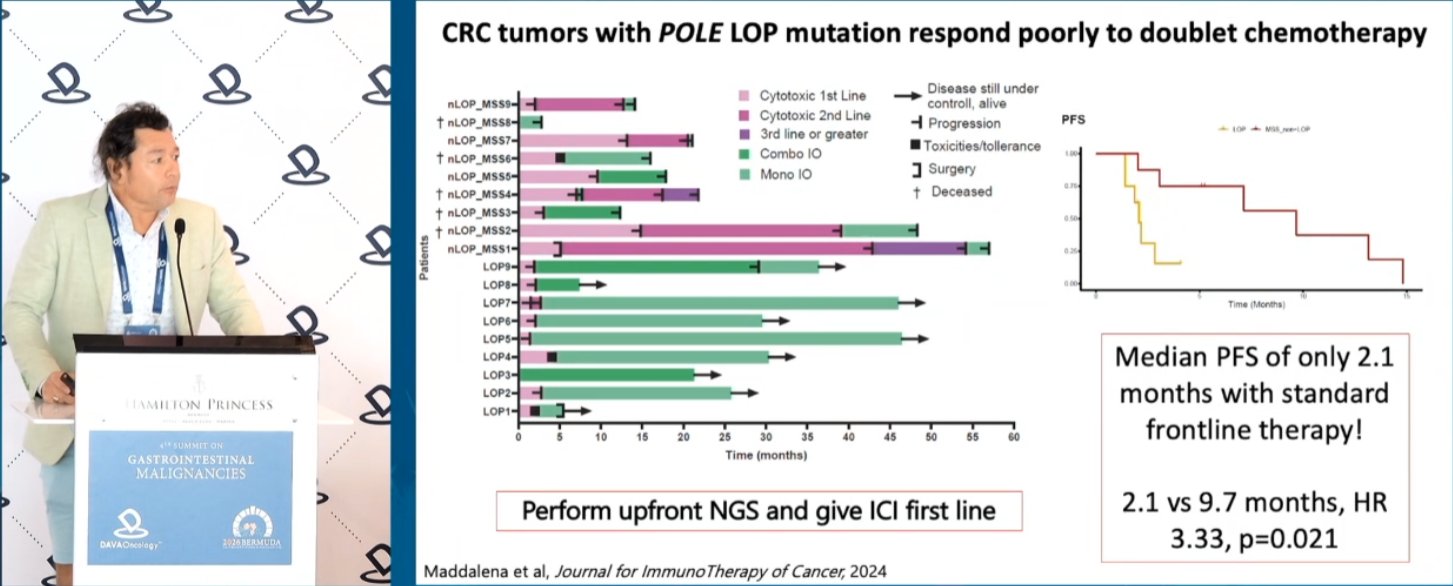
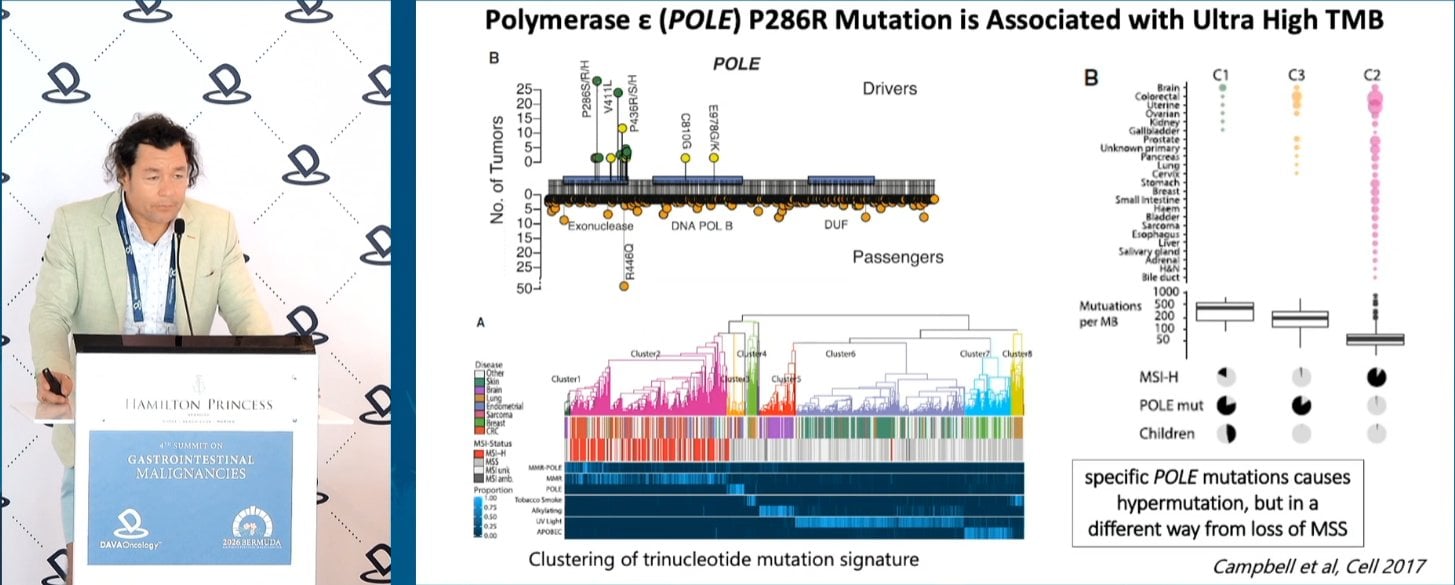
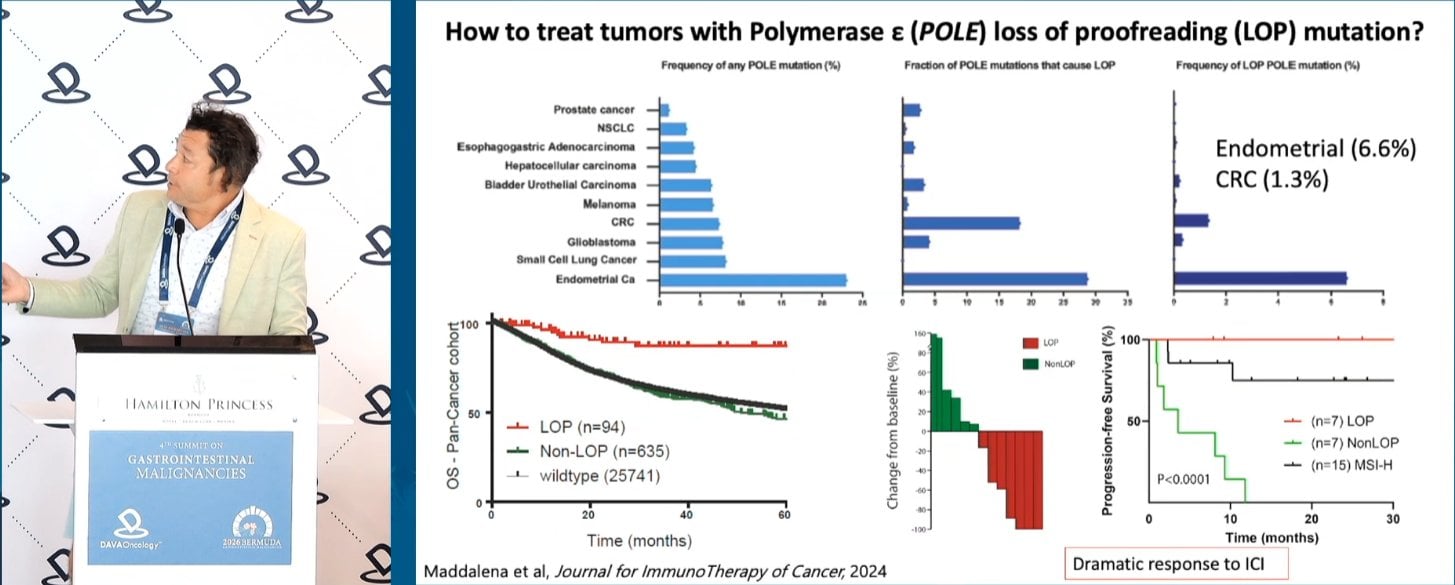
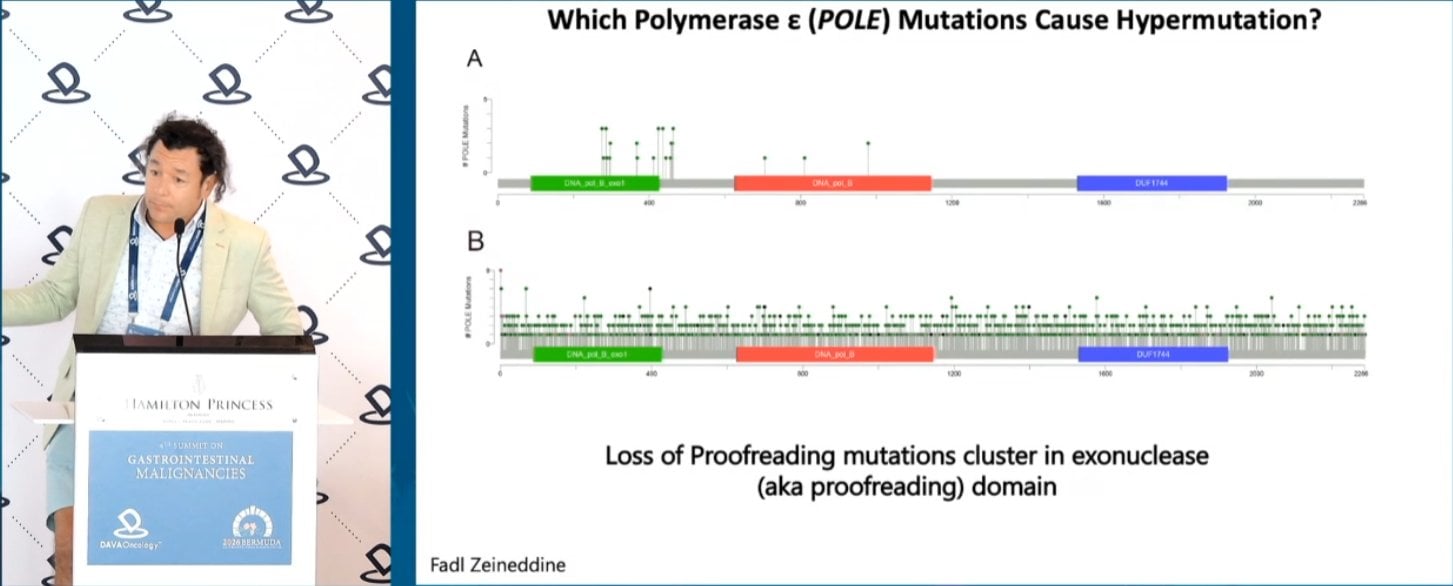
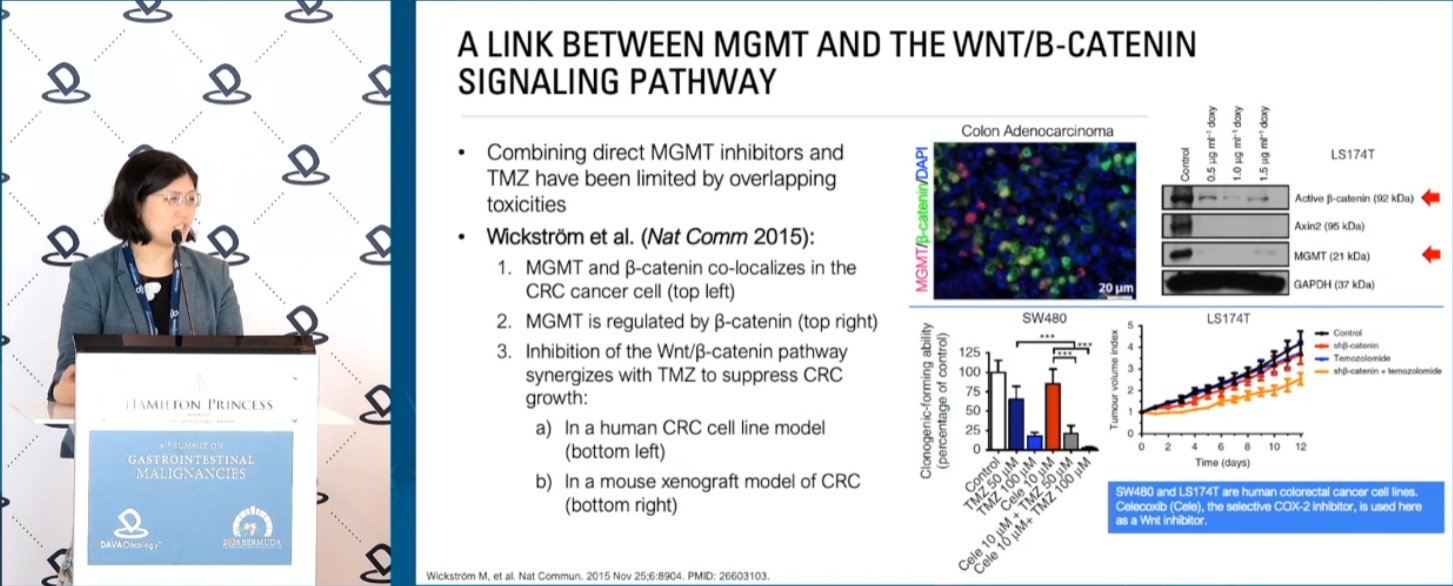
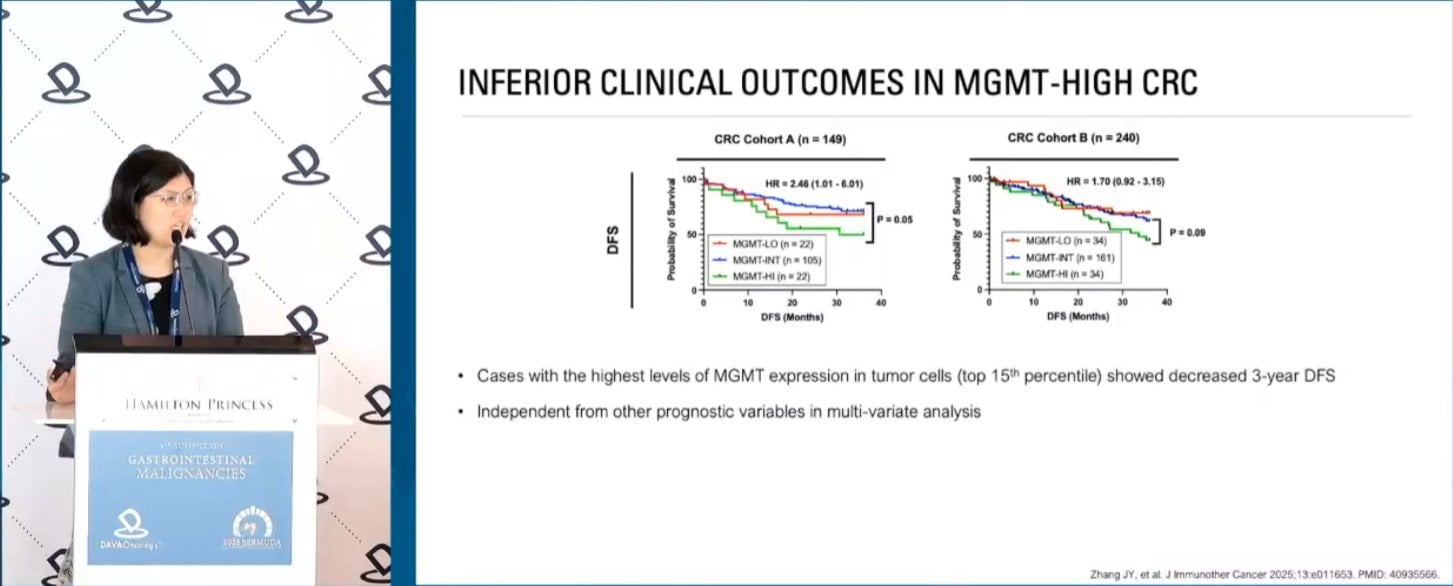
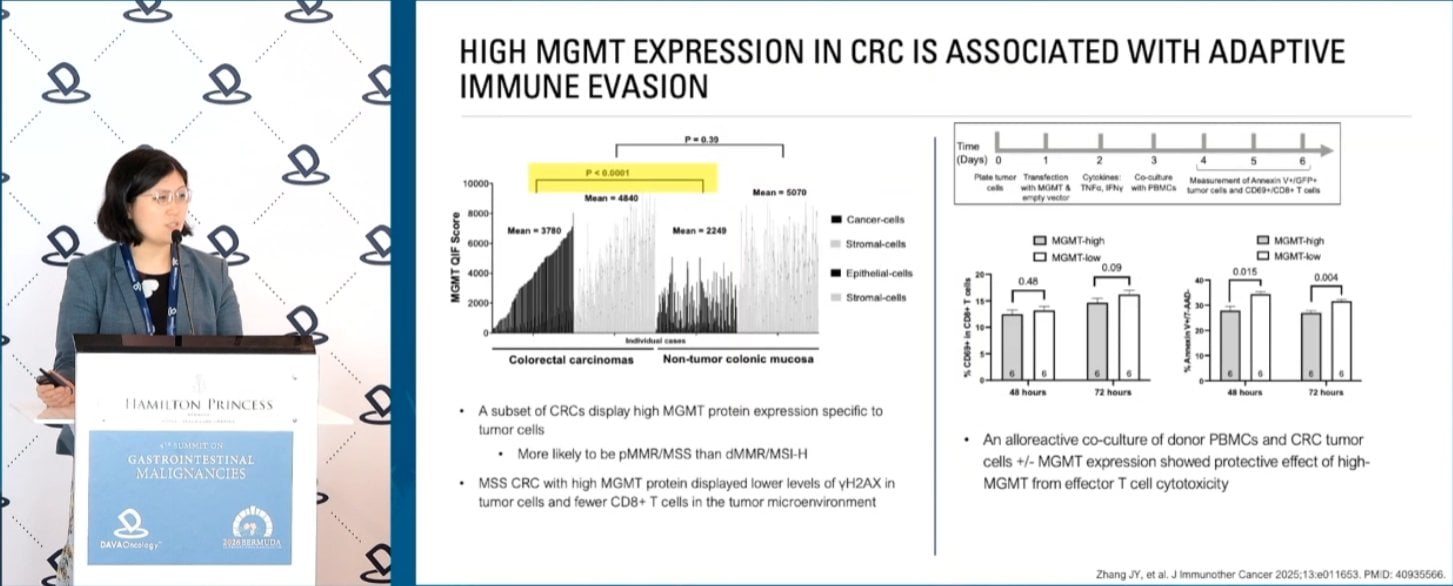
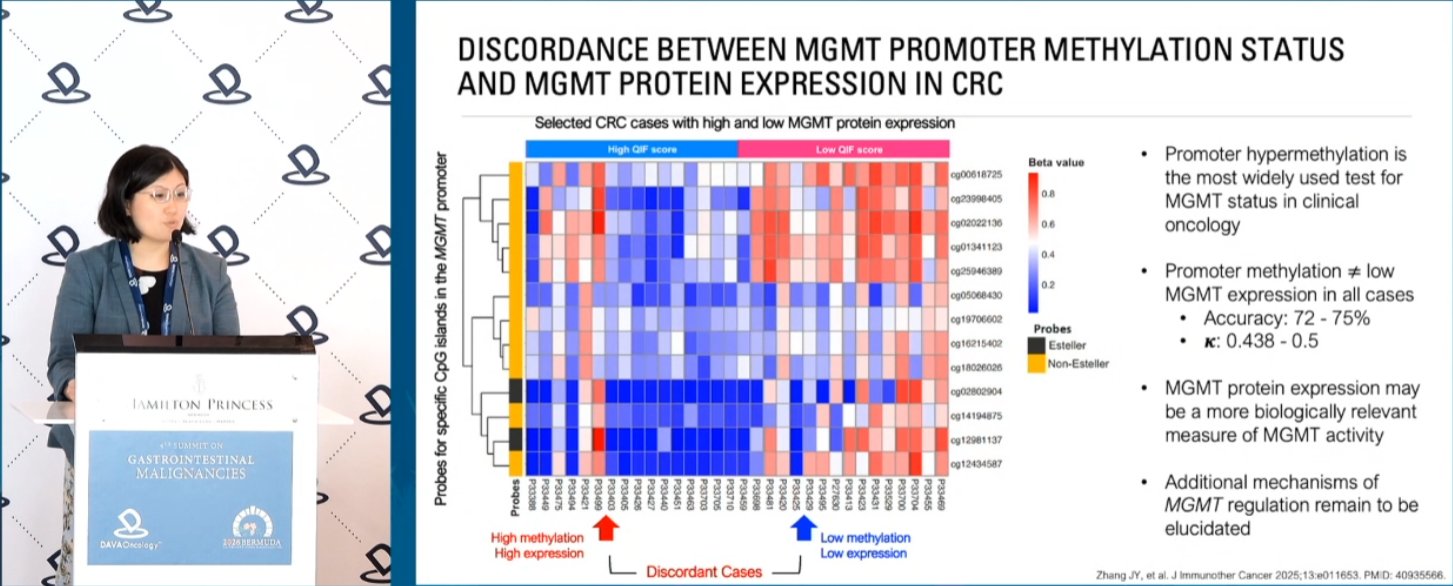
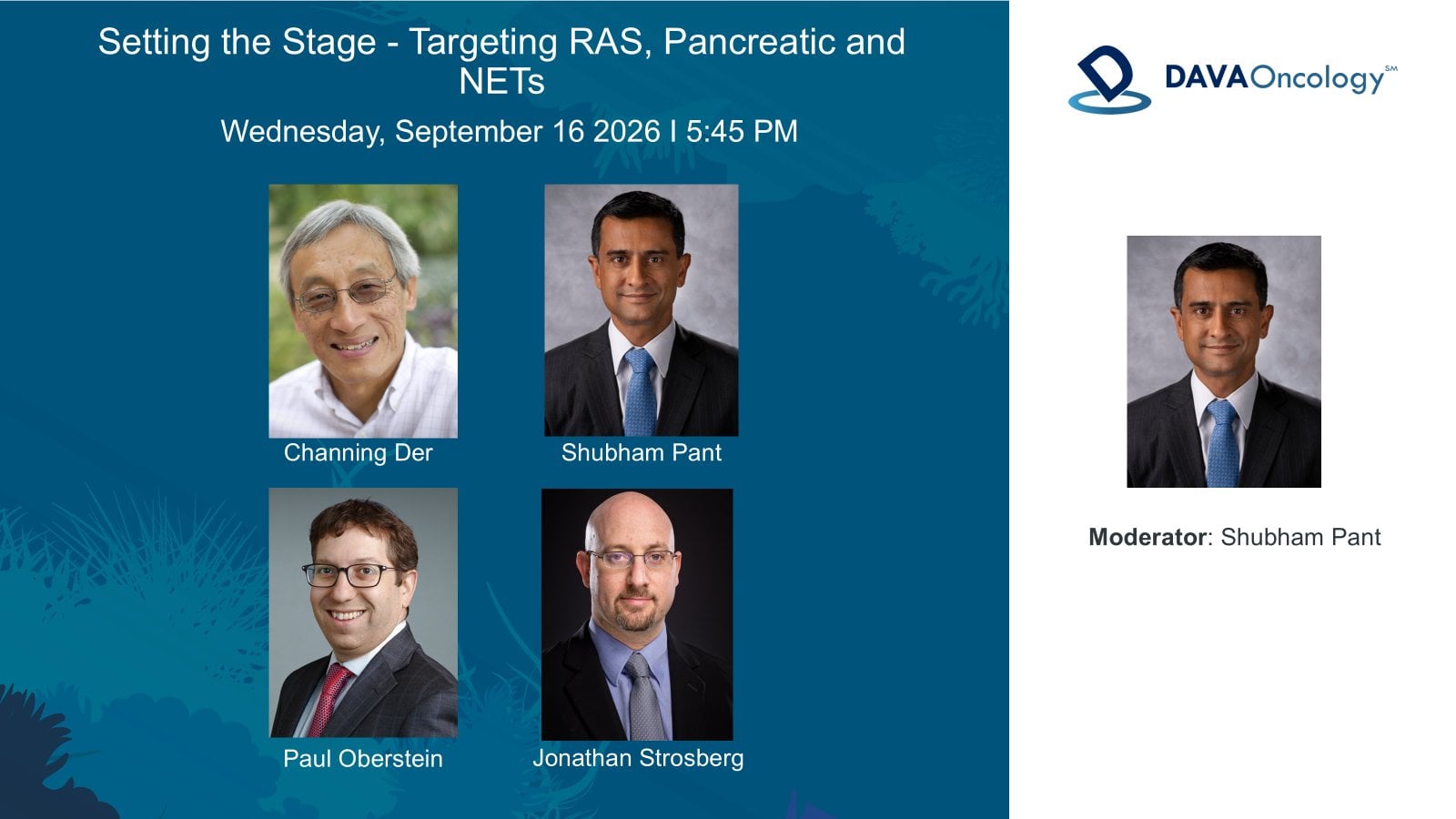
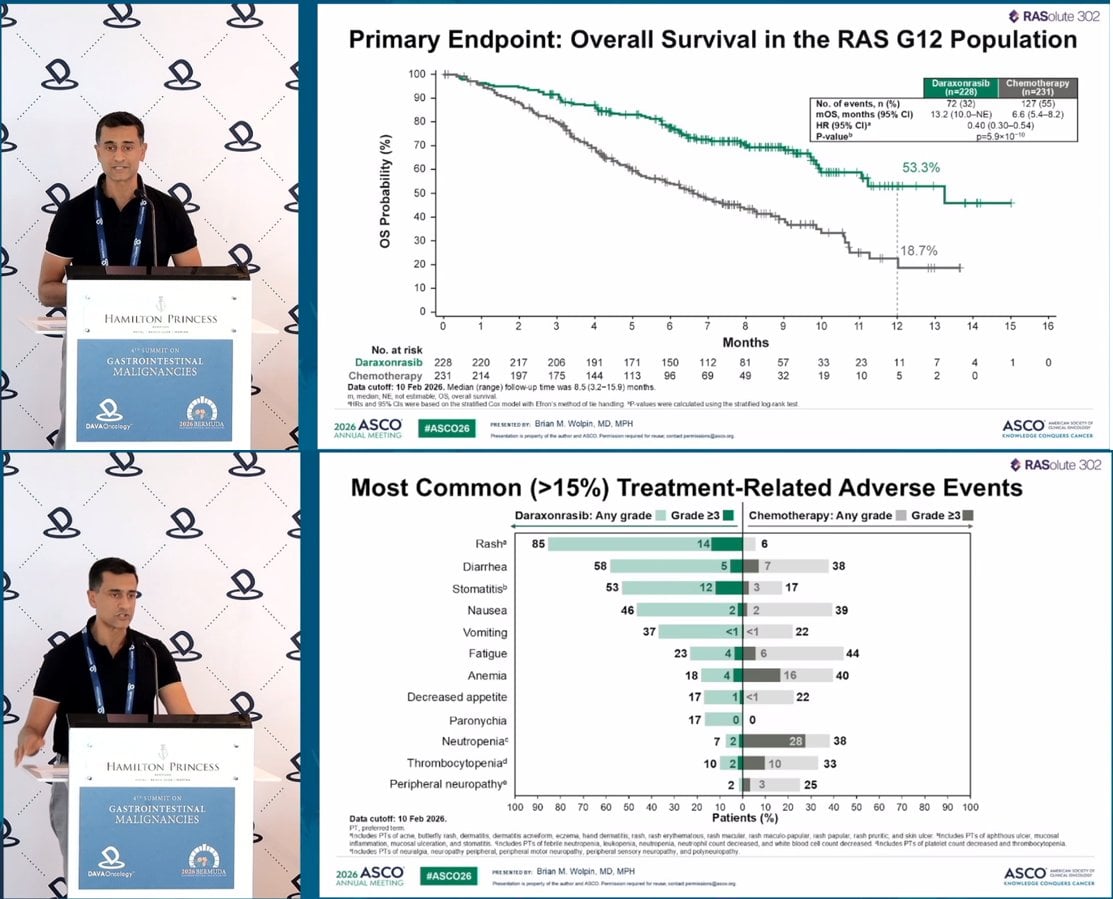
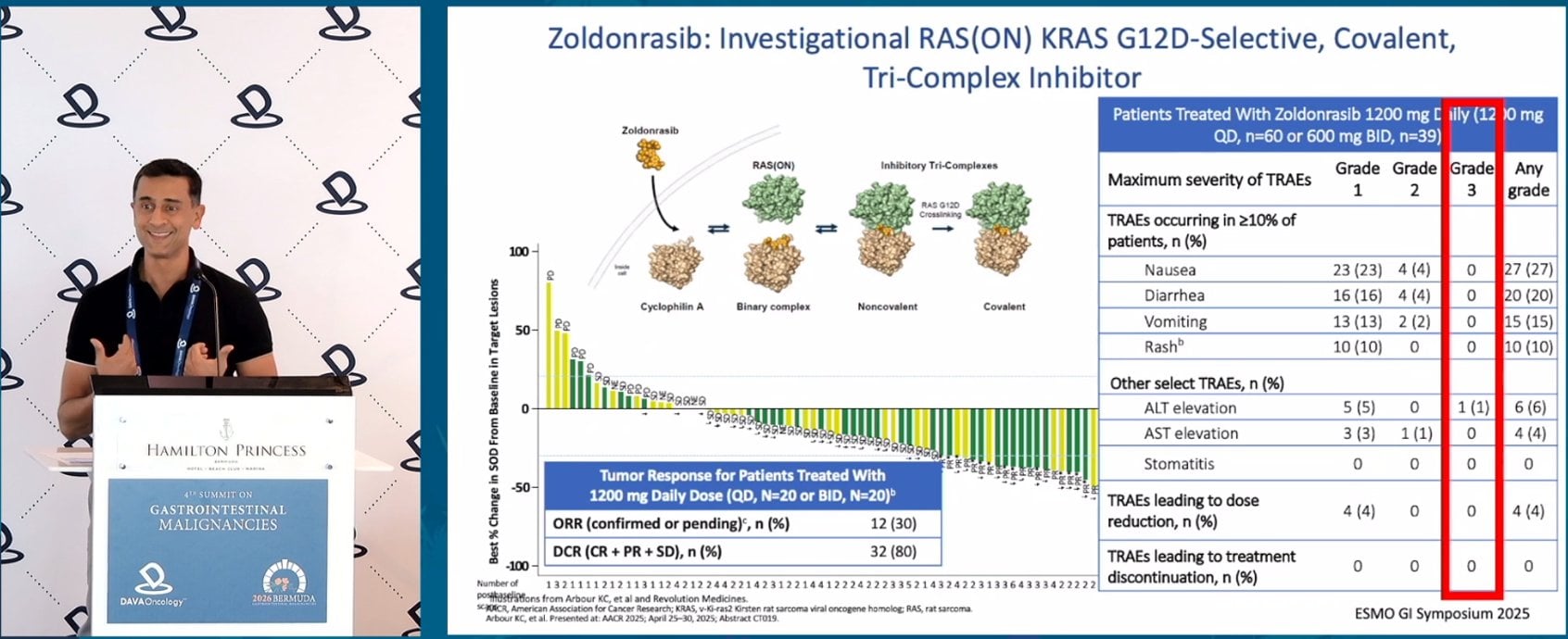
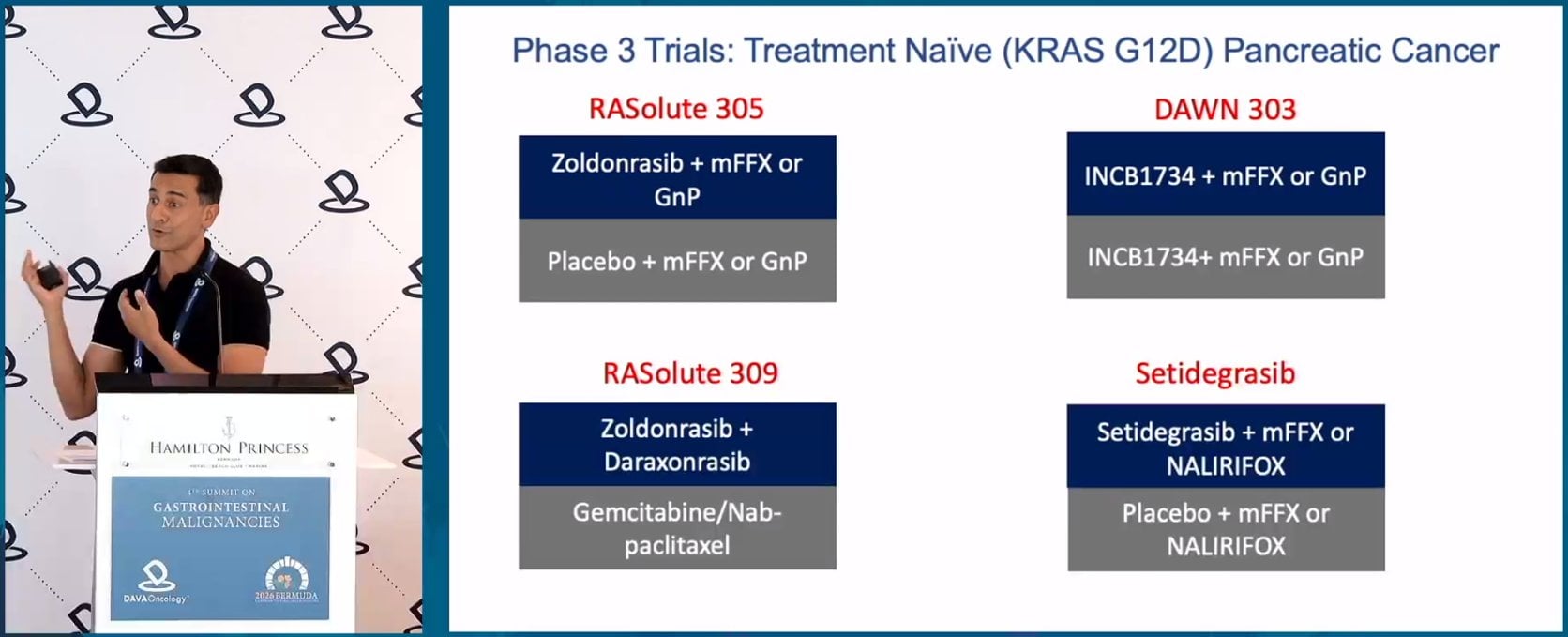
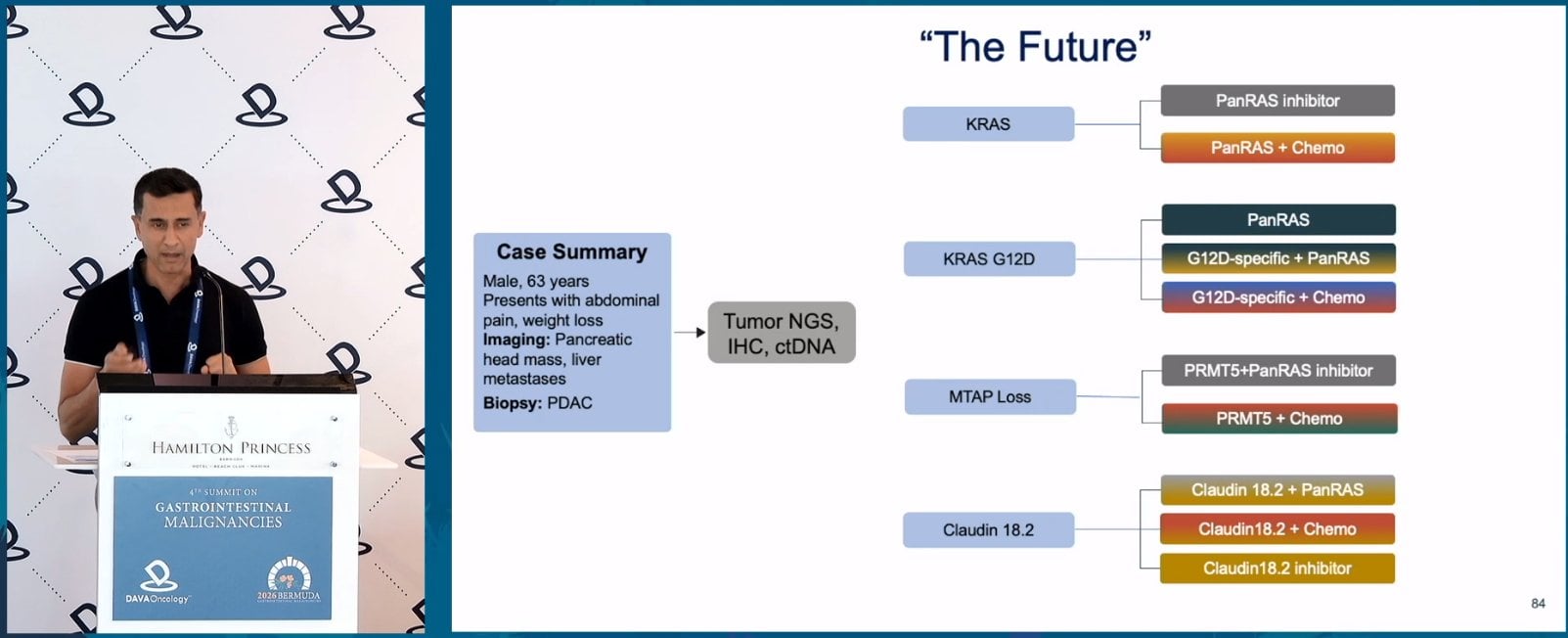
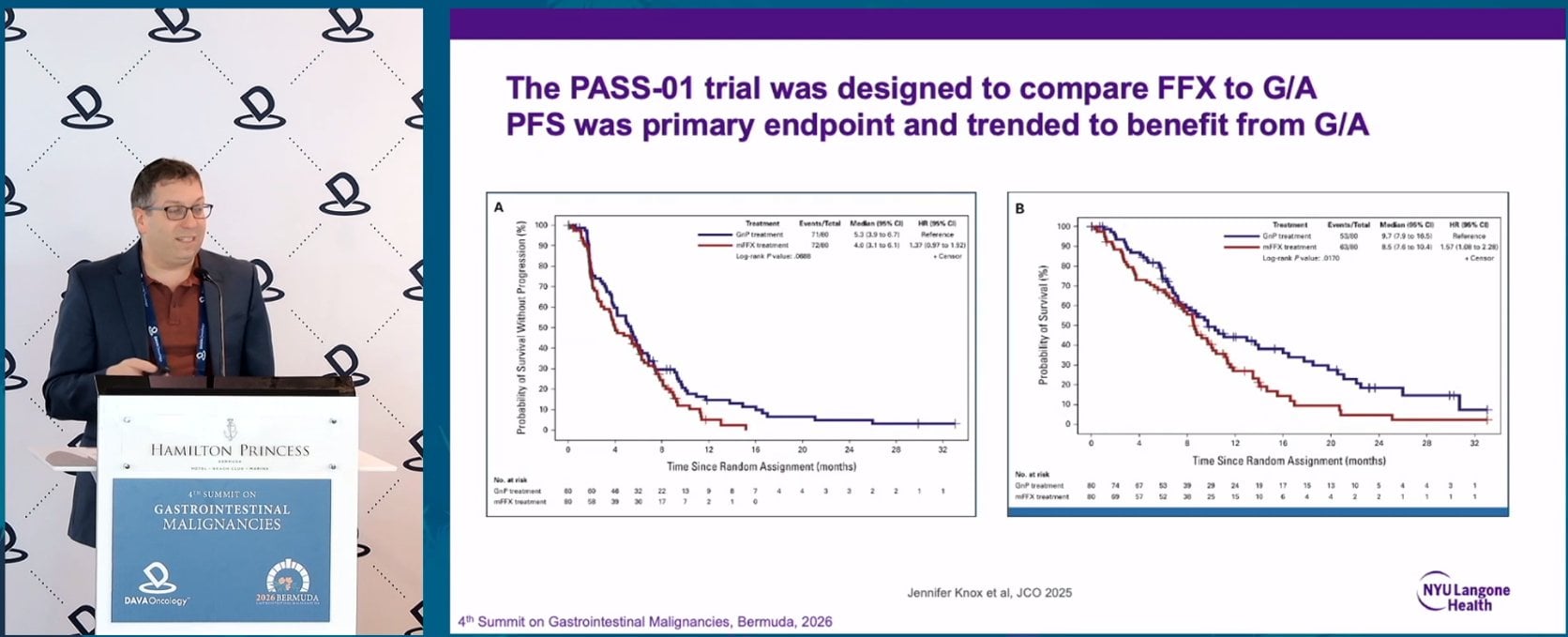
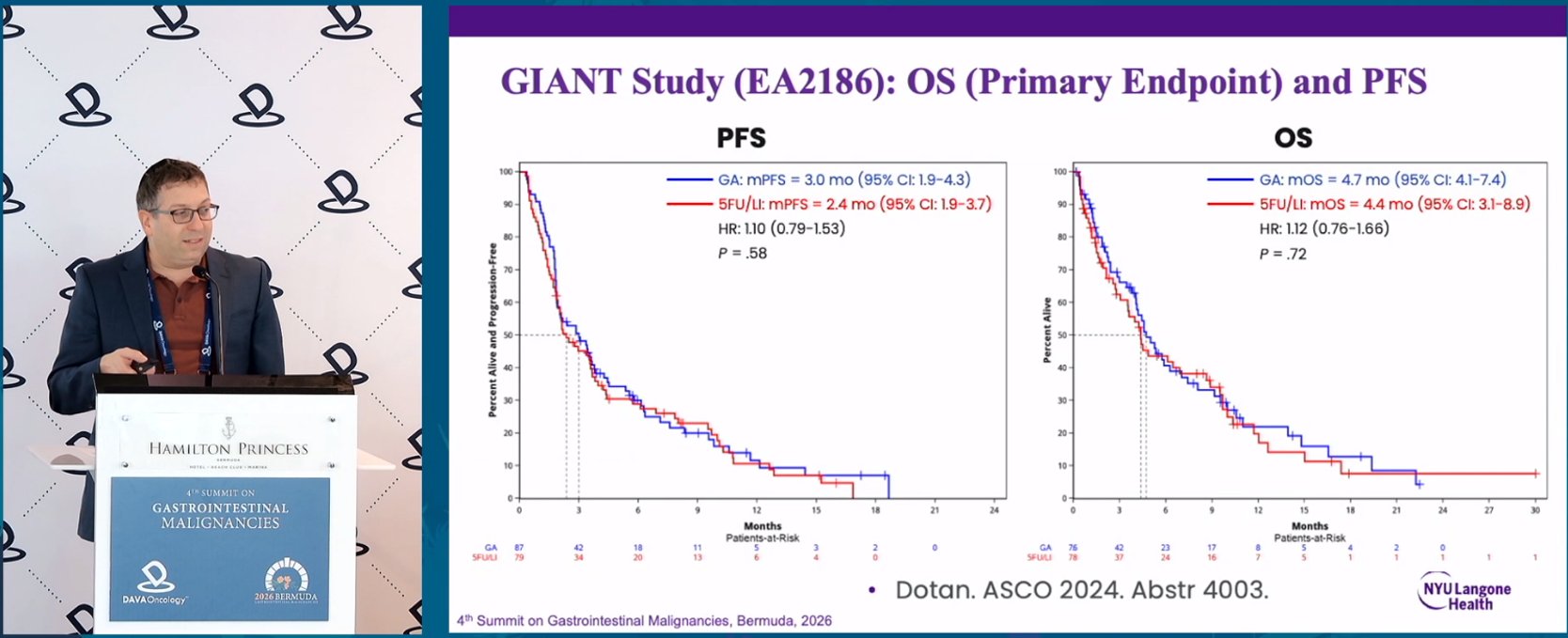
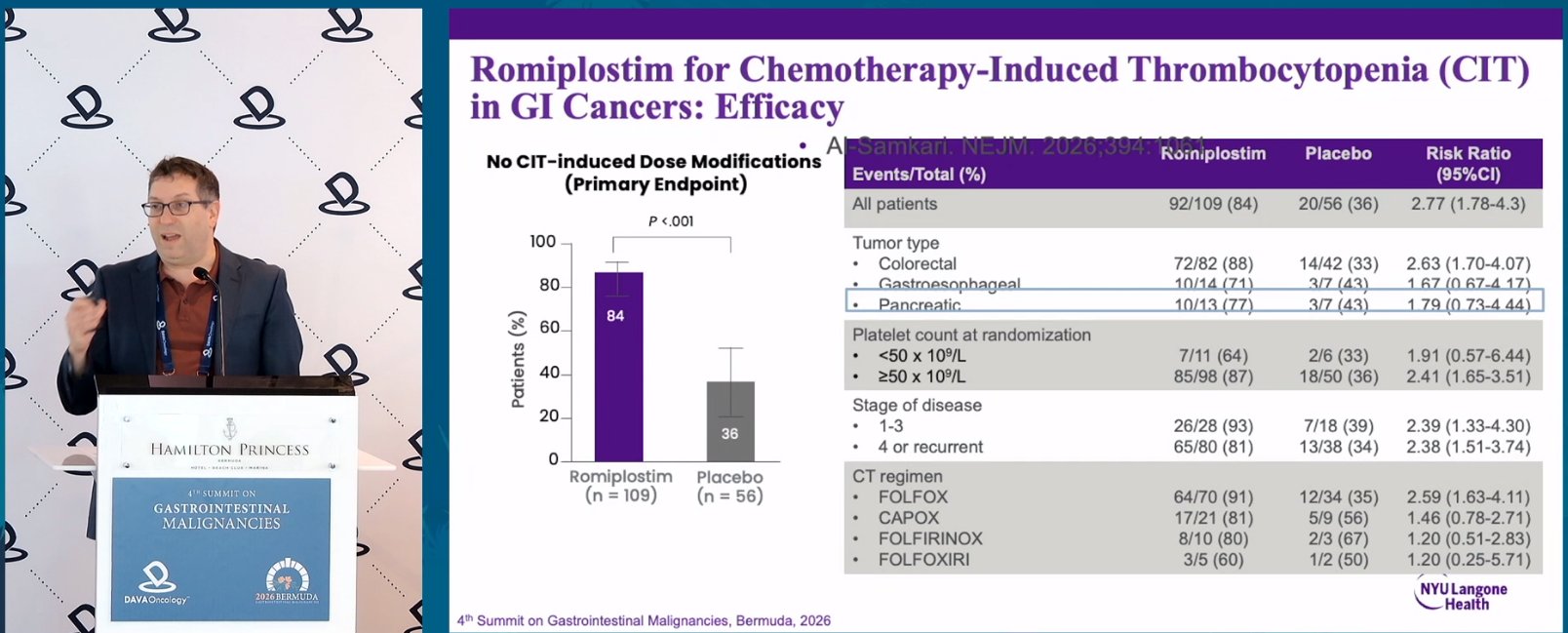
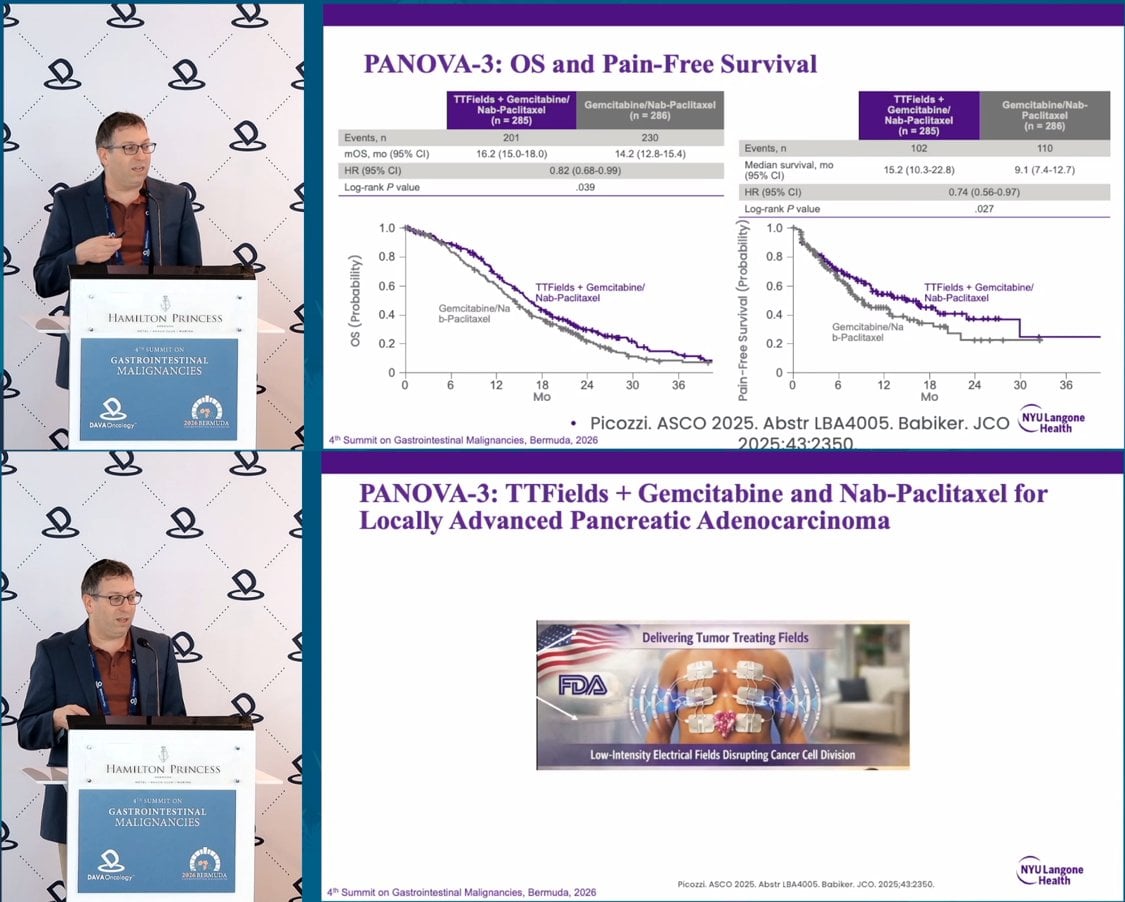
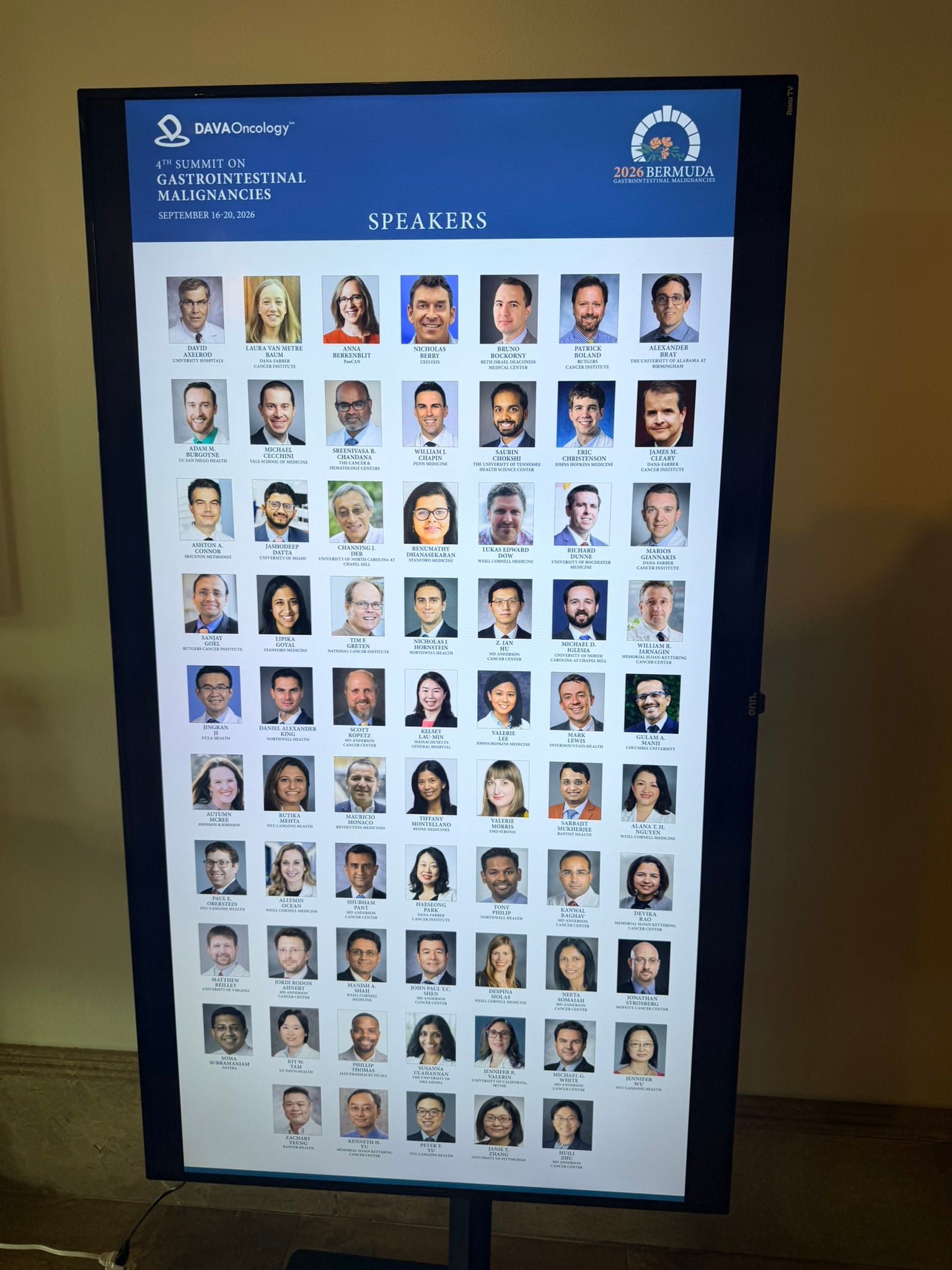
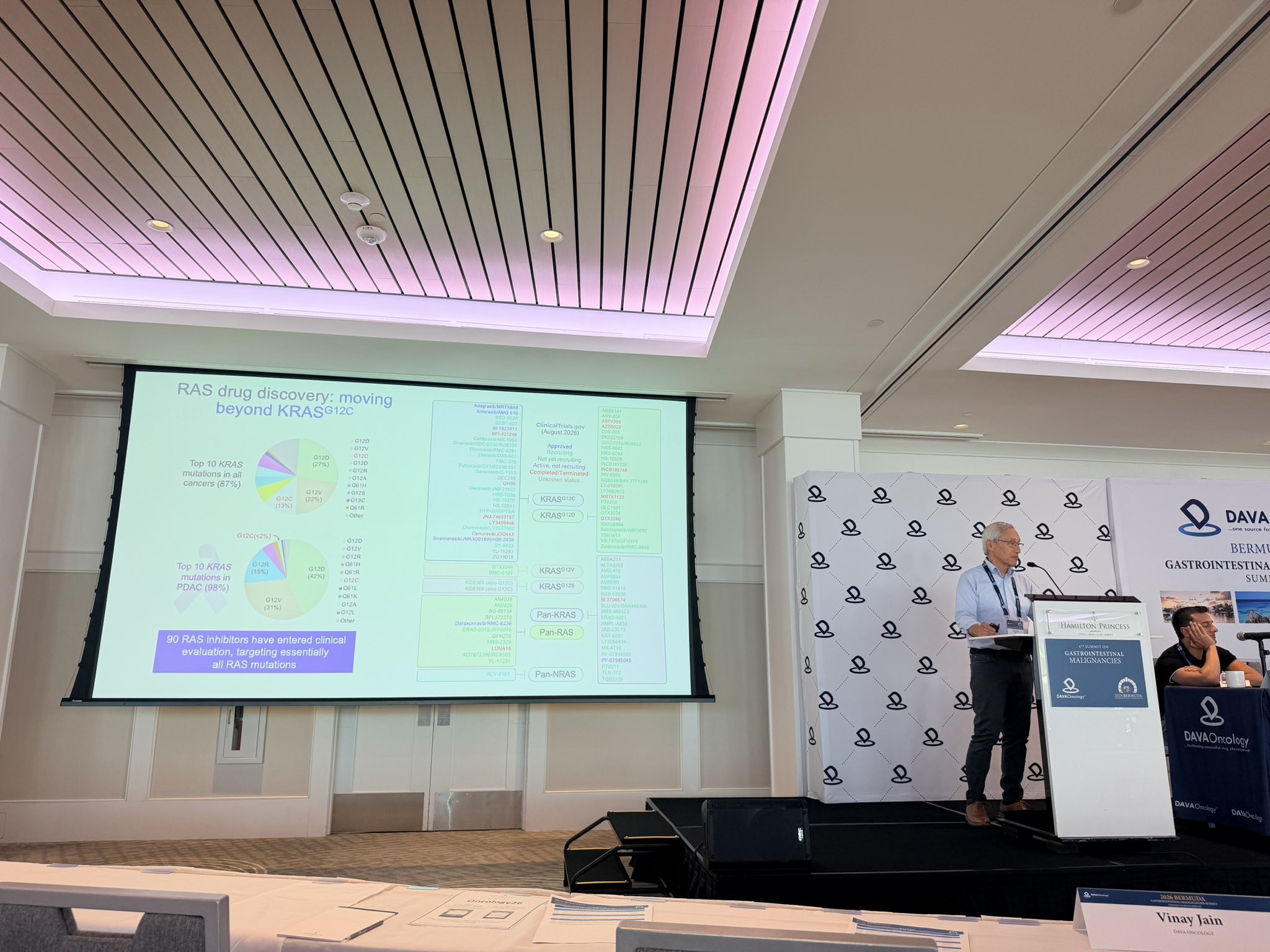

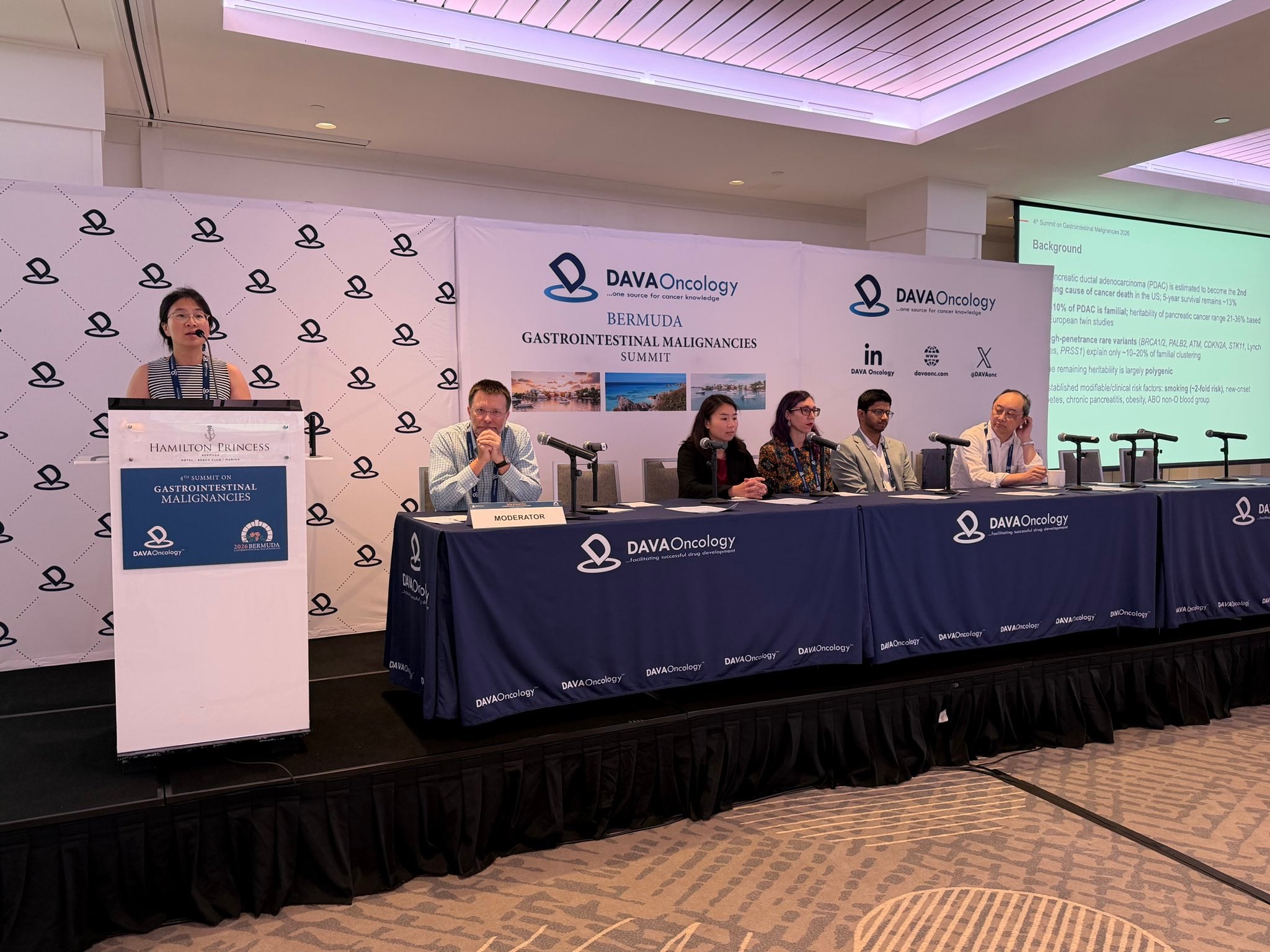
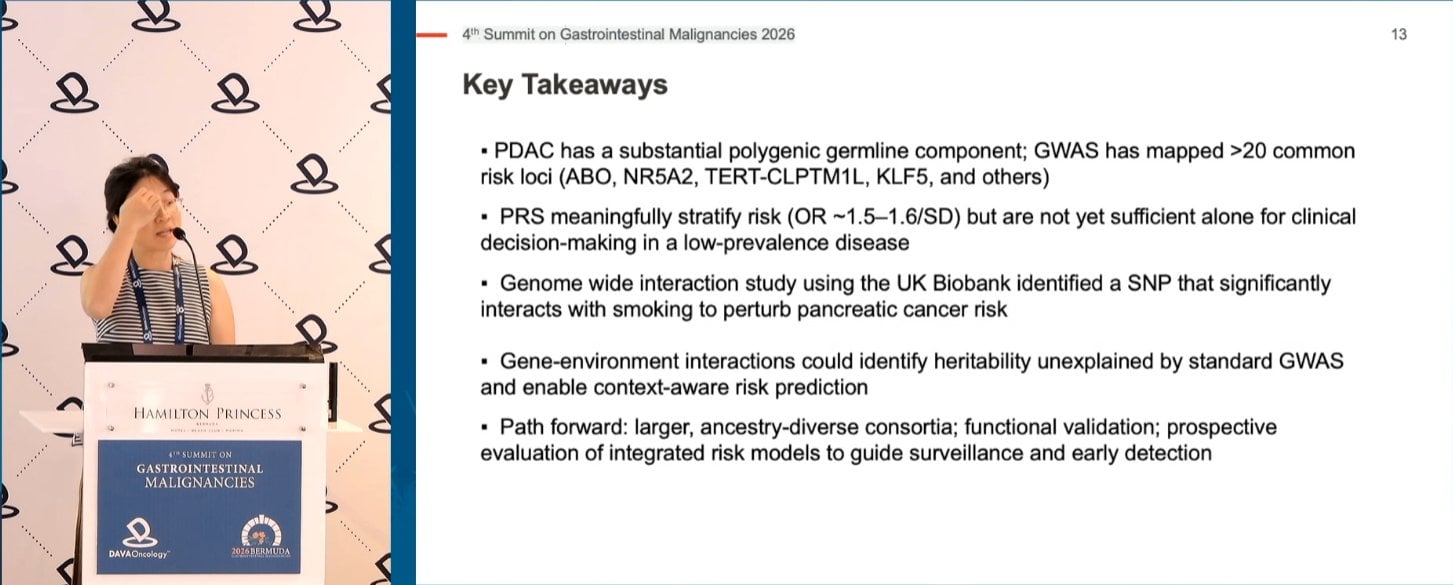
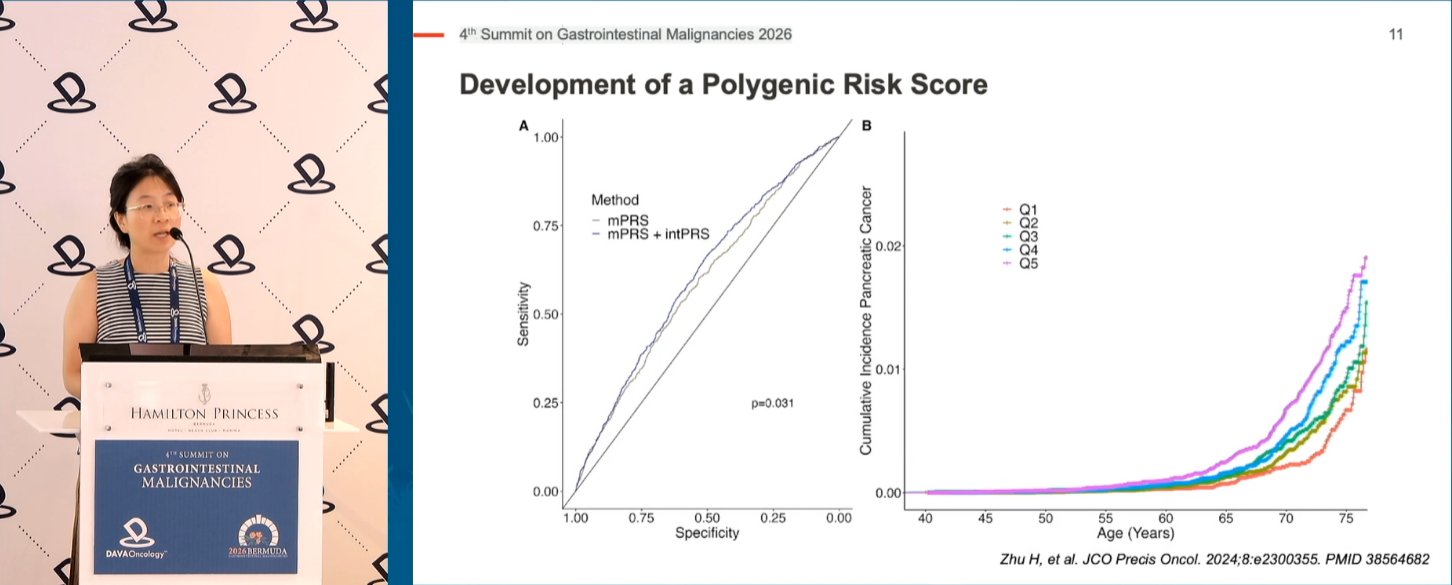
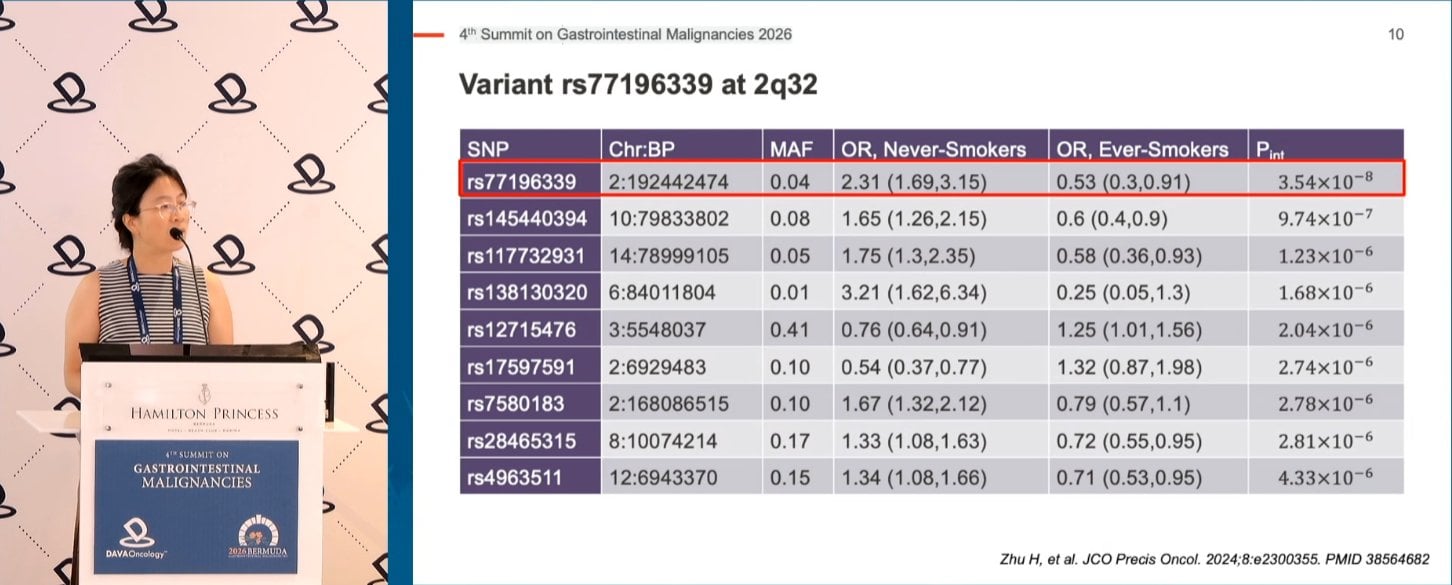
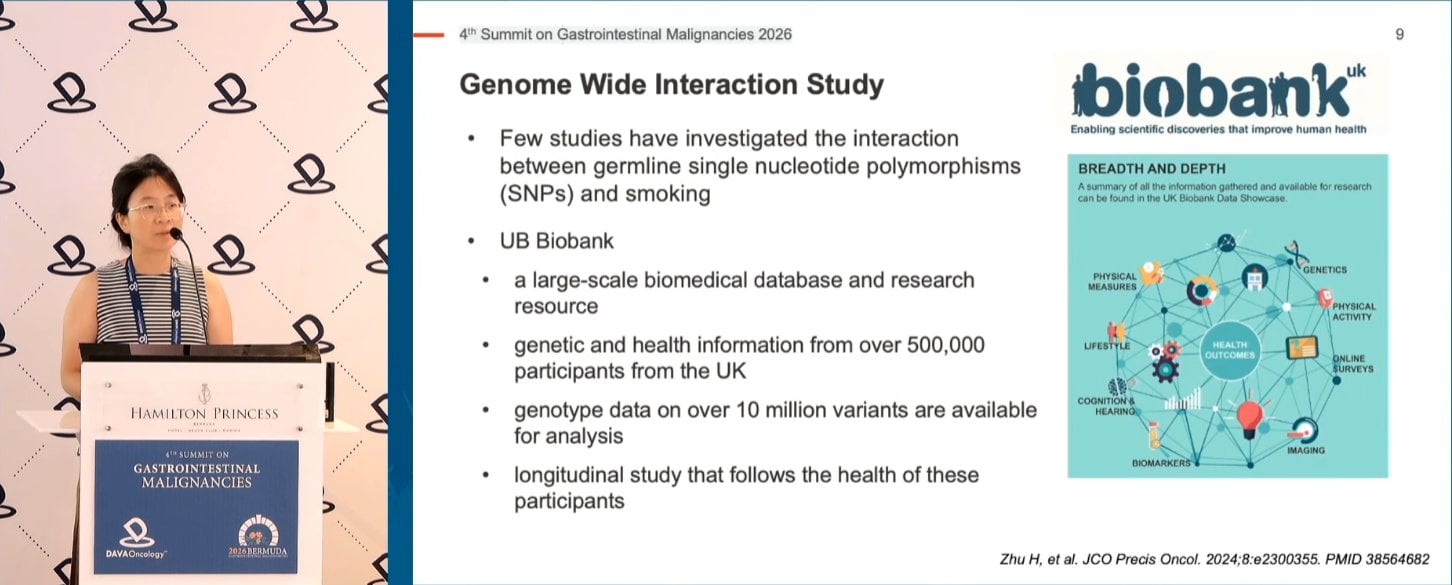
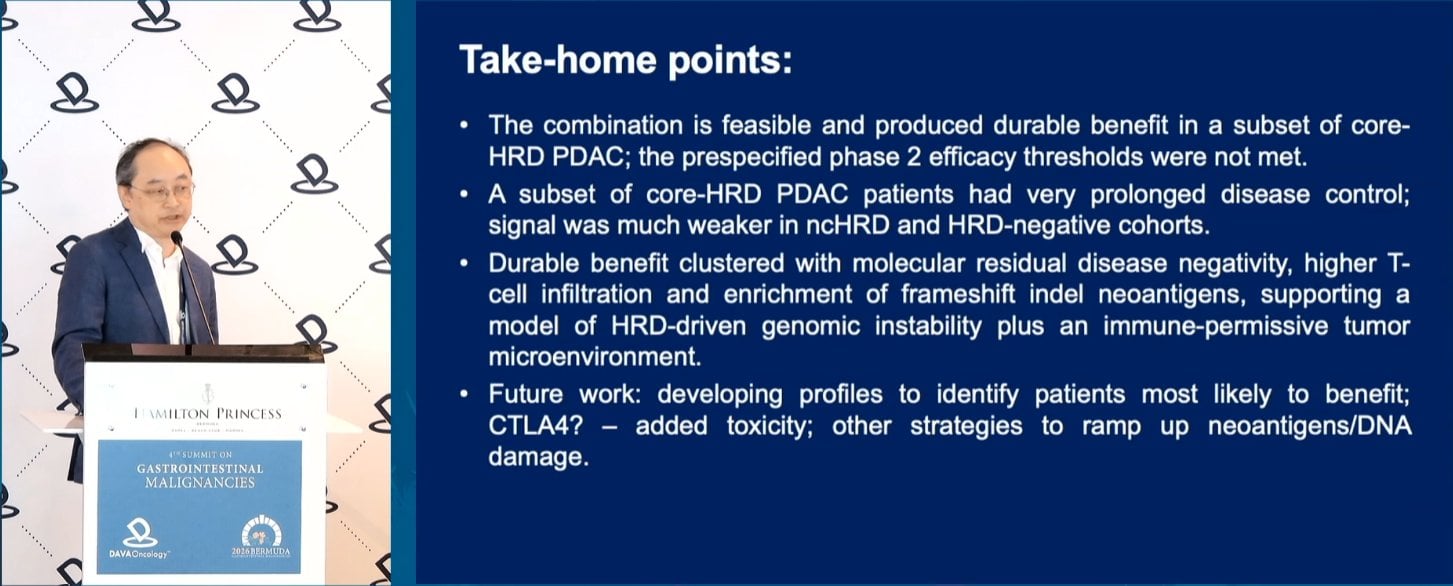
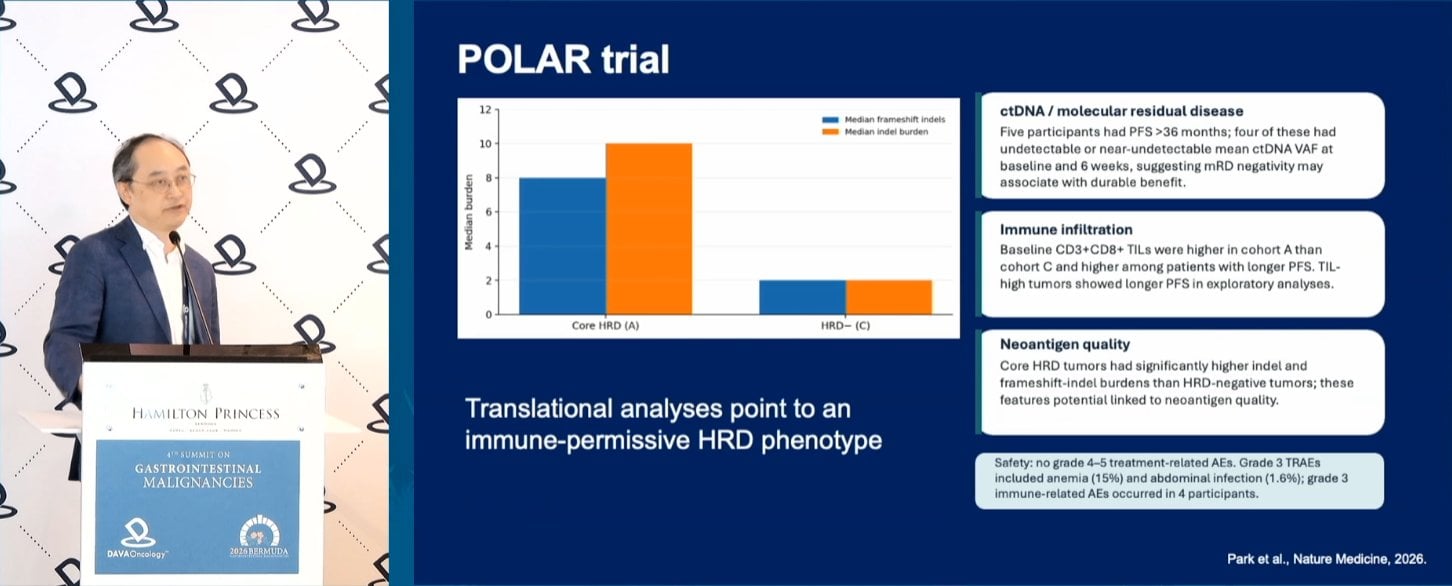
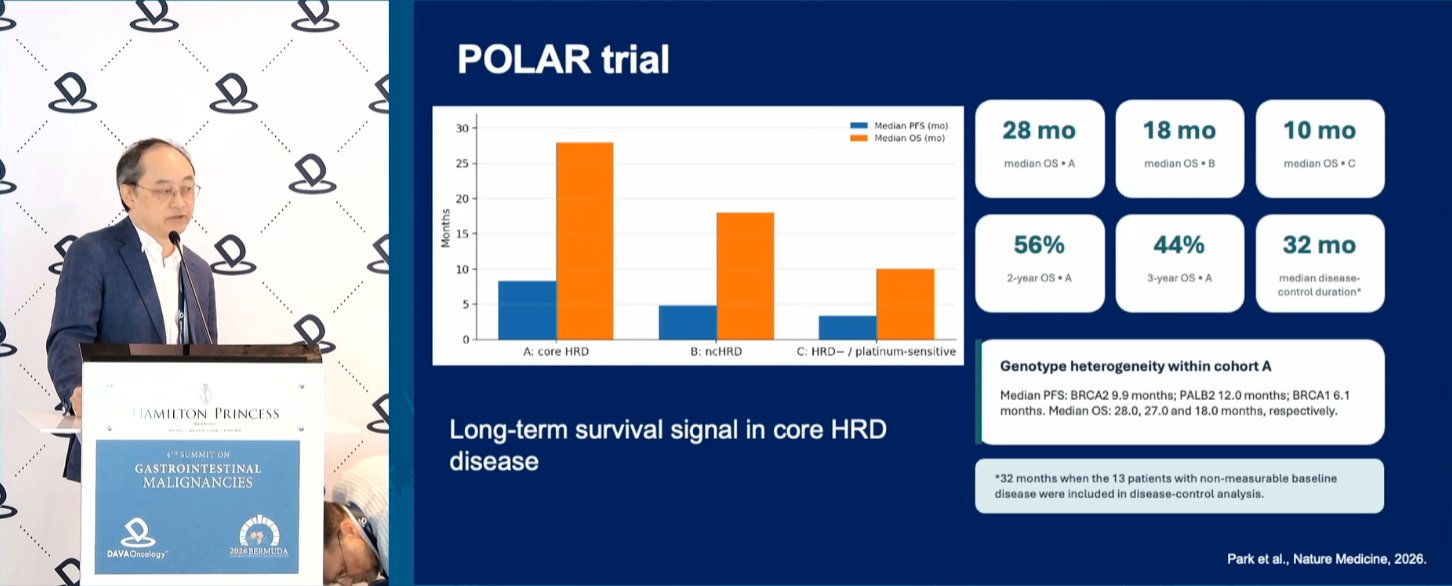
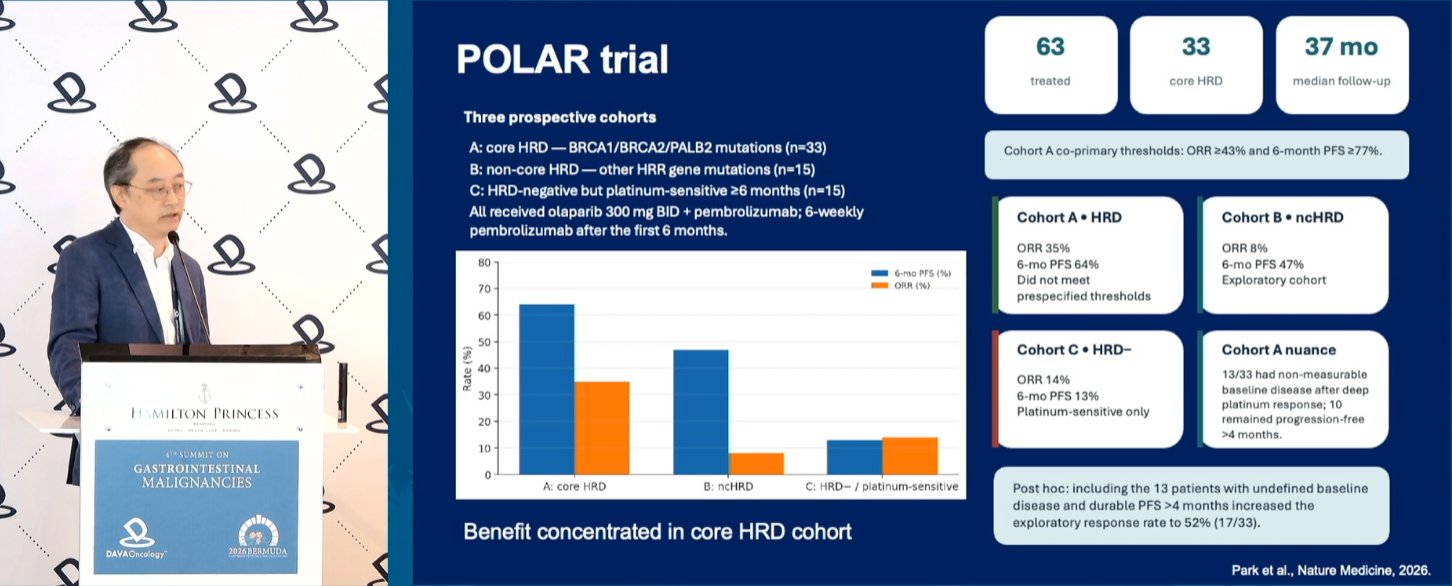

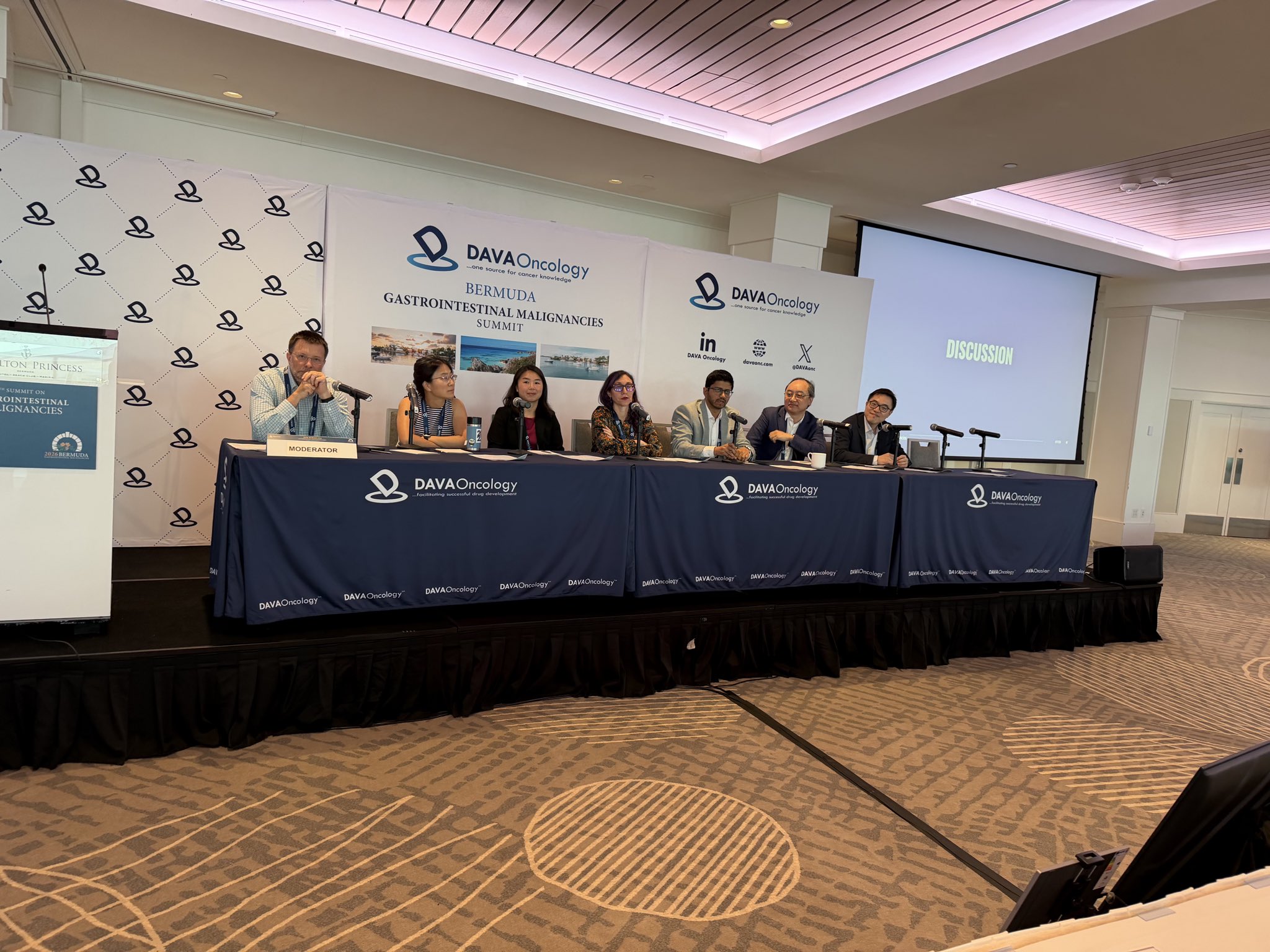
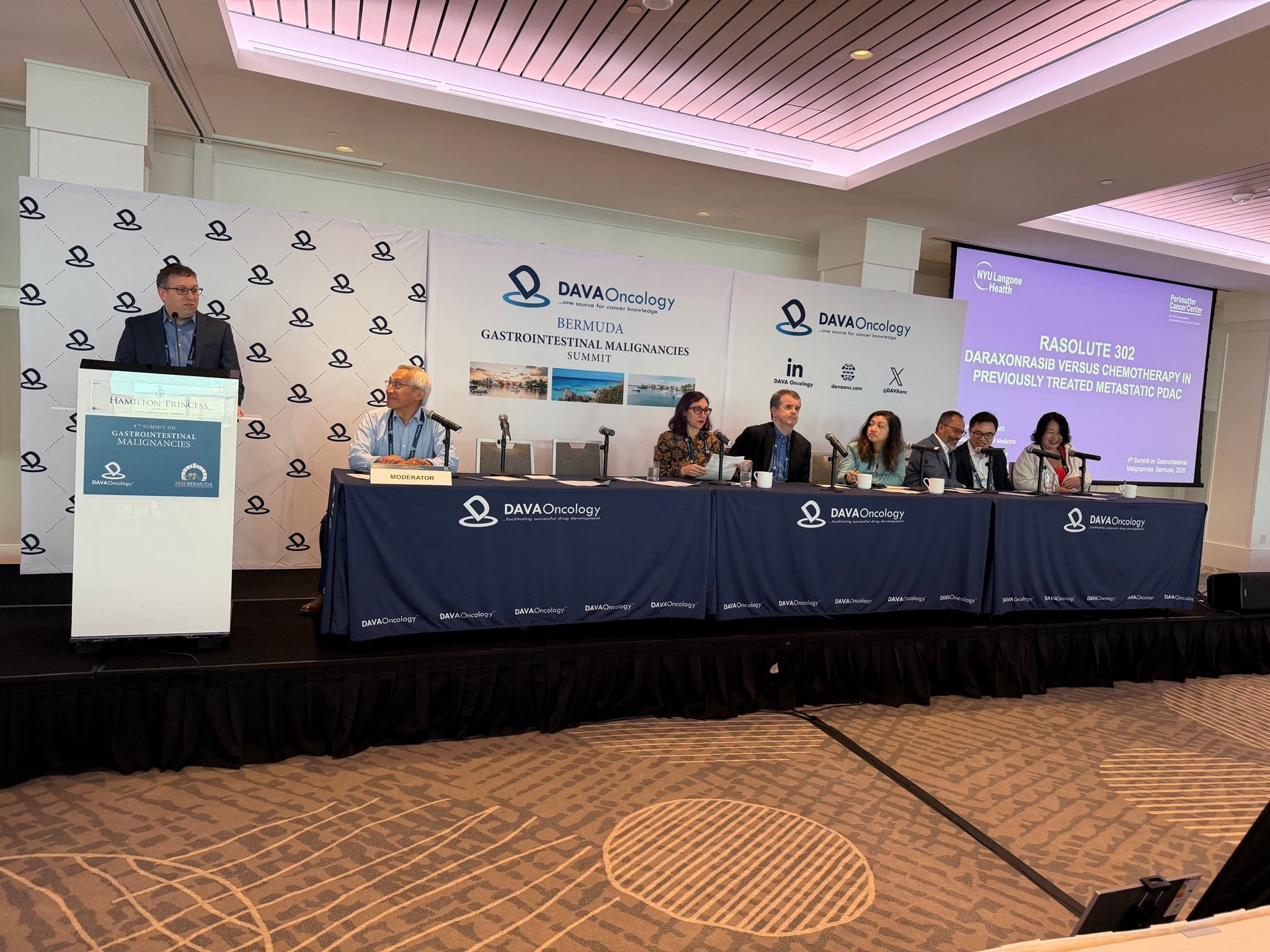
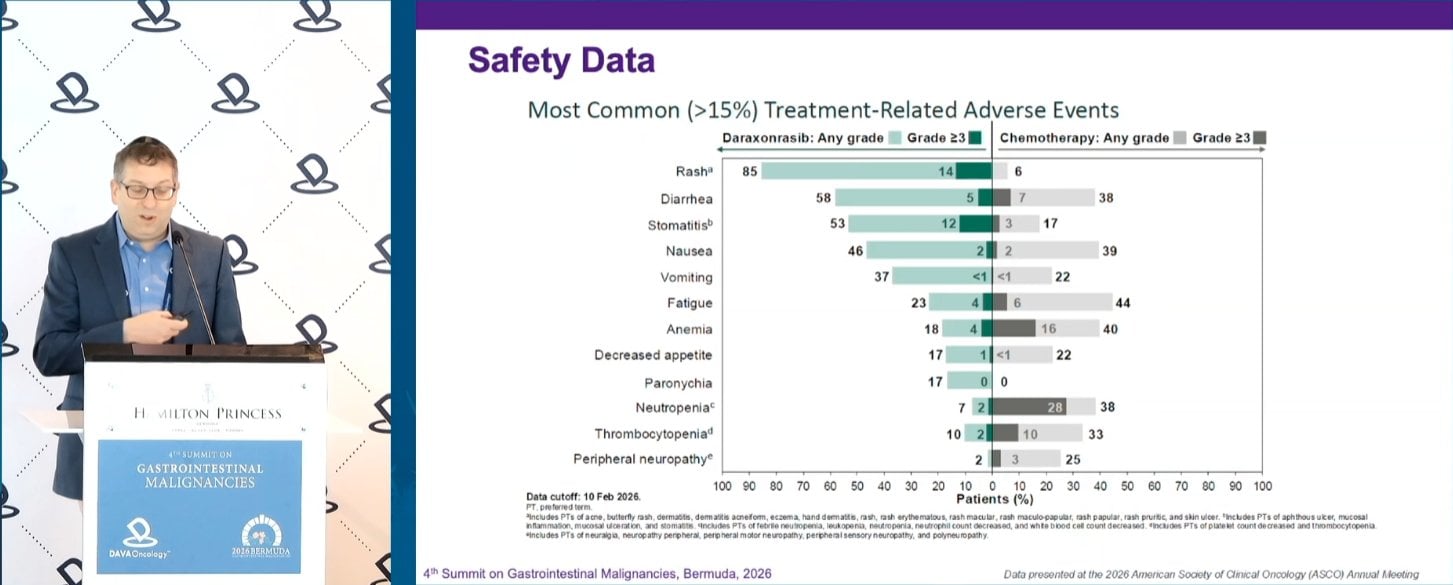
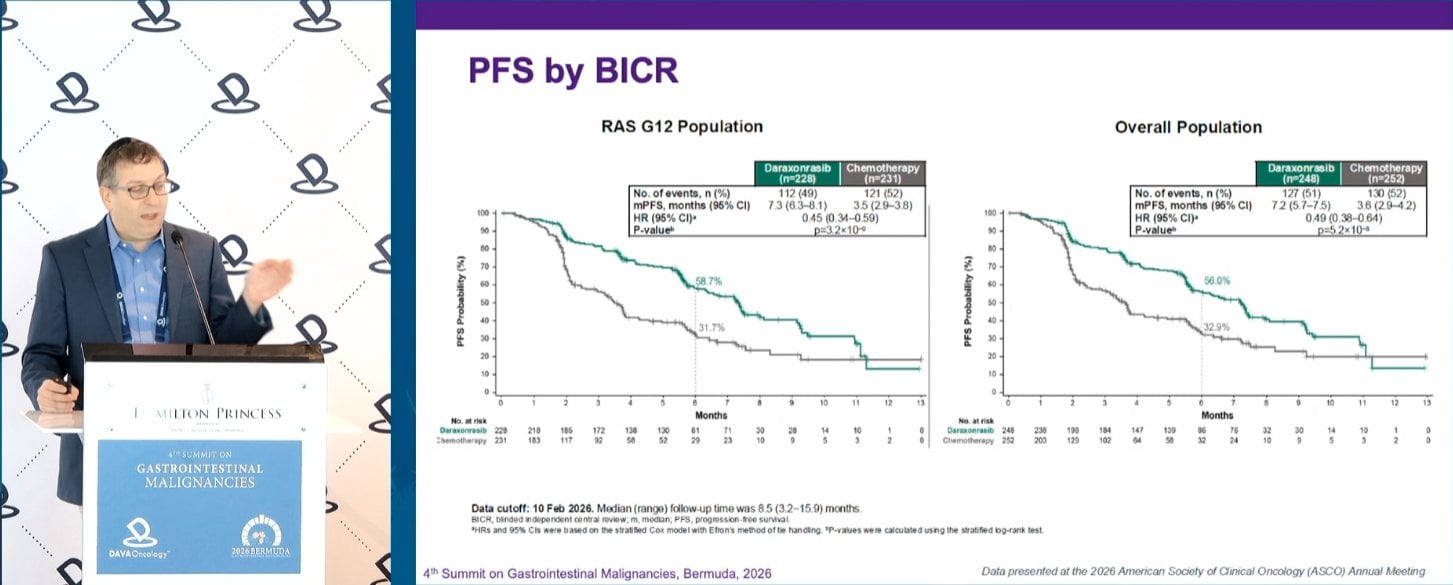
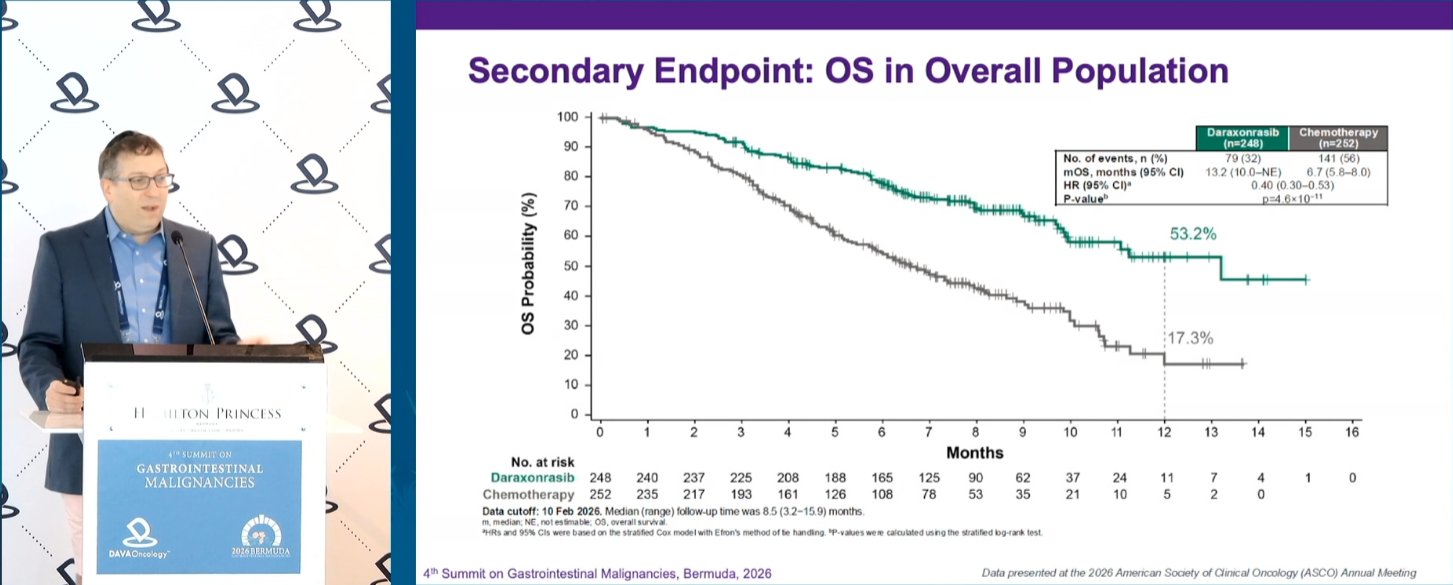
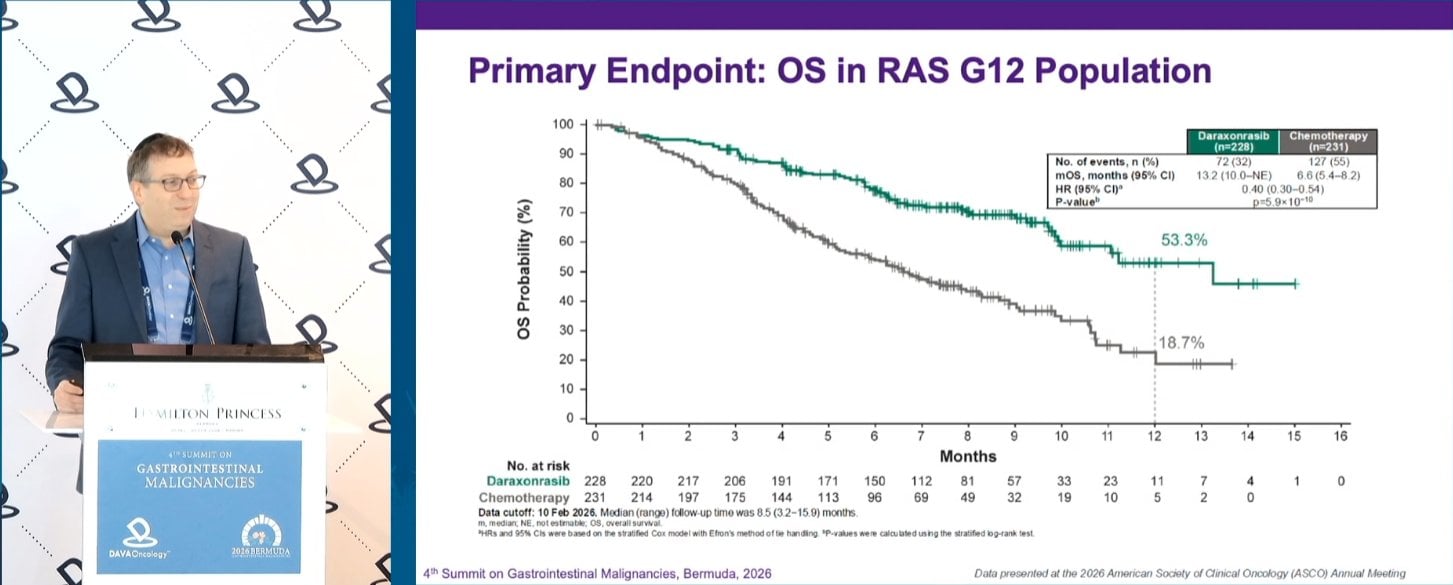
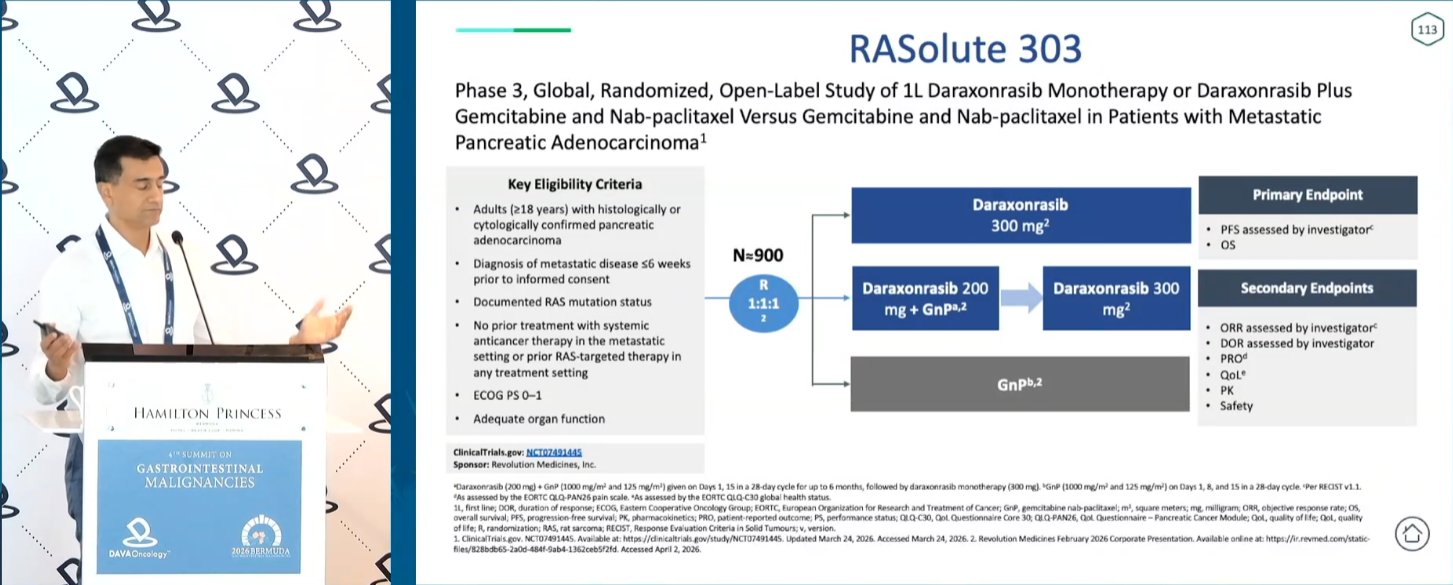
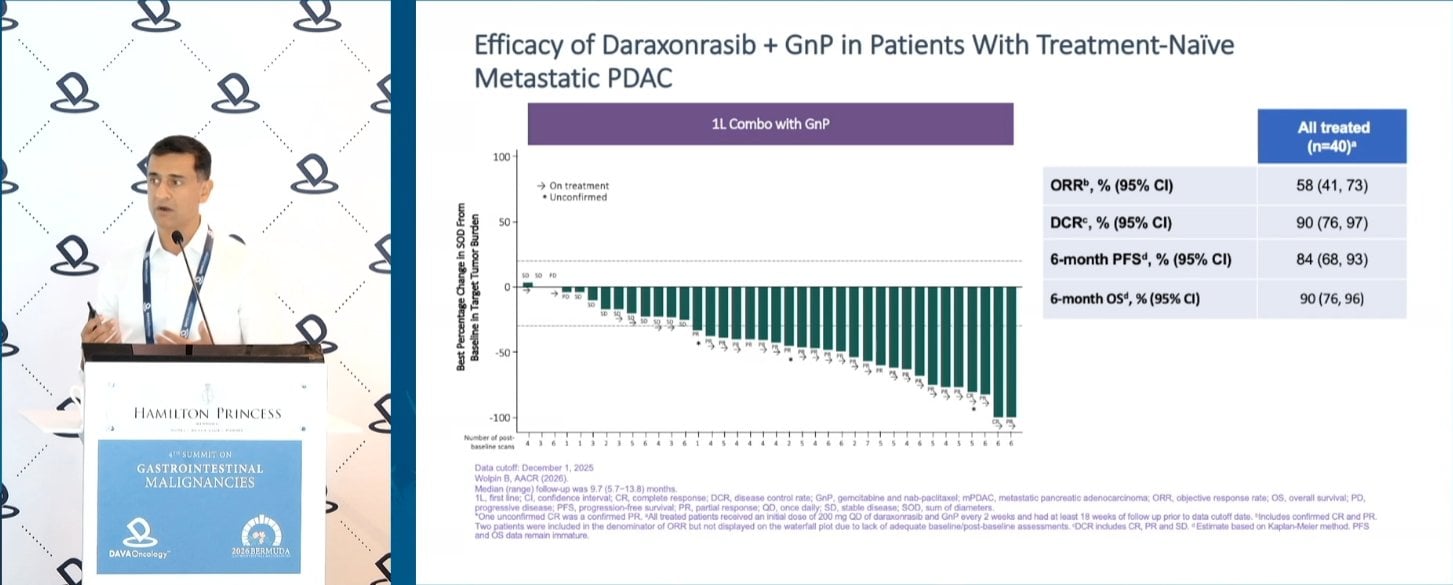
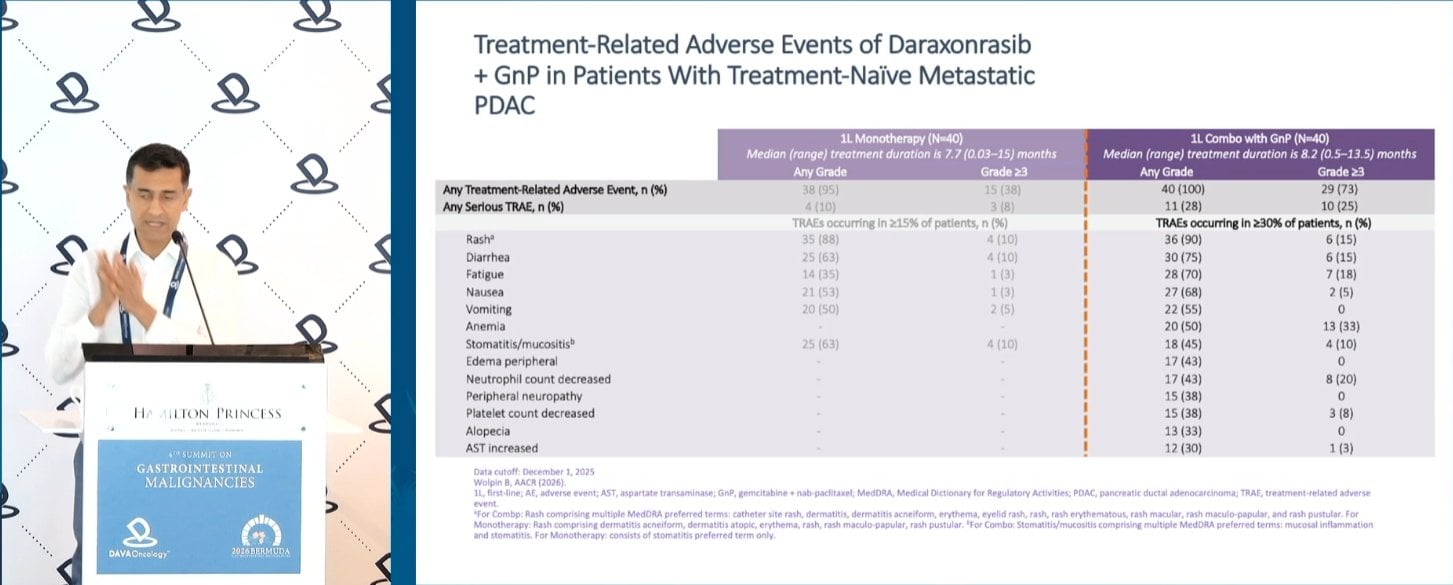
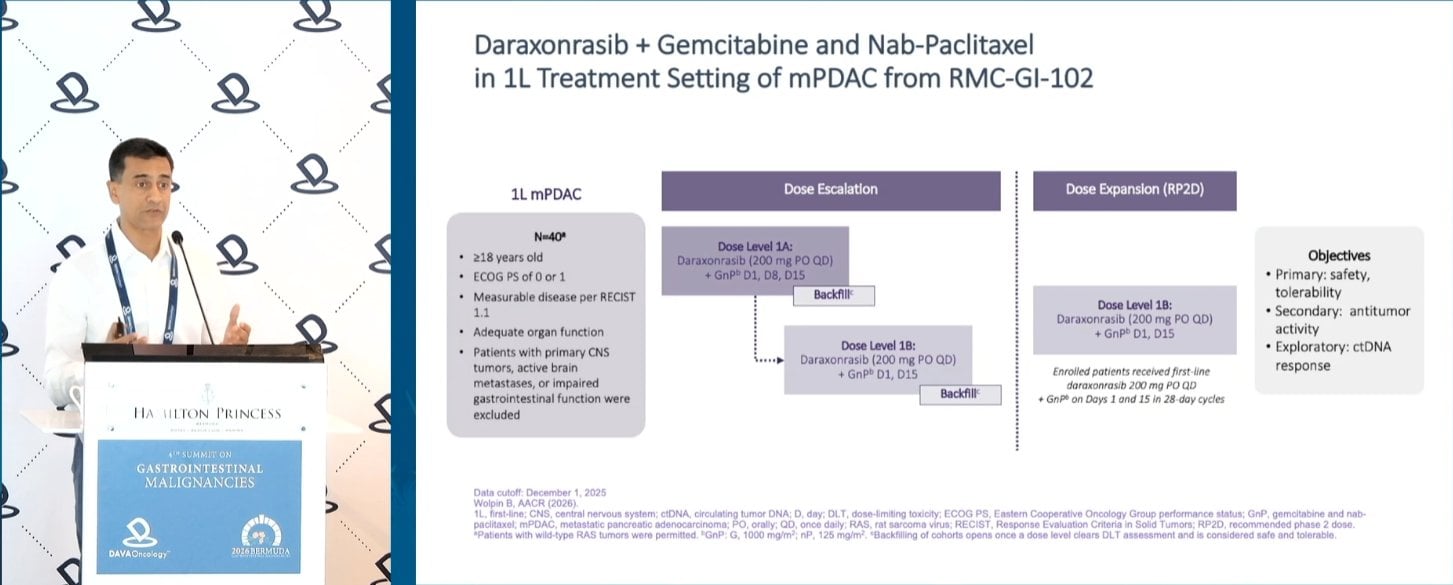
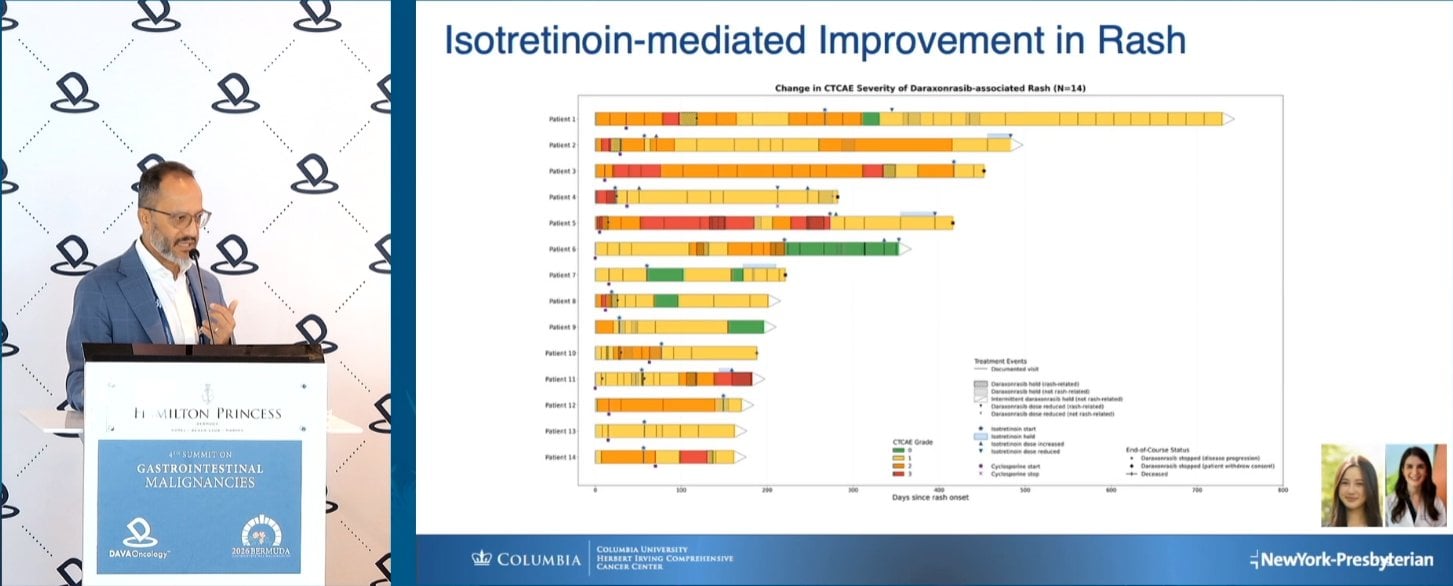
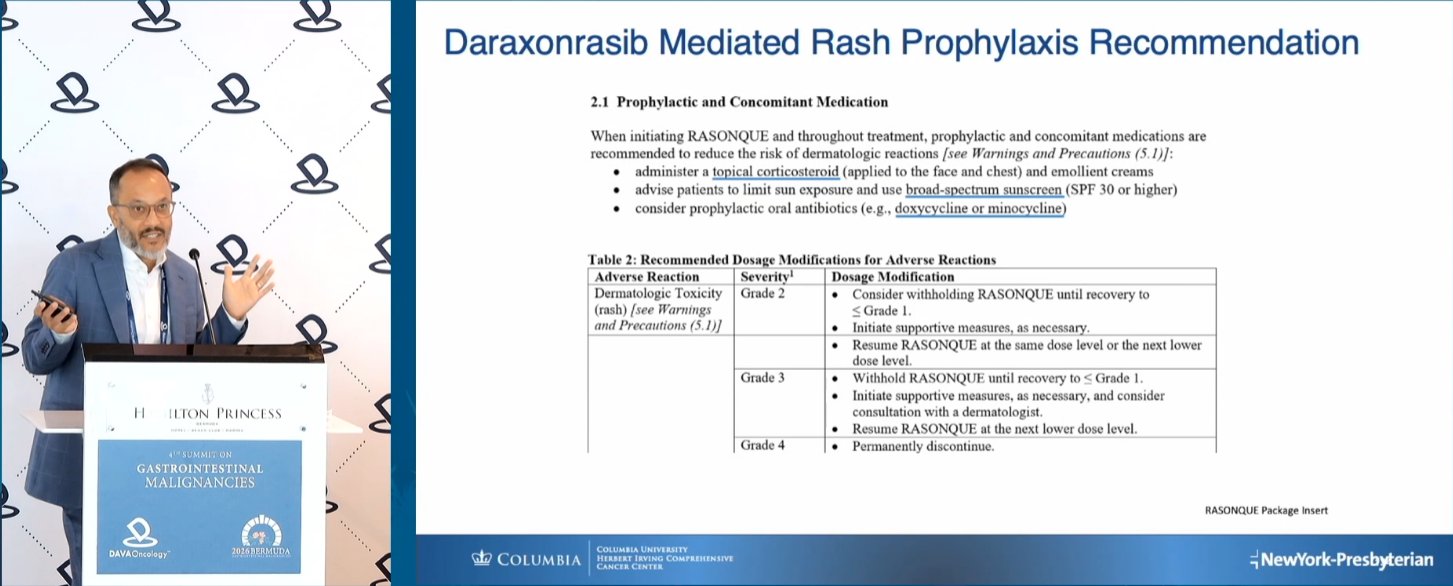
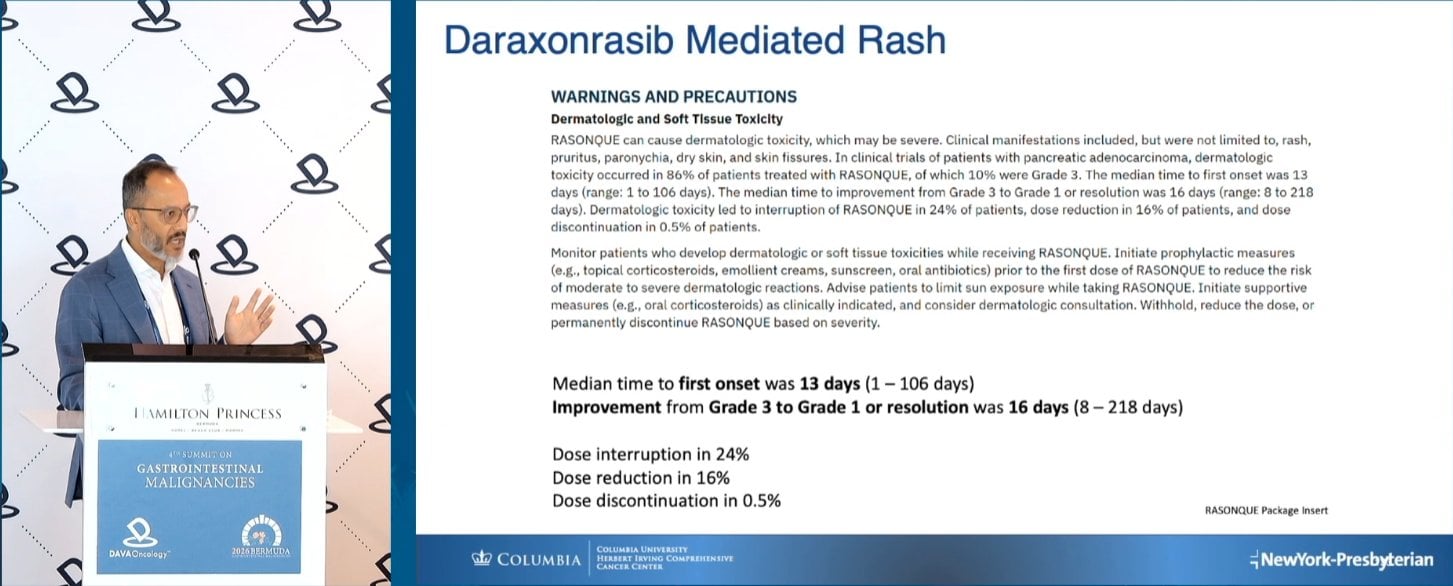
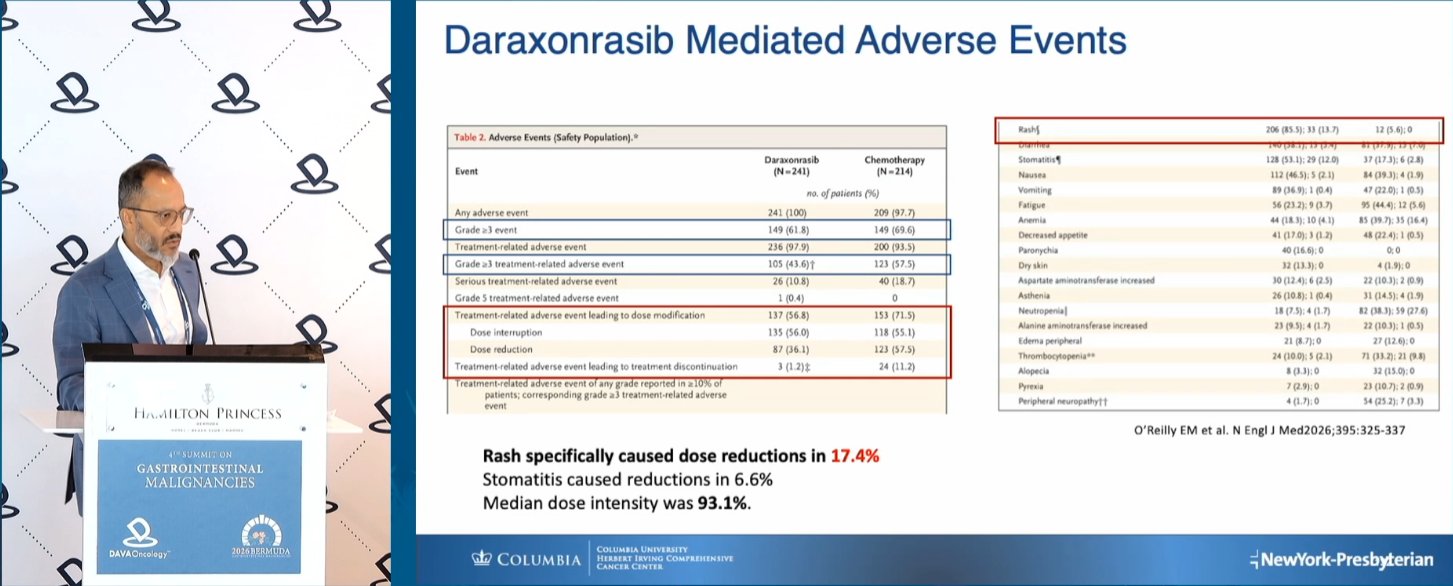
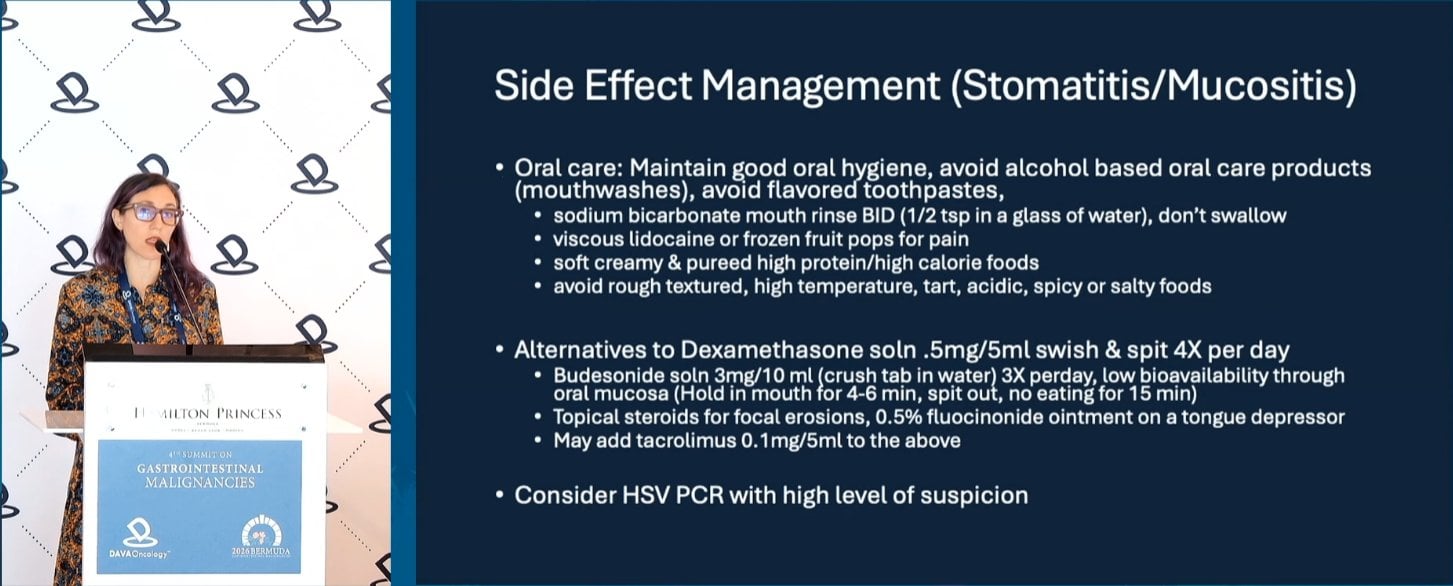
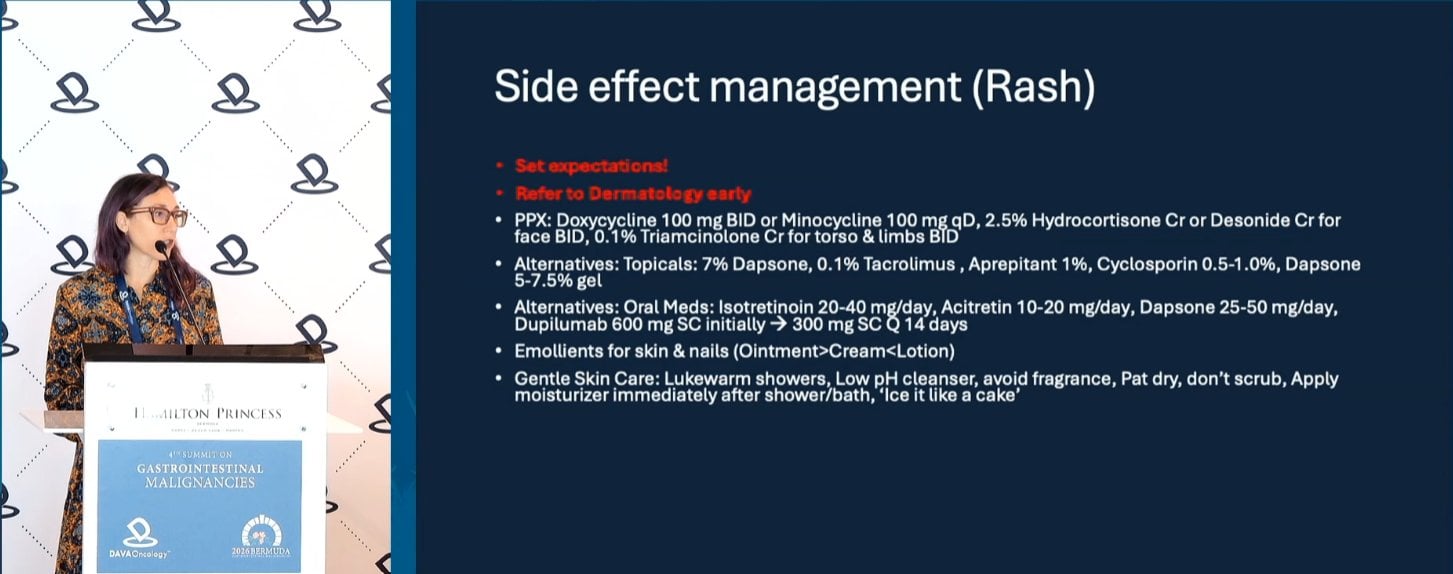
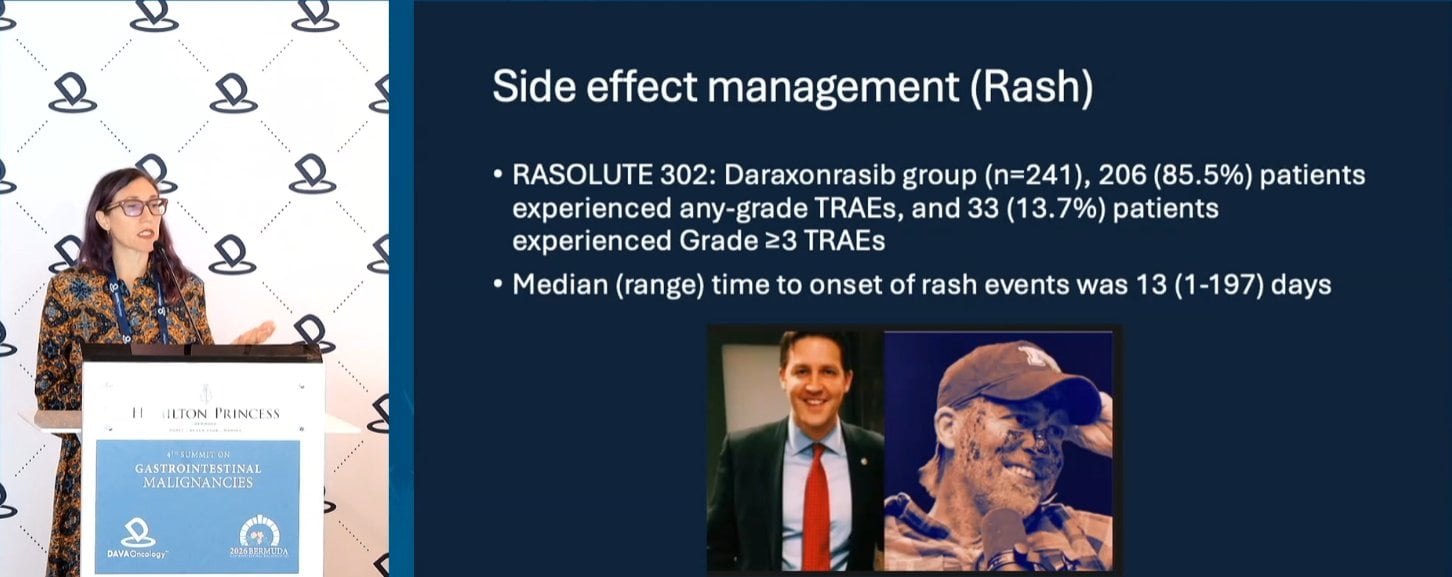
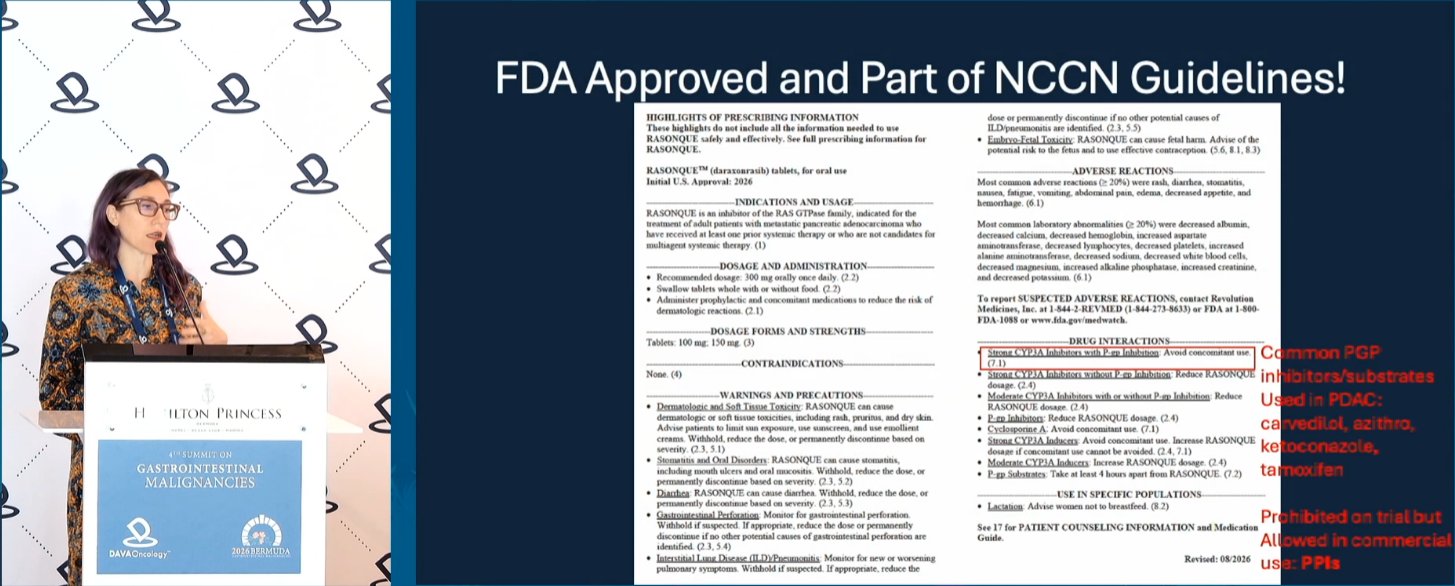
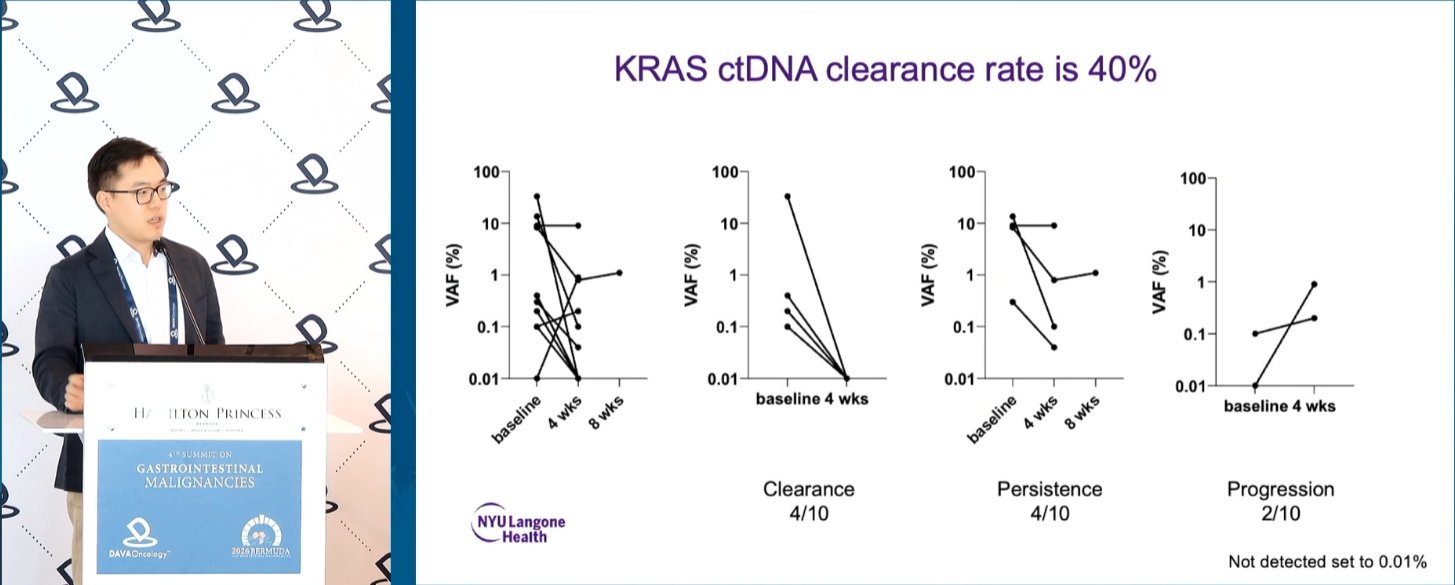
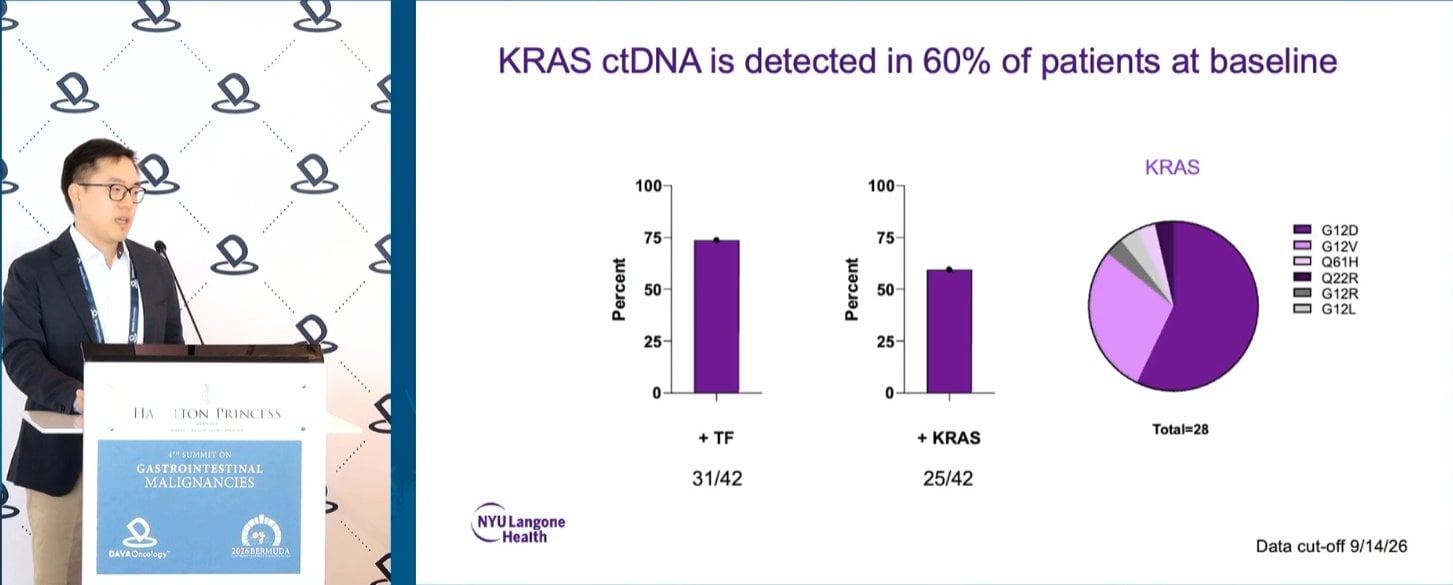
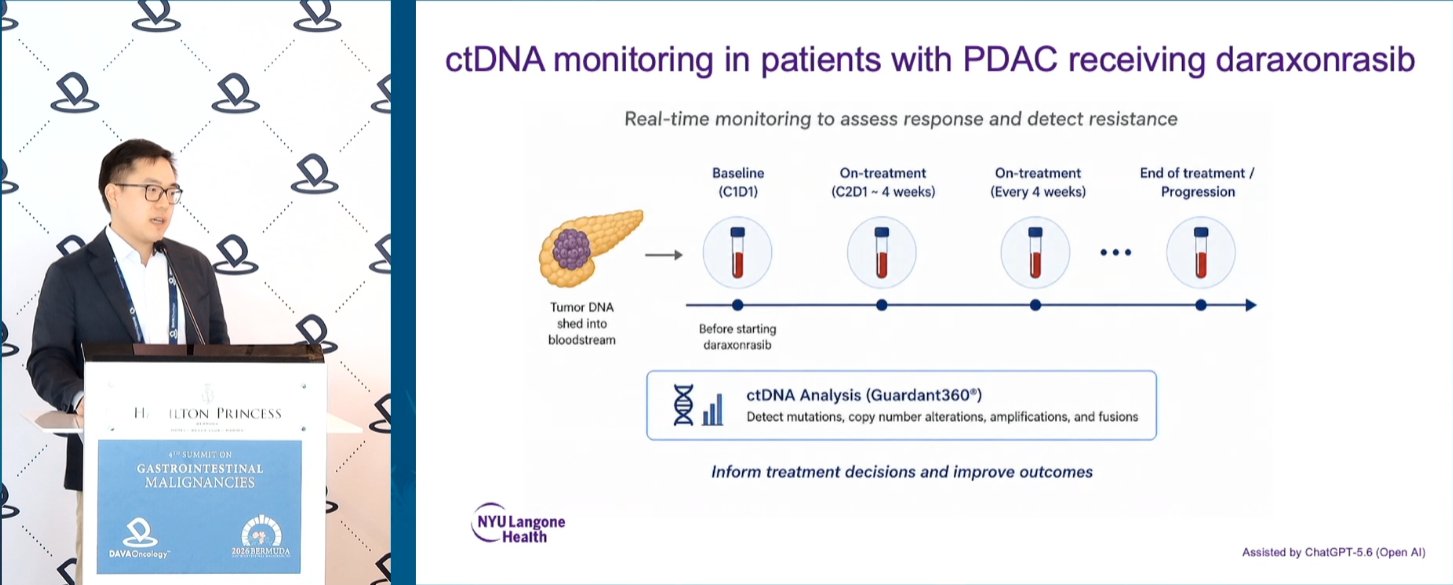
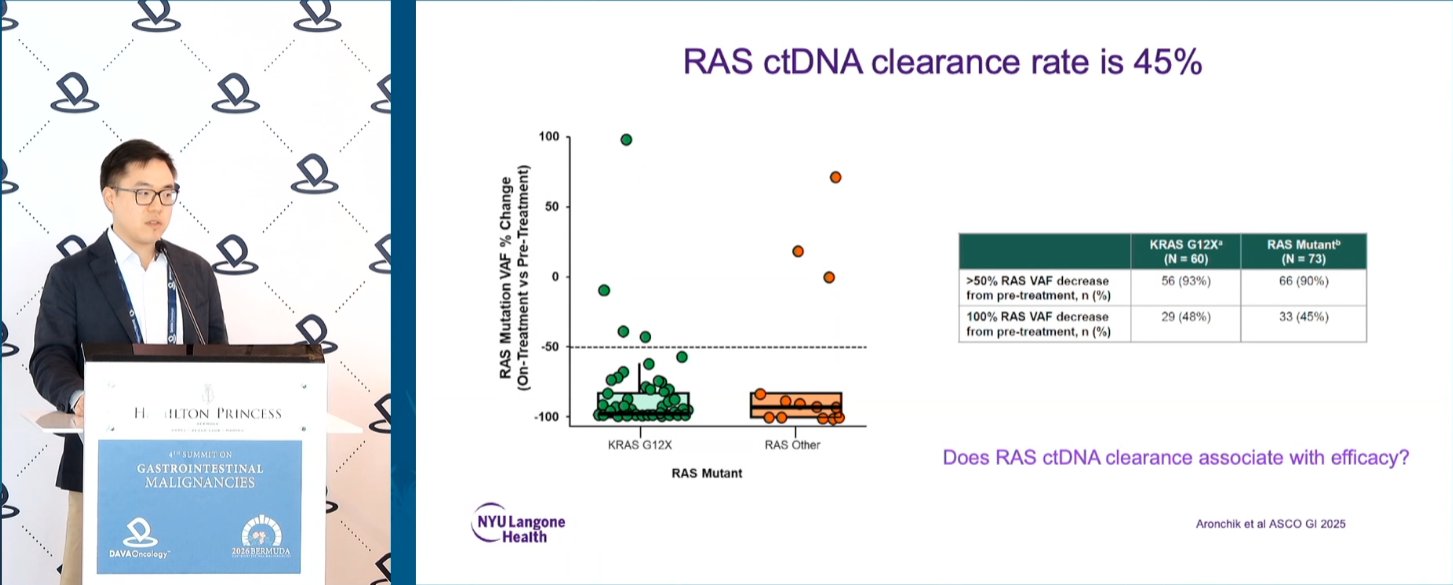
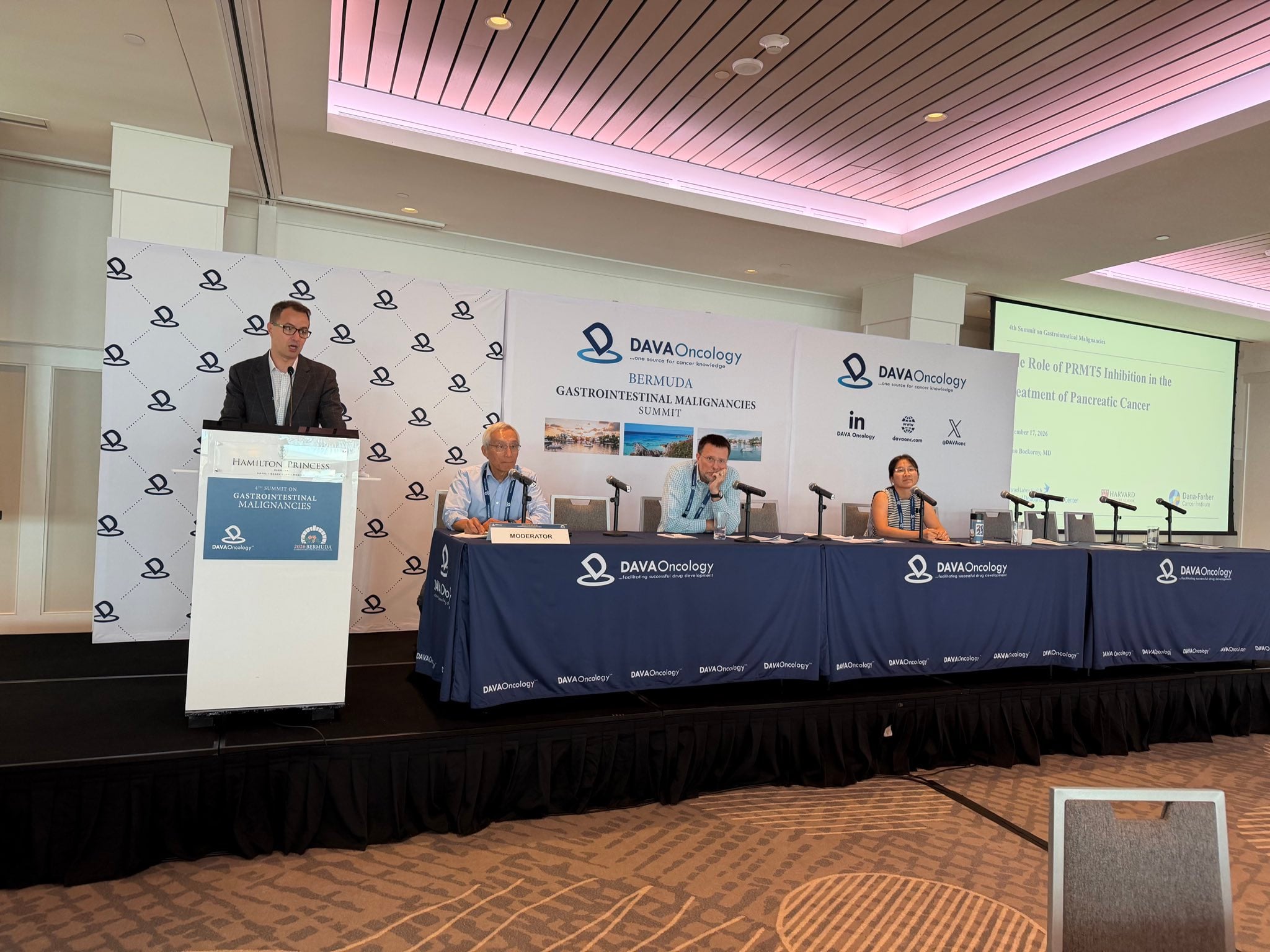
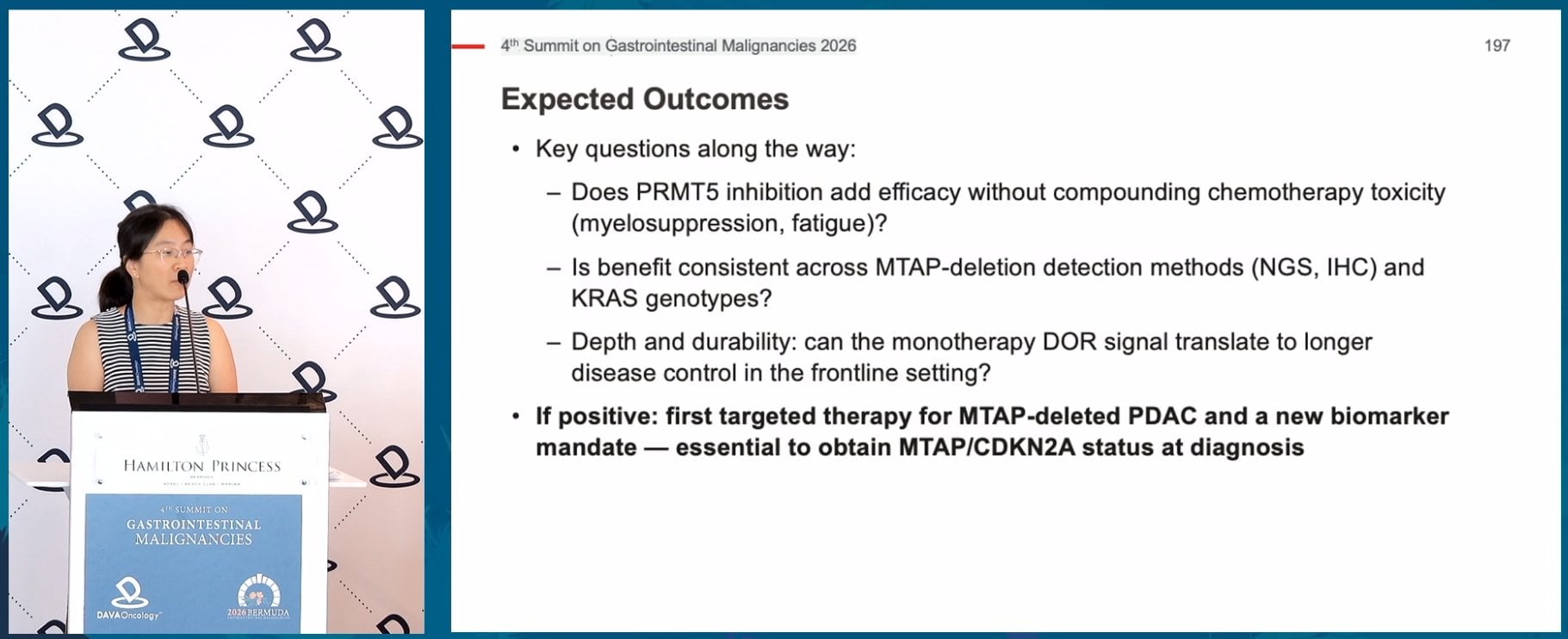
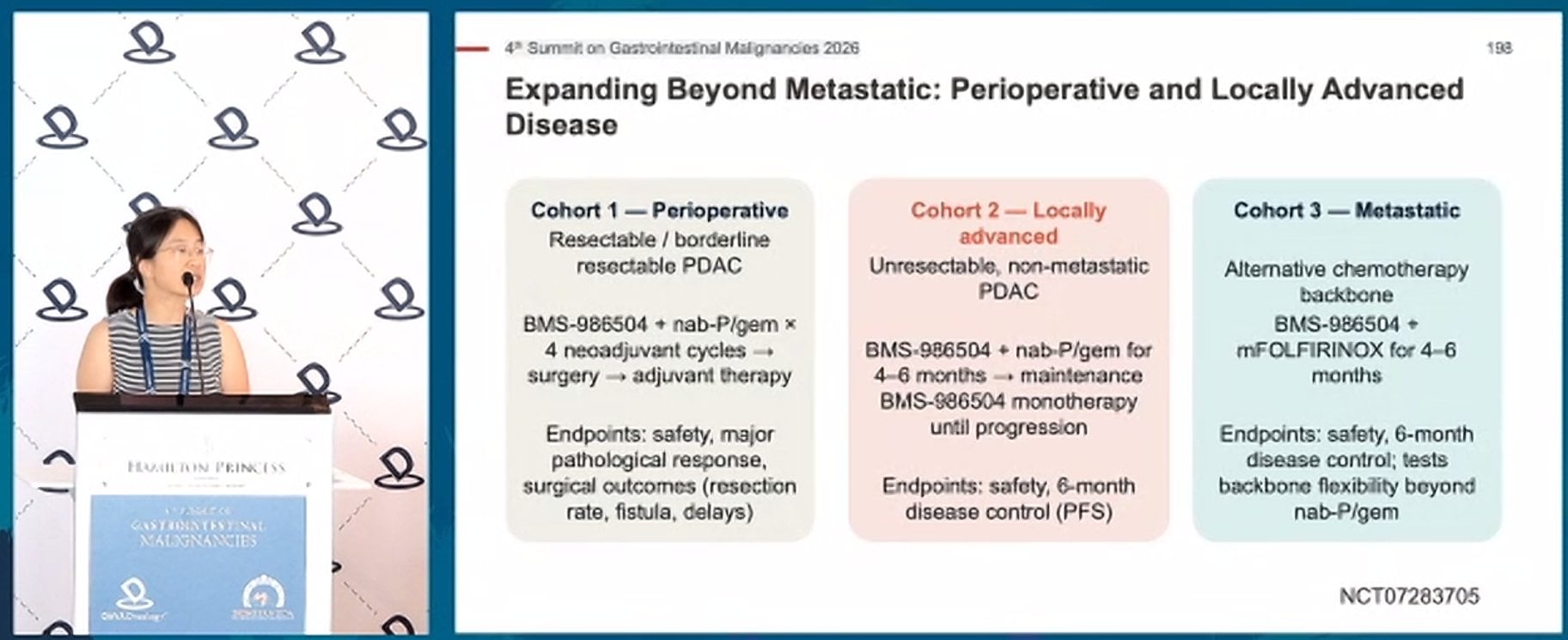
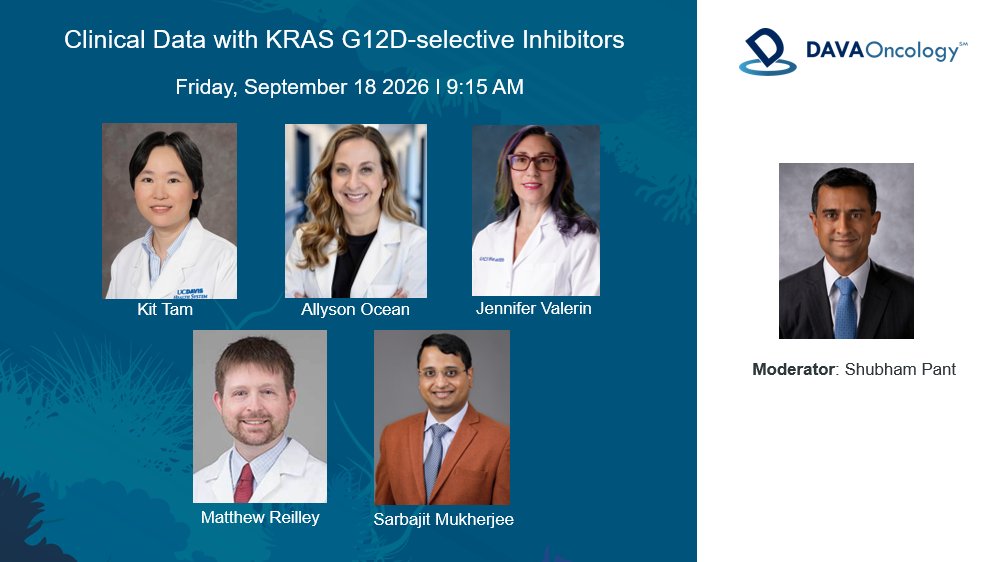
![Bermuda GI 2026 slide — RASolute 305 [Weill Cornell Medicine]](https://kolpulse.com/hubfs/conference-slides/davagi26/t83_s1.jpg)
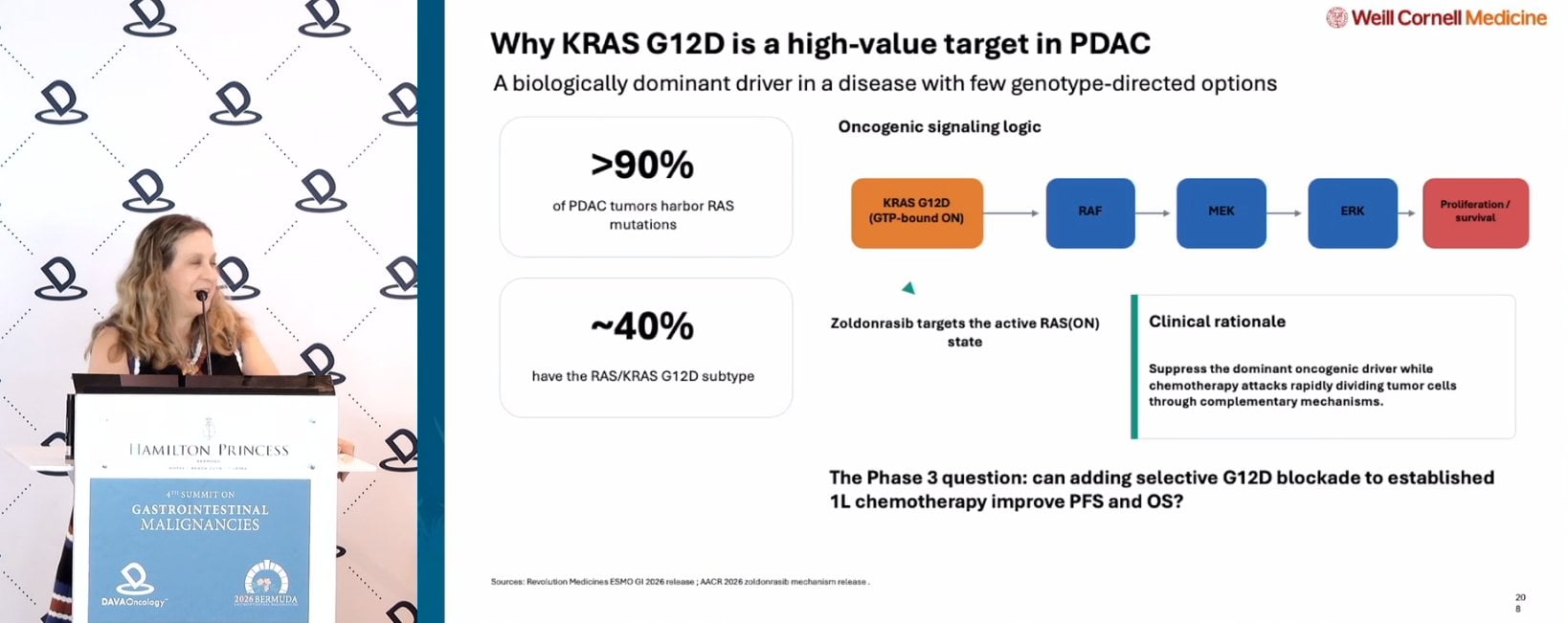
![Bermuda GI 2026 slide — Phase 1/2 signal that launched RASolute 305 [Weill Cornell Medicine]](https://kolpulse.com/hubfs/conference-slides/davagi26/t83_s3.jpg)
![Bermuda GI 2026 slide — RASolute 305: pivotal Phase 3 design [Weill Cornell Medicine]](https://kolpulse.com/hubfs/conference-slides/davagi26/t83_s4.jpg)
![Bermuda GI 2026 slide — INCB161734: KRAS G12D Selective Inhibitor [Incyte]](https://kolpulse.com/hubfs/conference-slides/davagi26/t84_s1.jpg)
![Bermuda GI 2026 slide — Anti-tumor activity of INCB161734 with SOC Chemotherapy in mPDAC [Incyte]](https://kolpulse.com/hubfs/conference-slides/davagi26/t84_s2.jpg)
![Bermuda GI 2026 slide — Safety in Combination with Gem/NabP [INCB161734 + GEMNabP; Incyte]](https://kolpulse.com/hubfs/conference-slides/davagi26/t84_s3.jpg)
![Bermuda GI 2026 slide — DAWN 303 Study Design [Incyte]](https://kolpulse.com/hubfs/conference-slides/davagi26/t84_s4.jpg)
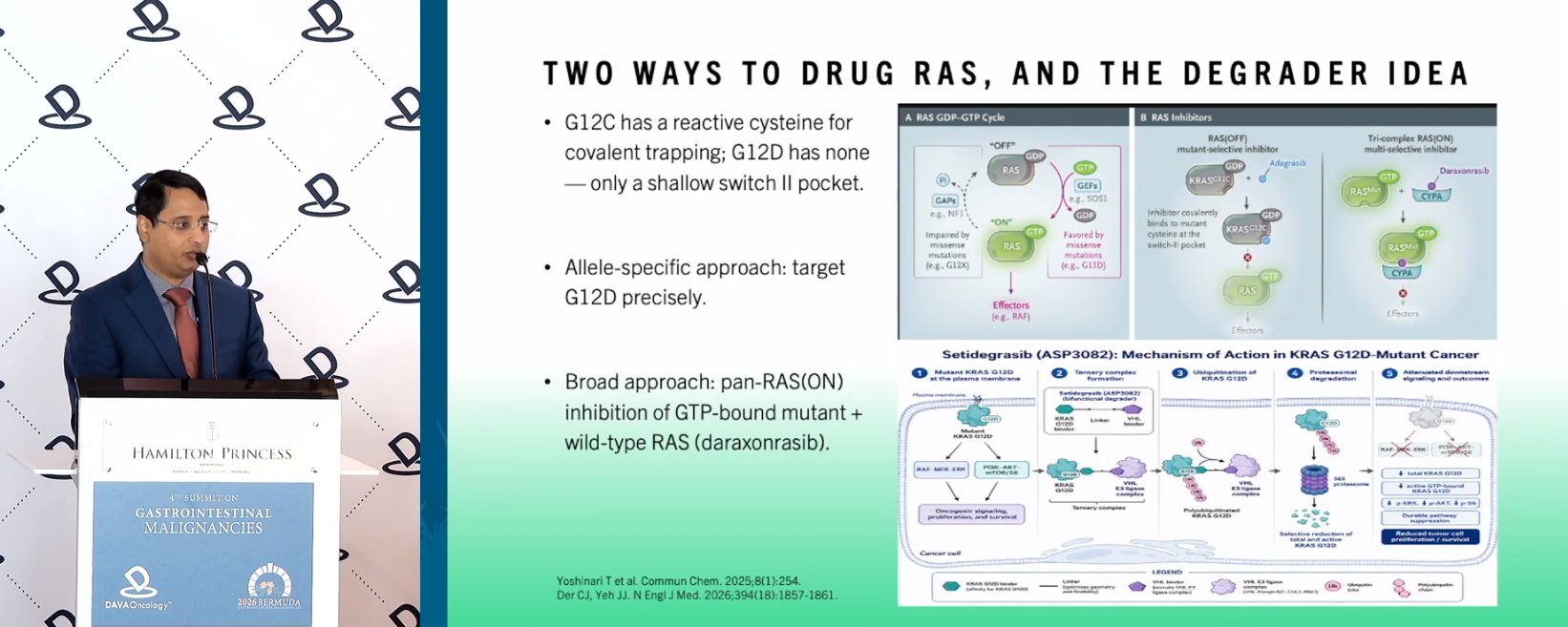
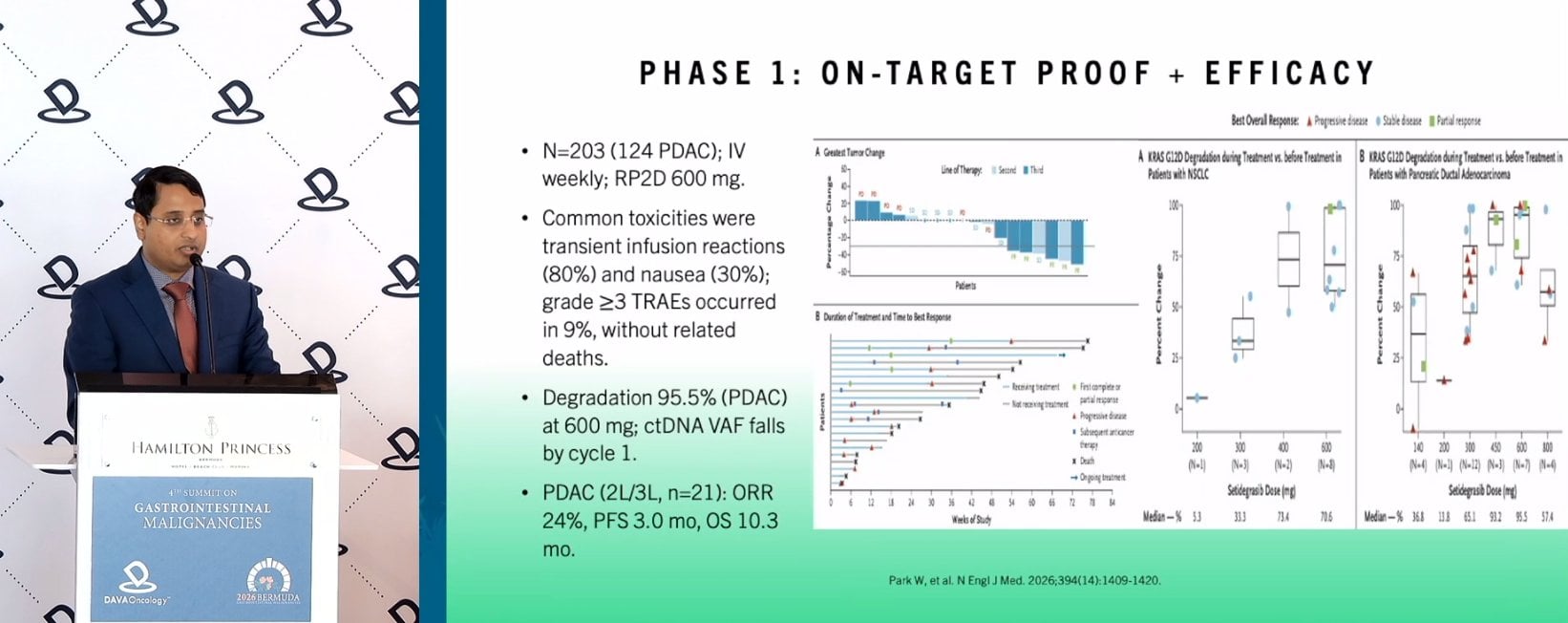
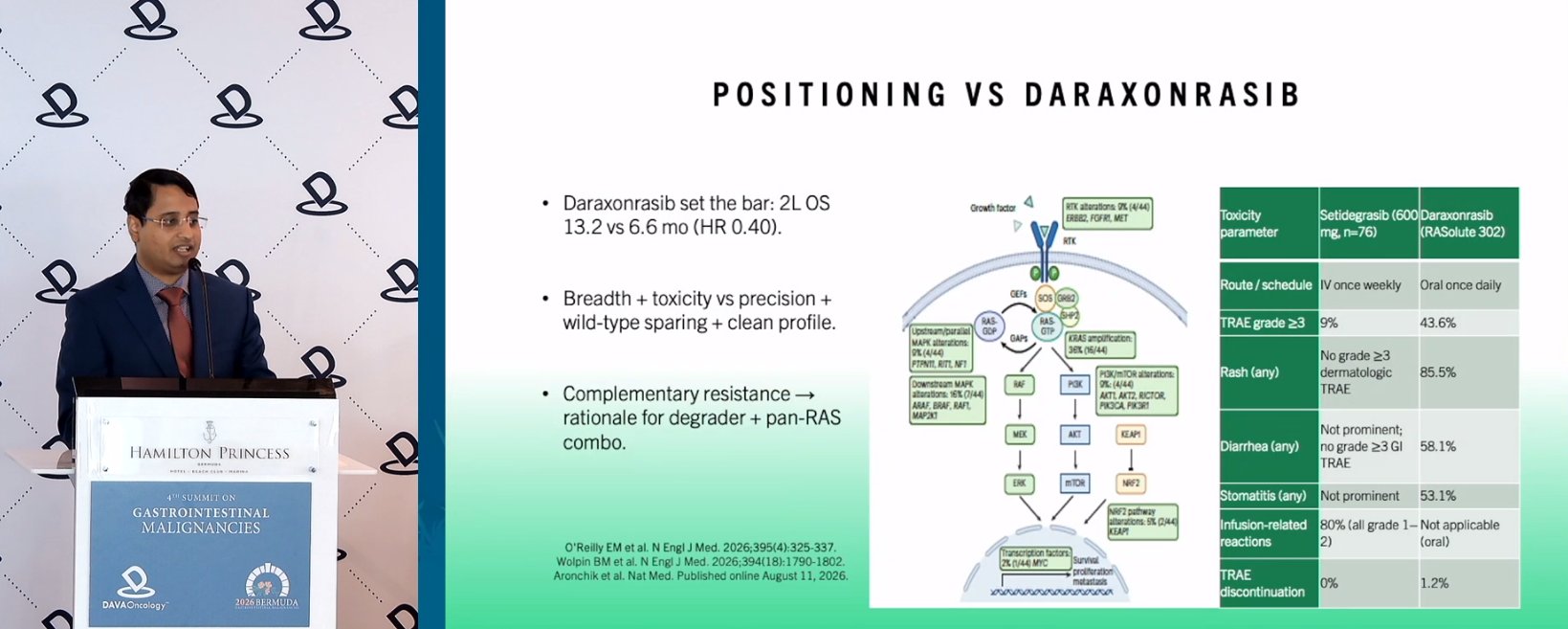
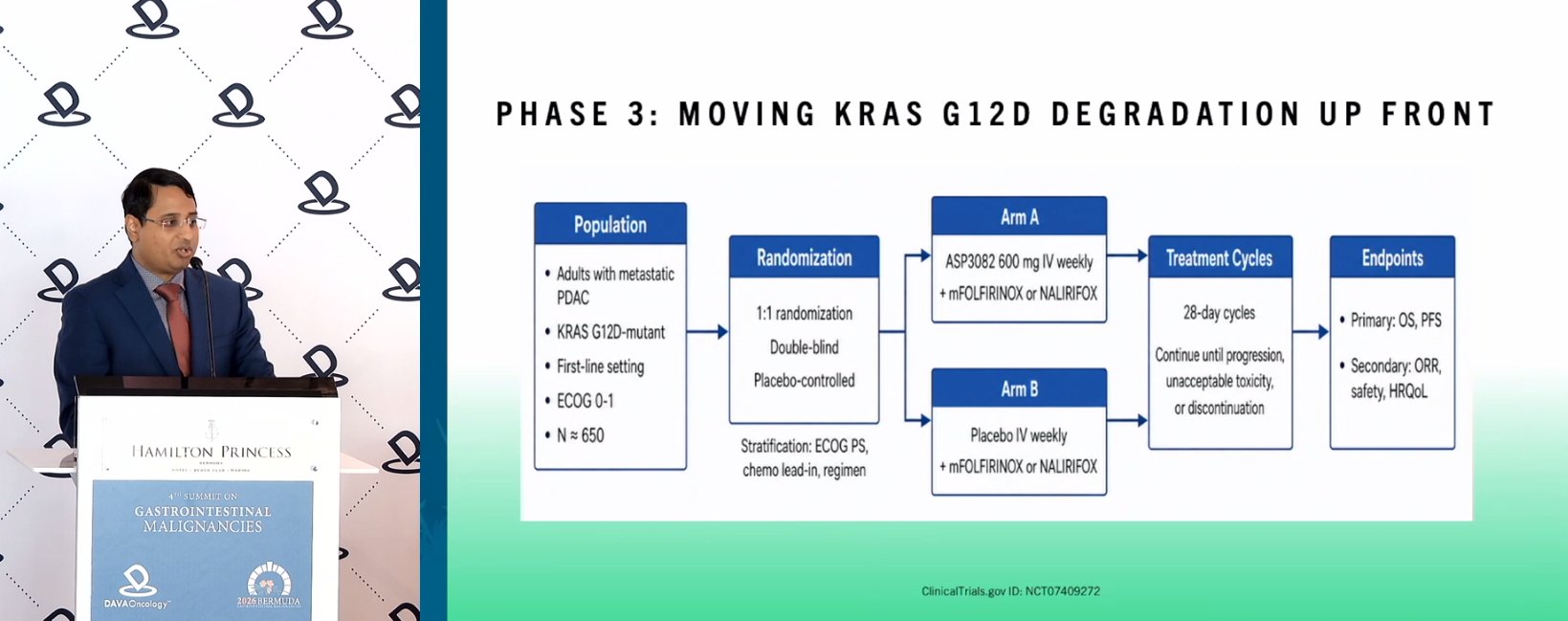
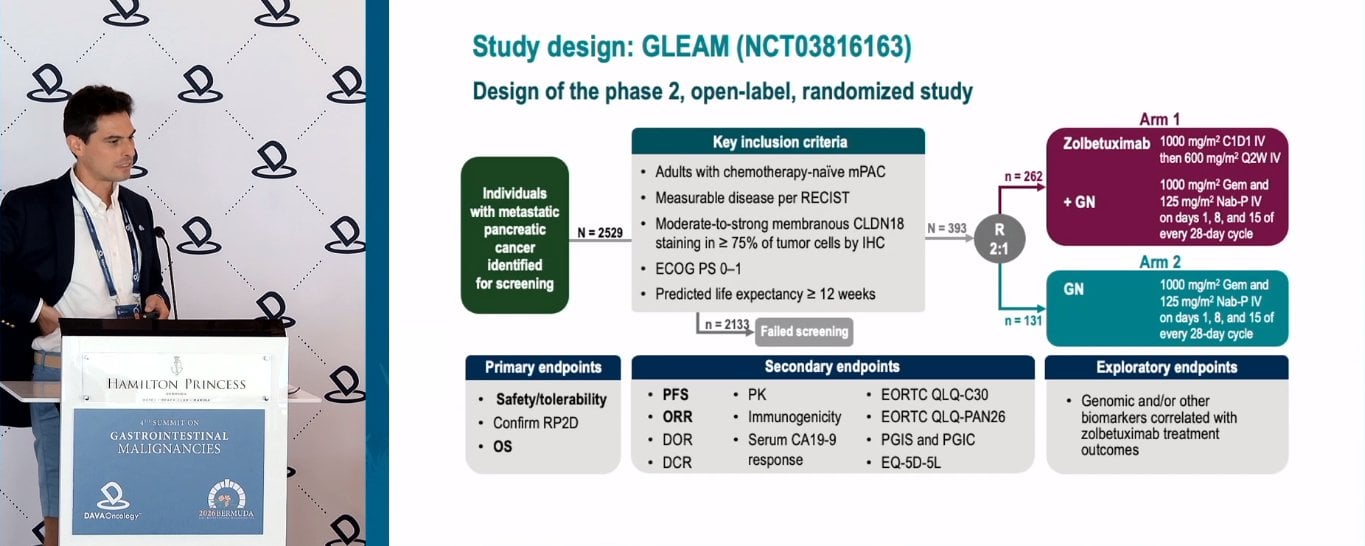
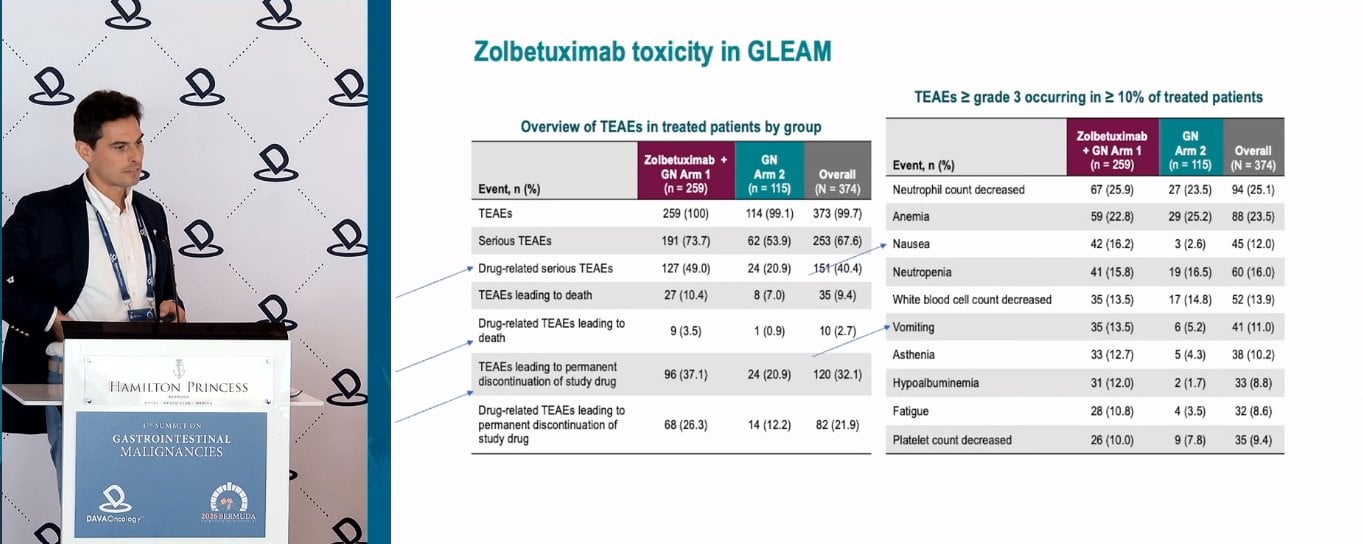
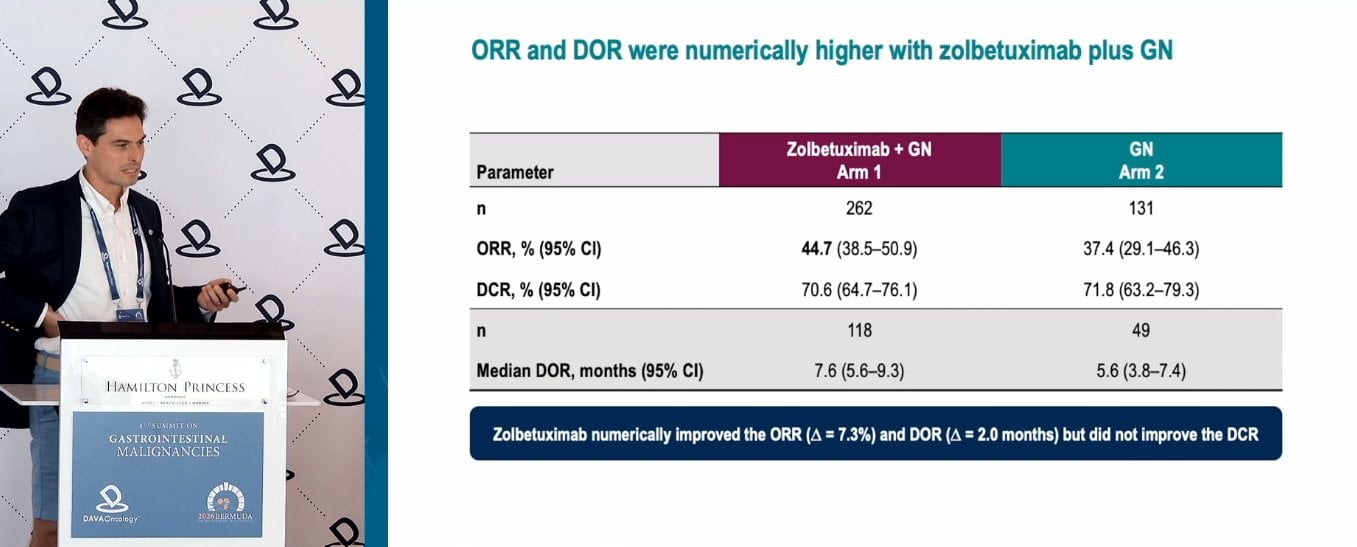
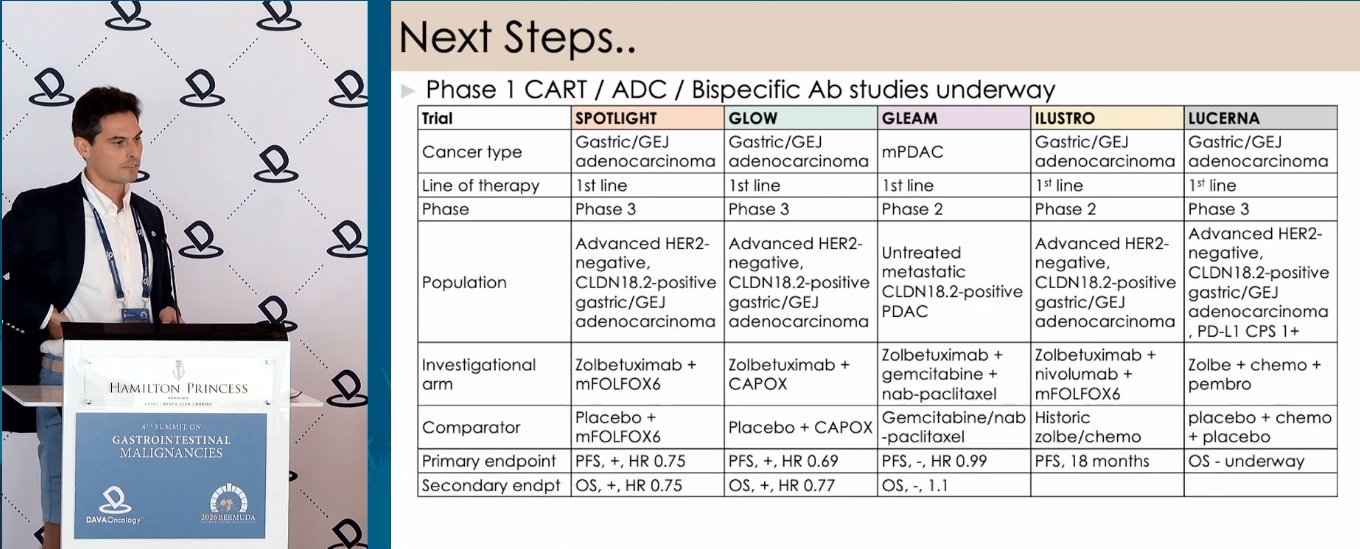
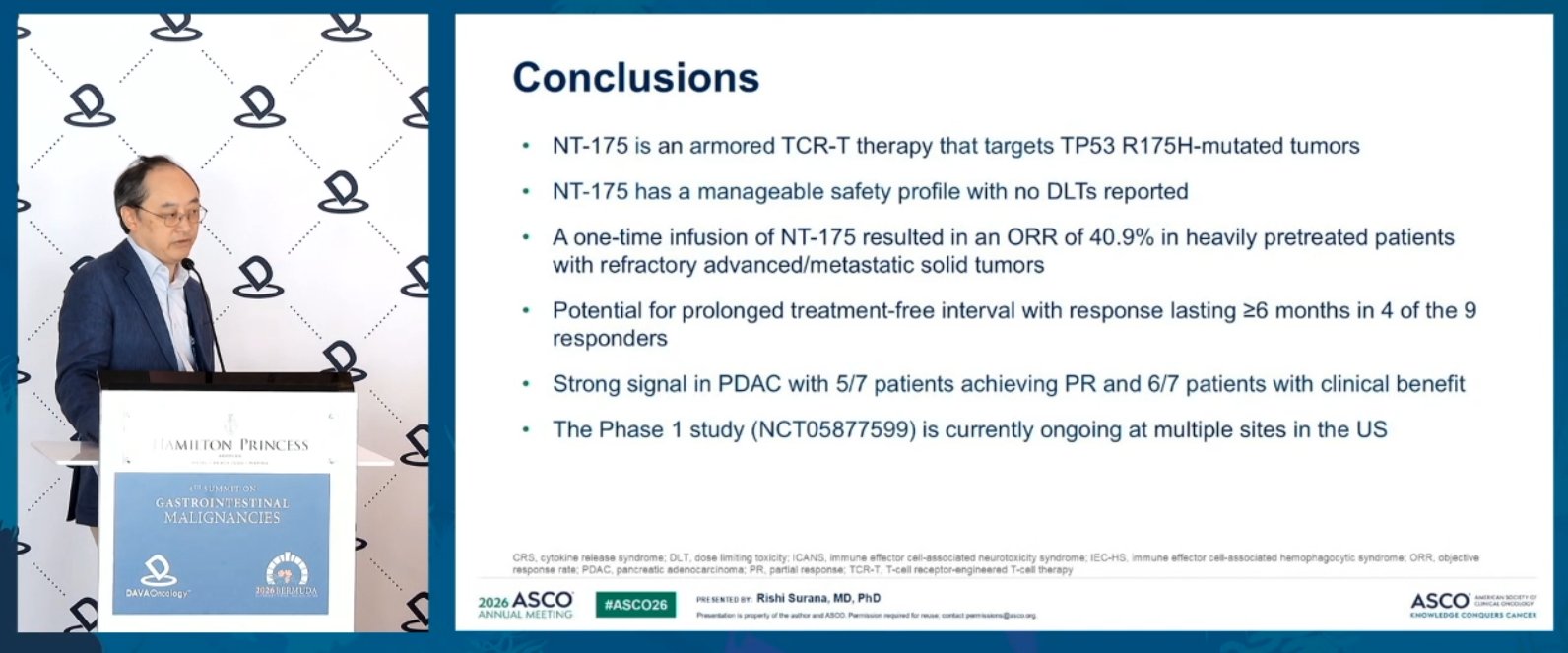
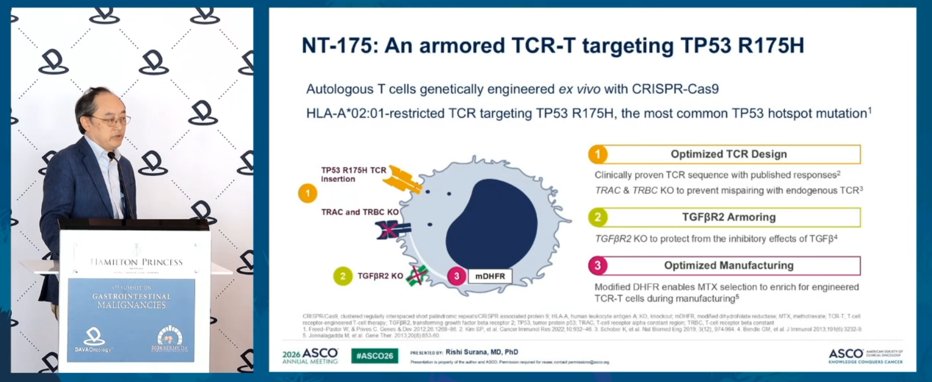
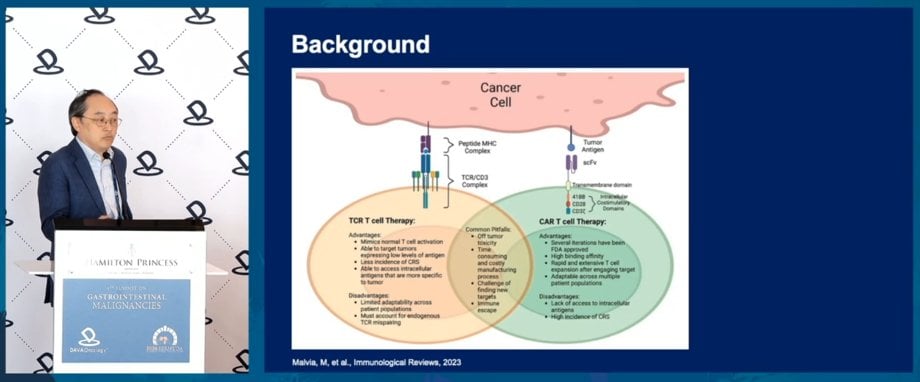
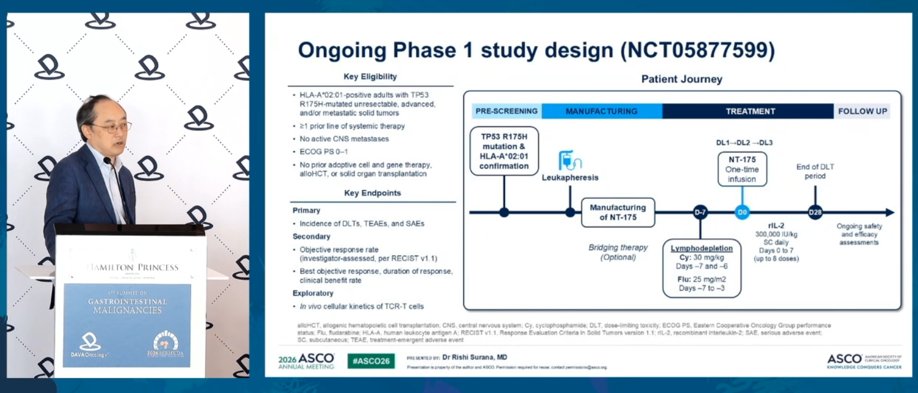
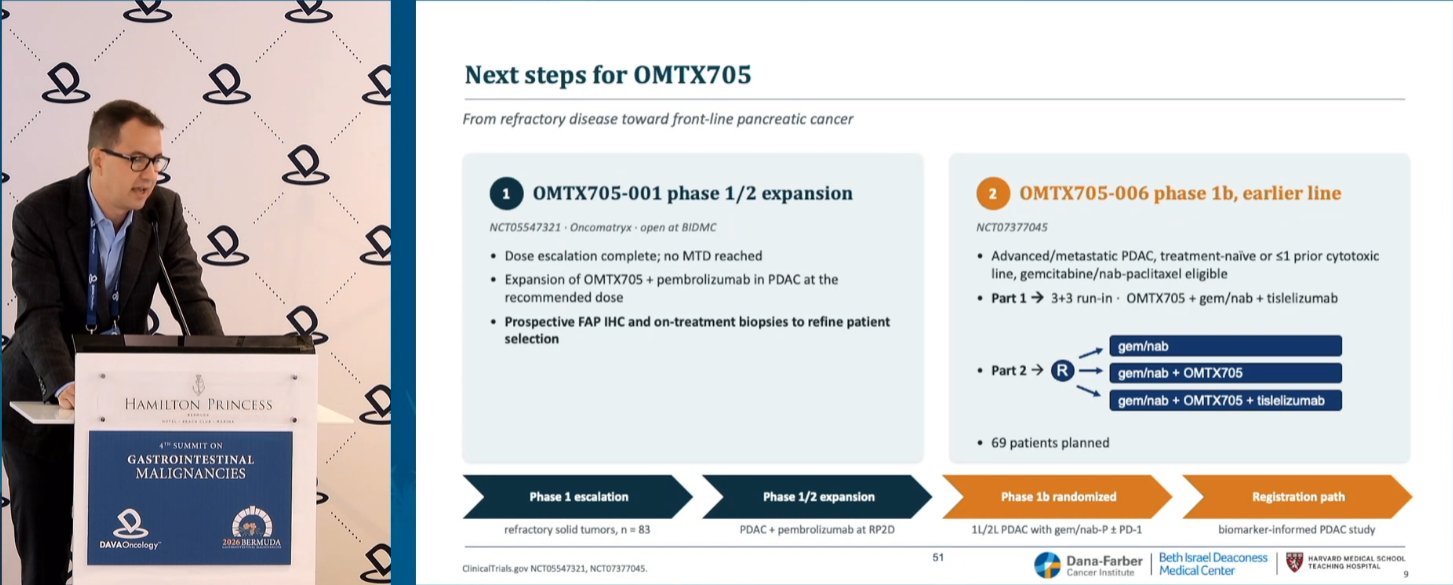
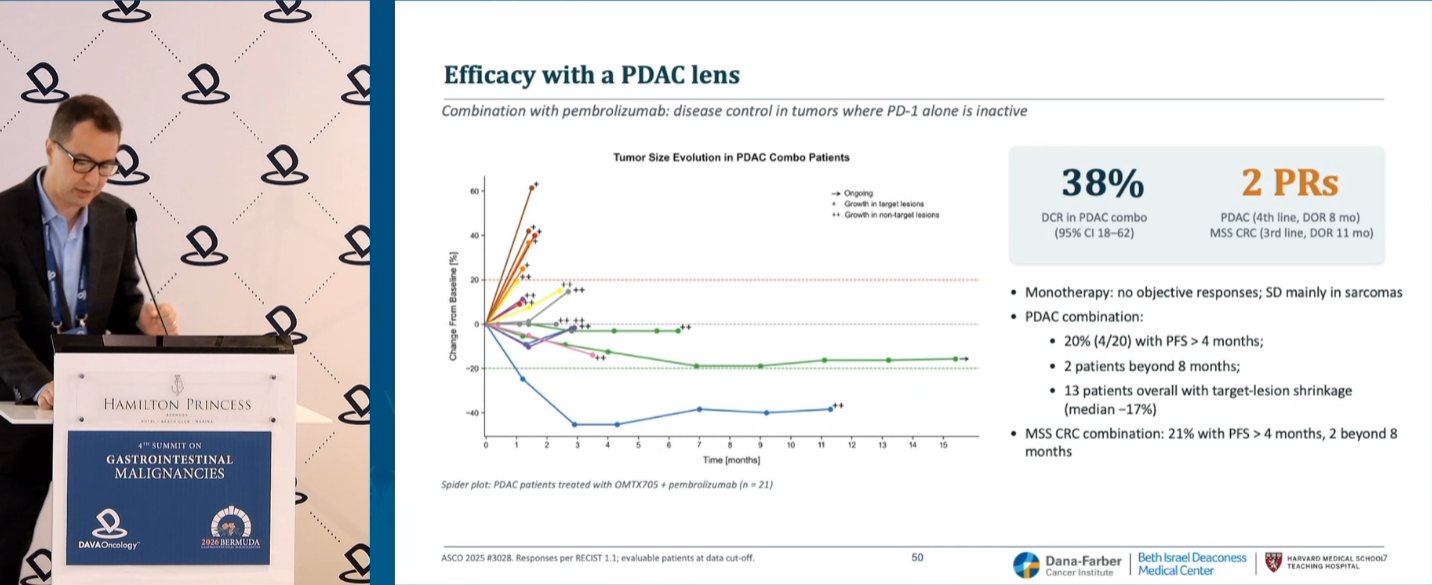
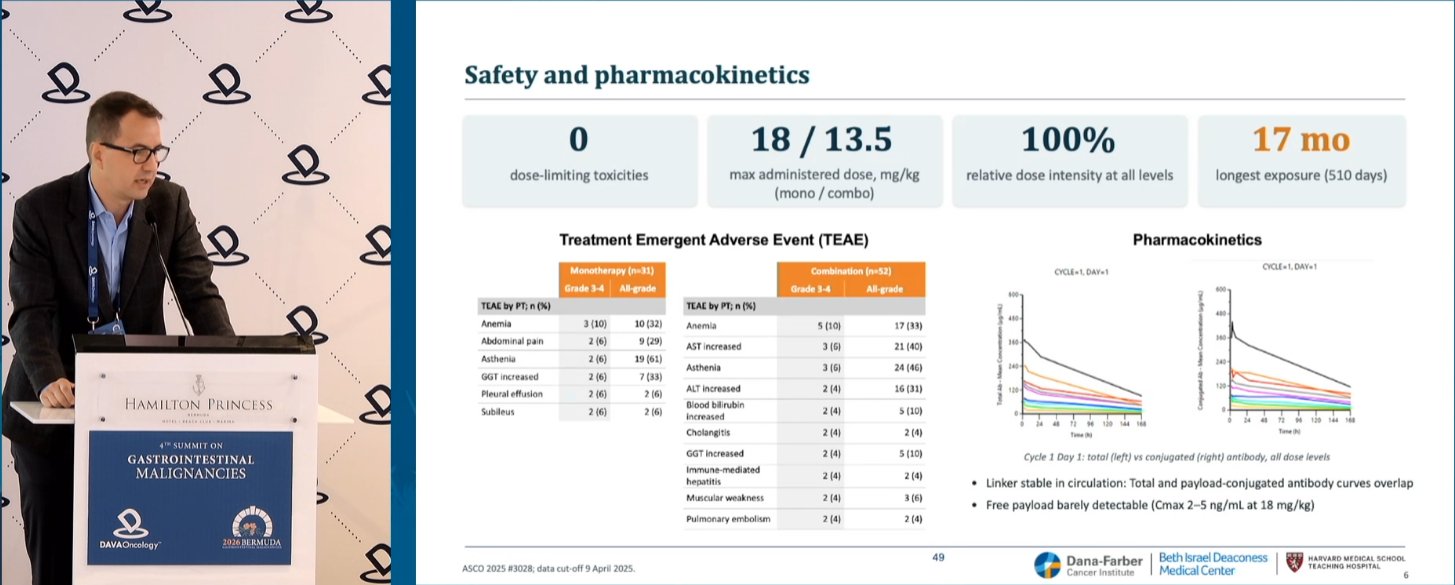
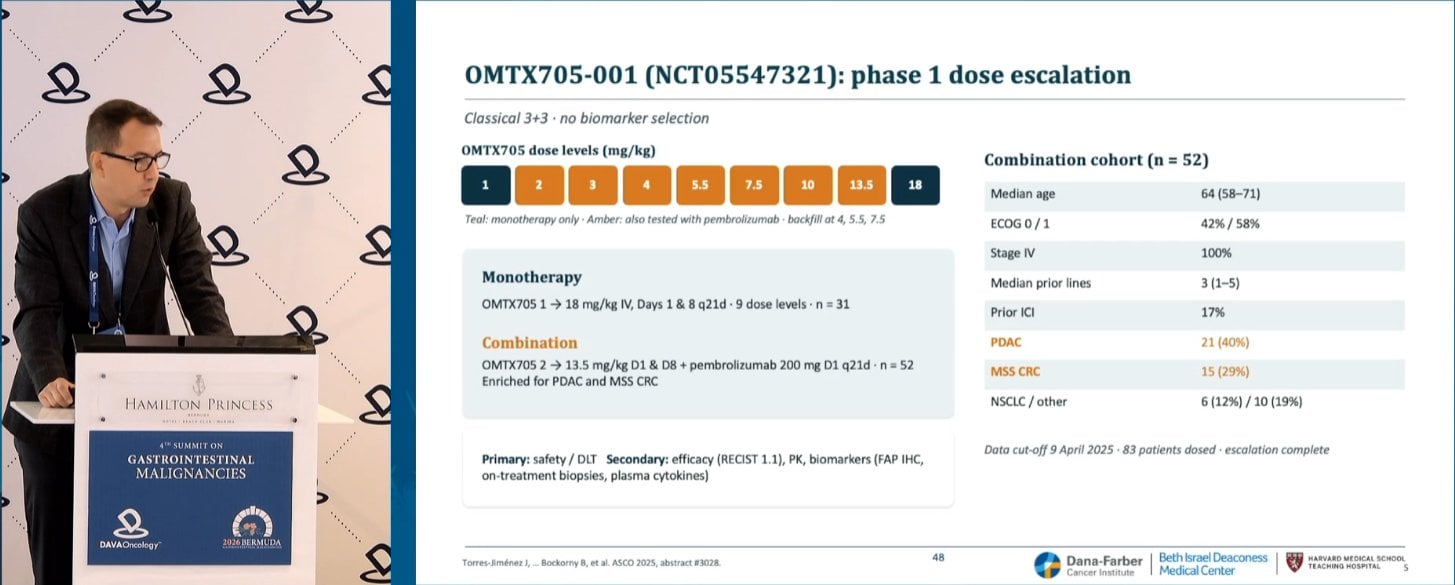
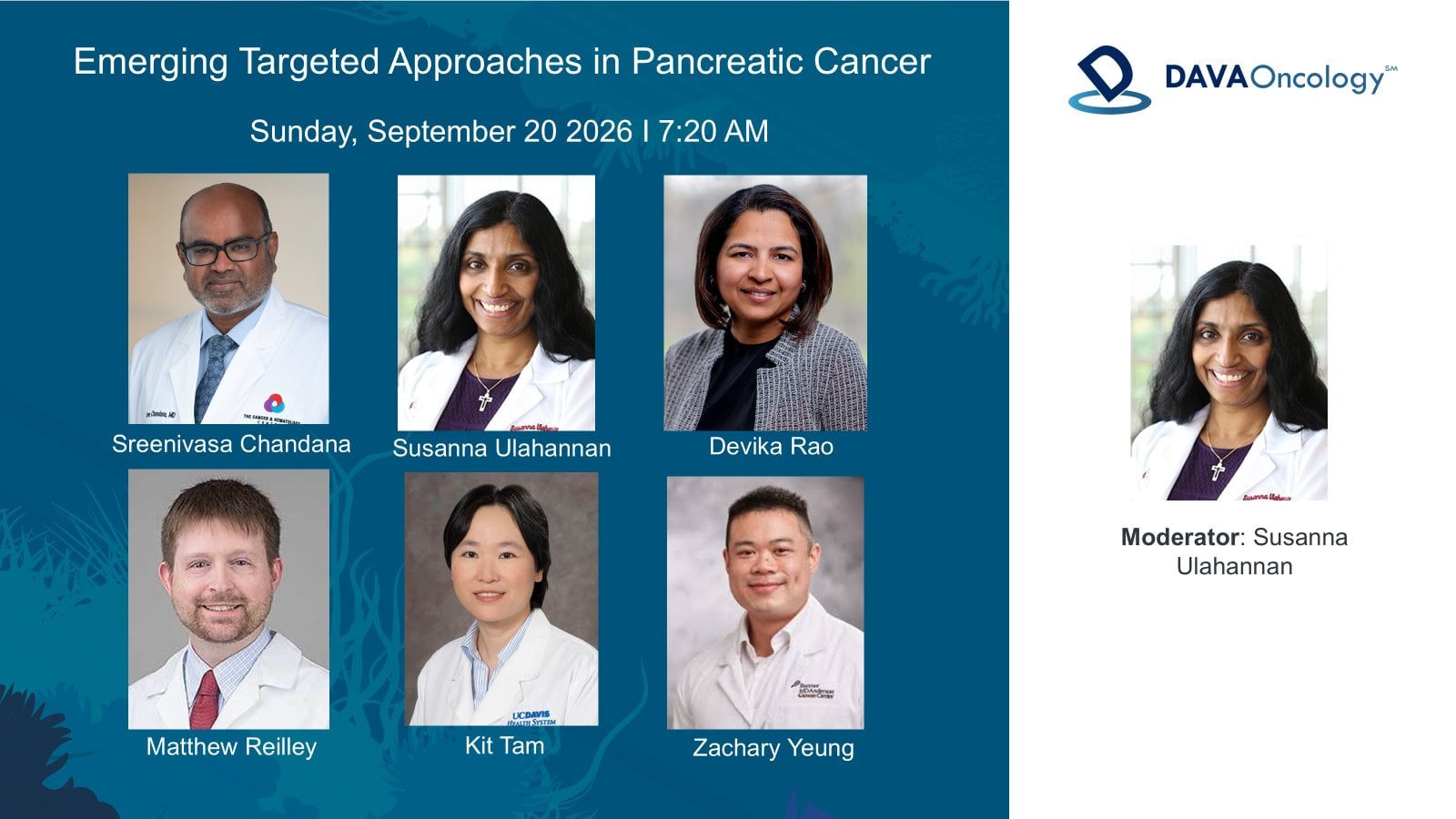
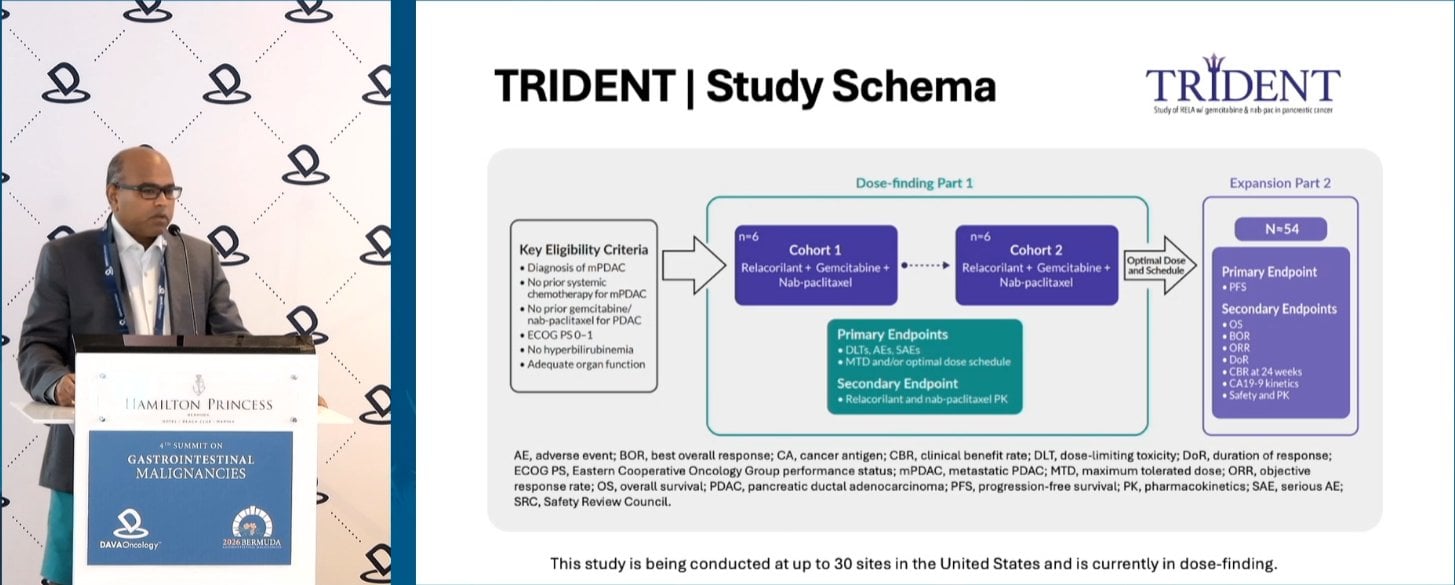
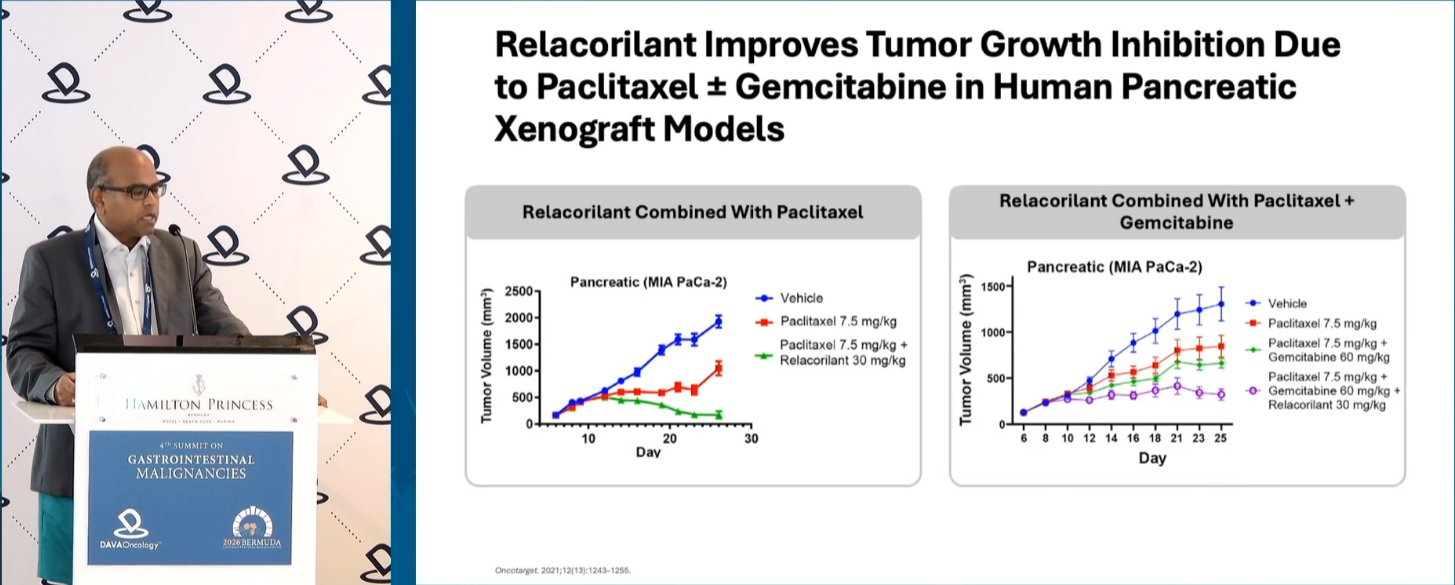
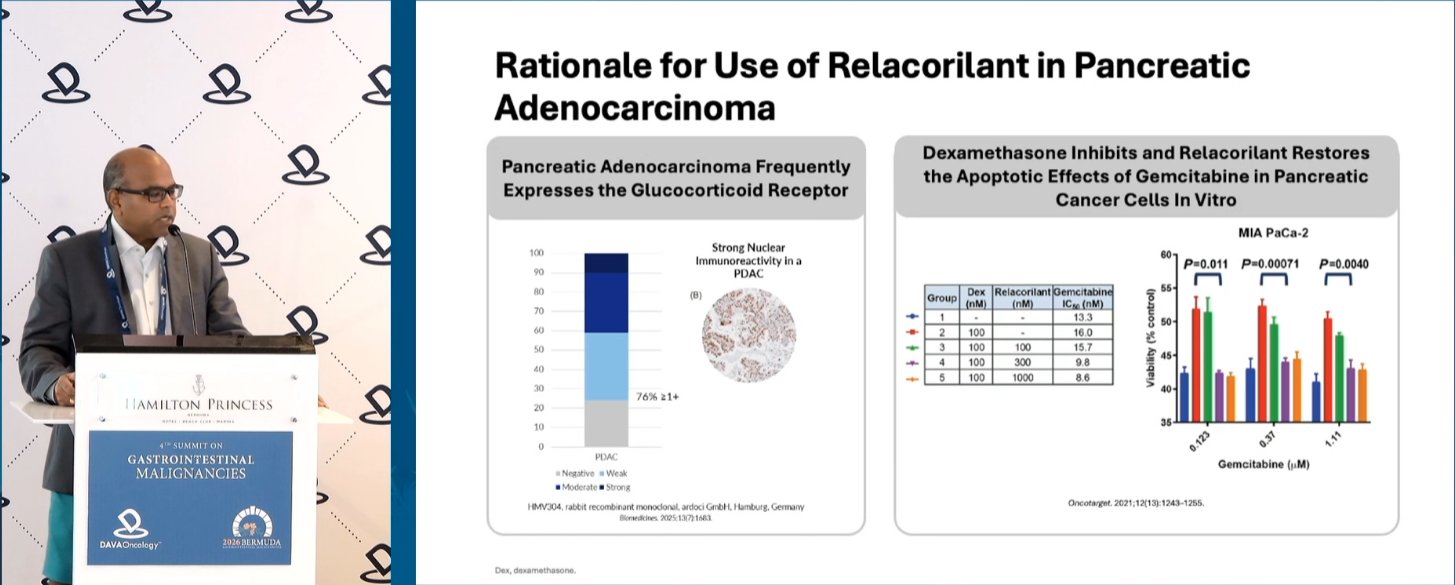
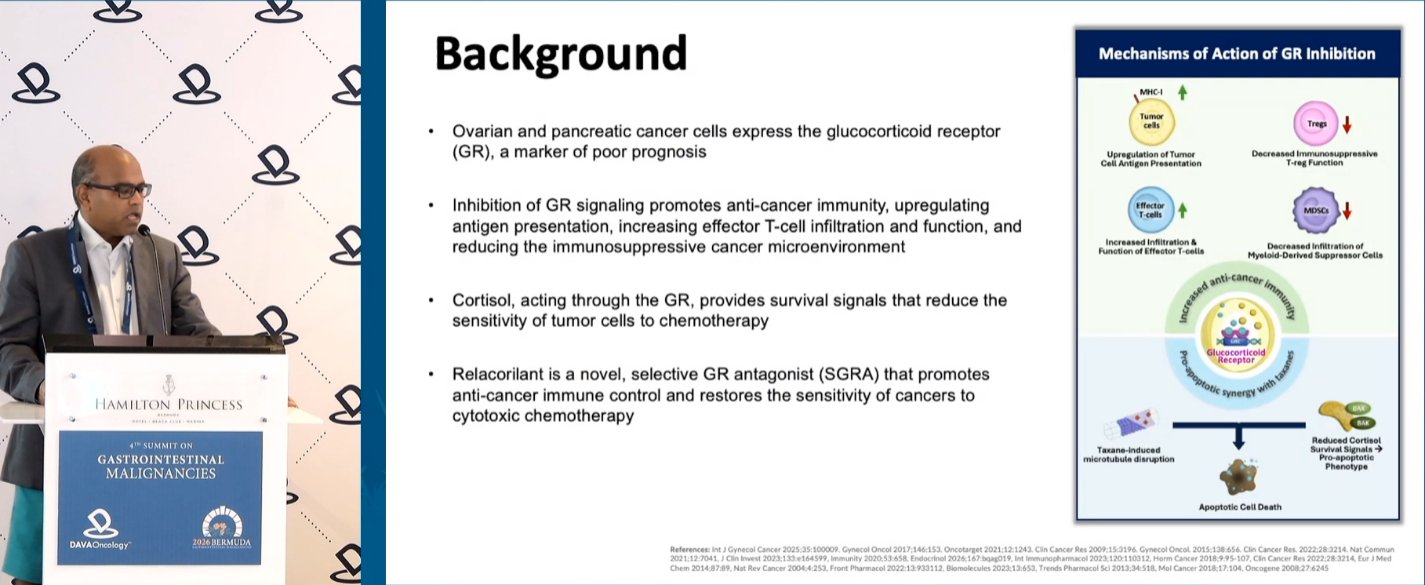
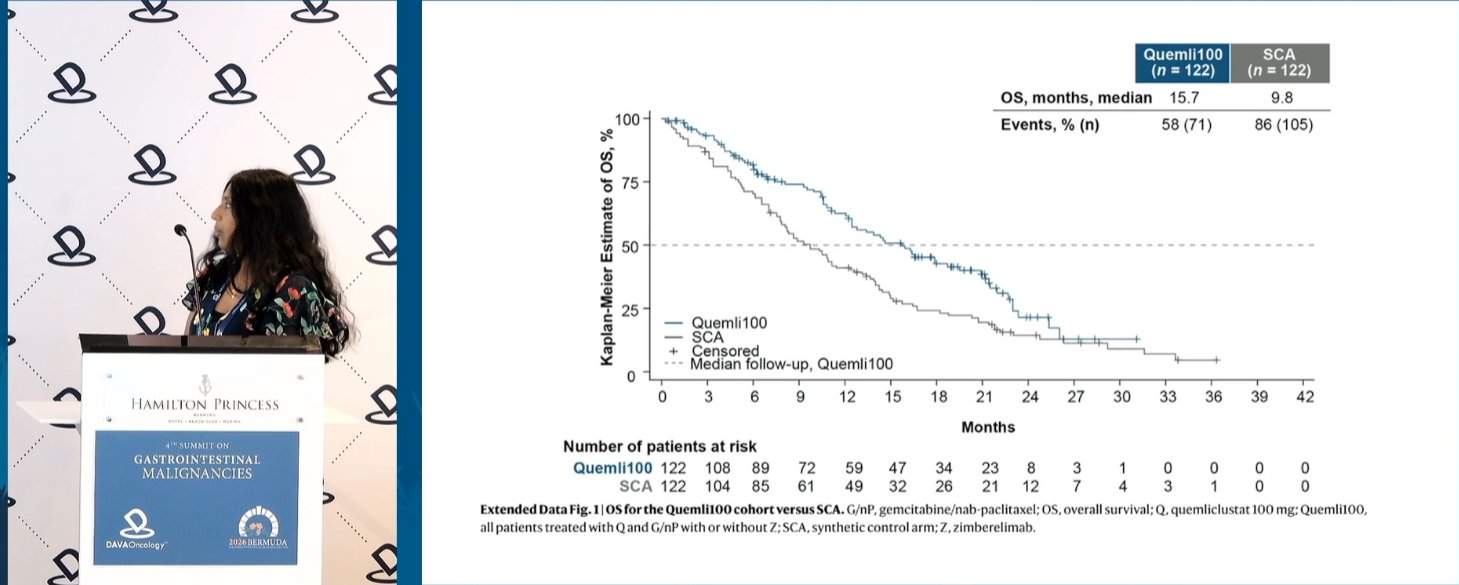
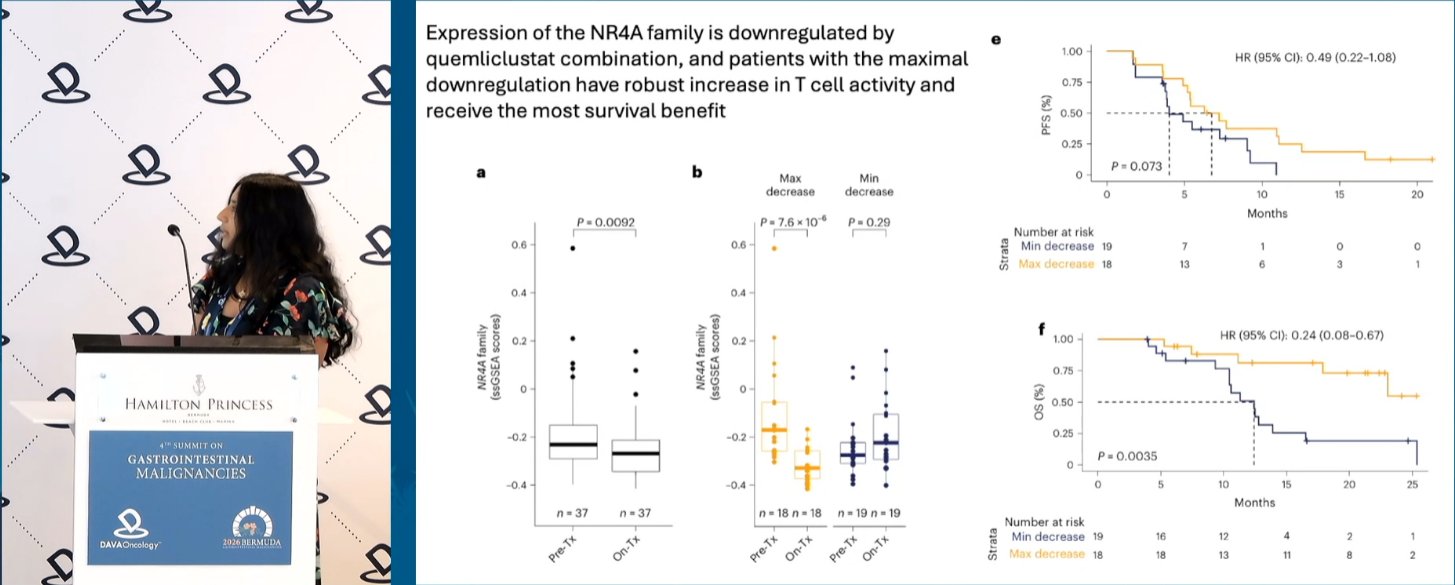
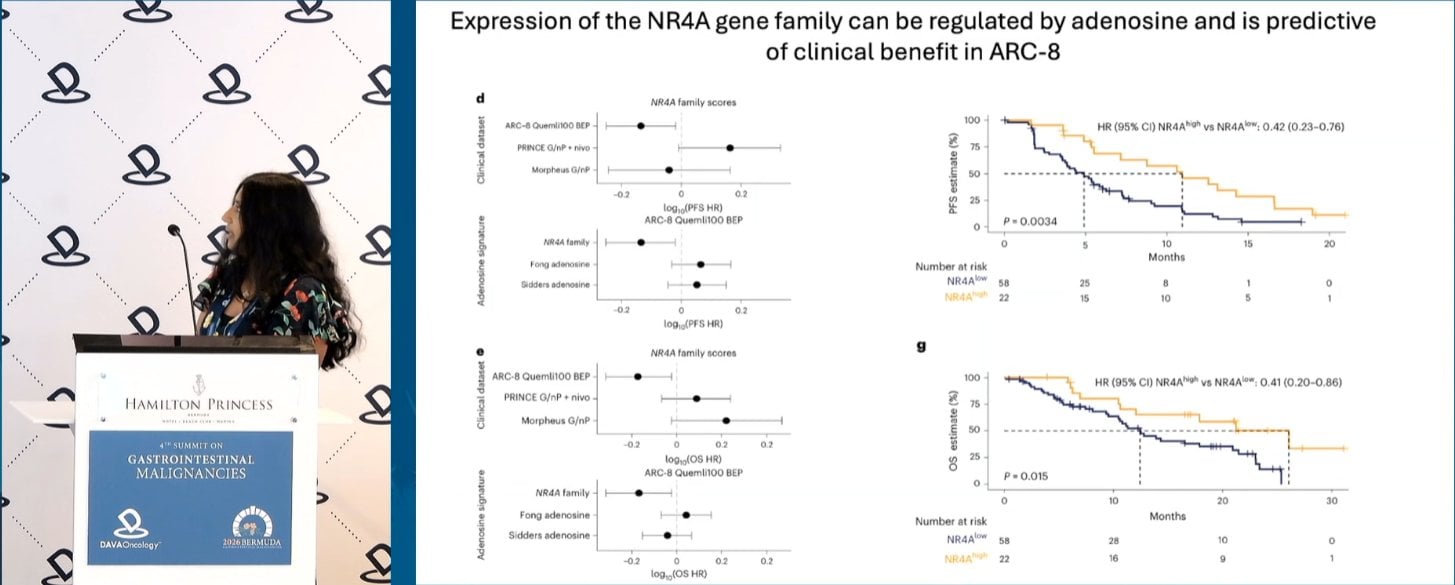
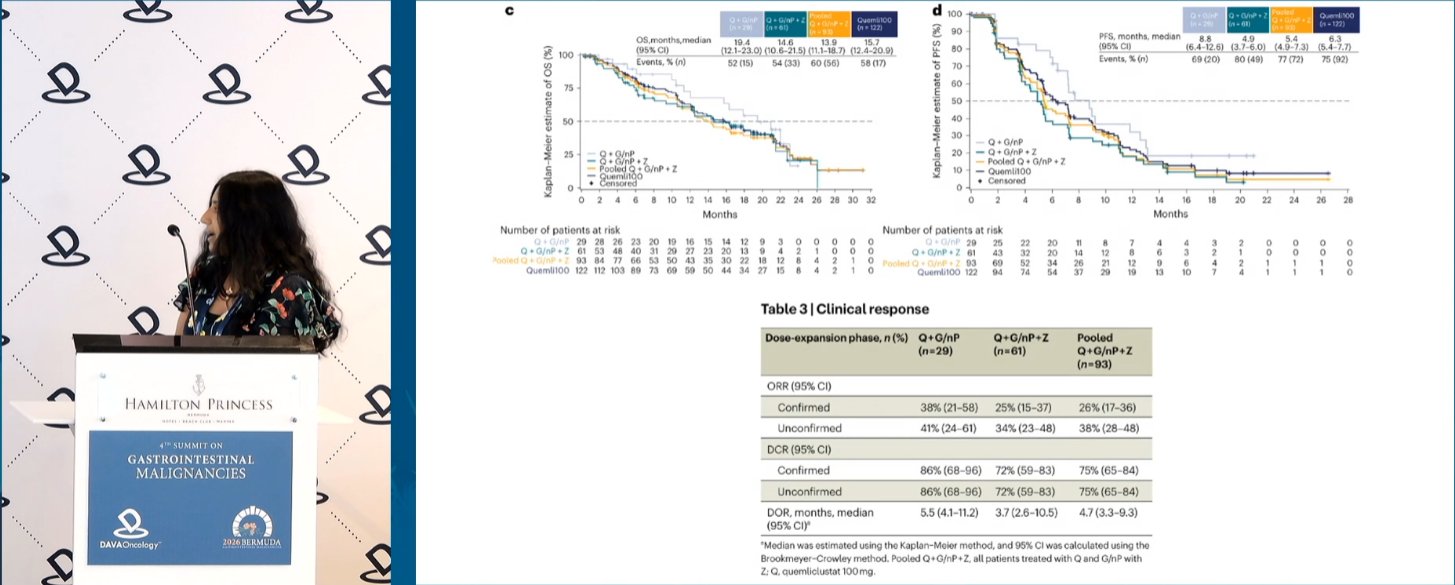
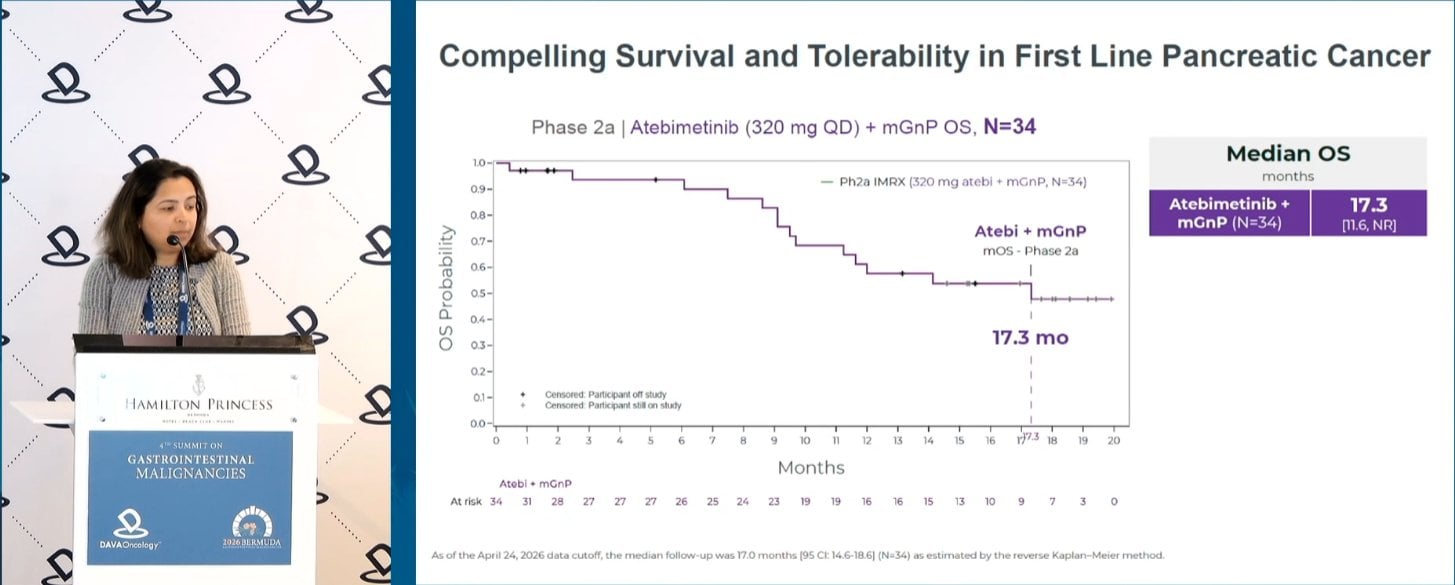
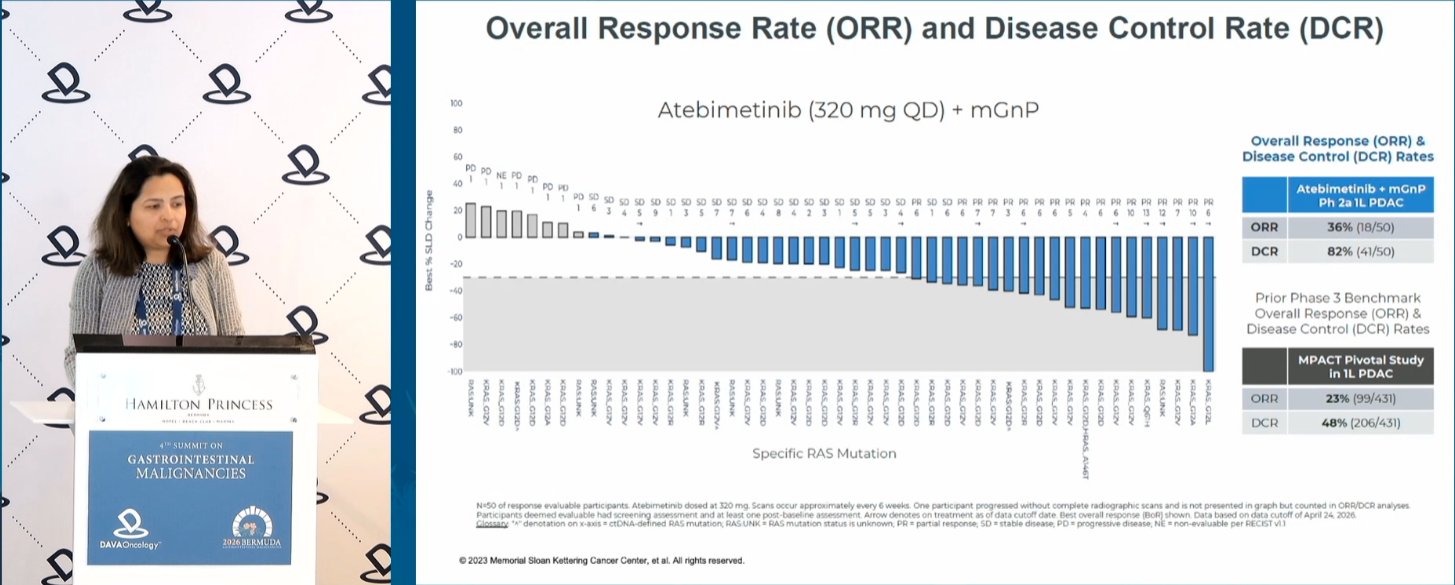
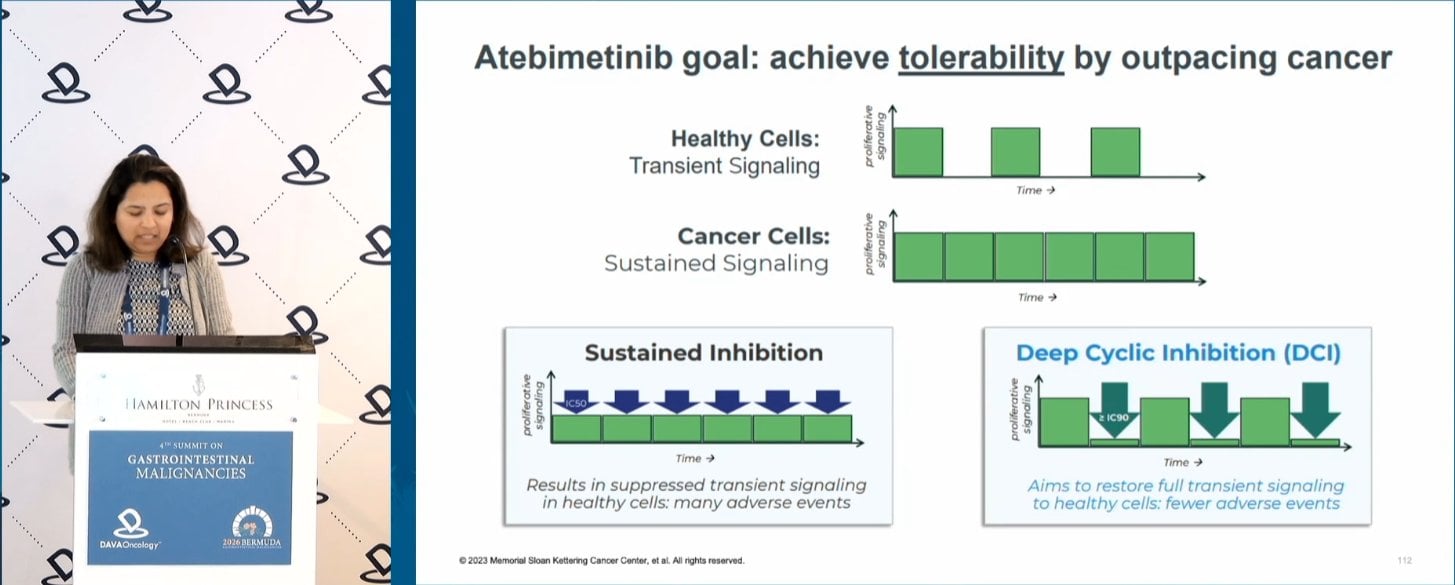
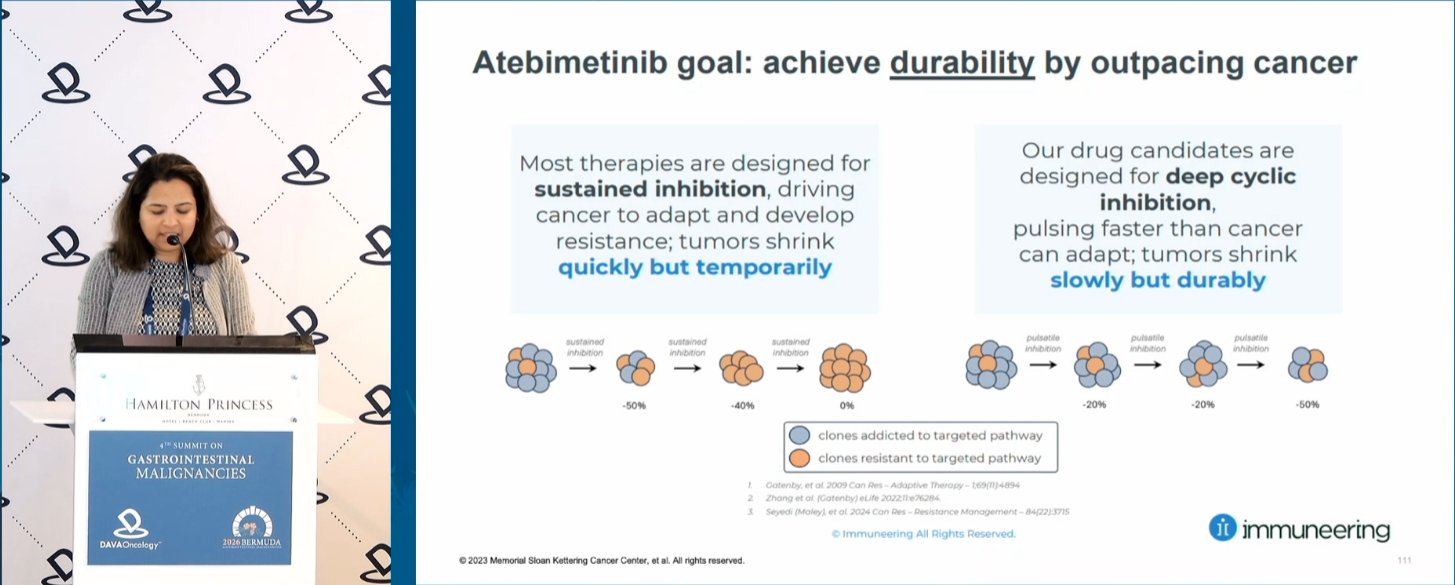
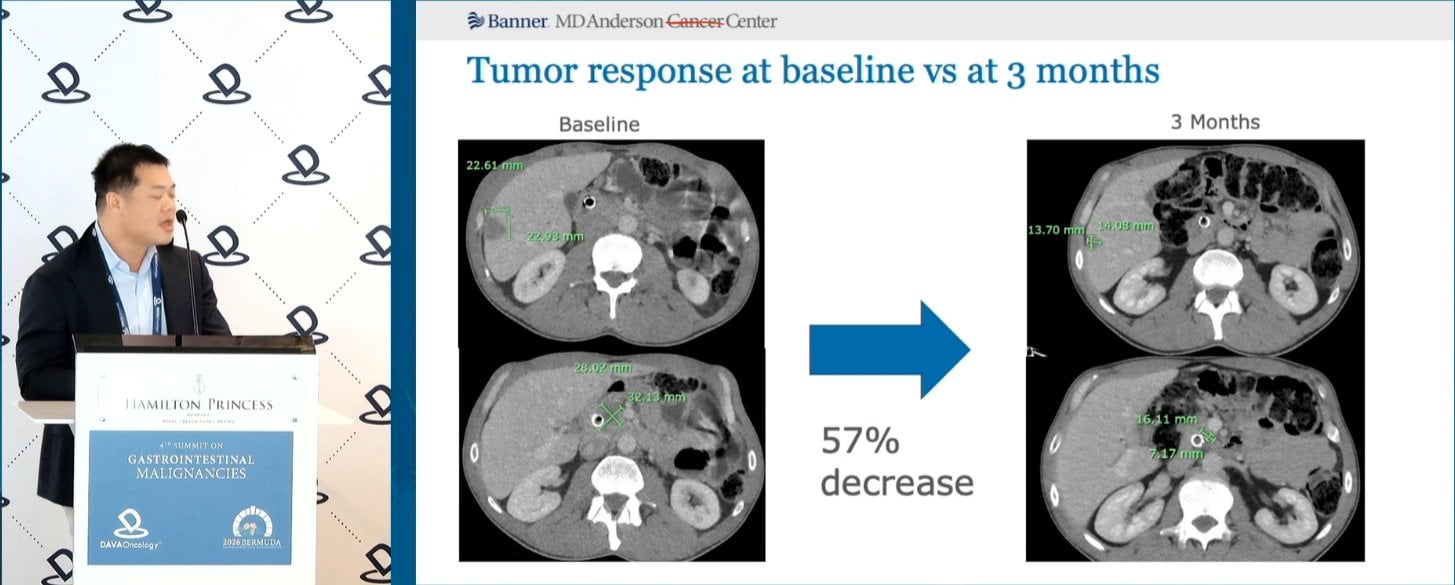
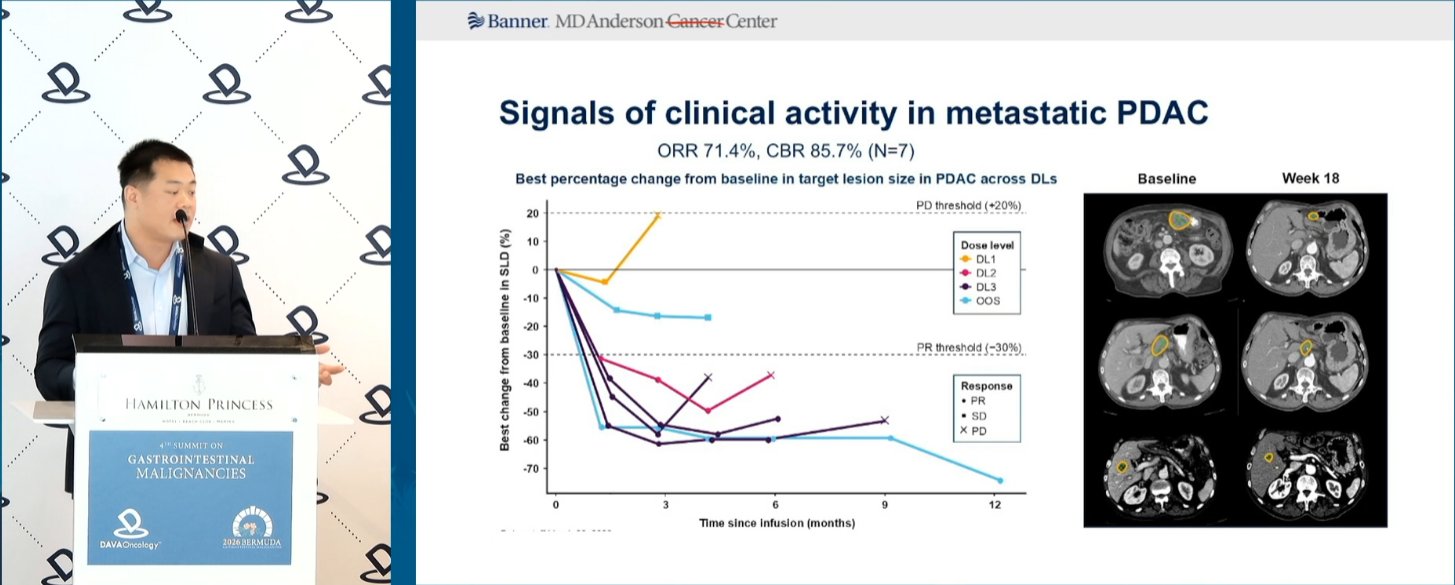
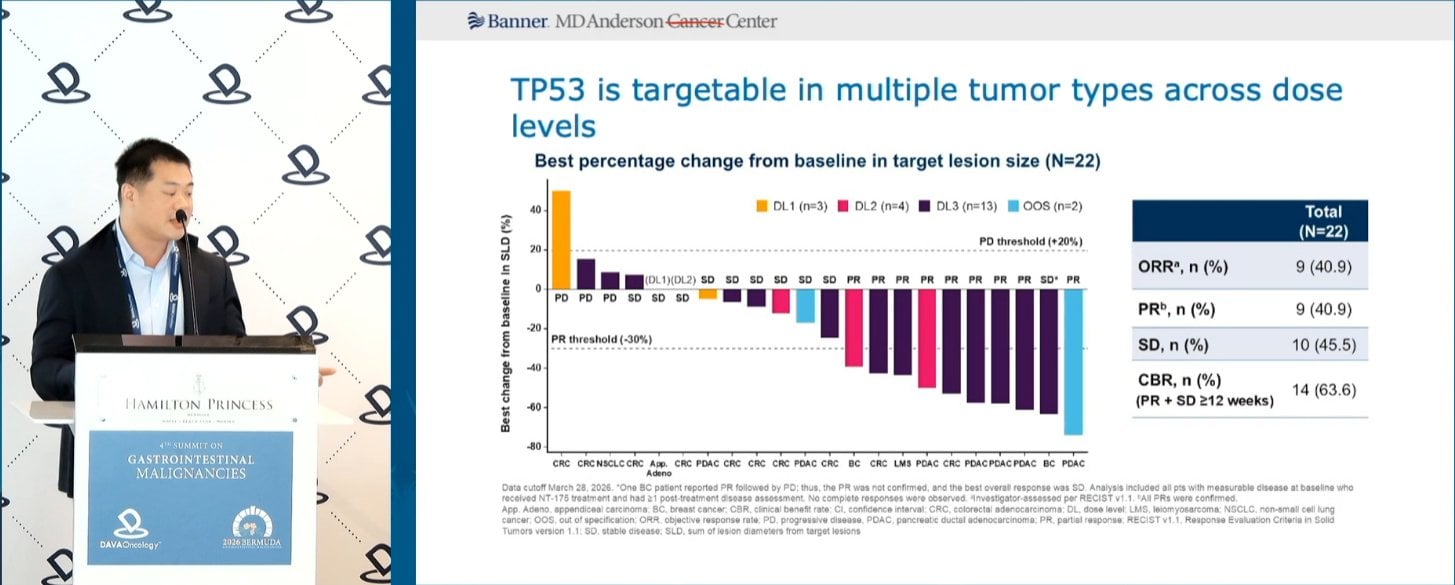
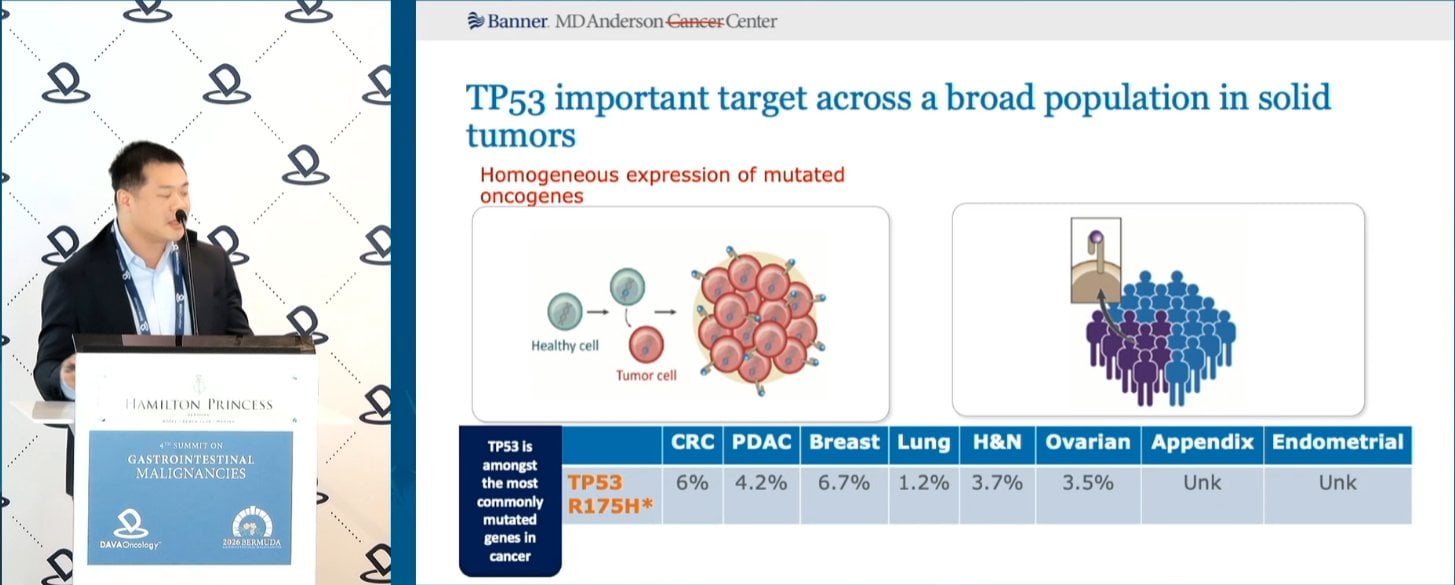
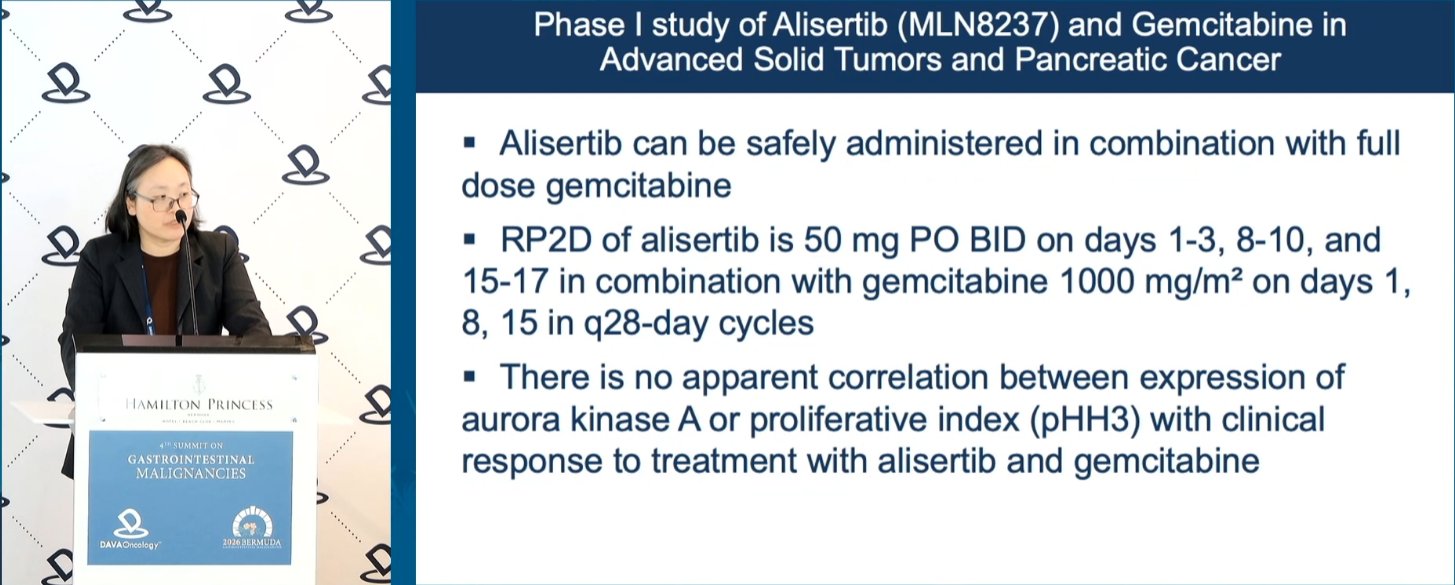
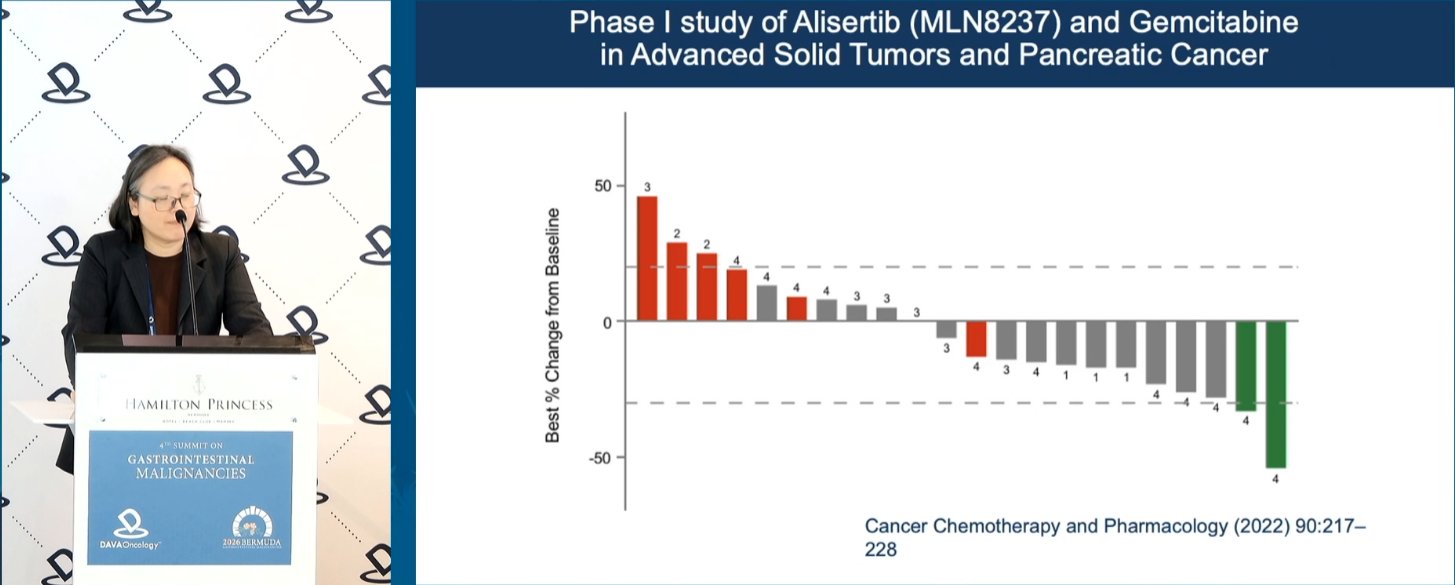
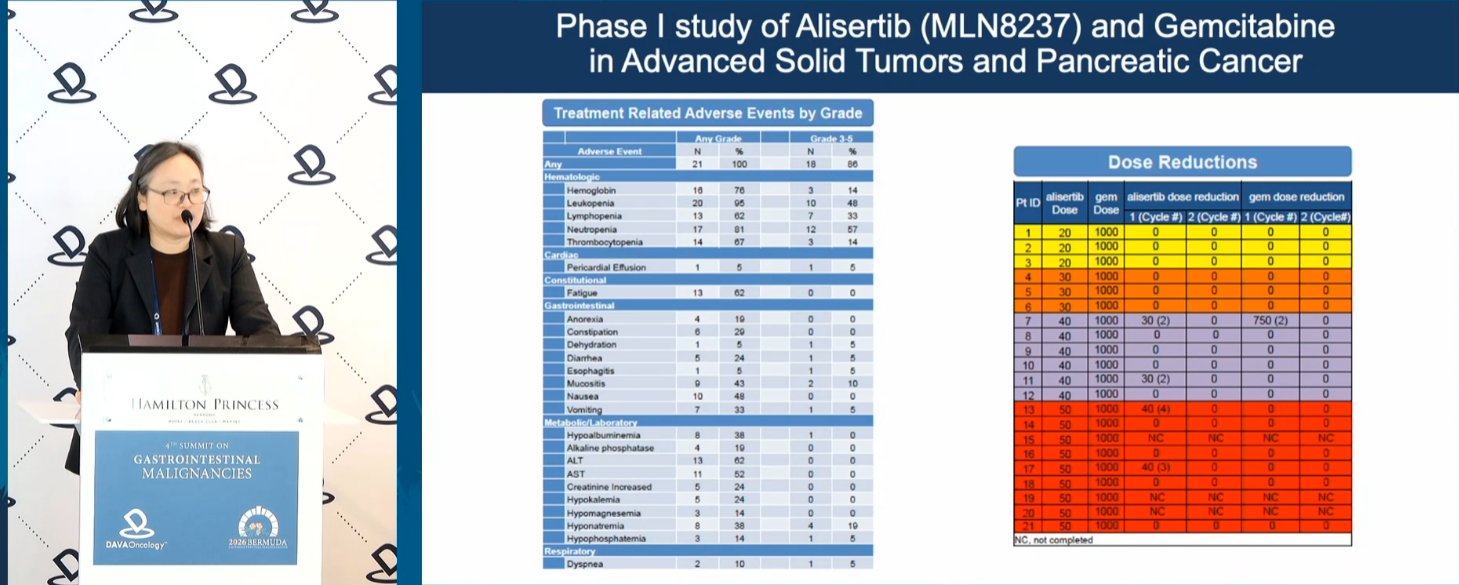
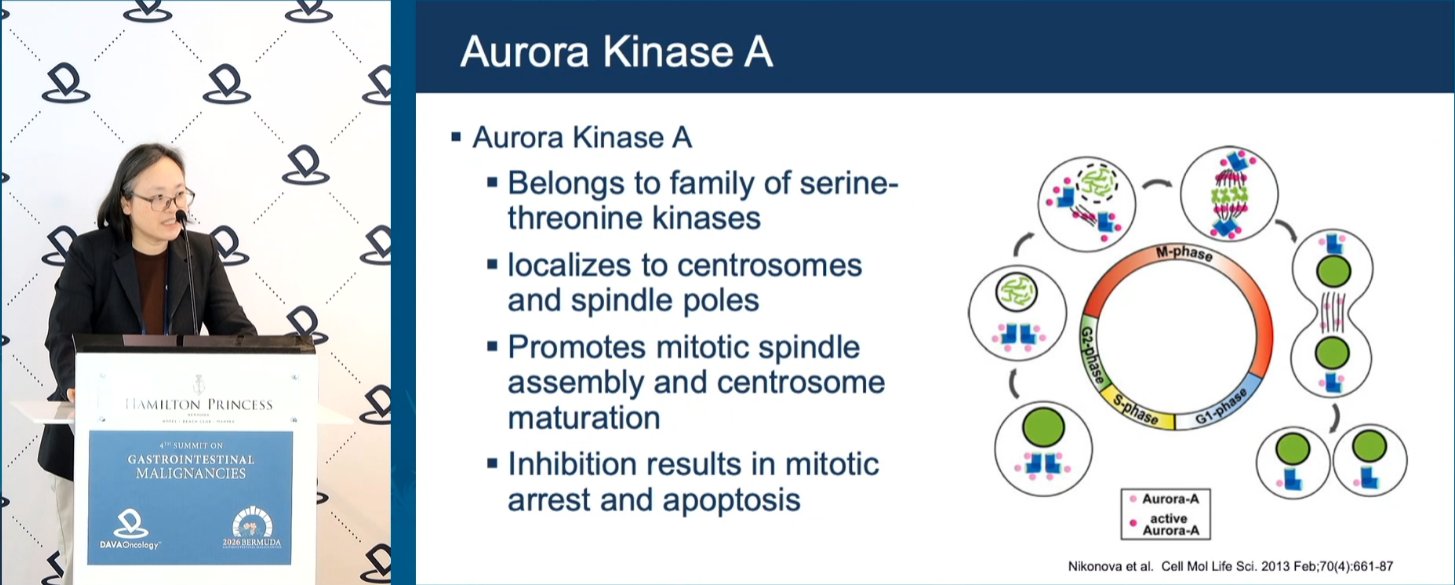
![Bermuda GI 2026 slide — [Slide A — MATTERHORN study design] MATTERHORN is a global, Phase 3, randomised, double-blind, placebo-control](https://kolpulse.com/hubfs/conference-slides/davagi26/t10_s1.jpg)
![Bermuda GI 2026 slide — [Slide A — HERIZON-GEA-01 Study Design] Global phase 3 trial of zanidatamab + chemotherapy ± tislelizumab vs t](https://kolpulse.com/hubfs/conference-slides/davagi26/t10_s2.jpg)
![Bermuda GI 2026 slide — [Slide A — DESTINY GASTRIC-04 Study Design] DESTINY-Gastric04: A Global, Multicenter, Randomized, Phase 3 Tria](https://kolpulse.com/hubfs/conference-slides/davagi26/t10_s3.jpg)
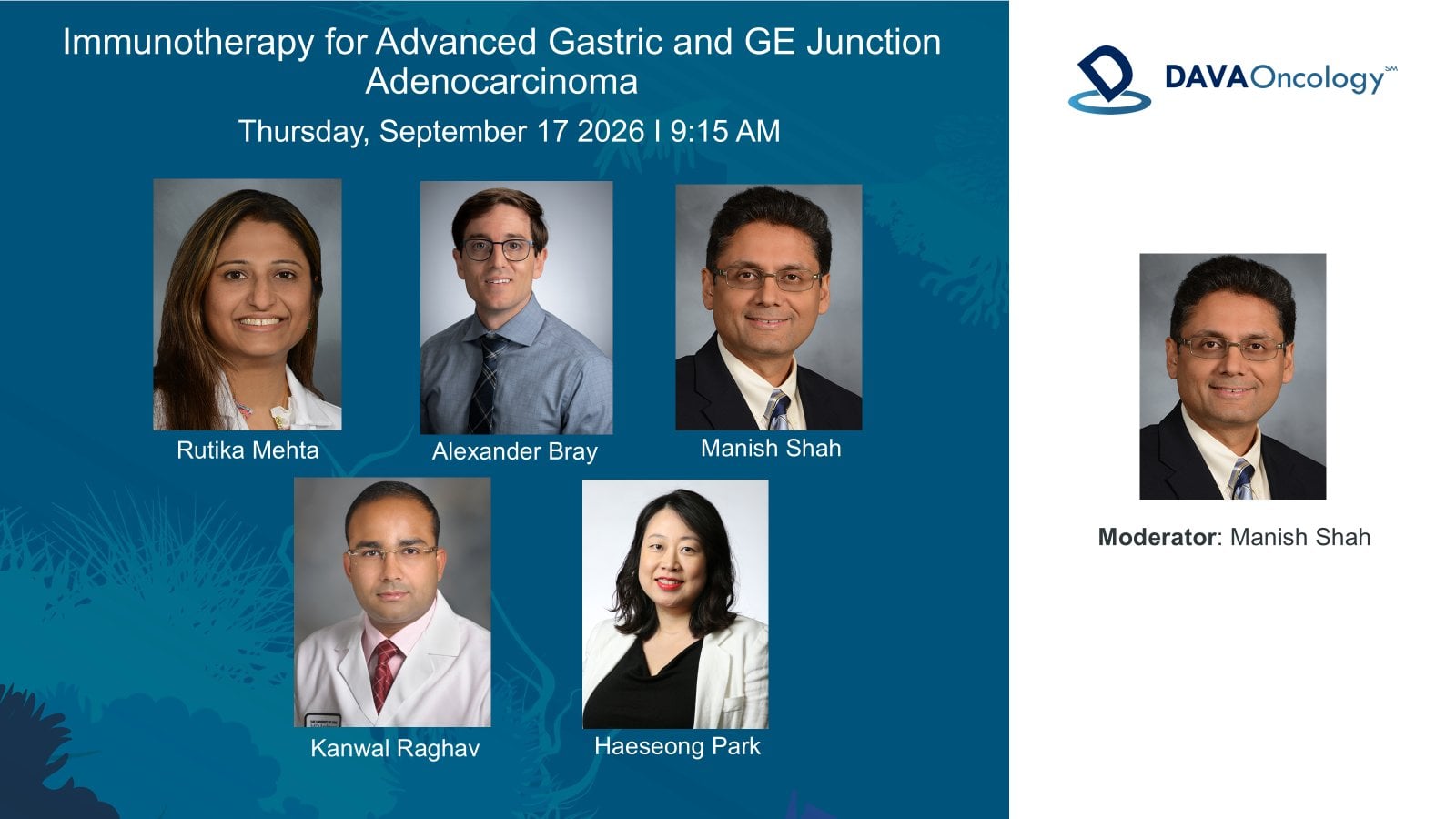
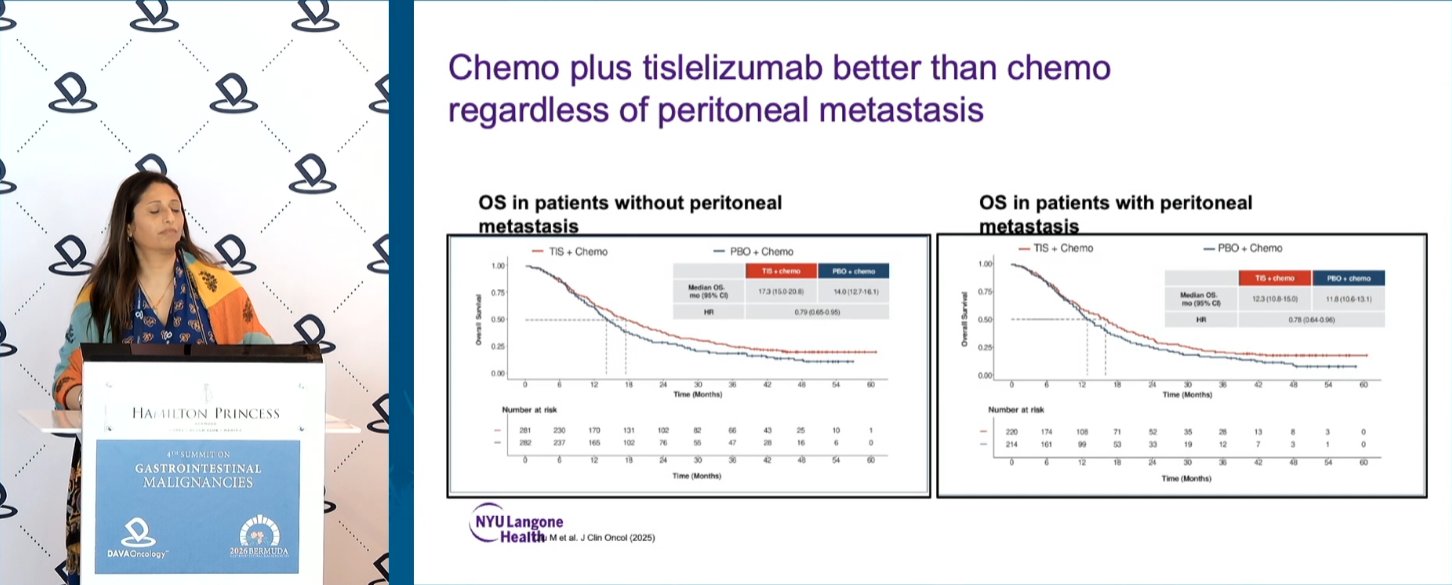
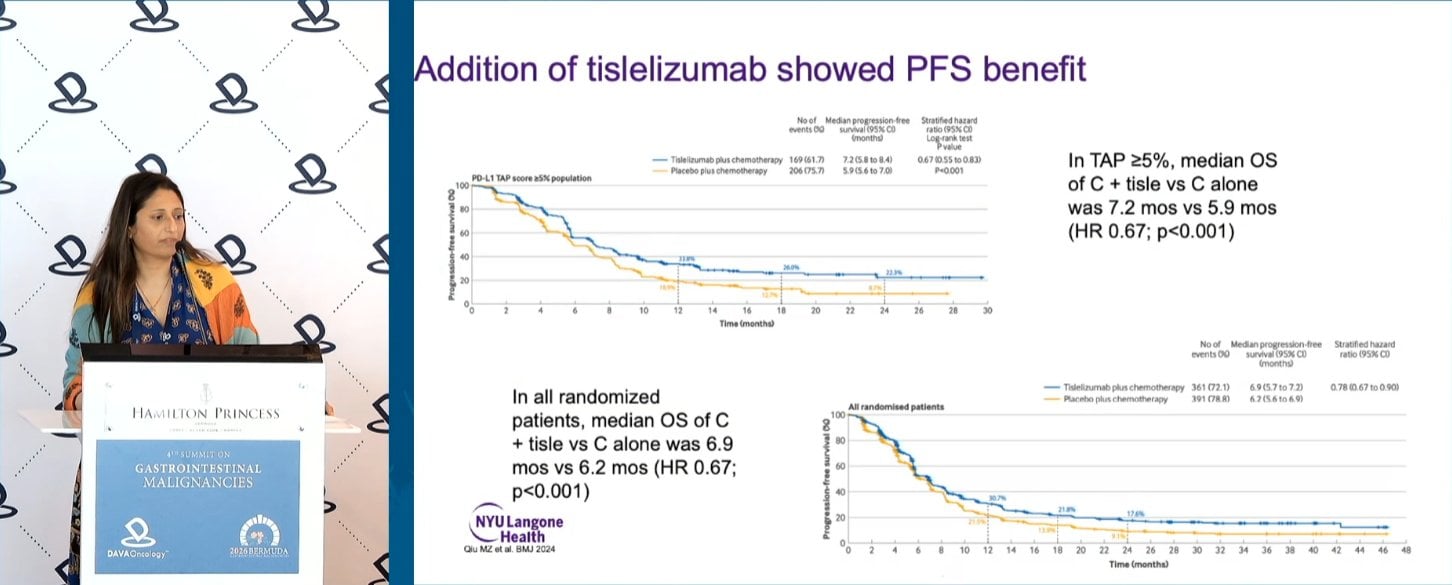
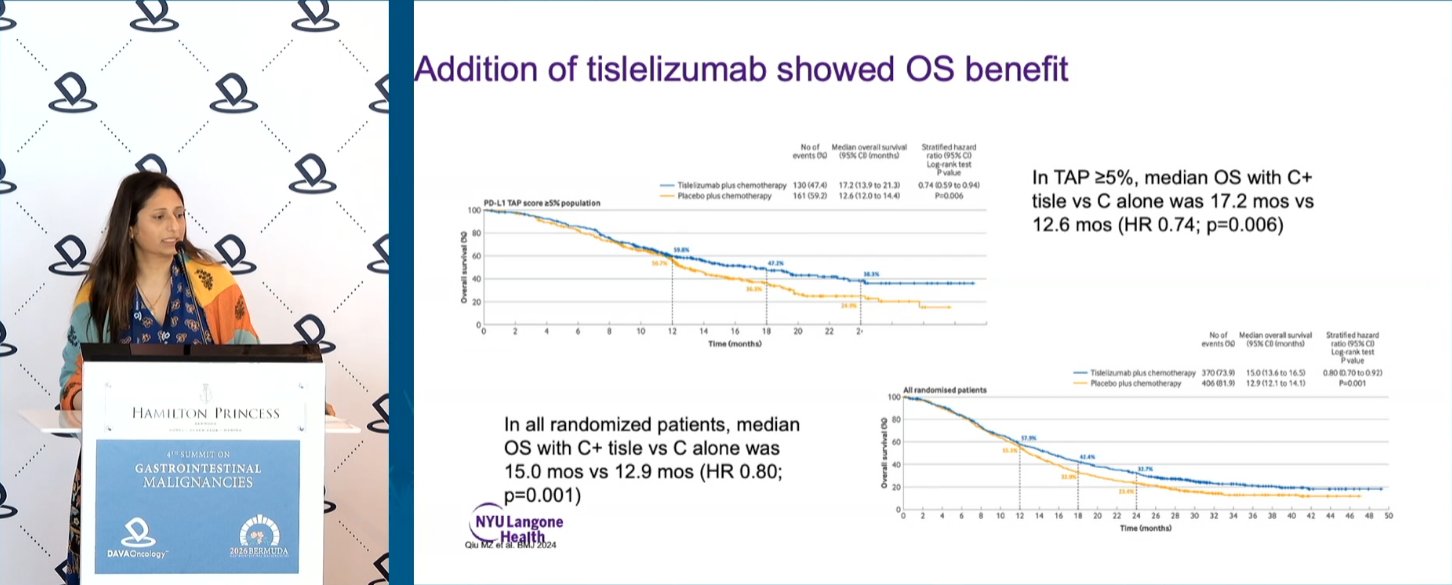
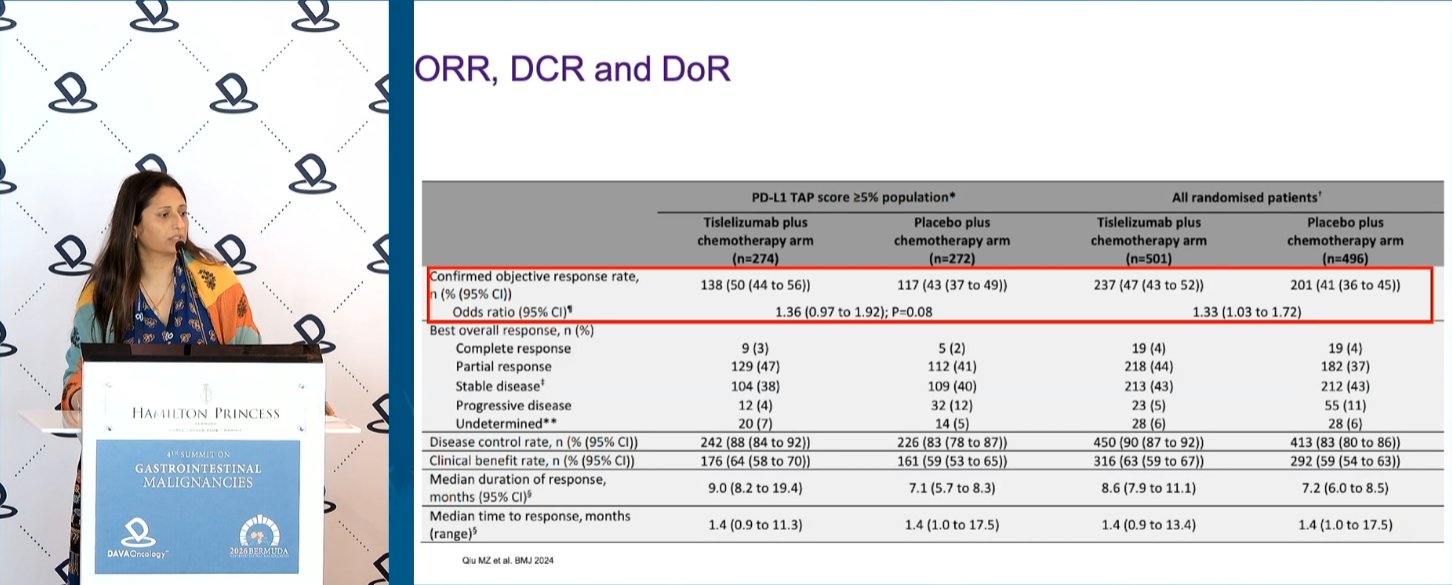
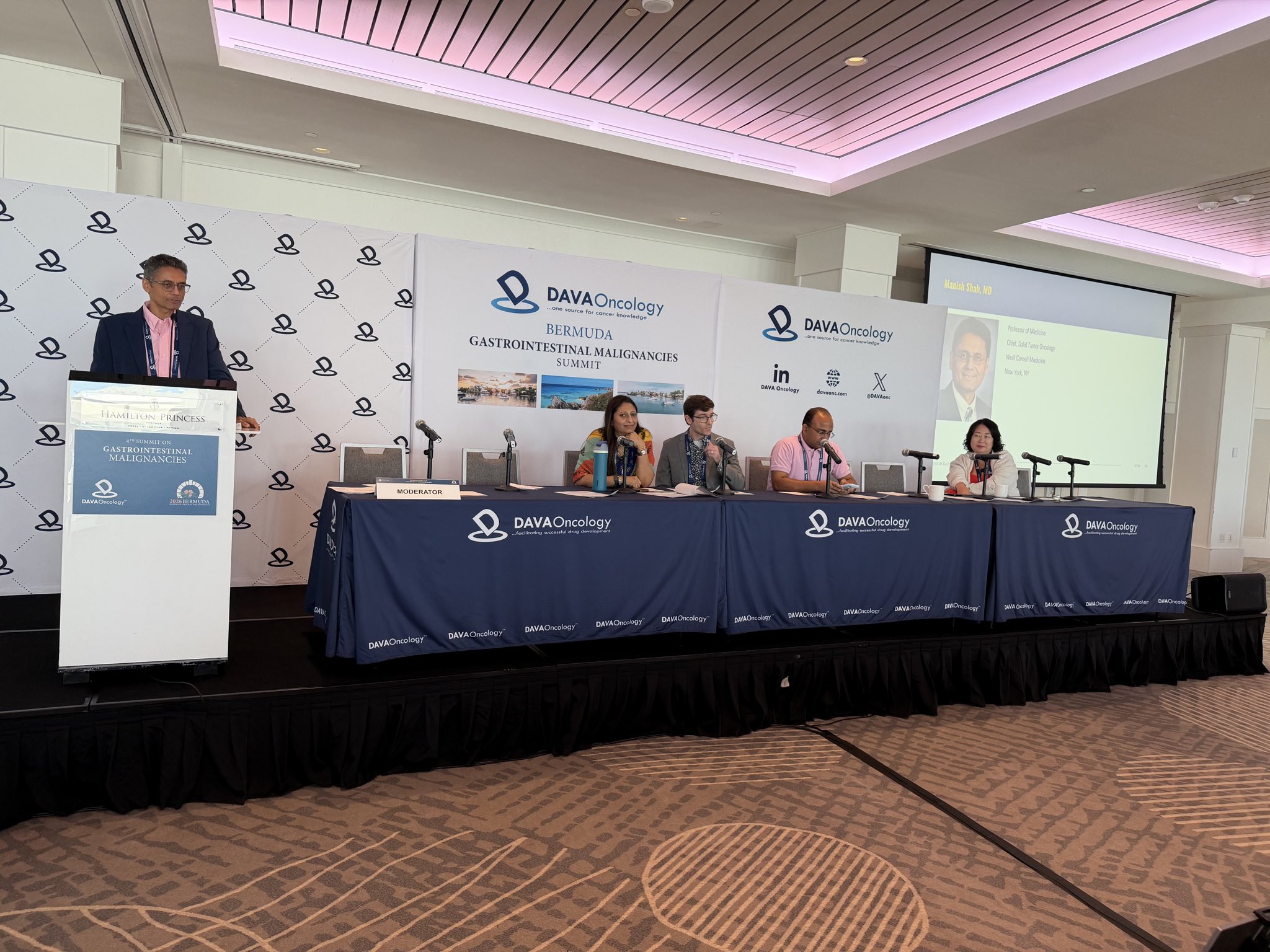
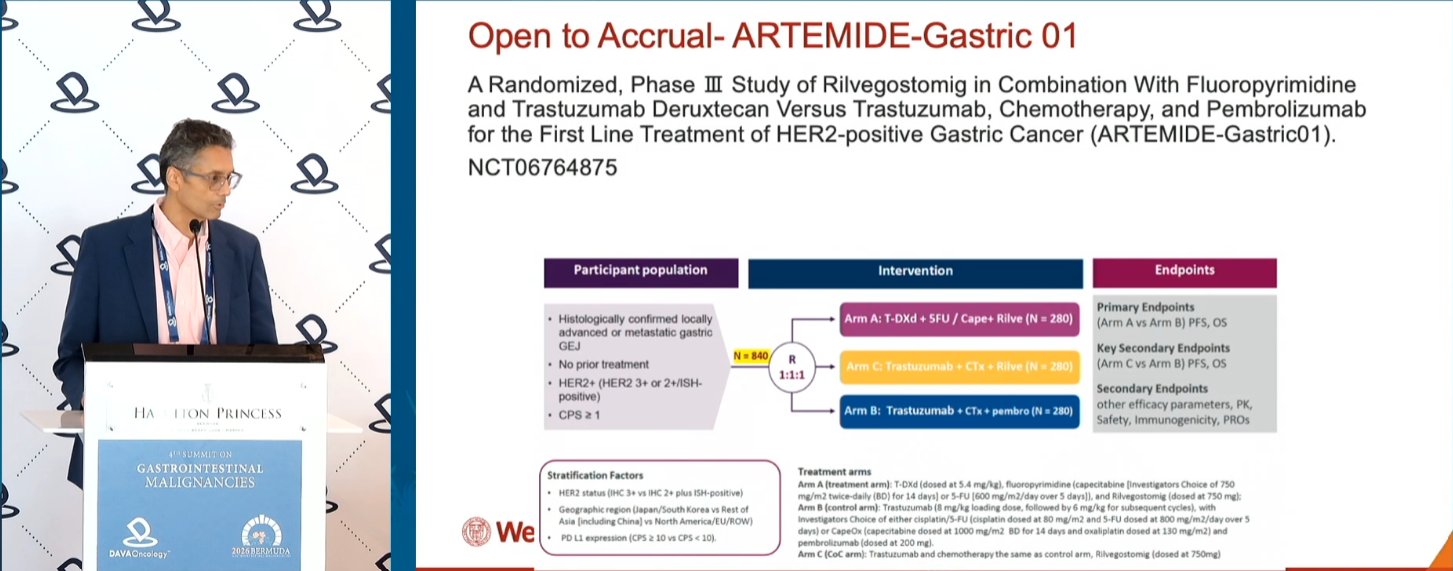
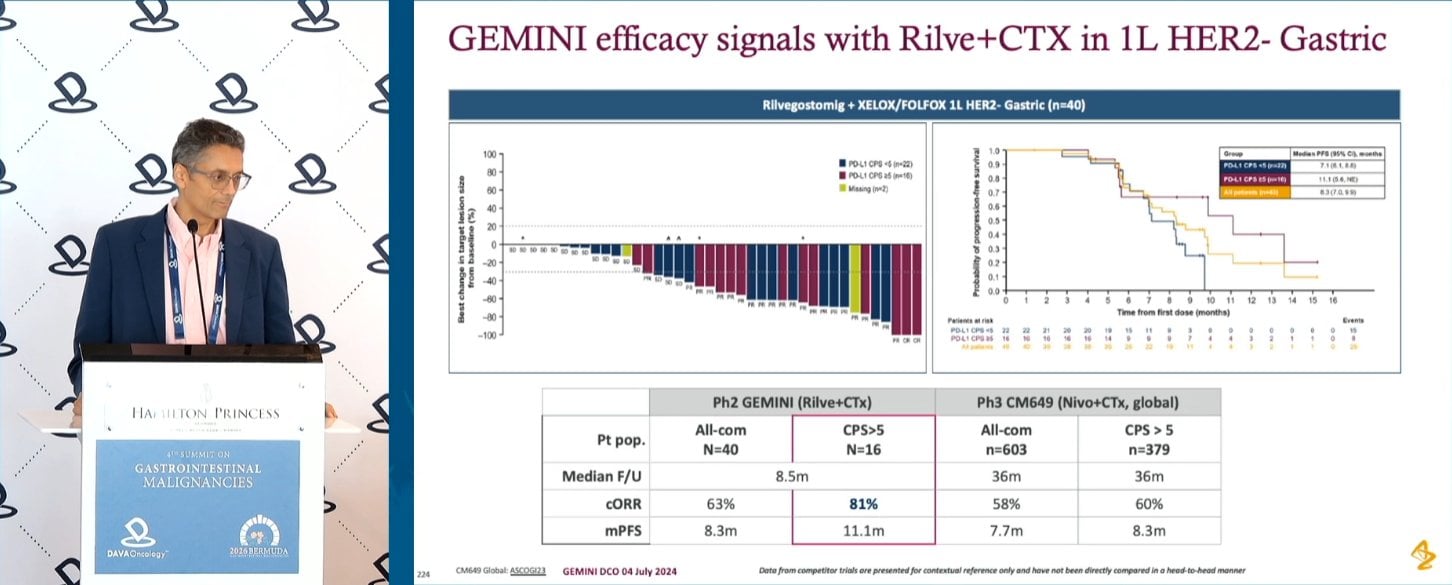
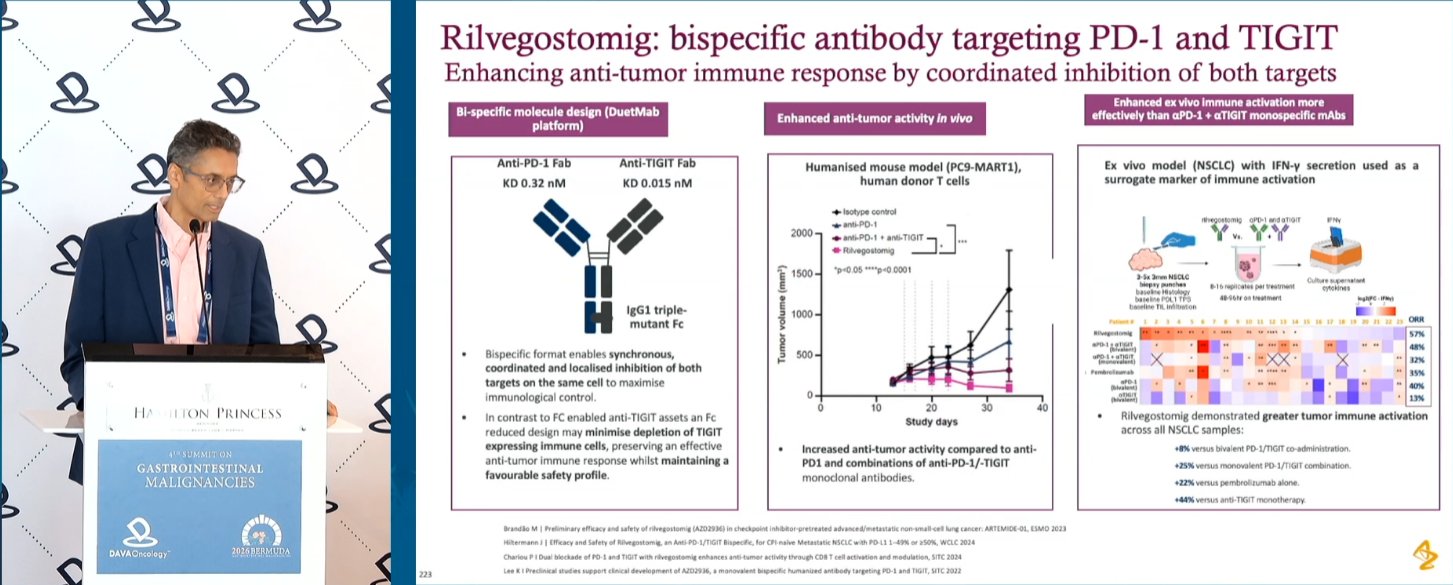
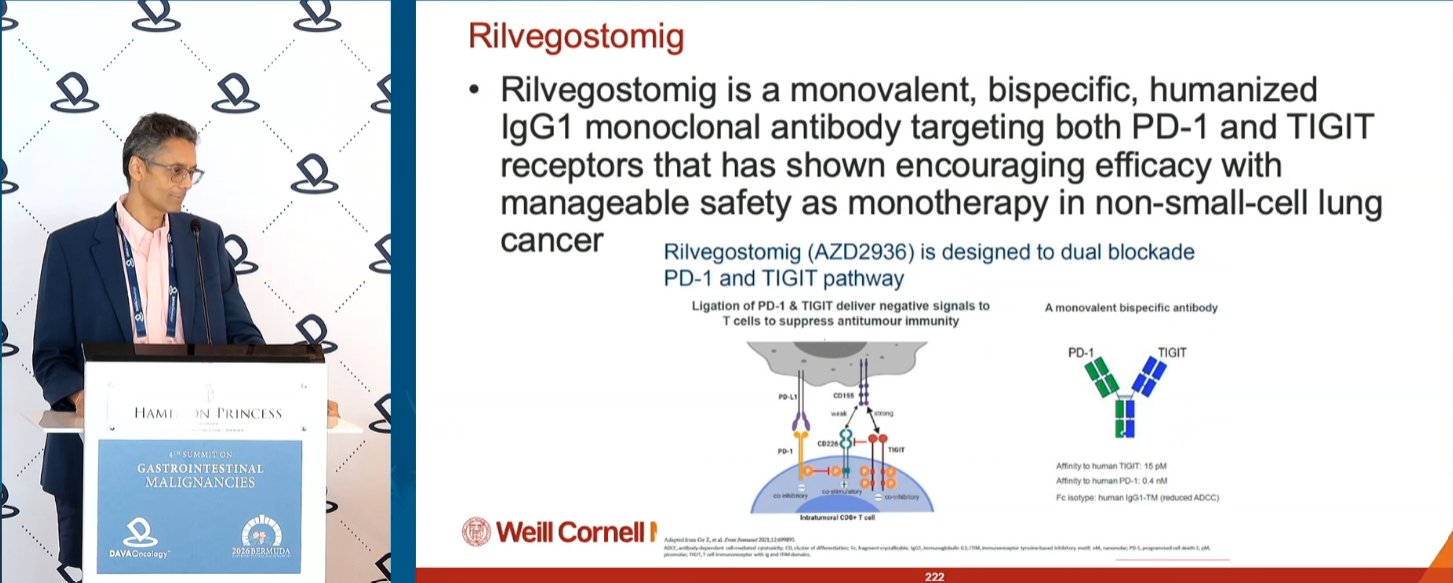
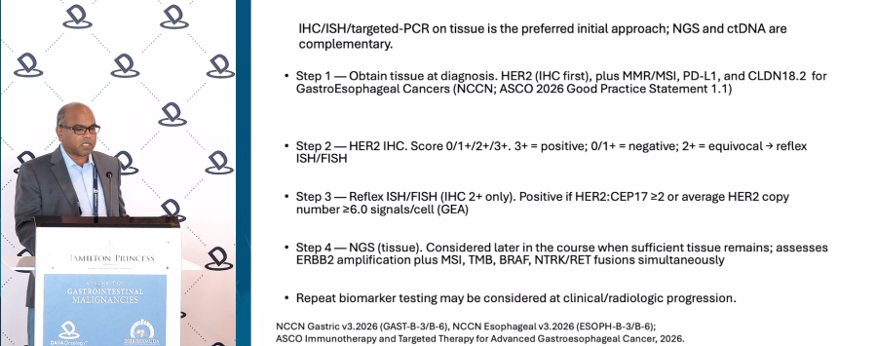
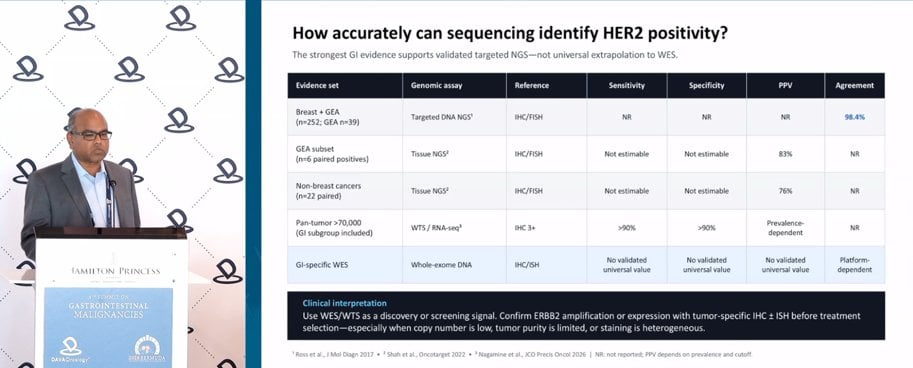
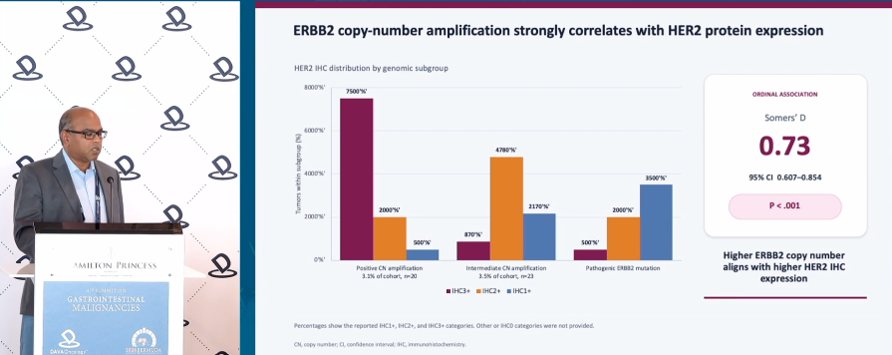
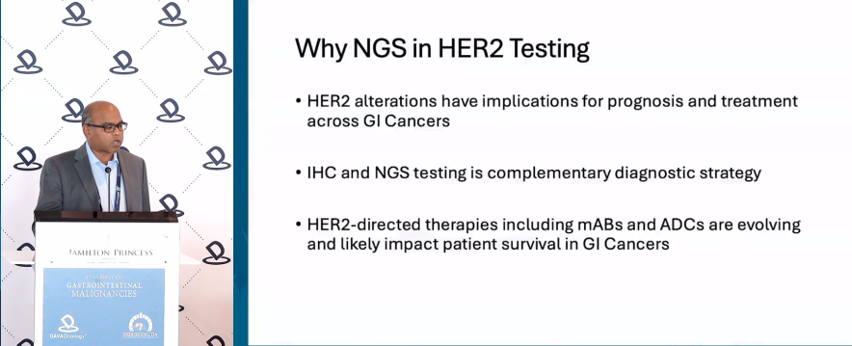
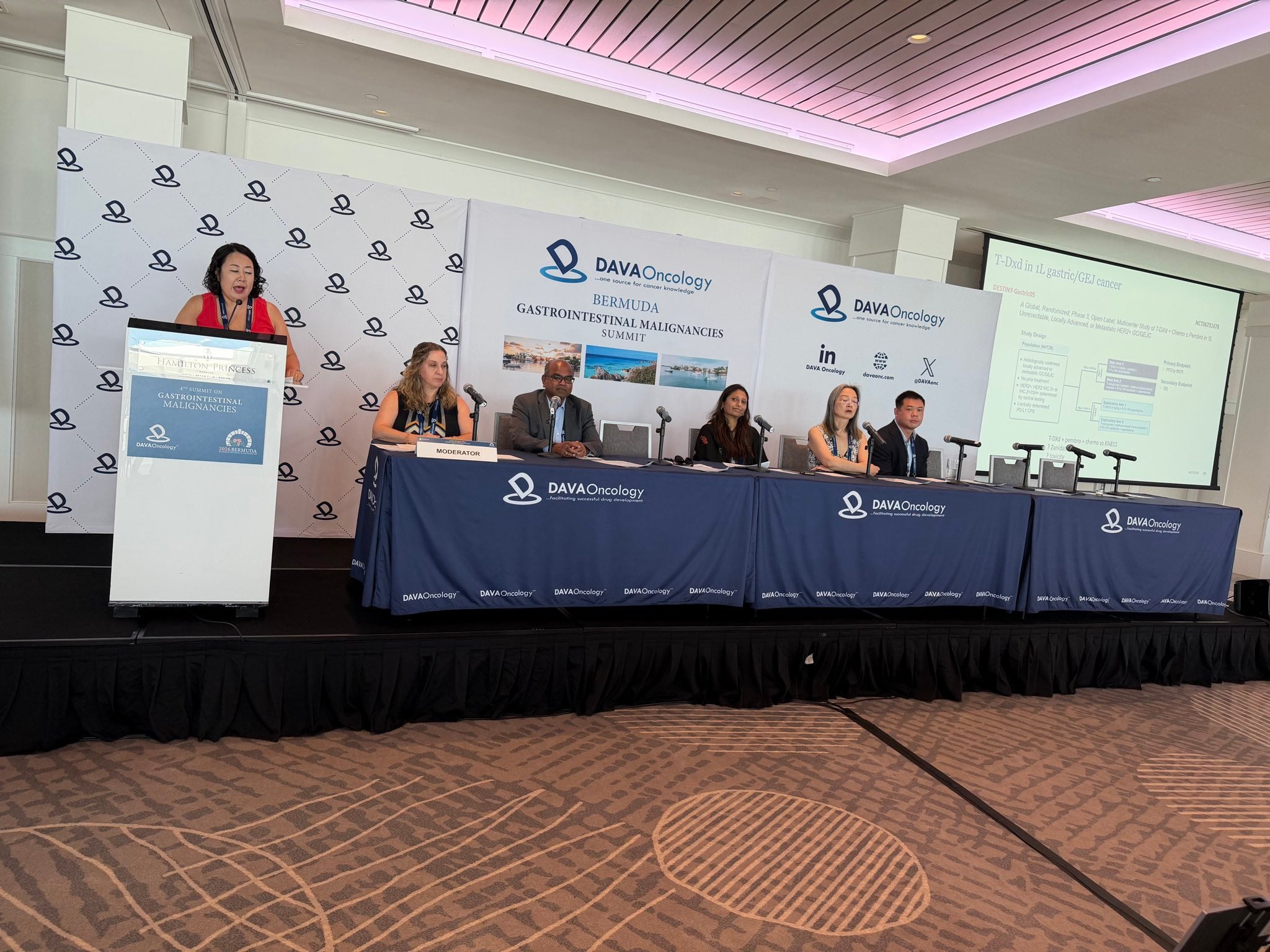
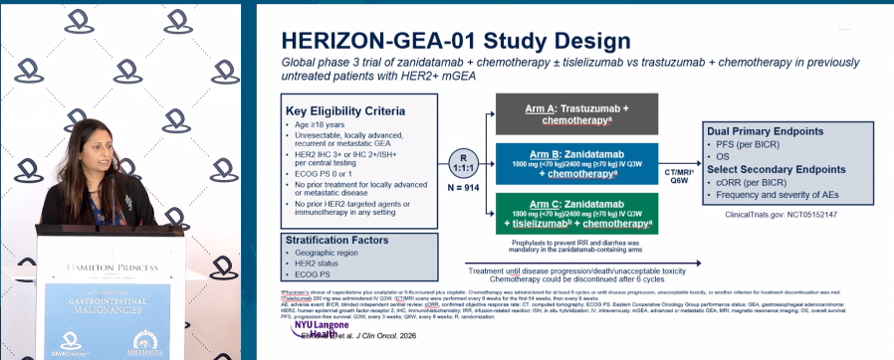
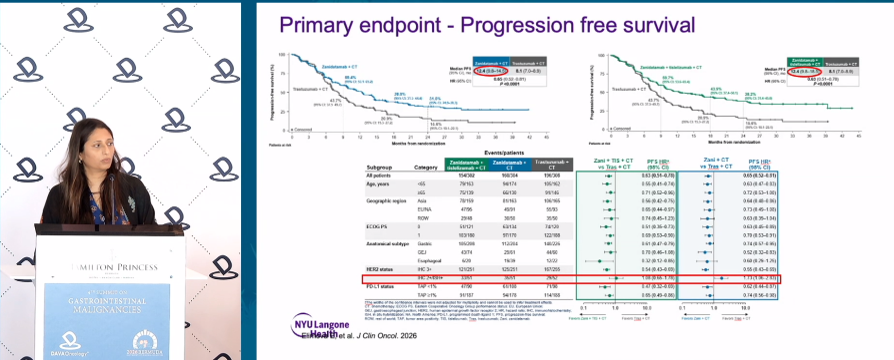
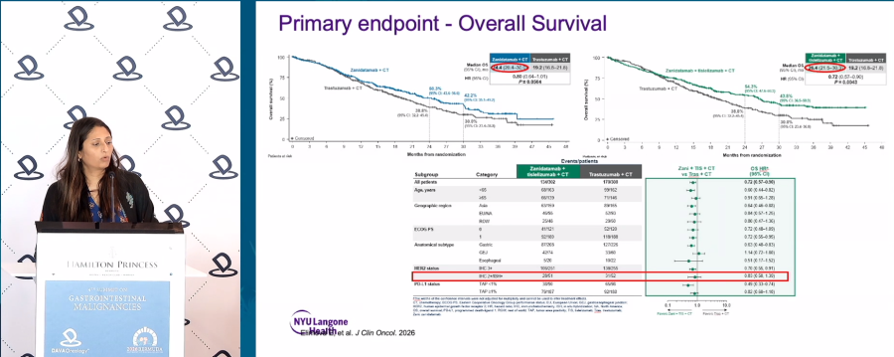
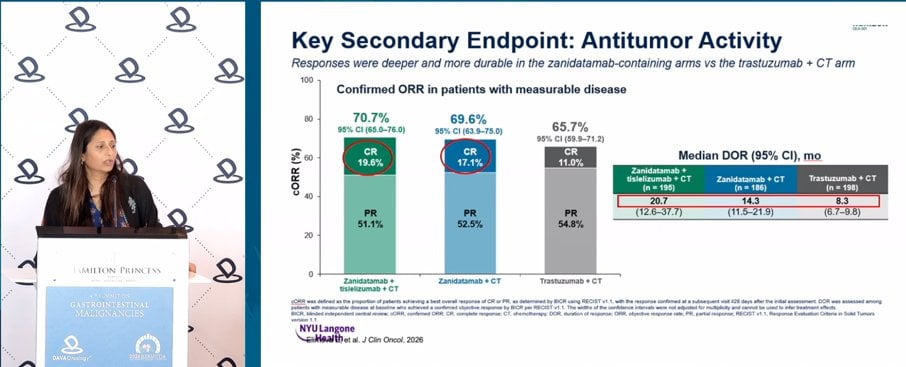
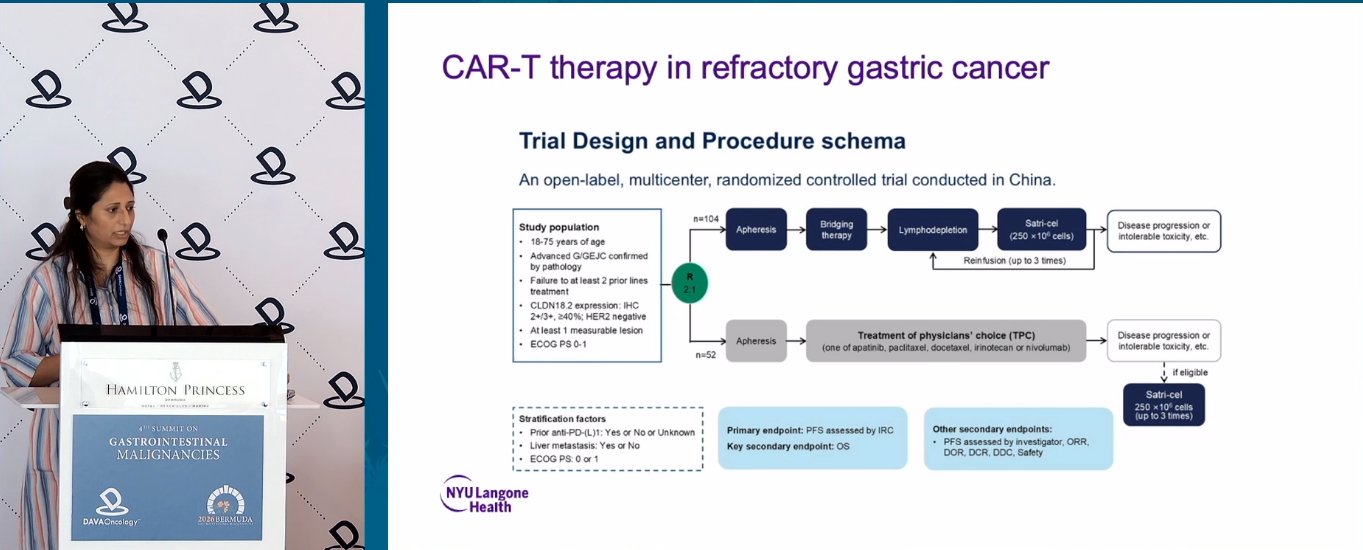
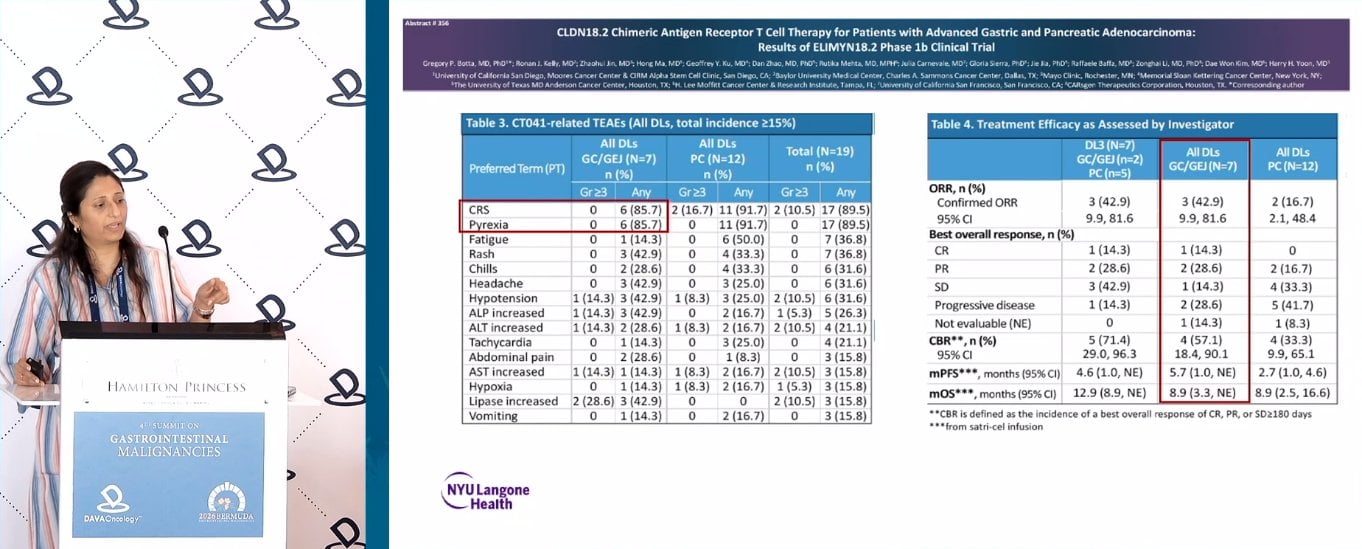
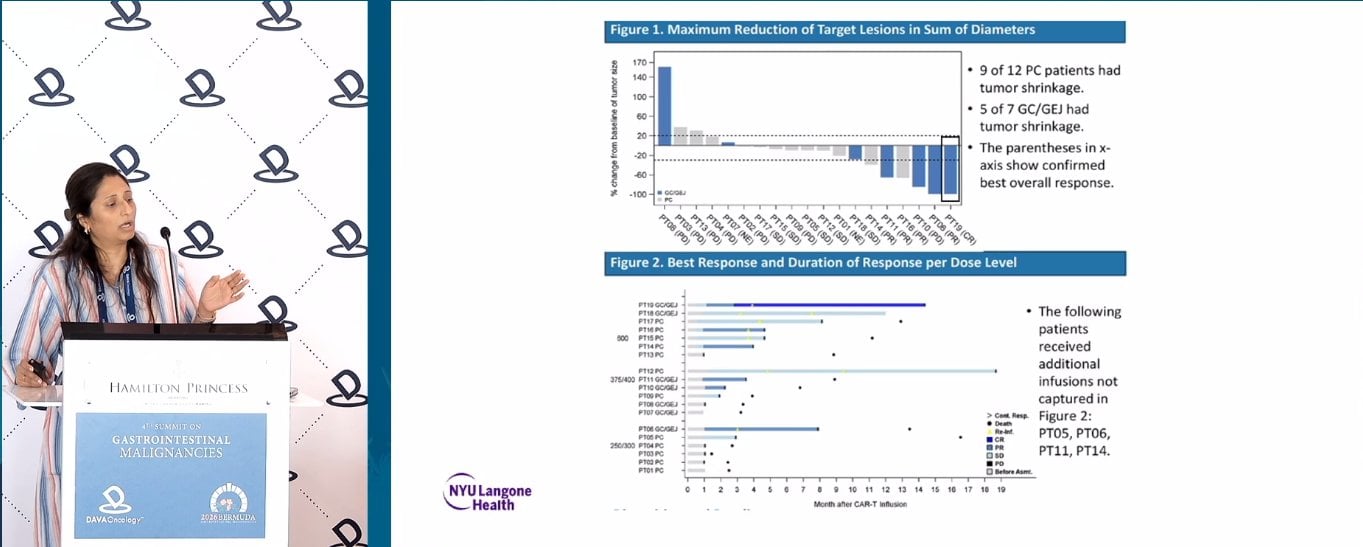
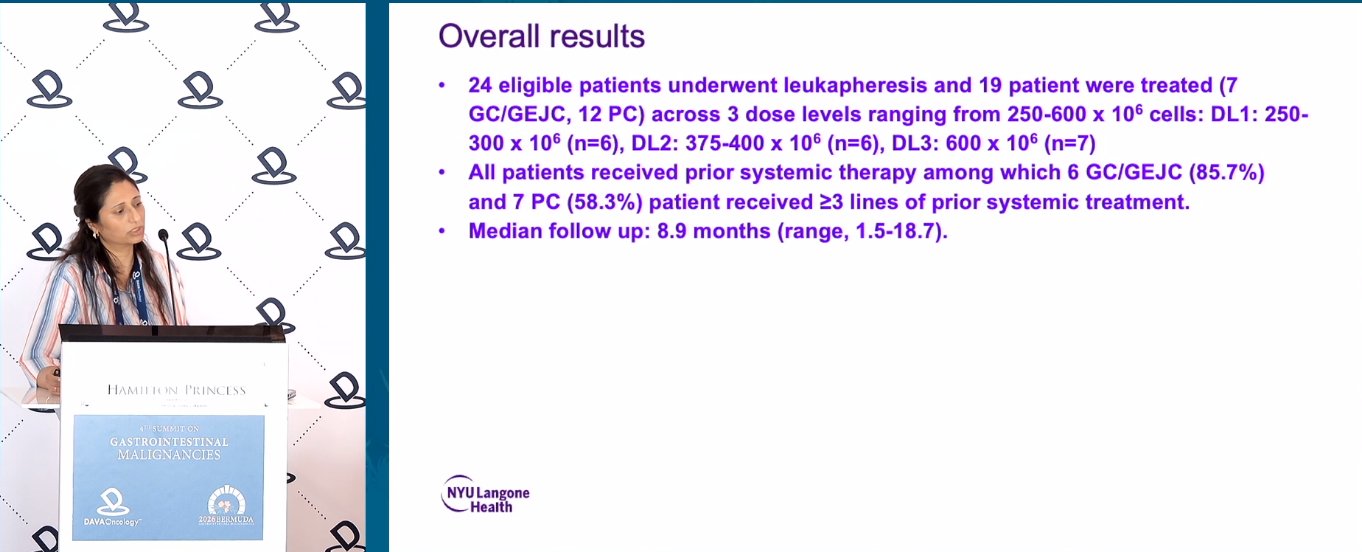
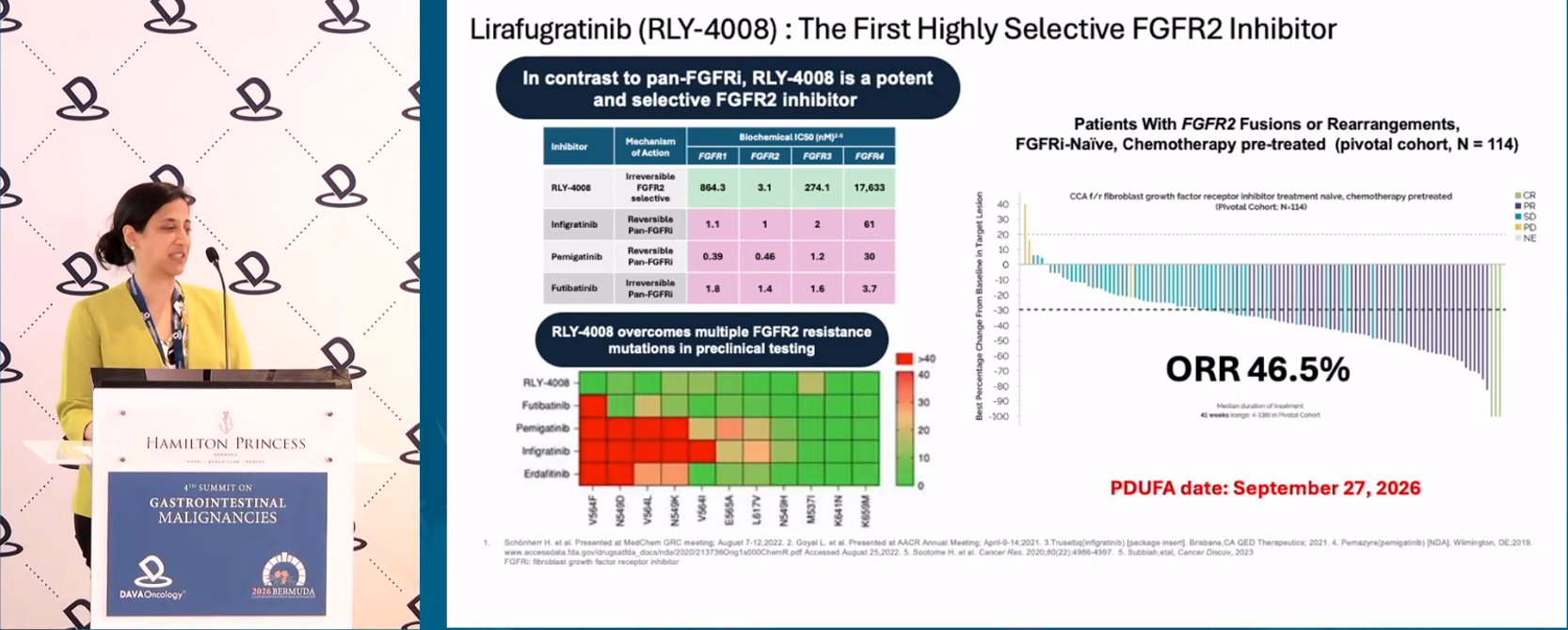
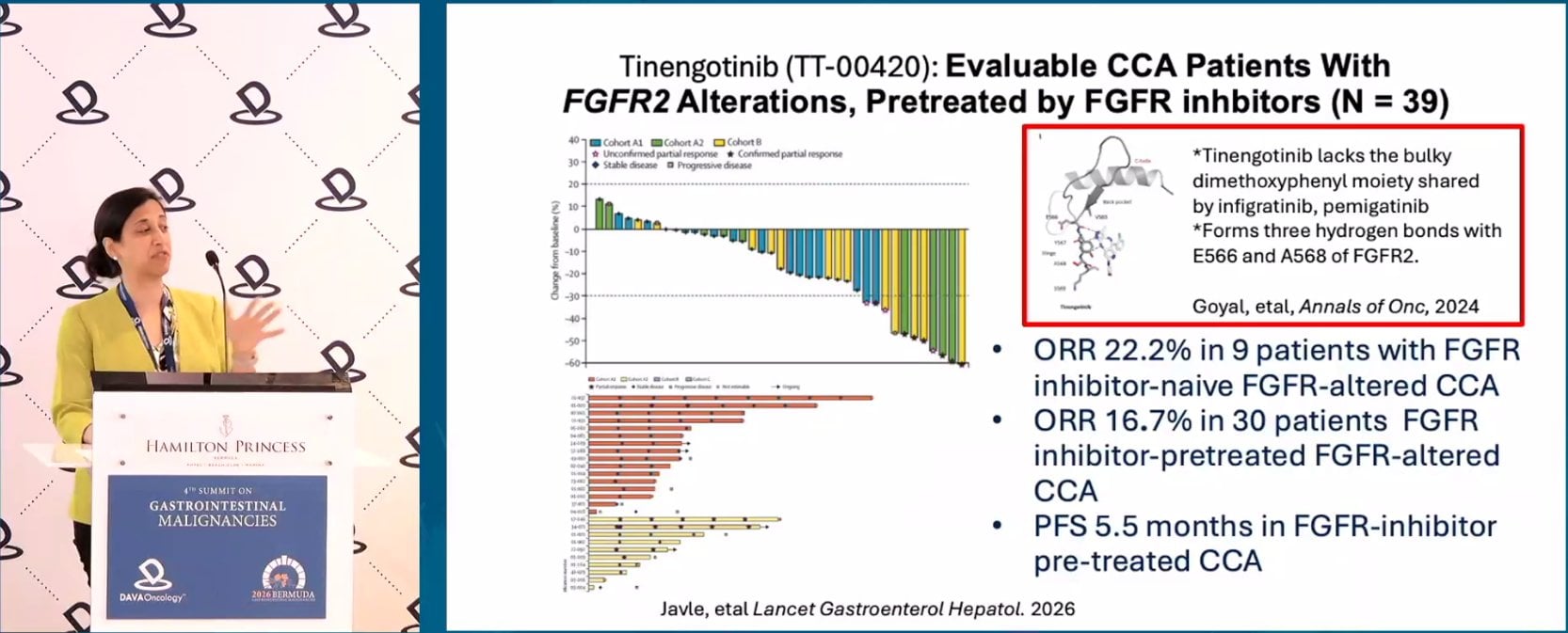
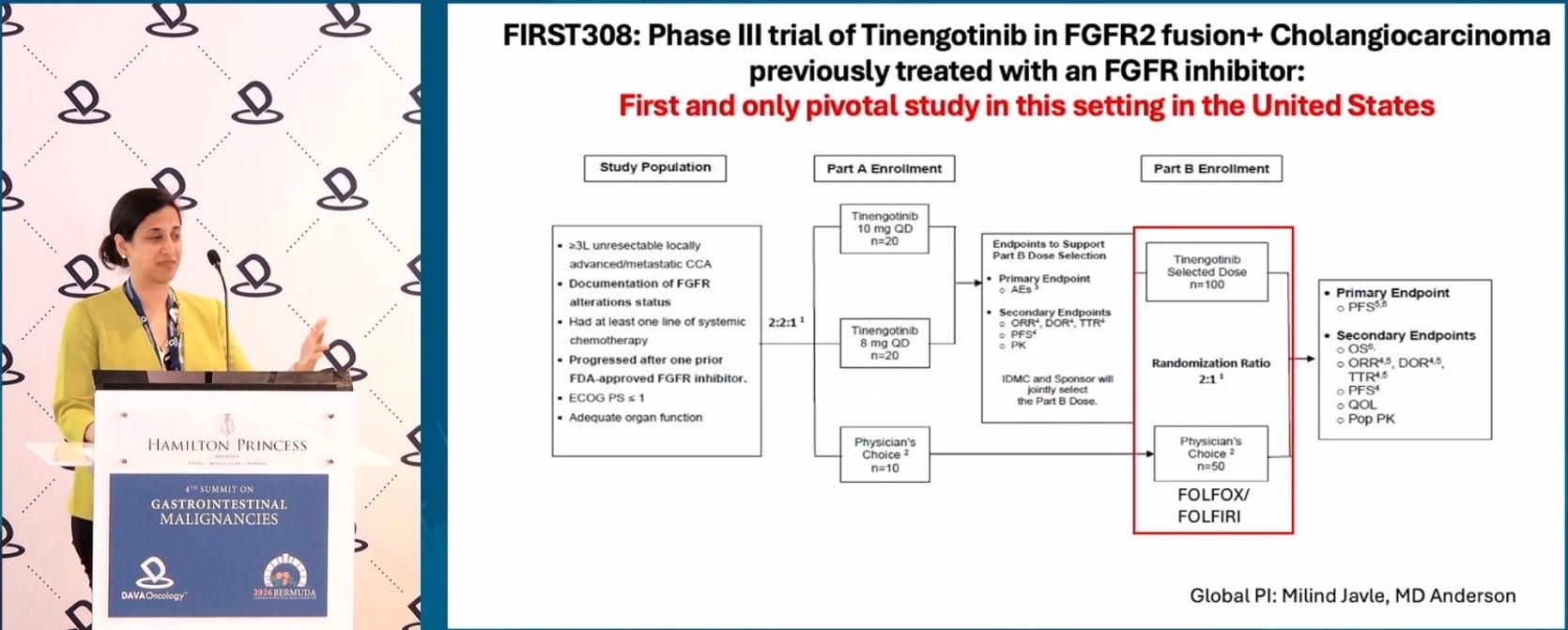
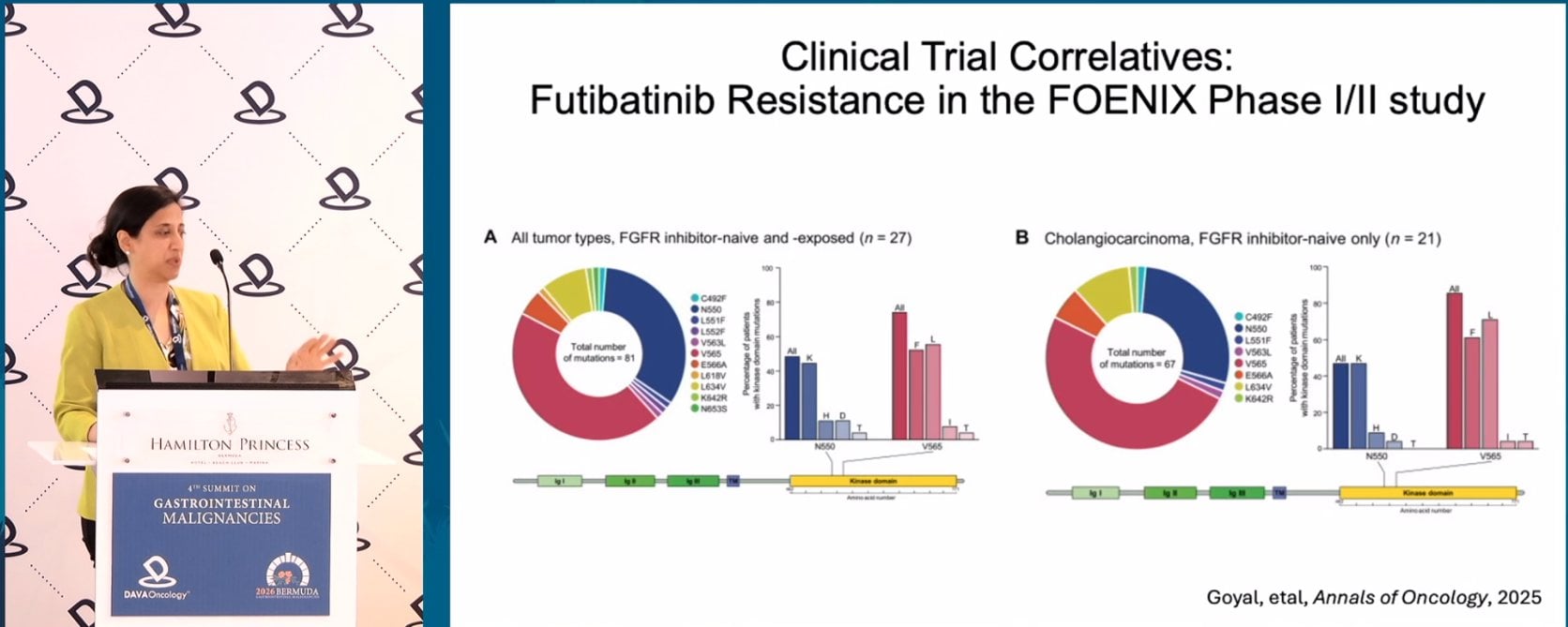
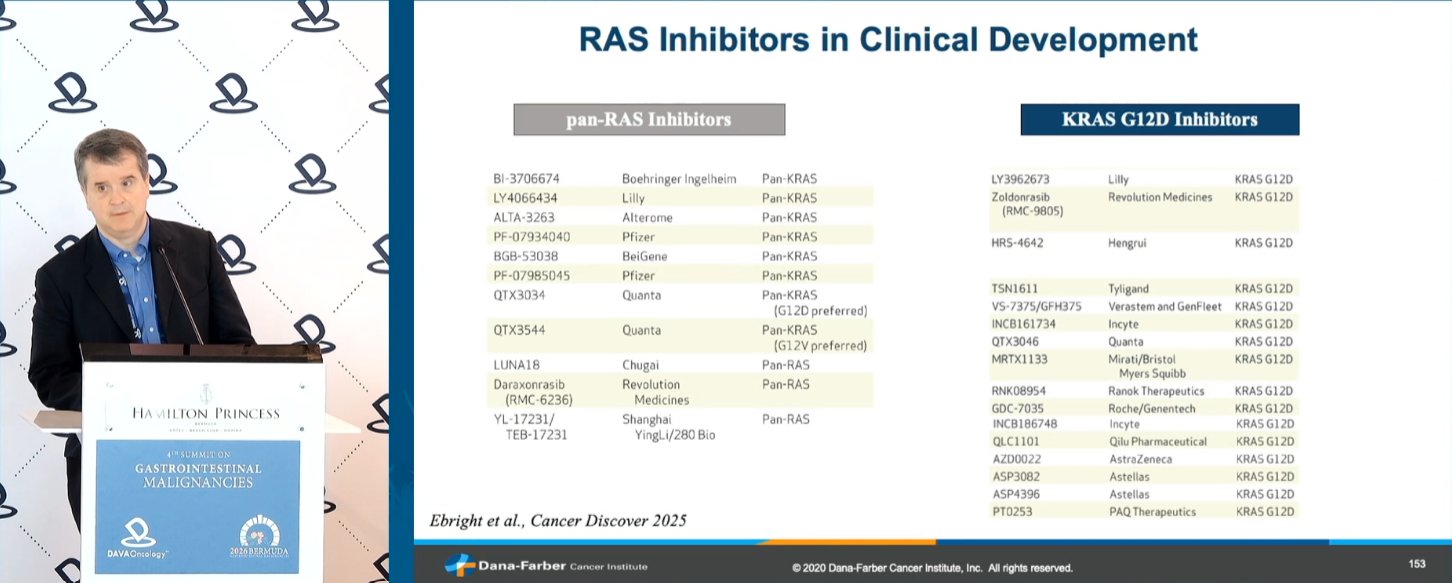
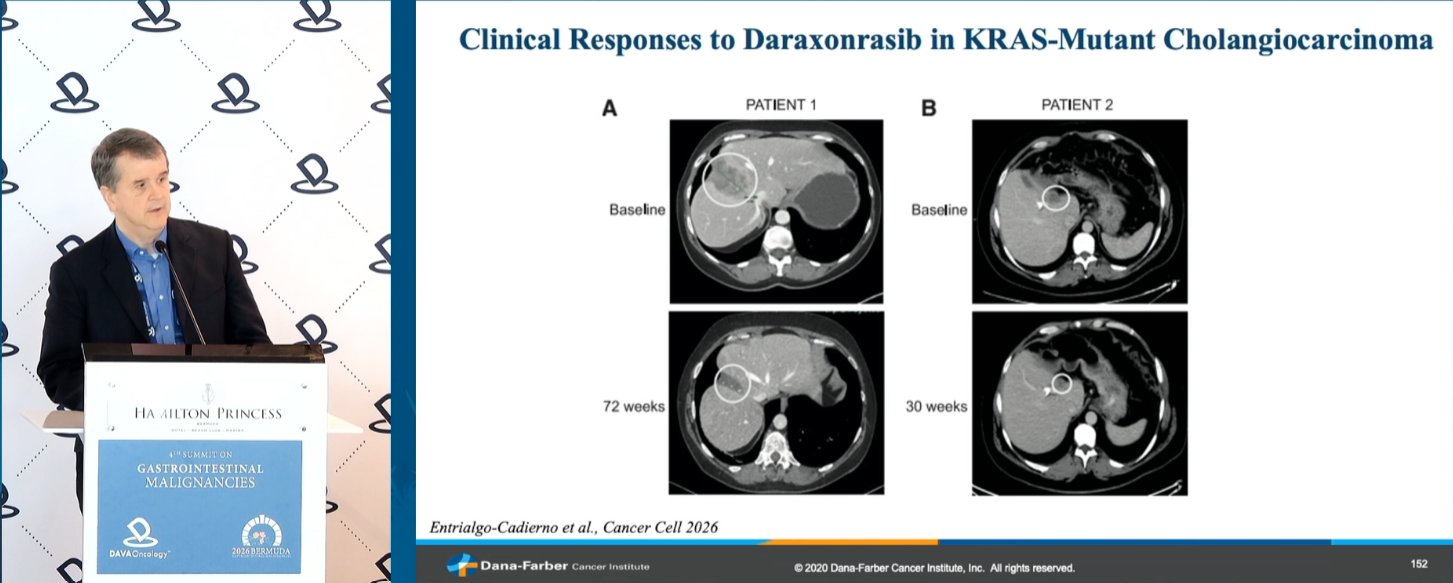
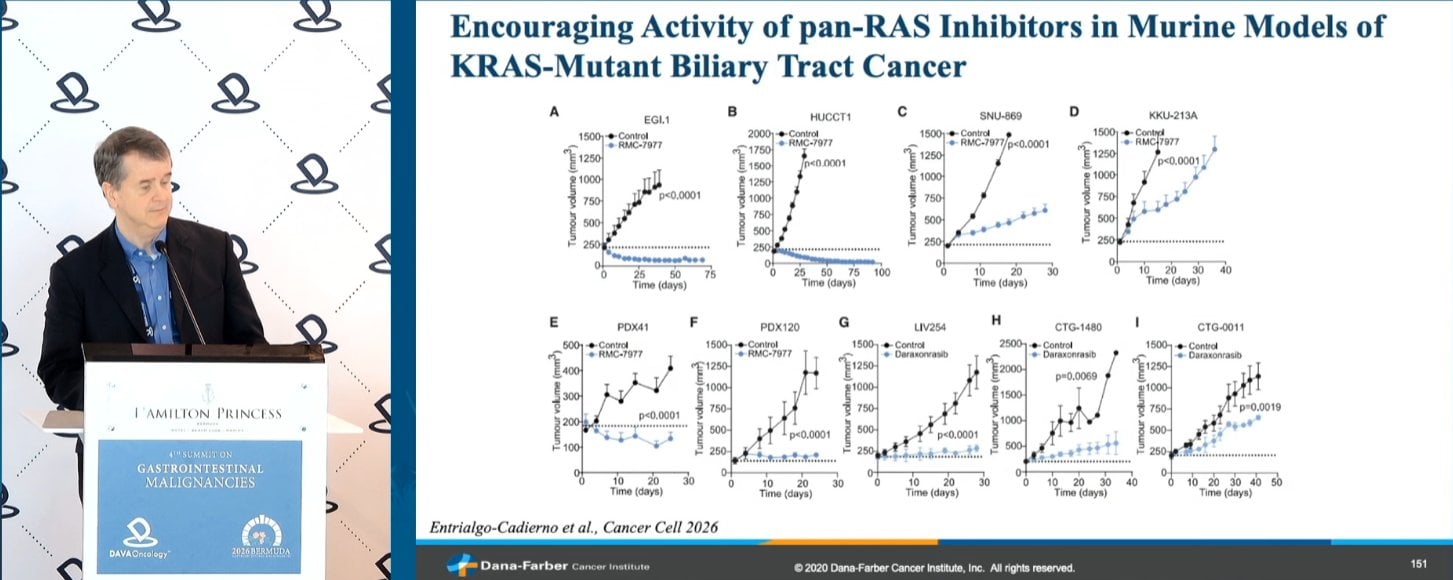
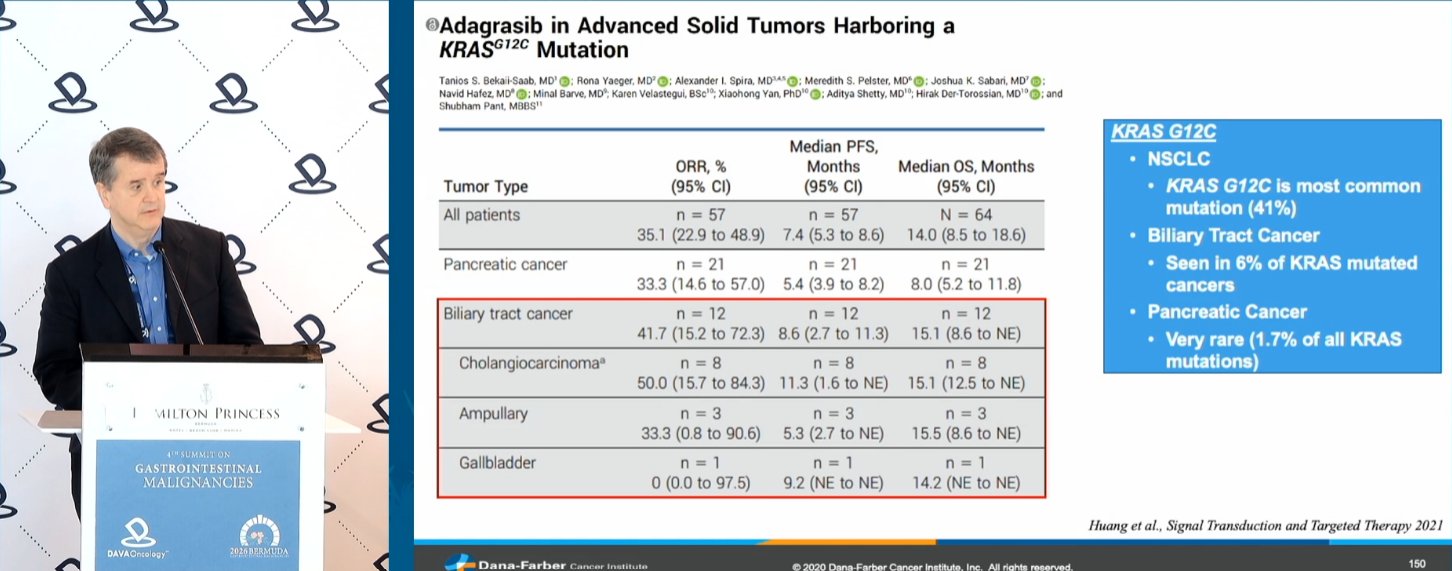
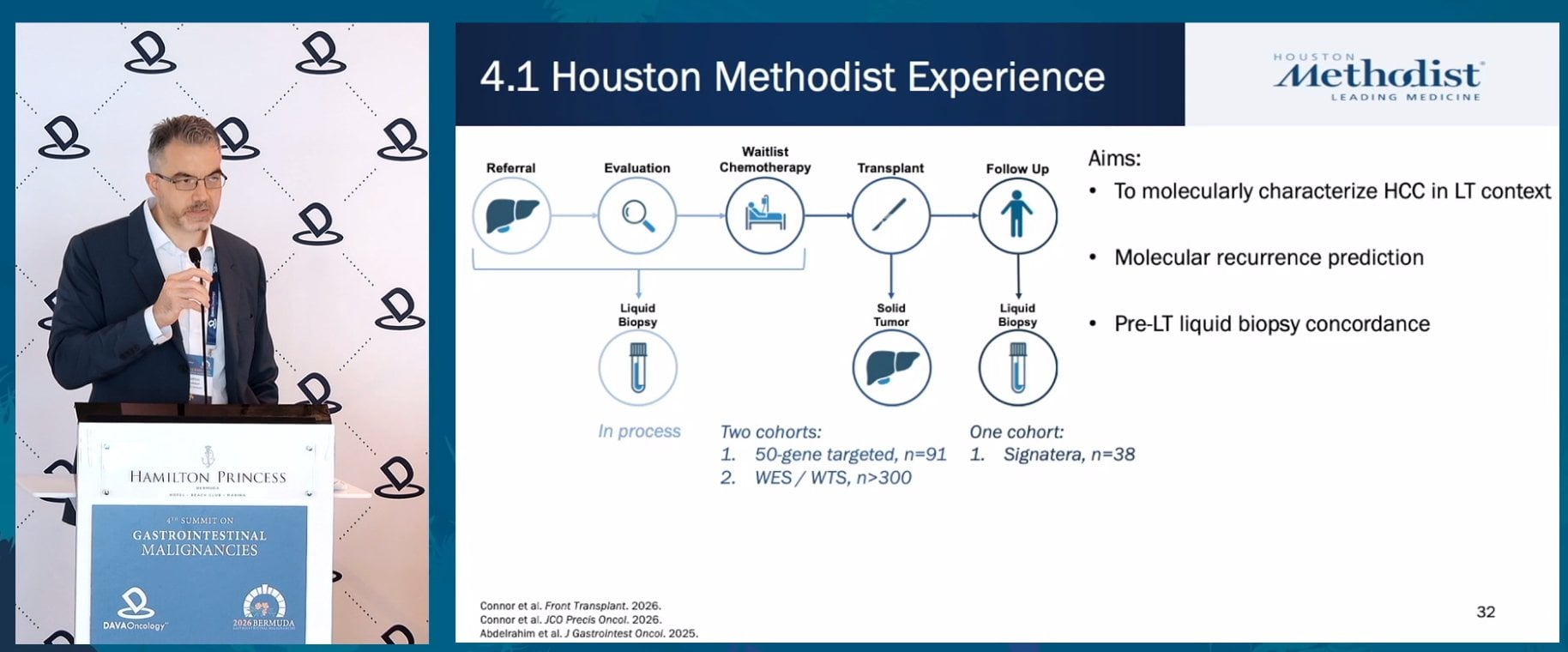
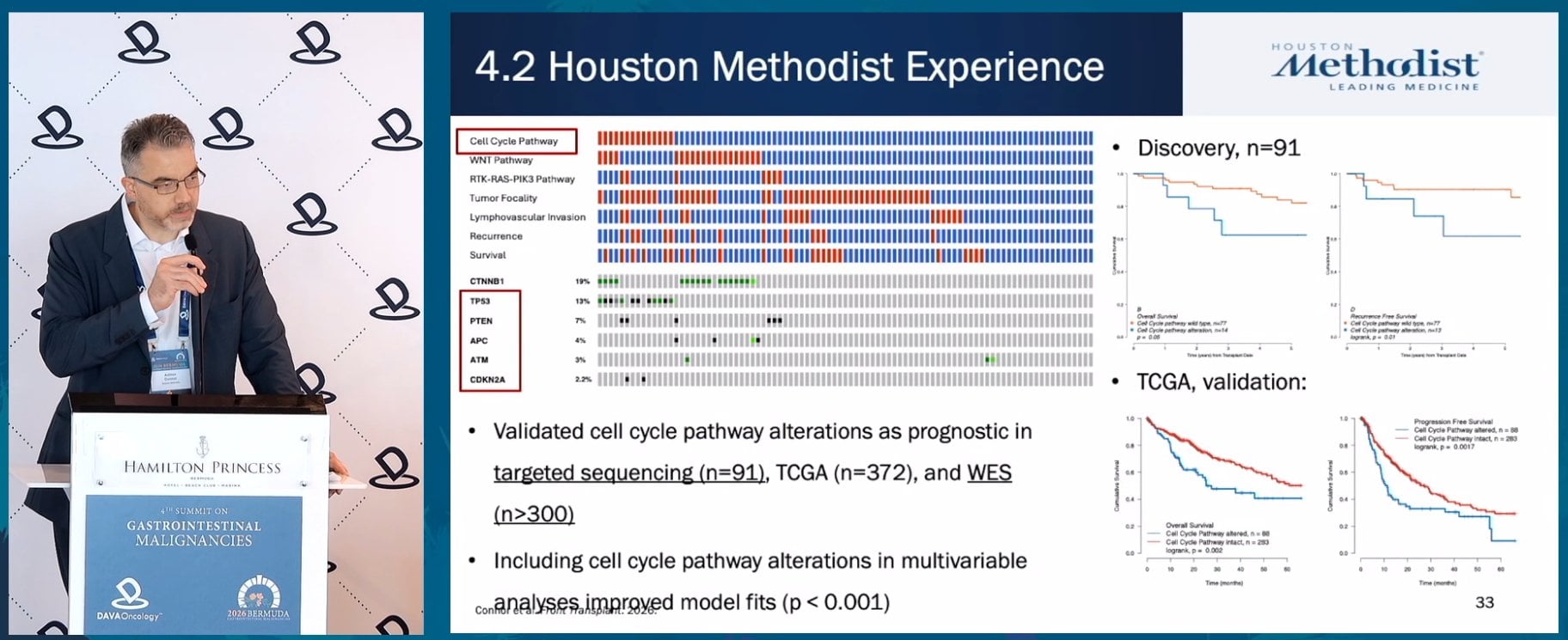
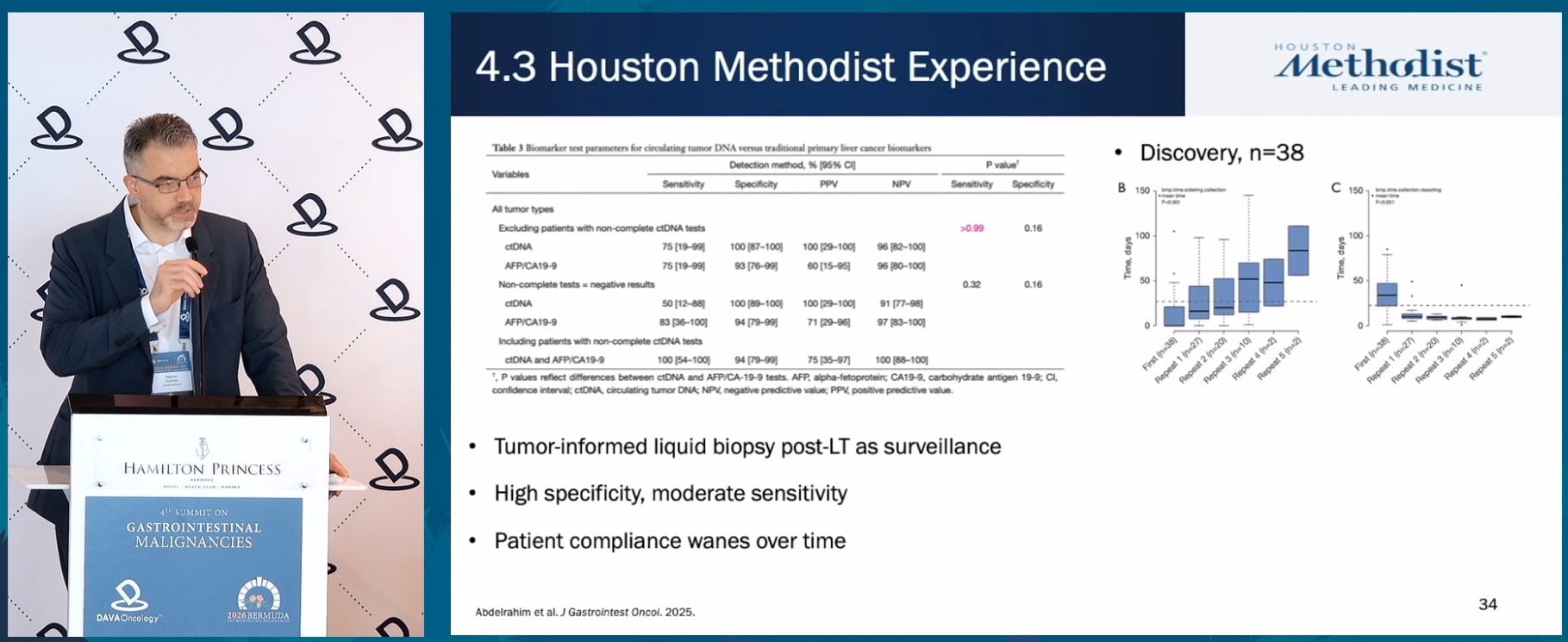
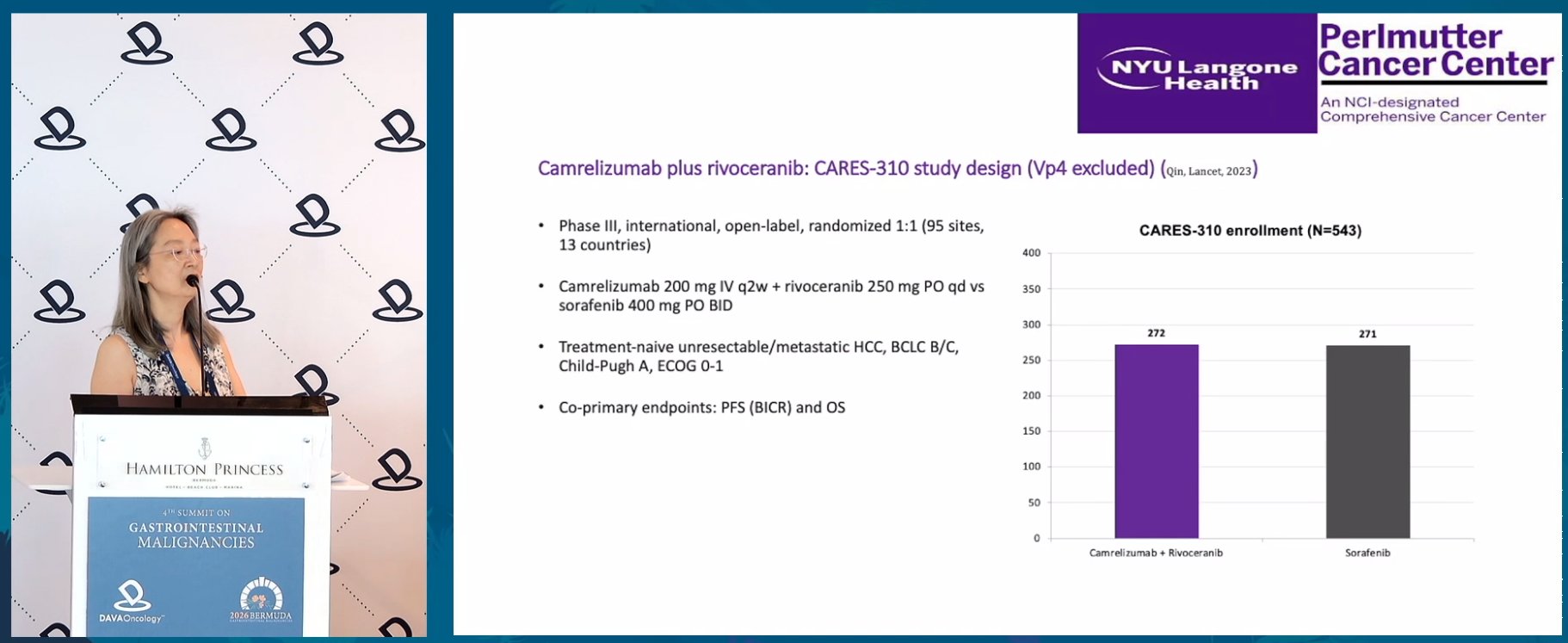
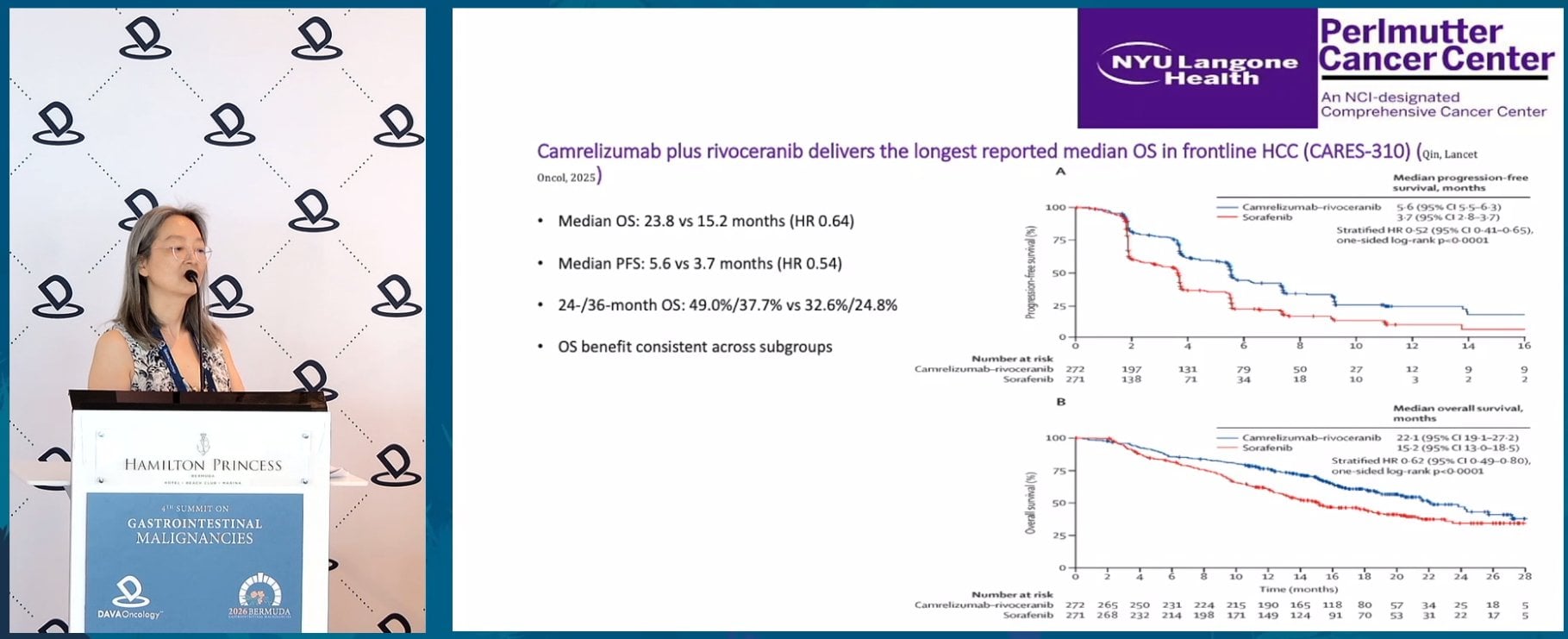
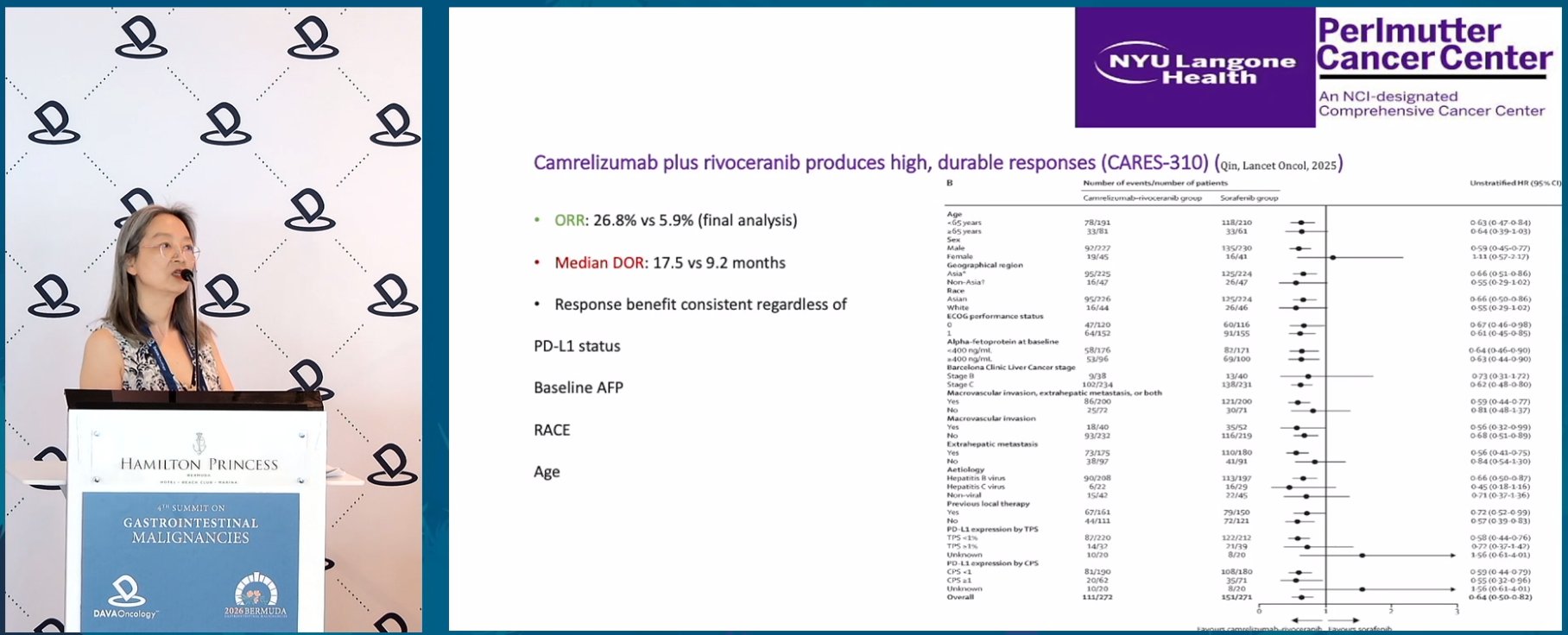
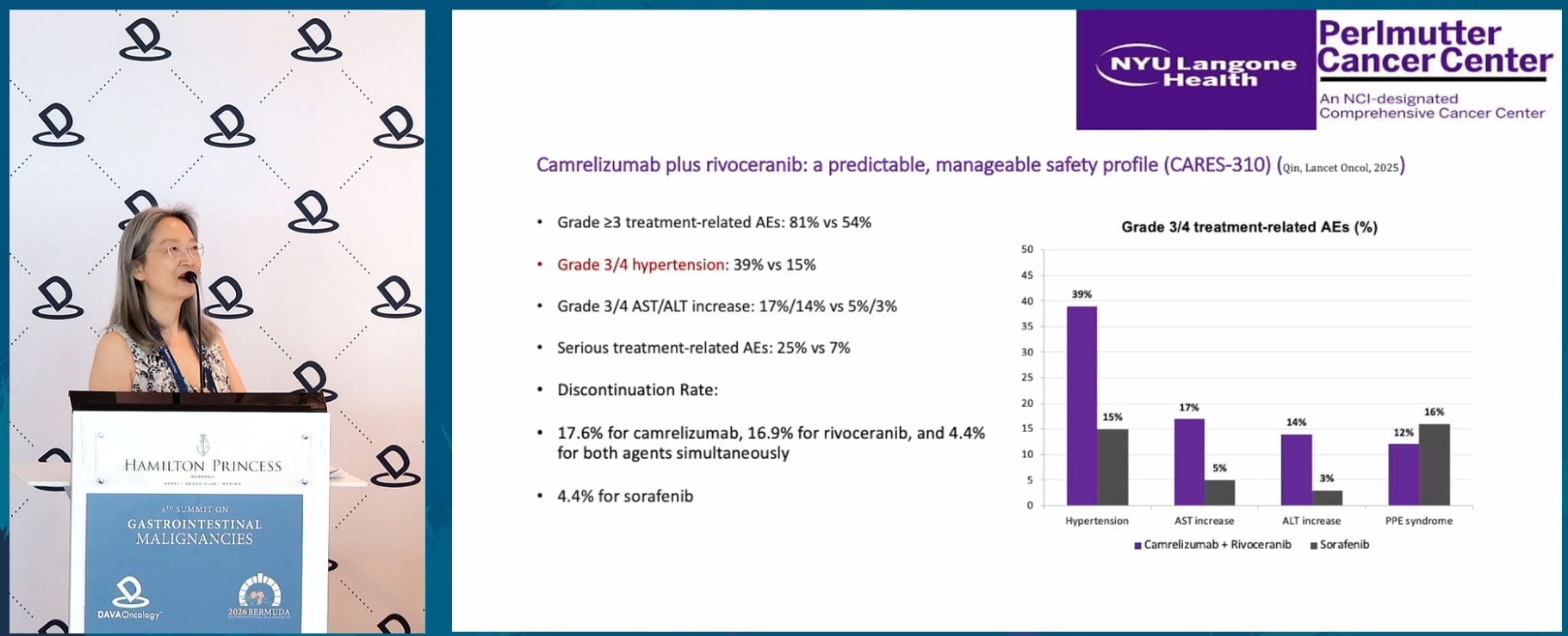
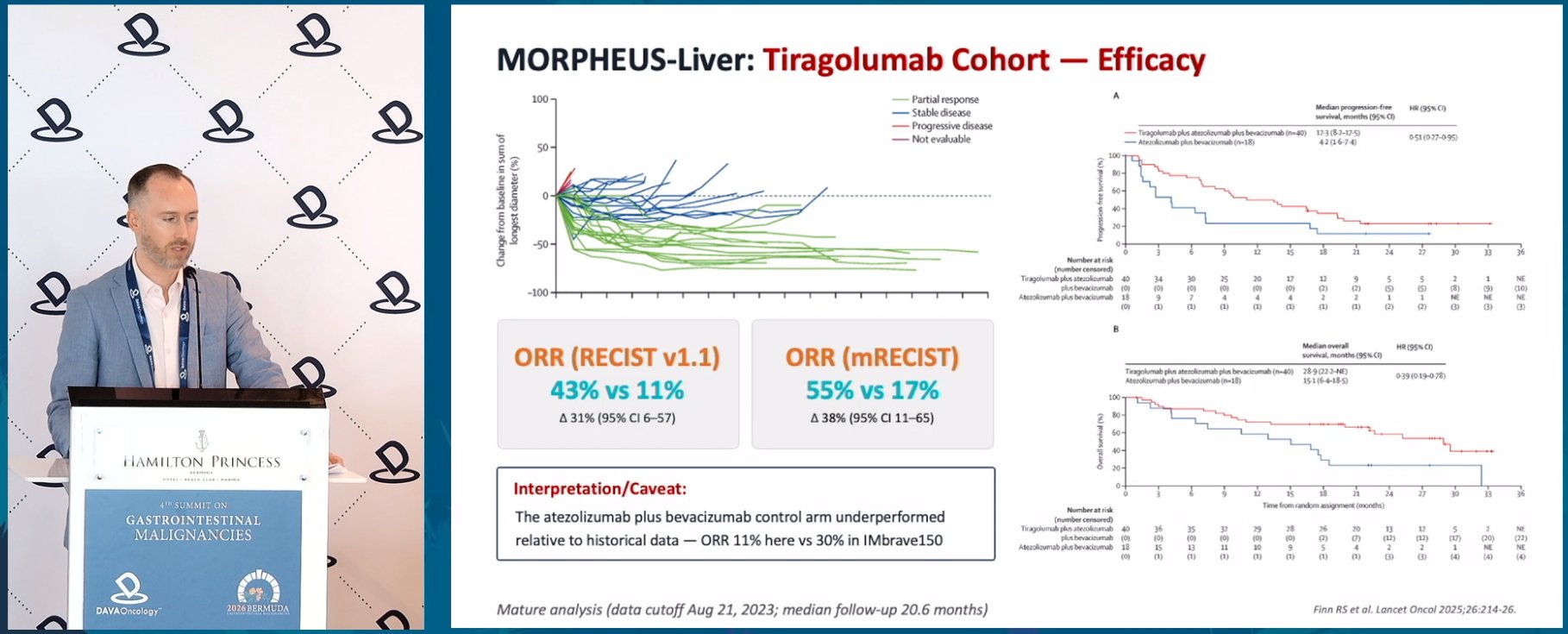
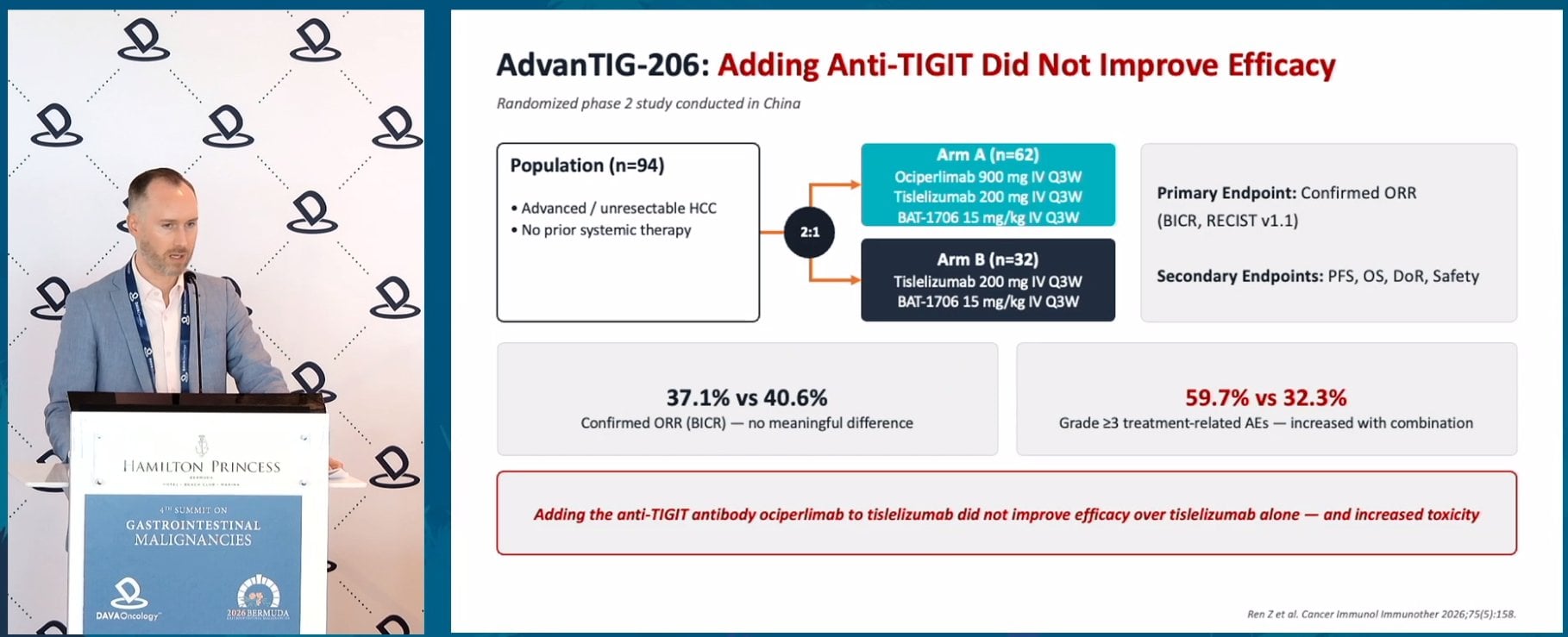
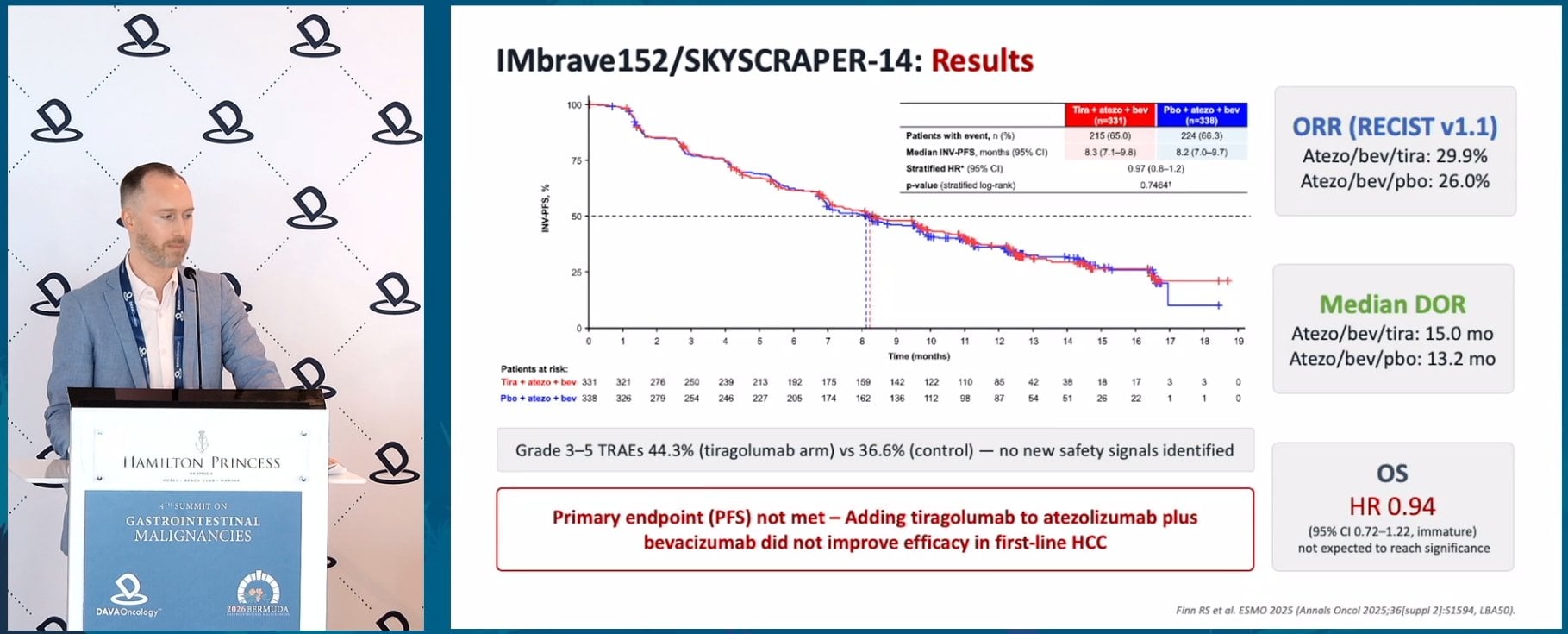
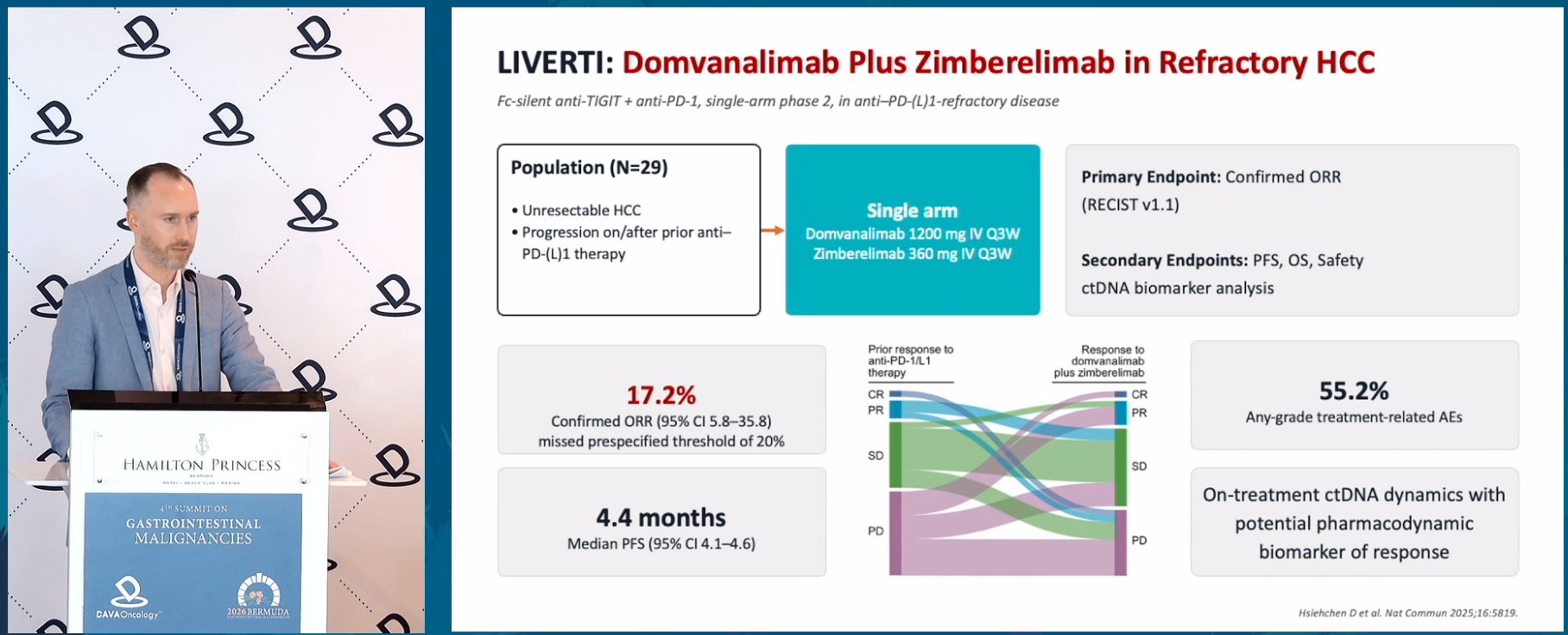
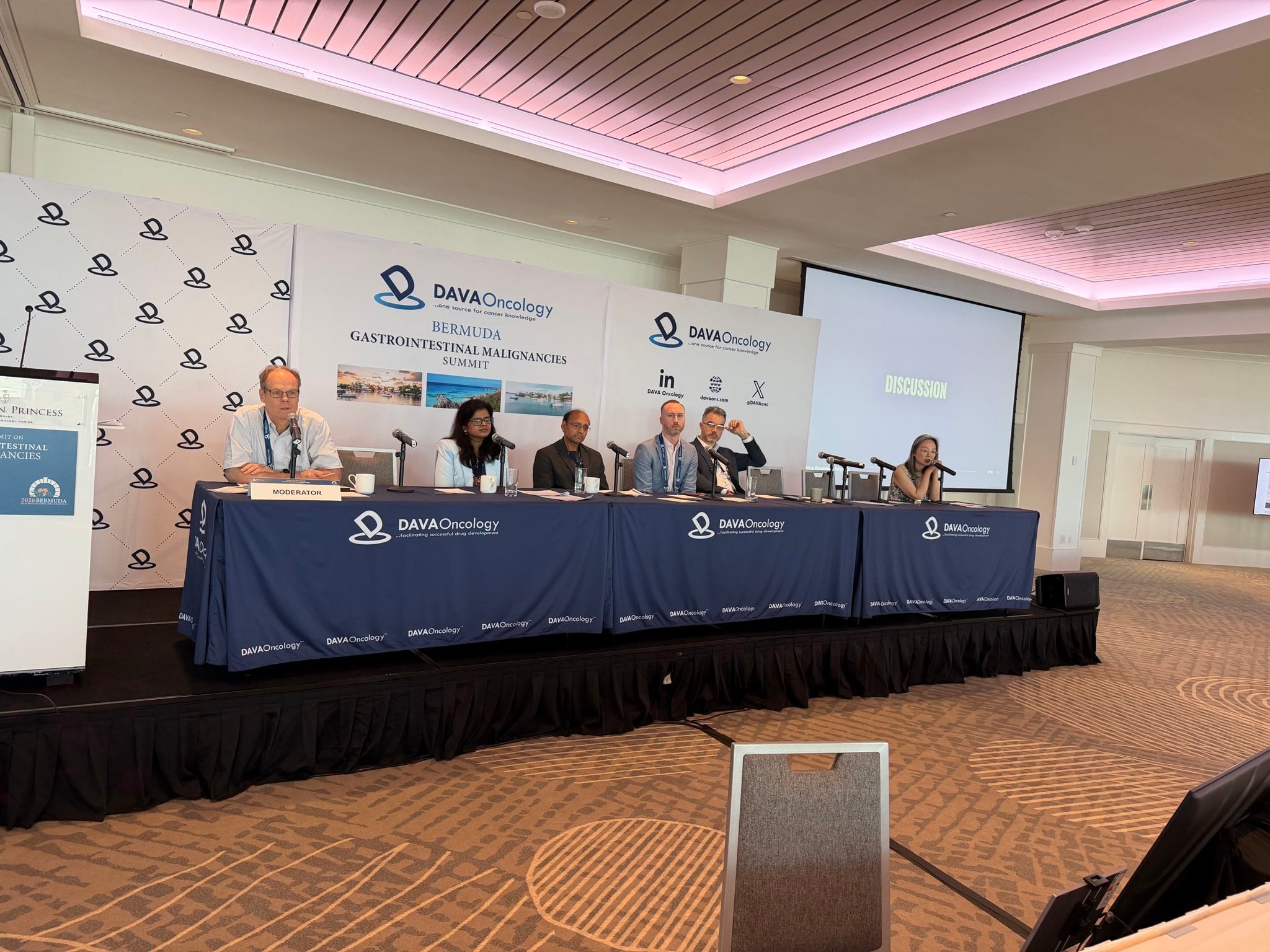
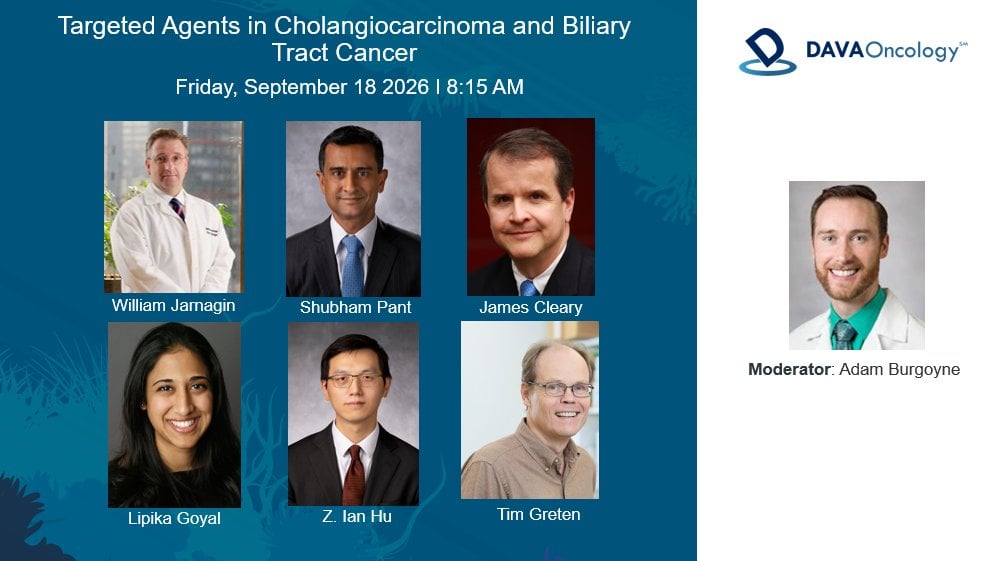
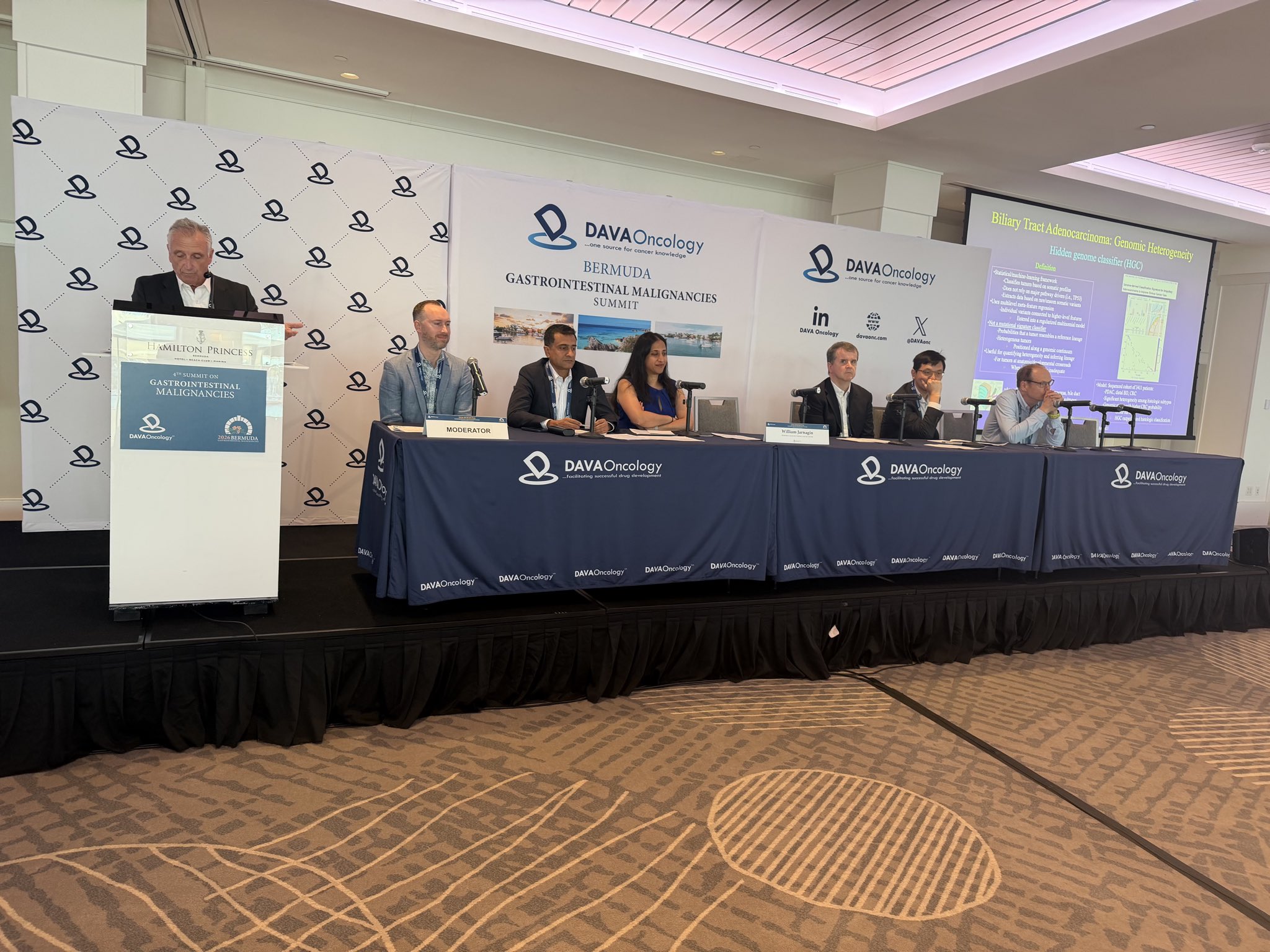
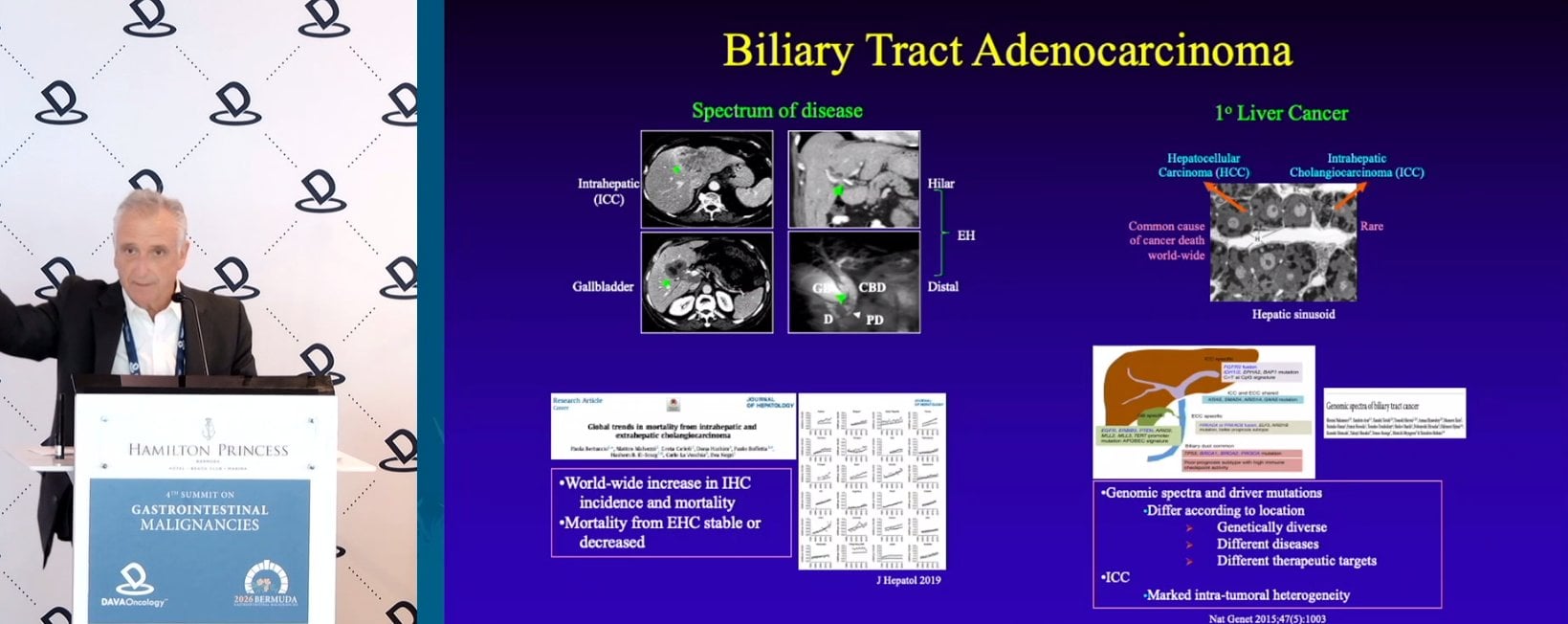
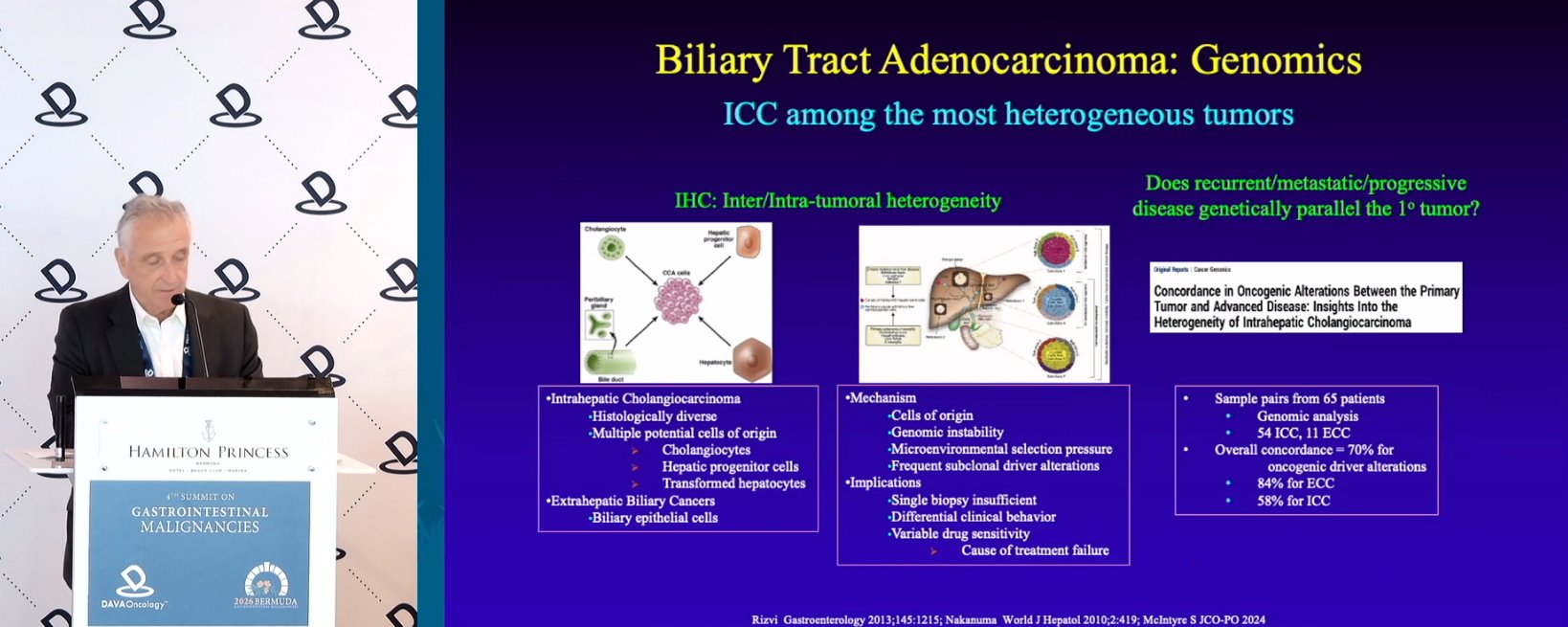
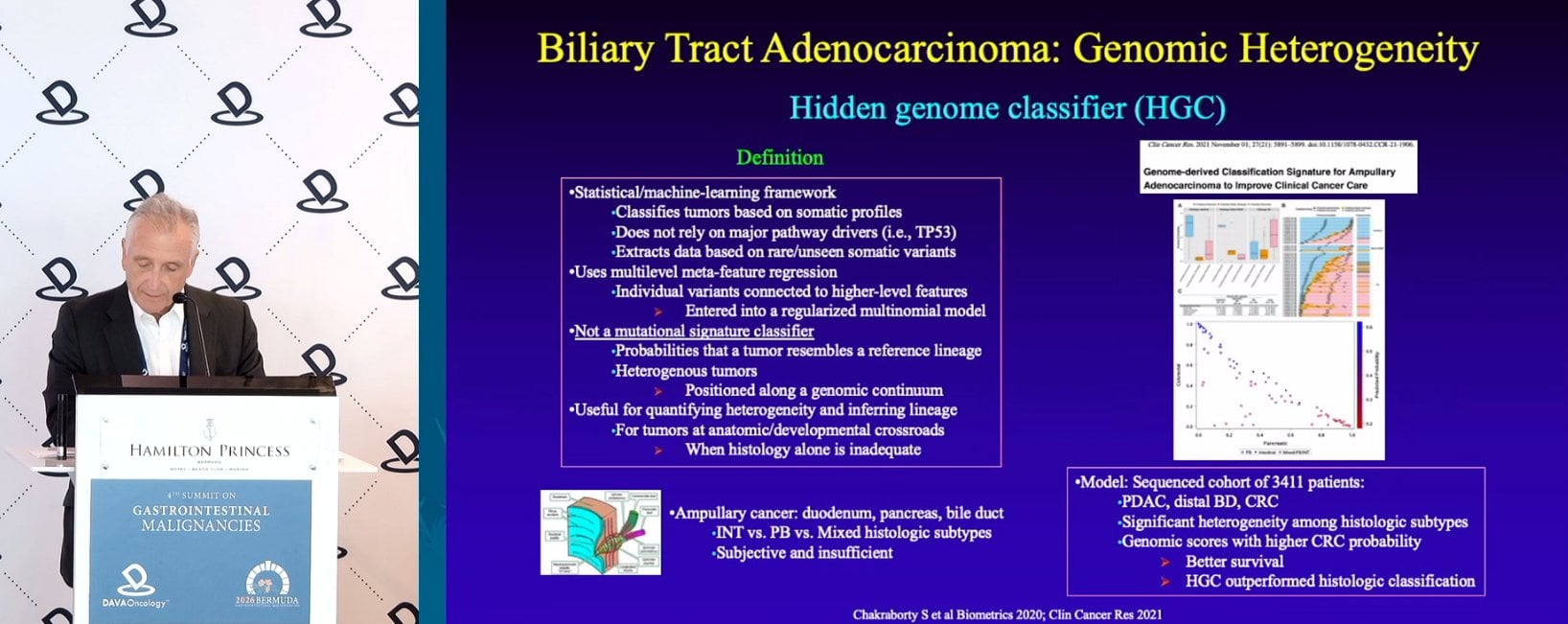
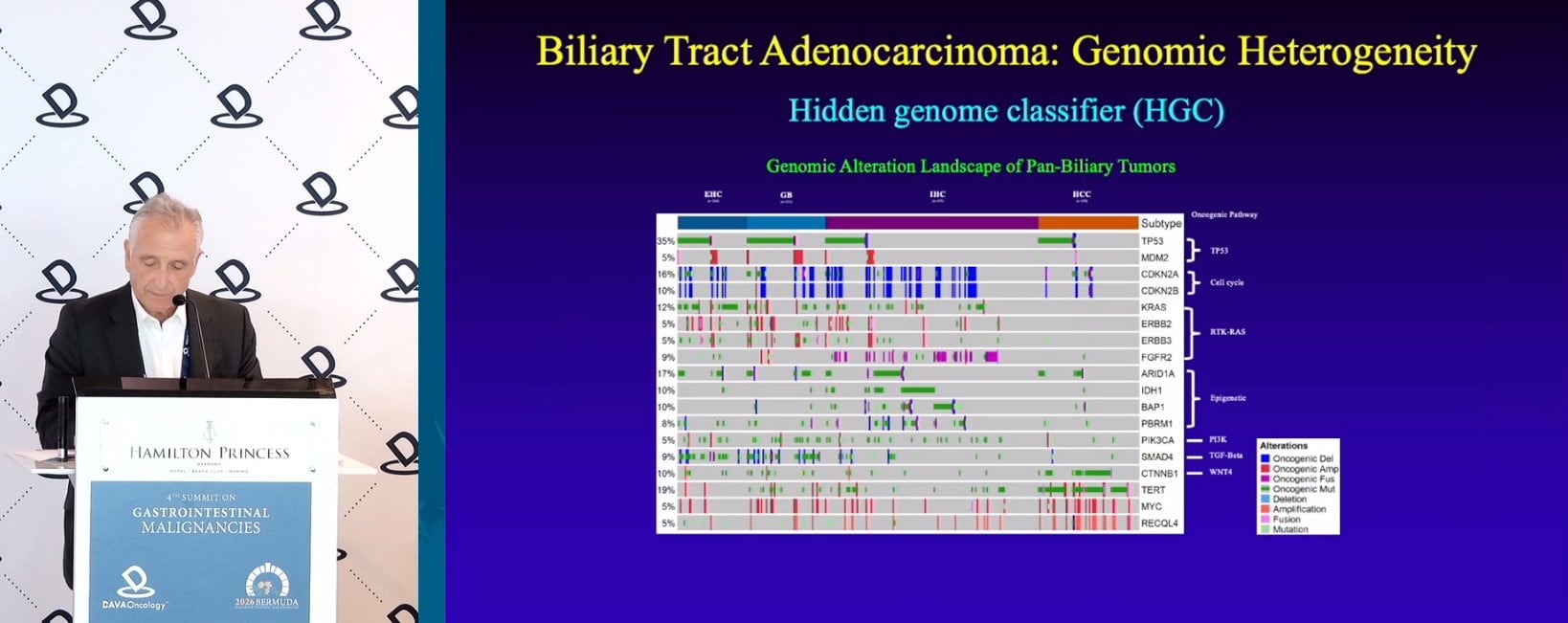
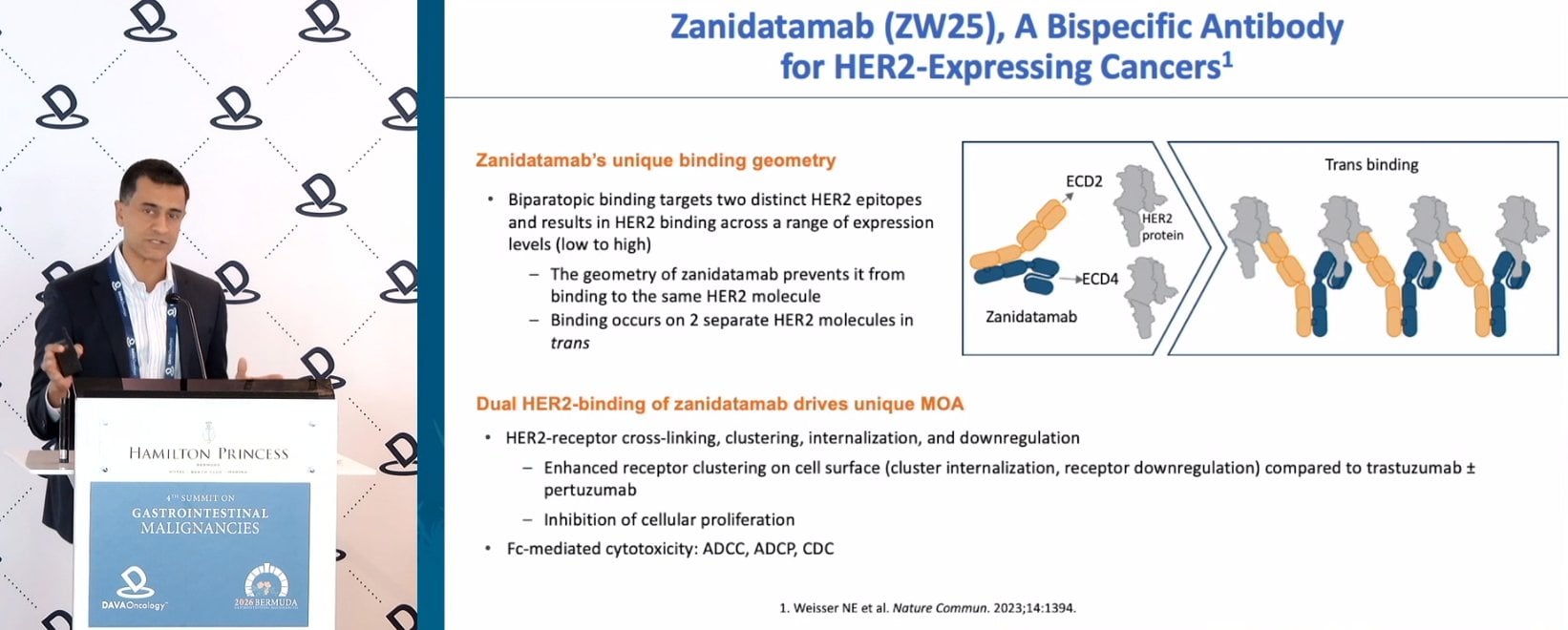
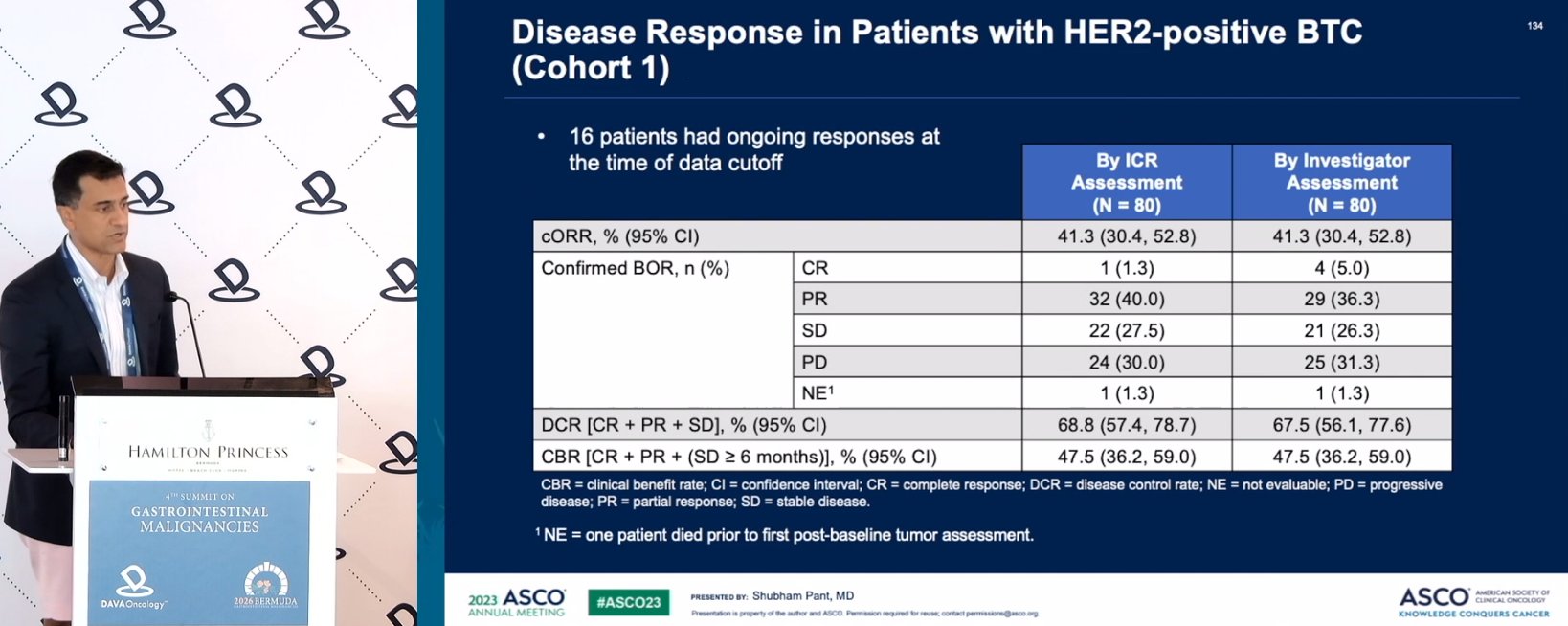
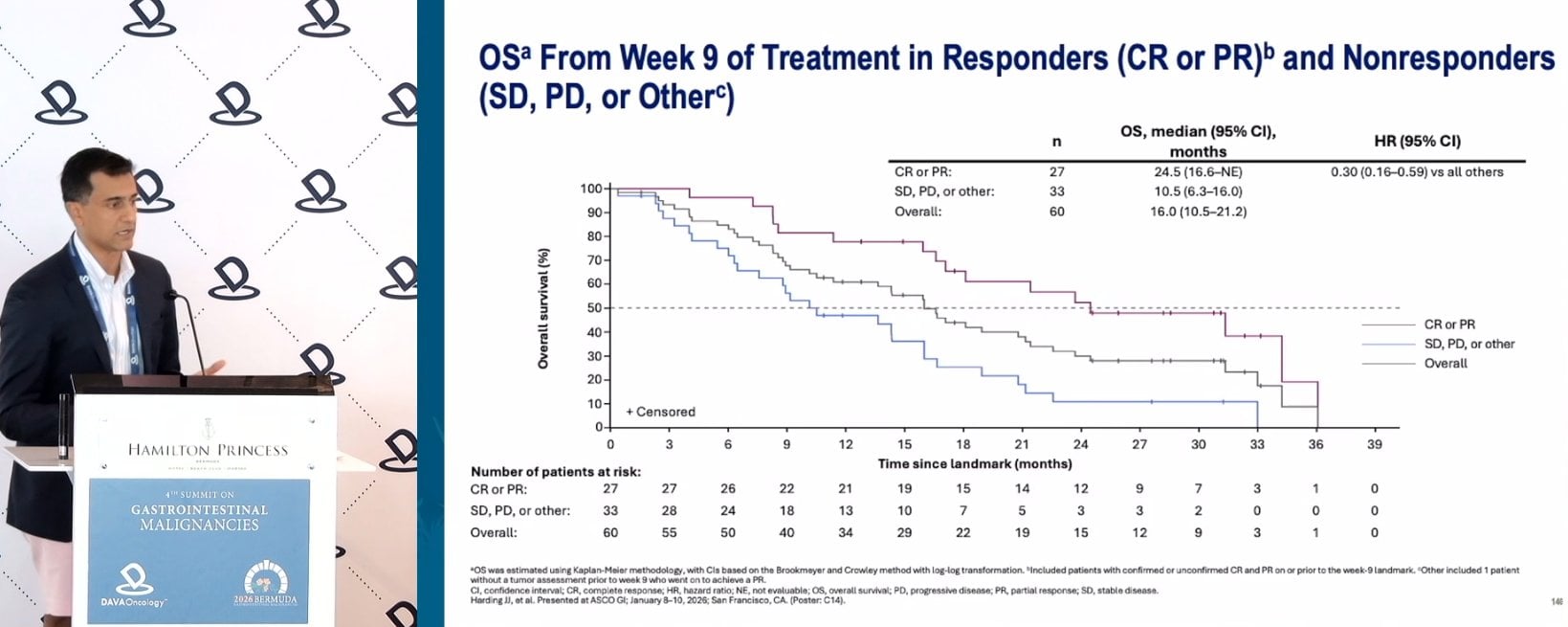
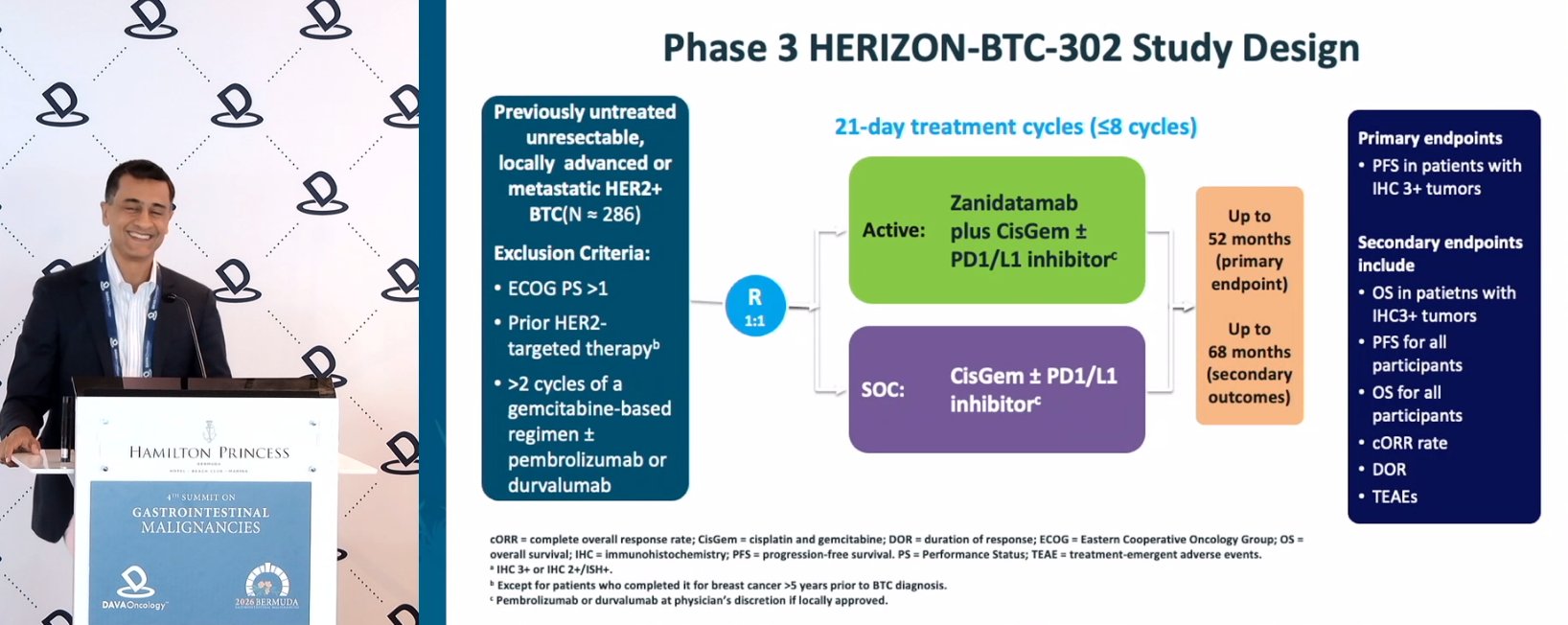
![Bermuda GI 2026 slide — NRG1 Fusions: Rare but Targetable Alteration in Cholangiocarcinoma [Dana-Farber Cancer Institute]](https://kolpulse.com/hubfs/conference-slides/davagi26/t79_s1.jpg)
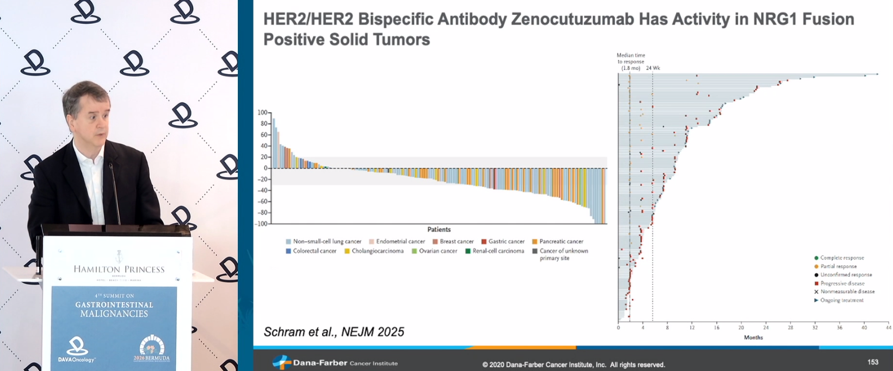
![Bermuda GI 2026 slide — eNRGy Phase 2 Trial: Zenocutuzumab Cholangiocarcinoma Cohort [Dana-Farber Cancer Institute]](https://kolpulse.com/hubfs/conference-slides/davagi26/t79_s3.jpg)
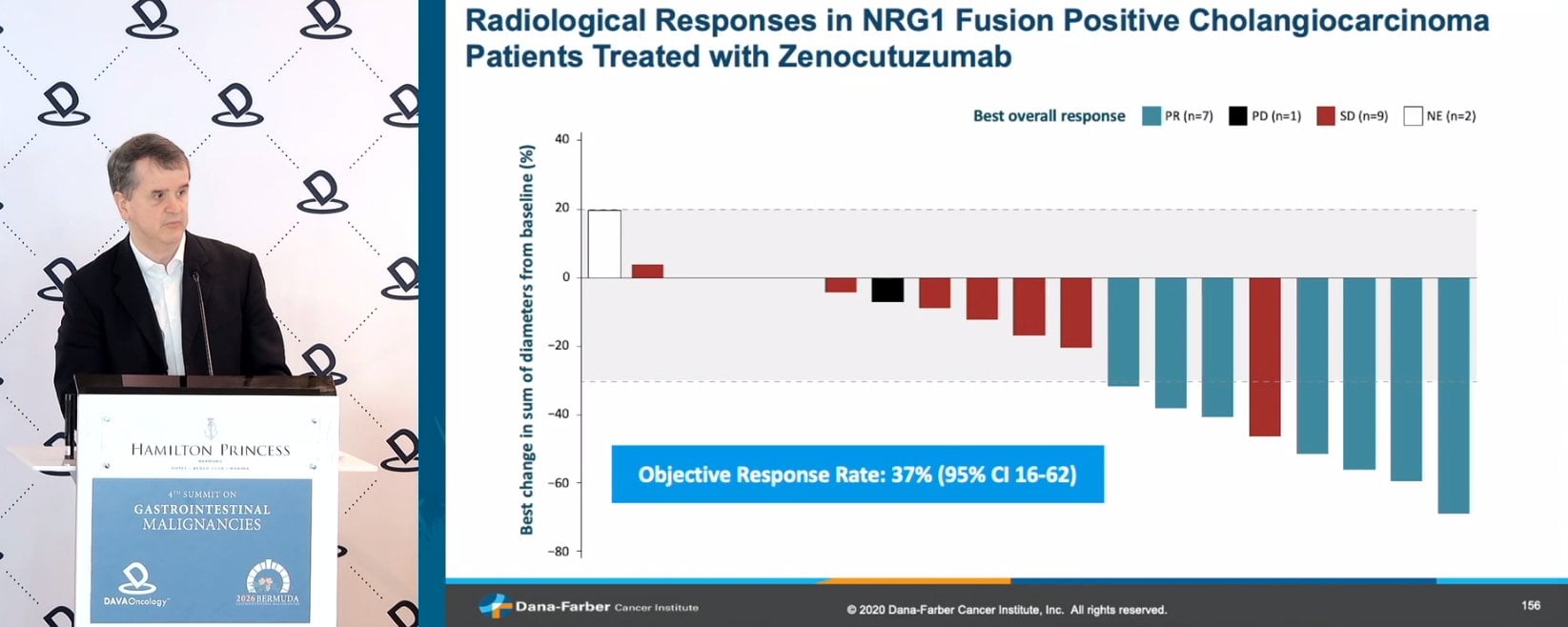
![Bermuda GI 2026 slide — Mechanism of action [CD40 agonism immunology schematic; National Cancer Institute]](https://kolpulse.com/hubfs/conference-slides/davagi26/t80_s1.jpg)
![Bermuda GI 2026 slide — Treatment schedule [NCI trial; NCT: 05849480]](https://kolpulse.com/hubfs/conference-slides/davagi26/t80_s2.jpg)
![Bermuda GI 2026 slide — Preliminary responses and duration on treatment [National Cancer Institute]](https://kolpulse.com/hubfs/conference-slides/davagi26/t80_s3.jpg)
![Bermuda GI 2026 slide — Preliminary PFS and OS [National Cancer Institute]](https://kolpulse.com/hubfs/conference-slides/davagi26/t80_s4.jpg)
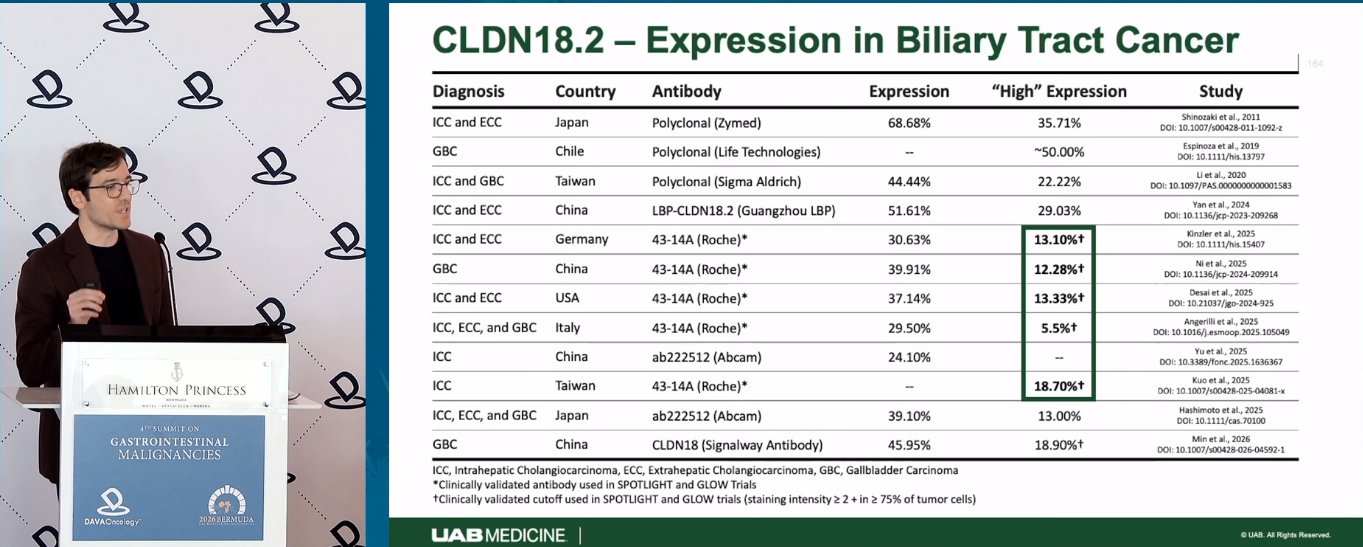
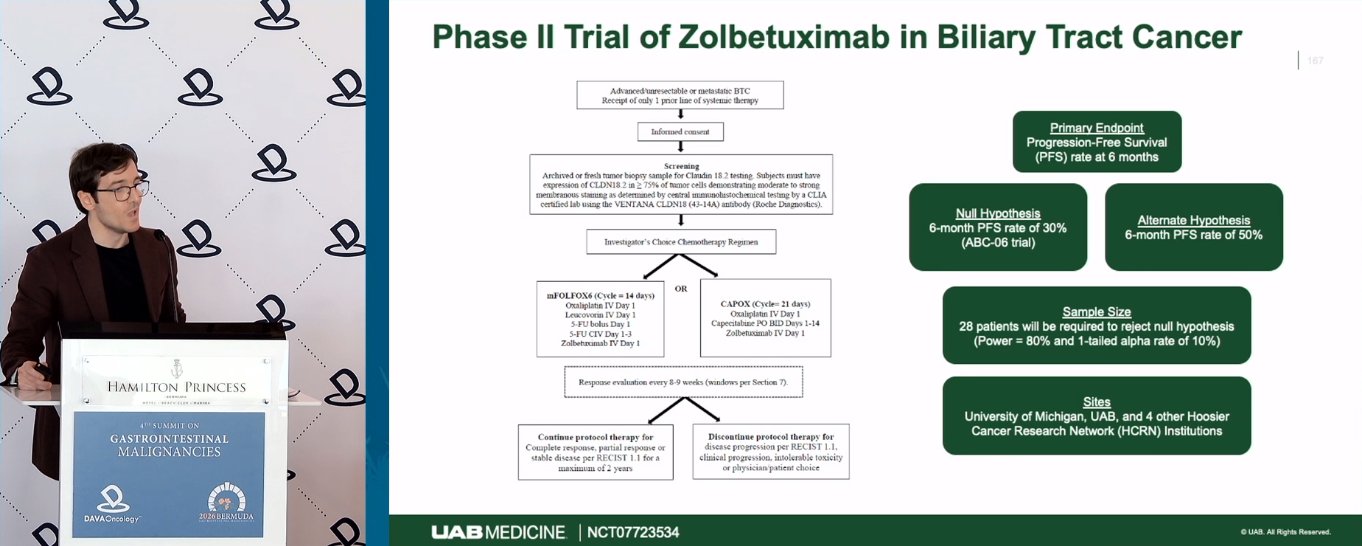
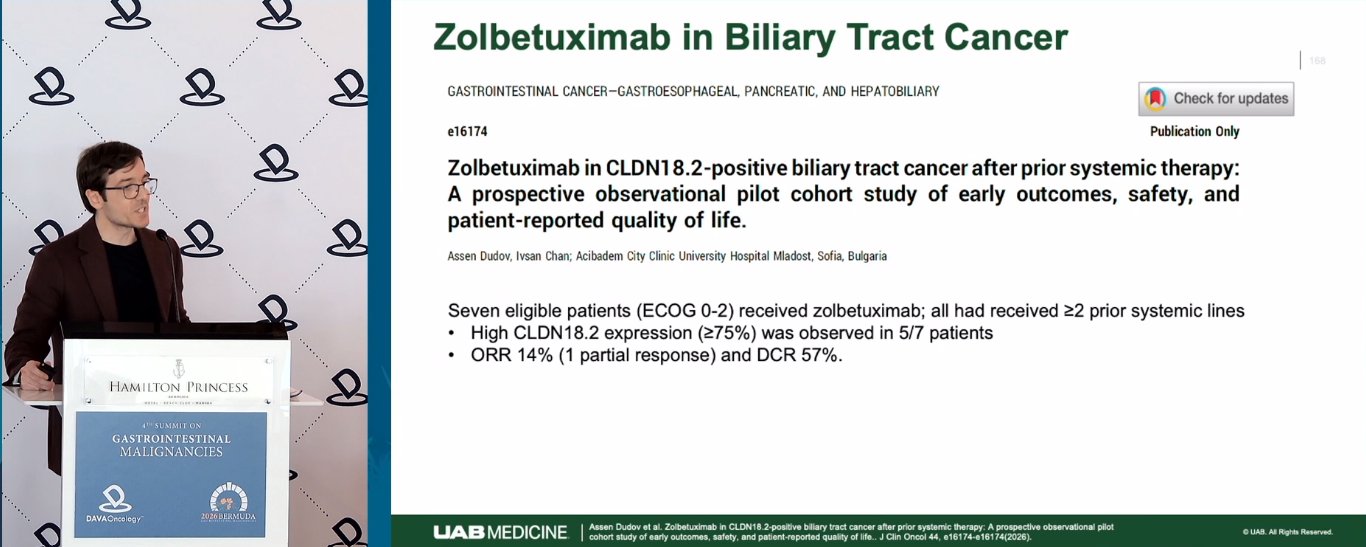
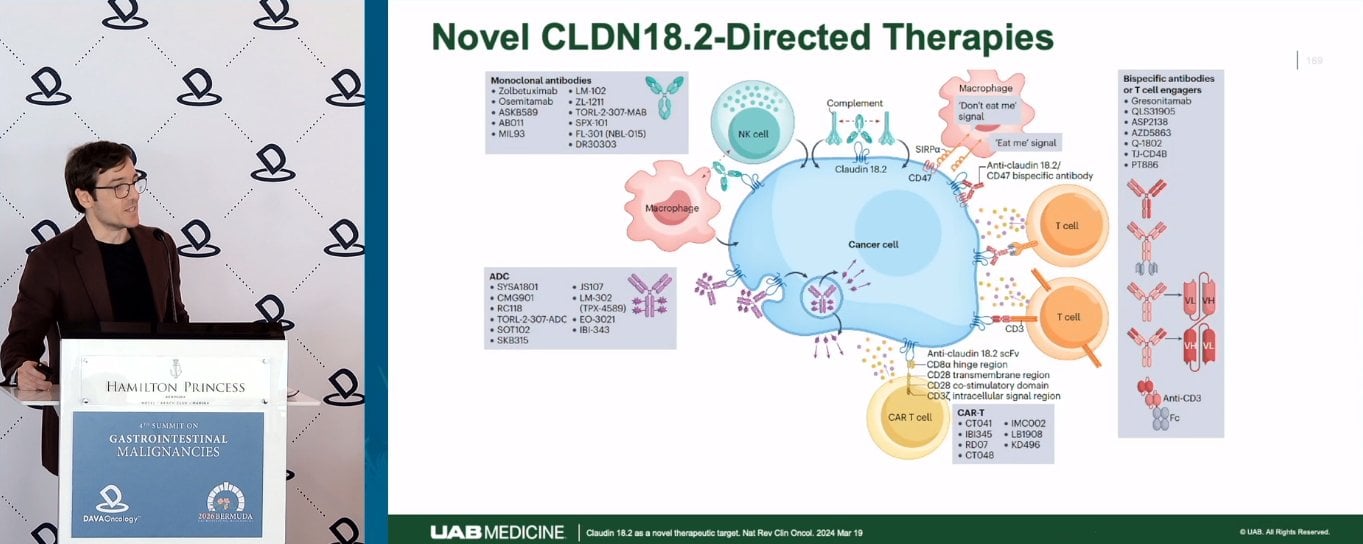
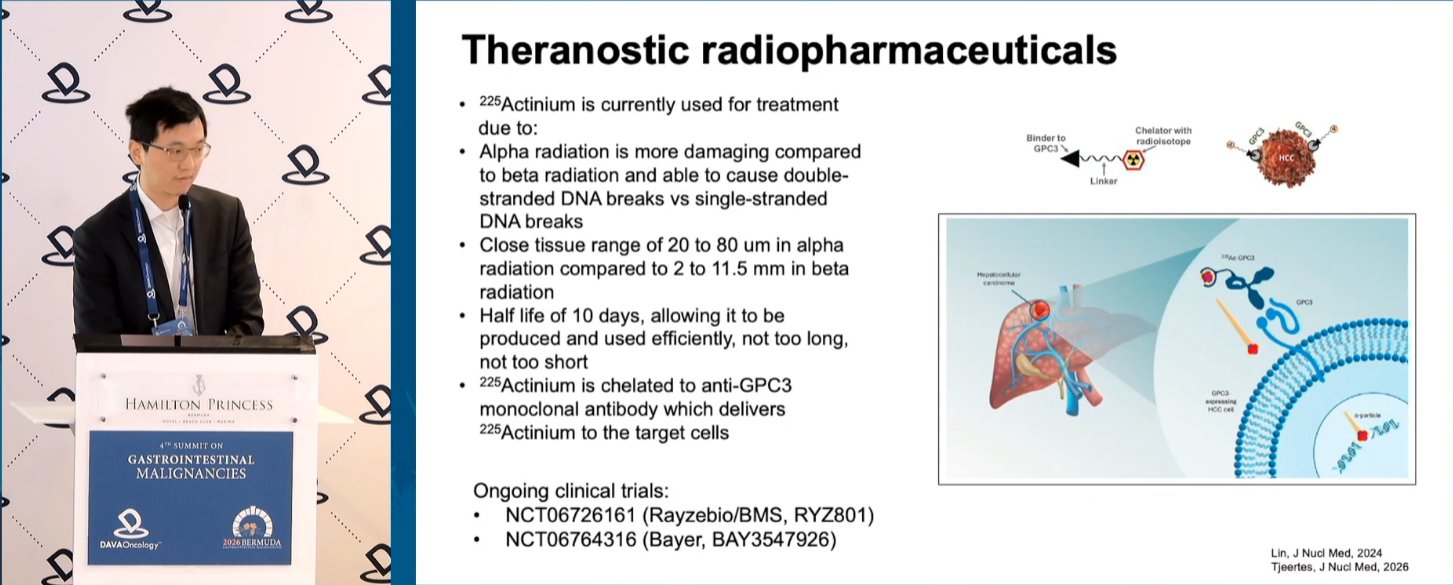
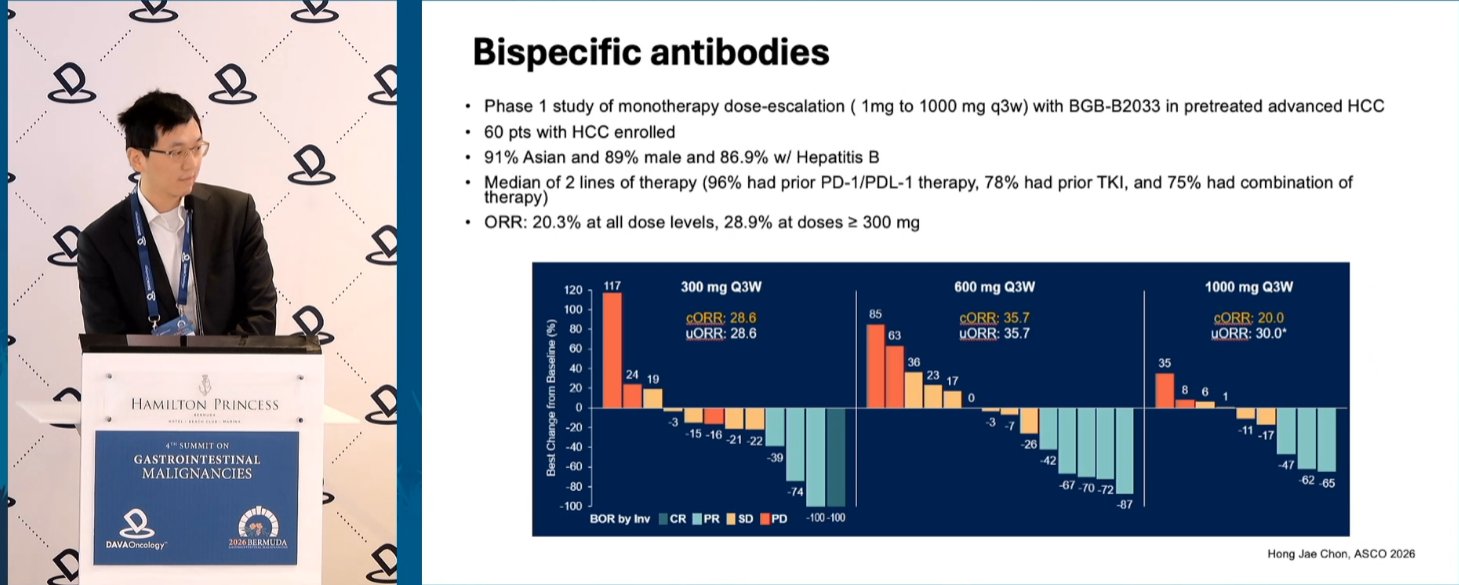
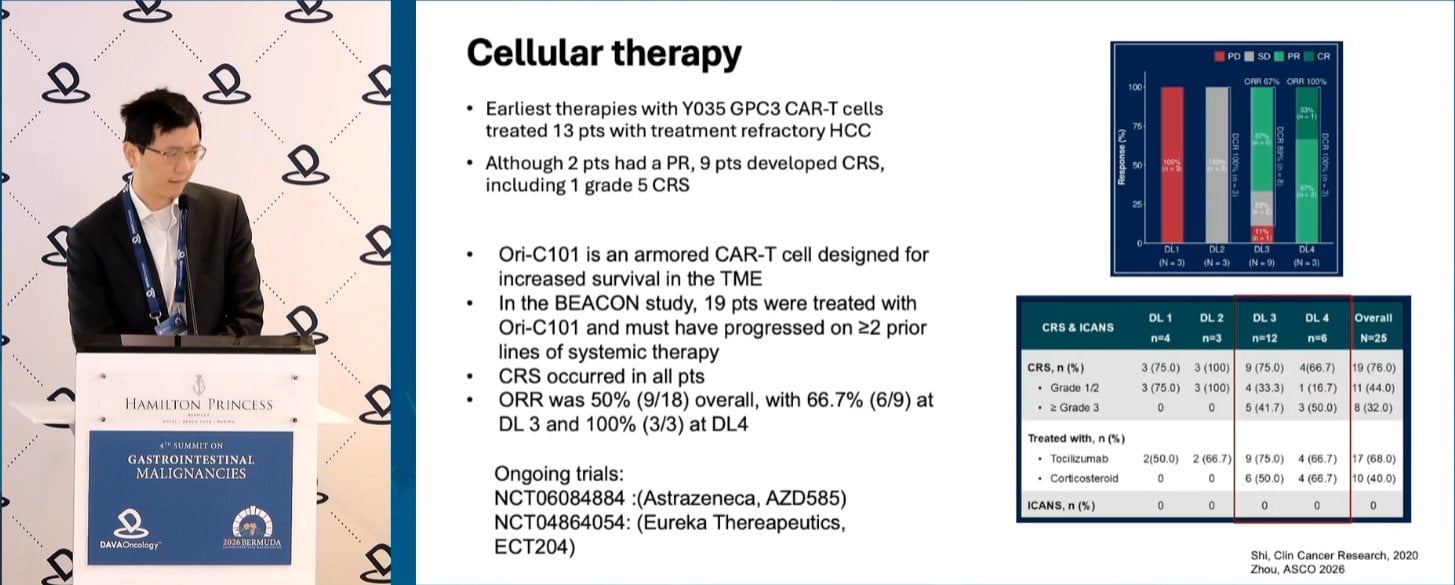
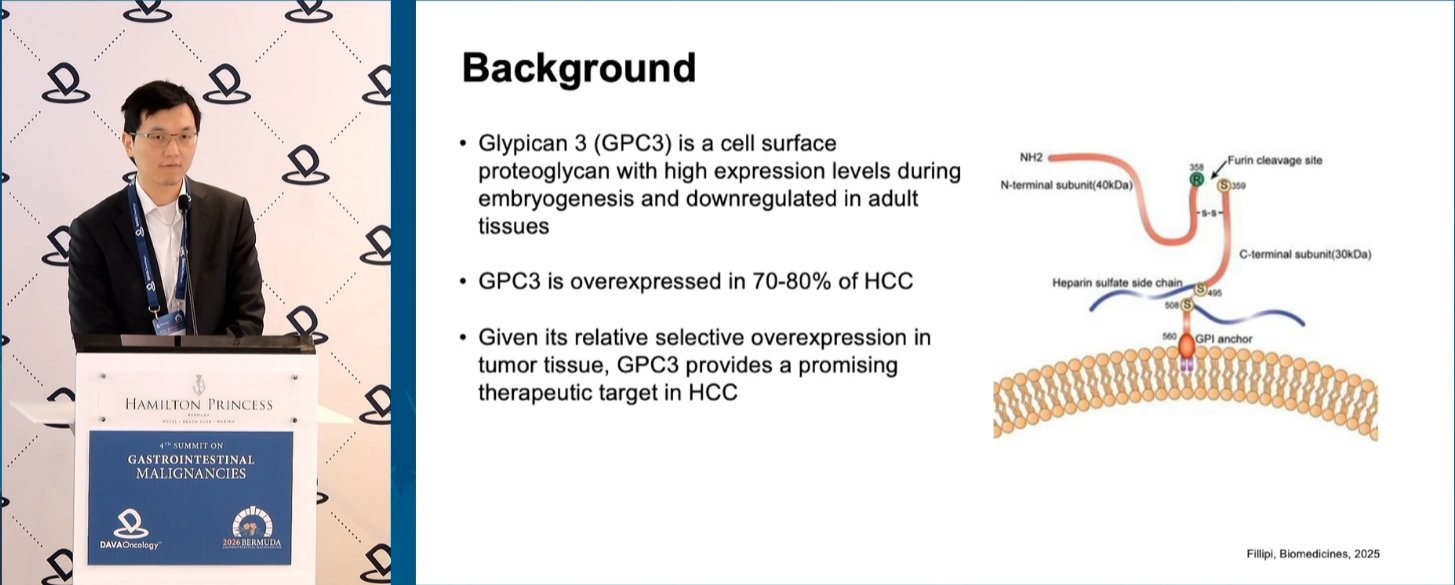
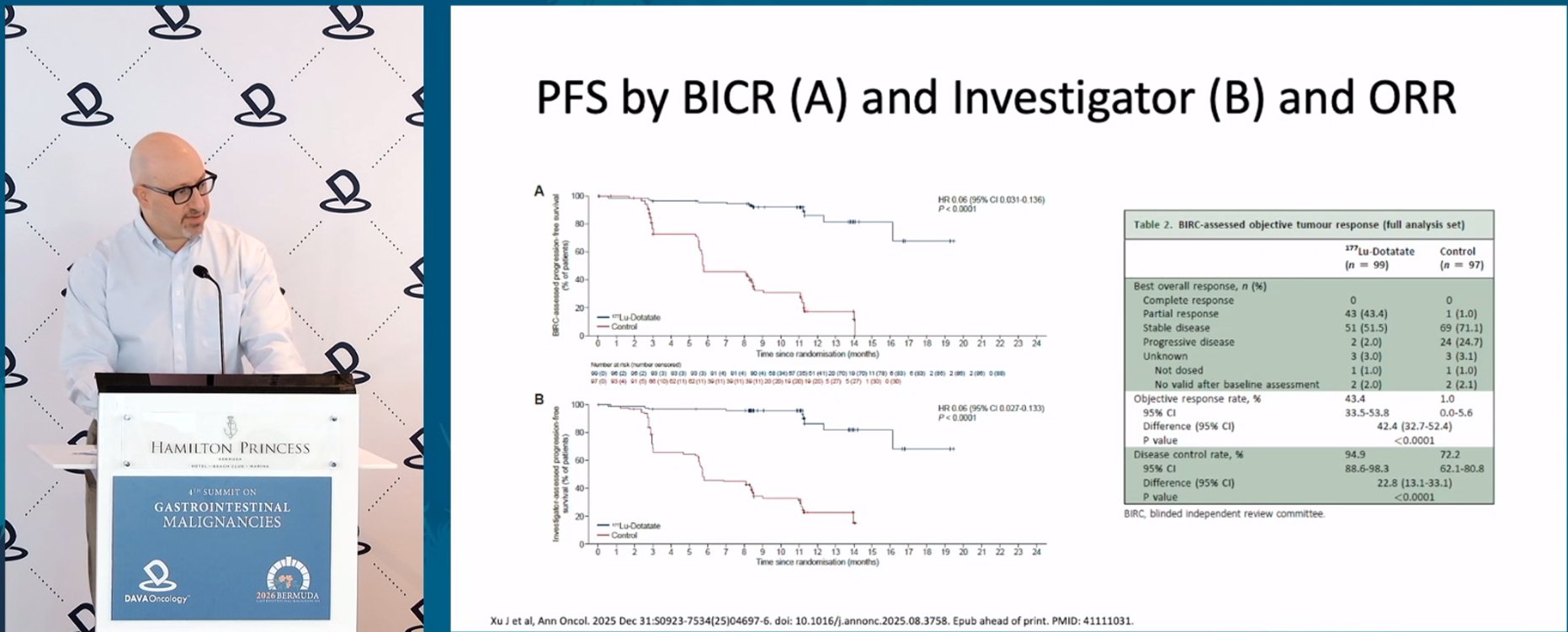
![Bermuda GI 2026 slide — COMPETE trial (two slides; Walter T et al. Lancet. 2026 Jul 18;408(10551):234-247) - [177Lu]Lu-edotreotide vs](https://kolpulse.com/hubfs/conference-slides/davagi26/t07_s2.jpg)
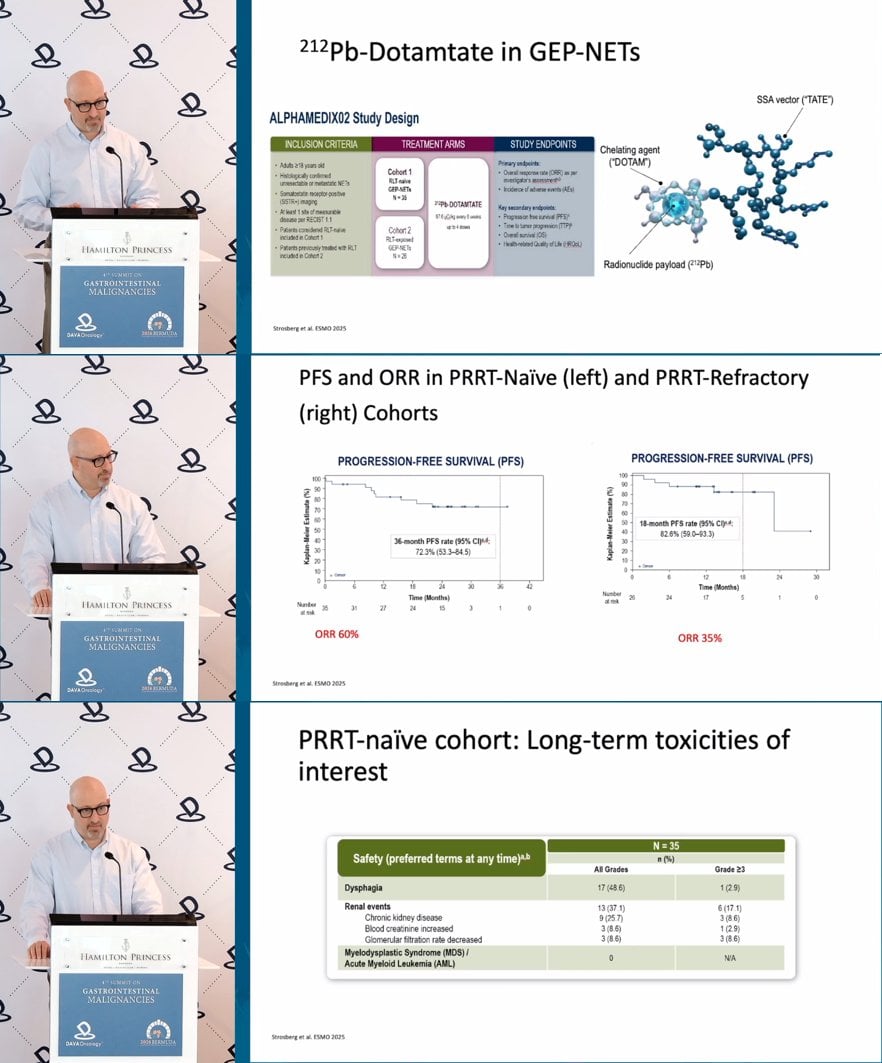
![Bermuda GI 2026 slide — [Slide A — Peak study design] Peak is a Global, Randomized, Open-Label Phase 3 Study (NCT05208047). ASCO 2026:](https://kolpulse.com/hubfs/conference-slides/davagi26/t11_s1.jpg)
![Bermuda GI 2026 slide — [Slide A — Bezuclastinib + Sunitinib Combination Significantly Improved ORR] (p224)](https://kolpulse.com/hubfs/conference-slides/davagi26/t11_s2.jpg)
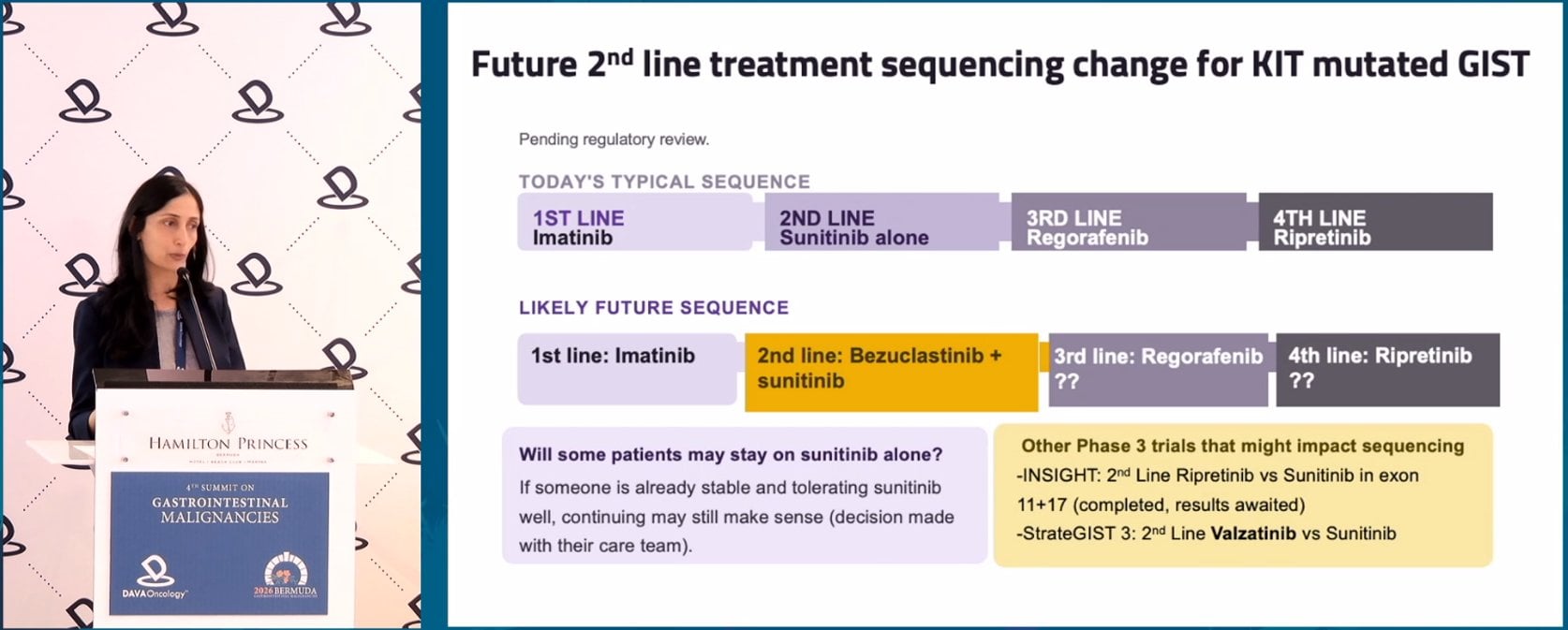
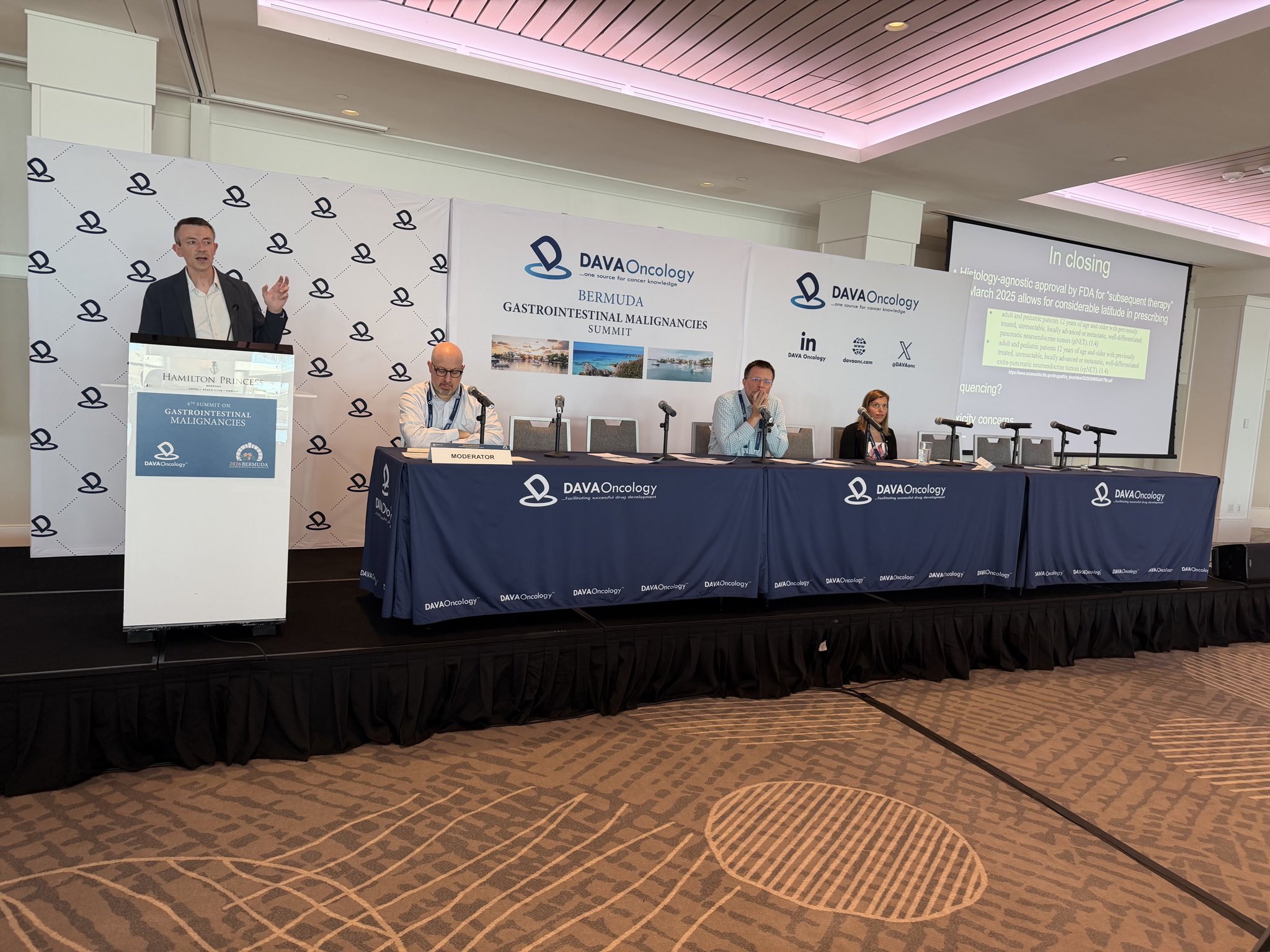
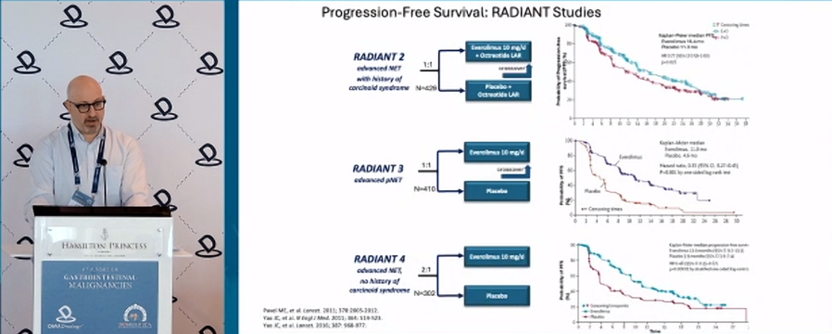
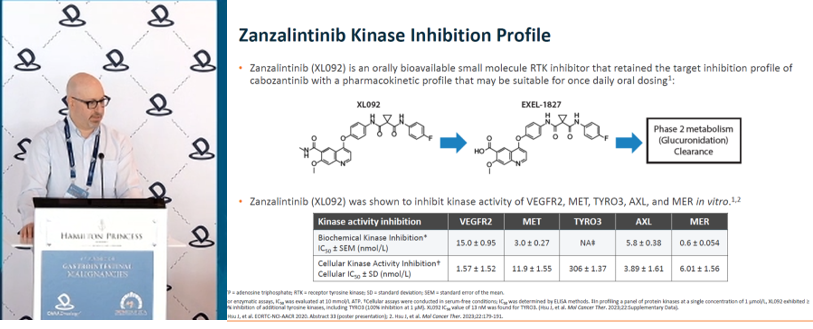
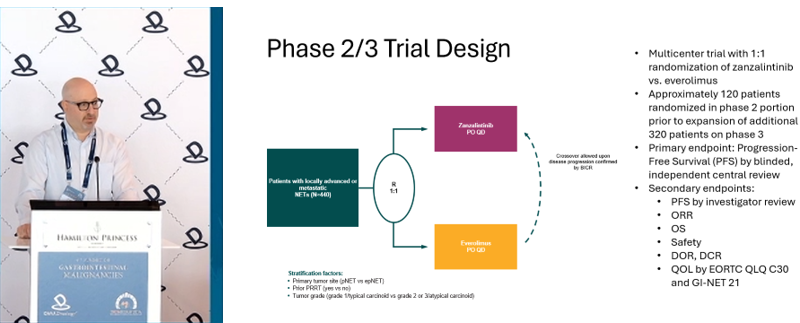
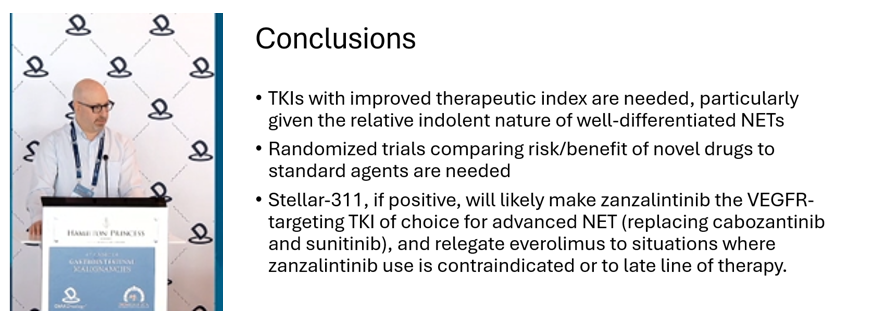
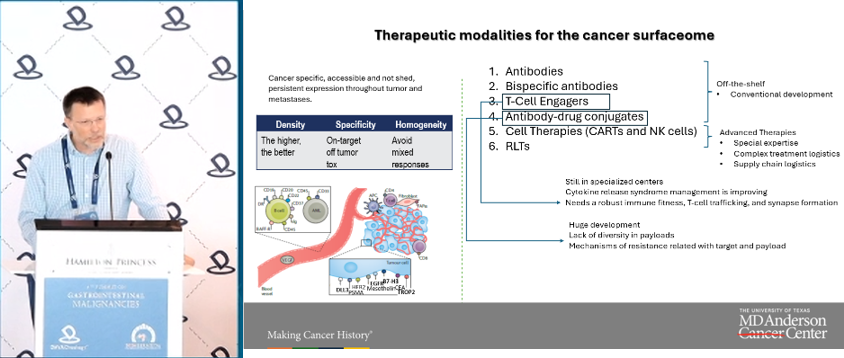
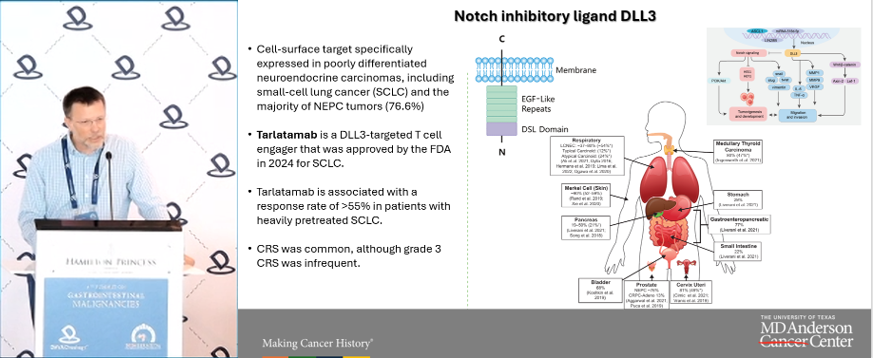
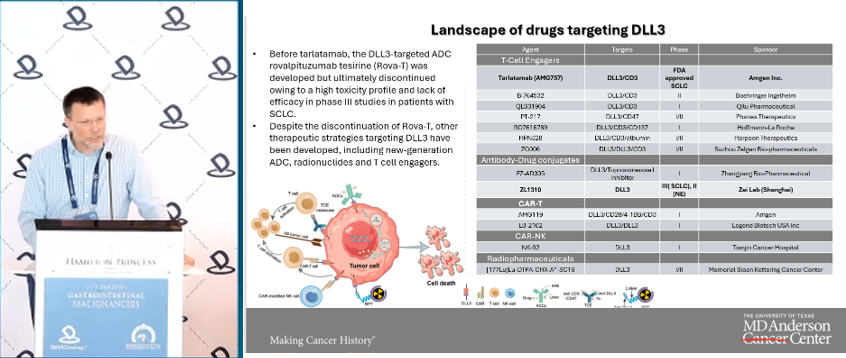
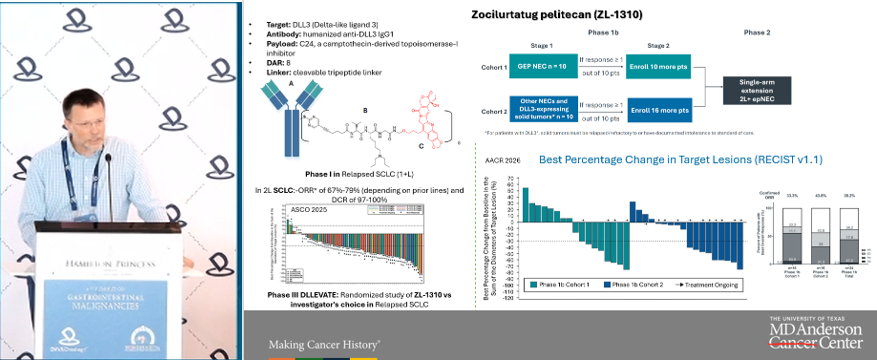
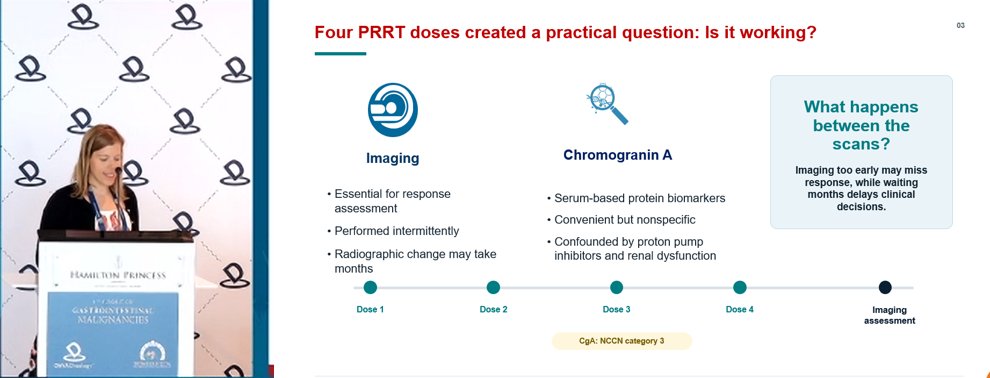
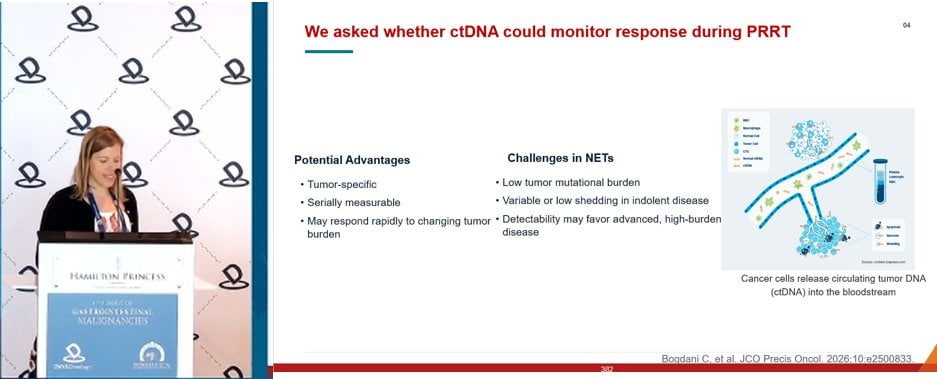
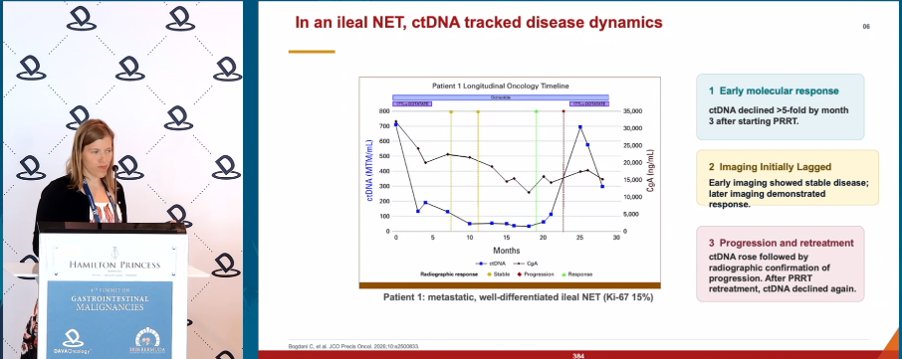
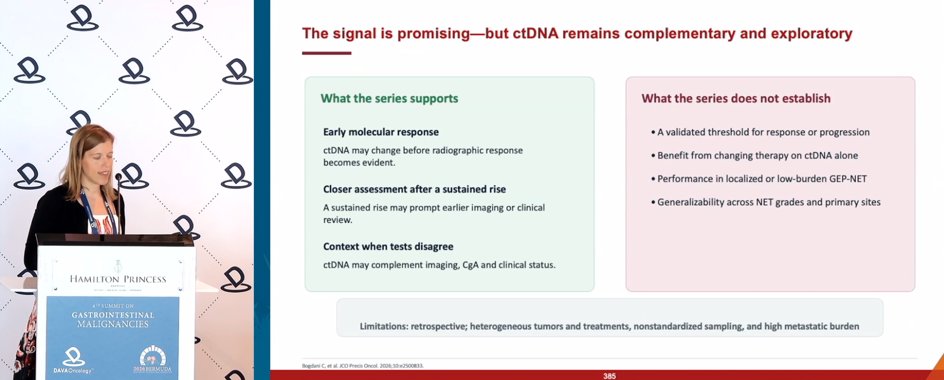
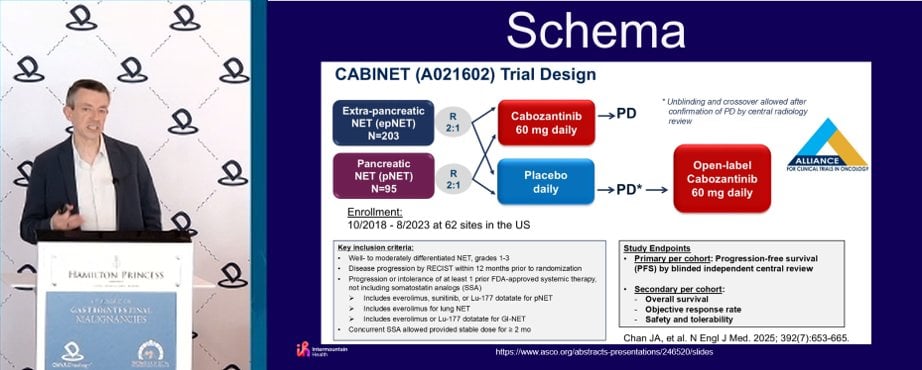
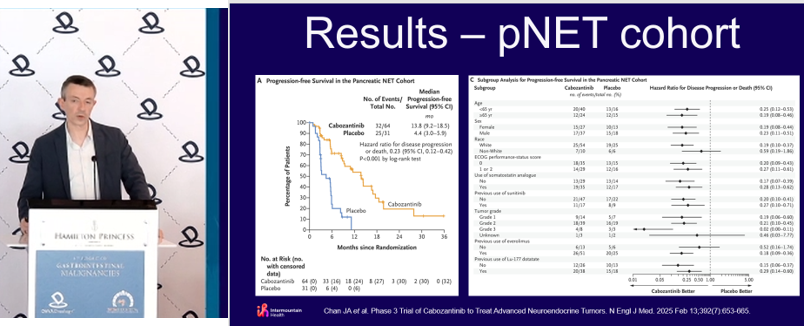
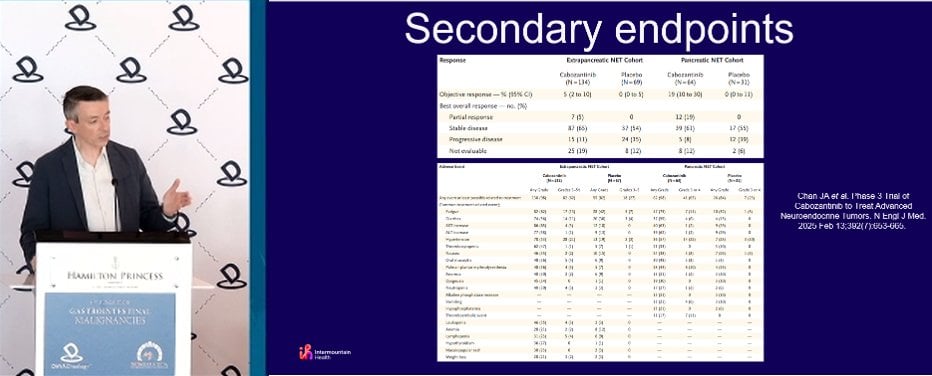
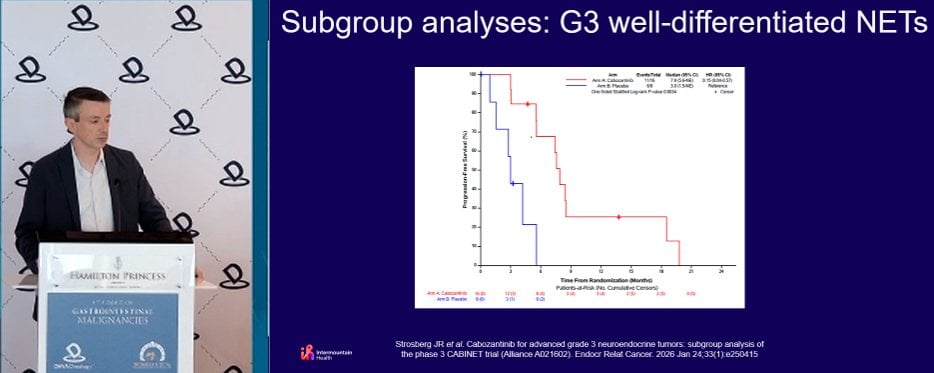
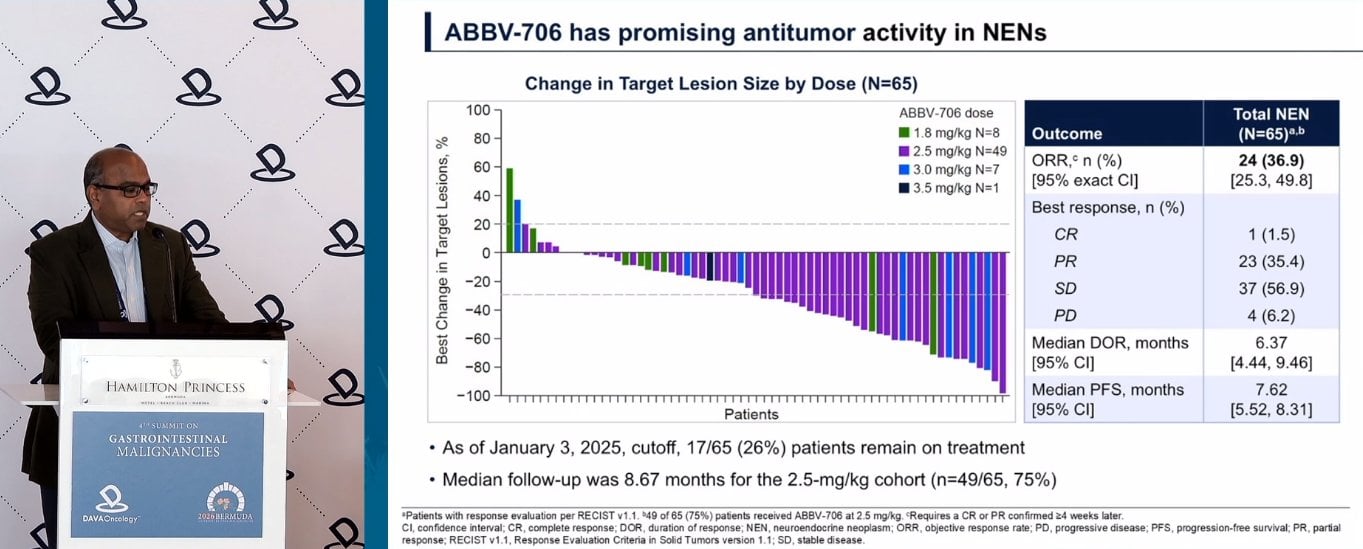
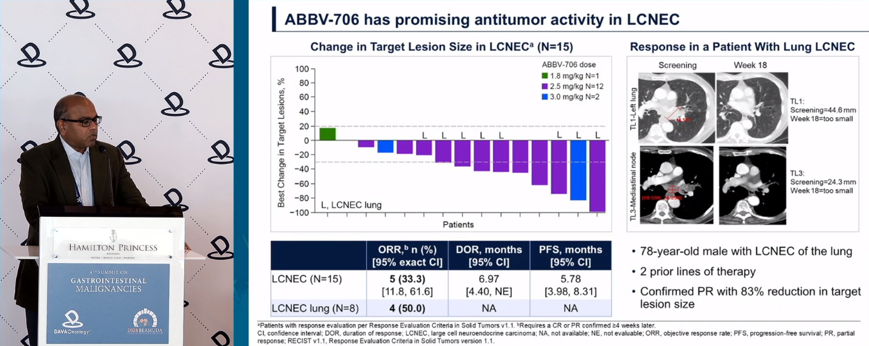
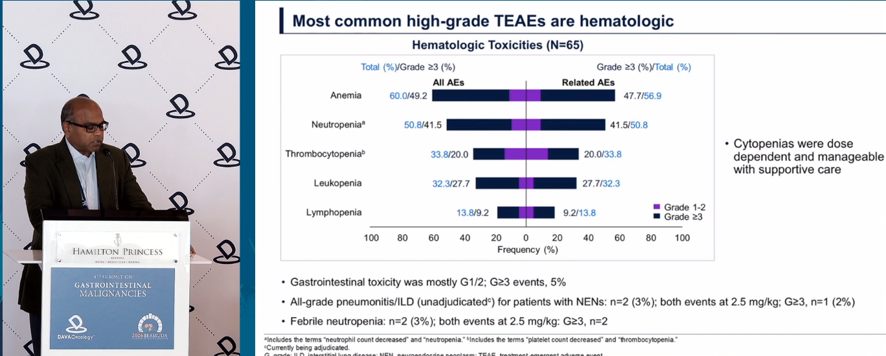
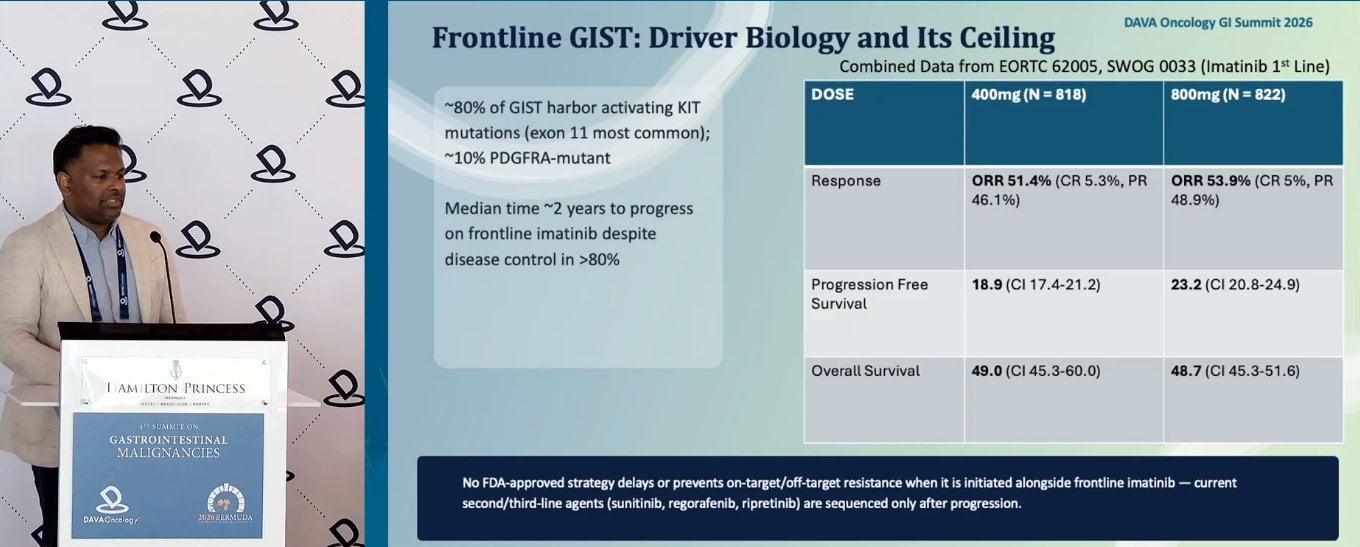
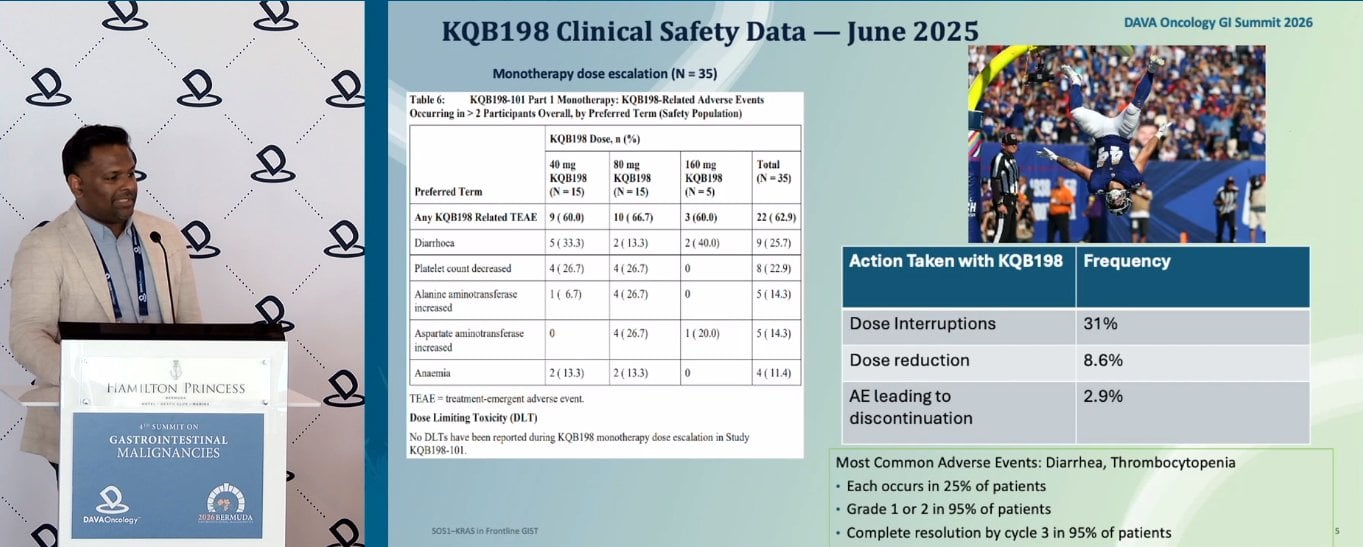
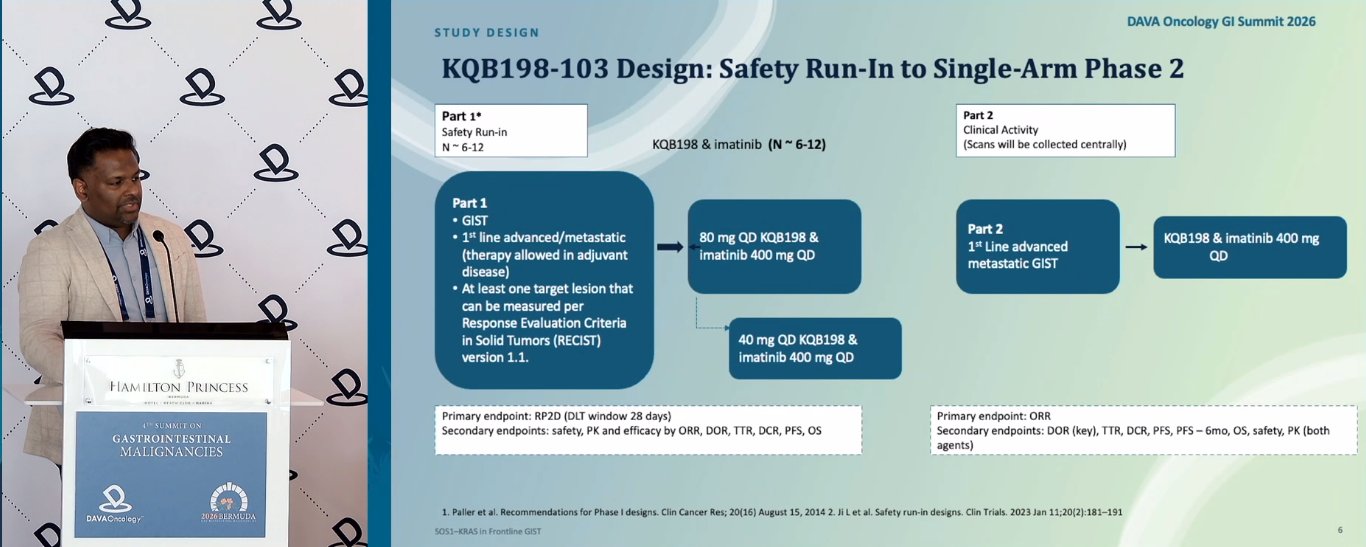
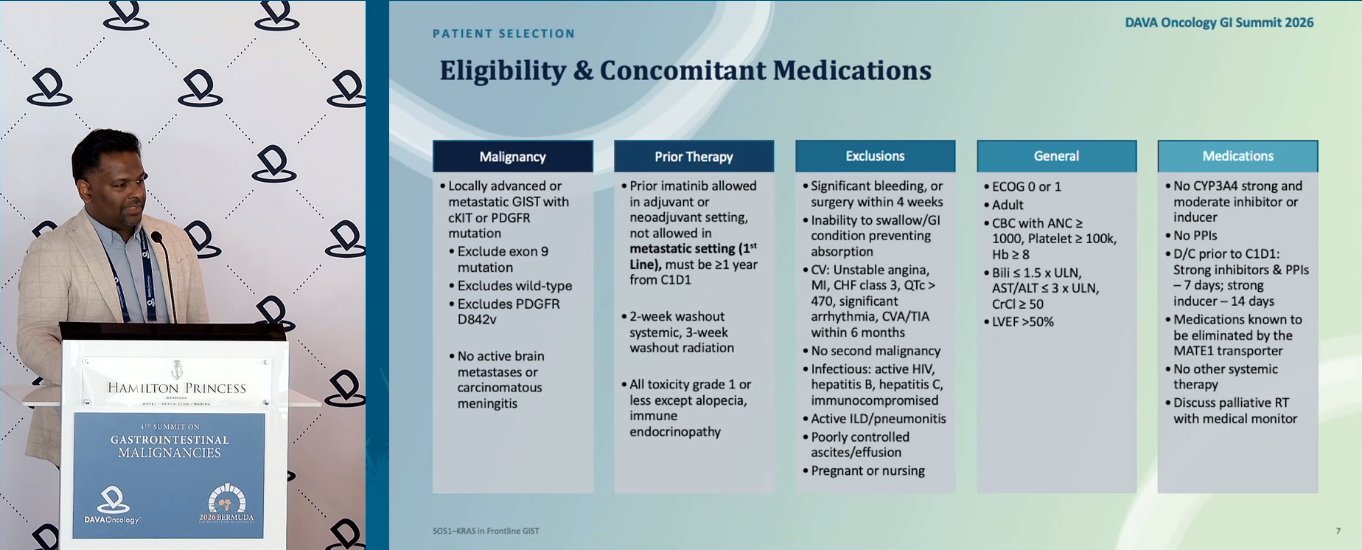

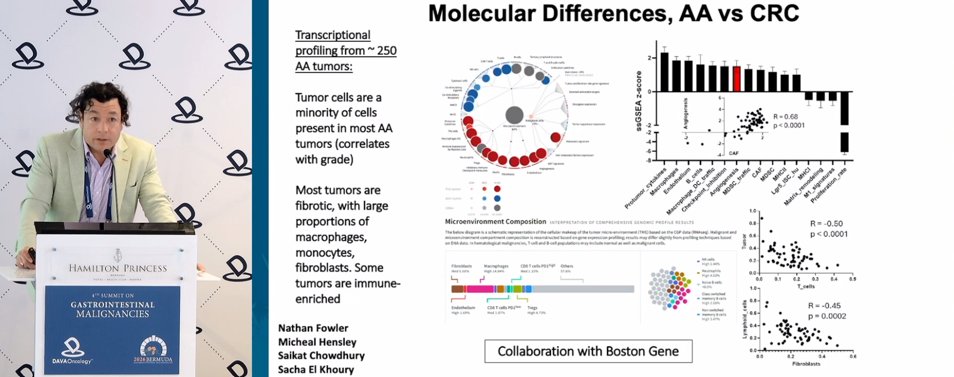
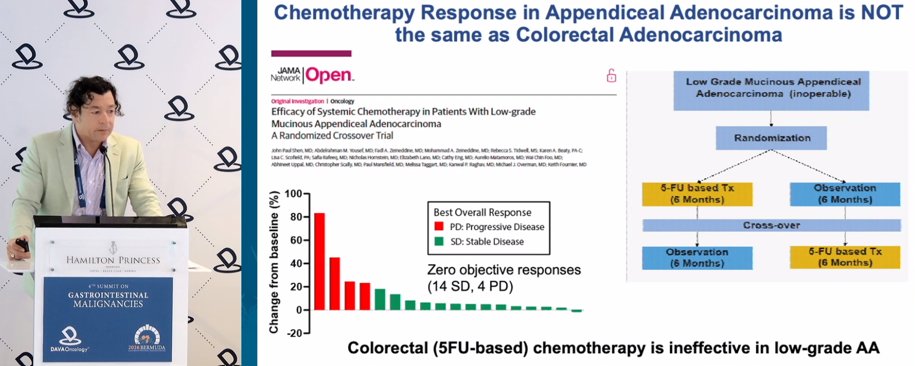
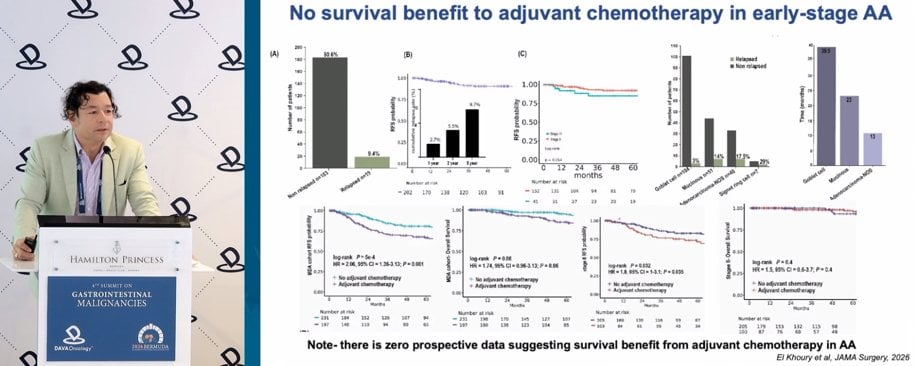
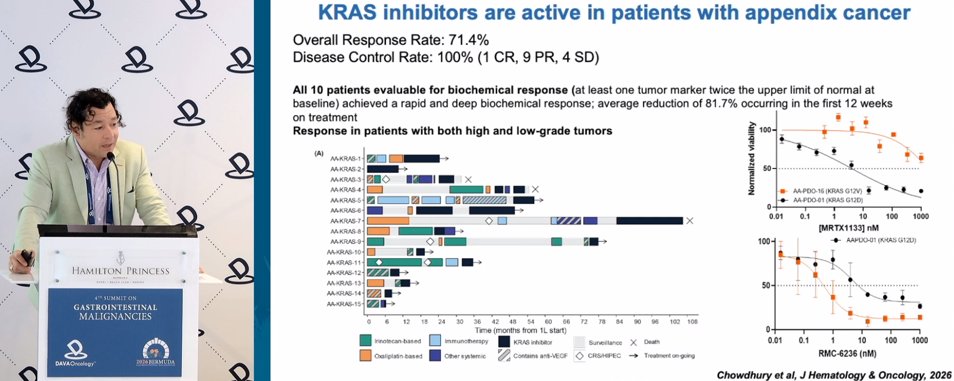
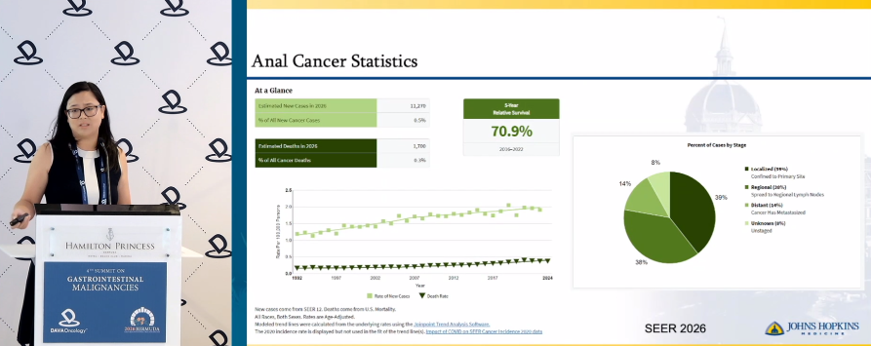
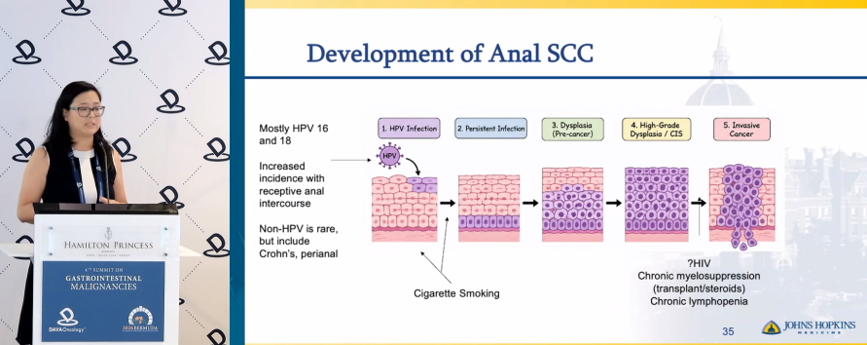
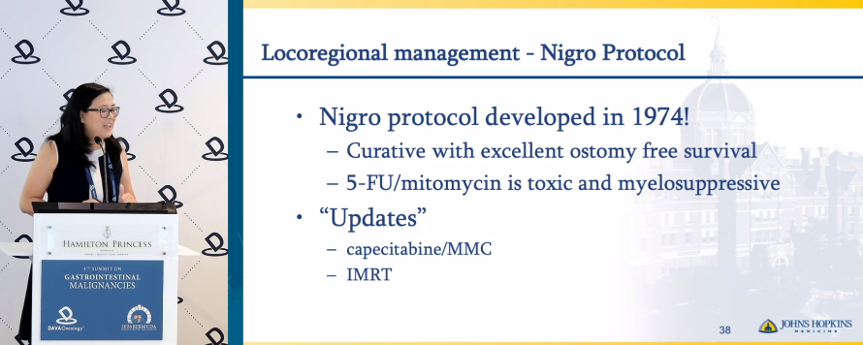
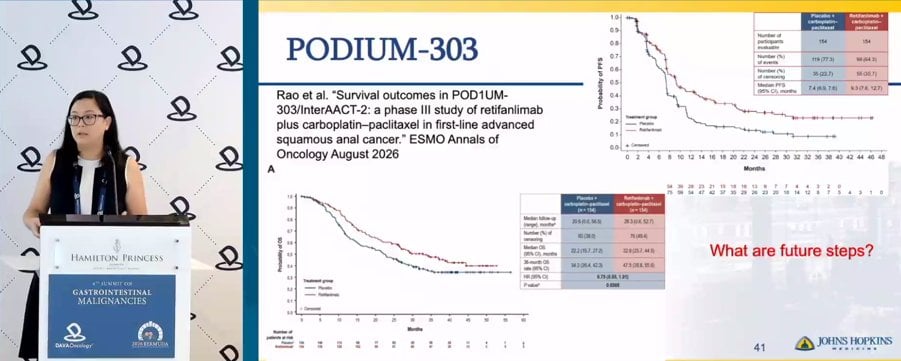
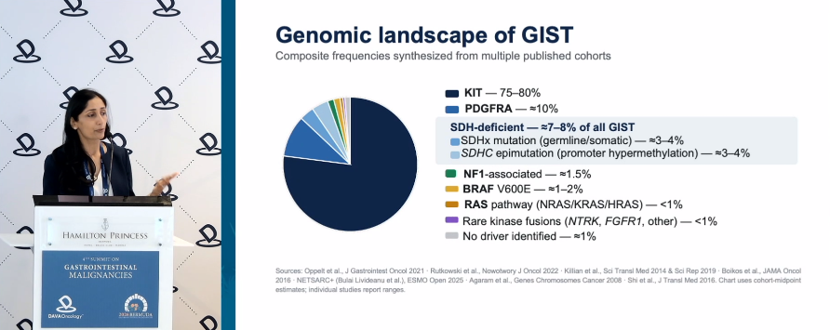
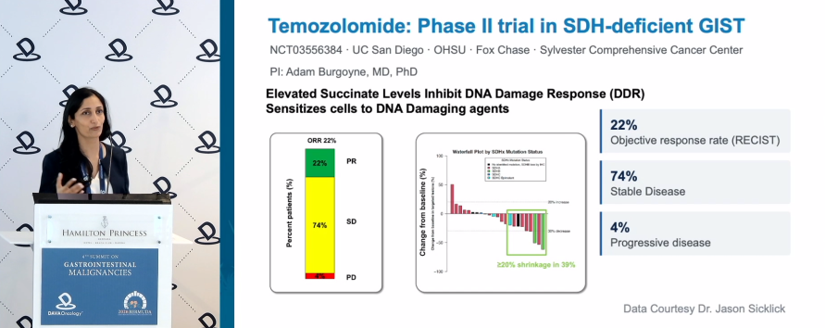
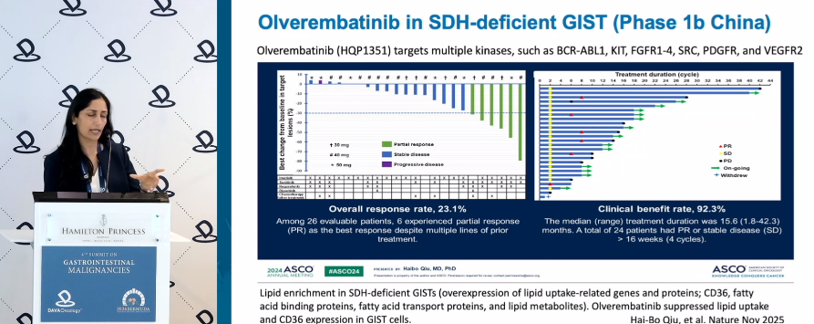
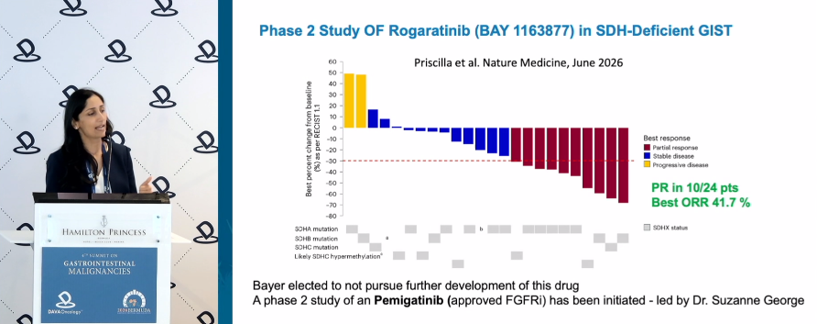
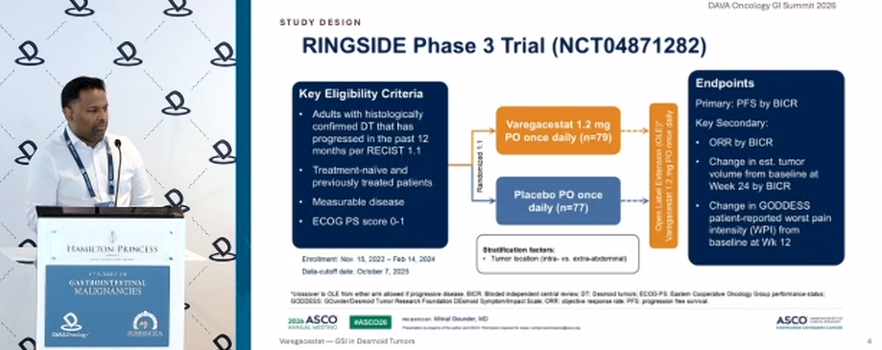
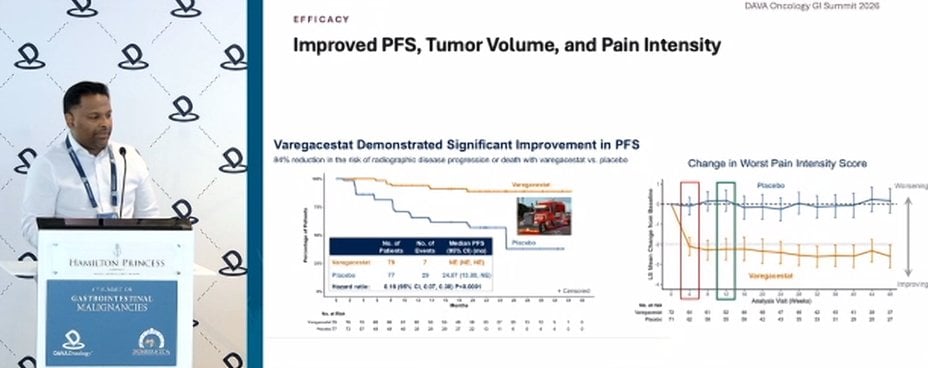
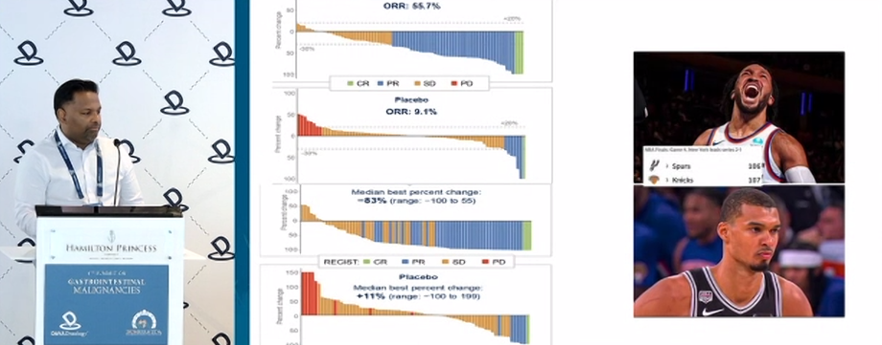
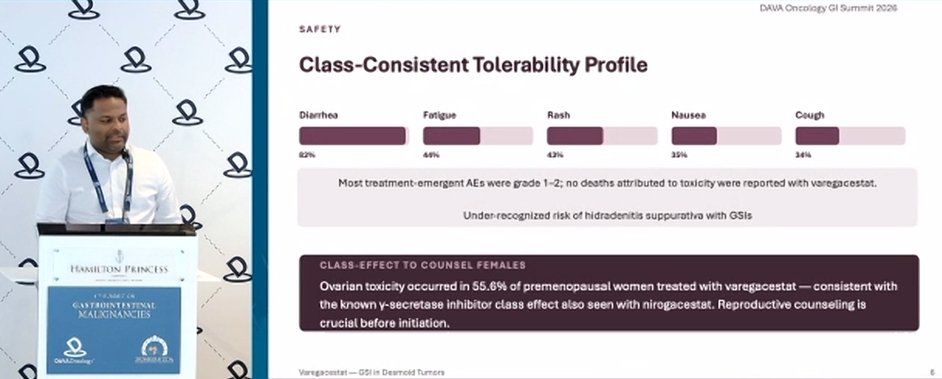
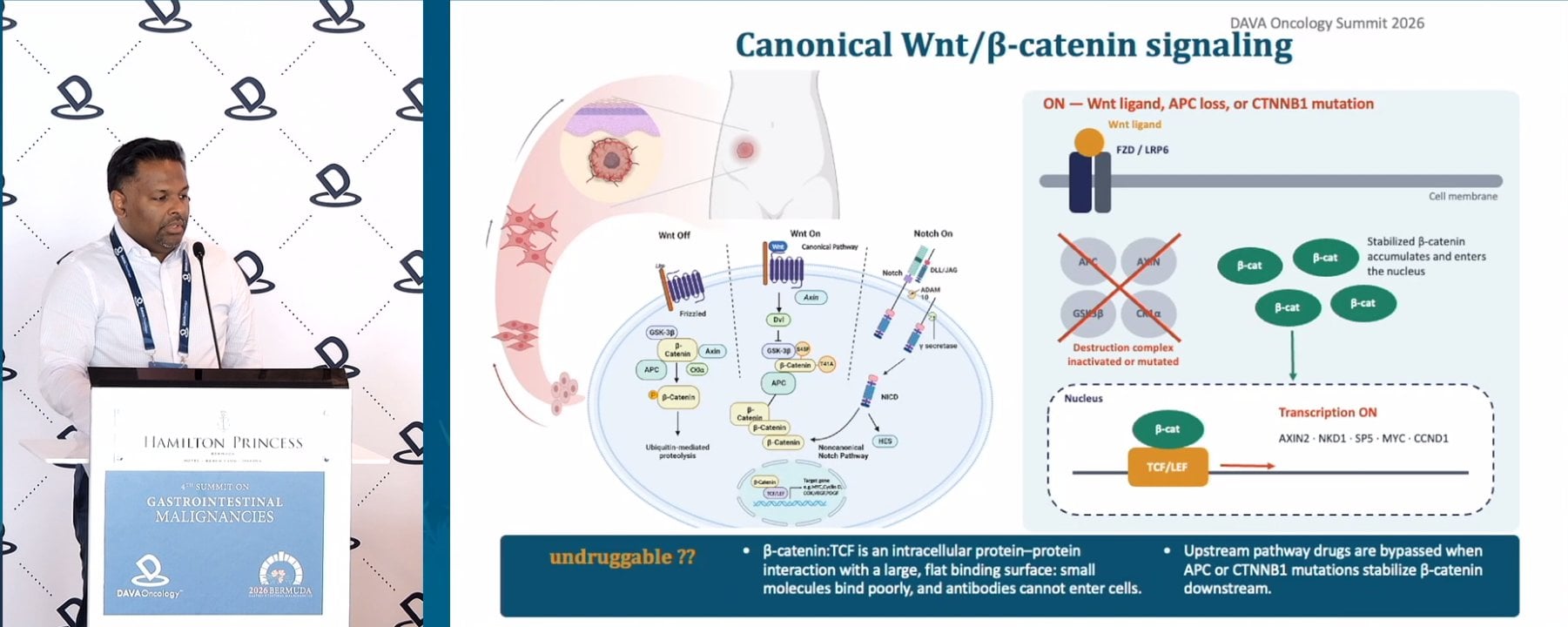
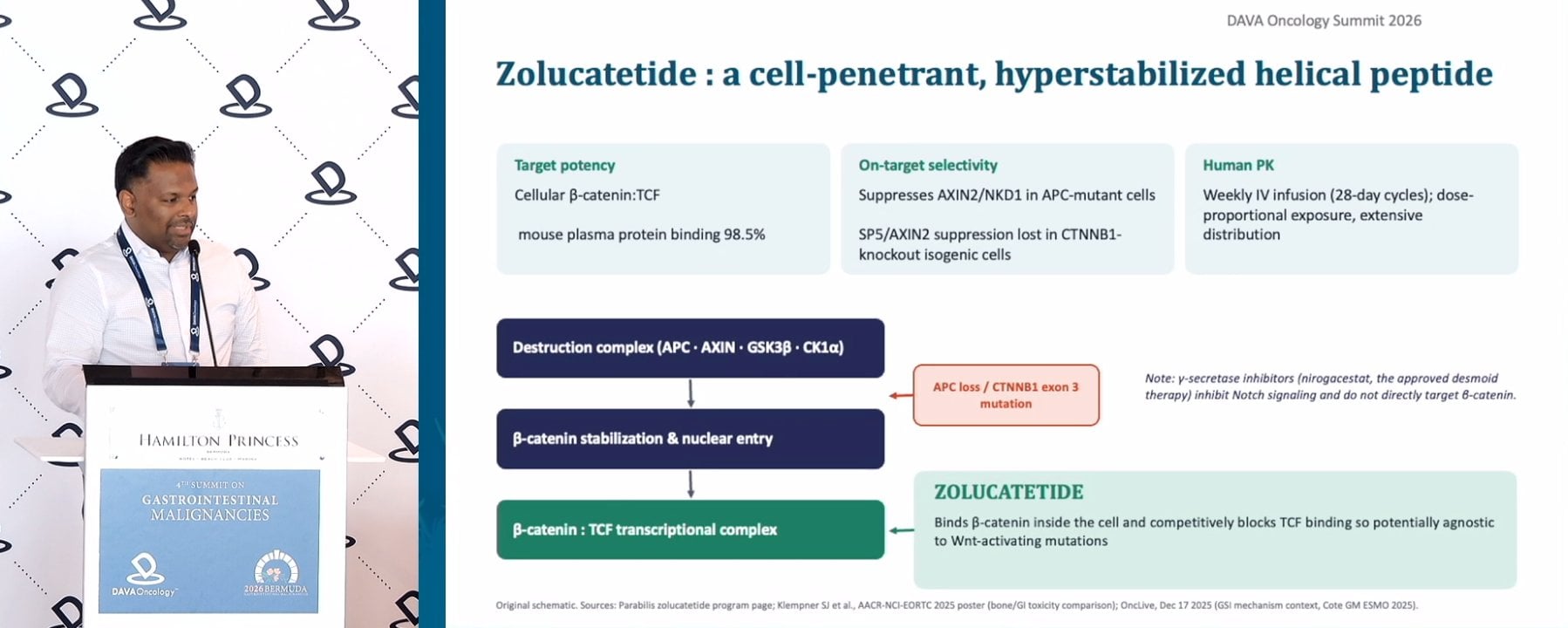
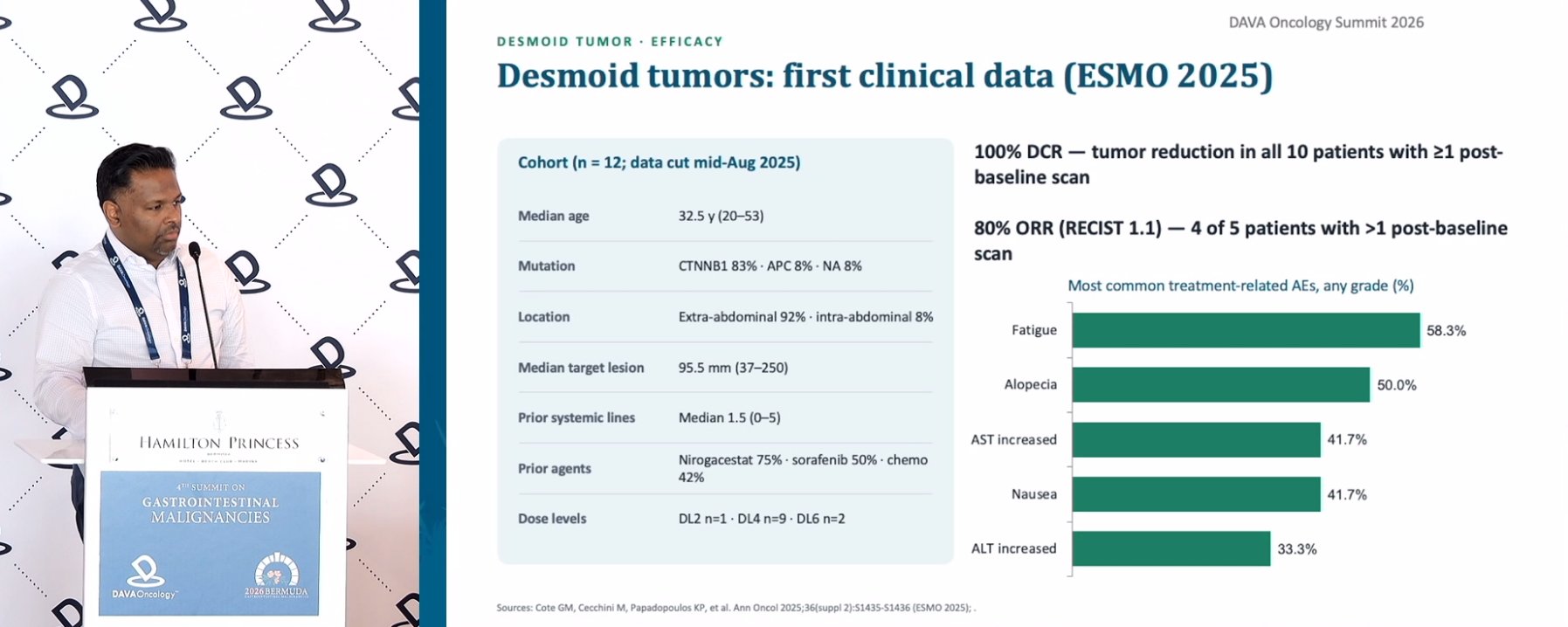
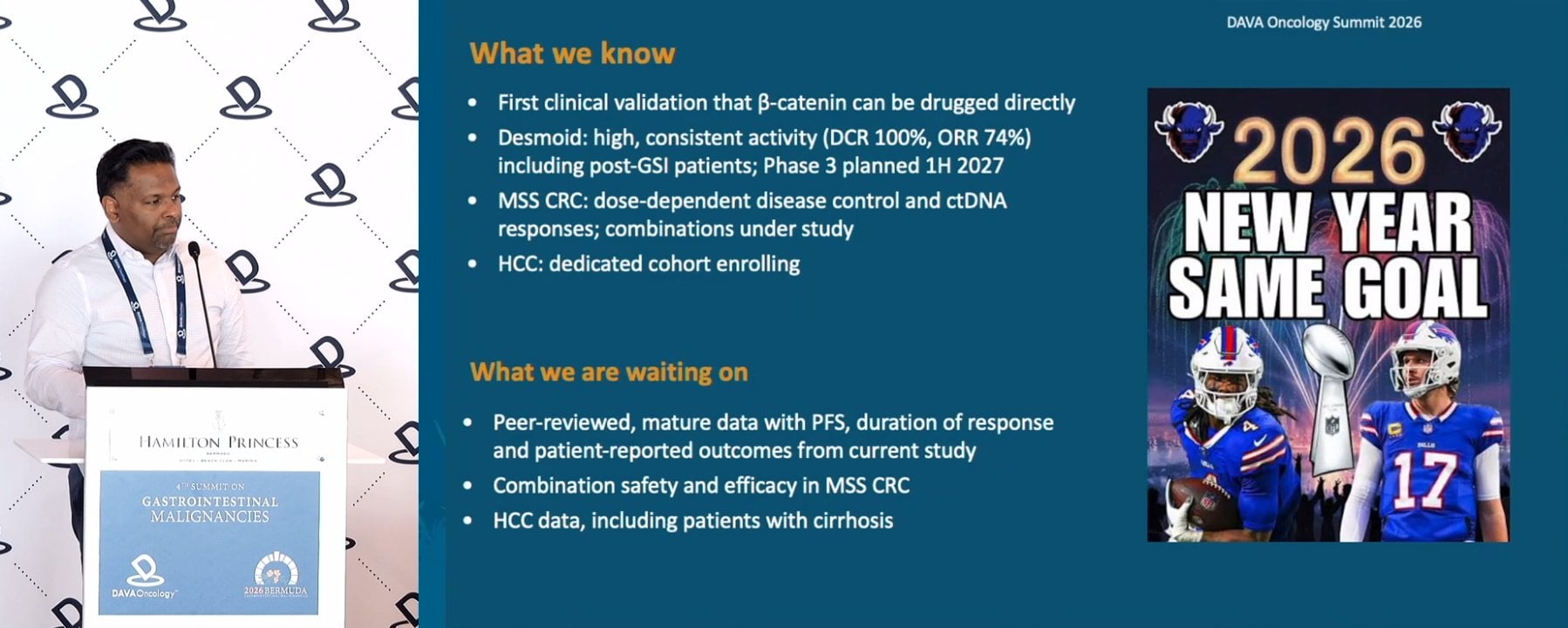
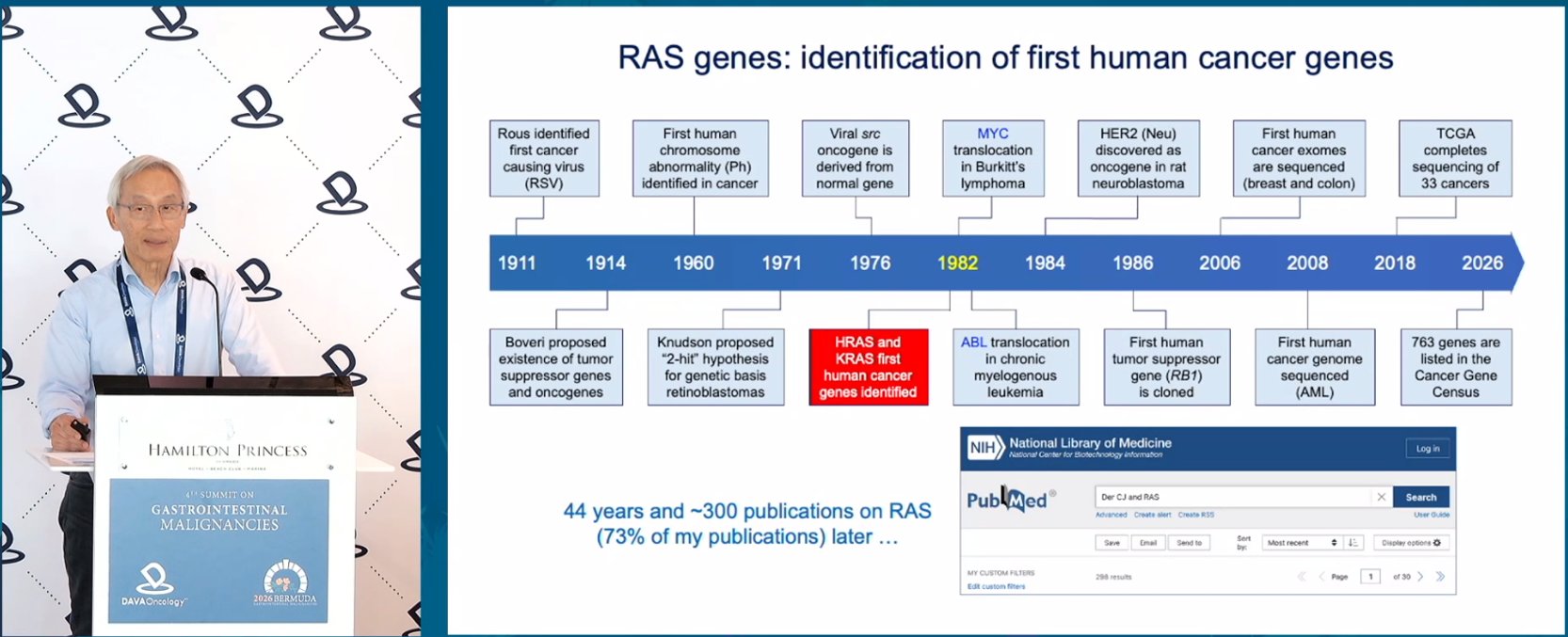
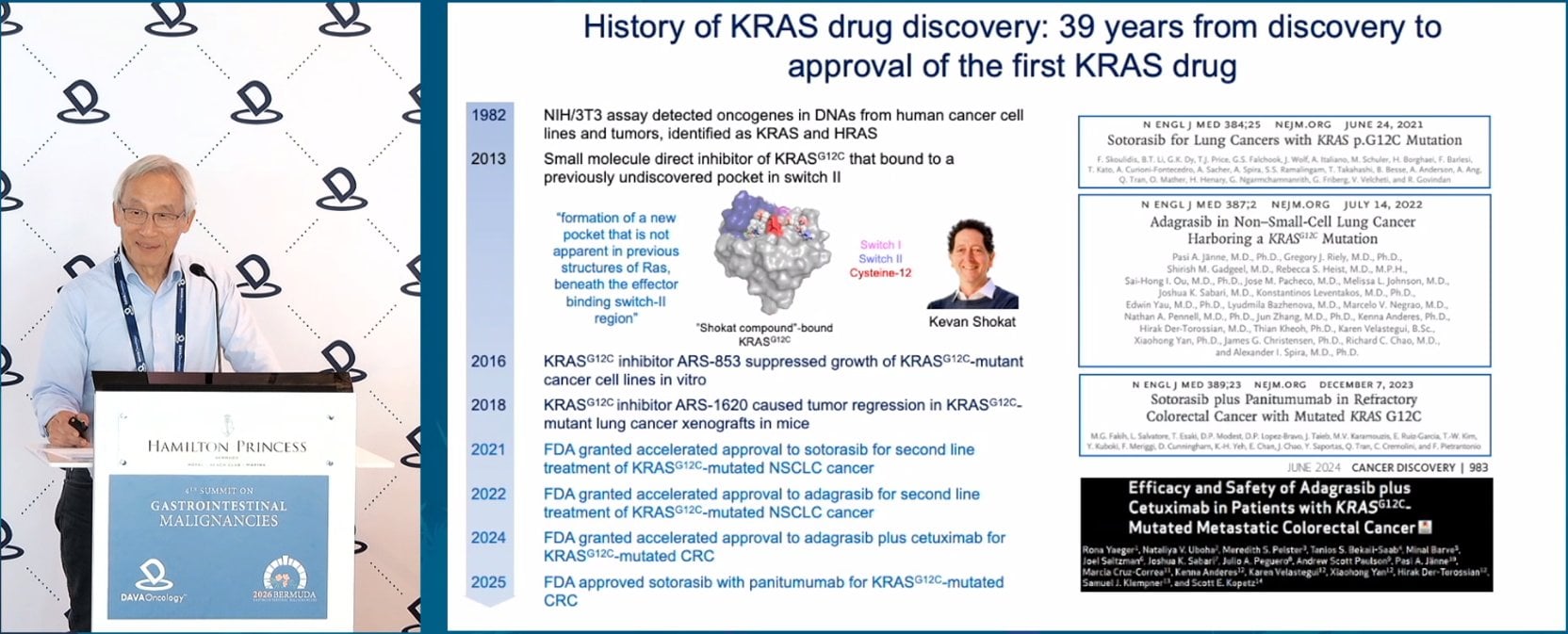
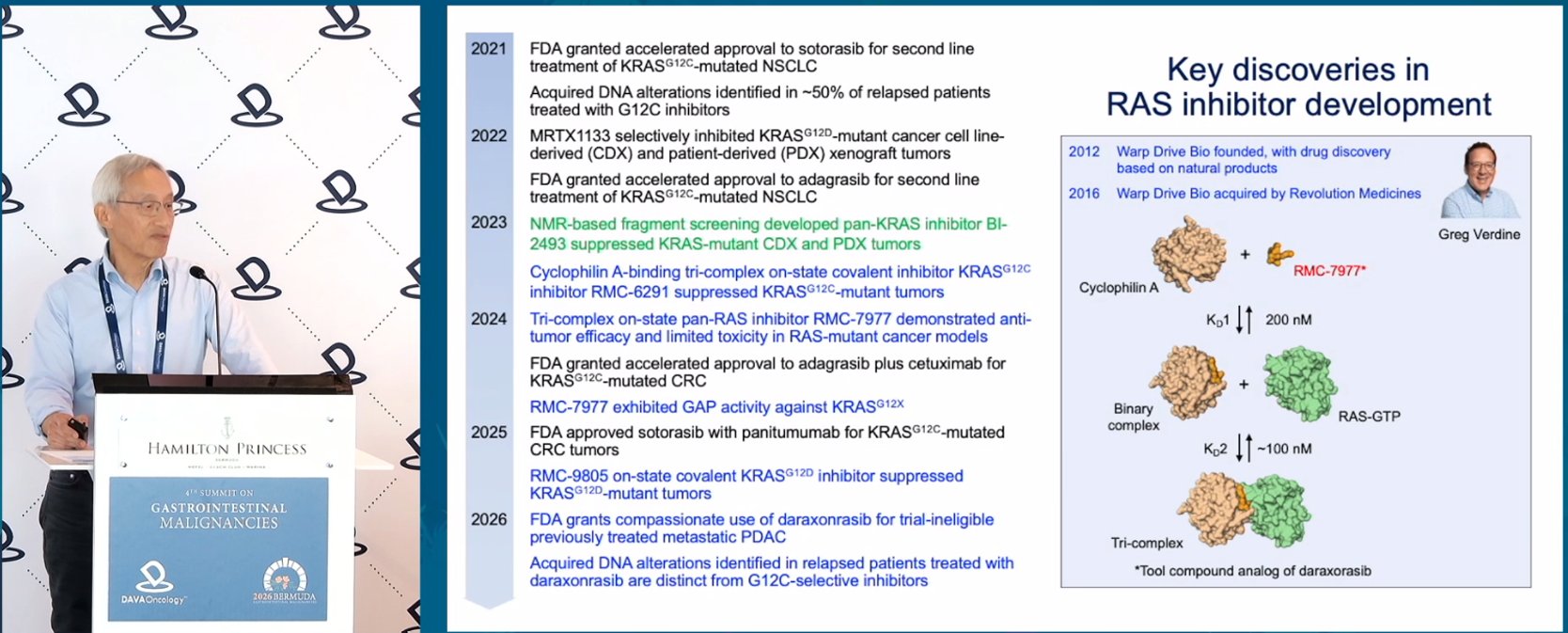
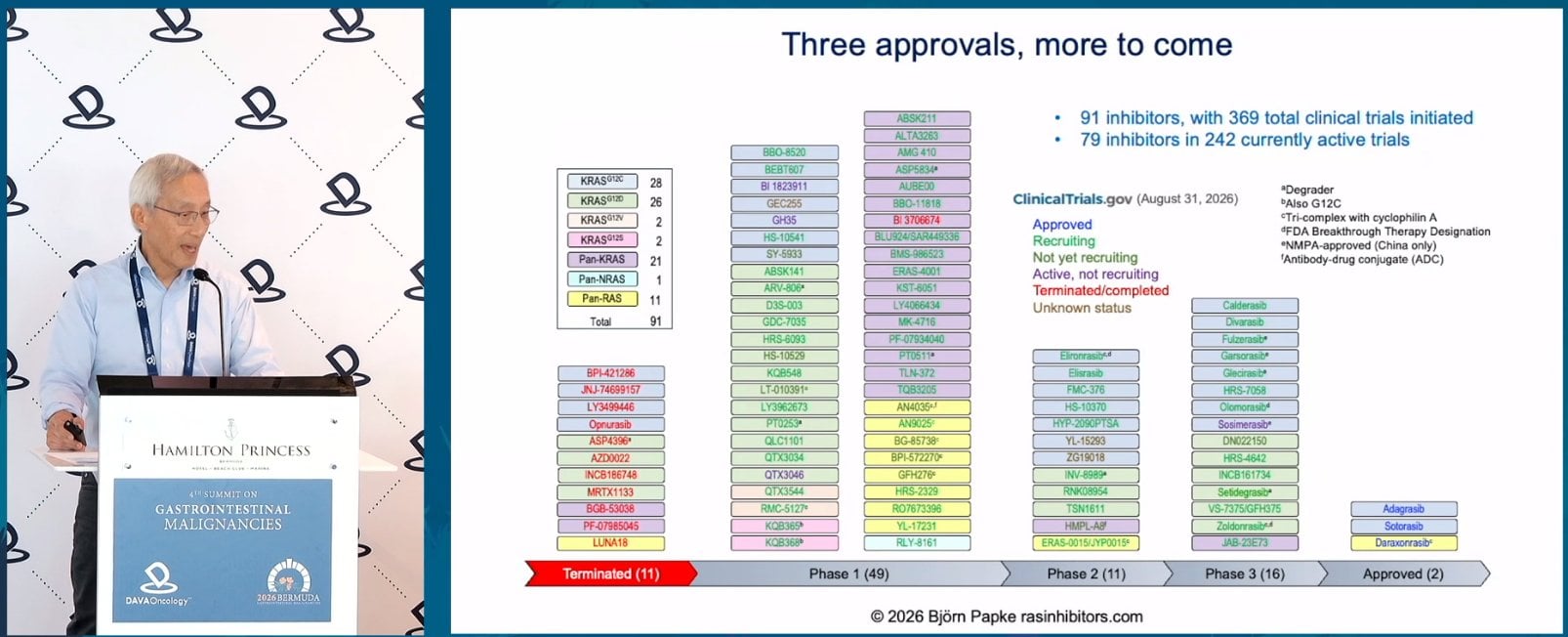
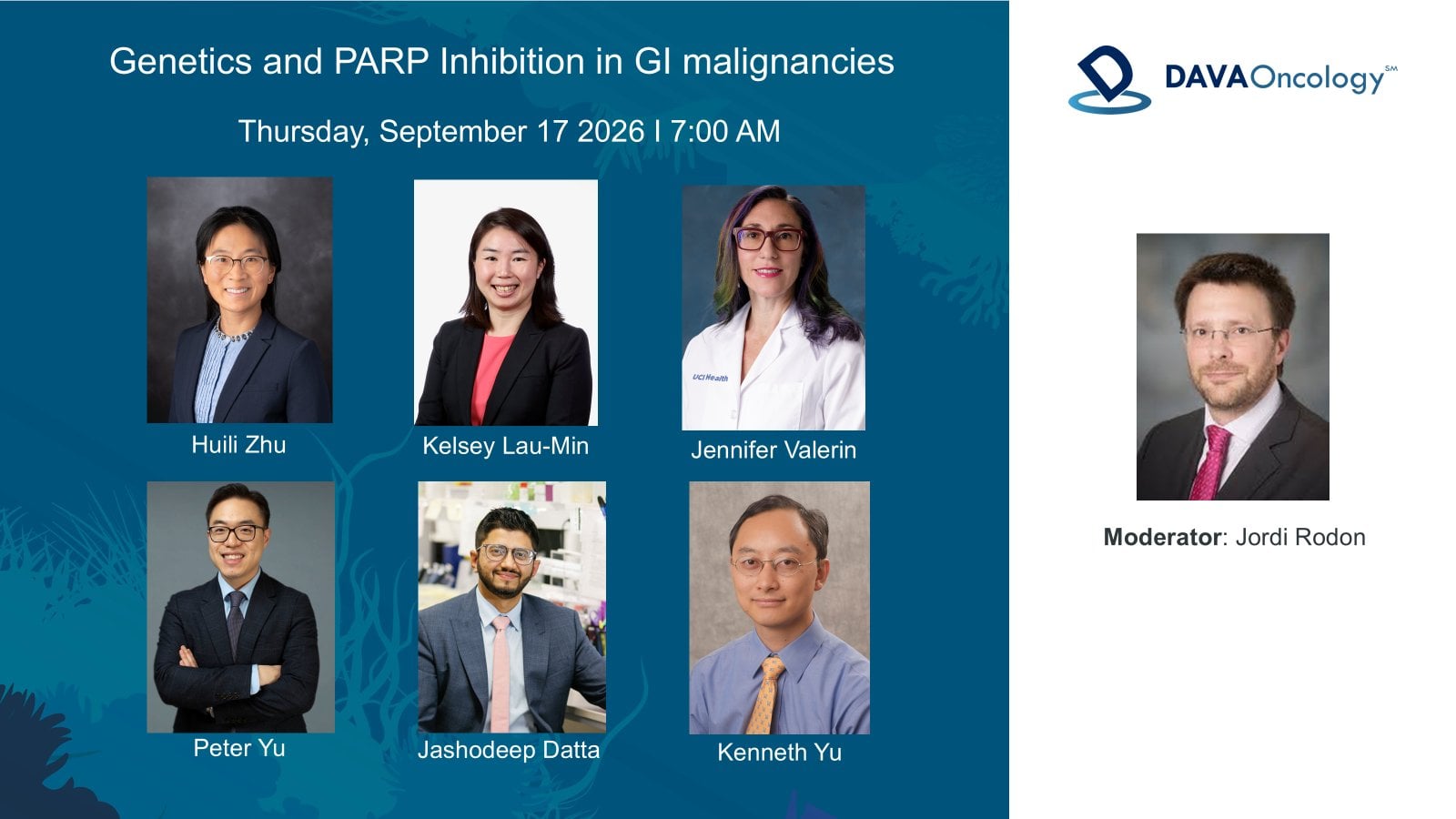
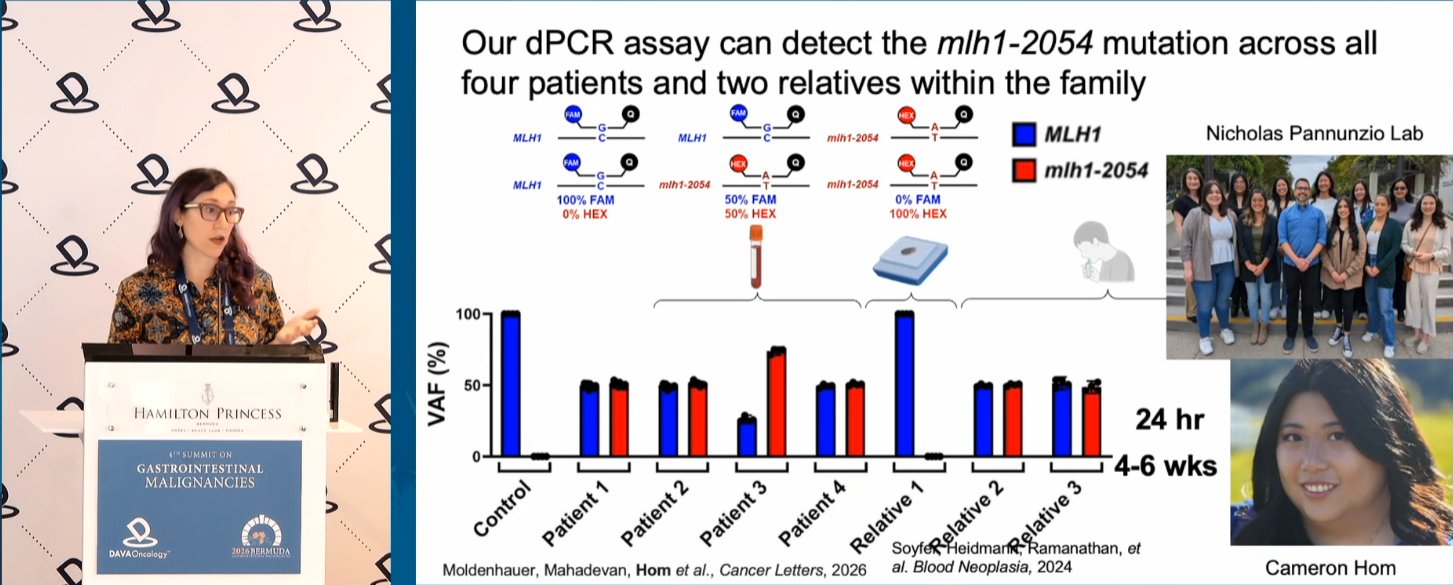
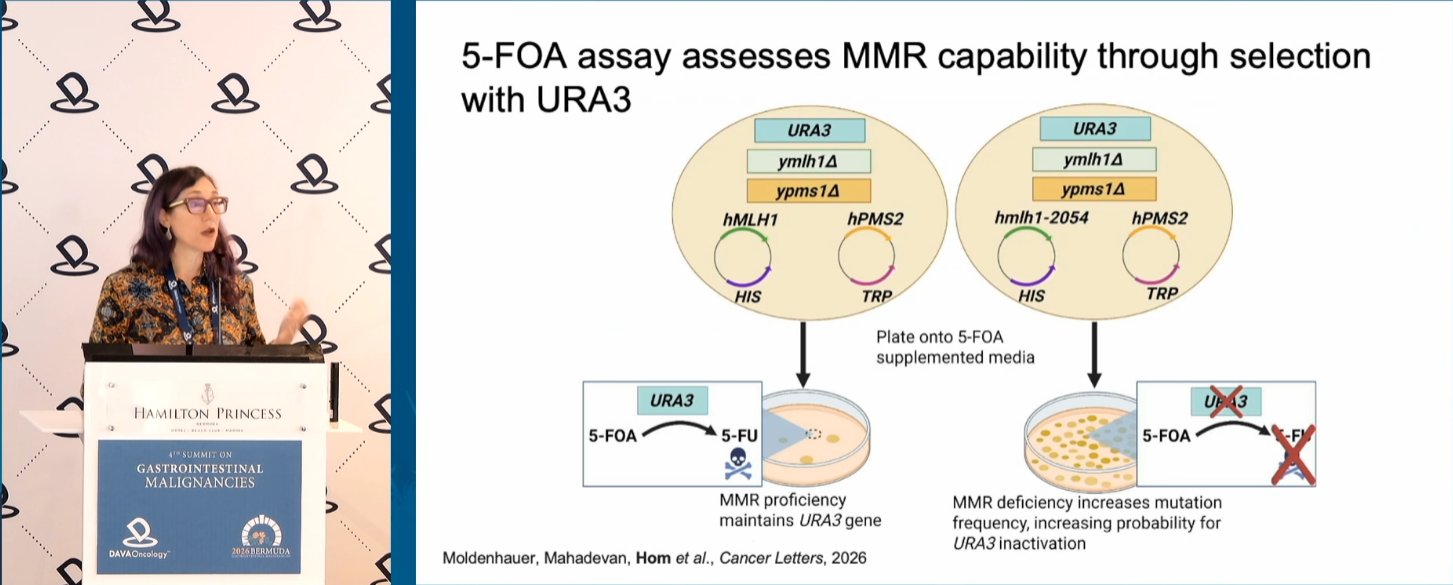
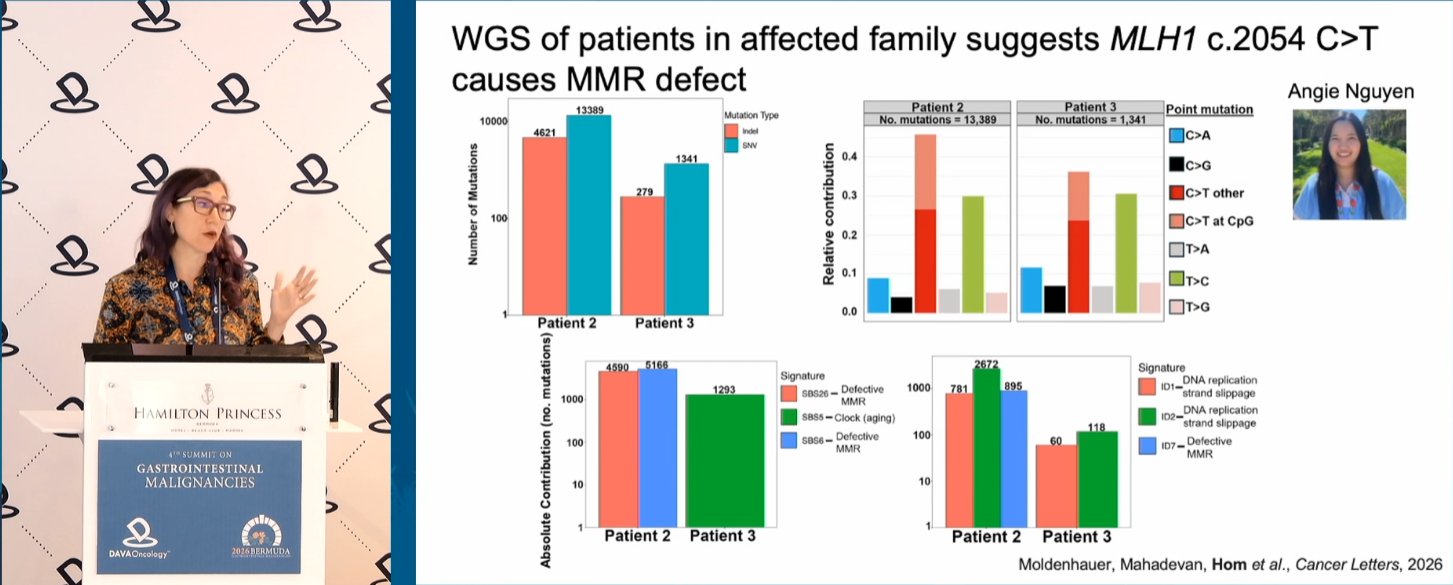
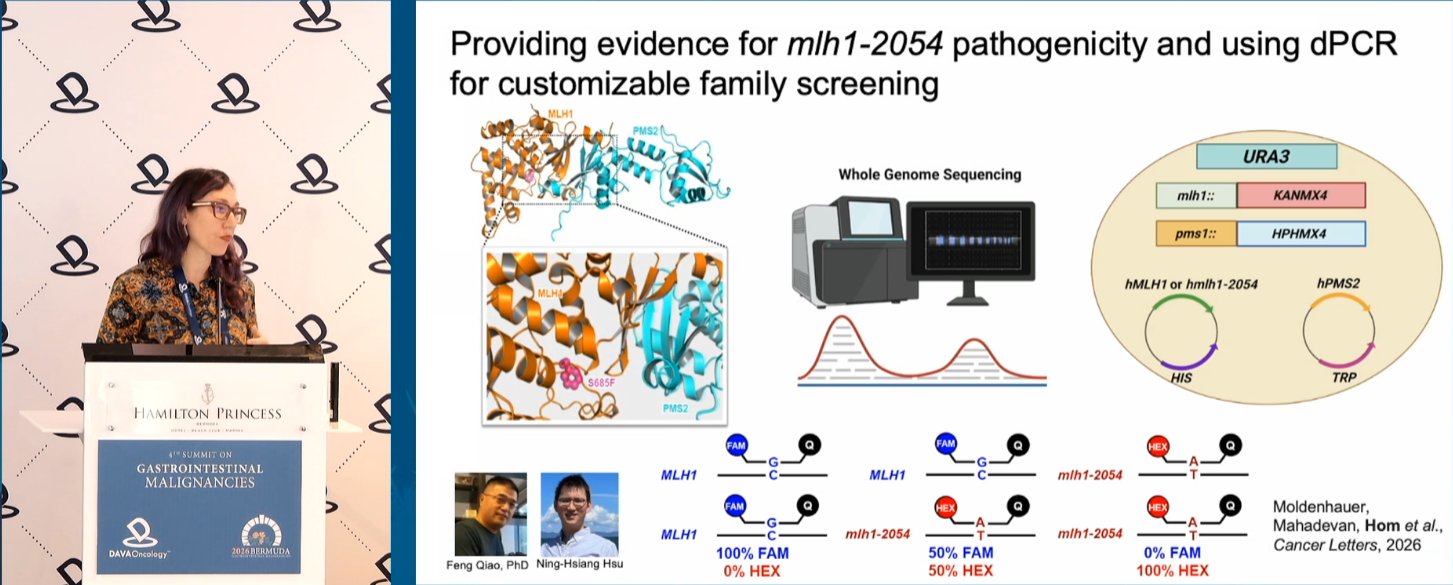

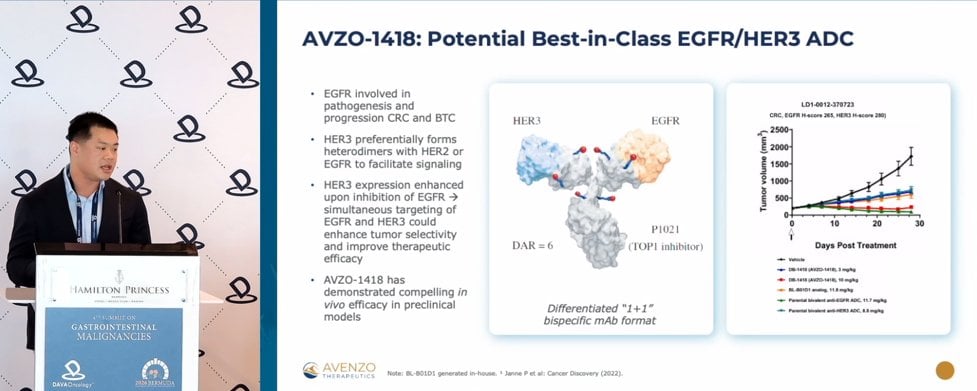
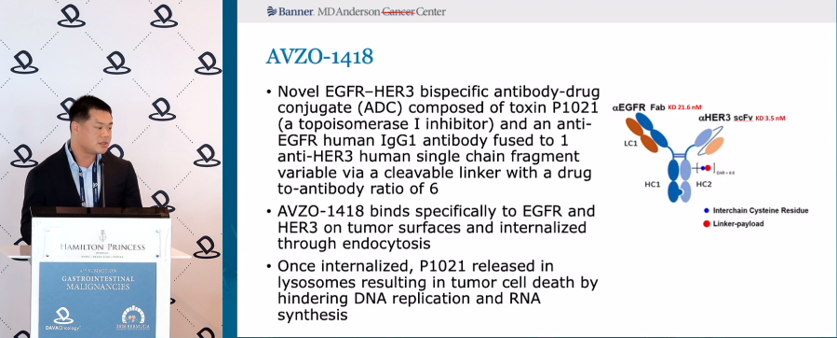
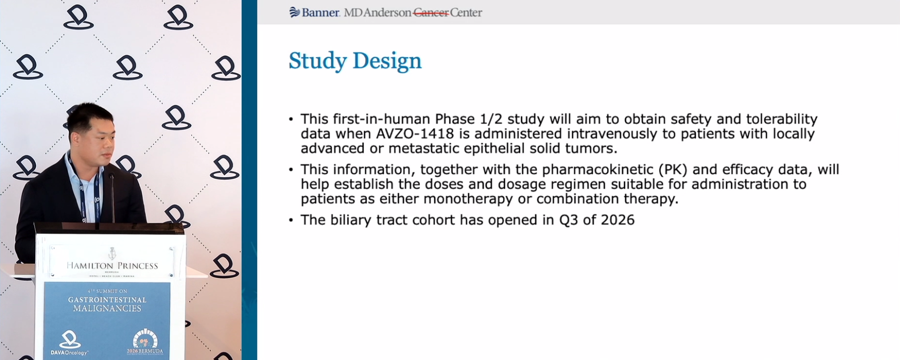
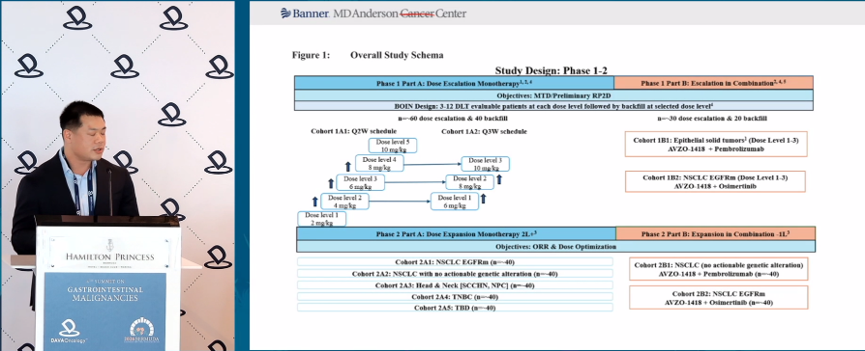
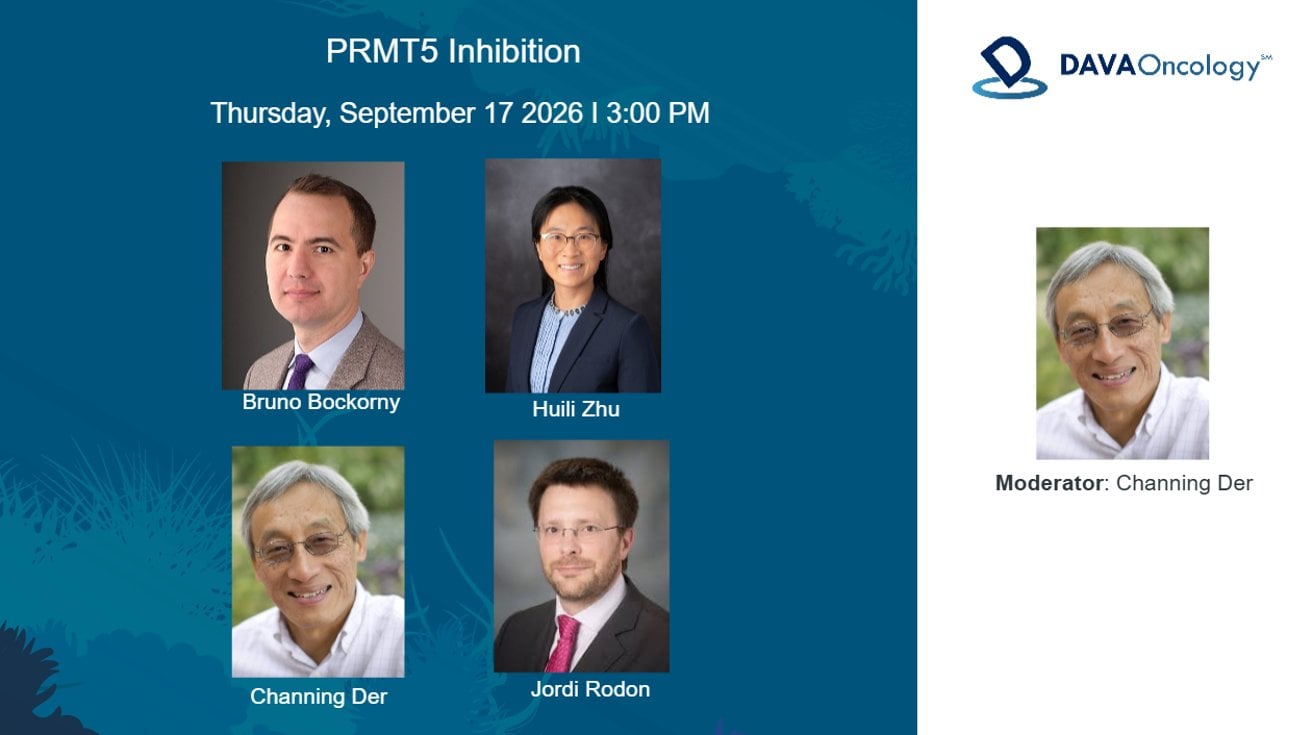
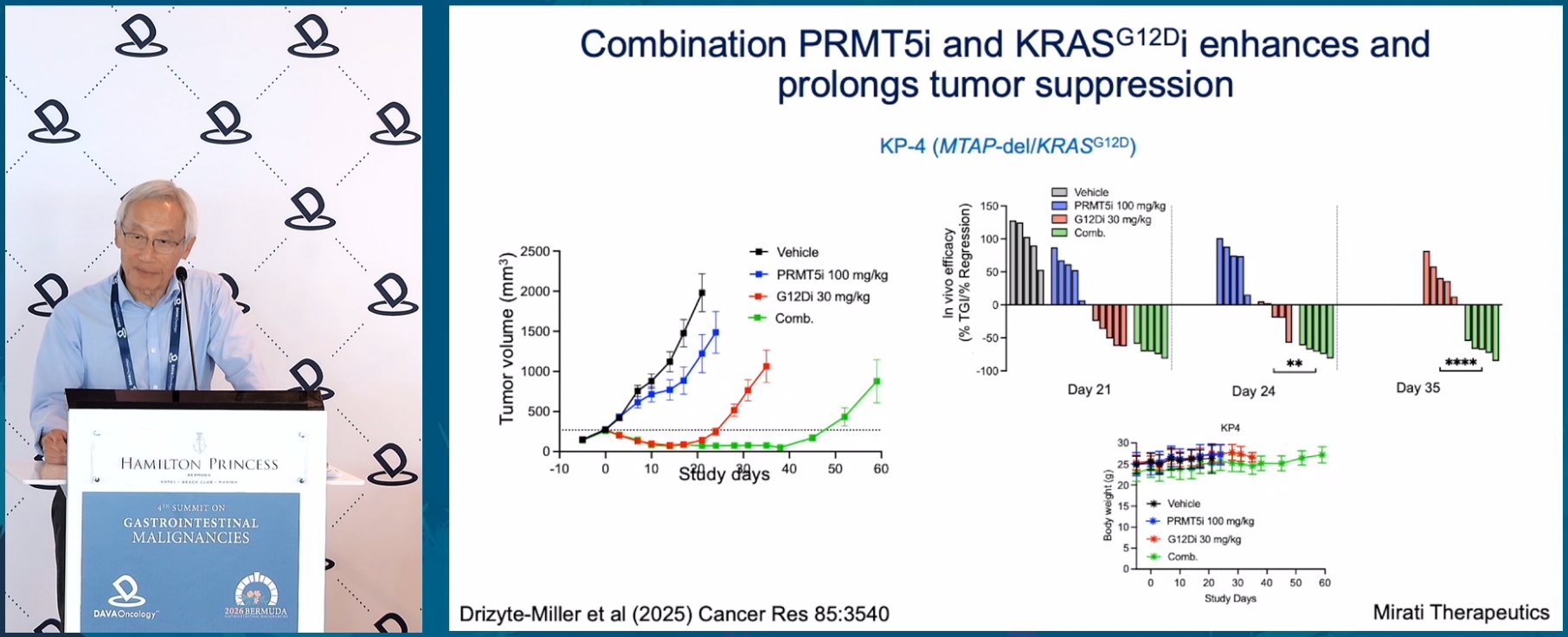
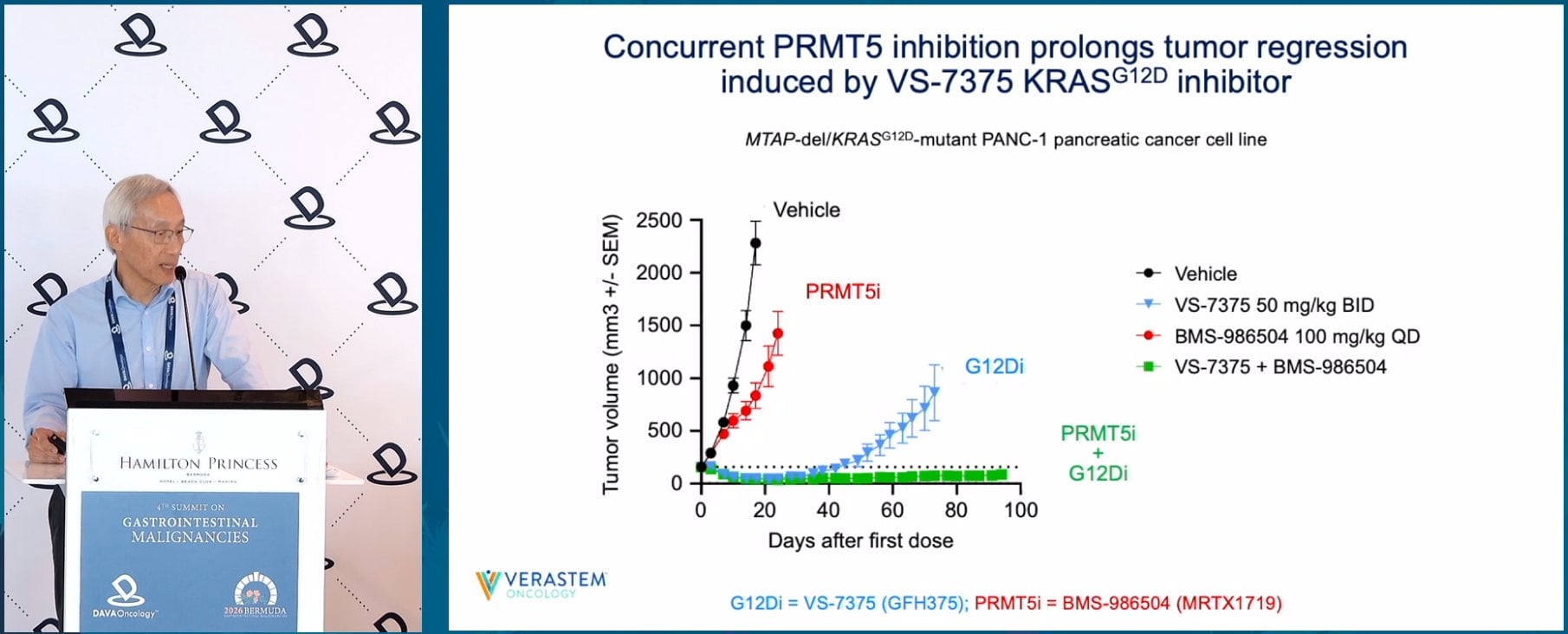
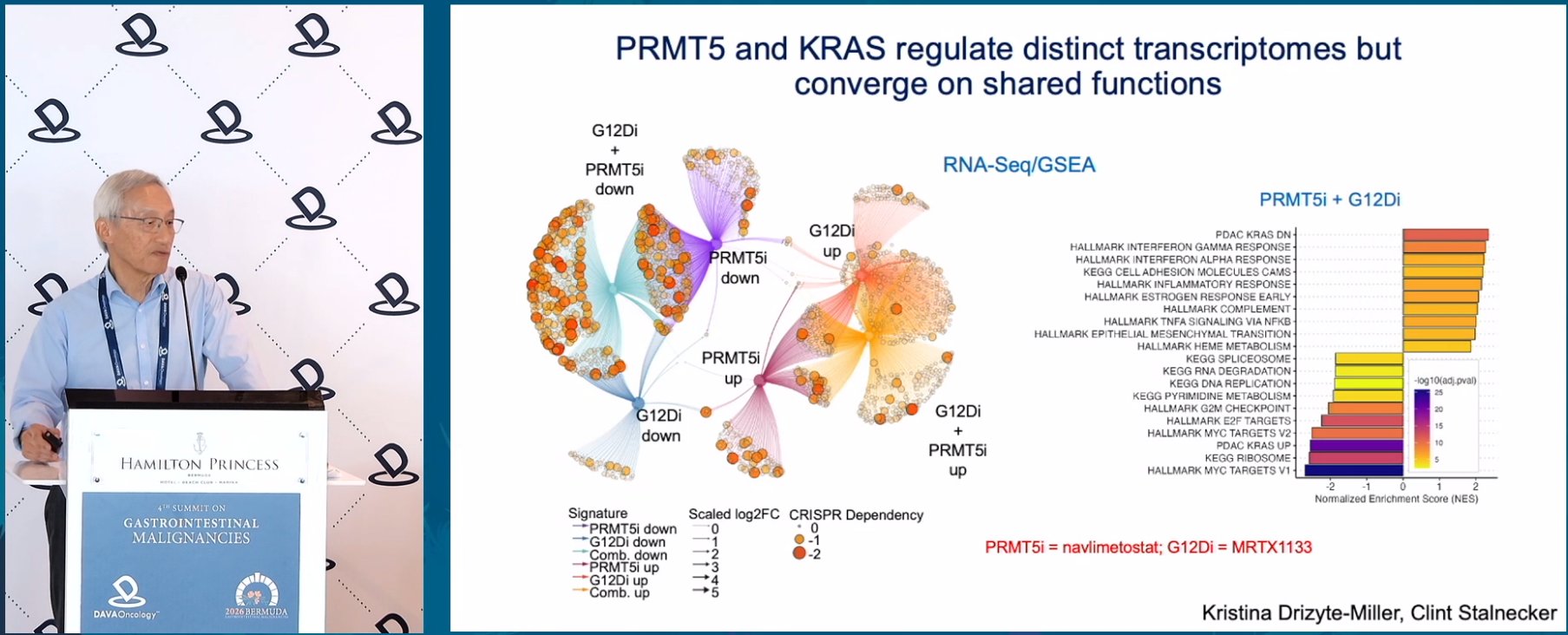
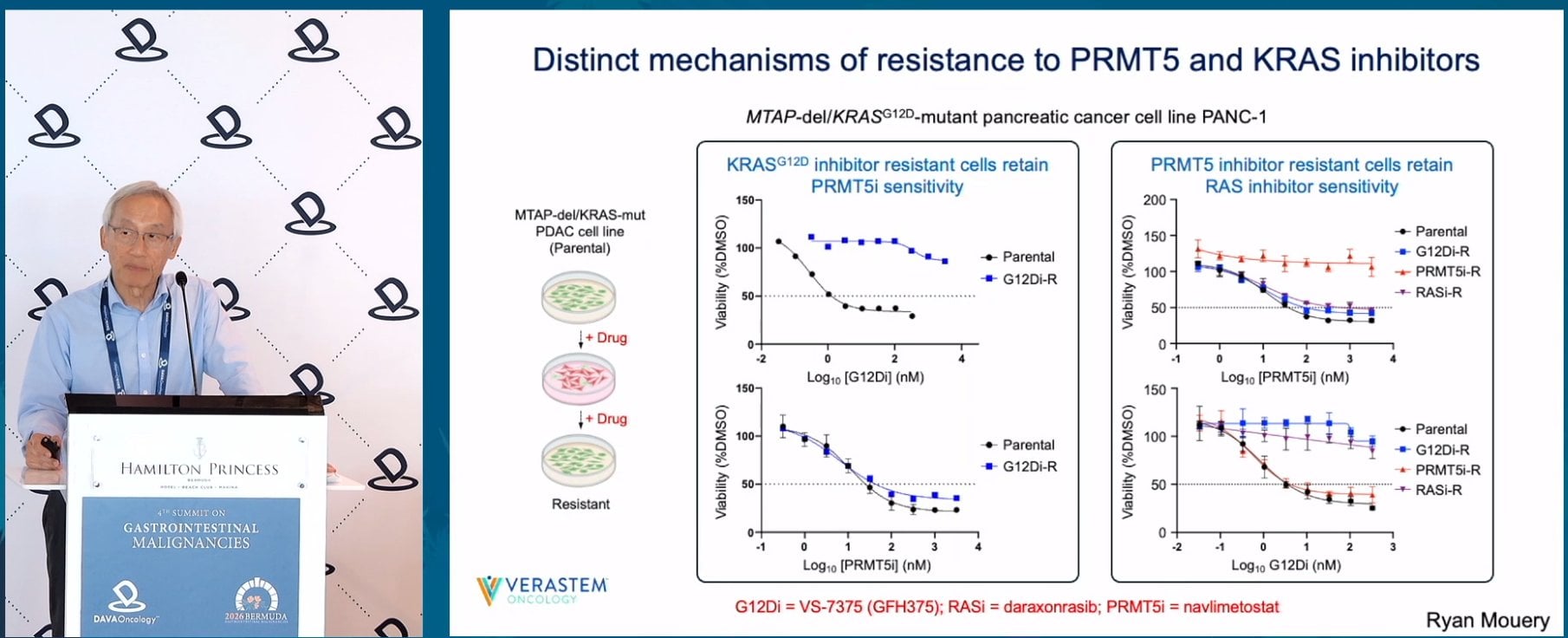
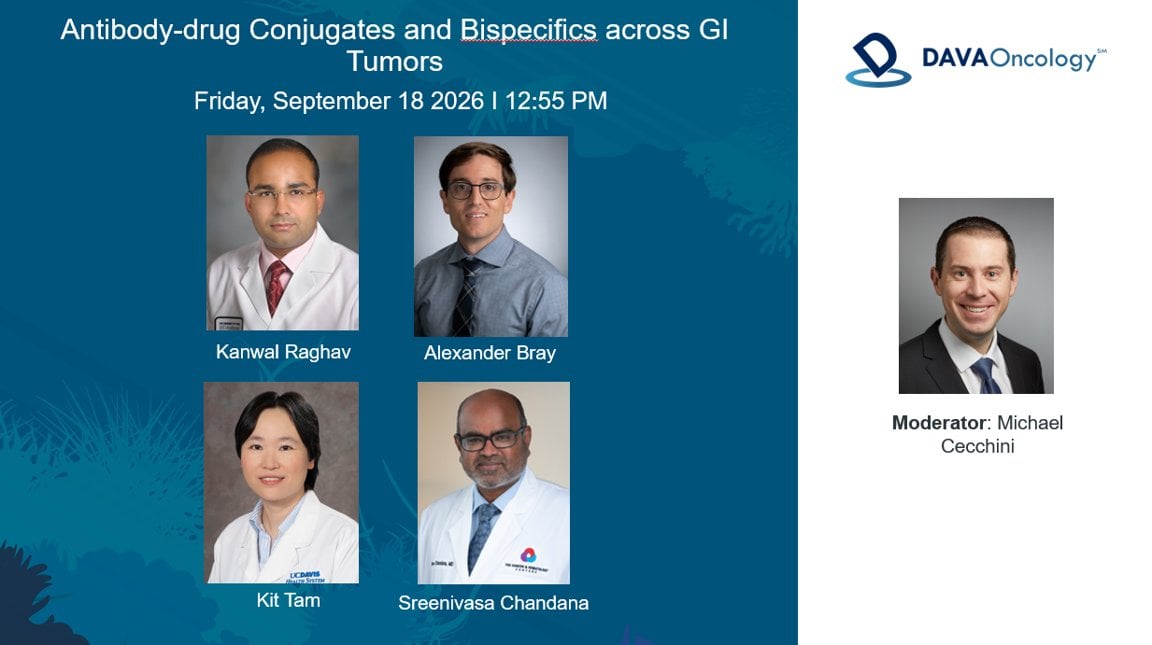
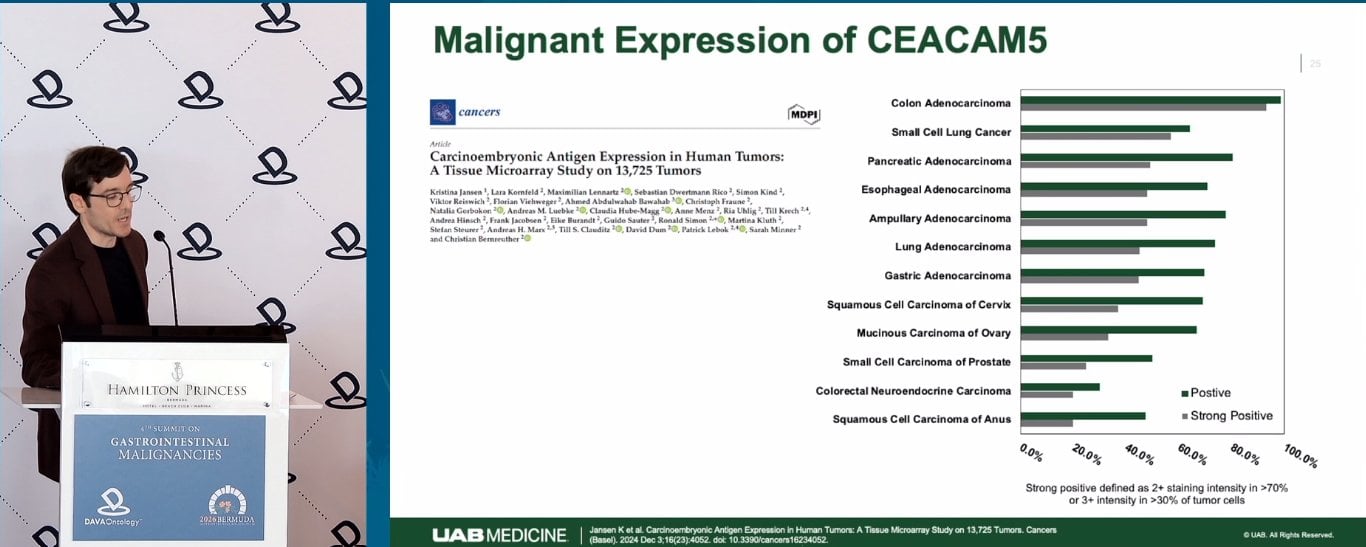
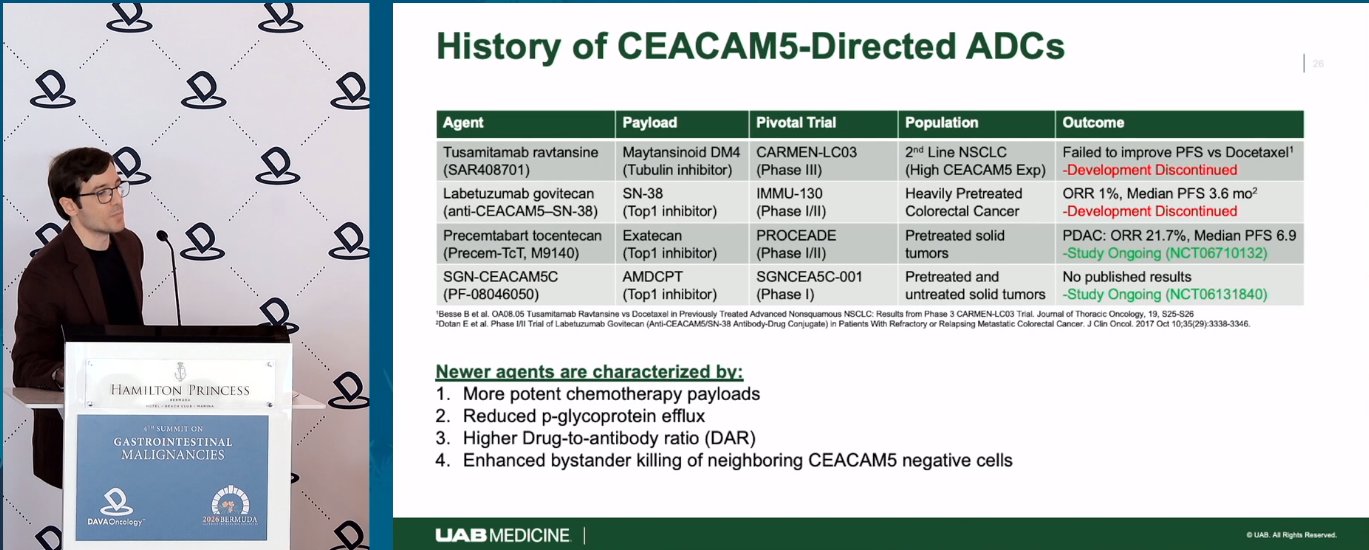
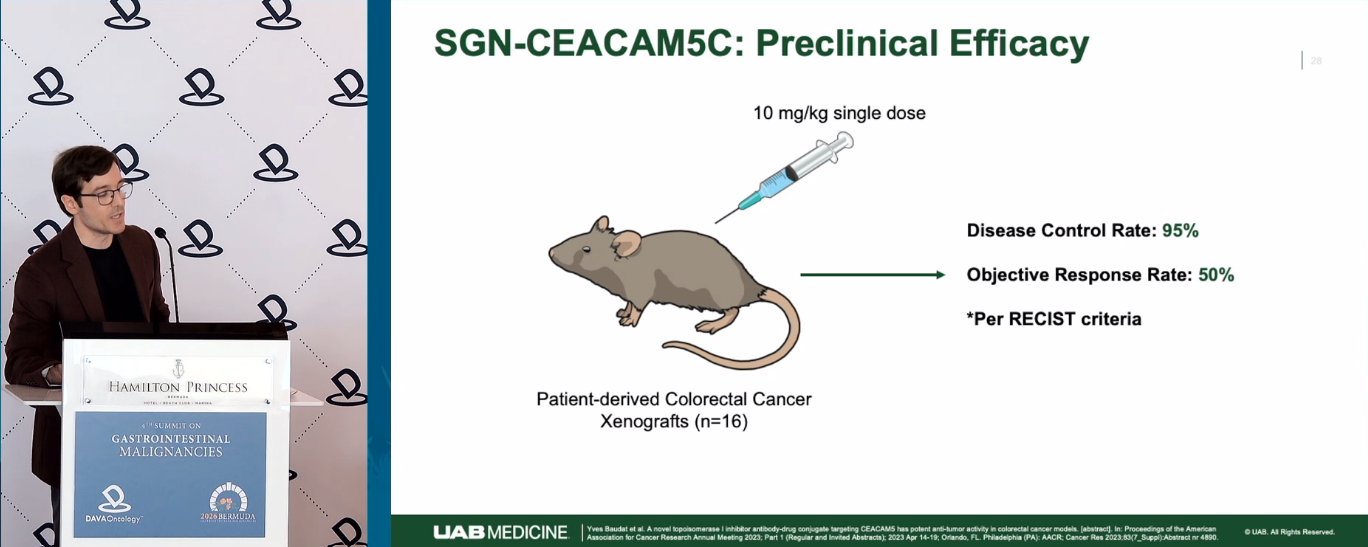
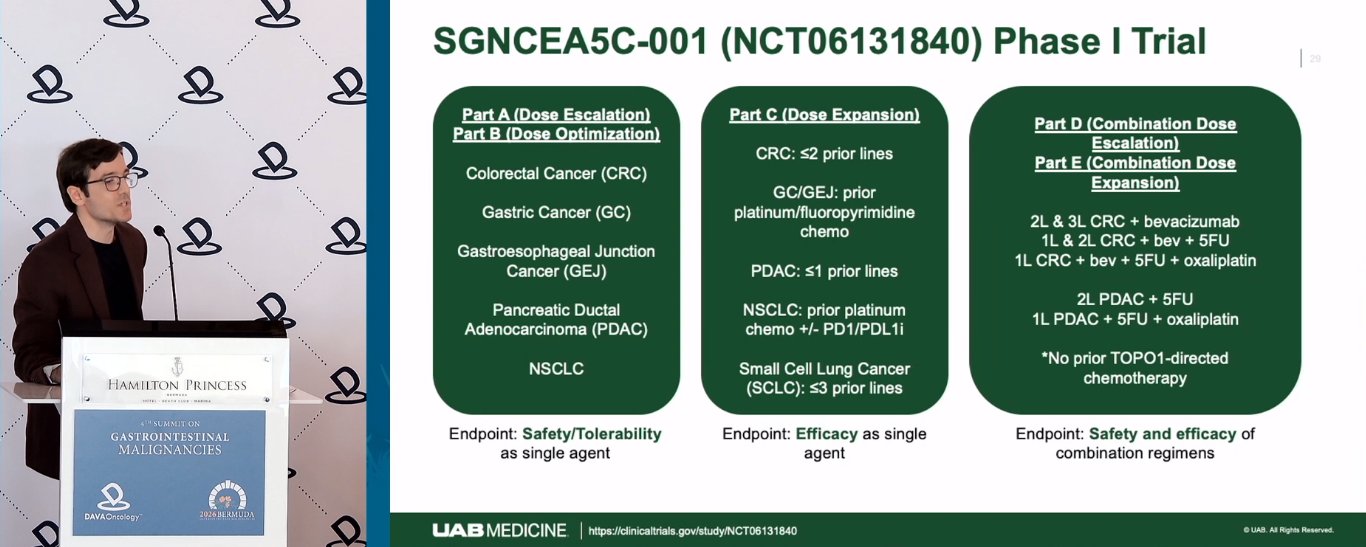
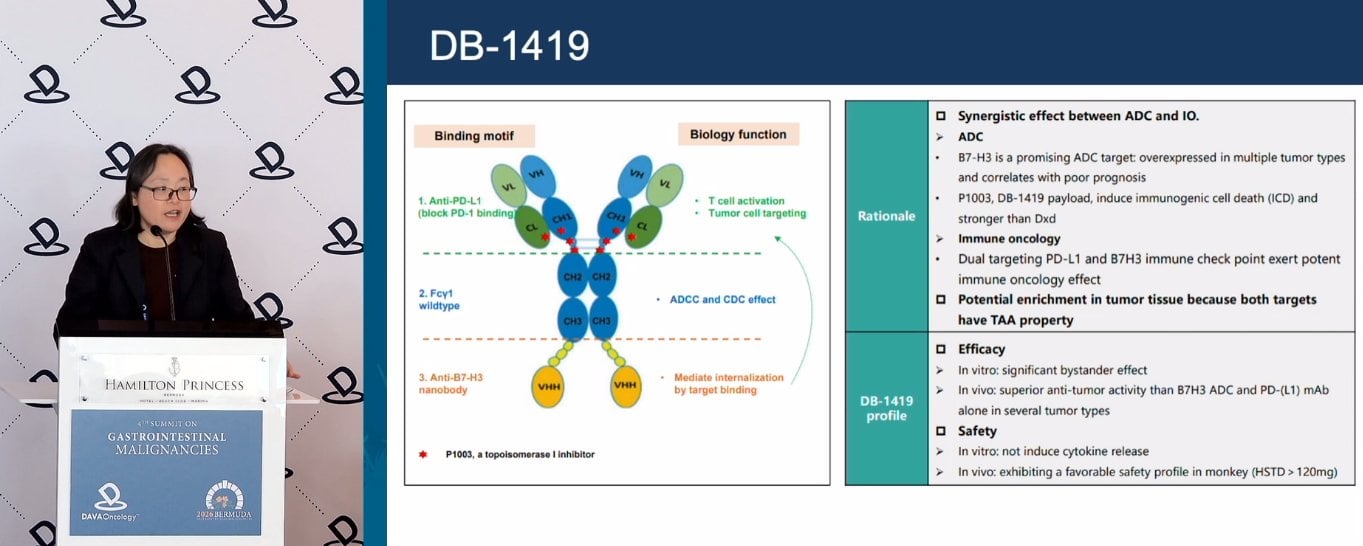
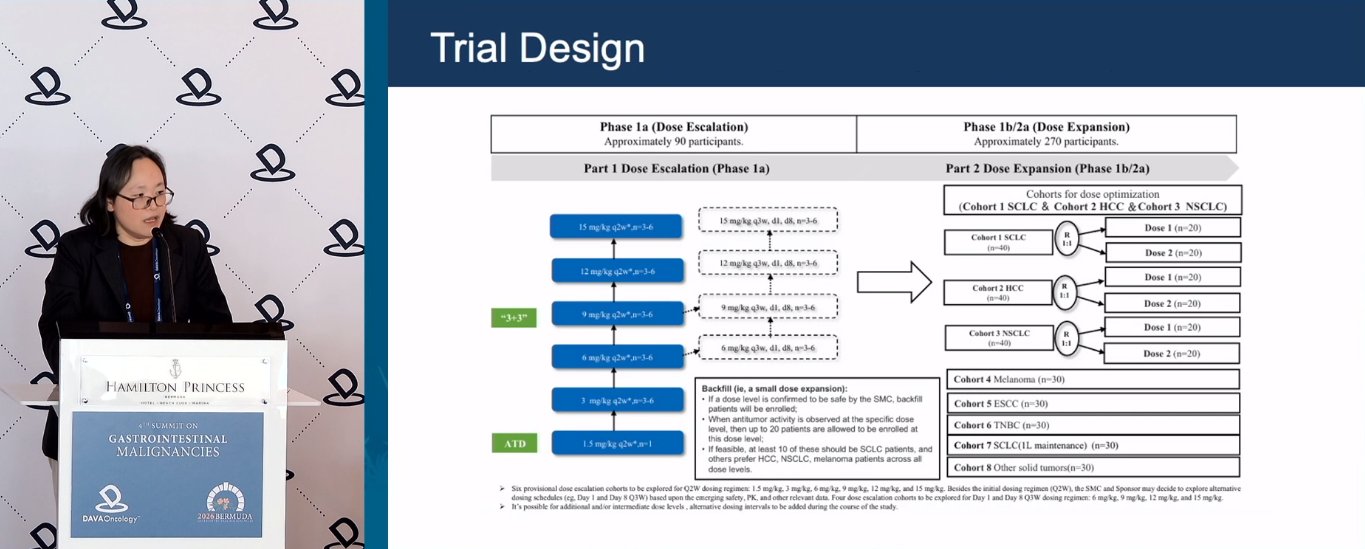
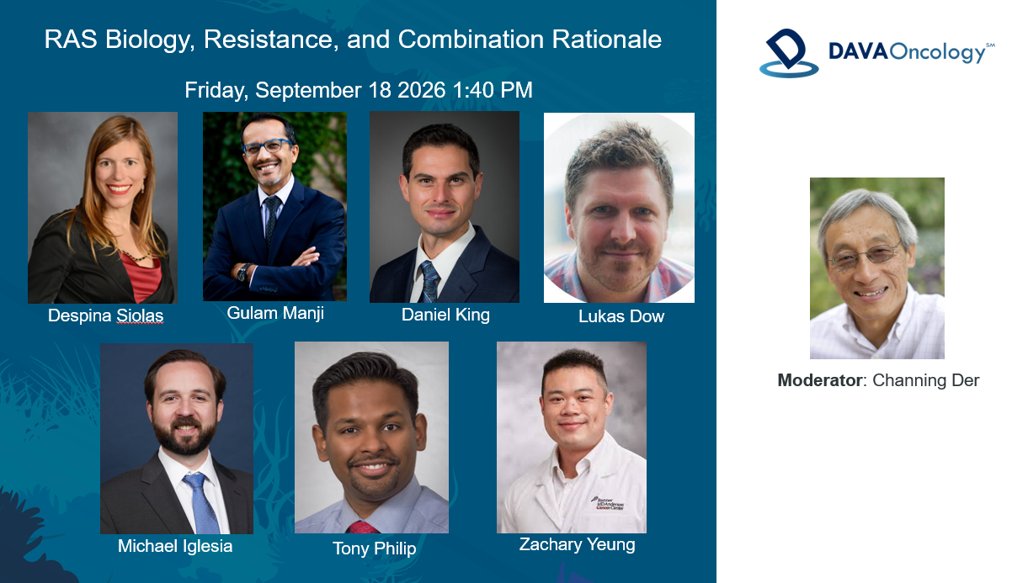
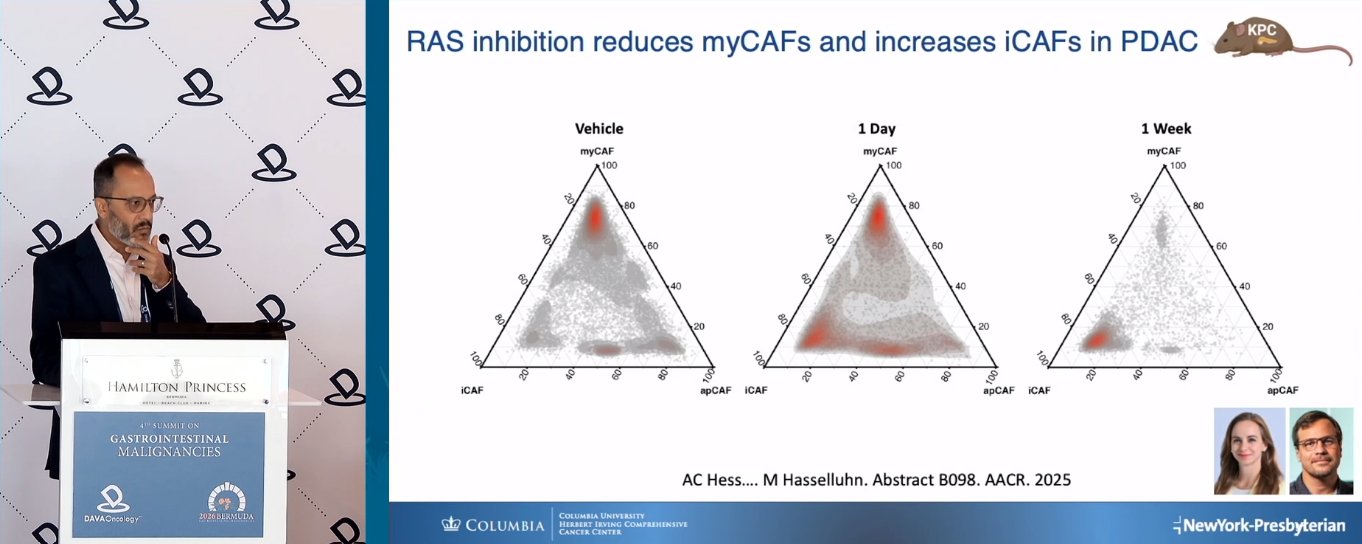
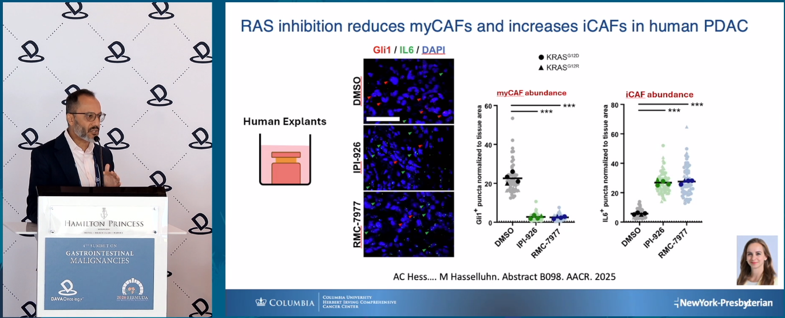
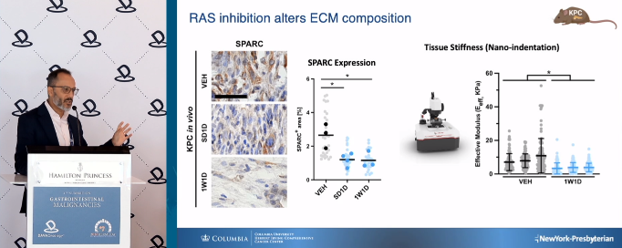
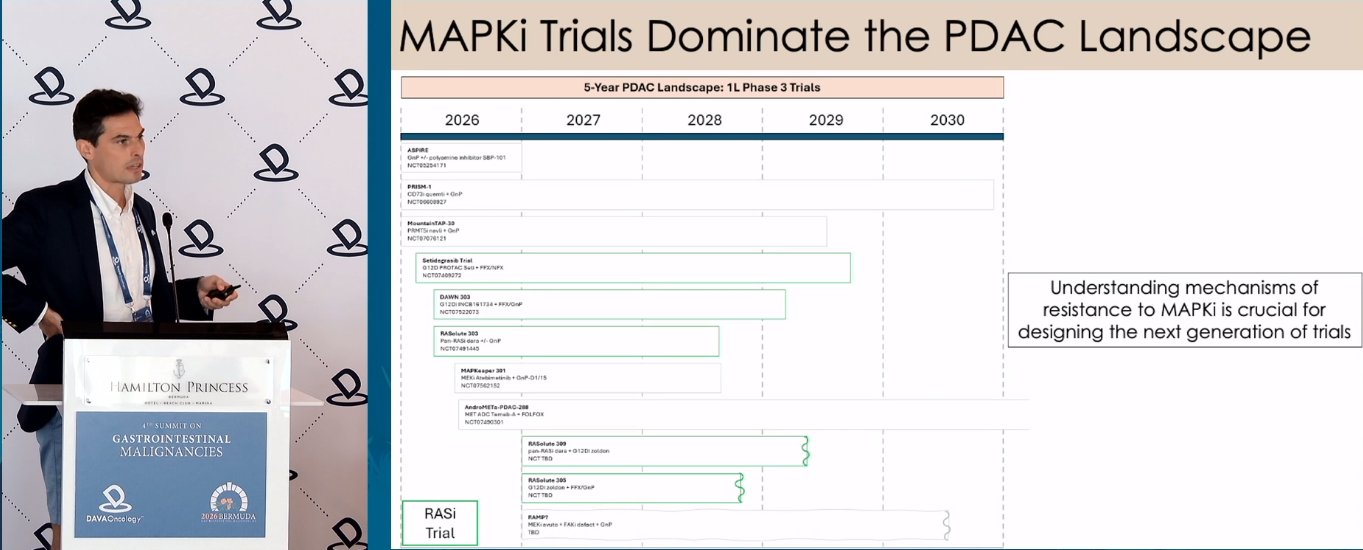
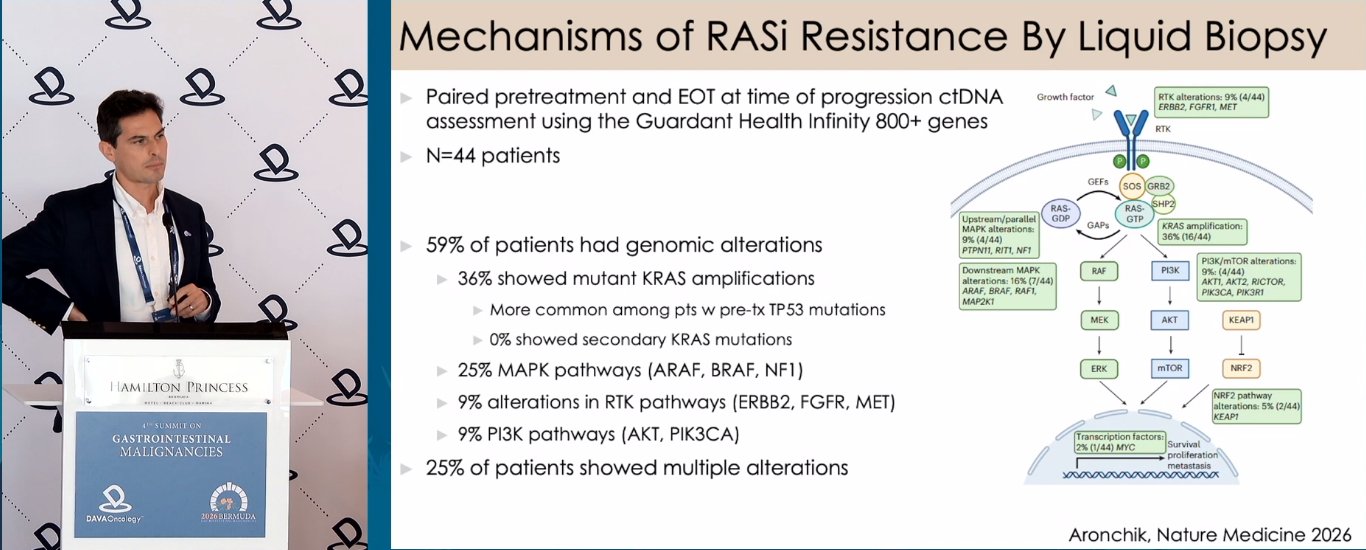
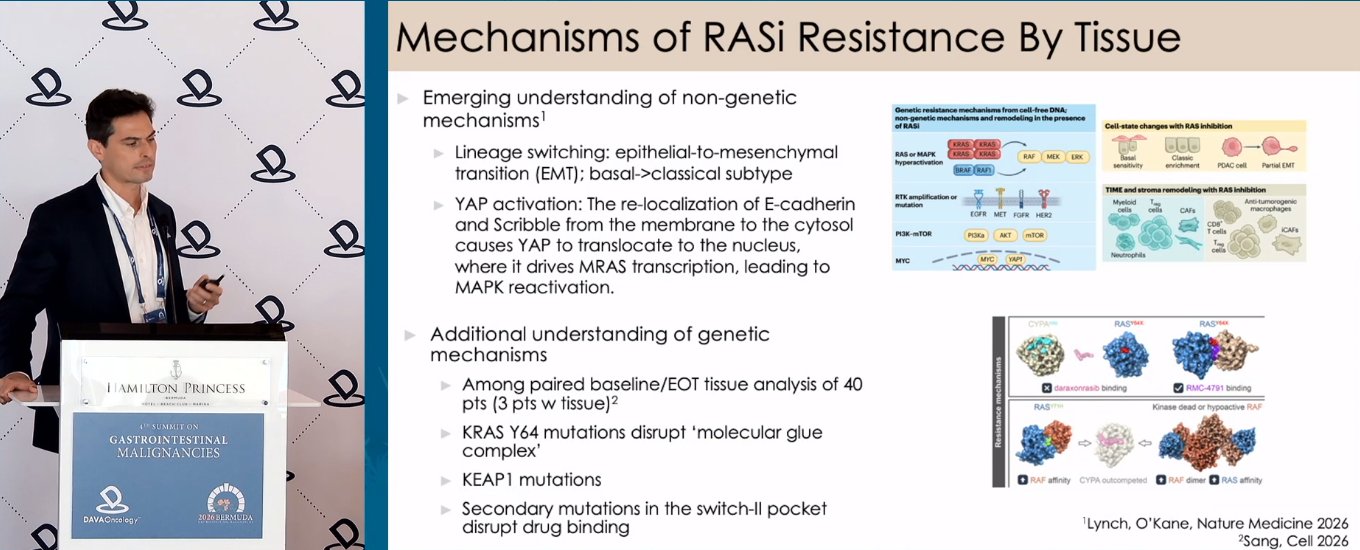
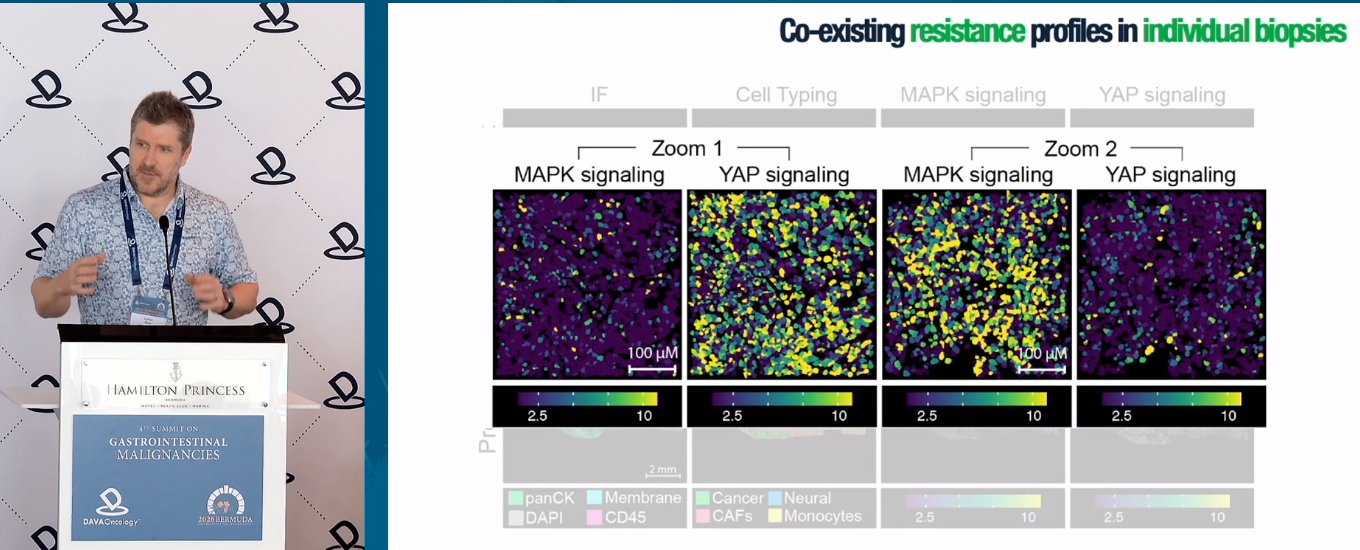
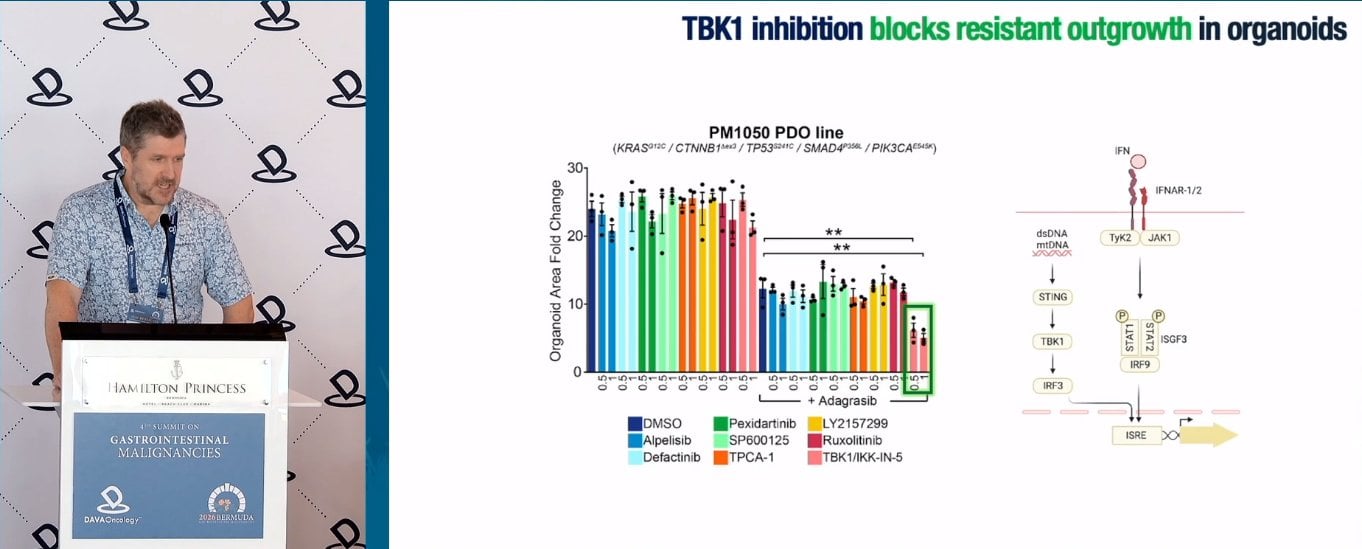
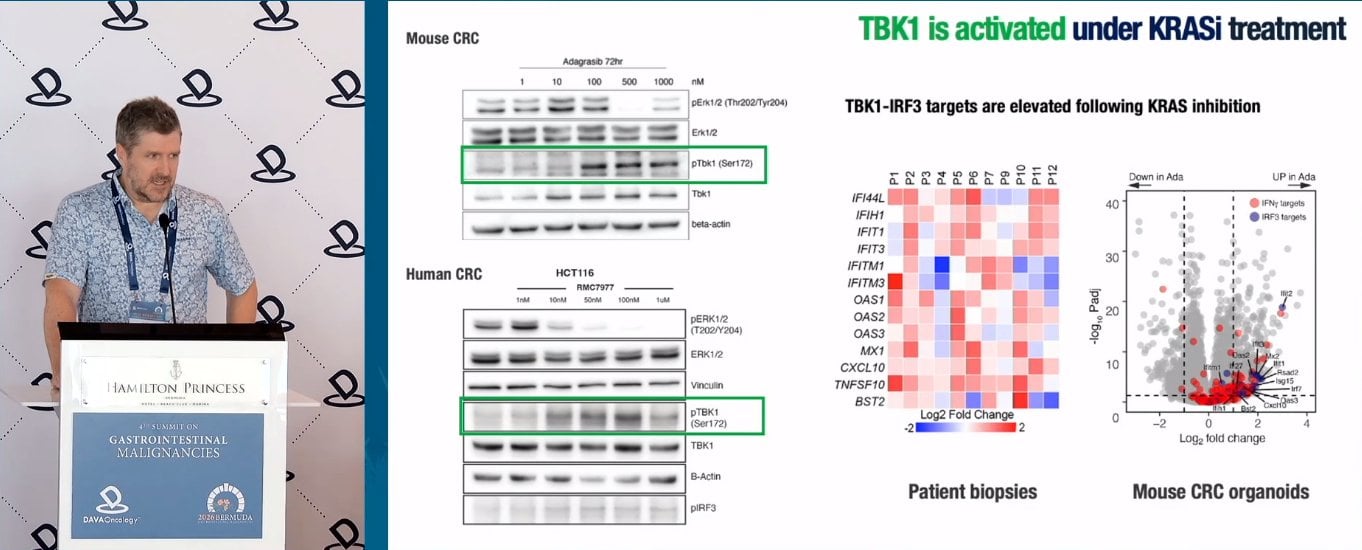
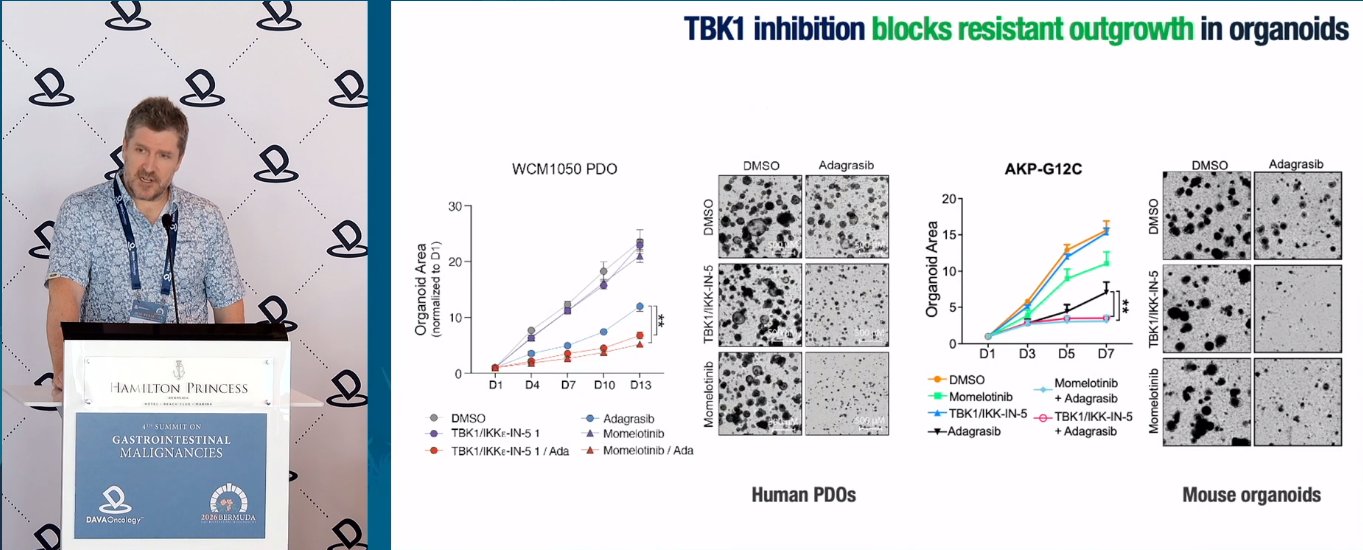
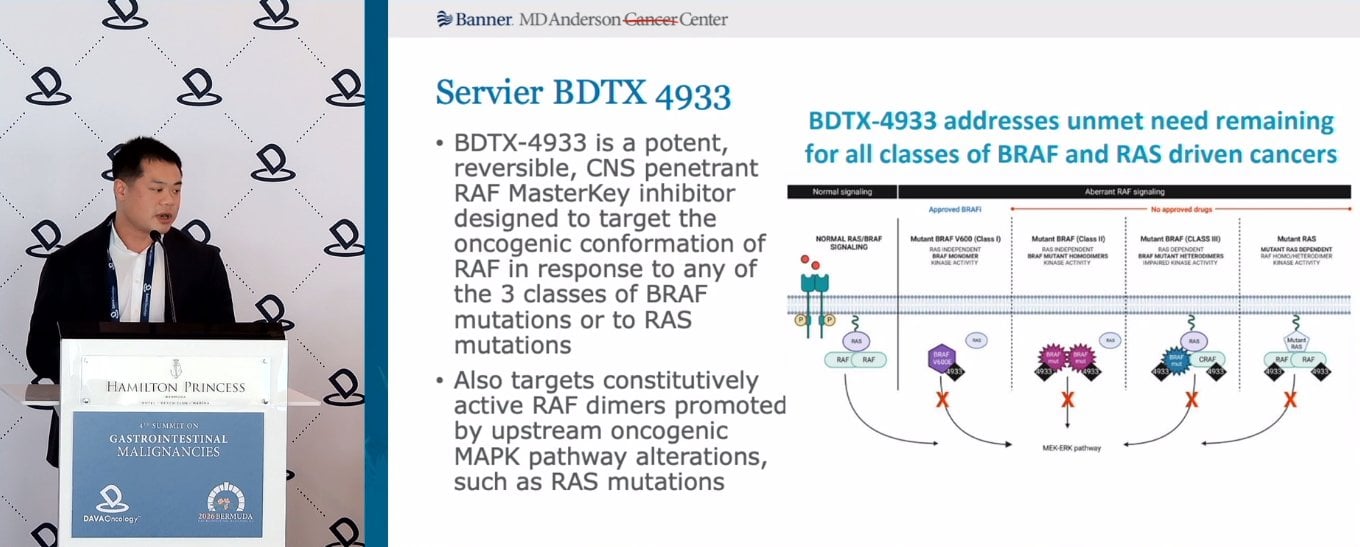
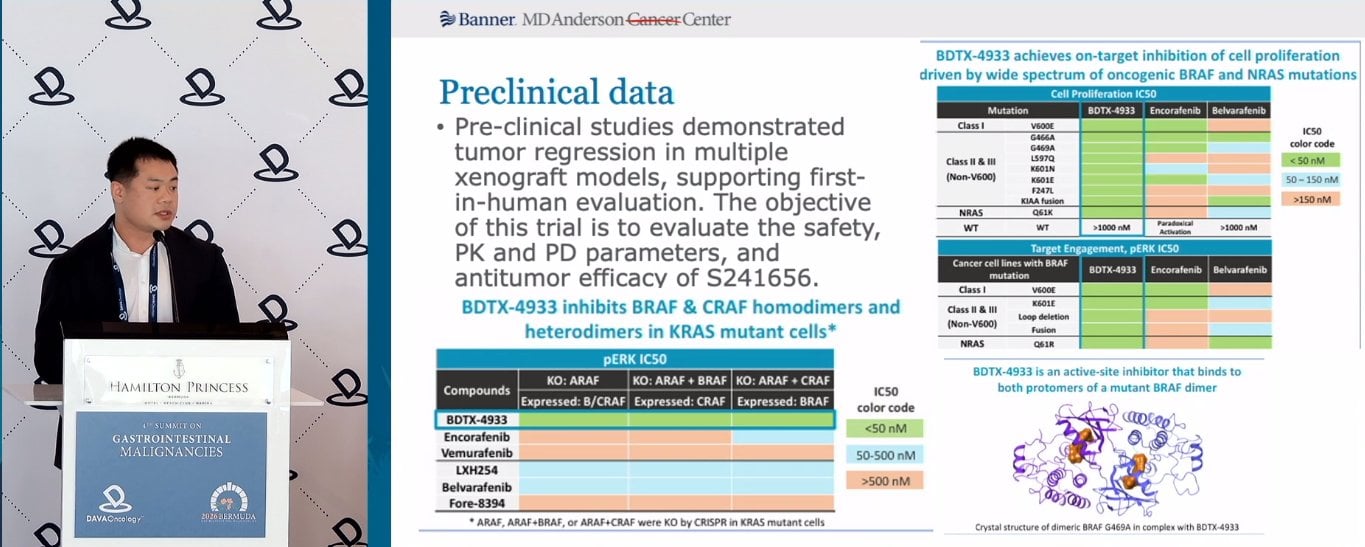
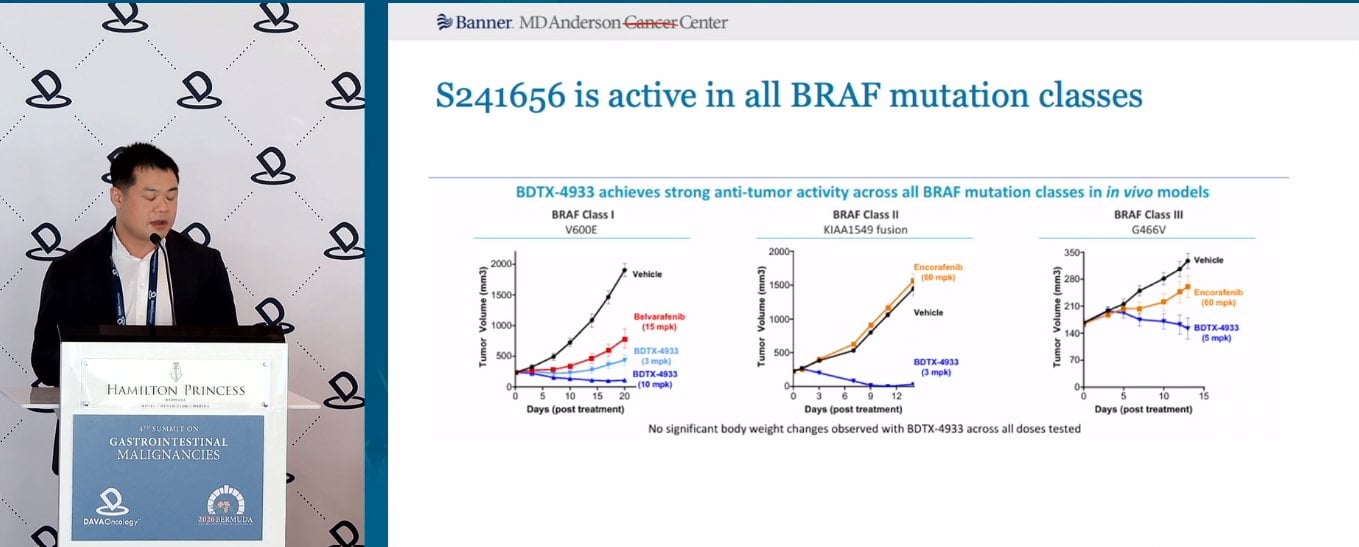
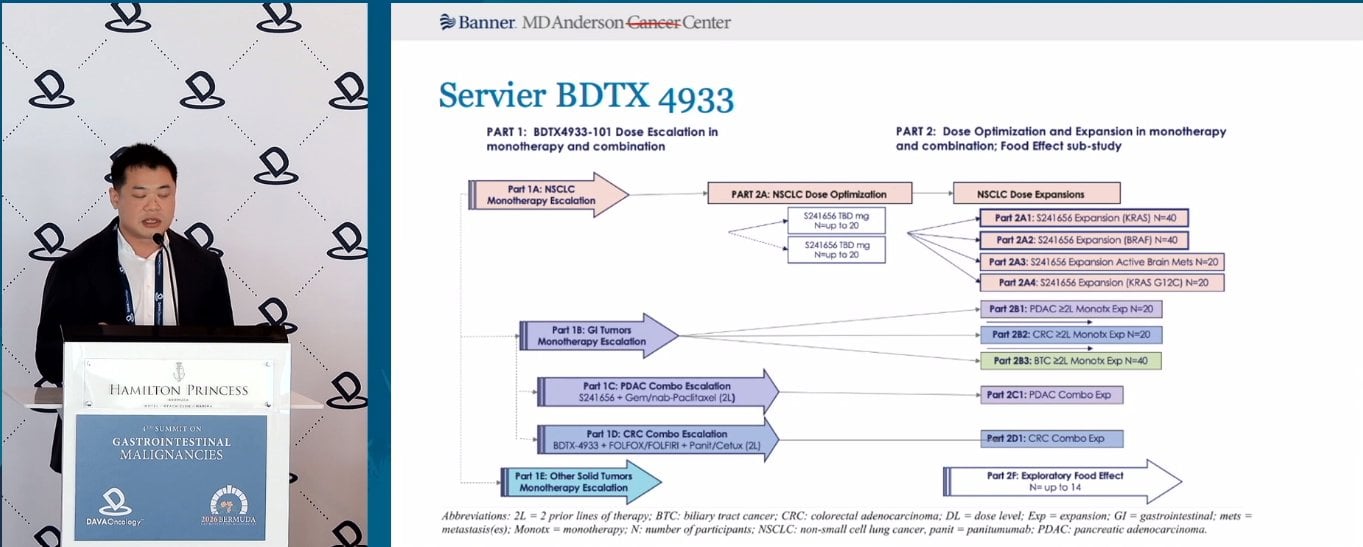
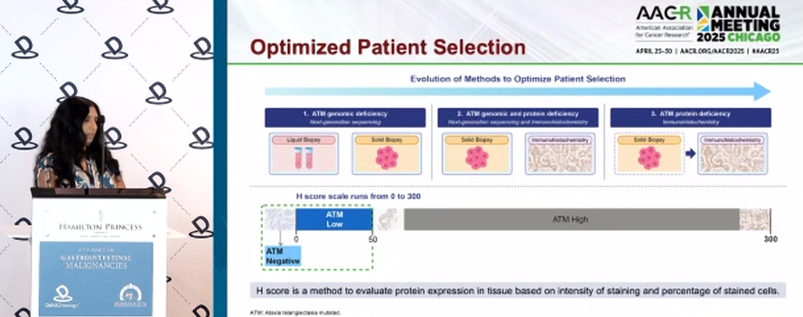
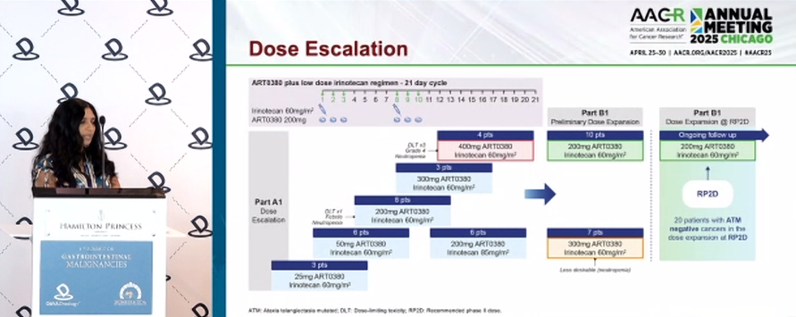
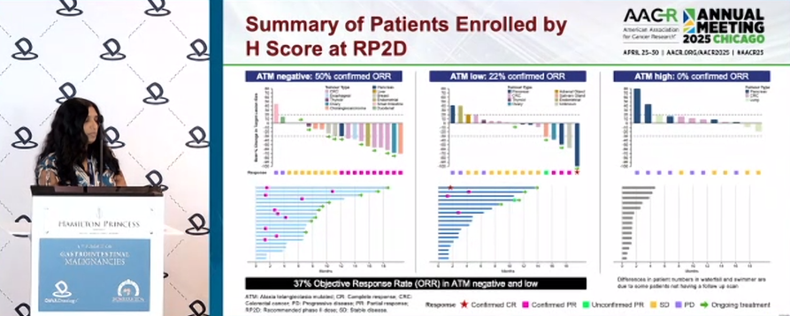
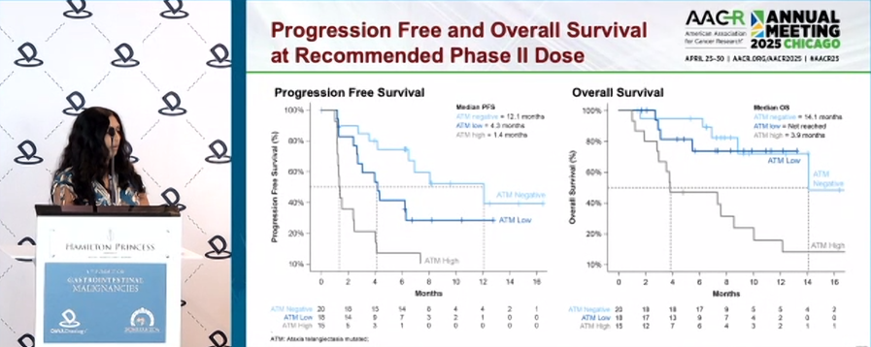
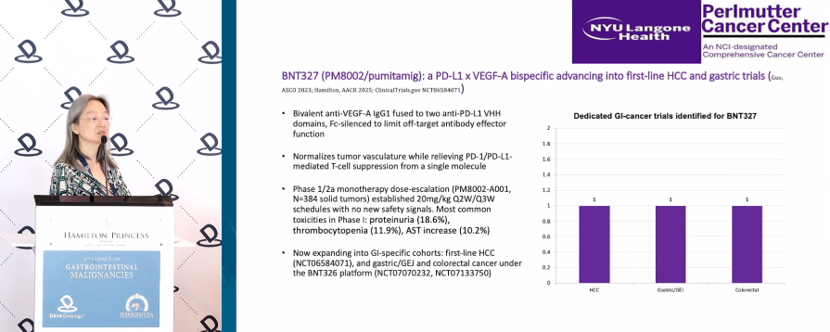
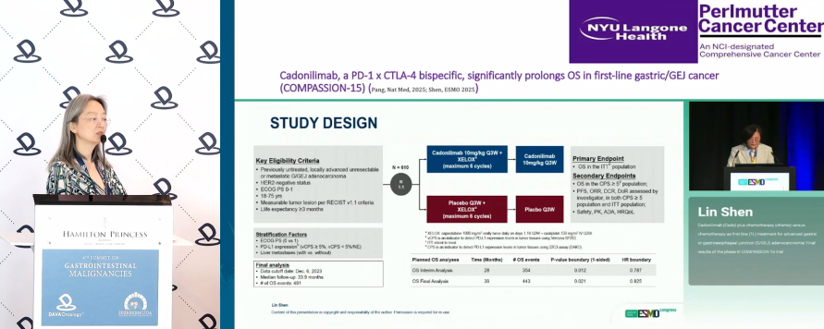
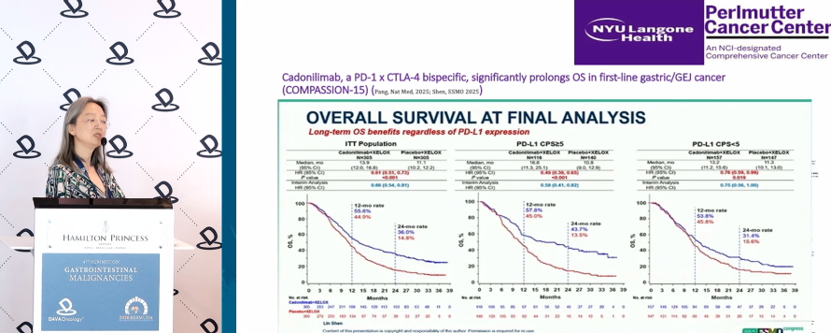
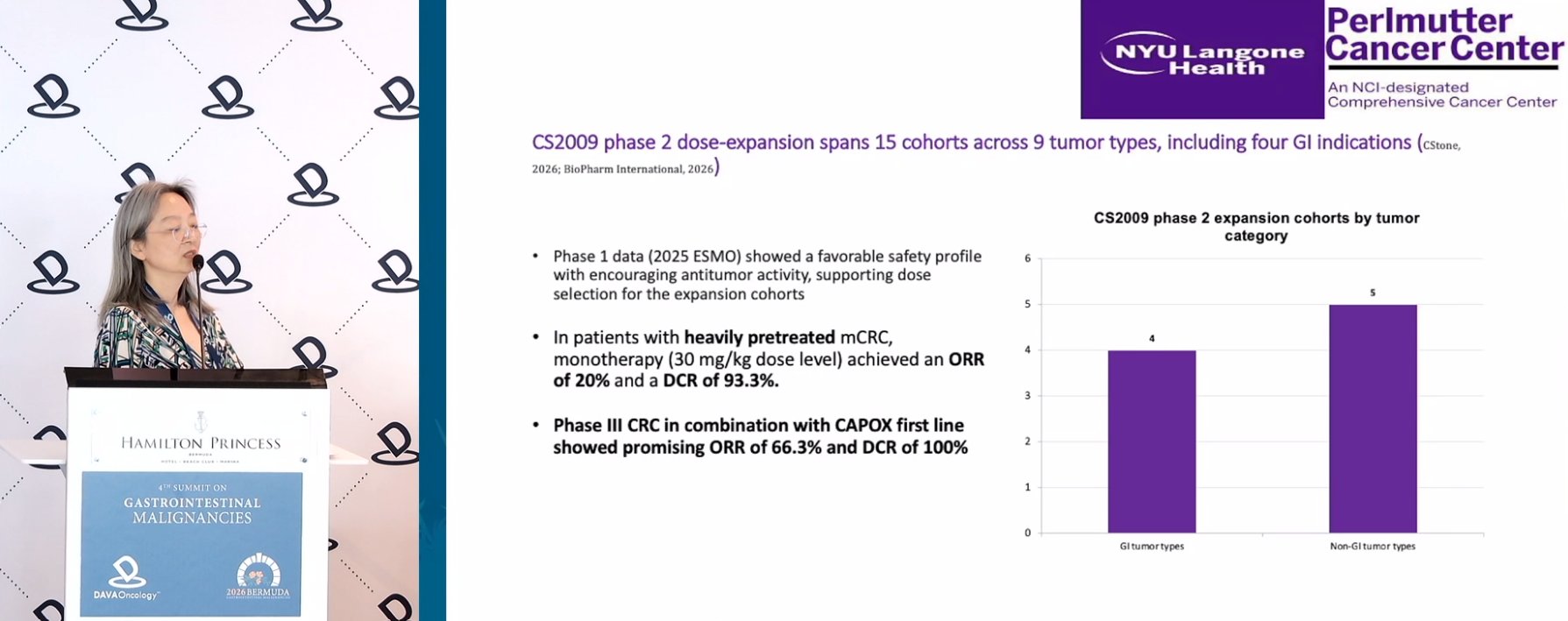
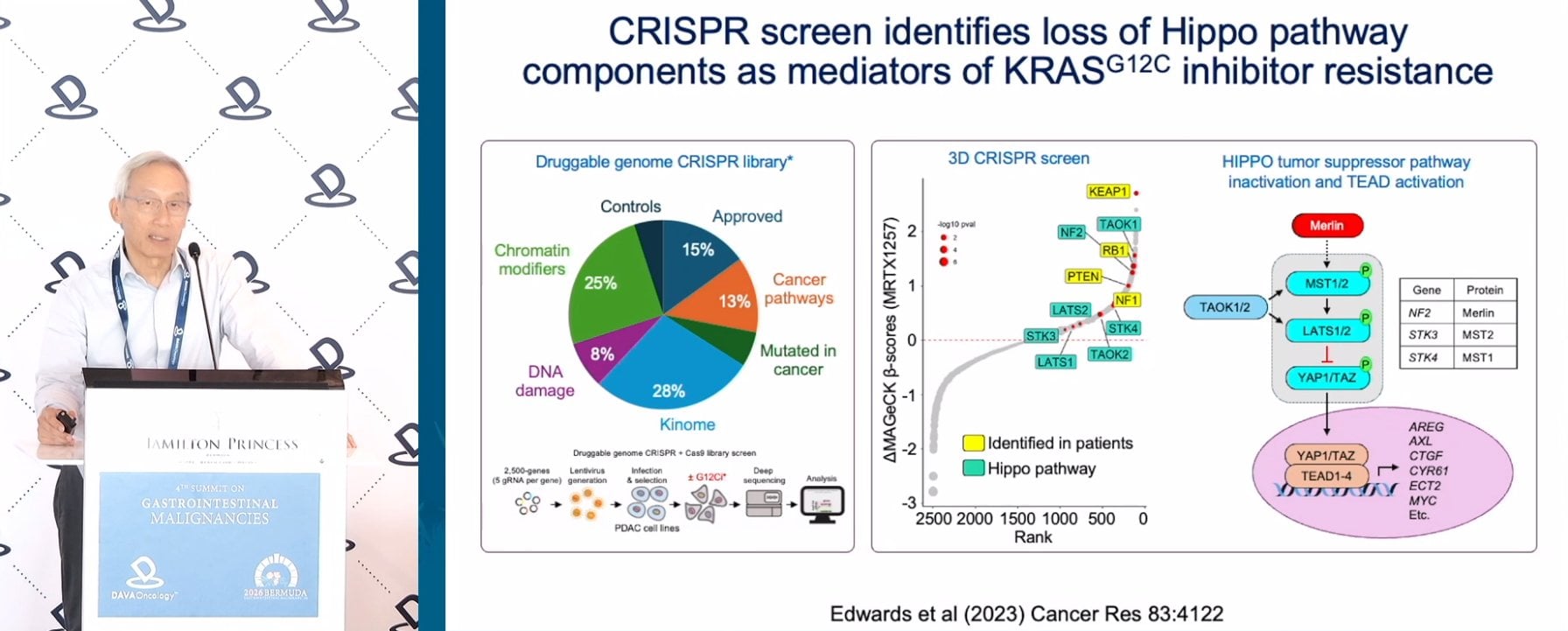
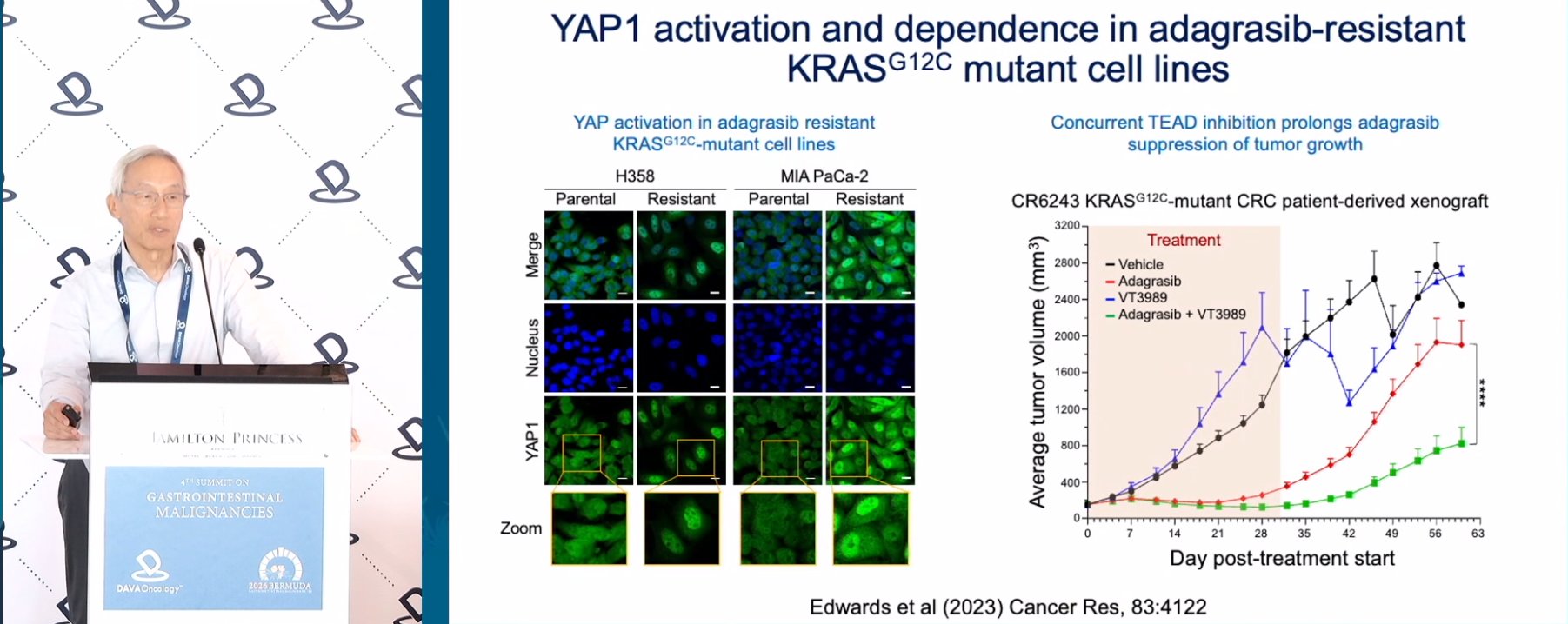
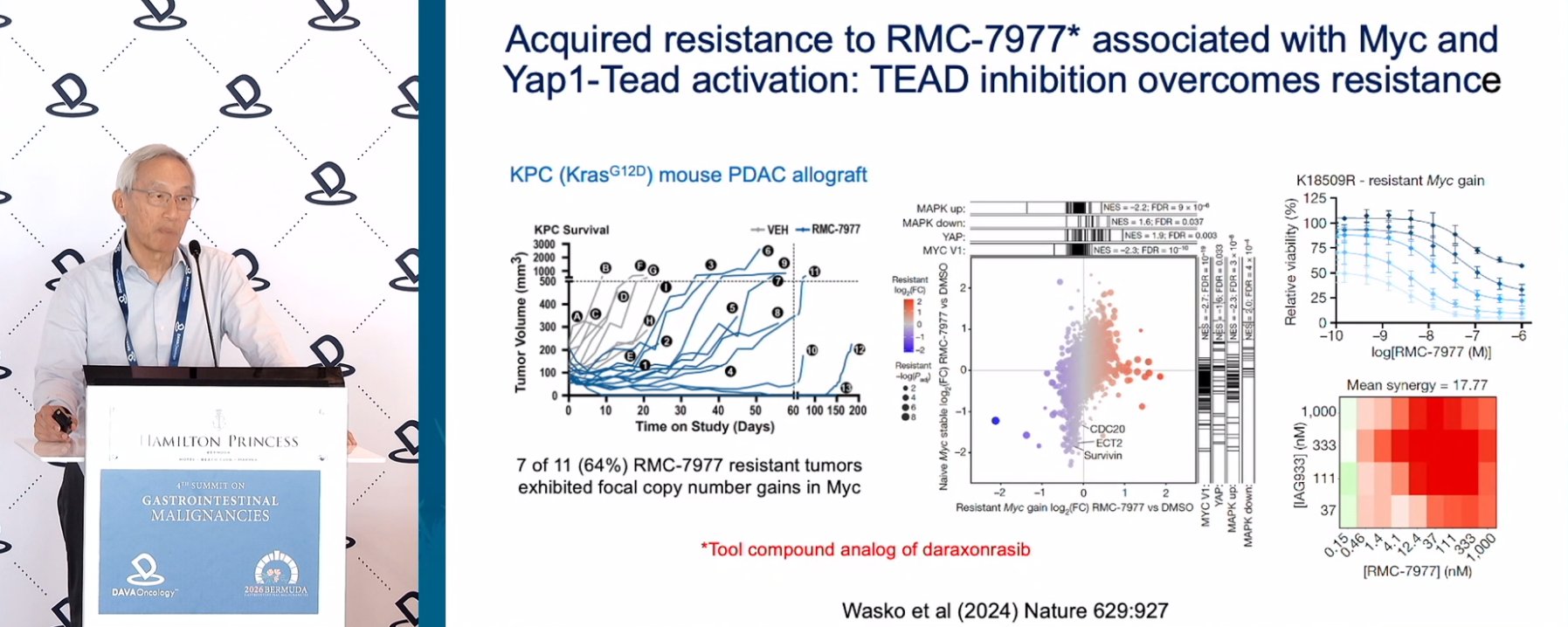
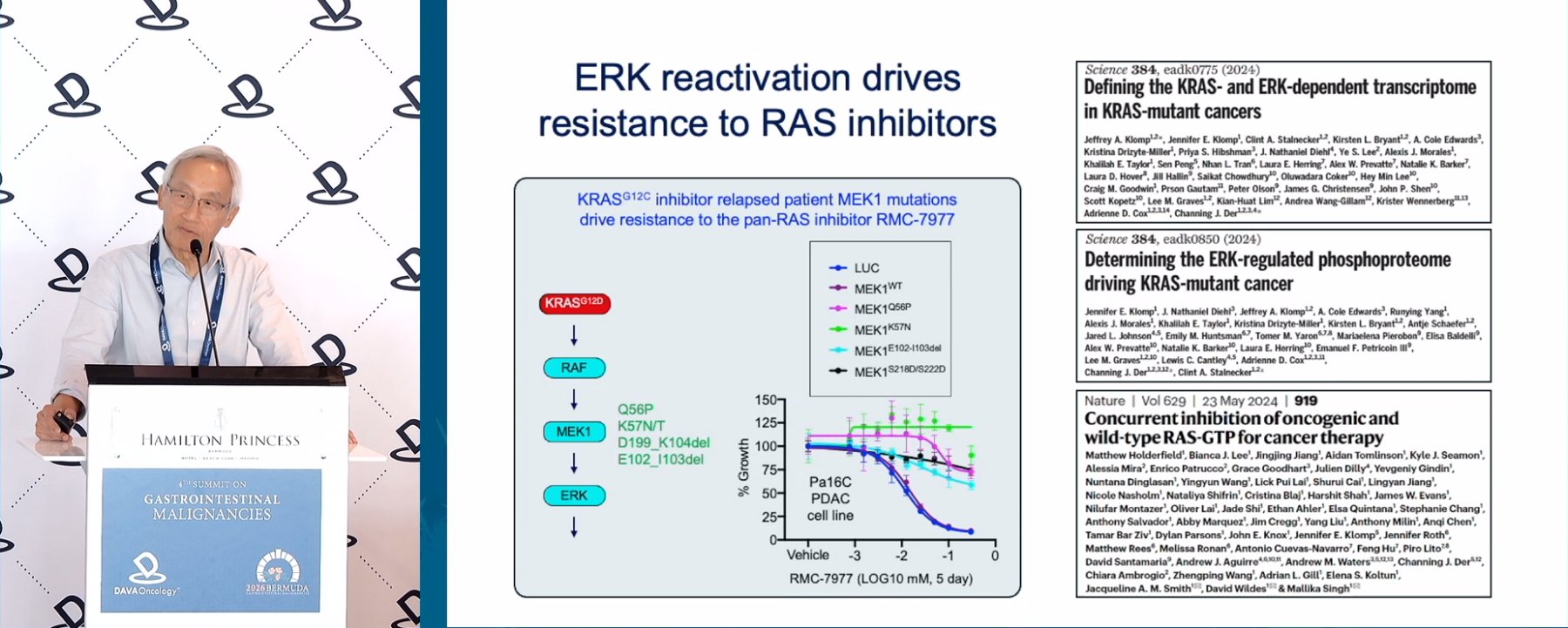
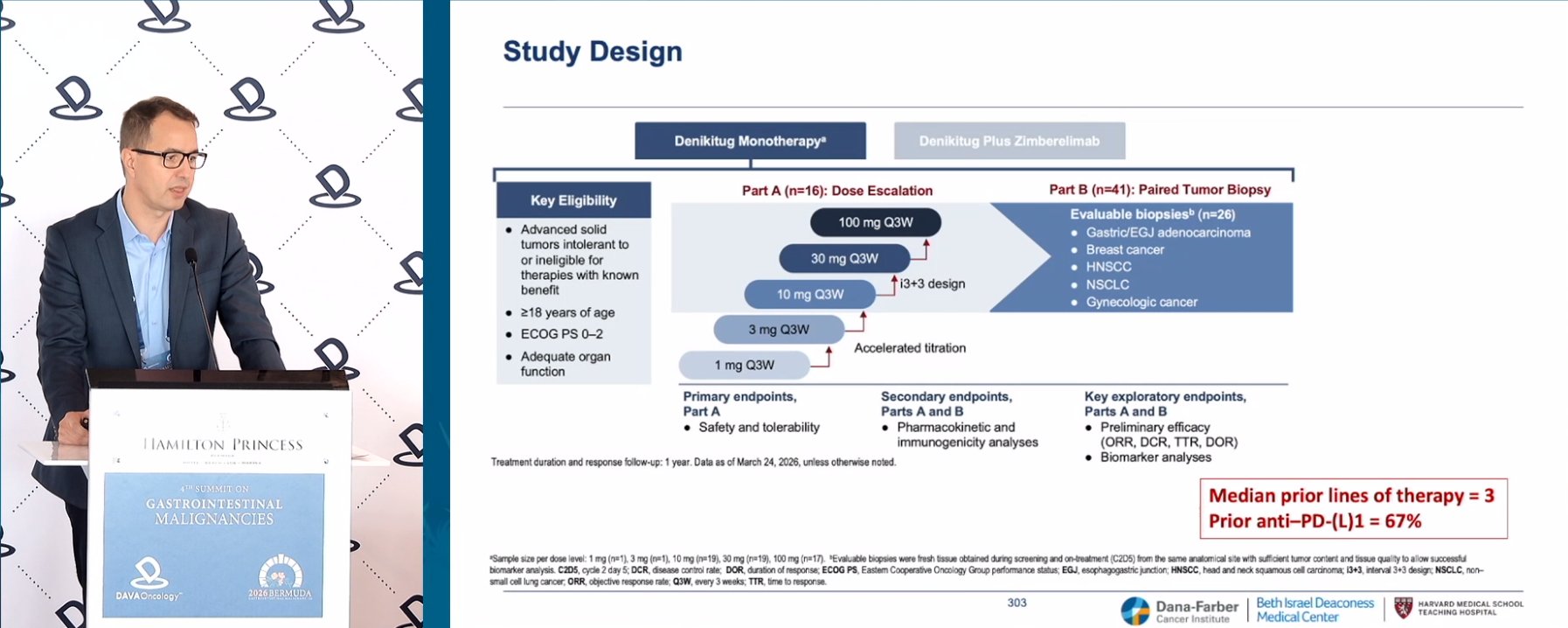
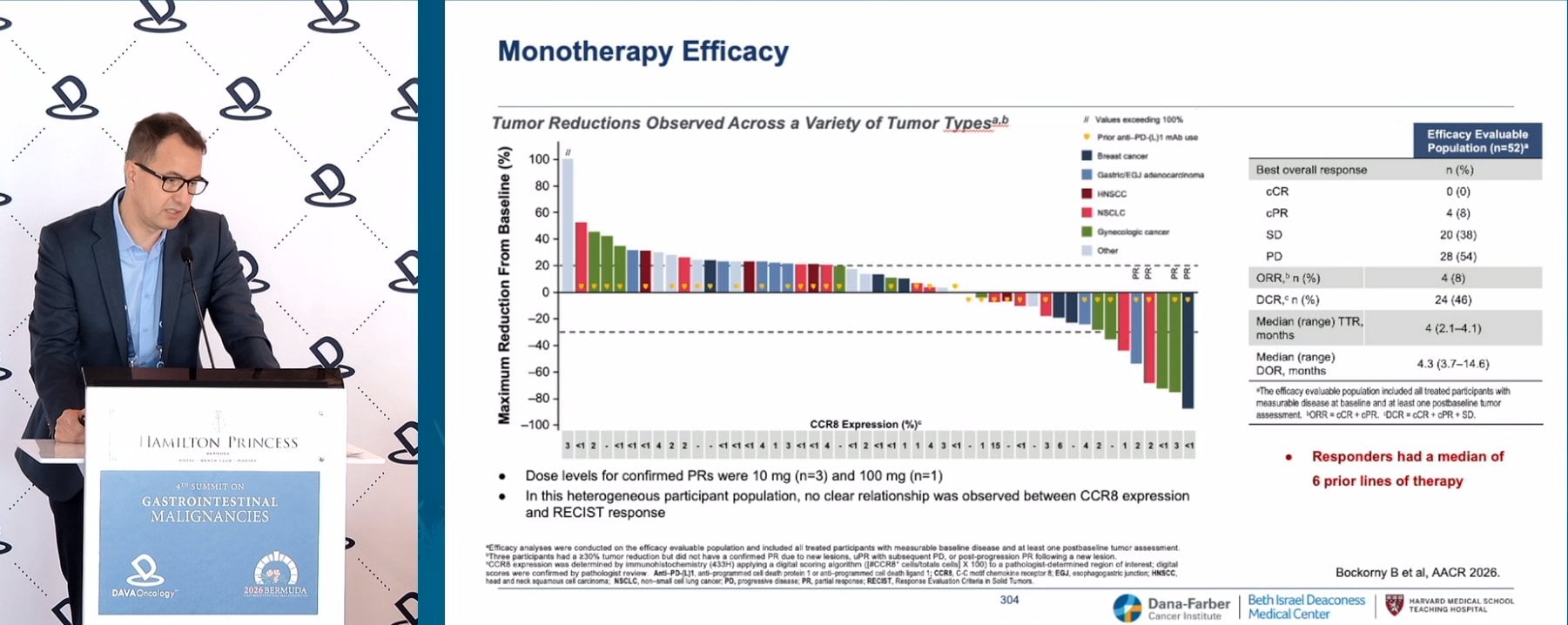
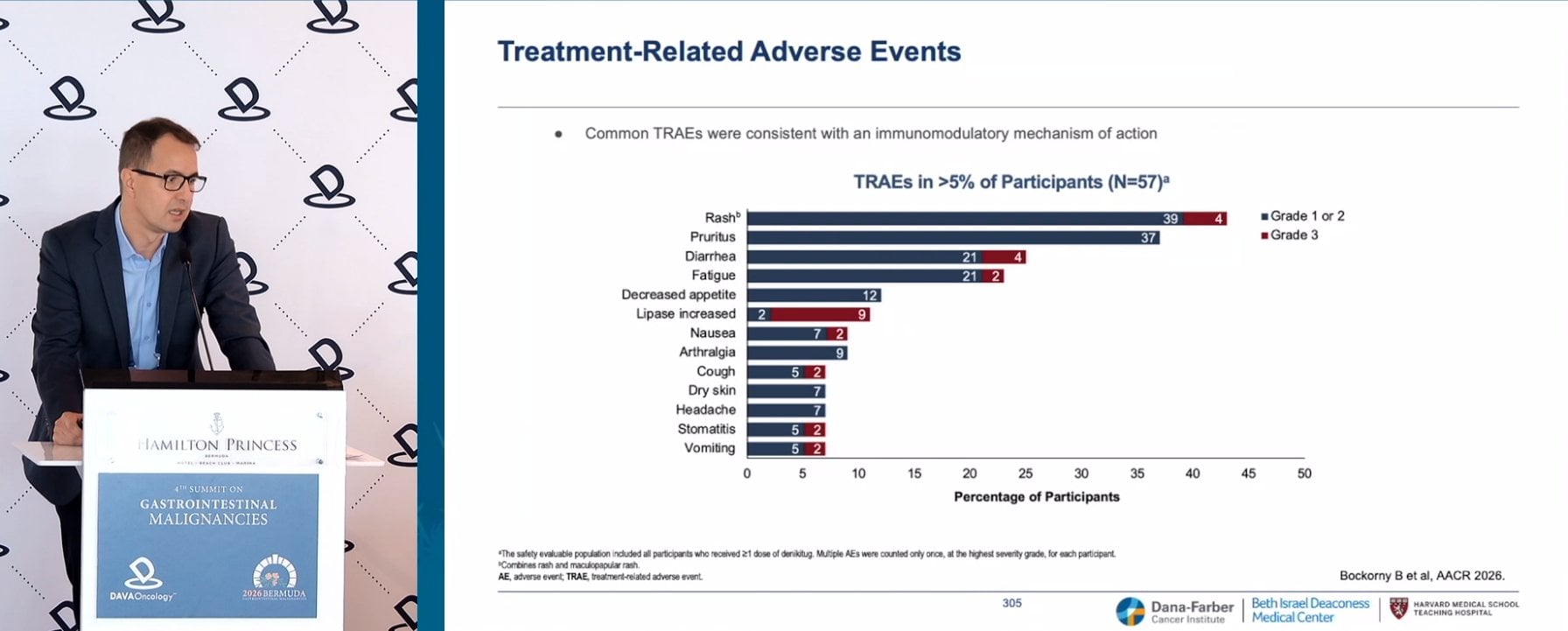
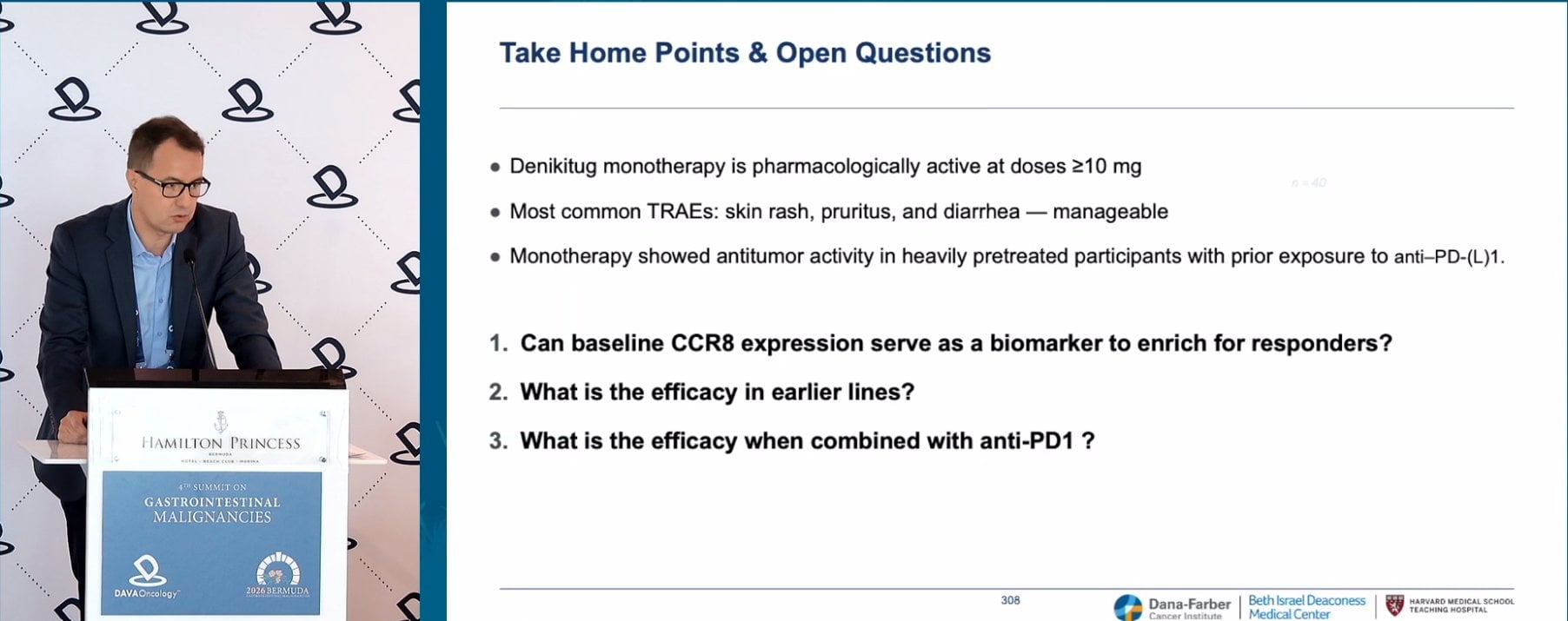
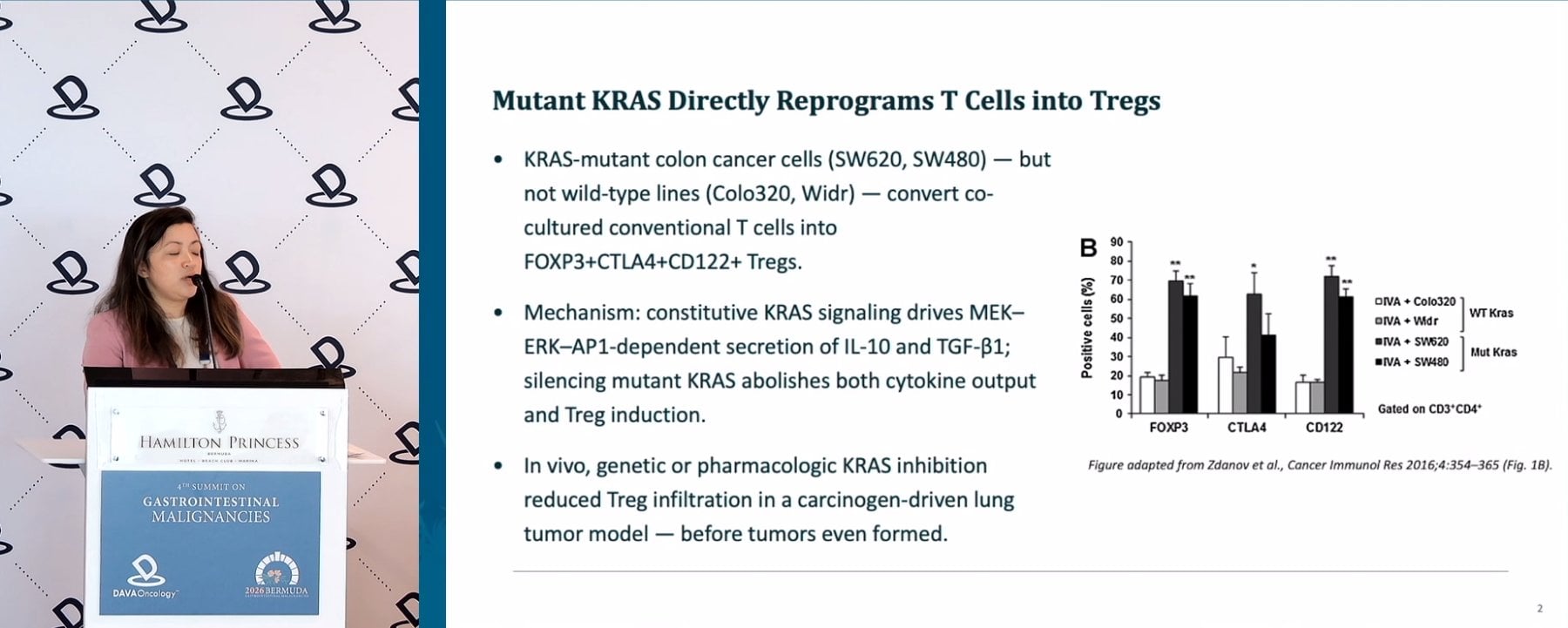
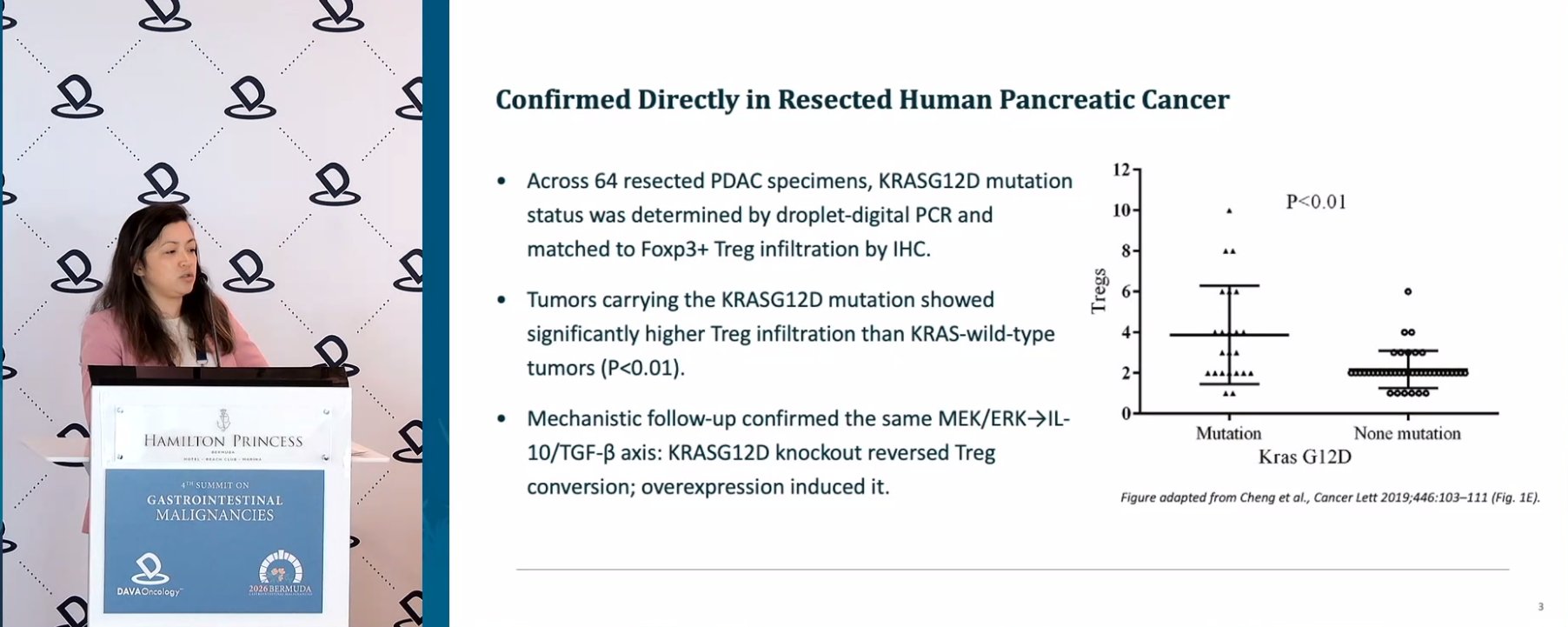
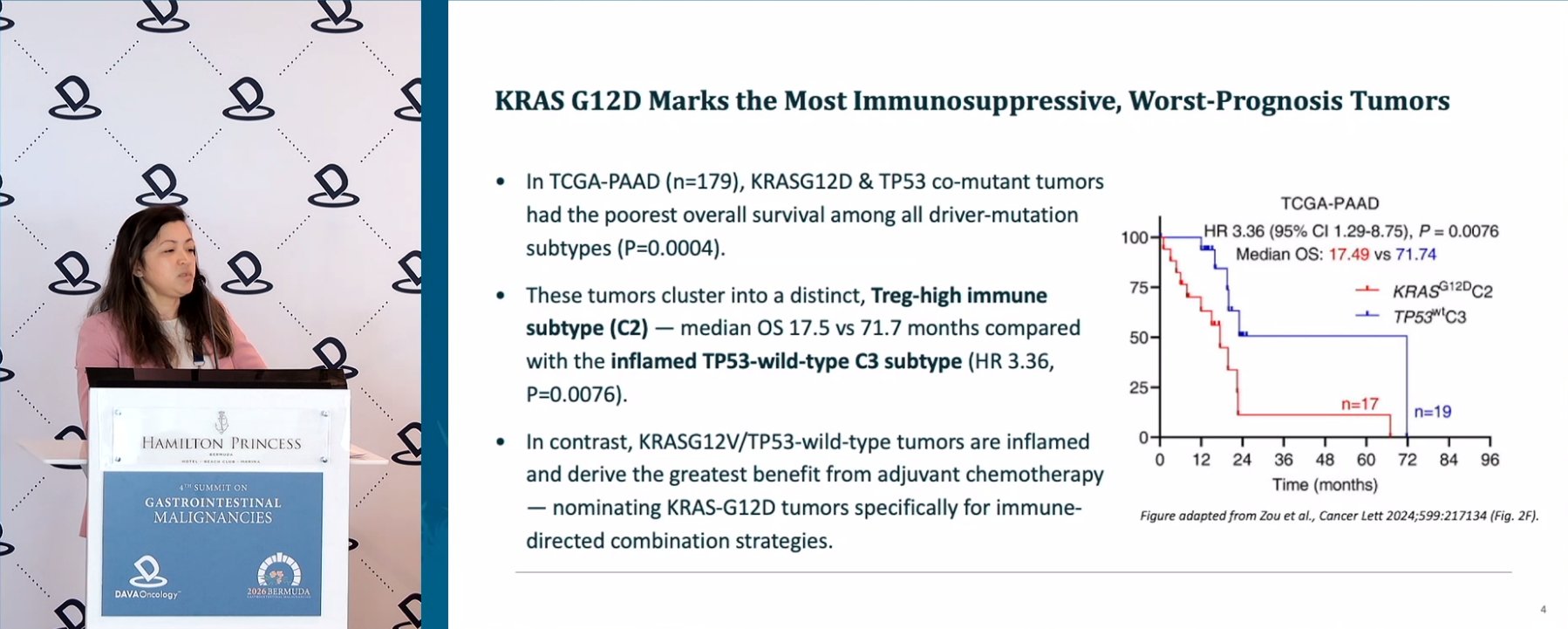
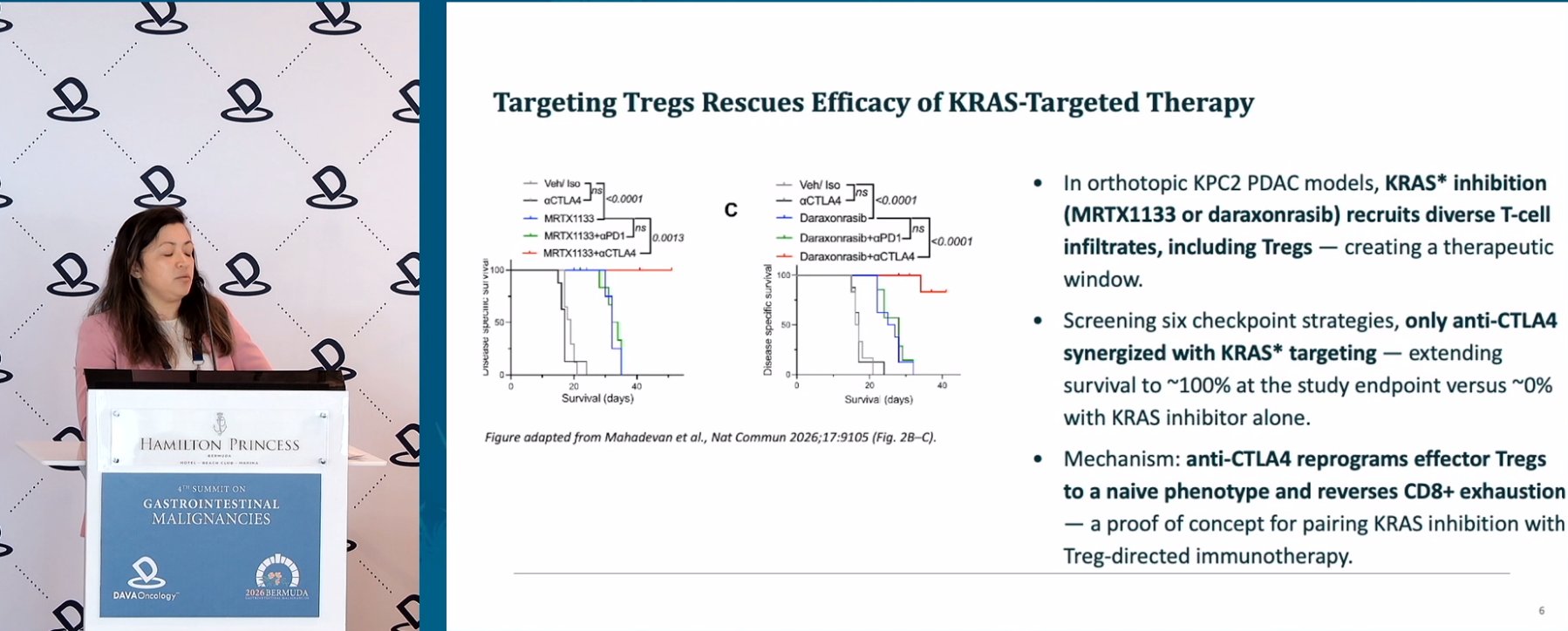
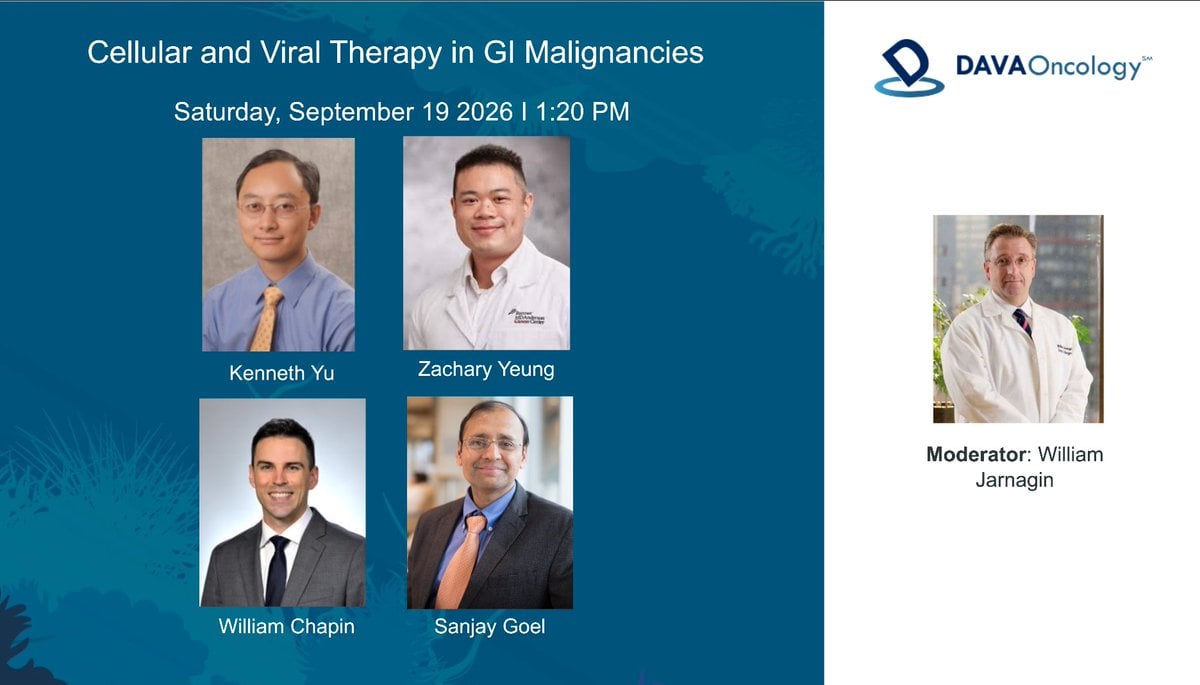
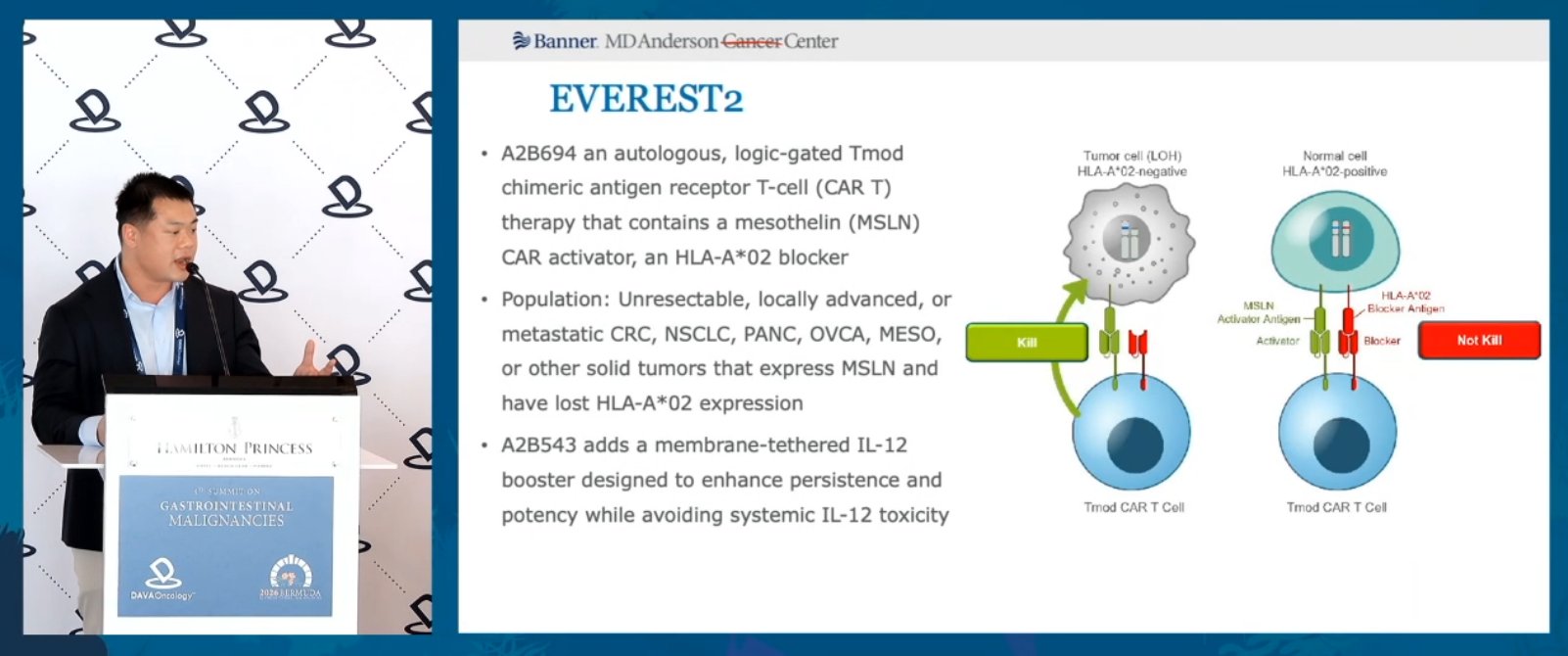
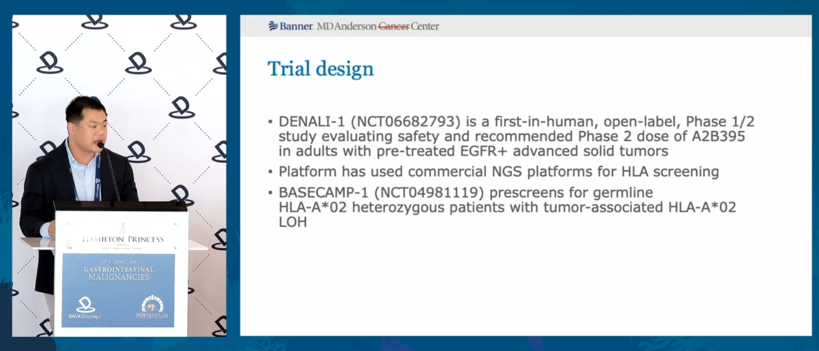
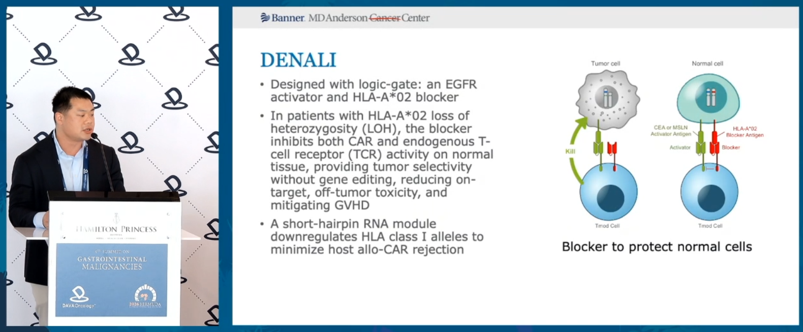
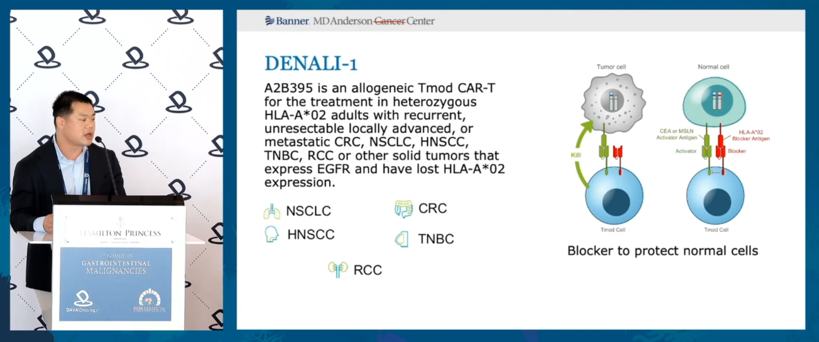


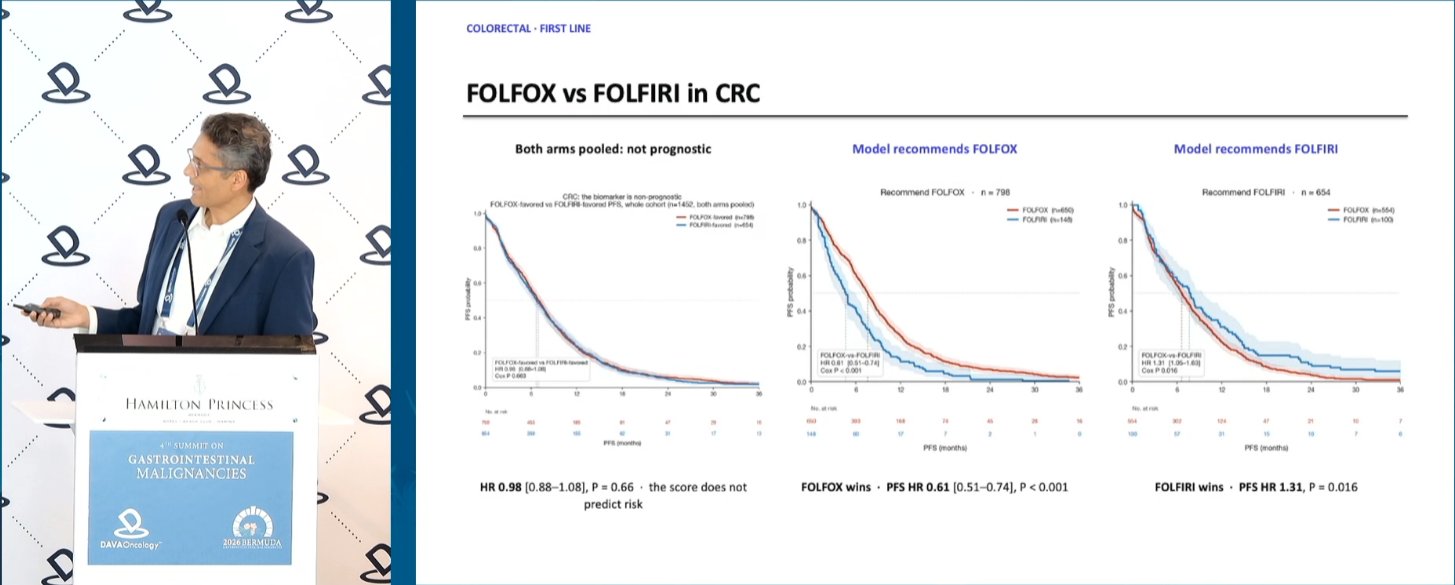
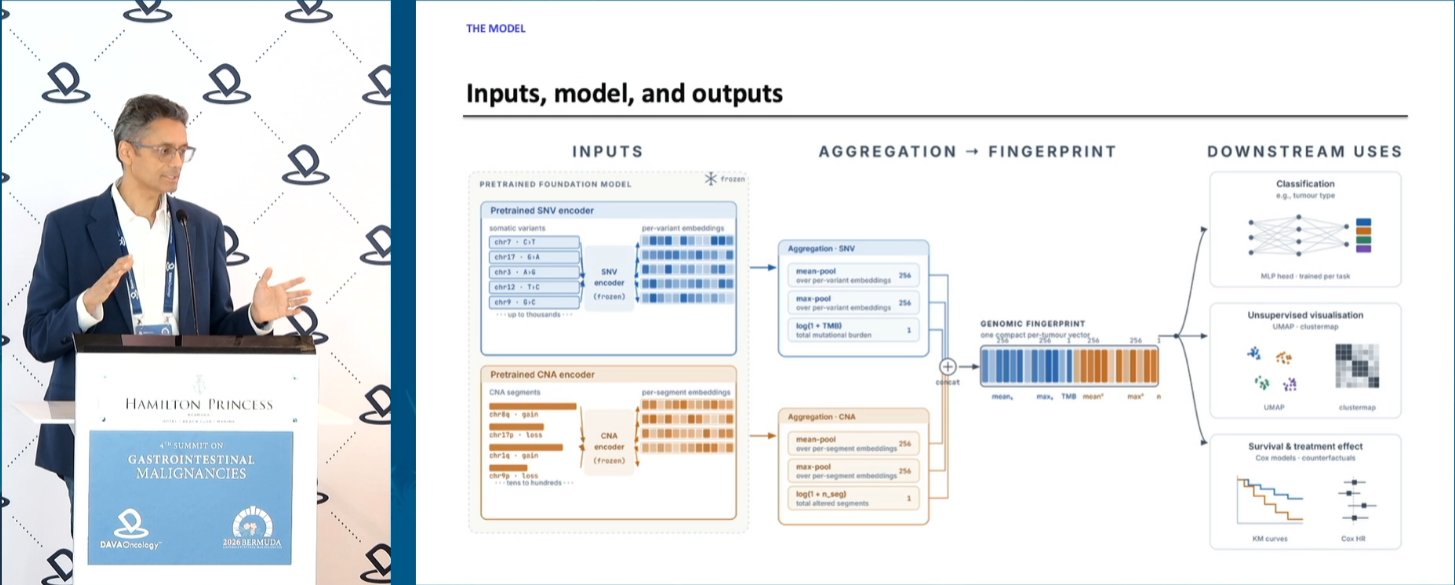
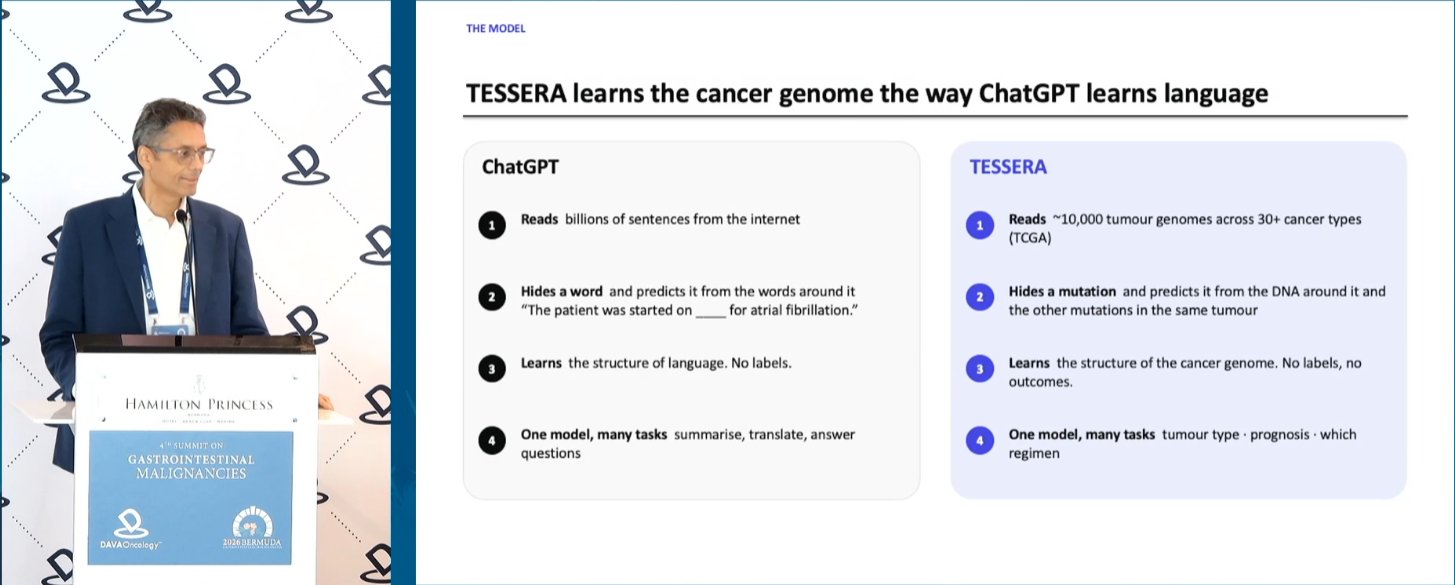
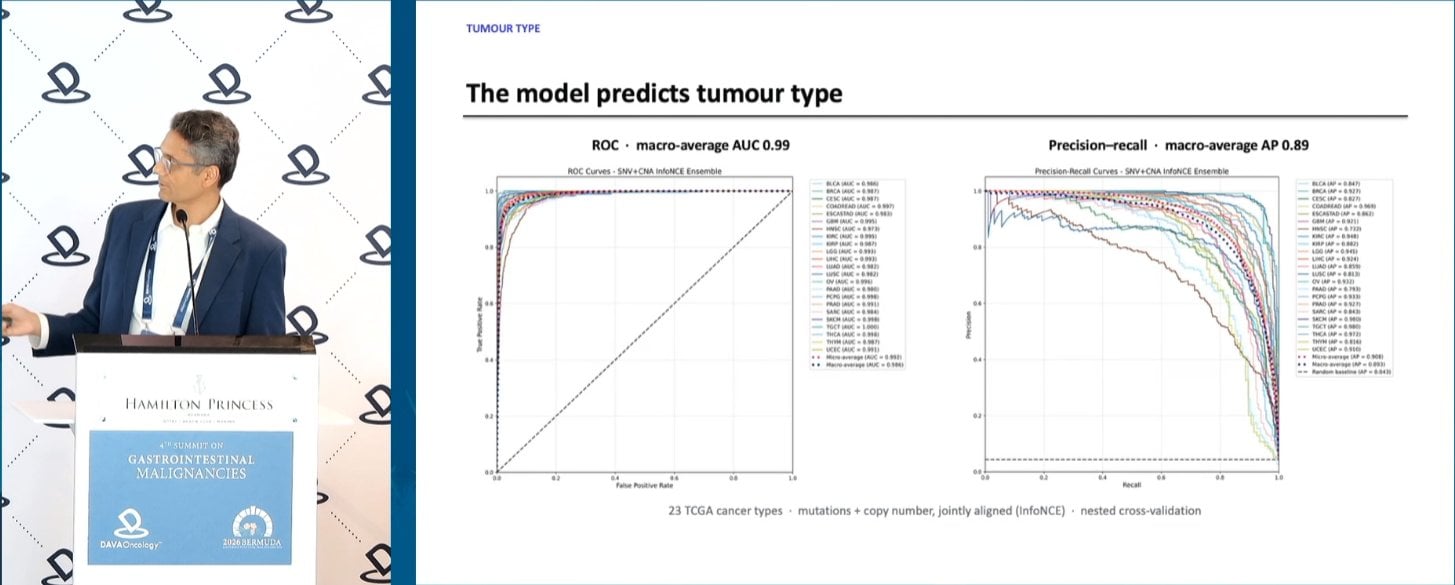
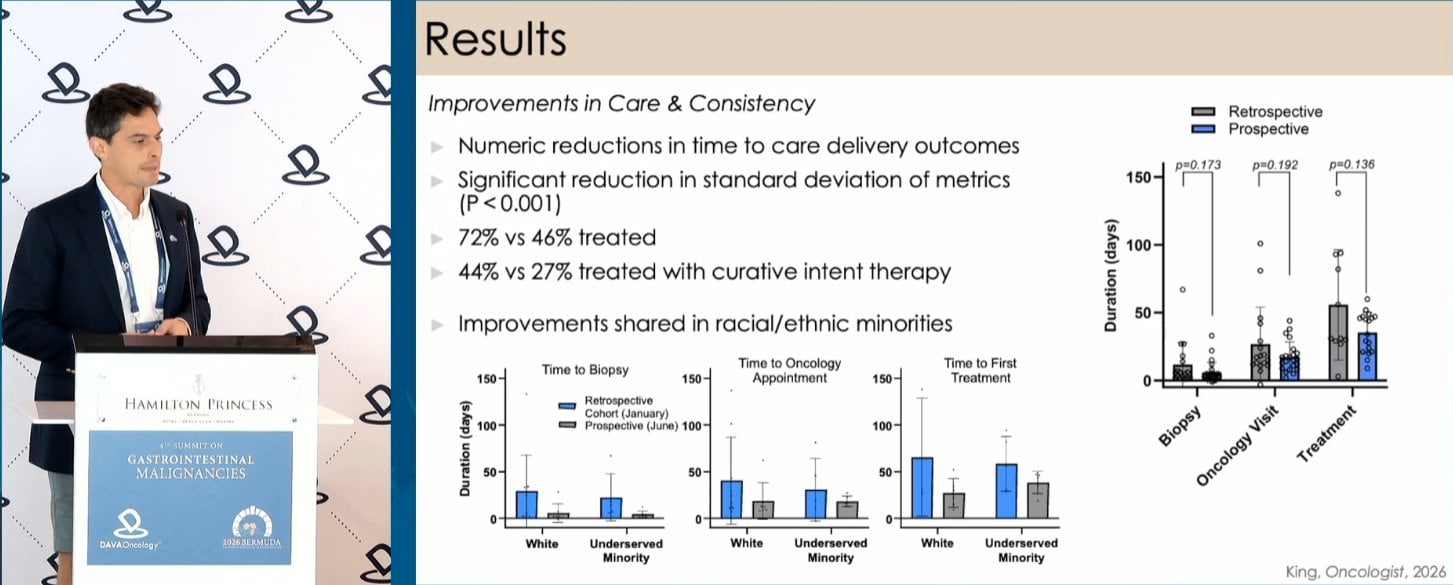
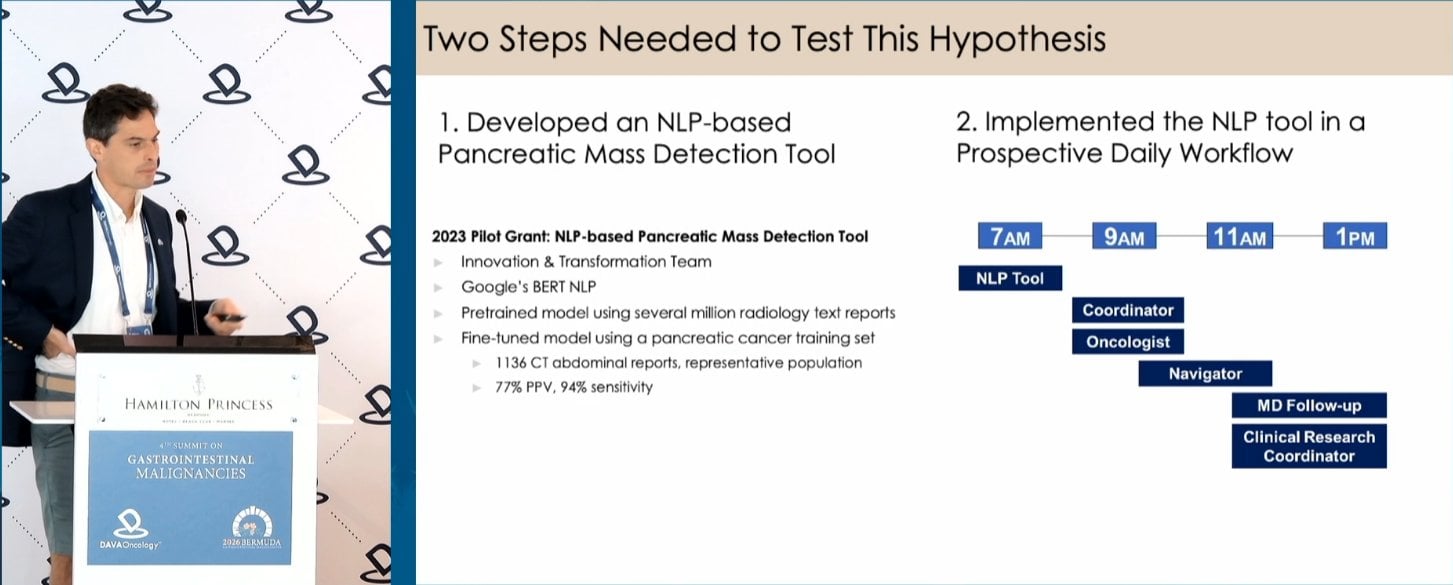
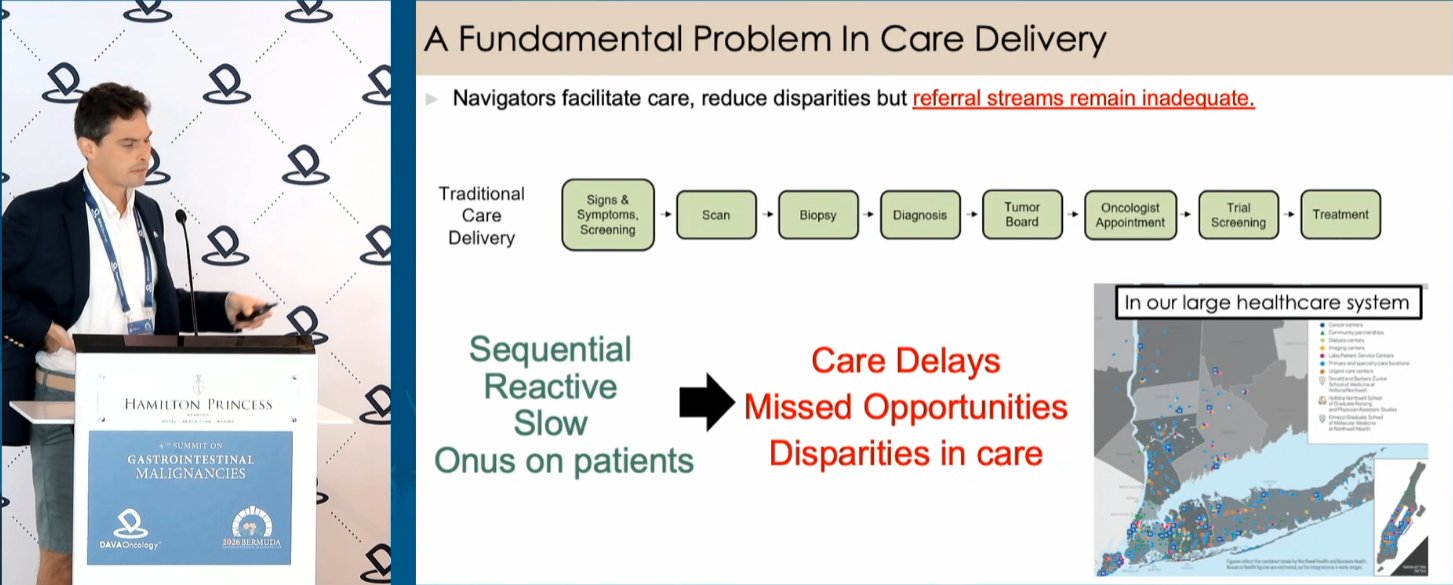
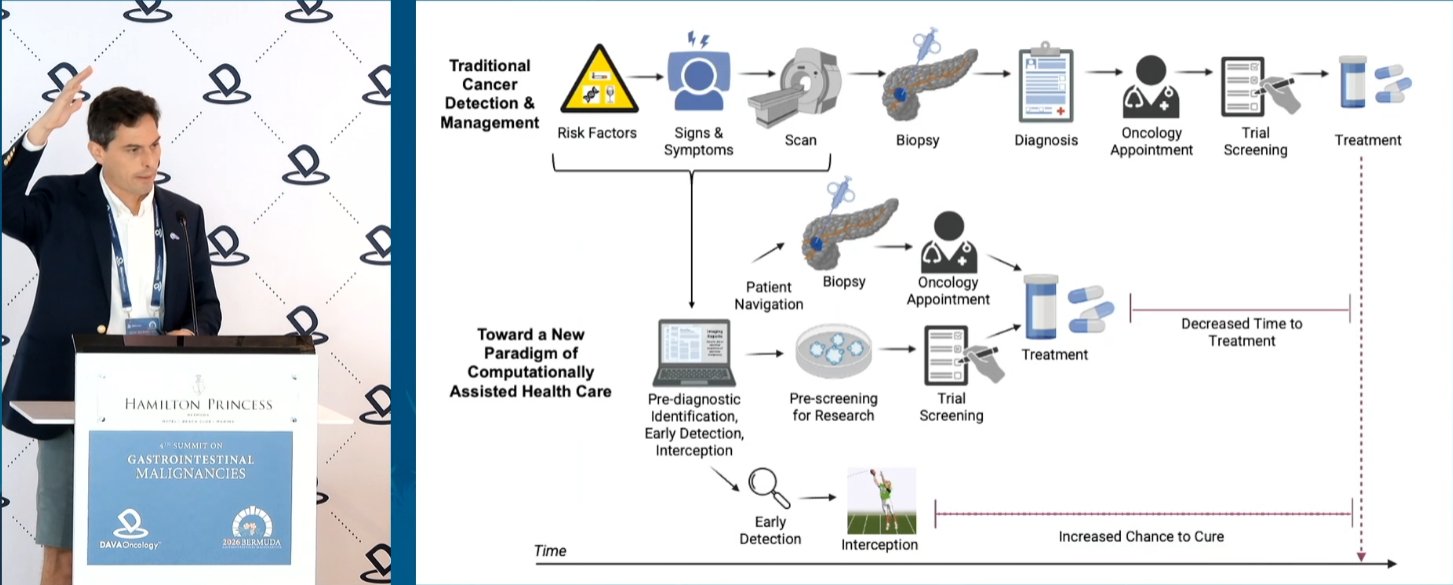
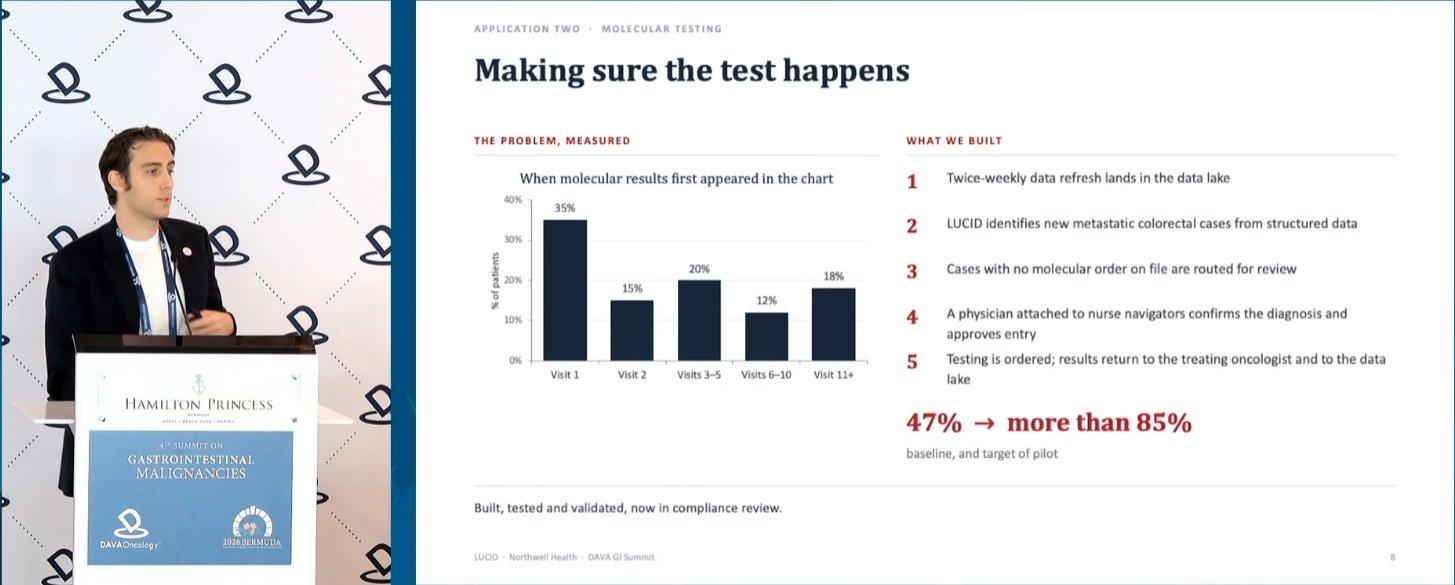
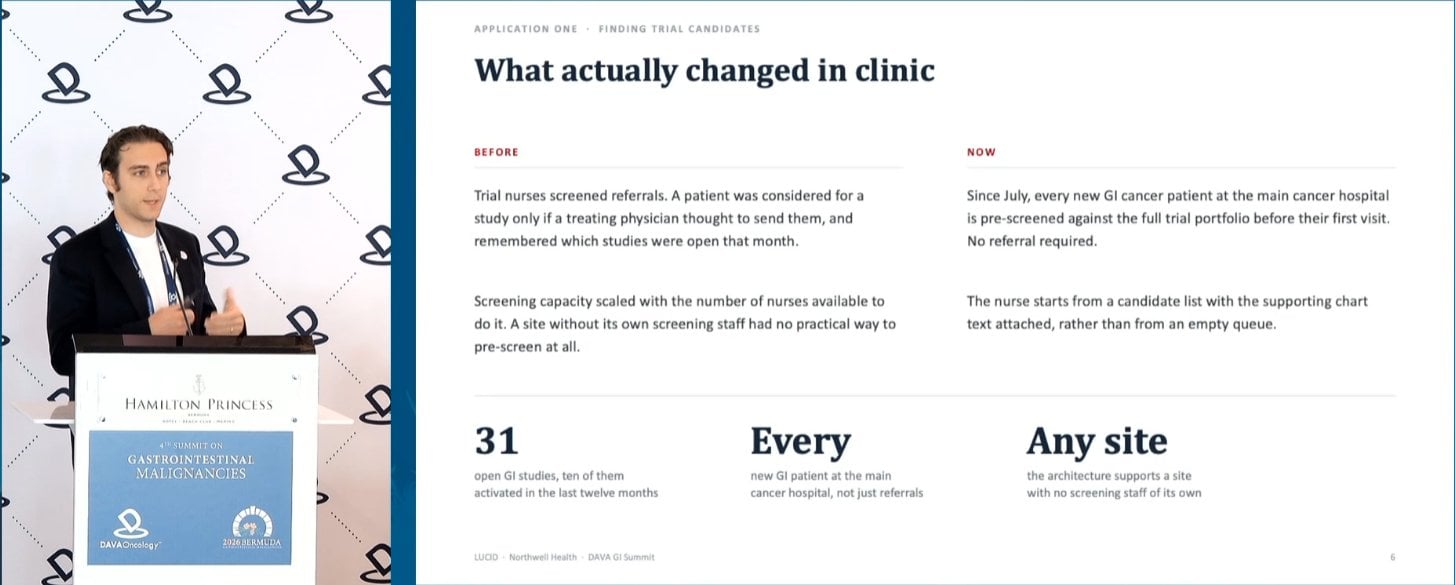
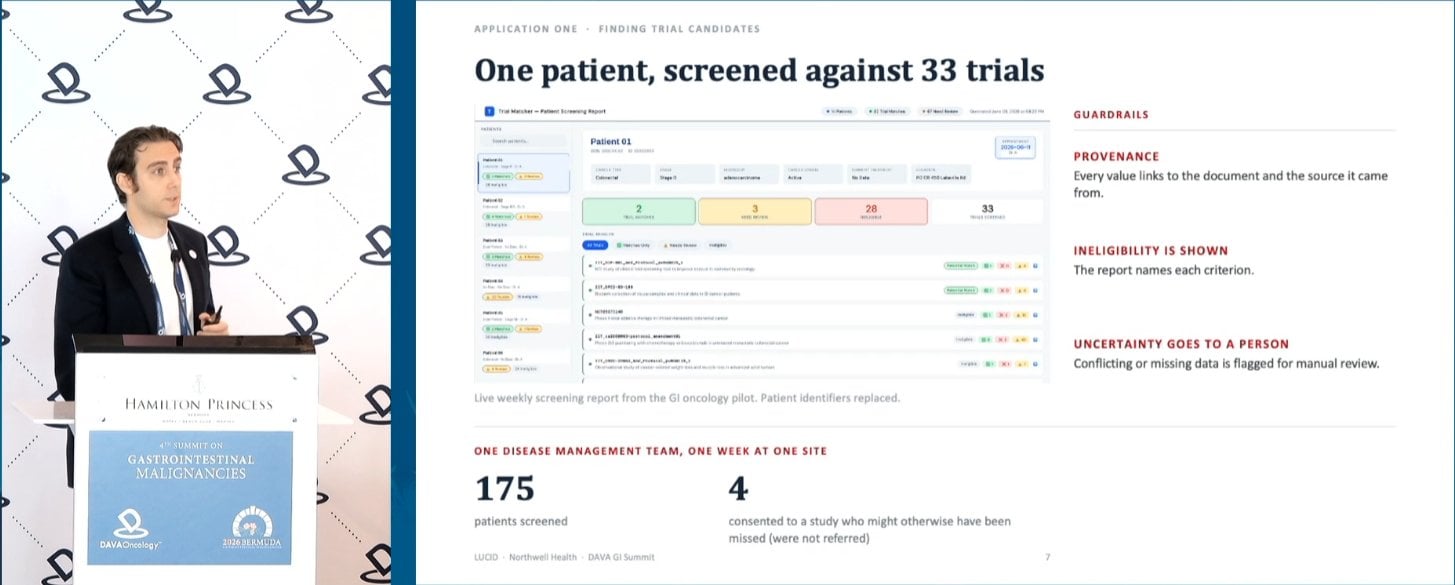
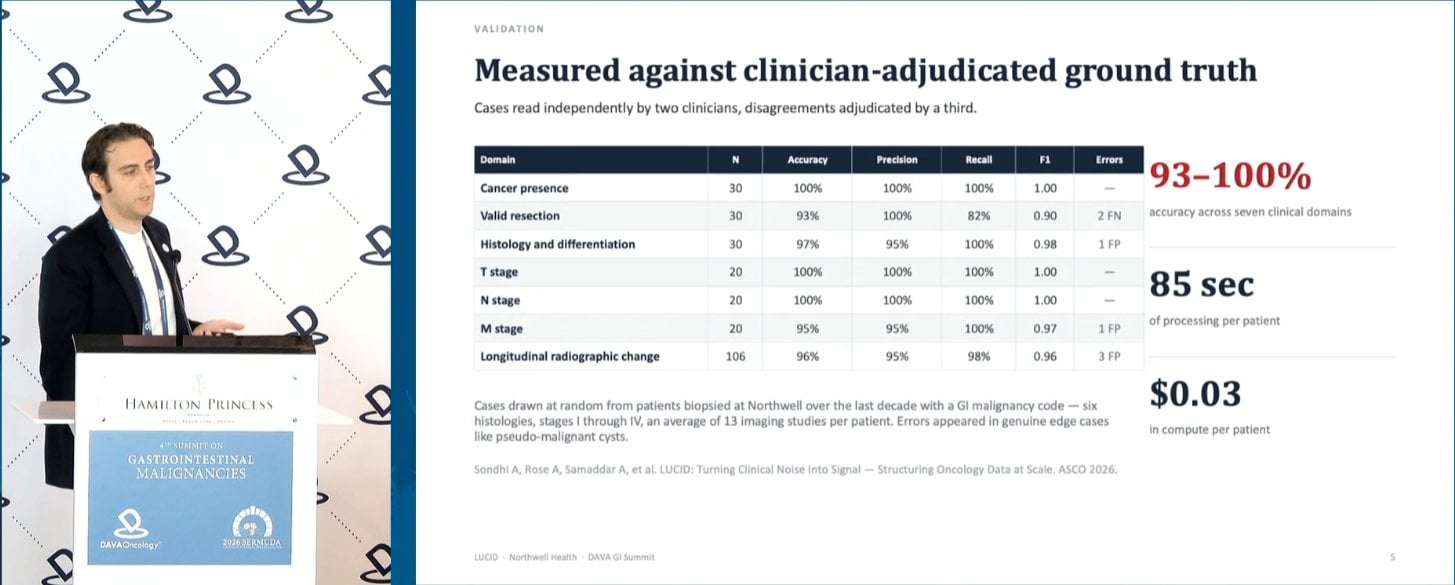
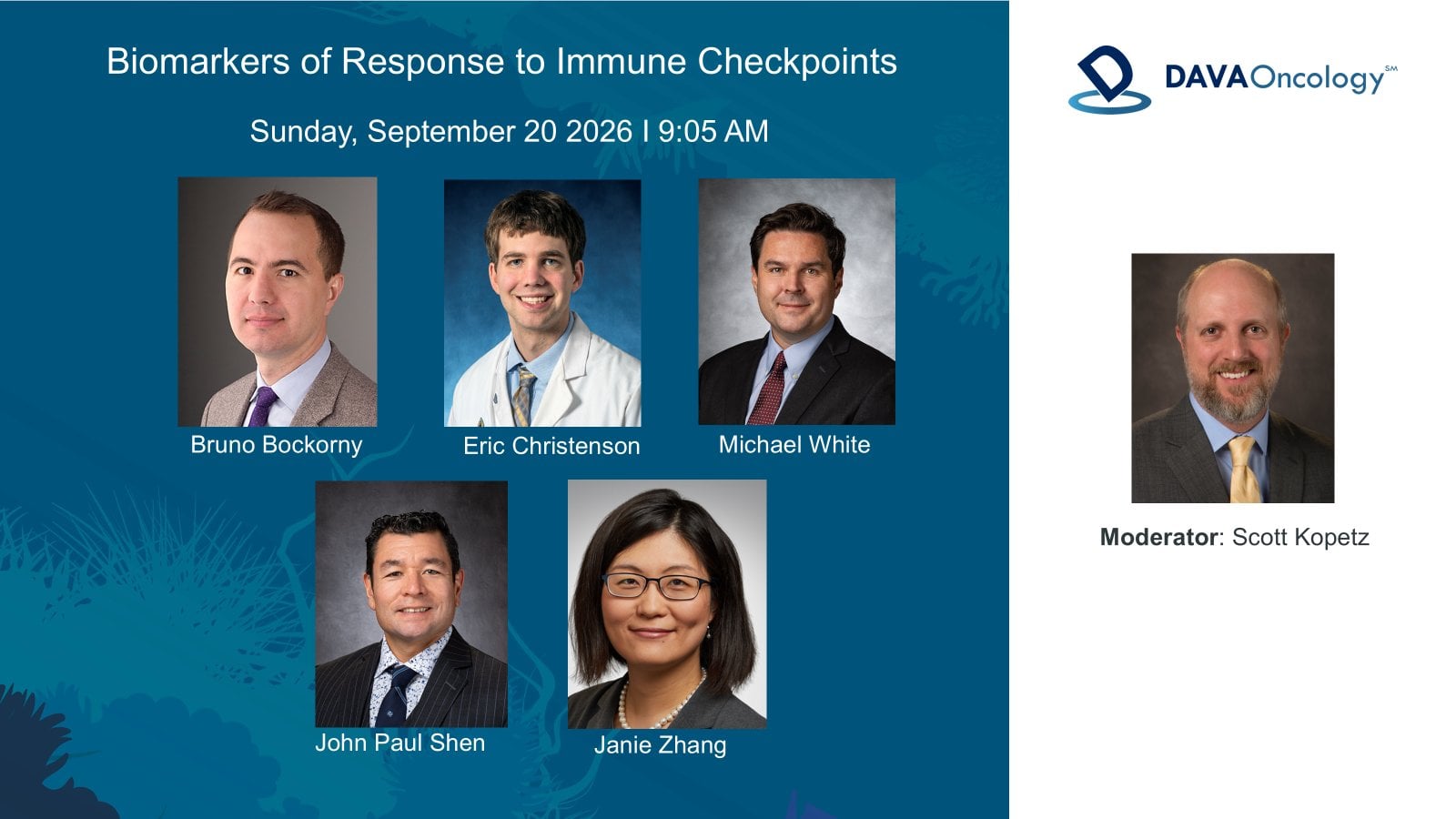
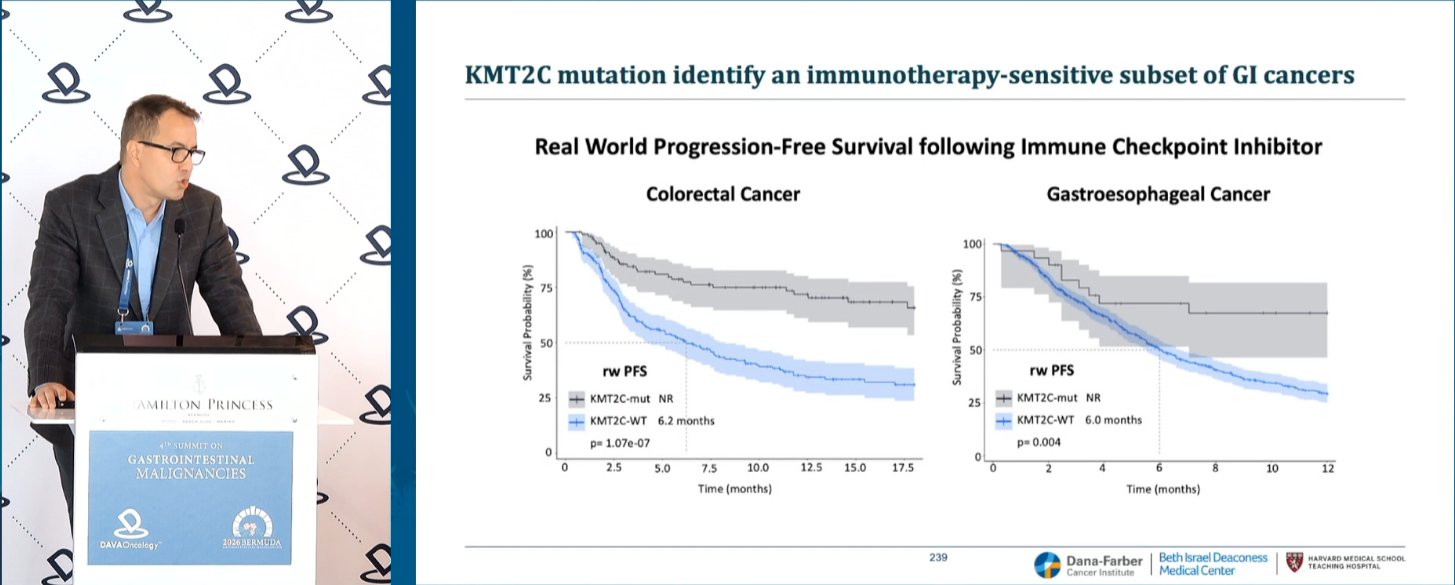
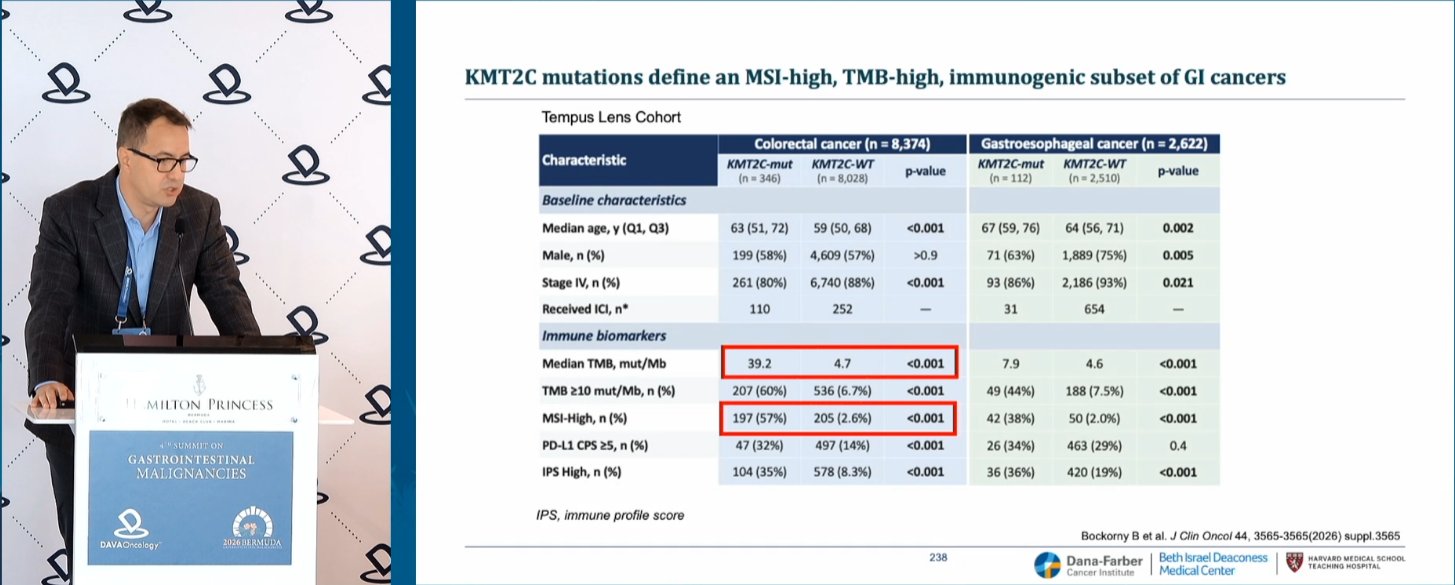
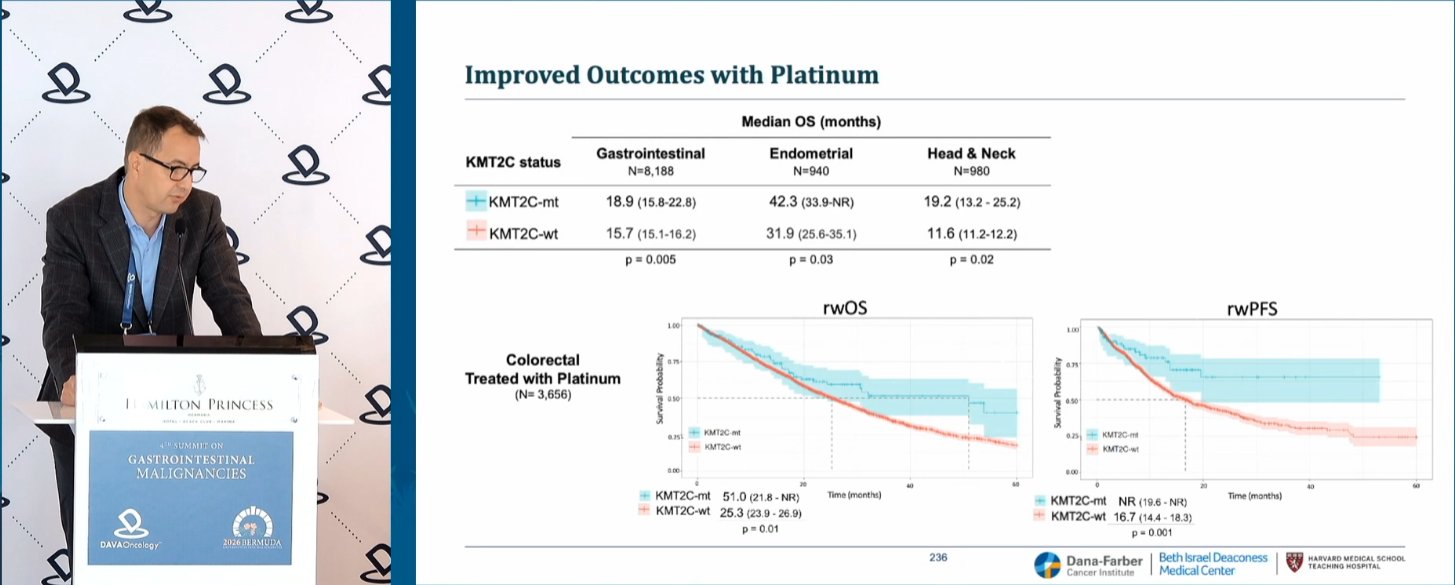
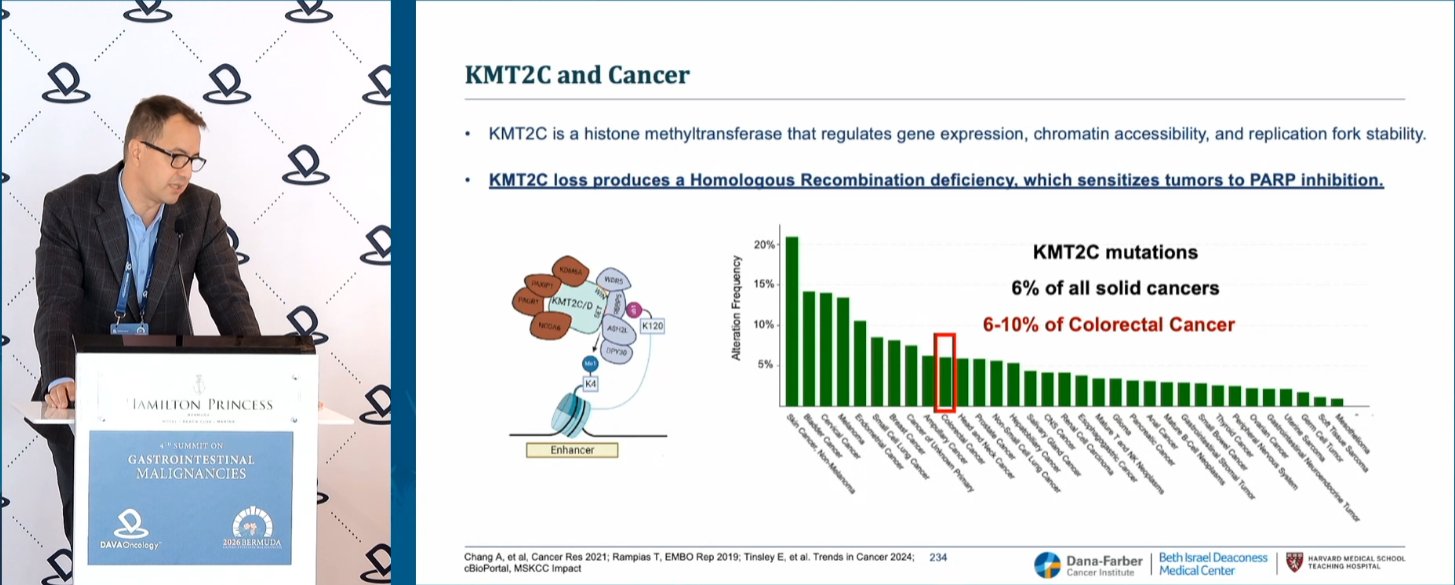
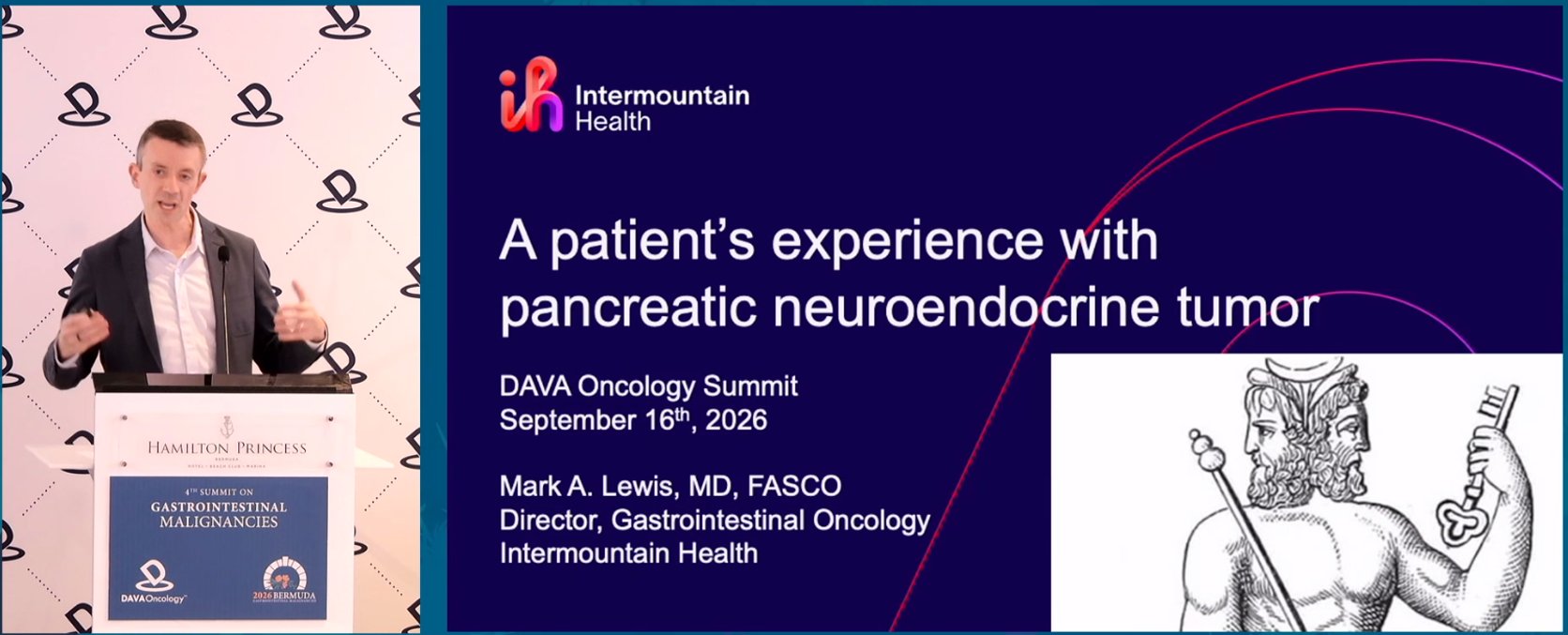

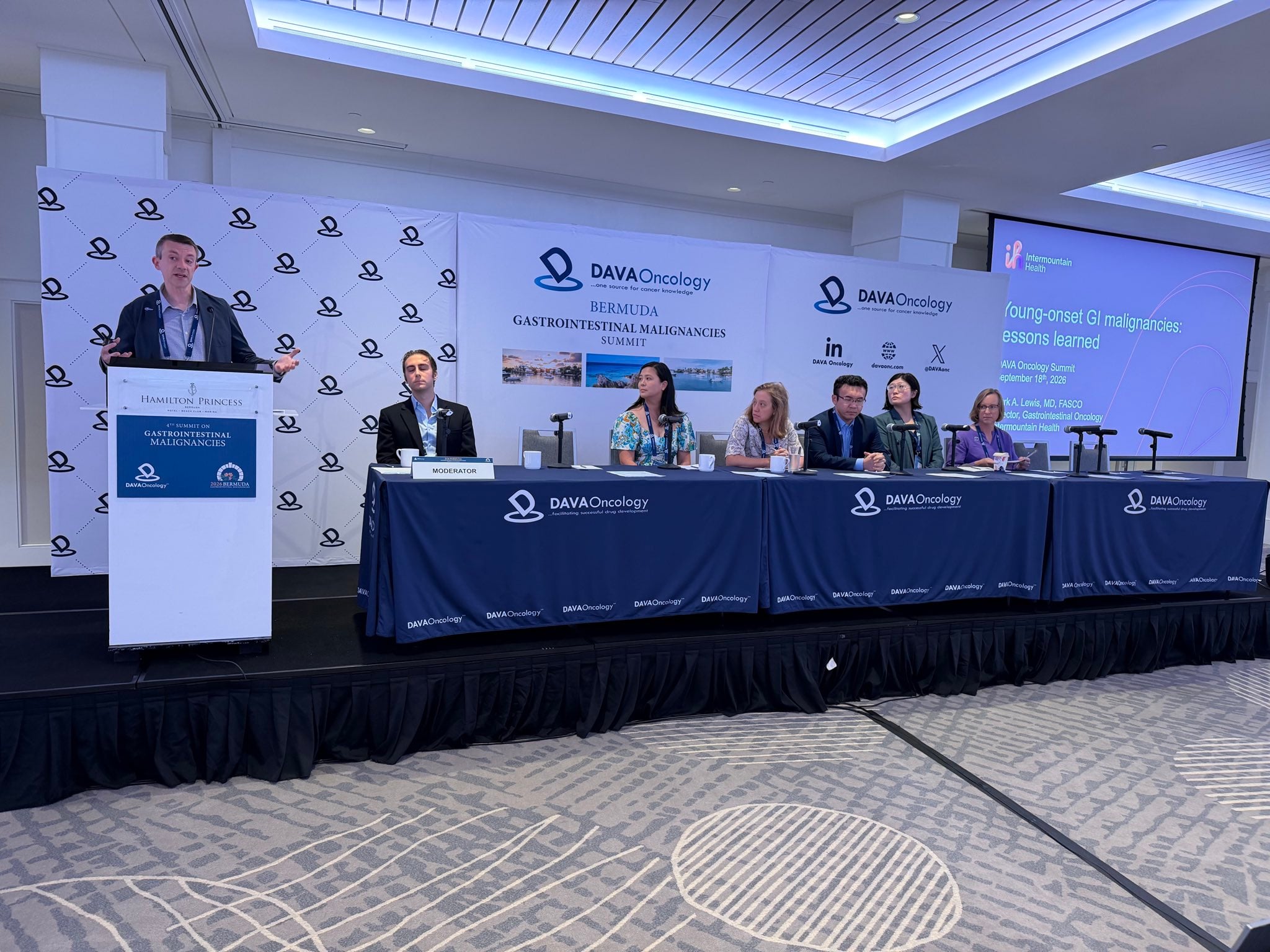
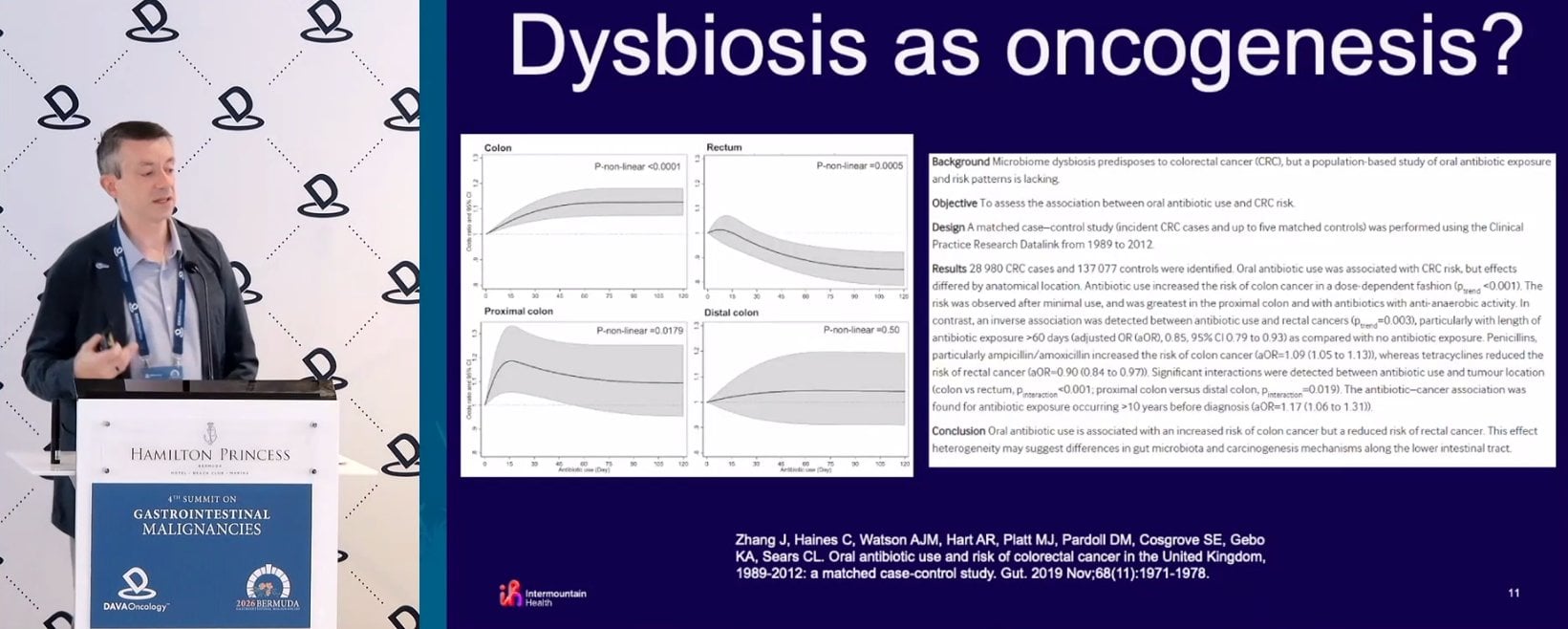
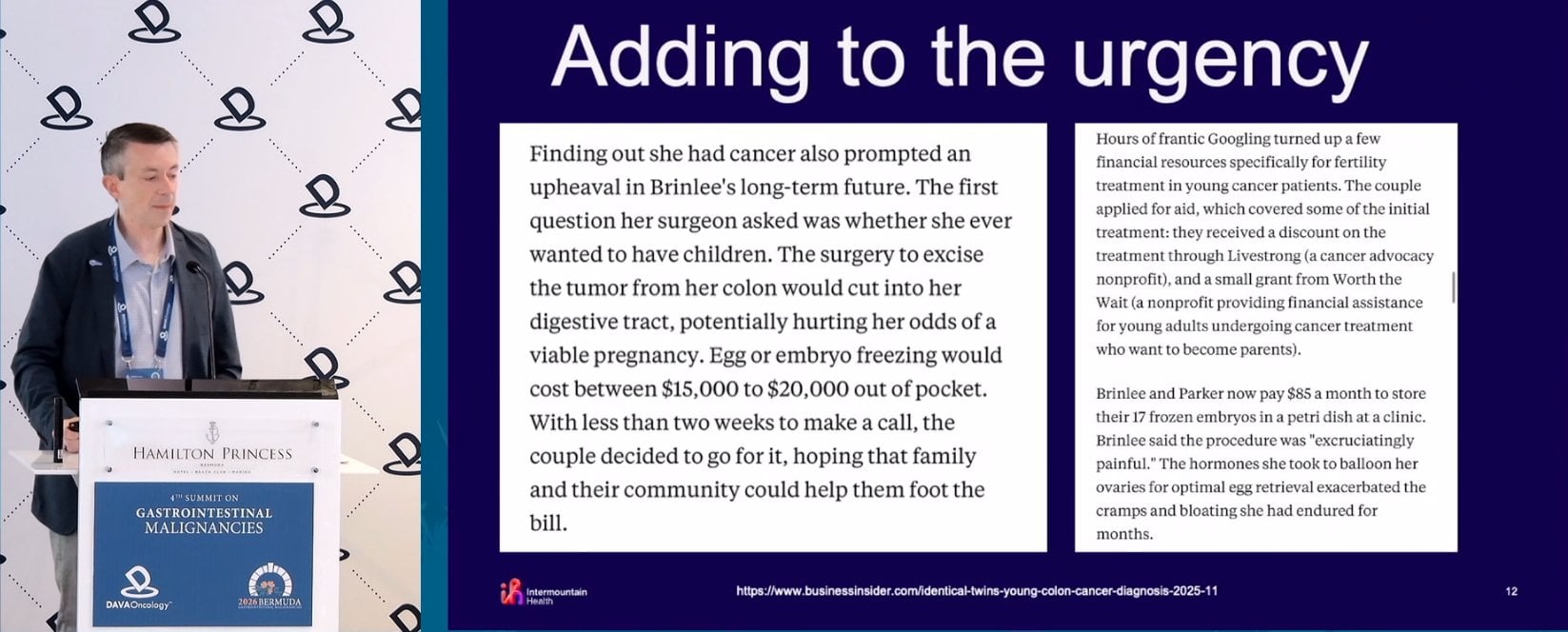
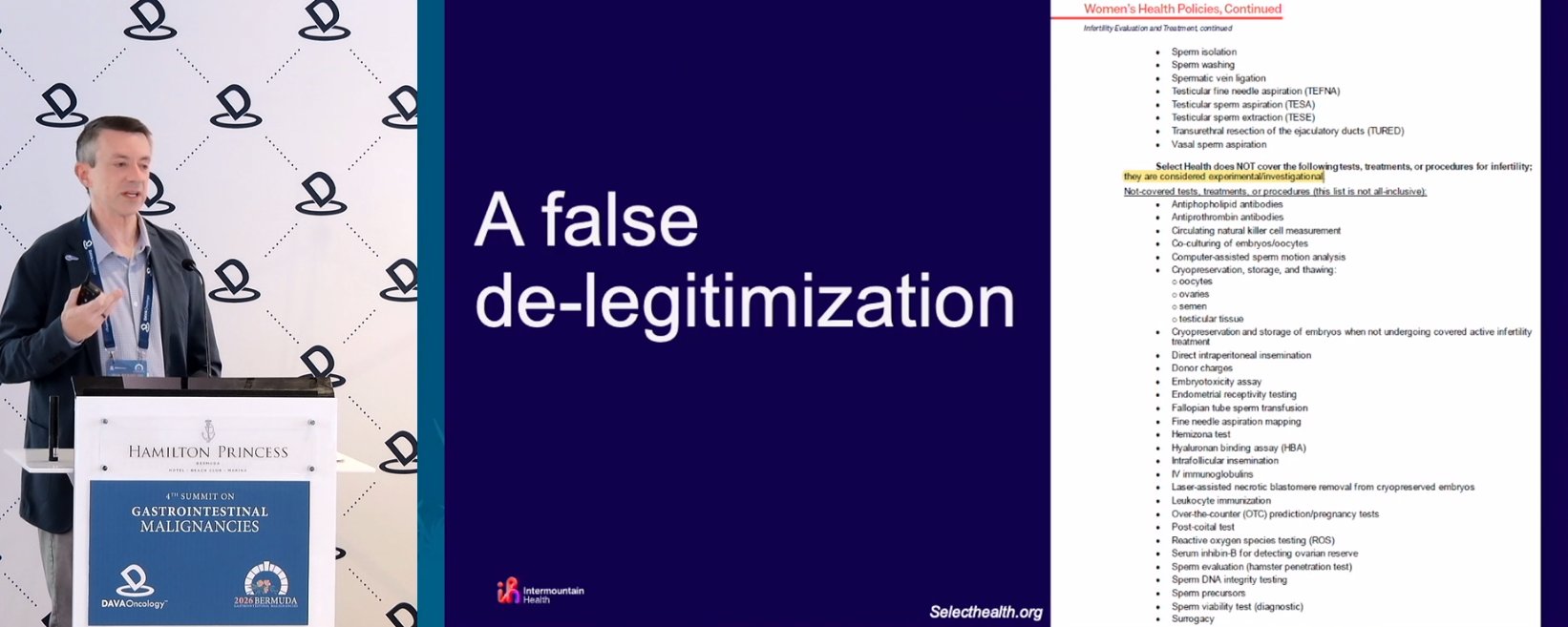
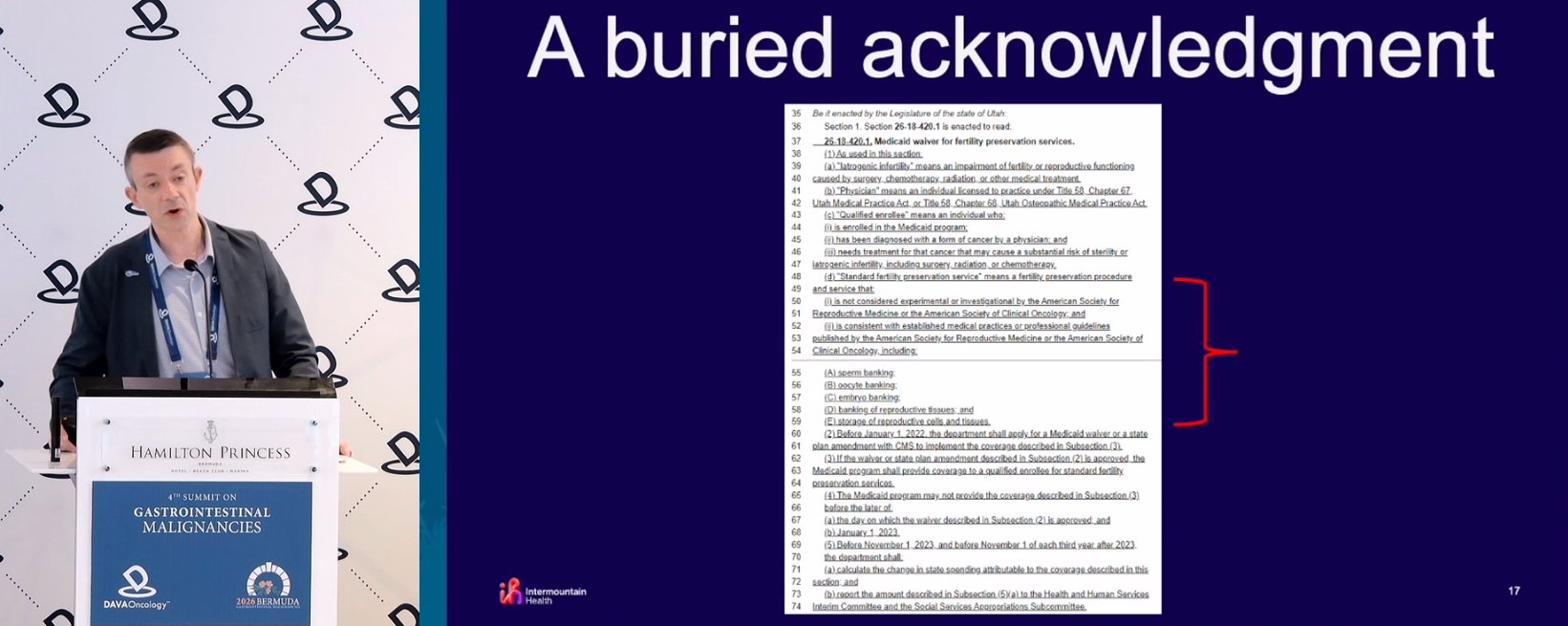
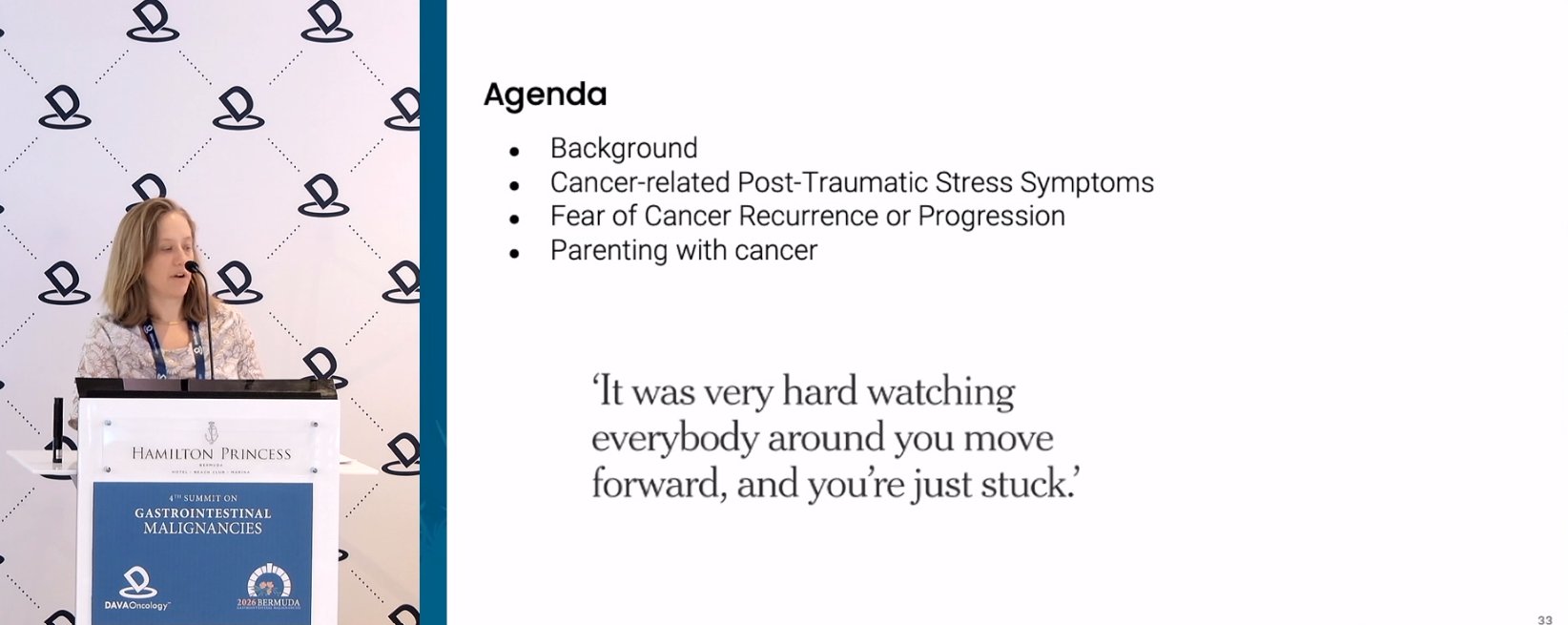
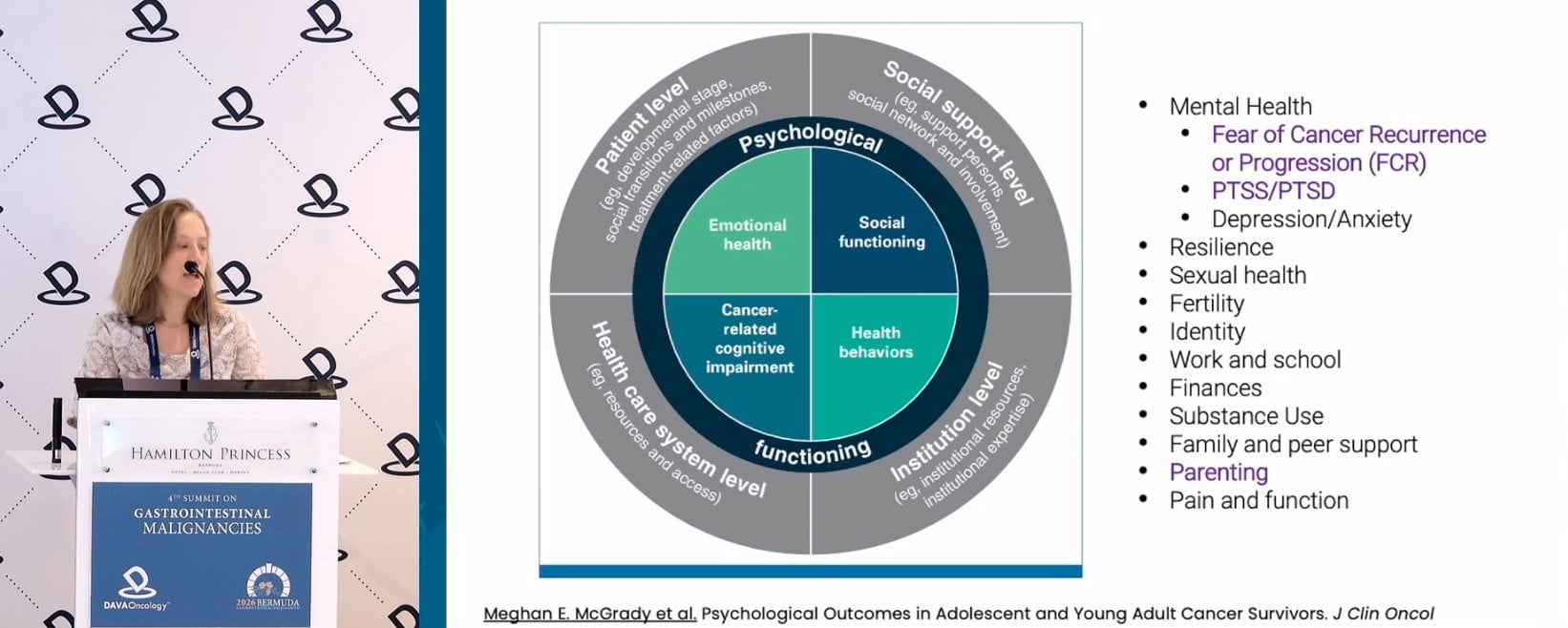
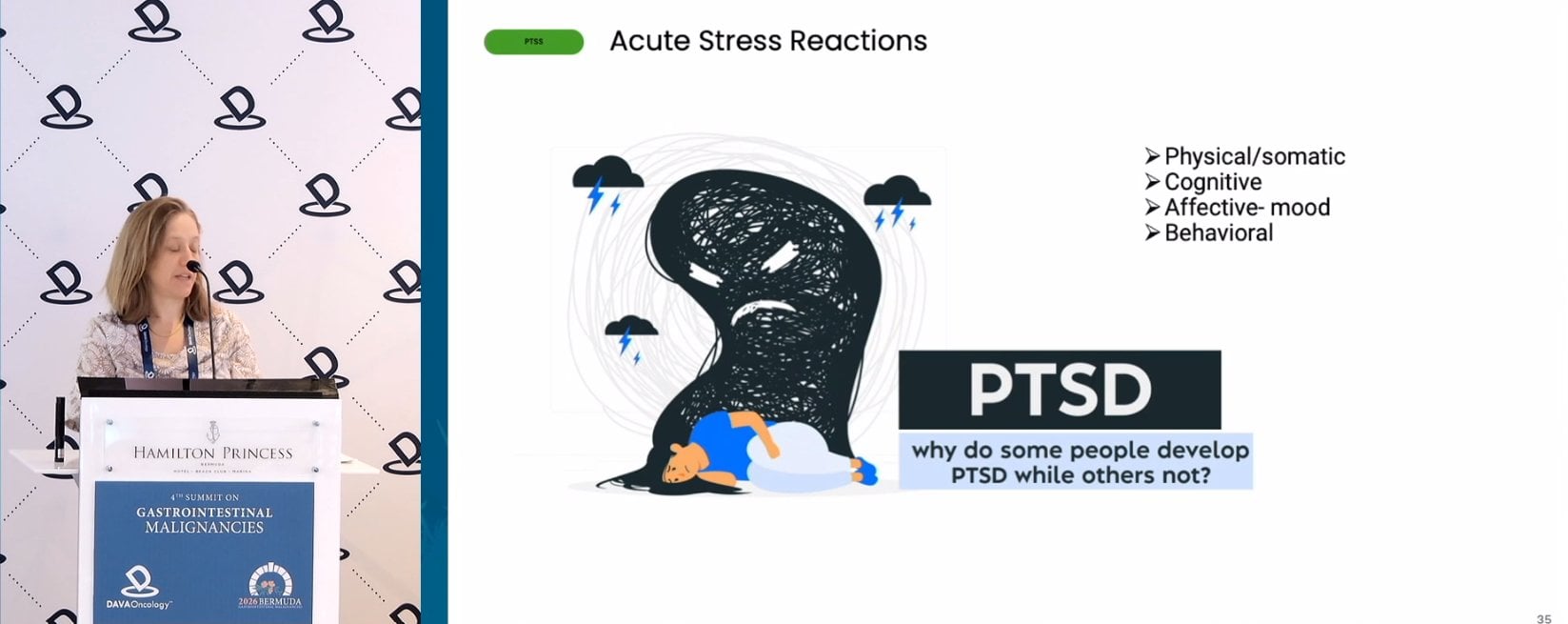
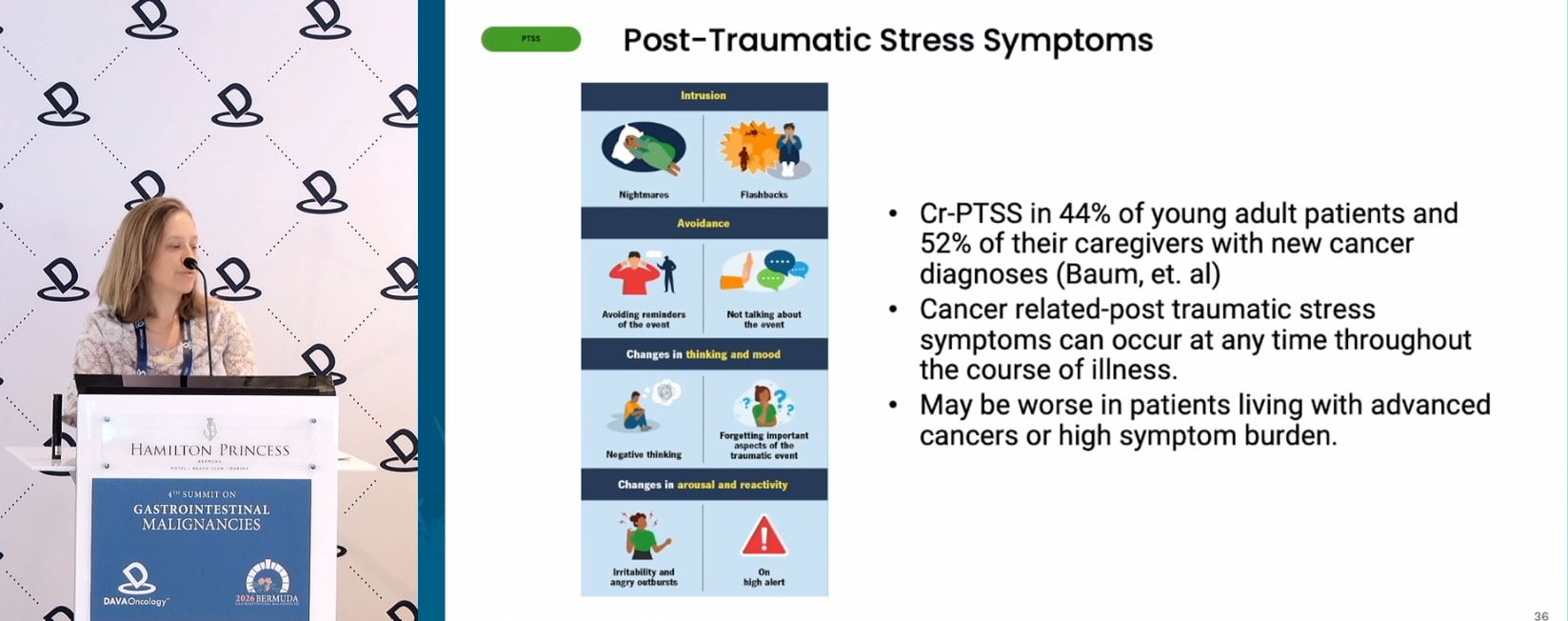
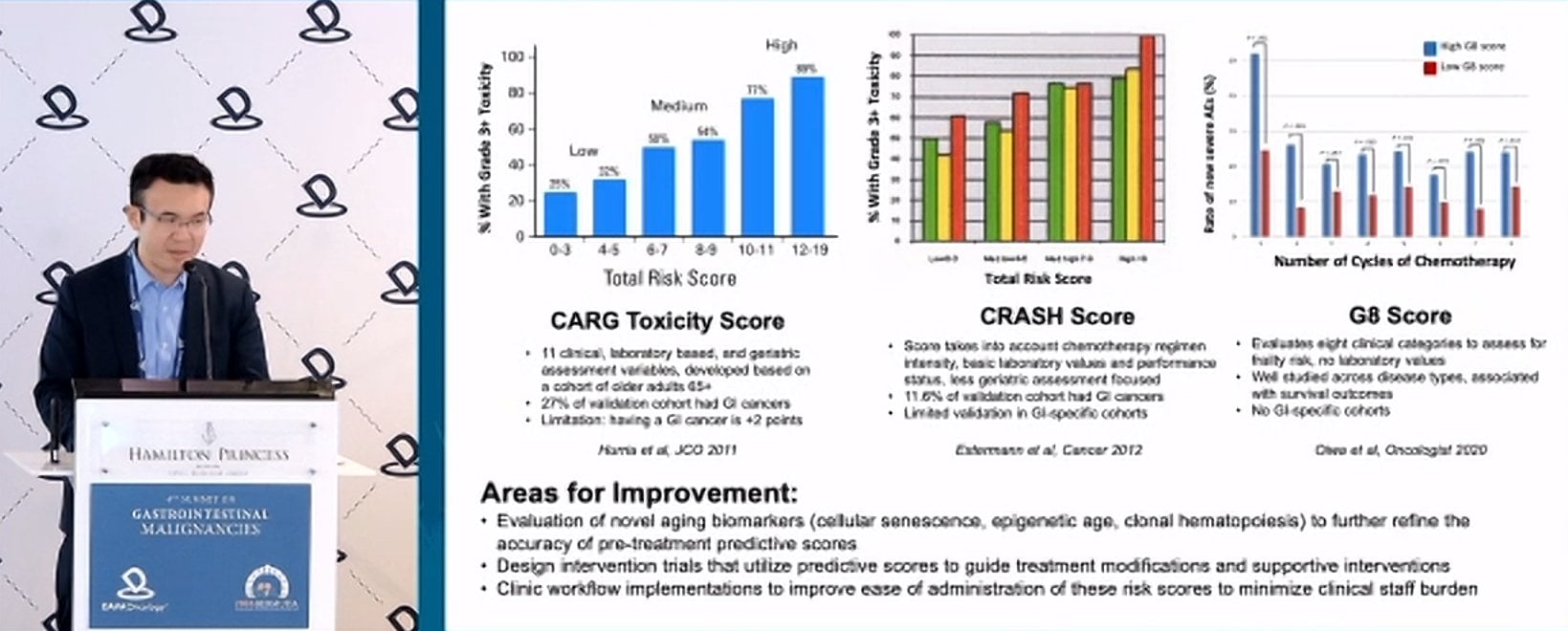
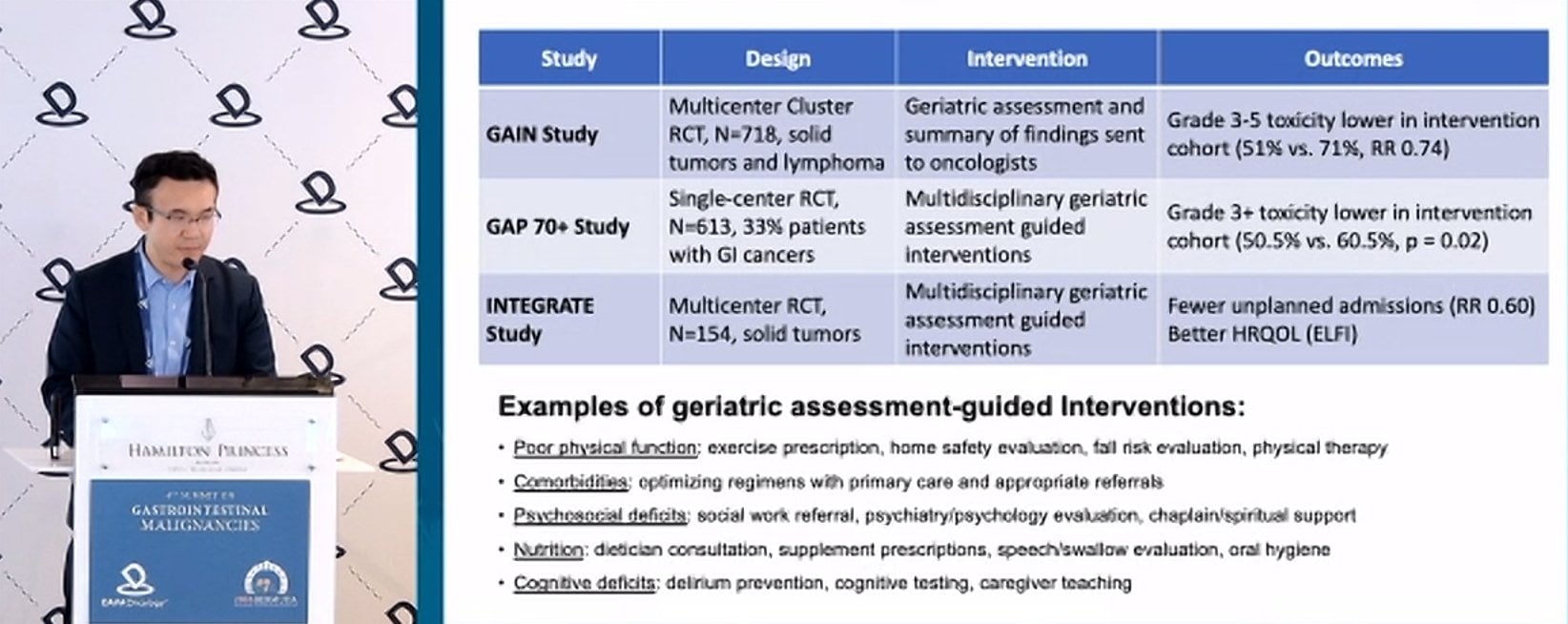
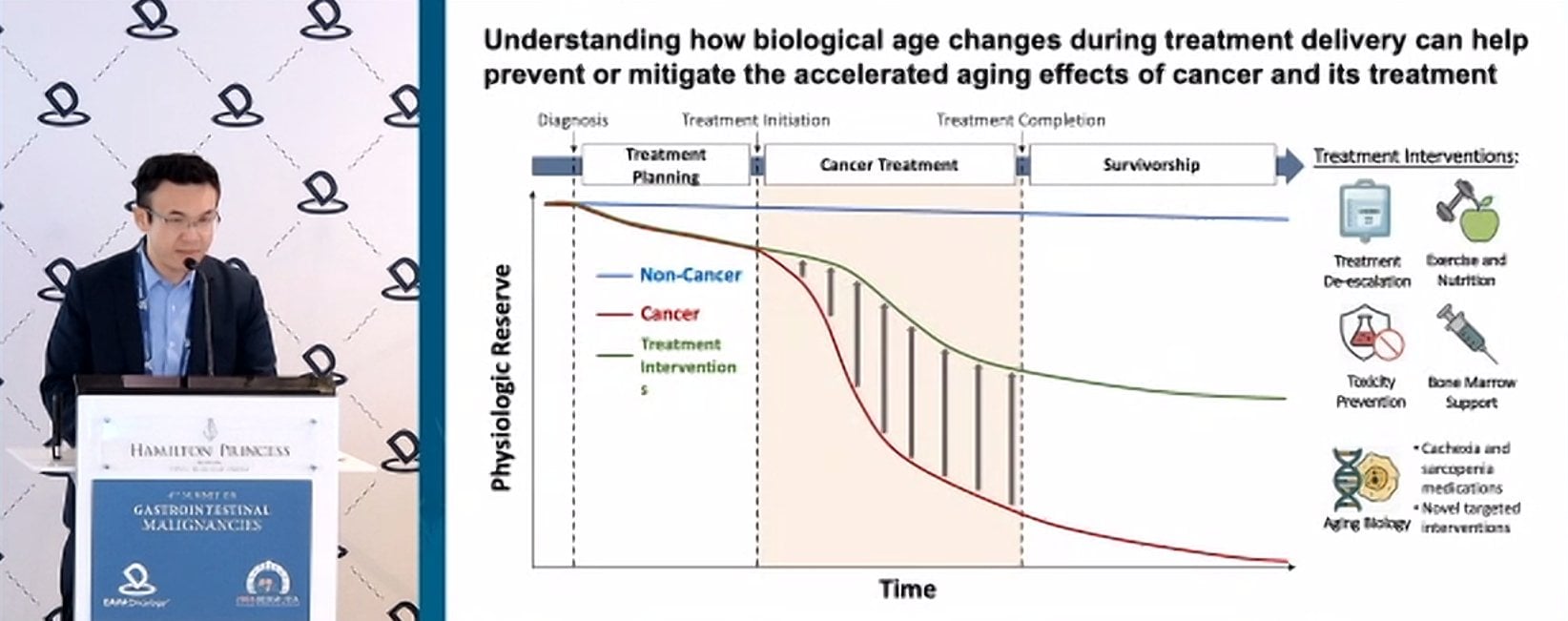
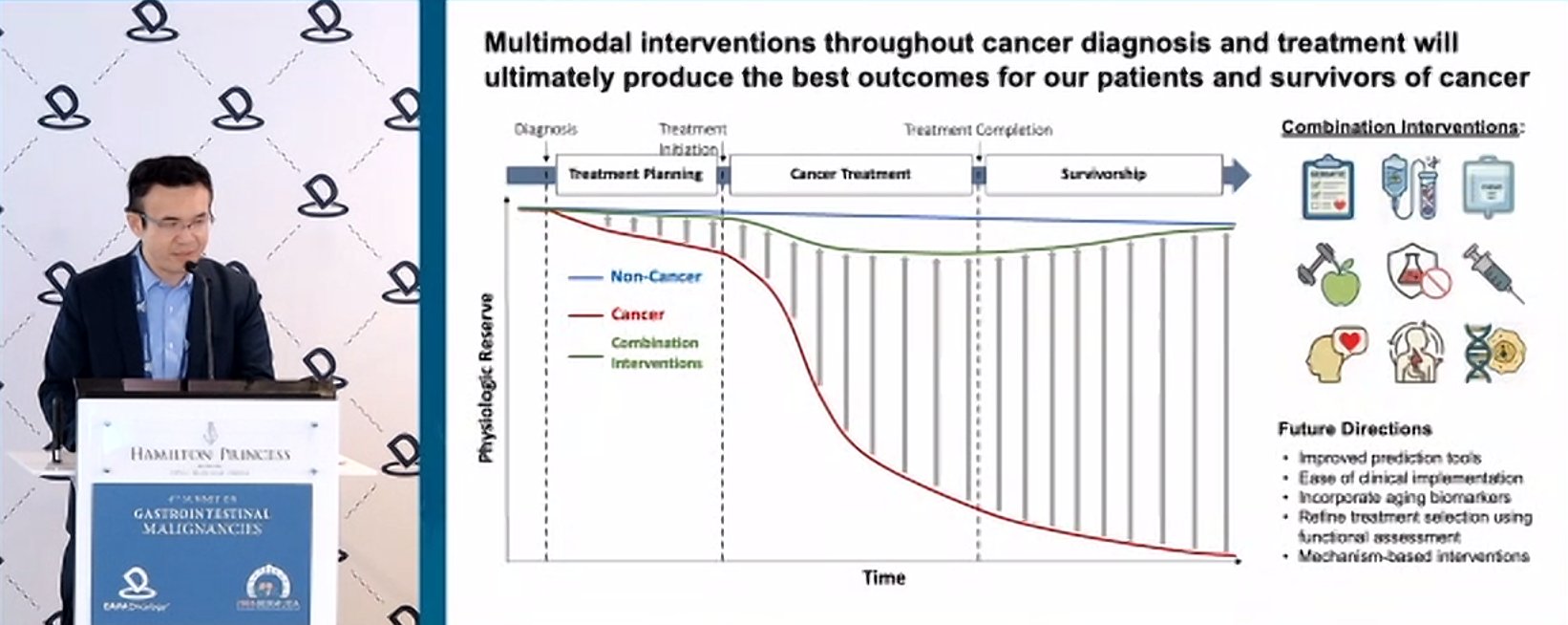
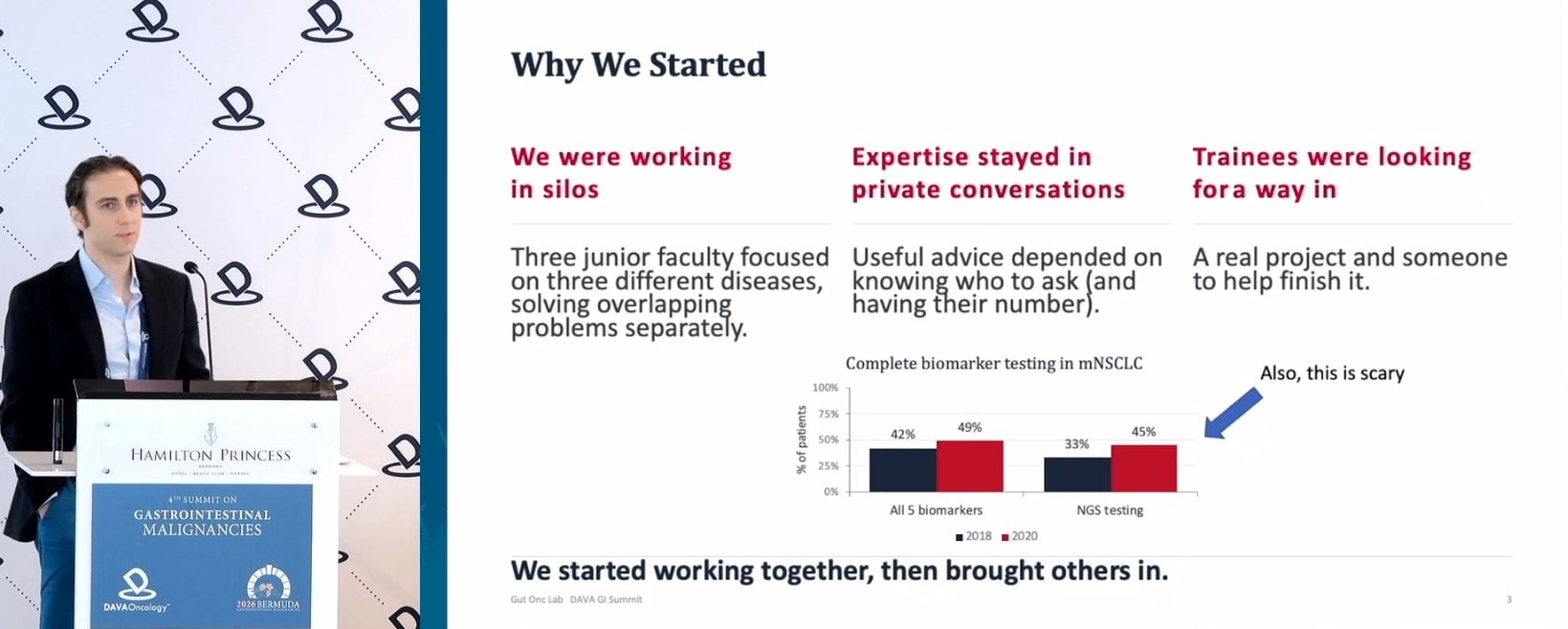
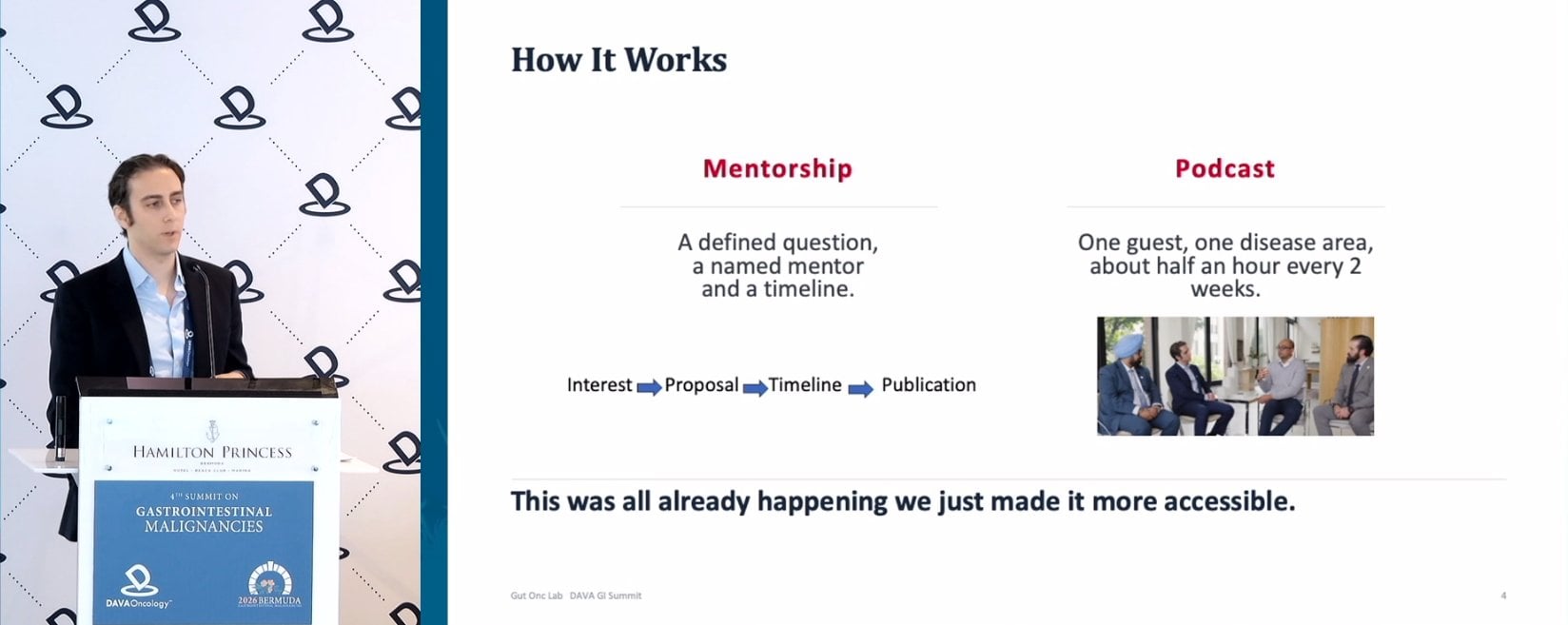
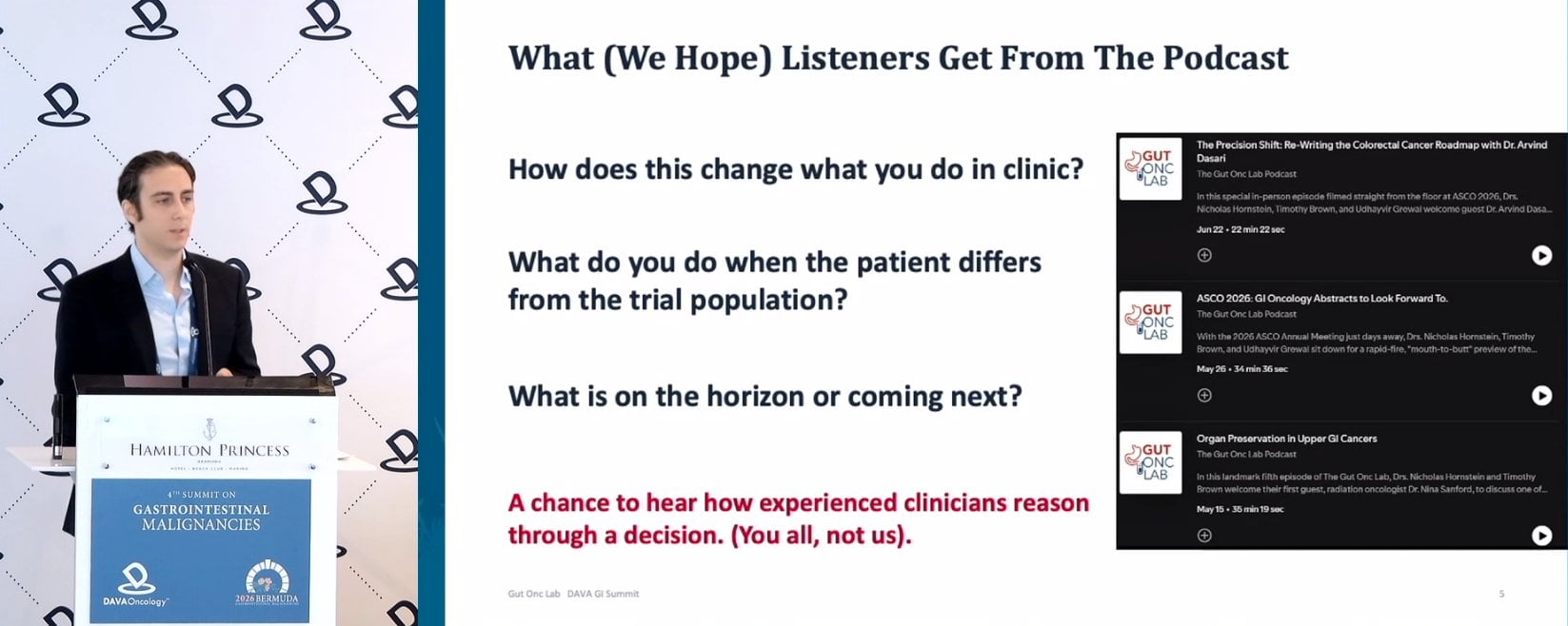
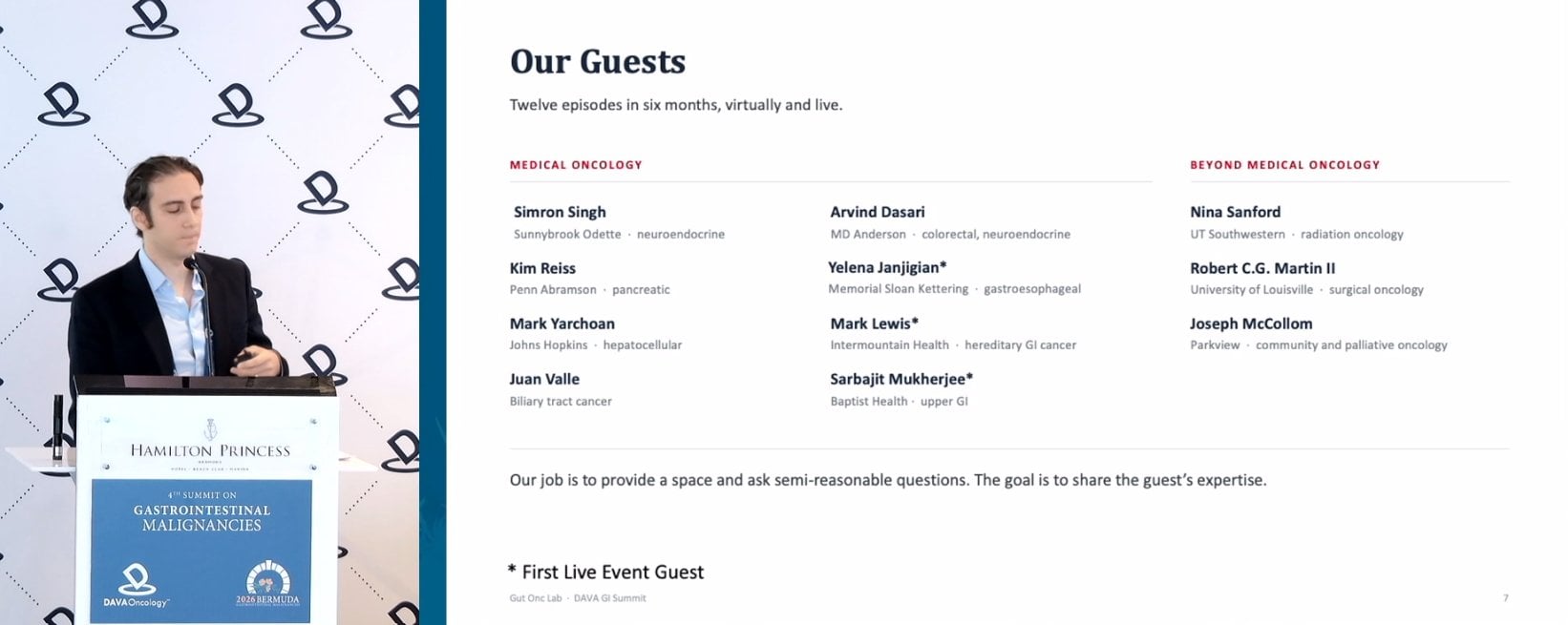
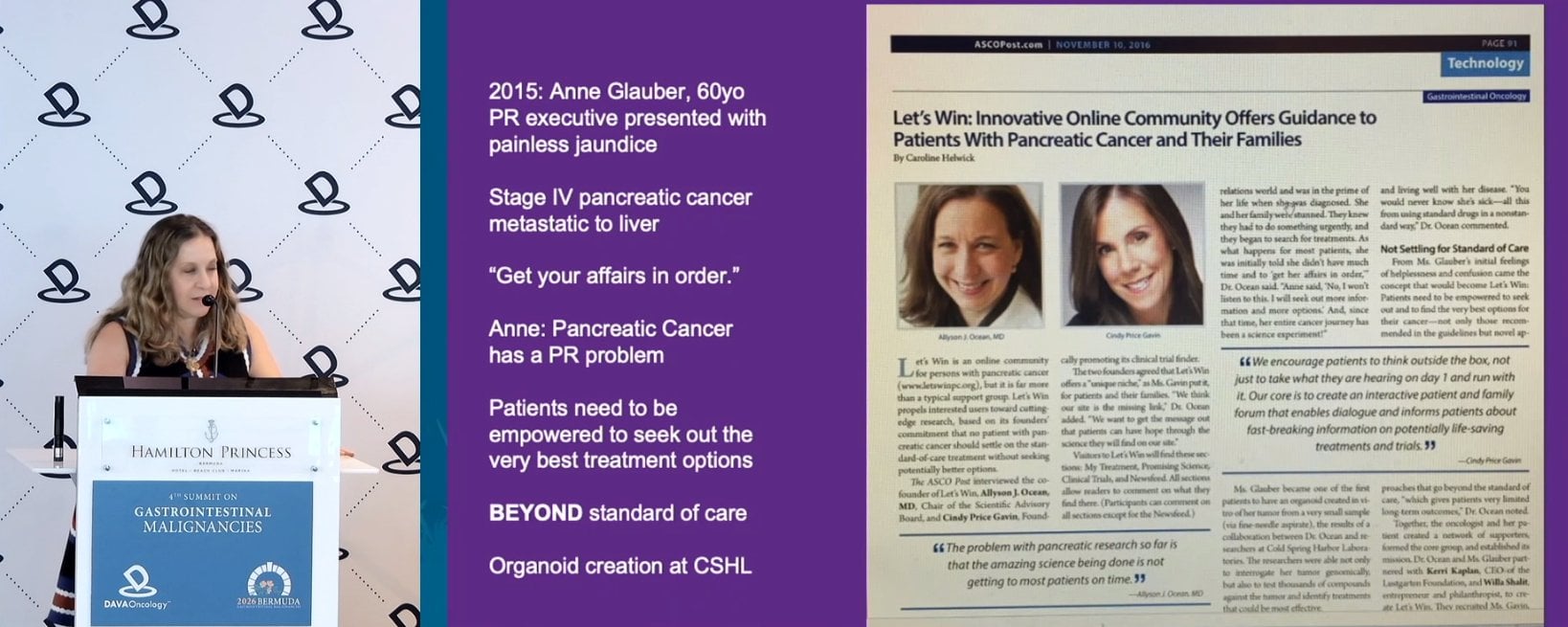
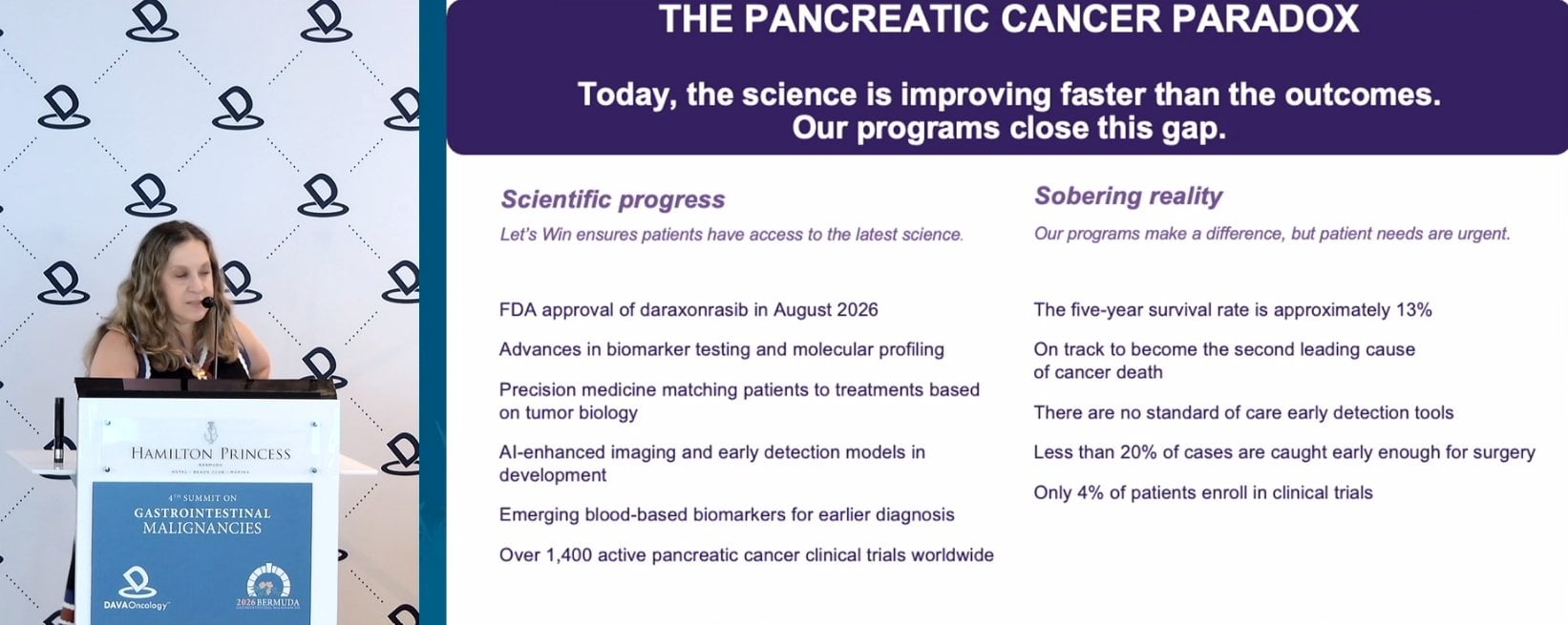
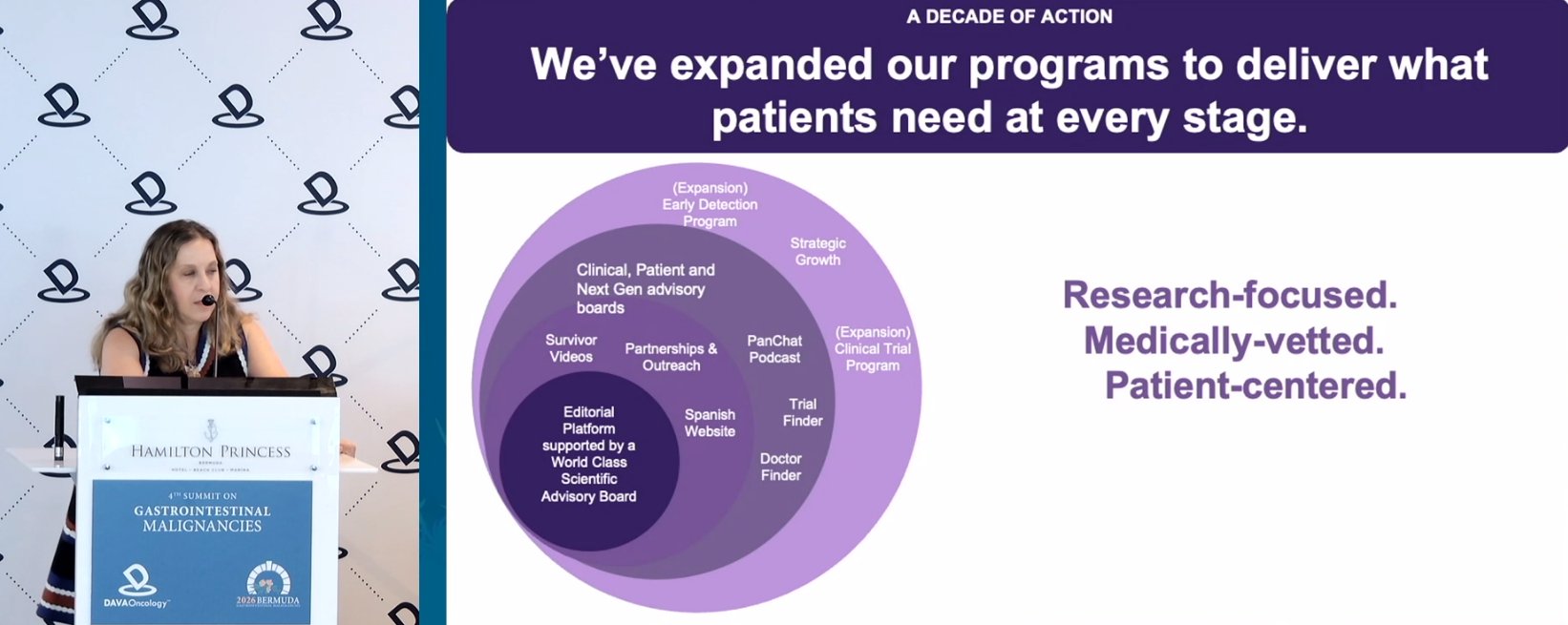
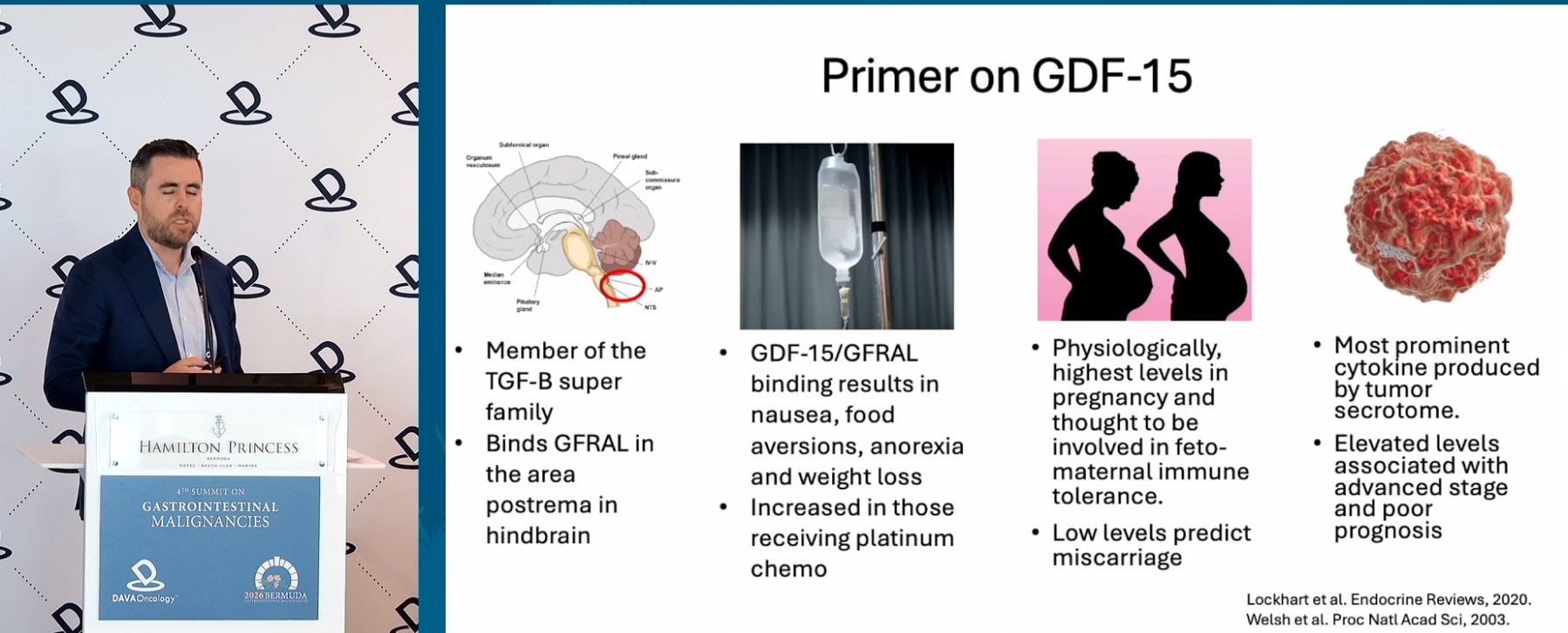
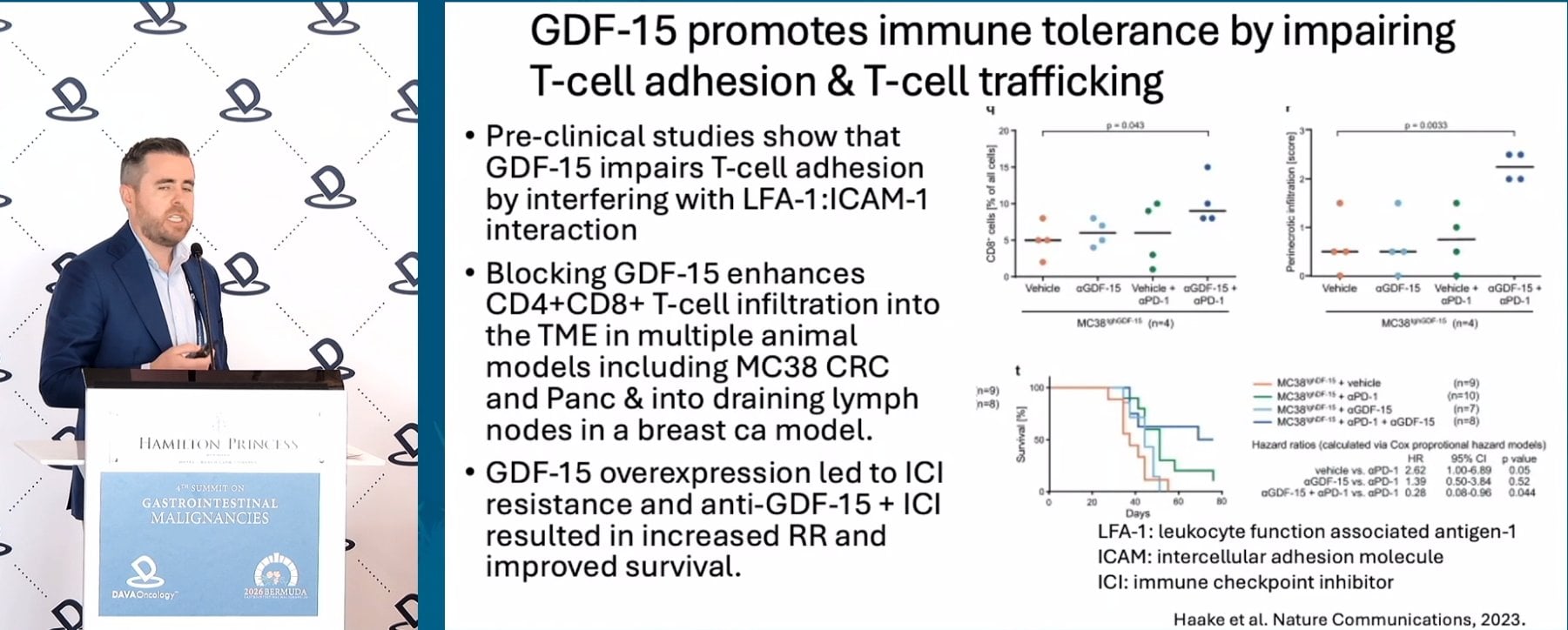
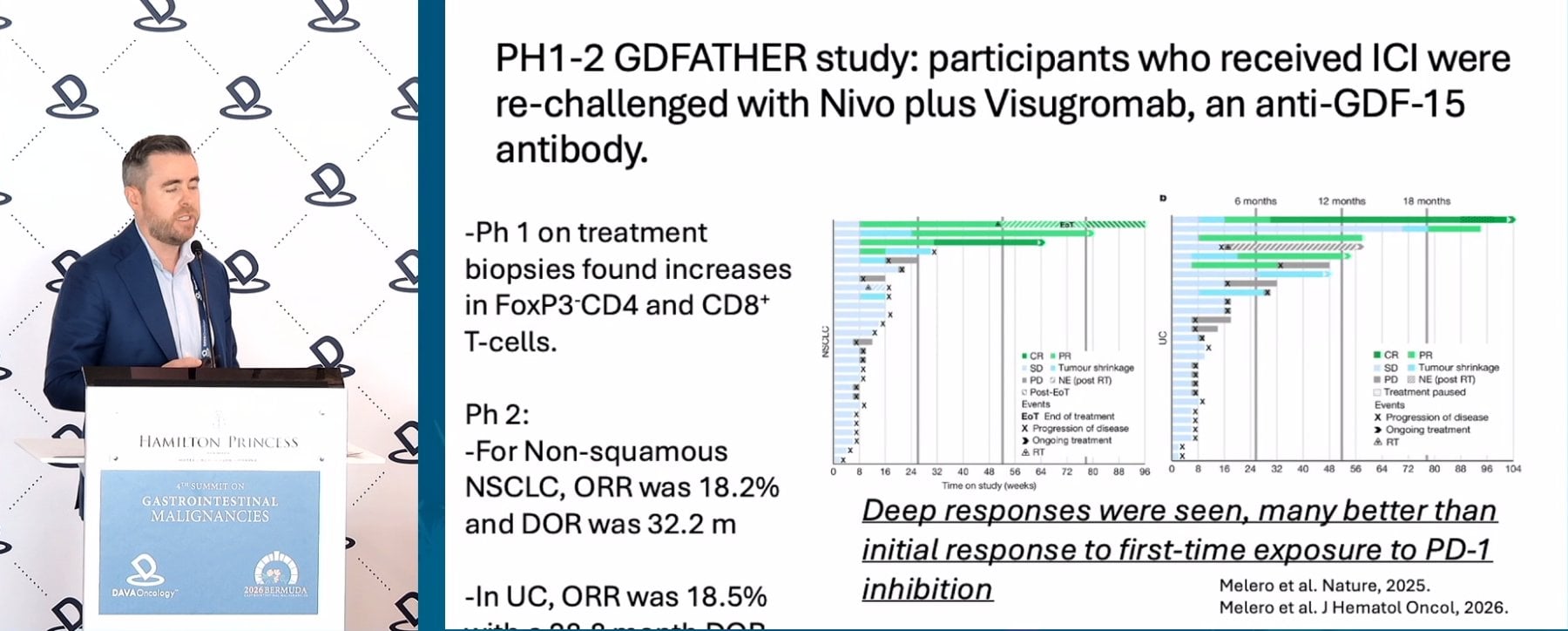
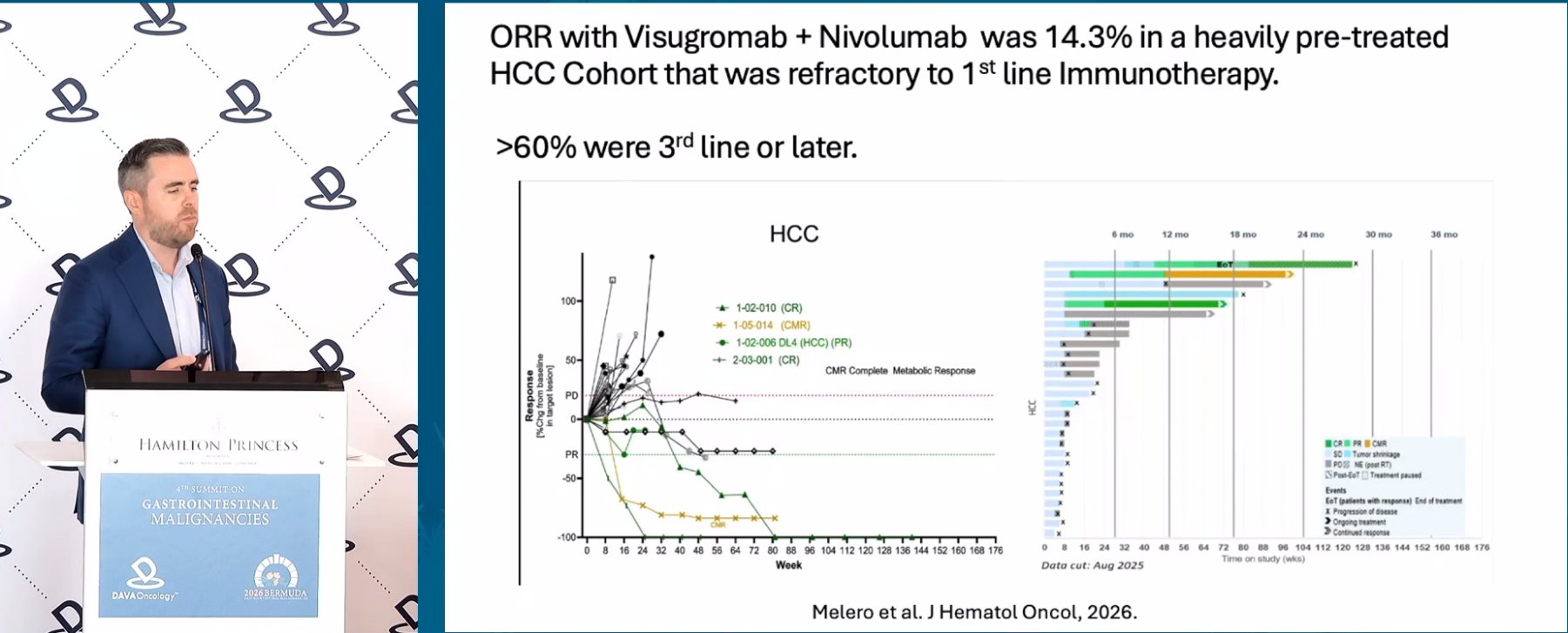

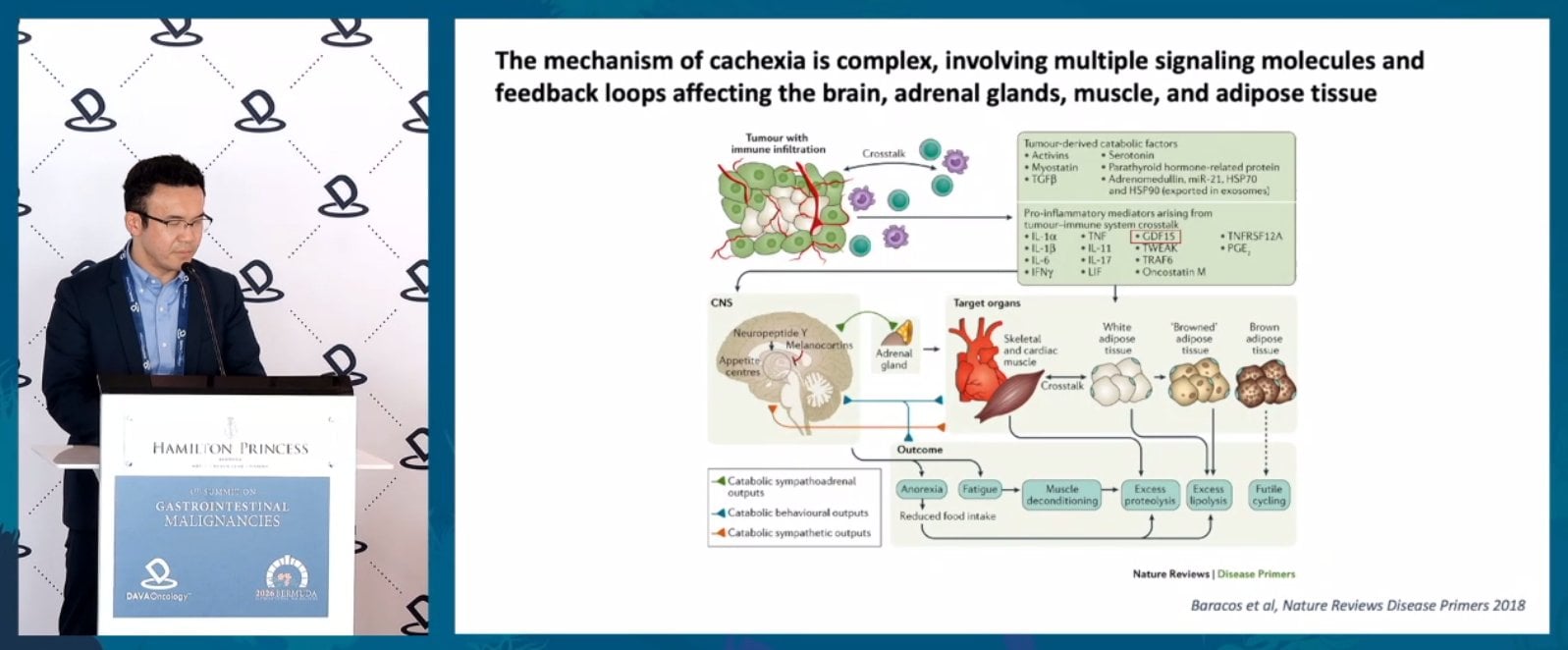
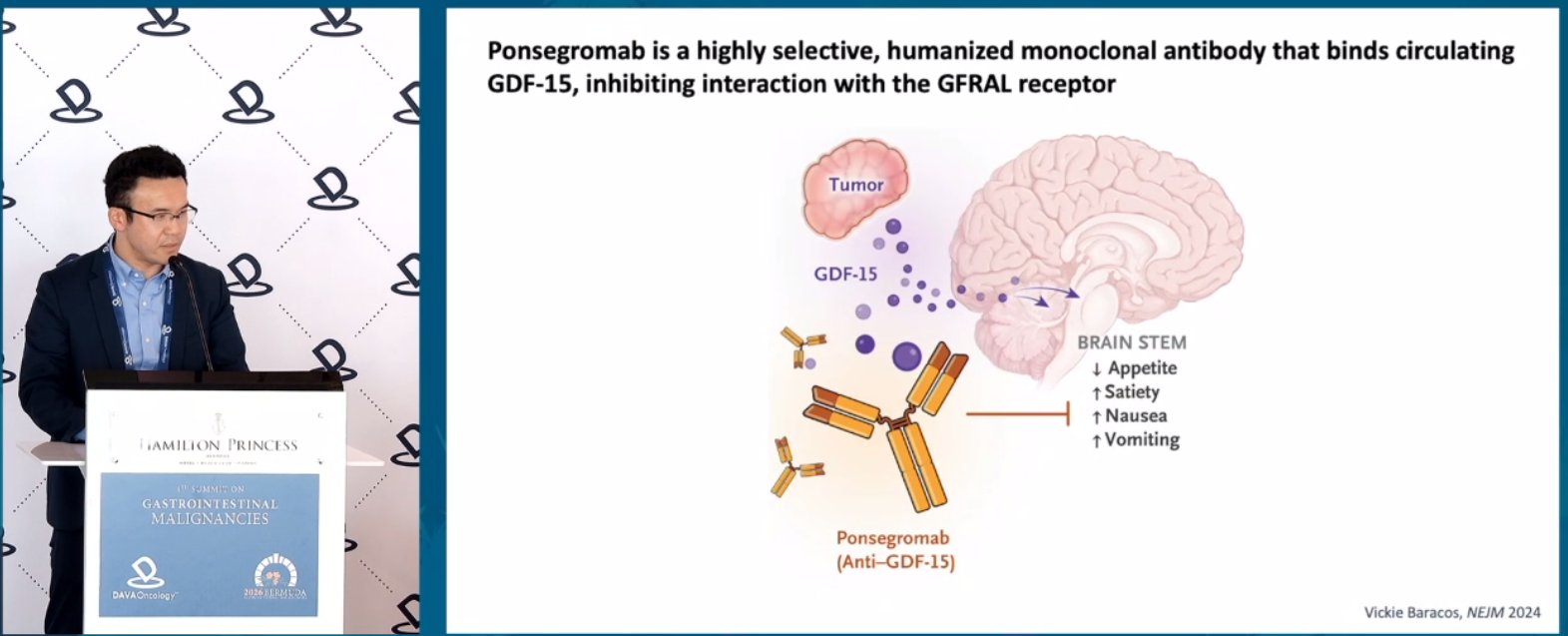
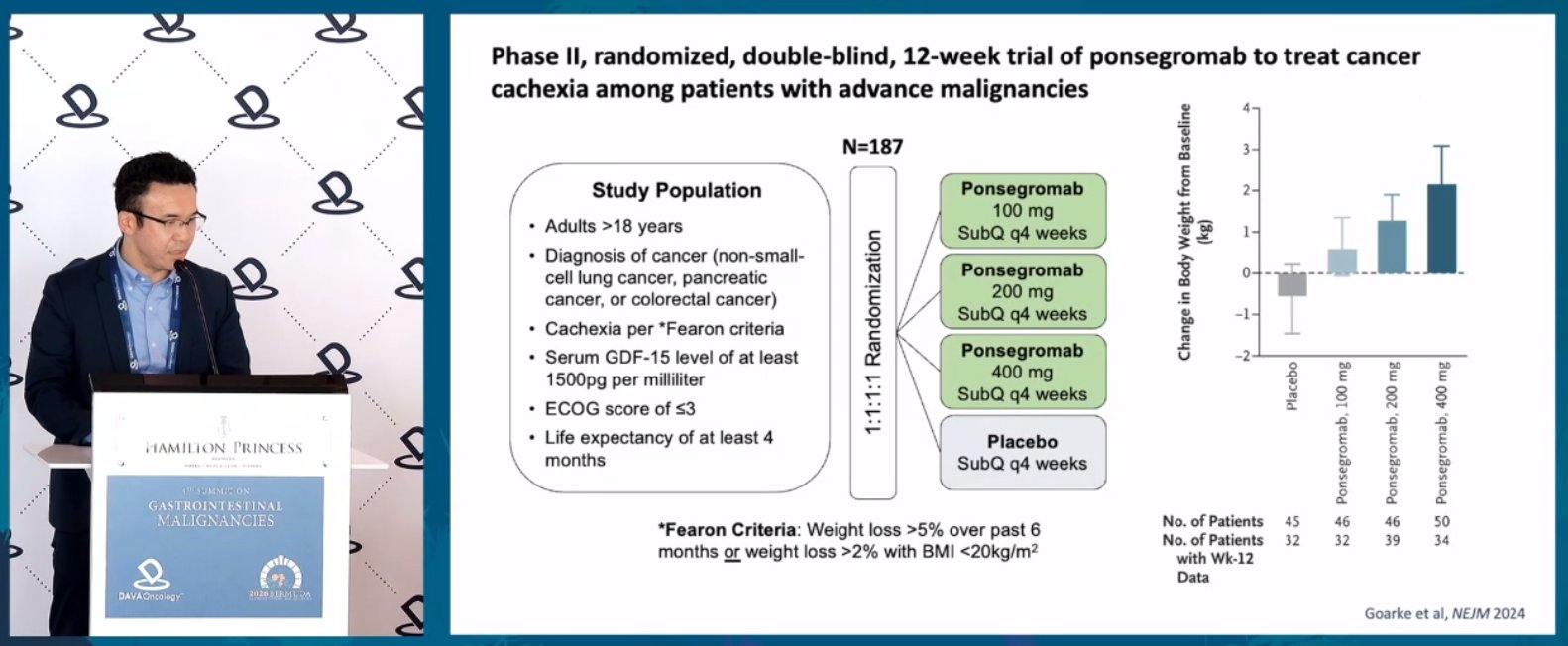
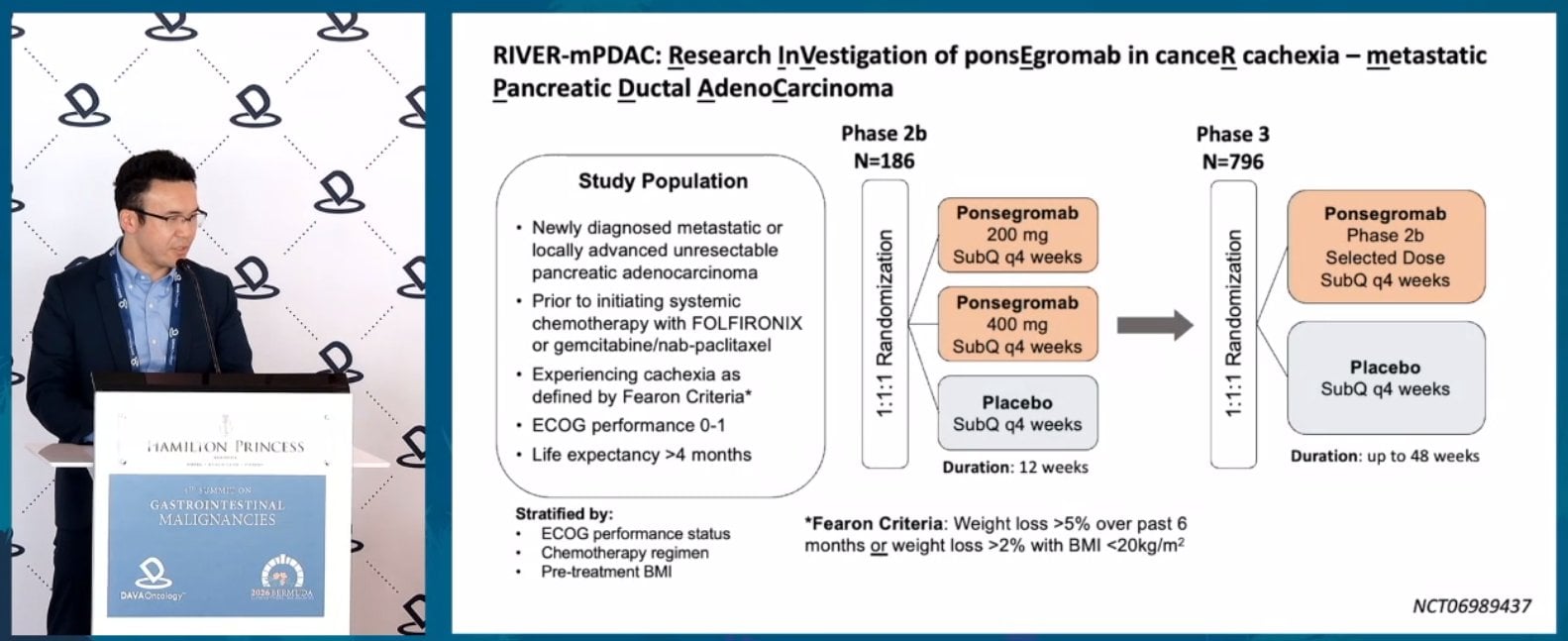
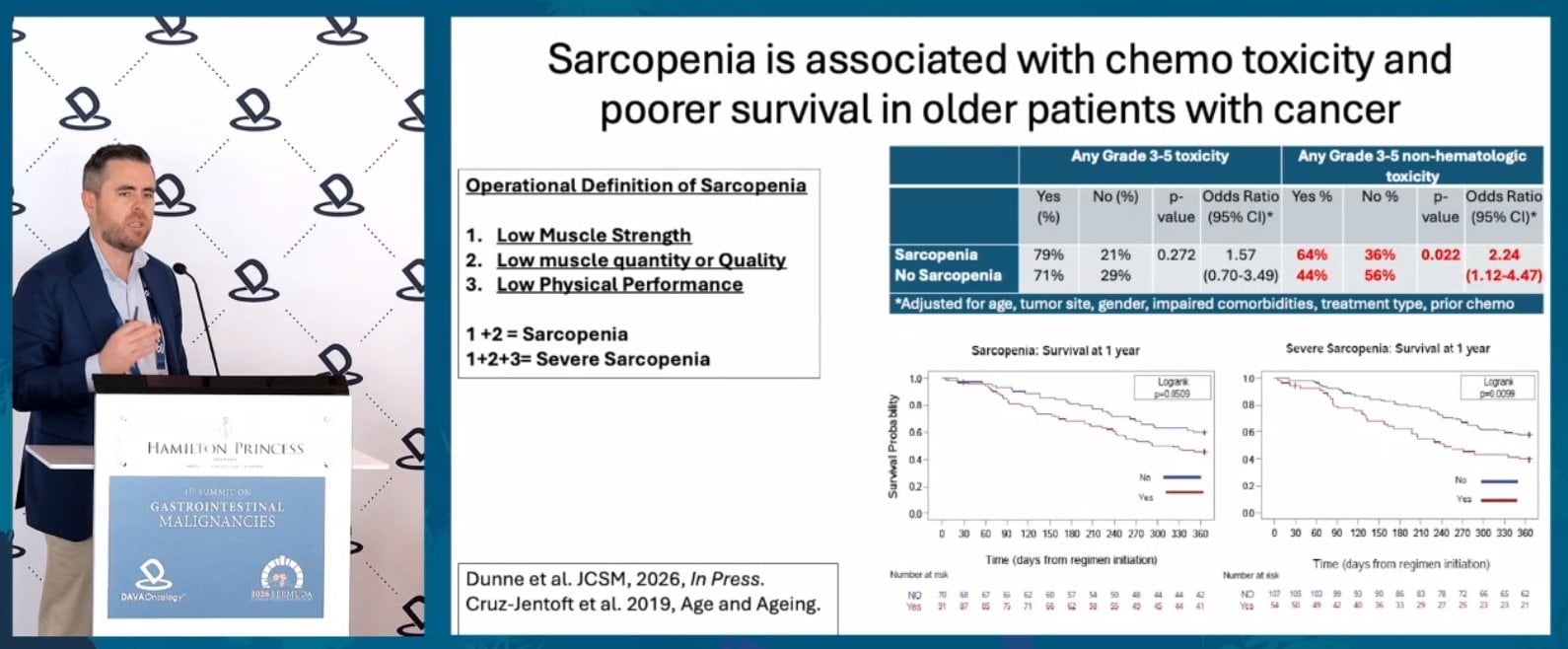
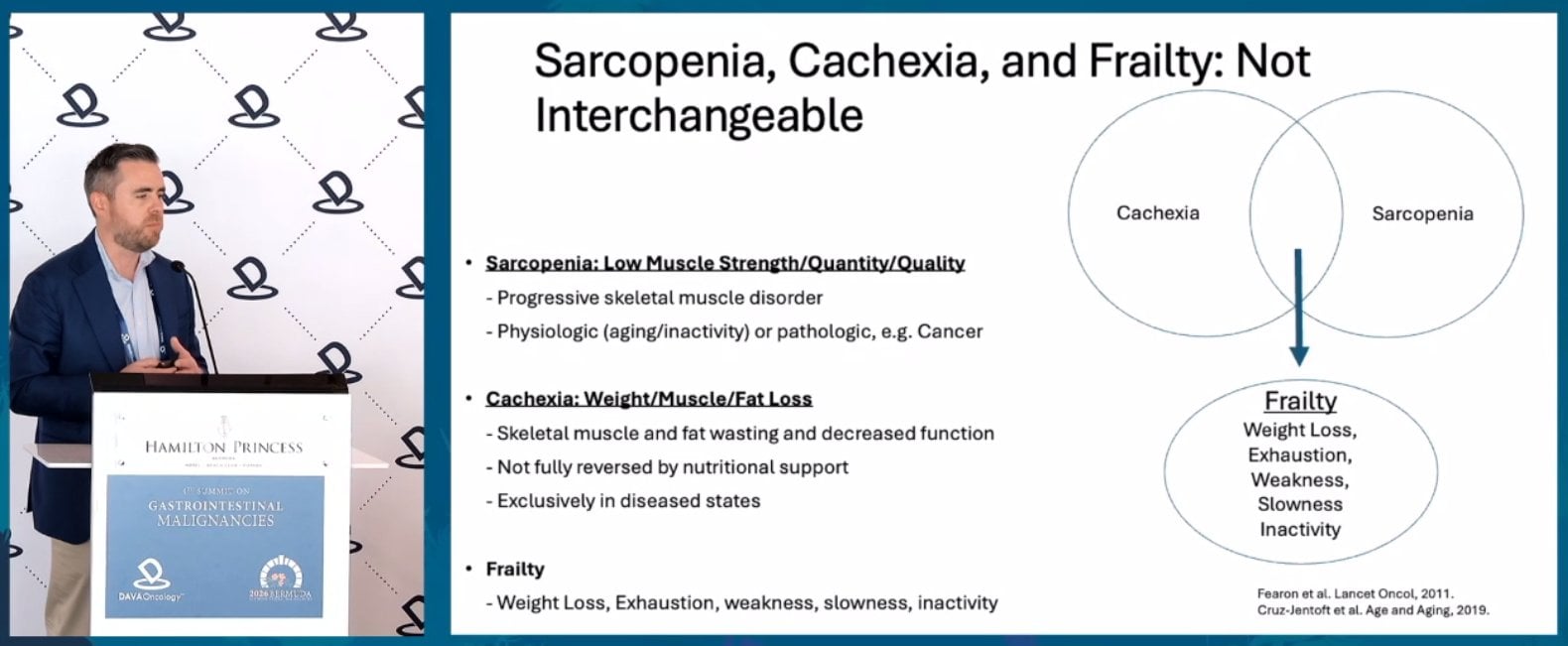
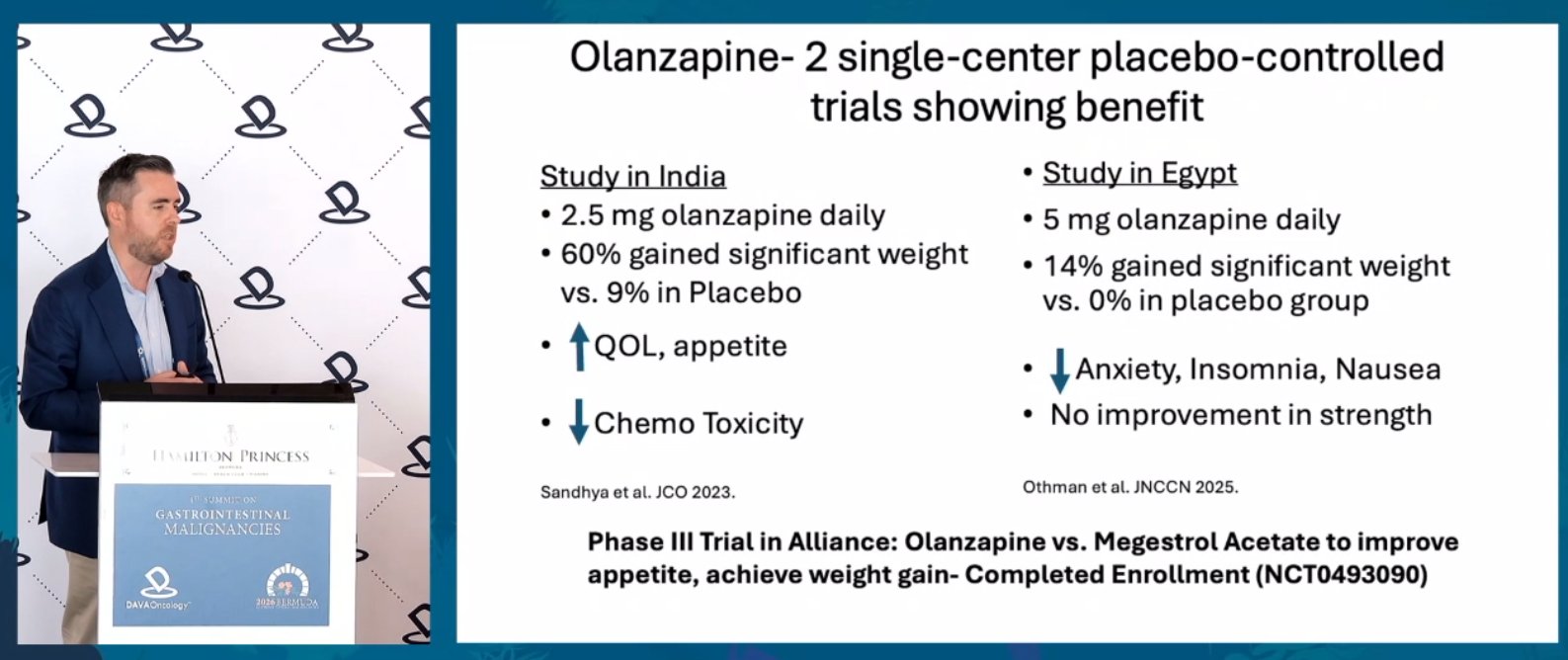
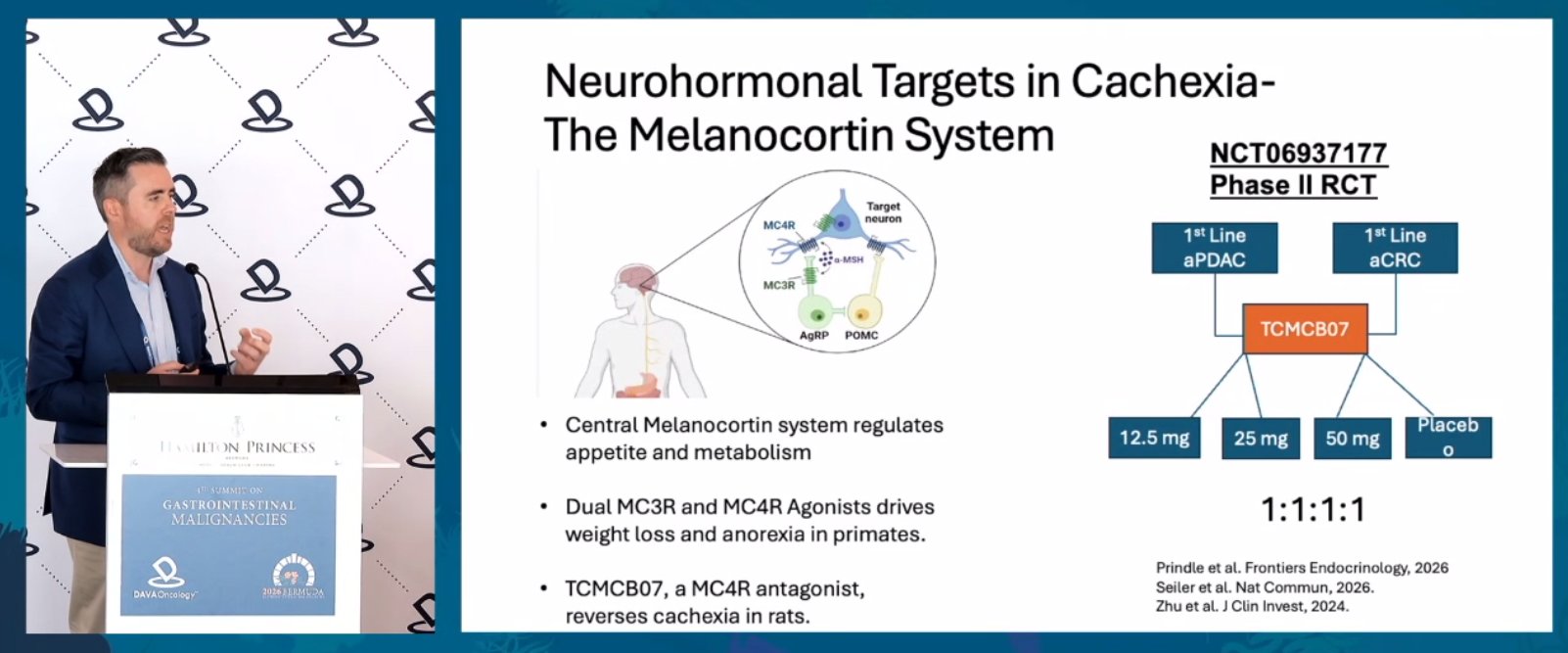
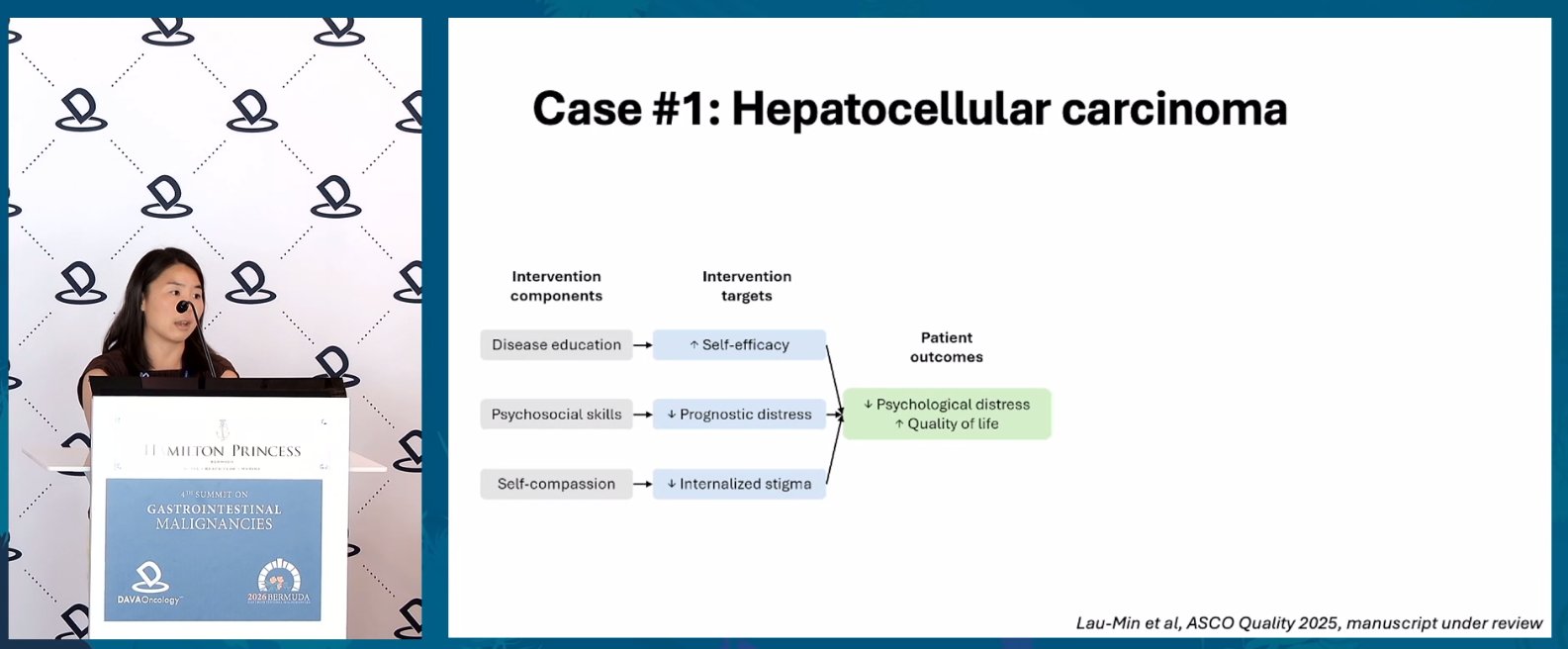
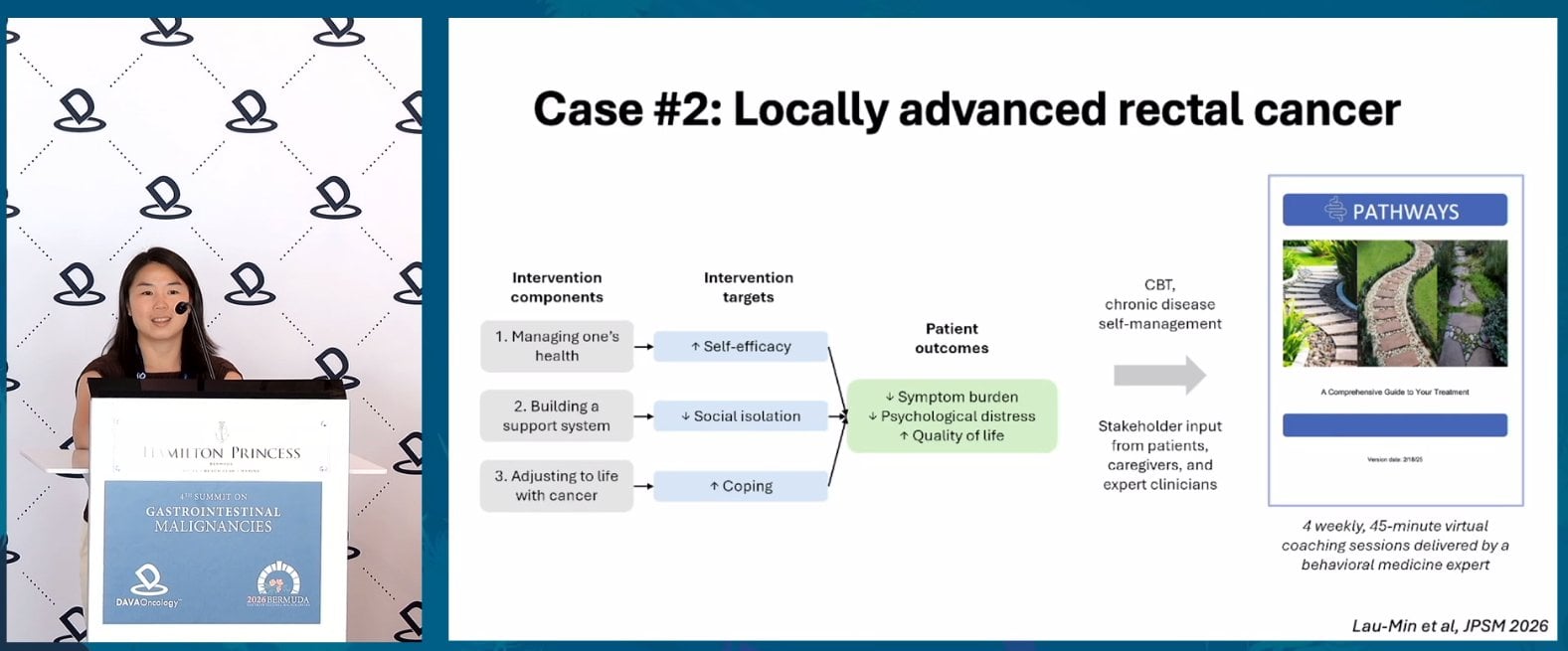
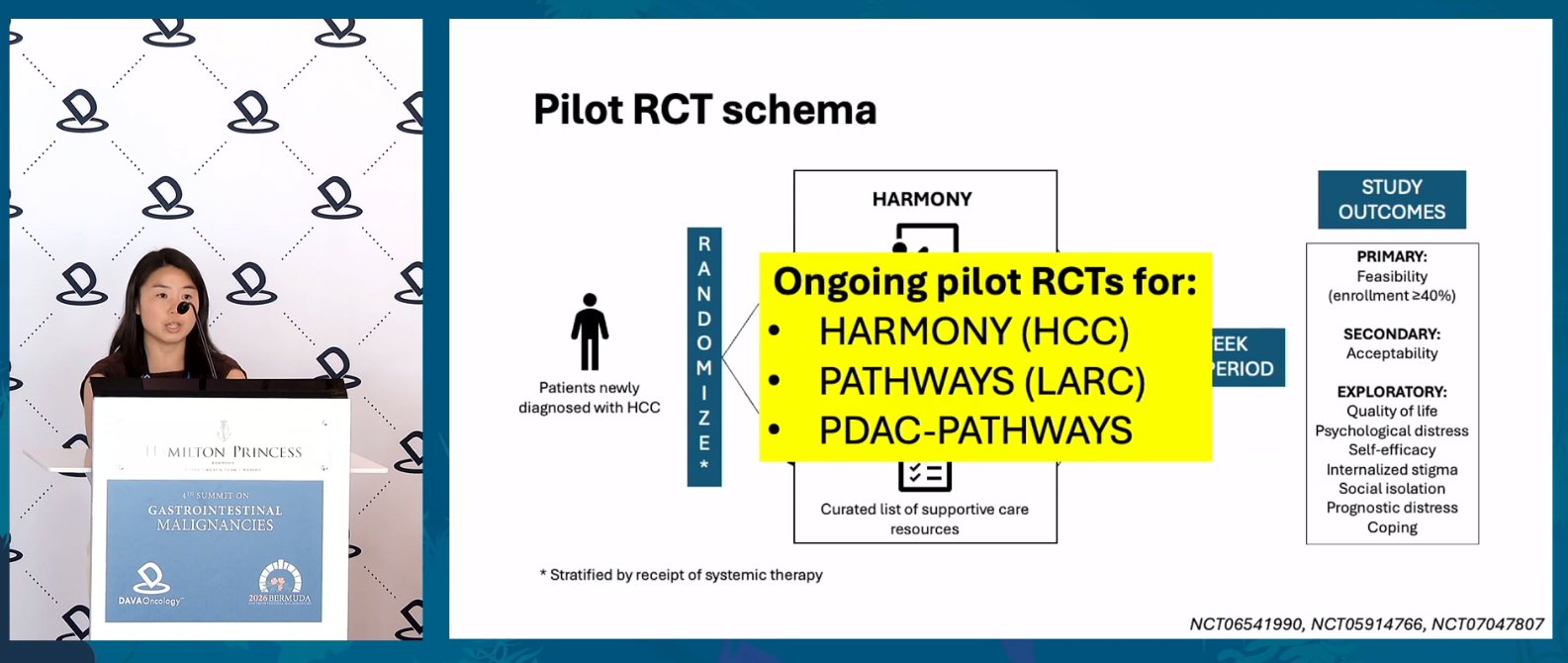
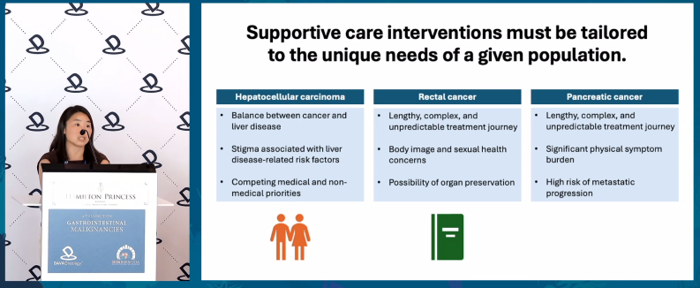
![Bermuda GI 2026 slide — XXL Trial – Mazzeferro et. al [title as written on slide]](https://kolpulse.com/hubfs/conference-slides/davagi26/t13_s1.jpg)
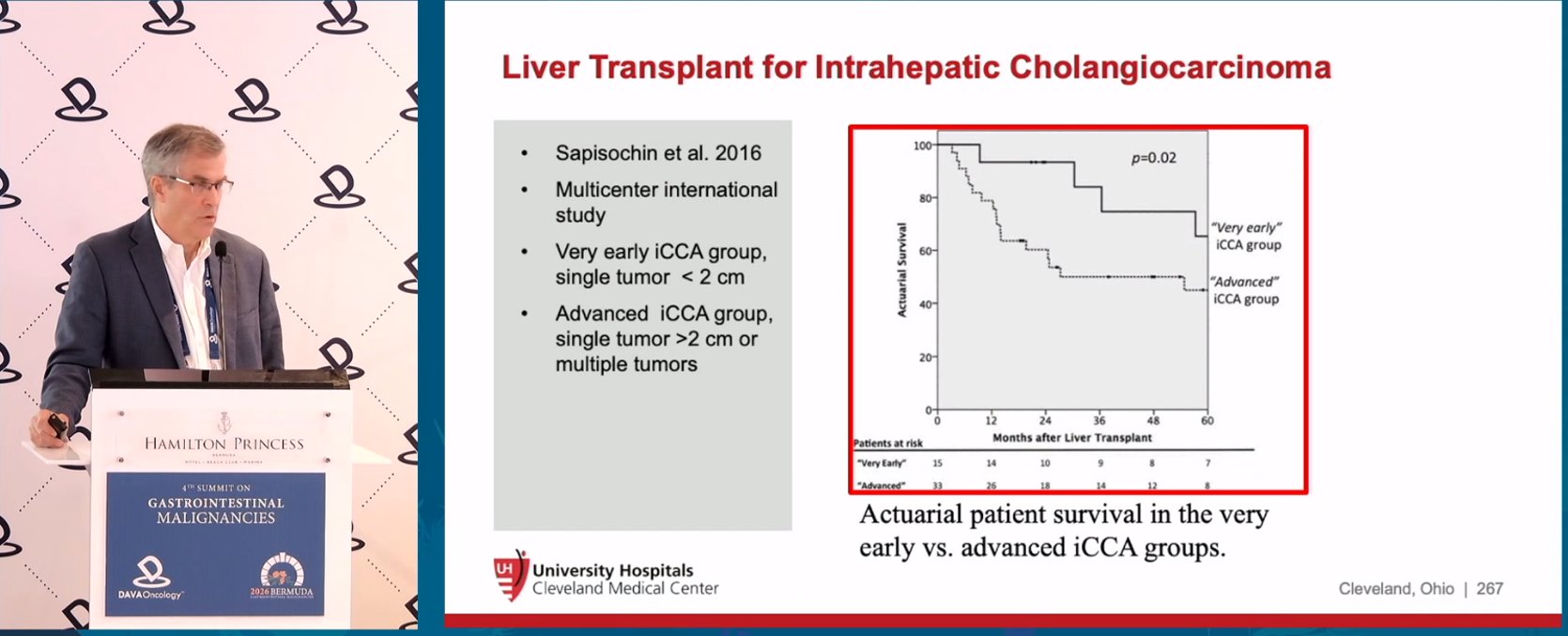
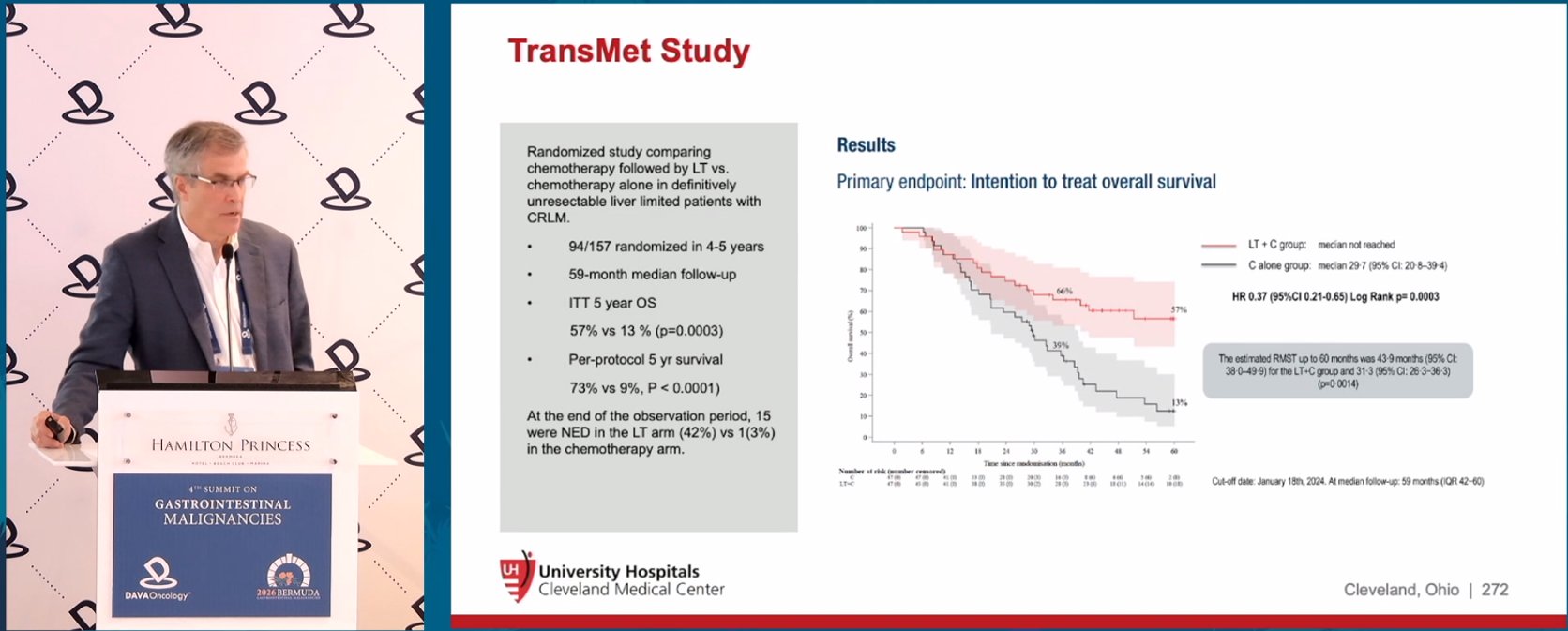
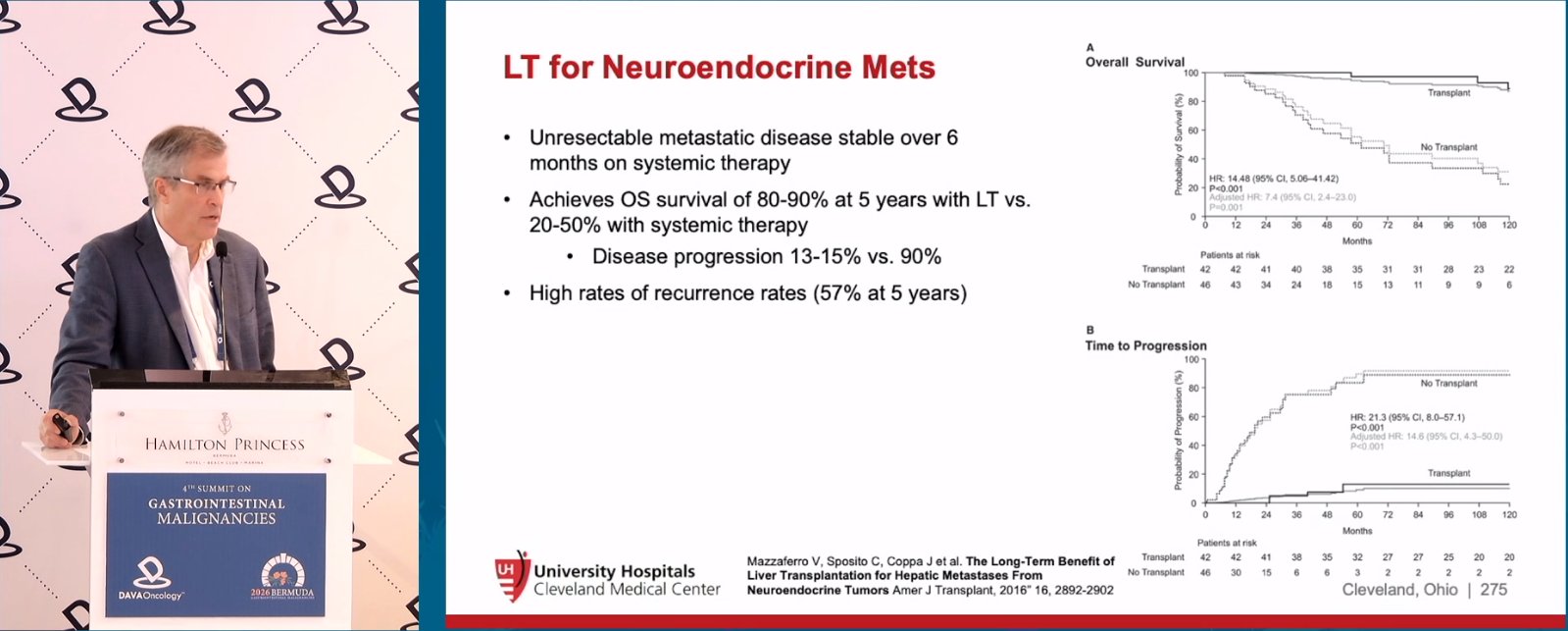
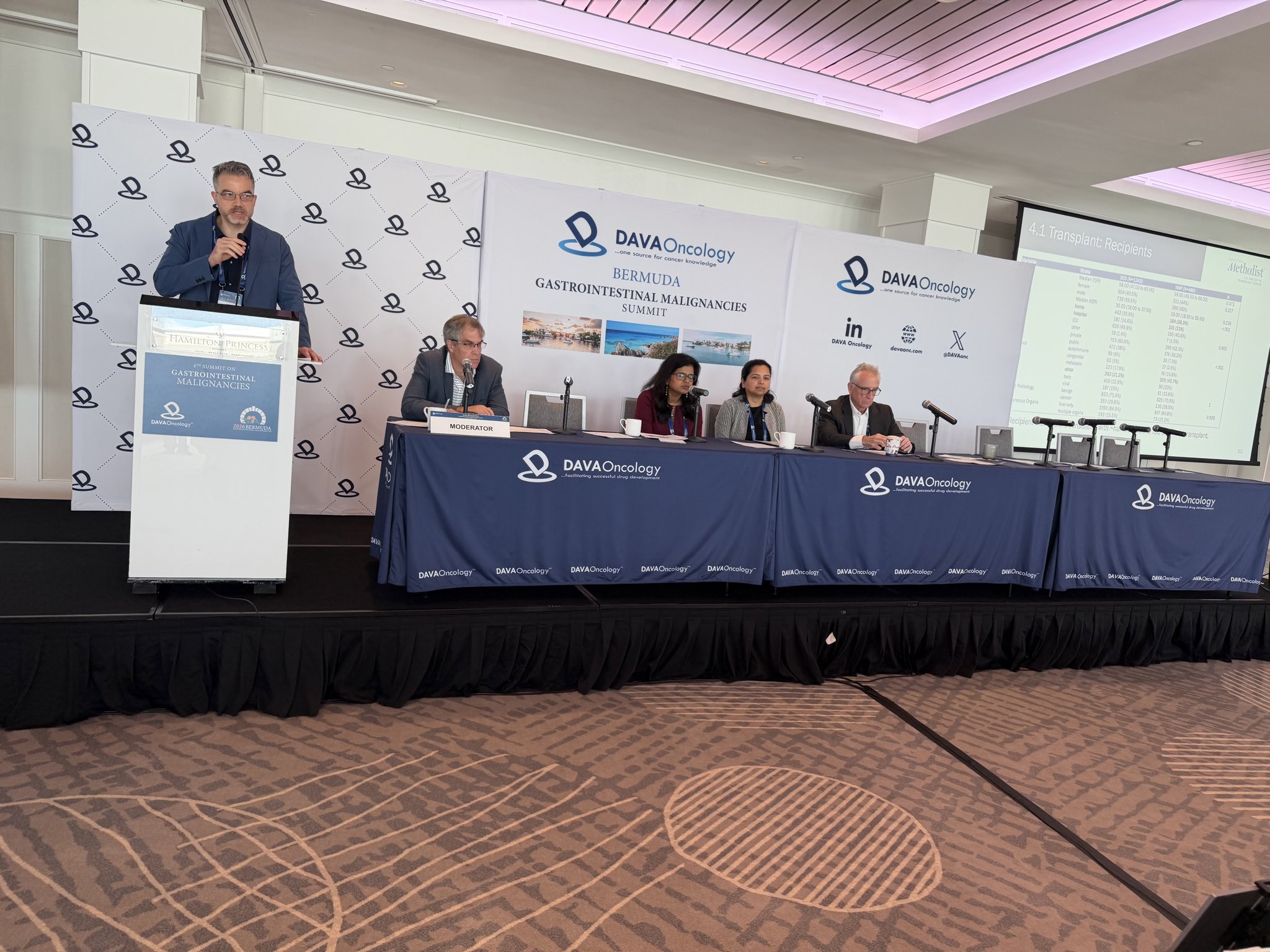
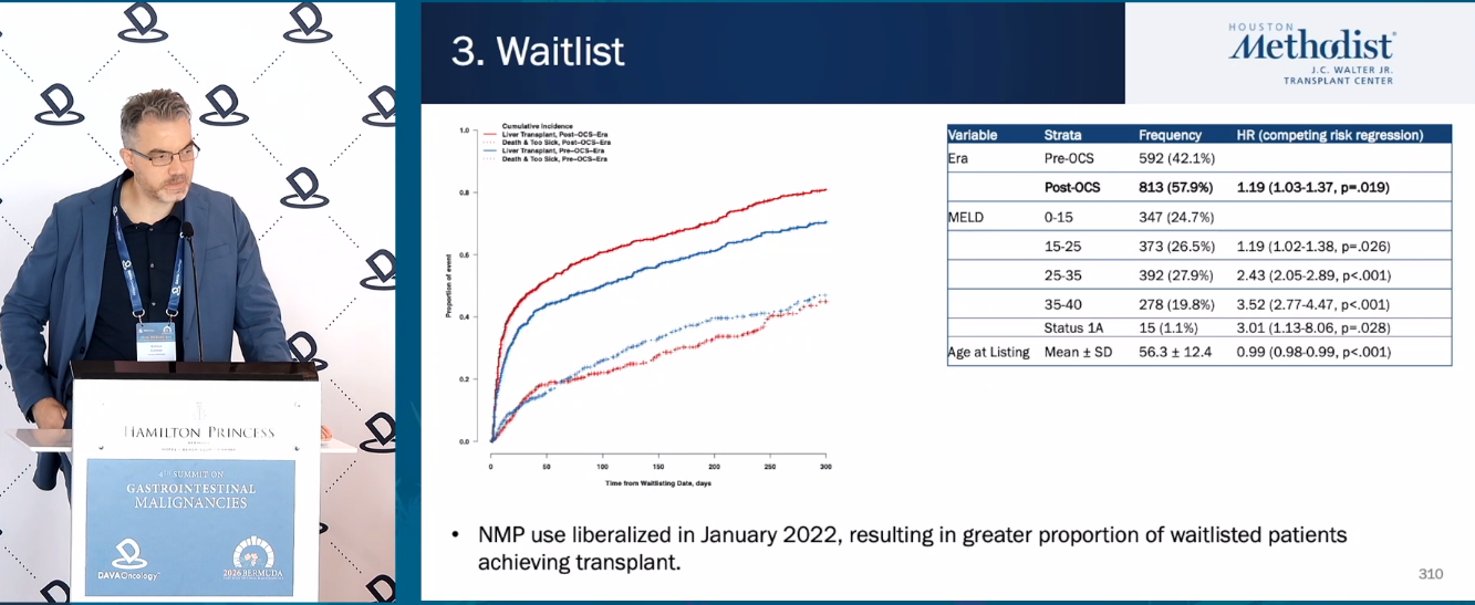
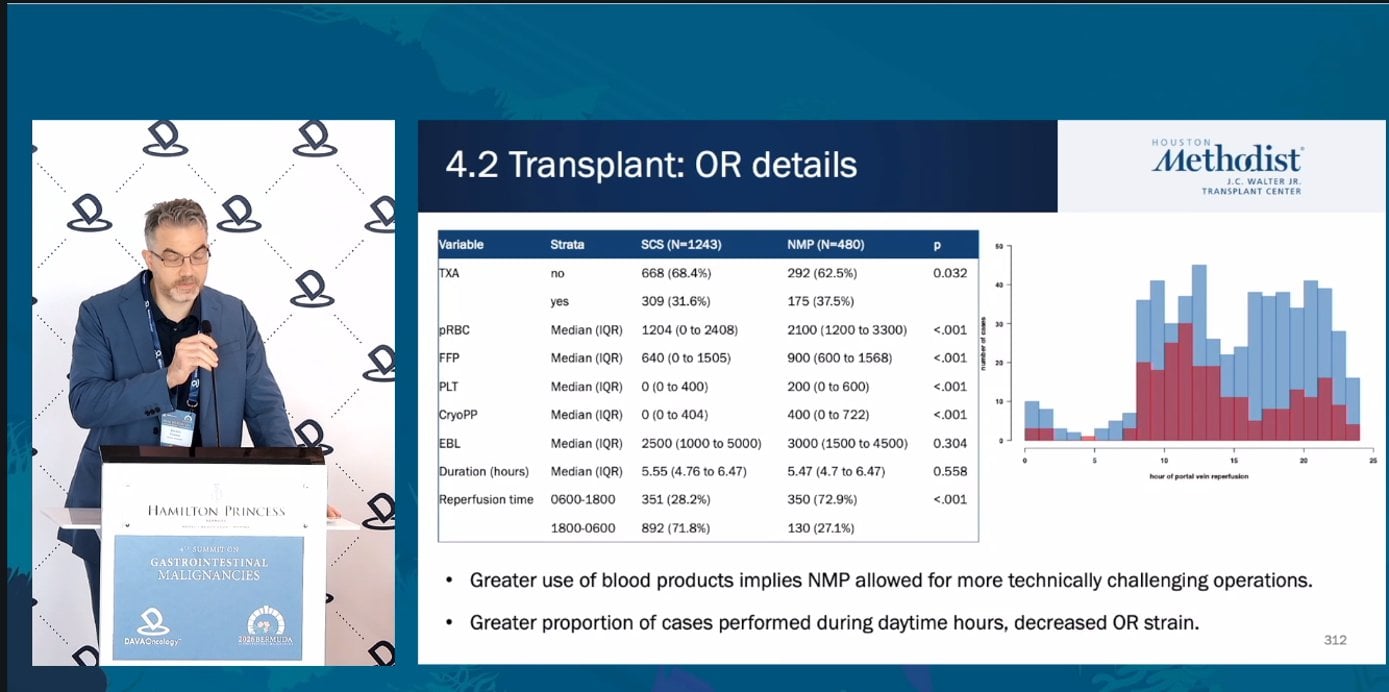
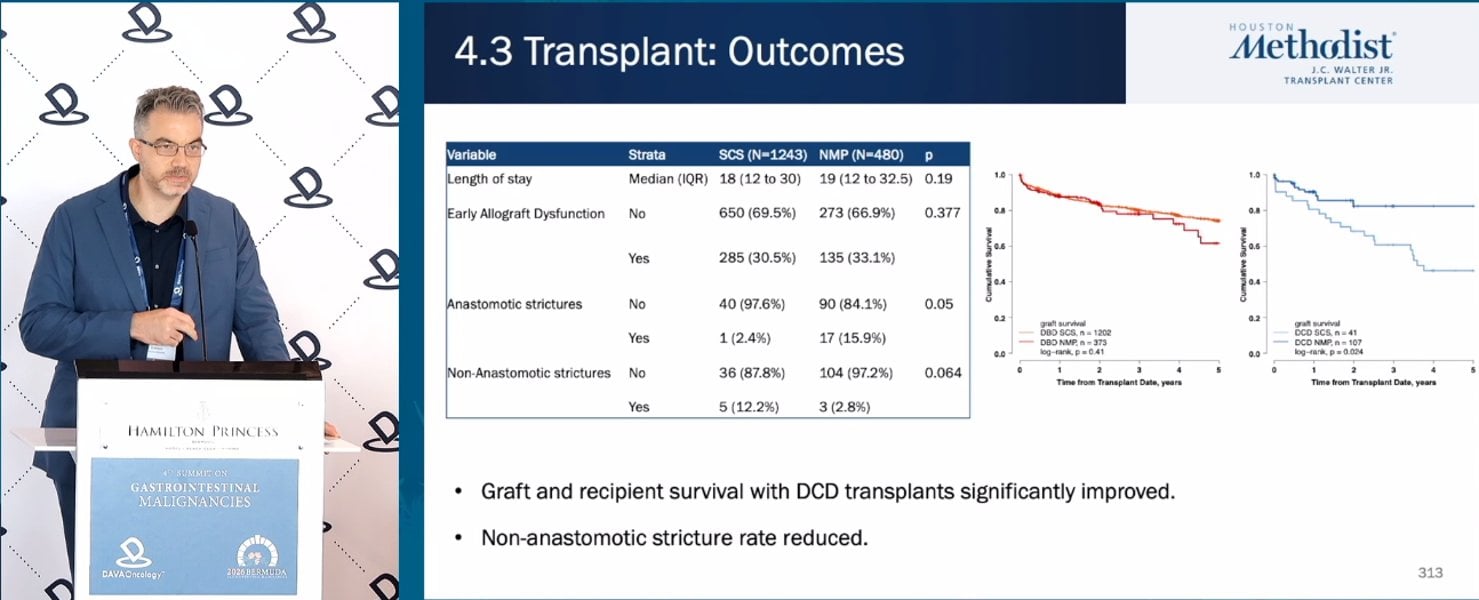
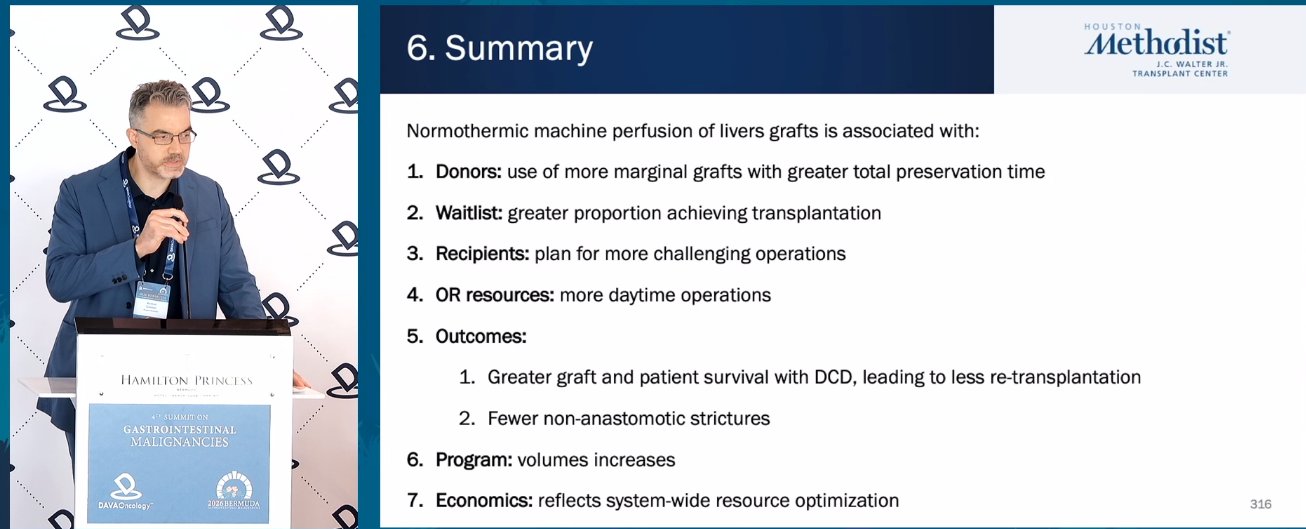
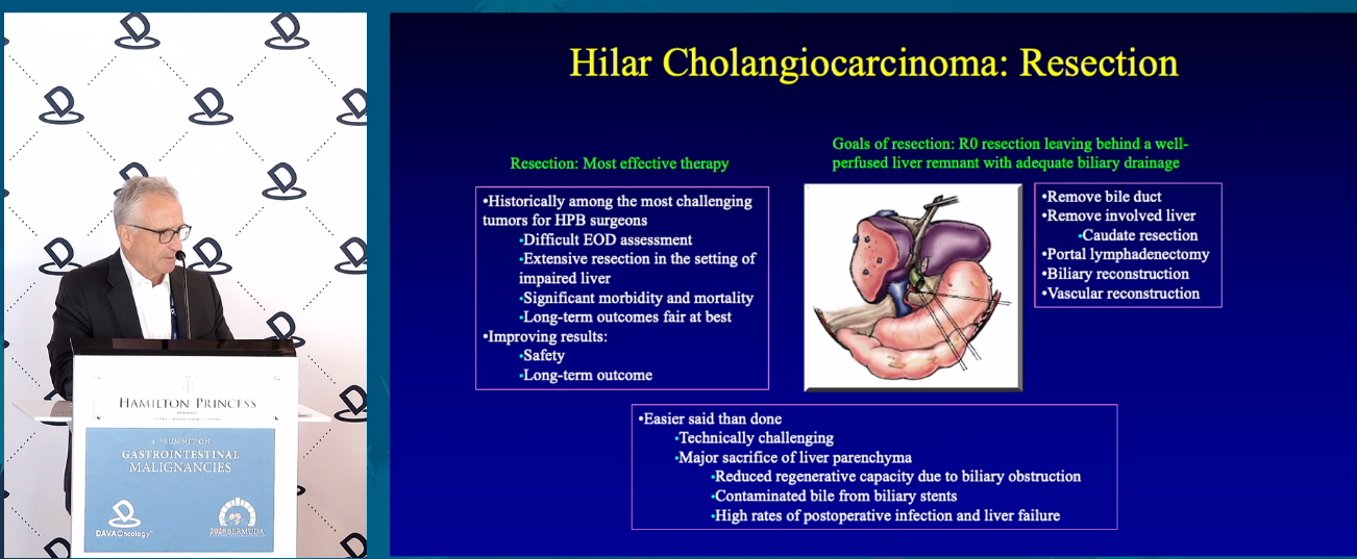
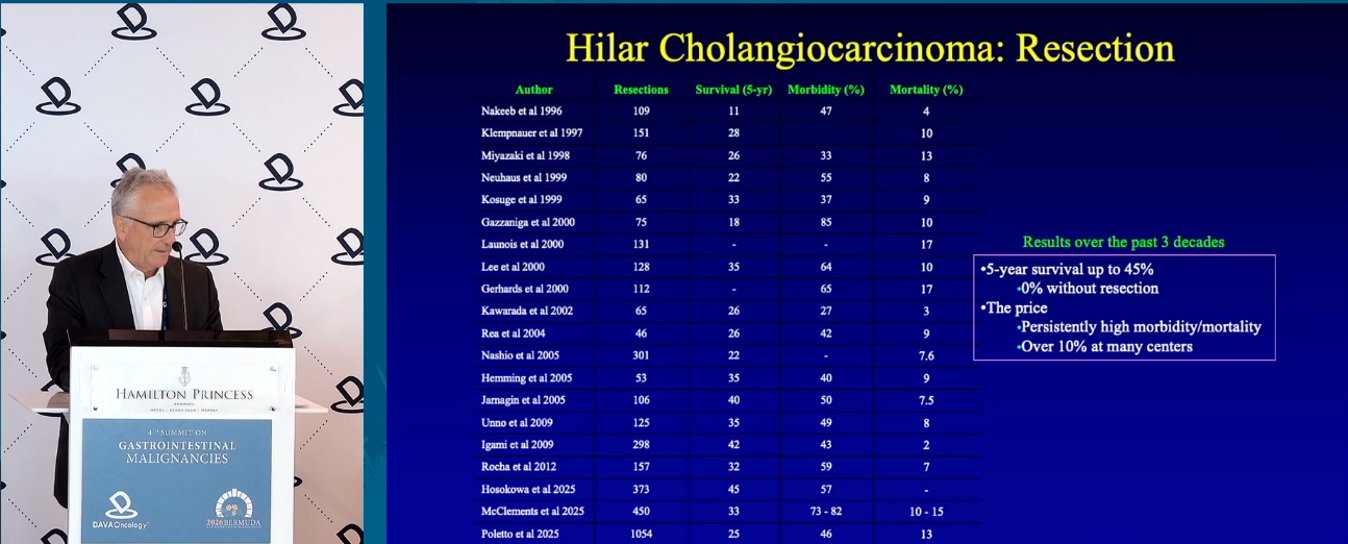
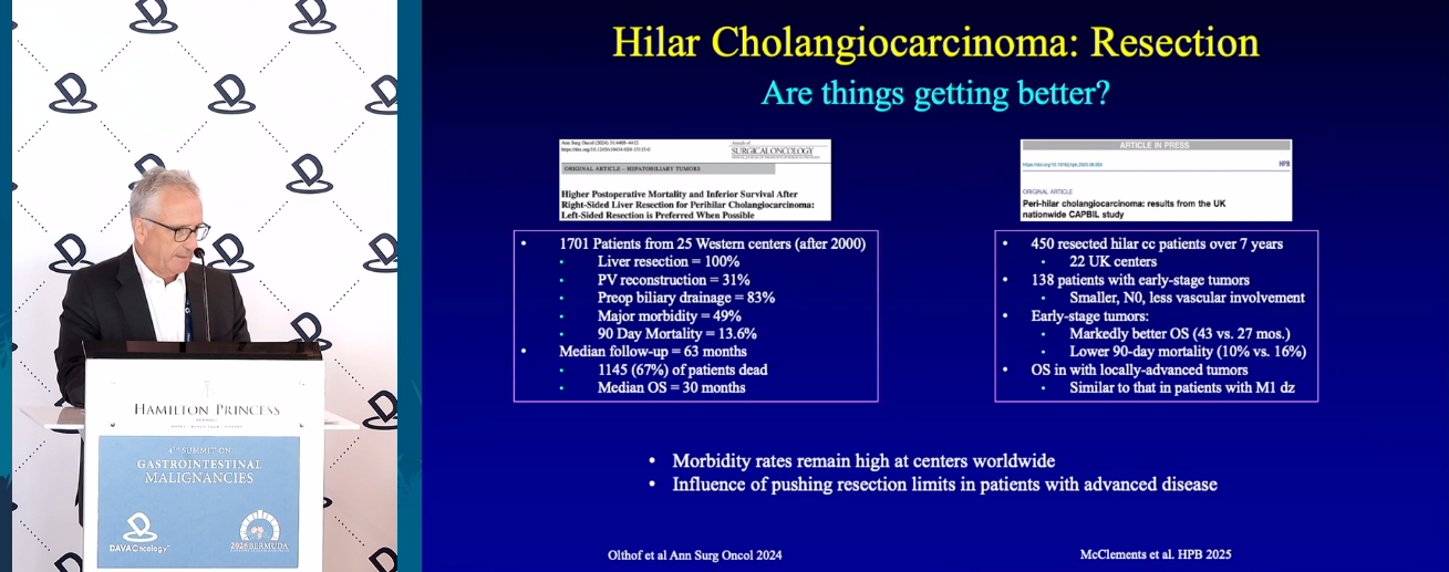
![Bermuda GI 2026 slide — [Duplicate of t90_s3] Hilar Cholangiocarcinoma: Resection — Are things getting better?](https://kolpulse.com/hubfs/conference-slides/davagi26/t90_s4.jpg)