Top Voices by Impressions
Ranked by total impressions across all IMS 2026 tweets captured. Switch tabs to view physicians, institutions, and media separately.




Key Takeaways from IMS 2026
In their own words — physicians and clinicians reflecting on what the meeting means for practice, days after the closing ceremony.

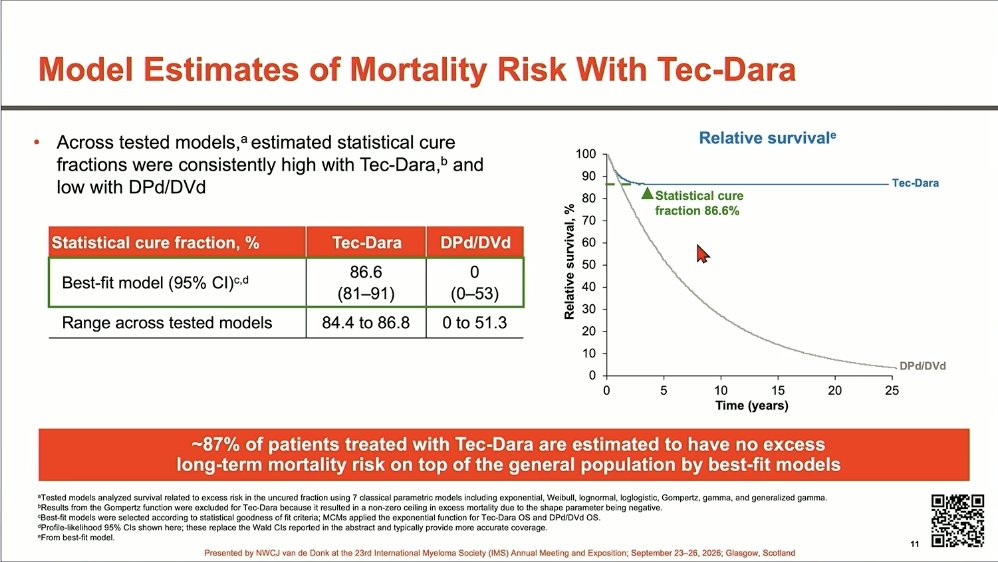
So, what should we take home from #IMS2026 in Glasgow? This meeting illustrates a remarkable convergence. Basic science is revealing new vulnerabilities. Translational research is teaching us how to recognize pts with durable disease control. And clinical trials are showing that we can achieve unprecedented depth of response while beginning to ask a very different question: not only how much treatment can we give, but how intelligently can we use it, and when can we safely stop? The word “CURE” was heard repeatedly. We should, of course, use that word carefully. In some settings, cure remains a statistical construct based on modeling. In others, it is beginning to emerge clinically as years of treatment-free survival in patients with sustained, deep MRD negativity. But what is no longer in doubt is that the ambition has changed. We are no longer discussing only how to prolong survival. We are beginning to discuss how to achieve extremely durable disease control, and perhaps, for an increasing number of them, how to cure myeloma.
@Mohty_EBMT · 2.1K impr →
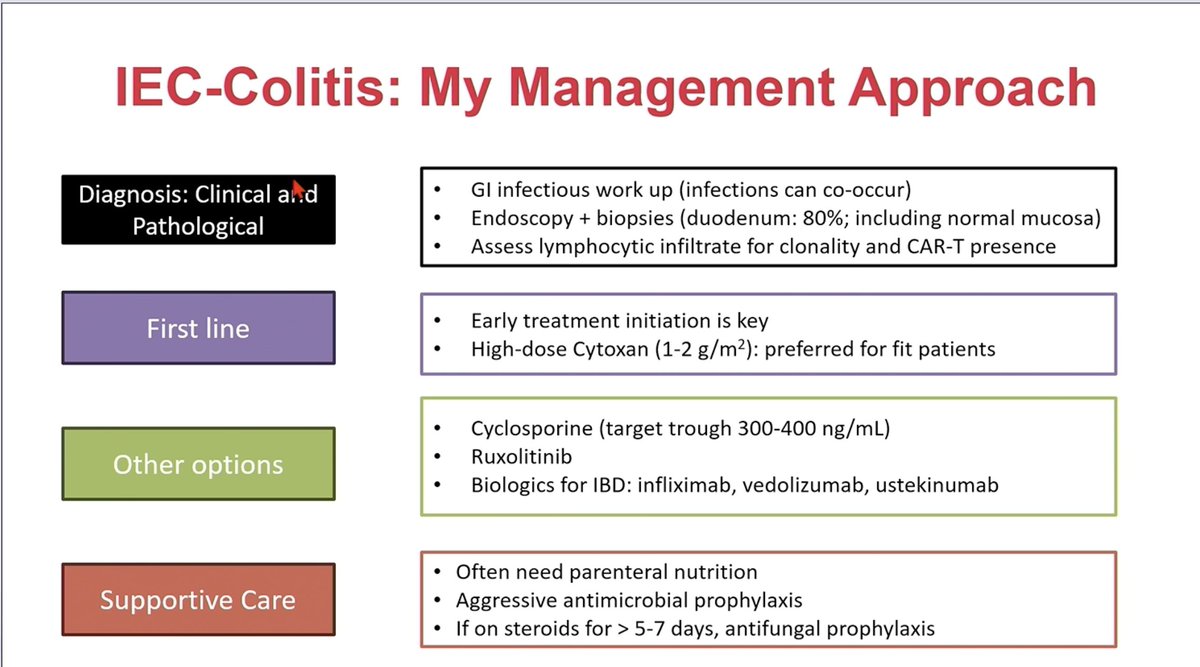
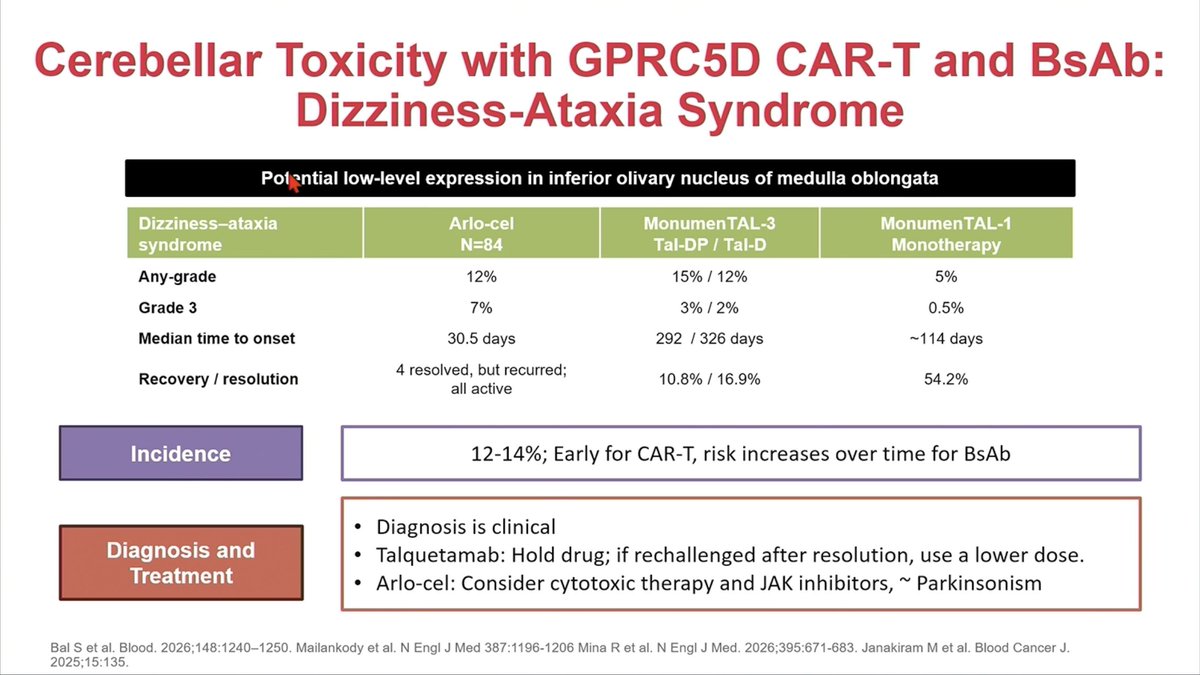
Reflecting on the key themes of #IMS2026 - >5 yr remission for newly diagnosed and >3 yrs in relapse for most MM is becoming the standard - High Risk MM is still a challenge, immunotherapy is key. Paucity of data in EMD and PCL. Agree with @VincentRK in adding PCL to HR definition -Access is key- after meeting with several drug manufacturers, this is being thought of in the design, clinical trial, execution both for CART and BsAb. Can every patient get this within 60 miles of their home. - TRM is more important esp. in the first 6 months -Less is more- Newer CART's have lesser CRS, ICANS and newer BsAb's have less intense dosing schedule with lower CRS -Dual Ag targeting is A way forward, a/w how it compares against good single agent targets -There is a paucity and some progress in understanding rare toxicities- Colitis, cerebellar syndromes, oral toxicities, rare infections -if we are going to give subsequent immunotherapies, we need to be more precise, with sequencing and T cell fitness, both of which are still in its infancy in MM -Except celmods there are no other non targeted therapies [non BCMA, GPRC5, FCRH5]. Is this enough ? [I am aware of others but none in Ph 3] -Cure - covered by @Mohty_EBMT already Thx for the organizers @profghjackson @NikhilMunshiMD @NoopurRajeMD @IMFmyeloma for a wonderful meeting and looking forward to next year
@JanakiramMurali · 2.2K impr →
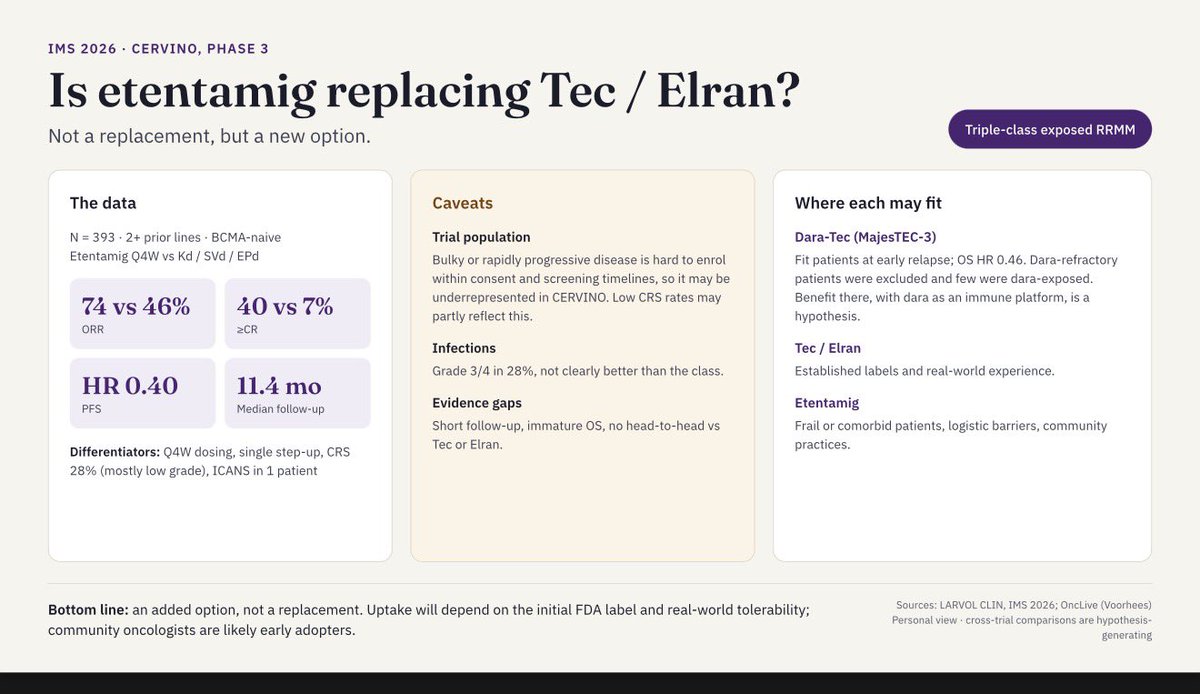
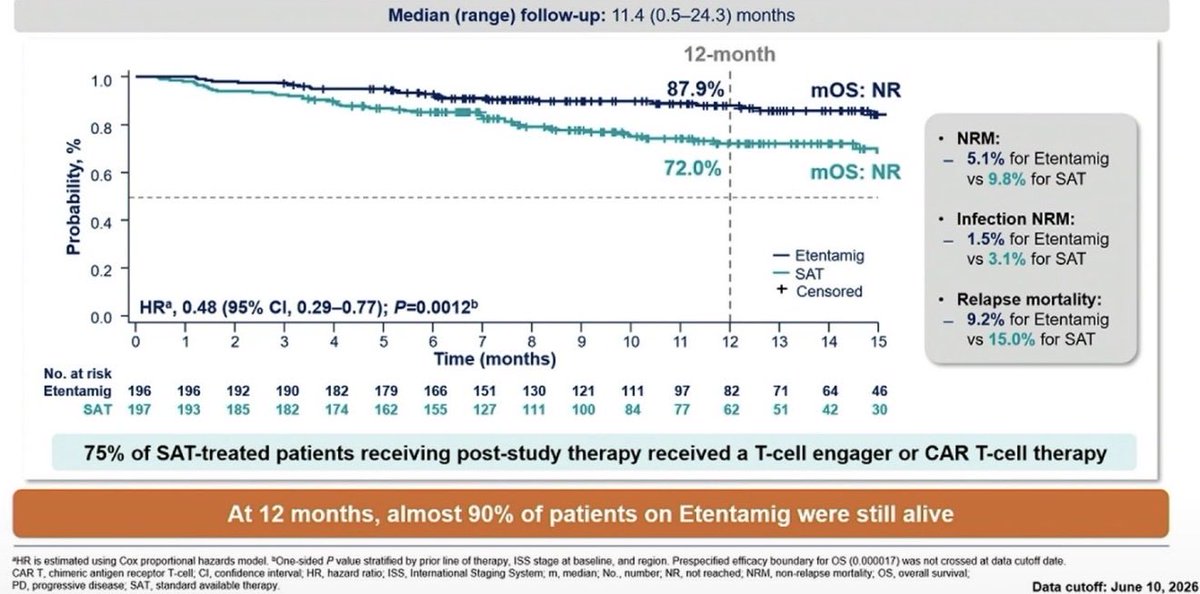
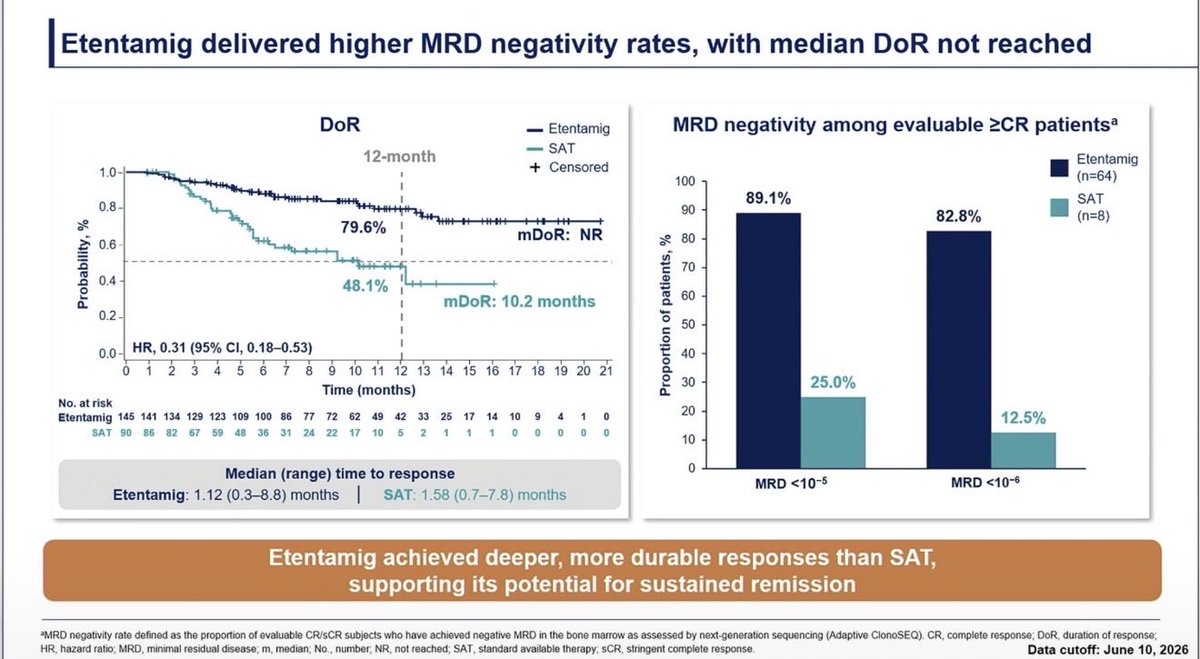
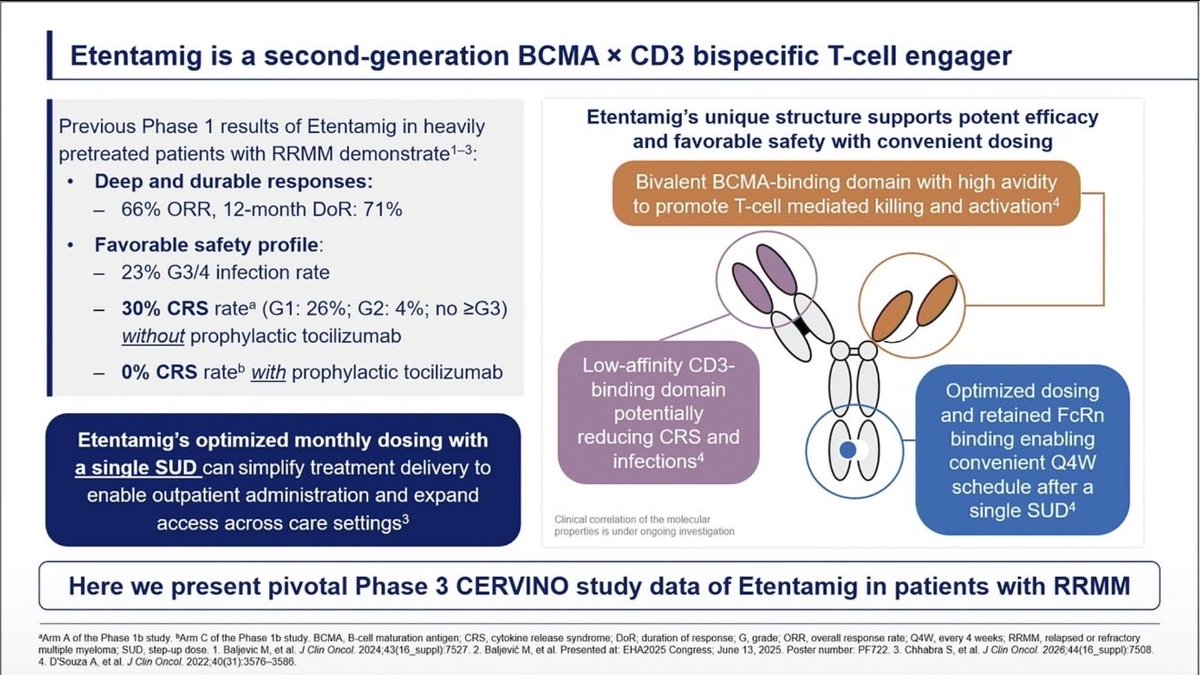
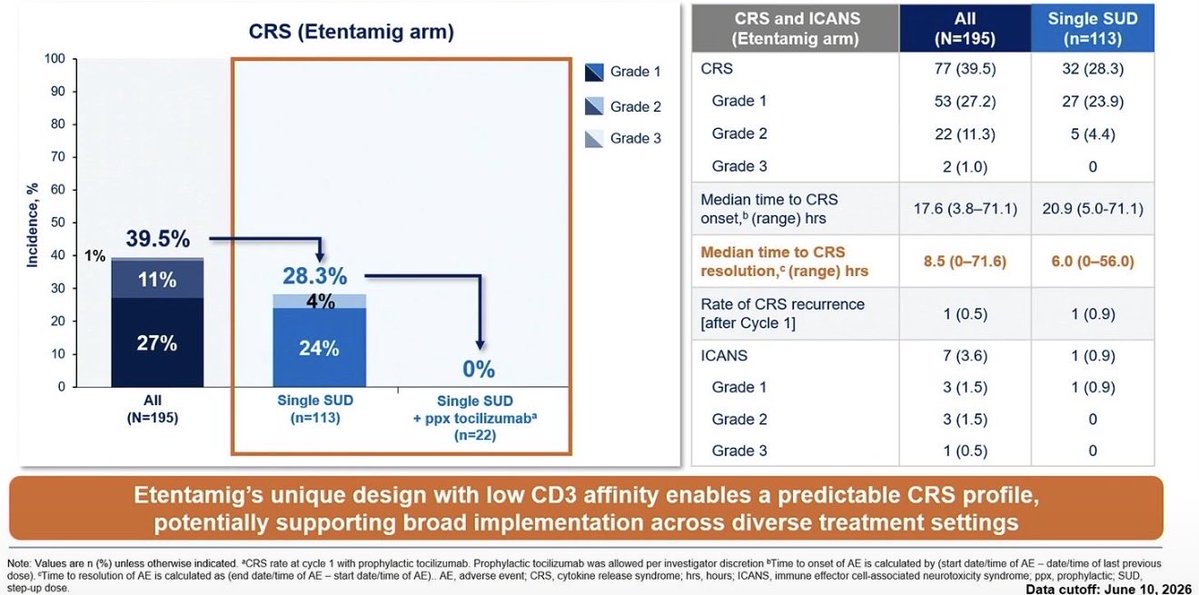
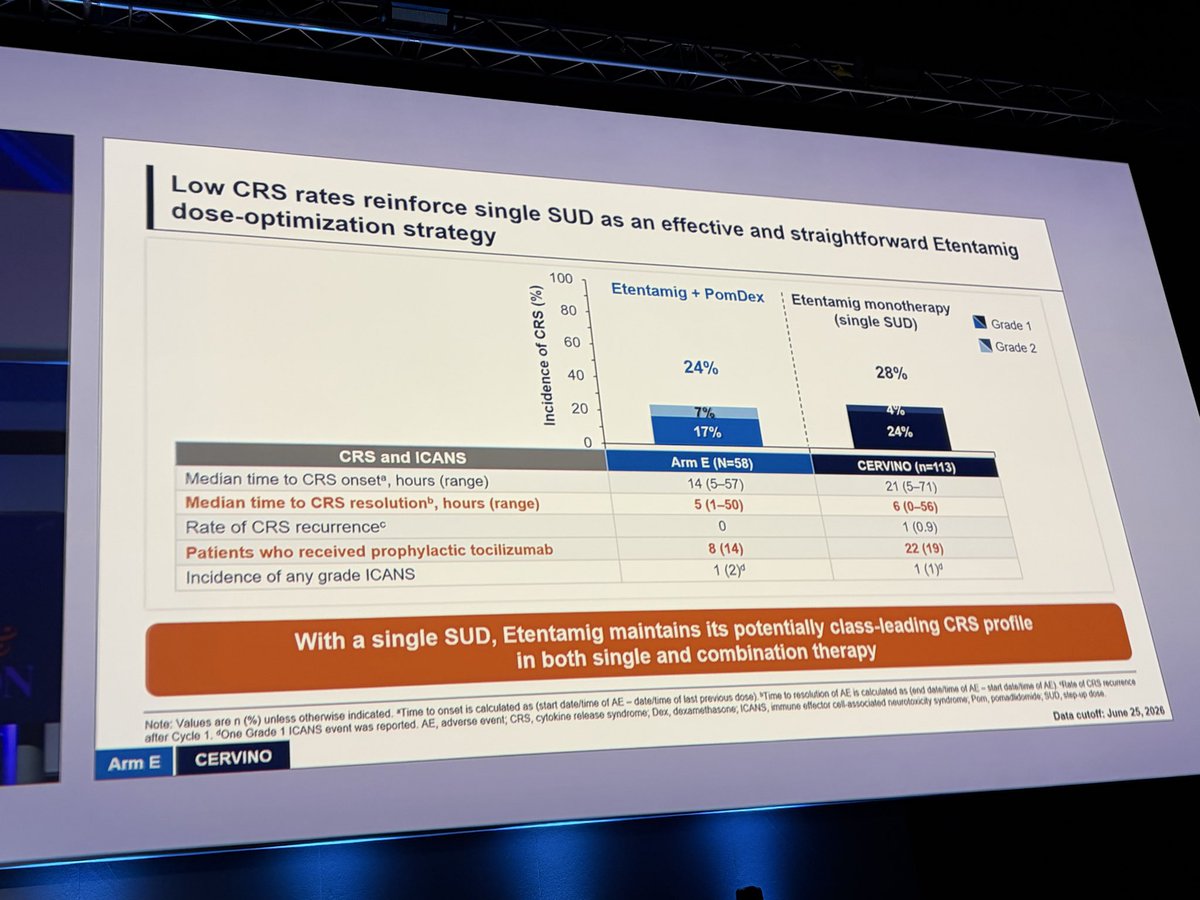
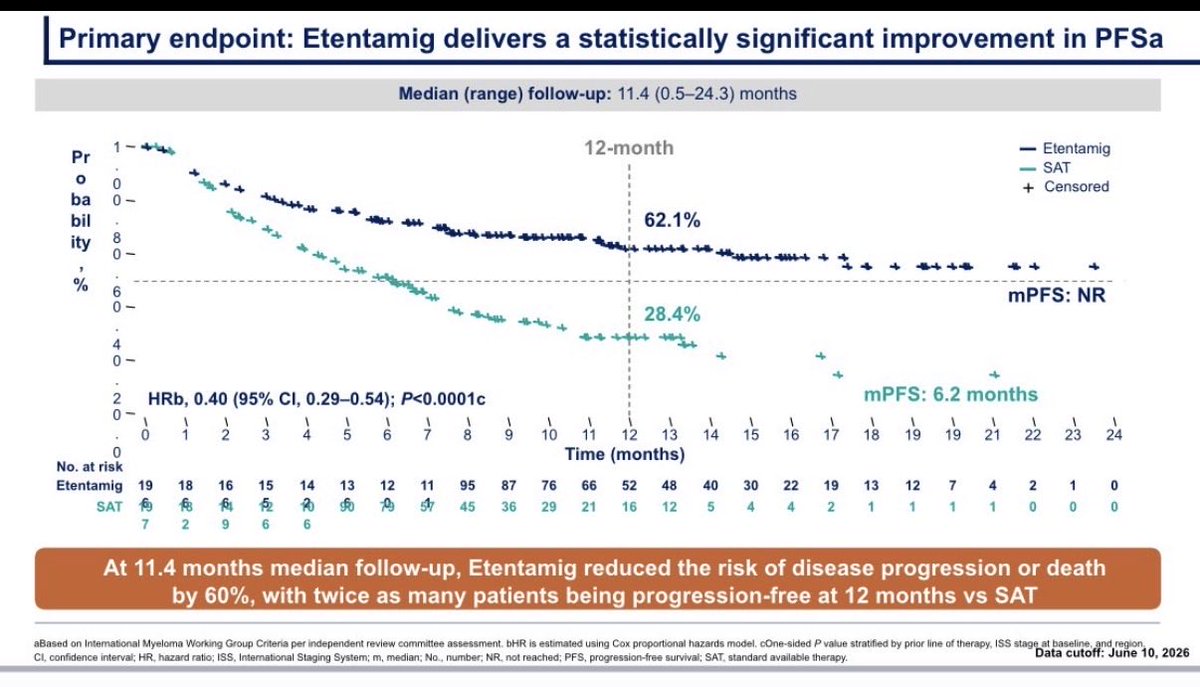
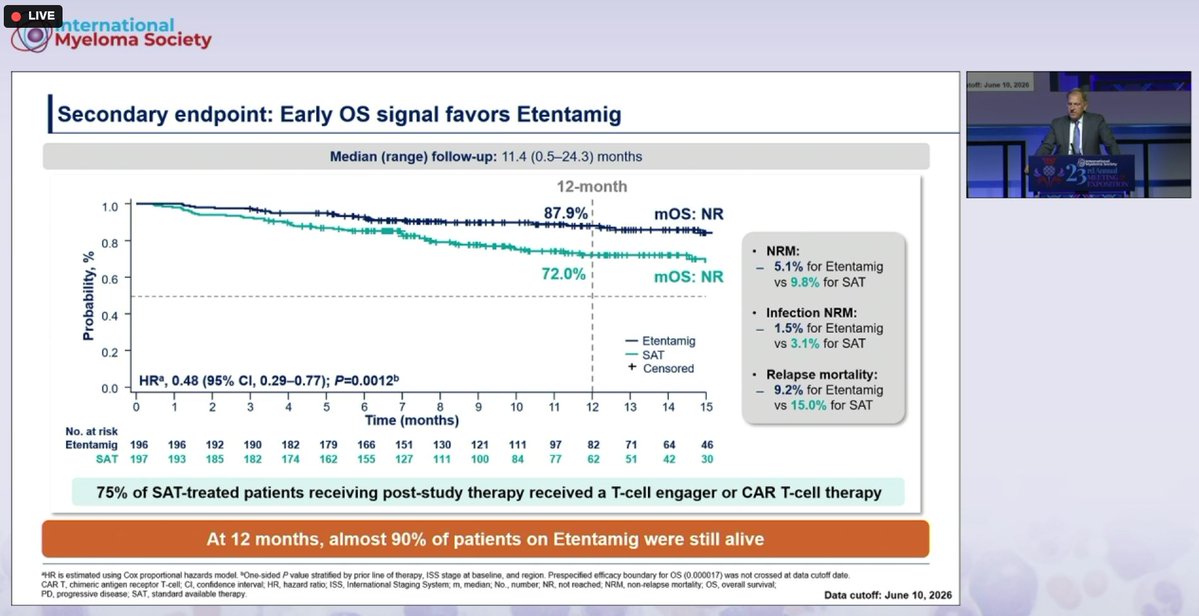
Two takeaways from #IMS26 #IMS2026: 1️⃣ Etentamig may be the BCMA bispecific to WIN: lower observed toxicity + monthly dosing could expand community use. 2️⃣ Dual targeting is where RRMM is headed. For now, trispecific antibodies appear ahead of dual-target CAR-T. Cross-trial caveats apply. #mmsm
@Abdallah81MD · 1.6K impr →
In case you got lost at #IMS26… Here is our summary of the five most-discussed studies—what the data showed, what they did not, and what may actually change practice. Tomorrow, we’ll cover the rest of the studies on our must-see roadmap. Because MRD is a path—not the destination. #MultipleMyeloma #mmsm #HemeTwitter
@HenrychihangFu1 · 1.2K impr →
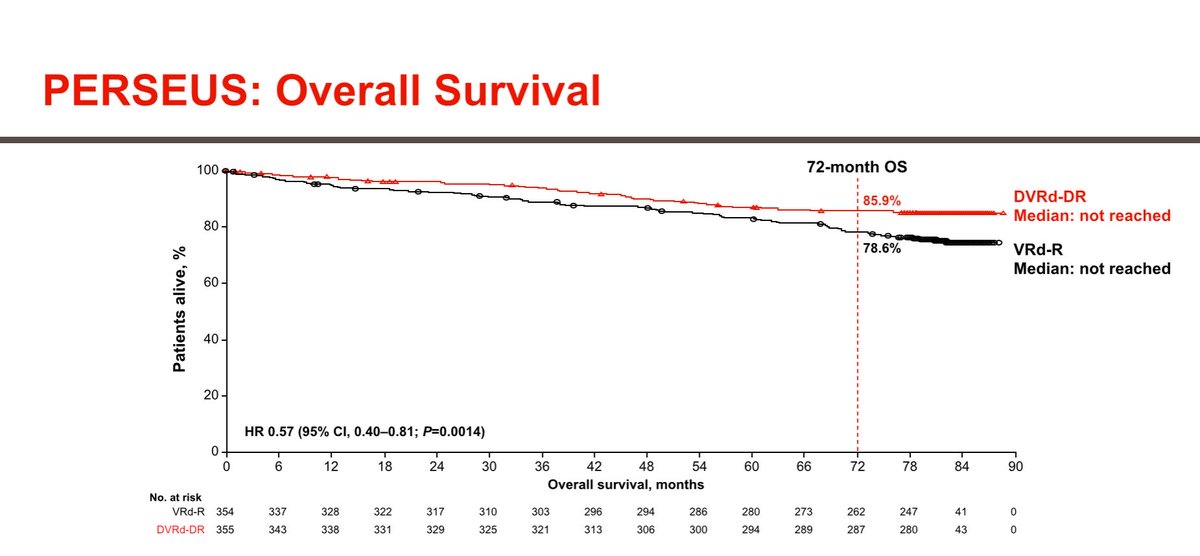
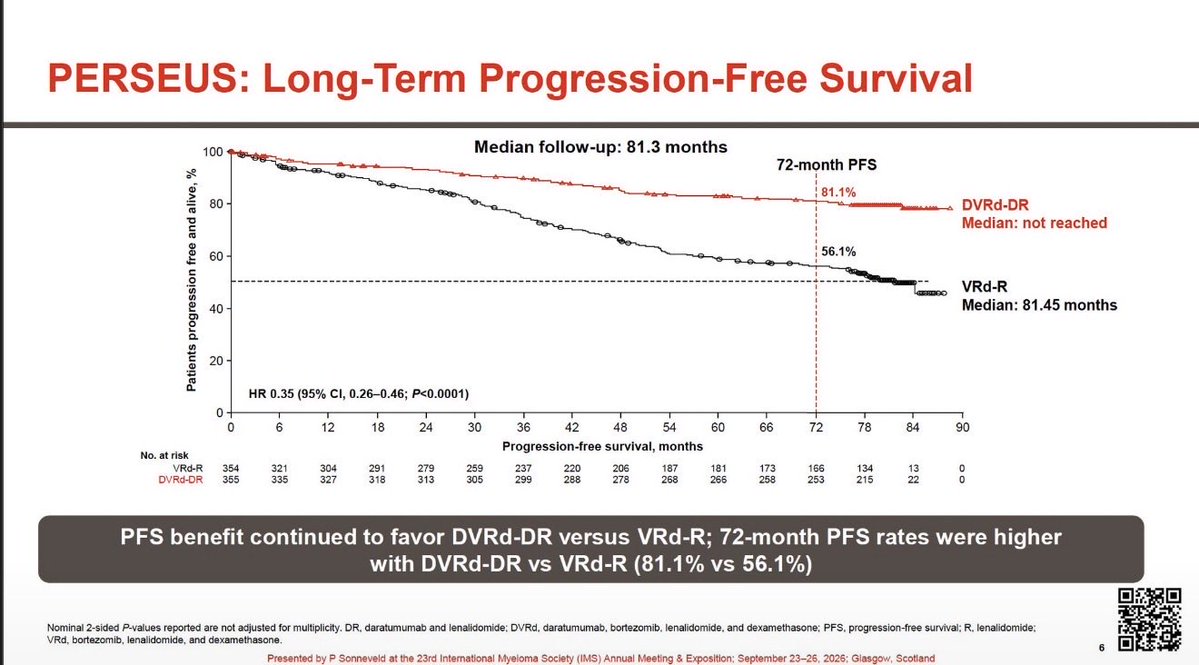
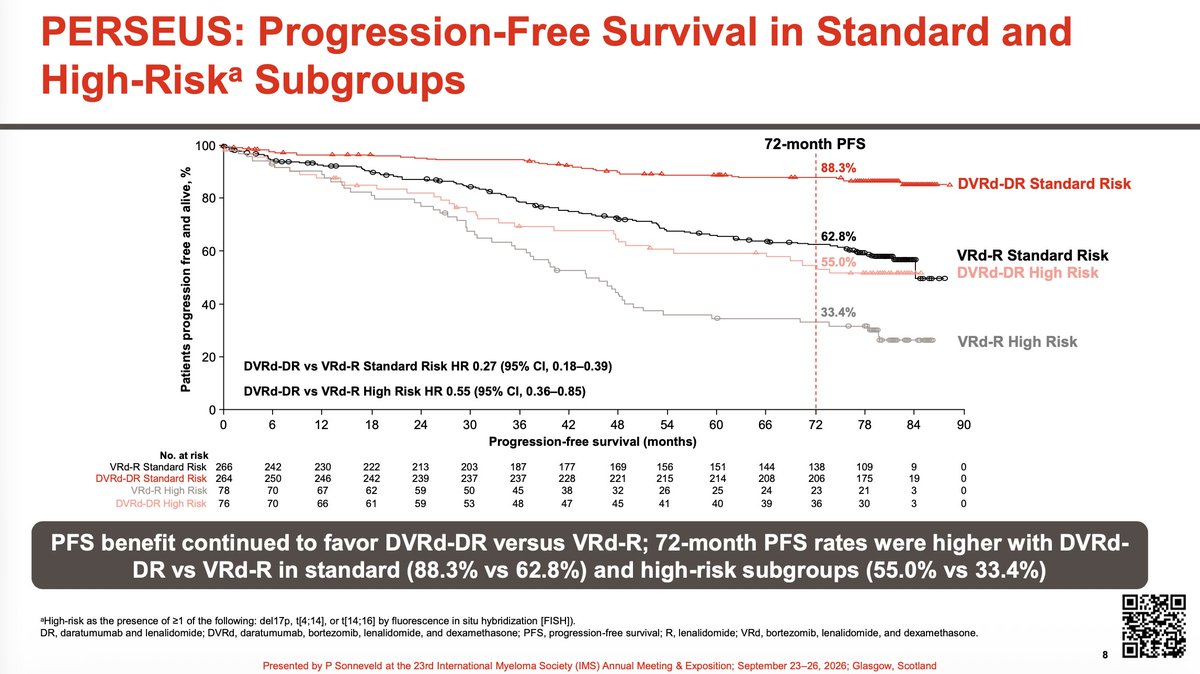
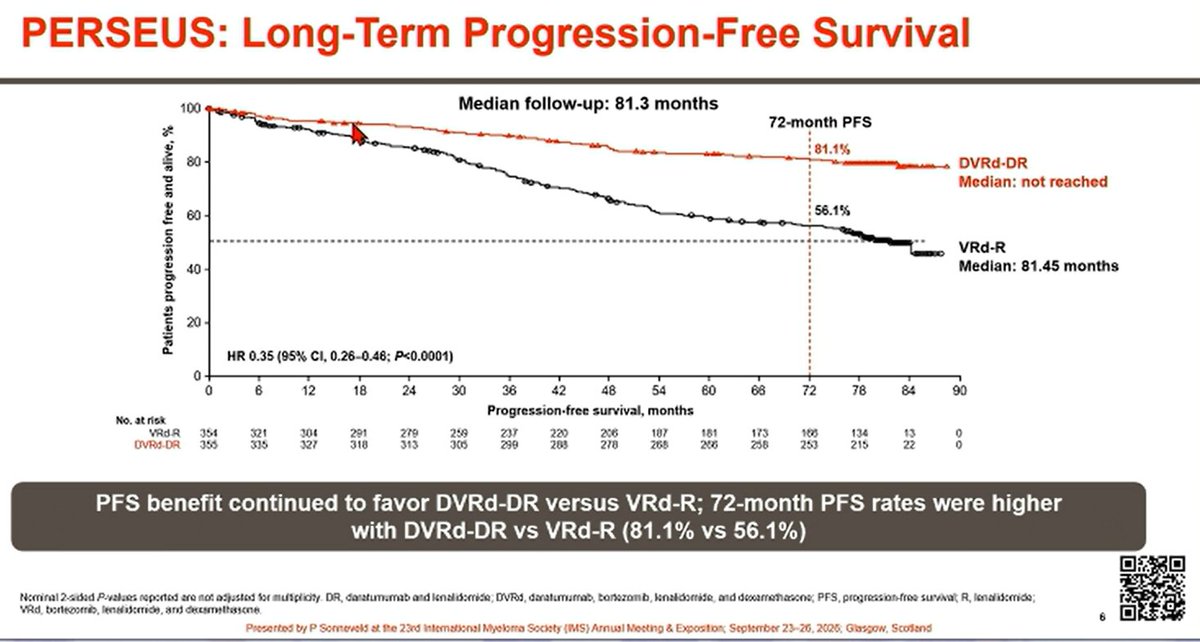
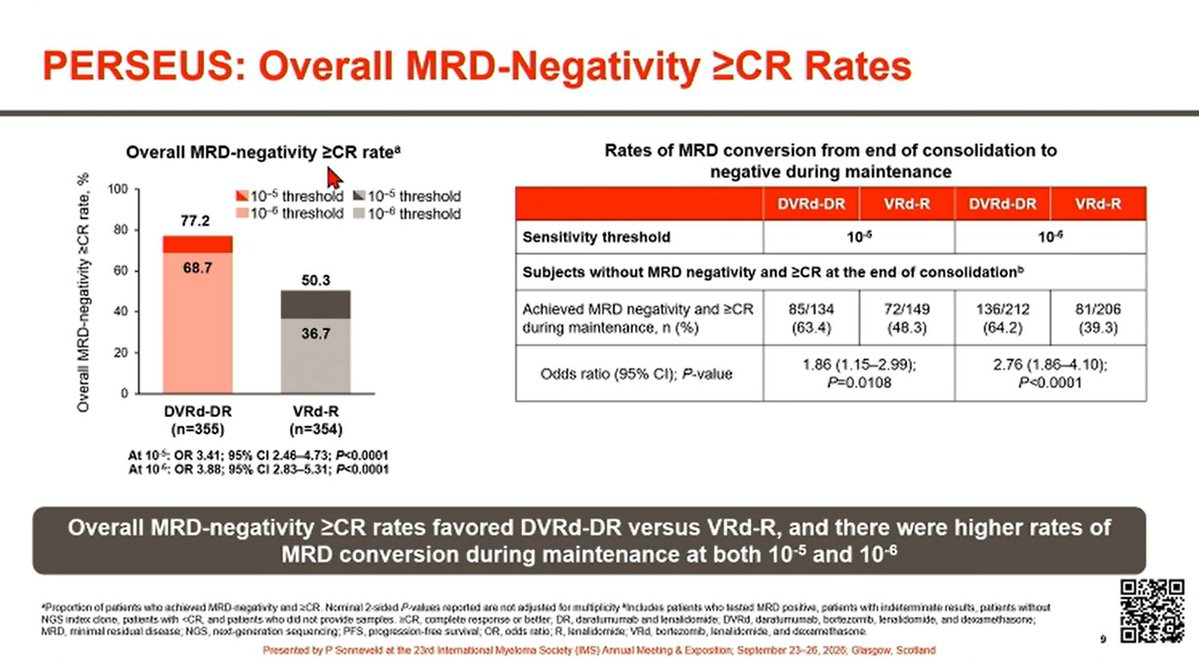
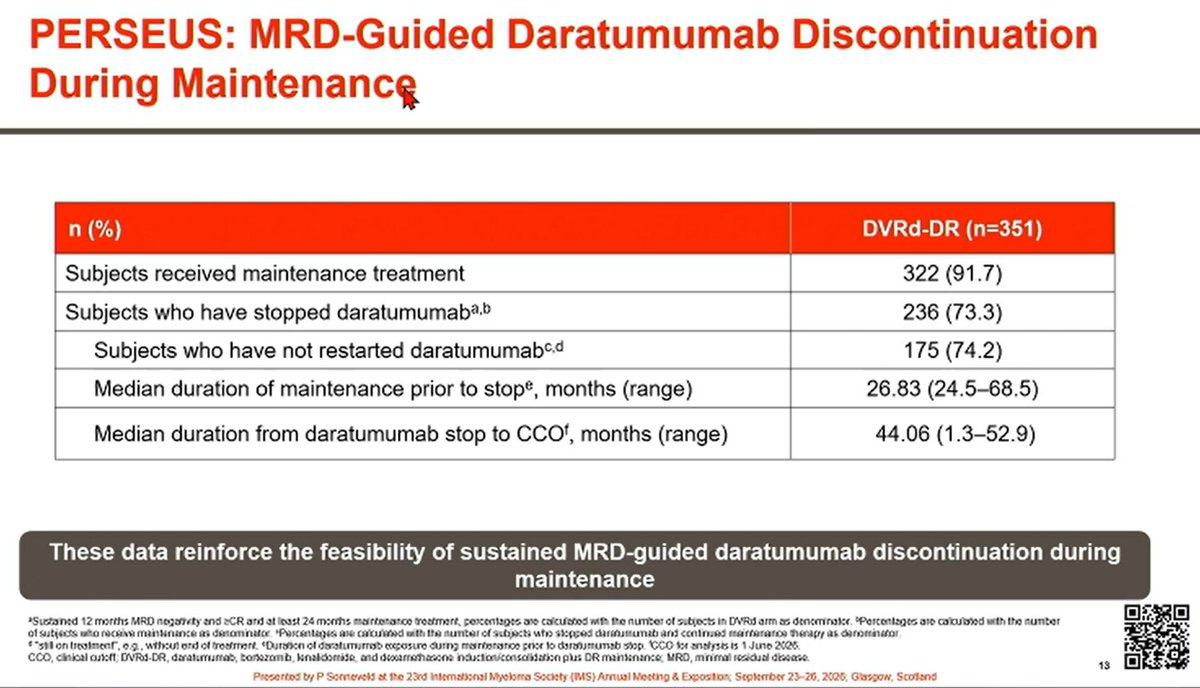
Thats a wrap #IMS26 PERSEUS up front SOC- BsAB come forward-fixed duration therapies-looking forward to cure-InVivoCART ahead.
@MMKingT · 830 impr →
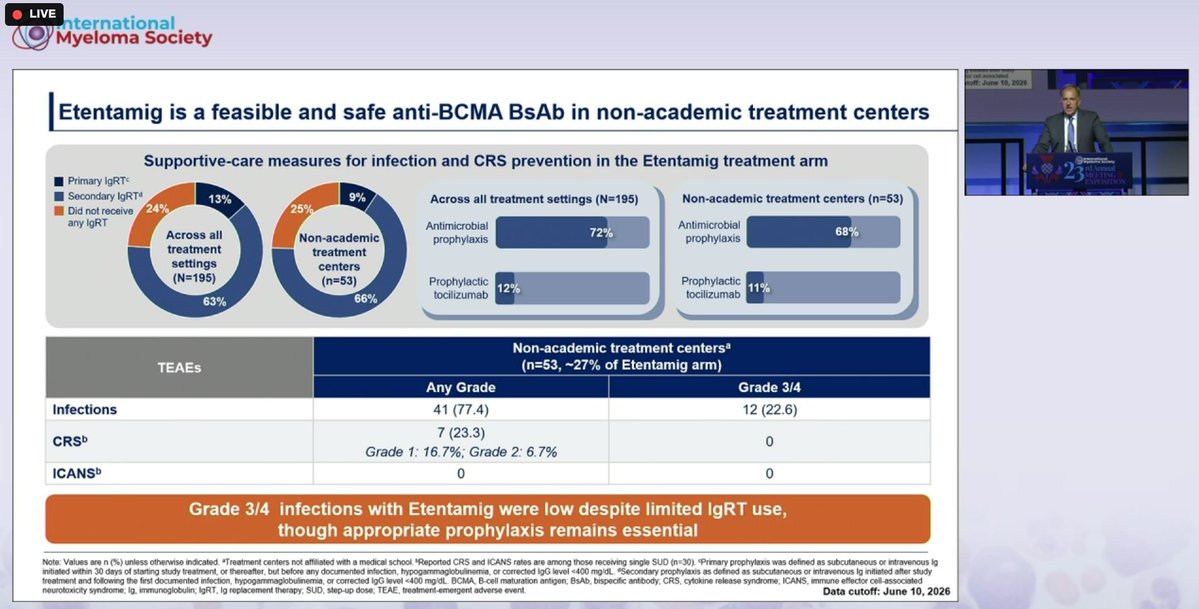
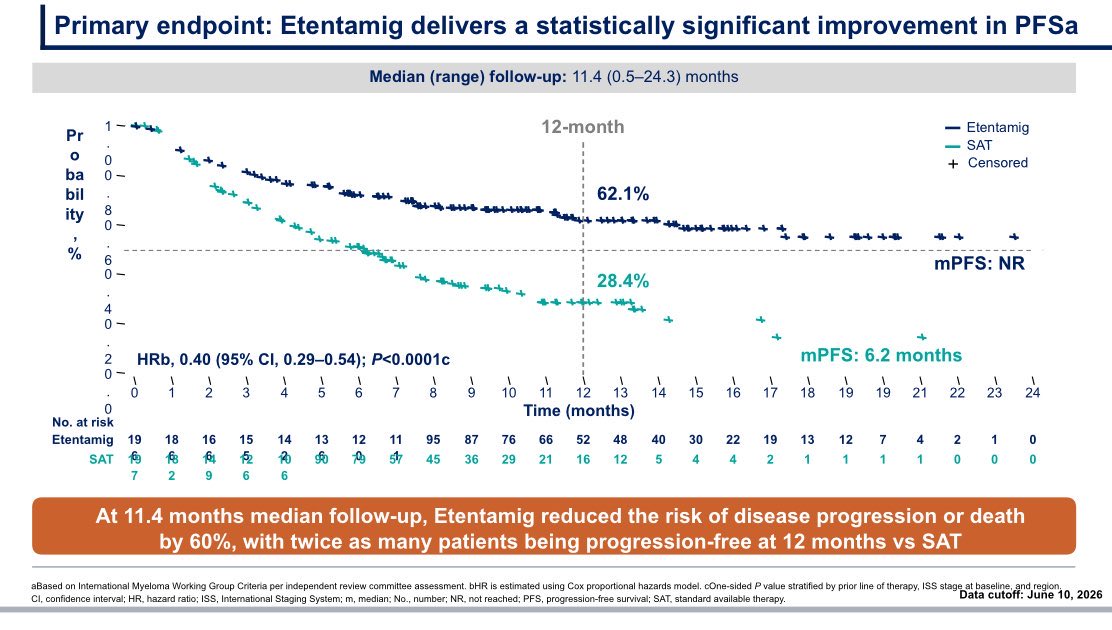
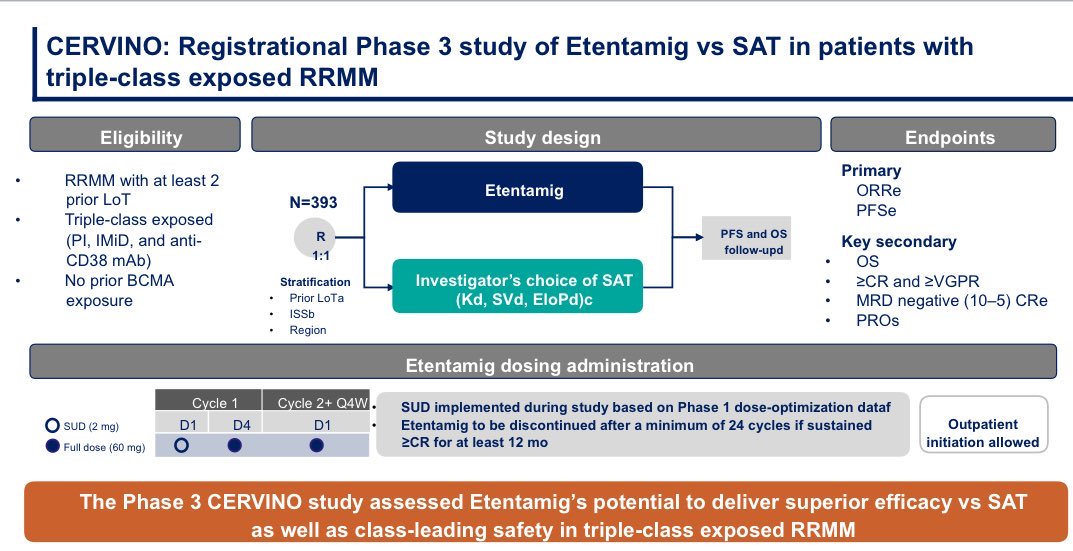
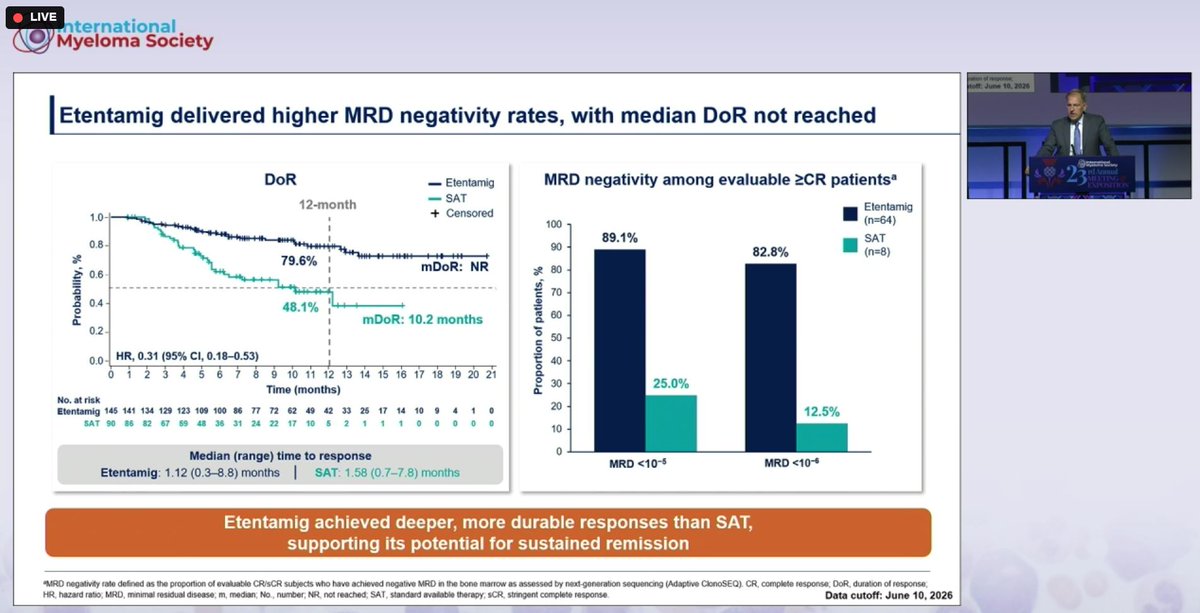
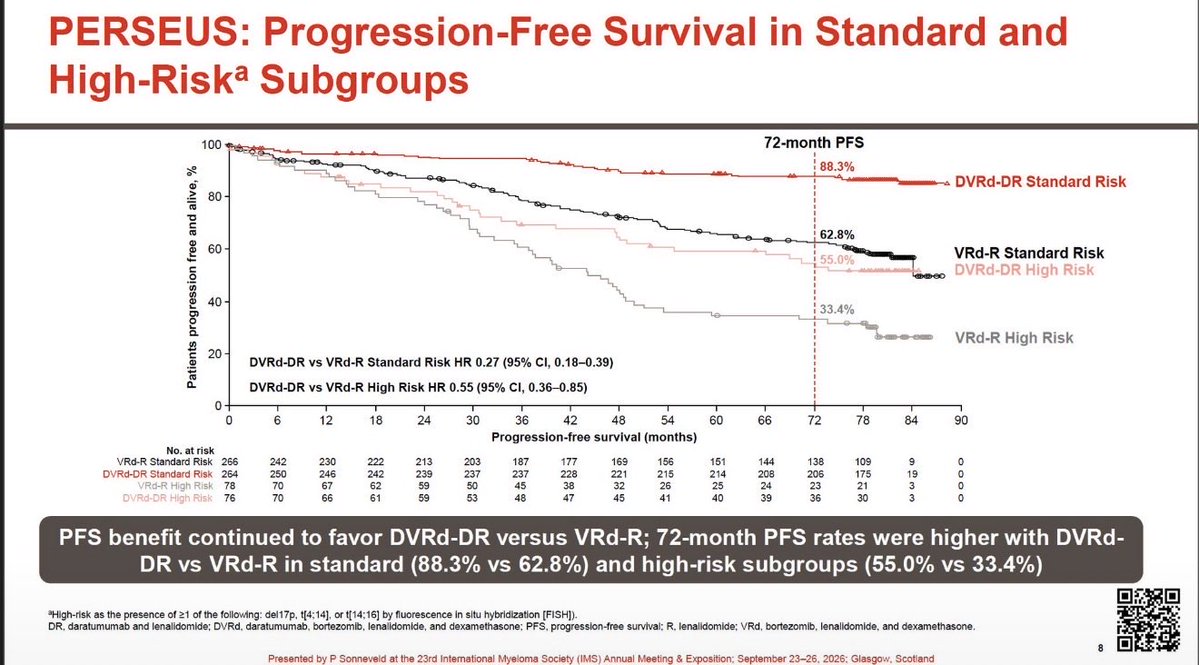
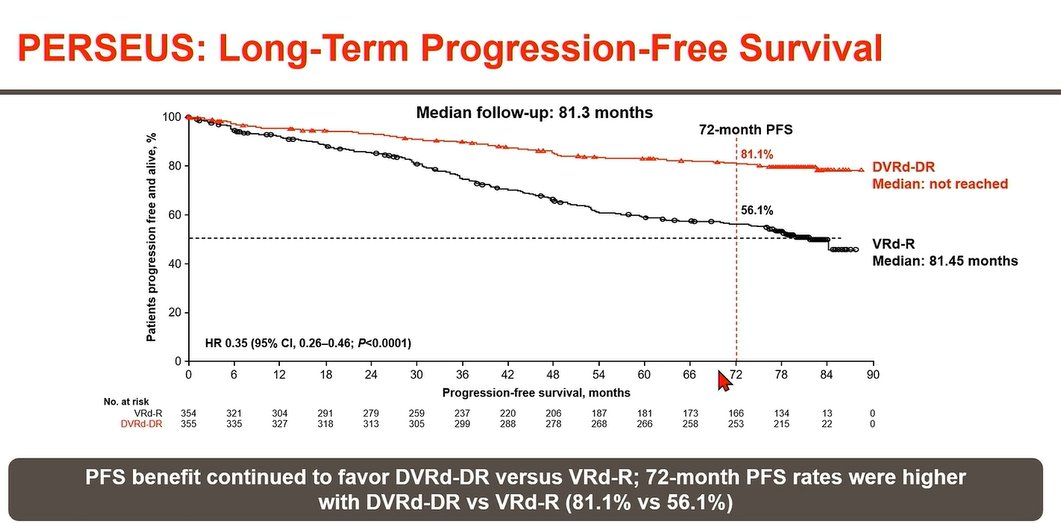
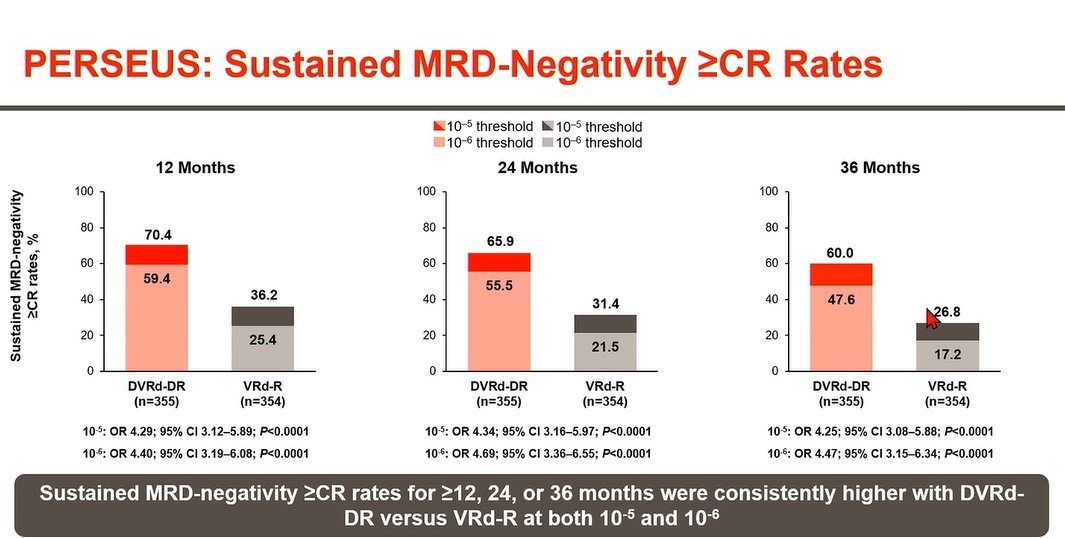
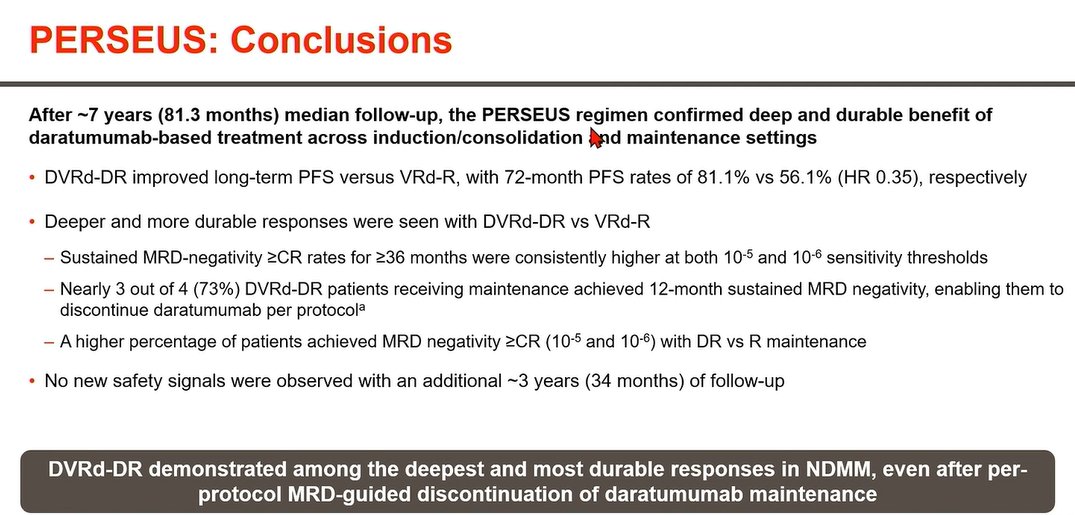
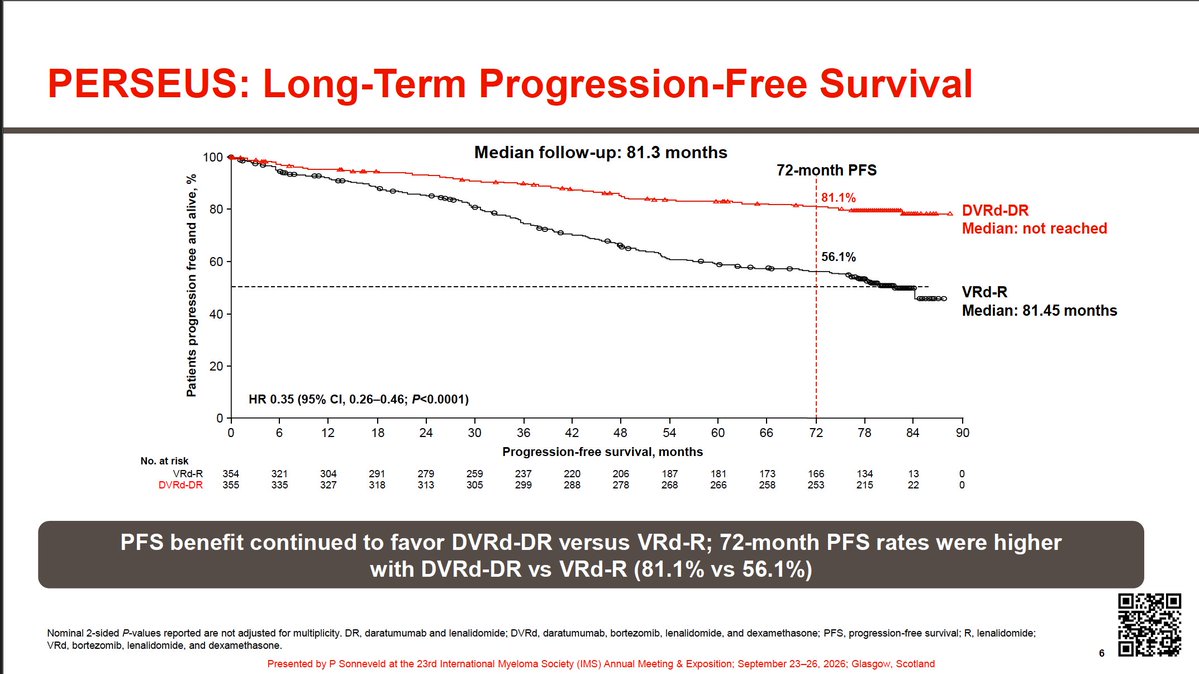
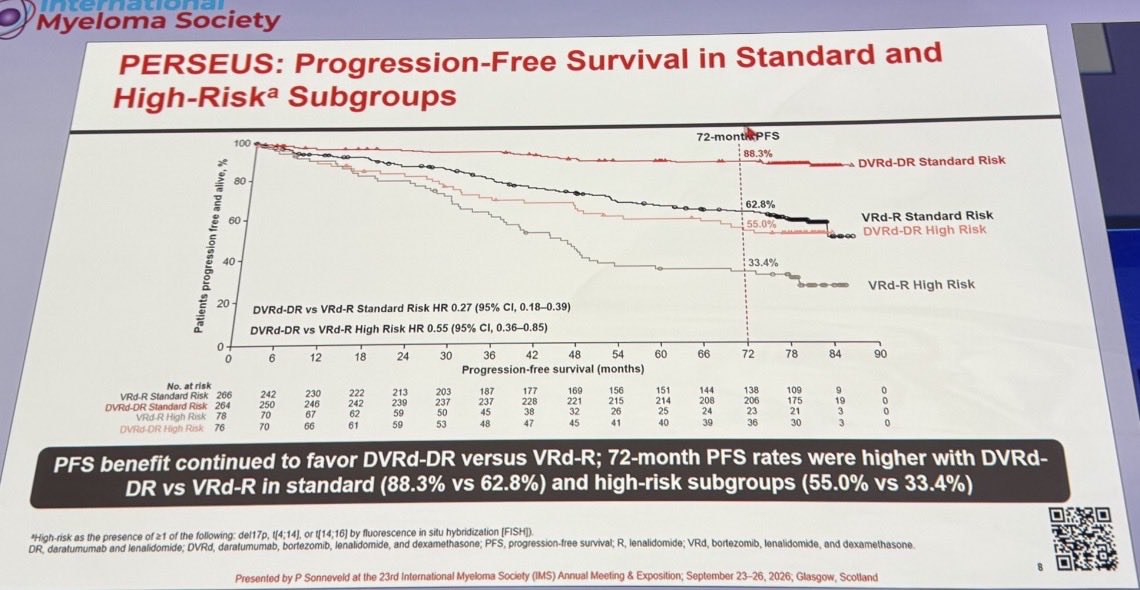
1/8 📖 Turning Pages Tuesday | From Glasgow to the Indian OPD WHAT MAKES A MYELOMA ADVANCE PRACTISE CHANGING IN INDIA? The “survival benefit” of trials matters. So do AFFORDABILITY, AVAILABILITY and our ABILITY to deliver the treatment safely. The International Myeloma Society Annual Meeting 2026 in Glasgow, Scotland, offered plenty to reconsider. Here is a glimpse of the EVIDENCE AND THE INDIAN QUESTIONS I brought home: 1️⃣ Stronger frontline evidence; ASCT and meaningful access: a bigger question. PERSEUS reported 6-year PFS of 81.1% versus 56.1% with D-VRd/DR versus VRd/R in transplant-eligible NDMM patients, at 81.3 months’ median follow-up (HR 0.35). Both arms included ASCT, still IMPORTANT CONSOLIDATION in India. Meaningful access means “sustaining DARA for the appropriate duration.” Future biosimilars could help. (Full 8-part thread on X — bispecifics, CERVINO/etentamig, trispecifics, EXCALIBER-RRMM, DREAMM-8/belantamab, and the MRD-based functional-cure framework.)
@mehak_trehan · 90 impr →
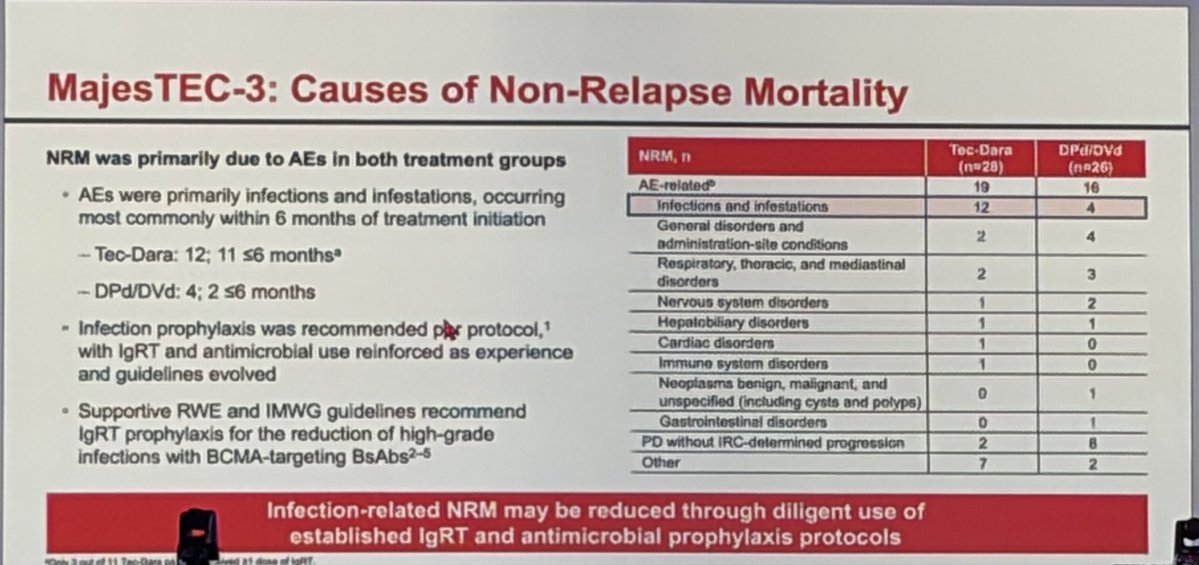
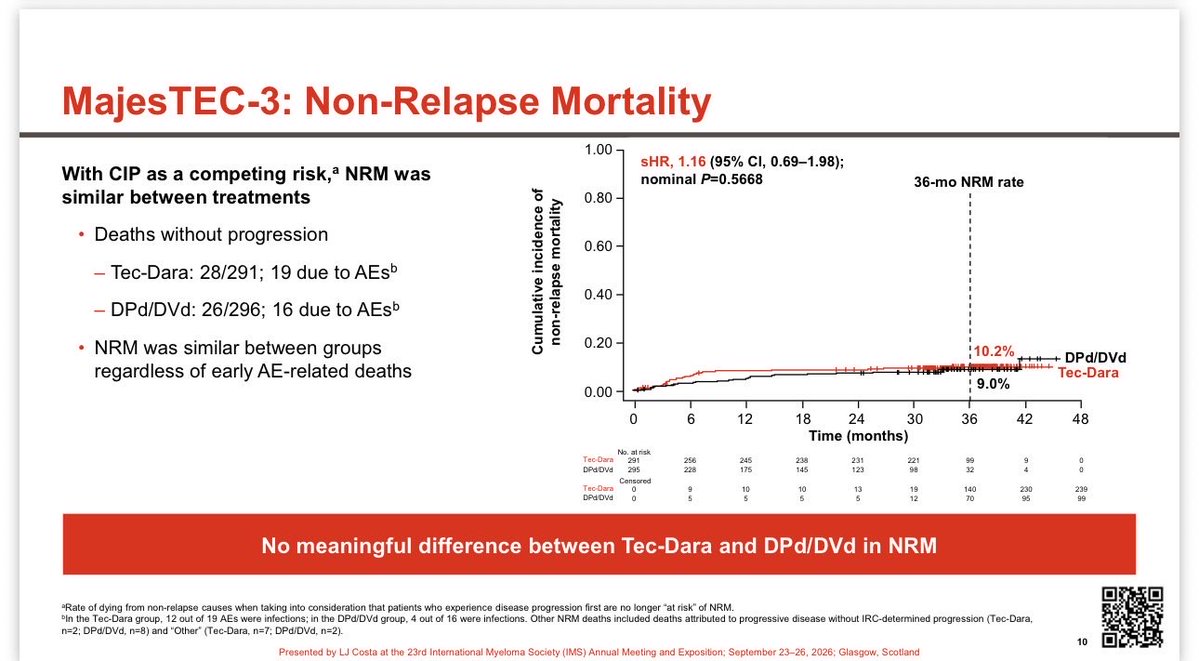
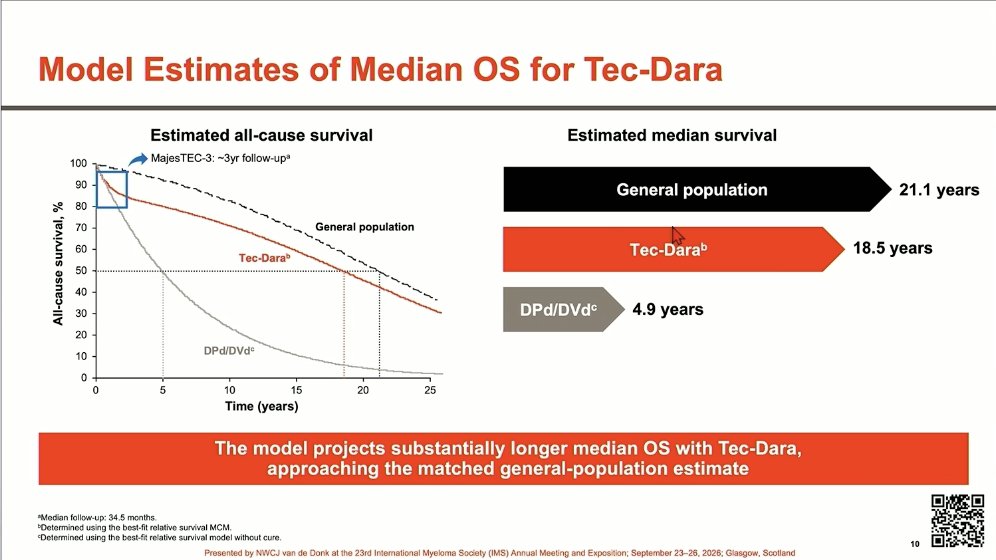
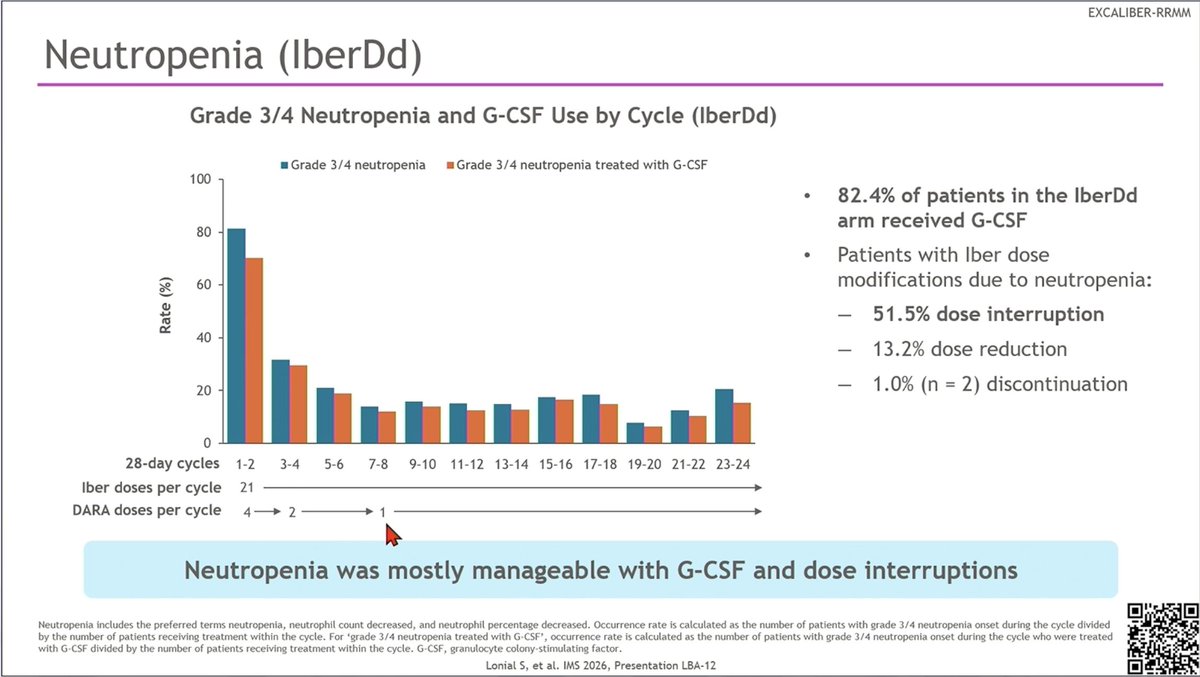
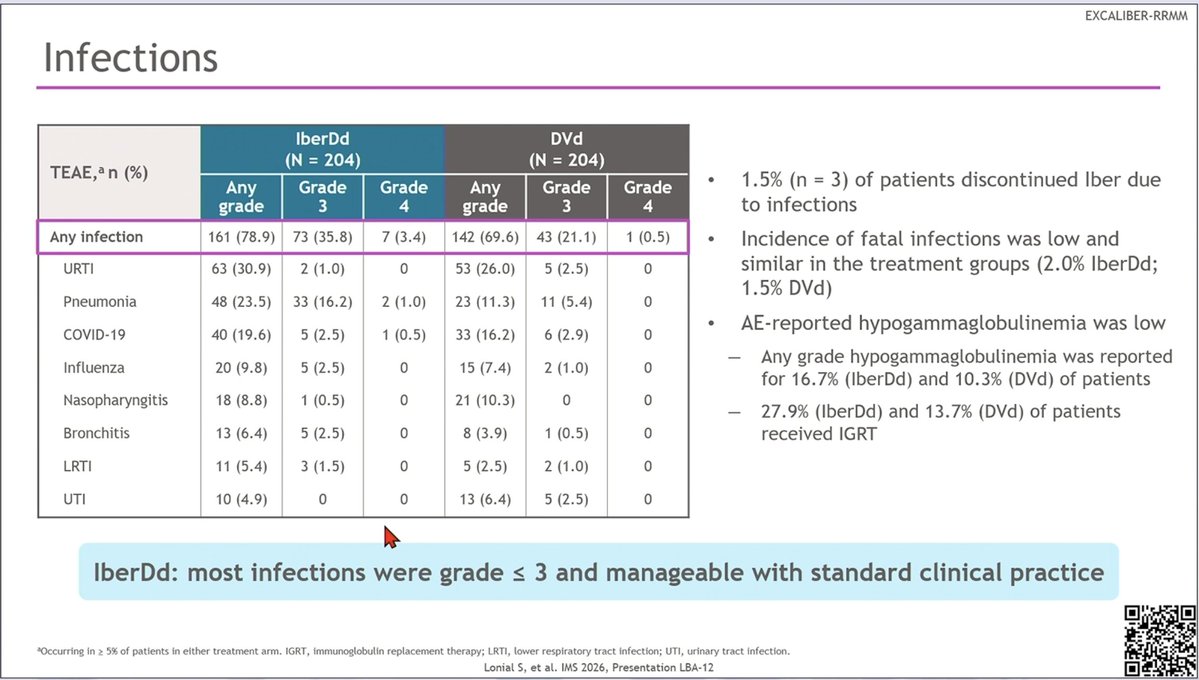
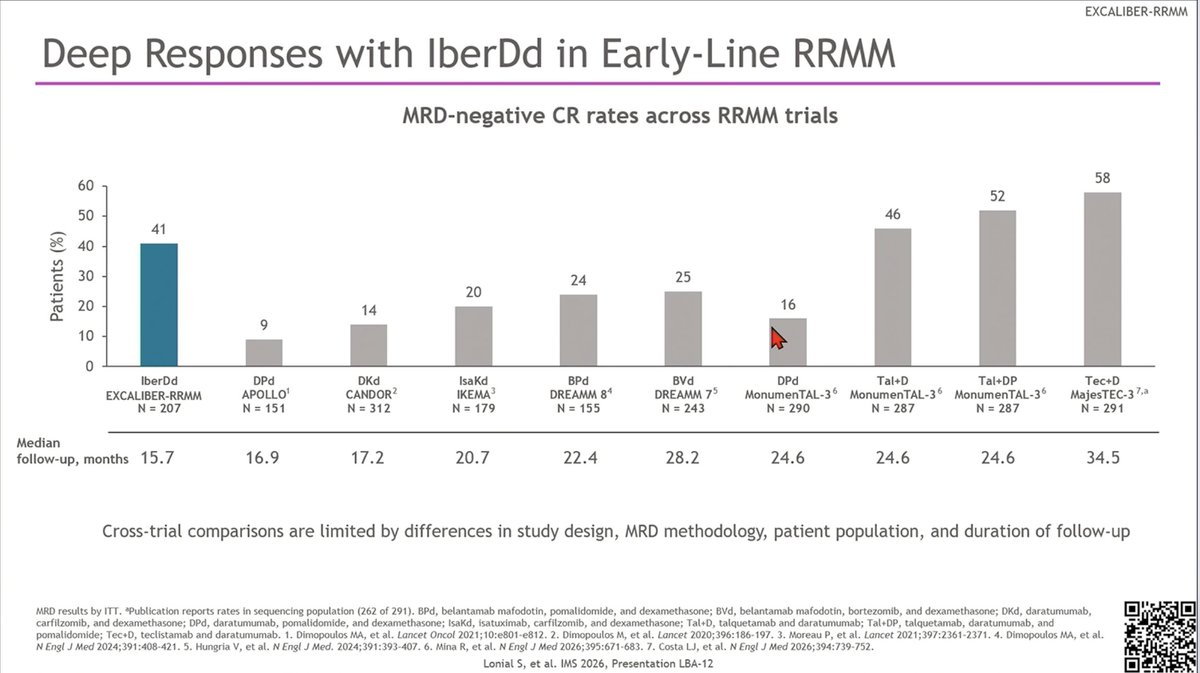
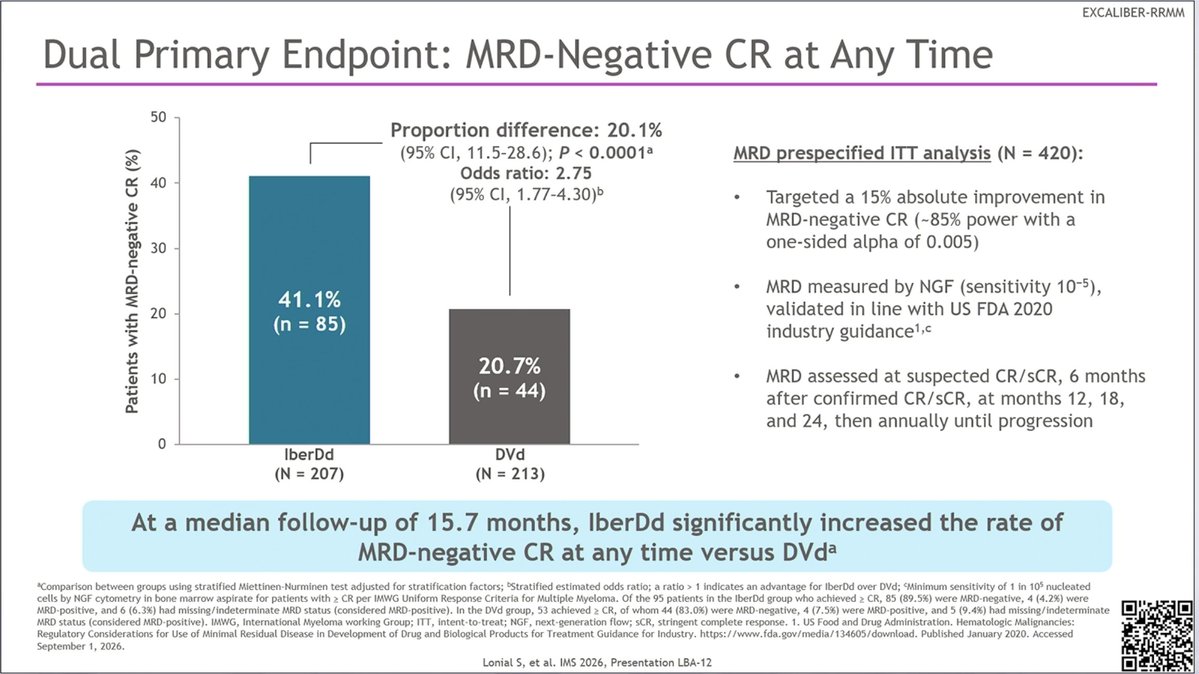
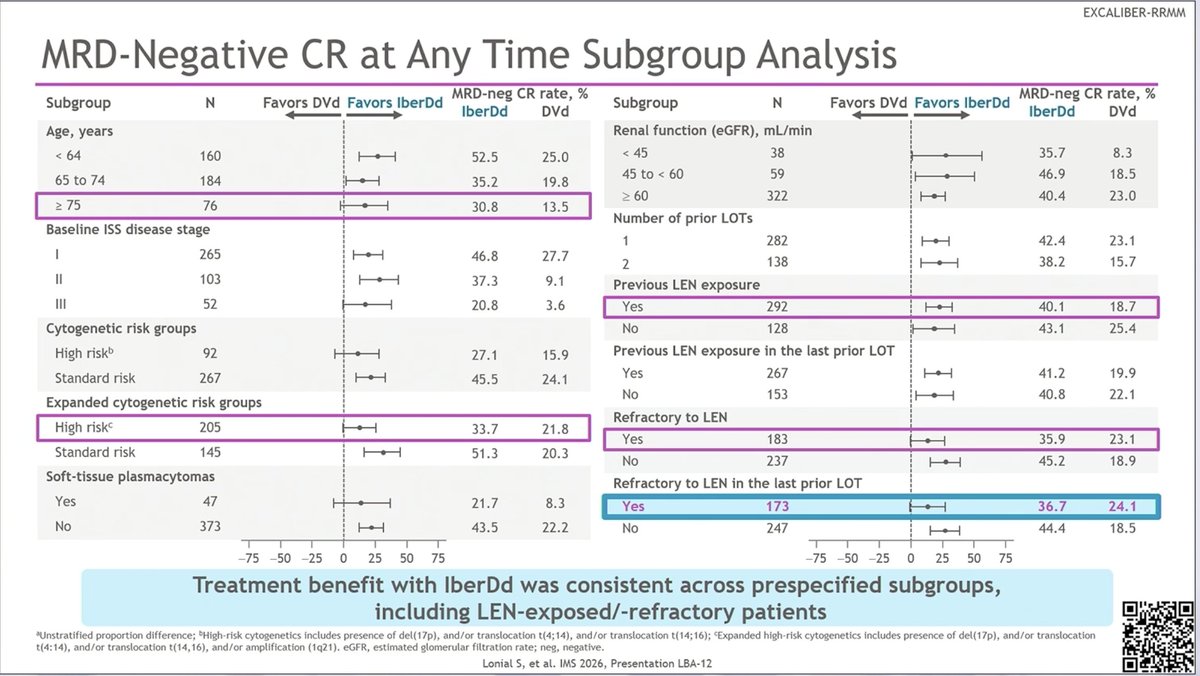
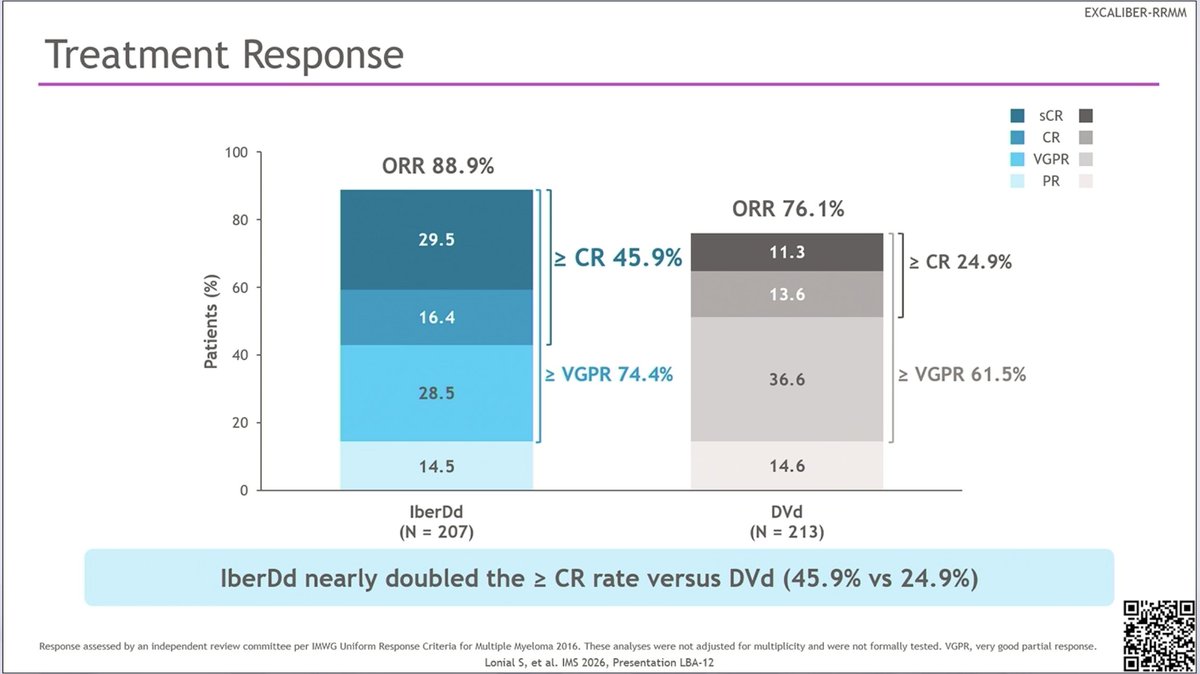
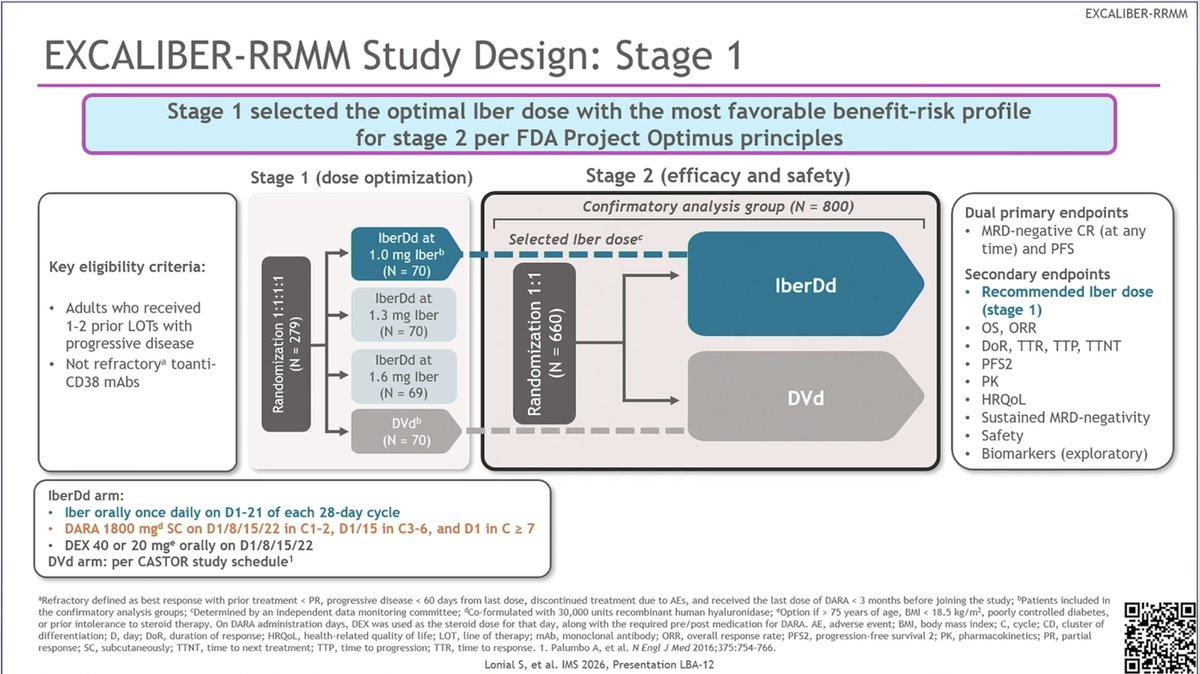
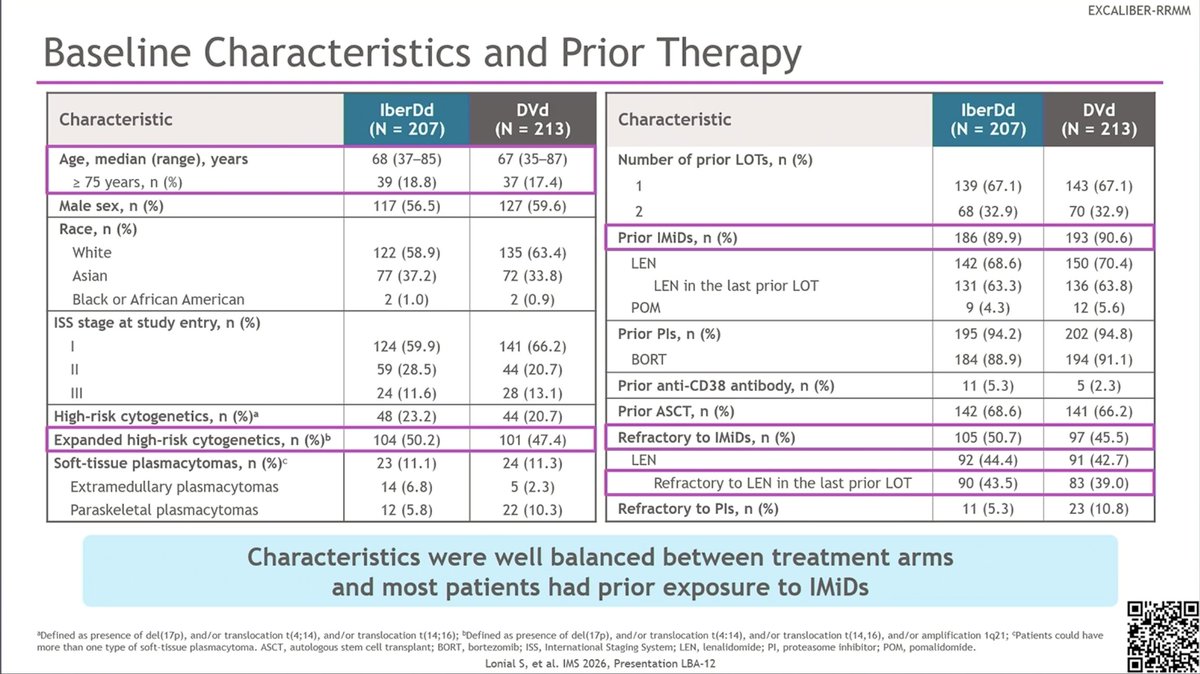
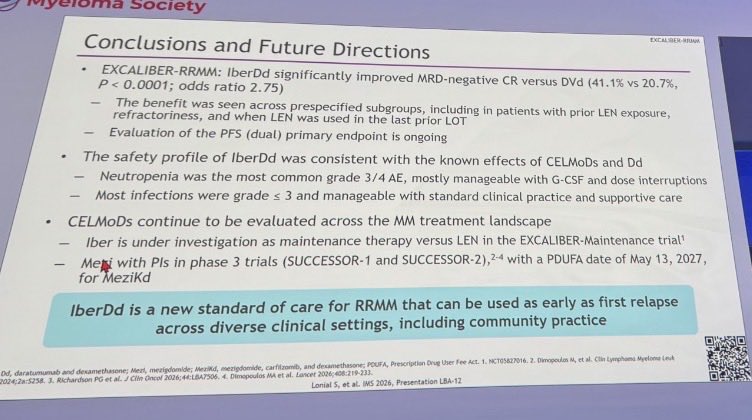
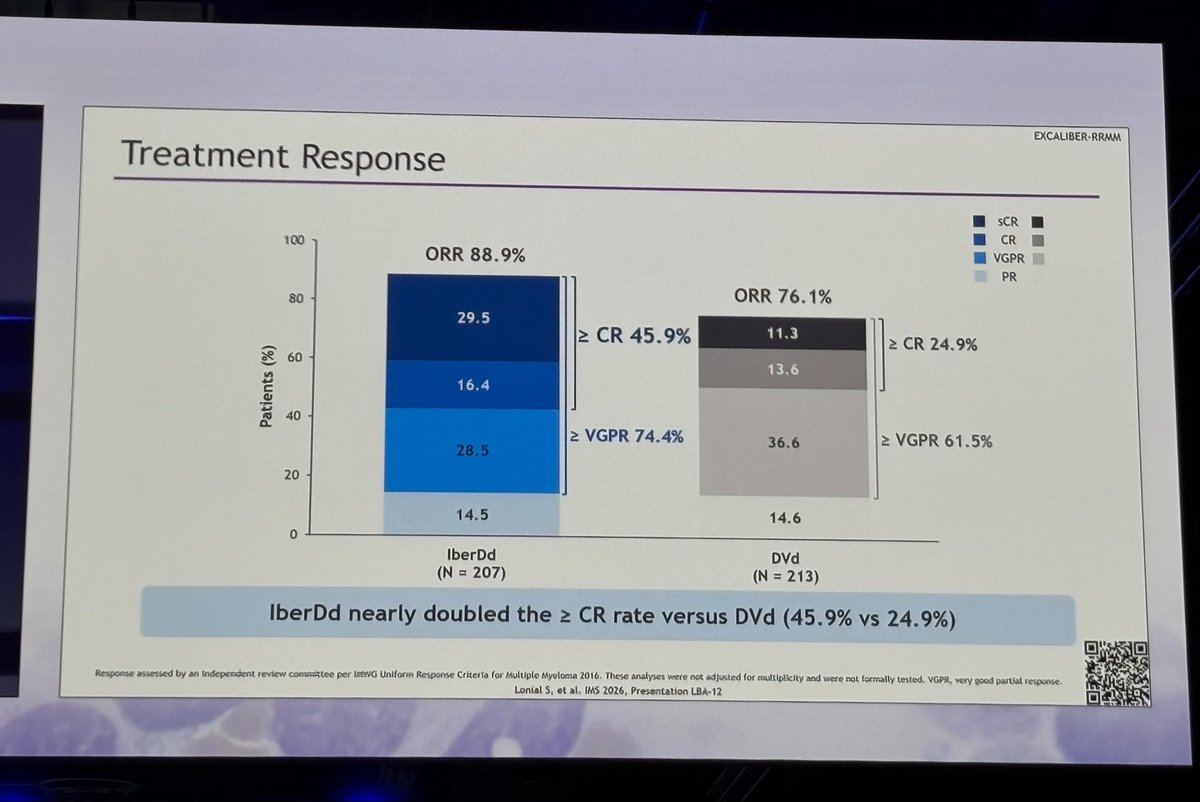
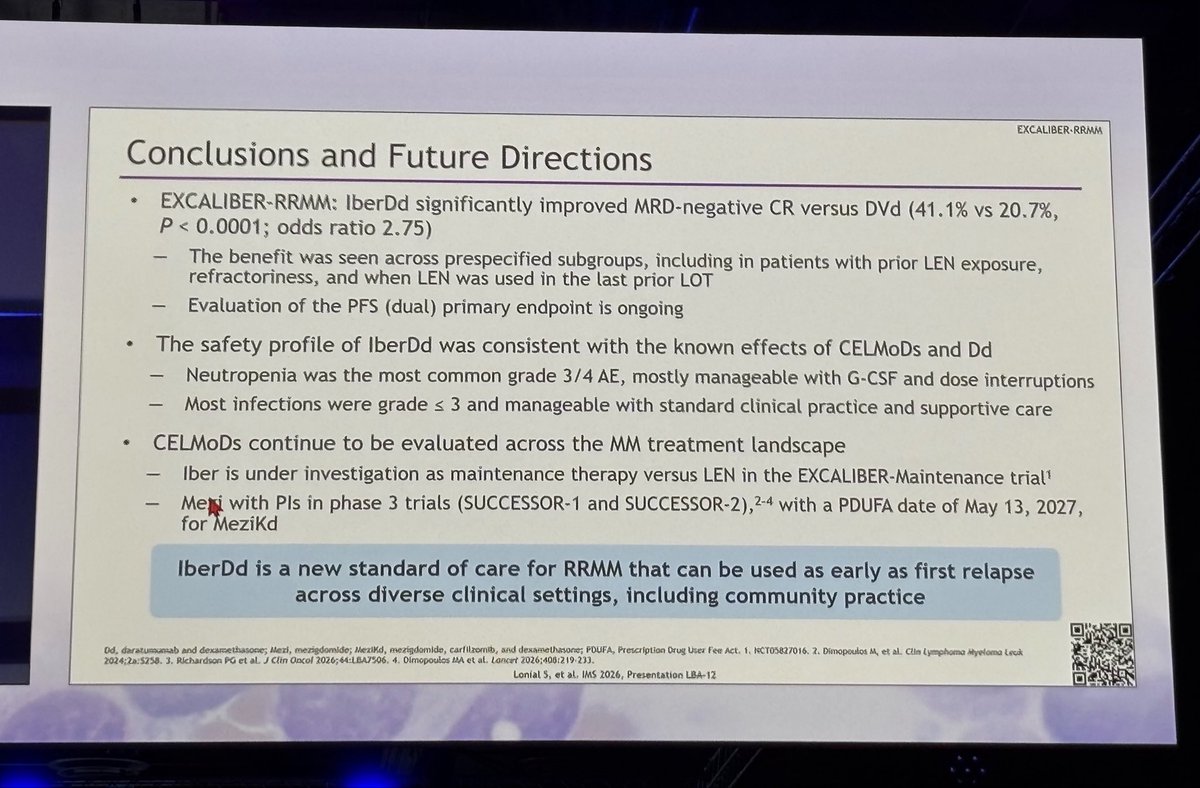
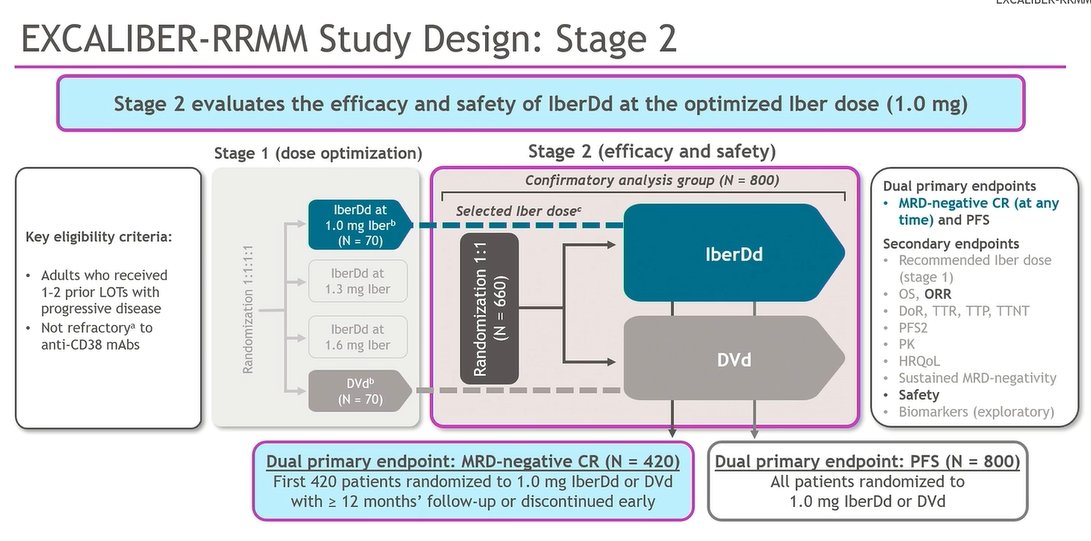
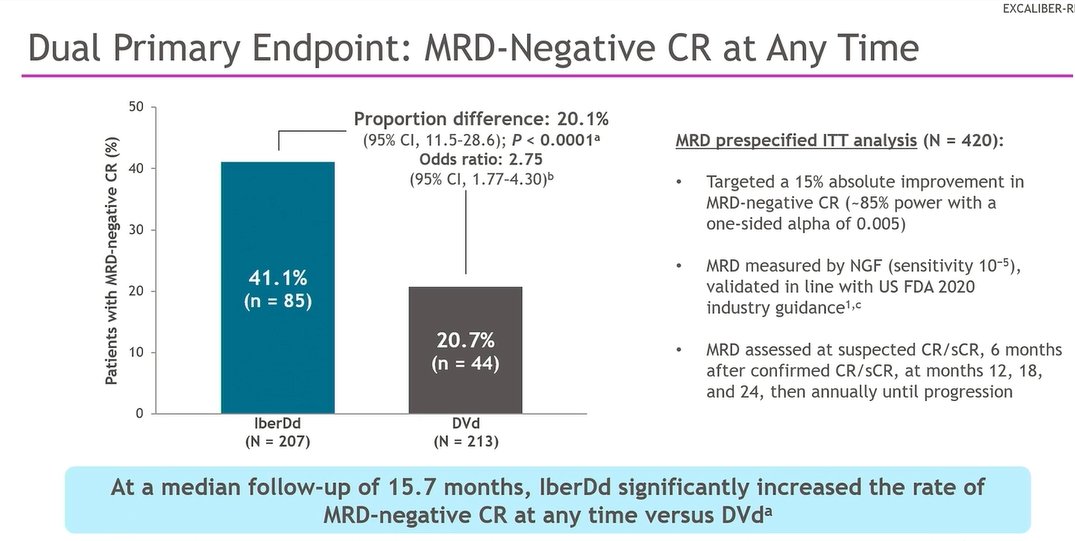
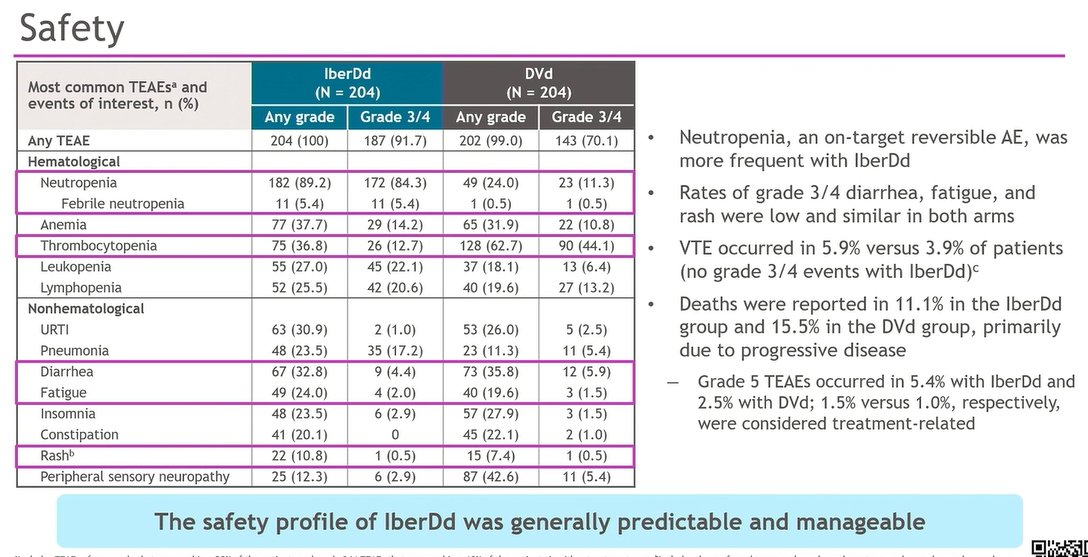
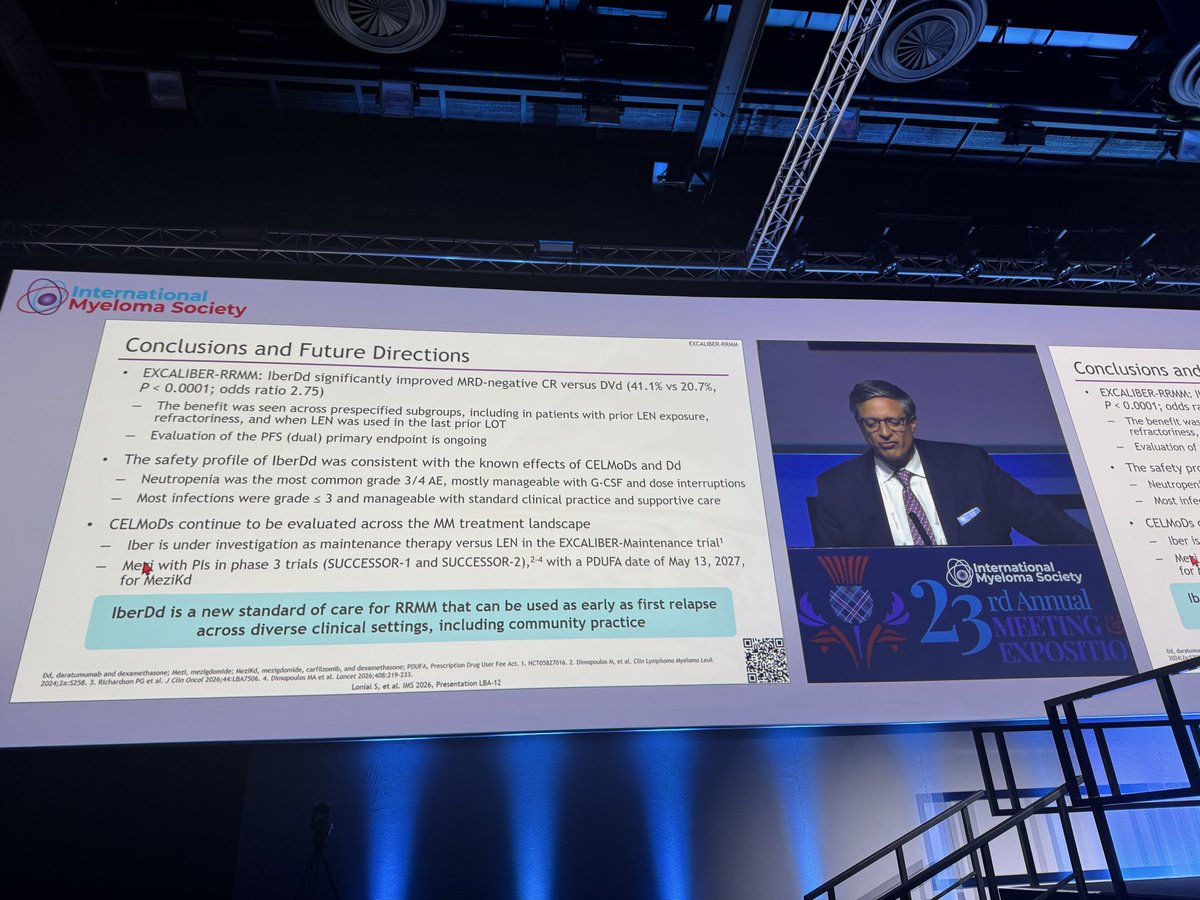
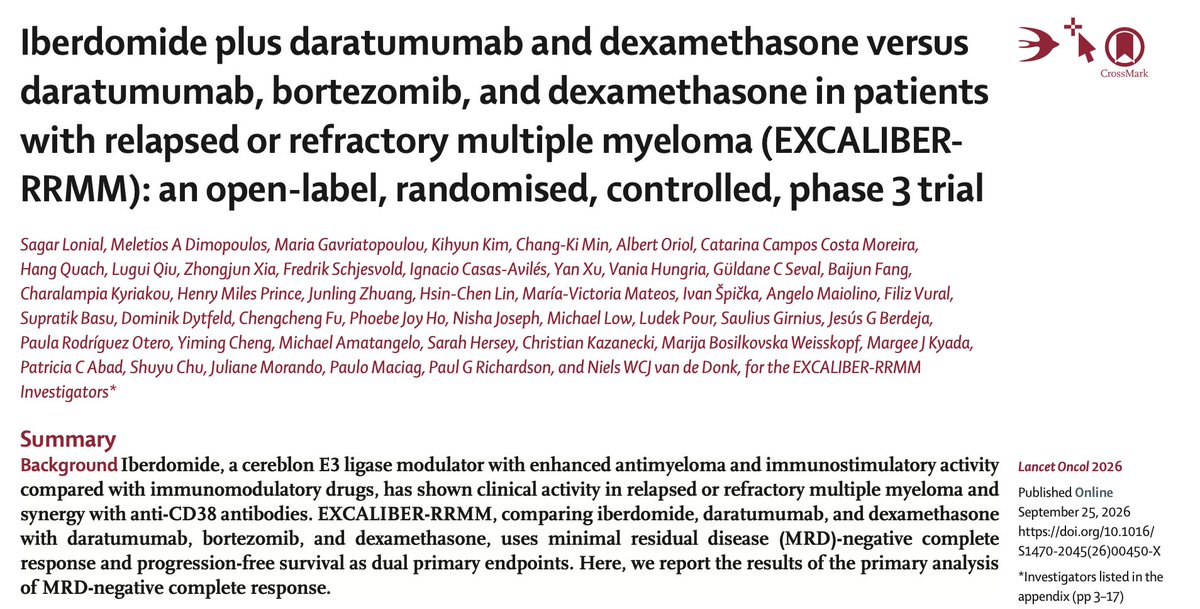
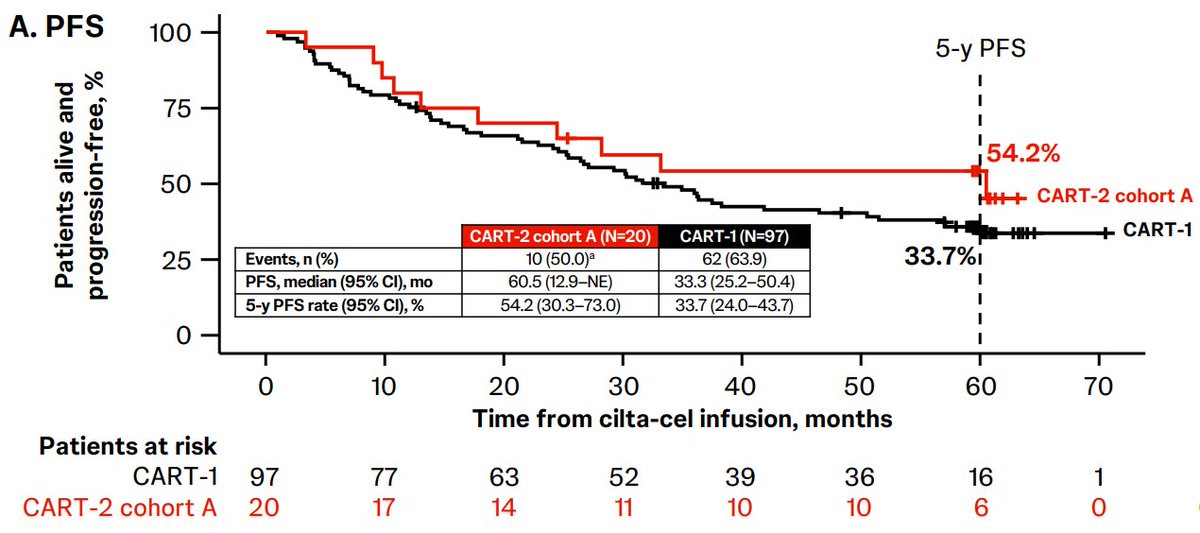
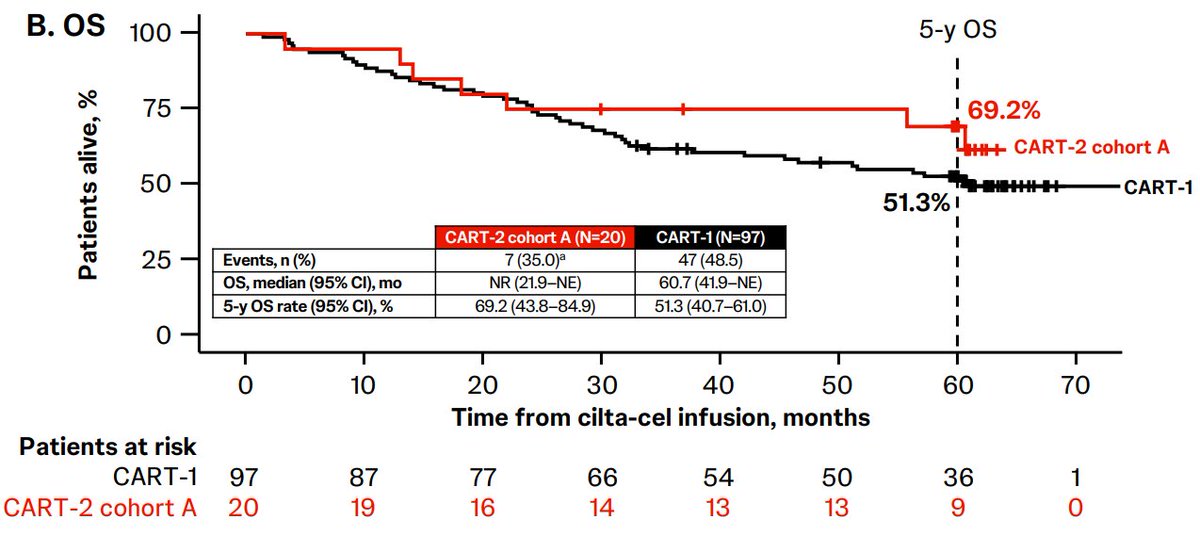
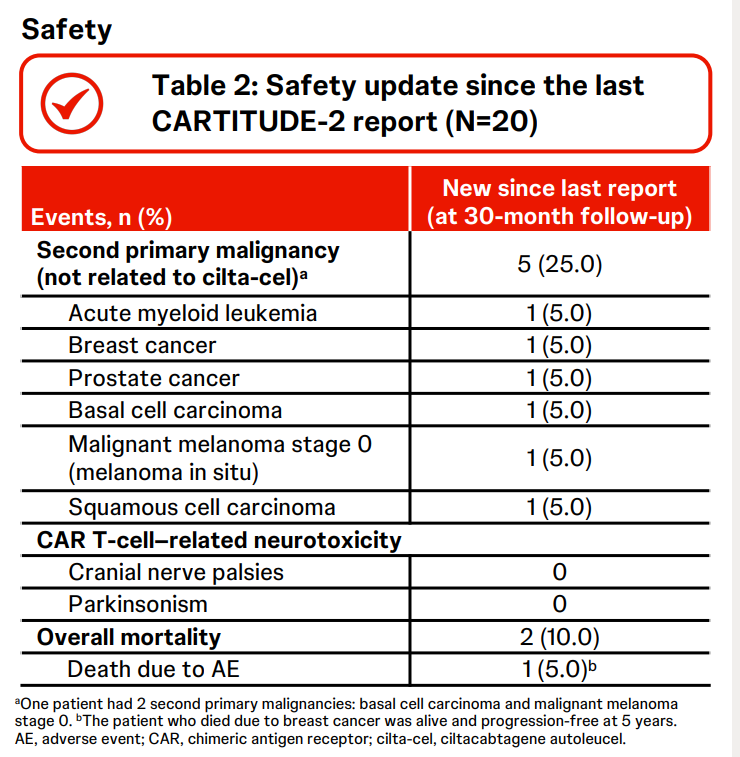
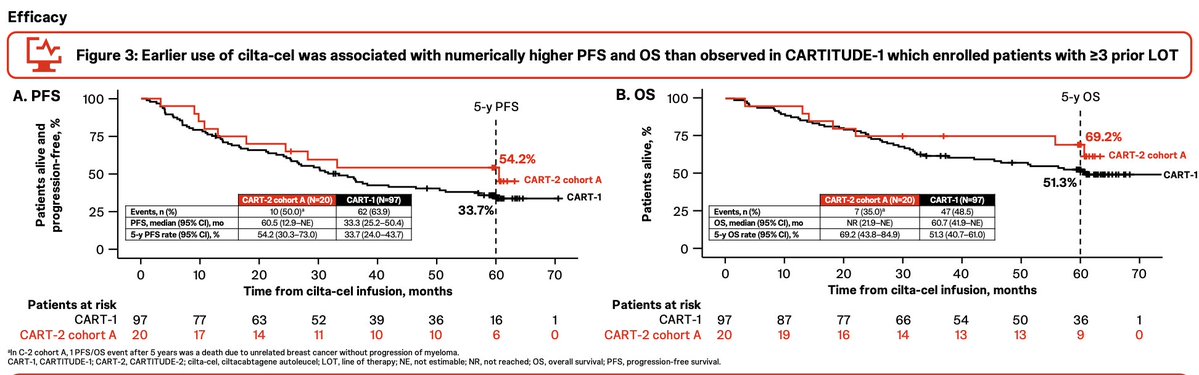
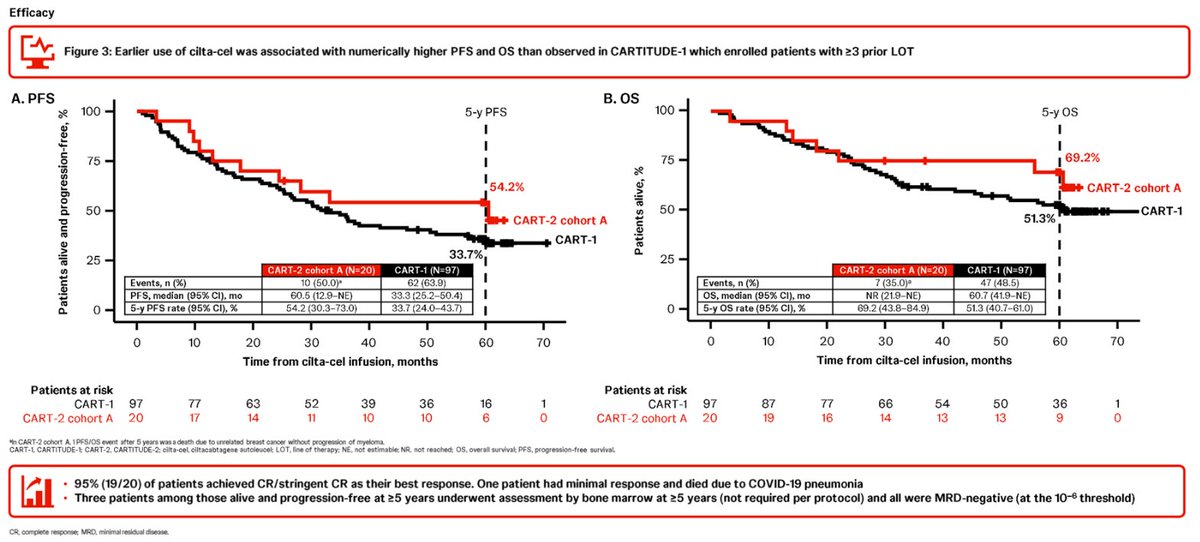
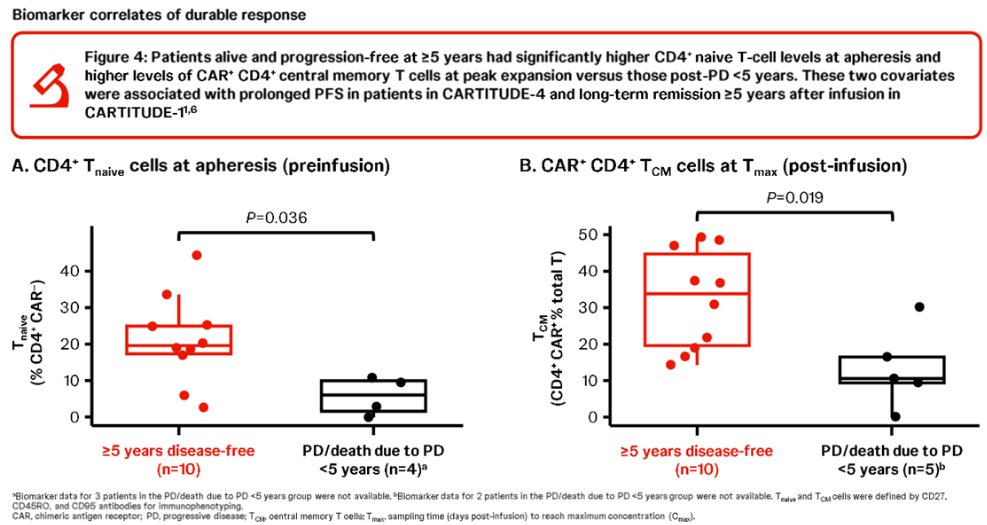
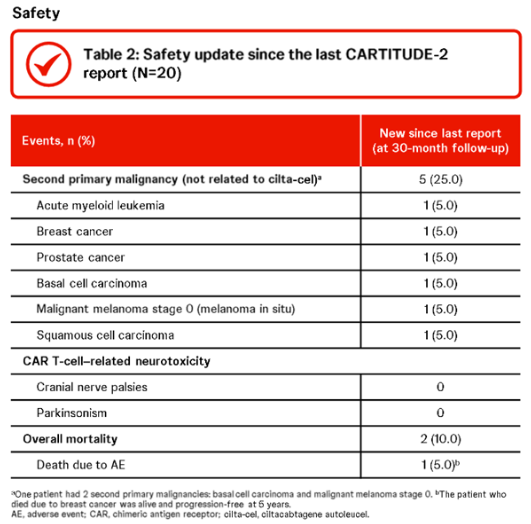
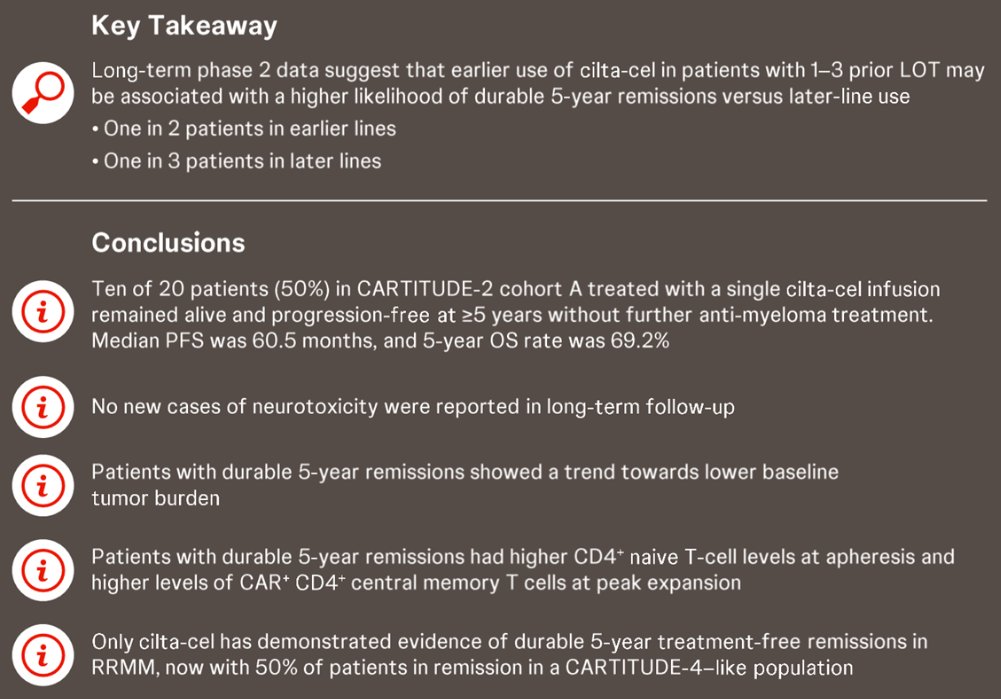
My #IMS26 Top 5 myeloma abstracts: 1️⃣ CARTITUDE-2 A: 50% CAR-T cure fraction 2️⃣ PERSEUS: 6-yr PFS 🤩, but HR need better 3️⃣ MajesTEC-3: 86% functional cure with BsAb/dara? 4️⃣ EXCALIBER-RRMM: CELMODs & MRD approvals! 5️⃣ CERVINO: Q4W is in, CRS is out 👋🏽 cancertherapyadvisor.com/features/ims-2…
@RahulBanerjeeMD · 583 impr →
We have a cure definition for myeloma. Requires: 1) Off all therapy and sustained MRD negative for 5 years 2) Negative imaging studies Presented by @NikhilMunshiMD #IMS26 @Myeloma_Society Note: 1) We need to see how this definition performs. Relapse rate for patients meeting these cure criteria must ideally be less than 5%. If not, we may have to adjust the criteria. 2) I hope the cure criteria will be the impetus to stop doing trials with endless therapy. You cannot claim cure with continuous therapy. I’m glad the field is mostly aligned on this. Cure for patients and public in any disease has a deep meaning. Cure means cure. We cannot dilute it.
@VincentRK · 29.1K impr →IMS 2026 Daily Recap
A quick spoken recap of the top KOL discussion from IMS 2026.
IMS 2026 Flash Report — 6 Questions
Six questions, straight from myeloma's top KOLs — every quote verbatim.
Top Tweets & Trial Discussion
Highest-impact physician tweets from the myeloma community. Expand the Clinical Trials block to drill into trial-specific discussion — CERVINO, PERSEUS, EXCALIBER-RRMM, and more as the meeting unfolds.







KOL Discussions
Full reply threads between physicians debating the data — not just individual tweets, the actual back-and-forth.
Agreed with almost all of this! I do think MDS signal is impossible to sort out here... we'll need CARTITUDE-6 and iMMagine-6 in frontline to say for sure. Especially for late-line patients who had PD and then developed MDS later, this is sadly probably everything else they received...
Agree, also those cases apparently had relapsed myeloma all prior to MDS per the paper. I think we will need more mature data for Anito cel to see if it will be any different than Cilta cel but early safety seems encouraging
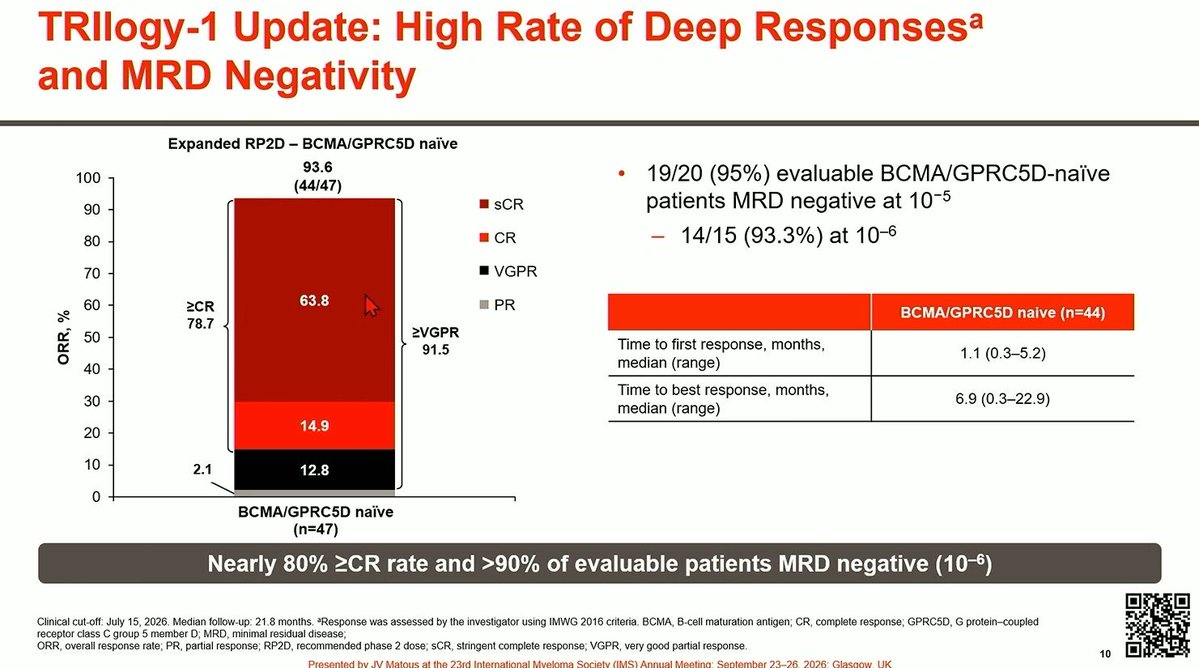
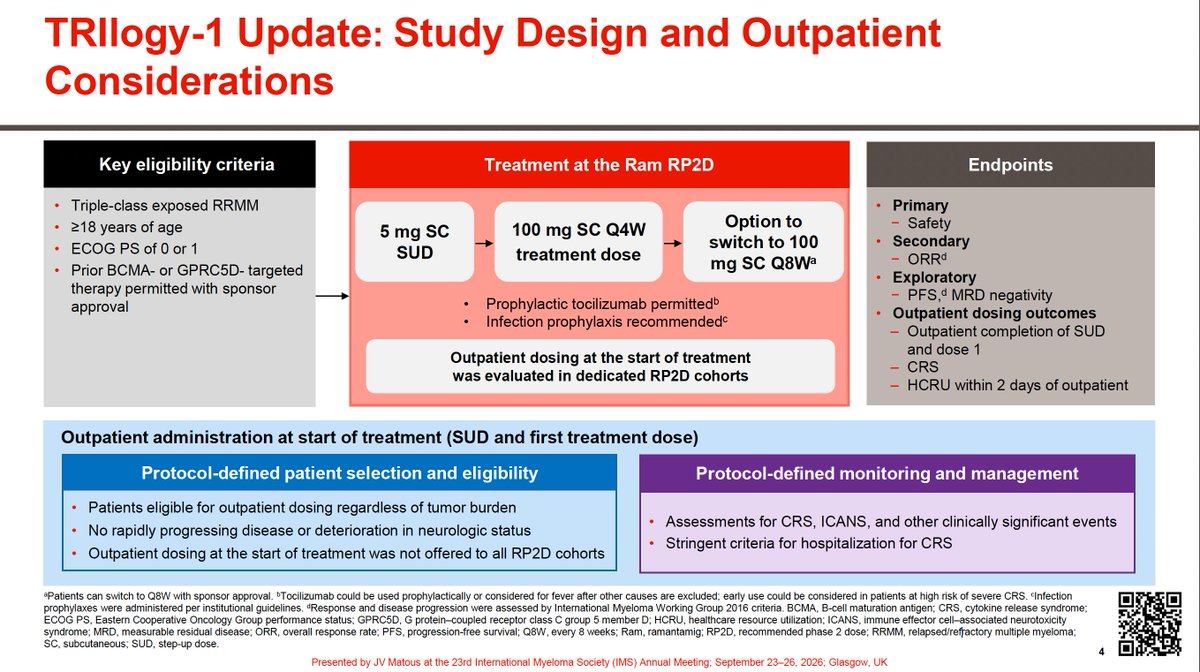
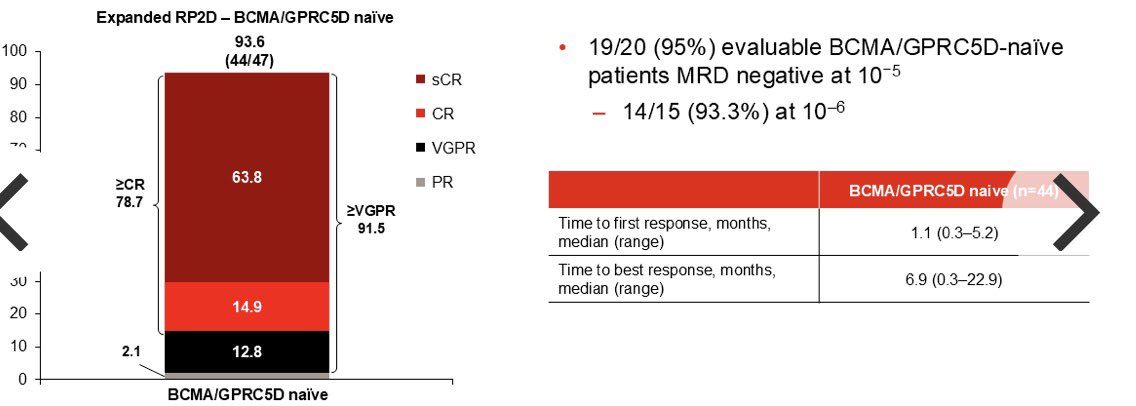
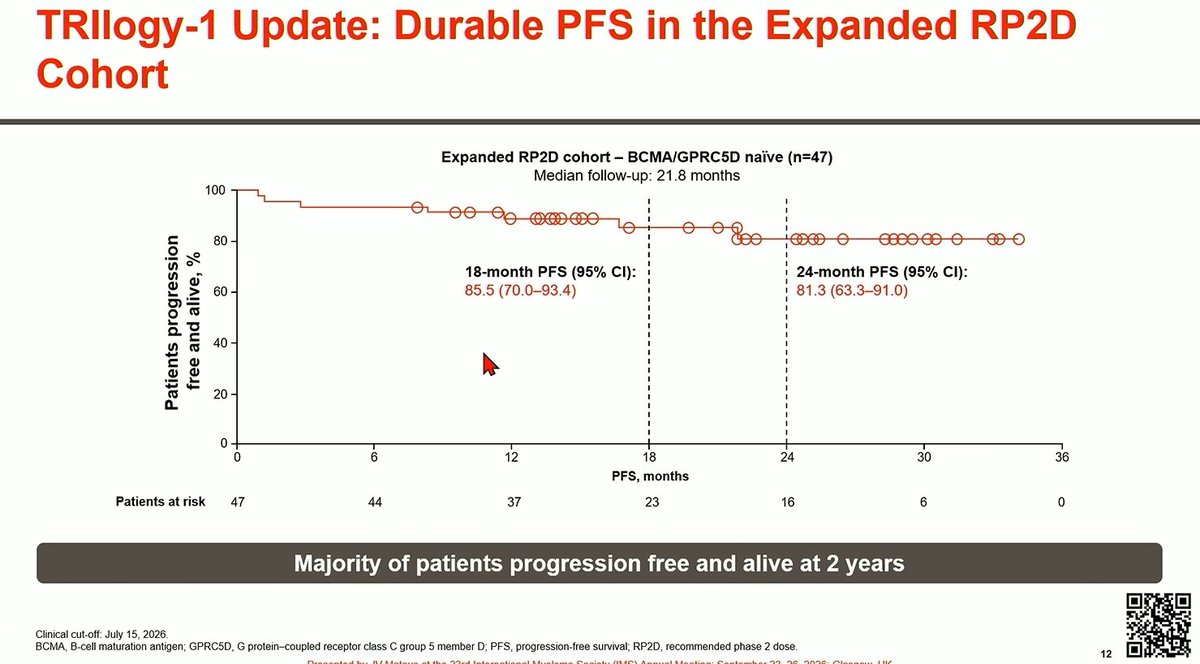
Incredible 2-year PFS with Ramantamig in a ~95% CD38-refractory and 100% triple-class exposed population! These results are substantially superior compared to single-agent BCMA BsAbs and BCMA or GPRC5D CAR Ts in similar population. Based on these results, its plausible that we will see a near-flat PFS curve with Ram in Trilogy-5! #IMS26 @AlGarfall @MileHighMyeloma
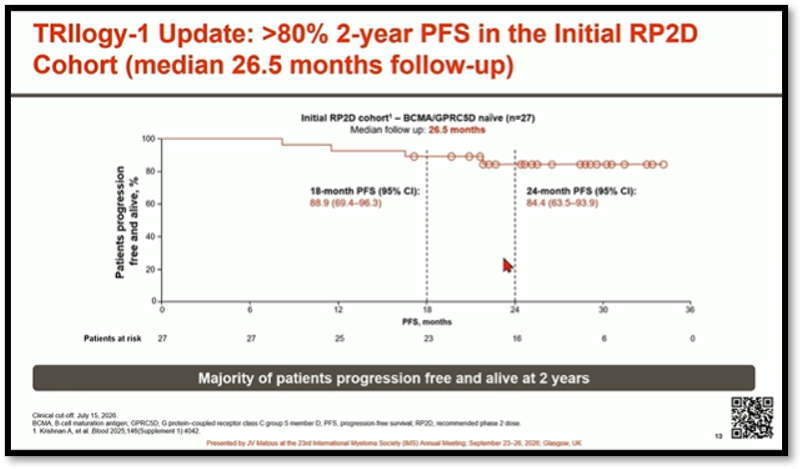

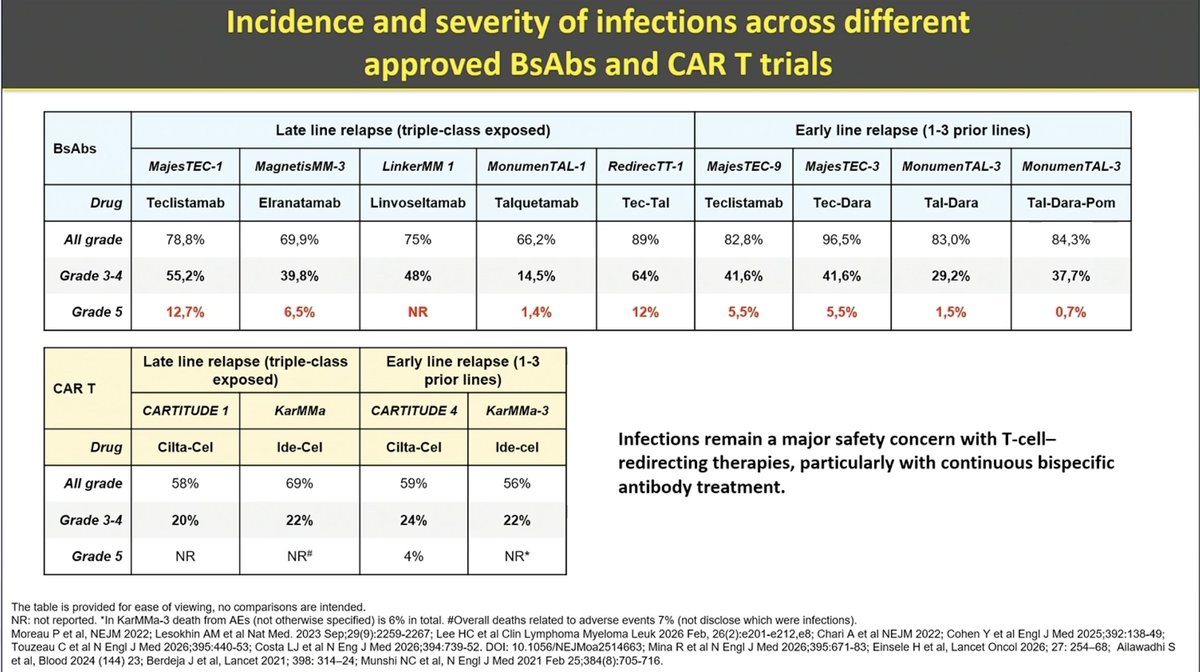
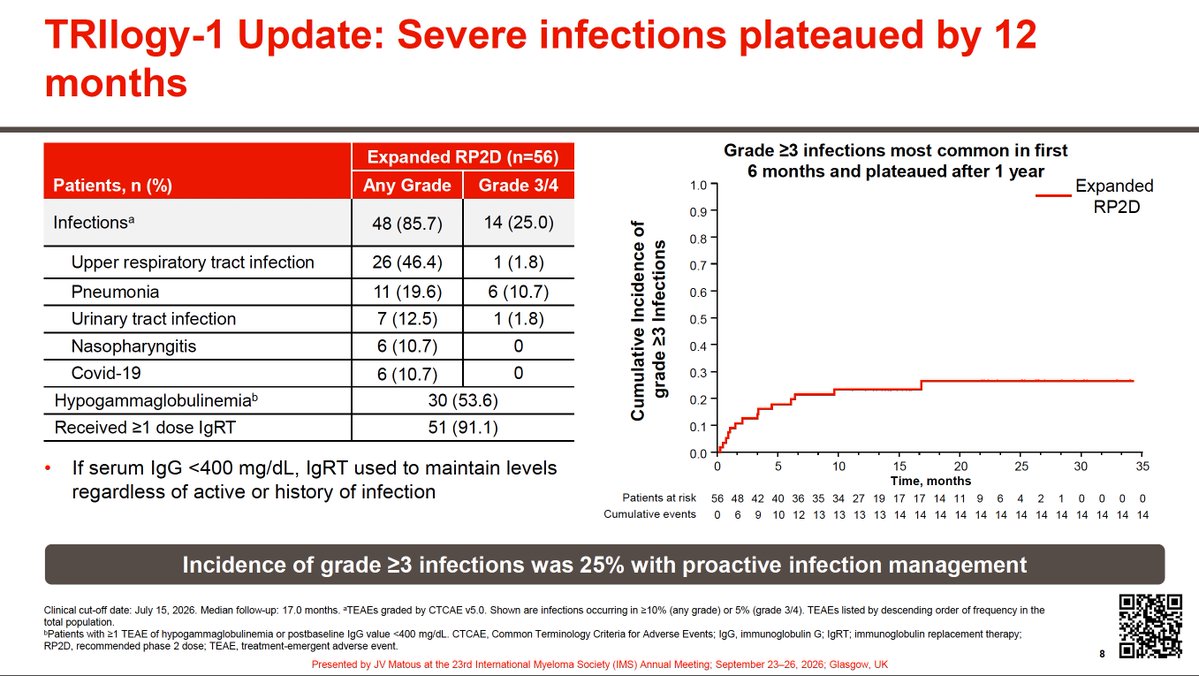
G3 or higher infection was ~25% at 17 month follow up, which is lower than what we have seen with BsAbs thus far, and likely reflects a combination of better primary IVIG ppx uptake and q-4 to 8 weekly dosing. The skin/oral/nail toxicities were there, but not as bad as Talq.
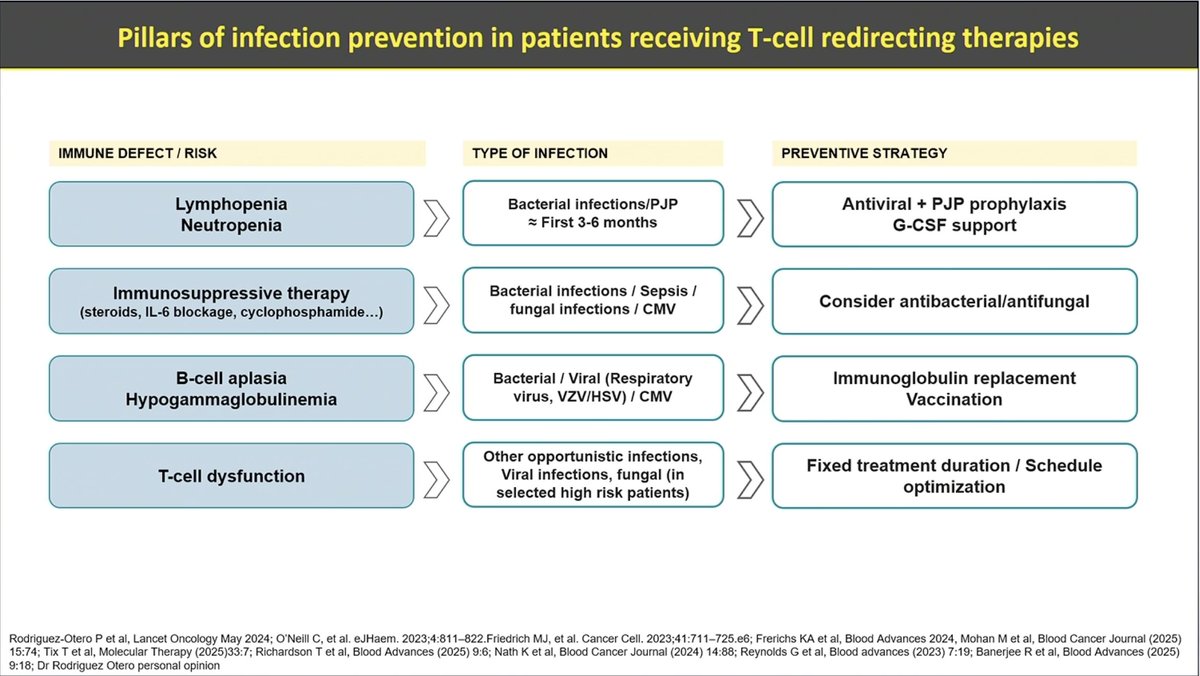
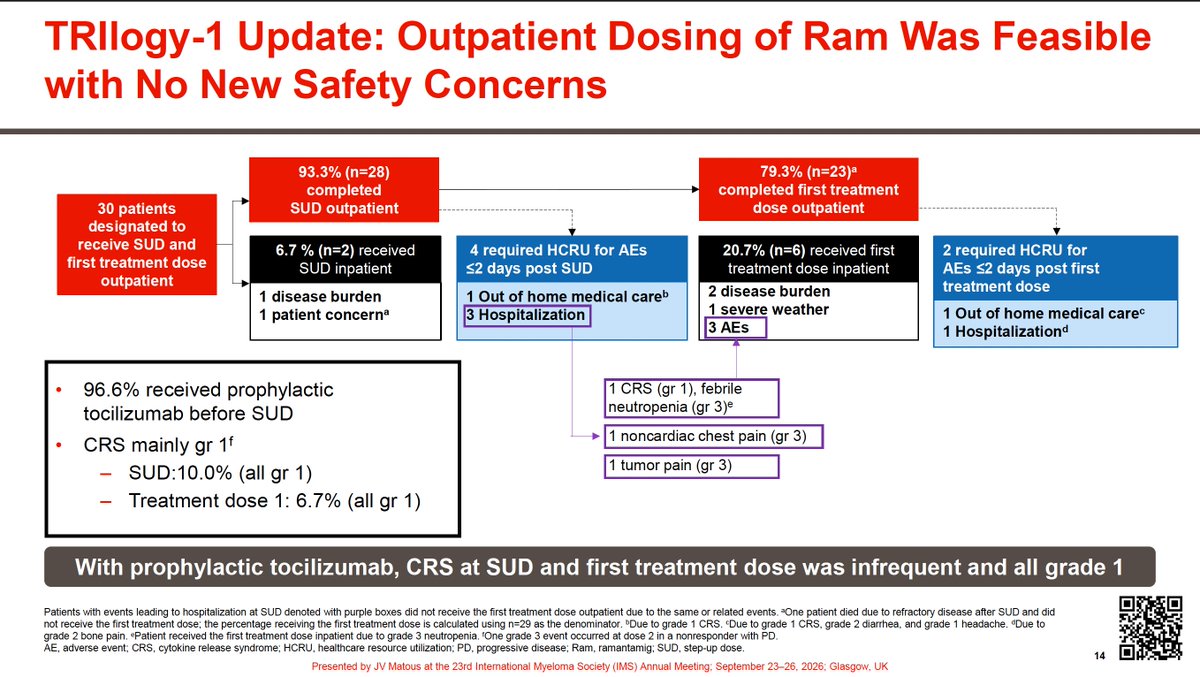
Three things I recommend for using Bispecific antibodies in myeloma: 1) Prophylactic tocilizumab with first dose 2) Monthly IVIG regardless of the IgG level 3) Consider reducing frequency/stopping after excellent response. This applies to all the approved bispecifics: teclistamab, elranatamab, linvoseltamab, and talquetamab. Academic centers with expertise and close monitoring capabilities may skip the prophylactic tocilizumab but in general I do not see community adoption without it. The data on routine IVIG and early use before the IgG levels drop or infections occur is good and sufficient to move forward. It's recommended in NCCN and mSMART. Bispecifics are better at controlling myeloma than standard triplets and quads, but pose a much higher risk of serious life threatening infections without prophylaxis and careful adjustment of dosing schedule based on response and patient characteristics. #IMS26

Thank you for sharing. Regarding prophylactic toci, is the data strong enough to justify its use? I could see hospital stewardship/formulary restrictions being tough on this from a cost perspective What has been your experience?
Yes the data is strong. Not RCT. But strong. That's why it's endorsed in NCCN and mSMART. We don't anticipate coverage denial. Virtually everyone gets severe hypogamma and treatment after that or an infection will cost hospitals and insurers a lot more. And patients suffer.
We were in same boat 2 years back. For inpatient, though, I'd argue cost effectiveness is even stronger! We're down to <5% any-grade CRS with PPx toci. For patients who still need inpatient SUD due to logistics / comorbidities, >95% chance of avoiding extra 🏥 day worth it.
Yes agreed we do this for everyone but it's not a sustainable solution, we need fixed duration bsab.

Agreed 1000%! Bispecific antibodies are highly effective yet carry with significant infection risks that can be prevented. The risk of serious infections can be minimized by monthly IVIg. The risk of severe CRS can be minimized with the use of prophylactic tociluzimab which allows outpatient administration. Both IVIg and toci should be considered part of BsAb therapy for #myeloma

Thanks, Rahul. We have been stopping IVIG based on IgG trend, and it's more a wean than an abrupt stop since endogenous IgG returns gradually and on variable time course. Anecdotally, most pts still need some out to 12m. We will have data on this from LimiTec.
Both costs and time in clinic - IVIG can be a lot. A few of my patients have tried dabbling with SCIG (subcutaneous Ig self-injected at home) but it also seems to be a lot of work and time stuck in a chair… we need better options!
T-cell engagers are dosed like antibodies based on PK/PD data; no fault to anyone but we didn't know better 7-8 yrs ago when drug development of these agents started. We are seeing dosing at Q8W with newer compounds; might even be longer based on binding; this should significantly improve tolerability while no change in efficacy. Thnx @VincentRK for sharing these three critical elements on treating with current biscpefics.

Is efficacy as good as Cilta-cel though :)

I'm interested to know how you infer efficacy based on this data.
I'll tell you in 5 years Raj!
I mean sufficient efficacy to warrant phase 3 trials, for sure. The important context here is the toxicity of cilta-cel

But some of the toxicity didn’t happen in the trial also. I’m not convinced it will be better and that they won’t have AE. I find that hard to believe. They clearly changed protocols and learned as we all have went along.
I appreciate the caveats of early data. I think one key difference is that we looking more closely for NINTs and some of the other toxicity than we were during the early phase cilta-cel trials
If the toxicity is as low as purported, PFS2 is what we will need to look at.

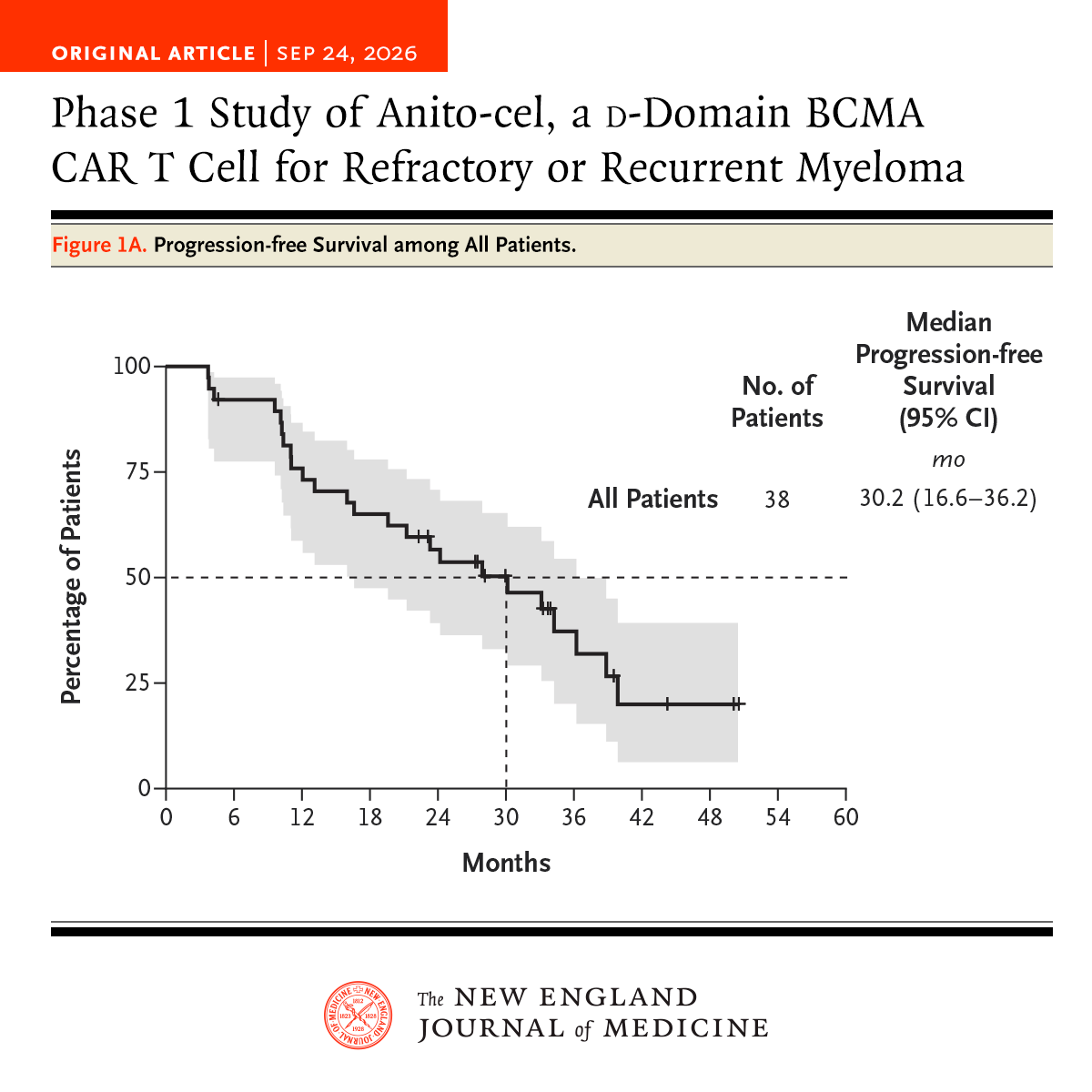
Although immagine 1 vs cartitude 1-> 75% NR to bridge vs 50% NR to bridge. Immagine-> more resistant disease Upper bound 95% CI for immagine falls at 36 mos - median for cartitude at 35mos. This might be a strong data point against immagine. Low N, more data needed though
Yeah, I think the phase 2 data with larger sample size will give more clarity. But toxicity profile looks better for anito-cel thus far.
Cartitude tox data looked ok initially too :), cartitude 4 imid+ dara refractory subgroup pfs was disappointing making me question cartitude-1. Although low N car4 subgrp.
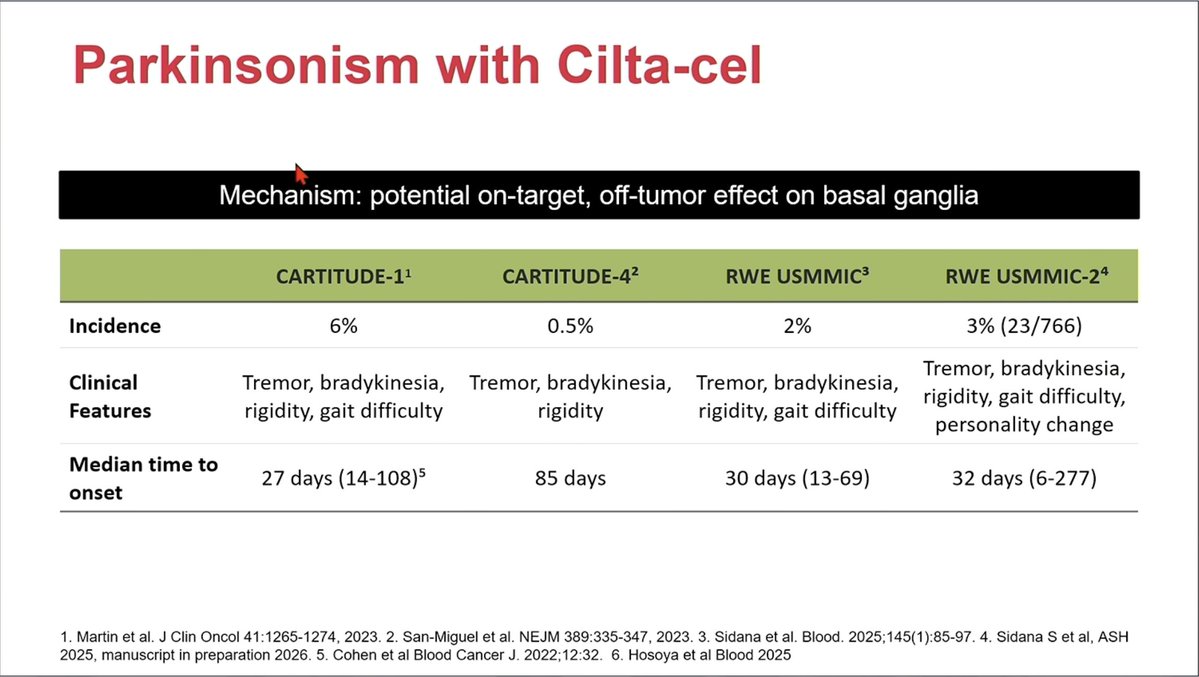
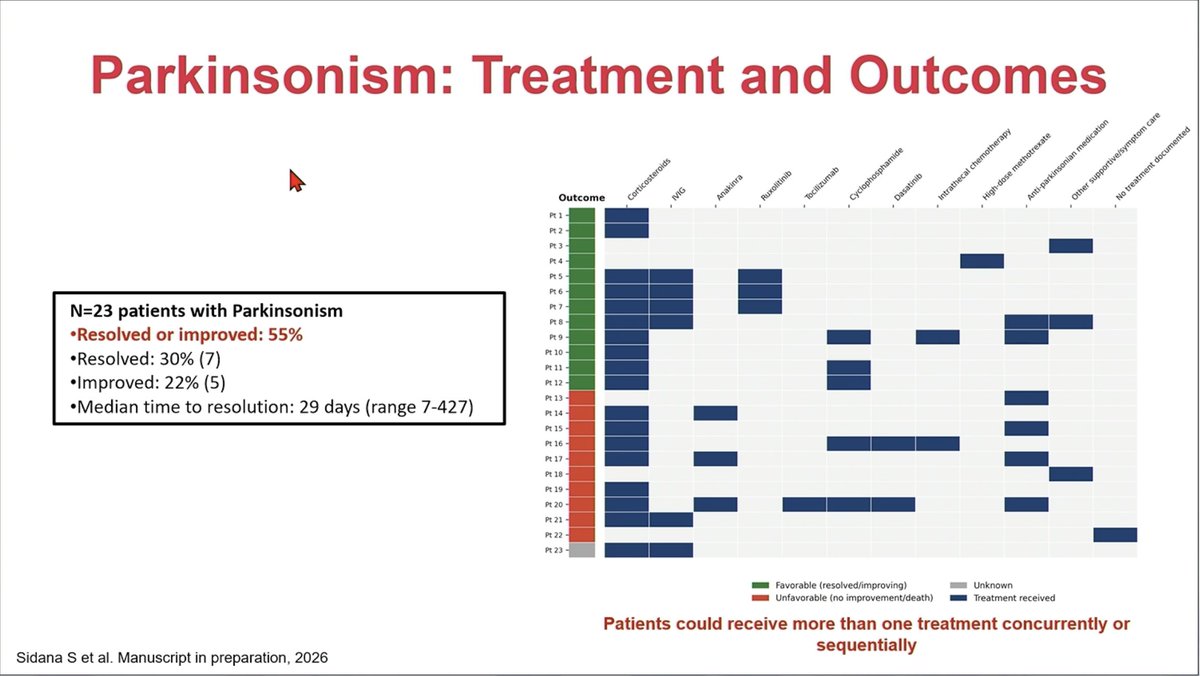
Let’s be honest: this is a negative study. A single 500-mg dose of cyclophosphamide did not reduce delayed neurotoxicity or Parkinsonism—and did not change peak ALC, lymphocyte kinetics, CD4:CD8 ratio, or CAR-T expansion. Mechanistically, it does not make sense. The “peak” cannot be identified prospectively, ALC is only a surrogate, and this dose is unlikely to eliminate rapidly expanding CAR-T cells. The claim of reduced severity comes from a few patients in a nonrandomized observational comparison. Meanwhile, additional cyclophosphamide after Flu/Cy may prolong cytopenia, impair immune recovery, and increase infection risk—outcomes that were not adequately reported. No demonstrated benefit. Real potential harm. This should not become practice. #MultipleMyeloma #Mmsm #Hemetwitter

We must push back against practice changing claims based on nonrandomized data, especially when the mechanism falls short and real potential harm exists. Thank you for analyzing the data rigorously and prioritizing true patient safety.
Yes, this is the conclusion that we presented as well. Sharing negative study so others would not repeat what is already done. Our group is already discussing the next mitigation strategy to test.
There may be differences in immune modulating effects of cytoxan vs DEX as mitigating strategy beyond lympho-reduction which we will examine. However the clinical course for PKS cases responsiveness to treatment could also be due in part to earlier recognition & treatment.

It works for allo transplant. It was a reasonable hypothesis. Cy is only metabolized in lymphocytes.
1/2 Joe—yes, but dose is everything. Standard allo PTCy is 50 mg/kg on days +3 and +4 = 100 mg/kg total. For an 80-kg patient, that is 8 g, versus a single 500-mg dose after CAR-T—a 16-fold difference. I am old enough to remember—and privileged to have learned this directly from Dr. E. Donnall Thomas. In the 1970 Storb–Thomas canine study, Cy 5 or 7.5 mg/kg on days +1, +3, +6, +11 and then weekly failed to prevent lethal GVHD; 10 mg/kg produced severe marrow aplasia.[1] 2/2 A later human trial used Cy 7.5 mg/kg on days +1, +3, +5, +7, +9 and then weekly. It was inferior to cyclosporine: acute GVHD 68% vs 32%.[2] One mechanistic point: Cy is activated predominantly in the liver—not only in lymphocytes. Its selectivity reflects the vulnerability of proliferating alloreactive T cells and relative ALDH-mediated protection of hematopoietic stem cells and certain lymphocyte subsets. High-dose PTCy working in allo does not validate one 500-mg dose after cilta-cel. References: Storb R, Graham TC, Shiurba R, Thomas ED. Transplantation. 1970;10:165–172. doi:10.1097/00007890-197008000-00003. Santos GW, et al. Clin Transplant. 1987;1:21–28. doi:10.1111/j.1399-0012.1987.tb00685.x. Luznik L, et al. Biol Blood Marrow Transplant. 2008;14:641–650. doi:10.1016/j.bbmt.2008.03.005. Bolaños-Meade J, et al. N Engl J Med. 2023;388:2338–2348. doi:10.1056/NEJMoa2215943.
Yi—I agree that cyclophosphamide and dexamethasone have different immunomodulatory effects. My point is not that they are interchangeable, but that current evidence does not support either as routine prophylaxis. Dexamethasone broadly suppresses inflammatory transcription and cytokine production; it does not shut down all transcription. Delayed IEC-parkinsonism appears biologically distinct from CRS and acute ICANS and may involve persistent CAR-T cells in blood/CSF and T-cell infiltration of the basal ganglia. Consistent with this biology, prophylactic dexamethasone did not meaningfully reduce lymphocyte expansion or the incidence of delayed neurotoxicity or parkinsonism. Similarly, a single 500-mg dose of cyclophosphamide did not alter peak ALC, lymphocyte kinetics, CAR-T expansion or overall delayed-neurotoxicity incidence. The apparent reduction in severity could reflect earlier recognition and treatment in a nonrandomized study, as you suggest. The important next step is to determine whether any subgroup truly benefits—based on the neurologic phenotype, CAR-T expansion rather than ALC alone, CAR-T cells in CSF, early neurologic changes and timing of intervention. This requires prospective controlled study. References: Lim et al. Blood Cancer Journal. 2026. doi: 10.1038/s41408-026-01598-5 Van Oekelen et al. Nature Medicine. 2021. doi: 10.1038/s41591-021-01564-7
Slides & Infographics by Trial
Highlights from every slide and infographic shared by the myeloma community, organized by clinical trial and newest first within each — swipe or use the arrows to browse. Tap "View OCR Text" for a full-text transcription of any slide. Click a card to open the original post.

 Sep 25
 Sep 24
 Sep 24


 Sep 24
 Sep 24

 Sep 24


 Sep 24


 Sep 23


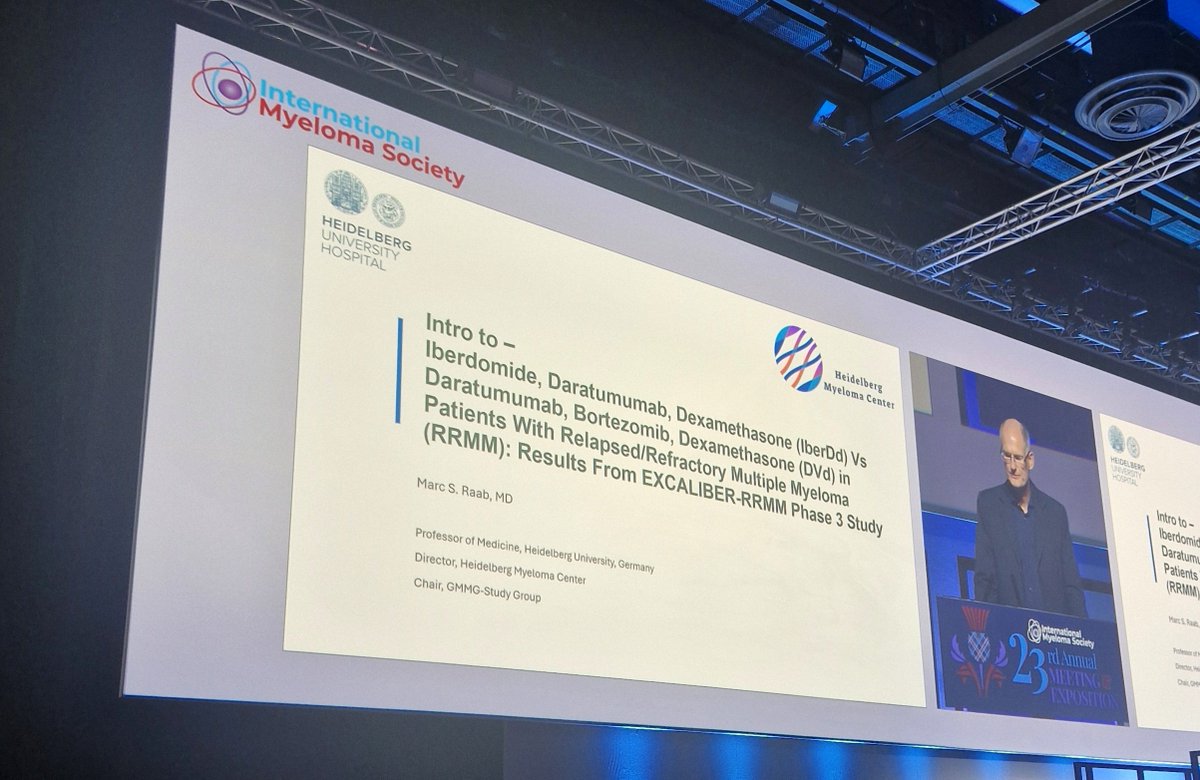

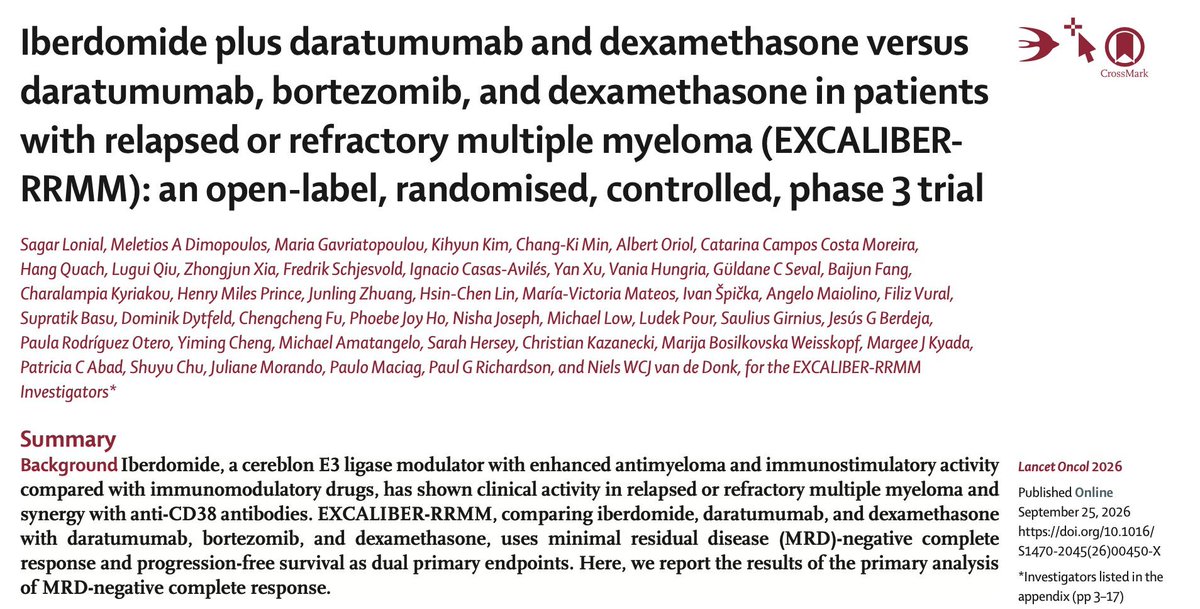
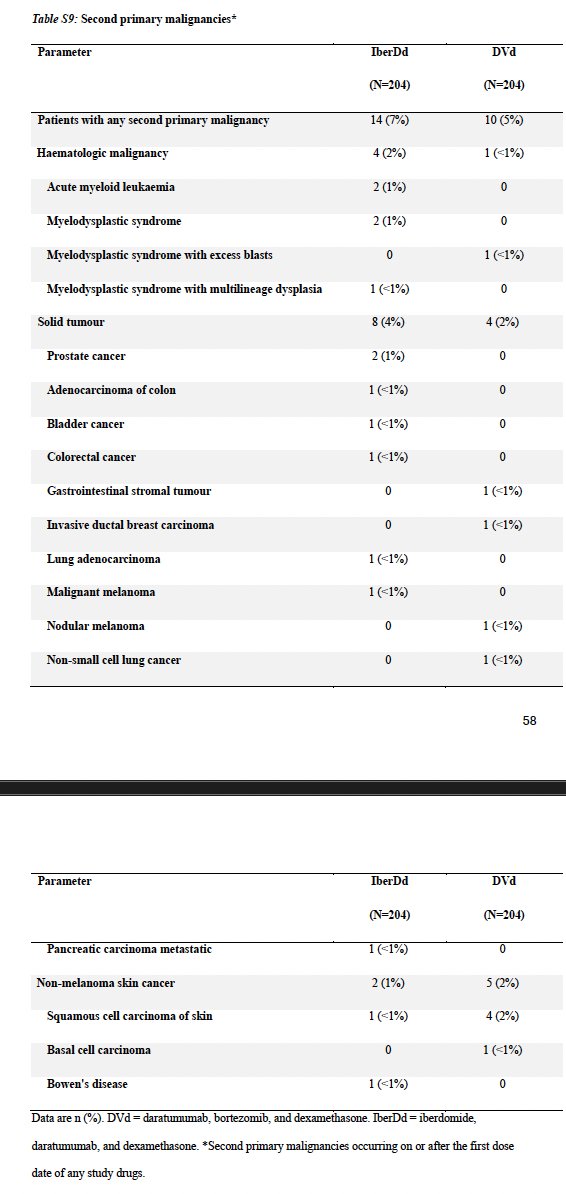
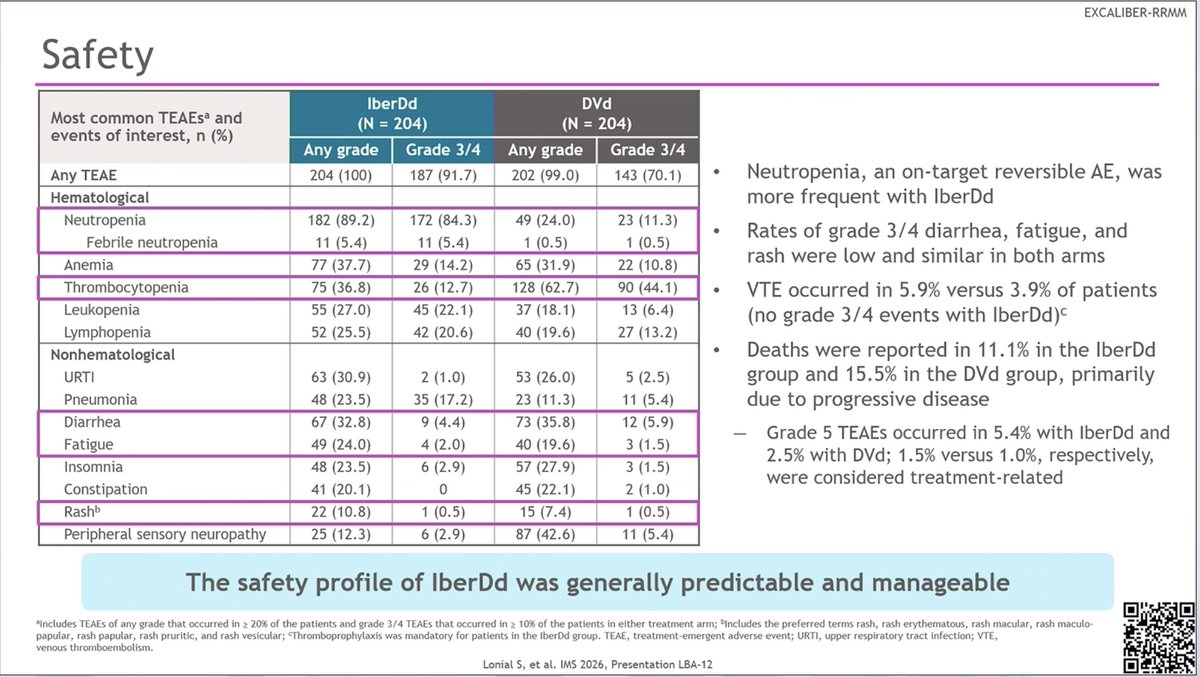





 Sep 21
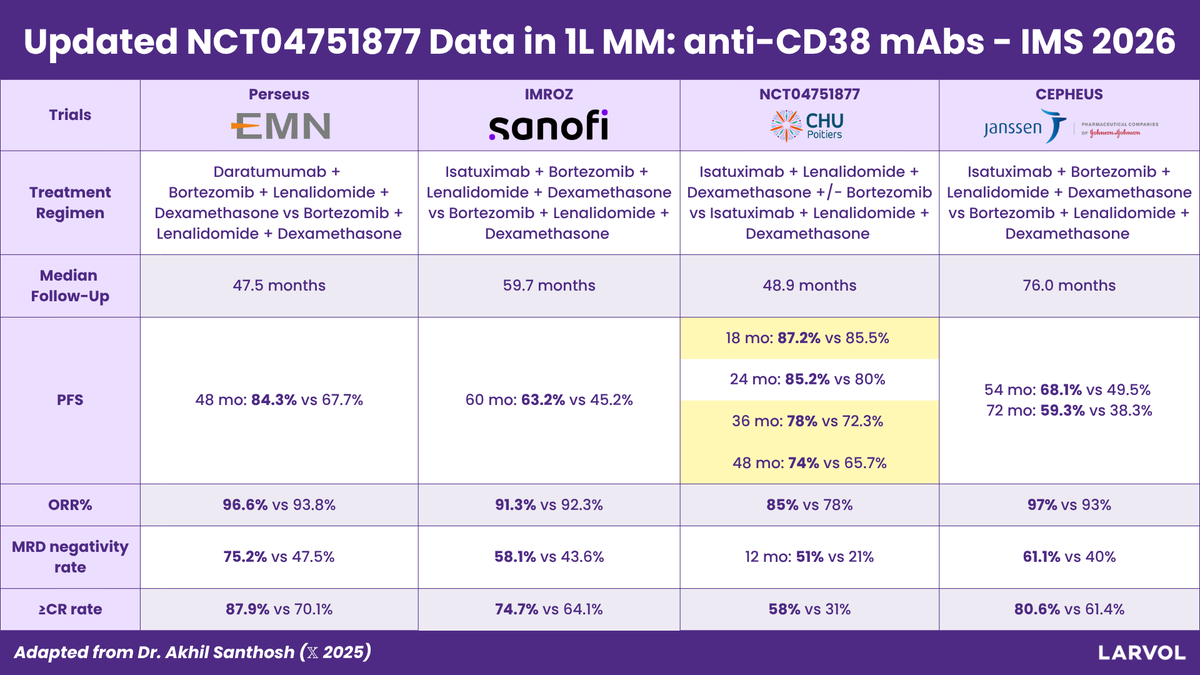
TRIlogy-1
10 slides
Sep 24

 Sep 24
 Sep 24
 Sep 24


 Sep 24

 Sep 24

 Sep 24





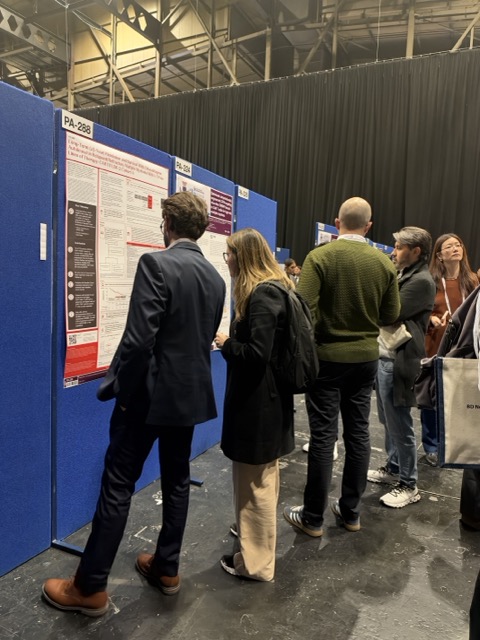
CARTITUDE-2 Cohort A
8 slides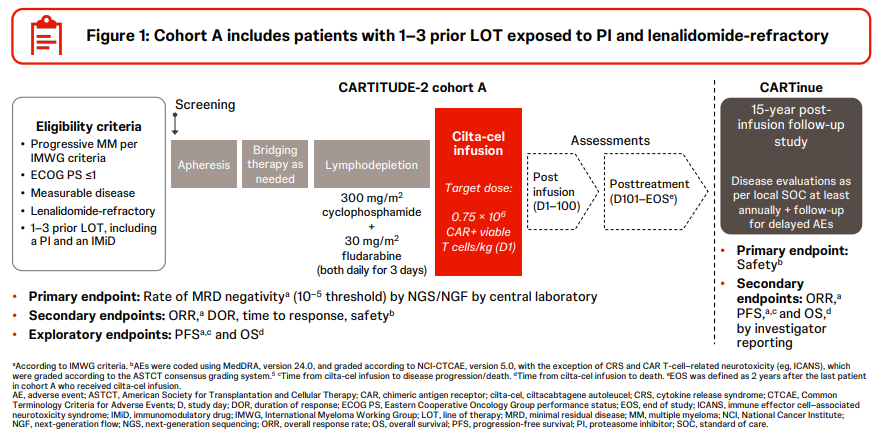
 Sep 25



CAMMA 1
7 slides
Sep 24


 Sep 23

 Sep 23


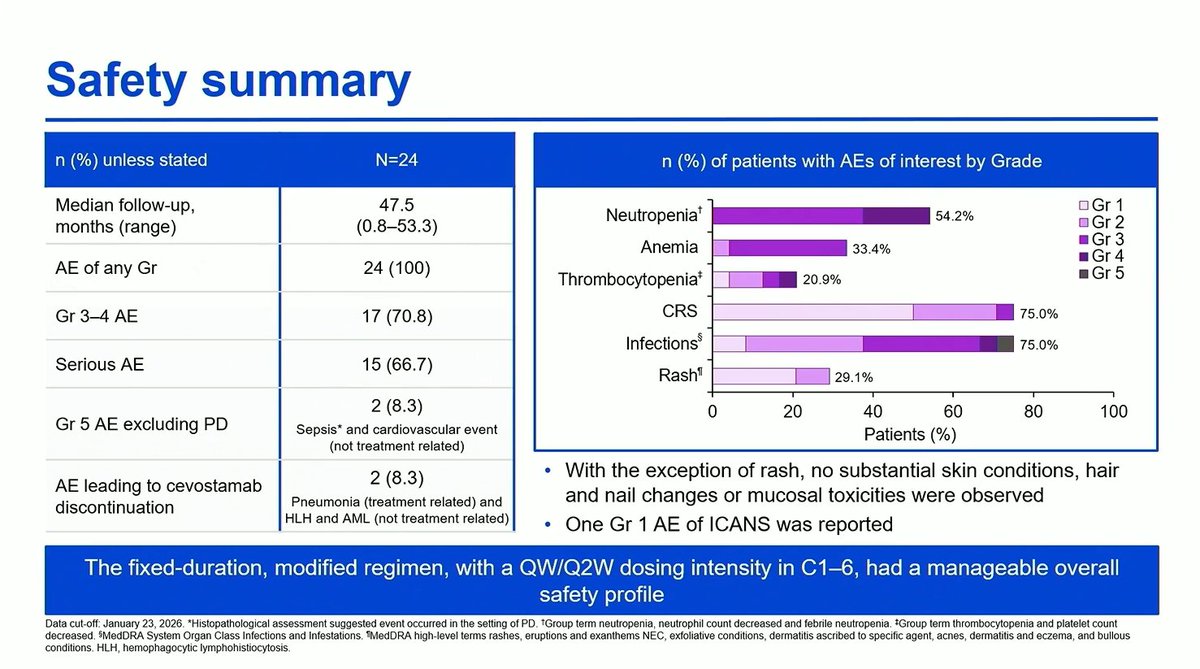

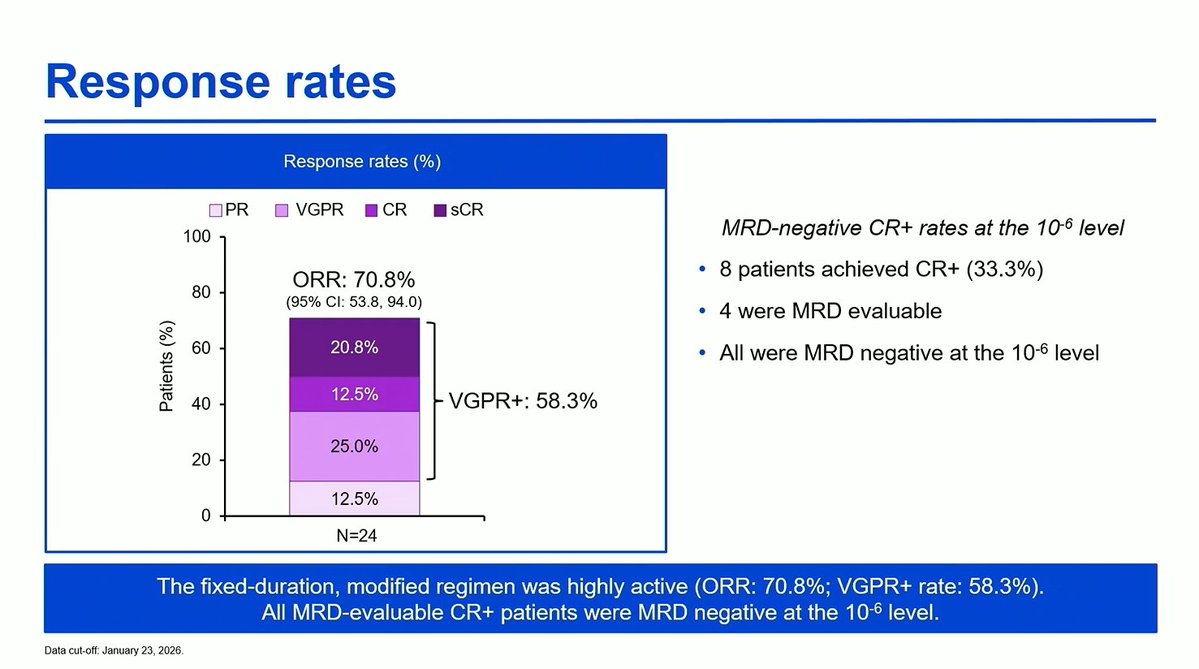
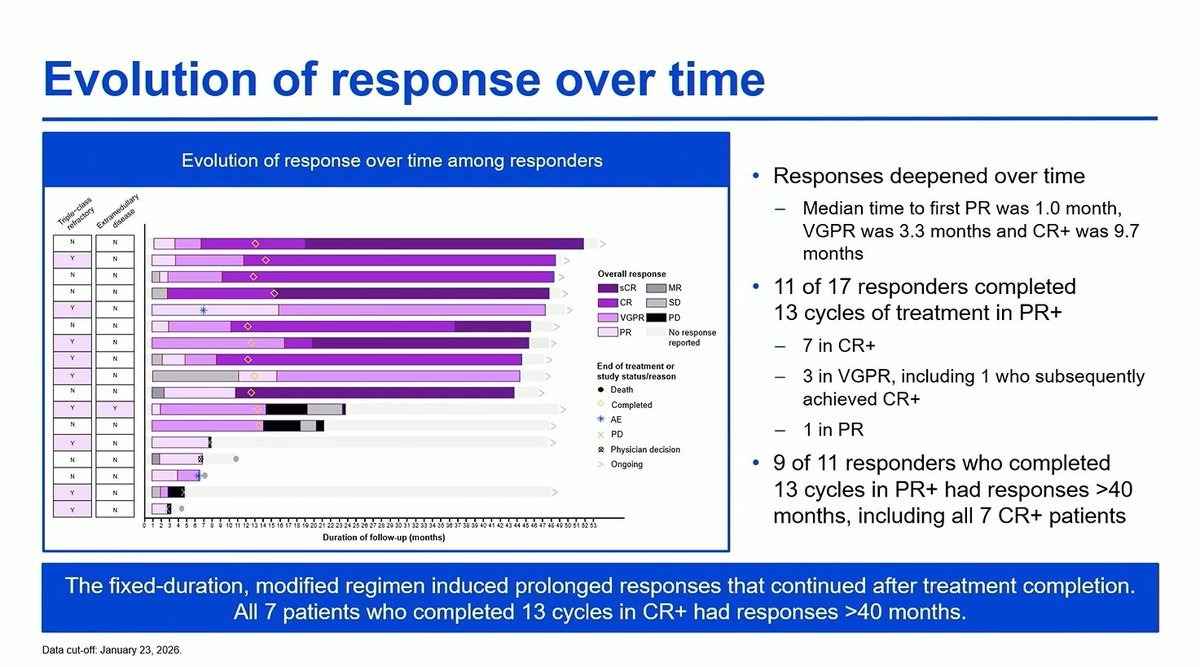
 Sep 24
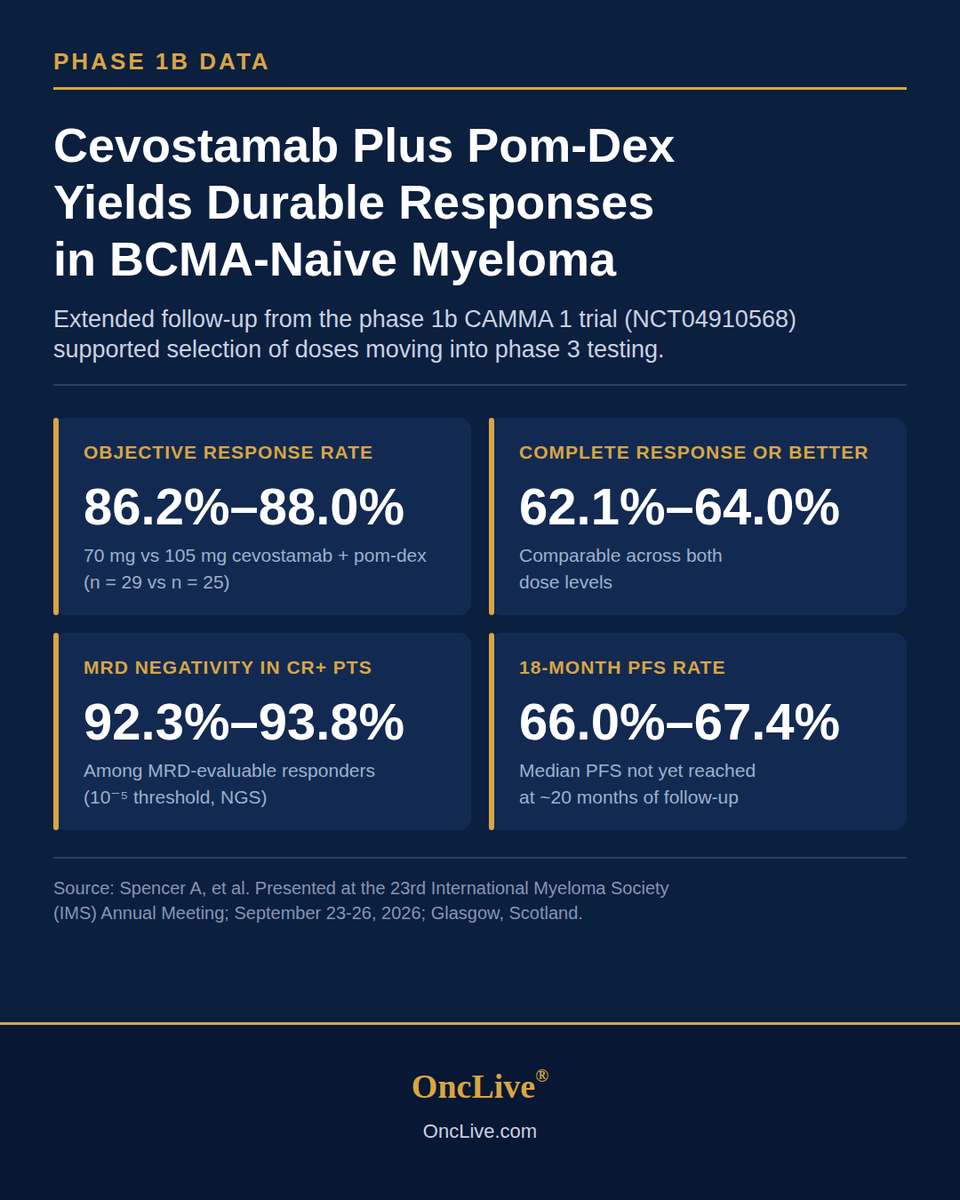 Sep 24

 Sep 23


 Sep 25
 Sep 25
Sep 23
Sep 25
Sep 23
 Sep 23


 Sep 23


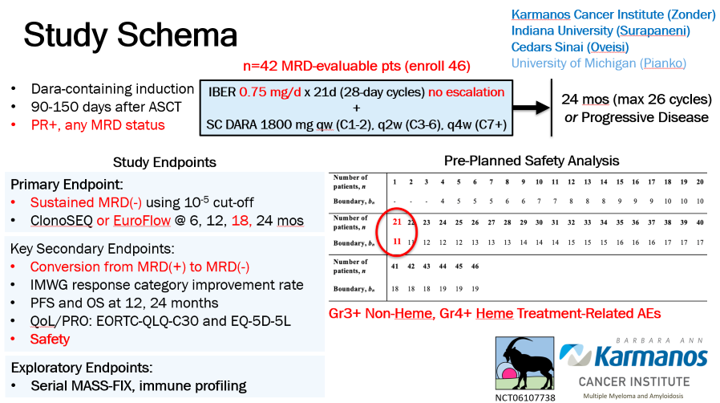
IBEX
6 slides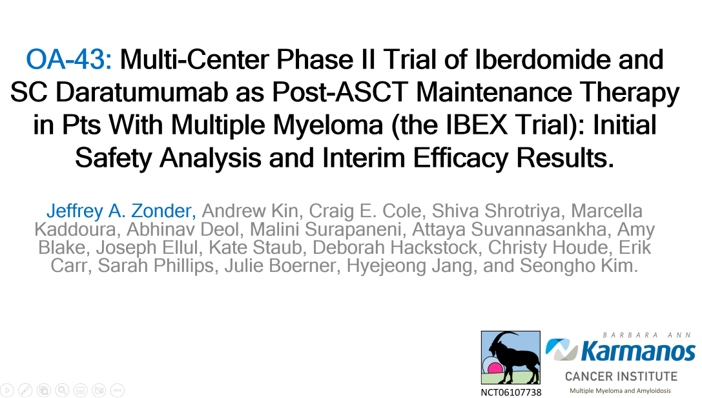
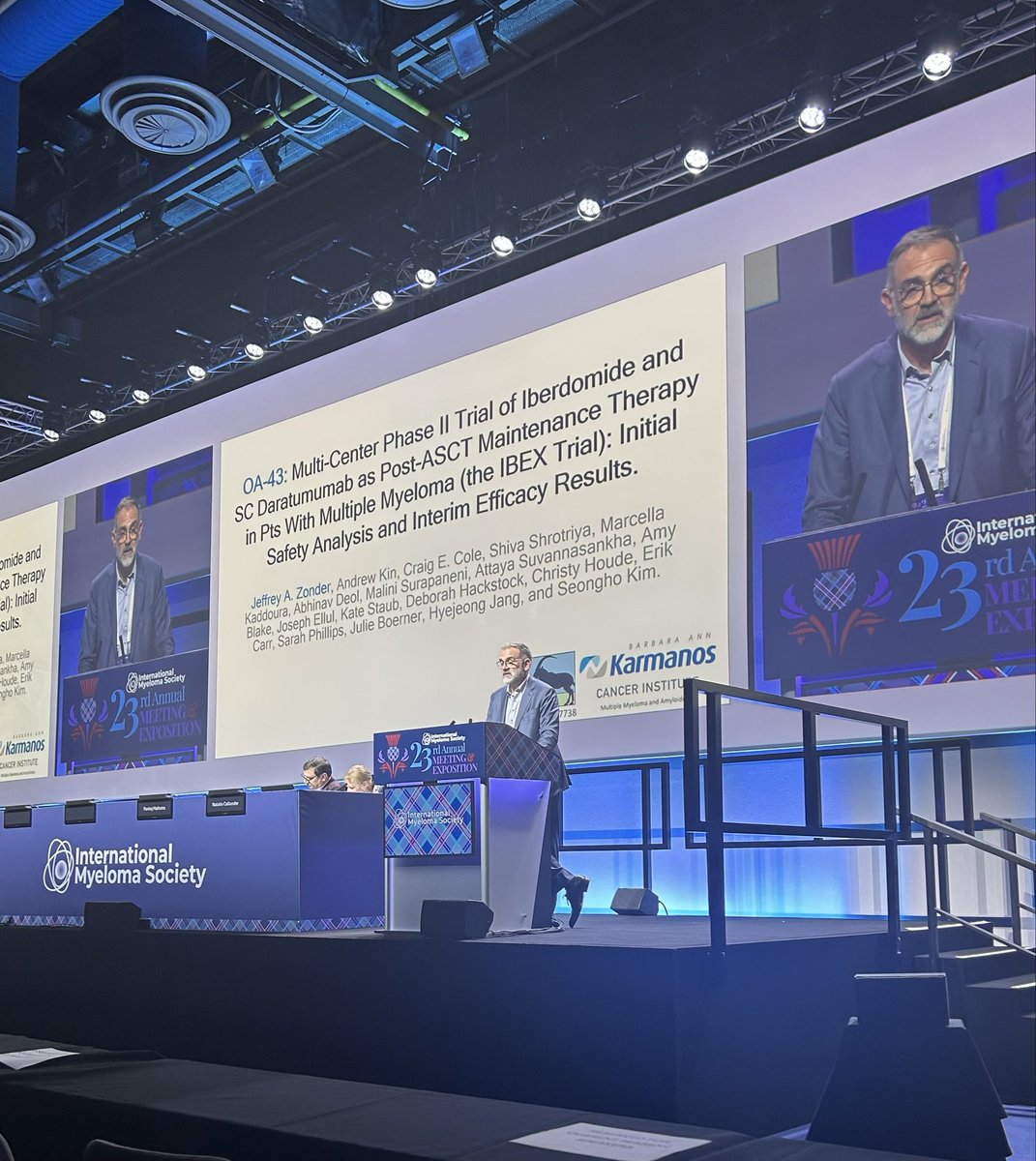 Sep 24


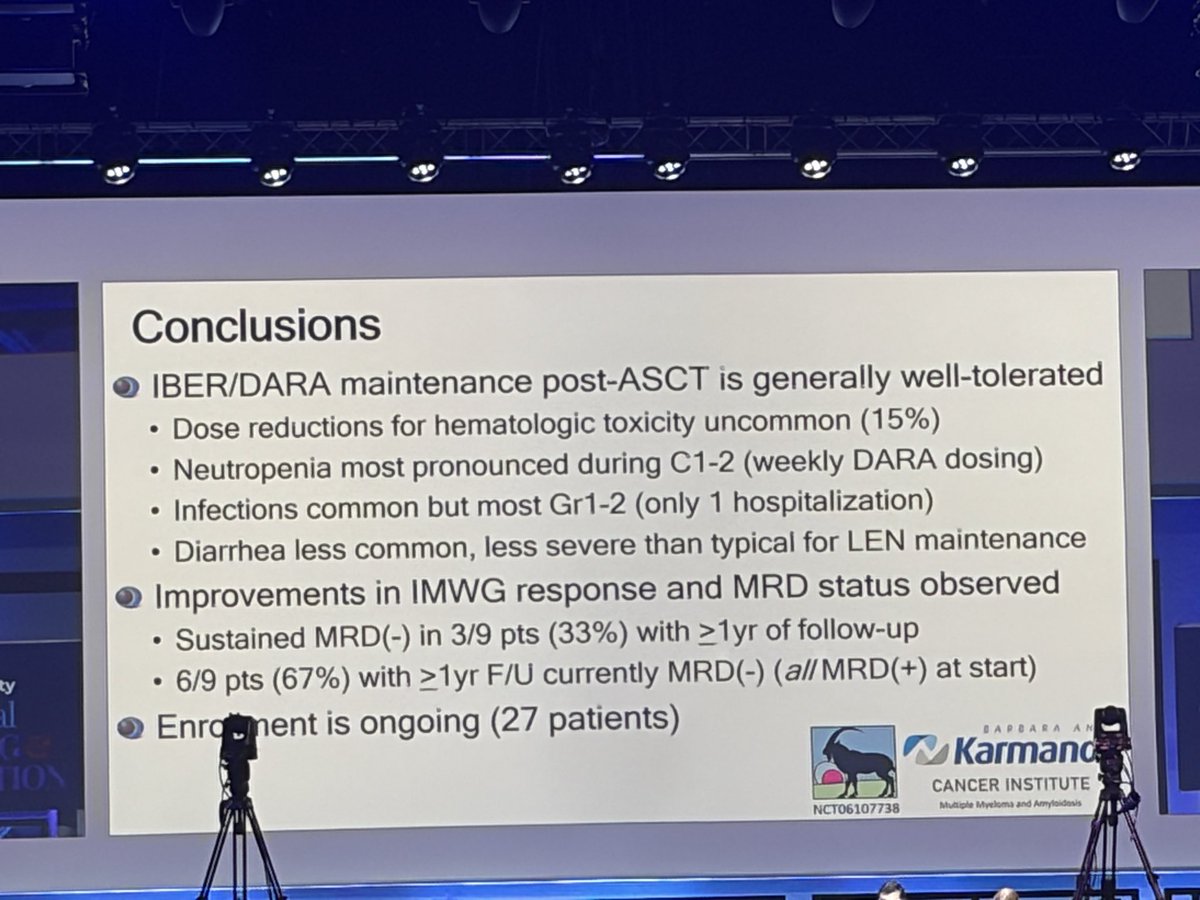 Sep 21

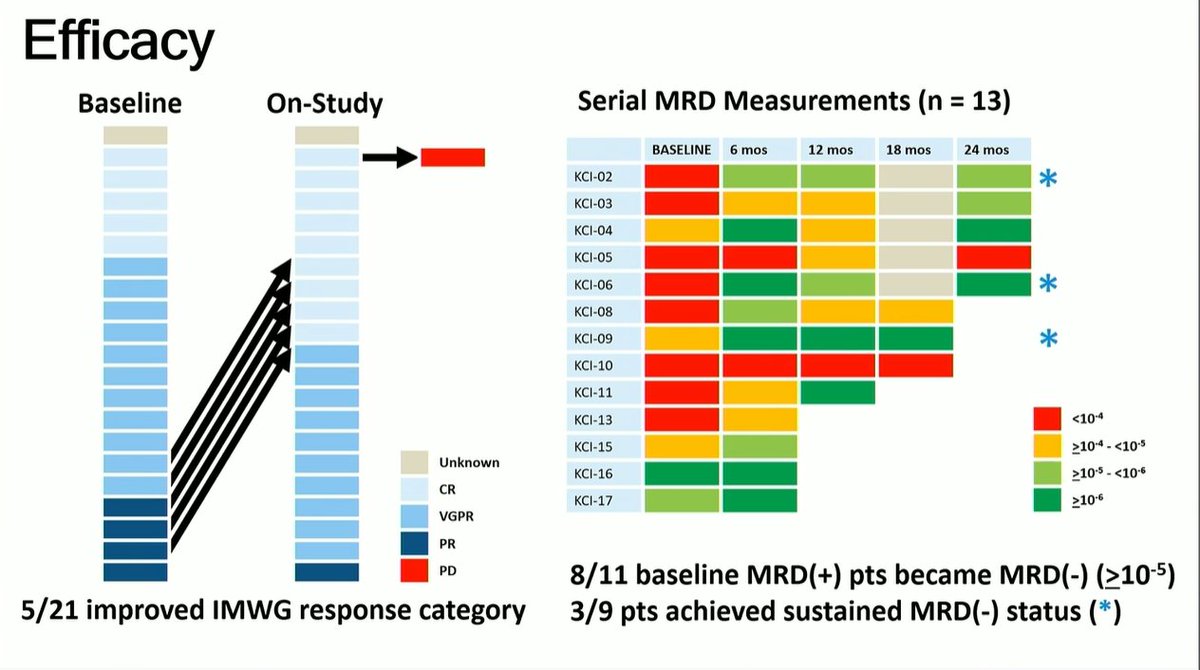
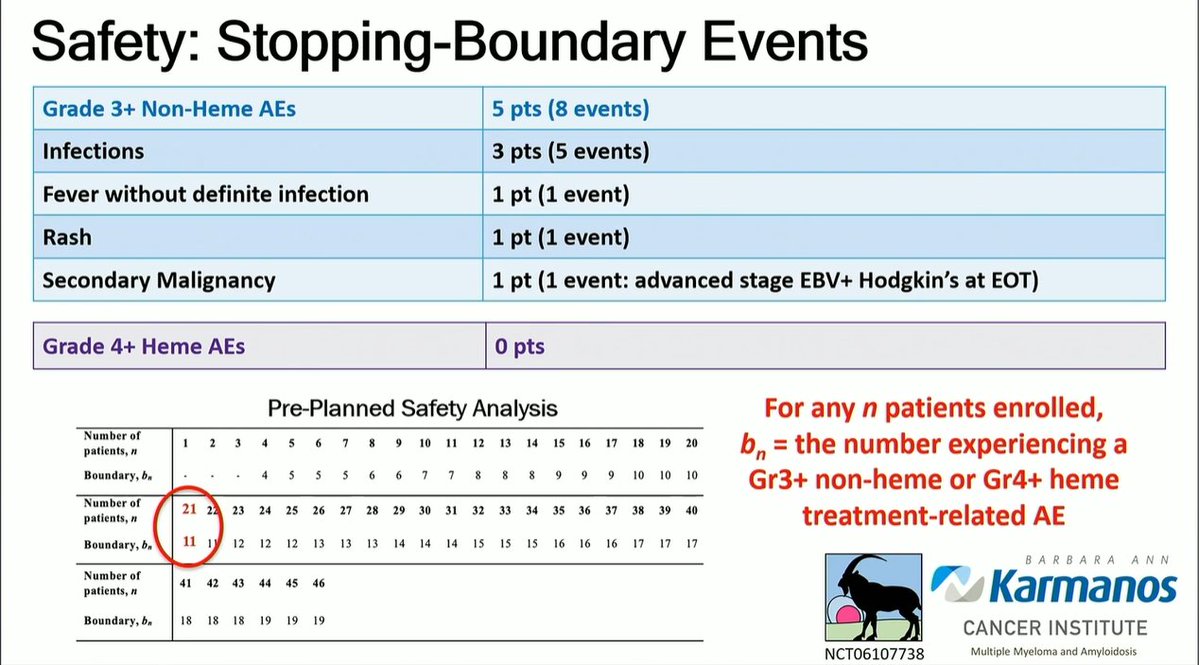
MELT-MM
5 slides Sep 23

 Sep 23
 Sep 23


 Sep 23




 Sep 21
 Sep 25
Sep 23
Sep 23
Sep 25
Sep 23
Sep 23
Sep 25
Sep 25
Sep 23
Sep 23
Sep 25
Sep 23
Sep 23
GEM2014MAIN
4 slides
Sep 24


 Sep 21
Anito-cel-Phase1
4 slides

 Sep 24


LINKER-SMM1
4 slides
 Sep 24
 Sep 23
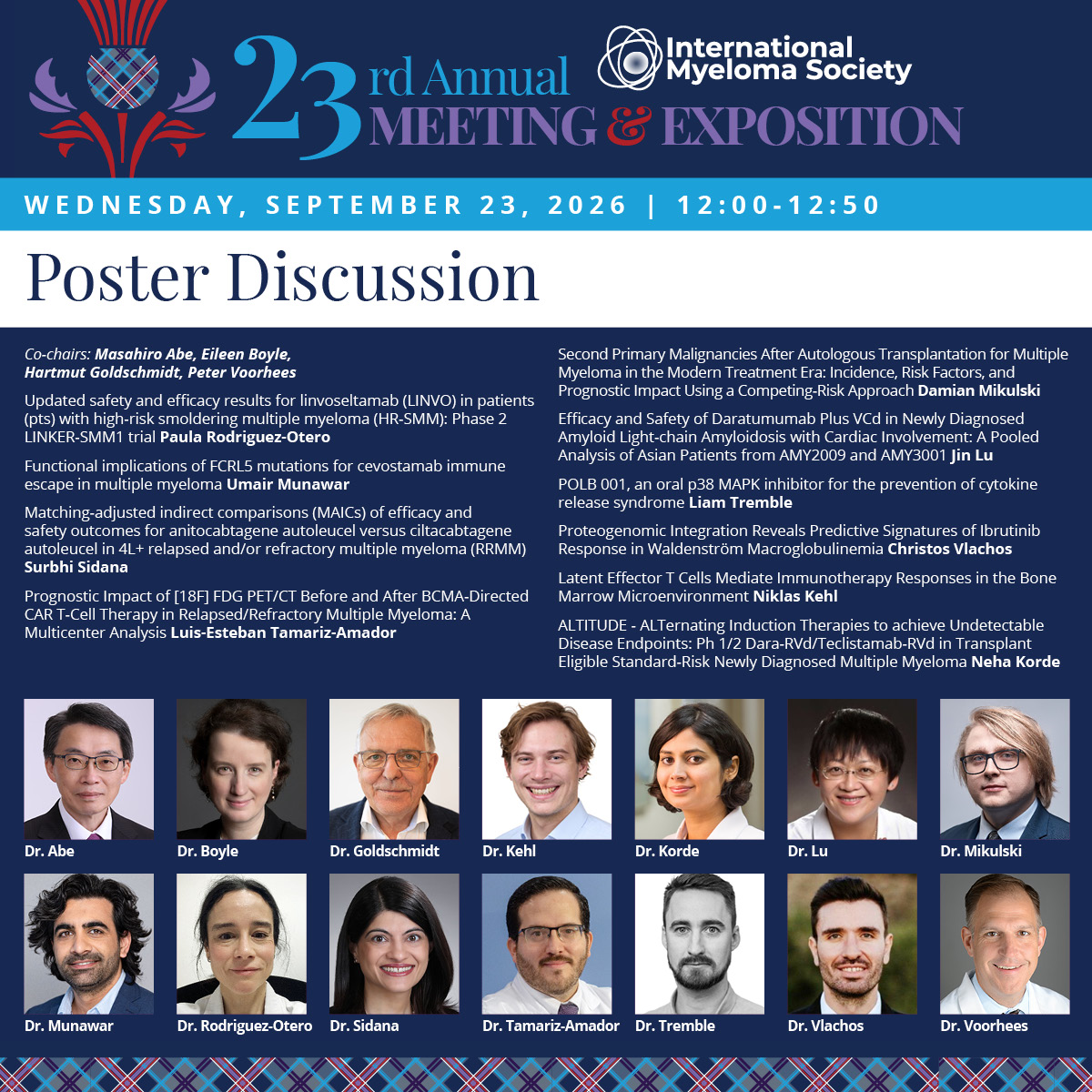 Sep 21
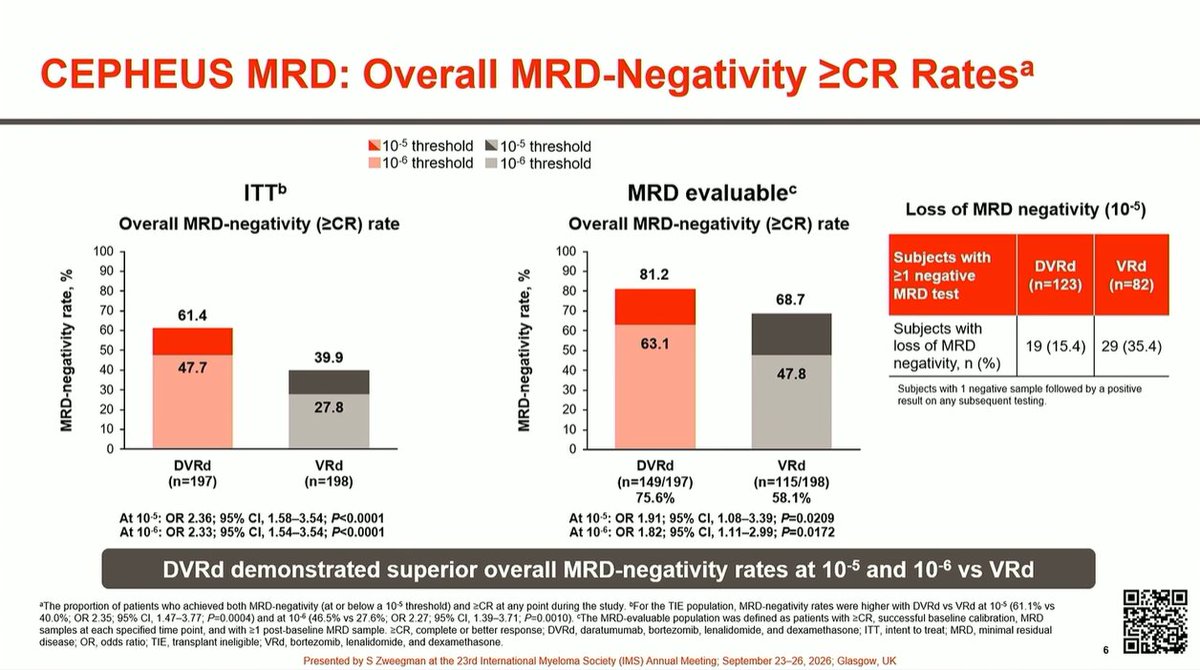
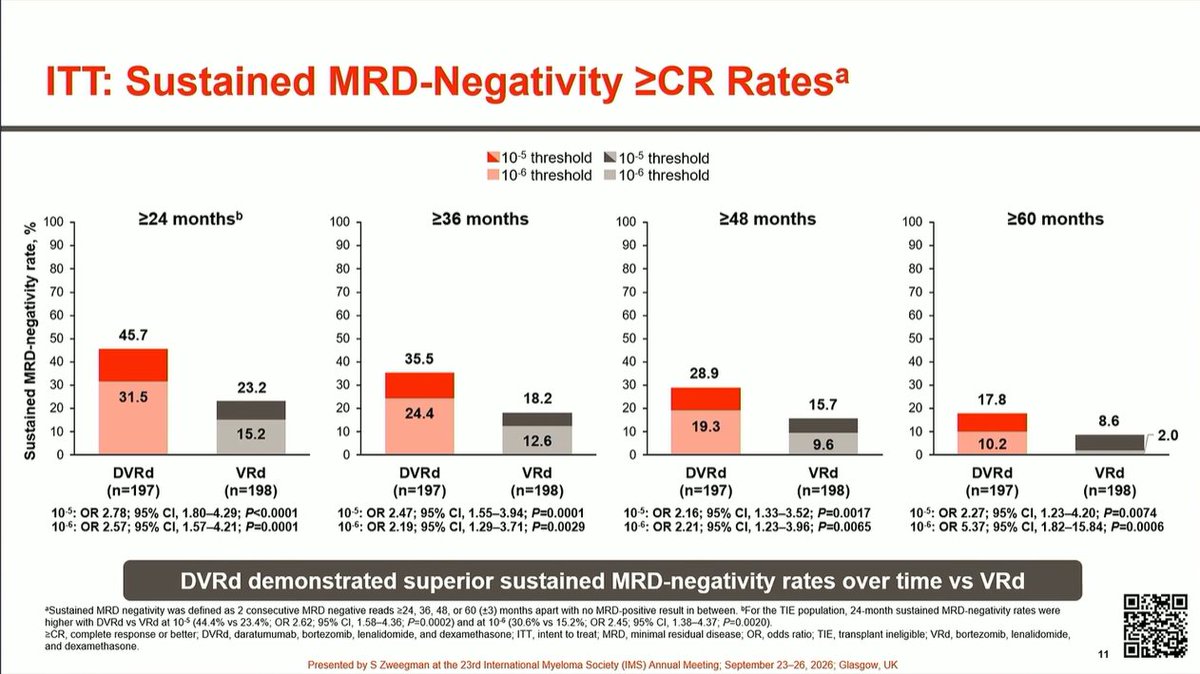
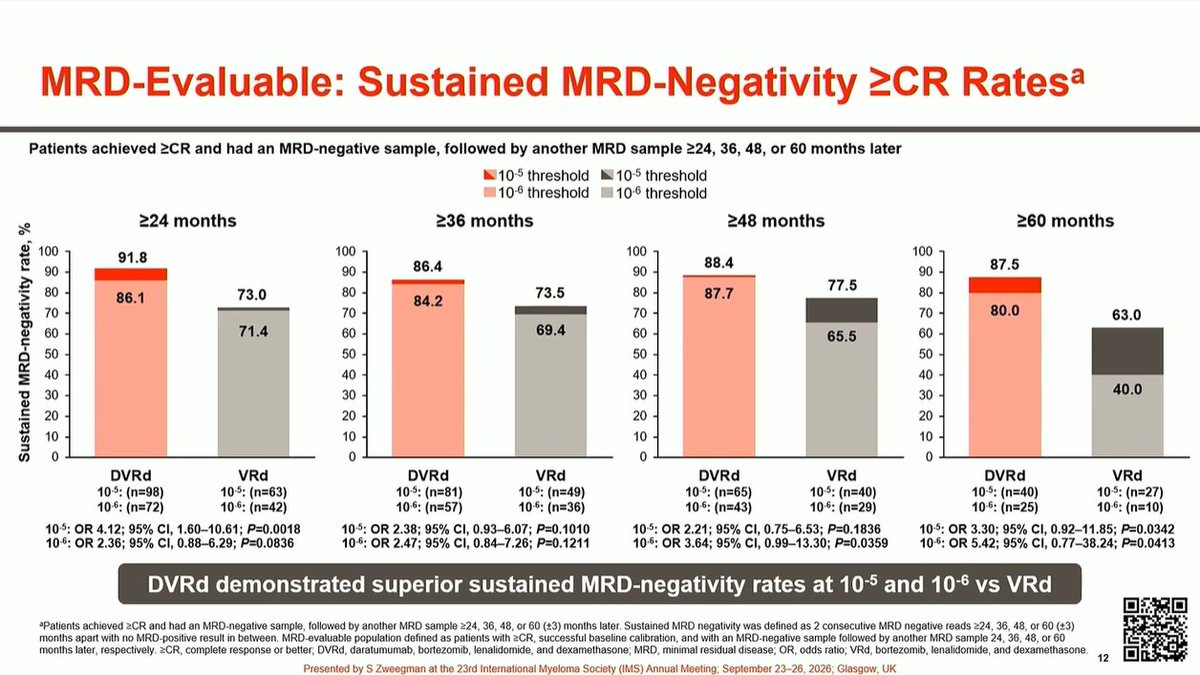
 Sep 21
ProMMise
3 slides
Sep 23
 Sep 23

 Sep 23

UKMRA RADAR
3 slides
Sep 24



 Sep 24
Sep 23
Sep 24
Sep 23
 Sep 23

ELLEN
2 slides
Sep 23
Sep 23
TRIlogy-6
2 slides
Sep 23
Sep 23
DURGA-6
2 slides
Sep 23
Sep 23
iMMagine-6
2 slides
Sep 23
Sep 23
Sep 23
Sep 23
Sep 23
IZALCO
2 slides
Sep 24


 Sep 24

 Sep 25
Sep 22
Sep 25
Sep 22
 Sep 23
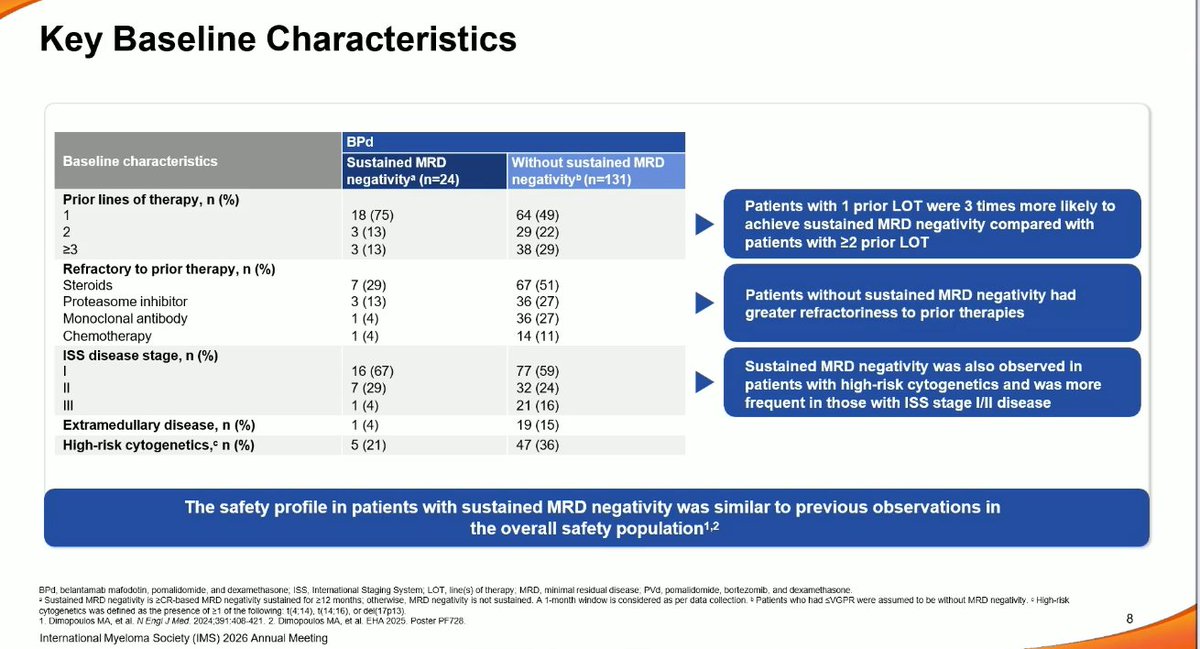
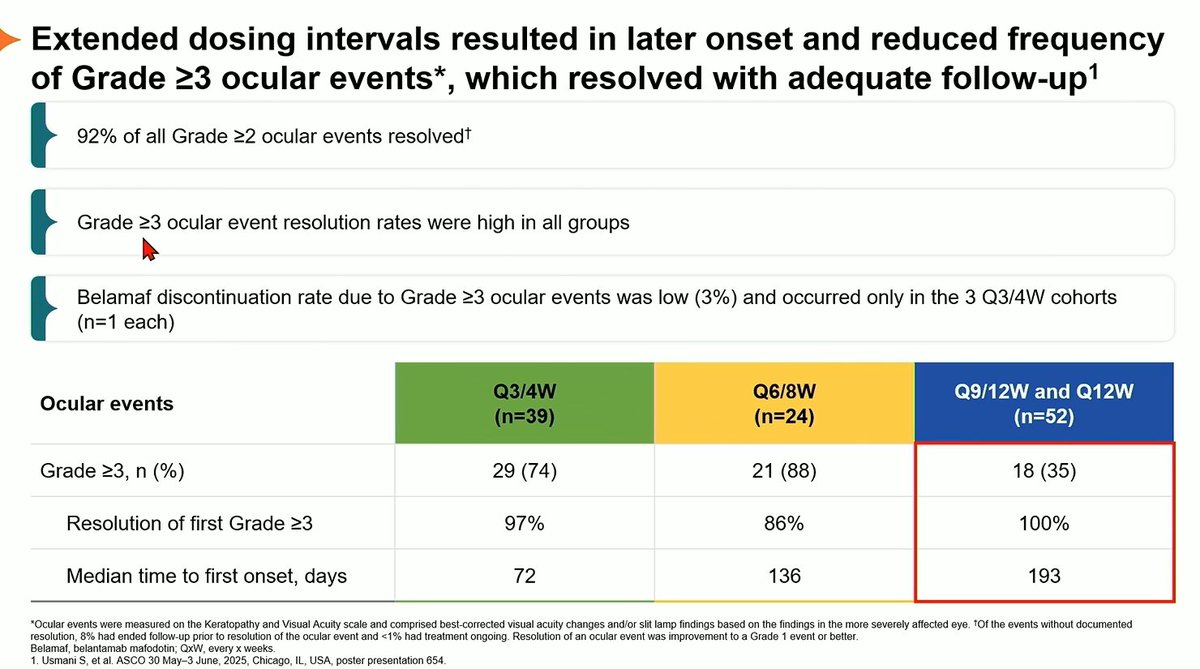
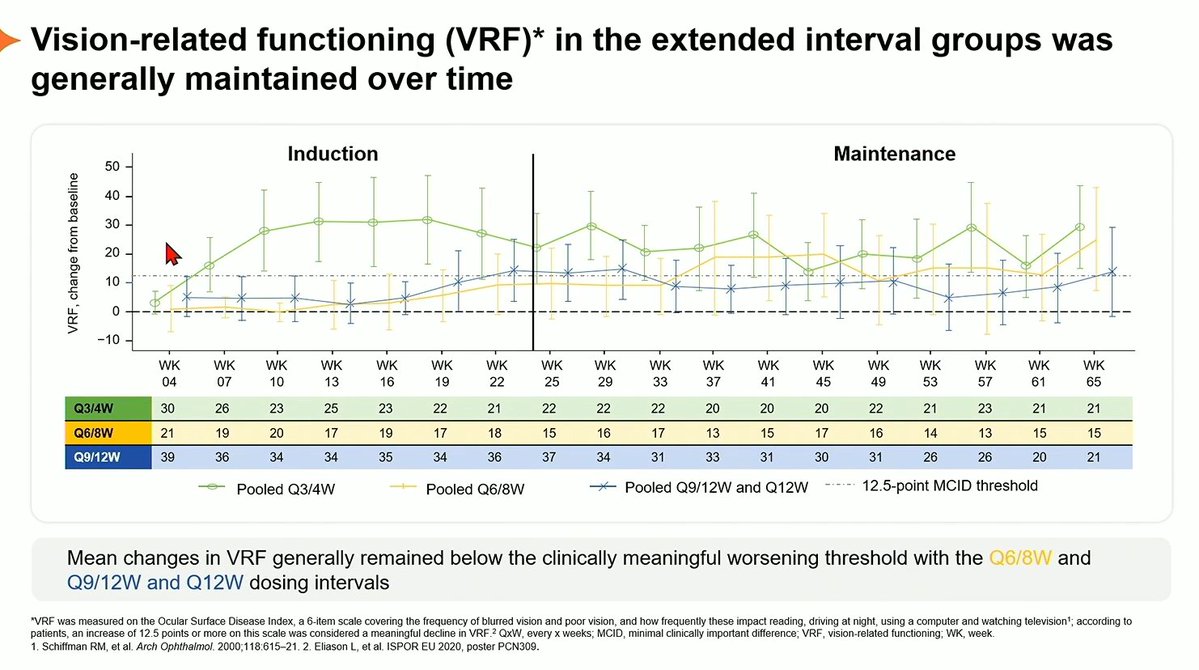
DREAMM-9
2 slides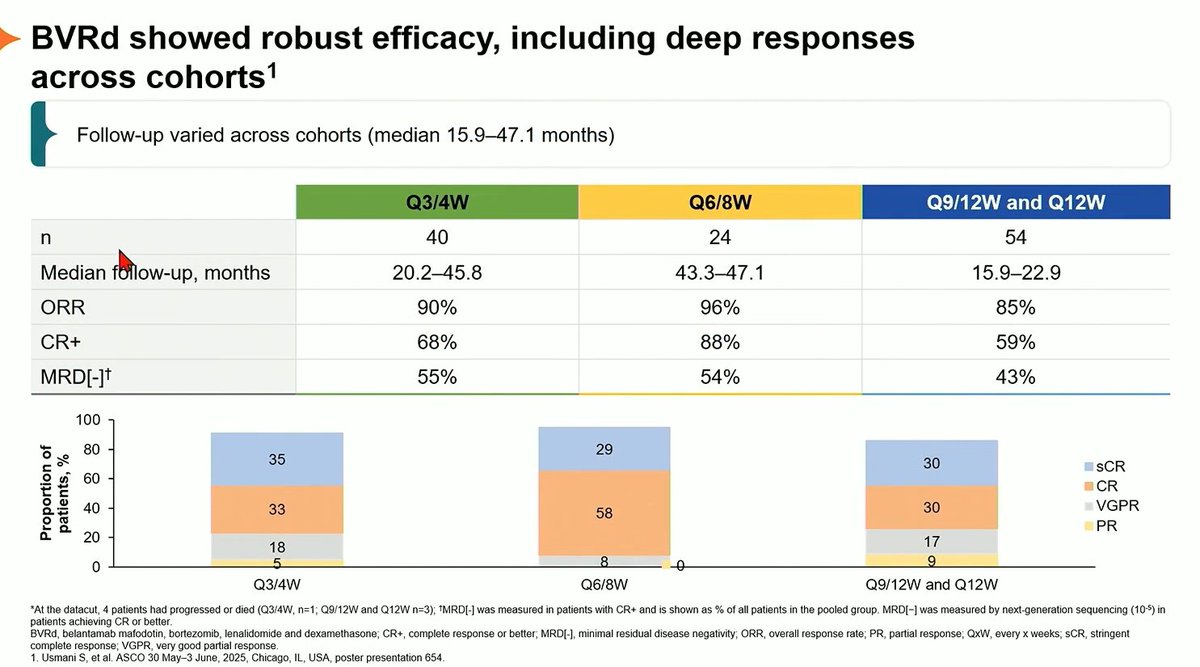
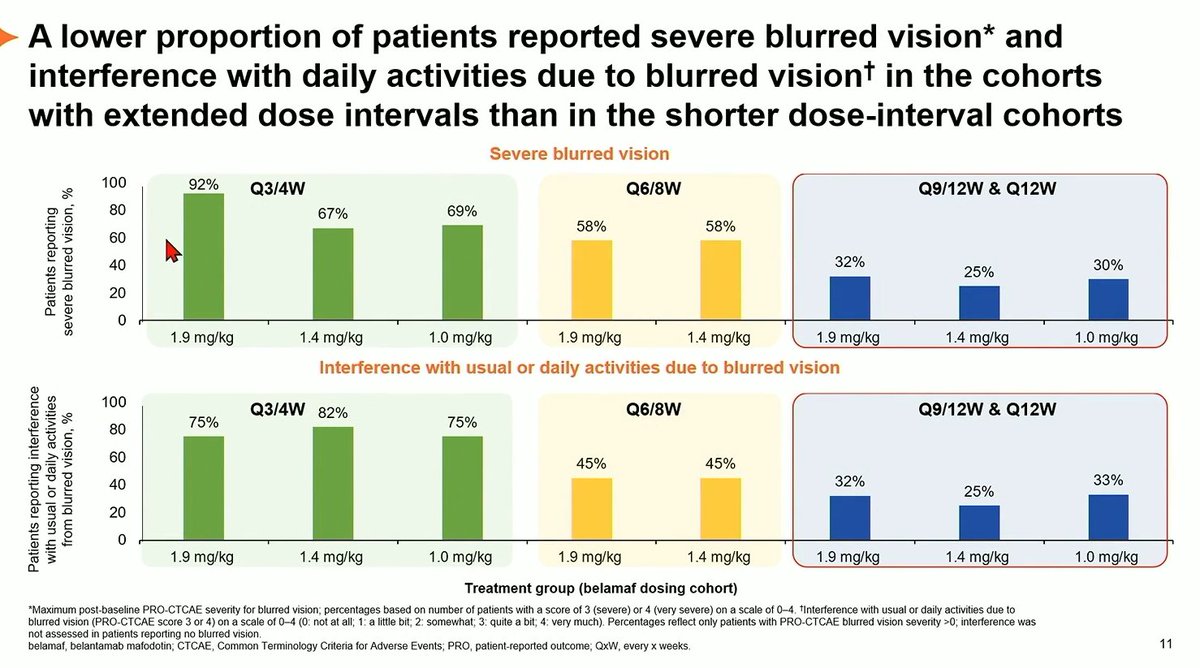 Sep 24
 Sep 24
 Sep 21
SPARK
2 slides Sep 23
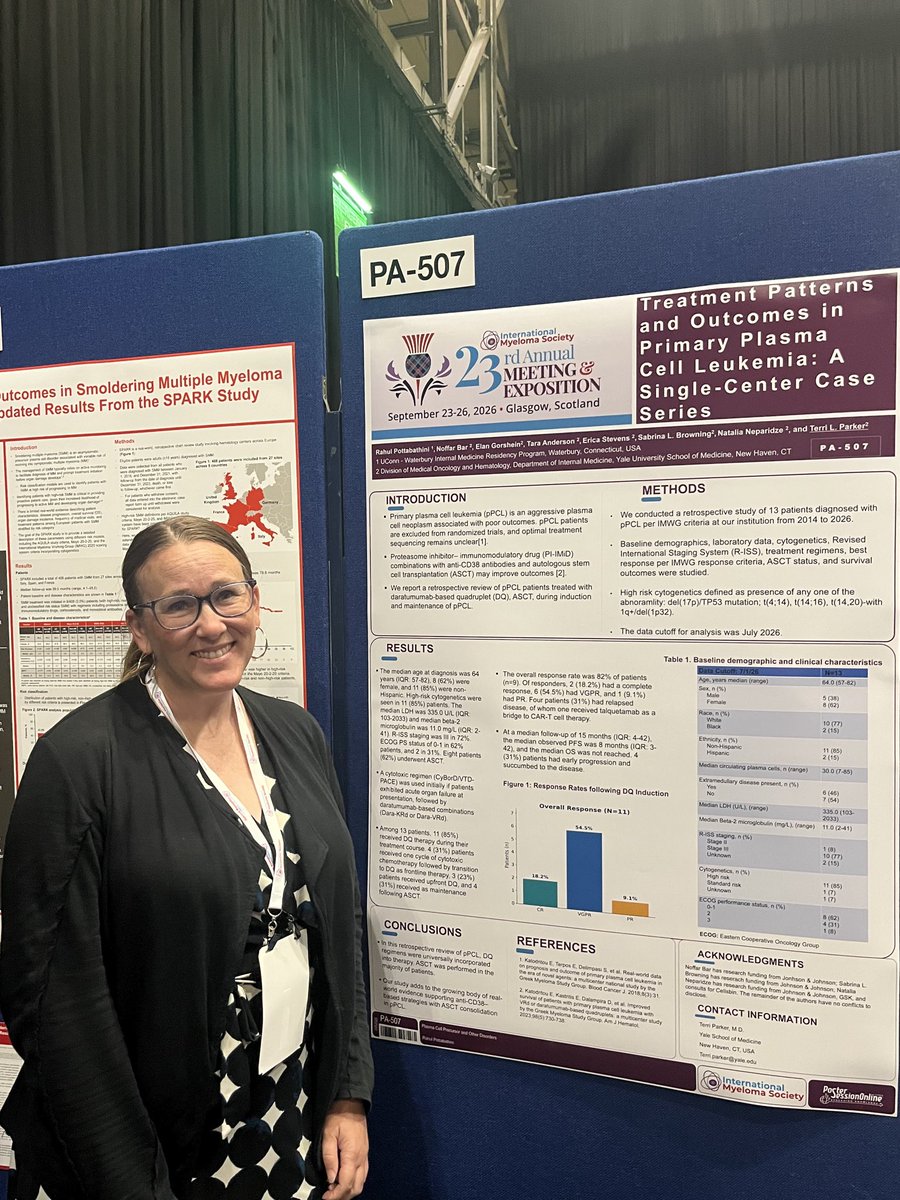 Sep 24

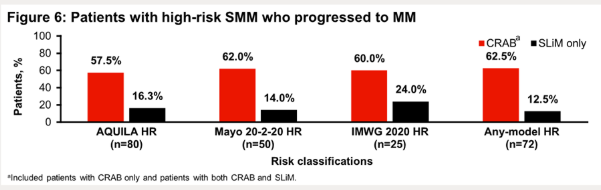

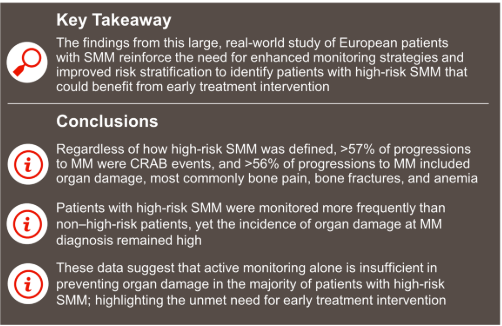
SeaLAND
1 slide
Sep 24
 Sep 23
Sep 23
Sep 23
DART
1 slide Sep 24
















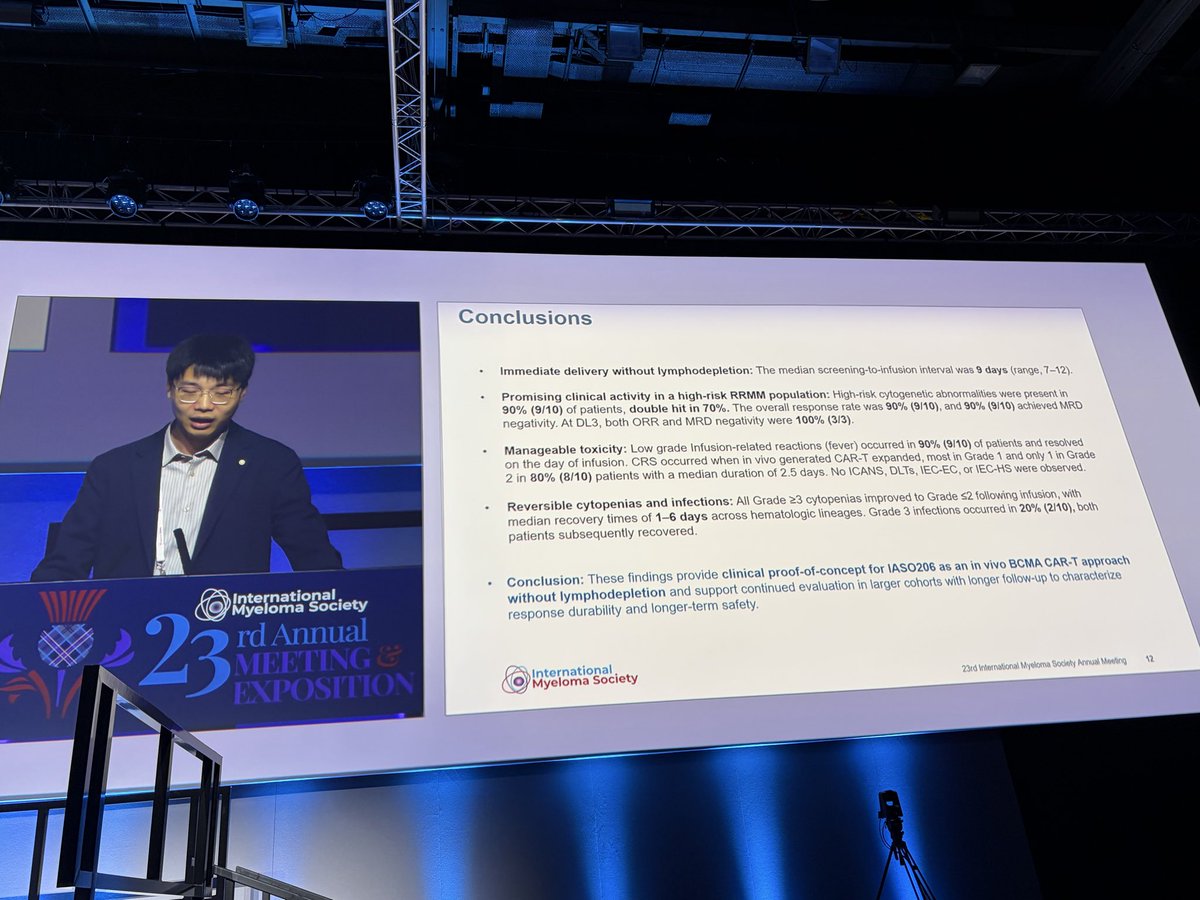
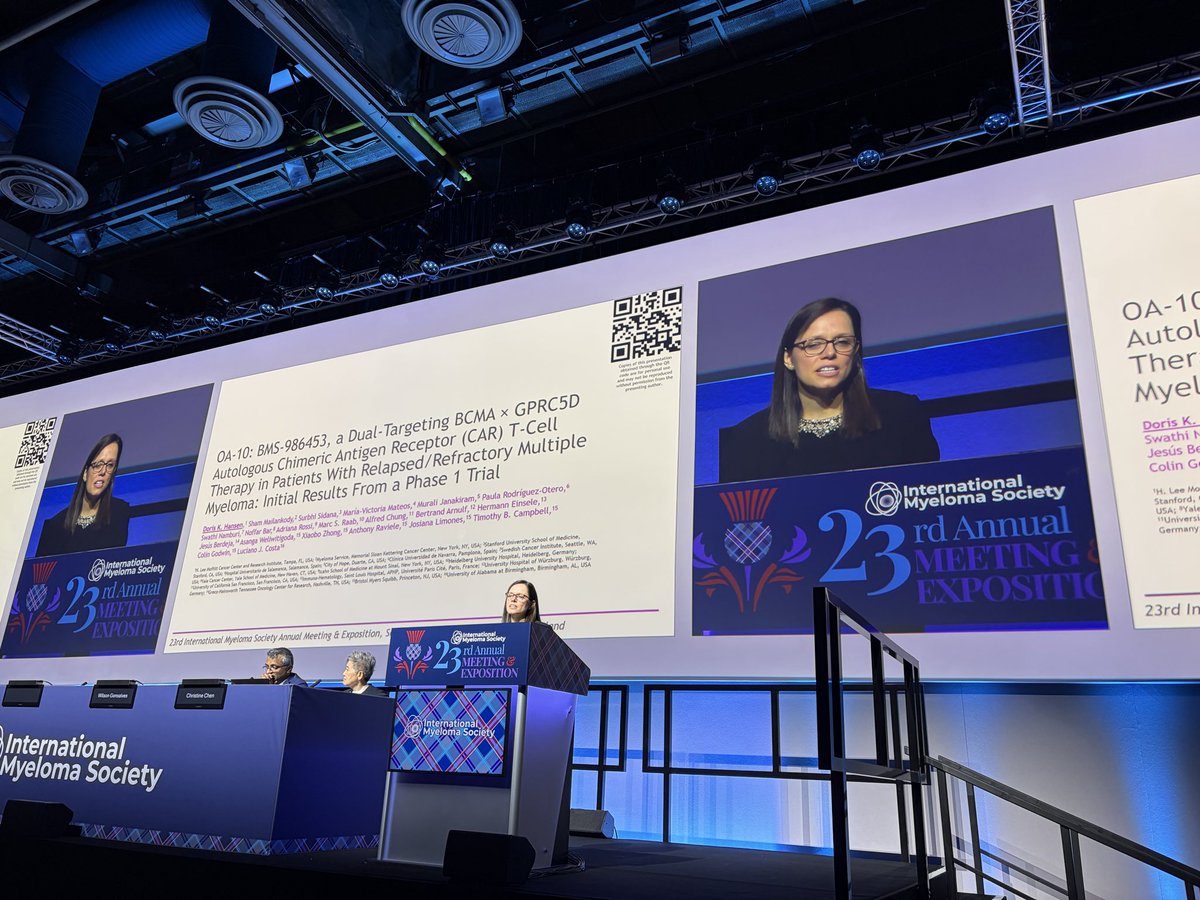


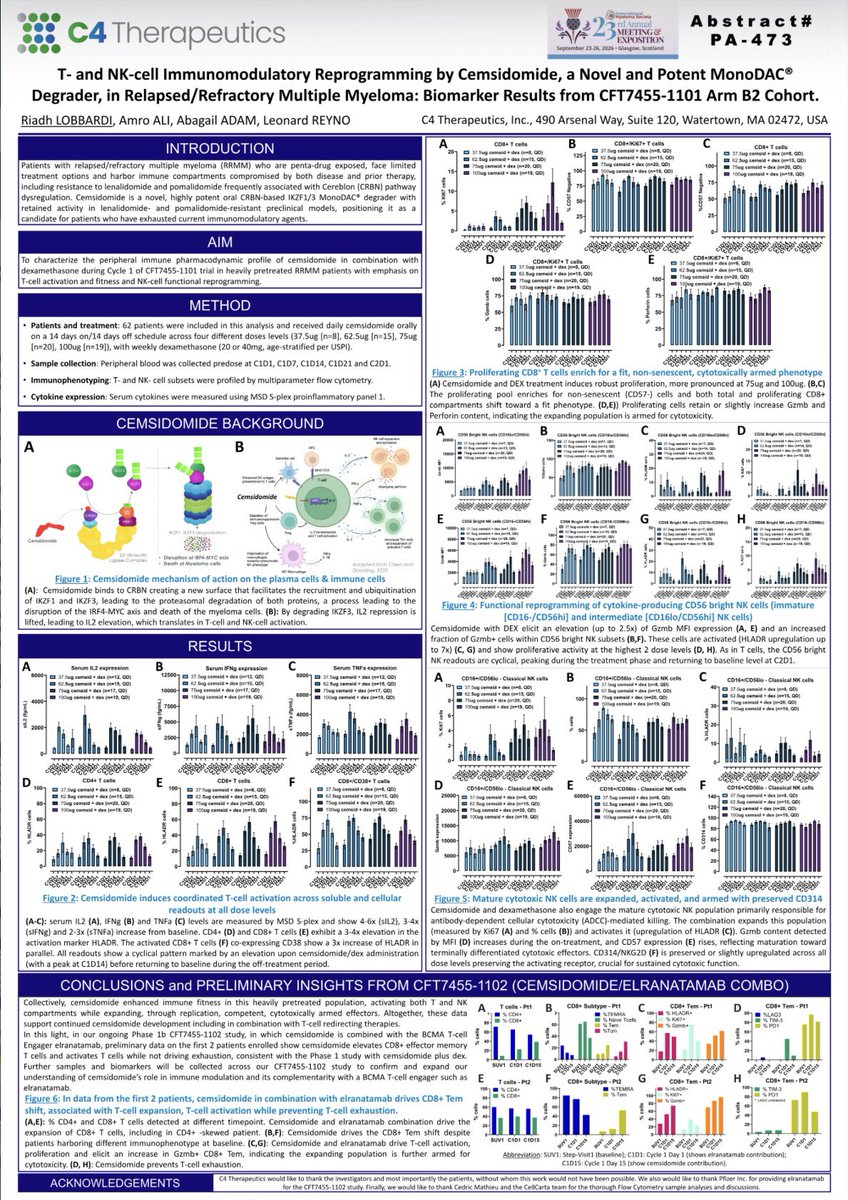
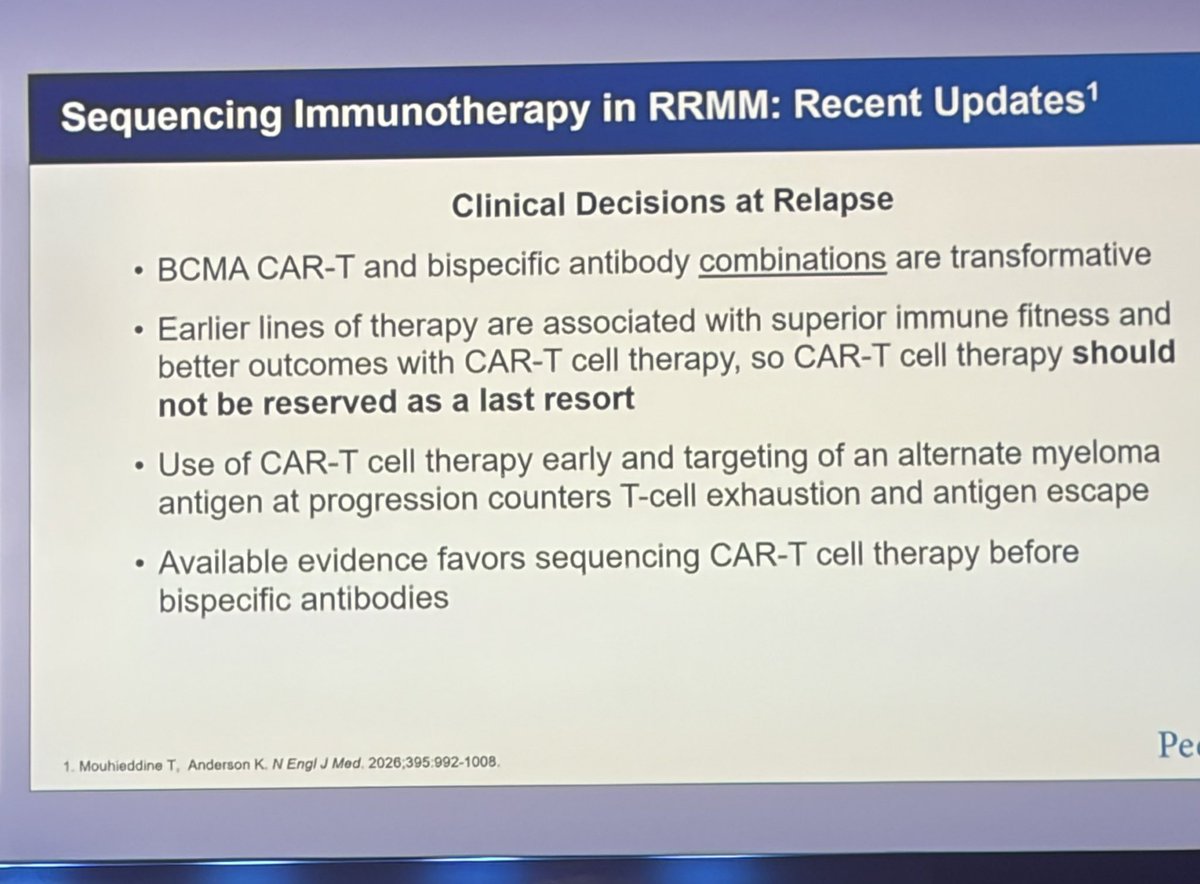
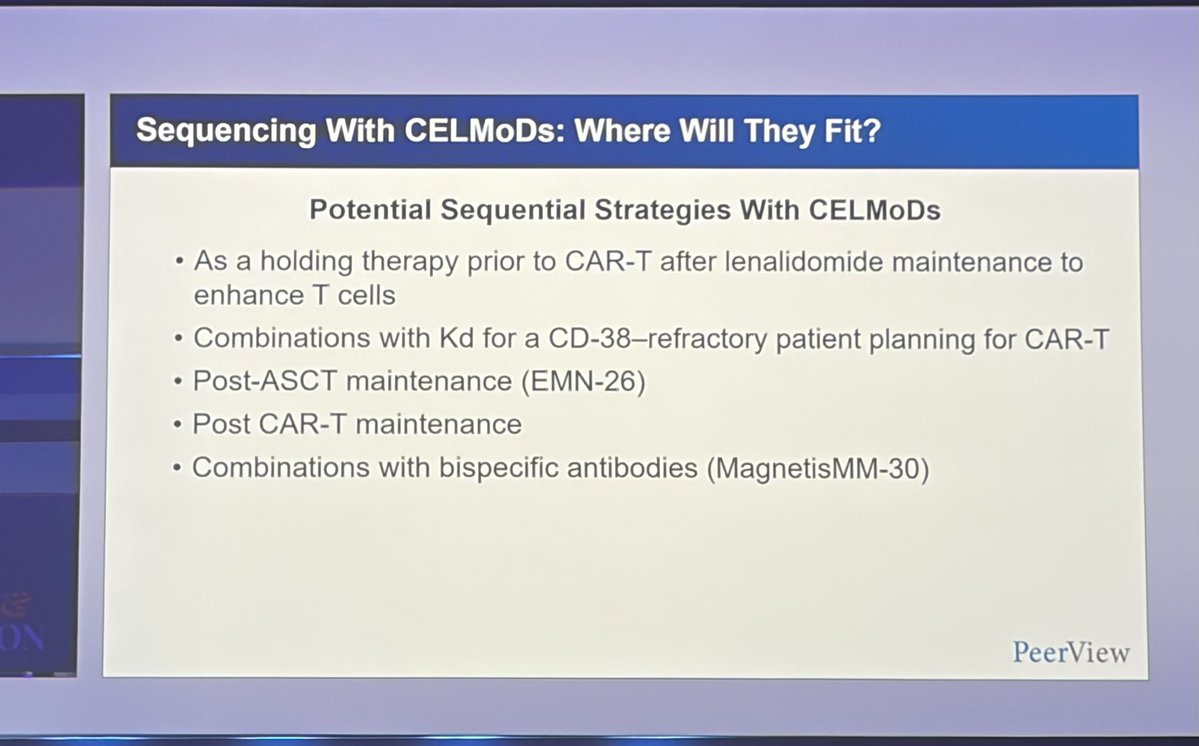
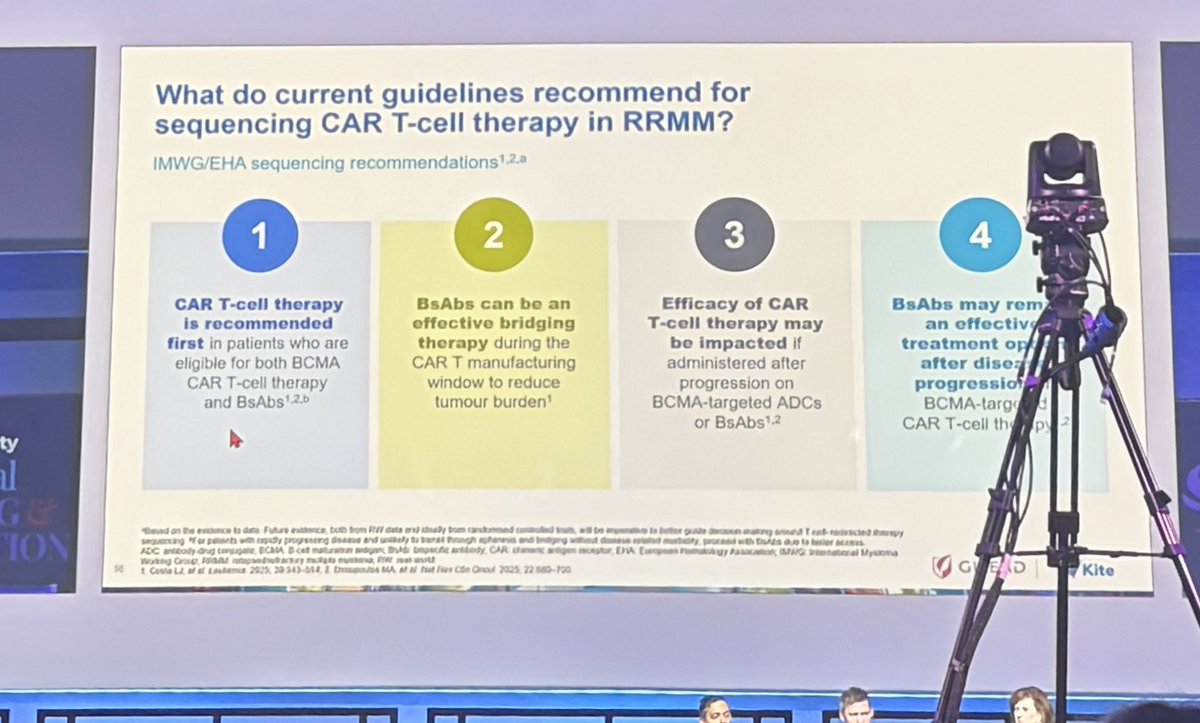

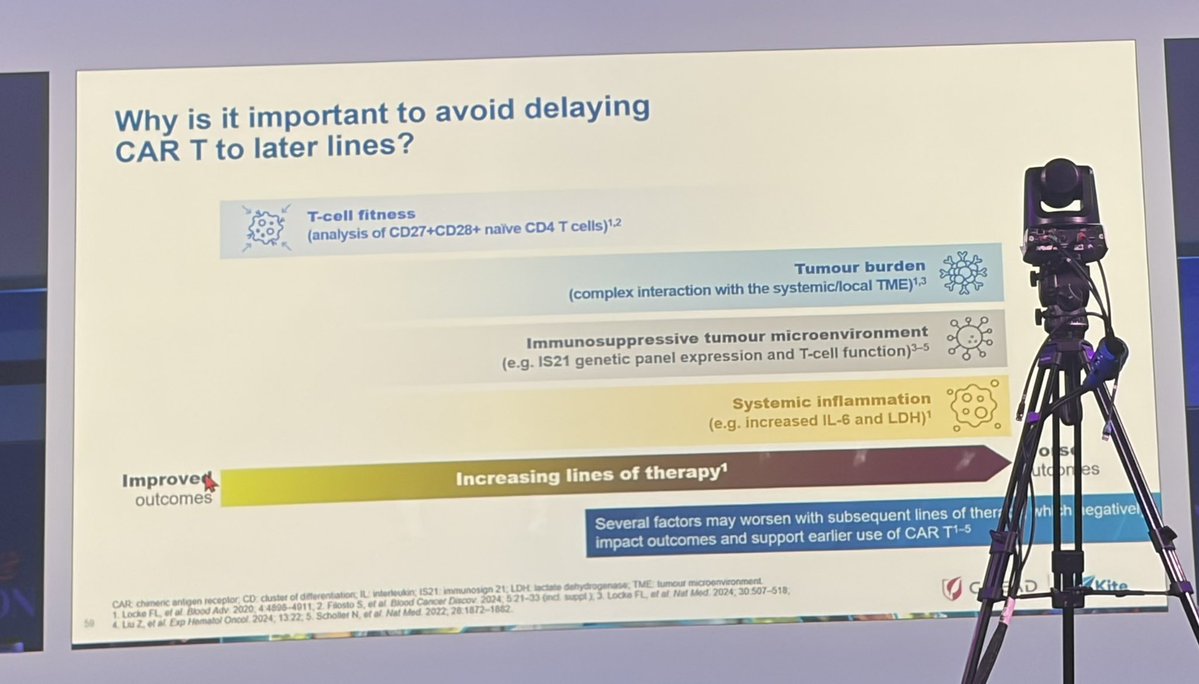
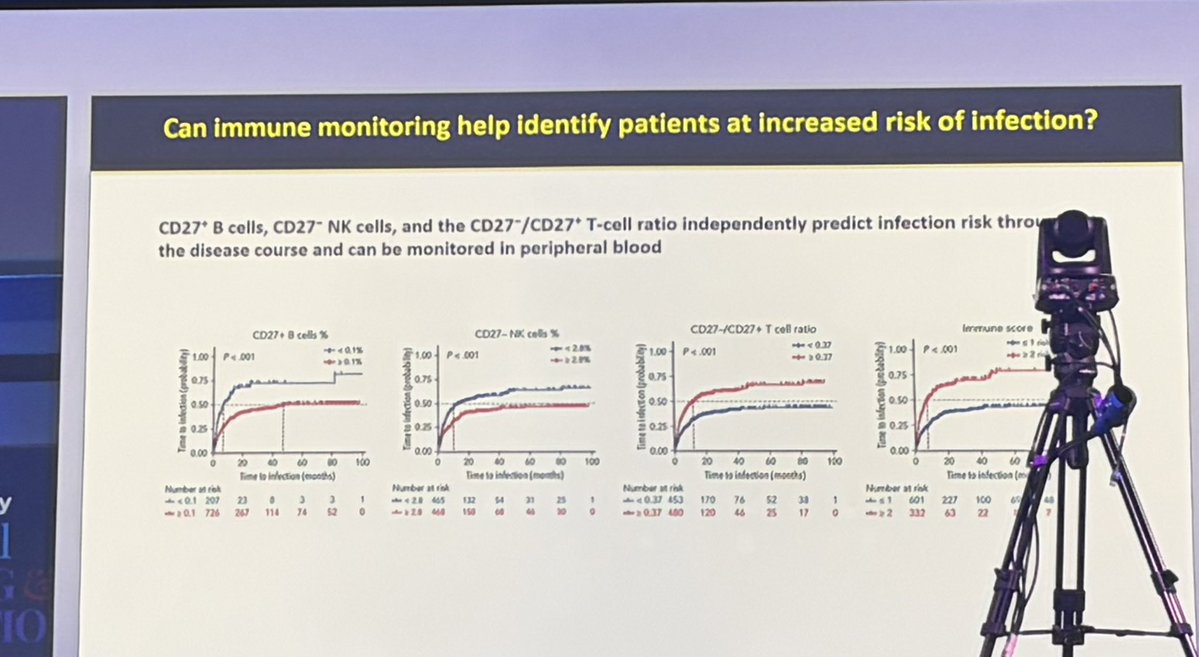
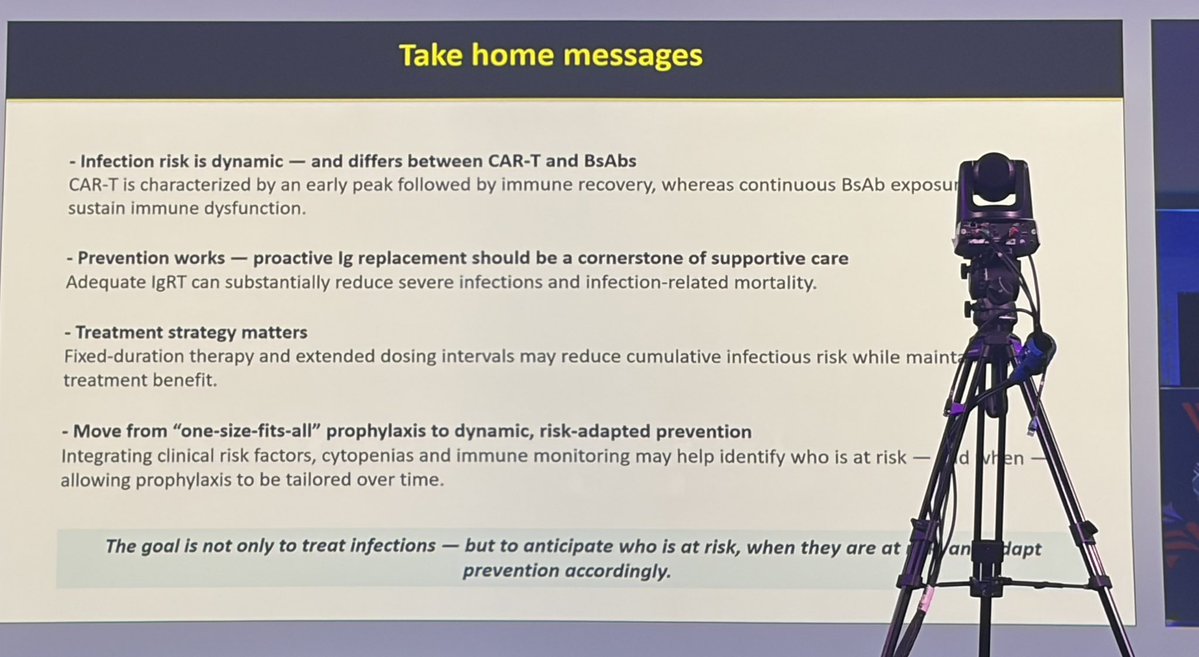
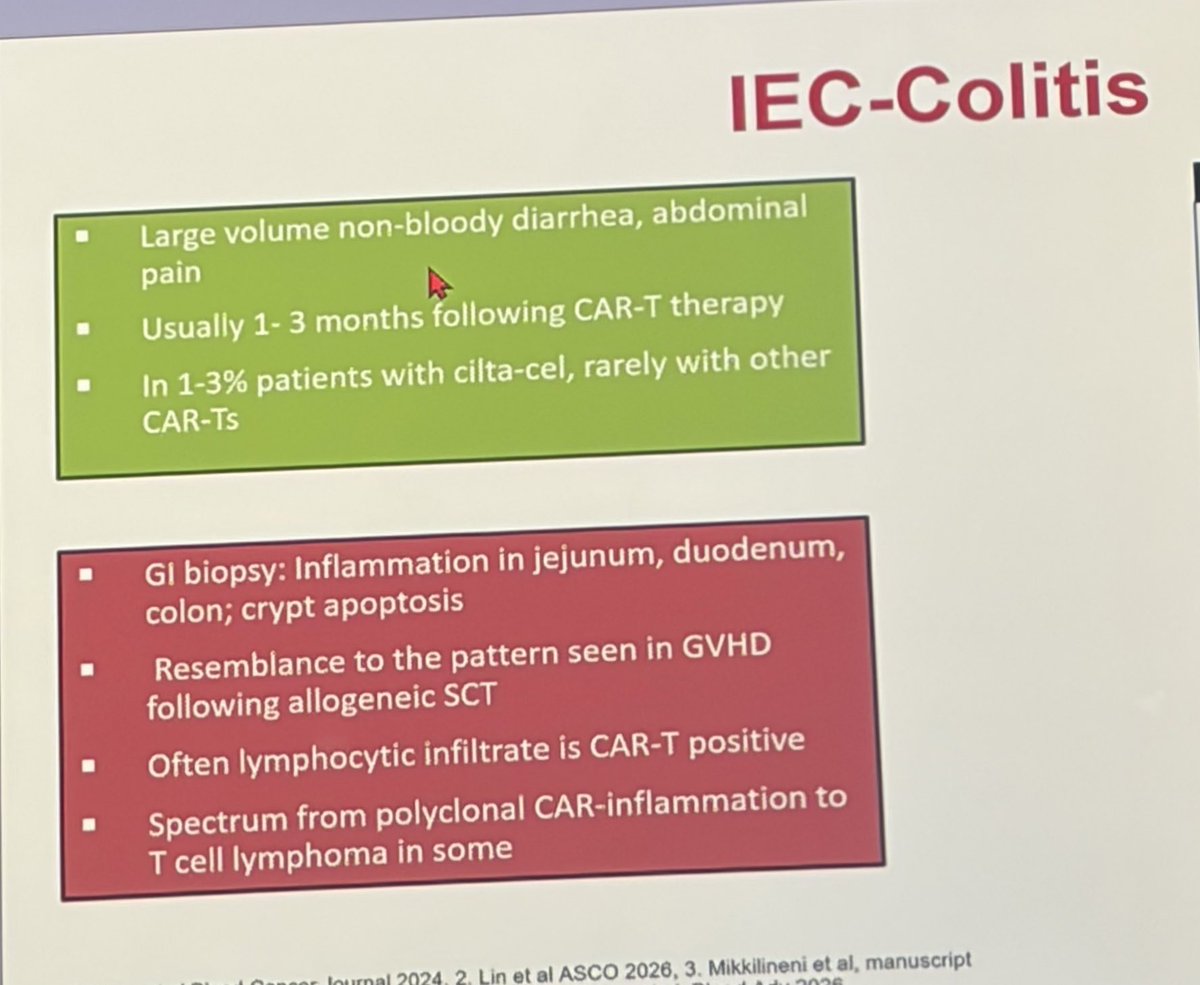
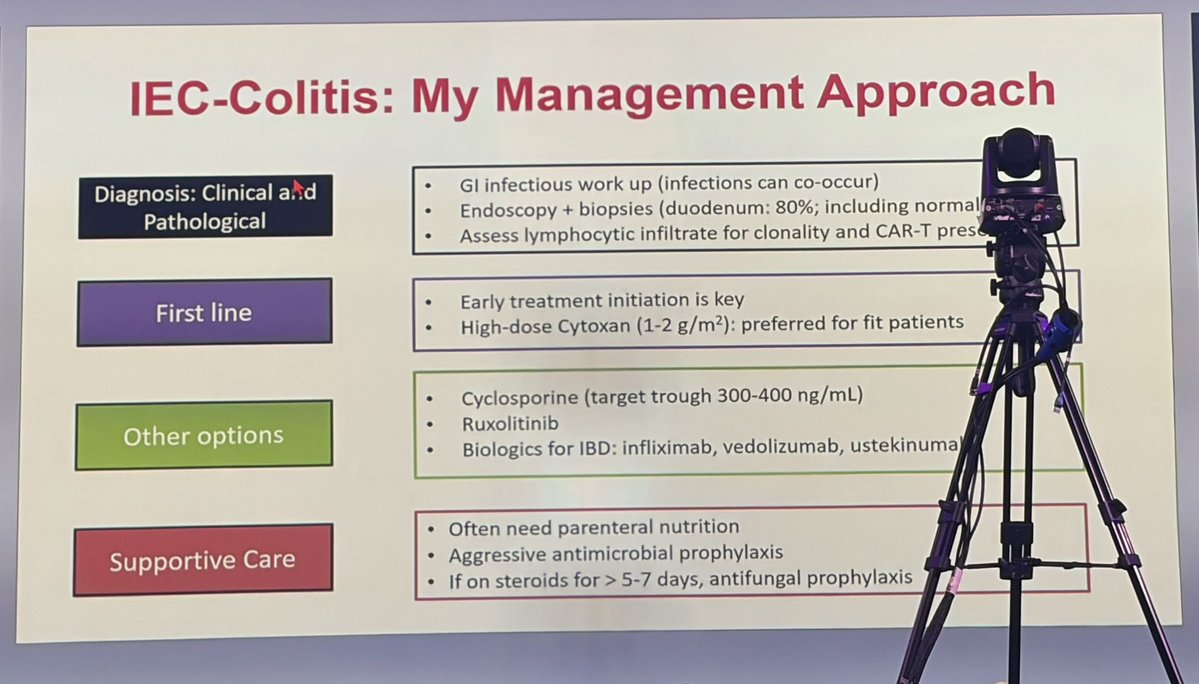
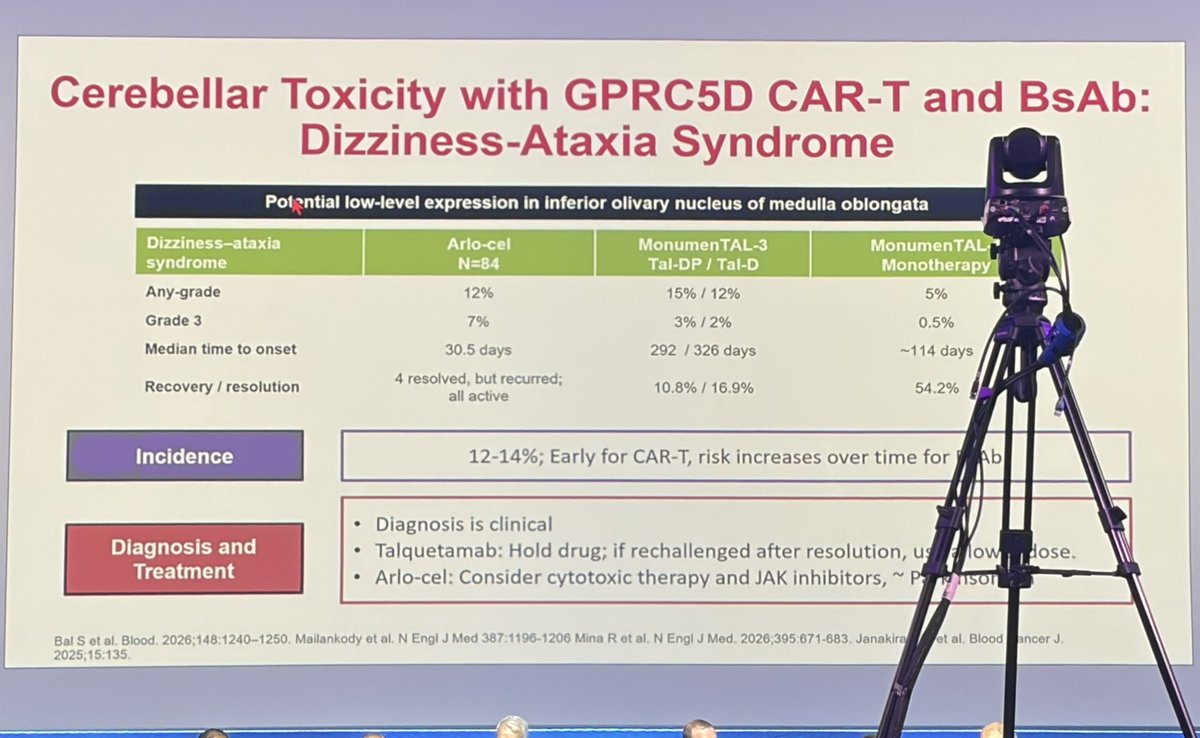
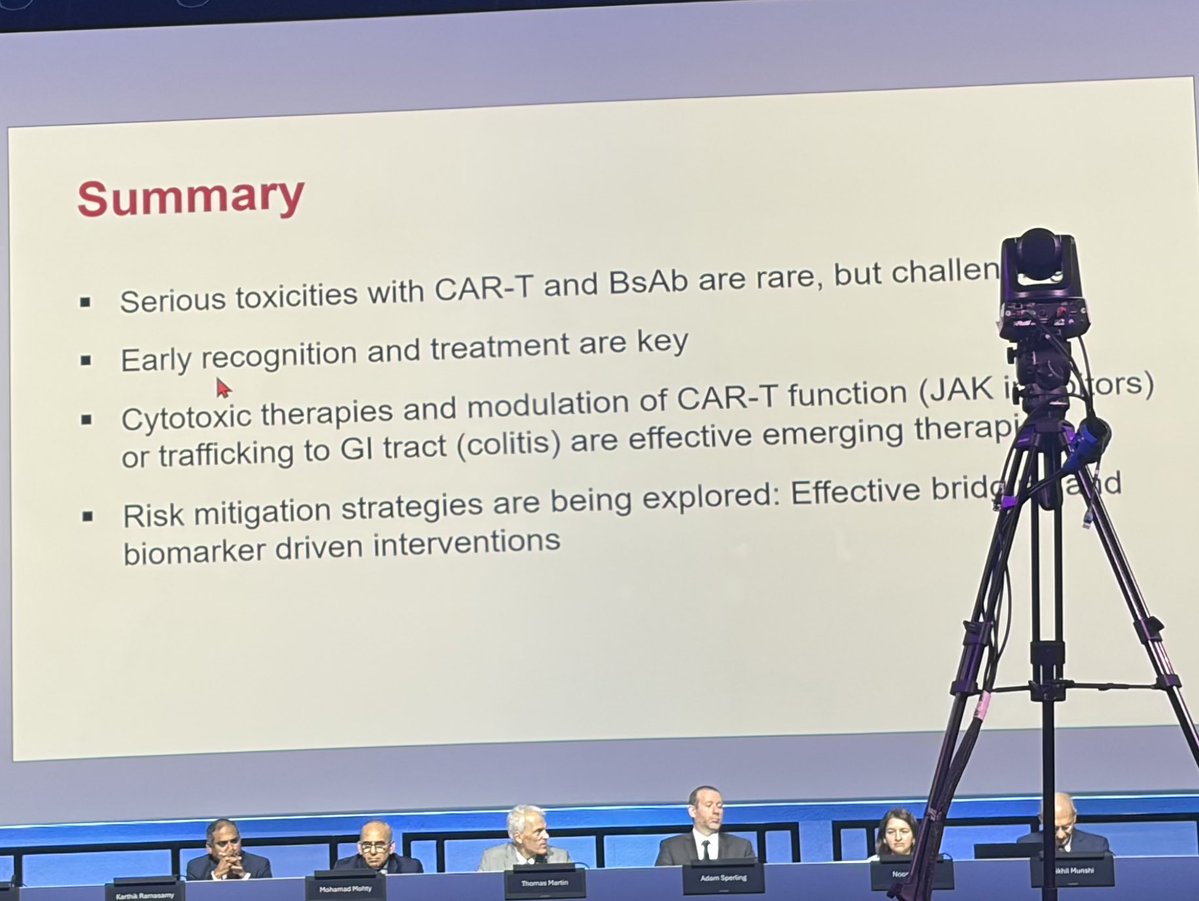
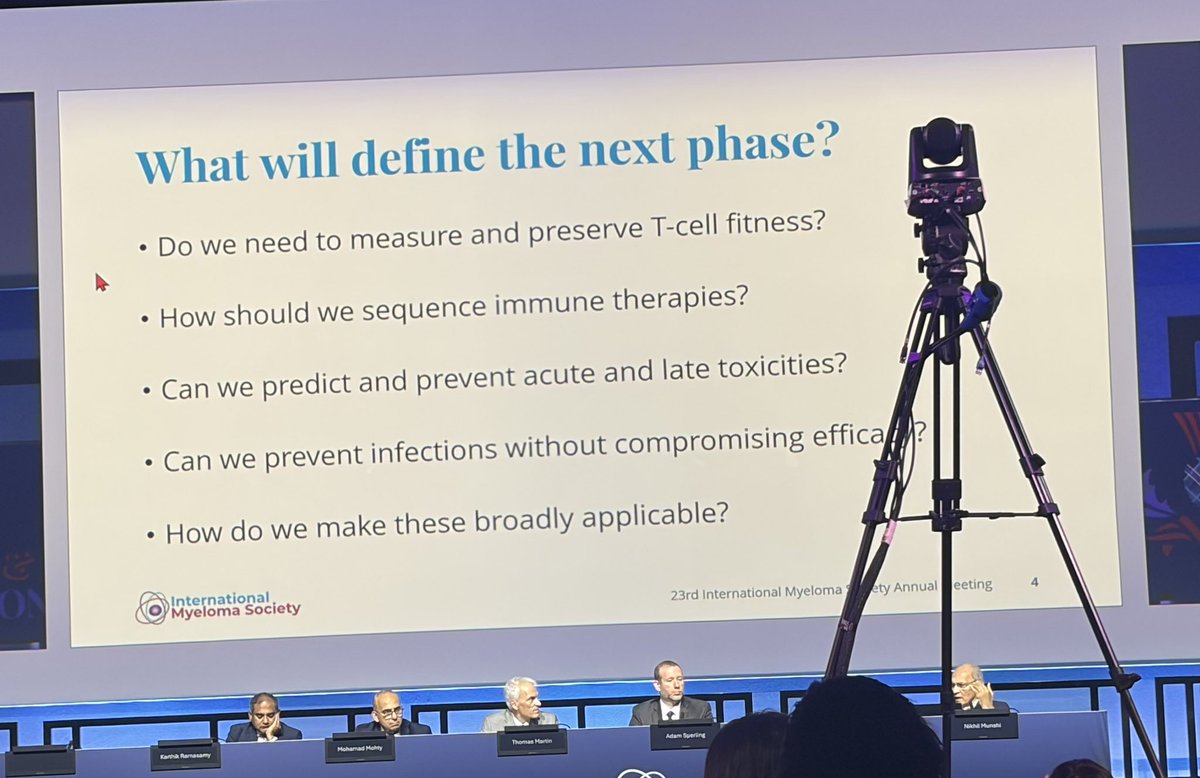
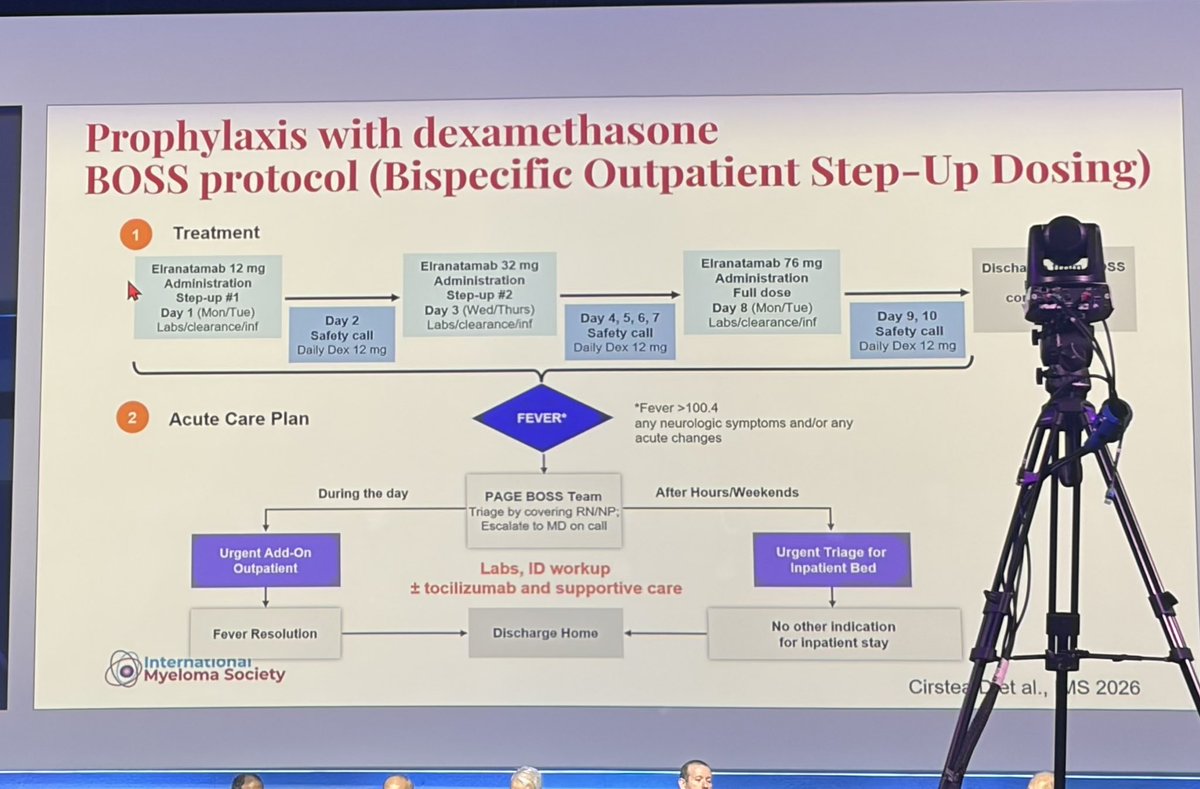
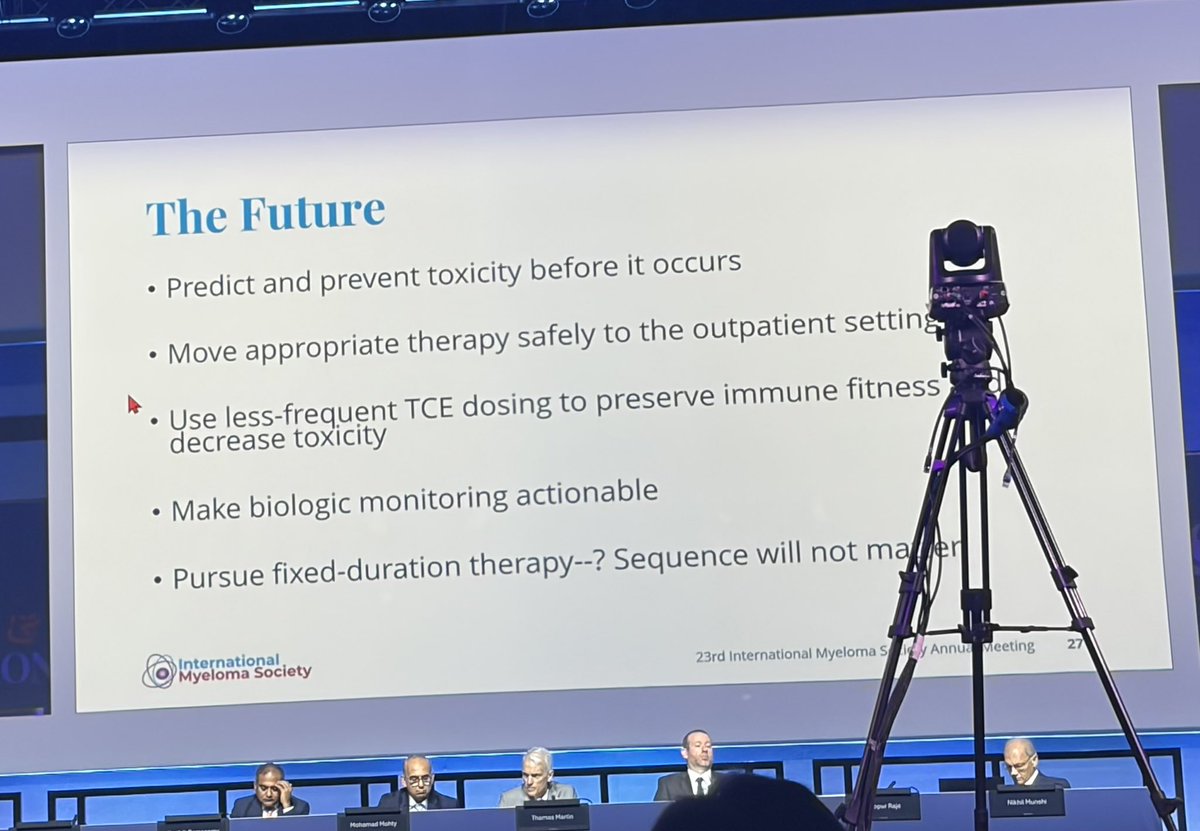
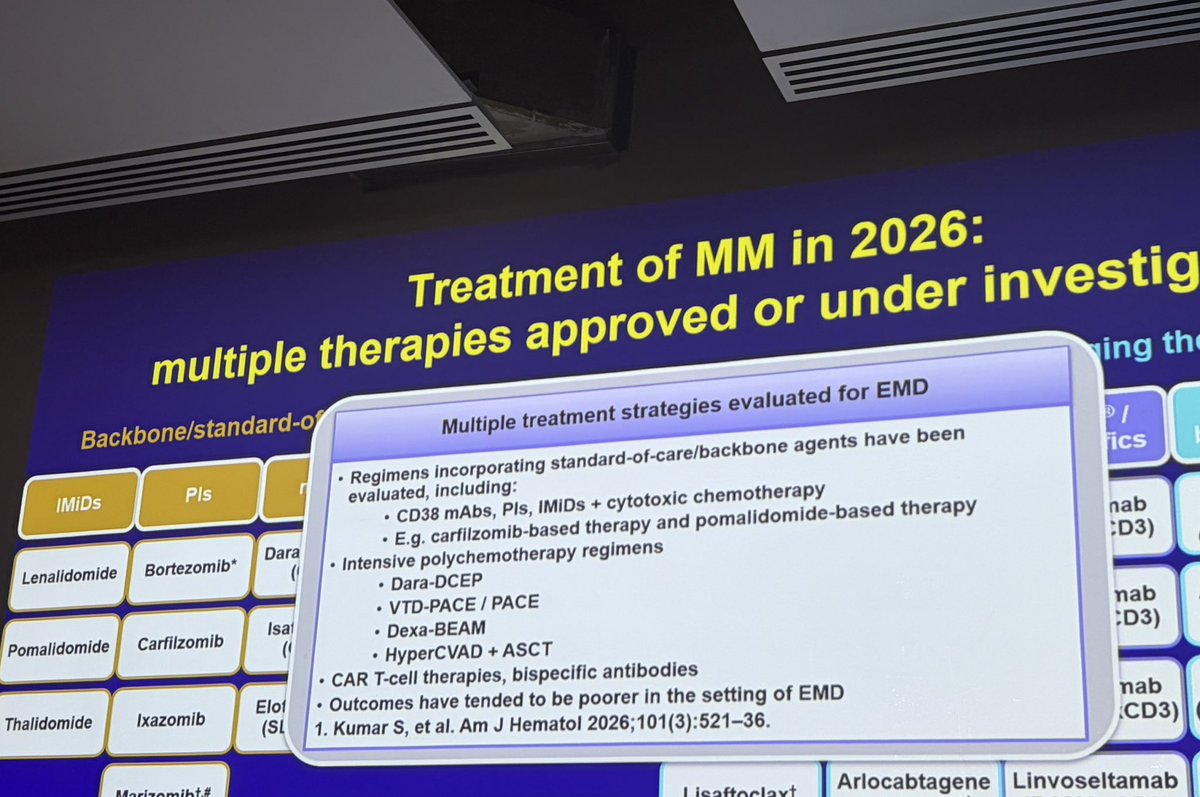
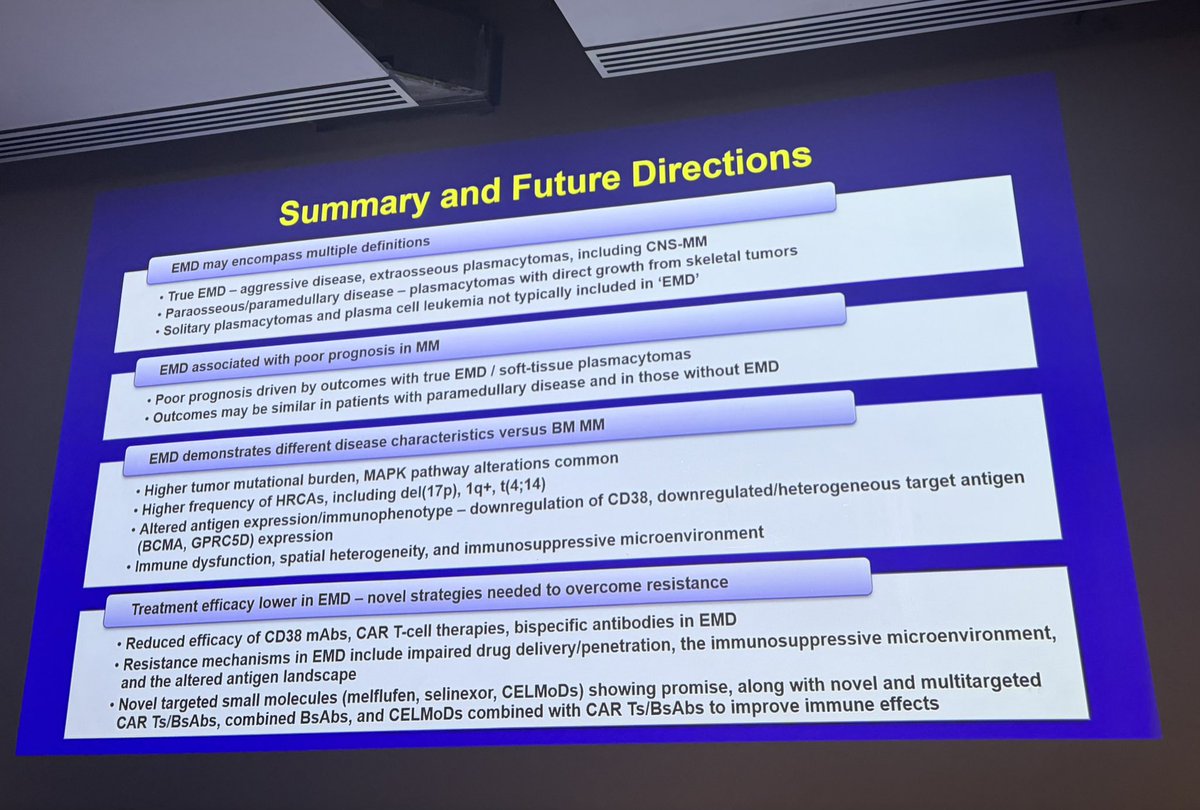


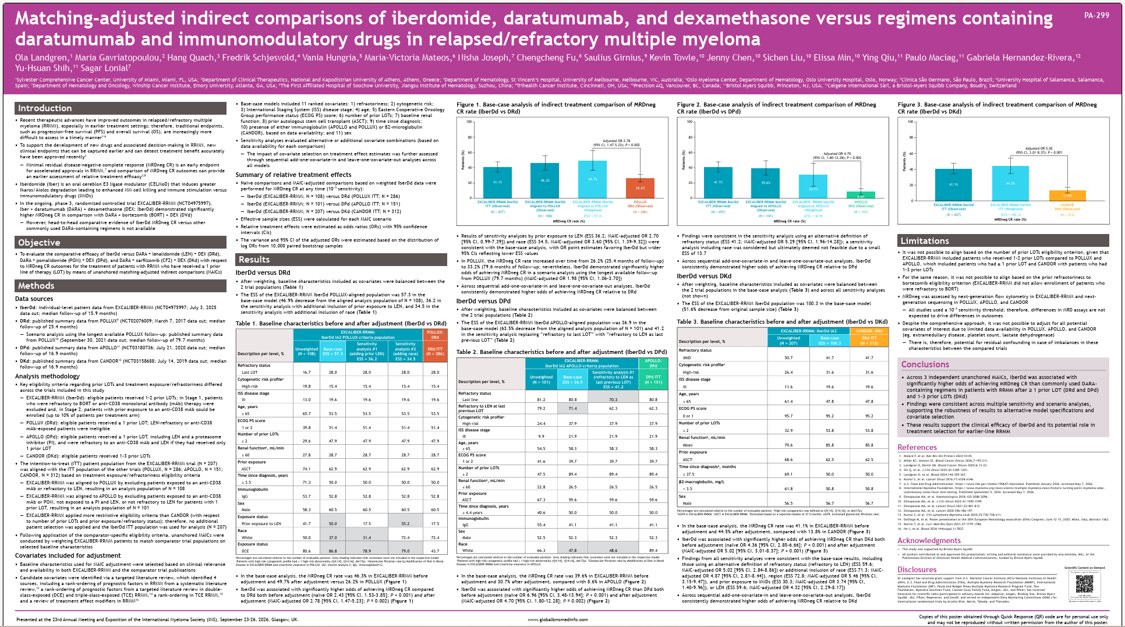

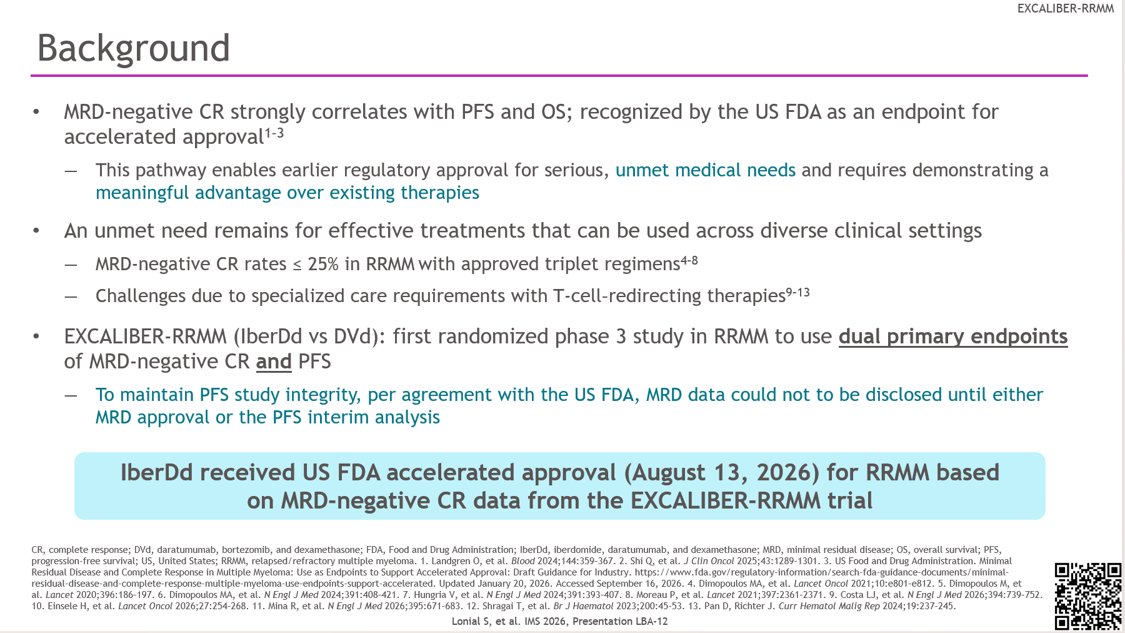
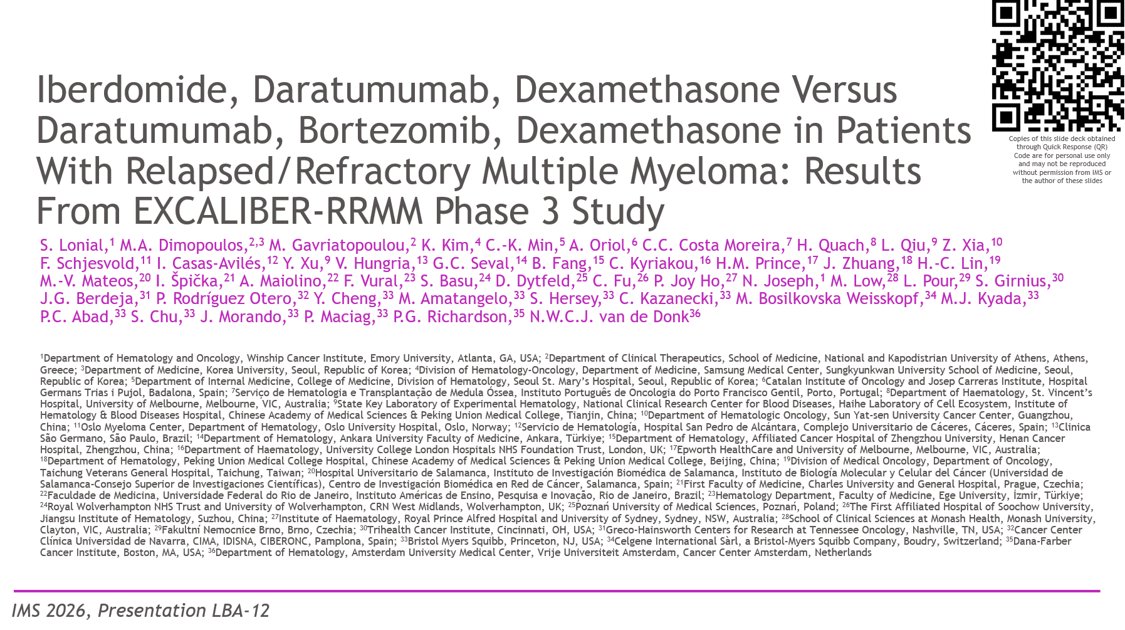


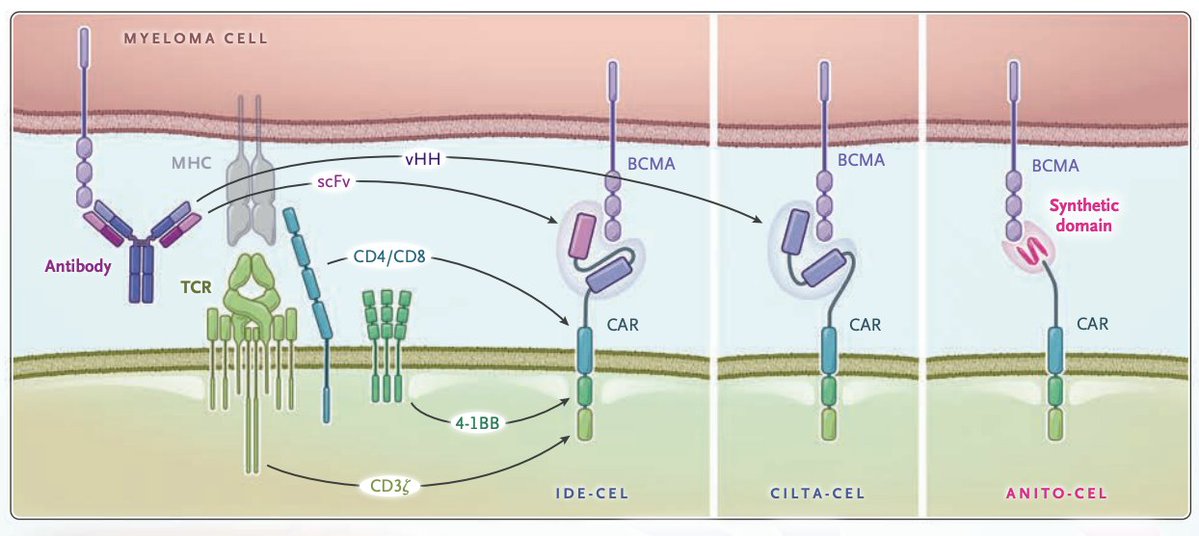
At time of #IMS26 #mmsm Anito cel phase I study published in @NEJM ➡️n=38 pts, median F/U : ~ 3yrs, 2 patients (5%) removed from analysis post enrollment even after successful manufacturing👇 ➡️ 2-yr PFS: 57%, median PFS: 2.5 yrs, 3-yrs OS: 65% 🛑Unfortunately no data on G2 CRS reported (they were lumped with G1-2 which occurred in almost all patients) also no data on prolonged cytopenias 🛑MDS in 8% ➡️no delayed neurotoxicity , ICANS: 18%, G3 ICANS 3% Overall small number of pts, efficacy looks better than Ide cel and worse than Cilta cel (numerical, no direct comparison) with safety showing concerning % of MDS (2ry malignancy) and no delayed neurotoxicity. No data on G2 CRS or prolonged cytopenia. Awaiting phase II data and future phase III data