Breast Cancer results slides from ESMO 2026 (Madrid, October 23–27), posted since the October 22 embargo lift: 294 slide posts and 48 KOL infographics from 99 accounts, organized by clinical trial — led by TROPION-Breast02, NATALEE, TRIO-US B-12 TALENT, SWITCH. Each trial links to its KOL Pulse trial page and conference discussion. Physician posts first; every slide carries a verbatim OCR transcription. Updated October 29, 2026. ← Back to the full ESMO 2026 coverage
This page holds the ESMO 2026 Breast Cancer results slides, part of the ESMO 2026 slide library. Other tumor types have their own pages below; pre-congress previews are in the pre-congress archive →
Trial design schema: study design (Rebecca A. Dent)
4. TROPION-Breast02: 1L DatoDXd vs chemo in IO-ineligible mTNBC.
- mPFS 10.8 vs 5.6 mo (HR 0.57)
- mOS 23.7 vs 18.7 mo (HR 0.79)
- Brain mets (n=61): CNS PFS 9.5 vs 2.6 mos (HR 0.27)
- icORR 62.5% vs 37.5%
- Strong intracranial activity!!!
6/10 https://t.co/Yk0xR3eHkc https://t.co/Q1E0iE3Eq1
TROPION-Breast02: Study Design
Randomised, phase 3, open-label, global study (NCT05374512)
Key inclusion criteria:
• Patients with histologically or cytologically documented locally recurrent inoperable or metastatic TNBC*
• No prior chemotherapy or targeted systemic therapy in the locally recurrent inoperable or metastatic setting
• Immunotherapy not an option†
• ECOG PS 0 or 1
• No minimum DFI‡
1:1
Dato-DXd 6 mg/kg IV Day 1 Q3W (n=323)
Investigator's choice of chemotherapy (ICC)# Paclitaxel, nab-paclitaxel, capecitabine, eribulin mesylate/eribulin, carboplatin (n=321)
Endpoints
Dual primary:
• OS
• PFS by BICR per RECIST v1.1
Secondary included:
• PFS (investigator-assessed)
• ORR, DoR
• Safety
Randomisation stratified by:
• Geographic region (US/Canada/Europe vs other geographic regions)
• PD-L1 status (high [CPS ≥10] vs low [CPS <10])§
• DFI history (de novo vs prior DFI 0–12 months vs prior DFI >12 months)¶
• Treatment continued until investigator-assessed RECIST v1.1 progressive disease, unacceptable toxicity, or another discontinuation criterion was met
• Following progression or discontinuation of study treatment, patients could receive subsequent therapies, including approved ADCs or chemotherapy, at the investigator's discretion‖
*According to ASCO/CAP criteria. †Including patients with PD-L1-low tumours, or patients with PD-L1-high tumours with (a) disease relapse after prior PD-(L)1 inhibitor therapy for early-stage breast cancer, (b) comorbidities precluding PD-(L)1 inhibitor therapy, or (c) no regulatory access to PD-(L)1 inhibitor therapy. ‡DFI defined as time between date of completion of treatment with curative intent and date of first documented local or distant disease recurrence. §Recruitment of patients with PD-L1-high tumours who would otherwise be eligible for pembrolizumab if regulatory access was available was capped at ~10% of randomised patients. ¶Recruitment of patients with DFI 0–12 months was capped at ~20% of randomised patients. #If no prior taxane, or prior taxane in the (neo)adjuvant setting and DFI >12 months: paclitaxel 80 mg/m2 IV, D1, 8, 15, Q3W, or nab-paclitaxel 100 mg/m2 IV, D1, 8, 15, Q4W; if prior taxane and DFI 0–12 months: capecitabine 1000 or 1250 mg/m2 orally twice daily, D1–14, Q3W (dose determined by standard institutional practice), or eribulin mesylate 1.4 mg/m2 / eribulin 1.23 mg/m2 IV, Day 1, 8, Q3W, or carboplatin AUC6 IV, D1, Q3W. ‖In the Dato-DXd vs ICC arm, 65% vs 72% of patients received any subsequent therapy in any treatment line; 14% vs 30% received a subsequent ADC (sacituzumab govitecan, sacituzumab tirumotecan, trastuzumab deruxtecan).
Rebecca A. Dent
1) Kaplan-Meier survival data: CNS PFS in Patients with Brain Metastases · 2) Slide: BM analysis: Systemic Efficacy in Patients With Brain Metastases · 3) Slide: BM analysis: Duration of Intracranial Response (swimmer plot) · 4) Response data: BM analysis: Intracranial Response in Patients
TROPION-Breast02 brain mets analysis at #ESMO26 (Dent). 1L Dato-DXd vs chemo, mTNBC, n=61 with BMs:
CNS PFS 9.5 vs 2.6 mo, HR 0.27
icORR (measurable) 62.5% vs 37.5%
Untreated BMs: OS HR 0.35 Longest icDoR ~27 mo
Preferred Trop2 ADC for brain Mets! @RebeccaDSing
Exploratory, small n, real CNS signal. #bcsm
[Slide 1]
Proffered paper 2: Breast cancer, early and advanced stage
CHAIRS: SARA HURVITZ, SEOCK-AH IM
CNS PFS in Patients with Brain Metastases
| | Dato-DXd n=35* | ICC n=26* |
| CNS PFS events, n (%)† | 18 (51.4) | 16 (61.5) |
| Median CNS PFS, months (95% CI) | 9.5 (6.9-19.3) | 2.6 (1.5-5.8) |
| HR (95% CI) | 0.27 (0.13-0.56) |
Y axis: Probability of PFS; X axis: Time from randomisation (months)
Number at risk
Dato-DXd: 35, 30, 20, 13, 8, 7, 3, 2, 2, 2, 1, 1, 0
ICC: 26, 6, 2, 1, 1, 0, 0, 0, 0, 0, 0, 0, 0
(at 0, 3, 6, 9, 12, 15, 18, 21, 24, 27, 30, 33, 36 months)
Dato-DXd demonstrated CNS PFS benefit compared with ICC, with an HR of 0.27
*Analysis included patients with any brain scan at baseline; †CNS PFS was defined as the time from randomisation to intracranial progression (determined by CNS BICR per CNS-modified RECIST v1.1) or death. Patients without an event were censored at their last evaluable CNS-modified RECIST assessment; events occurring after ≥2 consecutive missed assessments were censored at the last evaluable assessment before the event. CNS PFS events listed only include events that occurred within 2 assessments of the last evaluable assessment (CNS-modified RECIST progression: Dato-DXd: n=15 [42.9%], ICC: n=15 [57.7%] and death in the absence of progression: Dato-DXd: n=3 [8.6%], ICC n=1 [3.8%]).
Rebecca Dent - First-line (1L) datopotamab deruxtecan (Dato-DXd) vs chemotherapy in patients (pts) with locally recurrent inoperable or metastatic triple-negative breast cancer (mTNBC) for whom immunotherapy was not an option: Exploratory analysis of pts with brain m...
Survival table
Endpoint: CNS PFS (CNS BICR per CNS-modified RECIST v1.1) in patients with brain metastases
Arm | N | Median | Median CI
Dato-DXd | 35 | 9.5 months | 6.9-19.3
ICC | 26 | 2.6 months | 1.5-5.8
HR: 0.27
HR CI: 0.13-0.56
[Slide 2]
Systemic Efficacy in Patients With Brain Metastases
In patients with or without prior CNS-directed therapy | Dato-DXd | ICC
PFS by BICR* (median months):
- Patients with BMs (n=61): 7.7 vs 3.5; HR 0.37 (0.20-0.72)
- Previously treated BMs (n=31): 6.8 vs 3.5; HR 0.43 (0.17-1.11)
- Previously untreated BMs (n=30): 7.7 vs 2.6†; HR 0.29 (0.12-0.76)
OS (median months):
- Patients with BMs: 13.5† vs 10.7; HR 0.55 (0.29-1.05)
- Previously treated BMs: 19.3† vs 12.8†; HR 0.77 (0.28-2.08)
- Previously untreated BMs: 11.6† vs 9.1; HR 0.35 (0.14-0.84)
ORR by BICR* (%):
- Patients with BMs: 62.9 vs 19.2; OR 7.11 (2.16-23.41)
- Previously treated BMs: 62.5 vs 33.3; NA‡
- Previously untreated BMs: 63.2 vs 0; NA‡
Dato-DXd demonstrated consistent clinical efficacy benefit vs ICC across PFS, OS and ORR in patients with brain metastases
HR 95% CIs are shown in brackets; error bars represent 95% CIs for median values. Data for patients without BMs (n=583): median PFS 11.1 vs 5.6 months (HR 0.56 [0.46-0.69]); median OS 23.7 vs 19.3 months (HR 0.80 [0.64-1.00]); ORR 62.5% vs 30.2% (OR 3.86 [2.73-5.44]). *Per RECIST v1.1. †Upper 95% CI not calculable. ‡ORs are not available for subgroups with less than 20 events across both treatment arms.
[Slide 3]
Duration of Intracranial Response
DoR by CNS BICR per CNS-modified RECIST v1.1 in evaluable disease*
Dato-DXd (n=35*) | ICC (n=22*) [swimmer plot; ICC rows labeled N, N, P]
Legend: CR; PR; Response start; Response end; Response censored date; Without prior CNS-directed therapy; Type of chemotherapy: P = Paclitaxel, N = Nab-paclitaxel
Time from randomisation (weeks) 0-165
Intracranial responses with Dato-DXd were durable, with the longest DoR observed up to 117 weeks (~27 months)
*Evaluable disease includes patients who had baseline and post-baseline brain scans. Intracranial response in TLs was classified as CR, PR, SD, PD, or NE, and in NTLs was classified as CR, non-CR/non-PD, PD, or NE. NTLs could not be assessed for PR or SD. Among patients with evaluable disease, intracranial confirmed ORR was 40.0% (5 CR, 9 PR) with Dato-DXd (n=35) and 13.6% (0 CR, 3 PR) with ICC (n=22); intracranial DCR at 12 weeks was 85.7% and 27.3%, respectively.
DoR was defined as the time from the first confirmed CNS CR or PR to progression or death. Patients without an event were censored at their last evaluable CNS-modified RECIST v1.1 assessment; patients with events occurring after ≥2 consecutive missed assessments were censored at the last evaluable assessment before the event. Grey lines represent duration of study participation for each patient; arrows represent patients ongoing in the study at the time of DCO. [last line partially cut off]
[Slide 4]
Intracranial Response in Patients with Measurable Disease
| Measurable disease* | Dato-DXd (n=16) | ICC (n=8) |
| Intracranial confirmed ORR,† % | 62.5 | 37.5 |
| Intracranial DCR at 12 weeks, % | 75.0 | 50.0 |
Best percentage change from baseline in measurable disease [waterfall plots: Dato-DXd (n=16); ICC (n=8)]
Type of chemotherapy: P = Paclitaxel, N = Nab-paclitaxel, E = Eribulin mesylate
Confirmed best objective response: CR, PR, SD, PD; ◆ Patients without prior CNS-directed therapy
In patients with measurable disease, Dato-DXd demonstrated a confirmed intracranial ORR of 62.5% vs 37.5% with ICC
*Measurable disease defined as patients with TLs at baseline. TLs defined as: contrast enhancing, suitable for accurate repeated measurements, and ≥10 mm in ≥1 dimension with CT or MRI or no less than double the slice thickness, whichever was largest. Intracranial disease that did not qualify as a TL or any surplus in TLs was classified as intracranial NTLs. †Intracranial confirmed ORR defined as the percentage of patients with ≥2 visits with a CNS response of PR or CR by CNS BICR per CNS-modified RECIST v1.1. Dashed lines represent thresholds for PR (-30%) and PD (20%).
Mali Barbi, MD MSc | Breast & Gyn Oncologist@DrBarbiOnc
TROPION-Breast02, brain mets subgroup at ESMO 2026. First-line Dato-DXd vs chemo in mTNBC, n=61.
CNS PFS 9.5 vs 2.6 mo, HR 0.27. Intracranial ORR 62.5% vs 37.5%. Longest intracranial response about 27 mo.
In TNBC, brain mets come early and we usually treat them locally first. This makes me ask whether a patient with small asymptomatic lesions could start Dato-DXd and defer /combine SRS
Not ready for clinic. This is a post hoc subgroup, n=30 with untreated brain mets. And even on Dato-DXd, median OS was 11.6 mo with brain mets vs 23.7 mo without. The CNS benefit is real; the prognosis is still poor. The answer needs a dedicated CNS trial. #bcsm #ESMO26
@myESMO
CNS PFS in Patients with Brain Metastases
Dato-DXd n=35* | ICC n=26*
CNS PFS events, n (%)† | 18 (51.4) | 16 (61.5)
Median CNS PFS, months (95% CI) | 9.5 (6.9–19.3) | 2.6 (1.5–5.8)
HR (95% CI) | 0.27 (0.13–0.56)
Number at risk (months 0,3,6,...,36)
Dato-DXd 35 30 20 13 8 7 3 2 2 2 1 1 0
ICC 26 6 2 1 1 0 0 0 0 0 0 0 0
Dato-DXd demonstrated CNS PFS benefit compared with ICC, with an HR of 0.27
*Analysis included patients with any brain scan at baseline; †CNS PFS was defined as the time from randomisation to intracranial progression (determined by CNS BICR per CNS-modified RECIST v1.1) or death. Patients without an event were censored at their last evaluable CNS-modified RECIST assessment; events occurring after ≥2 consecutive missed assessments were censored at the last evaluable assessment before the event. CNS PFS events listed only include events that occurred within 2 [remainder of footnote cut off / illegible]
Survival table
Endpoint: CNS PFS (patients with brain metastases)
Arm | N | Median | Median CI
Dato-DXd | 35 | 9.5 months | 6.9–19.3
ICC | 26 | 2.6 months | 1.5–5.8
HR: 0.27
HR CI: 0.13–0.56
[Slide 1]
08:30 - 10:00 Proffered paper 2: Breast cancer, early and advanced stage
CHAIRS: SARA HURVITZ, SEOCK-AH IM
LBA 96: TROPION-Breast02 Results
| Outcome | Dato-DXd (n=35) | Chemotherapy (n=26) | Effect |
| Systemic ORR | 62.9% | 19.2% | OR 7.11 |
| Intracranial ORR (measurable disease) | 62.5% (n=16) | 37.5% (n=8) | |
| Intracranial ORR (evaluable disease) | 40.0% | 13.6% | |
| Median CNS PFS | 9.5 mos | 2.6 mos | HR 0.27 |
- Brain is sanctuary site—up to 6% of pts with early TNBC have brain as first/only site of recurrence
- Prior to ADCs, mOS after brain mets 3-7 mos
Dawood et al, Annals of Oncology 2009; Dawood et al, Cancer 2012
Rita Nanda, MD
Rita Nanda - Invited Discussant LBA26, LBA96 and LBA15
ALICANTE AUDITORIUM - HALL 6
[Slide 3]
08:30 - 10:00 Proffered paper 2: Breast cancer, early and advanced stage
CHAIRS: SARA HURVITZ, SEOCK-AH IM
HEALER Results
- N=885 pts at 76 centers across China
- mPFS for HB1801+ anbenitamab vs THP was NR vs 14.3 mos; HR=0.46 (0.37-0.56)
- ORR 87.6% vs 73.4%
- Increased toxicity with investigational arm (cytopenias)
- Grade 3 TEAEs: 45.9% vs 34.4%
- Dose reductions: 11.0% vs 3.9%
- SAEs: 20.0% vs 16.2%
Rita Nanda, MD
ALICANTE AUDITORIUM - HALL 6
[Slide 4]
08:30 - 10:00 Proffered paper 2: Breast cancer, early and advanced stage
CHAIRS: SARA HURVITZ, SEOCK-AH IM
HEALER: Strengths and Caveats
- Strengths
- Large randomized trial, central HER2 confirmation, BICR primary endpoint, large effect size
- Clear PFS advantage over THP (SOC at time of study start)
- Caveats
- Relevant comparator now T-DXd + P not THP (mPFS 40.7 vs 26.9 mos)
- Very few pts had prior H (19%) or P (7%); most HER2-directed tx naive
- Two variables changed at once (docetaxel->albumin-bound; HP->bispecific)
- Only enrolled in China, agents with limited/no availability in other countries
- Role
- SOC has evolved since start of study—both in the frontline and maintenance settings
- Efficacy after T-DXd+P? CNS activity?
- Clearly better than THP; consider if T-DXd+P unavailable/contraindicated
Rita Nanda, MD
ALICANTE AUDITORIUM - HALL 6
1) Response data: brain mets - Intracranial Response in Patients with Measurable · 2) Response data: brain mets - Duration of Intracranial Response swimmer plot · 3) Slide: CNS PFS in Patients with Brain Metastases · 4) Slide: brain metastases analysis - Conclusions (Rebecca Dent, ESMO 2026)
@RebeccaDSing presents efficacy of Dato-Dxd in patients with TNBC on TB02. In the small subset with BMs Dato DXd improved CNS response and PFS! Nice data immediately applicable to clinical practice. @myesmo #ESMO2026 @OncoAlert https://t.co/AeMylHCL7g
[Slide 1]
[Session screen banner] 08:30 - 10:00 Proffered paper 2: Breast cancer, early and advanced stage
CHAIRS: SARA HURVITZ, SEOCK-AH IM
Intracranial Response in Patients with Measurable Disease
Measurable disease*
| | Dato-DXd (n=16) | ICC (n=8) |
| Intracranial confirmed ORR,† % | 62.5 | 37.5 |
| Intracranial DCR at 12 weeks, % | 75.0 | 50.0 |
Best percentage change from baseline in measurable disease
Dato-DXd (n=16) [waterfall plot; y-axis: Best % change in sum of diameters from baseline]
ICC (n=8) [waterfall plot; bars labeled by chemotherapy type: N, P, E, P, E, P, N, N]
Type of chemotherapy
P = Paclitaxel
N = Nab-paclitaxel
E = Eribulin mesylate
Confirmed best objective response: CR PR SD PD ◆ Patients without prior CNS-directed therapy
In patients with measurable disease, Dato-DXd demonstrated a confirmed intracranial ORR of 62.5% vs 37.5% with ICC
*Measurable disease defined as patients with TLs at baseline. TLs defined as: contrast enhancing, suitable for accurate repeated measurements, and ≥10 mm in ≥1 dimension with CT or MRI or no less than double the slide thickness, whichever was largest. [I]ntracranial disease that did not qualify as a TL or any surplus in TLs was classified as intracranial NTLs. †Intracranial confirmed ORR defined as the percentage of patients with ≥2 visits with a CNS response of PR or CR by CNS BICR per CNS-modified [R]ECIST v1.1. Dashed lines represent thresholds for PR (-30%) and PD (20%).
[R]ebecca Dent
CR, complete response; DCR, disease control rate; NTL, non-target lesion; PD, progressive disease; PR, partial response; SD, stable disease; TL, target lesion.
[Banner] ALICANTE AUDITORIUM - HALL 6
[Slide 2]
[Session screen banner] 08:30 - 10:00 Proffered paper 2: Breast cancer, early and advanced stage
CHAIRS: SARA HURVITZ, SEOCK-AH IM
Duration of Intracranial Response
DoR by CNS BICR per CNS-modified RECIST v1.1 in evaluable disease*
[Swimmer plot] Dato-DXd (n=35*) ; ICC (n=22*) [ICC rows labeled N, N, P]
Legend: CR; PR; ▲ Response start; ● Response end; ■ Response censored date; ◆ Without prior CNS-directed therapy
Type of chemotherapy: P = Paclitaxel; N = Nab-paclitaxel
Time from randomisation (weeks)
Intracranial responses with Dato-DXd were durable, with the longest DoR observed up to 117 weeks (~27 months)
*Evaluable disease includes patients who had baseline and post-baseline brain scans. Intracranial response in TLs was classified as CR, PR, SD, PD, or NE, and in NTLs was classified as CR, non-CR/non-PD, PD, or NE. NTLs could not be assessed for PR or SD. Among patients with evaluable disease, intracranial confirmed ORR was 40.0% (5 CR, 9 PR) with Dato-DXd (n=35) and 13.6% (0 CR, 3 PR) with ICC (n=22); intracranial DCR at 12 weeks was 85.7% and 27.3%, respectively. DoR was defined as the time from the first confirmed CNS CR or PR to progression or death. Patients without an event were censored at their last evaluable CNS-modified RECIST v1.1 assessment; patients with events occurring after ≥2 consecutive missed assessments were censored at the last evaluable assessment before the event. Grey lines represent duration of study participation for each patient; arrows represent patients ongoing in the study at the time of DCO.
Rebecca Dent
DCO, data cutoff; DoR, duration of response; NE, not evaluable.
[Banner] ALICANTE AUDITORIUM - HALL 6
[Slide 4]
[Session screen banner] 08:30 - 10:00 Proffered paper 2: Breast cancer, early and advanced stage
CHAIRS: SARA HURVITZ, SEOCK-AH IM
Conclusions
In a subset of patients with metastatic TNBC and asymptomatic brain metastases, with or without prior CNS-directed therapy:
• Dato-DXd demonstrated systemic efficacy benefit across PFS, OS and ORR compared with ICC
• Dato-DXd demonstrated higher intracranial ORR, greater DCR, longer DoR and CNS PFS benefit vs ICC
[Callout box with person icon] TROPION-Breast02 enrolled patients without prior CNS-directed therapy, who are often excluded from clinical trials
In TROPION-Breast02, 1L Dato-DXd provided efficacy in patients with metastatic TNBC and brain metastases, regardless of prior CNS-directed therapy
Rebecca Dent
[Banner] ALICANTE AUDITORIUM - HALL 6
TROPION-Breast02 CNS fabulously presented by @RebeccaDSing
n=61 with baseline brain mets
n=35 on Dato-DXd arm (16 had prior treatment for brain mets)
PFS HR 0.37, OS HR 0.55
iORR: 62.5% vs 37.5%
@OncoAlert #ESMO26 https://t.co/XHUe50PHDU
Systemic Efficacy in Patients With Brain Metastases
In patients with or without prior CNS-directed therapy
Dato-DXd | ICC
PFS by BICR* (median, months)
Patients with BMs (n=61): 7.7 vs 3.5; HR 0.37 (0.20–0.72)
Previously treated BMs (n=31): 6.8 vs 3.5; HR 0.43 (0.17–1.11)
Previously untreated BMs (n=30): 7.7 vs 2.6†; HR 0.29 (0.12–0.76)
OS (median, months)
Patients with BMs: 13.5† vs 10.7; HR 0.55 (0.29–1.05)
Previously treated BMs: 19.3† vs 12.8†; HR 0.77 (0.28–2.08)
Previously untreated BMs: 11.6† vs 9.1; HR 0.35 (0.14–0.84)
ORR by BICR* (%)
Patients with BMs: 62.9 vs 19.2; OR 7.11 (2.16–23.41)
Previously treated BMs: 62.5 vs 33.3; NA‡
Previously untreated BMs: 63.2 vs 0; NA‡
Dato-DXd demonstrated consistent clinical efficacy benefit vs ICC across PFS, OS and ORR in patients with brain metastases
HR 95% CIs are shown in brackets; error bars represent 95% CIs for median values. Data for patients without BMs (n=583): median PFS 11.1 vs 5.6 months (HR 0.56 [0.46–0.69]); median OS 23.7 vs 19.3 months (HR 0.80 [0.64–1.00]); ORR 62.5% vs 30.2% (OR 3.86 [2.73–5.44]). *Per RECIST v1.1; †Upper 95% CI not calculable; ‡ORs are not available for subgroups with less than 20 events across both treatment arms.
Rebecca Dent
BMs, brain metastases; OR, odds ratio.
🔥 Good news for TNBC patients with brain mets!
Dato-DXd shows clinically meaningful activity in BMs
⚠️ Caveat: small TB02 subgroup, only half with active BMs (asymptomatic, untreated)
👉 Key message: after T-DXd, Dato-DXd also shows clear intracranial activity
#ESMO26 https://t.co/qhga4c8djj
TROPION-Breast02 Study Design1,2
Key inclusion criteria:
• Patients with previously untreated locally recurrent inoperable or metastatic TNBC
• Immunotherapy not an option
• No minimum DFI
• Patients with asymptomatic treated or untreated brain metastases at baseline were eligible
1:1
Dato-DXd* 6 mg/kg IV Day 1 Q3W (n=323)
Investigator's choice of chemotherapy (ICC)† (n=321)
Endpoints
Dual primary: PFS by BICR per RECIST v1.1, and OS
Exploratory analysis in patients with previously treated and untreated brain metastases:
• PFS by BICR, OS, confirmed systemic ORR by BICR
• Intracranial response and PFS
Randomisation stratified by:
• Geographic region (US/Canada/Europe vs other geographic regions)
• PD-L1 status (high [CPS ≥10] vs low [CPS <10])
• DFI history (de novo disease vs prior DFI 0–12 months vs prior DFI >12 months)
TROPION-Breast02 included patients with asymptomatic brain metastases at baseline, including both those with or without prior CNS-directed therapy
*Treatment continued until investigator-assessed RECIST v1.1 progressive disease, unacceptable toxicity, or another discontinuation criterion was met.
†Paclitaxel, nab-paclitaxel, capecitabine, eribulin mesylate/eribulin, or carboplatin.
Rebecca Dent
1. Dent R, et al. Oral presentation at ESMO 2025 (Abstract LBA21). 2. Dent R, et al. Ann Oncol 2026;37:1066–80.
[Slide 3]
CNS PFS in Patients with Brain Metastases
Dato-DXd n=35* | ICC n=26*
CNS PFS events, n (%)† 18 (51.4) | 16 (61.5)
Median CNS PFS, months (95% CI) 9.5 (6.9-19.3) | 2.6 (1.5-5.8)
HR (95% CI) 0.27 (0.13-0.56)
[KM: Probability of PFS vs Time from randomisation (months) 0-36]
Number at risk
Dato-DXd 35 30 20 13 8 7 3 2 2 2 1 1 0
ICC 26 6 2 1 1 0 0 0 0 0 0 0 0
Dato-DXd demonstrated CNS PFS benefit compared with ICC, with an HR of 0.27
*Analysis included patients with any brain scan at baseline; †CNS PFS was defined as the time from randomisation to intracranial progression (determined by CNS BICR per CNS-modified RECIST v1.1) or death. Patients without an event were censored at their last evaluable CNS-modified RECIST assessment; events occurring after >=2 consecutive missed assessments were censored at the last evaluable assessment before the event. CNS PFS events listed only include events that occurred within 2 assessments of the last evaluable assessment (CNS-modified RECIST progression: Dato-DXd: n=15 [42.9%], ICC: n=15 [57.7%] and death in the absence of progression: Dato-DXd: n=3 [8.6%], ICC n=1 [3.8%]).
Rebecca Dent
Survival table
Endpoint: CNS PFS (patients with brain metastases, any baseline brain scan)
Arm | N | Median | Median CI
Dato-DXd | 35 | 9.5 months | 6.9-19.3
ICC | 26 | 2.6 months | 1.5-5.8
HR: 0.27
HR CI: 0.13-0.56 (95% CI)
[Slide 4]
Conclusions
In a subset of patients with metastatic TNBC and asymptomatic brain metastases, with or without prior CNS-directed therapy:
- Dato-DXd demonstrated systemic efficacy benefit across PFS, OS and ORR compared with ICC
- Dato-DXd demonstrated higher intracranial ORR, greater DCR, longer DoR and CNS PFS benefit vs ICC
TROPION-Breast02 enrolled patients without prior CNS-directed therapy, who are often excluded from clinical trials
[person icon]
In TROPION-Breast02, 1L Dato-DXd provided efficacy in patients with metastatic TNBC and brain metastases, regardless of prior CNS-directed therapy
Rebecca Dent
Slide: Demographics and baseline characteristics by baseline brain metastases
@OncoAlert • Systemic PFS: 7.7 vs 3.5 months (HR 0.37)
• OS: HR 0.55
Encouraging findings, including in patients without prior CNS-directed therapy. Prospective data are needed to define its role alongside local treatment. https://t.co/LETYN6tQpy
1) Slide: TUXEDO-3 discussion: key questions slide (Nancy Lin discussant) · 2) Slide: CNS outcomes to ADCs in breast cancer: cross-trial table · 3) Slide: Intrathecal cDC1 therapy discussion: key questions slide · 4) Slide: Discussant summary: TUXEDO-3 (patritumab deruxtecan) and intrathecal DC1 therapy
Great discussion by @nlinmd of the TUXEDO-3 trial and of intrathecal cDC1 therapy for LMD in pts with breast cancer
at #ESMO26
@OncoAlert #bcsm https://t.co/OXDVLinpce
[Slide 1]
TUXEDO-3
Key Questions
1. What is the clinical need for CNS-active therapies in breast and lung cancer?
2. How can ADCs exert an effect in the CNS?
3. How do the results compare to other ADCs?
4. What is on the horizon?
5. What are implications for clinical trial design?
[Slide 2]
CNS Outcomes to ADCs in Breast Cancer
TDM1 | T-DXd | Dato-DXd | HER3-DXd
KAMILLA (HER2+ BC)1: -CNS ORR 32.7% in prev tx'd BM; -CNS ORR 49.3% in untreated BM
DESTINY-Breast12 (HER2+ BC)2: -CNS ORR 71% (82% in untreated BM); -12-mo OS 90.3%
TUXEDO-1/DEBBRAH/US Case Series – (HER2+ BC) Pooled Analysis3: -CNS ORR 64.9%, active BM; -Median OS 22.5 mo
DEBBRAH (HER2-low BC)4: -CNS ORR 33-50%
DESTINY-Breast04 (HER2-low BC)5: -CNS ORR 25%
TUXEDO-2 (TNBC)6: -CNS ORR 37.5% at interim
DATO-BASE (HER2-neg BC)7: -30% LANO response in LMD
TROPION-Breast02 (1L TNBC)8: -CNS ORR 62.5%, mCNS-PFS 9.5mo
TUXEDO-3 (BC, All subtypes)9: -CNS ORR 23.8%; -Median OS 7.9 mo
1Montemurro et al, Ann Oncol 2020; 2Harbeck et al, Nat Med 2024; 3Bartsch et al, ESMO Open 2025; 4Batista et al, ESMO Open 2024; 5Tsurutani et al, ESMO 2024; 6Bartsch et al, ESMO 2024; 7Tarantino et al, [cut off]
[Slide 3]
IT cDC1 Therapy
Key Questions
1. How does this compare to outcomes with usual care?
2. Is this just patient selection / quality of patient care?
3. What is the best way to integrate into care given rapid trajectory of LMD?
4. How can we get patients to trials, and trials to patients?
[Slide 4]
Summary
TUXEDO-3
• Clinically meaningful intracranial activity of Patritumab-DXd
• Breast Cancer: IC-ORR 23.8%, mOS 7.9 mo
• NSCLC: IC-ORR 30.0%, mOS 6.7 mo
• LMD: mOS 10.5 mo
Intrathecal DC1 Therapy
• Very novel approach
• Evidence of immune modulation in CSF
• Intriguing signal of extended OS beyond historical controls
• Excited to see the next trials of this approach
Management of CNS disease is key component of overall disease control – continued research in this space remains greatly needed.
1) Biomarker data: Eva Ciruelos: TNBC molecular subtypes · 2) Slide: Eva Ciruelos: first-line TROP2 ADCs in mTNBC, ASCENT-03 · 3) Slide: Eva Ciruelos: ongoing immunotherapy-ADC combination trials · 4) Slide: Eva Ciruelos: future of PARP inhibition in TNBC, functional HRD
Key challenges in managing patients with metastatic breast cancer
Turning the corner: Personalized therapy for triple-negative breast cancer becomes a reality
✨@evaciruelos
#ESMO26 🇪🇸 @OncoAlert #OncoAlertAF https://t.co/37RVxmwVL5
[Slide 1]
14:45 - 16:15 Key challenges in managing patients with metastatic breast cancer
CHAIRS: RUPERT BARTSCH, EVA CIRUELOS
TNBC molecular subtypes
A PAM50 | B Lehmann et al (2011) | C Curtis et al (2012) | D Lehmann et al (2016) | E Burstein et al (2016) | F Jiang et al (2019)
Fig. 1 Triple-negative breast cancer molecular subtypes across studies. Transcriptomic-based and gene expression-based subtypes of triple-negative breast cancer (TNBC) according to PAM50 (a) and defined by Lehmann et al. (b and d), Curtis et al. (c), Burstein et al. (e), and Jiang et al. (f). BLIA basal-like immune-activated, BLIS basal-like immunosuppressed, BL1 basal-like 1, BL2 basal-like 2, IM immunomodulatory, IntClust integrative clusters, LAR luminal androgen receptor, M mesenchymal, MES mesenchymal, MSL mesenchymal stem-like, UNS unstable. Figures was generated by reanalysis of publicly available studies and open-source platforms (cBioPortal: https://www.cbioportal.org).
Marra et al, 2020
Biomarker-driven therapeutic approaches - Outline
Luminal androgen receptor: • Anti-androgen therapy • Enrichment in PIK3CA mutations • Potential combinations of anti-androgens with CDK 4/6 and PIK3CA inhibitors
Immune-enriched: • ↑ TILs • ↑ PD-L1 • Enrichment in immune-response genes • Immune checkpoint inhibitors
PI3K/AKT/mTOR activated: • PIK3CA mutations • PTEN loss • Selective PIK3CA and AKT inhibitors • Potential combinations with ICIs
DNA repair deficiency: • BRCA 1 and 2 mutations and BRCAness • HRD scores • Platinum compounds • PARP inhibitors
Surface antigens: • LIV-1 • Trop-2 • GPNMB • HER2 (HER2-low)
MAPK pathway: • BRAF and MEK inhibitors • BET inhibitors • Potential combinations with ICIs
Eva M Ciruelos, MD, PhD
Eva Ciruelos - Turning the corner: Personalized therapy for triple-negative breast cancer becomes a reality
[Slide 2]
First-line TROP2 ADCs in mTNBC: ASCENT-03 vs TROPION-Breast02
| Sacituzumab govitecan · ASCENT-03 [1] 10 mg/kg D1,8 q21d vs chemotherapy | Datopotamab deruxtecan · TROPION-Breast02 [2] 6 mg/kg D1 q21d vs chemotherapy
Patients | N=558 · PD-(L)1 inhibitor not an option | N=644 · immunotherapy not an option
Disease-free interval | ≥6 months required | No minimum: ~15% relapsed within 6 months
Control arm | Taxane (55%) or gemcitabine-carboplatin (45%) | Single-agent investigator's choice (taxane 82%)
Primary endpoint | PFS (BICR) | Dual: PFS (BICR) and OS
Median PFS | 9.7 vs 6.9 mo HR 0.62 (95% CI 0.50–0.77) | 10.8 vs 5.6 mo HR 0.57 (95% CI 0.47–0.69)
Median OS | Immature HR 0.98; 82% crossover to SG | 23.7 vs 18.7 mo HR 0.79 (95% CI 0.64–0.98)
ORR · DoR | 48% vs 46% DoR 12.2 vs 7.2 mo | 62.5% vs 29.3% DoR 12.3 vs 7.1 mo
Signature toxicity | Neutropenia (G≥3 43%), diarrhoea | Stomatitis (57%), ocular events; ILD uncommon
Stopped for AEs | 4% vs 12% with chemotherapy | 4% vs 7% with chemotherapy
After progression | 82% of next-line therapy in chemo arm was SG | Later ADC: 41% (chemo arm) vs 21% (Dato-DXd arm)
BothADCs superior to chemotherapy on PFS; Dato-DXd has shown an OS benefit so far.
Cross-trial view: eligibility, controls and post-progression therapy differed.
[1] Cortés J et al. N Engl J Med 2025 (ASCENT-03; ESMO 2025 LBA20). [2] TROPION-Breast02: Ann Oncol 2026; Dent R et al. ESMO 2025 LBA21. BICR, blinded independent central review; DFI, disease-free interval; DoR, duration of response; G, grade; IO, immunotherapy.
Eva M Ciruelos, MD, PhD
[Slide 3]
Previously untreated advanced TNBC: ongoing immunotherapy-ADC combination trials
Trial | Phase | Population | Design | Endpoint | Results
TROPION-Breast05 NCT06103864 | Phase III n 625 | PD-L1>10 inoperable / mTNBC; 1L | Dato-DXd + durvalumab vs Chemo + Pembro | 1º: PFS (BICR) 2º: OS, ORR, safety | Ongoing
BEGONIA1 NCT03742102 | Phase Ib/II platform, ongoing | Unresectable LA / mTNBC; 1L cohorts (arms 7 & 8) | Durvalumab + novel partners Dato-DXd, T-DXd, others | ORR, safety | ORR 79% mDOR 17.6m mPFS 14m
Saci-IO TNBC NCT04468061 | Phase II randomized | PD-L1–negative 1L mTNBC | Sacituzumab govitecan +/- Pembro | PFS | Ongoing
MORPHEUS-panBC2 NCT03424005 | Phase Ib/II umbrella | Metastatic 1L m TNBC TNBC cohorts PDL1 Ventana ≥1% (n31) | Atezolizumab + sacituzumab govitecan ± other novel combinations | ORR in multiple cohort controls | TNBC: ORR 76.7% mDOR 14 m mPFS 12.2m
TROFUSE0113 NCT06841354 | Phase III open label | Metastatic 1L m TNBC CPS <10 | SacTMT +/- Pembro vs TPC | 1º: PFS (BICR), OS 2º: ORR, safety | Ongoing
1 Schmid P, Ann Oncol 2026; 2 Schmid P Esmo Open 2024; 3 Rugo H, Future Oncol 2026; ClinicalTrials.gov
Eva M Ciruelos, MD, PhD
[Slide 4]
Future of PARP inhibition in TNBC
Functional HRD
• Move beyond static genomic scars
• RAD51 foci: real-time HR competency
• Predict sensitivity and resistance
RADIOLA: Study design & translational research (SOLTI)
N=65. Key eligibility criteria: • Unresectable locally advanced/ Metastatic HER2-negative BC; • ≤ 2 prior chemotherapy lines in metastatic setting • If HR-positive disease: relapsed/progressed on at least one line of ET±CDK4/6 inhibitor • Measurable disease • No PD to platinum, and if platinum exposure, the biopsy was obtained after treatment
Screening: RAD51 test (HRD was defined as ≤10% RAD51 foci-positive cells (RAD51-Low))
N = 55 COHORT 1: Somatic or germline BRCA1/2, PALB2 or RAD51C/D PV and RAD51-evaluable* (*Blinded RAD51 test result)
N = 10 COHORT 2: WT or unknown BRCA1/2, PALB2 or RAD51C/D status and RAD51-low tumor
Olaparib 300 mg P.O. BID Until PD or toxicity
Primary Endpoint: • ORR by RECIST v.1.1 in RAD51-low vs RAD51-high tumors in COHORT 1
Secondary Endpoints: • ORR in COHORT 2 • PFS, CBR, DoR, TtR, in both cohorts • ctDNA drop after 4 weeks of treatment in both cohorts • Clinical benefit of Olaparib according to the different HRR mutated genes in COHORT 1 • Safety
Functional RAD51 testing may improve patient selection for PARP inhibitors beyond genomic testing alone
Better ORR and PFS in the low-RAD51 subgroup in BRCA1/2 and PALB2 carriers
OR (95%CI): 7.90 (2.07 - 39.54) p= 0.002
Observed delta: 46.9% (68.3% - 21.4%); Expected delta: 45.0% (70.0% - 25.0%)
Overall response rate: RAD51-LOW HRD (n=41) 68.3% (28/41); RAD51-HIGH HRP (n=14) 21.4% (3/14)
PFS | RAD51-low | RAD51-high
Median PFS | 7.1 m | 5.6 m
HR (95%CI) | 0.51 (0.26 - 0.98)
Pimentel I, SABCS 2025
Eva M Ciruelos, MD, PhD
Promising CNS activity with Dato-DXd!
#TROPIONBreast02: In 61 patients with mTNBC & asymptomatic brain metastases, median CNS PFS was 9.5 vs 2.6 months with chemo (HR 0.27).
Included patients without prior CNS-directed therapy—a key strength.
#ESMO26 #BCSM @Larvol @OncoAlert https://t.co/X3K0Pr45xT
Patient Case
• 56-year-old patient with metastatic TNBC with metastases to brain, lung, and distant and regional lymph nodes
• Received neoadjuvant chemotherapy with taxane/anthracycline
• Previous CNS-directed therapy: No
• Onset of intracranial response at 1.5 months, intracranial PD at 19.3 months, DoR 17.8 months
• Received 26 cycles of Dato-DXd, discontinued due to objective disease progression, alive at the time of DCO
[Brain MRI images, two axial levels] Baseline | 5.5 months
Complete intracranial response was observed and sustained for 17.8 months
Rebecca Dent
Slide: Dato-DXd vs ICC intracranial response in measurable brain mets (Rebecca Dent)
Important data presented at #ESMO2026
TROPION-Breast02 | 1L mTNBC with brain metastases
• Median CNS PFS: 9.5 vs 2.6 months (HR 0.27)
• Intracranial ORR: 62.5% vs 37.5%
Dato-DXd showed great activity, regardless of prior CNS-directed therapy in TNBC
@OncoAlert https://t.co/M84knqaYE0
Intracranial Response in Patients with Measurable Disease
Measurable disease*
Dato-DXd (n=16) ICC (n=8)
Intracranial confirmed ORR,† % 62.5 37.5
Intracranial DCR at 12 weeks, % 75.0 50.0
Best percentage change from baseline in measurable disease
Dato-DXd (n=16) [waterfall plot]
ICC (n=8) [waterfall plot; bars labelled N, P, E, P, E, P, N, N]
Type of chemotherapy: P = Paclitaxel; N = Nab-paclitaxel; E = Eribulin mesylate
Confirmed best objective response: CR, PR, SD, PD; ◆ Patients without prior CNS-directed therapy
In patients with measurable disease, Dato-DXd demonstrated a confirmed intracranial ORR of 62.5% vs 37.5% with ICC
*Measurable disease defined as patients with TLs at baseline. TLs defined as: contrast enhancing, suitable for accurate repeated measurements, and ≥10 mm in ≥1 dimension with CT or MRI or no less than double the slide thickness, whichever was largest. Intracranial disease that did not qualify as a TL or any surplus in TLs was classified as intracranial NTLs. †Intracranial confirmed ORR defined as the percentage of patients with ≥2 visits with a CNS response of PR or CR by CNS BICR per CNS-modified RECIST v1.1. Dashed lines represent thresholds for PR (-30%) and PD (20%).
Rebecca Dent
CR, complete response; DCR, disease control rate; NTL, non-target lesion; PD, progressive disease; PR, partial response; SD, stable disease; TL, target lesion.
Dato-dxd shows an intracranial ORR of 62.5 % and median CNS PFS of 9.5 mos in pts with brain metastases (TROPiON-Breast02)
#ESMO26
#ESMOAmbassadors
#ESMOcommunity
@esmo @RebeccaDSing https://t.co/Q7Zj5mqdva
Methods and Patient Disposition
• For patients with brain metastases documented at baseline, brain MRI or CT was mandated at baseline, Q6W for 48 weeks, then Q9W until RECIST v1.1 progression
– Patients with no baseline brain metastases did not require additional brain scans after screening unless clinically indicated
• Systemic responses were assessed per RECIST v1.1
• Intracranial responses were assessed per CNS-modified RECIST v1.1
[Flow diagram]
ITT population N=644
Patients with baseline brain metastases n=61
Dato-DXd n=35 -> Previously treated brain metastases n=16 ; Previously untreated brain metastases n=19
ICC n=26 -> Previously treated brain metastases n=15 ; Previously untreated brain metastases n=11
Rebecca Dent
CT, computed tomography; ITT, intention-to-treat; MRI, magnetic resonance imaging.
📌 First-line Dato-DXd vs chemotherapy in pts with locally recurrent inoperable or mTNBC for whom immunotherapy was not an option: Exploratory analysis
✨@RebeccaDSing
#ESMO26 🇪🇸 @OncoAlert #OncoAlertAF https://t.co/vKFNin6HT7
08:30 - 10:00 Proffered paper 2: Breast cancer, early and advanced stage
CHAIRS: SARA HURVITZ, SEOCK-AH IM
Conclusions
In a subset of patients with metastatic TNBC and asymptomatic brain metastases, with or without prior CNS-directed therapy:
• Dato-DXd demonstrated systemic efficacy benefit across PFS, OS and ORR compared with ICC
• Dato-DXd demonstrated higher intracranial ORR, greater DCR, longer DoR and CNS PFS benefit vs ICC
TROPION-Breast02 enrolled patients without prior CNS-directed therapy, who are often excluded from clinical trials
In TROPION-Breast02, 1L Dato-DXd provided efficacy in patients with metastatic TNBC and brain metastases, regardless of prior CNS-directed therapy
Rebecca Dent
[Speaker video panel] Rebecca Dent
First-line (1L) datopotamab deruxtecan (Dato-DXd) vs chemotherapy in patients (pts) with locally recurrent inoperable or metastatic triple-negative breast cancer (mTNBC) for whom immunotherapy was not an option: Exploratory analysis of pts with brain m...
ALICANTE AUDITORIUM - HALL 6
SERENA-4: camizestrant upfront in all-comers
SERENA-4 (NCT04711252)
ER+/HER2− advanced BC, no prior therapy for advanced disease · all-comers, ESR1 not required · n = 1,371, double-blind · recurrent pts: ≥ 24 mo adjuvant ET, ≥ 12 mo since last AI
Camizestrant 75 mg + palbociclib
Anastrozole + palbociclib
X PRIMARY PFS END POINT NOT MET
numerical improvement only · magnitude not disclosed · no new safety signal · full data pending
AstraZeneca press release, 11 Sep 2026 — one week after FDA accelerated approval (4 Sep 2026) of camizestrant + CDK4/6i at emergent ESR1-mut (SERENA-6; Guardant360 CDx).
THE PATTERN — 1L ORAL SERD + CDK4/6i: WHO IS ENROLLED DECIDES THE RESULT
Trial | Regimen | Population | n | PFS result
persevERA | giredestrant + palbociclib | all-comers, endocrine-sensitive | 992 | HR 0.89 · NEGATIVE
SERENA-4 | camizestrant + palbociclib | all-comers, upfront 1L | 1,371 | not met · NEGATIVE
SERENA-6 | camizestrant + same CDK4/6i | ctDNA-emergent ESR1-mut only | 315 | HR 0.45 · POSITIVE
1L backbone stays AI + CDK4/6i. Two all-comer phase 3 trials (2,363 patients) could not show that an oral SERD beats an AI from day 1.
Oral SERD enters 1L through ctDNA, not upfront. Camizestrant's 1L role is the SERENA-6 switch at emergent ESR1-mut — ESR1 testing on therapy becomes the actionable step.
Still open: size of the SERENA-4 numerical difference · pionERA (giredestrant, ET-resistant relapse) · adjuvant CAMBRIA-1 / -2.
"what the CDK4/6 inhibitor does". In persevERA and SERENA-4 it controls the whole luminal population in both arms, so the endocrine partner becomes a minor variable.
Create a free account, pick the tumor types you cover, and go beyond the tweet — the intelligence pharma teams use to map influence and prepare for engagement:
HR+/HER2− MBC: Current 1L treatment algorithm
Timing of relapse decides endocrine sensitivity → biomarker decides the regimen
ENDOCRINE-SENSITIVE
De novo · DFI > 12 mo after ET no prior CDK4/6i
AI + CDK4/6i
MONALEESA-2 / -7 · MONARCH-3: OS benefit
PALOMA-2: PFS only
PRIOR ADJUVANT CDK4/6i
ET-sensitive relapse after adjuvant abemaciclib / ribociclib
CDK4/6i rechallenge or clinical trial
No dedicated phase III data
Judge by endocrine timing, not CDK4/6i exposure
ET-RESISTANT · PIK3CA-WT
On ET or ≤ 12 mo after ET
PIK3CA-WT or not tested
Fulvestrant + CDK4/6i
MONALEESA-3 · MONARCH 2 · PALOMA-3
Exemestane + everolimus if CDK4/6i unsuitable (BOLERO-2)
Post-adj. CDK4/6i rechallenge: FREEASIA (upcoming)
ET-RESISTANT · PIK3CA-MUT
On ET or ≤ 12 mo after ET
Inavolisib + Palbociclib + Fulvestrant
INAVO120: PFS 15.0 vs 7.3 mo (HR 0.43) · OS benefit
Monitor hyperglycemia, stomatitis
SOLAR-1 (alpelisib): pre-CDK4/6i era
VISCERAL CRISIS
Rapid progression
Chemotherapy or T-DXd
Taxane / capecitabine
T-DXd if HER2-low / ultralow (NCCN)
ESMO 2026: ChT only [V, B]
1.5L — on AI + CDK4/6i : ctDNA q2–3 mo → emergent ESR1-mut, no imaging PD → switch AI → camizestrant, same CDK4/6i
SERENA-6 · FDA 9/2026 · EU 7/2026 · PADA-1 (fulvestrant)
PD → 2L / 3L biomarker-directed algorithm · re-biopsy / ctDNA: ESR1 · PIK3CA · AKT1 · PTEN · gBRCA · HER2 status
Before 1L: tissue / ctDNA for ESR1, PIK3CA, AKT1, PTEN · germline BRCA1/2 · HER2 IHC
Premenopausal: OFS or oophorectomy with every endocrine regimen (MONALEESA-7)
gBRCA1/2: ET + CDK4/6i as other columns, PARPi after ET (OlympiAD / EMBRACA)
Endocrine monotherapy (AI or fulvestrant alone, FALCON) for patients unsuitable for CDK4/6i. Navy = current standard · Magenta = 1.5L ctDNA-guided switch · Purple = no phase III data
Slide: LBA25 abstract (programme site): 6-y OS and efficacy outcomes, Slamon
#ESMO26 | NATALEE – 6-year results (Pre-presentation abstract)
6-year OS: 92.73% vs 89.38% (HR 0.809; nominal p=0.019).
iDFS: HR 0.741; absolute benefit of 4.1% at 6 years.
In monarchE, a 7-year OS benefit was demonstrated (HR 0.842; p=0.027).
NATALEE also shows a promising OS signal; however, formal statistical significance has not yet been established.
Looking forward to the presentation....
Context: the LBA25 abstract in this post (data cutoff 15 May 2026) reports OS of 93.89% vs 92.73% at 5 years and 91.86% vs 89.73% at 6 years (HR 0.809; nominal one-sided P=0.019), and an absolute iDFS benefit of 4.1% at 5 years and 5.3% at 6 years.
[search icon] Proffered Paper session
LBA25 - Adjuvant ribociclib (RIB) + nonsteroidal aromatase inhibitor (NSAI) in patients (pts) with HR+/HER2− early breast cancer (EBC): NATALEE 6-y overall survival (OS) and efficacy outcomes
Speakers Dennis J. Slamon (Los Angeles, United States of America)
Lecture Time 14:25 - 14:35
Abstract
Background
The phase 3 NATALEE trial demonstrated a statistically significant invasive disease–free survival (iDFS) benefit with adjuvant RIB + NSAI in pts with high-risk stage II/III HR+/HER2− EBC. We present a prespecified analysis of OS and efficacy outcomes with 6 y of follow-up.
Methods
Pts with HR+/HER2− EBC were randomized 1:1 to receive RIB (400 mg/d; 3 wk on/1 wk off for 3 y) + NSAI (letrozole 2.5 mg/d or anastrozole 1 mg/d for 5 y) or NSAI alone. Premenopausal women and men also received goserelin. Pts had stage IIA (if N1 or if N0 with additional high-risk factors), stage IIB, or stage III disease per AJCC, 8th ed. OS, breast cancer–specific survival (BCSS), iDFS, distant disease–free survival (DDFS), and distant recurrence–free survival (DRFS) were evaluated via Kaplan-Meier methods. Statistical comparisons were conducted by stratified log-rank test.
Results
At the data cutoff (15 May 2026), all pts were off RIB for a median of 38 mo and beyond the predefined NSAI study regimen. With a median OS follow-up of 66.5 mo, RIB + NSAI showed an OS benefit over NSAI alone (HR, 0.809 [95% CI: 0.661-0.989]; nominal 1-sided P=.019), with increasing absolute benefit over time from 1.2% (93.89% vs 92.73%) at 5 y to 2.1% (91.86% vs 89.73%) at 6 y, that was consistent across key subgroups. BCSS (HR, 0.706 [95% CI: 0.559-0.890]) was supportive of OS benefit. With a median iDFS follow-up of 66.3 mo, RIB + NSAI demonstrated a persistent iDFS benefit over NSAI alone (HR, 0.741 [95% CI: 0.646-0.849]; nominal 1-sided P<.0001), with the absolute iDFS benefit increasing from 4.1% (85.32% vs 81.24%) at 5 y to 5.3% (83.23% vs 77.92%) at 6 y. DDFS (HR, 0.744 [95% CI: 0.646-0.858]) and DRFS (HR, 0.738 [95% CI: 0.634-0.858]) benefits were also maintained. No new safety signals were observed.
Conclusions
With 6 y of follow-up and all pts off RIB (median, ≈3 y), the sustained reduction in recurrence risk and positive OS results with RIB + NSAI over NSAI alone continue to demonstrate a substantial and clinically relevant benefit for pts with high-risk stage II/III HR+/HER2− EBC, supporting the use of RIB + NSAI in the adjuvant setting across the broad NATALEE-eligible population.
1) Trial design schema: open-label, multicenter, randomized, phase 3 trial (study design) · 2) Kaplan-Meier survival data: Positive OS results at prespecified 6-year analysis - Dennis · 3) Slide: Consistent OS benefit across key subgroups (forest plot) - Dennis J. Slamon · 4) Kaplan-Meier survival data: BCSS results and survival status support OS benefit - Dennis
#ESMO26
Today, we’ll probably spend most of our time discussing NATALEE!
At 6 years, OS: 91.9% vs 89.7% (HR 0.81; nominal p=0.019).
BCSS benefit is also encouraging (HR 0.71). https://t.co/3H1TT3GeU2 https://t.co/QUvtNqcwcK
Slide: Dennis Slamon - 6-y OS: Greater postprogression CDK4/6 inhibitor use in NSAI-alone arm
NATALEE 6-y results are out! #ESMO26
2.1 delta in survival at 6 years.
Thanks @Annals_Oncology for reporting subsequent therapy data!
👉Only 44.4% of control arm patients with distant recurrence received a first-line CDK4/6i
Does this survival difference truly inform clinical practice in settings where CDK4/6i are standard of care for metastatic disease?
In my opinion, the answer is no.
13:30 - 15:00 Proffered paper 1: Breast cancer, early and advanced stage
CHAIRS: KOMAL JHAVERI, BARBARA PISTILLI
Greater postprogression CDK4/6 inhibitor use in NSAI-alone arm
Post–distant recurrence therapy | RIB + NSAI (n = 219) | NSAI alone (n = 320)
Received first-line anticancer therapy, n (%) | 192 (87.7) | 285 (89.1)
ET only, n (%) | 61 (27.9) | 66 (20.6)
ET plus targeted therapy, n (%)a | 57 (26.0) | 144 (45.0)
Targeted therapy type
CDK4/6 inhibitorb | 46 (21.0) | 142 (44.4)
Abemaciclib | 23 (10.5) | 40 (12.5)
Palbociclib | 14 (6.4) | 37 (11.6)
Ribociclib | 8 (3.7) | 65 (20.3)
AKT inhibitor | 5 (2.3) | 0
Checkpoint inhibitor | 2 (0.9) | 0
PI3K inhibitor | 5 (2.3) | 1 (0.3)
Otherc | 5 (2.3) | 2 (0.6)
Chemotherapy only, n (%) | 48 (21.9) | 46 (14.4)
Other, n (%) | 26 (11.9) | 29 (9.1)
CDK, cyclin-dependent kinase; ET, endocrine therapy; NSAI, nonsteroidal aromatase inhibitor; PI3K, phosphatidylinositol 3-kinase; RIB, ribociclib.
a In the ET plus targeted therapy category, patients may receive more than 1 targeted therapy, so the individual counts may exceed the number of patients in the overall category. b One patient in the RIB + NSAI arm received ET plus dalpiciclib.
c In the NSAI-alone arm, 1 patient received the CDK4 inhibitor atirmociclib plus ET, and 1 patient received the CDK2 inhibitor tegtociclib plus ET.
Dennis J. Slamon, MD, PhD
[Speaker panel] Dennis Slamon — Adjuvant ribociclib (RIB) + nonsteroidal aromatase inhibitor (NSAI) in patients (pts) with HR+/HER2− early breast cancer (EBC): NATALEE 6-y overall survival (OS) and efficacy outcomes
ALICANTE AUDITORIUM - HALL 6
NATALEE at 6 years:
Ribociclib + NSAI vs NSAI alone in HR+/HER2− early breast cancer:
• 6-year OS: 91.86% vs 89.73%
• OS HR 0.809 (95% CI 0.661–0.989); nominal 1-sided P=0.019
• Absolute OS benefit: 2.1%
• 6-year iDFS: 83.23% vs 77.92%
• iDFS HR 0.741 (95% CI 0.646–0.849)
• Absolute iDFS benefit: 5.3%
Is OS significant?
Looking forward to full data .@Timothee_MD @myESMO
@OncBrothers @OncoAlert
#ESMO26 #BreastCancer #NATALEE
[Slide 1]
Proffered Paper session
LBA25 - Adjuvant ribociclib (RIB) + nonsteroidal aromatase inhibitor (NSAI) in patients (pts) with HR+/HER2− early breast cancer (EBC): NATALEE 6-y overall survival (OS) and efficacy outcomes
Speakers Dennis J. Slamon (Los Angeles, United States of America)
Lecture Time 14:25 - 14:35
[Abstract]
Background
The phase 3 NATALEE trial demonstrated a statistically significant invasive disease−free survival (iDFS) benefit with adjuvant RIB + NSAI in pts with high-risk stage II/III HR+/HER2− EBC. We present a prespecified analysis of OS and efficacy outcomes with 6 y of follow-up.
[Slide 2]
Results
At the data cutoff (15 May 2026), all pts were off RIB for a median of 38 mo and beyond the predefined NSAI study regimen. With a median OS follow-up of 66.5 mo, RIB + NSAI showed an OS benefit over NSAI alone (HR, 0.809 [95% CI: 0.661-0.989]; nominal 1-sided P=.019), with increasing absolute benefit over time from 1.2% (93.89% vs 92.73%) at 5 y to 2.1% (91.86% vs 89.73%) at 6 y, that was consistent across key subgroups. BCSS (HR, 0.706 [95% CI: 0.559-0.890]) was supportive of OS benefit. With a median iDFS follow-up of 66.3 mo, RIB + NSAI demonstrated a persistent iDFS benefit over NSAI alone (HR, 0.741 [95% CI: 0.646-0.849]; nominal 1-sided P<.0001), with the absolute iDFS benefit increasing from 4.1% (85.32% vs 81.24%) at 5 y to 5.3% (83.23% vs 77.92%) at 6 y. DDFS (HR, 0.744 [95% CI: 0.646-0.858]) and DRFS (HR, 0.738 [95% CI: 0.634-0.858]) benefits were also maintained. No new safety signals were observed.
Conclusions
With 6 y of follow-up and all pts off RIB (median, ≈3 y), the sustained reduction in recurrence risk and positive OS results with RIB + NSAI over NSAI alone continue to demonstrate a substantial and clinically relevant benefit for pts with high-risk stage II/III HR+/HER2− EBC, supporting the use of RIB + NSAI in the adjuvant setting across the broad NATALEE-eligible population.
[Slide 3]
Methods
Pts with HR+/HER2− EBC were randomized 1:1 to receive RIB (400 mg/d; 3 wk on/1 wk off for 3 y) + NSAI (letrozole 2.5 mg/d or anastrozole 1 mg/d for 5 y) or NSAI alone. Premenopausal women and men also received goserelin. Pts had stage IIA (if N1 or if N0 with additional high-risk factors), stage IIB, or stage III disease per AJCC, 8th ed. OS, breast cancer−specific survival (BCSS), iDFS, distant disease−free survival (DDFS), and distant recurrence−free survival (DRFS) were evaluated via Kaplan-Meier methods. Statistical comparisons were conducted by stratified log-rank test.
1) Kaplan-Meier survival data: A Consistent OS Signal at 6 Years - discussant Fumikata Hara · 2) Kaplan-Meier survival data: Why Does the iDFS Gap Widen After Ribociclib? - discussant
Looks like the discussant is on my side too, Amol! 😉
We acknowledge the limitations of the nominal p-value, but I think it would be unfair to judge ribociclib’s clinical benefit solely on that basis. https://t.co/gQtuwasEEp https://t.co/absCmwDmqD
Kaplan-Meier survival data: 6-year OS: Positive OS results at prespecified 6-year analysis
@dr_yakupergun can u suggest me a good magnifying glass ? Asking for a friend 😀 @myESMO #esmo26
As expected, no one talks about nominal p value. https://t.co/aGWpPg4U4M
Slide: adjuvant ribociclib - Who benefits? Selected 6-year OS subgroups (discussant Fumikata Hara)
Great discussion by Fumikata Hara @9p2nNkRpjOrdvcw. Benefit of ribo comparable to abema. Can we identify who really benefits? Sadly not yet. Best we can do is estimate risk of recurrence and utilize shared decision making based on risks, benefits and patient preferences. #ESMO26 https://t.co/ONoqoDjQtI
1) Trial design schema: Adjuvant endocrine therapy in premenopausal women · 2) Slide: Adjuvant CDK4/6 inhibitors in young women: monarchE and designs · 3) Slide: Germline BRCA testing: overall survival by gene and recurrence score · 4) Slide: Pregnancy after breast cancer safety: overall, ER+ and BRCA carriers
📌 Presentation by Expert: Management of early breast cancer in young patients
✨@matteolambe
#ESMO26 🇪🇸 @OncoAlert #OncoAlertAF https://t.co/5FkMsDk9Uf
[Slide 1]
08:30 - 09:15 Management of early breast cancer in young patients
CHAIR: SHANI PALUCH-SHIMON
Adjuvant Endocrine Therapy in Premenopausal Women
Proper risk stratification is crucial
Tamoxifen alone in low-risk
SOFT trial
No chemotherapy cohort
Predominantly pT1pN0 grade 1-2
OFS + (preferably) AI in high-risk
SOFT trial
Chemotherapy cohort (HER2-negative)
SOFT & TEXT trials
Chemotherapy cohort (HER2-negative)
B DRFI, by cohort
D OS, by cohort
Francis PA et al, Ann Oncol 2026;37(10):1367-85
Matteo Lambertini, MD PhD
@matteolambe
matteo.lambertini@unige.it
Matteo Lambertini
Presentation by Expert
[Slide 2]
08:30 - 09:15 Management of early breast cancer in young patients
CHAIR: SHANI PALUCH-SHIMON
Adjuvant CDK4/6 Inhibitors in Young Women
monarchE
NATALEE
COHORT 1 91%
R 1:1 N = 5637*
Abemaciclib (150mg twice daily) + Endocrine Therapy
Endocrine Therapy
Ribociclib 400 mg/day 3 weeks on/1 week off for 3 y
NSAI
R 1:1
N = 5101
Primary End Point – iDFS using STEEP criteria
44% premenopausal patients
Tamoxifen alone allowed
OFS + AI mandatory
Johnston SRD et al, J Clin Oncol 2020;38(34):3987-98. Harbeck N et al, Ann Oncol 2021;32(12):1571-81
Matteo Lambertini, MD PhD
@matteolambe
matteo.lambertini@unige.it
[Slide 3]
08:30 - 09:15 Management of early breast cancer in young patients
CHAIR: SHANI PALUCH-SHIMON
Germline BRCA Testing: Therapeutic Implications
Adjuvant choices in BRCA carriers with HR+/HER2- breast cancer
Results: Overall Survival in ER+/HER2- Breast Cancer
Overall Survival (n=9,072)
| HR (95%CI) | p-value
Non-carriers | Reference
ATM | 0.9 (0.5 – 1.8) | 0.91
BRCA1 | 1.8 (0.9 – 3.7) | 0.08
BRCA2 | 1.8 (1.1 – 3.0) | 0.01
CHEK2 | 0.8 (0.5 – 1.4) | 0.44
PALB2 | 1.5 (0.8 – 2.9) | 0.23
Results: Analyses by Tumor Subtype
Disease-Free Survival
Overall Survival
RS<18
Total (95% CI) 0.27 [0.14, 0.51]
RS 18-30
Total (95% CI) 1.74 [1.28, 2.37]
RS >30
Total (95% CI) 3.71 [2.55, 5.40]
Yadav S et al, ASCO 2025. Arecco L et al, Ann Oncol 2024;35(9):792-804. Davey MG et al, Eur J Cancer 2021;154:209-16
Matteo Lambertini, MD PhD
@matteolambe
matteo.lambertini@unige.it
[Slide 4]
08:30 - 09:15 Management of early breast cancer in young patients
CHAIR: SHANI PALUCH-SHIMON
Pregnancy after Breast Cancer – Is It Safe ?
Safety after breast cancer overall
Studies Adjusting for the Potential «Guarantee-time Bias»
Disease-free Survival
Overall Survival
HR 0.74 (95% CI 0.58-0.96); p=0.023
HR 0.52 (95% CI 0.42-0.65); p<0.001
Safety after ER+ breast cancer
Author | Year | HR (95% CI)
Valentini A. et al. | 2013 | 0.39 (0.04, 3.63)
Lambertini M. et al. | 2018 | 0.84 (0.60, 1.18)
Chuang S. et al. | 2020 | 0.23 (0.07, 0.77)
Rauh-Hain A.J. et al. | 2021 | 0.43 (0.20, 0.91)
Anderson R.A. et al. | 2022 | 0.66 (0.37, 1.18)
Bae S.Y. et al. | 2022 | 0.25 (0.14, 0.43)
Random effect (I-squared = 69.6%, p = 0.006) | 0.46 (0.27, 0.77)
Safety in BRCA carriers
HR 0.63; 95% CI 0.53 – 0.74
HR 0.43; 95% CI 0.30 – 0.61
Lambertini M et al, J Clin Oncol 2021;39(29):3293-305. Arecco L et al, ESMO Open 2023;8(6):102031. Lambertini M et al, J Clin Oncol 2020;38:3012-23. Lambertini M et al, JAMA 2024;331(1):49-59
Matteo Lambertini, MD PhD
@matteolambe
matteo.lambertini@unige.it
Kaplan-Meier survival data: 6-year iDFS KM curve (Slamon, ESMO 2026)
Maintained iDFS benefit (Δ 5.3%) and favorable OS (Δ 2.1%) with adjuvant ribociclib after 6 years of follow up (all patients off ribo). Efficacy comparable to abema (monarchE), with different toxicity profile and wider population (N+ and high-risk N0). #ESMO26 #ESMOAmbassadors https://t.co/VeVCp7QDGi
Kaplan-Meier survival data: 6-year DDFS and DRFS KM curves (Slamon, ESMO 2026)
Oral abstract #BreastCancer session at #ESMO26: updated data from NATALEE trial simultaneously published in @Annals_Oncology
@OncoAlert @myESMO https://t.co/ZwJZGrPrL0
Slide: 6-year analysis: Conclusions - Dennis J. Slamon
NATALEE 6-year analysis demonstrated an OS benefit with adjuvant ribociclib in HR+/HER2− early breast cancer (HR 0.81; absolute benefit 2.1%), with sustained iDFS benefit (HR 0.74; absolute benefit 5.3%).
#ESMO26 https://t.co/t6AYUyKOeU
Conclusions
- In the NATALEE trial, this 6-year analysis demonstrates a positive OS result, with a 2.1% absolute OS benefit with RIB + NSAI vs NSAI alone across the broad study population
- OS benefit with RIB + NSAI has consistently shown a ≈ 20% reduction in the risk of death over NSAI alone and is supported by a BCSS benefit (≈ 30% reduction in risk of breast cancer-related death)
- The rate of patients alive with metastatic disease was lower in the RIB + NSAI arm (5.0%) than in the NSAI-alone arm (6.8%)
- Patients treated with RIB + NSAI showed ≈ 5% absolute improvements in 6-year iDFS, DDFS, and DRFS rates over those treated with NSAI alone, which continue to deepen
- With patients off RIB (median, 38 months) and beyond the protocol-defined NSAI treatment regimen duration, the safety profile of RIB remains unchanged
This prespecified 6-year analysis of NATALEE supports the use of RIB + NSAI to reduce recurrence risk and ultimately improve OS in patients with HR+/HER2- EBC at high risk of recurrence
BCSS, breast cancer-specific survival; DDFS, distant disease-free survival; DRFS, distant recurrence-free survival; EBC, early breast cancer; HR+/HER2-, hormone receptor positive, human epidermal growth factor receptor 2 negative; iDFS, invasive disease-free survival; NSAI, nonsteroidal aromatase inhibitor; OS, overall survival; RIB, ribociclib.
Dennis J. Slamon, MD, PhD
NATALEE: open-label, multicenter, randomized, phase 3 trial
Adult patients with stage II or III HR+/HER2− EBC
• Prior ET allowed up to 12 months
• Anatomical stage IIA(a)
• N1
• N0 with:
• Grade 2 and evidence of high risk:
• Ki-67 ≥20%
• Oncotype DX Breast Recurrence [partially obscured]
• High risk via genomic risk profil[ing — partially obscured]
• Grade 3
• Anatomical stage IIB(a)
• N0 or N1
• Anatomical stage III
• N0, N1, N2, or N3
N = 5101
Rationale for broad population of patients: Patients with stage II or III HR+/HER2− EBC, including those with no nodal involvement, are at risk of disease recurrence up to decades after initial diagnosis(1,5)
RIB 400 mg/day 3 weeks on/1 week off for 3 y + NSAI Letrozole or anastrozole(b) for ≥5 y ± goserelin in men and premenopausal women
NSAI Letrozole or anastrozole(b) for ≥5 y ± goserelin in men and premenopausal women
Rationale for 400 mg RIB: To improve tolerability while maintaining efficacy(1)
Rationale for 3-year treatment duration: Extended duration of treatment is crucial to prolong cell cycle arrest and drive more tumor cells into irreversible senescence(1-4)
[Partially obscured endpoints box] ... OS, DDFS, RFS
Efficacy outcomes for the 6-year analysis were estimated by the Kapl[an-Meier method — partially obscured]. A Cox proportional hazards model was used to estimate the HRs and 95% CIs.
Timeline: Primary analysis 27.7 mo ✓ | Final iDFS 33.3 mo ✓ | 4-year exploratory 44.2 mo ✓ | 5-year prespecified 55.4 mo ✓ | 6-year prespecified 66.3 mo — Current readout — and beyond (Median iDFS follow-up)
BCSS, breast cancer–specific survival; ctDNA/RNA, circulating tumor DNA/RNA; DDFS, distant disease–free survival; DRFS, distant recurrence–free survival; EBC, early breast cancer; ET, endocrine therapy; HR+/HER2−, hormone receptor positive, human epidermal growth factor receptor 2 negative; HR, hazard ratio; iDFS, invasive disease–free survival; N, node; NSAI, nonsteroidal aromatase inhibitor; OS, overall survival; PK, pharmacokinetics; PRO, patient-reported outcome; RIB, ribociclib; RFS, recurrence-free survival; STEEP, Standardized Definitions for Efficacy End Points.
(a)Enrollment of patients with stage II disease was capped at 40%. (b)Per investigator choice.
1. Slamon D et al. Ther Adv Med Oncol. 2023;15:1-16. 2. Kovatcheva M et al. Oncotarget. 2015;6:8226-8243. 3. Rader J et al. Clin Cancer Res. 2013;19:6173-6182. 4. Klein ME et al. Cancer Cell. 2018;34:9-20. 5. Pan H et al. N Engl J Med. 2017;377(19):1836-1846.
Dennis J. Slamon, MD, PhD
Slide: Adjuvant CDK4/6 inhibitors in young women: monarchE and trial designs (Matteo Lambertini)
Young women with early #BreastCancer:
treatment decisions must balance recurrence risk, endocrine therapy intensification, germline BRCA status, and fertility goals.
#ESMO26
@OncoAlert #bcsm #ESMOAmbassadors #ESMOcommunity https://t.co/bAAxkbpKWo
Adjuvant CDK4/6 Inhibitors in Young Women
monarchE
ITT population (includes both Cohort 1 and Cohort 2)
First patient randomized July 2017; N=5,120
HR+, HER2-, Node-Positive, High-Risk EBC
COHORT 1 91%
COHORT 1: High-Risk based on clinical pathological features
• ≥4 ALN OR
• 1-3 ALN and at least 1 of the below:
- Grade 3 disease
- Tumor size ≥5 cm
Cohort 2 9%
Cohort 2: High risk based on Ki-67
First patient randomized one year later; N=517
R 1:1 N = 5637
On-study treatment period 2 years
Abemaciclib (150mg twice daily) + Endocrine Therapy
Endocrine Therapy
Follow-up period Endocrine Therapy 3-8 years as clinically indicated
Primary Objective: IDFS
Secondary Objectives: IDFS in high Ki-67 populations, DRFS, OS, safety, PK, PROs
NATALEE
• Adult patients with HR+/HER2− EBC
• Prior ET allowed up to 12 mo
• Anatomical stage IIA
• Anatomical stage IIB
• Anatomical stage III
N = 5101
R 1:1
Ribociclib 400 mg/day 3 weeks on/1 week off for 3 y
NSAI Letrozole or anastrozole for ≥ 5 y + goserelin in men and premenopausal women
NSAI Letrozole or anastrozole for ≥ 5 y + goserelin in men and premenopausal women
Primary End Point – iDFS using STEEP criteria
Secondary End Points – Recurrence-free survival – Distant disease–free survival – OS – PROs – Safety and tolerability – PK
Exploratory End Points – Locoregional recurrence–free survival – Gene expression and alterations in tumor ctDNA/ctRNA samples
44% premenopausal patients
Tamoxifen alone allowed
OFS + AI mandatory
Johnston SRD et al, J Clin Oncol 2020;38(34):3987-98. Harbeck N et al, Ann Oncol 2021;32(12):1571-81
Matteo Lambertini, MD PhD
@matteolambe
matteo.lambertini@unige.it
1) Slide: Oliveira: three layers of information drive primary treatment decision in early · 2) Slide: Oliveira: Practical framework proposal for upfront surgery vs neoadjuvant therapy · 3) Slide: Oliveira: Take-home messages, early HR+/HER2- breast cancer staging and primary
🧬 Day 3 #ESMO26 take-homes from @MOliveira_MD , early HR+/HER2− BC: 1️⃣ Stage carefully, clip nodes before therapy 2️⃣ Surgery + genomic score: standard for cT1-2 cN0-1 3️⃣ Ki67 after 2–4 wk ET adds info 4️⃣ Young women: the ET given matters as much as biology #BCSM #SLUHN
5️⃣ ET-sensitive tumors rarely reach pCR with chemo, even if clinically high risk. Can CDK4/6i + ET fill the gap? 🔬 NoLEEta is asking. Survival, not pCR, will decide. #ESMO26 #BCSM #SLUHN
@OncologyNetwork
@JIPOEditors
@mystlukes
[Slide 2]
In early HR+/HER2- breast cancer…
… three layers of information drive the primary treatment decision
1 Anatomy
cT cN cM
breast, axilla ± systemic imaging
2 Baseline biology
Grade | ER/PR | HER2 | Ki67
Genomic score
prognostic; partly predicts CT benefit
3 Dynamic biology
Ki67 after
2-4 weeks of ET
endocrine sensitivity in vivo
Upfront surgery vs neoadjuvant therapy
Mafalda Oliveira, MD PhD
ER: estrogen receptor; PR: progesterone receptor; CT: chemotherapy; ET: endocrine therapy
[Slide 3]
Practical framework: a proposal
Note: this practical framework is a personal opinion of the presenter; it is not intended to be a guideline, nor is it guideline-endorsed as presented
All patients: complete staging · ER/PR, grade, Ki67 · gBRCA1/2 if criteria met
cT1-2 cN0-1 | Postmenopausal, low/intermediate clinical risk
Upfront surgery → genomic score
Genomic low or intermediate risk, pN0-1: ET alone
Genomic high risk: CT → ET
Validated assays: Oncotype DX (TAILORx, RxPONDER) · MammaPrint (MINDACT) · Prosigna (OPTIMA) · EndoPredict (ABCSG, TransATAC)
4-9 nodes: OPTIMA, short follow-up
Lobular: surgery first; genomic-high risk is rare
cT1-2 cN0 | Premenopausal, low/intermediate clinical risk
Upfront surgery → genomic score
pN0, low genomic risk: ET alone
pN0 intermediate or high genomic risk, or pN1: CT → OFS-based ET
OFS + AI alone could be considered, although investigational, in intermediate risk (OPTIMA)
Best evidence ≤50 y: Oncotype DX (TAILORx); MammaPrint (MINDACT) if clinically low risk
Doubtful CT indication | e.g., cT2 N0-1, intermediate Ki67, pre- or postmenopausal
Genomic test on core biopsy + short-course ET 2-4 wk → Ki67
RS ≤25 + Ki67 ≤10%: ET (neoadjuvant or adjuvant)
Ki67 >10% or RS >25: CT
ET: AI (+ OFS if premenopausal)
ADAPT: response spared CT only in pN0–1 with RS 12–25
c/pN2–3: this strategy has not been validated
High risk or downstaging needed | e.g. cT3-4 N0-1, cN2-3, G3, high Ki67
Neoadjuvant CT: Anthracycline + taxane based, dose dense considered
or
NET ≥4-6 months: postmenopausal, ER-rich, low grade (Ki67-guided)
Legend: endocrine-based, CT spared | chemotherapy
Then escalate by stage and risk OFS-based ET and CDK4/6i also carry burden (toxicity, adherence, QoL)
Abemaciclib 2 y | monarchE · ESMO-MCBS B
Ribociclib 3 y | NATALEE · ESMO-MCBS A
Olaparib 1 y | OlympiA, gBRCA · ESMO-MCBS A
Extended ET and/or oral SERDs
Clinical trials | e.g., NoLEEta
Sparano JA, NEJM 2018 | Kalinsky K, NEJM 2021 | Piccart M, Lancet Oncol 2021 | Stein RC, JCO 2026 (ASCO) | Nitz UA, JCO 2022 | Gluz O, Ann Oncol 2026 | NRG-BR009 | Buus R, JNCI 2016 | Sestak I, BCRT 2019 | monarchE: Johnston SRD, JCO 2020 | NATALEE: Slamon D, NEJM 2024 | OlympiA: Tutt ANJ, NEJM 2021 | Loibl S, Ann Oncol 2024 | Andre F, JCO 2022 | AGO 2026 | NCCN Breast Cancer (25 Sep 2026) | ESMO-MCBS Scorecards (accessed Oct 2026)
CTS5: Clinical Treatment Score post-5 years; BCI: Breast Cancer Index; ESMO-MCBS: ESMO Magnitude of Clinical Benefit Scale
Mafalda Oliveira, MD PhD
[Slide 4]
Take-home messages
1 Stage carefully: anatomy sets the starting point
Mammography and ultrasound of breast and axilla in everyone; MRI for selected cases. Biopsy and clip suspicious nodes before any systemic therapy.
Systemic staging generally from stage IIB or with high-risk features or symptoms.
2 Upfront surgery plus a validated genomic score remains the standard for cT1-2 cN0-1
Postmenopausal pN0-1 with RS ≤25 or genomic low risk can safely omit chemotherapy (TAILORx, RxPONDER, MINDACT, OPTIMA).
In premenopausal women the CT benefit persists and may partly reflect ovarian suppression: CT → OFS-based ET stays standard while NRG-BR009 reads out.
3 In vivo endocrine sensitivity provides valuable additional information over baseline biology
Ki67 after 2-4 weeks of ET is prognostic (POETIC).
Endocrine responders with pN0-1 and RS 12-25 may safely omit chemotherapy, while non-responders do worse despite dose-dense CT.
4 In young women, the endocrine therapy given matters as much as tumor biology
ET responses in premenopausal women receiving AI + OFS match those from postmenopausal women on an AI.
A short ET window works in routine care but needs reliable Ki67 and logistics.
5 ET-sensitive tumors rarely achieve pCR after chemotherapy, despite clinical high risk
Whether CDK4/6i + ET can fill this gap is currently being investigated.
Mafalda Oliveira, MD PhD
Slide: Disease-Free Survival 10-yr and 15-yr analyses, letrozole vs placebo (Mamounas, NRG Oncology)
Are we in the era of hormone therapy and Targeted escalation of the treatment for HR+positive early and advanced BC ?
#ESMOAmbassadors #ESMO26
@myESMO https://t.co/EJxtJHEEb3
1) Mechanism of action: phase 2 platform trial title slide: target switching · 2) Trial design schema: phase 2 platform trial design: target-switching ADC cohorts · 3) Response data: trial: objective response rate by cohort after prior ADC · 4) Kaplan-Meier survival data: trial: Kaplan-Meier ADC2 PFS by cohort and ADC1 vs ADC2
SWITCH Trial (Phase II)
#ESMO26
In HER2-negative metastatic breast cancer previously treated with ADCs, switching ADC targets showed limited efficacy.
ORR: 0–8.3%
Median PFS: 1.4–3.0 months
Suggest potential payload cross-resistance and highlight the need for ADCs with novel payloads.
[Slide 1]
MADRID 2026 ESMO congress
Target switching with conserved-payload novel ADCs in patients with metastatic breast cancer following prior ADC therapy (SWITCH): a prospective, open-label, Phase 2 platform trial
Lei Fan1, Xi-Yu Liu1, Yun-Song Yang1, Fei Liang2, Chao Chen1, Yin Liu1, Fan Yang1, Shen Zhao1, Li Chen1, Wen-Juan Zhang1, Peng Ji1, Guan-Tian Lang1, Qian-Nan Liang5, Yu Shen5, Lei-Ping Wang3, Jin Zhang4, Zhong-Hua Wang1, Ke-Da Yu1, Yi-Zhou Jiang1, Zhi-Ming Shao1
October 26th, 2026
Affiliations:
1. Department of Breast Surgery, Fudan University Shanghai Cancer Center and Key Laboratory of Breast Cancer in Shanghai, Department of Oncology, Shanghai Medical College, Fudan University, Shanghai, China
2. Department of Biostatistics, Zhongshan Hospital, Fudan University, Shanghai, China
3. Department of Medical Oncology, Fudan University Shanghai Cancer Center and Department of Oncology, Shanghai Medical College, Fudan University, Shanghai, China
4. The Third Department of Breast Cancer, Tianjin Medical University Cancer Institute & Hospital, Tianjin, China
5. Department of Clinical Research & Development, Jiangsu Hengrui Pharmaceuticals Co., Ltd., Shanghai, China
[Slide 2]
Study design
Target-switching ADCs after prior ADC in metastatic breast cancer (SWITCH)
> SWITCH was a prospective, open-label, Phase 2 platform trial (NCT06649331).
> To answer a critical question: is changing the monoclonal antibody target alone sufficient to reverse resistance?
> Based on prior-ADC treatment, participants were randomized into one of four cohorts of novel target-switching ADCs: SHR-A1811 (Cohort A, HER2-ADC), SHR-A1921 (Cohort B, TROP-2-ADC), SHR-A2009 (Cohort C, HER3-ADC), or SHR-A2102 (Cohort D, Nectin-4-ADC).
Patients with HER2-negative MBC
- Prior ADC treatment
- Measurable lesions (RECIST v 1.1)
- For HR+/HER2-MBC: prior endocrine therapy with CDK4/6i
R
Cohort A (HER2-ADC) SHR-A1811: 4.8mg/kg, ivgtt, Q3W
Cohort B (TROP-2-ADC) SHR-A1921: 3.0mg/kg, ivgtt, Q3W
Cohort C (HER3-ADC) SHR-A2009: 8mg/kg, ivgtt, Q3W
Cohort D (Nectin-4-ADC) SHR-A2102: 8mg/kg, ivgtt, Q3W
Treatment until disease progression, intolerance, or withdrawal for other reasons
Primary endpoint
- ORR
Secondary endpoint
- DCR
- PFS
- OS
- Safety
Exploratory Endpoint
- Biomarker analysis
Statistical considerations
Each cohort was planned to enroll approximately 10-30 patients and was monitored independently using a Bayesian predictive probability design. A cohort was deemed effective if the posterior probability (ORR > 20%) > 0.80.
RECIST, Response Evaluation Criteria in Solid Tumors; ORR: objective response rate; PFS: progression-free survival; DCR: disease control rate; OS: overall survival.
[Slide 3]
Objective Response Rate (ORR)
> Confirmed ORRs were consistently low across all cohorts, ranging from 0% to 8.3%.
> Clinical responses only occurred after switching from MMAE-based ADC to TOP1i-based ADCs.
| Cohort A (SHR-A1811) (N=10) (%) | Cohort B (SHR-A1921) (N=12) (%) | Cohort C (SHR-A2009) (N=12) (%) | Cohort D (SHR-A2102) (N=20) (%)
PR, n (%) | 0 (0.0) | 1 (8.3) | 0 (0.0) | 1 (5.0)
SD, n (%) | 8 (80.0) | 2 (16.7) | 5 (41.7) | 10 (50.0)
PD, n (%) | 2 (20.0) | 9 (75.0) | 7 (58.3) | 9 (45.0)
cORR, % (95% CI) | 0.0 (0.0-30.8) | 8.3 (0.2-38.5) | 0.0 (0.0-26.5) | 5.0 (0.1-24.9)
DCR, % (95% CI) | 80.0 (44.4-97.5) | 25.0 (5.5-57.2) | 41.7 (15.2-72.3) | 55.0 (31.5-76.9)
Cohort A (SHR-A1811) Posterior mean ORR: 4.5% 95% CrI: 0.0% - 21.7% Pr(ORR >= 20%) = 0.0324
Cohort B (SHR-A1921) Posterior mean ORR: 11.5% 95% CrI: 0.9% - 32.8% Pr(ORR >= 20%) = 0.1551
Cohort C (SHR-A2009) Posterior mean ORR: 3.8% 95% CrI: 0.0% - 18.5% Pr(ORR >= 20%) = 0.0193
Cohort D (SHR-A2102) Posterior mean ORR: 7.1% 95% CrI: 0.5% - 21.1% Pr(ORR >= 20%) = 0.0319
Waterfall legend: PR; SD; PD; TNBC; HR+/HER2-; Progression on prior HER2 ADC; Progression on prior TROP2 ADC; Progression on prior Nectin-4 ADC
Best change from baseline (%); Individual patients
* Prior ADC: disitamab vedotin (RC48, payload MMAE)
Clinical activity was limited across cohorts
Abbreviations: PR, partial response; SD, stable disease; PD, progressive disease; CI, confidence interval; cORR, confirmed objective response rate; DCR, disease control rate.
[Slide 4]
Progression-Free Survival (PFS)
> mPFS was uniformly short ranging from 1.4 months to 3.0 months.
> Consistent with ORR, patients previously treated with the microtubule inhibitor RC48 exhibited numerically longer PFS on their second ADC.
Cohort | mPFS (95% CI)
Cohort A (SHR-A1811) 3.0 (1.5 - 5.7)
Cohort B (SHR-A1921) 1.4 (1.0 - 2.7)
Cohort C (SHR-A2009) 1.5 (1.3 - 2.9)
Cohort D (SHR-A2102) 2.7 (1.3 - 3.1)
ADC2 PFS (probability)
No. at risk
Cohort A 10 2 0 0
Cohort B 12 1 1 0
Cohort C 12 0 0 0
Cohort D 20 1 0 0
ADC1 PFS (prior ADC) | ADC2 PFS (current ADC)
PFS (months)
T-DXd; SG; SHR-A1921; SHR-A2102; x toxicity; RC48; SHR-A1811; SKB264
Patients previously treated with RC48 exhibited numerically longer PFS on the second ADC (ADC2) than those previously exposed to other ADCs.
Progression-free survival benefit was limited across cohorts
Survival table
Endpoint: ADC2 PFS
Arm | N | Median | Median CI
Cohort A (SHR-A1811) | 10 | 3.0 mo | 1.5-5.7
Cohort B (SHR-A1921) | 12 | 1.4 mo | 1.0-2.7
Cohort C (SHR-A2009) | 12 | 1.5 mo | 1.3-2.9
Cohort D (SHR-A2102) | 20 | 2.7 mo | 1.3-3.1
Slide: trial conclusions - limited efficacy of target-switching TOP1i ADCs in HER2-negative MBC
🔥‼️ It is high time to STOP switching from one TOP1i-based ADC to another after progression!
⛔️ The SWITCH trial adds to mounting evidence: changing the target is NOT enough
👉 Important: 2 responses, both after MMAE-based ADCs
We URGENTLY need non-TOP1i-based ADCs!
#ESMO26 https://t.co/qJI3ay8Yys
Conclusions
➤ Target switching with novel TOP1i-based ADCs showed limited efficacy in TOP1i-based ADC-refractory HER2-negative metastatic breast cancer.
• Objective response rates ranging from 0% to 8.3% across cohorts
• Median progression-free survival ranging from 1.4 to 3.0 months across cohorts
➤ SWITCH is the first prospective study exploring ADC switching in HER2-negative MBC. Payload cross-resistance may be a major determinant of post-ADC treatment failure.
➤ ADCs with novel, non-cross-resistant payloads are urgently needed, alongside the ongoing exploration of additional effective therapeutic strategies.
Presenter: Lei Fan, MD
Response data: Switching target fails; switching payload works modestly - ORR after progression
Great discussion by @LoiSher, highlighting how the only ADC sequence appearing to provide benefit was the one where the payload was switched. #ESMO26 #ESMOAmbassadors https://t.co/OnzjV9LJyF
Switching target fails; switching payload works modestly
Response rates after progression on a TOP1 ADC, across prospective studies
BFv: Nectin-4-MMAE | 30%
SWITCH B: TROP2-TOP1i | 8%
SWITCH D: Nectin-4-TOP1i | 5%
SWITCH C: HER3-TOP1i | 0%
SWITCH A: HER2-TOP1i | 0%
HER3-DXd Part B | 5%
SATEEN: SG + trastuzumab (HER2+) | 4%
Same target: Nectin-4, different payload
Caveat- different trials, lines
HER3-DXd Part B: 422RO and SATEEN: LBA4, ESMO Breast 2026. HER3-DXd ORR in ADC-naive Part A: 39% (HR+), 25% (TNBC).
Sherene Loi, Peter MacCallum Cancer Centre
1) Response data: trial: changing ADC target but keeping TOP1 payload · 2) Mechanism of action: Four abstracts with one main theme - what · 3) Slide: Bulumtatug fuvedotin activity after a TOP1 ADC - discussant summary
First prospective switch trial of Top1 ADC post Top1 ADC in MBC.
0-8% ORR
Switching target with same payload simply does not work.
Resistance is in payload.
Let’s stop talking about “sequencing”. It simply does not work. We need new payloads.
#MBC #BCSM #ESMO26 https://t.co/YremeiDWkt
[Slide 1]
SWITCH: changing the target, but keeping the payload does not work
Four novel TOP1 ADCs after prior ADC (94% TOP1-pretreated): confirmed ORR 0-8%
IMPORTANT NEGATIVE STUDY
Cohort | Target (all TOP1i) | n | cORR | DCR
A SHR-A1811 | HER2 | 10 | 0% | 80%
B SHR-A1921 | TROP2 | 12 | 8.3% | 25%
C SHR-A2009 | HER3 | 12 | 0% | 42%
D SHR-A2102 | Nectin-4 | 20 | 5.0% | 55%
Median PFS 1.4-3.0 mo across cohorts. Both responders had switched from an MMAE ADC (RC48; n=3).
Caveats
• Allocation by prior treatment, not true randomisation
• Small cohorts (n=10-20); mixed HR+ and TNBC; 11% ECOG 2
• Payload-switch signal = 2 patients
• ATM/ctDNA: requires validation and control for CHIP
• ADC1 PFS did not predict ADC2 PFS
Sherene Loi, Peter MacCallum Cancer Centre
[Slide 2]
Four abstracts with one main theme
What should follow a TOP1-payload ADC in metastatic breast cancer?
Abstract | Target | Payload | Population | Prior TOP1-ADC | Topline Result
4639RO OptiTROP-Breast01 sac-TMT vs chemo (Ph3) | TROP2 | TOP1i | mTNBC, ≥2 prior lines | 0% (ADC-naive) | OS HR 0.60
4RO SWITCH 4 novel ADCs (Ph2 platform) | HER2 / TROP2 / HER3 / Nectin-4 | TOP1i | HER2-neg MBC | 94% | ORR 0-8%
4640RO Bulumtatug fuvedotin (single-arm Ph2) | Nectin-4 | MMAE | mTNBC | 100% | ORR 30%
5RO SYS6043 (Ph1/2) | B7-H3 | TOP1i | All subtypes | Not reported | ORR 54-75%
TOP1i topoisomerase-I inhibitor payload
MMAE microtubule-inhibitor payload
Sherene Loi, Peter MacCallum Cancer Centre
[Slide 3]
Bulumtatug fuvedotin: activity after a TOP1 ADC
Nectin-4-MMAE ADC in mTNBC, 100% prior TOP1 ADC (48% TROP2, 33% HER2), n=60; ORR =30%
[Waterfall plot with ORR/DCR table: values [illegible] at this resolution]
Med PFS 3.7 mo
Med DoR 6.8 mo
Comments
• Responders appear higher among Nectin-4-positive tumours but number of negative tumors was low (65% v22%)
• ORR after prior ICB (35%), TROP2 (28%) vs HER2 ADC (30%): broadly the same
• Neuropathy (MMAE class effect) G1/2 ~20%;
• 45% treatment interruptions largely due to neutropenia
• Adverse event profile NOT similar to Enfortumab Vedotin (no rash)
• Phase III study ongoing: Met. TNBC post 1L ADC vs TPC
Sherene Loi, Peter MacCallum Cancer Centre
Patient Disposition
Between Oct 2024 and Dec 2025, 54 patients with HER2-negative, ADC-refractory MBC were enrolled and randomized into the SWITCH trial
58 HER2-negative patients screened for eligibility
4 excluded
3 did not meet inclusion criteria
1 withdrew consent
54 randomly assigned
10 Cohort A HER2 ADC: SHR-A1811
12 Cohort B Trop2 ADC: SHR-A1921
12 Cohort C HER3 ADC: SHR-A2009
20 Cohort D Nectin-4 ADC: SHR-A2102
10 progressive disease 0 treatment ongoing
12 progressive disease 0 treatment ongoing
11 progressive disease 1 discontinued for vomiting
20 progressive disease 0 treatment ongoing
10 included in FAS and SAS
12 included in FAS and SAS
12 included in FAS and SAS
20 included in FAS and SAS
Presenter: Lei Fan, MD
• Abstract published at DCO, March 14, 2026
• Updated data presented at DCO, July 31, 2026
• Median follow-up: 8.6 months (range, 4.7–14.0) at data cutoff
• With all patients included in full and safety analyses
Response data: post-hoc analysis: ADC1 vs ADC2 PFS correlation and 5-month ADC1 PFS
Oral abstract #BreastCancer session at #ESMO26: prospective data on ADC sequencing showing very limited activity with the second ADC by only changing the target
@OncoAlert @myESMO https://t.co/y6tSux2vaL
Post-hoc analysis
> No significant correlation between ADC1 PFS and ADC2 PFS, nor between ADC2 PFS and the ADC1-to-ADC2 washout interval.
ADC2 PFS (months) vs ADC1 PFS (months): R² = 0.000, P = 0.970
ADC2 PFS (months) vs Washout interval (months): R² = 0.000, P = 0.918
Cohort A; Cohort B; Cohort C; Cohort D
> By a post-hoc 5-month ADC1 PFS cutoff
ADC1 PFS < 5 months (n = 17)
ADC1 PFS ≥ 5 months (n = 37)
ADC1 PFS | ADC2 PFS
Cohort A (SHR-A1811); Cohort B (SHR-A1921); Cohort C (SHR-A2009); Cohort D (SHR-A2102)
PFS (months)
ADC1: T-DXd; SG; SHR-A1921; SHR-A2102; RC48; SHR-A1811; SKB264; x toxicity
Patients with ADC1 PFS <5 months: ADC2 PFS >3 months rate, numerically higher (35.3% vs 21.6%; Fisher's exact P = 0.33)
Patients progressing rapidly on their first ADC (< 5 months) were more likely to achieve a PFS2 >3 months on ADC2, whereas those with PFS1 ≥ 5 months derived less apparent benefit from subsequent ADCs.
Mechanism of action: trial background: ADC resistance in MBC and four novel TOP1i-payload ADCs
#ESMO26 | SWITCH
In this 54-patient phase II trial, switching targets after a TOP1-based ADC produced no responses when the payload class remained unchanged.
A small study with an important message: as ADC numbers grow, we need payload diversity as much as target diversity to overcome resistance.
Background
UNMET NEED
> Antibody-drug conjugates (ADCs) have become integral to the treatment of metastatic breast cancer (MBC)1-3.
> Resistance to ADCs has emerged as a major therapeutic challenge in MBC4-5.
> The optimal sequencing strategy after progression on prior ADC therapy remains unclear6-7.
NOVEL ADCs
> SHR-A1811 (anti-HER2)8,9, SHR-A1921 (anti-Trop-2)10, SHR-A2009 (anti-HER3)11, and SHR-A2102 (anti-Nectin-4)12, are four novel ADCs with a TOP1-inhibitor payload, all of which have demonstrated considerable efficacy in the treatment of advanced breast Cancer.
The SWITCH trial assessed the efficacy and safety of a "target switching" strategy using novel ADCs in patients with ADC-refractory MBC
Presenter: Lei Fan, MD
Excellent discussion from @BarbaraPistill2 at #ESMO26 on what we need to move ADC development forward.
Two messages particularly resonated with me:
1️⃣ Compare against the current standard of care including another ADC where appropriate. Differences in antibody, linker or payload are scientifically interesting, but we need head-to-head trials to establish whether they translate into meaningful improvements for patients.
2️⃣ Build biomarkers into those trials. More precise, quantitative assessment of target expression is an important step, but patient–ADC matching also requires understanding target heterogeneity, internalisation, payload sensitivity and resistance.
These questions belong together: which ADC works best, for whom, and with what trade-offs in toxicity and quality of life?
As our ADC options expand, we have an opportunity to design trials that both establish clinical benefit and explain differences in benefit between patients.
Thanks for the generous acknowledgement and for highlighting our collaborative work on ADC biomarkers. Wonderful to see these ideas brought into the discussion of pivotal trials.
[Slide 1]
Do these pharmacological differences translate into clinically meaningful advantages as compared to approved ADCs?
We do not know, because we do not have studies with head-to-head ADC comparison in this setting
-Pivotal trials should generate evidence for regulatory approval by comparing new ADCs with the current SoC
-T-DXd is now a standard treatment option for patients with HR+/HER2-low ABC after ET or following chemotherapy (where approved)
-Today, we need head-to-head trials comparing new ADCs against ADCs that represent the current standard of care to:
- establish whether pharmacological innovations translate into clinical benefits
-identify biomarkers that guide optimal patient–ADC matching
Head-to-Head ADC Trials We Need Today
Randomized Head-to-Head ADC Trial in Biomarker-Selected HR+/HER2– MBC
Study population: HR+/HER2– metastatic breast cancer; Prior endocrine therapy + CDK4/6 inhibitor; Measurable or evaluable disease; Adequate tissue and blood for biomarker analysis
Biomarker selection / stratification: Quantitative target expression, internalization / trafficking markers, TOP1 payload sensitivity, resistance signature
N=~300 R 1:1
ADC A Biomarker-matched patients
ADC B Biomarker-matched patients
Stratification: Biomarker-defined subgroup; Prior chemotherapy for MBC (yes/no); Visceral disease (yes/no)
Primary endpoint PFS
Key secondary endpoints • ORR • OS • Safety / tolerability • Patient-reported outcomes • Biomarker-treatment interaction
Figure created using ChatGPT (OpenAI)
Barbara Pistilli - Invited Discussant LBA23, LBA13 and LBA27
[Slide 3]
CHAIRS: KOMAL JHAVERI, BARBARA PISTILLI
Why a quantitative assessment of the target ?
Target expression level and ADC activity
HER2: [KM curve] HR+ on Primary Tumor (n=126); Median PFS (m): COHORT 1 11.0 [6.9;14.4]; COHORT 2 6.9 [5.5;8.7]; COHORT 3 4.5 [1.5;6.9]
Number at risk: COHORT 1 44 37 32 23 12 6 2 0; COHORT 2 57 47 32 17 15 6 2 0; COHORT 3 25 16 7 3 1 0 0 0
Greater efficacy of T-DXd in patients with HER2-high and HER2-low breast cancer
TROP2: [KM curve] SG - Trop-2 high / medium / low; TPC - Trop-2 high / medium / low [events/censored values illegible]
Greater efficacy (mPFS, ORR) of SG in patients with greater TROP2 expression
Key gaps to fill in to support ADCs' development as Precision Medicine
[Table: Priority | Challenge/Gap | Why It Matters | Current Limitation | Potential Directions]
1 Antigen expression and intratumoral and intertumoral heterogeneity | a minimum target threshold necessary to have some antitumor benefit is not defined for the majority of ADCs; spatial and temporal heterogeneity reduces effective target engagement | IHC-based assays do not provide a quantitative target assessment and intra- and intertumoral variability | fully quantitative methods for target assessment on histology slides; spatial biology tools (multiplex imaging, digital pathology); immuno-PET imaging to assess whole-body target heterogeneity and longitudinal assessment of antigen expression
2 ADC pharmacology in tumors and TME | ADC activity depends on: 1. the tumor: antigen internalization kinetics, intracellular trafficking, and payload release 2. the TME that influences ADC penetration, payload diffusion, and immune modulation | IHC does not capture spatial heterogeneity or internalization; limited tools to assess ADC distribution, intracellular processing, payload release, and immune effects within tumors | assays capturing cytoplasmic/internalized targets; on-treatment biopsies with spatial transcriptomics/proteomics to map intratumoral distribution; integration of immune profiling
3 Resistance mechanisms | resistance limits the durability of response and long-term clinical benefit | limited clinical data; lack of longitudinal sampling and validated resistance biomarkers | longitudinal tumor and liquid biopsies; identification of resistance pathways; develop strategies to overcome resistance (e.g., novel payload classes and efflux pump inhibitors)
4 Biomarker selection | target expression alone is insufficient to predict ADC response and the durability of benefit | most approved ADCs lack validated predictive biomarkers; reliance on IHC with limited biological resolution | develop composite biomarkers integrating quantitative and spatial target expression, genomics, proteomics, and immune contexture; leverage deep learning to integrate multi-omics data
5 Validation of standardized biomarker assays | reproducible diagnostics are essential for clinical implementation and regulatory approval | lack of harmonized companion diagnostics and standardized thresholds across trials | validate assay-specific CDx platforms with reproducible scoring systems and clinically meaningful cutoffs across clinical trials with ADC
6 Patient selection strategies | optimal benefit requires integrating multiple biological determinants | most trials rely on single biomarkers and do not incorporate multidimensional tumor features | implement in clinics composite selection scores integrating antigen expression, internalization, genomics, and TME features to select optimal ADC for each patient and fulfill a precision medicine development of ADCs
7 Design of new ADCs | improve efficacy and reduce toxicity through optimized selection of the antibody, linker-cleavage technology, and payload | suboptimal patient selection, inconsistent efficacy signals, and avoidable toxicity | design of next-generation ADCs through the selection of antibodies, linker-cleavage technologies, and payloads based on multidimensional biomarkers
While target expression may correlate with ADC activity, associations are weak, reflecting the limited analytical precision of semi-quantitative IHC scoring
Mosele et al, Nat Medicine 2023; Bardia et al, Ann Oncol 2021; Pistilli et al, Cancer Cell 2026; Liu et al, Nat Rev Clin Oncol 2026
Barbara Pistilli - Invited Discussant LBA23, LBA13 and LBA27
1) Slide: HER2+ MBC treatment journey framework slide (Antonino Musolino) · 2) Slide: HER2+ MBC first-line: T-DXd + pertuzumab vs THP → HP maintenance · 3) Slide: Clinical framework for management after progression on frontline T-DXd
📌Key challenges in managing patients with metastatic breast cancer
Advancing therapies for HER2+ breast cancer: Navigating a wealth of treatment options
✨Antonino Musolino
#ESMO26 🇪🇸 @OncoAlert #OncoAlertAF https://t.co/GdSlWz3zZO
SWITCH highlights the limited activity of sequential ADCs after progression in metastatic HER2-negative breast cancer:
ORR 0–8.3%, median PFS 1.4–3.0 months
@OncoAlert #ESMO26 #BreastCancer #bcsm #ESMOAmbassadors #ESMOcommunity @myESMO https://t.co/RaLX9nNSkM
#ESMO26 ADCs in MBC: SYS6043 (B7-H3, TOP1i) ORR 46% HR+, 71% TNBC & HER2+. But SWITCH: after ADC progression, new target + same TOP1i payload → ORR 0–8%. Changing the receptor isn’t enough; switch the payload too. Nectin-4/MMAE ADCs may be the answer. #bcsm https://t.co/RFPrWkZF1x
Slide: Discussant slide: Why a quantitative assessment of the target?
🔹 Move towards the development and implementation of quantitative assessment of targets
🔹 Future clinical trial designs incorporating biomarker testing in early breast cancer and investigating sequential strategies in MBC
@myESMO #ESMOAmbassadors #ESMO26
2/2 https://t.co/aUG8X1ibiu
Slide: LBA51 pembrolizumab vs placebo plus chemotherapy in HR+/HER2- advanced breast cancer
#ESMO26 | KEYNOTE-B49
In patients with PD-L1 CPS ≥1, HR+/HER2− mBC previously treated with ET, pembro + chemo was compared with chemo
- PFS: 6.7 vs 6.0 mo (HR 0.74)
- OS: 21.0 vs 22.2 mo (HR 1.04)
- CPS ≥10: PFS HR 0.59
I’m curious to see the subgroup analyses presented at ESMO. However, in the ADC era, this modest PFS benefit without an OS advantage has little clinical relevance to me.
Evaluating immunotherapy in combination with ADCs or after ADC treatment may be more rational in today's treatment landscape.
Proffered Paper session
LBA51 - Results from KEYNOTE-B49: A phase 3, randomized, double-blind study of pembrolizumab (pembro) vs placebo (pbo) plus chemotherapy (CT) in participants (pts) with HR+/HER2− advanced breast cancer (ABC)
Speakers Hope S. Rugo (Duarte, United States of America)
Lecture Time 08:30 - 08:40
Abstract
Background
After failure of endocrine-based therapy (ET), patients with HR+/HER2− ABC have poor outcomes. We report results of the phase 3 KEYNOTE-B49 (NCT04895358) study of pembro + CT vs pbo + CT in pts with PD-L1–positive HR+/HER2− ABC.
Methods
Pts with locally recurrent inoperable or metastatic HR+/HER2− ABC with PD-L1 CPS ≥1 who had prior ET and were candidates for first-line CT were randomized to pembro 200 mg or pbo Q3W for up to 35 cycles + CT (paclitaxel, nab-paclitaxel, liposomal doxorubicin, or capecitabine). The primary endpoint was PFS per RECIST v1.1 by BICR in pts with PD-L1 CPS ≥1. The key secondary endpoint was OS in pts with PD-L1 CPS ≥1. Following a protocol amendment, the sample size was reduced due to low PD-L1 prevalence.
Results
342 pts were randomized. Median age was 57 y; 99.4% of pts in the pembro + CT arm and 98.8% in the pbo + CT arm had prior CDK4/6i. At primary analysis (data cutoff, Sep 22, 2025; median follow-up, 29.1 mo), pembro + CT showed statistically significant improvement in PFS vs pbo + CT (HR, 0.74; 95% CI, 0.58–0.95; P = 0.0089; table). In pts with PD-L1 CPS ≥10, the HR for PFS (0.59; 95% CI, 0.35–0.98) favored pembro + CT (median [95% CI] PFS, 7.5 [4.2–10.3] mo in the pembro + CT arm and 4.4 [4.0–8.3] mo in the pbo + CT arm). At final analysis (data cutoff, Mar 16, 2026; median follow-up, 34.9 mo), PFS benefit was maintained (HR, 0.74; 95% CI, 0.58–0.95), but there was no significant difference in OS (HR, 1.04; 95% CI, 0.81–1.33; P = 0.6185; table). Grade ≥3 treatment-related AEs occurred in 37.6% in the pembro + CT arm and 32.7% in the pbo + CT arm; 11.2% and 5.4% discontinued treatment due to treatment-related AEs, respectively.
Conclusions
In pts with PD-L1 CPS ≥1 HR+/HER2− ABC, pembro + CT demonstrated a statistically significant improvement in PFS, indicating a 26% risk reduction, and a manageable safety profile. A numerical effect favoring pembro + CT for PFS was observed in pts with PD-L1 CPS ≥10. Table: LBA51
| Pembro + CT | Pbo + CT
Primary analysis for PFS
PD-L1 CPS ≥1a
Events, n/N | 124/171 | 139/171
Median (95% CI), mo | 6.7 (6.2–8.3) | 6.0 (4.2–8.1)
HR (95% CI) | 0.74 (0.58–0.95); P = 0.0089
Final analysis for OS
PD-L1 CPS ≥1a
Events, n/N | 126/171 | 124/171
Median (95% CI), mo | 21.0 (18.9–22.9) | 22.2 (17.6–26.3)
HR (95% CI) | 1.04 (0.81–1.33); P = 0.6185
aMultiplicity was controlled at α = 0.025 (1-sided)
1) Biomarker data: OS in participants with PD-L1 CPS >=10 · 2) Biomarker data: OS in PD-L1 CPS >=1 (key secondary endpoint), final · 3) Slide: adjusted OS analysis for subsequent therapy (post hoc exploratory) · 4) Slide: Conclusions - Hope Rugo, ESMO26
Keynote B49 - pembrolizumab does not work much in this Hr positive Her2 negative MBC population( endocrine resistant ) @myESMO @dr_yakupergun
@OncoAlert #esmo26 https://t.co/JG3iBEFWSU
[Slide 1]
[Session banner] 08:30 - 10:00 Proffered paper 2: Breast cancer, early and advanced stage
CHAIRS: SARA HURVITZ, SEOCK-AH IM
OS in Participants with PD-L1 CPS >=10 (Secondary Endpoint)
FA | Events | Median (95% CI), mo | HR (95% CI)
Pembro + chemo | 69.4% | 22.9 (18.2-33.4) | 0.82 (0.47-1.43)
Placebo + chemo | 77.8% | 22.5 (12.7-30.4) |
Y-axis: OS, %; X-axis: Time, mo
No. at risk (0/6/12/18/24/30/36/42/48/54):
Pembro + chemo: 36 / 32 / 29 / 26 / 17 / 9 / 3 / 2 / 1 / 0
Placebo + chemo: 36 / 32 / 26 / 21 / 15 / 11 / 4 / 3 / 1 / 0
Median follow-up, 34.9 months (range, 23.9-55.1). Median OS based on the Kaplan-Meier method. HRs (95% CIs) based on a Cox regression model with treatment as a covariate and the Efron method of tie handling stratified by the randomization stratification factors. Data cutoff, Mar 16, 2026.
[Speaker video] Hope Rugo
Results from KEYNOTE-B49: A phase 3, randomized, double-blind study of pembrolizumab (pembro) vs placebo (pbo) plus chemotherapy (CT) in participants (pts) with HR+/HER2- advanced breast cancer (ABC)
ALICANTE AUDITORIUM - HALL 6
Survival table
Endpoint: OS, PD-L1 CPS >=10 (final analysis)
Arm | N | Median | Median CI
Pembro + chemo | 36 | 22.9 | 18.2-33.4
Placebo + chemo | 36 | 22.5 | 12.7-30.4
HR: 0.82
HR CI: 0.47-1.43
[Slide 2]
[Session banner] 08:30 - 10:00 Proffered paper 2: Breast cancer, early and advanced stage
CHAIRS: SARA HURVITZ, SEOCK-AH IM
OS in Participants with PD-L1 CPS ≥1 (Key Secondary Endpoint)
FA | Events | Median (95% CI), mo | HR (95% CI)
Pembro + chemo | 73.7% | 21.0 (18.9–22.9) | 1.04 (0.81–1.33) P = 0.6185^a
Placebo + chemo | 72.5% | 22.2 (17.6–26.3) |
OS, % vs Time, mo (0-54)
No. at risk
Pembro + chemo: 171 154 131 103 69 33 12 5 2 0
Placebo + chemo: 171 151 124 96 76 44 16 9 2 0
Median follow-up, 34.9 months (range, 23.9–55.1). Median OS based on the Kaplan-Meier method. HRs (95% CIs) based on a Cox regression model with treatment as a covariate and the Efron method of tie handling stratified by the randomization stratification factors. ^aDid not meet the prespecified statistical criterion of α = 0.025. Data cutoff, Mar 16, 2026.
[Speaker panel] Hope Rugo
Results from KEYNOTE-B49: A phase 3, randomized, double-blind study of pembrolizumab (pembro) vs placebo (pbo) plus chemotherapy (CT) in participants (pts) with HR+/HER2- advanced breast cancer (ABC)
ALICANTE AUDITORIUM - HALL 6
Survival table
Endpoint: OS (key secondary), PD-L1 CPS >=1, final analysis
Arm | N | Median | Median CI
Pembro + chemo | 171 | 21.0 mo | 18.9–22.9
Placebo + chemo | 171 | 22.2 mo | 17.6–26.3
HR: 1.04
HR CI: 0.81–1.33
P: 0.6185 (did not meet prespecified alpha 0.025)
[Slide 3]
[Session banner] 08:30 - 10:00 Proffered paper 2: Breast cancer, early and advanced stage
CHAIRS: SARA HURVITZ, SEOCK-AH IM
Adjusted Analysis of OS^a (Post Hoc Exploratory Analysis)
• 73.1% of participants in the pembrolizumab plus chemotherapy arm and 86.0% in the placebo plus chemotherapy arm received subsequent therapy (difference of 12.9%)
– 50 (29.2%) and 65 (38.0%) participants received ADCs, respectively
| Pembro + chemo (n = 171) | Placebo + chemo (n = 171)
Subsequent therapy use, n (%) | 125 (73.1) | 147 (86.0)
OS
Unadjusted HR (95% CI) | 1.04 (0.81–1.33)
Adjusted^a HR (95% CI) | 0.94 (0.74–1.21)
• The adjusted HR for OS suggests the observed OS treatment effect may have been influenced by the confounding effect of subsequent therapy
Median follow-up, 34.9 months (range, 23.9–55.1). ^aA 2-stage model was used to adjust the estimated effect on OS for the potential confounding effect of the difference in subsequent therapy use between arms. Data cutoff, Mar 16, 2026.
[Speaker panel] Hope Rugo
Results from KEYNOTE-B49: A phase 3, randomized, double-blind study of pembrolizumab (pembro) vs placebo (pbo) plus chemotherapy (CT) in participants (pts) with HR+/HER2- advanced breast cancer (ABC)
ALICANTE AUDITORIUM - HALL 6
[Slide 4]
[Session banner] 08:30 - 10:00 Proffered paper 2: Breast cancer, early and advanced stage
CHAIRS: SARA HURVITZ, SEOCK-AH IM
Conclusions
• The phase 3 KEYNOTE-B49 study (NCT04895358) is the largest study evaluating immunotherapy plus chemotherapy in endocrine-resistant HR+/HER2−, PD-L1–positive (CPS ≥1) advanced breast cancer
• Pembrolizumab plus chemotherapy significantly improved PFS vs placebo plus chemotherapy in participants with PD-L1 CPS ≥1 tumors, with a numerically greater benefit observed in those with PD-L1 CPS ≥10 tumors and a generally consistent treatment effect across other prespecified subgroups
• No significant improvement in OS was observed in participants with PD-L1 CPS ≥1 tumors. Interpretation of OS results is limited, as a protocol amendment reduced enrollment from 800 to 340 participants due to low prevalence of PD-L1–positive (CPS ≥1) disease; reducing statistical power for OS to ~65%
• Safety was consistent with the known profiles of each regimen with no new safety signals
• KEYNOTE-B49 met its primary endpoint and demonstrated improved PFS in a PD-L1–defined subset of participants with HR+/HER2− advanced breast cancer. The ongoing TroFuse-010 study (NCT06312176) is further investigating the efficacy of pembrolizumab in combination with sacituzumab tirumotecan (sac-TMT) in both the overall population and a PD-L1–defined subgroup
[Speaker panel] Hope Rugo
Results from KEYNOTE-B49: A phase 3, randomized, double-blind study of pembrolizumab (pembro) vs placebo (pbo) plus chemotherapy (CT) in participants (pts) with HR+/HER2- advanced breast cancer (ABC)
ALICANTE AUDITORIUM - HALL 6
Biomarker data: OS in PD-L1 CPS ≥1 (key secondary endpoint), final analysis
Oral abstract #BreastCancer session at #ESMO26: super @hoperugo presenting results from KeynoteB49 trial…more translational research is needed to improve our understanding on how to optimize #immunotherapy use in luminal-like disease
@OncoAlert @myESMO #pembrolizumab https://t.co/KMFql1Fmzp
OS in Participants with PD-L1 CPS ≥1 (Key Secondary Endpoint)
FA | Events | Median (95% CI), mo | HR (95% CI)
Pembro + chemo | 73.7% | 21.0 (18.9–22.9) | 1.04 (0.81–1.33), P = 0.6185(a)
Placebo + chemo | 72.5% | 22.2 (17.6–26.3)
No. at risk (0–54 mo, every 6 mo)
Pembro + chemo: 171 154 131 103 69 33 12 5 2 0
Placebo + chemo: 171 151 124 96 76 44 16 9 2 0
Median follow-up, 34.9 months (range, 23.9–55.1). Median OS based on the Kaplan-Meier method. HRs (95% CIs) based on a Cox regression model with treatment as a covariate and the Efron method of tie handling stratified by the randomization stratification factors. (a)Did not meet the prespecified statistical criterion of α = 0.025. Data cutoff, Mar 16, 2026.
Survival table
Endpoint: OS, PD-L1 CPS ≥1 (key secondary)
Arm | N | Median | Median CI
Pembro + chemo | 171 | 21.0 mo | 18.9–22.9
Placebo + chemo | 171 | 22.2 mo | 17.6–26.3
HR: 1.04
HR CI: 0.81–1.33
P: 0.6185 (did not meet α=0.025)
#ESMO26 | KEYNOTE-B49 – Phase III
In PD-L1 CPS ≥1 HR+/HER2− mBC, pembrolizumab + chemotherapy:
PFS: 6.7 vs 6.0 months (HR 0.74)
OS: 21.0 vs 22.2 months (HR 1.04)
CPS ≥10: PFS HR 0.59; OS HR 0.82.
Although the PFS curves converge early, a signal of durable benefit emerges in a small subset of patients.
However, no OS benefit was demonstrated, and toxicity increased (1.8% G5 TRAE).
Slide: Annals of Oncology pre-proof: final analysis (Rugo et al.)
Huge congrats to @hoperugo @cityofhope on her presentation at #ESMO26 of the final analysis of #KNB49 & simultaneous publication in @Annals_Oncology! @OncoAlert https://t.co/KX3Sk3mh7T
Annals of Oncology
Available online 24 October 2026
In Press, Journal Pre-proof What's this?
Original Article
Pembrolizumab Plus Chemotherapy for HR+/HER2– PD-L1–Positive Advanced Breast Cancer: Final Analysis of the Phase 3 KEYNOTE-B49 Study
H.S. Rugo 1, M. Kok 2, A. Goncalves 3, D. Loirat 4, G. Bianchini 5 6, P.A. Fasching 7, D.W. Cescon 8, R. Romero Díaz 9, F. Zagouri 10, E. Korbenfeld 11, F. Dalenc 12, Y. Jerez Gilarranz 13, J. Hashimoto 14, Y.H. Park 15, S.-A. Im 16, X. Hu 17, K.M. Hirshfield 18, L. Jia 18, K. Tryfonidis 18, P. Schmid 19
Biomarker data: PFS by BICR in PD-L1 CPS ≥10 subgroup (secondary endpoint), interim
🔹Small improvement in mPFS with pembrolizumab (vs placebo) + chemotherapy in the KN-B49 ph3 study for endocrine resistant, PDL1+ (CPS≥1) HR+/HER2- MBC
🔹Bigger difference in CPS≥10: small numbers and a secondary endpoint
🔹No OS difference
#ESMO2 #ESMOAmbassadors @myESMO https://t.co/7swgsAylw8
PFS by BICR in Participants with PD-L1 CPS ≥10 (Secondary Endpoint)
IA | Events | Median (95% CI), mo | HR (95% CI)
Pembro + chemo
Placebo + chemo
12-mo rate (95% CI)
PFS, %
Time, mo
No. at risk
Median follow-up, 29.1 months (range, 18.1–49.4). Median PFS based on the Kaplan-Meier method. HR (95% CI) based on a Cox regression model with treatment as a covariate and the Efron method of tie handling stratified by the randomization stratification factors. Data cutoff, Sep 22, 2025.
Survival table
Endpoint: PFS by BICR, PD-L1 CPS ≥10 (secondary endpoint)
Arm | N | Median | Median CI
Pembro + chemo | 36 | 7.5 mo | 4.2–10.3
Placebo + chemo | 36 | 4.4 mo | 4.0–8.3
HR: 0.59
HR CI: 0.35–0.98
12-mo PFS: 23.6% (11.1%–38.7%) vs 9.3% (2.4%–22.2%)
Response data: Tumor response outcomes (ORR, DOR) at final analysis
KEYNOTE-B49
#ESMO26
Pembrolizumab + chemotherapy improved PFS in PD-L1+ HR+/HER2− advanced breast cancer (HR 0.74), with greater benefit in CPS ≥10 (HR 0.59). No significant OS or overall ORR benefit. Immune-mediated AEs were more frequent. https://t.co/3nbuYmGuW5
1) Biomarker data: (per caption): PFS by BICR, PD-L1 CPS>=1 primary endpoint, IA · 2) Biomarker data: (per caption): PFS by BICR, PD-L1 CPS>=10 secondary endpoint · 3) Biomarker data: (per caption): PFS by BICR subgroup forest plot, PD-L1 CPS>=1
🔥 KEYNOTE-B49 meets its primary endpoint, but benefit seems limited to few patients
👉 ICIs benefit selected ER+/HER2− BC pts (CPS≥10, ER-low)
👉 Are ADCs better ICI partners than CT?
👉 What about PD-1/VEGF bispecifics?
➡️ Better biomarkers urgently needed!
#ESMO26 https://t.co/xtA0X9K0CZ
1) Response data: Tumor response outcomes at final analysis · 2) Slide: Summary of treatment-related AEs
📌 Proffered paper 2: Breast cancer, early and advanced stage
Results from KEYNOTE-B49: A phase 3, randomized, double-blind study of pembro vs placebo plus chemotherapy in pts with HR+/HER2- advanced breast cancer
✨@hoperugo
#ESMO26 🇪🇸 @OncoAlert #OncoAlertAF https://t.co/Q1VhNeWx0Z
[Slide 1]
[Session banner] 08:30 - 10:00 Proffered paper 2: Breast cancer, early and advanced stage
CHAIRS: SARA HURVITZ, SEOCK-AH IM
Tumor Response Outcomes at Final Analysis (Secondary Endpoints)
PD-L1 CPS >=1: ORR, % (95% CI) Pembro + chemo 31.6 (54/171); Placebo + chemo 28.1 (48/171)
PD-L1 CPS >=10: ORR, % (95% CI) Pembro + chemo 44.4 (16/36); Placebo + chemo 30.6 (11/36)
PD-L1 CPS >=1 | Pembro + chemo | Placebo + chemo
DOR,(a) median (range), mo | 8.3 (1.0+ to 40.0+) | 8.4 (2.2+ to 27.3)
PD-L1 CPS >=10 | Pembro + chemo | Placebo + chemo
DOR,(a) median (range), mo | 8.3 (4.3-29.7+) | 6.2 (4.2-12.5)
Median follow-up, 34.9 months (range, 23.9-55.1). "+" indicates no PD by the time of the participant's last disease assessment. (a)In participants with a confirmed objective response. Data cutoff, Mar 16, 2026.
[Speaker video] Hope Rugo
Results from KEYNOTE-B49: A phase 3, randomized, double-blind study of pembrolizumab (pembro) vs placebo (pbo) plus chemotherapy (CT) in participants (pts) with HR+/HER2- advanced breast cancer (ABC)
ALICANTE AUDITORIUM - HALL 6
[Slide 2]
[Session banner] 08:30 - 10:00 Proffered paper 2: Breast cancer, early and advanced stage
CHAIRS: SARA HURVITZ, SEOCK-AH IM
Summary of Treatment-Related(a) AEs
| Pembro + chemo (n = 170) | Placebo + chemo (n = 168)
Treatment-related AEs | 155 (91.2) | 152 (90.5)
Grade >=3 | 64 (37.6) | 55 (32.7)
Serious | 23 (13.5) | 13 (7.7)
Led to any treatment discontinuation | 19 (11.2) | 9 (5.4)
Led to death | 3 (1.8)(b) | 0
Treatment-Related AEs with Incidence >=10% in Either Treatment Arm (Incidence, %; Pembro + chemo / Placebo + chemo; Grade 1/2 and 3-5 stacked):
PPE 30.6 / 33.3; Anemia 29.4 / 24.4; Nausea 25.9 / 20.8; Diarrhea 21.2 / 22.6; Alopecia 18.2 / 20.8; Fatigue 21.2 / 17.9; Neutropenia 17.6 / 13.1; Neutrophil count decreased 17.1 / 12.5; Asthenia 13.5 / 15.5; WBC count decreased 11.8 / 16.1; AST increased 14.7 / 11.9; ALT increased 11.8 / 9.5; Hypothyroidism 18.2 / 3.0; Vomiting 10.0 / 8.9; Rash 10.6 / 5.4
PPE, palmar-plantar erythrodysesthesia syndrome. Data in the table are n (%). (a)Determined by the investigator to be related to any study treatment. (b)Grade 5 events were autoimmune hepatitis, gastrointestinal inflammation, and pneumonitis. Data cutoff, Mar 16, 2026.
[Speaker video] Hope Rugo
Results from KEYNOTE-B49: A phase 3, randomized, double-blind study of pembrolizumab (pembro) vs placebo (pbo) plus chemotherapy (CT) in participants (pts) with HR+/HER2- advanced breast cancer (ABC)
ALICANTE AUDITORIUM - HALL 6
Biomarker data: final analysis PFS KM curve, pembrolizumab + chemo vs placebo + chemo
📢 #ESMO26 concomitant paper - Pembrolizumab plus chemotherapy for HR+/HER2− PD-L1‒positive advanced breast cancer: final analysis of the phase 3 KEYNOTE-B49 Study.
🔗https://t.co/B9eXvgNZJS
@hoperugo https://t.co/ZAj7YsYVSP
1) Trial design schema: (NCT06105632) study design - atirmociclib + · 2) Safety data: safety and tolerability - atirmociclib vs ICT · 3) Slide: conclusions (Antonio Giordano)
🔹CDK4 selective inh Atirmociclib + fulvestrant improved mPFS vs investigator’s choice post-CDK4/6i in the FourLight-1 ph2 trial
🔹Neutropenia the most frequent AE & 1 related pneumontis death
🔹Next step: the FourLight-3 ph3 study in the 1L vs CDK4/6i
#ESMO26 #ESMOAmbassadors https://t.co/M7QkbXoYmZ
[Slide 1]
FourLight-1 (NCT06105632) Study Design
Key Eligibility Criteria
• Aged ≥18 years
• HR+/HER2− a/mBC with either measurable disease or non-measurable bone-only disease by RECIST v1.1
• Previously received a CDK4/6 inhibitor either as adjuvant therapy, with metastatic recurrence during treatment or within 12 months after completion, or as 1L treatment for a/mBC, followed by disease progression
• 2 prior lines of systemic therapy for a/mBC were permitted, one must have been a CDK4/6 inhibitor plus NSAI and the other an approved treatment targeting ESR1, PIK3CA/AKT1/PTEN, or BRCA mutations
• ECOG performance status of ≤2
1:1
Treatment
Atirmociclib: 300 mg PO BID, continuously throughout 28-day cycles + Fulvestrant: 500 mg IM on day 1 and 15 of cycle 1 and then on day 1 of each cycle thereafter
Investigator's Choice of Therapy (ICT)a: Fulvestrant: 500 mg IM on day 1 and 15 of cycle 1 and then on day 1 of each cycle thereafter OR Everolimus: 10 mg PO QD, continuously + Exemestane: 25 mg PO QD, continuously
Endpoints
Primary
• Investigator-assessed PFS
Secondary
• OS
• Antitumor activity (investigator-assessed)
- OR
- DoR
- CBR
• Safety and tolerability
• At randomization, patients were stratified by visceral disease (yes vs no) and prior CDK4/6 inhibitor treatment duration (<12 vs ≥12 months).
aICT regimen was declared for all patients prior to randomization and could not be changed during a patient's course of treatment.
1L, first-line; a/mBC, advanced or metastatic breast cancer; BID, twice daily; CBR, clinical benefit rate; CDK4/6, cyclin-dependent kinase 4/6; DoR, duration of response; ECOG, Eastern Cooperative Oncology Group; HER2−, human epidermal growth factor receptor 2-negative; HR+, hormone receptor-positive; ICT, investigator's choice of therapy; IM, intramuscularly; NSAI, non-steroidal aromatase inhibitor; OR, objective response; OS, overall survival; PFS, progression-free survival; PO, orally; QD, once daily; RECIST, Response Evaluation Criteria in Solid Tumors.
Presenter: Antonio Giordano
[Slide 3]
Safety and Tolerability
• Atirmociclib demonstrated a manageable safety and tolerability profile with low rates of serious treatment-emergent adverse events (TEAEs) and treatment discontinuations due to TEAEs
Safety and tolerability summary | Atirmociclib arm (n = 125) | ICT arm (n = 136)
Any TEAE | 121 (96.8) | 120 (88.2)
Serious TEAE | 14 (11.2) | 27 (19.9)
Maximum grade 3 or 4 TEAE | 47 (37.6) | 33 (24.3)
Maximum grade 5 TEAE* | 4 (3.2) | 5 (3.7)
Discontinuation due to TEAEs
≥1 study treatment | 8 (6.4) | 9 (6.6)
All study treatment | 4 (3.2) | 6 (4.4)
Atirmociclib | 8 (6.4) | NA
Dose reduction due to TEAEs
≥1 study treatment | 17 (13.6) | 24 (17.6)
Atirmociclib | 17 (13.6) | NA
Dose interruption due to TEAEs
≥1 study treatment | 55 (44.0) | 32 (23.5)
Atirmociclib | 55 (44.0) | NA
* One death in the atirmociclib arm was considered related to treatment by the investigator (Pneumonitis)
TEAEs ≥10% in Either Treatment Arm (Proportion of patients, %) | Atirmociclib | ICT
Any | 97 (grade 3: 35) | 88 (grade 3: 21)
Neutropenia | 47 (grade 3: 22) | 8
Leukopenia | 34 | 10
Diarrhea | 28 | 13
Fatigue | 21 | 9
Nausea | 18 | 13
Rash | 18 | 13
AST increased | 14 | 16
Headache | 14 | 4
Hyperglycemia | 14 | 12
Lymphopenia | 14 | 4
Anemia | 13 | 16
Arthralgia | 12 | 10
Vomiting | 12 | 5
Cough | 11 | 10
Thrombocytopenia | 11 | 10
ALT increased | 9 | 14
Back pain | 6 | 13
Stomatitis | 5 | 30
Legend: Atirmociclib Grade 1/2, Grade 3, Grade 4; ICT Grade 1/2, Grade 3, Grade 4
ALT, alanine aminotransferase; AST, aspartate aminotransferase; ICT, investigator's choice of therapy; TEAE, treatment-emergent adverse event.
Presenter: Antonio Giordano
[Slide 4]
Conclusions
• Atirmociclib, a potential first-in-class, highly selective CDK4 inhibitor, in combination with fulvestrant demonstrated statistically significant and clinically meaningful PFS improvement in patients whose disease progressed on a prior CDK4/6 inhibitor, while having a manageable safety and tolerability profile.
• Among patients with HR+/HER2− mBC, those who received atirmociclib plus fulvestrant had a 40% relative risk reduction in disease progression or death compared with those who received ICT.
• These findings support the continued development of atirmociclib in earlier lines of therapy, including an ongoing phase 3 study of atirmociclib versus CDK4/6 inhibitors, in combination with letrozole, as 1L treatment of HR+/HER2− advanced or mBC (FourLight-3; NCT06760637; accrual completed).
1L, first-line; CDK, cyclin-dependent kinase; HER2−, human epidermal growth factor receptor 2-negative; HR+, hormone receptor-positive; ICT, investigator's choice of therapy; mBC, metastatic breast cancer; PFS, progression-free survival.
Presenter: Antonio Giordano
1) Slide: Patient demographic and clinical characteristics (Antonio Giordano) · 2) Mechanism of action: background: atirmociclib proposed mechanism of action
#ESMO26 | FOURLIGHT-1
In HR+/HER2− mBC after CDK4/6i, the selective CDK4 inhibitor atirmociclib + fulvestrant improved PFS.
PFS: 9.4 vs 6.6 mo (HR 0.60)
12-month PFS: 44.8% vs 22.5%
Selective CDK4 inhibition after CDK4/6 inhibition! The sustained separation of the PFS curves is noteworthy.
Kaplan-Meier survival data: patient demographic and clinical characteristics
Oral abstract #BreastCancer session at #ESMO26: phase 2 results with the #CDK4 inhibitor #atirmociclib in addition to #fulvestrant presented by the great @antgiorda 🇮🇹 in patients with endocrine-resistant disease
@OncoAlert @myESMO @Annals_Oncology https://t.co/oW7cVBPERH
🔥 FOURLIGHT-1 demonstrates atirmociclib efficacy post-CDK4/6i
⚠️ Phase II trial: not practice-changing yet
👉 These results reinforce expectations that atirmociclib may outperform other CDK4/6i
➡️ FOURLIGHT-3 results eagerly awaited
Congrats to my friend @antgiorda
#ESMO26 https://t.co/IBGIoA05Rc
Trial design schema: FOURLIGHT-3 study design (Peter A. Fasching), with added 'The
Can selective CDK4 inhibition overcome resistance to CDK4/6 inhibitors?
Interesting data presented at #ESMO26!
In the randomized Phase II FOURLIGHT-1 trial, atirmociclib + fulvestrant improved median PFS compared with investigator's choice after prior CDK4/6 inhibitor therapy:
9.4 vs 6.6 months | HR 0.60
Selective CDK4 inhibition may offer a new strategy after CDK4/6 inhibitor progression, potentially with improved tolerability.
But the key question remains:
Can selective CDK4 inhibition outperform current CDK4/6 inhibitors in the first-line setting?
FOURLIGHT-3 may provide the answer.
#ESMO26 #BreastCancer #PrecisionOncology #CDK4 @myESMO @oncodaily @OncoAlert @OncBrothers @PTarantinoMD
Fourlight-3 Study design
[Overlay sticker, red: The actual question]
Screening: Adults with HR+/HER2– a/mBC who have not received prior systemic anticancer treatment for advanced disease
Randomization^1 1:1 N = 1020
Arm A: Investigational arm, n = 510, atirmociclib 300 mg (twice daily) + letrozole 2.5 mg (once daily), 28-day cycle
Arm B: Comparator arm, n = 510, CDK4/6 inhibitor^a + letrozole 2.5 mg (once daily), 28-day cycle
Tumor assessments every 8±1 weeks for the first 48 weeks and every 12±1 weeks thereafter
Safety follow-up 28–35 days after last dose
Survival follow-up every 3 months after last dose
Active, not recruiting ⓘ — No longer looking for participants
Updated on May 18, 2026
Study of PF-07220060 With Letrozole in Adults With HR-positive HER2-negative Breast Cancer Who Have Not Received Anticancer Treatment for Advanced/Metastatic Disease (FourLight-3)
ClinicalTrials.gov ID NCT06760637
Peter A. Fasching (peter.fasching@uk-erlangen.de)
Madrid ESMO Conference 2026 E47P
https://clinicaltrials.gov/study/NCT06760637
Kaplan-Meier survival data: Investigator-assessed PFS, atirmociclib vs investigator's
Great to see my longtime friend @antgiorda present FOURLIGHT-1 at #ESMO26: atirmociclib + fulvestrant improved PFS vs investigator's choice after prior CDK4/6 (9.4 vs 6.6 mo, HR 0.60). Encouraging data after CDK4/6. #ESMOAmbassadors @myESMO https://t.co/beBzI9zSQZ
Proffered paper BC session 2 at #ESMO26:
Great to see EVE + ET as comparator arm in post-CDK4/6i RCT
The ph2 FOURLIGHT-01 trial:
Atirmociclib (selective CDK4i) + fulvestrant shows a clinically meaningful PFS of 9,4 months vs 6,6 (fulve / exe + eve)
#ESMOAmbassadors @myESMO https://t.co/f2v5Eb5qzv
1) Slide: CDK4 vs. CDK6 knock out by CRISPR · 2) Slide: Investigator-Assessed PFS: atirmociclib vs ICT · 3) Safety data: Safety: atirmociclib vs historic palbociclib data · 4) Slide: Is there a hook for omitting CDK6 inhibition - CDK6 vs CDK4 inhibition
🔊👏Outstanding Presentation by Peter Fasching @ Proffered Paper 2 Session, Breast Cancer, Early & Advanced Stage
#bcsm #ESMO26 @OncoAlert https://t.co/8qqWexM0fj
1) Kaplan-Meier survival data: Investigator-Assessed PFS · 2) Slide: Tumor Response — Antonio Giordano, Proffered paper 2 · 3) Safety data: Safety and Tolerability + TEAEs ≥10% — Antonio Giordano
📌 Proffered paper 2: Breast cancer, early and advanced stage
Efficacy and safety of atirmociclib + fulvestrant in pts with HR+/HER2- advanced/mBC who progressed on prior CDK4/6i in a randomized phase 2 study (FOURLIGHT-1)
✨ @antgiorda
#ESMO26 🇪🇸 @OncoAlert #OncoAlertAF https://t.co/PfchBejByO
📢 #ESMO26 concomitant paper - Atirmociclib and fulvestrant for patients with HR+/HER2– advanced/metastatic breast cancer who progressed on a prior cyclin-dependent kinase 4/6 inhibitor: primary analysis of the randomized FourLight-1 trial.
🔗https://t.co/jsUmx1oT0R
@hoperugo https://t.co/Oh7R7lylna
1) Trial design schema: atirmociclib mechanism of action and randomized phase 2 · 2) Kaplan-Meier survival data: PFS with atirmociclib plus fulvestrant · 3) Safety data: treatment-emergent adverse events in at least 10% of patients
New findings from the FOURLIGHT-1 trial presented at #ESMO26 suggest atirmociclib plus Faslodex may help people with HR+, HER2-negative metastatic breast cancer live longer without the cancer growing.
🔗 Read more: https://t.co/V5efXTRIe3
#BreastCancer #BreastCancerResearch #ESMO26 #InsightsbyESMO #ClinicalTrials #Metavivor
[Slide 1]
ESMO / BREASTCANCER·ORG
New CDK4 inhibitor slows progression of HR+ metastatic breast cancer
FOURLIGHT-1 IS A RANDOMIZED PHASE 2 TRIAL EVALUATING THE EFFICACY AND SAFETY OF ATIRMOCICLIB + FULVESTRANT VS INVESTIGATOR'S CHOICE OF THERAPY (ICT) IN PATIENTS WITH HR+/HER2- MBC WHOSE DISEASE PROGRESSED ON A CDK4/6 INHIBITOR
Atirmociclib is a potential first-in-class, highly selective CDK4 inhibitor with improved CDK4 target coverage, which may offer a wider therapeutic index and greater antitumor response than currently approved CDK4/6
Atirmociclib
Proposed Mechanism of Action
Atirmociclib inhibits the CDK4/cyclin D1 complex and blocks Rb phosphorylation
Cytoplasm
Estrogen
Estrogen receptor
Cyclin D1
CDK4
Rb
E2F
Cell cycle progression
Patients with HR+/HER2− mBC
Prior treatment with CDK4/6 inhibitor with recurrence/progression
Randomized 1:1
Atirmociclib arm
Atirmociclib + Fulvestrant
n = 126
ICT arm
Fulvestrant alone OR Everolimus + Exemestane
n = 137
[Slide 2]
ESMO / BREASTCANCER·ORG
New CDK4 inhibitor slows progression of HR+ metastatic breast cancer
FOURLIGHT-1 IS A RANDOMIZED PHASE 2 TRIAL EVALUATING THE EFFICACY AND SAFETY OF ATIRMOCICLIB + FULVESTRANT VS INVESTIGATOR'S CHOICE OF THERAPY (ICT) IN PATIENTS WITH HR+/HER2- MBC WHOSE DISEASE PROGRESSED ON A CDK4/6 INHIBITOR
Atirmociclib reduced the risk of disease progression or death by 40% vs ICT
Hazard ratio = 0.60;95% CI: 0.440–0.825, P = 0.0007
Atirmociclib arm
ICT arm
PFS probability (%)
Time (months)
A consistent PFS benefit with atirmociclib was observed across most prespecified subgroups.
Secondary efficacy outcomes
Atirmociclib arm | ICT arm
Objective response rate | 19% | 11%
Clinical benefit rate | 62% | 46%
Duration of response | 14.8 months | 9.3 months
Survival table
Endpoint: Progression-free survival
Atirmociclib + fulvestrant | 126
Investigator's choice therapy (ICT) | 137
HR: 0.60
HR CI: 0.440–0.825
P: 0.0007
3 months (printed label): 82.5% vs 68.9%
6 months (printed label): 62.3% vs 51.9%
12 months (printed label): 44.8% vs 22.5%
[Slide 3]
ESMO / BREASTCANCER·ORG
New CDK4 inhibitor slows progression of HR+ metastatic breast cancer
FOURLIGHT-1 IS A RANDOMIZED PHASE 2 TRIAL EVALUATING THE EFFICACY AND SAFETY OF ATIRMOCICLIB + FULVESTRANT VS INVESTIGATOR'S CHOICE OF THERAPY (ICT) IN PATIENTS WITH HR+/HER2- MBC WHOSE DISEASE PROGRESSED ON A CDK4/6 INHIBITOR
TEAEs in ≥10% of patients in either treatment arm
(Atirmociclib | ICT)
Any | 97 (35) | 88 (21)
Neutropenia | 47 (22) | 8
Leukopenia | 34 | 10
Diarrhea | 28 | 13
Fatigue | 21 | 9
Nausea | 18 | 13
Rash | 18 | 13
AST increased | 14 | 16
Headache | 14 | 4
Hyperglycemia | 14 | 12
Lymphopenia | 14 | 4
Anemia | 13 | 16
Arthralgia | 12 | 10
Vomiting | 12 | 5
Cough | 11 | 10
Thrombocytopenia | 11 | 10
ALT increased | 9 | 14
Back pain | 6 | 13
Stomatitis | 5 | 30
Proportion of patients (%)
Atirmociclib Grade 1/2
Atirmociclib Grade 3
Atirmociclib Grade 4
ICT Grade 1/2
ICT Grade 3
ICT Grade 4
Atirmociclib demonstrated a manageable safety and tolerability profile with low rates of serious TEAEs (11.2%) and treatment discontinuations due to TEAEs (6.4%).
Relevance
Atirmociclib in combination with fulvestrant showed significant and clinically meaningful PFS improvement in patients who progressed on a prior CDK4/6 inhibitor, with a manageable safety and tolerability profile.
These findings support the continued development of atirmociclib in earlier lines of therapy, including an ongoing phase 3 study of atirmociclib versus CDK4/6 inhibitors, in combination with letrozole, as first-line treatment of HR+/HER2− mBC.
1) Slide: title slide: atirmociclib + fulvestrant after prior CDK4/6i · 2) Kaplan-Meier survival data: investigator-assessed PFS Kaplan-Meier curve
🔴 Live from #ESMO2026
New results from the phase 2 FOURLIGHT-1 study show promising activity with atirmociclib + fulvestrant in patients with HR+/HER2− metastatic breast cancer who had progressed on prior CDK4/6 inhibitor therapy.
📊 Key findings:
PFS: 9.4 vs 6.6 months (HR 0.60; P=0.0007)
ORR: 19.3% vs 11.3%
DOR: 14.8 vs 9.3 months
CBR: 61.9% vs 46.0%
OS: data not yet mature
The results support further evaluation of selective CDK4 inhibition, including in earlier treatment lines.
https://t.co/FkGo3jTrZq
#ESMO26 #BreastCancer #mBC #Oncology
#ESMO26 | TALENT
Neoadjuvant T-DXd showed very low pCR rates in HR+/HER2-low early breast cancer:
- T-DXd: 7%
- T-DXd + anastrozole: 3%
- T-DXd → chemotherapy: 9%
We should remember that pCR is a limited surrogate endpoint in HR+ disease. However, these results do not support T-DXd as an alternative to standard neoadjuvant chemotherapy.
Moreover, given the heterogeneity of HER2-low disease, I find it unsurprising that the success of T-DXd in the metastatic setting does not translate into similar outcomes in early-stage disease, despite the lower tumor burden.
[search icon] Proffered Paper session
LBA23 - Final results of TALENT: A neoadjuvant trial of T-DXd with or without anastrozole, or in sequence with chemotherapy for HER2-low, HR+ early-stage breast cancer
Speakers Sara A. Hurvitz (Seattle, United States of America)
Lecture Time 13:30 - 13:40
Abstract
Background
Pathologic complete response (pCR) in HR+/HER2-negative breast cancer (BC) is uncommon. T-DXd, a HER2-targeted antibody drug conjugate, improves progression-free and overall survival vs chemotherapy in metastatic HER2-low BC. TALENT (NCT04553770) is a phase II, 2-stage neoadjuvant study evaluating T-DXd + endocrine therapy or in sequence with chemotherapy in pts with HR+/HER2-low early BC.
Methods
Pts with untreated, operable invasive early HR+/HER2-low BC were randomized 1:1 to receive 6 cy of T-DXd (5.4 mg/kg q21d) alone (Arm A) or with anastrozole (1 mg PO QD) (Arm B). An arm was expanded if ≥2 pCR (RCB0) were observed. After 29 pts enrolled, subsequent pts received 8 cy. After Arms A/B, Arm C was added to evaluate 4 cy T-DXd → 4 cy docetaxel 75 mg/m2 + cyclophosphamide 600 mg/m2 (TC) in <58 pts. Biopsies were taken at baseline, pre-cy2 & surgery. Imaging/biomarkers were assessed at baseline, cy 2 & surgery. Endpoints: Residual Cancer Burden (RCB), safety, overall response rate (ORR) & biomarkers. Ki67, HER2, ER & PR were evaluated centrally, and TROP2 & HER2 levels were quantified (quant) by TROPLEX for Arms A & B.
Results
From 11/2020 - 02/2026, 132 pts were enrolled. Pts in Arm C were more likely to have node+ disease (81%) vs. Arms A/B (53%, 55%). Overall rates of pCR/near-pCR (RCB 0/1) were 16% (Arm A), 17% (Arm B), and 17% (10/58 Arm C). HER2 levels were higher in pts with RCB0 (2691 & 1221 amol/mm2) vs RCB1/2/3 (715-947 & 440-608 amol/mm2) at Baseline & cy 2, respectively. Table: LBA23
[Table]
| Arm A (N=45) n (%) | Arm B (N=29) n (%) | Arm C (N=58) n (%)
Baseline characteristics
Stage I/II/III | 0/32 (71)/13 (29) | 0/26 (90)/3 (10) | 2 (3)/43 (74)/13 (22)
Node+ | 24 (53) | 16 (55) | 47 (81)
Grade III | 19 (42) | 11 (38) | 29 (50)
Ki67>20% (central) | 33 (73) | 24 (83) | 43 (74)
Antigen quant (med amol/mm2)
Baseline→Cy2→Surgery
HER2 | 707→334→150 | 778→331→83 | -
TROP2 | 1097→1371→10011001→952→925- [as printed; columns run together]
Results: Evaluable
RCB0 | 3/42 (7) | 1/29 (3) | 5/55 (9)
ORR | 28/42 (67) | 19/29 (66) | 37/57 (65)
Results ITT | 6 cycles (N=15) | 8 cycles (N=30) | 6 cycles (N=14) | 8 cycles (N=15) | 8 cycles (N=58)
RCB0 | 0 | 3 (10) | 0 | 1 (7) | 5 (9)
RCB1 | 2 (13) | 2 (7) | 1 (7) | 3 (20) | 5 (9)
Gr >3 Treatment Emergent AE | 3 (20) | 8 (27) | 3 (21) | 2 (13) | 16 (28)
Interstitial Lung Disease (all Gr 2) | 0 | 0 | 1 (7) | 0 | 2 (3)
Conclusions
In this first study to report outcomes with neoadjuvant T-DXd in HR+/HER2-low BC, T-DXd–based therapy was associated with low pCR rates. ILD was rare. HER2 was higher in tumors with RCB0 versus RCB1/2/3, suggesting HER2 level may correlate with treatment outcome. HER2 levels declined significantly on treatment, whereas TROP2 expression remained stable. ER, PR, & Ki67 analyses will be presented.
[Slide 1]
13:30 - 15:00 Proffered paper 1: Breast cancer, early and advanced stage
CHAIRS: KOMAL JHAVERI, BARBARA PISTILLI
Conclusions
• Neoadjuvant T-DXd demonstrated modest clinical activity in HER2 low, HR+ localized breast cancer
• Addition of endocrine therapy to T-DXd did not improve pCR rate
• pCR rate T-DXd: 7%, T-DXd + anastrozole 3%
• Sequencing T-DXd with multiagent chemotherapy only marginally improved pCR rate
• pCR rate T-DXd: 7%, T-DXd->TC 9%
• Safety: Nausea and fatigue were the most common AE; 3 cases of grade 2 ILD; 1 patient death
• HER2 protein levels decreased in Arms A&B after treatment with T-DXd
• Higher baseline HER2 protein level may be associated with pCR in Arms A&B but sample size is small and data from Arm C are pending
• Ongoing analyses include:
• Event free survival
• Breast conserving surgery rates
• Biomarkers: ctDNA, whole genome sequencing, intrinsic subtyping,
• multiplex IHC, RNA seq transcriptomic analyses
• Patient-reported outcomes
• Ovarian function
Sara Hurvitz
Final results of TALENT: A neoadjuvant trial of T-DXd with or without anastrozole, or in sequence with chemotherapy for HER2-low, HR+ early-stage breast cancer
ALICANTE AUDITORIUM - HALL 6
[Slide 2]
13:30 - 15:00 Proffered paper 1: Breast cancer, early and advanced stage
CHAIRS: KOMAL JHAVERI, BARBARA PISTILLI
TALENT: Biomarker Collection & Imaging Assessments
Study Population:
•Hormone receptor-positive
•HER2-low (by local and/or central review)
•Stage II-III
•Operable
•Men or Pre-/Post-menopausal women
N=58 (1:1)
Arm A
T-DXd 5.4mg/kg
Arm B
T-DXd 5.4mg/kg + anastrozole
(+GnRH analog for men/premenopausal women)
Arm C
T-DXd x 4 -> TC x 4
-> Surgery**
• Tumor sample from archival or fresh biopsy at baseline, biopsy between C1D17-C1D21, and tumor sample at surgery.
• Circulating tumor DNA analysis collected at baseline, C1D1, C2D1 and end of treatment
• Tumor imaging performed (ultrasound and mammogram) at baseline and EOT. Ultrasound or mammogram at Cycle 2 (modality at the discretion of the investigator)
All tissue collected for study: pathology centrally reviewed
Sara A. Hurvitz, MD
Sara Hurvitz
Final results of TALENT: A neoadjuvant trial of T-DXd with or without anastrozole, or in sequence with chemotherapy for HER2-low, HR+ early-stage breast cancer
ALICANTE AUDITORIUM - HALL 6
1) Trial design schema: TALENT: Addition of Third Arm - study · 2) Slide: TALENT baseline characteristics (continued) - Ki67 and tumor grade · 3) Response data: TALENT objective response rate by arm · 4) Slide: TALENT pathologic response by arm and cycles (RCB0/1)
TALENT- neoadj T-DXd in HR+/HER2-low #bcsm
RCB0/1:
🔹 T-DXd alone: 16%
🔹 T-DXd + anastrozole: 17%
🔹 T-DXd → TC chemo: 17%
*no pCRs w/out 8 cycles
Despite high ORR ~66%, pCR LOW! We know w/ HR+ we don't get high pCRs rates, but still disappointing
#ESMO26 #ESMOAmbassadors https://t.co/smlF5DmAAt
[Slide 1]
TALENT: Addition of Third Arm
Study Population:
•Hormone receptor-positive
•HER2-low (by local and/or central review)
•Stage II-III
•Operable
•Men or Pre-/Post-menopausal women
N=58 (1:1) -> Arm A T-DXd 5.4mg/kg ; Arm B T-DXd 5.4mg/kg + anastrozole (+GnRH analog for men/premenopausal women)
N=29 -> Arm C T-DXd x 4 -> TC x 4
Stage I: Any arm with ≥2 pCR pass to Stage II expansion
Stage II: Arm A [check] -> Enroll additional patients; Arm B [X] -> STOP; Arm C [check] -> Enroll additional patients*
*Arm C started enrollment after completion of Arm A/B
[GnR]H: gonadotropin releasing hormone; Hormone receptor: estrogen receptor and/or progesterone receptor ≥1% by immunohistochemistry on local testing; pCR: [path]ologic complete response (ypT0/is, ypN0)
Sara A. Hurvitz, MD
[Slide 2]
Baseline Characteristics (continued)
PATIENT CHARACTERISTICS | Arm A (T-DXd) N=45 | Arm B (T-DXd + Anastrozole) N = 29 | Arm C (T-DXd x4 -> TC x4) N = 58
Baseline Ki67 Scores (Central Review)
<10%: 2 (4%) | 0 | 8 (14%)
≥10% and <30%: 20 (44%) | 10 (34%) | 19 (33%)
≥30%: 23 (51%) | 19 (66%) | 31 (53%)
Tumor Grade (local)
Grade 1: 4 (9%) | 1 (3%) | 0
Grade 2: 22 (49%) | 16 (55%) | 29 (50%)
Grade 3: 19* (42%) | 11** (38%) | 29 (50%)
Not reported: 0 | 1 (3%) | 0
* 1 patient with single lesion and multiple grades (2 & 3) included in grade 3 only
** 2 patients with 2 masses and multiple grades (2 & 3) included in grade 3 only
Sara A. Hurvitz, MD
[Slide 3]
Objective Response Rate
Arm A: ORR 28/45 = 62%; CR 5/45 = 11%; PR 23/45 = 51%
Arm B: ORR 19/29 = 66%; CR 2/29 = 7%; PR 17/29 = 59%
Arm C: ORR 42/58 = 72%; CR 9/58 = 16%; PR 33/58 = 57%
[Waterfall plots: Arm A (T-DXd) N=45; Arm B (T-DXd + Anastrozole) N=29; Arm C (T-DXd x 4 -> TC x4) N=58; legend CR / PR / SD / PD]
[...]patients did not have EOT imaging, but included [in] intention to treat (ITT) denominator for ORR [ana]lysis per protocol
3 patients did not have EOT imaging, but included in ITT denominator for ORR analysis per protocol
[Wat]erfall plot with bars representing change in tumor size after treatment with T-DXd, compared to baseline, as per RECIST v1.1. Intention to treat population for ORR includes all who received at least 1 cycle of protocol therapy.*patients who received 6 cycles
[Slide 4]
Pathologic Response (by arm and cycles)
| Arm A T-DXd | Arm B T-DXd/anastrozole | Arm C T-DXd->TC
pCR Rate: 3/45 = 7% | 1/29 = 3% | 5/58 = 9%
RCB0/1: 7/45 = 16% | 5/29 = 17% | 10/58 = 17%
[Stacked bar chart, Percent; RCB1 / RCB0]
Arm A (N=45)*: 6 cycles (N=15): RCB1 13%; 8 cycles (N=30): RCB0 10%, RCB1 7%
Arm B (N=29): 6 cycles (N=14): RCB1 7%; 8 cycles (N=15): RCB0 7%, RCB1 20%
Arm C (N=58)**: 8 cycles (N=58): RCB0 9%, RCB1 9%
*3 pts with no surgery results enrolled to 8 cycles of treatment (1 – Pt. withdrew consent; 1 – Pt. expired; 1 – Pt. had PD); **2 pts with no surgery results (withdrew consent/loss to follow-up); RCBi = Residual cancer burden index; RCB 0 = pCR; Histology or IHC Status did not appear to be associated with RCB response
Sara A. Hurvitz, MD
1) Slide: TALENT: pathologic response by arm and cycles (Sara A. Hurvitz) · 2) Slide: TALENT: HER2 protein quantification by TROPLEX (Hurvitz et al) · 3) Slide: TALENT: Ki-67 expression (IHC) by arm and timepoint
TALENT trial presented by Sara Hurvitz: Preop TDXd in HR+ HER2-low breast cancer
Preop TDXd: 7%
TDXd+AI: 3%
TDXd-->TC: 9%
Adding endocrine therapy and sequencing chemo with TDXd didn't seem to improve pCR
@OncoAlert #ESMO2026 https://t.co/dArlOO4Mpa
[Slide 1]
CHAIRS: KOMAL JHAVERI, BARBARA PISTILLI
Pathologic Response (by arm and cycles)
| Arm A T-DXd | Arm B T-DXd/anastrozole | Arm C T-DXd->TC
pCR Rate | 3/45 = 7% | 1/29 = 3% | 5/58 = 9%
RCB0/1 | 7/45 = 16% | 5/29 = 17% | 10/58 = 17%
[Stacked bar chart, Percent 0-30; RCB1 (orange), RCB0 (blue)]
Arm A (N=45)*: 6 cycles (N=15): RCB1 13%; 8 cycles (N=30): RCB0 10%, RCB1 7%
Arm B (N=29): 6 cycles (N=14): RCB1 7%; 8 cycles (N=15): RCB0 7%, RCB1 20%
Arm C (N=58)**: 8 cycles (N=58): RCB0 9%, RCB1 9%
*3 pts with no surgery results enrolled to 8 cycles of treatment (1 - Pt. withdrew consent; 1 - Pt. expired; 1 - Pt. had PD); **2 pts with no surgery results (withdrew consent/loss to follow-up); RCBi = Residual cancer burden index; RCB 0 = pCR; Histology or IHC Status did not appear to be associated with RCB response
Sara A. Hurvitz, MD
[Slide 3]
HER2 Protein Quantification (ammol/mm2) by TROPLEX(TM)
[Box plot: HER2 levels at Baseline, Cycle 2, Surgery; legend and axis labels illegible]
- HER2 protein levels were similar for Arms A and B
- HER2 levels significantly decreased over time (p <0.05) after treatment with T-DXd
- Arm A: 707 -> 334 -> 150
- Arm B: 778 -> 331 -> 83
Arm A: T-DXd (n/N [illegible]); Arm B: T-DXd + anastrozole ([illegible])
Sample size with Tissue: Baseline (n=[illegible]) Cycle 2 (n=47) Surgery (n=44) [partially legible]
[Footer references in small blurred text - illegible]
Hurvitz et al
ALICANTE AUDITORIUM - HALL 6 [partially visible]
[Slide 4]
13:30 - 15:00 Proffered paper 1: Breast cancer, early and advanced stage
CHAIRS: KOMAL JHAVERI, BARBARA PISTILLI
Expression of Ki-67 (IHC) by arm and timepoint
[Box plot: Ki-67 (% of positive cells), 0-80, at Baseline, Cycle 2, Surgery; legend Arm A / Arm B / Arm C]
- Ki-67 decreased from baseline to cycle 2 in all arms
- Arm A: p=0.015
- Arm B: p<0.001
- Arm C: p<0.004
- Ki67 decreased from baseline to surgery in all arms
- Arm A, B, C: p<0.001
Samples available: Arm A: T-DXd - Baseline (45/45), Cycle 2 (41/45), Surgery (36/45); Arm B: T-DXd + anastrozole - Baseline (29/29), Cycle 2 (27/29), Surgery (28/29); Arm C: T-DXd x4 -> TC x4 - Baseline (58/58), Cycle 2 (56/58), Surgery (46/58)
Breast cancer biomarker status was evaluated in a CLIA-certified and CAP-accredited central laboratory (Breast Cancer Analysis Laboratory, USC / Norris Comprehensive Cancer Center, LA, CA) using IHC. Immunohistochemistry (IHC) methods were performed using formalin-fixed, paraffin-embedded tissue sections with validated(1-4) primary anti-ER (6F11), anti-PR (PGR636), anti-Ki-67 (MIB-1), and anti- HER2 (SK001, HercepTest) antibodies. Antigen retrieval techniques and secondary antibodies with conjugated horseradish peroxidase-labelled-dextran polymer were used in all IHC assays. Interpretation involved an assessment of percent positively IHC-stained carcinoma cells for each biomarker according to ASCO-CAP guidelines.
1. Steroids 67: 795-813, 2002; 2. Breast Cancer Research and Treatment 172 (2), 327-338, 2018; 3. Journal of Clinical Oncology 20: 3095-3105, 2002; 4. Journal of Clinical Oncology 34 (29): 3518-3528, 2016.
[Slide 1]
Proffered Paper session
LBA23 - Final results of TALENT: A neoadjuvant trial of T-DXd with or without anastrozole, or in sequence with chemotherapy for HER2-low, HR+ early-stage breast cancer
Speakers Sara A. Hurvitz (Seattle, United States of America)
Lecture Time 13:30 - 13:40
[Abstract]
Background
Pathologic complete response (pCR) in HR+/HER2-negative breast cancer (BC) is uncommon. T-DXd, a HER2-targeted antibody drug conjugate, improves progression-free and overall survival vs chemotherapy in metastatic HER2-low BC. TALENT (NCT04553770) is a phase II, 2-stage neoadjuvant study evaluating T-DXd + endocrine therapy or in sequence with chemotherapy in pts with HR+/HER2-low early BC.
[Slide 2]
Conclusions
In this first study to report outcomes with neoadjuvant T-DXd in HR+/HER2-low BC, T-DXd−based therapy was associated with low pCR rates. ILD was rare. HER2 was higher in tumors with RCB0 versus RCB1/2/3, suggesting HER2 level may correlate with treatment outcome. HER2 levels declined significantly on treatment, whereas TROP2 expression remained stable. ER, PR, & Ki67 analyses will be presented.
Clinical trial identification
NCT04553770.
Legal entity responsible for the study
Translational Research In Oncology - US (TRIO-US).
1) Trial design schema: TALENT: biomarker collection and imaging assessments · 2) Slide: TALENT baseline characteristics by arm
#ESMO26 | TALENT
In HR+/HER2-low early breast cancer, neoadjuvant T-DXd ± anastrozole or sequential chemotherapy achieved pCR/near-pCR rates of only 16–17%.
Adding anastrozole or sequential chemotherapy showed no clear benefit. https://t.co/pWaagTkKtu https://t.co/KjcRXZkCBd
HER2 Protein Quantification (ammol/mm²) by TROPLEX™
[Box plot: HER2 (amol/mm2), log scale 20-20000, Arm A (blue) vs Arm B (pink) at Baseline, Cycle 2, Surgery; Compared to baseline * p<0.05, ** p<0.01, *** p<0.001; * at Cycle 2, ** and *** at Surgery]
• HER2 protein levels were similar for Arms A and B
• HER2 levels significantly decreased over time (p <0.05) after treatment with T-DXd
• Arm A: 707→334→150
• Arm B: 778→331→83
Arm A: T-DXd (29/45); Arm B: T-DXd + anastrozole (21/29)
Sample size with Tissue: Baseline (n=50) Cycle 2 (n=47) Surgery (n =44)
• Measured in the Quantitative Diagnostics in Anatomic Pathology (QDAP) CLIA lab at Yale Univ Dept of Pathology; Lines on box plots indicate median
• The Troplex assay is an analytic assay that uses quantitative immunofluorescence, standardized to cell lines with mass spec measured targets with a CV<10.
* Robbins CJ, He M, Chan N, Khaimova R, Bates K, Trontzas IP, Scott L, Moutafi M, Coleman CB, Hill S, Liebler DC, Fulton R, Rimm DL. Quantitative Multiplex Immunofluorescence Assay for Trophoblast Cell-Surface Antigen 2 and Human Epidermal Growth Factor Receptor 2 Expression in Breast Cancer: Toward Guiding Patient Selection for Antibody-Drug Conjugate Therapies. JCO Precis Oncol. 2025 Jul;9:e2500128. doi: 10.1200/PO-25-00128. Epub 2025 Jul 16. PMID: 40669019; PMCID: PMC12490811.
Hurvitz et al.
Biomarker data: TALENT neoadjuvant T-DXd HR+/HER2-low early BC: pathologic
#TALENT at #ESMO26 🇪🇸 : neoadjuvant T-DXd alone, T-DXd + anastrozole, or T-DXd followed by TC showed high response rates but pCR <10% across all arms in HR+/HER2-low early #BreastCancer
Better biomarkers are needed to guide patient selection.
@OncoAlert https://t.co/fLXRulAGXD
Pathologic Response (by arm and cycles)
| | Arm A | Arm B | Arm C |
| pCR Rate | 3/45 = 7% | 1/29 = 3% | 5/58 = 9% |
| RCB0/1 | 7/45 = 16% | 5/29 = 17% | 10/58 = 17% |
Percent (y-axis 0-30)
Arm A (N=45)*: 6 cycles (N=15): RCB1 13% | 8 cycles (N=30): RCB0 10%, RCB1 7%
Arm B (N=29): 6 cycles (N=14): RCB1 7% | 8 cycles (N=15): RCB0 7%, RCB1 20%
Arm C (N=58)**: 8 cycles (N=58): RCB0 9%, RCB1 9%
Legend: RCB1, RCB0
*3 pts with no surgery results enrolled to 8 cycles of treatment (1 – Pt. withdrew consent; 1 – Pt. expired; 1 – Pt. had PD); **2 pts with no surgery results (withdrew consent/loss to follow-up); RCBi = Residual cancer burden index; RCB 0 = pCR; Histology or IHC Status did not appear to be associated with RCB response
Figure. Pathological response to T-DXd alone (Arm A), T-DXd plus anastrozole (Arm B) and T-DXd followed by chemotherapy in patients with HR-positive, HER2-low, stage II–III breast cancer (ESMO Congress 2026, LBA23)
Slide: TALENT Safety Summary - Sara A. Hurvitz, MD
T-DXd as neoadjuvant therapy for HR+/ HER2-low early breast cancer:
🔹pCR rate of 7%. 8 cycles needed.
🔹No benefit from the addition of endocrine therapy in combination.
🔸1 fatal adverse event. Low rate of ILD.
🔸More grade 3 AEs in the arm with chemo
#ESMOAmbassadors
#ESMO26 https://t.co/dkFjN8HNqy
Safety Summary
| | Arm A (N = 45) T-DXd n (%) | Arm B (N = 29) T-DXd/anastrozole n (%) | Arm C (N = 58) T-DXd→TC n (%) |
Treatment Related Adverse Events (TRAEs)
Grade ≥ 3 | 11 (24) | 5 (17) | 16 (28)
Treatment Related SAEs | 2 (4) | 1 (3) | 10 (17)
TRAEs leading to any dose reduction | 4 (9) | 0 | 9 (16)
TRAEs leading to any drug interruption | 5 (11) | 3 (10) | 5 (9)
TRAEs leading to any treatment discontinuation | 2 (4) | 3 (10) | 5 (9)
Any TRAEs with outcome of death | 1 (2) | 0 | 0
Adverse Event of Special Interest (Drug-related ILD/pneumonitis)
Grade 2 (all were grade 2) | 0 | 1 (3) | 2 (3)
Sara A. Hurvitz, MD
Slide: TALENT final results title slide — Sara A. Hurvitz MD, 23 October 2026
Cowabunga! 🌊 Riding the Breast Cancer Wave 🏄🏻♂️🤙🏻 from #ESMO26
TALENT: neoadjuvant trastuzumab deruxtecan in luminal HER2-low tumors.
Residual Cancer Burden 0/1: 16–17%.
Tumors shrink, rarely disappear.
Wrong endpoint or wrong combination?
@OncoAlert
@Larvol https://t.co/U9z38ZdilM
Final results of TALENT: A neoadjuvant trial of T-DXd with or without anastrozole, or in sequence with chemotherapy for HER2-low, HR+ early-stage breast cancer
Sara A. Hurvitz, Nicholas P. McAndrew, David Chan, Lisa S. Wang, Vu Phan, Thomas Lomis, Nina M. Lamble, Justin Tiulim, Brian DiCarlo, Deborah Villa, Nihal Abdulla, Giribala Patel, Aashini K. Master, Swati Sikaria, Shaker Dakhil, Vidhya Nair, Michael F. Press, David L. Rimm, Chi-Hong Tseng, Aditya Bardia
Presenting Author:
Sara A. Hurvitz, MD
Fred Hutch Cancer Center
University of Washington
Seattle, WA, USA
23 October 2026
Trial design schema: TALENT: Study Design (Hurvitz)
TALENT trial at #ESMO26
Neoadjuvant T-DXd +/- anastrozole or sequentially with TCx4 shows modest activity in HER2-low Hr+ early BC
pCR TDXd 7%, TDXd +anastroxole 3%, TDXd x 4 -> TC×4 9%
High baseline levels of HER2 prot potentially associated with higher pCR rates
@OncoAlert https://t.co/8P5pLJfrg6
[Session banner, partially cut: CHAIRS: KOMAL JHAVERI, BARBARA PISTILLI]
TALENT: Study Design
Study Population:
•Hormone receptor-positive
•HER2-low (by local and/or central review)
•Stage II-III
•Operable
•Men or Pre-/Post-menopausal women
N=58 (1:1)
Stratified by HER2 expression level (1+ vs 2+) and menopausal status (pre vs post)
Arm A
T-DXd 5.4mg/kg
Treatment: 6 or 8 cycles* + EOT
Arm B
T-DXd 5.4mg/kg + anastrozole
(+GnRH analog for men/premenopausal women)
-> Surgery**
*Originally, 6 cycles of treatment were given but after 29 patients were enrolled, an amendment increased the number of treatment cycles to 8 cycles
**After surgery, adjuvant therapy was per the discretion of the treating provider
Study Objectives & Statistical Considerations
• Primary Objective:
• Evaluate pathologic complete response (pCR) rate in breast and lymph nodes (ypT0/is ypTN0; residual cancer burden index, RCBi = 0)
• Secondary Objectives:
• Objective response rate (ORR)
• Pathological assessment according to RCBi at surgery
• Tumor biomarkers: HER2, ER, PR, Ki-67, Trop2
• Safety
• Assess the impact of T-DXd or T-DXd followed by chemotherapy on ovarian function
• Exploratory Objectives:
• Serum and tumor predictive biomarkers
• Event free survival
• Patient reported outcomes
• Simon's minimax two-stage study design:
• 58 participants randomly assigned 1:1 to one of two treatment arms
• No formal statistical comparison between the arms
• pCR ≤ 5% vs > 15% as statistical benchmark for Simon 2 stage design
[presenter name cut off at bottom edge]
Biomarker data: LBA13 abstract: trastuzumab rezetecan vs chemo in HER2-low advanced BC
#ESMO26 | HORIZON-Breast06
HER2-low mBC after ≥1 prior line of chemo for metastatic disease, or in the first-line chemo setting after prior ET (if HR+).
Trastuzumab rezetecan vs. physician’s choice of chemo
PFS: 16.4 vs 6.8 mo (HR 0.27)
ORR: 75.5% vs 41.2%
Grade ≥3 TRAEs: 84.1% vs 67.9% ILD: 2.5%.
Proffered Paper session
LBA13 - Trastuzumab rezetecan (SHR-A1811) in HER2-low advanced breast cancer (BC): A randomized, phase 3 study (HORIZON-Breast06)
Speakers Ying Fan (Beijing, China)
Lecture Time 13:40 - 13:50
Abstract
Background
HORIZON-Breast06 is a pivotal, randomized, multicenter, open-label, phase 3 study comparing trastuzumab rezetecan (a HER2 ADC) with physician's choice of chemotherapy in patients (pts) with HER2-low advanced BC who had received ≤1 prior line of chemotherapy for metastatic disease, with prior endocrine therapy required for hormone receptor (HR)-positive disease.
Methods
Pts were randomized (1:1) to receive trastuzumab rezetecan (6.4 mg/kg IV, Q3W) or physician's choice of chemotherapy (taxanes, eribulin, capecitabine, or gemcitabine). The co-primary endpoints were PFS by blinded independent central review (BICR) in chemo-naïve (0 prior line of chemotherapy for metastatic disease) and overall pts.
Results
As of Mar 20, 2026, 551 pts were randomized (trastuzumab rezetecan, n=277; chemotherapy, n=274; chemo-naïve: 81.5%; HR-positive: 73.0%; prior CDK4/6 inhibitor: 64.8%). Median follow-up was 18.0 months (95% CI 16.8–19.3) for all patients. Trastuzumab rezetecan significantly prolonged PFS by BICR in both chemo-naïve (median 16.6 vs. 6.8 months; HR 0.25, 95% CI 0.19–0.33; P<0.0001; table) and overall pts (median 16.4 vs. 6.8 months; HR 0.27, 95% CI 0.21–0.34; P<0.0001). The PFS benefit was consistent across all prespecified subgroups, including HR-negative disease (16.5 vs. 6.8 months; HR 0.34) and HR-positive disease (16.4 vs. 6.7 months; HR 0.24). OS data remain immature, with a trend favoring trastuzumab rezetecan. Grade ≥3 treatment-related adverse events occurred in 84.1% (trastuzumab rezetecan) and 67.9% (chemotherapy) of patients, respectively. Interstitial lung disease (ILD) was reported in only 7 pts (2.5%) with trastuzumab rezetecan. Table: LBA13
[Table] Chemo-naïve patients: Trastuzumab rezetecan (N=225) | Chemotherapy (N=224) | Overall patients: Trastuzumab rezetecan (N=277) | Chemotherapy (N=274)
PFS
Events, n (%) | 91 (40.4) | 146 (65.2) | 130 (46.9) | 185 (67.5)
Median (95% CI), months | 16.6 (14.0–19.4) | 6.8 (5.7–7.0) | 16.4 (14.0–16.8) | 6.8 (5.7–6.9)
12-mo rate, % (95% CI) | 65.2 (57.6–71.8) | 18.9 (12.8–25.8) | 63.1 (56.4–69.1) | 18.0 (12.7–24.1)
HR (95% CI); 1-sided P | 0.25 (0.19–0.33); P<0.0001 | 0.27 (0.21–0.34); P<0.0001
OS
Events, n (%) | 43 (19.1) | 55 (24.6) | 66 (23.8) | 77 (28.1)
12-mo rate, % (95% CI) | 92.0 (87.3–95.1) | 83.0 (76.9–87.6) | 90.6 (86.2–93.6) | 81.4 (75.9–85.8)
ORR, % (95% CI) | 76.0 (69.9–81.4) | 43.3 (36.7–50.1) | 75.5 (69.9–80.4) | 41.2 (35.4–47.3)
Conclusions
Trastuzumab rezetecan significantly improved PFS over physician's choice of chemotherapy in pts with HER2-low advanced BC regardless of prior lines of chemotherapy or HR status, with a trend toward OS benefit and a favorable safety profile including a low incidence of ILD.
Kaplan-Meier survival data: primary endpoint: PFS per BICR in chemo-naïve patients
🇨🇳HORIZON-Breast06: Trastuzumab rezatecan widely outperformed chemo in endocrine-refractory HR+ MBC (PFS 16.6 vs 6.8 months, HR 0.25, p=0<0.01). Definitely passes the truck test. No significant OS, likely due to crossover of some patients to TOPO1 ADCs. #ESMO26 #ESMOAmbassadors https://t.co/u7TsssjoiN
Context: per the presented slides, 16.6 vs 6.8 months (HR 0.25) is the co-primary BICR PFS endpoint in chemotherapy-naive HER2-low patients (HR-positive and HR-negative); in HR-positive patients, BICR PFS was 16.4 vs 6.7 months (HR 0.24).
1) Trial design schema: study design (NCT05814354) — Ying Fan MD · 2) Kaplan-Meier survival data: PFS per BICR in HR-positive and HR-negative patients · 3) Slide: overall survival (overall and chemo-naïve), immature — Ying Fan MD · 4) Slide: conclusion — Ying Fan MD
#ESMO26 | HORIZON-Breast06
Impressive PFS benefit✨️
In HER2-low mBC, trastuzumab rezetecan significantly improved PFS vs chemo:
16.4 vs 6.8 mo
Benefit was consistent in HR+ (HR 0.24) and HR− (0.34) pts
OS remains immature, but an encouraging trend is emerging (HR 0.67). https://t.co/HvdSAeLquN https://t.co/uARxyCOkHl
Kaplan-Meier survival data: primary endpoint: PFS in chemo-naive
HORIZON-Breast06 confirms benefit of trastuzumab *rezetecan* in a DB06-like patient population—HER2low, chemo-naive
#ESMO26 @OncoAlert https://t.co/oQ56NjDGq4
Slide: baseline characteristics (chemo-naïve, chemo-treated, overall) — Ying Fan MD
Trastuzumab rezetecan in #HER2 low #bcsm (HORIZON-Br06) vs. TPC chemo
📍HER-2 low (TNBC or HR+) w/ up to 1 prior chemo
👏 PFS improved 6.8 to 16.6 mo (HR 0.25) in chemo naive
🟰 PFS ⬆️ in HR+ & HR- & across subgroups
Neutropenia most common AE
#ESMO26 #ESMOAmbassadors https://t.co/SXmCMvmDPy
1) Kaplan-Meier survival data: primary endpoint: PFS in chemo-naïve patients · 2) Slide: baseline characteristics by HR status (screen capture)
HORIZON-Breast06: Trastuzumab rezetecan in metastatic HER2low breast cancer
n=551
PFS chemo-naive: 16.6 vs 6.8 mo HR 0.25
PFS consistent in HR+ vs HR- (HR 0.34 and HR 0.24)
OS immature
ILD 2.5%
@OncoAlert #ESMO2026 https://t.co/SwCRjdV8MO
Response data: ORR and DoR (per BICR) by chemo-naïve / chemo-treated
Oral abstract #BreastCancer session at #ESMO26: simultaneously published @JAMA_current results from #HORIZONbreast06 trial showing impressive activity of #TrastuzumabRezetecan in patients with HER2-low advanced disease
@OncoAlert @myESMO https://t.co/S3SPEIW9ih
Biomarker data: background: HER2-low breast cancer and trastuzumab rezetecan
Cowabunga! 🌊 Riding the Metastatic Breast Cancer Wave 🏄🏻♂️🤙🏻 from #ESMO26
HORIZON-Breast06: trastuzumab rezetecan vs chemo in HER2-low disease.
Progression-free survival 16.4 vs 6.8 mo, hazard ratio 0.27.
HER2-low is ADC territory now. Which antibody-drug conjugate, and when?
@OncoAlert @Larvol
Background
HER2-low breast cancer
> defined as IHC 1+ or IHC 2+/ ISH-negative1,2
> Historically limited benefit from traditional HER2-targeted therapies and poor prognosis.3
Distribution of breast cancer by HER2 status
HER2+ 15% | HER2-low 45%-55% | HER2-negative 30%-40%
Trastuzumab rezetecan (SHR-A1811)
> HER2-targeted ADC
> Cleavable tetrapeptide linker
> Highly potent topoisomerase I inhibitor
[ADC structure diagram: SHR-A1811 - Cys - Linker - Enzyme cleavable - SHR169265]
Current study
Phase 3 HORIZON-Breast06
Final analysis for progression-free survival (PFS) in patients with HER2-low breast cancer
Presenter: Ying Fan MD
1. J Clin Oncol. Jun 10 2020;38(17):1951-1962. doi:10.1200/jco.19.02488 2. J Clin Oncol. Aug 1 2023;41(22):3867-3872. doi:10.1200/jco.22.02864 3. JAMA. Jan 22 2019;321(3):288-300. doi:10.1001/jama.2018.19323
Slide: Efficacy table: trastuzumab rezetecan vs chemotherapy, chemo-naive and overall patients
#ESMO2026 LBA13: Phase 3 HORIZON-Breast06 — Trastuzumab rezetecan (SHR-A1811) vs chemo in HER2-low advanced breast cancer.
HER2 ADC developed by 🇨🇳Hengrui.
Patients had received ≤1 prior line of chemo for metastatic disease (prior endocrine required for HR+).
551 patients randomized to SHR-A1811 6.4 mg/kg Q3W or physician’s choice chemo (taxanes, eribulin, capecitabine, or gemcitabine).
Key results (median follow-up 18.0 months):
• PFS (chemo-naïve): 16.6 vs 6.8 mo (HR 0.25, p<0.0001)
• PFS (overall): 16.4 vs 6.8 mo (HR 0.27, p<0.0001)
• Benefit consistent in HR+ and HR- subgroups
• OS immature but trend favors SHR-A1811
• ORR: ~76% vs ~43% (chemo-naïve); ~75.5% vs 41.2% overall
Safety: Grade ≥3 TRAEs 84.1% vs 67.9%. ILD reported in 7 patients (2.5%).
Slide: JAMA Research Summary: Trastuzumab rezetecan in ERBB2-low advanced breast cancer
Presented at #ESMO26 from @JAMA_current:
In low erythroblastic oncogene B 2 (ERBB2) advanced #BreastCancer, trastuzumab rezetecan showed benefit in hormone receptor–positive and hormone receptor-negative disease.
https://t.co/7e8mfTpYuU https://t.co/Zr0qbpik49
New results from the HORIZON-Breast06 trial presented at #ESMO26 suggest trastuzumab rezetecan may help people with HER2-low metastatic breast cancer live longer without the cancer growing. https://t.co/V5efXTRIe3
#BreastCancer #BreastCancerResearch #InsightsbyESMO #ClinicalTrials #BreastCancerTreatment
13:30 - 15:00 Proffered paper 1: Breast cancer, early and advanced stage
CHAIRS: KOMAL JHAVERI, BARBARA PISTILLI
HORIZON-Breast06 study design
Randomized, open-label, multicenter, phase 3 trial (NCT05814354)
Eligibility criteria
• Centrally confirmed HER2-low (IHC 1+ or IHC 2+/ISH–) metastatic breast cancer
• ≤1 prior line of chemotherapy for metastatic disease
• Prior endocrine therapy required for HR-positive disease.
R 1:1
Trastuzumab rezetecan (6.4 mg/kg, IV, Q3W)
Physician's choice of chemotherapy (taxanes, eribulin, capecitabine, or gemcitabine)
Primary endpoint: PFS (per BICR)
• in chemo-naive patients
• in overall patients
Key secondary endpoints:
• OS in overall patients
• OS in chemo-naive patients
• PFS (per BICR) in chemo-treated patients
Stratification factors:
✓ Prior lines of chemotherapy for metastatic disease (0 vs. 1)
✓ HER2 status (IHC 1+ vs. IHC 2+/ISH–)
✓ HR status (HR+ with prior CDK4/6 inhibitor vs. HR+ without prior CDK4/6 inhibitor vs. HR–)
Presenter: Ying Fan MD
Ying Fan
Trastuzumab rezetecan (SHR-A1811) in HER2-low advanced breast cancer (BC): A randomized, phase 3 study (HORIZON-Breast06)
ALICANTE AUDITORIUM - HALL 6
Experimental ADC could be option for HER2-low Metastatic Breast Cancer
ESMO / BREASTCANCER•ORG
1) Trial design schema: study design (phase III, iza-bren vs TPC, N=383) · 2) Kaplan-Meier survival data: PFS by BICR, primary endpoint (Bo Lan) · 3) Safety data: TRAEs in ≥30% of patients (iza-bren vs TPC) · 4) Slide: Safety summary
🇨🇳 PANKU-Breast01: the HER3-EGFR bispecific TOPO1 ADC Iza-Bren improved PFS vs chemo in HR+/HER2- MBC (OS immature). High rate of hematologic toxicity, with ~50% G3+ anemia, neutropenia and thrombocytopenia, and most patients requiring dose reductions⚠️. #ESMO26 #ESMOAmbassadors https://t.co/f1zn2X0bpe
[Slide 1]
PANKU-Breast01 Study Design
An open-label, multicenter, randomized, phase III study conducted at 72 study centers across China
Key eligibility criteria
• Unresectable LA/M HR+/HER2- BC (HR+, ER≥1% and/or PR≥1%; HER2-, IHC 0, IHC 1+, or IHC 2+/ISH-)
• Progressed after at least 1 line of endocrine therapy
• 1 or 2 lines of prior chemotherapy
• Previously received CDK4/6 inhibitors and taxanes
• Measurable lesion per RECIST v1.1
• ECOG PS 0-1
R 1:1 N=383
Iza-bren 2.5 mg/kg D1D8 Q3W
TPC
• Eribulin, D1D8 Q3W
• Capecitabine, BID, Q3W
• Gemcitabine, D1D8 Q3W
• Vinorelbine, D1D8 Q3W
Stratified by
• Previous lines of chemotherapy (1 line vs 2 lines)
• CNS metastases (Yes vs No)
• HER2 expression (IHC 0 vs IHC 1+ vs IHC 2+/ISH-)
Treatment until
Disease progression per RECIST v1.1 or intolerable toxicity
Primary endpoint: PFS (BICR)
Key secondary endpoint: OS
H_PFS α=0.025 → H_OS α=0
Other secondary endpoints
• PFS (INV)
• ORR (BICR & INV)
• DCR (BICR & INV)
• DOR (BICR & INV)
• Safety, PK, Immunogenicity
Note: Iza-bren was dosed with 10% compensation per protocol; eribulin 1.4 mg/m2 on days 1 and 8 Q3W; capecitabine 1000-1250 mg/m2, BID from days 1 to 14 Q3W; gemcitabine 1000 mg/m2 on days 1 and 8 Q3W; vinorelbine 25 mg/m2 on days 1 and 8 Q3W.
ECOG PS, Eastern Cooperative Oncology Group performance status; Q3W, every 3 weeks; D, day;
PFS, progression-free survival; BICR, blinded independent central review; OS, overall survival; INV, investigator assessed; ORR, objective response rate (confirmed); DCR, disease control rate; DOR, duration of response.
Bo Lan, MD
[Slide 2]
PFS by BICR: Primary Endpoint
[Table]
Iza-bren (N = 190) | TPC (N = 193)
Number of events: 130 | 159
Median, mo (95% CI): 8.2 (6.9, 8.6) | 4.0 (2.9, 4.3)
HR (95% CI): 0.41 (0.33, 0.53)†
P-value: <0.0001*
[Kaplan-Meier plot: Progression-free survival probability (%) vs Time (Months), 0-24]
Curve labels: Iza-bren 62.8% (6 mo), 41.8% (9 mo), 26.5% (12 mo); TPC 24.2% (6 mo), 14.4% (9 mo), 9.2% (12 mo)
Legend: Iza-bren; TPC; + Censored
Subjects at risk (months 0/3/6/9/12/15/18/21/24):
Iza-bren: 190, 138, 97, 63, 38, 22, 12, 4, 0
TPC: 193, 96, 34, 17, 10, 4, 2, 1, 0
Iza-bren demonstrated a statistically significant and clinically meaningful improvement in PFS vs TPC with doubling of mPFS and a HR of 0.41
PFS (BICR) was evaluated in the mITT population. The median duration of follow-up for PFS was 15.2 months. ITT population is identical to the mITT population.
†Based on a stratified Cox regression model. *One-sided, based on a stratified log-rank test. Stratification factor CNS metastases (yes vs no) was not included in the stratified analysis due to the small number of patients with CNS metastases in both arms (n=4 or 3).
Data cut off: July 21, 2026
Bo Lan, MD
Survival table
Endpoint: PFS by BICR (primary endpoint), mITT
Arm | N | Median | Median CI
Iza-bren | 190 | 8.2 mo | 6.9, 8.6
TPC | 193 | 4.0 mo | 2.9, 4.3
HR: 0.41
HR CI: 0.33, 0.53
P: <0.0001 (one-sided, stratified log-rank)
Landmark rates:
6 mo: Iza-bren 62.8% | TPC 24.2%
9 mo: Iza-bren 41.8% | TPC 14.4%
12 mo: Iza-bren 26.5% | TPC 9.2%
[Slide 3]
TRAEs in ≥ 30% of Patients
TRAEs with Frequency ≥ 30%
Iza-bren (N=190) vs TPC (N=193)
[Butterfly bar chart, Incidence (%), Preferred Term]
Preferred terms (top to bottom): Anaemia; Leukopenia; Thrombocytopenia; Neutropenia; Alopecia; Asthenia; Nausea; AST increased; Decreased appetite; Constipation; Hypoalbuminaemia; ALT increased; Lymphocyte count decreased; Diarrhoea; Hypokalaemia; Stomatitis; Hypertriglyceridaemia
[Bar value labels, read top-to-bottom in photo order; small, perspective-skewed, row alignment uncertain]
Iza-bren (Grade ≥3 | Grade 1-2): 49.5 | 44.8; 48.4 | 38.4; 46.3 | 38.4; 53.7 | 25.8; 0.5 | 52.7; 13.2 | 36.3; 2.6 | 43.7; 0.5 | 37.9; 2.1 | 34.7; — | 35.8; — | 35.8; 1.1 | 34.2; 13.7 | 17.9; 3.2 | 27.9; 7.4 | 23.7; 2.1 | 28.4; 1.6 | 28.4
TPC (Grade 1-2 | Grade ≥3): 56.5 | 6.2; 44.6 | 40.4; 31.1 | 5.7; 32.1 | 54.9; 43.0; 19.7 | 2.6; 24.4 | 0.5; 34.7 | 2.1; 13.5; 21.8; 11.4; 36.2 | 1.6; 10.9 | 5.7; 7.3; 6.2; 5.7 | 0.5; 19.6 | 3.6
Legend: Iza-bren | Grade 1-2; Iza-bren | Grade ≥3; TPC | Grade 1-2; TPC | Grade ≥3
Most common TRAEs were hematological, including anemia, thrombocytopenia and neutropenia, which were effectively managed through standard supportive measures including growth factor support, dose delay and dose reductions, which allowed majority of patients to continue iza-bren treatment with low discontinuation rate.
Primary G-CSF prophylaxis is not mandatory.
Grade ≥3 anemia resolved in a median of 6 days in the iza-bren arm.
Grade ≥3 neutropenia and thrombocytopenia generally resolved within 2 and 3 days in the iza-bren arm.
Neutropenic fever (7.9%) and grade 3 or higher infections (4.7%) were low in the iza-bren arm.
Non-hematologic AEs were mostly low grade; alopecia was the most common in both groups (53.2% with iza-bren and 43.0% with TPC), followed by asthenia (49.5% and 22.3%, respectively).
Adjudicated treatment-related ILD occurred in two patients (1.1%) in the iza-bren arm (one case of grade 1 and one case of grade 2). None in the TPC arm.
Data cut off: July 21, 2026
Bo Lan, MD
[Slide 4]
Safety Summary
[Table] Iza-bren (N = 190) | TPC (N = 193)
TRAEs, n (%): 189 (99.5) | 188 (97.4)
≥Grade 3 TRAEs, n (%): 162 (85.3) | 127 (65.8)
Treatment-related SAEs, n (%): 79 (41.6) | 22 (11.4)
TRAEs leading to death, n (%): 2 (1.1) | 1 (0.5)
TRAEs leading to treatment discontinuation, n (%): 3 (1.6) | 2 (1.0)
TRAEs leading to dose reduction, n (%): 123 (64.7) | 55 (28.5)
TRAEs leading to dose interruption, n (%): 107 (56.3) | 73 (37.8)
• Median (range) duration of treatment, mo:
– Iza-bren: 7.3 (0.3, 22.5)
– TPC: 4.3 (0.3, 26.0)
• Median (range) number of treatment cycles:
– Iza-bren: 10 (1, 30)
– TPC: 6 (1, 37)
• Iza-bren had a manageable safety profile. The rate of treatment discontinuation due to TRAEs was low (1.6%) vs TPC (1.0%).
• TRAEs leading to death occurred in 2 patients (1.1%) receiving iza-bren and in 1 patient (0.5%) receiving TPC.
TRAE, treatment related adverse events.
Safety data based on the safety analysis set.
TRAEs leading to death occurred in 2 patients (1.1%) receiving iza-bren: Death (unknown cause) and Pneumonia.
TRAEs leading to death occurred in 1 patient (0.5%) receiving TPC: Sepsis.
Data cut off: July 21, 2026
Bo Lan, MD
Response data: antitumor responses: ORR, DCR, waterfall, OS maturity
#PANKUBreast01
Ph III results for iza bren (bispecific EGFR/HER3 ADC) vs TPC chemo, in previously treated HR +/HER- MBC
🔹mPFS: 4.0 vs. 8.1 mo, HR 0.41
🔹 ORR: 20% vs 40%
🔹 DoR: 4.2 vs. 6.9 mo
🔹 ILD: only 1.1% & all grade 1/2
#ESMO26 #ESMOAmbassadors https://t.co/ikHLXiLHX1
Antitumor Responses
Iza-bren (N=190) | TPC (N=193)
Best overall response, n (%)
PR: 77 (40.5) | 39 (20.2)
Non-CR/Non-PD: 3 (1.6) | 3 (1.6)
SD: 84 (44.2) | 81 (42.0)
PD: 16 (8.4) | 61 (31.6)
NE: 10 (5.3) | 9 (4.7)
ORR, % (95% CI): 40.5 (33.5, 47.9) | 20.2 (14.8, 26.6)
Difference, % (95% CI): 20.2 (11.2, 29.0)
Odds ratio (95% CI): 2.7 (1.7, 4.3)
DCR, % (95% CI): 86.3 (80.6, 90.9) | 63.7 (56.5, 70.5)
CR, complete response; PR, partial response; SD, stable disease; PD, progressive disease; NE, not evaluable
[Waterfall plot] Iza-bren mDOR = 6.9 mo — 77.9% of patients (148/190) had tumor shrinkage and the median (range) shrinkage (%) was -37.4 (-89.9, -0.1).
[Waterfall plot] TPC mDOR = 4.2 mo — 60.6% of patients (117/193) had tumor shrinkage and the median (range) shrinkage (%) was -24.5 (-90.7, -0.1).
Y-axis: Best Change from Baseline (%)
• OS data not mature*: Median follow-up 17.8 months, and no detrimental effect was observed
• The study is continuing to the next planned analysis for OS
*: Information fraction: 62.8%
BICR-assessed confirmed ORR was doubled in iza-bren versus TPC with longer durability of response.
Data cut off: July 21, 2026
Bo Lan, MD
Slide: LBA50 abstract (programme site): iza-bren vs TPC, HR+/HER2- BC
#ESMO26 | PANKU-Breast01
In HR+/HER2− mBC, the EGFR/HER3 bispecific ADC (iza-bren):
PFS: 8.18 vs 4.05 months (HR 0.41).
Grade ≥3 TRAEs: 40.5% vs 20.2%. OS remains immature.
An impressive PFS benefit. However, in an era when ADCs such as T-DXd and SG are already in use, superiority over chemotherapy alone is not enough. Another treatment option…
The added value of bispecific targeting, particularly its efficacy after other TOP1-ADCs, remains uncertain. These are the key data needed to define its place in treatment sequencing.
Context: in the LBA50 abstract in this post (data cutoff 21 Jul 2026), 40.5% vs 20.2% is the BICR-confirmed objective response rate; grade 3 or higher TRAEs were 85.3% vs 65.8% on the presented safety slide. Median PFS by BICR was 8.18 vs 4.01 months (HR 0.41).
[search icon] Proffered Paper session
LBA50 - PANKU-Breast01: Randomized phase III study of izalontamab brengitecan (iza-bren) in previously treated unresectable locally advanced or metastatic (LA/M) hormone receptor-positive/HER2-negative (HR+/HER2-) breast cancer (BC)
Speakers Bo Lan (Beijing, China)
Lecture Time 14:35 - 14:45
Abstract
Background
Although first-line endocrine therapy plus CDK4/6 inhibitors has improved clinical outcome of HR+/HER2- BC, patients (pts) inevitably develop resistance and survival outcomes remain poor with subsequent therapy. Iza-bren is a first-in-class bispecific antibody-drug conjugate (ADC) against EGFR and HER3, containing a potent topoisomerase I inhibitor payload (Ed-04).
Methods
Eligible pts had unresectable LA/M HR+/HER2- BC (HR+, ER≥1% and/or PR≥1%; HER2-, IHC 0, 1+, or 2+/ISH-), progressed after at least 1L of endocrine therapy and 1 or 2L prior chemotherapy, and had previously received CDK4/6 inhibitors and taxanes. Pts were randomized 1:1 to receive iza-bren (2.5 mg/kg D1D8 Q3W) or TPC (eribulin, capecitabine, gemcitabine, or vinorelbine). The primary endpoint was PFS by blinded independent central review (BICR). Secondary endpoint included OS. The pre-planned final analysis for PFS serves as the interim analysis for OS.
Results
As of Jul 21, 2026, a total of 383 pts were randomized and treated (iza-bren/TPC, 190/193). Median follow-up for PFS was 15.24 vs 13.63 mo (iza-bren/TPC). Iza-bren significantly improved PFS by BICR vs TPC; mPFS was 8.18 mo (95% CI, 6.93-8.58) vs 4.01 mo (95% CI, 2.92-4.30) (HR, 0.41; 95% CI, 0.33-0.53; P<0.0001). OS was immature at the interim analysis, and no detrimental effect was observed. The cORR by BICR was 40.5% with iza-bren vs 20.2% with TPC, and mDOR was 6.93 vs 4.21 mo, respectively. Grade ≥3 TRAEs were predominantly hematologic in nature. TRAEs were manageable with standard supportive care, and only 1.6% of pts discontinued iza-bren treatment due to TRAEs. Adjudicated ILD occurred in 2 (1.1%) pts with iza-bren (grade 1 or 2). No new safety signals were identified.
Conclusions
The study met its primary endpoint at the prespecified analysis. Iza-bren demonstrated a statistically significant and clinically meaningful improvement in PFS vs TPC in previously treated HR+/HER2- BC. The safety profile was manageable and consistent with previous studies. The results support iza-bren as a new standard of care option in this population in China.
🚨 ESMO 2026 | PANKU-Breast01 (LBA50) #esmo26
Impressive phase III results for izalontamab brengitecan (iza-bren), a bispecific EGFR/HER3 ADC, in previously treated MBC HR +ve Her2 -ve
Iza-bren vs physician's choice chemotherapy:
🔹 Median PFS: 8.18 vs 4.01 months
🔹 HR 0.41 (95% CI 0.33–0.53; p<0.0001)
🔹 ORR: 40.5% vs 20.2%
🔹 Median DoR: 6.93 vs 4.21 months
🔹 ILD: 1.1% (all grade 1–2)
🔹 OS: Immature
A remarkable 59% reduction in the hazard of progression or death, with manageable toxicity.
Another ADC enters the increasingly crowded HR+/HER2− breast cancer landscape. @OncBrothers
@myESMO @OncoAlert
[Slide 1]
Proffered Paper session
LBA50 - PANKU-Breast01: Randomized phase III study of izalontamab brengitecan (iza-bren) in previously treated unresectable locally advanced or metastatic (LA/M) hormone receptor-positive/HER2-negative (HR+/HER2-) breast cancer (BC)
Speakers Bo Lan (Beijing, China)
Lecture Time 14:35 - 14:45
[Abstract]
Background
Although first-line endocrine therapy plus CDK4/6 inhibitors has improved clinical outcome of HR+/HER2- BC, patients (pts) inevitably develop resistance and survival outcomes remain poor with subsequent therapy. Iza-bren is a first-in-class bispecific antibody-drug conjugate (ADC) against EGFR and HER3, containing a potent topoisomerase I inhibitor payload (Ed-04).
[Slide 2]
Methods
Eligible pts had unresectable LA/M HR+/HER2- BC (HR+, ER≥1% and/or PR≥1%; HER2-, IHC 0, 1+, or 2+/ISH-), progressed after at least 1L of endocrine therapy and 1 or 2L prior chemotherapy, and had previously received CDK4/6 inhibitors and taxanes. Pts were randomized 1:1 to receive iza-bren (2.5 mg/kg D1D8 Q3W) or TPC (eribulin, capecitabine, gemcitabine, or vinorelbine). The primary endpoint was PFS by blinded independent central review (BICR). Secondary endpoint included OS. The pre-planned final analysis for PFS serves as the interim analysis for OS.
[Slide 3]
Results
As of Jul 21, 2026, a total of 383 pts were randomized and treated (iza-bren/TPC, 190/193). Median follow-up for PFS was 15.24 vs 13.63 mo (iza-bren/TPC). Iza-bren significantly improved PFS by BICR vs TPC; mPFS was 8.18 mo (95% CI, 6.93-8.58) vs 4.01 mo (95% CI, 2.92-4.30) (HR, 0.41; 95% CI, 0.33-0.53; P<0.0001). OS was immature at the interim analysis, and no detrimental effect was observed. The cORR by BICR was 40.5% with iza-bren vs 20.2% with TPC, and mDOR was 6.93 vs 4.21 mo, respectively. Grade ≥3 TRAEs were predominantly hematologic in nature. TRAEs were manageable with standard supportive care, and only 1.6% of pts discontinued iza-bren treatment due to TRAEs. Adjudicated ILD occurred in 2 (1.1%) pts with iza-bren (grade 1 or 2). No new safety signals were identified.
Conclusions
The study met its primary endpoint at the prespecified analysis. Iza-bren demonstrated a statistically significant and clinically meaningful improvement in PFS vs TPC in previously treated HR+/HER2- BC. The safety profile was manageable and consistent with previous studies. The results support iza-bren as a new standard of care option in this population in China.
Conclusions
• In this pre-specified analysis, iza-bren demonstrated a statistically significant and clinically meaningful improvement in PFS vs TPC in previously treated HR+/HER2- BC, meeting the primary endpoint.
• Iza-bren demonstrated an improved confirmed ORR and more durable response than TPC.
• OS is immature at this interim analysis, no detrimental effect was observed.
• The safety profile of iza-bren was manageable and consistent with previous studies.
– TRAEs leading to discontinuation (1.6%) were low.
– The incidence of adjudicated ILD was 1.1%
PFS (Median): Iza-bren 8.2 mo; TPC 4.0 mo; HR: 0.41, 95% CI: 0.33 - 0.53
cORR: Iza-bren 40.5%; TPC 20.2%; Difference: 20.2%, 95% CI: 11.2 - 29.0
DOR (Median): Iza-bren 6.9 mo; TPC 4.2 mo
The results support iza-bren as a potential new standard of care option in this population.
Bo Lan, MD
1) Kaplan-Meier survival data: PFS by BICR: Primary Endpoint — Bo Lan · 2) Slide: Safety Summary — Bo Lan · 3) Slide: Conclusions — Bo Lan
📌 Proffered paper 1: Breast cancer, early and advanced stage
✨PANKU-Breast01: Randomized Phase III Study of Izalontamab Brengitecan in Previously Treated Unresectable Locally Advanced or Metastatic HR+/HER2- Breast Cancer
Presented by ✨ Bo Lan
👉🏻In this pre-specified analysis, iza-bren demonstrated a statistically significant and clinically meaningful improvement in PFS vs TPC in previously treated HR+/HER2-BC, meeting the primary endpoint.
👉🏻Iza-bren demonstrated an improved confirmed ORR and more durable response than TPC.
#ESMO26 🇪🇸 @OncoAlert #OncoAlertAF
[Slide 2]
13:30 - 15:00 Proffered paper 1: Breast cancer, early and advanced stage
CHAIRS: KOMAL JHAVERI, BARBARA PISTILLI
PFS by BICR: Primary Endpoint
| Iza-bren (N = 190) | TPC (N = 193)
Number of events | 130 | 159
Median, mo (95% CI) | 8.2 (6.9, 8.6) | 4.0 (2.9, 4.3)
HR (95% CI) | 0.41 (0.33, 0.53)†
P-value | <0.0001*
Curve labels: Iza-bren 62.8% (6 mo), 41.8% (9 mo), 26.5% (12 mo); TPC 24.2% (6 mo), 14.4% (9 mo), 9.2% (12 mo)
Legend: Iza-bren; TPC; + Censored
Y-axis: Progression-free survival probability (%)
X-axis: Time (Months)
Subjects at risk (months 0 / 3 / 6 / 9 / 12 / 15 / 18 / 21 / 24):
Iza-bren: 190 / 138 / 97 / 63 / 38 / 22 / 12 / 4 / 0
TPC: 193 / 96 / [illegible]4 / 17 / 10 / 4 / 2 / 1 / 0
Iza-bren demonstrated a statistically significant and clinically meaningful improvement in PFS vs TPC with doubling of mPFS and a HR of 0.41
PFS (BICR) was evaluated in the mITT population. The median duration of follow-up for PFS was 15.2 months. ITT population is identical to the mITT population.
†Based on a stratified Cox regression model. *One-sided, based on a stratified log-rank test. Stratification factor CNS metastases (yes vs no) was not included in the stratified analysis due to the small number of patients with CNS metastases in both arms (n=4 or 3).
Data cut off: July 21, 2026
Bo Lan, MD
[Speaker panel] Bo Lan — PANKU-Breast01: Randomized phase III study of izalontamab brengitecan (iza-bren) in previously treated unresectable locally advanced or metastatic (LA/M) hormone receptor-positive/HER2-negative (HR+/HER2-) breast cancer (BC)
ALICANTE AUDITORIUM - HALL 6
Survival table
Endpoint: PFS by BICR (primary endpoint), mITT
Arm | N | Median | Median CI
Iza-bren | 190 | 8.2 mo | 6.9, 8.6
TPC | 193 | 4.0 mo | 2.9, 4.3
HR: 0.41
HR CI: 0.33, 0.53
P: <0.0001 (one-sided, stratified log-rank)
Landmark rates:
6 mo: Iza-bren 62.8% | TPC 24.2%
9 mo: Iza-bren 41.8% | TPC 14.4%
12 mo: Iza-bren 26.5% | TPC 9.2%
[Slide 3]
13:30 - 15:00 Proffered paper 1: Breast cancer, early and advanced stage
CHAIRS: KOMAL JHAVERI, BARBARA PISTILLI
Safety Summary
| Iza-bren (N = 190) | TPC (N = 193)
TRAEs, n (%) | 189 (99.5) | 188 (97.4)
≥Grade 3 TRAEs, n (%) | 162 (85.3) | 127 (65.8)
Treatment-related SAEs, n (%) | 79 (41.6) | 22 (11.4)
TRAEs leading to death, n (%) | 2 (1.1) | 1 (0.5)
TRAEs leading to treatment discontinuation, n (%) | 3 (1.6) | 2 (1.0)
TRAEs leading to dose reduction, n (%) | 123 (64.7) | 55 (28.5)
TRAEs leading to dose interruption, n (%) | 107 (56.3) | 73 (37.8)
• Median (range) duration of treatment, mo:
– Iza-bren: 7.3 (0.3, 22.5)
– TPC: 4.3 (0.3, 26.0)
• Median (range) number of treatment cycles:
– Iza-bren: 10 (1, 30)
– TPC: 6 (1, 37)
• Iza-bren had a manageable safety profile. The rate of treatment discontinuation due to TRAEs was low (1.6%) vs TPC (1.0%).
• TRAEs leading to death occurred in 2 patients (1.1%) receiving iza-bren and in 1 patient (0.5%) receiving TPC.
TRAE, treatment related adverse events.
Safety data based on the safety analysis set.
TRAEs leading to death occurred in 2 patients (1.1%) receiving iza-bren: Death (unknown cause) and Pneumonia.
TRAEs leading to death occurred in 1 patient (0.5%) receiving TPC: Sepsis.
Data cut off: July 21, 2026
Bo Lan, MD
[Speaker panel] Bo Lan — PANKU-Breast01: Randomized phase III study of izalontamab brengitecan (iza-bren) in previously treated unresectable locally advanced or metastatic (LA/M) hormone receptor-positive/HER2-negative (HR+/HER2-) breast cancer (BC)
ALICANTE AUDITORIUM - HALL 6
[Slide 4]
13:30 - 15:00 Proffered paper 1: Breast cancer, early and advanced stage
CHAIRS: KOMAL JHAVERI, BARBARA PISTILLI
Conclusions
• In this pre-specified analysis, iza-bren demonstrated a statistically significant and clinically meaningful improvement in PFS vs TPC in previously treated HR+/HER2- BC, meeting the primary endpoint.
• Iza-bren demonstrated an improved confirmed ORR and more durable response than TPC.
• OS is immature at this interim analysis, no detrimental effect was observed.
• The safety profile of iza-bren was manageable and consistent with previous studies.
– TRAEs leading to discontinuation (1.6%) were low.
– The incidence of adjudicated ILD was 1.1%
PFS (Median): Iza-bren 8.2 mo; TPC 4.0 mo
HR: 0.41, 95% CI: 0.33 - 0.53
cORR: Iza-bren 40.5%; TPC 20.2%
Difference: 20.2%, 95% CI: 11.2 - 29.0
DOR (Median): Iza-bren 6.9 mo; TPC 4.2 mo
The results support iza-bren as a potential new standard of care option in this population.
Bo Lan, MD
[Speaker panel] Bo Lan — PANKU-Breast01: Randomized phase III study of izalontamab brengitecan (iza-bren) in previously treated unresectable locally advanced or metastatic (LA/M) hormone receptor-positive/HER2-negative (HR+/HER2-) breast cancer (BC)
ALICANTE AUDITORIUM - HALL 6
PANKU-Breast01 presented at #ESMO26
Iza-bren vs CT in HR+/HER2- after ET and 1 or 2 lines of CT
✅️ significantly improved PFS
Mostly hematologic toxicity, 1% ILD events
@OncoAlert https://t.co/Xwo7yVmiTM
Trial design schema: title slide - Randomized Phase III iza-bren in previously
PANKU-Breast01 at #ESMO26: izalontamab brengitecan, an EGFR×HER3 bispecific ADC, doubled PFS vs physician's-choice chemo in pretreated HR+/HER2- MBC (8.2 vs 4.0 mo, HR 0.41). A new target pairing after CDK4/6 - promising, though a Chinese-only population. #ESMOAmbassadors @myESMO https://t.co/s4PYcCD56O
PANKU-Breast01: Randomized Phase III Study of Izalontamab Brengitecan (iza-bren) in Previously Treated Unresectable Locally Advanced or Metastatic (LA/M) Hormone Receptor-Positive/HER2-negative (HR+/HER2-) Breast Cancer (BC)
Bo Lan1, Yehui. Shi2, Xiying Shao3, Fan Wu4, Shusen Wang5, Weimin Xie6, Qingyuan Zhang7, Quchang Ouyang8, Jiuwei Cui9, Xiaoling Ling10, Haijun Yu11, Huihui Li12, Xianjun Tang13, Sijuan Ding14, Chunfang Hao15, Bing Zhao16, Sa Xiao17, Hai Zhu18, Yi Zhu19, Binghe Xu1*
On behalf of the PANKU-Breast01 investigators
*Leading PI
1Department of Medical Oncology, National Cancer Center/National Clinical Research Center for Cancer/Cancer Hospital, Chinese Academy of Medical Sciences and Peking Union Medical College, Beijing, China; 2Department of Breast Medical Oncology, Tianjin Medical University Cancer Institute and Hospital, Tianjin, China; 3Department of Medical Oncology for Breast Diseases, Zhejiang Cancer Hospital, Hangzhou, China; 4Department of Breast Medical Oncology, Fujian Cancer Hospital, Fuzhou, China; 5Department of Medical Oncology, Sun Yat-sen University Cancer Center, Guangzhou, China; 6Department of Breast, Bone & Soft Tissue Oncology, Guangxi Medical University Cancer Hospital, Nanning, China; 7Department of Breast Medical Oncology, Harbin Medical University Cancer Hospital, Harbin, China; 8Department of Breast Medical Oncology, Hunan Cancer Hospital, Changsha, China; 9Department of Cancer Center, The First Hospital of Jilin University, Changchun, China; 10Department of Medical Oncology, The First Hospital of Lanzhou University, Lanzhou, China; 11Department of Tumor chemoradiotherapy, Zhongnan Hospital of Wuhan University, Wuhan, China; 12Department of Breast Medical Oncology, Cancer Hospital of Shandong First Medical University, Jinan, China; 13Department of Breast Oncology Center, Chongqing University Cancer Hospital, Chongqing, China; 14Department of Oncology, The Central Hospital of Yongzhou, Yongzhou, China; 15Department of Breast Tumor, Tianjin Cancer Hospital Airport Hospital, Tianjin, China; 16Department of Breast Medical Oncology, Affiliated Cancer Hospital of Xinjiang Medical University, Urumqi, China; 17Medical and Pharmacological Research Department, Baili-Bio (Chengdu) Pharmaceutical Co., Ltd., Chengdu, China; 18Department of Biometrics, SystImmune Inc., Redmond, United States of America; 19President and CSO, Sichuan Biokin Pharmaceutical Co., Ltd, Chengdu, China
23 October 2026
Trial design schema: The Lancet article first page: Izalontamab brengitecan for HR+/HER2
Presenting at #ESMO2026—Izalontamab brengitecan for HR+/HER2– breast cancer in China (PANKU-Breast01): a randomised, phase 3 trial https://t.co/yJIGG1WvuA @myESMO https://t.co/LZF0lgl05t
EUROPEAN SOCIETY FOR MEDICAL ONCOLOGY (ESMO) CONGRESS 2026
Articles
Izalontamab brengitecan for HR+/HER2– breast cancer in China (PANKU-Breast01): a randomised, phase 3 trial
Bo Lan*, Yehui Shi*, Xiying Shao*, Fan Wu*, Shusen Wang*, Weimin Xie, Qingyuan Zhang, Quchang Ouyang, Jiuwei Cui, Xiaoling Ling, Haijun Yu, Huihui Li, Xianjun Tang, Sijuan Ding, Chunfang Hao, Bing Zhao, Yang Li, Hua Yang, Min Yan, Guohui Han, Xujuan Wang, Fanfan Li, Peijian Peng, Chang Gong, Yunjiang Liu, Junlan Guo, Yongmei Yin, Man Li, Yue'e Teng, Jiuda Zhao, Yongli Gao, Jingfen Wang, Jing Luo, Xinghua Han, Xiaoping Li, Bin Liu, Shuqun Zhang, Bihui Li, Lei Yang, Sa Xiao, Hai Zhu, Yi Zhu, Binghe Xu, for the PANKU-Breast01 Investigators†
Summary
Background Patients with heavily pretreated hormone receptor-positive and human epidermal growth factor receptor 2-negative (HR+/HER2–) breast cancer have few treatment options. Izalontamab brengitecan (iza-bren) is a first-in-class, epidermal growth factor receptor and HER3 bispecific antibody–drug conjugate that contains a potent topoisomerase I inhibitor payload (Ed-04). The aim of PANKU-Breast01 was to compare the efficacy and safety of iza-bren versus chemotherapy in patients with pretreated HR+/HER2– breast cancer.
Published Online
October 23, 2026
https://doi.org/10.1016/S0140-6736(26)02096-9
*Co-first authors
†Investigators are listed in the appendix (pp 2–5)
[The Lancet crossmark/access icons]
An experimental breast cancer treatment may help people with hormone receptor-positive, HER2-negative metastatic breast cancer live longer without the cancer growing.
New results from the PANKU-Breast01 trial presented at #ESMO26 found that people taking izalontamab brengitecan (iza-bren), an antibody-drug conjugate, had a median progression-free survival of 8 months, compared to 4 months for those receiving chemotherapy.
🔗 Read more:https://t.co/V5efXTRIe3
#BreastCancer #BreastCancerResearch #ESMO26 #InsightsbyESMO #ClinicalTrials #BreastCancerTreatment #BreastCancerAwareness #Metatvivor
PANKU-Breast01 Study Design
An open-label, multicenter, randomized, phase III study conducted at 72 study centers across China
Key eligibility criteria
• Unresectable LA/M HR+/HER2- BC (HR+, ER≥1% and/or PR≥1%; HER2-, IHC 0, IHC 1+, or IHC 2+/ISH-)
• Progressed after at least 1 line of endocrine therapy
• 1 or 2 lines of prior chemotherapy
• Previously received CDK4/6 inhibitors and taxanes
• Measurable lesion per RECIST v1.1
• ECOG PS 0-1
R 1:1 N=383
Iza-bren 2.5 mg/kg D1D8 Q3W
TPC: Eribulin, D1D8 Q3W; Capecitabine, BID, Q3W; Gemcitabine, D1D8 Q3W; Vinorelbine, D1D8 Q3W
Stratified by
• Previous lines of chemotherapy (1 line vs 2 lines)
• CNS metastases (Yes vs No)
• HER2 expression (IHC 0 vs IHC 1+ vs IHC 2+/ISH-)
Treatment until
Disease progression per RECIST v1.1 or intolerable toxicity
Primary endpoint: PFS (BICR)
Key secondary endpoint: OS
HPFS α=0.025 | HOS α=0
Other secondary endpoints
• PFS (INV)
• ORR (BICR & INV)
• DCR (BICR & INV)
• DOR (BICR & INV)
• Safety, PK, Immunogenicity
Bo Lan, MD
Novel ADC slows growth of metastatic HR-positive breast cancer
ESMO / BREASTCANCER.ORG
9 slide posts · 7 physiciansGedatolisib + fulvestrant ± palbociclib vs standard of care · HR+/HER2- advanced breast cancer after CDK4/6 (Phase 3, NCT05501886, Celcuity)Full trial page →All posts →
[Slide 1]
VIKTORIA-1 Study Design
HR+/HER2- Advanced Breast Cancer
Eligibility Criteria
• Pre- & postmenopausal women & men
• Progression on/after CDK4/6i + NSAI
• ≤2 lines of prior ET for ABC
• Measurable disease, RECIST v1.1
• Screening result for PIK3CA status
• No T2DM with HbA1c >6.4% or T1DM
• No prior mTORi, PI3Ki, or AKTi
• No prior chemotherapy for ABC
Stratification Factors
• Lung/liver metastases (yes/no)
• TTP on immediate prior therapy (≤ or >6 months)
• Region (US/Canada or ROW)
STUDY 2 PIK3CA-MT — R 3:3:1 (N=362)
Arm D^a: Gedatolisib | 180 mg IV once weekly, 3 weeks on, 1 week off
Palbociclib | 125 mg daily, 21 days on, 7 days off
Fulvestrant | 500 mg; cycle 1, days 1 & 15, then every 4 weeks
Arm E: Alpelisib | 300 mg orally daily for 4 weeks
Fulvestrant | 500 mg; cycle 1, days 1 & 15, then every 4 weeks
Arm F^a: Gedatolisib | 180 mg IV once weekly, 3 weeks on, 1 week off
Fulvestrant | 500 mg; cycle 1, days 1 & 15, then every 4 weeks
Primary Endpoint: PFS (BICR) Arm D vs Arm E
Secondary Endpoints: OS; PFS (BICR F vs E); Response; Safety; QoL
Assign
STUDY 1 PIK3CA-WT — R 1:1:1 (N=392)
Arm A^a: Gedatolisib + Palbociclib + Fulvestrant
Arm B^a: Gedatolisib^a + Fulvestrant
Arm C: Fulvestrant
^aProphylactic use of a steroid-containing "swish and spit" regimen was protocol-mandated; oral non-sedating antihistamine therapy was recommended
[abbreviations footnote small, partly illegible]
Study 2 Data cut-off: March 9, 2026
Study 1 Data cut-off: May 30, 2025
Presenter: Barbara Pistilli, MD
[Slide 2]
Conclusions
• Gedatolisib + fulvestrant ± palbociclib significantly improved median PFS compared with alpelisib + fulvestrant in patients with and without visceral or liver metastases
- Liver metastases: mPFS 9.1–11.1 vs 4.6 months (present); 11.5–21.5 vs 9.1 months (absent)
- Visceral metastases: mPFS 9.8–11.3 vs 5.6 months (present); 21.5 months–NR vs 9.2 months (absent)
• Responses (confirmed and unconfirmed) were more frequent and durable with gedatolisib-based regimens
- ORR: 43–59% vs 33%
- mDOR: 19.4–27.8 vs 7.5 months
• Gedatolisib discontinuations due to treatment-emergent adverse events were infrequent compared with alpelisib
- Geda + Palbo + Fulv: 5% (1% for stomatitis, 0% for hyperglycemia)
- Geda + Fulv: 4% (0% due to stomatitis or hyperglycemia)
- Alpe + Fulv: 19% (3% for diarrhea, 1% for hyperglycemia)
• Grade 3 stomatitis with gedatolisib was transient: <3% by cycle 2; ~89% of grade 3 events improved to a lower grade within 1-2 weeks
These analyses support gedatolisib + fulvestrant ± palbociclib as a potential new standard of care for HR+/HER2-/PIK3CA-MT ABC after progression on a CDK4/6 inhibitor
[abbreviations footnote blurred]
Presenter: Barbara Pistilli, MD
1) Trial design schema: Study Design (Study 1 PIK3CA-WT / Study 2 PIK3CA-MT) - Barbara · 2) Kaplan-Meier survival data: Study 2 PFS in key subgroup: liver metastases - Barbara · 3) Kaplan-Meier survival data: Study 2 PFS in key subgroup: visceral metastases
#ESMO26 | VIKTORIA-1 – Study 2
In PIK3CA-mutant HR+/HER2− advanced breast cancer after CDK4/6i, gedatolisib + palbociclib + fulvestrant showed a PFS benefit over alpelisib + fulvestrant in patients with visceral metastases (9.8 vs 5.6 months; HR 0.52) and liver metastases (9.1 vs 4.6 months; HR 0.47).
Superiority over an active control and lower rates of hyperglycemia are important strengths. However, my main question remains the added contribution of palbociclib. Gedatolisib + fulvestrant also showed substantial activity; although the small doublet arm does not establish equivalence, it raises questions about the additional toxicity and cost of the triplet.
Weekly IV administration and stomatitis remain practical limitations. Excluding patients previously treated with PI3K/AKT/mTOR inhibitors also limits applicability to contemporary treatment sequencing.
1) Slide: Study 2 Efficacy Summary by liver/visceral metastases - Barbara · 2) Slide: Study 2 Conclusions - Barbara Pistilli, ESMO 2026
VIKTORIA-1 shows benefit of Gedatolisib + fulvestrant +/- palbociclib significantly improved median PFS across subgroups as compared to alpelisb+fulv (in second line after CDK4/6i) #ESMO26 @OncoAlert @BarbaraPistill2 https://t.co/ItKZeazGji
Open questions
- Do you need a triplet?....Would a doublet accomplish similar benefit and spare some toxicity/cost?
- IV/IM/+/- PO.....will patients and physicians accept an endocrine strategy that requires near weekly visits?
- Would there be any different results if co-mutations were present?....samples not collected as part of the study
- If both options available, flexibility to escalate or de-escalate depending on the patient.
Bill Gradishar MD
Safety data: Study 2: grade 3 stomatitis prevalence by treatment cycle (Arms D and F)
| VIKTORIA-1: Encouraging results in PIK3CA-mutated HR+/HER2− advanced breast cancer after CDK4/6i.
Gedatolisib + fulvestrant ± palbociclib improved PFS vs alpelisib + fulvestrant, including in liver metastases.
▪️ORR: 43–59% vs 33%
▪️Median DoR: 19.4–27.8 vs 7.5 months
▪️Discontinuation of gedatolisib/alpelisib due to AEs: 4–5% vs 19%
#ESMO26 @Larvol @myESMO @OncoAlert
Grade 3 Stomatitis: Prevalence by Treatment Cycle
VIKTORIA-1 Study 2 (Safety Analysis Set, Months 1-12)
Prevalence of Stomatitis
Arm D: Gedatolisib + Palbociclib + Fulvestrant
[Bar chart: Patients (%) 0-20 by Treatment Month M1-M12]
Prevalence of Stomatitis
Arm F: Gedatolisib + Fulvestrant
[Bar chart: Patients (%) 0-20 by Treatment Month M1-M12]
By cycle 2, fewer than 3% of patients in either gedatolisib arm had grade 3 stomatitis, and about 89% of grade 3 events improved to a lower grade within 1 to 2 weeks.
[Study] 2 Data cut-off: March 9, 2026
[Pres]enter: Barbara Pistilli, MD
Response data: Study 2: Efficacy summary by visceral/liver metastases, ORR, mDOR - Barbara
Updated results from VIKTORIA1 Study 2 confim PFS benefit. #ESMO26
Open questions from the Discussion
@OncoAlert
@BarbaraPistill2 https://t.co/V2kuf3V1iy
Slide: Approved PI3K/AKT/mTOR-pathway triplet regimens (INAVO120, CAPItello-291, ) and their ongoing
🩷 #ESMO26 VIKTORIA-1: gedatolisib-based therapy after CDK4/6i in HR+/HER2− MBC.
PIK3CA-WT: triplet PFS 9.3 vs 2.0 mo (HR 0.24).
PIK3CA-mut: triplet PFS 11.1 vs 5.6 mo vs alpelisib + fulvestrant (HR 0.50).
New option on the horizon. #bcsm https://t.co/JuuoQbeAP2
APPROVED PI3K/AKT/mTOR-PATHWAY REGIMENS MOVING TO NEW POPULATIONS
Where the triplets are headed: expansion in motion
All three approved PI3K/AKT/mTOR-pathway regimens are now being tested in an earlier or different 1L population — the same agents, a new setting. The strategy: extend proven regimens along the endocrine-sensitivity axis.
APPROVED (today)
Inavolisib · PI3Kα inhibitor
INAVO120
Endocrine-RESISTANT, PIK3CA-mut
+ Palbociclib + Fulvestrant — PFS 15.0 vs 7.3 mo (HR 0.43) · FDA approved 10/2024
Capivasertib · AKT inhibitor
CAPItello-291
Post-ET 2L, AKT-pathway altered
+ Fulvestrant — PFS 7.3 vs 3.1 mo (HR 0.50) · FDA approved 11/2023
Gedatolisib · pan-PI3K / mTORC1/2 inhibitor
VIKTORIA-1
Post-CDK4/6i 2L, PIK3CA-WT (mut sNDA submitted 8/2026)
+ Fulv ± Palbo — PFS 9.3 / 7.4 vs 2.0 mo (HR 0.24 / 0.33) · FDA approved 7/2026
population shift
ONGOING (expansion)
ONGOING
INAVO123
Endocrine-SENSITIVE, PIK3CA-mut
+ CDK4/6i + Letrozole — phase III, ~450 pts · primary EP PFS (NCT06790693)
ONGOING
CAPItello-292
1L, ET-resistant (relapse on / ≤ 12 mo after adjuvant ET)
+ CDK4/6i + Fulvestrant — phase Ib/III triplet · all-comers (NCT04862663)
ONGOING
VIKTORIA-2
1L, ET-resistant (Study 1) + ET-sensitive (Study 2) cohorts
+ Palbo + Fulvestrant (Study 1) or + Palbo + Letrozole (Study 2) vs Ribociclib + ET — phase III (NCT06757634)
The pattern: prove a regimen in one population, then move it along the axis — inavolisib toward endocrine-sensitive, capivasertib toward CDK4/6i-combined 1L, gedatolisib toward treatment-naïve 1L. If positive, the PI3K-pathway branch shifts even earlier, reshaping the whole sequence.
INAVO123 (NCT06790693), CAPItello-292 (NCT04862663), VIKTORIA-2 (NCT06757634) — ongoing, no efficacy readout yet. Approved-regimen figures per reported readouts; status as of Oct 2026.
Kaplan-Meier survival data: Study 2 PFS in key subgroup: liver metastases (venue photo)
🔹 Gustave Roussy at #ESMO26 🔹
Dr @BarbaraPistill2 presenting the results of Viktoria1 study. In rapid oral breast session.
@myESMO #ESMO https://t.co/Ts4bZlImlm
Slide: PROs: PRO-CTCAE joint pain frequency, severity and interference - giredestrant vs SOC ET
PROs from lidERA presented by @GustavoWerutsky. Giredestrant appeared associated with comparable QoL vs standard ET. We don’t every day see a drug that improves adjuvant outcomes without adding side effect burden. #ESMO26 #ESMOAmbassadors https://t.co/aQ7Pim2d7p
PRO-CTCAE joint pain: More patients on giredestrant vs SOC ET reported "never" experiencing joint pain, with minimal changes in severity and interference from BL
Frequency (legend: Never; Rarely; Occasionally; Frequently; Almost constantly)
Severity (legend: None; Mild; Moderate; Severe; Very severe)
Interference (legend: Not at all; A little bit; Somewhat; Quite a bit; Very much)
Rows: Giredestrant Patients; SOC ET Patients; stacked bars 0-100% at BL, C2, C3, C6, C9, C12, C15 with 50% reference line
Patients (n) - Frequency: Giredestrant 1579 1558 1543 1544 1571 1574 1572; SOC ET 1566 1545 1537 1517 1540 1509 1487
Patients (n) - Severity: Giredestrant 964 1015 1085 1183 1219 1215 1227; SOC ET 1004 1108 1188 1227 1247 1179 1192
Patients (n) - Interference: Giredestrant 912 970 1040 1142 1173 1173 1200; SOC ET 943 1046 1142 1185 1194 1132 1146
- Increased frequency in both arms with longer treatment duration
- Fewer giredestrant-treated patients reporting "frequent/almost constant" joint pain vs SOC ET
Comparable severity and interference between giredestrant and SOC ET
Data cutoff: 8 August 2025. Denominators are numbers of patients who completed PRO-CTCAE responses at the key timepoints shown.
BL, baseline (C1); C, cycle; PRO-CTCAE, Patient-Reported Outcomes version of the Common Terminology Criteria for Adverse Events; SOC ET, standard-of-care endocrine therapy.
Presented by Gustavo Werutsky, MD, PhD.
1) Kaplan-Meier survival data: The unmet need in ER+ early breast · 2) Slide: Why a better endocrine backbone in early disease? · 3) Slide: Putting into context for the clinic: open questions — Komal Jhaveri · 4) Biomarker data: Key take-home messages: CDK4/6i, oral SERDs
📌 Personalising treatment for patients with early stage HR+ breast cancer
🔹Refining endocrine therapy with CDK4/6 inhibitors in early breast cancer
✨@jhaveri_komal
#ESMO26 🇪🇸 @OncoAlert #OncoAlertAF https://t.co/8Jw8Vr7xVX
[Slide 1]
The unmet need in ER+ early breast cancer
Distant recurrence over 20 years, by nodal status — Risk of Distant Recurrence
N4–9: 22, 36, 45, 52 | N1–3: 10, 19, 25, 31 | N0: 6, 11, 16, 22 (at years 5, 10, 15, 20)
No. at Risk (0, 5, 10, 15, 20 yrs): N4–9 12,333 8,116 2165 259 52 | N1–3 31,936 23,576 7250 949 183 | N0 29,925 24,081 8571 1982 414
No. of Events — annual rate (%): N4–9 2568 (4.8) 969 (4.0) 121 (3.1) 13 (2.2) | N1–3 3126 (2.2) 1421 (1.9) 241 (1.7) 39 (1.8) | N0 1646 (1.2) 835 (1.1) 272 (1.3) 68 (1.4)
~70% of breast cancers are ER+/HER2−
20–40% distant recurrence despite ET, by risk features
~1 in 3 patients on adjuvant ET eventually recur
~50% stop ET before 5 years, mainly due to toxicity
The Unmet Need is to Identify: Less for some. More for others. Tailored to clinical + molecular risk.
Pan H et al. N Engl J Med 2017;377:1836-46 (figure); Hershman DL et al. J Clin Oncol 2010;28:4120-8
Komal Jhaveri
Refining endocrine therapy with CDK4/6 inhibitors in early breast cancer
[Slide 2]
Why a Better Endocrine Backbone in Early Disease?
Preclinical: deeper ER blockade
| AI | TAM | Giredestrant
Antagonism | None | Partial | Full
Degrades ER | No | No | Yes
ESR1-mutant | Escapes | Reduced | Active
• More potent antiproliferation than earlier SERDs across ER+ cell lines
• Regression of ESR1 Y537S PDX at low oral doses, alone or with a CDK4/6i
Liang et al. J Med Chem 2021;64:11841–56
coopERA: Ki-67 suppression
Giredestrant vs anastrozole × 2wk (n = 221)
Geometric mean Ki-67 change at week 2 (%): Giredestrant −75%; Anastrozole −67%; p = 0.043
Hurvitz et al. Lancet Oncol 2023;24:1029–41
Real-world adherence to ET
Kaiser Permanente cohort (n = 8,769)
Discontinued by 4.5 years 32%
Non-adherent among those continuing 28%
Full duration, on schedule 49%
Only about half of patients finish 5 years of adjuvant ET as prescribed
Hershman et al. J Clin Oncol 2010;28:4120–8
Adherence over 5+ years matters as much as potency
AI, aromatase inhibitor; ET, endocrine therapy; PDX, patient-derived xenograft; TAM, tamoxifen. Non-adherence = taking ≤80% of prescribed doses.
Komal Jhaveri
Refining endocrine therapy with CDK4/6 inhibitors in early breast cancer
[Slide 3]
Putting lidERA into Context for the Clinic: Open Questions
No SOC CDK4/6i use in lidERA: Could SERD + CDK4/6i additive? Can SERD replace CDK4/6i? Who?
Early readout: will benefit persist? Late events? Luminal A vs B?
Fewer events in stage I and medium-risk groups: needs maturity
Premenopausal (40%): heterogeneous treatment
Few ESR1m tumors: why SERD over AI? Biomarkers to predict benefit?
Cost when giredestrant is approved
[Slide 4]
Key Take Home Messages:
From one size fits many to the right therapy at the right time for the right patient
1. CDK4/6 inhibitors: proven, durable carryover benefit, and established OS with abemaciclib and OS trend with ribociclib
2. Oral SERDs: lidERA is the first positive adjuvant SERD trial, with more phase III readouts ahead as early as 2027
3. ctDNA/MRD: the next frontier is adapting therapy to molecular risk over time, currently being tested in ongoing trials
Komal Jhaveri
Refining endocrine therapy with CDK4/6 inhibitors in early breast cancer
Lidera PROs: Adjuvant Giredestrant vs SOC ET
More pts reported never experiencing joint pain with minimal changes in severity from BL compared with SOC endocrine therapy
Hot flashes + fatigue comparable between arms
@OncoAlert #ESMO26 https://t.co/AU8X4cy8V8
Conclusions
Sustained long-term tolerability with giredestrant:
- Over 50% of giredestrant-treated patients reported zero side-effect bother across more than 3 years of treatment
Reduced joint pain frequency with giredestrant:
- More patients with giredestrant vs AIs reported "never" experiencing any joint pain over the first 15 cycles of treatment, mitigating a major cause of early treatment discontinuation
Comparable hot flashes and fatigue profiles to SOC ET:
- The majority of patients in both arms reported low levels of these symptoms
Preserved day-to-day function and HRQoL with giredestrant:
- Patients maintained physical and role functioning, and HRQoL - a critical requirement for patients receiving curative treatment
Giredestrant demonstrated superior efficacy vs SOC ET in early breast cancer, with favourable tolerability and preserved HRQoL from the patient perspective
AI, aromatase inhibitor; HRQoL, health-related quality of life; SOC ET, standard-of-care endocrine therapy.
Presented by Gustavo Werutsky, MD, PhD.
Giredastrant improved IDFS and had a better tolerability (less arthralgia) compared to AI
#ESMO26
#ESMOAmbassadors
#ESMOcommunity
@myESMO @GustavoWerutsky https://t.co/ZrU0BXpSDX
PRO-CTCAE joint pain: More patients on giredestrant vs AIs reported "never" experiencing any joint pain within the first 15 cycles
Giredestrant vs AIs:
Proportion of patients who reported "never" experiencing joint pain
Critical 6-month window of peak ET discontinuation [box around C2-C6]
Patients reporting "never" (Giredestrant | AIs | difference):
BL: 38.9% | 35.9%
C2: 34.9% | 28.2% | +6.7%
C3: 29.7% | 22.2% | +7.5%
C6: 23.4% | 17.4% | +6.0%
C9: 22.4% | 17.3% | +5.1%
C12: 22.8% | 20.5% | +2.3%
C15: 21.9% | 18.6% | +3.3%
Chi-square analysis at C6 (absolute difference: 6%)
- Odds of reporting "never" having joint pain were 44% higher with giredestrant vs AIs (OR: 1.44 [95% CI: 1.20, 1.73]; descriptive p = 0.0001)
Whilst clinician-reported AE rates for arthralgia were similar between giredestrant and the AI subgroup, PRO data demonstrated a meaningful difference
Data cutoff: 8 August 2025. Denominators are numbers of patients who completed PRO-CTCAE responses at the key timepoints shown.
AE, adverse event; AI, aromatase inhibitor; BL, baseline (C1); C, cycle; CI, confidence interval; ET, endocrine therapy; OR, odds ratio; (PRO)-CTCAE, (Patient-Reported Outcomes) version of the Common Terminology Criteria for Adverse Events.
Presented by Gustavo Werutsky, MD, PhD.
Slide: PROs - physical/role functioning and HRQoL (EORTC QLQ-C30) over time (Werutsky)
Patient-reported Outcomes from LIDERA trial. #ESMO26
Reduced Joint-pain frequency with giredestrant
Comparable hot flashes and fatigue
@OncoAlert https://t.co/RFHqWm783R
1) Slide: Komal Jhaveri: A Lesson from Moneyball — adjuvant ER+ therapy shift from clinical · 2) Biomarker data: Komal Jhaveri: Formula 1 telemetry analogy for serial ctDNA/MRD
Day 3 #ESMO26: @jhaveri_komal on refining adjuvant ET in ER+ EBC ✅ CDK4/6i: durable iDFS; OS benefit w/ abema, trend w/ ribo 🆕 lidERA: 1st positive adjuvant oral SERD (HR 0.70) 🧬 ctDNA/MRD: next frontier 🎯 Right drug, right time, right patient #BCSM #SLUHN
📋 If giredestrant is approved and CDK4/6i isn't an option (access, toxicity, preference), she'd strongly consider it. Stage I higher-risk: select cases. Stage II–III: CDK4/6i first, SERD after? Sequential trials read out from 2027. #OralSERD #BCSM
🏎️ ctDNA is like F1 telemetry: a real, early signal. In monarchE, 4-yr iDFS was 87.5% with persistently negative ctDNA, and 93% of patients whose ctDNA turned positive had an event. Does an early "pit stop" help? AFT-70 NAVIGATE is testing that. #ESMO26 #SLUHN
👩 In patients ≤40, CDK4/6i benefit held: iDFS HR 0.60 (monarchE) and 0.55 (NATALEE). No biomarker yet identifies who won't benefit. #BCSM #EndocrineTherapy
@OncologyNetwork
@JIPOEditors
@myESMO
@oncodaily
[Slide 2]
A Lesson from Moneyball:
Adjuvant ER+ Therapy has made the same shift
Scouting → Clinical risk
Treat by appearance: stage, nodes, grade
Analytics → Molecular risk
Treat by biology, measured over time
[Baseball field diagram]
[Slide 3]
Formula 1: The Telemetry Works.
Does an Early Pit Stop Win the Race?
LIGHTS OUT
THRESHOLD: MRD POSITIVE
PIT STOP? under study
Radiologic recurrence
Better finish?
LAPS → serial ctDNA/MRD monitoring over time
Lead time: months before imaging
Live telemetry = serial ctDNA/MRD: prognostic, with lead time
Steady laps? = stay the course (de-escalation also unproven)
Pit stop? = escalate or switch early: being tested in trials
The signal is real and early; whether acting on it changes the finish is what trials must prove.
Slide: Breast Cancer PROs - FACT-G GP5 overall side-effect bother, giredestrant vs SOC ET
📌 Patient-reported outcomes from the Phase Ill lidERA Breast Cancer
trial of giredestrant in pts with ER+, HER2-евС
✨ @GustavoWerutsky
👉🏻 Giredestrant demonstrated superior efficacy vs SOC ET in early breast cancer. with favourable tolerability and preserved HRQoL from the patient perspective
#ESMO26 🇪🇸 @OncoAlert #OncoAlertAF
16:15 - 17:45 Rapid oral: Breast cancer, early stage
CHAIRS: MARIA VITTORIA DIECI, SANDRA XIMENA FRANCO MILLAN, LILIT HARUTYUNYAN
FACT-G item GP5 overall bother: Sustained tolerability with giredestrant, with low overall bother from side effects
[Line chart; y-axis: Patients reporting being "not at all" bothered, 0%-100%; 50% reference]
"Not at all" bothered
Giredestrant: C3 53%, C12 51%, C24 54%, C42 51%
SOC ET: C3 45%, C12 47%, C24 50%, C42 46%
Patients (n/N)
Giredestrant: C3 812/1543; C12 799/1572; C24 820/1519; C42 130/256
SOC ET: C3 692/1533; C12 714/1508; C24 701/1416; C42 100/219
Across more than 3 years of treatment:
- > 50% of giredestrant-treated patients reported being "not at all" bothered by treatment-related side-effects; a consistently higher proportion vs SOC ET
Data cutoff: 8 August 2025. Numerators are numbers of patients who answered "not at all" and denominators are numbers of patients who completed FACT-G item GP5 at the key timepoints shown.
C, cycle; FACT-G, Functional Assessment of Cancer Therapy - General; SOC ET, standard-of-care endocrine therapy.
Presented by Gustavo Werutsky, MD, PhD.
Gustavo Werutsky
Patient (pt)-reported outcomes (PROs) from the Phase III lidERA Breast Cancer (BC) trial of giredestrant (GIRE) in pts with oestrogen receptor-positive, HER2-negative early BC (ER+, HER2- eBC)
ALICANTE AUDITORIUM - HALL 6
Slide: PRO-CTCAE joint pain: More patients on giredestrant vs SOC ET experiencing joint pain
At #ESMO2026 in Madrid, I presented #lidERA Phase III PRO data (538RO) on adjuvant giredestrant, a new oral SERD, in ER+/HER2− early breast cancer. It showed favorable tolerability and preserved quality of life, key to long-term adherence.
#BreastCancer https://t.co/mYabyhtDsw
ESMO CONGRESS 2026
PRO-CTCAE joint pain: More patients on giredestrant vs SOC E[T] experiencing joint pain, with minimal changes in severity and i[nterference]
Frequency
Severity
Never | Rarely | Occasionally | Frequently | Almost constantly
None | Mild | Moderate | Severe | Very severe
Giredestrant Patients
SOC ET Patients
BL C2 C3 C6 C9 C12 C18
Patients (n)
• Increased frequency in both arms with longer treatment duration
• Fewer giredestrant-treated patients reporting "frequent/almost constant" joint pain vs SOC ET
Comparable severity and interference between gi[redestrant and SOC ET]
Presented by Gustavo Werutsky, MD, PhD.
RAPID ORAL SESSION 538RO:
Giredestrant in Early Breast Cancer: Insights into Patients Quality of Life
Slide: PRO-CTCAE joint pain: More patients on giredestrant vs SOC ET reported "never" experiencing
New lidERA trial findings presented at #ESMO26 suggest giredestrant may be easier to tolerate than tamoxifen or aromatase inhibitors for early-stage HR+ breast cancer.
Fewer people stopped treatment due to side effects (5% vs. 8%).
🔗 Read more:https://t.co/V5efXTRIe3
#BreastCancer #BreastCancerResearch #BreastCancerAwareness #BreastCancerTreatment
PRO-CTCAE joint pain: More patients on giredestrant vs SOC ET reported "never" experiencing joint pain, with minimal changes in severity and interference from BL
lidERA Breast Cancer
Frequency | Severity | Interference
Never / Rarely / Occasionally / Frequently / Almost constantly
None / Mild / Moderate / Severe / Very severe
Not at all / A little bit / Somewhat / Quite a bit / Very much
Giredestrant Patients
SOC ET Patients
BL C2 C3 C6 C9 C12 C15
Patients (n)
Giredestrant 1579 1558 1543 1544 1571 1574 1572
SOC ET [illegible]
• Increased frequency in both arms with longer treatment duration
• Fewer giredestrant-treated patients reporting "frequent/almost constant" joint pain vs SOC ET
Comparable severity and interference between giredestrant and SOC ET
Data cutoff: 8 August 2025. Denominators are numbers of patients who completed PRO-CTCAE responses at the key timepoints shown.
BL, baseline (C1); C, cycle; PRO-CTCAE, Patient-Reported Outcomes version of the Common Terminology Criteria for Adverse Events; SOC ET, standard-of-care endocrine therapy
Presented by Gustavo Werutsky, MD, PhD.
People Tolerated Giredestrant Better Than Tamoxifen, Aromatase Inhibitors
ESMO Congress 2026 / BREASTCANCER.ORG
8 slide posts · 7 physiciansExtended adjuvant letrozole vs placebo after 5 years of endocrine therapy · Postmenopausal HR+ early breast cancer (Phase 3, NCT00382070, NSABP Foundation)All posts →
Slide: LBA24 abstract: Final 15-yr analysis of NRG Oncology/extended letrozole
#ESMO26 | NSABP B-42 – 15-year final analysis
After 5 years of AI-based therapy, an additional 5 years of letrozole:
• DFS: 61.6% vs 56.5% (HR 0.85).
• Distant recurrence: 6.9% vs 9.7% (HR 0.72).
The sustained reduction in distant recurrence is valuable. Given changes in post-recurrence treatment over such a long follow-up, I do not consider OS alone decisive.
However, SALSA did not demonstrate superiority of 10 over 7 years, nor did IDEAL demonstrate superiority of 10 over 7.5 years. B-42 compares 5 with 10 years.
Several questions remain:
• In which patients is 10 years superior to 7–8 years?
• Should we go beyond 10 years?
• When adjuvant CDK4/6 inhibitors are added, should we still extend endocrine therapy for this long?
Personally, I favour extending treatment to 10 years, particularly in patients at high risk of late recurrence who tolerate therapy well, and perhaps longer in selected patients.
Proffered Paper session
LBA24 - Final analysis of NRG oncology/NSABP B-42, a randomized, double-blinded, placebo-controlled trial of extended letrozole in postmenopausal women with hormone-receptor positive breast cancer who have completed previous adjuvant therapy with an aromatase inhibitor
Speakers Eleftherios P. Mamounas (Orlando, United States of America)
Lecture Time 14:15 - 14:25
Abstract
Background
NSABP B-42 evaluated whether 5 yrs of letrozole (L) vs placebo (P) improves disease-free survival (DFS) in patients who received 5 yrs of endocrine therapy. Previous 10-yr results showed that L significantly improved the primary endpoint of DFS and secondary endpoints of breast cancer-free interval (BCFI) and distant recurrence (DR) with no significant improvement in overall survival (OS). Here we report the final trial analysis of 15-yr outcome data.
Methods
A total of 3,966 postmenopausal patients with stage I-III, hormone-receptor positive breast cancer, disease-free after 5 yrs of an aromatase inhibitor (AI) or ≤3 yrs of tamoxifen à AI for total of 5 yrs, were randomized 1:1 to 5 yrs of L 2.5 mg PO daily or P. Stratification was by pathologic nodal status, prior tamoxifen or not, and baseline DEXA T scores (>-2.0, ≤-2.0 SD). Primary endpoint was DFS. Secondary endpoints included OS, BCFI and DR. Differences in outcomes between L and P were assessed by stratified log-rank tests and Cox proportional hazards models.
Results
Follow-up of trial patients was completed in 08/26, with median follow-up of 15.9 yrs. Since the 10-yr update, 538 additional DFS events were recorded. The 15-yr results continue to show a modest but significant improvement in DFS (HR=0.85, 95%CI=0.77 to 0.94,15-yr DFS: P=56.5%, L=61.6%), BCFI (HR=0.78, 95%CI=0.67 to 0.92,15-yr BCFI risk: P=18.3%, L=14.7%) and DR (HR=0.72, 95%CI=0.57 to 0.91,15-yr DR risk: P=9.7%, L=6.9%). The L effect on DFS was consistent across subgroups by stratification factors. There was no significant improvement in OS (HR=0.92, 95%CI=0.82 to 1.05, 15-yr OS: P=72.3%, L=74.0%).
Conclusions
With over 15 yrs of follow-up, the B-42 trial continues to demonstrate a sustained and clinically meaningful benefit with extended letrozole therapy on DFS and key secondary endpoints consistent with the original and 10-yr updated results. No attenuation of treatment effect was observed from year 10 to year 15.
Kaplan-Meier survival data: Distant Recurrence by Nodal Status, 15-yr (Mamounas)
15-year results from NSABP B42. Extended AI after prior AI therapy led to a small yet significant advantage in 15y recurrence rate, mostly seen in node-positive disease (DRFS delta 4.4% N+, vs 1.6% N-). Important data to inform pts when deciding whether to extend ET. #ESMO26 https://t.co/0VzJWBa6BB
#ESMO26 | NSABP B-42 – 15-year final analysis
After 5 years of AI-based therapy, an additional 5 years of letrozole👇 https://t.co/4bBeHp6voG https://t.co/ZjVvJkrB0I
[Slide 2]
Cohort Characteristics
- From SEP 2006 to JAN 2010, 3966 pts were randomized
- Follow-up of trial patients was completed in AUG 2026
- Median follow-up of 15.9 yrs
- Since the 10-yr update, 538 DFS events were recorded.
- No significant differences in the distribution of patient, tumor, and prior treatment characteristics between P and L:
- 34% <60 years of age; 93% white; 4% black
- 57% node-negative; 78% HER-2 negative (8% unknown)
- 25% had lowest BMD score <= -2.0
- 39% received prior tamoxifen
- 61% had breast-conserving surgery
Eleftherios P. Mamounas
[Slide 3]
Previously Reported 10-Year Results
- Extended letrozole significantly improved:
- Disease-free Survival: HR: 0.85 (0.74-0.96), p=0.01, Abs. Diff: 3.3%
- Breast Cancer-free Interval: HR: 0.75 (0.62-0.91), p=0.003, Abs. Diff: 2.7%
- Distant recurrence: HR: 0.72 (0.55-0.92), p=0.01, Abs. Diff: 1.8%
- There was no significant improvement in overall survival.
- Extended letrozole did not significantly increase risk of osteoporotic fractures or arterial thrombotic events.
- Here we report the final trial analysis of 15-yr outcome data.
Mamounas, EP et al. J Natl Cancer Inst. 2023;115(11):1302-1309.
Eleftherios P. Mamounas
1) Slide: 15-year: distant recurrence by nodal status (letrozole vs placebo) · 2) Kaplan-Meier survival data: 15-year: Cumulative Incidence of Death by Cause
NSABP B-42 (15-year data): #ESMO26
Extended letrozole reduces distant recurrence, but without a significant OS benefit.
🔹 Node-positive: 4.4% absolute benefit
🔹 Node-negative: 1.6% (not statistically significant)
@OncoAlert #BreastCancer #bcsm https://t.co/BRlrSNdzPp
Oral abstract #BreastCancer session at #ESMO26: updated 15-y results from @NSABPFoundation NSABP B42 trial on extended #letrozole in post menopausal women with HR+ disease
@OncoAlert @myESMO https://t.co/PggpBYOkFQ
1) Kaplan-Meier survival data: Disease-Free Survival, 10-yr and 15-yr · 2) Slide: DFS First Events by Treatment (table)
#B42 extended endocrine therapy, addntl 5 years of AI after 5 yrs of ET
@15 yr f/u improvement in DFS w/ extended therapy is 5.1%
Majority of difference is in distant events
No significant diff in fractures or thrombotic events
#ESMO26 #ESMOAmbassadors https://t.co/nr6TbF3TyZ
At #ESMO26 proffered paper session 1️⃣ on #breastcancer
Final results of B-42 (15-y analysis)
Extended ET (10 vs. 5 years) confirms a modest but significant improvement in DFS, BCFI and DR
Larger benefit in DR for node+
No OS difference
No ⬆️ osteoporotic fx
@OncoAlert https://t.co/LBUTozYOES
8 slide posts · 6 physiciansAbemaciclib + fulvestrant vs placebo + fulvestrant after progression on a CDK4/6 inhibitor · HR+/HER2- advanced breast cancer (Phase 3, NCT05169567, Eli Lilly; ESMO26 final OS)Full trial page →All posts →
1) Kaplan-Meier survival data: journal-style figure: (A) final OS and (B) updated · 2) Slide: conclusions (Kevin Kalinsky)
2. postMONARCH: Final OS, abemaciclib+fulvestrant vs PBO + fulvestrant post CDK4/6i in HR+
- mOS 32.1 vs 24.6 mo (HR 0.80, NS).
- Numerical OS signal but not statistically significant.
- Updated PFS HR 0.78
- If ESR1, Abema + Imlu approved!
4/10 https://t.co/qTex7WjJnS https://t.co/MtSZMW60hD
1) Safety data: first subsequent post-discontinuation therapy table (Kalinsky, ESMO 2026) · 2) Kaplan-Meier survival data: updated investigator-PFS and BICR-PFS Kaplan-Meier curves · 3) Slide: final OS forest plot by subgroup (Kalinsky, ESMO 2026) · 4) Kaplan-Meier survival data: final OS Kaplan-Meier curve (Kalinsky, ESMO 2026)
#ESMO26 | postMONARCH – Final OS
After progression on CDK4/6i + ET, median OS with abemaciclib + fulvestrant was 32.1 vs 24.6 months, but statistical significance was not reached (HR 0.80; 95% CI 0.60–1.06; p=0.11).
The 7.5-month difference in median OS is noteworthy, but these results do not make this combination a preferred second-line option for me, given the availability of biomarker-directed therapies.
Trial design schema: study design and background (Kalinsky, ESMO 2026)
Phase III postMONARCH: Final OS Analysis
#ESMO26
@KalinskyKevin
Abemaciclib + fulvestrant numerically improved OS after CDK4/6i (32.1 vs 24.6 months; HR 0.80, P=0.11), without statistical significance.
PFS (HR 0.78), PFS2 (HR 0.76), and time to chemotherapy (HR 0.76) favored abemaciclib.
Phase III postMONARCH: Study Design and Background
Phase III postMONARCH Study (NCT05169567)
Eligibility: HR+, HER2- ABC; Men & Pre/postmenopausal women; Prior Therapy:
• ABC: Disease progression on CDK4/6i + AI as initial therapy
• Adjuvant: Disease recurrence on/after CDK4/6i + ET
• No other therapy for ABC
Randomization 1:1, N = 368 -> Abemaciclib + Fulvestrant | Placebo + Fulvestrant
Endpoints — Primary: Investigator-assessed PFS; Secondary: OS, BICR-assessed PFS; Exploratory: PFS2, TTC
Primary analysis previously reported(1): OS data were immature
Prespecified final OS analysis: 200 OS events; Median follow-up time: 37 months
• CDK4/6i + ET are standard first-line treatment of HR+, HER2- ABC(2)
• After first-line treatment, safe and effective therapies that delay infusional treatment are an important need
• The postMONARCH trial previously demonstrated that abemaciclib + fulvestrant significantly improved PFS vs placebo + fulvestrant after progression on CDK4/6i + ET (HR: 0.73 [95% CI 0.57-0.95], P = 0.017)(1)
• We now report results of the final OS analysis in addition to secondary and exploratory endpoints
HR, hormone receptor; HER2, human epidermal growth factor receptor 2; ABC, advanced breast cancer; CDK4/6i, cyclin-dependent kinase 4/6 inhibitor; AI, aromatase inhibitor; ET, endocrine therapy; OS, overall survival; PFS, progression-free survival
1. Kalinsky et al. 2024 JCO 2. Gradishar et al. 2025 J Natl Compr Canc Netw
Kevin Kalinsky, MD, MS, FASCO
1) Kaplan-Meier survival data: final OS Kaplan-Meier curve, livestream · 2) Kaplan-Meier survival data: updated investigator-PFS and BICR-PFS
📌 Overall survival from the phase 3 postMONARCH trial of abemaciclib + fulvestrant vs placebo + fulvestrant for HR+, HER2- advanced breast cancer following progression on a prior CDK4/6 inhibitor + endocrine therapy
@KalinskyKevin
#ESMO26 🇪🇸 @OncoAlert #OncoAlertAF https://t.co/BlMhps9Mw7
Join us at #ESMO2026 for a rapid oral presentation on overall survival in the Phase 3 postMONARCH trial in HR+, HER2- advanced breast cancer following progression on prior CDK4/6i + ET
1RO | Oct. 24, 10:59 -11:04 AM, Almeria Auditorium Hall 9
🔗https://t.co/37bJGZWrZC
#BreastCancer
ESMO 2026
ORAL PRESENTATIONS
FPN: 1RO
RAPID ORAL
Overall survival from the Phase 3 postMONARCH trial of abemaciclib + fulvestrant vs placebo + fulvestrant for HR+, HER2- advanced breast cancer following progression on a prior CDK4/6 inhibitor + endocrine therapy
Rapid oral 1: Breast cancer, advanced stage
Presenter:
Kevin Kalinsky
October 24
Almeria Auditorium - Hall 9
10:59 – 11:04 AM
Intended for HCPs only
[Lilly logo] A MEDICINE COMPANY
New postMONARCH findings presented at #ESMO26 suggest Verzenio plus Faslodex may improve survival in advanced hormone receptor-positive breast cancer after progression on a CDK4/6 inhibitor.
Median overall survival was 32 vs. 24.6 months, though the difference wasn't statistically significant. The combination also improved progression-free survival.
🔗 Read more: https://t.co/V5efXTRIe3
#BreastCancer #BreastCancerResearch #InsightsbyESMO #ClinicalTrials #BreastCancerTreatment
10:15 - 11:45 Rapid oral 1: Breast cancer, advanced stage
CHAIRS: VESNA BJELIC-RADISIC, GÉRALDINE GEBHART, WILLIAM GRADISHAR
Phase III postMONARCH: Conclusions
Overall survival numerically favored abemaciclib plus fulvestrant following disease progression on prior AI and a CDK4/6i; median 32.1 vs 24.6 months (Δ 7.5 months; HR 0.80, 95% CI 0.60-1.06); the difference did not reach statistical significance
OS was consistent across prespecified subgroups, including prior CDK4/6i and duration of prior CDK4/6i
Subsequent anti-cancer therapy was balanced across arms
The OS trend is directionally consistent with the PFS outcomes; no new safety signals were identified
Together these data continue to support the consideration of abemaciclib-based treatments after progression on a prior CDK4/6i
Kevin Kalinsky, MD, MS, FASCO
Kevin Kalinsky
Overall survival from the phase 3 postMONARCH trial of abemaciclib + fulvestrant vs placebo + fulvestrant for HR+, HER2- advanced breast cancer following progression on a prior CDK4/6 inhibitor + endocrine therapy
ALMERIA AUDITORIUM - HALL 9
Verzenio Combination Linked to Longer Overall Survival in Advanced Breast Cancer
ESMO / BREASTCANCER·ORG
1) Slide: Background — TQB2102 (rolditamig deuderuxtecan) biparatopic HER2 ADC · 2) Trial design schema: Study Design (NCT06561607) · 3) Biomarker data: PFS (BIRC) in HR+/HER2-low, primary endpoint (second photo) · 4) Response data: ORR, CBR and DoR by BIRC (second photo)
🇨🇳 TQB2102 (biparatopic HER2 TOPO1 ADC) also passes the truck test in mostly HR+/HER2-low MBC. PFS 16.4 vs 5.5 mo, HR 0.29, p<0.01. Unclear whether the biparatopic design adds anything. The HER2 TOPO1 field is getting quite crowded with excellent agents. #ESMOAmbassadors #ESMO26 https://t.co/nOV5QhN7PR
1) Biomarker data: TQB2102 vs chemotherapy - OS in HR+ and all HER2-low · 2) Biomarker data: TQB2102 vs chemotherapy - PFS (BIRC) and OS
Oral abstract #BreastCancer session at #ESMO26: impressive data from APEXbreast01 trial showing benefit for #RolditamigDeuderuxtecan as first line chemotherapy in advanced HER2-low metastatic disease
@OncoAlert @myESMO https://t.co/NJo4nAjHEY
#APEXBr01: Rolditamig deuderuxtecan - ECD2 and ECD4 HER-2 ADC, DAR ~ 6
1st line cytotoxic for HER-2 low either TNBC or HR+, all PDL-1 neg
PFS in all HER-2 low pts: improved from 5.5 to 16.4 (HR 0.29)
OS trend HR 0.44
Heme tox most common, ILD 2.2% (no deaths)
#ESMO26 https://t.co/jeueUPdMEo
Biomarker data: Conclusions — TQB2102 in HER2-low mBC (Shusen Wang)
At #ESMO26 proffered paper session 1️⃣ on #breastcancer
TQB2102, a novel biparatopic HER2-targeting antibody-drug conjugate, ⬆️ PFS versus TPC in pts with HER2-low, chemo-naive mBC
@OncoAlert https://t.co/mG8Uxk8X0x
Conclusions
- TQB2102 demonstrated a statistically significant and clinically meaningful improvement in PFS and a clear trend toward OS benefit versus chemotherapy in patients with HER2-low recurrent/metastatic breast cancer.
- PFS by BIRC in all HER2-low patients: median 16.4 vs 5.5 mo (HR=0.29; 95% CI, 0.22-0.38; p<0.0001).
- PFS benefit was observed across all predefined subgroups.
- OS in all HER2-low patients: HR=0.44 (95% CI, 0.25-0.79).
- ORR by BIRC in all HER2-low patients: 68.8% (95% CI, 62.9-74.3) vs 31.0% (95% CI, 25.6-36.9).
- The overall safety profile of TQB2102 was manageable and generally consistent with previous experience, with a low incidence of ILD.
The results of APEX-Breast01 support TQB2102, a first-in-class HER2 biparatopic ADC, as a promising treatment option for patients with HER2-low breast cancer who have not previously received chemotherapy in the metastatic setting.
Presenter: Shusen Wang, MD
1) Biomarker data: PFS (BIRC) in HR+/HER2-low — primary endpoint · 2) Biomarker data: OS in HR+/HER2-low and all HER2-low (secondary endpoints) - Shusen
APEX-B01 at #ESMO26
TQB2102 (biparatopic anti-HER2 ADC with Topo1inh) vs CT in patients with HER2-low mBC not previously treated with CT
Significantly improved PFS
Improved OS
@OncoAlert https://t.co/OJeNp4sc3d
Biomarker data: Efficacy table: TQB2102 vs TPC by HR+, HER2-low and HR- subgroups (per caption)
#ESMO2026 LBA27: Phase 3 APEX-Breast01 — 🇨🇳CTTQ's TQB2102 (biparatopic HER2 ADC) vs chemo in HER2-low r/m breast cancer.
Developed by CTTQ; NDA submitted in China.
543 patients (no prior advanced chemo) randomized to TQB2102 7.5 mg/kg Q3W or TPC (capecitabine/paclitaxel/nab-paclitaxel).
Results (data cutoff May 31, 2026):
• PFS: 16.4 vs 5.5 mo (HR 0.29, p<0.0001) in both HR+/HER2-low and all HER2-low
• Clear OS benefit trend (data immature)
• ORR: ~67% vs ~31%
Safety: Manageable. Grade ≥3 neutropenia most common. TRAE discontinuation 1.5% each arm. ILD in 2.2% (mostly Grade 1–2).
1) Trial design schema: background and study design: sac-TMT vs physician's choice · 2) Slide: final overall survival: sac-TMT vs chemotherapy (Man Li) · 3) Slide: subsequent anticancer therapy and RPSFT-adjusted OS (Man Li) · 4) Biomarker data: OS by prior PD-1/PD-L1 inhibitor exposure and HER2 expression
OptiTROP-Breast01
Sac-TMT vs chemo in mTNBC (≥2chemo/≥1 in MBC)
OS: 14.7 vs 9.9 mo, HR 0.60, p=0.0004
@OncoAlert #ESMO26 https://t.co/PLdWIbtkyF
10:15 - 11:45 Rapid oral 2: Breast cancer, advanced stage
CHAIRS: ANTONIO LLOMBART CUSSAC, SHERENE LOI, PEDRAM RAZAVI
Conclusions
• After a median follow-up of 29.4 months, sac-TMT demonstrated a clinically meaningful and sustained OS benefit versus chemotherapy (HR 0.60, 95% CI 0.45–0.80).
• RPSFT adjustment for subsequent ADC therapy supported the ITT OS findings (adjusted HR 0.55, 95% CI 0.39–0.73).
• OS findings generally favored sac-TMT across prespecified subgroups, including those defined by prior PD-1/PD-L1 inhibitor exposure and HER2 expression.
• The safety profile remained manageable, with no new safety signals identified during extended follow-up.
Final OS
Median OS, months
Sac-TMT 14.7
Chemo 9.9
HR 0.60 (95% CI 0.45–0.80); Nominal P = 0.0004
RPSFT-adjusted OS
Median OS, months
Sac-TMT 14.7
Chemo 9.4
HR 0.55 (95% CI 0.39–0.73)
These final OS results further support sac-TMT as an effective treatment option for patients with previously treated locally recurrent or metastatic TNBC.
Professor Man Li
1) Mechanism of action: Why the payload resistance dominates - ADC resistance · 2) Slide: Antigen expression does not predict response to ADCs - B7-H3, Nectin-4, TROP2 · 3) Slide: Do these change practice? - discussant summary table of four ADC abstracts · 4) Slide: Discussant conclusions and take-home messages on ADC sequencing after TOP1 ADCs
Wonderful discussion by @LoiSher
@OncoAlert #ESMO26 https://t.co/pWI8A4Cxw5
[Slide 1]
Why the payload resistance dominates
Most known resistant mechanisms acts downstream of the antigen
Binding & internalisation -> Lysosomal processing -> Payload in cytoplasm -> TOP1-DNA cleavage complex -> DNA damage -> cell death
Antigen loss; TACSTD2 mutation | Trafficking / lysosomal defects | Efflux pumps (e.g. ABCG2: SN-38) | TOP1 mutation / loss; SLFN11 loss | Enhanced DDR/HR repair
Fixed by switching target
Implication: need biomarkers that measure payload sensitivity (TOP1, SLFN11, efflux; rebiopsy or ctDNA) and not antigen alone
Sherene Loi, Peter MacCallum Cancer Centre
[Slide 2]
Antigen expression does not predict for responding patients
• B7-H3 responses did not differ by B7H3 responses
• NECTIN-4 responses recorded in negative patients
• TROP2- no benefit recorded across TROP2 levels
Caveat: mainly archival IHC, often not from the progressing lesion & IHC is a blunt tool
But the bystander effect and payload sensitivity seem to matter more than antigen density: probably likely explanation for T-Dxd and HER2 low activity
Sherene Loi MD PhD
[Slide 4]
Conclusions
1 OptiTROP-Breast01: durable OS benefit (HR 0.60). Confirms the TROP2-TOP1 class effect seen in ASCENT;
2 After a TOP1 ADC, switching the target alone gives ~5% ORR (consistent with other datasets/cohorts)
3 Switching the payload (Nectin-4 MMAE) restores responses in ~30%, but PFS is 3.7 mo: needs a prospective randomized study
4 Antigen expression does not select patients: we need biomarkers of payload sensitivity
5 Rationale combinations needed with ADCs in 1L and 2L post settings
Take home messages
Every ADC trial should report prior ADC target, payload and previous PFS
Randomise payload-defined sequences against active chemotherapy
Biopsy or ctDNA at ADC progression
Novel payloads and dual-payload ADCs needed
Sherene Loi, Peter MacCallum Cancer Centre
1) Safety data: safety summary and common TRAEs: sac-TMT vs chemotherapy · 2) Slide: overall survival subgroup analyses forest plot
OptiTROP-Breast01:
Sac-TMT improved median OS in pretreated mTNBC (14.7 vs 9.9 months; HR 0.60), reinforcing the role of ADCs in later-line treatment.
@OncoAlert #ESMO26 #ESMOAmbassadors #ESMOcommunity @myESMO #BreastCancer #bcsm https://t.co/KExulTOhAR
1) Slide: final overall survival on livestream with presenter Man Li · 2) Biomarker data: OS by prior PD-1/PD-L1 inhibitor exposure
📌 Phase III OptiTROP-Breast01
Final OS analysis of sacituzumab tiru-
motecan versus chemotherapy in previ-ously treated locally recurrent or metastatic triple-negative breast can-cer
✨Man Li
#ESMO26 🇪🇸 @OncoAlert #OncoAlertAF https://t.co/UgkvGjy9gP
[Slide 2]
10:15 - 11:45 Rapid oral 2: Breast cancer, advanced stage
CHAIRS: ANTONIO LLOMBART CUSSAC, SHERENE LOI, PEDRAM RAZAVI
Overall Survival
Sac-TMT demonstrated a sustained OS benefit over chemotherapy, with a 40% reduction in the risk of death.
Overall Survival (%)
mOS: 14.7 mo
mOS: 9.9 mo
26.8%
13.2%
sac-TMT
Chemotherapy
Time in Months
| Sac-TMT (n = 130) | Chemo (n = 133)
OS events, n (%) | 88 (67.7) | 109 (82.0)
Median OS, mo (95% CI) | 14.7 (12.1, 20.1) | 9.9 (8.6, 11.8)
30-mo OS rate, % (95% CI) | 26.8 (19.0, 35.2) | 13.2 (7.8, 20.0)
HR 0.60 (95% CI: 0.45–0.80)
Nominal P = 0.0004
At Risk
sac-TMT 130 120 111 93 73 58 52 45 38 30 17 5 0
Chemotherapy 133 119 95 70 49 42 32 30 24 13 7 3 1 0
Median follow-up: 29.4 months. Final OS analyses were descriptive. OS met the prespecified significance criterion at the interim analysis.
Data cutoff: 17 September 2025. CI, confidence interval; mo, month.
Professor Man Li
Man Li
Final OS analysis of sacituzumab tirumotecan versus chemotherapy in previously treated locally recurrent or metastatic triple-negative breast cancer: Phase III OptiTROP-Breast01
ALICANTE AUDITORIUM - HALL 6
Survival table
Endpoint: Overall survival (final analysis, descriptive)
Arm | N | Median | Median CI
Sac-TMT | 130 | 14.7 mo | 12.1, 20.1
Chemotherapy | 133 | 9.9 mo | 8.6, 11.8
HR: 0.60
HR CI: 0.45–0.80
P: Nominal P = 0.0004
30-mo OS rate: Sac-TMT 26.8% (19.0, 35.2) vs Chemo 13.2% (7.8, 20.0)
[Slide 3]
10:15 - 11:45 Rapid oral 2: Breast cancer, advanced stage
CHAIRS: ANTONIO LLOMBART CUSSAC, SHERENE LOI, PEDRAM RAZAVI
OS by Prior PD-1/PD-L1 Inhibitor Exposure and HER2 Expression
OS favored sac-TMT in subgroups defined by prior PD-1/PD-L1 inhibitor exposure and HER2 expression.
A. Prior treatment with PD-1/PD-L1 inhibitor
| Sac-TMT (n = 32) | Chemo (n = 36)
Median OS, mo | 17.4 | 11.2
HR (95% CI) | 0.54 (0.32, 0.93)
B. Prior treatment without PD-1/PD-L1 inhibitor
| Sac-TMT (n = 98) | Chemo (n = 97)
Median OS, mo | 14.6 | 9.8
HR (95% CI) | 0.64 (0.46, 0.90)
C. HER2 Expression: 0
| Sac-TMT (n = 74) | Chemo (n = 77)
Median OS, mo | 17.4 | 10.9
HR (95% CI) | 0.64 (0.43, 0.93)
D. HER2 Expression: Low
| Sac-TMT (n = 56) | Chemo (n = 56)
Median OS, mo | 14.0 | 8.6
HR (95% CI) | 0.60 (0.39, 0.91)
Data cutoff: 17 September 2025. Subgroup analyses were descriptive. HRs and 95% CIs were estimated using unstratified Cox models.
Professor Man Li
Man Li
Final OS analysis of sacituzumab tirumotecan versus chemotherapy in previously treated locally recurrent or metastatic triple-negative breast cancer: Phase III OptiTROP-Breast01
ALICANTE AUDITORIUM - HALL 6
Survival table
Endpoint: OS by subgroup (descriptive)
Prior PD-1/PD-L1: Sac-TMT | 32 | 17.4
Prior PD-1/PD-L1: Chemo | 36 | 11.2
No prior PD-1/PD-L1: Sac-TMT | 98 | 14.6
No prior PD-1/PD-L1: Chemo | 97 | 9.8
HER2 0: Sac-TMT | 74 | 17.4
HER2 0: Chemo | 77 | 10.9
HER2-low: Sac-TMT | 56 | 14.0
HER2-low: Chemo | 56 | 8.6
HR: A 0.54; B 0.64; C 0.64; D 0.60
HR CI: A 0.32, 0.93; B 0.46, 0.90; C 0.43, 0.93; D 0.39, 0.91
Slide: final OS: sac-TMT vs chemotherapy - final, RPSFT-adjusted and censoring-adjusted OS
📢 #ESMO26 concomitant paper - Sacituzumab tirumotecan vs chemotherapy in previously treated locally recurrent or metastatic triple-negative breast cancer: final OS of the phase III OptiTROP-Breast01.
🔗https://t.co/mnTj5wAo7f https://t.co/55hthCZfd0
1) Trial design schema: study design: randomized phase III T-DXd + pertuzumab · 2) Slide: exploratory efficacy analysis: patients with BICR-assessed brain metastases · 3) Kaplan-Meier survival data: systemic PFS and CNS-PFS in patients with brain · 4) Response data: systemic cORR, CNS-cORR and durations of response in patients
Doubling in intracranial ORR (51 vs 26%) and dramatic improvement in intracranial PFS with T-DXd/P vs THP in 1L HER2+ mBC. The DB09 regimen is the clear SoC for patients with brain metastases at metastatic diagnosis. #ESMO26 #ESMOAmbassadors https://t.co/i7NAbeJFk1
[Slide 1]
DESTINY-Breast09 study design
Randomized, multicenter, Phase III trial (NCT04784715)1
Brain MRI/CT imaging schedule
All patients at BLb
Only patients with INV-assessed BMs at BL were mandated regular on-treatment brain MRI/CT imagingc
All patients at EoTb
Patient population
Key eligibility criteria:
• HER2+ a/mBC
• Asymptomatic/inactive BMs allowed
• DFI >6 mo from last chemotherapy or HER2-targeted therapy in neoadjuvant/adjuvant setting
Prior lines of therapy:
• One prior line of ET for mBC permitted
• No other prior systemic treatment for a/mBCa
Stratification factors
• De novo vs recurrent disease
• HR+ or HR−
• PIK3CAm (detected vs non-detected)
Rd 1:1:1
n=387 T-DXde + placebo Blinded until final PFS analysis
n=383 T-DXde + Pf
n=387 THP Taxane (paclitaxel or docetaxel)g + trastuzumabh + Pf
ITT
Primary endpoint
• PFS (BICR per RECIST 1.1)
Key secondary endpoint
• OS
Other secondary endpoints
• PFS (INV)
• ORR (BICR/INV)
• DOR (BICR/INV)
• PFS2 (INV)
• Safety/tolerability
Exploratory efficacy analysis
• All brain MRI/CT scans were assessed retrospectively for BMs at BL by BICR after EoT
• Systemic and CNS responses were assessed by BICRi
[small-print footnotes largely illegible]
1. Tolaney SM, et al. N Engl J Med. 2026;394:551–562. 2. Eisenhauer EA, et al. Eur J Cancer. 2009;45:228–247.
Cristina Saura
DESTINY-Breast09
[Slide 2]
Exploratory efficacy analysis
R 1:1:1
ITT population (n=770)a
Patient population
• BICR-assessed BMs at BL, which must be:
– Clinically inactive
OR
– Treated and asymptomatic, requiring no further treatment with corticosteroids or anticonvulsants (≥2 weeks between the end of whole brain radiotherapy and trial enrolment)b
• ≥1 follow-up brain scan after BL
Patients with BICR-assessed BMs at BL (n=61)c
T-DXd + P (n=31)
THP (n=30)
Exploratory outcomes by BICRd
• Systemic PFS, CNS-PFS
• Systemic cORR, CNS-cORR
• DOR, CNS-DOR
Data cutoff: February 26, 2025
aT-DXd + P and THP arms only; the T-DXd + placebo arm will remain blinded until the final PFS analysis. bPatients with treated, no longer symptomatic BMs could be included in the study if patients had recovered from the acute toxic effect of radiotherapy. cA total of 47 patients (T-DXd + P, n=25; THP, n=22) had INV-assessed BMs at BL before retrospective BICR assessment at EoT. Retrospective BICR assessment confirmed a total of 61 patients with BMs at BL: 32 patients had BMs at BL as assessed both by BICR and INV (16 in each arm), while 29 patients had BMs at BL as assessed by BICR but not by INV (T-DXd + P, n=15; THP, n=14). Discordance levels across BICR- and INV-assessed BMs at BL (i.e., number of patients whose BMs were not identified during either BICR or INV assessments divided by the overall number of assessments) were comparable across treatment arms (T-DXd + P vs THP: 0.063 vs 0.052). dEndpoints not prespecified in the clinical study protocol.
CNS-cORR, confirmed objective response rate in the CNS; CNS-DOR, duration of response in the CNS; CNS-PFS, progression-free-survival in the CNS; cORR, confirmed objective response rate.
Cristina Saura
DESTINY-Breast09
[Slide 3]
Systemic PFS and CNS-PFS in patients with BMs at BL
BMs at BL assessed by BICR
Systemic PFS
T-DXd + P | THP
PFS | T-DXd + P (n=31) | THP (n=30)
Events | 13 | 22
Median, mo (95% CI) | 36.5 (19.1–NE) | 11.1 (7.5–15.4)
HR (95% CI) | 0.30 (0.14–0.60)
12-month PFS
86.5%
39.4%
Δ47.1%
HR 0.30 (95% CI, 0.14–0.60)
mPFS
PFS, %
Time from randomization (mo)
No. at risk
CNS-PFS
CNS-PFS | T-DXd + P (n=31) | THP (n=30)
Events | 9 | 17
Median, mo (95% CI) | NE (19.1–NE) | 9.7 (4.2–19.2)
HR (95% CI) | 0.26 (0.11–0.57)
12-month CNS-PFS
88.9%
42.5%
Δ46.4%
HR 0.26 (95% CI, 0.11–0.57)
mCNS-PFS
CNS-PFS, %
Patients with BMs at BL in the T-DXd + P arm had substantially longer systemic PFS and CNS-PFS than those in the THP arm
Responses by BICR. Data cutoff: February 26, 2025 (median [range] follow-up: 23.6 mo [2.8–41.4]). Results should be interpreted with caution due to the low number of patients in the subgroup.
Due to the low number of events recorded, PFS could not be calculated for the 32 patients with BMs at BL assessed by both BICR and INV.
CI, confidence interval; m(CNS)-PFS, median (central nervous system) progression-free survival; NE, not evaluable.
Cristina Saura
DESTINY-Breast09
Survival table
Endpoint: Systemic PFS and CNS-PFS (BICR), patients with brain metastases at baseline
Arm | N | Median | Median CI
T-DXd + P - systemic PFS | 31 | 36.5 mo | 19.1-NE
THP - systemic PFS | 30 | 11.1 mo | 7.5-15.4
T-DXd + P - CNS-PFS | 31 | NE | 19.1-NE
THP - CNS-PFS | 30 | 9.7 mo | 4.2-19.2
HR: Systemic PFS 0.30; CNS-PFS 0.26
HR CI: Systemic PFS 0.14-0.60; CNS-PFS 0.11-0.57
12-month PFS 86.5% vs 39.4% (delta 47.1%)
12-month CNS-PFS 88.9% vs 42.5% (delta 46.4%)
[Slide 4]
Systemic cORR, CNS-cORR, and DORs
Systemic cORRa
Δ13.9%
83.9 (66.3–94.5) | 70.0 (50.6–85.3)
T-DXd + P (n=31): CR 9.7, PR 74.2
THP (n=30): PR 70.0
CNS-cORRb
Δ24.9%
51.6 (33.1–69.8) | 26.7 (12.3–45.9)
T-DXd + P (n=31): CR 35.5, PR 16.1
THP (n=30): CR 23.3, PR 3.3
PR | CR
Patients with response, % (95% CI)
Responders with BICR-assessed BMs at BLc
Response duration | T-DXd + P (n=31) | THP (n=30)
Patients with objective response, n (%) | 26 (83.9) | 21 (70.0)
Median DOR, mo (95% CI) | 35.1 (17.1–NE) | 10.5 (6.7–30.1)
Patients with objective CNS response, n (%) | 16 (51.6) | 8 (26.7)
Median CNS-DOR, mo (95% CI) | NE (14.3–NE) | 18.5 (8.3–NE)
In patients with BICR-confirmed BMs at BL, T-DXd + P demonstrated deeper and more durable systemic responses versus THP; CNS-cORR was ~2-fold higher (51.6% vs 26.7%), and CNS-CR rates were 35.5% versus 23.3%, respectively
Responses by BICR. Data cutoff: February 26, 2025 (median [range] follow-up: 23.6 mo [2.8–41.4]). Results should be interpreted with caution due to the low number of patients in the subgroup.
[remaining small-print footnotes partly illegible]
Cristina Saura
DESTINY-Breast09
1) Response data: systemic cORR, CNS-cORR and durations of response in patients · 2) Slide: exploratory CNS analysis conclusions: T-DXd + P vs THP in HER2+ a/mBC with brain
#ESMO26 | DB-09 | BM efficacy
We already knew T-DXd had strong intracranial activity. Here are the first-line data: in HER2+ breast cancer with BM, T-DXd+pertuzumab vs THP delivered a median PFS of 36.5 vs 11.1 mo and 12-m CNS-PFS of 88.9% vs 42.5%. Nearly double the intracranial response rate!
[Slide 3]
Systemic cORR, CNS-cORR, and DORs
Systemic cORRa
Δ13.9%
83.9 (66.3–94.5) | 70.0 (50.6–85.3)
T-DXd + P (n=31): CR 9.7, PR 74.2
THP (n=30): PR 70.0
CNS-cORRb
Δ24.9%
51.6 (33.1–69.8) | 26.7 (12.3–45.9)
T-DXd + P (n=31): CR 35.5, PR 16.1
THP (n=30): CR 23.3, PR 3.3
PR | CR
Patients with response, % (95% CI)
Responders with BICR-assessed BMs at BLc
Response duration | T-DXd + P (n=31) | THP (n=30)
Patients with objective response, n (%) | 26 (83.9) | 21 (70.0)
Median DOR, mo (95% CI) | 35.1 (17.1–NE) | 10.5 (6.7–30.1)
Patients with objective CNS response, n (%) | 16 (51.6) | 8 (26.7)
Median CNS-DOR, mo (95% CI) | NE (14.3–NE) | 18.5 (8.3–NE)
In patients with BICR-confirmed BMs at BL, T-DXd + P demonstrated deeper and more durable systemic responses versus THP; CNS-cORR was ~2-fold higher (51.6% vs 26.7%), and CNS-CR rates were 35.5% versus 23.3%, respectively
Responses by BICR. Data cutoff: February 26, 2025 (median [range] follow-up: 23.6 mo [2.8–41.4]). Results should be interpreted with caution due to the low number of patients in the subgroup.
aConfirmed systemic responses not captured in the ORR: T-DXd + P, SD (n=5, 16.1%), PD (n=0), NE (n=0); THP, SD (n=5, 16.7%), PD (n=3, 10.0%), NE (n=1, 3.3%). bConfirmed CNS responses not captured in the ORR: T-DXd + P, SD (n=12, 38.7%), PD (n=3, 9.7%), NE (n=0); THP, SD (n=13, 43.3%), PD (n=6, 20.0%), NE (n=3, 10.0%). cFor patients with both BICR- and INV-assessed BMs and BL, systemic cORR (95% CI) was 87.5% (61.7–98.4) with T-DXd + P versus 62.5% (35.4–84.8) with THP; CNS-cORR (95% CI) was 75.0% (47.6–92.7) with T-DXd + P versus 31.3% (11.0–58.7) with THP.
(CNS-)CR, complete response (in CNS); PR, partial response; SD, stable disease.
Cristina Saura
DESTINY-Breast09
[Slide 4]
Conclusions
• In this exploratory analysis of DESTINY-Breast09, T-DXd + P demonstrated robust systemic and intracranial disease control versus standard-of-care THP, supporting a meaningful clinical benefit in patients with BMs at BL
– Longer systemic PFS (HR 0.30) with T-DXd + P versus THP
– Deeper systemic and CNS responses with T-DXd + P versus THP (systemic cORR: 83.9% vs 70.0%, respectively), with CNS-cORR ~2-fold higher with T-DXd + P versus THP (CNS-cORR: 51.6% vs 26.7%)
– More durable systemic responses with T-DXd + P versus THP (median DOR: 35.1 vs 10.5 mo)
• These findings further strengthen the body of evidence which supports the CNS activity of T-DXd in 1L HER2+ a/mBC, building on the efficacy observed in later lines of therapy from DESTINY-Breast12 and pooled analyses of DESTINY-Breast01/02/031,2
T-DXd + P demonstrated substantial and durable systemic and intracranial disease control versus THP, supporting its use as 1L therapy in HER2+ a/mBC
1. Harbeck N, et al. Nat Med. 2024;30:3717–3727. 2. André F, et al. Ann Oncol. 2024;35:1169–1180.
Cristina Saura
DESTINY-Breast09
1st HER2+ MBC – DB-09 for all? Ongoing studies
Post - Cleopatra
INAVO122/WO44263 trial | TT | ET | Anti HER2
Untreated HER2+ ABC and completed Induction therapy (4-8 cy taxane Pz/Tz)
HER2+ and PIK3CA mut
1:1
Maintenance Therapy: Phesgo + placebo | Phesgo + inavolisib
Long term Follow up: PD; Limiting toxicity
heredERA trial | TT | ET | Anti HER2
Patients with ER+, HER2+ LA/mBC, previously untreated in the mBC setting N = 812
Induction: PH FDC SC + taxane 4-6 cycles
R 1:1 N = 730
Maintenance: giredestrant 30 mg PO QD + PH FDC SC Q3W | PH FDC SC Q3W
Until disease progression or unacceptable toxicity or withdrawal
Stratification factors: Site of disease (visceral vs nonvisceral); Type of stage IV presentation (de novo metastatic vs recurrent metastatic disease); [illegible]; OR during the induction therapy phase (PR/CR vs SD [or non-CR/non-PD for participants with nonmeasurable disease])
Primary endpoint: Progression-free survival (as determined by the investigator according to RECIST v1.1, time from randomization to the first occurrence of disease progression or death)
Secondary endpoints: Overall survival; Objective response rate; Duration of response; Clinical benefit rate; Patient-reported outcomes; Safety
Post – DB-09
DEMETHER
Induction therapy: T-DXd 6 cycles# | Maintenance therapy: PHESGO FDC SC* | Post-treatment FU: EoT# | Physician's choice# | EoS$
Baseline C2D1 | C1D1 C2D1
#PD, death, 3 years after T-DXd initiation, other anti-cancer treatment, or discontinuation for any other reason
Destiny-Breast GUIDE
T-DXd + pertuzumab (+/- ET) 18-24 cycles N = 200 → Trastuzumab + pertuzumab + ET + palbociclib until PD or unacceptable toxicity → PD → Retreatment with T-DXd post-progression
ET: aromatase inhibitor, fulvestrant or tamoxifen.
TO OPEN IN LATE 2026
Antonio Llombart-Cussac, MD, PhD
DESTINY-Breast09 CNS Analysis
Assessment of pts with BICR-assessed brain mets (treated and asymptomatic or clinically inactive)
n=61
Deeper systemic and CNS response, and higher iORR
@OncoAlert #ESMO26 https://t.co/lJhfvJgg2R
[Slide 3]
Baseline demographics and disease characteristics
Characteristic, n (%) unless otherwise specified | Patients with BICR-confirmed BMs at BL: T-DXd + P (n=31) | THP (n=30) | ITT population: T-DXd + P (n=383) | THP (n=387)
Age, median (range), years | 56 (27–79) | 54 (26–71) | 54 (27–85) | 54 (20–81)
Geographical region
Asia | 17 (54.8) | 11 (36.7) | 188 (49.1) | 191 (49.4)
Western Europe and North America | 5 (16.1) | 5 (16.7) | 87 (22.7) | 78 (20.2)
Other geographic regions | 9 (29.0) | 14 (46.7) | 108 (28.2) | 118 (30.5)
ECOG performance status
0 (normal activity) / 1 (restricted activity) | 20 (64.5) / 11 (35.5) | 18 (60.0) / 12 (40.0) | 256 (66.8) / 127 (33.2) | 246 (63.6) / 141 (36.4)
HER2 score by central testa
IHC 3+ | 28 (90.3) | 24 (80.0) | 318 (83.0) | 315 (81.4)
IHC <3 / ISH+ | 3 (9.7) | 6 (20.0) | 62 (16.2) | 71 (18.3)
HR status
Positiveb / Negative | 16 (51.6) / 15 (48.4) | 14 (46.7) / 16 (53.3) | 207 (54.0) / 176 (46.0) | 209 (54.0) / 178 (46.0)
De novo disease at diagnosis | 11 (35.5) | 7 (23.3) | 200 (52.2) | 200 (51.7)
PIK3CAm detected | NA | NA | 116 (30.3) | 121 (31.3)
Visceral metastases | 30 (96.8) | 28 (93.3) | 281 (73.4) | 268 (69.3)
Prior radiotherapy to the brain | 7 (22.6)c | 6 (20.0)c | NA | NA
Baseline demographics and disease characteristics of patients with BMs at BL were generally consistent with the ITT population, although rates of de novo disease were higher in the T-DXd + P arm versus the THP arm in the BM subgroup
Data cutoff: February 26, 2025 (median [range] follow-up: 23.6 mo [2.8–41.4]). aIHC NR / ISH+ status: subgroup with BMs at BL, NA (both treatment arms); ITT population, 3 (0.8%) and 1 (0.3%) patients in the T-DXd + P and THP treatment arms, respectively. bDefined as ER-positive and/or PR-positive. cMedian (range) time from last radiotherapy to study treatment start date was 26.0 (20–43) days and 29.0 (15–90) days in the T-DXd + P and THP arms, respectively.
ECOG, Eastern Cooperative Oncology Group; ER, estrogen receptor; IHC, immunohistochemistry; ISH+, in situ hybridization positive; NA, not available; NR, not recorded; PR, progesterone receptor.
Cristina Saura
DESTINY-Breast09
Slide: First-line HER2+ MBC: do all patients require DB-09? (Antonio Llombart-Cussac)
🎀 #ESMO26 Does every patient with 1L HER2+ MBC need T-DXd + pertuzumab?
DB09: PFS 40.7 vs 26.9 mo vs THP (HR 0.56).
But PATINA and HER2CLIMB-05 raise the maintenance question.
No head-to-head comparison of these strategies yet. #bcsm https://t.co/JGYqg9SRbB
1st HER2+ MBC – Do all patients require DB-09?
DB-09
Cleopatra "plus"
PATINA – HER2CLIMB-05
Yes, DB-09 in all cases
It will depend on the scenario
LBA049: It is clinically reasonable to consider brain metastases as a factor favoring a DB09-based strategy
LBA049: Reopen the question of routine baseline brain MRI to inform first-line treatment selection in HER2-positive MBC.
Antonio Llombart-Cussac, MD, PhD
Slide: Cristina Saura presents brain metastases analysis title
More from #ESMO2026!
#VHIO researchers @DrCeSarcoma, @CristinaSaura3 and Claudia Valverde have been presenting their research at this year's congress in Madrid.
Great to see our teams sharing their work with the international oncology community! https://t.co/w2Xl9bSYfu
A DESTINY-Breast09 analysis of trastuzumab deruxtecan (T-DXd) + pertuzumab (P) vs taxane + trastuzumab + pertuzumab (THP) for patients with HER2+ advanced/metastatic breast cancer (a/mBC) and baseline (BL) brain metastases (BMs)
Cristina Saura, Sibylle Loibl, ZeFei Jiang, Romualdo Barroso-Sousa, Yeon Hee Park, Mothaffar F Rimawi, Andreas Schneeweiss, Masakazu Toi, Keun Seok Lee, Yongkui Lu, Mehmet AN Sendur, Toshimi Takano, Quchung Ouyang, Annie Darilay, Jagdish Shetty, Angela Zeng, Sara M Tolaney
October 26, 2026
Presentation LBA49
DESTINY Breast09
MADRID 2026 ESMO congress
Slide: HRQoL - time to definitive deterioration by domain, T-DXd vs T-DM1
PROs from DB05 presented by Carlos Barrios. Preserved QoL with T-DXd (vs T-DM1), with improvement in key domains (pain, arm symptoms) and worsening in social functioning. Overall, they confirm the role of adjuvant T-DXd for patients with high-risk RD. #ESMO26 #ESMOAmbassadors https://t.co/2zoMFUxKh7
Overall HRQoL Outcomes Were Comparable, With Domain-Specific Differences Between T-DXd and T-DM1
TDD,a median (95% CI), months: T-DXd (n = 818) | T-DM1 (n = 817) | Hazard Ratio (95% CI)
EORTC QLQ-C30
GHS/QoL: 24.02 (22.64-NE) | 23.66 (22.64-25.26) | 1.15 (0.98-1.34)
Pain symptoms: 24.11 (23.75-31.70) | 22.74 (18.07-24.48) | 0.77 (0.65-0.90)
Physical functioning: 30.09 (30.09-NE) | 33.91 (NE-NE) | 1.17 (0.95-1.43)
Emotional functioning: 26.25 (24.02-NE) | 27.93 (27.93-NE) | 1.02 (0.85-1.22)
Social functioning: 24.15 (23.66-NE) | NE (26.58-NE) | 1.29 (1.08-1.54)
EORTC QLQ-BR23
Arm symptoms: 23.13 (18.04-24.15) | 17.54 (12.22-21.98) | 0.82 (0.70-0.95)
Breast symptoms: NE (26.48-NE) | NE (27.20-NE) | 0.83 (0.66-1.03)
EQ-5D-5L
VAS: 24.15 (23.36-29.80) | 23.85 (23.36-26.58) | 1.05 (0.89-1.24)
[Forest plot axis 0.4-1.8; Favors T-DXd / Favors T-DM1]
- There was no difference observed in TDD between T-DXd and T-DM1 across overall HRQoL, physical functioning, emotional functioning, breast symptoms, and EQ-5D-5L VAS
- T-DXd was associated with a longer time to deterioration in pain and arm symptoms compared with T-DM1, while T-DM1 was associated with a longer time to deterioration in social function compared with T-DXd during the study period
[Abbreviation footnotes - fine print, partly illegible]
Dr. Carlos Barrios
1) Slide: HRQoL - Conclusions (Dr. Carlos Barrios) · 2) Slide: HRQoL - time to definitive deterioration by domain, T-DXd vs T-DM1
DESTINY-Breast05: TDXd for residual HER2+ dz
HRQOL maintained with both TDXd + T-DM1
TDXd assoc w/ longer time to deterioration in pain and arm symptoms c/w T-DM1
@OncoAlert #ESMO26 https://t.co/ffHDPkWvh6
[Slide 1]
Conclusions
- Overall, key HRQoL domains were maintained with both T-DXd and T-DM1 in patients with high-risk HER2-positive eBC who had residual invasive disease after neoadjuvant therapy
- PRO assessments were comparable between treatments, with some differences in selected domains:
o T-DXd was associated with a longer time to deterioration in pain and arm symptoms compared with T-DM1 during the study period
o T-DM1 was associated with a longer time to deterioration in social function compared with T-DXd during the study period
DESTINY-Breast05 HRQoL findings demonstrate preservation of patient-reported quality of life and, together with previously reported efficacy data, support T-DXd as a new standard of care in the post-neoadjuvant setting
eBC, early breast cancer; HER2, human epidermal growth factor receptor 2; HRQoL, health-related quality of life; PRO, patient-reported outcome; T-DM1, trastuzumab emtansine; T-DXd, trastuzumab deruxtecan.
Dr. Carlos Barrios
[Slide 2]
Overall HRQoL Outcomes Were Comparable, With Domain-Specific Differences Between T-DXd and T-DM1
TDD,a median (95% CI), months: T-DXd (n = 818) | T-DM1 (n = 817) | Hazard Ratio (95% CI)
EORTC QLQ-C30
GHS/QoL: 24.02 (22.64-NE) | 23.66 (22.64-25.26) | 1.15 (0.98-1.34)
Pain symptoms: 24.11 (23.75-31.70) | 22.74 (18.07-24.48) | 0.77 (0.65-0.90)
Physical functioning: 30.09 (30.09-NE) | 33.91 (NE-NE) | 1.17 (0.95-1.43)
Emotional functioning: 26.25 (24.02-NE) | 27.93 (27.93-NE) | 1.02 (0.85-1.22)
Social functioning: 24.15 (23.66-NE) | NE (26.58-NE) | 1.29 (1.08-1.54)
EORTC QLQ-BR23
Arm symptoms: 23.13 (18.04-24.15) | 17.54 (12.22-21.98) | 0.82 (0.70-0.95)
Breast symptoms: NE (26.48-NE) | NE (27.20-NE) | 0.83 (0.66-1.03)
EQ-5D-5L
VAS: 24.15 (23.36-29.80) | 23.85 (23.36-26.58) | 1.05 (0.89-1.24)
[Forest plot axis 0.4-1.8; Favors T-DXd <- -> Favors T-DM1]
- There was no difference observed in TDD between T-DXd and T-DM1 across overall HRQoL, physical functioning, emotional functioning, breast symptoms, and EQ-5D-5L VAS
- T-DXd was associated with a longer time to deterioration in pain and arm symptoms compared with T-DM1, while T-DM1 was associated with a longer time to deterioration in social function compared with T-DXd during the study period
CI, confidence interval; EORTC QLQ-BR23, European Organisation for Research and Treatment of Cancer Quality of Life Questionnaire Breast Cancer Module 23; EORTC QLQ-C30, European Organisation for Research and Treatment of Cancer Quality of Life Questionnaire Core 30; GHS, global health status; HRQoL, health-related quality of life; QoL, quality of life; NE, not estimable; TDD, time to definitive deterioration; T-DM1, trastuzumab emtansine; T-DXd, trastuzumab deruxtecan; VAS, visual analog scale.
TDD was analyzed using Kaplan-Meier methods and Cox proportional hazards models.
aClinically meaningful definitive deterioration during the study period, defined as a change of >=10 points from baseline at either 2 or more consecutive time points, last PRO assessment, or death by the first survival follow-up visit.
Dr. Carlos Barrios
1) Trial design schema: Study Design and Interim Results · 2) Slide: PROs: HRQoL preserved from baseline (EORTC QLQ-C30) - Carlos Barrios · 3) Slide: Exploratory PRO Assessments (methods) - Carlos Barrios
DESTINY-Breast05: PROs at #ESMO26
HRQoL was largely maintained with both T-DXd and T-DM1 in high-risk HER2+ early breast cancer with residual invasive disease.
@OncoAlert #BCSM #BreastCancer https://t.co/3rroj3ppmI
[Slide 1]
16:15 - 17:45 Rapid oral: Breast cancer, early stage
CHAIRS: MARIA VITTORIA DIECI, SANDRA XIMENA FRANCO MILLAN, LILIT HARUTYUNYAN
DESTINY-Breast05 Study Design and Interim Results
A global, multicenter, randomized, open-label phase 3 trial (NCT04622319)
Population
• Residual invasive disease in the breast and/or axillary lymph nodes after neoadjuvant chemotherapy with HER2-directed therapy (NAT)(a)
• High risk of recurrence(b)
• Centrally confirmed HER2+ (IHC 3+ and/or ISH+) eBC
• ECOG PS 0 or 1
N = 1635
R 1:1
T-DXd 5.4 mg/kg IV Q3W for 14 cycles N = 818
T-DM1 3.6 mg/kg IV Q3W for 14 cycles N = 817
40-day safety follow-up
Primary endpoint
• IDFS by INV
Key secondary endpoint
• DFS by INV
Other secondary endpoints
• OS, DRFI by INV, BMFI by INV, safety
Exploratory endpoints
• HRQoL/PRO
Interim Efficacy and Safety Results (DCO: July 02, 2025)(1,2,c)
Post-neoadjuvant T-DXd demonstrated superior efficacy with no new safety signals in patients with high-risk HER2+ eBC and residual invasive disease after NAT,(1,2) and is now FDA approved(3)
• IDFS events (T-DXd, 51 [6.2%] vs T-DM1, 102 [12.5%]) hazard ratio, 0.47 [95% CI, 0.34-0.66]; P <0.001)
• 53% reduction in the risk of invasive disease recurrence or death
• Estimated 3-year IDFS rates were 92.4% for T-DXd and 83.7% for T-DM1
The overall safety profile of T-DXd showed no new safety signals
• In both treatment arms, >72% of patients had completed 14 treatment cycles(c); treatment had concluded for all patients in the study at DCO
• Adjudicated drug-related ILD cases were mostly low grade and reversible with treatment management guidelines
We report exploratory PRO results at interim analysis (DCO: July 02, 2025)
BMFI, brain metastasis-free interval; CI, confidence interval; DCO, data cutoff; DFS, disease free-survival; DRFI, distant recurrence-free interval; eBC, early breast cancer; ECOG PS, Eastern Cooperative Oncology Group performance status; HER2, human epidermal growth factor receptor 2; HRQoL, health-related quality of life; IDFS, invasive disease-free survival; IHC, immunohistochemistry; ILD, interstitial lung disease; INV, investigator; ISH, in situ hybridization; IV, intravenous; NAT, neoadjuvant therapy; OS, overall survival; PRO, patient-reported outcome; Q3W, every 3 weeks; R, randomization; T-DM1, trastuzumab emtansine; T-DXd, trastuzumab deruxtecan.
(a)NAT is defined as ≥16 weeks NAT with ≥9 weeks of trastuzumab ± pertuzumab and ≥9 weeks of taxane-based chemotherapy. (b)High-risk defined as Inoperable (cT4, N0-3, M0 or cT1-3, N2-3, M0) before NAT or Operable (cT1-3, N0-1, M0) before NAT with axillary node-positive disease (ypN1-3) after NAT. (c)Median study treatment duration: T-DXd, 9.8 months; T-DM1, 9.7 months.
1. Loibl S et al. N Engl J Med. 2026;394(9):845-857. 2. Geyer CE Jr et al. Presented at: ESMO Annual Congress; October 17-21, 2025; Berlin, Germany. 3. FDA approves two separate indications for fam-trastuzumab deruxtecan-nxki in HER2-positive early-stage breast cancer. Press release. May 15, 2026. Accessed July 10, 2026.
Dr. Carlos Barrios
[Slide 3]
Overall HRQoL Was Preserved From Baseline With Both T-DXd and T-DM1 (EORTC QLQ-C30(a))
[three line charts: Mean (SD) CFB by cycle C2, C6, C10, C14; Better/Worse; ± 10-point change is considered clinically meaningful]
GHS/QoL
Physical Functioning
Emotional Functioning
Patients with CFB data,(c) n | C2 | C6 | C10 | C14
T-DXd (n = 818) | 715 | 591 | 545 | 456
T-DM1 (n = 817) | 701 | 619 | 562 | 480
(same patient counts shown under each of the three panels)
Legend: T-DXd (solid) / T-DM1 (dashed)
Mean change from baseline remained stable (within ± 10 points) over time across GHS/QoL, physical functioning, and emotional functioning in both treatment groups, supporting preservation of HRQoL during treatment
C, cycle; CFB, change from baseline; EORTC QLQ-BR23, European Organisation for Research and Treatment of Cancer Quality of Life Questionnaire Breast Cancer Module 23; EORTC QLQ-C30, European Organisation for Research and Treatment of Cancer Quality of Life Questionnaire Core 30; EQ-5D-5L, EuroQol 5-Dimension 5-Level questionnaire; GHS, global health status; PRO, patient-reported outcome; QoL, quality of life; T-DM1, trastuzumab emtansine; T-DXd, trastuzumab deruxtecan; VAS, visual analog scale.
(a)Higher scores in the EORTC QLQ-C30 GHS/QoL and functioning scales correspond to a higher/healthier level of functioning or QoL. (b)Day 1 of each cycle. (c)PRO data collected after new anti-cancer therapy, completion of 14 treatment cycles, or discontinuation of study drug are excluded.
Dr. Carlos Barrios
[Slide 4]
Exploratory PRO Assessments
Questionnaire | Description | Scales | Analyses
EORTC QLQ-C30 | Oncology-specific questionnaire | • Global health status (GHS)/QoL • Functioning scales: physical, emotional, cognitive, and social • Symptom scales: pain, fatigue, nausea/vomiting • Single-item scales: dyspnea, sleep disturbance, appetite loss, constipation, diarrhea, and financial impact | • Change from baseline • Time to definitive deterioration (clinically meaningful definitive deterioration during the study period, defined as a change of ≥10 points from baseline at either 2 or more consecutive time points, last PRO assessment, or death by the first survival follow-up visit)
EORTC QLQ-BR23 | Breast cancer-specific questionnaire | • Subscales: breast symptoms, arm symptoms, body image, sexual functioning, and systemic therapy side effects | • Change from baseline • Time to definitive deterioration
EQ-5D-5L | Generic questionnaire | • Self-rated health status (VAS) | • Time to definitive deterioration
PRO endpoints are reported for the following study time points(a):
Cycle 1 (baseline) | Cycle 2 | Every 4 cycles (cycle 6, 10, 14) | End of treatment
Completion(b) was comparable throughout treatment in both treatment groups, supporting interpretability of the longitudinal PRO analyses
[abbreviations footnote]
(a)PRO assessments began before infusion on day 1 of cycle 1; 1 cycle = 21 days. (b)The number of patients who completed at least one question from a questionnaire divided by the number of patients randomized within each treatment arm.
Dr. Carlos Barrios
Slide: HRQoL: QLQ-BR23 breast symptoms and EQ-5D-5L VAS
Great discussion of DestinyBreast05 quality of life data!
Similar overall HRQoL, but better pain symptoms (are these relapses?) and worse social functioning with TDXd
Preserved QoL does not mean absence of toxicity
@OncoAlert #ESMO26 https://t.co/TqjnDWQy67
Breast Symptoms (EORTC QLQ-BR23) and Health Status (EQ-5D-5L VAS) Were Preserved in Both Treatment Groups
EORTC QLQ-BR23 Breast symptoms^a (± 10-point change is considered clinically meaningful; Worse ↑ / Better ↓)
Patients with CFB data,^d n
T-DXd (n = 818): 699, 574, 533, 448
T-DM1 (n = 817): 692, 609, 557, 476
EQ-5D-5L VAS^a,b (Better ↑ / Worse ↓)
Patients with CFB data,^d n
T-DXd (n = 818): 698, 574, 533, 447
T-DM1 (n = 817): 686, 605, 556, 475
Cycles^c C2, C6, C10, C14; Mean (SD) CFB
Legend: T-DXd, T-DM1
Mean change from baseline remained stable (within ± 10 points) over time across breast symptoms and EQ-5D-5L VAS scale, consistent with preservation of patient-reported health status, with both T-DXd and T-DM1
C, cycle; CFB, change from baseline; EORTC QLQ-BR23, ...; EQ-5D-5L, EuroQol 5-Dimension 5-Level questionnaire; GHS, global health status; PRO, patient-reported outcome; QoL, quality of life; T-DM1, trastuzumab emtansine; T-DXd, trastuzumab deruxtecan; VAS, visual analog scale.
^aHigher scores on the EORTC QLQ-BR23 symptom scales indicate a higher level of symptomatology (ie, a worse state of health for the patient); higher scores on the EQ 5D-5L VAS correspond to better health states. ^bMeasured on a 20 cm vertical VAS with endpoints labelled "the best health you can imagine" and "the worst health you can imagine." ^cDay 1 of each cycle. ^dPRO data collected after new anti-cancer therapy, completion of 14 treatment cycles, or discontinuation of study drug are excluded.
Dr. Carlos Barrios
Slide: PRO: Exploratory PRO Assessments (Carlos Barrios, ESMO26 rapid oral)
📌 Rapid Oral Breast Cancer, Early stage
✨Patient-reported outcomes from DESTINY-Breast05: HRQoL with T-DXd versus T-DM1 in patients with high-risk HER2-positive eBC
#ESMO26 🇪🇸 @OncoAlert #OncoAlertAF https://t.co/8YCn03ukj9
16:15 - 17:45 Rapid oral: Breast cancer, early stage
CHAIRS: MARIA VITTORIA DIECI, SANDRA XIMENA FRANCO MILLAN, LILIT HARUTYUNYAN
Exploratory PRO Assessments
Questionnaire | Description | Scales | Analyses
EORTC QLQ-C30 | Oncology-specific questionnaire | • Global health status (GHS)/QoL • Functioning scales: physical, emotional, cognitive, and social • Symptom scales: pain, fatigue, nausea/vomiting • Single-item scales: dyspnea, sleep disturbance, appetite loss, constipation, diarrhea, and financial impact | • Change from baseline • Time to definitive deterioration (clinically meaningful definitive deterioration during the study period, defined as a change of ≥10 points from baseline at either 2 or more consecutive time points, last PRO assessment, or death by the first survival follow-up visit)
EORTC QLQ-BR23 | Breast cancer–specific questionnaire | • Subscales: breast symptoms, arm symptoms, body image, sexual functioning, and systemic therapy side effects | • Change from baseline • Time to definitive deterioration
EQ-5D-5L | Generic questionnaire | • Self-rated health status (VAS) | • Time to definitive deterioration
PRO endpoints are reported for the following study time points(a):
Cycle 1 (baseline) | Cycle 2 | Every 4 cycles (cycle 6, 10, 14) | End of treatment
Completion(b) was comparable throughout treatment in both treatment groups, supporting interpretability of the longitudinal PRO analyses
EORTC QLQ-BR23, European Organisation for Research and Treatment of Cancer Quality of Life Questionnaire Breast Cancer Module 23; EORTC QLQ-C30, European Organisation for Research and Treatment of Cancer Quality of Life Questionnaire Core 30; EQ-5D-5L, EuroQol 5-Dimension 5-Level questionnaire; GHS, global health status; HR, hormone receptor; HRQoL, health-related quality of life; PRO, patient-reported outcome; QoL, quality of life; TDD, time to definitive deterioration; VAS, visual analog scale.
(a)PRO assessments began before infusion on day 1 of cycle 1; 1 cycle = 21 days. (b)The number of patients who completed at least one question from a questionnaire divided by the number of patients randomized within each treatment arm.
Dr. Carlos Barrios
Speaker panel: Carlos Barrios — Patient-reported outcomes (PROs) from DESTINY-Breast05: Health-related quality of life (HRQoL) with trastuzumab Deruxtecan (T-DXd) versus trastuzumab emtansine (T-DM1) in patients (Pts) with high-risk HER2-positive early breast cancer (eBC)
ALICANTE AUDITORIUM - HALL 6
Slide: LBA14 CCTG/BCT MA.40/FINER: fulvestrant + ipatasertib OS results in ER+/HER2- MBC
#ESMO26 | FINER
In HR+/HER2− mBC, ipatasertib + fulvestrant failed to demonstrate an OS benefit despite improving PFS (26.7 vs 25.8 mo; HR 1.14).
No OS benefit was observed in patients with AKT pathway alterations either (HR 1.14)!!!
I’m eagerly awaiting the presentation details to better understand why the PFS benefit did not translate into an OS advantage.
LBA14 - A double-blind placebo controlled randomized phase III trial of fulvestrant and ipatasertib as treatment for HER-2 negative and estrogen receptor positive (ER+) metastatic breast cancer (MBC): Overall survival results of the CCTG/BCT MA.40/FINER study
Speakers Andrew D. Redfern (Perth, Australia)
Lecture Time 08:40 - 08:50
Abstract
Background
The MA.40/FINER Study compared the efficacy and safety of the pan-AKT inhibitor ipatasertib versus (vs) placebo plus fulvestrant in patients with ER+/HER2-negative MBC immediately following progression on a CDK4/6 inhibitor (CDK4/6i) plus aromatase inhibitor (AI). Both the primary objective comparing investigator-assessed progression-free survival (PFS) between treatment arms in the ITT population and key secondary objective comparing PFS in the AKT pathway-altered cohort demonstrated statistically and clinically significant improvements. Here we report on the overall survival (OS) analysis.
Methods
Pre-, peri-, and postmenopausal women and men with ER+/HER-2-negative MBC were randomly assigned 1:1 to receive ipatasertib (400mg PO daily, days 1-21) plus fulvestrant (500mg IM, days 1 and 15, cycle 1 then day 1 of subsequent cycles) vs placebo plus fulvestrant. Randomization was stratified by AKT pathway altered (PIK3CA/AKT1/PTEN genomic alteration determined by cfDNA NGS assay) vs wild type/unknown and primary (<6 months (mo) CDK4/6i) vs secondary (>=6 mo CDK4/6i) endocrine resistance. OS was a secondary endpoint.
Results
250 participants were randomized to ipatasertib (125) or placebo (125). At a median follow-up of 35.0 mo, 3.2% ipatasertib vs 2.4% placebo arm participants remained on protocol treatment. Median OS for ITT populations were 26.68 mo (95% CI: 21.42 to 30.78 mo) vs 25.76 mo (95% CI: from 19.98 to 28.88 mo) for ipatasertib vs placebo arms (HR = 0.97, 95% C.I. 0.70 to 1.33, p = 0.83). In an exploratory analysis, median OS for AKT pathway-altered cohorts were 23.66 mo (95% CI: 18.53 to 28.65 mo) vs 25.23 mo (95% CI: 16.99 to 28.88 mo) [HR = 1.14 95% CI: 0.72 to 1.80; p=0.58]. No new safety signals were observed with longer duration follow-up.
Conclusions
Despite meaningful PFS improvements, the addition of ipatasertib to fulvestrant for the second-line treatment of ER+/HER-2-negative MBC after CDK4/6i plus AI did not impact OS for either total or AKT pathway-altered patient cohorts.
1) Kaplan-Meier survival data: FINER: Overall Survival in ITT Cohort · 2) Kaplan-Meier survival data: FINER: Overall Survival in AKT Pathway-Altered · 3) Slide: FINER: Conclusions (Andrew Redfern, ESMO 2026)
#ESMO26 | FINER – Updated OS
Despite the PFS benefit, ipatasertib + fulvestrant failed to improve OS in HR+/HER2− mBC after CDK4/6i + AI.
ITT: HR 0.97 (p=0.83)
AKT pathway-altered: HR 0.88 https://t.co/Zu45HZlSoB https://t.co/8hy2SXh6VH
[Slide 2]
Results: Overall Survival in ITT Cohort
Outcome | Ipatasertib + fulvestrant | placebo + fulvestrant
Median OS months, (95% CI) | 26.68 (21.42-30.78) | 25.76 (19.598-28.88)
Hazard Ratio (95% CI) | 0.97 (0.70-1.33), p=0.83
156 events
Legend: Ipatasertib (blue); Placebo (red)
Y-axis: Probability of Overall Survival (%); X-axis: Time (months) 0-60
At risk (Ipatasertib): 125 | 115 | 99 | 81 | 60 | 30 | 20 | 15 | 7 | 1 | 0 (months 0,6,12,18,24,30,36,42,48,54,60)
At risk (Placebo): 125 | 106 | 95 | 79 | 57 | 31 | 20 | 10 | 4 | 2 | 0
Andrew Redfern
Survival table
Endpoint: OS (ITT)
Arm | N | Median | Median CI
Ipatasertib + fulvestrant | 125 | 26.68 mo | 21.42-30.78
Placebo + fulvestrant | 125 | 25.76 mo | 19.598-28.88
HR: 0.97
HR CI: 0.70-1.33
P: 0.83
[Slide 3]
Results: Overall Survival in AKT Pathway-Altered Cohort
Outcome | Ipatasertib + fulvestrant | placebo + fulvestrant
Median OS months, (95% CI) | 23.66 (18.53-28.65) | 25.23 (16.99-28.88)
Hazard Ratio (95% CI), p | 0.88 (0.56-1.39)
Legend: Ipatasertib (blue); Placebo (red)
Y-axis: Probability of Overall Survival (%); X-axis: Time (months) 0-60
At risk (Ipatasertib): 57 | 53 | 47 | 37 | 25 | 12 | 7 | 4 | 1 | 0 | 0 (months 0,6,12,18,24,30,36,42,48,54,60)
At risk (Placebo): 54 | 47 | 43 | 34 | 27 | 12 | 8 | 4 | 1 | 1 | 0
Andrew Redfern
Survival table
Endpoint: OS (AKT pathway-altered cohort)
Arm | N | Median | Median CI
Ipatasertib + fulvestrant | 57 | 23.66 mo | 18.53-28.65
Placebo + fulvestrant | 54 | 25.23 mo | 16.99-28.88
HR: 0.88
HR CI: 0.56-1.39
[Slide 4]
Conclusions
The ipatasertib and fulvestrant combination is generally tolerable with a low rate of discontinuation due to toxicity.
The combination provides statistically significant and clinically meaningful improvements in PFS for both ITT and AKT pathway altered cohorts.
No improvement in overall survival was observed in either cohort although power was low to detect modest differences.
Further research looking at mechanisms of resistance to AKT inhibitors may allow disease control benefits to be translated into longer overall survival.
Andrew Redfern
Kaplan-Meier survival data: FINER: OS in ITT cohort
Oral abstract #BreastCancer session at #ESMO26: no overall survival benefit with the #AKT inhibitor #ipatasertib added to #fulvestrant in patients with advanced endocrine-resistant disease
@OncoAlert @myESMO #bcsm https://t.co/hN8mfWUiWv
1) Slide: FINER (CCTG/BCT MA.40) OS results: Key Takeaway Points · 2) Kaplan-Meier survival data: FINER: Overall Survival in ITT · 3) Kaplan-Meier survival data: FINER: Overall Survival in AKT · 4) Kaplan-Meier survival data: FINER: Time to Subsequent Systemic
📌 Proffered paper 2: Breast cancer, early and advanced stage
👉🏻Overall survival results of the
CCTG/BCT MA.40/FINER study
A double-blind placebo controlled randomized phase III trial of fulvestrant and ipatasertib as treatment for HER-2 negative and ER+ metastatic BC
✨ Andrew Redfern
#ESMO26 🇪🇸 @OncoAlert #OncoAlertAF
[Slide 1]
08:30 - 10:00 Proffered paper 2: Breast cancer, early and advanced stage
CHAIRS: SARA HURVITZ, SEOCK-AH IM
Key Takeaway Points
• At a median follow-up of 35.0 months, the FINER trial did not demonstrate a prolongation of overall survival in either the ITT or AKT pathway-altered cohorts with the addition of ipatasertib to fulvestrant (secondary endpoint).
• In contrast, the previously observed prolongation of progression free-survival persisted, remaining significant in both overall ITT and AKT pathway-altered cohorts.
• No new safety signals were observed with longer duration follow-up, with <10% of participants discontinuing therapy due to adverse events.
• Targeting the AKT pathway with ipatasertib in advanced, ER+/HER2-breast cancer is feasible and associated with meaningful disease control.
Andrew Redfern
[Speaker video panel] Andrew Redfern
A double-blind placebo controlled randomized phase III trial of fulvestrant and ipatasertib as treatment for HER-2 negative and estrogen receptor positive (ER+) metastatic breast cancer (MBC): Overall survival results of the CCTG/BCT MA.40/FINER study
ALICANTE AUDITORIUM - HALL 6
[Slide 2]
08:30 - 10:00 Proffered paper 2: Breast cancer, early and advanced stage
CHAIRS: SARA HURVITZ, SEOCK-AH IM
Results: Overall Survival in ITT Cohort
Outcome | Ipatasertib + fulvestrant | placebo + fulvestrant
Median OS months, (95% CI) | 26.68 (21.42-30.78) | 25.76 (19.598-28.88)
Hazard Ratio (95% CI) | 0.97 (0.70-1.33), p=0.83
156 events
Legend: Ipatasertib (blue); Placebo (red)
Y-axis: Probability of Overall Survival (%); X-axis: Time (months) 0-60
At risk (Ipatasertib): 125 | 115 | 99 | 81 | 60 | 30 | 20 | 15 | 7 | 1 | 0 (months 0,6,12,18,24,30,36,42,48,54,60)
At risk (Placebo): 125 | 106 | 95 | 79 | 57 | 31 | 20 | 10 | 4 | 2 | 0
Andrew Redfern
[Speaker video panel] Andrew Redfern - A double-blind placebo controlled randomized phase III trial of fulvestrant and ipatasertib as treatment for HER-2 negative and estrogen receptor positive (ER+) metastatic breast cancer (MBC): Overall survival results of the CCTG/BCT MA.40/FINER study
ALICANTE AUDITORIUM - HALL 6
Survival table
Endpoint: OS (ITT)
Arm | N | Median | Median CI
Ipatasertib + fulvestrant | 125 | 26.68 mo | 21.42-30.78
Placebo + fulvestrant | 125 | 25.76 mo | 19.598-28.88
HR: 0.97
HR CI: 0.70-1.33
P: 0.83
[Slide 3]
08:30 - 10:00 Proffered paper 2: Breast cancer, early and advanced stage
CHAIRS: SARA HURVITZ, SEOCK-AH IM
Results: Overall Survival in AKT Pathway-Altered Cohort
Outcome | Ipatasertib + fulvestrant | placebo + fulvestrant
Median OS months, (95% CI) | 23.66 (18.53-28.65) | 25.23 (16.99-28.88)
Hazard Ratio (95% CI), p | 0.88 (0.56-1.39)
Legend: Ipatasertib (blue); Placebo (red)
Y-axis: Probability of Overall Survival (%); X-axis: Time (months) 0-60
At risk (Ipatasertib): 57 | 53 | 47 | 37 | 25 | 12 | 7 | 4 | 1 | 0 | 0 (months 0,6,12,18,24,30,36,42,48,54,60)
At risk (Placebo): 54 | 47 | 43 | 34 | 27 | 12 | 8 | 4 | 1 | 1 | 0
Andrew Redfern
[Speaker video panel] Andrew Redfern - A double-blind placebo controlled randomized phase III trial of fulvestrant and ipatasertib as treatment for HER-2 negative and estrogen receptor positive (ER+) metastatic breast cancer (MBC): Overall survival results of the CCTG/BCT MA.40/FINER study
ALICANTE AUDITORIUM - HALL 6
Survival table
Endpoint: OS (AKT pathway-altered cohort)
Arm | N | Median | Median CI
Ipatasertib + fulvestrant | 57 | 23.66 mo | 18.53-28.65
Placebo + fulvestrant | 54 | 25.23 mo | 16.99-28.88
HR: 0.88
HR CI: 0.56-1.39
[Slide 4]
08:30 - 10:00 Proffered paper 2: Breast cancer, early and advanced stage
CHAIRS: SARA HURVITZ, SEOCK-AH IM
Results: Time to Commencement of Subsequent Line of Systemic Therapy (TSST) or Death in ITT Cohort
Outcome | Ipatasertib + fulvestrant | placebo + fulvestrant
Median TSST months, (95% CI) | 6.24 (4.80-8.11) | 3.75 (2.83-5.03)
Hazard Ratio (95% CI), p | 1.46 (1.13-1.88), p=0.0037
Legend: Ipatasertib (blue); Placebo (red)
Y-axis: Probability of New Therapy Start or Death (%); X-axis: Time (months) 0-48
At risk (Ipatasertib): 125 | 65 | 37 | 20 | 9 | 4 | 2 | 1 | 0 (months 0,6,12,18,24,30,36,42,48)
At risk (Placebo): 125 | 44 | 14 | 8 | 6 | 3 | 3 | 0 | 0
Andrew Redfern
[Speaker video panel] Andrew Redfern - A double-blind placebo controlled randomized phase III trial of fulvestrant and ipatasertib as treatment for HER-2 negative and estrogen receptor positive (ER+) metastatic breast cancer (MBC): Overall survival results of the CCTG/BCT MA.40/FINER study
ALICANTE AUDITORIUM - HALL 6
Survival table
Endpoint: Time to subsequent systemic therapy or death (TSST), ITT
Arm | N | Median | Median CI
Ipatasertib + fulvestrant | 125 | 6.24 mo | 4.80-8.11
Placebo + fulvestrant | 125 | 3.75 mo | 2.83-5.03
HR: 1.46
HR CI: 1.13-1.88
P: 0.0037
1) Biomarker data: BC exploratory biomarker analysis - methodology (Tolaney) · 2) Kaplan-Meier survival data: BC PFS by circulating tumour fraction (cTF) - overall · 3) Slide: BC PFS by ESR1 variant, multiplicity and clonality (forest plot) · 4) Slide: BC PFS across poor-prognostic genomic subgroups (TP53, GATA3, RB1, CDH1, MAPK) - forest
evERA BC (Exploratory Analysis)
#ESMO26
@stolaney1
Giredestrant + everolimus improved PFS vs standard ET + everolimus in HR+/HER2− advanced breast cancer (HR 0.56; ESR1m: HR 0.38). Benefit was generally consistent across ESR1 variants, clonality, and poor-prognosis genomic subgroups.
Key Observations/Questions
ESR1m, post CDK4/6i Endocrine Therapies
Trial | Regimen | ESR1m mPFS (mo) | HR | Comparator
evERA | Giredestrant + everolimus | 10.0 vs 5.5 | 0.38 | SOC ET + everolimus
EMBER-3 | Imlunestrant + abemaciclib | ~9.4 vs 5.5 (all-comers) | 0.57 | Imlunestrant alone
EMBER-3 | Imlunestrant alone | 5.5 vs 3.8 | 0.62 | SOC ET
VERITAC-2 | Vepdegestrant | 5.0 vs 2.1 | 0.57 | Fulvestrant
EMERALD | Elacestrant | 3.8 vs 1.9 | 0.55 | SOC ET
- Different populations!
- Focus on control arm
- HR for evERA 0.38 earned against a real combination; other trials with ESR1m tumors largely resistant to control arm
[arrow annotation to evERA 10.0 vs 5.5] evERA enrichced for RB1 and TP53 so poor prognosis group
[arrow annotation to evERA 10.0 vs 5.5] There is no Giredestrant only arm so difficult to determine if "Better SERD" from SERD plus mTOR synergy
Bill Gradishar MD
The baseline genomic landscape of patients in evERA BC was characteristic of a CDK4/6i-pretreated population1,2
evERA Breast Cancer
Mutation prevalence (%) [bar chart, y-axis 0-60]
ESR1 57% | TP53 42% | DNMT3A* 32% | PIK3CA 32% | GATA3 18% | RB1 18% | FGF3 15% | FGF4 15% | CCND1 15% | FGF19 15% | CDH1 12% | ATM* 12% | FGFR1 12% | PTEN 11% | TET2* 11% | WHSC1L1 11% | ZNF703 10% | CHEK2* 10% | ARID1A 8% | MYC 8% | AKT1 7% | NF1 7% | BRCA2 6% | GNAS 6% | ASXL1* 5% | EMSY 5% | MAP3K1 5% | SF3B1 5% | ERBB2 4%
The most common non-ESR1 genomic alterations were in TP53, PIK3CA, GATA3 and RB1
Per protocol, the evERA BC patient population was enriched for ESR1m†,3
ESR1m was defined as the presence of >= 1 of the following variants: E380Q, S463P, P535H, L536H/P/Q/R, Y537C/N/S or D538G. PIK3CA mutations included activating mutations. AKT1 mutations were limited to E17K. All other genes were detected via any known/likely mutation including short variants, copy number alterations or rearrangements. * Common Clonal Hematopoiesis of Indeterminate Potential (CHIP) mutation. † Centrally tested at baseline via ctDNA.
BC, breast cancer; CDK4/6i, cyclin-dependent kinase 4/6 inhibitor; ctDNA, circulating tumour DNA.
1. Chaudhary N, et al. NPJ Breast Cancer 2024; 10:15; 2. Pontolillo L, et al. NPJ Breast Cancer 2025; 11:93; 3. Mayer EL, et al. N Engl J Med 2026; 395:1285-1298.
Presented by Sara M Tolaney, MD, MPH.
Slide: BC exploratory analysis conclusions (giredestrant + everolimus)
At #ESMO26 rapid oral session, @stolaney1 presents biomarker analysis of evERA
Benefit of giredestrant + everolimus consistent across all analysed subgroups
@OncoAlert https://t.co/pMDpNKb3ZM
Conclusions: Exploratory analysis of evERA BC
Giredestrant + everolimus
Genomic alterations: Generally balanced between arms. Consistent with previously described datasets from CDK4/6i-pretreated populations1,2
Circulating tumour fraction: cTF ≥ 1% negative prognostic feature. 67% of patients had a cTF ≥ 1%
ESR1 alterations: High prevalence of subclonal ESR1 variants
Poor-prognosis subgroups: TP53 and PIK3CA were the most prevalent alterations
Benefit of giredestrant + everolimus observed in key subgroups:
• cTF status (≥ 1% vs < 1%)
• ESR1 variants, clonality and specific residue mutated
• Poor-prognostic genomic subgroups (including those with ESR1, TP53, RB1 and PI3K pathway alterations)
Assessment of on-treatment and end-of-treatment ctDNA dynamics is ongoing
BC, breast cancer; CDK4/6i, cyclin-dependent kinase 4/6 inhibitor; ctDNA, circulating tumour DNA; cTF, circulating tumour fraction.
1. Chaudhary N, et al. NPJ Breast Cancer 2024; 10:15; 2. Pontolillo L, et al. NPJ Breast Cancer 2025; 11:93.
Presented by Sara M Tolaney, MD, MPH.
Slide: Key Observations/Questions: ESR1m, post CDK4/6i endocrine therapies cross-trial table
A crucial discussion point at #ESMO26: the control arm matters!
In ESR1-mutated disease, evERA’s HR of 0.38 was achieved against ET + everolimus—an active combination.
Different populations, different comparators: cross-trial HRs cannot rank treatments. #BCSM @OncoAlert @OncoReporte @Larvol
5 slide posts · 3 physiciansT-DXd alone or followed by THP vs ddAC-THP · Neoadjuvant high-risk HER2+ early breast cancer (Phase 3, NCT05113251, AstraZeneca/Daiichi Sankyo)Full trial page →All posts →
DESTINY-Breast 11
MRI response higher after 4 cycles of TDXd c/w AC
pCR rates higher among pts with MRI response mid-trx, but some responders didn't have a pCR & many who did not respond on MRI had a pCR
Greater assoc w/ MRI response & pCR in HR- dz
@OncoAlert #ESMO26 https://t.co/0NhpUBqHZq
Conclusions
• In DESTINY-Breast11, rapid and deep antitumor activity was seen with T-DXd treatment, and responses continued to deepen with subsequent THP, highlighting the importance of completing the full neoadjuvant regimen to achieve maximal response
– MRI-based ORR was 77.3% versus 50.8% after 4 cycles of T-DXd versus ddAC, increasing to 92.9% versus 87.2% with subsequent THP. The higher ORR with T-DXd versus ddAC was irrespective of HR status
– Mid-treatment median tumor size reduction was 59.0% with T-DXd versus 34.8% with ddAC, increasing by EoT to 80.8% with T-DXd-THP versus 74.4% with ddAC-THP
• pCR rates were higher among patients with an MRI-based response at mid-treatment and EoT. However, some responders did not have a pCR, and a substantial number of patients who did not respond had a pCR
– The predictive value of MRI differed according to HR status, with greater association between MRI response and pCR in patients with HR-negative disease
– MRI-based response may not be a sensitive predictor of pCR
T-DXd demonstrated rapid and deep antitumor activity and responses deepened over time with subsequent THP. These findings support T-DXd-THP as an effective neoadjuvant regimen for patients with HER2-positive eBC
Jean-François Boileau
#ESMO26 | DESTINY-Breast11
MRI response does not reliably predict pCR. An important limitation for response-guided personalization of neoadjuvant treatment. https://t.co/ULy7Xnzh0W https://t.co/QOvALNAkFz
[Slide 1]
[Livestream screen capture] 16:15 - 17:45 Rapid oral: Breast cancer, early stage
CHAIRS: MARIA VITTORIA DIECI, SANDRA XIMENA FRANCO MILLAN, LILIT HARUTYUNYAN
MRI-based analysis of response
DESTINY-Breast11: A randomized, global, multicenter, open-label, Phase III study (NCT05113251)1
Breast MRI scans | Baseline | Mid-treatment (at C5D1, after T-DXd/ddAC) | EoT (after T-DXd/ddAC and THP)
Patient population:
• ≥18 years of age
• Previously untreated HER2-positive eBC
• Confirmed high-risk status, defined as:
– ≥cT3 and N0–3 or cT0–4 and N1–3
– Inflammatory breast cancer
Stratification factors
• HR status: ER and/or PR-positive or -negative
• HER2 status: IHC 3+ or ISH+ in the absence of IHC 3+ status
R 1:1:1
n=321 → T-DXd(a) 4 cycles → THP(b) 4 cycles → MRI-evaluable patients 309/321 (96.3%)(f)
n=320 → ddAC(c) 4 cycles → THP(d) 4 cycles → 313/320 (97.8%)(f)
[greyed] n=286 → T-DXd(a,e) 8 cycles
→ Surgery(g) / Post-neoadjuvant treatment(h)
Data cut-off: March 12, 2025
Primary endpoint:
• pCR (ypT0/is ypN0)
Secondary endpoints:
• pCR (ypT0 ypN0)
• EFS
• IDFS
• OS
• HRQoL
• Safety
• Pharmacokinetics and immunogenicity
Prespecified exploratory endpoint:
• ORR (per RECIST v1.1)
– Investigator-assessed in patients with baseline MRI scans(i)
– Association with pCR (ypT0/is ypN0) (post hoc)
[Footnotes, small print, partially legible:] High-resolution computed tomography chest scans were performed every 6 weeks during treatment; if ILD/pneumonitis was suspected while receiving T-DXd, treatment was interrupted and a full investigation completed. Echocardiograms or multigated acquisition scans were performed during screening (<28 days prior to randomization), during treatment (<3 days before Cycle 5), and at the end of treatment to assess left ventricular ejection fraction. ... aThe T-DXd alone arm closed on March 13, 2024, following an Independent Data Monitoring Committee recommendation ... 12 patients in the T-DXd-THP arm and 7 patients in the ddAC-THP arm did not receive baseline MRI scans ... MRI evaluations were investigator or local radiologist assessed and not centrally reviewed. [remaining footnote text illegible]
1. Harbeck N, et al. Ann Oncol. 2026;37:166–79.
Jean-François Boileau
[Speaker video panel] Jean-Francois Boileau
DESTINY-Breast11: MRI-assessed objective responses during neoadjuvant treatment (NAT) with trastuzumab deruxtecan (T-DXd) followed by paclitaxel + trastuzumab + pertuzumab (THP) vs dose-dense doxorubicin + cyclophosphamide followed by THP (ddAC-THP) in...
ALICANTE AUDITORIUM - HALL 6
[Slide 2]
[Livestream screen capture] 16:15 - 17:45 Rapid oral: Breast cancer, early stage
CHAIRS: MARIA VITTORIA DIECI, SANDRA XIMENA FRANCO MILLAN, LILIT HARUTYUNYAN
Mid-treatment: association of MRI-based response with pCR
Bar chart - Patients who had pCR, %:
T-DXd-THP: CR 90.2 (95% CI 76.9–97.3) 37/41; PR 66.7 (95% CI 59.6–73.2) 132/198; Non-CR/PR 54.3 (95% CI 41.9–66.3) 38/70
ddAC-THP: CR 87.5 (95% CI 47.3–99.7) 7/8; PR 71.5 (95% CI 63.6–78.6) 108/151; Non-CR/PR 41.6 (95% CI 33.7–49.8) 64/154
Predictive values for pCR (ypT0/is ypN0), %
Mid-treatment response | T-DXd-THP PPV | NPV | ddAC-THP PPV | NPV
CR | 90.2 | 36.6 | 87.5 | 43.6
OR | 70.7 | 45.7 | 72.3 | 58.4
| Sensitivity | Specificity | Sensitivity | Specificity
CR | 17.9 | 96.1 | 3.9 | 99.3
OR | 81.6 | 31.4 | 64.2 | 67.2
PPV = [(patients with CR or OR who had pCR)/(all patients with CR or OR)]*100
NPV = [(patients without CR or OR who did not have pCR)/(patients without CR or OR)]*100
Sensitivity = [(patients with CR or OR who had pCR)/(all patients who had pCR)]*100
Specificity = [(patients without CR or OR who did not have pCR)/(all patients who did not have pCR)]*100
CR at mid-treatment was associated with pCR, particularly in patients with HR-negative disease(a); however, lack of MRI response did not exclude pCR
NPV, negative predictive value; OR, objective response; PPV, positive predictive value.
MRI evaluations were investigator or local radiologist assessed and not centrally reviewed. aSupplementary data
Jean-François Boileau
[Speaker video panel] Jean-Francois Boileau
DESTINY-Breast11: MRI-assessed objective responses during neoadjuvant treatment (NAT) with trastuzumab deruxtecan (T-DXd) followed by paclitaxel + trastuzumab + pertuzumab (THP) vs dose-dense doxorubicin + cyclophosphamide followed by THP (ddAC-THP) in...
ALICANTE AUDITORIUM - HALL 6
[Slide 3]
[Livestream screen capture] 16:15 - 17:45 Rapid oral: Breast cancer, early stage
CHAIRS: MARIA VITTORIA DIECI, SANDRA XIMENA FRANCO MILLAN, LILIT HARUTYUNYAN
EoT: association of MRI-based response with pCR
Bar chart - Patients who had pCR, %:
T-DXd-THP: CR 83.7 (95% CI 74.2–90.8) 72/86; PR 64.7 (95% CI 57.6–71.3) 130/201; Non-CR/PR 22.7 (95% CI 7.8–45.4) 5/22
ddAC-THP: CR 75.3 (95% CI 64.2–84.4) 58/77; PR 58.2 (95% CI 50.9–65.2) 114/196; Non-CR/PR 17.5 (95% CI 7.3–32.8) 7/40
Predictive values for pCR (ypT0/is ypN0), %
EoT response | T-DXd-THP PPV | NPV | ddAC-THP PPV | NPV
CR | 83.7 | 39.5 | 75.3 | 48.7
OR | 70.4 | 77.3 | 63.0 | 82.5
| Sensitivity | Specificity | Sensitivity | Specificity
CR | 34.8 | 86.3 | 32.4 | 85.8
OR | 97.6 | 16.7 | 96.1 | 24.6
PPV = [(patients with CR or OR who had pCR)/(all patients with CR or OR)]*100
NPV = [(patients without CR or OR who did not have pCR)/(patients without CR or OR)]*100
Sensitivity = [(patients with CR or OR who had pCR)/(all patients who had pCR)]*100
Specificity = [(patients without CR or OR who did not have pCR)/(all patients who did not have pCR)]*100
Across arms, most patients with CR at EoT had a pCR. However, 22.7% and 17.5% of patients with non-CR/PR in the T-DXd-THP and ddAC-THP arms, respectively, had a pCR
NPV, negative predictive value; OR, objective response; PPV, positive predictive value.
MRI evaluations were investigator or local radiologist assessed and not centrally reviewed.
Jean-François Boileau
[Speaker video panel] Jean-Francois Boileau
DESTINY-Breast11: MRI-assessed objective responses during neoadjuvant treatment (NAT) with trastuzumab deruxtecan (T-DXd) followed by paclitaxel + trastuzumab + pertuzumab (THP) vs dose-dense doxorubicin + cyclophosphamide followed by THP (ddAC-THP) in...
ALICANTE AUDITORIUM - HALL 6
[Slide 4]
[Livestream screen capture] 16:15 - 17:45 Rapid oral: Breast cancer, early stage
CHAIRS: MARIA VITTORIA DIECI, SANDRA XIMENA FRANCO MILLAN, LILIT HARUTYUNYAN
Conclusions
• In DESTINY-Breast11, rapid and deep antitumor activity was seen with T-DXd treatment, and responses continued to deepen with subsequent THP, highlighting the importance of completing the full neoadjuvant regimen to achieve maximal response
– MRI-based ORR was 77.3% versus 50.8% after 4 cycles of T-DXd versus ddAC, increasing to 92.9% versus 87.2% with subsequent THP. The higher ORR with T-DXd versus ddAC was irrespective of HR status
– Mid-treatment median tumor size reduction was 59.0% with T-DXd versus 34.8% with ddAC, increasing by EoT to 80.8% with T-DXd-THP versus 74.4% with ddAC-THP
• pCR rates were higher among patients with an MRI-based response at mid-treatment and EoT. However, some responders did not have a pCR, and a substantial number of patients who did not respond had a pCR
– The predictive value of MRI differed according to HR status, with greater association between MRI response and pCR in patients with HR-negative disease
– MRI-based response may not be a sensitive predictor of pCR
T-DXd demonstrated rapid and deep antitumor activity and responses deepened over time with subsequent THP. These findings support T-DXd-THP as an effective neoadjuvant regimen for patients with HER2-positive eBC
Jean-François Boileau
[Speaker video panel] Jean-Francois Boileau
DESTINY-Breast11: MRI-assessed objective responses during neoadjuvant treatment (NAT) with trastuzumab deruxtecan (T-DXd) followed by paclitaxel + trastuzumab + pertuzumab (THP) vs dose-dense doxorubicin + cyclophosphamide followed by THP (ddAC-THP) in...
ALICANTE AUDITORIUM - HALL 6
Slide: mid-treatment MRI response association with pCR (Boileau, ESMO 2026)
Interesting data on MRI and correlation with pCR in destiny-breast 11
TDXd followed by THP demonstrated a rapid and deeper tumor response.
Important to complete the full NA regimen
#ESMO26
#ESMOAmbassadors
#ESMOcommunity
@myESMO https://t.co/CSWr3Nexjv
Mid-treatment: association of MRI-based response with pCR
Bar chart - Patients who had pCR, %:
T-DXd-THP: CR 90.2 (95% CI 76.9–97.3) 37/41; PR 66.7 (95% CI 59.6–73.2) 132/198; Non-CR/PR 54.3 (95% CI 41.9–66.3) 38/70
ddAC-THP: CR 87.5 (95% CI 47.3–99.7) 7/8; PR 71.5 (95% CI 63.6–78.6) 108/151; Non-CR/PR 41.6 (95% CI 33.7–49.8) 64/154
Predictive values for pCR (ypT0/is ypN0), %
Mid-treatment response | T-DXd-THP PPV | NPV | ddAC-THP PPV | NPV
CR | 90.2 | 36.6 | 87.5 | 43.6
OR | 70.7 | 45.7 | 72.3 | 58.4
| Sensitivity | Specificity | Sensitivity | Specificity
CR | 17.9 | 96.1 | 3.9 | 99.3
OR | 81.6 | 31.4 | 64.2 | 67.2
PPV = [(patients with CR or OR who had pCR)/(all patients with CR or OR)]*100
NPV = [(patients without CR or OR who did not have pCR)/(patients without CR or OR)]*100
Sensitivity = [(patients with CR or OR who had pCR)/(all patients who had pCR)]*100
Specificity = [(patients without CR or OR who did not have pCR)/(all patients who did not have pCR)]*100
CR at mid-treatment was associated with pCR, particularly in patients with HR-negative disease(a); however, lack of MRI response did not exclude pCR
NPV, negative predictive value; OR, objective response; PPV, positive predictive value.
MRI evaluations were investigator or local radiologist assessed and not centrally reviewed. aSupplementary data
Jean-François Boileau
Trial design schema: Attendees discussing a poster on eligibility and outcomes
That's a wrap on #ESMO2026! 🎉
What a great few days of connecting with the oncology community!
From time with our Primum team, including Kristen Stih Bushka (@KristenStih), to connecting with Lauren Brown and seeing Primum expert Dr. Paolo Tarantino (@PTarantinoMD) present his research, ESMO was full of memorable moments!
Conferences like ESMO remind us of the power of collaboration in advancing cancer care, both in person and through Primum.
Until next time, ESMO!
#ESMO26 #Oncology #Primum
1) Slide: Jean-François Boileau presenting exploratory analyses background slide · 2) Slide: Dr. Mita Manna with the REAL Canadian Breast Cancer Alliance e-poster
Canadian expertise. Global progress. Better outcomes for patients. 📷
At #ESMO26, three moments highlighted how Canadian expertise and advocacy are helping advance breast cancer care around the world:
📷 Dr. Jean-François Boileau, of the Segal Cancer Centre at the Jewish General Hospital and McGill University, presented Canadian leadership to the global stage as an oral presenter for the clinical trial DESTINY-Breast11.
📷 Canadian oncologist Dr. Mita Manna, Chair of REAL Canadian Breast Cancer Alliance highlighted how our work is advancing access to breast cancer treatments that have been available in other countries for years and are now available to Canadian patients.
📷 Dr. Rebecca Dent of the National Cancer Centre Singapore acknowledged how our Canadian oncology experts of REAL Canadian Breast Cancer Alliance is advancing recommendations in Canada and globally around increased assessment for patients with triple-negative breast cancer (TNBC).
[Slide 2]
• The DESTINY[-Breast11 ...] (T-DXd-THP) versus ddAC-THP in pati[ents ...]
• T-DXd-THP led to a statistically significant and clinically m[eaningful ...] (67.3% vs [illegible]), an early trend for favorable event-free [...] and an improved safety profile versus ddAC-THP1,2
– pCR benefit was irrespective of disease stage and H[R ...]
– Among patients with baseline positive regional lymph[ ...] nodal pCR rate (62.2% vs 73.3%) versus ddAC-THP[ ...]
• T-DXd-THP is approved by the US FDA and recommend[ed ...] the treatment of HER2-positive eBC3,4
• There is clinical interest in mid-treatment MRI-based ass[essment ...] provide early prognostic information5-7
Here, we present the exploratory analyses [...] from DESTINY-Breast11 and their [...]
Jean-François Boileau
Dr. Jean-François Boileau on the DESTINY-Breast11 clinical trial
Breast Cancer Canada
1) Trial design schema: phase 3 study design — anbenitamab + HB1801 vs THP, 1L · 2) Kaplan-Meier survival data: BIRC-assessed PFS primary endpoint KM (Binghe Xu) · 3) Response data: BIRC and investigator-assessed ORR and DoR (Binghe Xu) · 4) Kaplan-Meier survival data: overall survival (8.2% maturity) KM (Binghe Xu)
Oral abstract #BreastCancer session at #ESMO26: very promising data with the bispecific anti-HER2 antibody #anbenitamab plus an experimental taxane #HB1801 as first-line therapy in advanced #HER2+ disease
@OncoAlert @myESMO https://t.co/wQL37EXIWn
[Slide 1]
Study design
HEALER is a multicenter, randomized, controlled, open-label, phase 3 study conducted at 76 sites in China (NCT05838066).
Key eligibility
• Centrally confirmed HER2 positive breast cancer
• No prior chemotherapy or HER2-targeted therapy for recurrent or metastatic disease
• At least one assessable lesion
• ECOG PS of 0 or 1
R 1:1
Anbenitamab 30 mg/kg and HB1801* 100 mg/m2 Q3W (n=445)
Trastuzumab 6 mg/kg†, pertuzumab 420 mg†, and docetaxel* 75 mg/m2 Q3W (n=440)
Primary endpoints:
➤ PFS assessed by BIRC per RECIST v1.1
Secondary endpoints:
➤ PFS assessed by investigator
➤ ORR, DoR, DCR assessed by BIRC and investigator
➤ OS
➤ Safety
Stratification factors:
– Prior neoadjuvant or adjuvant therapy (yes vs. no)
– Hormone receptor status (negative vs. positive)
– Visceral metastasis (yes vs. no)
* HB1801 or docetaxel was given for a minimum of 6 cycles, unless intolerable toxicity or disease progression; After 6 cycles, continuation of treatment was determined at the discretion of the investigator in consultation with the patient. †Trastuzumab: loading dose 8 mg/kg i.v., then 6 mg/kg Q3W; Pertuzumab: loading dose 840 mg i.v., then 420 mg Q3W.
BIRC, blinded independent review committee; DCR, disease control rate; DoR, duration of response; ECOG PS, Eastern Cooperative Oncology Group performance status; HER2, human epidermal growth factor receptor 2; IHC, immunohistochemistry; ORR, objective response, rate; OS, overall survival; PFS, progression-free survival; Q3W, every 3 weeks.
Binghe Xu, MD, PhD
[Slide 2]
BIRC-assessed PFS: primary endpoint
Anbenitamab plus HB1801 significantly reduced the risk of progression or death by 54% versus THP.
Landmark labels on curve: Anbenitamab plus HB1801 80.2% (12 mo), 66.9% (18 mo), 58.5% (24 mo); THP 56.9% (12 mo), 42.4% (18 mo), 34.4% (24 mo)
Anbenitamab THP
Median PFS, mo NR 14.3
95% CI (24.9 to NE) (12.4 to 16.4)
HR, 95% CI 0.46 (0.37 to 0.56)
P value 6.37*10^-15
Number at risk (months 0/3/6/9/12/15/18/21/24/27/30/33):
Anbenitamab plus HB1801: 445 430 407 345 324 217 173 113 86 38 7 0
THP: 440 410 368 274 232 144 110 75 50 28 5 0
At cutoff date of April 30, 2026, 401 PFS events occurred; The median follow-up duration was 21.4 months (range, 0.0 to 33.1) in the anbenitamab group and 20.8 months (range, 0.0 to 32.5) in the THP group. BIRC, blinded independent review committee; CI, confidence interval; HR, hazard ratio; PFS, progression-free survival.
Binghe Xu, MD, PhD
Survival table
Endpoint: BIRC-assessed PFS (primary endpoint)
Arm | N | Median | Median CI
Anbenitamab plus HB1801 | 445 | NR | 24.9 to NE
THP | 440 | 14.3 mo | 12.4 to 16.4
HR: 0.46
HR CI: 0.37 to 0.56
P: 6.37*10^-15
Landmark rates:
12 mo: Anbenitamab plus HB1801 80.2% | THP 56.9%
18 mo: Anbenitamab plus HB1801 66.9% | THP 42.4%
24 mo: Anbenitamab plus HB1801 58.5% | THP 34.4%
[Slide 3]
BIRC and investigator-assessed ORR and DoR
Anbenitamab + HB1801 (n=445) THP (n=440)
BIRC-assessed Investigator-assessed BIRC-assessed Investigator-assessed
BOR, n (%)
CR 17 (3.8) 13 (2.9) 10 (2.3) 12 (2.7)
PR 373 (83.8) 342 (76.9) 313 (71.1) 298 (67.7)
SD 29 (6.5) 49 (11.0) 71 (16.1) 86 (19.5)
Non-CR/Non-PD 17 (3.8) 28 (6.3) 21 (4.8) 22 (5.0)
PD 5 (1.1) 8 (1.8) 21 (4.8) 18 (4.1)
NE 4 (0.9) 5 (1.1) 4 (0.9) 4 (0.9)
ORR, %, 95% CI 87.6 (84.2–90.6) 79.8 (75.7–83.4) 73.4 (69.0–77.5) 70.5 (66.0–74.7)
DCR, %, 95% CI 98.0 (96.2–99.1) 97.1 (95.1–98.4) 94.3 (91.7–96.3) 95.0 (92.5–96.8)
Median DoR, mo, 95% CI NE (27.0–NE) NE (24.8–NE) 16.6 (12.5–20.8) 15.3 (12.5–18.7)
BIRC, blinded independent review committee, BOR, best overall response; CI, confidence interval, CR, complete response, DCR, disease control rate, DoR, duration of response, NE, not estimable, ORR, objective response rate, PD, progressive disease.
[DoR Kaplan-Meier curve, right panel]
Anbenitamab THP
Median DoR, mo (95% CI) not reached (27.0, not estimatable) 16.6 (12.5, 20.8)
Number at risk (months 0/3/6/9/12/15/18/21/24/27/30):
Anbenitamab plus HB1801: 390 381 342 301 244 169 138 84 53 16 0
THP: 323 319 274 204 154 100 86 46 36 7 0
Binghe Xu, MD, PhD
Survival table
Endpoint: Duration of response (BIRC)
Arm | N | Median | Median CI
Anbenitamab plus HB1801 | 390 | not reached | 27.0, not estimatable
THP | 323 | 16.6 mo | 12.5, 20.8
[Slide 4]
Overall survival (8.2% maturity)
Early overall survival data suggest a positive trend favoring anbenitamab plus HB1801.
Anbenitamab THP
Median OS, mo Not reached Not reached
95% CI (not estimable to not estimable) (not estimable to not estimable)
HR, 95% CI 0.71 (0.44 to 1.12)
Number at risk (months 0/3/6/9/12/15/18/21/24/27/30/33/36):
Anbenitamab plus HB1801: 445 439 436 434 432 356 285 226 161 103 27 1 0
THP: 440 436 434 431 421 349 277 215 147 88 22 0
Binghe Xu, MD, PhD
CI, confidence interval; HR, hazard ratio; OS, overall survival.
Survival table
Endpoint: Overall survival (8.2% maturity)
Arm | N | Median | Median CI
Anbenitamab plus HB1801 | 445 | Not reached | not estimable to not estimable
THP | 440 | Not reached | not estimable to not estimable
HR: 0.71
HR CI: 0.44 to 1.12
1) Kaplan-Meier survival data: Photo of presented PFS Kaplan-Meier slide · 2) Slide: Photo of presented conclusion slide with trial data
HEALER: anbenitamab + HB1801 vs THP in HER2+ BC.
Median PFS: not reached vs 14.3 months
▪️HR 0.46 (95% CI 0.37–0.56)
24-month PFS: 58.5% vs 34.4%
An encouraging signal—longer follow-up and OS data will be key. #BCSM @myESMO @Larvol @KolPulseAI @OncoAlert #ESMO26 https://t.co/B6hBgBUgXE
[Slide 3]
Investigator-assessed PFS
Consistent improvement in investigator-assessed PFS was also observed with anbenitamab plus HB1801.
Landmark labels on curve: Anbenitamab plus HB1801 79.0% (12 mo), 64.4% (18 mo), 54.0% (24 mo); THP 61.3% (12 mo), 42.9% (18 mo), 35.3% (24 mo)
Anbenitamab THP
Median PFS, mo NR 14.6
95% CI (22.8 to NE) (13.0 to 16.6)
HR, 95% CI 0.52 (0.43 to 0.64)
P value 3.05*10^-11
Number at risk (months 0/3/6/9/12/15/18/21/24/27/30/33):
Anbenitamab plus HB1801: 445 427 405 354 328 223 178 113 86 40 9 0
THP: 440 414 380 299 252 154 116 76 53 26 5 0
At cutoff date of April 30, 2026, 401 PFS events occurred; The median follow-up duration was 21.4 months (range, 0.0 to 33.1) in the anbenitamab group and 20.8 months (range, 0.0 to 32.5) in the THP group. CI, confidence interval; HR, hazard ratio; PFS, progression-free survival.
Binghe Xu, MD, PhD
Survival table
Endpoint: Investigator-assessed PFS (secondary endpoint)
Arm | N | Median | Median CI
Anbenitamab plus HB1801 | 445 | NR | 22.8 to NE
THP | 440 | 14.6 mo | 13.0 to 16.6
HR: 0.52
HR CI: 0.43 to 0.64
P: 3.05*10^-11
Landmark rates:
12 mo: Anbenitamab plus HB1801 79.0% | THP 61.3%
18 mo: Anbenitamab plus HB1801 64.4% | THP 42.9%
24 mo: Anbenitamab plus HB1801 54.0% | THP 35.3%
[Slide 4]
Conclusion
- Anbenitamab plus HB1801 achieved clinical meaningful and statistically significant PFS compared with THP in patients with HER2-positive breast cancer.
- Median PFS assessed by BIRC not reached vs. 14.3 months, with 24-month PFS rate of 58.5% vs. 34.4% (HR=0.46; 95% CI, 0.37 to 0.56; P<0.0001).
- Consistent results were observed in investigator-assessed PFS and across all prespecified subgroups.
- Similar improvement were observed in ORR, DCR and DoR.
- Anbenitamab plus HB1801 had a favorable safety profile.
- The safety profiles were consistent with known profiles of this class of combination therapies.
- The majority of these events were CTCAE grade 1-2 and manageable.
- HERLER demostrated that anbenitamab plus HB1801 offer a promising treatment option for these patients.
Binghe Xu, MD, PhD
HEALER: anbenitamab + HB1801 substantially improves PFS vs THP
Phase III • prespecified interim analysis • N=885 • 76 sites in China
PRIMARY ENDPOINT: BICR-ASSESSED PFS
A Progression-free Survival as Assessed by Blinded Independent Central Review
Percentage of Patients
Months since Randomization
Anbenitamab plus HB1801
THP
Hazard ratio for disease progression or death, 0.46 (95% CI, 0.37 to 0.56)
P<0.001
Prespecified interim analysis: 401 PFS events; median follow-up 21.0 months
KEY RESULTS
HR 0.46
95% CI 0.37-0.56
24-mo PFS
58.5% vs 34.4%
ORR (BICR)
87.6% vs 73.4%
OS immature
SAFETY
• Grade ≥3 AEs: 45.9% vs 34.4%
• Anemia 74%; diarrhea 53%; alopecia 52%; neutropenia 41%
• Grade ≥3 neutropenia 13.1%; leukopenia 9.7%
• ILD 0.9% (1 grade ≥3 event)
CAVEATS / TRANSFERABILITY
• Anbenitamab currently approved in China for 2L+ HER2+ gastric/GEJ cancer
• Comparator was THP - not the current T-DXd + pertuzumab efficacy benchmark
• Limited prior anti-HER2 exposure: trastuzumab 172/885 (19.4%); pertuzumab 61/885 (6.9%)
• Two variables changed simultaneously: HP → Anbenitamab and Docetaxel → Albumin-bound Docetaxel (HB1801)
WHY IT IS INTERESTING
• Finite chemotherapy exposure; antibody-only maintenance is possible
• No continuous ADC cytotoxic payload exposure
• Median exposure: HB1801 4.8 mo vs anbenitamab 16.6 mo
Wang J et al. ESMO 2026; N Engl J Med. Published online October 24, 2026. DOI: 10.1056/NEJMoa2610345.
Antonino Musolino, MD, PhD, MSc
Survival table
Endpoint: PFS by BICR (prespecified interim analysis)
Anbenitamab plus HB1801
THP
HR: 0.46
HR CI: 95% CI 0.37-0.56
P: <0.001
24-mo PFS 58.5% vs 34.4%
Trial design schema: DEMETHER phase II design: 6 cycles of T-DXd induction followed by PHESGO
🎀 #ESMO26 DEMETHER asks a smart question in 1L HER2+ MBC: could 6 cycles of T-DXd be followed by PHESGO maintenance?
Less cumulative ADC exposure, without giving up disease control?
Phase II, single arm; efficacy data awaited. #bcsm https://t.co/a8crWyDJRK
DEMETHER: Optimizing the 1L treatment in HER2+ BC
Phase II trial
Open-label • single-arm • multicentre
N = 165
KEY SELECTION CRITERIA:
• Centrally confirmed HER2-positive breast cancer
• Unresectable locally advanced or metastatic disease
• Stable brain metastases allowed
• No prior systemic treatment for advanced disease; one prior line of ET for MBC allowed
• Prior neo/adjuvant chemotherapy or HER2-targeted therapy allowed if DFI ≥ 12 months
• No prior T-DXd in the neo/adjuvant setting
Induction therapy
Maintenance therapy
Post-treatment FU
T-DXd
6 cycles
PHESGO
FDC SC
until PD / toxicity / 3 years
EoT*
Physician's choice#
EoS
Baseline C2D1 C1D1 C2D1
*PD, death, 3 years after T-DXd initiation, other anti-cancer treatment, or discontinuation for any other reason
#Subsequent anti-cancer treatment at physician discretion
CO-PRIMARY ENDPOINTS:
• 1-year PFS
• 3-year OS
SECONDARY OBJECTIVES:
• PFS
• Other efficacy endpoints
• QoL (intra-patient comparative)
• Safety and toxicity
EXPLORATORY OBJECTIVES:
• Biomarkers (TBD)
• ctDNA monitoring
Adapted from NCT06172127 and Cortés et al. Clin Cancer Res. 2024.
Antonino Musolino, MD, PhD, MSc
Slide: NEJM figure: subgroup analysis of PFS, anbenitamab plus HB1801 vs THP
Presented at #ESMO26:
Among patients with HER2-positive advanced breast cancer, the HER2-targeted bispecific antibody anbenitamab plus albumin-bound docetaxel led to 24-month progression-free survival of 58.5%, as compared with 34.4% with standard therapy. Full phase 3 HEALER trial results: https://t.co/TOX5nlWc95
Editorial: Targeting HER2 — A Triumph of Science https://t.co/Nf94L2ZUEe
@myESMO
Slide: ESMO Open article page - primary results of the phase II trial (phone screenshot)
Very exciting to have Bridget published simultaneously in @ESMO_Open available open access on line!! @drsarahsam @laura_huppert @PTarantinoMD @OncoAlert https://t.co/7PAh48KJoa
ESMO OPEN SCIENCE FOR OPTIMAL CANCER CARE
ORIGINAL ARTICLE · Articles in Press, 108641, October 26, 2026
Open Access
Addition of Tucatinib to Trastuzumab/Pertuzumab After Local Therapy for Isolated Intracranial Progression in HER2-Positive Metastatic Breast Cancer: Primary Results of the Phase II BRIDGET Trial
S.L. Sammons 1 · A.E.D. Van Swearingen 2 · N.A. Bagegni 3 · ... · R. Murthy 9 · N.U. Lin 10 · C.K. Anders 2 ... Show more
esmoopen.com
1) Trial design schema: phase II background and study design - tucatinib after · 2) Kaplan-Meier survival data: CNS first and only site population (n=25) · 3) Slide: conclusions - tucatinib after local therapy for isolated intracranial
📌 BRIDGET: A phase II trial of tucatinib added to trastuzumab/pertuzumab or ado-trastuzumab emtansine after isolated intracranial progression in patients with advanced HER2-positive breast cancer
✨@drsarahsam
#ESMO26 🇪🇸 @OncoAlert #OncoAlertAF https://t.co/l0Vrfh5uHA
[Slide 1]
Background
Tucatinib is a CNS-penetrant, HER2-selective TKI that improved intracranial PFS (iPFS) when added to HER2-directed backbones (HER2CLIMB: 9.9 vs 4.2 mo; HER2CLIMB-05 on TP maintenance: 8.5 vs 4.3 mo, exploratory)1,2
BRIDGET tests whether adding tucatinib to TP or T-DM1 after local therapy prevents further intracranial progression in patients with isolated brain progression
Screening | Within 12 weeks | 21-day cycles until progression or toxicity
HER2+ MBC
On TP or T-DM1
1st or 2nd isolated intracranial progression
Isolated brain relapse off therapy*
Extracranial disease stable or absent
No WBRT, LMD, or prior HER2 TKI
Local therapy SRS or resection
Tucatinib 300 mg BID + continue TP or T-DM1
Registration
Staging scans including brain MRI every 9 weeks
PRIMARY ENDPOINT iPFS (RANO-BM)
NULL HYPOTHESIS Historical median iPFS 5.0 mo
STATISTICAL TEST One-sample log-rank; 1-sided α 0.05
POWER / SAMPLE SIZE 90% power; n = 43
Secondary endpoints: Extracranial PFS (ePFS) and Overall PFS (oPFS) (RECIST 1.1; PFS = progression at any site or death); site of first progression (intracranial v extracranial); OS; toxicity; PROs, MRD
*TP initiated with tucatinib as 1L therapy. 1. Lin NU, et al. J Clin Oncol 2020;38:2610-9. 2. HER2CLIMB-05. J Clin Oncol 2026, doi:10.1200/JCO-25-02600.
Sarah Sammons MD
[Slide 3]
CNS First and Only Site Population
Survival in CNS Only as Site of First Metastasis (n=25)
Legend: ePFS, iPFS, oPFS, OS
Survival Probability
Months from Treatment Start
Kaplan-Meier estimates, patients whose first and only site of metastatic relapse was the CNS (n = 25)
Consistent with the full cohort: 12-mo iPFS 62%, 18-mo iPFS 53%; no extracranial progression through 18 mo.
Endpoint | Events, n (%) | Median | 6 mo | 12 mo | 18 mo
CNS-only subset (n = 25)
Intracranial PFS | 10 (40.0) | NR | 88% (67–96) | 62% (39–78) | 53% (30–73)
Extracranial PFS | 1 (4.0) | NR | 100% | 100% | 100%
Overall survival | 1 (4.0) | NR | 100% | 100% | 100%
Sarah Sammons MD
Survival table
Endpoint: Intracranial PFS, CNS-only first-relapse subset
Intracranial PFS | 25 | NR
Extracranial PFS | 25 | NR
Overall survival | 25 | NR
iPFS 6 mo 88% (67–96); 12 mo 62% (39–78); 18 mo 53% (30–73)
ePFS 6/12/18 mo 100%
OS 6/12/18 mo 100%
[Slide 4]
Conclusions
BRIDGET met its primary endpoint: adding tucatinib to TP after local therapy for isolated intracranial progression improved iPFS vs a 5.0-mo historical control (p < 0.0001)
Durable CNS control: 12- and 18-mo iPFS 64% and 59%
Extracranial control and survival preserved: 18-mo extracranial PFS 98%; 46/47 alive at median 19.6-mo follow-up
Consistent when the brain was the first and only relapse site (n = 25; 12-mo iPFS 62%)
Manageable toxicity: no grade 4–5 treatment-related AEs; 6.4% discontinued for AEs
These results support TP + tucatinib as an effective strategy for isolated or brain-only relapse in HER2+ metastatic breast cancer.
Sarah Sammons MD
Slide: ESMO Open phase II: tucatinib added to trastuzumab/pertuzumab after local therapy for isolated
Addition of Tucatinib to Trastuzumab/Pertuzumab After Local Therapy for Isolated icPD in HER2+mBC: Primary Results of the Ph2 BRIDGET Trial in @ESMO_Open presented at #ESMO2026. Median icPFS not reached (mFUP 19.6 months), 46/47 pts alive @ data cut-off. https://t.co/I3itxyrV2a https://t.co/XTHA0a8Wxw
Trial design schema: Blurry screenshot of background and study design slide
BRIDGET trial beautifully presented by @drsarahsam
Adding tucatinib to HP after local therapy for isolated intracranial progression improved PFS in HER2+ MBC
@OncoAlert #ESMO26 https://t.co/vIduedfDFh
Slide: LBA26 UNLOCK 14 - short-term preoperative durvalumab for stage I TNBC (abstract, Joana Ribeiro)
#ESMO26 | POP-DURVA
In stage I TNBC, the clinical and immunological effects of a single dose of durvalumab without chemo were evaluated (n=71).
- pCR: 1.7%
- Objective response: 11.6%
- Tumor shrinkage: 41.3%
- Conversion to an inflamed phenotype: 33% of initially immune-negative tumors.
A single dose of immunotherapy induced substantial immune activation, but pathological response was very limited.
The main value of this study lies in identifying potential biomarkers of immunotherapy sensitivity rather than demonstrating the efficacy of a chemo-free approach.
However, results after only 15 days of treatment cannot establish the efficacy of longer-term monotherapy.
LBA26 - Short-term preoperative durvalumab for stage I TNBC: First results from the phase II UNLOCK 14 - POP-DURVA trial
Speakers Joana M. Ribeiro (Villejuif, France)
Lecture Time 09:15 - 09:25
Abstract
Background
Short-course checkpoint blockade can induce immune activation and pathological responses without chemotherapy in early triple-negative breast cancer (TNBC). POP-DURVA assessed clinical and immune effects of anti-PD-L1 monotherapy in cT1N0 TNBC.
Methods
Multicentre, single-arm phase II, preoperatory trial in untreated cT1N0, TNBC with locally assessed stromal tumour-infiltrating lymphocytes (sTILs)≥5%. Durvalumab 10 mg/kg was given on days 1 and 15, followed by primary surgery (S) or end-of-treatment biopsy (EOT-B) before standard therapy; invasive residual disease at EOT was counted as non-pCR. Primary endpoint was pCR; RECIST 1.1 response and safety were secondary. Paired samples underwent central assessment of sTILs (International TILs Working Group), PD-L1 combined positive score (CPS; SP263/Roche Ventana), tertiary lymphoid structures (TLS) and spatial immune phenotype (inflamed/excluded/desert).
Results
The efficacy population included 71 patients (46 S; 25 EOT-B. Median age was 55 years; 45% were premenopausal, 79% had cT1c and 68% grade 3 tumours; median baseline sTILs was 20% (IQR 10–30). pCR occurred in 1/71 (1.4%; 95% CI 0.1–7.2); objective response rate was 11.6%. Among 46 patients who underwent S,19 (41.3%) achieved a tumor downstaging to pT0/T1a/T1b. In 63 paired samples, treatment promoted substantial immune remodeling of the tumor microenvironment, with median increases of 10% points for sTILs (IQR 0–30) and 9 points for PD-L1 CPS (IQR 1–20; p<0.0001). Notably, TLS emerged in 16/49 (33%) of initially negative tumours and 14/32(44%) baseline excluded tumours transitioned to an inflamed phenotype. Treatment-related adverse events occurred in 33/71 (46%); four patients (6%) had grade 2 events and none grade ≥3. Thyroid immune-mediated events occurred in 15%, all grade 1–2.
Conclusions
Short-course durvalumab monotherapy was well tolerated and induced rapid and frequent immune remodelling, with higher sTILs and PD-L1 expression, emergence of TLS and conversion to an inflamed phenotype despite low pCR and radiological response rates. Baseline sTILs ≥5% alone did not enrich for clinical response, supporting the need for integrated biomarkers. Integrated multi-omic profiling will be presented.
1) Slide: Immune transcriptional programmes increased after durvalumab (bulk RNA-seq) · 2) Biomarker data: Immune remodelling after durvalumab (sTILs, PD-L1 CPS) · 3) Slide: T-cell states and clonal remodelling (scRNA/TCR-seq) — Joana M Ribeiro · 4) Slide — POP-DURVA
POP-Durva | #ESMO26
Short-course durvalumab reshaped the immune microenvironment in early TNBC, increasing median sTILs from 10% to 22%, despite limited pCR.
Does immune activation translate into clinical benefit?
@OncoAlert #BreastCancer #bcsm https://t.co/NOZqmPtHCK
[Slide 1]
Results - Immune transcriptional programmes increased after durvalumab
Bulk RNA-seq · 62 patients with paired samples
Biopsy–surgery: n = 44 · Biopsy–biopsy: n = 18
Individual interferon gamma (IFNG) changes
IFNG log2 fold change (EOT / baseline)
Increase ≥2-fold | Increase <2-fold | No increase
[waterfall plot; y-axis 5.0, 2.5, 0.0, -2.5; dashed line labeled 2-fold]
IFNG induction
52%
32 of 62 patients met criterion for immune activation (at least a twofold increase in expression).
Immune programmes and cytotoxic gene expression
Within-patient changes in immune readouts
CYT (Rooney)
Effector CD8 (Bagaev)
IFNG
IFN-γ 6-gene (Ayers)
TLS 9-gene
TRM (Savas)
EOT − baseline (SD units, 95% CI)
All six immune programmes increased overall — FDR < 0.001
PRF1 FDR <0.001 | GZMB FDR <0.001 [paired boxplots Baseline vs EOT]
Increased expression of cytolytic effector genes
Increased gene-expression signals associated with immune activation and cytotoxicity after durvalumab
EOT core biopsies were obtained before subsequent NAST. Upper-quartile normalised bulk RNA-seq. Changes in SD units of the baseline distribution. Wilcoxon signed-rank test with Benjamini–Hochberg FDR correction across six readouts.
ALICANTE AUDITORIUM - HALL 6
[Slide 2]
Results - Immune remodelling after durvalumab
Translational analysis set (n=76)
Change in sTILs, baseline to EOT
Paired-evaluable patients: n= 63
[waterfall: Change in sTILs from baseline to EOT (% points); Patients, ranked by change; dashed line Median +10]
Median sTILs
10% → 22%
Baseline → EOT
(p<0.0001)
sTIL category transitions: baseline to EOT
Paired-evaluable patients: n= 63
Baseline: ≥50% n=5 (8%); 30–<50% n=10 (16%); 5–<30% n=37 (59%); <5% n=11 (17%)
EOT: ≥50% n=19 (30%); 30–<50% n=11 (17%); 5–<30% n=28 (44%); <5% n=5 (8%)
Higher category | Same category | Lower category
sTILs <30% → ≥30%
18 of 48 tumours (38%)
Baseline → EOT
sTILs <50% → ≥50%
14 of 58 tumours (24%)
Baseline → EOT
PD-L1 CPS (SP263)
Median 10 → 20
Baseline → EOT
(p<0.0001; n= 57)
Concordant with CD274 mRNA (ρ = 0.36) and IFN-γ (ρ = 0.38)†
Short-course durvalumab was followed by increased sTILs and PD-L1 CPS
EOT: D22 core biopsy or surgical specimen. sTILs centrally assessed, PD-L1 by SP263 (combined positive score). p-values: Wilcoxon signed-rank test. † Spearman ρ of changes, RNA-seq subset (n = 52).
Joana M Ribeiro
[Slide 3]
Results - T-cell states and clonal remodelling
Single-cell RNA/TCR-seq · exploratory analyses
T-cell states and effector gene expression
[UMAP plots: CD4 T CXCL13+, CD4 T naive/memory, CD4 T stem-like, CD4 Treg FOXP3+, CD8 GZMH+, CD8 IL7R+ KLRB1+, CD8 T GZMK+, CD8 T ZEB2+, CD8 Tex, CD8 ZNF683+ KLRC2+, ILC-like IL7R+, MAIT, NK, NK CD103+ KRT86+, NK CD56bright-like, T cycling, T naive/memory; GZMB, PRF1, IFNG feature plots]
Exhausted CD8 T cells show high effector-gene expression and may contribute to the bulk signal
Clone-size distribution by T-cell state
Baseline and EOT pooled
Clone size (within sample): 1 | 2–10 | 11–100 | >100
CD8 Tex (n=4,140)
T cycling (n=1,482)
CD8 T ZEB2+ (n=3,389)
CD4 T CXCL13+ (n=4,823)
CD8 IL7R+ KLRB1+ (n=474)
CD8 T GZMK+ (n=4,539)
CD8 ZNF683+ KLRC2+ (n=1,908)
T naive/memory (n=3,382)
CD8 GZMH+ (n=739)
CD4 Treg FOXP3+ (n=5,018)
CD4 T naive/memory (n=2,403)
CD4 T stem-like (n=2,878)
Fraction of cells
Large clones among CD8 Tex cells are consistent with previous antigen stimulation.
Paired changes during treatment
11 paired patients, evaluable n varies by state
Fraction of cells in expanded clones (clone size ≥2)
Each line represents one patient
CD8 Tex (n=7) | CD4 CXCL13+ (n=9) [baseline vs EOT paired plots]
Clonal remodelling may reflect expansion or accumulation of antigen-experienced T cells
scRNA/TCR-seq (10x GEM-X 5'): 75,671 T/NK cells, 42 samples, 26 patients, 16 paired baseline–EOT; TCR dynamics in 11 patients with paired TCR (EOT: 7 surgical specimens, 4 EOT biopsies).
Clone = cells sharing a TCR within a sample, expanded = ≥2 cells. state = majority state per clone. Texh, exhausted CD8 T cells.
Joana M Ribeiro
[Slide 4]
Conclusions
▪ In stage I TNBC with biomarker enrichment limited to sTILs ≥5%, pCR was rare after two doses of durvalumab alone; MPR was observed in 11% of patients.
▪ No grade ≥3 treatment-related adverse events were reported. Thyroid dysfunction occurred in 12% of patients.
▪ How does the tumour immune microenvironment change after two doses of durvalumab?
– Immune remodeling: Greater lymphocytic infiltration, more inflamed tumours and more frequent TLS detection.
– Stronger immune effector gene-expression signals
▪ Are these changes associated with pathological response?
– Greater sTIL gains associated with less residual viable tumour
Perspectives:
Identify the minnority of patients sensitive to short-course PD-L1 blockade.
Assess the prognostic value of induced high TILs to inform future personalisation and de-escalation studies.
1) Slide: Pathological response results (pCR 1.4% after durvalumab alone) - Joana M Ribeiro · 2) Safety data: Treatment-related adverse events (safety set n=78) - Joana M Ribeiro · 3) Trial design schema: (UNLOCK 14) study design — Joana M Ribeiro, ESMO 2026
#ESMO26 | POP-DURVA – Phase II
In stage I TNBC, durvalumab monotherapy increased median sTILs from 10% to 22%
However, pCR was only 1.4%, with MPR of 11%.
Substantial immune activation, but limited pathological response. The 4-week treatment window is too short to draw conclusions about longer-term monotherapy efficacy.
[Slide 2]
Results - Pathological response
Main Efficacy analysis set (n=71)
Primary endpoint
pCR after durvalumab alone
1/71
1.4%
(95% CI, 0.1–7.2)
Assessed at Day-29 surgery
NAST counted as non-pCR
Surgery cohort (n = 46)
Exploratory endpoint: Pathological response by % residual viable tumour *
Breast-conserving surgery: 33 (72%) Mastectomy: 13 (28%)
MPR† ≤10% RVT n = 5 (11%) | PPR >10% to ≤50% RVT n = 30 (65%) | PNR >50% RVT n = 11 (24%)
Neoadjuvant cohort (n = 25)
Secondary endpoint: pCR after NAST
14/23 (61%)
2 patients NAST ongoing
Neoadjuvant systemic therapy after durvalumab window
Regimen | n (%)
EC -> paclitaxel | 14 (56%)
EC and paclitaxel–carboplatin (either sequence)(a) | 5 (20%)
Paclitaxel–carboplatin | 3 (12%)
Pembrolizumab-containing(b) | 3 (12%)
Protocol version 1 – separate efficacy analysis ( N= 5): No pCR was observed after 2 doses of durvalumab (0/5).
Follow-up ongoing: overall study population (n = 78)
Median 12.5 months (95% CI, 8.6–17.9)
No EFS events or deaths reported
Data cut-off: 10 July 2026
MPR, major pathological response; PPR, partial pathological response; PNR, pathological non-response. † MPR includes pCR. * Exploratory categories adapted from INMC (Tetzlaff et al., Ann Oncol 2018). EFS includes recurrence, invasive contralateral breast cancer, second cancer or death. Radiological progression during the window is excluded from EFS. Median follow-up by reverse Kaplan–Meier.
Joana M Ribeiro
[Slide 3]
Results - Treatment-related adverse events¥
Safety analysis set (n=78)
- No grade ≥3 treatment-related adverse events were reported ¥
- Thyroid dysfunction was the most common immune-related AE, affecting 12% of patients.
Adverse event | Any grade n (%) | Grade 1 n (%) | Grade 2 n (%)
Patients with ≥1 treatment-related AE* | 36 (46%) | 34 (44%) | 5 (6%)
Treatment-related AEs by grade£
Fatigue/Asthenia | 20 (26%) | 19 (24%) | 1 (1%)
Thyroid dysfunction | 9 (12%) | 7 (9%) | 2 (3%)
Diarrhoea | 6 (8%) | 6 (8%) | 0
Nausea | 8 (10%) | 8 (10%) | 0
Pruritus | 1 (1%) | 1 (1%) | 0
Skin rash | 1 (1%) | 0 | 1 (1%)
Neutropenia | 1(1%) | 0 | 1(1%)
Other grade 1 adverse events considered possibly related to treatment included myalgia (n=1), abdominal pain (n=1), constipation (n=3), headache (n=1), dizziness (n=2), palpitations (n=1), hypertension (n=1), and dyspnoea (n=1).
¥AE collection window: up to 30 days after the last durvalumab dose (End-of-Study visit).
Late-onset irAEs reported to pharmacovigilance per protocol will be included in the final analysis and publication.
* AEs - Overall grade-specific counts are non-exclusive; three patients experienced both grade 1 and grade 2 treatment-related AEs. £Individual AE categories are reported by maximum grade per patient.
Joana M Ribeiro
[Slide 4]
Study design
Multicenter, single-arm, phase II, window of opportunity study
Protocol version 2
Protocol version 1: three doses of durvalumab followed by mandatory surgery.
Key eligibility criteria
• TNM Stage I (cT1N0)
• TNBC
• ER and PR <10%;HER2-negative
• ECOG PS 0–1
• sTILs ≥5% (Locally assessed)
Durvalumab
10 mg/kg IV, Q2W × 2 cycles
4-week window
Response assessment
Investigator choice*
Primary endpoint¹
pCR after Durvalumab 2 cycles
Surgery | pCR assessed on the surgical specimen
NAST then later surgery | NAST counted as non-pCR in the primary analysis
Other endpoints: Safety, radiological response, % RVT, immune dynamics and response biomarkers
Screening (Day −30) | Day 1 | Day 15 | Day 22 (EOT biopsy if NAST planned) | Day 29 (+7 days) (Surgical specimen) | After NAST (months later): pCR after NAST (secondary endpoint) | Follow-up (all patients): EFS and OS
Legend: Breast ultrasound | Breast MRI | Tumour biopsy | Blood sample | Clinical visit | Stool sample
Statistical plan: pCR rate with exact 95% CI (Blaker)
Planned n = 195, assuming pCR 20% and a 95% CI precision of ±5.7 percentage points
Study on hold from January 2023 to May 2024 for a protocol amendment. Recruitment resumed in May 2024 and continued until May 2026.
* Investigator choice - EOT biopsy required only if subsequent NAST was planned.
¹ pCR: ypT0/is ypN0. Subsequent NAST counted as non-pCR for the primary endpoint. NAST: neoadjuvant systemic therapy
Joana M Ribeiro
Slide: results: immune state and residual viable tumour (surgery cohort, exploratory)
🔹In POP-Durva, analyses on paired biopsies show immmune activation after 2 administrations of durvalumab in stage 1 TNBC
🔹Greater stromal TIL increases were associated with lower residual viable tumour
#ESMO26 #ESMOAmbassadors
@myESMO @Ribeiro2M @GustaveRoussy @LauBuisseret https://t.co/lozdaQD6JO
Results - Immune state and residual viable tumour
Surgery cohort · exploratory analyses
[Scatter plot] y-axis: Residual viable tumour (% of tumour bed); x-axis: Change in sTILs, baseline to surgery (% points)
Greater sTIL increases were associated with lower residual viable tumour
ΔsTILs vs RVT (n = 41)
Spearman ρ = −0.39 (95% CI −0.66 to −0.07); p = 0.01
Baseline sTILs vs RVT: ρ = 0.02 (n = 40)
Baseline phenotype: Desert; Excluded; Inflamed; No phenotype data
End of treatment: Inflamed at EoT (became or remained inflamed)
[ΔsT]ILs = surgery − baseline (percentage points); complete-case analysis. Fill: baseline immune phenotype; ring: inflamed at end of treatment (became or remained inflamed).
Joana M Ribeiro
2 slide posts · 2 physiciansAnastrozole vs letrozole vs exemestane, upfront or after 2 years of tamoxifen · Postmenopausal HR+ early breast cancer (Phase 3, NCT00541086, Gruppo Italiano Mammella; ESMO26 10-year final analysis)All posts →
1) Trial design schema: GIM3-FATA study design - exemestane vs anastrozole · 2) Slide: GIM3-FATA: Schedule comparison - switch vs upfront DFS and OS · 3) Slide: GIM3-FATA conclusions (Pietro De Placido) · 4) Slide: GIM3-FATA: Aromatase inhibitors comparison - 10-year DFS and OS
Ok, #bcsm, what do we make of exemestane looking worse than anastrazole by 4.9% in GIM3 FATA?
Fluke?
Otherwise, no difference between upfront or switch strategies.
#ESMO26 #ESMOAmbassadors https://t.co/noFZyCgacr
[Slide 1]
Study Design
EXEMESTANE VS ANASTROZOLE VS LETROZOLE
Patient population
- Stage I-III breast cancer
- Postmenopausal
- HR+ / HER2 any
2 X 3 FACTORIAL DESIGN
N = 3697
R 1:1:1:1:1:1
ANASTROZOLE 5 YRS
TAMOXIFEN 2 YRS -> ANASTROZOLE 3 YRS
EXEMESTANE 5 YRS
TAMOXIFEN 2 YRS -> EXEMESTANE 3 YRS
LETROZOLE 5 YRS
TAMOXIFEN 2 YRS -> LETROZOLE 3 YRS
Primary Endpoint
- Disease-Free Survival (DFS-DCIS)
Secondary Endpoints
- Overall Survival (OS)
- Toxicity according to CTCAE v.3.0
Methods
In parallel, we were able to detect a 2% absolute difference in DFS in the 3 AI head-to-head comparisons, requiring a total of 792 events. If the result of the primary global comparison was statistically significant, prespecified pairwise comparisons, with Holm-Bonferroni correction, of AIs were performed.
Stratification:
- ER/PgR status (+/+, +/- or -/+)
- Previous chemotherapy (no/adjuvant/neoadjuvant or both)
- pN (pN0/pN1/pN2 or pN3)
- HER2 (positive/negative/unknown)
ClinicalTrials.gov ID NCT00541086
EUDRACT-2006-004018-42
Pietro De Placido, MD, PhD
e-mail: pietro.deplacido@unina.it
AI: aromatase inhibitors; HR+, hormone receptor-positive; DFS: disease-free survival; STEEP: standard definitions for efficacy end points; OS, overall survival; CTCAE: common terminology criteria for adverse events
[Slide 2]
Schedule Comparison
Switch vs Upfront DFS and OS comparison
Legend: Switch / Upfront
Disease-free survival
At 120 months: Upfront 77.5%; Switch 75.7%
HR 0.95, 95% CI 0.82-1.09; p=0.45
Overall survival
At 120 months: Upfront 86.7%; Switch 85.6%
HR 0.88, 95% CI 0.74-1.06;
Y-axis: Probability of DFS / Probability of OS; X-axis: Months (0-216)
N* at risk (censored): Switch 1850 ...; Upfront 1847 ... [remaining values too small to transcribe reliably]
No difference in terms of DFS or OS in the Switch versus Upfront schedule comparison
Pietro De Placido, MD, PhD
e-mail: pietro.deplacido@unina.it
Enrolment: 2007-2012. Data cutoff: February 1, 2026. Median follow-up: 88.9 months;
Survival table
Endpoint: DFS and OS (switch vs upfront)
Switch | 1850
Upfront | 1847
HR: 0.95 (DFS)
HR CI: 0.82-1.09
P: 0.45 (DFS)
Landmark rates:
120 mo DFS: Upfront 77.5% | Switch 75.7%
120 mo OS: Upfront 86.7% | Switch 85.6%
[Slide 3]
Conclusions
- In GIM3 FATA, upfront aromatase inhibitor and switching from tamoxifen showed no statistically significant differences in DFS or OS, supporting either schedule as an acceptable option in the overall population.
- Exemestane was associated with significantly worse DFS than anastrozole, with an absolute 10-year difference of 4.9%, with OS being non-significant.
- Study limitations are that late recurrences in HR-positive disease continue beyond 10 years, and use of extended endocrine therapy was not standard at the time of the trial.
- Evidence from clinical trials, together with tolerability, comorbidities, patient preference, and the differential acquisition cost, should help inform backbone selection as adjuvant therapy evolves towards combinations and further risk stratification.
Pietro De Placido, MD, PhD
e-mail: pietro.deplacido@unina.it
[Slide 4]
Aromatase Inhibitors Comparison
10-year head-to-head DFS and OS comparison
Legend: Anastrozole / Exemestane / Letrozole
Disease-free survival
At 120 months: Anastrozole 79.1%; Letrozole 76.6%; Exemestane 74.2%
Pairwise comparisons
HR 1.22 (95% CI 1.03-1.45); E vs A p=0.01*
HR 1.14 (95% CI 0.96-1.34); E vs L p=0.06
HR 1.04 (95% CI 0.95-1.13); L vs A p=0.51
Global p-value: 0.028*
Overall survival
At 120 months: Anastrozole 87.9%; Exemestane 85.7%; Letrozole 84.9%
Pairwise comparisons
HR 1.13 (95% CI 0.91-1.41); E vs A
HR 1.01 (95% CI 0.82-1.25); E vs L
HR 1.06 (95% CI 0.95-1.18); L vs A
N* at risk (censored): A 1226 ...; E 1238 ...; L 1233 ... [remaining values too small to transcribe reliably]
DFS was worse with exemestane than with anastrozole, with a 4.9% delta at 10 years favoring anastrozole
Pietro De Placido, MD, PhD
e-mail: pietro.deplacido@unina.it
Enrolment: 2007-2012. Data cutoff: February 1, 2026. Median follow-up: 88.9 months;
Survival table
Endpoint: DFS and OS (10-year, pairwise AI comparison)
Anastrozole | 1226
Exemestane | 1238
Letrozole | 1233
HR: 1.22 (DFS, E vs A)
HR CI: 1.03-1.45
P: 0.01 (DFS E vs A); global DFS p=0.028
Landmark rates:
10 yr (120 mo) DFS: Anastrozole 79.1% | Letrozole 76.6% | Exemestane 74.2%
10 yr (120 mo) OS: Anastrozole 87.9% | Exemestane 85.7% | Letrozole 84.9%
Slide: GIM3-FATA aromatase inhibitors comparison: 10-year DFS and OS
Long-term #GIM3FATA data at #ESMO26 🇪🇸 : no DFS or OS difference between upfront AI and tamoxifen followed by AI
Exemestane showed worse DFS than anastrozole, with a 4.9% absolute difference at 10 years, but no OS difference.
Presented by @PietroDePlacido 👏 @OncoAlert #BreastCancer
Aromatase Inhibitors Comparison
10-year head-to-head DFS and OS comparison
Legend: Anastrozole, Exemestane, Letrozole
Disease-free survival (Probability of DFS)
Labels at 120-month marker: 79.1% (anastrozole), 76.6% (letrozole), 74.2% (exemestane)
Pairwise comparisons
HR 1.22 (95% CI 1.03–1.45); E vs A p=0.01*
HR 1.14 (95% CI 0.96–1.34); E vs L p=0.06
HR 1.04 (95% CI 0.95–1.13); L vs A p=0.51
Global p-value: 0.028*
Overall survival (Probability of OS)
Labels at 120-month marker: 87.9% (anastrozole), 85.7% (exemestane), 84.9% (letrozole)
Pairwise comparisons
HR 1.13 (95% CI 0.91–1.41); E vs A
HR 1.01 (95% CI 0.82–1.25); E vs L
HR 1.06 (95% CI 0.95–1.18); L vs A
X-axis: Months (0–216)
N* at risk (censored) rows A, E, L: [small print, largely illegible]; first values A 1226, E 1238, L 1233
DFS was worse with exemestane than with anastrozole, with a 4.9% delta at 10 years favoring anastrozole
Pietro De Placido, MD, PhD
e-mail: pietro.deplacido@unina.it
Enrolment: 2007-2012. Data cutoff: February 1, 2026. Median follow-up: 88.9 months;
Survival table
Endpoint: DFS and OS, aromatase inhibitor comparison (10-year)
Anastrozole (A) | 1226
Exemestane (E) | 1238
Letrozole (L) | 1233
HR: DFS: E vs A 1.22, E vs L 1.14, L vs A 1.04; OS: E vs A 1.13, E vs L 1.01, L vs A 1.06
HR CI: DFS: 1.03–1.45, 0.96–1.34, 0.95–1.13; OS: 0.91–1.41, 0.82–1.25, 0.95–1.18
P: DFS: E vs A p=0.01, E vs L p=0.06, L vs A p=0.51; global p=0.028
Landmark rates:
120 mo (DFS): Anastrozole 79.1% | Letrozole 76.6% | Exemestane 74.2%
120 mo (OS): Anastrozole 87.9% | Exemestane 85.7% | Letrozole 84.9%
1) Slide: within-trial economic analysis title slide (Peter S Hall et al.) · 2) Response data: 2-year hospital costs: net −£654 per patient (waterfall chart) · 3) Slide: health-economics conclusions: −£654 and +0.049 QALYs per patient
Co-primary endpoint of OPTIMA-health economics (#ESMO26 LBA86): test-directed treatment cut chemo costs by £3,611/pt. After the £1,955 assay: net −£654/pt, +0.05 QALYs.
Much better for patients, not more expensive for the NHS #bcsm https://t.co/vvSVZvMxiK
[Slide 1]
MADRID 2026 ESMO congress
Within-trial economic analysis of chemotherapy for high-risk early breast cancer informed by a 50-gene assay
2-year results from the OPTIMA randomised trial
Peter S Hall, Alison Smith, Christopher McCabe and the OPTIMA Trial Management Group
25 October 2026
[Slide 2]
2 year hospital costs
Chemotherapy savings outweighed the cost of testing
Net difference between arms −£654 per patient (95% CI −£1,525 to £218)
Legend: Adds cost | Saves cost | Net
50-gene test +1,955
Chemotherapy −3,611
Ovarian suppression +487
Abemaciclib +382
Radiotherapy +137
Other −4
Net difference −654
Patients assigned chemotherapy, UK
Standard care 100% (1,697)
Test-directed 32% (546 of 1,728)
68% fewer
Chemotherapy cost per patient, £ | Control | Test-directed | Difference
Drugs | 124 | 39 | −82
Delivery | 3,621 | 1,162 | −2,370
Supportive medicines | 1,207 | 388 | −792
Related admissions | 588 | 207 | −367
Total | 5,540 | 1,796 | −3,611
ROR ≤60 only: chemotherapy cost ≈£5,580 control v £0 test-directed
£ per patient; adjusted mean differences. ROR ≤60 control cost back-calculated (unadjusted) from the whole control arm (£5,540, n = 1,697) and the ROR >60 group (£5,461, n = 510), assuming patients without an ROR group cost the arm average.
[Slide 3]
Conclusions
• Test-directed treatment dominated standard care over 2 years and can be considered cost-effective: £654 less per patient and 0.049 more QALYs.
• A test-directed strategy saved £3,611 per patient in chemotherapy costs.
• The test stays cost-saving up to a list price of about £2,550, and cost-effective up to £3,520 at £20,000 per QALY.
• With non-inferior invasive breast cancer-free survival, these results support the adoption of test-directed chemotherapy in the UK National Health Service, subject to confirmation in the lifetime model.
Slide: Institutional algorithm for genomic assays in HR+/HER2- early breast cancer
After a comprehensive review of molecular platforms in early breast cancer, amazing @KalinskyKevin shares their institutional approach 👏👏👏 @myESMO #ESMO26 https://t.co/68bg7Z5Xd1
Slide: JAMA visual abstract: trastuzumab rezetecan in ERBB2-low advanced
2. HORIZON-Breast06: 🇨🇳 only, Ph III Trastuzumab Rezetecan in HR+ or TNBC after 1 or fewer lines of chemotherapy for metastatic disease:
- mPFS 16.6 vs. 6.8mos (chemo naive, HR: 0.25)
- Benefit similar in HR+ and TNBC
- Need global studies for this to be ✅ by @FDA
3/8 https://t.co/03l1nisfj7 https://t.co/ZtBgBqDsRC
1) Trial design schema: CDK4/6 inhibitor phase III trials in HR+ · 2) Trial design schema: HR+ MBC phase III trial landscape timeline · 3) Trial design schema: Post-CDK4/6i randomized trials: median PFS
📌 Key challenges in managing patients with metastatic breast cancer
Strategic sequencing of targeted therapies for hormonally-driven breast cancer
✨Yeon Hee Park
#ESMO26 🇪🇸 @OncoAlert #OncoAlertAF https://t.co/OFv6C0JCCf
KEY TAKEAWAYS
Five things to carry into clinic
1 Test early and repeatedly — ctDNA/NGS for ESR1, PIK3CA/AKT/PTEN, HER2 status.
Horizon: ctDNA-triggered switching (SERENA-6, FDA 9/2026) — intervene when the target appears; upfront oral SERD in all-comers failed (persevERA, SERENA-4).
2 Prior adjuvant CDK4/6i is now common — judge by relapse timing and biology, not the line label; switch the agent.
Horizon: CDK4/6i rechallenge in ET-resistant relapse ≥ 12 mo after adjuvant CDK4/6i (FREEASIA, upcoming); CDK4-selective atirmociclib / BGB-43395 (FOURLIGHT-3, KANDELA-302); CDK2i for CCNE1-amp.
3 After progression on CDK4/6i, change the mechanism — biomarker-directed targeted agent or new ET partner
Horizon: mutant-selective PI3Kαi (zovegalisib, tersolisib) and triplets moving to 1L (INAVO123, CAPItello-292, VIKTORIA-2, PIKALO-2); KAT6i prifetrastat, HIF-2αi belzutifan post-CDK4/6i.
4 Move ADCs earlier where the evidence supports it; re-check HER2-low / ultralow status at each PD.
Horizon: ADC-after-ADC order and sac-TMT chemo-naive (TroFuse-010); PARP1-selective saruparib + camizestrant in gBRCA 1L (EvoPAR-Breast01).
5 Consider clinical-trial enrollment as a priority option at every decision point.
Most of the above is unresolved by randomized data — trials now switch on molecular, not imaging, signals.
Slide: New ADCs in an Already Crowded Treatment Landscape
Fantastic summary slide of metastatic #bcsm #ADC landscape by @BarbaraPistill2 in her #ESMO26 discussion
#ESMOAmbassadors
@OncoAlert
What do we need next???
📍novel payloads
📍novel targets
📍data on sequencing https://t.co/AlbwYGRHP0
New ADCs in an Already Crowded Treatment Landscape
Phase 3 studies with approved or in late-stage development ADCs in HR+/HER2-neg/low ABC no longer eligible to ET
[Treatment-line arrow:] ET+CDK4/6i > ET+/- TT > 1L CHT > 2L CHT > ≥3L CHT
MAIN STUDY READOUTS APPROVED ADCs
DESTINY-Breast06
T-DXd vs chemotherapy
HER2-low / ultralow; ET-pretreated; 0 prior ABC CHT
PFS 13.2 vs 8.1 mo | HR 0.62*
OS Immature; HR 0.83*
AEs Nausea, fatigue, ILD
Positive PFS - OS immature
APEX-Breast01
TQB2102 vs chemotherapy
HER2-low; 0 prior ABC CHT
PFS 16.4 vs 5.5 mo | HR 0.29
OS immature
AEs Neutropenia; anemia; nausea
Positive PFS - OS Immature
DESTINY-Breast04
T-DXd vs chemotherapy
HER2-low only; 1-2 prior ABC CHT; HR+ subgroup
PFS 10.1 vs 5.4 mo | HR 0.51
OS 23.9 vs 17.6 mo | HR 0.69†
AEs Nausea, fatigue, ILD
Positive PFS + OS
OptiTROP-Breast02
Sac-TMT vs chemotherapy
Any HER2-negative; ≥1 prior ABC CHT (57% ≥2)
PFS 8.3 vs 4.1 mo | HR 0.35
OS Not reached; early HR 0.33‡
AEs Anemia, neutropenia, stomatitis
Positive PFS • OS immature
ASCENT-07
SG vs chemotherapy
Any HER2-negative; 0 prior ABC CHT
PFS 8.3 vs 8.3 mo | HR 0.85
OS Immature
AEs Neutropenia; diarrhea; nausea
Primary PFS endpoint NOT met
HORIZON-Breast06
SHR-A1811 vs chemotherapy
HER2-low; 0-1 prior ABC CHT
PFS 16.6 vs 6.8 mo | HR 0.25
OS immature
AEs Anemia, leucopenia, thrombocytopenia
Positive PFS - OS immature
TROPION-Breast01
Dato-DXd vs chemotherapy
Any HER2-negative; 1-2 prior ABC CHT
PFS 6.9 vs 4.9 mo | HR 0.63
OS 18.6 vs 18.3 mo | HR 1.01
AEs Stomatitis, nausea, ocular surface events
Positive PFS - Final OS negative
TROPiCS-02
SG vs chemotherapy
Any HER2-negative; 2-4 prior ABC CHT
PFS 5.5 vs 4.0 mo | HR 0.66
OS 14.4 vs 11.2 mo | HR 0.79
AEs Neutropenia; diarrhea; nausea
Positive PFS + OS
ONGOING STUDIES
TroFuse-010
Sac-TMT ± pembrolizumab vs CHT
Any HER2-negative; 0 prior ABC CHT
PFS Pending
OS Pending
NCT06312176
HERTHENA-Breast04
HER3-DXd vs physician's choice (including T-DXd)
Any HER2-negative; after CDK4/6i; chemo-naive
PFS Pending
OS Pending (co-primary)
NCT07060807
PANKU-Breast01
Iza-bren (EGFR×HER3) vs CHT
Any HER2-negative; ≥1 prior ABC CHT
PFS Presented in few minutes
OS Not maturely reported
ESMO 2026
Differences in prior treatments, patient populations and safety profile
Access to the ADCs vary across countries
1) Slide: What changes after ESMO 2026 - HER2+ breast cancer CNS disease · 2) Slide: INSPIRE-LM intrathecal HP for HER2+ leptomeningeal disease - OS · 3) Slide: First-line HER2+ metastatic breast cancer new standards in 2026 - DB09 · 4) Slide: Level of evidence - CNS analysis, and INSPIRE-LM compared
Very nice discussion by Antonio Llombart
@OncoAlert #ESMO26 https://t.co/vSWZSoxytH
[Slide 1]
What changes after ESMO 2026?
1. CNS status is becoming a relevant first-line treatment-selection variable: baseline brain metastases may favor a DB09-based strategy and reopen the question of routine baseline brain MRI.
2. Isolated CNS progression should not automatically be considered systemic treatment failure: BRIDGET supports preserving an effective extracranial backbone while intensifying CNS control.
3. For HER2+ LMD, systemic therapies already show meaningful activity; INSPIRE-LM adds a compelling signal for intrathecal HER2 targeting within a multimodal strategy, although its independent contribution remains uncertain.
4. The emerging paradigm is compartment-informed treatment: target the compartment that is failing while preserving control of those that are not.
Antonio Llombart-Cussac, MD, PhD
[Slide 2]
INSPIRE-LM – Intra-Tecal HP for LMD
a Overall Survival
b Leptomeningeal PFS
Despite these limitations, the remarkably prolonged survival outcomes are difficult to ignore and provide a compelling rationale for further prospective evaluation of intrathecal HER2-directed therapy within a multimodal strategy for HER2+ leptomeningeal disease
(95% CI: 19.4 – NR)
12-month OS: 79%.
(95% CI 7.2 – NR)
12-month LM-PFS: 61%.
Antonio Llombart-Cussac, MD, PhD
Kamran Ahmed, et al. 1767RO – ESMO 2026
Survival table
Endpoint: OS and leptomeningeal PFS
Overall survival (single arm) | [illegible] | 19.4–NR
Leptomeningeal PFS (single arm) | [illegible] | 7.2–NR
12-month OS: 79%
12-month LM-PFS: 61%
[Slide 4]
Level of Evidence
LBA49 - DESTINY-Breast09
Best first-line regimen when BM are present?
Exploratory non-prespecified CNS analysis from DB09 Ph-III
3rd arm (T-DXd) remains blinded
T-DXd + P vs THP
Exploratory CNS subgroup
61 patients BICR-confirmed
1767RO - BRIDGET
Systemic switch for exclusive CNS escape?
Single-arm phase II
Historical iPFS control
Local Therapy + ongoing ST backbone
HP for 44/47 patients
Evaluating the addition of Tucatinib
1768RO - INSPIRE-LM
Local directed therapy for LMD?
Phase II
multimodal strategy
Historical OS control
Local and Systemic therapy
30 patients
Evaluating the addition of IT-HP
[illegible] et al. [illegible] – ESMO 2026 [illegible] et al. 1767RO – ESMO 2026 Kamran Ahmed, et al. 1768RO – ESMO 2026
Antonio Llombart-Cussac, MD, PhD
[Slide 1]
08:30 - 10:00 Proffered paper 2: Breast cancer, early and advanced stage
CHAIRS: SARA HURVITZ, SEOCK-AH IM
Evolving Management of HER2-Positive MBC
Frontline Treatment
• DESTINY-Breast09: T-DXd + P
Maintenance
• PATINA (HR+): palbociclib + H +/- P + ET
• HER2CLIMB-05: tucatinib + HP
[KM: Progression-free Survival — Trastuzumab deruxtecan + pertuzumab vs THP]
No. of Patients / Median Progression-free Survival (95% CI), mo: Trastuzumab Deruxtecan + Pertuzumab 383, 40.7 (36.5–NC); THP 387, 26.9 (21.8–NC)
Hazard ratio for disease progression or death, 0.56 (95% CI, 0.44–0.71) P<0.00001 (prespecified P-value boundary for superiority, 0.00043)
[KM: TUC + TRAS + PERT vs PBO + TRAS + PERT — small table: Events 141 | 191; Median (months) (95% CI) 24.9 (21.3 to –) | 16.3 (12.6 to 18.7); HR (95% CI) two-sided P value 0.641 (0.514 to 0.799); <.0001 — partially legible]
[KM: Progression-free Survival — Palbociclib + HER2 + ET vs HER2 + ET]
No. of Events/Total No. of Patients / Median PFS (95% CI), mo: Palbociclib + HER2 + ET 127/261, 44.3 (32.4–56.8); HER2 + ET 135/257, 29.1 (23.3–38.6)
Hazard ratio for disease progression or death, 0.75 (95% CI, 0.59–0.96) Two-sided unstratified P=0.02 by log-rank test
Rita Nanda, MD
Tolaney et al, NEJM 2026; Metzger et al, NEJM 2026; Dieras et al, JCO 2026
Rita Nanda — Invited Discussant LBA26, LBA96 and LBA15
ALICANTE AUDITORIUM - HALL 6
[Slide 2]
08:30 - 10:00 Proffered paper 2: Breast cancer, early and advanced stage
CHAIRS: SARA HURVITZ, SEOCK-AH IM
TROPION-Breast02 Brain Metastases Data: The Caveats
• Small, exploratory analysis, not stratified (n=61)
• Imbalances between arms
• Median age 62 vs 55 yrs, prior CNS tx 46 vs 58%
• DFI < 12 mos 17 vs 31% (ICC more aggressive biology)
• Only pts with asymptomatic brain mets were eligible
• Cannot extrapolate to symptomatic disease or leptomeningeal metastases
• Brain imaging was only mandatory for pts with mets at baseline
• Can dato-DXd delay/prevent new brain metastases→early-stage setting
• Nonetheless, impressive intracranial RR and PFS with dato-DXd
Rita Nanda, MD
Rita Nanda — Invited Discussant LBA26, LBA96 and LBA15
ALICANTE AUDITORIUM - HALL 6
[Slide 3]
08:30 - 10:00 Proffered paper 2: Breast cancer, early and advanced stage
CHAIRS: SARA HURVITZ, SEOCK-AH IM
POP-DURVA: Results and Relevance
Clinically Negative Study
• Did not meet primary endpoint (pCR 1.4%)
• Only 2 doses over 4-week period
• Enrichment for TIL was minimal (>5%); median level across 10%
Biologically rich dataset→inform future studies
• "Clean" dataset—most studies of de-escalation also include chemo/ADC
• Immune activation clearly demonstrated—increase in sTILs, PD-L1, IFN-gamma, inflamed phenotype
• Change in TIL, but not baseline TIL, correlated with tumor response
Relevance
• Predictive biomarker of IO benefit may be dynamic, and in vivo tumor response may better guide tx selection
• Future of de-escalation strategies→response-adapted designs
Rita Nanda, MD
Rita Nanda — Invited Discussant LBA26, LBA96 and LBA15
ALICANTE AUDITORIUM - HALL 6
1) Slide: What do these two ADCs add to the treatment · 2) Trial design schema: Future study design with ADCs
Fantastic discussion by super @BarbaraPistill2 at the oral abstract #BreastCancer session at #ESMO26 on ADCs in patients with HER2 low disease
👏👏👏👏
@OncoAlert @myESMO https://t.co/NZxGCK6D21
[Slide 3]
What do these two ADCs add to the treatment landscape?
What's new in these ADC features and mechanism of action as compared to T-DXd?
Trastuzumab rezetecan (SHR-A1811) | Rolditamig Deuderuxtecan (TQB2102)
TARGET/EPITOPE HER2 extracellular domain IV (trastuzumab) | HER2, extracellular domain II and IV (biparatopic)
CONJUGATION Maleimide–thiol coupling to cystein residues | Maleimide–thiol coupling to cystein residues
LINKER GGFG, enzymatically cleavable tetrapeptide | GGFG, enzymatically cleavable tetrapeptide
PAYLOAD SHR169265, TOP1 inhibitor, greater membrane permeability and potency | TQ22723 (deuterated DXd), TOP1 inhibitor
DAR ≈ 6 | ≈ 6
HALF-LIFE 5.1–7.5 days; fast systemic clearance of the payload potentially reducing off-target toxicities | ≈ 6-8 days, selective replacement of one or more hydrogen atoms with deuterium, potentially increased metabolic stabiliy and free-payload half-life
SCHEDULE Q3W | Q3W
MECHANISM OF ACTION Single-epitope HER2 binding -> HER2-mediated internalization and by-stander effect | Dual-epitope HER2 binding -> binds to adjacent HER2 molecules in a multivalent trans model, leading to large clusters, increased internalization and payload delivery
[Mechanism diagrams: SHR-A1811 binding HER2 ECD IV (DAR ~6, rezetecan SHR169265 TOP1 inhibitor); TQB2102 biparatopic "trans" binding across HER2 receptor A and B]
Yao et al., JCO 2024; Ma et al, Cancer Cell 2025; Dan-yun et al, ASCO 2025; Ruan et al, Ann Oncol 2026
[Slide 4]
Future study design with ADCs to maximize their efficacy
EARLY PHASE TRIALS
Early-phase translational studies: • Longitudinal biopsies → Translational insights: tumor eco-system, ADC PD
Studies integrating multidimensional biomarkers: • Clinical data • Multiomic data • Imaging → Machine Learning Models: Composite Predictive Signatures
Platform studies: • Patients allocation according to composite biomarkers → Precision enrollment
Integrated predictive tools
Outcomes for next-generation ADCs: Personalized therapy | Rational combinations | Enhanced efficacy and safety
LATE PHASE TRIALS
Randomized ADC Sequential Strategy Trial in HR+/HER2− MBC
Study population: HR+/HER2− metastatic breast cancer; Eligible for 2 ADC options with similar TOP1 payload class; Measurable or evaluable disease; Mandatory biopsy / ctDNA at baseline and progression
Biomarker selection / stratification: Target expression, prior ADC exposure, payload sensitivity, resistance mechanisms, ctDNA dynamics
N=~300, R 1:1
Strategy A: ADC 1 → ADC 2 (Switch at progression)
Strategy B: ADC 2 → ADC 1 (Switch at progression)
Stratification: Prior chemotherapy for MBC (yes/no); Biomarker-defined subgroup; Visceral disease (yes/no)
Primary endpoint: PFS2 / strategy-level outcome
Key secondary endpoints: • PFS with first ADC • OS • Safety / tolerability • Cross-resistance patterns • Patient-reported outcomes
Longitudinal biopsies / ctDNA at progression to inform resistance and sequencing
Figure created using ChatGPT (OpenAI)
Integrating multidimensional biomarkers (including quantitative target expression) and adaptive trial designs for a biologically informed patient–ADC matching
Define optimal ADC sequencing by using multidimensional biomarkers
Pistilli et al, Cancer Cell 2026; Liu et al, Nat Rev Clin Oncol 2026
[Slide 1]
Background
Three clinical scenarios across the HER2+ disease continuum
BRAIN METASTASES (BM)
• Up to 50% of HER2+MBC will develop BM during their disease course
• CNS progression may occur despite extracranial control
• Local therapy remains central, but systemic CNS activity may matter from first line.
"CNS SANCTUARY" as a target
• HER2 therapies achieve meaningful intracranial disease control
• Must Brain Imaging become standard in asymptomatic HER2+ patients?
• May CNS detection change treatment choice?
LEPTOMENINGEAL DISEASE (LMD)
• Less common than BM, but major morbidity and poor survival
• Diagnosis relies on clinical suspicion, MRI and CSF evaluation
• Management requires individualized approach; no well established standard of care
Initial BM involvement
LBA49 - DESTINY-Breast09
Best first-line regimen when BM are present?
Exclusive CNS progression
1767RO - BRIDGET
Systemic switch for exclusive CNS escape?
LMD
1768RO - INSPIRE-LM
Local directed therapy for LMD?
Antonio Llombart-Cussac, MD, PhD
[Slide 2]
BRIDGET – Adding Tucatinib for iCNS progression
Screening
HER2+ MBC
▪ On TP or T-DM1
▪ 1st or 2nd isolated intracranial progression
▪ Isolated brain relapse off therapy*
▪ Extracranial disease stable or absent
▪ No WBRT, LMD, or prior HER2 TKI
Within 12 weeks
Local therapy
SRS or resection
Staging scans including brain MRI every 9 weeks
Primary Objective: intracranial PFS (RANO-BM)
Historical median iPFS: 5,0 months
Patients characteristics:
• 94% were receiving HP
• 53% had isolated CNS disease as the first metastatic relapse
• Patients relapsing in the brain off therapy, initiated TP together with tucatinib.
Survival for all eligible patients (n=47)
Survival Probability
Months from Treatment Start
ePFS
iPFS
oPFS
OS
median iPFS not reached vs 5.0-mo historical control, p < 0.0001
(Median FU 19.6 mo.)
Sammons S, et al.
Antonio Llombart-Cussac, MD, PhD
Slide: Discussant table: do bulumtatug fuvedotin and SYS6043 change practice? (Sherene Loi)
#ESMO2026 very nice discussion by @LoiSher on novel ADC trials and switching. Be sure to watch on line! Beautiful comments about biomarkers. @OncoAlert https://t.co/KFk4A3xhyw
Do these change practice?
Study | Design | Key result | Verdict
OptiTROP-Breast01 | Ph3 RCT, n=263 | OS HR 0.60 | Confirms: TROP2-TOP1 class effect; option where available
SWITCH (+ HER3-DXd B, SATEEN) | Ph2 platform, n=54 | ORR 0-8% | Practice-informing: no responses from TOP1-TOP1 payload switch
Bulumtatug fuvedotin | Single-arm Ph2, n=60 | ORR 30%; PFS 3.7 mo | Hypothesis-generating on payload switch; RCT vs chemo or other SOC needed
SYS6043 | Ph1/2, n≈139 | ORR 54-75% | Early: unclear post-ADC activity; RCT vs chemo or other SOC needed
Sherene Loi, Peter MacCallum Cancer Centre
Biomarker data: Proposed first-line treatment algorithm for HR+/HER2− metastatic
🩷 #ESMO26 INAVO120: targeted 1L treatment for PIK3CA-mutant, endocrine-resistant HR+/HER2− MBC.
Inavolisib + palbociclib + fulvestrant:
PFS 15.0 vs 7.3 mo (HR 0.43)
OS 34.0 vs 27.0 mo (HR 0.67)
Biomarkers are changing the algorithm. #bcsm https://t.co/kVIRFaQ5Kj
HR+/HER2− MBC: Proposed 1L treatment algorithm
The only timing split is endocrine sensitivity — prior adjuvant CDK4/6i no longer has its own column
ET-SENSITIVE
DFI > 12 mo · de novo
any prior adjuvant CDK4/6i
AI + CDK4/6i (or CDK4 inhibitor)
FOURLIGHT-3 · KANDELA-302
PIK3CA-mut: INAVO123 · PIKALO-2 · VIKTORIA-2
ET-RESISTANT · PI3K / AKT-ALTERED
On ET or ≤ 12 mo after ET
PIK3CA · AKT1 · PTEN
PI3K / AKT inhibitor
+ Fulvestrant ± CDK4/6i
INAVO120 (HR 0.43, OS) · CAPItello-291 (~13 % 1L)
CAPItello-292 · VIKTORIA-2 · PIKALO-2
CDK4/6i-free < 12 mo: no 1L data
ET-RESISTANT · PI3K PATHWAY-WT
On ET or ≤ 12 mo after ET
no actionable PI3K alteration
Fulvestrant / oral SERD
+ CDK4/6i
ESR1-mut: giredestrant (pionERA) · WT: fulvestrant
Ribociclib + fulvestrant rechallenge vs ET ± everolimus: FREEASIA
GERMLINE BRCA1/2
Any timing
ET + PARP1-selective inhibitor
(saruparib)
Saruparib + camizestrant vs CDK4/6i + ET: EvoPAR-Breast01
Olaparib / talazoparib as fallback
2L post-PARPi → ET + CDK4/6i (no data)
1.5L — on AI + CDK4/6 inhibitor only: ESR1-mut emergence in ctDNA → switch AI → camizestrant, CDK4/6 inhibitor continued (SERENA-6, reported)
Other ctDNA-guided switches: pending analysis
PD → Proposed 2L / 3L algorithm · re-biopsy / ctDNA: PIK3CA · AKT1 · PTEN · gBRCA · HER2 status
Assumed: CDK4i 1L approval (FOURLIGHT-3 / KANDELA-302) · oral SERD adjuvant backbone (CAMBRIA, EMBER-4, lidERA) · saruparib 1L in gBRCA. Not assumed: upfront oral SERD in unselected 1L (persevERA, SERENA-4 negative) — oral SERD only for ESR1-mut, baseline or ctDNA-emergent.
Orange = ongoing / upcoming · Grey = reported · Red = no data · Baseline testing: ESR1, PIK3CA, AKT1, PTEN, gBRCA1/2, HER2 IHC (ESR1 decides AI vs SERD backbone) · OFS for premenopausal patients.
Maria Hafez@HafezMaria
1) Slide: Treatment strategy schematic for HR+/HER2- EBC: neoadjuvant vs adjuvant pathway · 2) Slide: Summary: immune checkpoint inhibitors in HR+/HER2- early breast cancer (Shigehira Saji, ESMO 2026)
💉 Day 3 #ESMO26: Prof @shigehira on IO in HR+/HER2− early BC 📈 KN-756 & CM-7FL: ~10-pt pCR gain 🎯 Signals: ER-low, PD-L1+, high TILs, MP High2 ⚠️ irAEs like TNBC; EFS pending 💡 pCR gain alone doesn't yet justify ICI #BCSM #SLUHN #Immunotherapy
Optional reply tweet
☢️ Neo-CheckRay (phase II): tumor SBRT may turn PD-L1-negative tumors "hot". pCR rose from ~3% to ~30% in PD-L1 <1% disease with SBRT + ICI. Small trial, so this is hypothesis-generating. 👀 SWOG S2206 (MP High2, EFS endpoint) is the trial to watch. #ESMO26 #BCSM #SLUHN
@OncologyNetwork
@JIPOEditors
@mystlukes
@oncodaily
@myESMO
[Slide 2]
Treatment strategy for HR+HER2- EBC
Neo-Adjuvant: Diagnosis -> Neo-adjuvant -> Surgery -> Adjuvant
Adjuvant: Diagnosis -> Surgery -> Adjuvant
Recurrence risk prediction
Chemo benefit prediction
ET, RT + escalation of adjuvant therapy
Risk prediction is a key to choose treatment.
Shigehira Saji, MD, PhD
[Slide 3]
Summary
- In phase III HR+/HER2- EBC trials, ICIs provided a ~10-percentage-point pCR gain with an irAE burden similar to that seen in TNBC
- Potentially benefiting subgroups include patients with low ER, PD-L1-positive, high TIL levels, MammaPrint High2, or ImPrint-positive tumors
- KEYNOTE-756 and CheckMate 7FL continued ICI after surgery and did not incorporate adjuvant CDK4/6 inhibitors, limiting both attribution of EFS benefit and applicability to current practice
- SWOG S2206 focuses on MP2 tumors, omits adjuvant ICI, allows adjuvant CDK4/6 inhibitors, and uses EFS as its primary endpoint, making it a pivotal validation trial in this setting
- At present, pCR improvement alone does not justify ICI use
- Tumor SBRT with preserving lymph nodes may modulate immunity
- Future directions: better patient selection or biological sensitization or both and of course newer IO agents such as bispecifics
Shigehira Saji, MD, PhD
1) Slide: Gedatolisib vs other regimens post-CDK4/6i in PIK3CA wild-type · 2) Slide: Expert Delphi consensus on management of ribociclib-associated liver · 3) Trial design schema: Real-world eligibility and outcomes in HER2+ eBC · 4) Slide: Recurrence of checkpoint inhibitor irAEs after TIL therapy
The second day of poster presentations at #ESMO26 featured research on breast, CNS tumors, and melanoma. https://t.co/m3Q0c8KlEz
[Slide 1]
1873P
Gedatolisib (Ged) vs Other Regimens Post-CDK4/6i and Endocrine Therapy (ET) in PIK3CA Wild-Type (WT) HR+/ HER2- Advanced Breast Cancer (aBC): A Network Meta-Analysis (NMA)
Sara M. Tolaney1, VK Gadi2, Rena D. Callahan3, Barbara Pistilli4, Evan Popoff5, Michael J. Zoratti5, Alana M. Stilla5, Thelma Ubani5, Anik R. Patel5, Sidonie Niba6, Chiemeka Ike6, Seth A. Wander7
1Dana-Farber Cancer Institute, Boston, MA, USA; 2University of Illinois Cancer Center, Chicago, IL, USA; 3UCLA Health Jonsson Comprehensive Cancer Center, Los Angeles, CA, USA; 4Gustave Roussy, Villejuif, France; 5RainCity Analytics, Vancouver, BC, Canada; 6Celcuity, Minneapolis, MN, USA; 7Massachusetts General Hospital, Boston, MA, USA
FPN #1873P Presented at the 2026 ESMO Annual Congress
BACKGROUND
- The treatment landscape of advanced breast cancer (aBC) is evolving rapidly. Notably, the introduction of cyclin-dependent kinase 4/6 inhibitors (CDK4/6i) has substantially improved clinical outcomes for patients with HR+/HER2- aBC.
- However, treatment options are limited for patients with PIK3CA wild-type (WT) HR+/HER2- aBC post-progression on CDK4/6i and endocrine therapy (ET).
- Gedatolisib, a kinase inhibitor of class I PI3K isoforms (α, β, δ, γ) and mTOR complexes mTORC1 and mTORC2, has emerged as an important investigational therapy with promising activity in combination with ET and CDK4/6i.1
- On July 14, 2026, gedatolisib received US FDA approval for use in combination with fulvestrant, with or without palbociclib, for the treatment of adult patients with HR+, HER2-negative locally advanced or metastatic breast cancer without a PIK3CA mutation detected following progression on or after treatment with at least one line of ET in the metastatic setting.
- In the absence of head-to-head trials to inform clinical decision-making, we conducted a systematic literature review (SLR) and NMA to assess the relative efficacy of gedatolisib vs alternate regimens.
OBJECTIVE
- The objective of this study was to estimate the relative efficacy of gedatolisib-based regimens vs approved/emerging treatments for patients with HR+/HER2- aBC and PIK3CA WT tumors who were previously treated with CDK4/6i.
METHODS
- Systematic searches were conducted in MEDLINE, Embase, and CENTRAL, supplemented by hand searches of pertinent conferences and US FDA CDER reports, for randomized controlled trials of systemic treatments evaluated among patients with HR+/HER2- aBC with CDK4/6i experience and PIK3CA WT tumors.
- Hazard ratios (HRs) for PFS were extracted or estimated from reconstructed Kaplan-Meier data.
- A Bayesian NMA was performed for time-to-event outcomes on the log-HR scale with a normal likelihood and vague priors. Fixed-effects models were selected.
- A sensitivity analysis was conducted where the assumption of equivalent imlunestrant and fulvestrant efficacy was relaxed by including the EMBER-3 fulvestrant arm, using the broader CDK4/6-experienced PIK3CA-pooled population due to data availability limitations.
- All analyses were performed using R (version 4.3.1) and JAGS.
METHODS (cont'd.)
Figure 1. PICOS and Study Selection [funnel; numbers partly legible: 6,809 records identified; 741 full texts screened; 8 studies were included in the NMA (Figure 2)]
Figure 2. Network of Evidence [nodes: Palbociclib + Avelumab + Fulvestrant; Abemaciclib + Fulvestrant; Palbociclib + Fulvestrant; Abemaciclib + Imlunestrant; SERD Monotherapy*; Capivasertib + Fulvestrant; Ipatasertib + Fulvestrant; edges: PACE, postMONARCH, VIKTORIA-1, EMBER-3, CAPItello-291, FINER, MAINTAIN, VERONICA]
RESULTS
- Database searches were conducted on February 13, 2026, and 13 studies were identified (Figure 1)
- Five were not eligible for inclusion due to the absence of a shared comparator (DESTINY-Breast06, TROPiCS-02 and [occluded]) patients with an ESR1 mutation (EMERALD and VERITAC-2).
- Finally, eight studies were eligible for inclusion in the analysis set.
- Progression-free survival (PFS) was selected as the primary endpoint for the NMA because response and safety outcomes were not co[occluded] studies.
- In EMBER-3, PIK3CA WT subgroup data were reported only for imlunestrant plus abemaciclib versus imlunestrant monotherapy.
- Imlunestrant was assumed to have comparable efficacy as fulvestrant for the purposes of this analysis.
- Study and patient characteristics of included studies are presented in Table 1 and Table 2. Key differences in inclusion criteria across t[occluded] status and prior treatment with chemotherapy.
- The gedatolisib triplet demonstrated a statistically significant improvement in PFS relative to all non-gedatolisib regimens, except ri[occluded] favor of the gedatolisib triplet (Figure 3).
- The percentage of patients progression-free at 6 months for gedatolisib triplet was 20% higher compared to imlunestrant+ abemac[occluded]
- Similarly, statistically significant improvement in PFS was observed with gedatolisib doublet regimen compared to other therapies e[occluded] (Figure 4).
- Gedatolisib doublet also demonstrated a significant 31% PFS gain at 6 months compared to capivasertib + fulvestrant. PFS gain [occluded] however, it was not statistically significant.
- Results of the sensitivity analysis were consistent with the base-case analysis for both the gedatolisib triplet and doublet vs abemaci[occluded] fulvestrant arm using the broader CDK4/6-experienced, PIK3CA-pooled population did not materially alter the comparative findings.
RESULTS (cont'd.)
Table 1: Study Characteristics of Trials in the PIK3CA WT Network [illegible at this resolution]
Figure 3: Relative Efficacy (PFS) of Ged Triplet vs Other Therapies [forest plot; values illegible]
Figure 4: Relative Efficacy (PFS) of Ged Doublet vs Other Therapies [forest plot; values illegible]
CONCLUSION
[occluded]sed regimens compared to several comparator treatments, supporting their potential role in patients with PIK3CA-WT progression [...] PIK3CA-mutant cohort, which were not included in the present analysis, provide important new evidence for future comparative [...] comparisons, although findings should be interpreted in the context of cross-trial differences and assumptions inherent to NMA.
DISCLOSURES: [small text] Study sponsored by Celcuity
[Slide 3]
594P
Real-world eligibility for DESTINY-Breast11 (DB-11) neoadjuvant escalation criteria and outcomes of DB-11-eligible vs DB-11-ineligible patients with HER2-positive early breast cancer (HER2+ eBC)
Paolo Tarantino1, Elsa García Hernández2, Erika Schirghuber2, Ibrahim M. Abbass3, Alisan Zirtiloglu2, Thibaut Sanglier2
1Department of Medical Oncology, Dana-Farber Cancer Institute, Harvard Medical School, Boston, MA, USA; 2F. Hoffmann-La Roche Ltd, Basel, Switzerland; 3Genentech, Inc., South San Francisco, CA, USA
Background
- Neoadjuvant therapy (NAT) featuring dual HER2-targeted blockade and chemotherapy is the standard of care for HER2+ eBC.1
- The DB-11 trial (NCT05113251) introduced trastuzumab deruxtecan (T-DXd) as a neoadjuvant escalation strategy for a selected high-risk population (≥ cT3,cN0 or cT0-4,cN1-3) with HER2+ eBC.2
- However, the real-world prevalence, characteristics and outcomes of patients meeting vs not meeting high-risk criteria remain incompletely characterised.
- In this analysis, we aimed to quantify the distribution and real-world clinical outcomes of patients with HER2+ eBC receiving pertuzumab-based NAT, stratified by their eligibility for the DB-11 escalation strategy.
Methods
- This retrospective cohort study utilised the Flatiron Health (US) database, which collects longitudinal electronic health record data from academic and community cancer centres.
- Patients diagnosed with HER2+ eBC who initiated neoadjuvant pertuzumab between 1 January 2013 and 31 December 2024 were included. Patients were stratified as DB-11-eligible (higher-risk; cT3-cT4 and/or cN > 0) or DB-11-ineligible (lower-risk; cT2 and cN0). No patients received T-DXd, as it was not commercially available in the US during this period.
- Endpoints included pathological complete response (pCR; ypT0/is ypN0), 3-year distant recurrence-free survival (DRFS) and overall survival (OS).
Results
Patients
- A total of 14954 patients were included, identified using a data cutoff date of 28 February 2026.
- Patient demographics and baseline characteristics are summarised in Table 1.
- The DB-11-ineligible lower-risk group comprised 34% (n = 5091) of the cohort, and this proportion showed a significant and progressive increase over time (from 28% in 2013 to 38% in 2024; trend p < 0.001; Figure 1).
Table 1. Patient demographics and baseline characteristics
| DB-11-eligible higher-risk (n = 9863) | DB-11-ineligible lower-risk (n = 5091)
Median age, years (range) | 54.0 (20.0-85.0) | 55.0 (22.0-85.0)
HER2 status, n (%) | |
IHC 3+ | 8256 (84) | 4016 (79)
IHC 2+/FISH-positive | 1557 (16) | 1048 (21)
Positive NOS | 50 (1) | 27 (1)
HR status, n (%) | |
Positive | 6376 (65) | 3625 (71)
Negative | 3460 (35) | 1451 (29)
Menopausal status, n (%) | |
Postmenopausal | 5769 (58) | 3098 (61)
Premenopausal | 3733 (38) | 1842 (36)
Unknown/not documented | 361 (4) | 151 (3)
Neoadjuvant treatment, n (%) | |
Chemotherapy | 9647 (98) | 4976 (98)
Endocrine therapy | 233 (2) | 89 (2)
Taxanes | 9619 (98) | 4964 (98)
Anthracyclines | 713 (7) | 197 (4)
Platinum salts | 8102 (82) | 4287 (84)
Figure 1. Proportion of DB-11-ineligible lower-risk patients over time
2013 27.9% | 2014 28.8% | 2015 32.0% | 2016 33.0% | 2017 32.1% | 2018 32.9% | 2019 33.9% | 2020 34.1% | 2021 34.2% | 2022 34.5% | 2023 35.2% | 2024 37.6%
Clinical outcomes
- In the DB-11-eligible higher-risk group, the pCR rate was 47% overall and showed a significant upward trend over time, increasing from 32% in 2013 to 49% in 2024 (trend p < 0.001; Figure 2A).
- In the DB-11-ineligible lower-risk group, the pCR rate was 48% overall and remained stable over the study period (p = 0.5797; Figure 2B).
- The 3-year DRFS and OS were higher in the DB-11-ineligible lower-risk group vs the DB-11-eligible higher-risk group (by 7% and 4%, respectively; Figure 3).
Figure 2. pCR over time in A) DB-11-eligible higher-risk and B) DB-11-ineligible lower-risk patients
A) 2013 31.9% | 41.2% | 42.3% | 45.4% | 43.8% | 42.7% | 49.9% | 48.9% | 46.6% | 49.1% | 47.0% | 2024 49.2%
B) 2013 53.6% | 37.6% | 48.1% | 44.4% | 49.5% | 48.9% | 52.3% | 50.5% | 49.5% | 45.4% | 48.3% | 2024 47.6%
Figure 3. A) DRFS* and B) OS† outcomes per eligibility group
3-year DRFS, % (95% CI): DB-11-eligible higher-risk 89 (88, 89); DB-11-ineligible lower-risk 96 (95, 96)
3-year OS, % (95% CI): [higher-risk] 94 (94, 95); [lower-risk] 98 (97, 98)
Conclusions
- Approximately one [occluded] patients with HER[...] receiving standar[d...] ineligible for T-D[Xd...] per DB-11, with [...] increasing over [...]
- DB-11-ineligible [lower-risk] patients (cT2 a[nd cN0]) exhibited favou[rable] 3-year survival [...] suggesting that [...] pertuzumab-bas[ed...] remains an effe[ctive] option for a sig[nificant] proportion of pa[tients]
Please contact the lead author at paolo_tarantino@dfci.harvard.edu for permission to reprint and/or distribute. Presented at the ESMO Congress 2026, Madrid, Spain
[Slide 4]
2114P
Dana-Farber Cancer Institute | Harvard Medical School
#7225: Recurrence of Checkpoint Inhibitor-Induced Immune-Related Adverse Events After Tumor Infiltrating Lymphocyte Therapy in Metastatic Melanoma
Karam Khaddour, Ann W. Silk, Patrick A. Ott, Justine V. Cohen, David Liu, Edward Brierchek, Megan Insco, Linda Ramsdell, Michael Manos, Charles Yoon, Elizabeth Lilley, Raphael Bueno, Jordan Weiss, Anay Pachori, William Gibson, Rizwan Haq, Elad Sharon, Caron Jacobson, Stephen F. Hodi, Sarah Nikiforow, Elizabeth I. Buchbinder
Background
- Tumor Infiltrating Lymphocyte (TIL) therapy is a novel treatment for patients with melanoma whose disease progresses after prior checkpoint inhibitor (CPI) therapy, including programmed death-1 (PD-1) blockade.
- Limited data exist regarding the risk of flare of prior CPI-induced immune-related adverse events (irAEs) following TIL therapy.
- This study describes the risk of irAEs flare in patients with metastatic melanoma treated with TIL therapy from a single institution cohort at the Dana-Farber Cancer Institute, Boston MA, USA.
Methods
- Patients with metastatic melanoma screened for TIL therapy were eligible if they ultimately received TIL infusion and have been treated previously with [a]nti-PD-1 therapy.
- [irAEs were] captured if they developed during any time prior to TIL [...] graded using the CTCAE version 5.0
- [...]stly descriptive given the small cohort size.
- [...]een irAEs flare and response to TILs were analyzed.
[Coh]ort diagram and irAEs
[..] patients screened for TILs at DFCI -> 35 patients excluded due to not receiving TIL infusion -> 25 patients underwent TIL Therapy -> [..] Patients [experi]enced irAEs -> Endocrinopathies (n=8), Hepatitis (n=6), Dermatitis (n=1), Uveitis (n=1)
Key message: In a single-center study of patients with metastatic melanoma receiving TIL therapy, prior CPI-induced irAEs were not associated with a confirmed flare after TIL therapy although 2 patients developed severe AE in organs that were previously involved with irAEs.
Figure 2: Frequency of irAEs and grade in patients who received TIL therapy
Most common prior CPI-induced irAEs
Colitis | 8 (44%)
Endocrinopathy | 8 (44%)
Hepatitis | 6 (33%)
Pneumonitis | 2 (11%)
Dermatitis | 1 (6%)
Uveitis | 1 (6%)
x-axis: Patients (n); % of the 18 with prior irAE
Pie: Grade ≥3 prior irAE 28%; Prior irAE < grade 3 44%; No prior irAE 28%
Figure 2: Frequencies and grade of irAEs in patients who previously received anti-PD-1 therapy and eventually were infused with TILs.
Figure 3: Post-TIL flare of prior irAEs
Post-TIL outcome per patient with a prior irAE (n = 18)
No flare of prior irAE (n = 16) | Indeterminate post-TIL event (n = 2) | Confirmed flare of same irAE (n = 0)
Annotations: Prior CPI pneumonitis: acute hypoxic respiratory failure, death; flare vs. TIL toxicity not established. Prior CPI uveitis: bilateral retinal detachment (surgery, vision restored); flare not established
Figure 3: Post-TIL flare of prior irAEs. Two patients experienced severe adverse events in organs which were previously involved with irAEs but attribution to an irAE flare was not confirmed.
Figure 4: Case study of respiratory failure after TIL therapy and history of prior pneumonitis
A 65-year-old man with metastatic melanoma (M1d) started ipi+nivo complicated by G3 pneumonitis after one infusion and required steroids.
Month | Clinical Course
0 | Ipi+Nivo (1 infusion)
| IV steroids followed by a taper with subsequent resolution of respiratory symptoms and radiological findings of pneumonitis within 1 month
2 | Craniotomy and SRS to brain metastases
3 | Chemotherapy
6 | TIL Infusion with IL2 x2 complicated by CLS and A. Fib
8 | Radiologic response after TILs; Admission due to hypoxia
9 | readmission due to hypoxia course complicated asystole and death
[CT images labelled After CPI / During TIL Therapy / After TIL Therapy]
Conclusions and future directions
- While no confirmed irAE flares were observed after TIL therapy in patients with prior irAE history, two patients developed severe adverse events in organs that were involved by irAEs previously.
- No association was observed between immunosuppression, or irAEs with response to TIL therapy.
- Further larger studies are essential to evaluate the safety of TIL
Funding and Information
- Supported in part by the MO Grant at the Dana- Farber Cancer Institute.
- Contact: karam_Khaddour@dfci.Harvard.edu
1) Trial design schema: and APEX-Breast01 study · 2) Kaplan-Meier survival data: and APEX-Breast01 · 3) Mechanism of action: ADCs with same target
🚨#ESMO26 | 2 new ADC with same payload in aBC HR+ HER-2 low
How those are differ and what to add to SOC
By Dr. BARBARA PISTILLI
I agreed that we do need new HEAD to HEAD ADCs rather than chemo arm in this crowded area and to check if those could work better than approved options
@OncoAlert @myESMO
Why does T-DXd stop working? Paired biopsies before and after ADCs, presented by @PTarantinoMD at ESMO 2026, give a clear first answer: the tumor rarely loses HER2.
Instead, several mechanisms coexist in the same tumor: Drug pumps up: ABCB1 rose in 5 of 7 T-DXd-treated tumors, ABCC1 in 4 of 7. Uptake down: MAN2A2, a glycosylation enzyme, fell in 5 of 7. In cell models, silencing it reduced T-DXd binding and internalization. After sacituzumab, no recurrent pattern at all.
For clinic: a repeat biopsy that only re-checks HER2 will usually come back "still positive" and explain nothing. The resistance happens after the drug reaches the cell.
Seven patients, hypothesis-generating. But it tells us what the next biopsy should measure. #bcsm #ESMO26
@myESMO
[Slide 1]
Proteomic Changes Support Multiple Co-Existing Mechanisms of T-DXd Resistance
• ABCB1 and ABCC1 protein expression increased in 5/7 (71%) and 4/7 (57%) T-DXd-treated tumors, reinforcing the NGS findings.
• MAN2A2 expression decreased in 5/7 (71%) tumors, suggesting altered glycosylation as an additional potential resistance mechanism.
• Recurrent changes in DNA damage response and ferroptosis markers were also observed.
By contrast, no recurrent ADC-related proteomic change was observed after SG.
Post vs Pre Protein Fold Change of candidate proteins (T-DXd)
Pt1 Pt3 Pt6 Pt7 Pt8 Pt18 Pt23
ADC target | Efflux Pumps | Internalization/Lysosome | ADC cleavage | Glycosylation | DNA Damage Response | Apoptosis | Ferroptosis | Cell division | ERBB family | TGFb/EMT | Metabolism | Immunosuppression
Receptor Profile: HER2+/HR+ | HER2+/HR- | HER2-/HR+
Fold change Post/Pre ADC: ≥8, 4, 2, 0, -2, -4, ≤-8; |FC| < 2
Boundary Events: Detectable/above LLOQ Post only; Detectable/above LLOQ Pre only
Paolo Tarantino, MD, PhD
[Slide 2]
Preclinical Models Validate Efflux and Impaired Internalization as Mechanisms of T-DXd Resistance
• ABCB1 or ABCC1 overexpression in NCI-N87 cells significantly reduced intracellular payload exposure and T-DXd sensitivity.
• siRNA-mediated MAN2A2 silencing in KPL4 cells decreased T-DXd binding and internalization, reducing intracellular payload exposure and T-DXd sensitivity.
Efflux pump overexpression impacts payload exposure in vitro
Parental | ABCC1 OE | ABCB1 OE | ABCG2 OE
ABCC1 ABCB1 ABCG2 b-Actin HER2 b-Actin
N87
Payload exposure: <0.0001; 0.0755
Sensitivity
MAN2A2 downregulation reduces T-DXd internalization in vitro
Binding: Trastuzumab binding (% ± SD); Ctrl siMAN2A2; 0.0475
Internalization: Control siMAN2A2; KPL4; Time (h)
Payload exposure: Intracellular DXd (% ± SD); Ctrl siMAN2A2; <0.0001
Sensitivity: %Viability (mean ± SD); Control siMAN2A2; T-DXd concentration (µg/mL)
Paolo Tarantino, MD, PhD
Paolo Tarantino@PTarantinoMD
1) Trial design schema: Bulumtatug fuvedotin (BFv) phase 2 study design in TNBC after Top1i-based · 2) Slide: Bulumtatug fuvedotin phase 2 baseline characteristics (n=60) · 3) Response data: Bulumtatug fuvedotin efficacy: ORR/DCR with waterfall and swimmer plots · 4) Response data: Bulumtatug fuvedotin duration of response, PFS and OS curves
Switching ADC target does not work. Switching payload does.
Among 60 TOPO1-ADC-pretreated patients with MBC, using a microtubule (MMAE) ADC led to 30% ORR and DoR of 8.8 mo. #ESMO26 #ESMOAmbassadors https://t.co/uctYMRwtEx
[Slide 1]
Study Design
KEY ELIGIBILITY CRITERIA
ECOG 0-1
Locally advanced or metastatic TNBC
Received taxane or anthycycline based chemotherapy
Received Topoisomerase 1 Inhibitor (Top1i)-Based ADCs
Prior 1 - 4 lines of therapy*
BFv 1.25mg/kg on days 1,8 of 21-day cycles
Treatment until disease progression, intolerable toxicity, patient request to discontinue treatment, initiation of a new anticancer therapy, death or others.
KEY ENDPOINTS
• Primary endpoint
Objective response rate (ORR)
• Secondary endpoints
Duration of response (DOR)
Disease control rate (DCR)
Progression-free survival (PFS)
Overall survival (OS)
Safety
Open-label, single-arm, multicentre phase 2 study | Tumor response was assessed per RECIST 1.1
Data cut-off for analysis: 19 July 2026
*The eligibility criterion for prior lines of anticancer therapy was revised from 1–4 lines to 1–3 lines
Dr Yanchun Meng
[Slide 2]
Baseline Characteristics
1.25 mg/kg, D1,D8,Q3W (n=60)
Age Median (range) 50.5 (32,73)
ECOG PS n(%) 0: 11 (18); 1: 49 (82)
Metastatic sites n(%) Visceral metastasis 39 (65); Liver metastasis 20 (33); Brain metastasis 4 (7)
Nectin-4 expression Positive (TPS ≥1%) 39 (65); Negative (TPS <1%) 13 (22); unknown 8 (13)
Prior lines of therapy n(%) 1 line 10 (17); 2 lines 25 (42); 3 lines 22 (37); 4 lines 3 (5)
Prior treatment n(%) Taxane 60 (100); Anthracycline 46 (77); Platinum 21 (35); Checkpoint in hibitor 21 (35); HER-2 ADC* 20 (33); TROP2 ADC* 29 (48); Other ADC 12 (20)
*One patient received both a HER2-targeted ADC and a TROP2-targeted ADC.
ECOG, Eastern Cooperative Oncology Group; PS, performance status; TPS, Tumor Proportion Score
Dr Yanchun Meng
[Slide 3]
Efficacy
| 1.25 mg/kg, D1,D8,Q3W (N= 60) |
| ORR (95% CI) | 30.0 (18.85,43.21) |
| DCR (95% CI) | 80.0 (67.67, 89.22) |
Waterfall: Change from Baseline (%); Best Overall Response: Complete Response, Partial Response, Stable Disease, Progressive Disease; Nectin-4 Status: Positive, Negative
Swimmer plot: Individual Patients; Time (Months); First radiologic response (CR or PR); Disease progression
Dr Yanchun Meng
Median follow up time 10.7 months
ORR, objective response rate; CI, confidence interval; DCR, disease control rate; CR, complete response; PR, partial response;
[Slide 4]
Efficacy
Duration of Response (DOR) — BFv 1.25 mg/kg (N=12); Probability of Remaining in Response (%); Time (months)
Progression-Free Survival (PFS) — BFv 1.25 mg/kg (N=60); Progression-Free Survival Probability(%); Time (months)
Overall Survival (OS) — BFv 1.25 mg/kg (N=60); Overall Survival Probability(%); Time (months)
| 1.25 mg/kg, D1,D8,Q3W (N= 60) | DOR |
| Number of events,n (%) | 5 |
| MedianDOR, months (95% CI) | 8.8 (8.51, NR) |
| 6-month DOR rate, % (95% CI) | 81.5 (61.14, 100.00) |
| 1.25 mg/kg, D1,D8,Q3W (N= 60) | PFS |
| Number of events,n (%) | 47 |
| MedianPFS, months (95% CI) | 3.7 (2.96, 4.40) |
| 6-month PFS rate, % (95% CI) | 30.2 (20.00, 45.49) |
| 1.25 mg/kg, D1,D8,Q3W (N= 60) | OS |
| Number of events,n (%) | 22 |
| Median OS, months (95% CI) | NR (12.71, NR) |
| 12-month OS rate, % (95% CI) | 63.5 (51.53, 78.35) |
Median follow up time 10.7 months
NR, not reached; CI, confidence interval;
Dr Yanchun Meng
Survival table
Endpoint: DOR / PFS / OS (single arm)
Arm | N | Median | Median CI
BFv 1.25 mg/kg D1,D8 Q3W — DOR (responders, N=12 per curve legend) | 12 | 8.8 | 8.51, NR
BFv 1.25 mg/kg D1,D8 Q3W — PFS | 60 | 3.7 | 2.96, 4.40
BFv 1.25 mg/kg D1,D8 Q3W — OS | 60 | NR | 12.71, NR
6-month DOR rate 81.5% (61.14, 100.00)
6-month PFS rate 30.2% (20.00, 45.49)
12-month OS rate 63.5% (51.53, 78.35)
Sara Tolaney@stolaney1
Kaplan-Meier survival data: INSPIRE-LM overall survival and leptomeningeal PFS curves - RT followed
IT trastuzumab and pertuzumab for HER2+ LMD
(Pts could continue treatment with HER2-directed systemic therapy)
@OncoAlert #ESMO26 https://t.co/K5DSxL5hn0
Overall Survival and Leptomeningeal PFS
a
Cumulative Survival
Months
b
Leptomeningeal PFS
Months
No at Risk
(censored)
Endpoint met, Median survival 36.2 months (19.4 – NR) with a 12-month OS of 79%, historical control 4.4 months
Median LM-PFS 19.3 months (7.2 – NR) with a 12-month LM-PFS of 61%
Kamran Ahmed
Survival table
Endpoint: Overall survival (panel a) and leptomeningeal PFS (panel b), single arm
Arm | N | Median | Median CI
RT followed by IT trastuzumab/pertuzumab - OS | 30 | 36.2 months | 19.4 - NR
RT followed by IT trastuzumab/pertuzumab - LM-PFS | 30 | 19.3 months | 7.2 - NR
12-month OS 79%
12-month LM-PFS 61%
Historical control median OS 4.4 months
Mitsuo Terada, MD, PhD@乳腺科医@MamMa_mimumemo
1) Slide: Multiomic profiling of TOPO1i ADC resistance in metastatic breast cancer · 2) Biomarker data: Oncoprint of acquired TP53 mutations at ADC progression after · 3) Slide: Heatmap of copy-number change (post minus pre) showing acquired ABCB1/ABCC1 gains · 4) Slide: Conclusions: ADC resistance mechanisms in metastatic breast cancer multiomic study
[Slide 1]
Background and Methods
• Mechanisms of resistance to TOPO1i ADCs remain poorly understood.
• We conducted multiomic profiling of paired biopsies from 26 patients with metastatic breast cancer, collected before and after T-DXd (n=11), SG (n=12), or sequential T-DXd followed by SG (n=3).
Cohort (n=26)
T-DXd only (n=11)
SG only (n=12)
T-DXd then SG (n=3)
HR+/HER2+ (n=6)
HR-/HER2+ (n=3)
HR+/HER2- (n=12)
TNBC (n=5)
N=26
PRE
ADC
POST-PROGRESSION
NGS
IHC
MASS SPECTROMETRY
PROTEOMIC PROFILING
Real-world cohort: biopsy sites and intervening therapies varied.
Number of samples with data available varied across different techniques. No samples were excluded due to non-QC reasons
Paolo Tarantino, MD, PhD
ADC (antibody-drug conjugate); T-DXd (trastuzumab deruxtecan); SG (sacituzumab govitecan), TOP1i (topoisomerase 1 inhibitors)
[Slide 2]
TP53 Mutations are Acquired in a Subset of Tumors at ADC Progression
• Acquired TP53 mutations were detected after T-DXd and/or SG (3/15 patients, 20%)
• These mutations included two hotspot mutations and one loss-of-function alteration
T-DXd
Subtype
Timepoint
Location
67% TP53
28% PIK3CA
17% GATA3
11% ARID1B
11% NCOR1
11% TSC2
6% PTEN
Pt1 Pt10 Pt18 Pt23 Pt49 Pt51 Pt6 Pt61 Pt9
SG
38% TP53
19% ARID1B
6% BRCA2
6% NF1
6% RB1
6% RUNX1
6% TSC1
Pt11 Pt12 Pt13 Pt14 Pt16 Pt17 Pt18 Pt61
Freq (%)
Mutation Type: Missense, Nonsense, Frameshift, Splice, Inframe_indel
Subtype: HER2-/HR+, HER2+/HR-, HER2+/HR+, TNBC
Timepoint: T1, T2
Location: Breast, Liver, LN, Other
Paolo Tarantino, MD, PhD
[Slide 3]
Acquired ABCB1/ABCC1 Copy-Number Gains Emerge at ADC Progression
• ABCB1 and ABCC1 showed acquired copy-number gains at ADC progression in 3/8 (37.5%), supporting drug efflux as a potential resistance mechanism.
• One tumor exhibited marked co-amplification of both efflux pumps (ABCB1: 4→13; ABCC1: 3→34).
ΔCopy Number (Post – Pre)
T-DXd: Pt6 Pt10 Pt18 Pt23 Pt49 Pt51
SG: Pt11 Pt16 Pt18 Pt51
ABCB1 (chr7) | -1 | +9 | +0 | +4 | +1 | +1 | -1 | +0 | +0 | +1
ABCC1 (chr16) | -1 | +31 | -1 | -1 | +1 | +2 | -2 | +4 | -1 | +2
ABCG2 (chr4) | -1 | -1 | +0 | +0 | -1 | +0 | +0 | +3 | +0 | +0
MYC (chr8) | +0 | -2 | +1 | -12 | +1 | +1 | +2 | +9 | +1 | +1
TOP1 (chr20) | -1 | -2 | -3 | +0 | +0 | +0 | +0 | +5 | -3 | +0
ADC target ERBB2 (chr17)/TROP2 (chr1) | -5 | -17 | -15 | -2 | +0 | +2 | +0 | +3 | +0 | +1
CN change Post-Pre
Copy Number changes <4 are shown in grey
Paolo Tarantino, MD, PhD
[Slide 4]
Conclusions
• ADC resistance is multifactorial, with complete target loss being uncommon and multiple resistance mechanisms co-existing within individual tumors.
• Functional studies implicate ABCB1/ABCC1-mediated drug efflux and MAN2A2-associated internalization defects as mechanisms of T-DXd resistance
• Payload-related mechanisms may be critical determinants of ADC resistance, highlighting the limitations of relying on target expression alone.
LIMITATIONS: These results are hypothesis-generating, warranting confirmation in larger, prospective studies.
Paolo Tarantino@PTarantinoMD
1) Trial design schema: JCOG1204A1 Methods: JCOG1204 INSPIRE parent trial and ancillary ctDNA · 2) Biomarker data: JCOG1204A1 Results: Cumulative ctDNA detection across all surveillance arms · 3) Biomarker data: JCOG1204A1 Results: RFS in ctDNA-negative vs ctDNA-positive patients (N=210) · 4) Biomarker data: JCOG1204A1 Results: Lead time interval among ctDNA converters with recurrence
Impressive MRD analysis presented by @YukinoriOzaki. Pts with high-risk breast cancer who, at any point, turned MRD+, had clearly higher risk of recurrence compared to those constantly remaining MRD-. Clinical utility needs to be established prior to broad implementation. #ESMO26 https://t.co/q624zwJyqP
[Slide 1]
Methods
Main Study: JCOG1204
Key eligibility criteria:
• ≥4 lymph node metastases (LNM) for estrogen receptor (ER)+ breast cancer without neoadjuvant therapy
• ≥1 LNM for ER- breast cancer without neoadjuvant therapy
• ≥1 LNM after neoadjuvant therapy for both ER+/- breast cancer
Parent: JCOG1204 INSPIRE Trial (N = 1034)
Primary endpoint: Overall Survival
All breast cancer subtypes | High risk of recurrence | After curative surgery
R ->
Standard Surveillance: Ancillary: JCOG1204A1 ctDNA monitoring (N = 56) ··· ctDNA testing starts ≥1 years after surgery
Intensive Surveillance: Ancillary: JCOG1204A1 ctDNA monitoring (N = 189) ··· ctDNA testing starts ≥1 years after surgery
Ancillary ctDNA Study: JCOG1204A1
Key inclusion criteria:
• Patients enrolled in JCOG1204
• No more than 4 years after surgery
• Relapse-free at time of enrollment
• Exploratory analysis for early detection of recurrence by surveillance ctDNA began ≥1 years after surgery*
*Beginning ctDNA testing >1 year from surgery potentially reducing representation of early relapsed patients with HER2+ or TNBC
Yukinori Ozaki, M.D., Ph.D.
[Slide 2]
Results:
Cumulative ctDNA detection across all surveillance arms
[Step chart] Legend: Cumulative incidence of ctDNA detection (patient level)
Y-axis: Cumulative ctDNA detection (%) 0%-20%; X-axis: Months from surgery 0-96
Box: ctDNA testing began ≥1 years after surgery
• Among 210 evaluable patients, 28 (13.3%) became ctDNA positive during a median clinical follow-up period of 72.3 months.
• Median time to first ctDNA test: 35.3 (12-51.2) months from surgery
• Median duration of ctDNA surveillance: 36.1 (0.0-60) months
Yukinori Ozaki, M.D., Ph.D.
[Slide 3]
Results:
RFS in ctDNA-negative vs. ctDNA-positive patients (N = 210, ctDNA status available)
Curve labels: 5 yr RFS: 99.5% (ctDNA-neg); 5 yr RFS: 53.6% (ctDNA-pos)
Box: ctDNA testing began ≥1 years after surgery
HR = 60.3, 95% CI: (20.5–177.5); p < 0.0001
Y-axis: Recurrence-free survival; X-axis: Years after the date of surgery; + Censored
Numbers at Risk (0-9 years):
ctDNA-neg: 182 182 181 181 181 175 99 51 5 0
ctDNA-pos: 28 28 28 24 22 15 6 3 1 0
• Unstratified Cox proportional hazards model showed HR: 60.3, 95% CI: 20.5–177.5.
• Cox proportional hazards model with ctDNA positive/negative as a time-dependent covariate, HR: 27.7, 95% CI: 10.1–75.4.
• In the ER+/HER2- subgroup, the 7-year RFS was 94.1% in ctDNA-negative patients, versus 15.9% in ctDNA-positive patients with HR 32.0, 95% CI: 10.8–95.3.
Yukinori Ozaki, M.D., Ph.D.
Survival table
Endpoint: RFS by ctDNA status
ctDNA-negative | 182
ctDNA-positive | 28
HR: 60.3
HR CI: 20.5–177.5
P: <0.0001
Landmark rates:
5 yr: ctDNA-negative 99.5% | ctDNA-positive 53.6%
7 yr (ER+/HER2- subgroup): ctDNA-negative 94.1% | ctDNA-positive 15.9%
[Slide 4]
Results:
Lead time interval among patients who converted from ctDNA-negative to ctDNA-positive during surveillance and experienced disease recurrence (N = 16)
[Swimmer plot] Standard Surveillance Arm (4 patients); Intensive Surveillance Arm (12 patients)
Legend: First ctDNA (–) test; First ctDNA (+) test; MRD-negative period; MRD-positive (lead-time to event); Recurrence or death
X-axis: Months from surgery 0-84
Overall lead time:
• Median lead time 7.5 months (range: 0.3-18.9).
Lead time by surveillance arm:
• Standard surveillance arm (n=4): Median lead time of 7.4 months (range: 5.1-8.3)
• Intensive surveillance arm (n=12): Median lead time 9.5 months (range: 0.3-18.9)
Contextual note: recurrence rate was similar in both arms in the parent trial. Participation in the ctDNA substudy was optional, and was skewed toward the intensive surveillance arm (N=189) vs. standard surveillance arm (N=56).
Yukinori Ozaki, M.D., Ph.D.
Yakup Ergün@dr_yakupergun
Slide: ADC target expression at progression: HER2 and TROP2 by IHC and mass spectrometry
#ESMO26 | ADC Resistance??
Paired pre-treatment and post-progression biopsies from 26 patients: HER2 decreased after T-DXd but never disappeared completely; no consistent TROP2 reduction occurred after SG. Drug efflux transporters increased in >50% of patients.
A small yet valuable translational study. The implication: switching targets within the same payload class may not overcome resistance. Alongside new ADCs, we need greater focus on different payloads and resistance biology.
Great work @PTarantinoMD 👏👏
ADC Target Expression can Decrease at Progression, yet Usually Remains Detectable
• HER2 decreased in 8/14 (57%) after T-DXd by IHC and/or MS.
• However, some degree of HER2 expression remained detectable in all tumors by IHC and/or MS.
• After SG, there was no consistent TROP2 downregulation (5/14 with TROP2 increase, 3/14 with decrease).
HER2 IHC
HER2 Score by Patient (T1 vs T2)
Baseline (T1)
Post-treatment (T2)
T-DXd
HER2 Score 0 0+ 1+ 2+ 3+
HER2 Peptide Levels
TDXD
Wilcoxon p = 0.156
Paired N = 7
amol/µg
LLOQ
TROP2 IHC
SG
TROP2 H-Score
Timepoint
Paired Wilcoxon: p = 0.307 | N = 11
TROP2 Peptide Levels
Saci
Wilcoxon p = 0.625
Paired N = 5
Paolo Tarantino, MD, PhD
IHC, immunohistochemistry; MS, mass spectrometry.
Yakup Ergün@dr_yakupergun
1) Slide: Discussion slide: mirtazapine (FDP-M) vs olanzapine (FDP-O) for CINV total control rates, presenter · 2) Slide: Mirtazapine background slide: pharmacology, auxiliary benefits, CINV data and quadruplet regimen
#ESMO26
Mirtazapine or olanzapine for CINV prevention?
In a 120-pts randomized trial from India, mirtazapine achieved better complete control than olanzapine (46.2% vs 21.8%).
Promising, but too small and open-label to change practice. Congratulations to the investigators for their efforts👏👏
[Slide 1]
DISCUSSION
❖ FDP-M arm demonstrated a significantly better control of nausea translating into higher total control rates in all 3 phases as compared to FDP-O arm (78.5% vs 56.4%; 52.3% vs 25.5% and 46.2% vs 21.8% respectively).
❖ In contrast, previous studies have demonstrated a better control of nausea with the olanzapine- based quadruplet regimen compared with a mirtazapine-based regimen, potentially attributable to the higher doses of dexamethasone (12mg) and olanzapine (10mg) 5.
❖ No significant differences in the control of vomiting in the acute, delayed and overall phases.
❖ Olanzapine- acts on D2, 5-HT, alpha adrenergic, histamine and muscarinic receptors- effective in suppressing vomiting pathways
❖ Control of nausea more complex- involves regulation of cortical and limbic pathways and hence mirtazapine appears to be more effective.
5. Maleki A, Ghadiyani M, Salamzadeh J, Salari S, Banihashem S, Tavakoli-Ardakani M. Comparison of Mirtazapine and Olanzapine on Nausea and Vomiting following Anthracycline-cyclophosphamide Chemotherapy Regimen in Patients with Breast Cancer. Iran J Pharm Res. 2020;19(3):451-64.
Anusha Mruthyunjaya Swamy
The efficacy and safety of mirtazapine vs olanzapine in preventing chemotherapy induced nausea and vomiting in combination with the triplet regimen in patients receiving highly emetogenic chemotherapy- an open label, prospective, randomized controlled ...
[Slide 2]
MIRTAZAPINE
'Serotonin by night, appetite by morning- sleep better and eat better '
COMPLEX PHARMACOLOGY
▪ Indirect agonist on CNS 5-HT1A receptors
▪ Inverse agonist on 5-HT2C and H1 receptors
▪ Antagonist on 5-HT2, 5-HT3 and α2 receptors 3
AUXILLARY BENEFITS
✓ Accelerates gastric emptying
✓ Stimulates appetite
✓ Anxiolytic
✓ Improves sleep quality
DATA ON CINV
▪ Kim SW et al. evaluated mirtazapine as a rescue antiemetic
▪ It was associated with improvements in pain, depression, anorexia and QoL 4
AS A PART OF THE QUADRUPLET REGIMEN
▪ Maleki et al. compared mirtazapine and olanzapine as part of a quadruplet antiemetic regimen in patients receiving HEC (AC#) for EBC *
▪ Mirtazapine-minimal or no impact of CINV on QoL 5
#AC- Adriamycin Cyclophosphamide *EBC- Early Breast Cancer
[reference lines small, partially illegible]
tatsunori_shimoi 下井辰徳@shimoi_oncology
Slide: HER2-CR study title slide with ESMO Open publication DOI (Nozawa et al.)
Biomarker data: Discussant slide: Three different ADCs targeting HER2 in HER2-low BC
Three HER2-targeting ADCs in HER2-low breast cancer.
Same target, same linker, same payload class (TOP1 inhibitors).
Three ADCs superior to chemotherapy. Three me-too ADCs??? https://t.co/slDB7fjMte
Three different ADCs targeting HER2 in HER2-low BC
Same target, same linker, same payload class
Trastuzumab deruxtecan (T-DXd)
• Target: HER2, domain IV (trastuzumab)
• Payload: TOP1 inhibitor (DXd)
• Linker: Peptide-cleavable (GGFG)
• Bystander effect: yes
[structure diagram] Anti-HER2 ECD4 | GGFG linker | DAR = ~8.0 | DXd payload
Trastuzumab rezetecan (SHR-A1811)
• Target: HER2, domain IV (trastuzumab)
• Payload: TOP1 inhibitor (SHR169265)
• Linker: Peptide-cleavable (GGFG)
• Bystander effect: yes
[structure diagram] Anti-HER2 ECD4 | GGFG linker | DAR = ~6 | SHR169265 payload
Rolditamig deuderuxtecan (TQB2102)
• Target: HER2, domain IV and domain II (biparatopic)
• Payload: TOP1 inhibitor (TQ22723)
• Linker: Peptide-cleavable (GGFG)
• Bystander effect: yes
[structure diagram] Anti-HER2 ECD2 | Anti-HER2 ECD4 | GGFG linker | DAR = 5.8~6.0 | TQ22723 payload
Dr Sarah Sammons@drsarahsam
1) Slide: DESTINY-Breast Guide trial-in-progress poster, full view (Sammons, ESMO 2026 1795TiP) · 2) Trial design schema: DESTINY-Breast Guide study design (Sammons, ESMO 2026 1795TiP) · 3) Slide: Sarah Sammons with DESTINY-Breast Guide poster 1795TiP (ESMO 2026)
DESTINY-Breast Guide: 1795TiP at #ESMO26 🌍
In triple-positive mBC, can we do DB-09 induction and PATINA maintenance?
DB-09 made T-DXd + pertuzumab a 1L option. PATINA showed palbociclib + ET + HP maintenance improves PFS after induction (HR 0.75). DB-Guide puts them together.
How long to induce? In a DB-09 post hoc analysis, median time to maximal tumor reduction was ~11 mo (~16 cycles) overall and ~13 mo (~19 cycles) in HER2+/HR+ disease. A 6-cycle stop (~4 mo) lands well before most patients hit their best response.
DESTINY-Breast Guide (N=200, single-arm): 1️⃣ T-DXd + pertuzumab for 18-24 cycles (12m), or switch after 8 cycles with confirmed CR 2️⃣ Palbociclib + ET + HP maintenance 3️⃣ T-DXd retreatment at progression.
Primary endpoint: 24-mo PFS. QOL built in.
Recruiting in the US, Canada, Europe, China, Korea, and Australia, and coming soon to @UMGCCC
#BCSM #HER2 #ADC #BreastCancer
[Slide 1]
A global, interventional, open-label trial of trastuzumab deruxtecan (T-DXd)–based therapy followed by palbociclib, endocrine therapy (ET), and dual HER2 blockade in first-line (1L) human epidermal growth factor receptor 2–positive (HER2+), hormone receptor–positive (HR+) advanced or metastatic breast cancer (mBC) and retreatment with T-DXd (DESTINY-Breast Guide)
Sarah Sammons, Giuseppe Curigliano, David W. Cescon, Erika Hamilton, Wolfgang Janni, Yeon Hee Park, Jian Zhang, Viktor Komlósi, Daniel Rodriguez Duque, Alan Zeng, Adrien Decque, Waltraud Pasteiner, Sara M. Tolaney
1795TiP
Sections: Plain Language Summary | Background | Study Design | Key Inclusion Criteria | Key Exclusion Criteria | Key Study Endpoints | Abbreviations | Acknowledgments | Disclosures | References
Study start: September 4, 2026; recruiting patients
Key Eligibility Criteria
• Patients aged ≥18 years
• HER2+ (IHC 3+ or IHC 2+/ISH+)/HR+, de novo or recurrent mBC
• No prior chemotherapy or HER2-targeted therapy for advanced or mBC
• ECOG PS 0 or 1
• DFI >6 months
• Asymptomatic brain metastases allowed
1. Upfront Treatment Phase: T-DXd + pertuzumab 18-24 cycles N = 200
2. Maintenance Treatment Phase: Trastuzumab + pertuzumab + ET + palbociclib until PD or unacceptable toxicity
PD
3. T-DXd Retreatment Phase: Retreatment with T-DXd post-progression
1L Treatment | 2L Treatment
Countries with participating study sites
Australia, Canada, China, France, Germany, Italy, Republic of Korea, and US
Key Study Endpoints
Primary endpoint: PFS rate at 24 months [remaining fine print illegible at this resolution]
[Body text of Plain Language Summary, Background, Inclusion/Exclusion criteria, endpoints and references too small to transcribe reliably]
[Slide 2]
Study Design
• DB-Guide (NCT07683754) is a global, single-arm, open-label trial that aims to investigate the efficacy and safety of sequencing 1L T-DXd + pertuzumab followed by a palbociclib-containing maintenance regimen and T-DXd retreatment after disease progression in patients with HER2+, HR+ advanced or mBC
• In the upfront treatment phase, approximately 200 patients will receive 18-24 cycles (≈12-17 months) of T-DXd 5.4 mg/kg intravenously (IV) every 3 weeks (Q3W) + pertuzumab 840 mg IV loading dose, then 420 mg IV Q3W thereafter
– Patients who achieve a confirmed CR per RECIST v1.1 can switch to maintenance therapy earlier after receiving at least 8 cycles of T-DXd + pertuzumab. Confirmation of CR should be obtained during the next protocol-defined scheduled tumor assessment.
• In the maintenance phase, patients with at least stable disease (SD) after upfront treatment will transition to trastuzumab 6 mg/kg IV Q3W + pertuzumab 420 mg IV Q3W + ET + palbociclib oral 125 mg daily (3 out of 4 weeks, every 4 weeks)
• In the retreatment phase, eligible patients with PD on maintenance therapy will receive 2L T-DXd 5.4 mg/kg IV Q3W
Study start: September 4, 2026; recruiting patients
Key Eligibility Criteria
• Patients aged ≥18 years
• HER2+ (IHC 3+ or IHC 2+/ISH+)a/HR+, de novo or recurrent mBC
• No prior chemotherapy or HER2-targeted therapy for advanced or mBCb
• ECOG PS 0 or 1
• DFI >6 monthsc
• Asymptomatic brain metastases allowed
1. Upfront Treatment Phase | 2. Maintenance Treatment Phase | 3. T-DXd Retreatment Phase
T-DXd + pertuzumab 18-24 cyclesd N = 200 → Trastuzumab + pertuzumab + ETe + palbociclib until PD or unacceptable toxicity → PD → Retreatment with T-DXd post-progression
1L Treatment | 2L Treatment
aAs classified by 2020 ASCO-CAP guidelines.
b1 prior line of ET is allowed for mBC.
cPatients who have received systemic therapy in the neoadjuvant or adjuvant setting are eligible, with a DFI >6 months from completion of systemic chemotherapy or HER2-targeted therapy (except T-DXd) to advanced or metastatic diagnosis of >6 months and at least >12 months since completion of prior T-DXd treatment in the neoadjuvant or post-neoadjuvant setting.
dPatients who experience protocol-defined unacceptable toxicity during upfront therapy can transition to maintenance at any time.
eAromatase inhibitor or fulvestrant.
Countries with participating study sites
Australia, Canada, China, France, Germany, Italy, Republic of Korea, and US
[Slide 3]
1795TiP
A global, interventional, open-label trial of trastuzumab deruxtecan (T-DXd)–based therapy followed by palbociclib, endocrine therapy (ET), and dual HER2 blockade in first-line (1L) human epidermal growth factor receptor 2–positive (HER2+), hormone receptor–positive (HR+) advanced or metastatic breast cancer (mBC) and retreatment with T-DXd (DESTINY-Breast Guide)
Study start: September 4, 2026; recruiting patients
T-DXd + pertuzumab 18-24 cycles N = 200
DESTINY Breast-Guide
[Presenter standing in front of poster; body text not legible]
Yakup Ergün@dr_yakupergun
1) Slide: Anbenitamab plus HB1801 for HER2-positive advanced breast cancer — NEJM article header · 2) Trial design schema: Anbenitamab plus HB1801 NEJM methods excerpt: randomization and masking
#ESMO26 | Anbenitamab + HB1801
Am I reading this correctly?
55% of patients were HR-positive, yet none received endocrine therapy during the trial!
This trial started in 2023, and the comparator was THP.
Given the established role of endocrine therapy in HR+/HER2+ metastatic breast cancer, particularly during maintenance, how can we interpret these results without accounting for its omission?
This raises serious concerns about the trial design and the applicability of its findings to contemporary clinical practice.
1) Slide: Presented slide or abstract page with real content · 2) Slide: Presented slide or abstract page with real content · 3) Slide: Presented slide or abstract page with real content
1) Slide: Baseline patient and tumor characteristics (n=47) - tucatinib plus trastuzumab/pertuzumab for HER2+ · 2) Kaplan-Meier survival data: Primary endpoint intracranial PFS (n=47) - tucatinib plus · 3) Slide: INSPIRE-LM patient characteristics (n=30) - intrathecal trastuzumab/pertuzumab for HER2+
#ESMO2026 2 interesting presentations on HER2 isolated brain Mets and LMD. Tucatinib HP for brain Mets and IT HP for LMD. Remarkable efficacy for both! Impact on clinical practice. @OncoAlert https://t.co/RQMmPIPUki
[Slide 1]
Baseline Patient and Tumor Characteristics
Characteristic | Total (n = 47)
Age at registration, mean (SD), y | 53.5 (12.09); range 32–78
Female sex, n (%) | 46 (97.9)
Race, n (%)
White | 38 (80.9)
Black or African American | 5 (10.6)
Asian | 3 (6.4)
Unknown | 1 (2.1)
ER positive, n (%) | 31 (66.0)
ER negative, n (%) | 16 (34.0)
Enrolled after 1st intracranial progression, n (%) | 38 (80.9)
Enrolled after 2nd intracranial progression, n (%) | 9 (19.1)
Sites of Disease at Initial Metastatic Relapse, n (%)
Intracranial only | 25 (53.2)
Extracranial only | 17 (36.2)
Both intracranial and extracranial | 5 (10.6)
Backbone therapy
Trastuzumab/pertuzumab (TP), n (%) | 44 (93.6)
T-DM1 therapy, n (%) | 3 (6.4)
Isolated CNS as site of first metastatic relapse, n (%) | 25 (53.2)
SRS-to-registration interval, median (IQR), d | 21.5 (15.0–37.0); range 7–110
47
eligible and evaluable patients enrolled across 9 sites in the US
Sarah Sammons MD
[Slide 2]
Primary Endpoint: Intracranial PFS
Survival for all eligible patients (n=47)
Survival Probability
Months from Treatment Start
ePFS
iPFS
oPFS
OS
Kaplan-Meier estimates, full analysis population (n = 47)
Primary endpoint met: median iPFS not reached vs 5.0-mo historical control, one-sample log-rank p < 0.0001. Median follow-up 19.6 mo.
Endpoint | Events, n (%) | Median | 6 mo | 12 mo | 18 mo
Full cohort (n = 47)
Intracranial PFS | 17 (36.2) | NR | 91% (79–97) | 64% (48–76) | 59% (42–73)
Extracranial PFS | 2 (4.3) | NR | 100% | 98% (84–100) | 98% (84–100)
Overall survival | 1 (2.1) | NR | 100% | 100% | 100%
95% CI in parentheses. NE, not estimable; NR, not reached.
Sarah Sammons MD
Survival table
Endpoint: Intracranial PFS (primary), extracranial PFS, OS - single arm, full analysis population
Full cohort - Intracranial PFS | 47 | NR
Full cohort - Extracranial PFS | 47 | NR
Full cohort - Overall survival | 47 | NR
P: one-sample log-rank p < 0.0001 (vs 5.0-mo historical control)
iPFS 6 mo 91% (79-97)
iPFS 12 mo 64% (48-76)
iPFS 18 mo 59% (42-73)
ePFS 6 mo 100%
ePFS 12 mo 98% (84-100)
ePFS 18 mo 98% (84-100)
OS 6/12/18 mo 100%
[Slide 3]
Patient Characteristics
Variable | n | %
No. of Patients | 30
Age, median (range) | 48 (33-65)
Karnofsky Performance Status
90 | 8 | 27%
80 | 7 | 23%
70 | 11 | 37%
60 | 4 | 13%
Receptors
HR-/HER2+ | 14 | 46%
HR+/HER2+ | 16 | 53%
Radiation Therapy Administered During Screening Window
WBRT | 9 | 30%
fSRS/SRS | 3 | 10%
CSI | 4 | 13%
Spine RT | 3 | 10%
None | 13 | 43%
Radiation Therapy Administered Prior to Study
WBRT | 13 | 43%
fSRS/SRS | 13 | 43%
CSI | 3 | 10%
Spine RT | 4 | 13%
None | 7 | 23%
LMD Diagnosis at Baseline
Radiographic Evidence | 21 | 70%
Radiographic Evidence and Positive Cytology | 9 | 30%
Variable | n | %
Previous Lines of Systemic Therapy
Trastuzumab/Pertuzumab | 27 | 90%
Tucatinib/Trastuzumab/Xeloda | 10 | 33%
Trastuzumab Deruxtecan | 11 | 37%
Median Lines of Prior Systemic Therapy (range) | 3 (1-9)
Concurrent Systemic Therapy at IT Treatment Start
Trastuzumab Deruxtecan | 8 | 27%
Trastuzumab/Pertuzumab | 5 | 17%
Trastuzumab | 5 | 17%
Tucatinib/Trastuzumab/Xeloda | 8 | 27%
Prior Intrathecal Trastuzumab
Y | 4 | 13%
N | 26 | 87%
Kamran Ahmed, MD
Giampaolo Bianchini@BianchiniGP
1) Kaplan-Meier survival data: Trastuzumab rezetecan vs physician's choice - Primary endpoint · 2) Safety data: Trastuzumab rezetecan vs physician's choice of chemotherapy - TRAEs (Ying Fan) · 3) Safety data: TQB2102 vs chemotherapy - TRAEs in >=25% of patients (Shusen Wang)
🔥 New ADCs in breast cancer, or just more “me-too” ADCs?
Trastuzumab rezetecan and rolditamig deuderuxtecan in HER2low mBC: impressive efficacy and good tolerability (Chinese populations only)
Are they better than T-DXd? We don’t know
HEAD-TO-HEAD trials are needed!
#ESMO26 https://t.co/ib2mTJcolk
Key take aways: stage I TNBC
Outcomes for stage I TNBC are good — and extremely good for TIL-high TNBC
No proper RCTs showing the benefit of chemotherapy
If chemotherapy is used, guidelines provide several options
AC-T (± carboplatin) · TC · carboplatin/taxane
Limited consensus on neoadjuvant vs adjuvant
size threshold for a neoadjuvant approach varies between 1 and 2 cm
Academic trials ongoing to tailor treatment based on TILs, ctDNA and imaging
ESMO Open@ESMO_Open
Biomarker data: HER2-CR study: ctDNA trajectories in long-term complete responders to anti-HER2 therapy
Ultra-sensitive MRD Assessment in Long-term Complete Responders to Anti-HER2 Therapy in HER2+ mBC: Initial Results from HER2-CR Study in @ESMO_Open presented at #ESMO2026. Most LTR remained ctDNA-; persistent ctDNA+ associated with subsequent PD. https://t.co/vP9j9px2AY https://t.co/tzshnIT9V0
ESMO OPEN
ORIGINAL ARTICLE · Articles in Press, 108639, October 26, 2026 · Open Access
Ultra-sensitive MRD Assessment in Long-term Complete Responders to Anti-HER2 Therapy in HER2-positive Metastatic Breast Cancer: Initial Results from HER2-CR Study
Kazuki Nozawa · Yukinori Ozaki · Haruru Kotani · Yumiko Akita · Ayumi Kataoka · Akiyo Yoshimura · Kana Yukino · Kiyomi Nonogaki · Toshimi Takano · Takayuki Ueno · Yumi Wanifuchi-Endo · Tomoko Asano · Nanae Horisawa · Mitsuo Terada · Kaori Terata · Derrick Renner · Angel Rodriguez · Minetta C. Liu · Fumikata Hara · Tatsuya Toyama · Hiroji Iwata
Subgroup | n | ctDNA trajectory
Overall 37: 30 | 2 | 1 | 4
Best overall response
Complete response (CR) 27: 24 | 2 | 1
Partial response (PR) 10: 6 | 1 | 3
Anti-HER2 therapy status
Ongoing 28: 22 | 2 | 1 | 3
Discontinued 9: 8 | 1
Persistent ctDNA-negative; ctDNA-clearance (pos→neg); Late conversion (neg→pos); Persistent ctDNA-positive
Radiographic residual disease at baseline. Raw serial ctDNA trajectories; separate two-sided Fisher's exact tests (2×2), unadjusted for multiplicity; *P < 0.05
Persistent negative: 22/23 vs 8/14, *P = 0.007
Clearance (pos→neg): 1/23 vs 1/14, P = 1.00
Late conversion (neg→pos): 0/23 vs 1/14, P = 0.38
Persistent positive: 0/23 vs 4/14, *P = 0.015
No residual disease (n = 23); With residual disease (n = 14)
A Clinical outcome at data cut-off
Maintained CR/PR: 8/9 | 2/5
Progressive disease: 1/9 | 3/5
Patients (%)
Paolo Tarantino@PTarantinoMD
1) Trial design schema: HER2-CR study design - WGS-based ctDNA MRD testing in long-term · 2) Biomarker data: HER2-CR swimmer plot of ctDNA status in 37 analysable patients with key · 3) Biomarker data: HER2-CR ctDNA results - primary endpoint ctDNA-negativity rates
HER2-CR study of MRD in long-term responders to anti HER2 therapy presented by @kazuki_nozawa. Extremely promising association of ctDNA dynamics with outcomes. Concomitant @ESMO_Open publication! #ESMO26 #ESMOAmbassadors https://t.co/7ClylliTXn
[Slide 2]
HER2-CR Study Design
Multicenter, prospective, observational study in 3 Japanese institutions; enrolment Oct 2023 - Mar 2025; data cut-off 1 Apr 2026
First study to evaluate ctDNA in long-term responders to anti-HER2 therapy using a WGS-based ultrasensitive MRD test
Key eligibility
HER2-positive metastatic / unresectable breast cancer
CR or PR maintained ≥ 2 years on anti-HER2 therapy
Enrolled whether therapy was ongoing or discontinued
48 patients enrolled
Tumor-informed ctDNA assay
Signatera™ Genome (Natera, Inc): WGS-based multiplex PCR assay
Detection at parts-per-million level
Personalized variant panel obtained for 77% (37/48) – evaluable cohort
Exclusions:
Pathology/concordance fail: 8
Low tumor DNA quality: 3
Serial plasma sampling
Baseline, then every 3 months (maximum 5 draws)
142 samples analyzed; median 4 per patient
Median 10.6 (range 2.4-24.6) years on anti-HER2 therapy; median follow-up 17.8 (0-23.2) months
Primary endpoint: ctDNA-negativity rate, at sample level and at patient level
Patient-level trajectories: persistent-negative / ctDNA-clearance / ctDNA-emergence / persistent-positive
Secondary: association with best overall response, radiographic residual disease (RECIST v1.1) and treatment status
ctDNA, circulating tumor DNA; WGS, whole-genome sequencing
Kazuki Nozawa, MD
[Slide 3]
ctDNA Status in Each Patient
Swimmer plot of the 37 analysable patients, sorted by total time on anti-HER2 therapy
Years since initiation of anti-HER2 therapy (dashed = off Tx) | HR | ADC use | Imaging | Tx status (off duration)
Months from first ctDNA assessment
Legend: ctDNA negative; ctDNA positive; PD on imaging; Off-Tx event; On Tx; Off Tx
Key observations
129/142 assessments (90.8%) ctDNA-negative; median 4 draws per patient
Persistent ctDNA negativity associated with lack of PD both on and off therapy (97%, 29/30)
All 5 patients who were ctDNA-positive at the final draw had RRD at baseline
ctDNA positivity preceded or coincided with PD in 100% (3/3) patients who had RRD at baseline and progressed
1 patient with PD and no prior ctDNA positivity had no ctDNA testing within 6 months of event
One patient had only 1 draw due to transfer to another hospital.
ADC, antibody-drug conjugate; ER, estrogen receptor; No res., no radiographic residual disease; PD, progressive disease; T-DM1, trastuzumab emtansine; T-DXd, trastuzumab deruxtecan.
Kazuki Nozawa, MD
[Slide 4]
ctDNA Results: Primary Endpoint
N = 37; 142 plasma samples; median follow-up 17.8 months
90.8% (95% CI 84.9-95.0) 129 / 142 plasma samples ctDNA-negative
83.8% (95%CI 68.0-93.8) 31 / 37 patients ctDNA-negative at initial draw
81% (95% CI 65-92) 30 / 37 patients persistently ctDNA-negative
86% (95% CI 71-96) 32 / 37 ctDNA-negative at the final assessment
Subgroup | n | ctDNA trajectory
Overall | 37 | 30 persistent-negative, 2 clearance, 1 emergence, 4 persistent-positive
Best overall response: Complete response (CR) | 27 | 24, 2, 1
Partial response (PR) | 10 | 6, 1, 3
Anti-HER2 therapy status: Ongoing | 28 | 22, 2, 1, 3
Discontinued | 9 | 8, 1
Legend: Persistent ctDNA-negative; ctDNA-clearance (pos→neg); ctDNA emergence (neg→pos); Persistent ctDNA-positive
ctDNA further stratified radiographic residual disease (RRD)
ctDNA-negative at final assessment:
No RRD: 100% (23/23); with RRD: 64% (9/14); P = 0.005
Patients with RRD
Maintained CR/PR: always ctDNA-negative: 89% (8/9); ever ctDNA-positive: 40% (2/5)
75% (3/4) persistently ctDNA-positive patients with RRD progressed
Two-sided Fisher exact test, unadjusted for multiplicity. CI, confidence interval; CR, complete response; PR, partial response.
Kazuki Nozawa, MD
Yakup Ergün@dr_yakupergun
Biomarker data: HER2-CR study conclusions: MRD/ctDNA monitoring in long-term responders to anti-HER2 therapy
#ESMO26 | HER2-CR
How long should we continue anti-HER2 therapy in long-term responders? Can ctDNA help answer this?
Among 37 evaluable patients with HER2+ advanced breast cancer responding for ≥2 years, 81% remained persistently ctDNA-negative; 86% were negative at final assessment, including all 23 without radiological residual disease.
At 17.8 months’ median follow-up, 29/30 persistently negative patients remained progression-free.
Encouraging support for ctDNA-guided de-escalation trials; safe treatment discontinuation still needs to be demonstrated.
@kazuki_nozawa 👏👏
Conclusions
First prospective, multicenter evaluation of MRD monitoring
in long-term responders to anti-HER2 therapy
Sustained mCR
• Most patients (86%, 32/37) with sustained response to anti-HER2 therapy were ctDNA-negative at the last available assessment
• median duration of anti-HER2 therapy: 10.6 years
Beyond imaging
• ctDNA restratified radiographic residual disease (RRD):
○ 100% of patients with no RRD had a ctDNA-negative result at final assessment, vs. 64% of patients with RRD (P = 0.005)
• ctDNA-negative residual lesions behaved indolently
• Persistent ctDNA positivity was associated with clinical progression
Next step
• First molecular rationale supporting prospective trials of ctDNA-guided de-escalation or discontinuation of anti-HER2 therapy in durable responders
• Follow-up study is ongoing
○ (NCT06663787)
In long-term responders to anti-HER2 therapy, molecular complete response refines prognosis beyond durable clinical response
Yakup Ergün@dr_yakupergun
Slide: LBA17 PREDICT-HER phase II: HER2-PET to predict T-DXd efficacy in advanced breast cancer (abstract, Juan Jin)
#ESMO26 | PREDICT-HER – Phase II
Can we biopsy every metastatic lesion in breast cancer? No.
But can we indirectly assess whole-body HER2 expression using HER2-PET? Possibly!
In 89 patients receiving T-DXd, median PFS was 27.5 vs 13.6 months in HER2-PET-positive vs negative patients (HR 0.11).
In HER2-low/zero patients, HER2-PET positivity had a 93.8% positive predictive value for response.
An exciting approach to capturing HER2 heterogeneity and refining patient selection for T-DXd.
Context: the LBA17 abstract in this post reports median PFS 13.6 vs 5.1 months in HER2-PET-positive vs negative patients (multivariable-adjusted HR 0.11, 0.05-0.26); a positive predictive value of 93.8% (15/16) in HER2-positive patients; and a negative predictive value of 100% (10/10) in HER2-low/zero patients (PREDICT-HER, ESMO 2026).
Rapid Oral session
LBA17 - HER2-PET imaging to predict trastuzumab deruxtecan (T-DXd) efficacy in advanced breast cancer: The phase II PREDICT-HER trial
Speakers Juan Jin (Shanghai, China)
Lecture Time 10:37 - 10:42
Abstract
Background
T-DXd has shown remarkable efficacy in HER2-positive, HER2-low, and HER2-ultralow breast cancer (BC). However, single-site biopsy IHC fails to represent whole-body lesion status or in vivo antibody-target binding. HER2-PET imaging provides a non-invasive and whole-body visualization of HER2 target availability. This technology holds significant potential to refine patient selection and more accurately predict the efficacy of T-DXd.
Methods
This single-arm phase II trial enrolled advanced BC pts scheduled to receive T-DXd. HR+HER2-low/zero pts must have progressed on prior CDK4/6 inhibitors. Participants underwent baseline 18F-FDG PET/CT and HER2-PET/CT using 18F- or 68Ga-labeled affibody molecules within one month prior to T-DXd initiation. Based on HER2-PET visual assessment of active lesions, pts were categorized into "HER2-PET-positive" (presence of HER2-avid lesions) and "HER2-PET-negative" (mild or no HER2 radiotracer uptake). The primary objective was to evaluate whether the negative predictive value (NPV) of HER2-PET-negative status for objective response was ≥85%. Correlations between normalized HER2 SUVmax and T-DXd response were also analyzed.
Results
By April 2026, 89 pts were enrolled (HER2-positive: 27; HER2-low: 54; IHC 0: 8) with a median of 1 prior line of anti-HER2 therapy or chemotherapy. mPFS was significantly longer in the HER2-PET-positive group vs. the HER2-PET-negative group (n=72 vs. n=17; 13.6 vs. 5.1 mo; multivariable-adjusted HR: 0.11, 95% CI: 0.05–0.26). Among 79 pts with measurable target lesions, the NPV of HER2-PET-negative status for T-DXd response was 88.2% (15/17), reaching 100% (10/10) in HER2-low/zero pts. The positive predictive value of HER2-PET-positive status in HER2-positive pts was 93.8% (15/16). Normalized HER2 SUVmax was higher in responders vs. non-responders (8.1 vs. 3.9, P < 0.001).
Conclusions
The initial results met the primary endpoint. HER2-PET redefines whole-body HER2 status in advanced BC. High NPV and striking PFS differences indicate that HER2-PET accurately identifies non-responders and could spare PET-negative pts from futile T-DXd. Integrating HER2-PET with IHC will optimize patient selection, particularly in HER2-low/zero BC.
Sara Tolaney@stolaney1
Slide: Proteomic changes in T-DXd resistance (partial build of slide)
Beautiful presentation by @PTarantinoMD on paired pre/post biopsies on ADC
Multifactorial resistance mechanisms for ADCs
@OncoAlert #ESMO26 https://t.co/R1LfREtdVK
Proteomic Changes Support Multiple Co-Existing Mechanisms of T-DXd Resistance
• ABCB1 and ABCC1 protein expression increased in 5/7 (71%) and 4/7 (57%) T-DXd-treated tumors, reinforcing the NGS findings.
Post vs Pre Protein Fold Change of candidate proteins (T-DXd)
Pt1 Pt3 Pt6 Pt7 Pt8 Pt18 Pt23
Receptor Profile: HER2+/HR+ HER2+/HR- HER2-/HR+
Paolo Tarantino, MD, PhD
ALICANTE AUDITORIUM - HALL 6
Maryam Mooghali, MD, MSc@MaryamMooghali
Slide: Real-world inavolisib treatment patterns and outcomes in breast cancer poster
At #ESMO26: Our real-world study of inavolisib in breast cancer found early survival consistent with INAVO120. Frequent AEs, treatment modifications, and acute healthcare use highlight the need for close monitoring and proactive toxicity management.@maryam_lustberg @ncasasanta https://t.co/gk5X28kvjU
# 1879P – Real-World Treatment Patterns and Outcomes of Inavolisib in Breast Cancer Patients
Maryam Mooghali, MD, MSc; Nicole Casasanta, MD; Mathew Andersen, BA; Ian Krop, MD, PhD; Eric Winer, MD; Joseph S. Ross, MD, MHS; Maryam Lustberg, MD, MPH
Department of Internal Medicine, Yale School of Medicine, New Haven, CT, USA; Yale Cancer Center, Yale School of Medicine, New Haven, CT, USA
YaleNewHavenHealth Smilow Cancer Hospital | Yale Cancer Center | Yale School of Medicine Internal Medicine
INTRODUCTION
• HR-positive/HER2-negative breast cancer is the most common advanced breast cancer subtype; endocrine therapy plus a CDK4/6 inhibitor is standard first-line therapy.
• Activating PIK3CA mutations occur in 35%-40% of tumors and are linked [to] pathway activation, endocrine resistance, and poorer outcomes.
• [partially obscured] ...elective inhibitor of the PI3K p110α catalytic subunit that ...proved PFS and OS in patients with PIK3CA-mutated, HR-...ive advanced breast cancer recurring during or within ...ing adjuvant endocrine therapy in the INAVO120 trial. ...lisib with palbociclib and fulvestrant in October 2024.
METHODS [partially obscured by presenter]: Source: Retrospective observational cohort study ...base (October 10, 2024 - March 31, 2026). ...tients with breast cancer who initiated inavolisib ≥6 ...cutoff date. ...es: monthly inavolisib initiations, 6-month overall ...d laboratory-based adverse events; dose reduction, ...ation; and acute health care utilization.
Table 1 [partially obscured] ...nts with Breast Cancer Initiating Inavolisib | Overall Cohort, N = 436: 64 (55–72); 427 (97.9%); 345 (79.1%); 40 (9.2%); 21 (4.8%); 33 (7.6%); 388 (89.0%); 27.0 (23.5–31.3); 282 (64.7%); 76 (17.4%); 387 (88.8%) [row labels obscured]
RESULTS
KEY FINDINGS
Inavolisib was rapidly adopted following approval, with real-world overall survival consistent with that observed in INAVO120. Substantial toxicity, particularly metabolic adverse events, and frequent acute health care utilization were observed.
49 | Median monthly initiation (IQR 43–54)
90.3% | 6-month overall survival (95% CI 87.4%–93.2%)
82.6% | Acute healthcare utilization within 30 days after an AE
Figure – Six-month Overall Survival of Breast Cancer Patients on Inavolisib [KM curve; x axis Time Since Inavolisib Initiation, months 0-6; numbers at risk rows: Overall cohort, Triplet therapy: Inavolisib + ET + CDK4/6i, Doublet therapy: Inavolisib + ET, Doublet therapy: Inavolisib + CDK4/6i, Monotherapy: Inavolisib — small-print values not reliably legible]
TREATMENT MODIFICATION
Dose reduction | 123 (28.2%)
Interruption (>14-day gap between prescriptions) | 84 (19.3%)
Discontinuation (No subsequent prescription within 30 days) | 253 (58.0%)
Time to first event in days, median (IQR): dose reduction: 62 (39–131); interruption: 70 (44–144); discontinuation: 76 (30–192)
ACUTE CARE UTILIZATION (Within 30 days after an adverse event)
ED visit | 307 (70.4%)
Hospitalization | 193 (44.3%)
ICU admission | 52 (11.9%)
Length of stay in days, median (IQR): hospital admission: 4 (1–8); ICU admission: 3 (2–4).
Table 2 – Adverse Events After Initiation of Inavolisib Among Patients with Breast Cancer
Adverse Event (AE) | Any-grade AE, n (%) | Median (IQR) time to first any-grade AE, days | Grade 3-4 AE, n (%) | Median (IQR) time to first grade 3-4 AE, days
Diarrhea | 62 (14.2) | 29 (14-86) | - | -
Fatigue | 90 (20.6) | 21 (5-76) | - | -
Nausea/vomiting | 90 (20.6) | 21 (8-40) | - | -
Ocular toxicity | 31 (7.1) | 29 (12-126) | - | -
Pneumonitis | 6 (1.4) | 12 (8-48) | - | -
Rash | 23 (5.3) | 28 (19-81) | - | -
Stomatitis/mucositis | 42 (9.6) | 41 (13-99) | - | -
Anemia | 334 (84.6) | 29 (13-70) | 93 (23.5) | 73 (26-140)
Hyperglycemia | 258 (61.1) | 42 (22-89) | 120 (28.4) | 61 (32-127)
Neutropenia | 270 (72.8) | 37 (21-77) | 153 (41.2) | 49 (27-93)
Thrombocytopenia | 258 (63.9) | 34 (23-62) | 45 (11.1) | 61 (28-117)
Transaminitis | 224 (57.3) | 30 (13-118) | 55 (14.0) | 96 (31-161)
CONCLUSION
• This real-world study of inavolisib in patients with breast cancer showed rapid and consistent uptake after FDA approval.
• Early overall survival was consistent with that reported in INAVO120.
• Metabolic and hematologic toxicities were frequent, and more than half of patients discontinued treatment during follow-up. Acute health care utilization was common after adverse events.
• Proactive monitoring, early toxicity management, and supportive care are necessary to ensure safe use of inavolisib in routine practice.
• Mutant-selective PI3Kα inhibitors are under investigation as potentially less toxic therapeutics in PIK3CA-mutated advanced breast cancer.
Funding: No external funding was used to support this project.
Potential Competing Interests: Dr. Mooghali has no competing interests to disclose.
Contact: maryam.mooghali@yale.edu
Elisabetta Bonzano MD, PhD@to_be_elizabeth
1) Slide: Adjuvant or neoadjuvant chemotherapy for stage I TNBC — Marleen Kok educational · 2) Slide: Prognostic factors in stage I TNBC — Marleen Kok educational session
📌 Educational session #ESMO26 🇪🇸
🔸Optimising treatment for triple negative early breast cancer
✨@lab_kok
@OncoAlert #OncoAlertAF https://t.co/9AZPkE3Pdv
[Slide 2]
Adjuvant or neoadjuvant?
No RCTs addressing chemotherapy benefit in this population!
Advantages of adjuvant approach
• Exact tumor diameter
• Accurate grade and histology
• Confirmation of nodal status
→ Less risk of overtreatment
Advantages of neoadjuvant approach
• Prognostic information on pCR
• Response-guided post-neoadjuvant treatment (capecitabine, olaparib)
→ Risk of overtreatment
little evidence on capecitabine/olaparib for stage I
St Gallen 2025 panel³ Threshold for neoadjuvant chemo in stage I TNBC
[line chart: % favoring treatment vs Tumor size (cm) 1.0–3.0; HER2+ and TNBC]
~10% positive sentinel node in cN0 stage I TNBC at upfront surgery 1,2
Risk rises with size: T1a/b 5–9% · T1c 12–15%
Mittendorf SSO abstract 2022, 2. Cortina Ann Surg Oncol 2024, 3. Burstein et al. Ann Oncol 2025
Speaker panel: Marleen Kok — Optimising systemic therapy and sequence for stage I TNBC
[Slide 3]
Prognostic factors in stage I TNBC
Tumor size
Stromal TILs
Histology: Favorable: adenoid cystic, secretory, low-grade special types.
pCR after NACT: 5-yr OS 97% vs 90% with residual disease (aHR 0.23)¹
Germline BRCA1: Worse OS mainly due to second primaries 2,3,4
Less established: grade, Ki-67, LVI, age, gene signatures such as TNBC-DX. Investigational: ctDNA
De Graaf et al. ESMO Open 2025, 2. Zhong et al. CCR 2014, 3. Wang et al. BMC Cancer 2025, 4.Lynce et al. ASCO 2025 poster
Sara Tolaney@stolaney1
Biomarker data: Key takeaways: NeXT Personal MRD ctDNA dynamics during neoadjuvant therapy in stage I-III
Early ctDNA clearance during preop therapy seems to predict pCR
@OncoAlert #ESMO26 https://t.co/SZWr25jDeh
Key takeaways and potential clinical implications
• NeXT Personal MRD test detected ctDNA at pretreatment baseline in 95.1% of patients with stage I–III TNBC
• Neoadjuvant therapy produced a rapid and deep molecular response: 80.8% of patients cleared ctDNA from Baseline-to-C3D1
• Residual ctDNA at C3D1 was predominantly detectable only at ultrasensitive levels: 85.7% of detections were below 100 PPM, including 57.1% below 10 PPM
• ctDNA clearance at C3D1 was enriched in patients achieving pCR compared to those with non-pCR
• Early molecular response differed significantly by tumor stage, occurring in 100% of stage I, 85.5% of stage II, and 44.4% of stage III patients, where 55.6% of stage III patients remained ctDNA-positive at C3D1
• These results suggest a potential clinical opportunity for de-escalation of standard systemic therapy without compromising outcomes.
Carlos H Barcenas, MD, MSc
Matteo Lambertini, MD PhD@matteolambe
1) Trial design schema: ET-FES study design: 18F-FES PET/CT-guided first-line therapy · 2) Slide: ET-FES heterogeneity between 18F-FDG and 18F-FES PET/CT, groups A/B/C · 3) Kaplan-Meier survival data: ET-FES heterogeneity study PFS and OS Kaplan-Meier · 4) Slide: ET-FES heterogeneity study multivariate analysis of PFS and OS (Gennari, ESMO 2026)
Rapid oral abstract #BreastCancer session at #ESMO26: great presentation by @ALEDIGNUS12 on the updated results of FES-PET trial in patients with HR+/HER2- advanced disease 🇮🇹💪👏
@OncoAlert @myESMO @nardin_simone @Prof_Nadia_H @AndreaDeCensi @UniGenova https://t.co/xtvA2yZEZb
[Slide 1]
ET-FES STUDY
ER+/HER2- MBC pts
Ist line therapy
N = 147
→ 18F-FES PET/CT + 18F-FDG-PET/CT
→ 18F-FES SUV≥2 → Endocrine therapy
→ 18F-FES SUV<2 → R 1:1 → Endocrine therapy / CT or ET + biological agents
124 pts → ET-FES HETEROGENEITY STUDY
GROUP A | 100% Concordant: all lesions FDG & FES positive
GROUP B | Partially concordant: < 100% FES positive
GROUP C | 100% Discordant: 0% FES positive
PRIMARY OBJECTIVE
To compare the efficacy of first-line ET vs CT in patients with ER+/HER2- MBC and 18F-FES SUV<2 at baseline CT/PET scan.
SECONDARY OBJECTIVES
• to evaluate DCR/PFS/OS with ET in patients with 18F-FES SUV≥2;
• to compare the DCR/PFS/OS with ET in patients with 18F-FES SUV≥2 with 18F-FES SUV <2;
• to correlate ER expression in the primary tumor and overall 18F-FES-uptake in metastases;
• to assess PFS and OS in all patients and by 18F-FES SUV value.
Gennari A.
[Slide 3]
PROGRESSION-FREE AND OVERALL SURVIVAL
Median Progression-free survival
Group A | 18.1 months (95%CI 11.3-25.3)
Group B/C | 12.0 months (95%CI 6.6-22.9)
HR 1.36 (95%CI 0.88-2.10); p=0.162
Progression-free survival (%) | Years (0-11)
No. at Risk (No. Cumulative Censors)
Group A: 92 (0) | 53 (0) | 39 (0) | 29 (0) | 25 (0) | 21 (1) | 11 (6) | 9 (7) | 7 (9) | 4 (12) | 2 (14) | 0 (16)
Group B+C: 31 (0) | 16 (0) | 9 (0) | 7 (0) | 6 (0) | 3 (1) | 2 (2) | 1 (2) | 0 (3)
Median Overall survival
Group A | 69.6 months (95% CI, 48.3-85.1)
Group B/C | 42.5 months (95% CI, 27.0-70.4)
HR = 1.87 (95% CI 1.16–3.01); p = 0.010
Overall survival (%) | Years (0-11)
No. at Risk (No. Cumulative Censors)
Group A: 92 (0) | 90 (0) | 80 (1) | 70 (1) | 57 (2) | 48 (5) | 33 (12) | 26 (15) | 21 (17) | 11 (27) | 5 (32) | 0 (36)
Group B+C: 32 (0) | 28 (1) | 23 (1) | 17 (1) | 14 (1) | 11 (2) | 8 (3) | 3 (5) | 2 (6) | 0 (7)
Gennari A.
Survival table
Endpoint: PFS and OS by FES/FDG concordance group (Group A vs Group B/C)
Arm | N | Median | Median CI
Group A (PFS) | 92 | 18.1 months | 11.3-25.3
Group B/C (PFS) | 31 | 12.0 months | 6.6-22.9
Group A (OS) | 92 | 69.6 months | 48.3-85.1
Group B/C (OS) | 32 | 42.5 months | 27.0-70.4
HR: PFS HR 1.36; OS HR 1.87
HR CI: PFS 0.88-2.10; OS 1.16–3.01
P: PFS p=0.162; OS p=0.010
[Slide 4]
MULTIVARIATE ANALYSIS
Prognostic Factor | PFS analysis (N=121) HR [95% CI] | P value | OS analysis (N=121) HR [95% CI] | P value
Eterogeneity group: Group A | 1 (ref.) | 0.180 | 1 (ref.) | 0.005
Group B-C | 1.40 [0.86-2.27] | | 2.21 [1.30-3.75] |
Age at study entry: <60 yrs | 1 (ref.) | 0.706 | 1 (ref.) | 0.337
≥60 yrs | 0.89 [0.50-1.61] | | 1.39 [0.70-2.77] |
Menopausal status: Pre/peri-menopausal | 1 (ref.) | 0.708 | 1 (ref.) | 0.519
Post-menopausal | 1.17 [0.52-2.61] | | 1.36 [0.53-3.48] |
ER expression level: ≤50% | 1 (ref.) | 0.253 | 1 (ref.) | 0.885
>50% | 1.52 [0.72-3.25] | | 0.94 [0.42-2.13] |
Site of metastases: Other | 1 (ref.) | 0.537 | 1 (ref.) | 0.310
Bone only | 1.15 [0.74-1.78] | | 1.30 [0.78-2.17] |
No. of mts lesions | 1.15 [0.99-1.32] | 0.069 | 1.07 [0.91-1.26] | 0.393
Disease-free interval: >24 mos | 1 (ref.) | 0.875 | 1 (ref.) | 0.531
≤24 mos | 0.96 [0.48-1.93] | | 1.25 [0.56-2.79] |
Not applicable | 0.88 [0.54-1.44] | | 1.36 [0.79-2.35] |
Gennari A.
Erika Hamilton, MD, FASCO@ErikaHamilton9
1) Trial design schema: B-STRONGER-I prospective multisite observational trial · 2) Biomarker data: B-STRONGER-I: High baseline ctDNA detection rate and stage-burden · 3) Slide: B-STRONGER-I: Neoadjuvant therapy produces a rapid and deep molecular response · 4) Response data: B-STRONGER-I: C3D1 negativity enriched in earlier-stage disease
#BSTRONGER 🤯 that 95.1% of pts w/ stage I-III TNBC had ctDNA at baseline!!!
Wow.
By C3, >80% pts had cleared ctDNA in response to chemo
Molecular response was associated with tumor burden:
100% stage I
85% stage II
44% stage III, cleared
#ESMO26 #ESMOAmbassadors @OncoAlert https://t.co/VeKC0cfqpz
[Slide 1]
B-STRONGER-I prospective multisite observational trial (NCT06230185)
Objective: Relate serial ctDNA dynamics to pathological response
Neoadjuvant Treatment
Enrollment 1: stage I-III TNBC (n= ~422)
Baseline Pretreatment n=142 T0
Cycle 3 Day 1 (+21 d) n=78 T1
End of treatment ongoing T2
Total Baseline/C3D1 samples analyzed n=220
Surgery
Pathological Complete Response Report
n=44 pCR
n=34 residual
Primary endpoint 1 (N= ~360):
Correlation between Molecular Residue Disease (test) and Pathological Complete Response
Endpoint: PPA, NPA
Estimated:
High-risk (Non-pCR patients, n= ~179)
Low-risk (pCR patients n= ~179)
Carlos H Barcenas, MD, MSc.
[Slide 2]
High baseline ctDNA detection rate and significant stage-burden relationship
- Baseline ctDNA detection rate: 95.1% (95% CI, 90.1-98.0%)
- Baseline ctDNA burden increased across tumor stage (Kruskal-Wallis p<0.0001):
- Median 13.83 PPM in stage I
- Median 828.21 PPM in stage II
- Median 22,732.23 PPM in stage III
- 29.7% (19/64) of stage I/II baseline detections were in the ultrasensitive range <100 PPM
[Box plot: Baseline ctDNA (PPM; log scale) by AJCC stage I, II, III; p<0.0001]
Carlos H Barcenas, MD, MSc
[Slide 3]
Neoadjuvant therapy produces a rapid and deep molecular response
- 98.6% (72/73) of patients had an early molecular response to neoadjuvant therapy from baseline to C3D1 (Fig 1 and 2)
- Across all patients, median Baseline-to-C3D1 reduction in ctDNA levels was 99.8% (paired Wilcoxon p<0.001) (Fig 1)
- 80.8% of patients cleared ctDNA from Baseline-to-C3D1, during neoadjuvant therapy (59/73; 95% CI, 69.9-89.1%) (Fig 2)
- 85.7% (12/14) of residual C3D1 detections were below 100 PPM and 57.1% (8/14) were below 10 PPM (Fig 3)
Fig1: ctDNA detection rate - T0 Baseline 135/142 95.1%; T1 C3D1 14/78 17.9%
Fig2: ctDNA level (PPM; pseudo-log scale) T0 Baseline to T1 C3D1 [spaghetti plot; small legend text illegible]
Fig3: ctDNA level (PPM; log scale), 10 PPM and 100 PPM thresholds; T0 Baseline: <10 PPM: 4.1% (3/73) | <100 PPM: 2[illegible]% (19/73); T1 C3D1: <10 PPM: 57.1% (8/14) | <100 PPM: 85.7% (12/14)
Carlos H Barcenas, MD, MSc
[Slide 4]
C3D1 negativity is enriched in earlier-stage disease and correlates with pCR
- ctDNA clearance or persistent negativity at C3D1 was observed in 7/7 (100%) stage I, 53/62 (85.5%) stage II, and 4/9 (44.4%) stage III patients (global exact p=0.0102; Stage I vs III (Fisher p=0.0337)
- ctDNA negativity at C3D1 was less frequent in patients with non-pCR (21/30, 70.0%) than in patients achieving pCR (38/43, 88.4%] (one-sided Fisher exact p=0.049)
[Bar chart: T1 clearance or persistent negativity (%) by AJCC stage: I 7/7 100.0%; II 53/62 85.5%; III 4/9 44.4%; Global p=0.010, Stage I vs III p=0.034]
pCR status | C3D1 ctDNA detected | C3D1 ctDNA clearance
pCR (n= 43) | 5 | 38
Non-pCR (n= 30) | 9 | 21
Carlos H Barcenas, MD, MSc
Paolo Tarantino@PTarantinoMD
Response data: SYS6043 B7-H3 ADC efficacy by breast cancer subtype with waterfall plots
Impressive activity across MBC subtypes with the TOPO1, B7H3-targeted ADC SYS6043, with reasonable safety. Hard to interpret these results, though, given no prior TOPO1 ADCs receipt by any of the patients on trial. #ESMO26 #ESMOAmbassadors https://t.co/4Bz2lPqmKr
Efficacy
| | HR+/HER2- BC (n = 82) | TNBC (n = 32) | HER2-BC (n = 23) |
BOR, n (%)
| Complete response | 1 (1.2) | 0 | 0 |
| Partial response | 43 (52.4) | 24 (75.0) | 16 (69.6) |
| Stable disease | 32 (39.0) | 6 (18.8) | 6 (26.1) |
| Progressive disease | 6 (7.3) | 2 (6.3) | 1 (4.3) |
| Not evaluable* | 0 | 0 | 0 |
| ORR, n (%) | 53.7 (42.3, 64.8) | 75.0 (56.6, 88.5) | 69.6 (47.1, 86.8) |
| DCR, n (%) | 92.7 (84.8, 97.3) | 93.8 (79.2, 99.2) | 95.7 (78.1, 99.9) |
| Median DoR, months (95% CI) | NE (3.9, NE) | 5.5 (4.1, NE) | 7.0 (5.1, NE) |
| Median PFS, months (95% CI) | NE (8.4, NE) | 7.2 (5.3, NE) | NE (6.5, NE) |
Waterfall plots: HR+/HER2- BC (6.0 mg/kg Q3W, 8.0 mg/kg Q3W, 4.0 mg/kg Q2W, 6.0 mg/kg Q2W); TNBC (6.0 mg/kg Q3W, 6.0 mg/kg Q2W); HER2+ BC (6.0 mg/kg Q3W, 8.0 mg/kg Q3W)
Best change from basline in target lesions (%)
*The reason for being classified as not evaluable was that stable disease lasted for less than 42 days. BC, breast cancer; BOR, best overall response; CI, confidence interval; DCR, disease control rate, DoR, duration of response, HER2, human epidermal growth factor receptor 2; HR, hormone receptor; NE, not estimable; ORR, objective response rate; TNBC, triple negative breast cancer.
Hongxia Wang, MD
Yakup Ergün@dr_yakupergun
1) Trial design schema: PREDICT-HER trial design: HER2-PET/CT before T-DXd in advanced breast cancer · 2) Slide: PREDICT-HER: patterns of HER2-PET/CT vs FDG-PET/CT, definitions of HER2-PET positive/negative · 3) Kaplan-Meier survival data: PREDICT-HER PFS by HER2 status and HER2-PET/CT Kaplan-Meier curve plus · 4) Slide: PREDICT-HER conclusions (NCT07586215) (Jin, ESMO 2026)
#ESMO26 | PREDICT-HER – Phase II
HER2-PET is a promising approach to assessing target heterogeneity beyond a single biopsy. In HER2-low/zero patients, mPFS was 11.9 vs 4.8 months in PET-positive vs PET-negative groups; PET status remained independently associated with PFS after adjustment for pathological HER2 status.
However, the 100% NPV in PET-negative HER2-low/zero patients is based on only 10 patients (95% CI 69–100%). Absence of objective response does not necessarily mean absence of clinical benefit or primary resistance.
Another key point: a single positive lesion classifies the patient as PET-positive. The proportion of PET-negative disease burden may be more informative.
A valuable approach that could refine patient selection, but the evidence is not yet sufficient to withhold T-DXd based on PET negativity.
[Slide 1]
The Design of the PREDICT-HER trial
Key Eligibility
• Locally advanced or metastatic breast cancer
• Scheduled for T-DXd monotherapy
• Measurable disease (per RECIST 1.1) or non-measurable bone-only disease
• Baseline HER2-PET/CT and FDG-PET/CT
Primary Endpoint
Negative predictive value (NPV) of HER2-PET-negative status for objective response (RECIST 1.1).
Eligible patients treated with T-DXd (n = 89)
18F-HER2 (n = 50) / 68Ga-HER2 (n = 39)
HER2-positive* (n = 28) / HER2-low/zero (n = 61)
Patients with measurable target lesions (n = 80) — Evaluated for Primary Endpoint (ORR / NPV)
Patients with non-measurable bone-only lesions (n = 9) — Included in PFS & Safety Analyses
Data cut-off date: August 2026
Median follow-up duration: 13.1 months
*: HER2 status was determined by the most recent pathology results.
18F-HER2: 18F-NOTA-HER2-BCH.
68Ga-HER2: 68Ga-NOTA-MAL-MZHER2.
Juan Jin
[Slide 2]
Patterns of HER2–PET/CT Confronted with FDG–PET/CT
HER2-PET positive (HER2-PET P): presence of ≥1 HER2-avid lesions (TBD ≥ 4)
HER2-PET negative (HER2-PET N): no HER2-avid lesions (all lesions TBD < 4)
[PET MIP images: Patient #82 FDG / 18F-HER2; Patient #34 FDG / 68Ga-HER2; Patient #68 FDG / 18F-HER2; Patient #22 FDG / 68Ga-HER2]
Maximum intensity projection: Lesion uptake was considered positive when visually distinct from the surrounding background.
Tumor-to-background difference (TBD) was defined as the lesion SUVmax minus the surrounding background SUVmean.
Methodological note: TBD was selected based on its superior concordance with expert visual consensus over conventional ratio metrics (SUV/TBR/TMR).
Juan Jin
[Slide 3]
HER2-PET Independently Predicts PFS Beyond Pathological Status
Multivariable Cox Proportional Hazards Regression Analysis of PFS
Variable | | HR (95% CI) | P
HER2-PET status | HER2-PET P | Reference |
| HER2-PET N | 5.46 (2.68–11.12) | <0.001
HER2 status | HER2-positive | Reference |
| HER2-low/zero | 4.90 (2.02–11.88) | <0.001
Hormone receptor status, tracer type, visceral metastases, and prior lines of therapy were evaluated in univariable analysis but excluded from the multivariable model due to lack of statistical significance.
PFS according to HER2 Status and HER2–PET/CT
Group | mPFS (months) 95% CI
HER2-positive+ HER2-PET P | NR (NR – NR)
HER2-low/zero+ HER2-PET P | 11.9 (10.3 – NR)
HER2-positive+ HER2-PET N | 9.0 (3.6 – NR)
HER2-low/zero+ HER2-PET N | 4.8 (2.9 – NR)
Y-axis: Progression-free survival (%); X-axis: Time (months) 0–20
Patients at risk (0, 5, 10, 15, 20) | HR (95%CI) | P value
HER2-positive +HER2-PET P | 21 20 17 7 1 | Reference | -
HER2-low/zero +HER2-PET P | 51 41 21 6 1 | 4.2 (1.0 - 17.8) | 0.05
HER2-positive +HER2-PET N | 7 5 1 0 0 | 7.6 (1.4 - 41.7) | 0.02
HER2-low/zero +HER2-PET N | 10 5 1 0 0 | 16.6 (3.5 - 77.7) | < 0.001
Juan Jin
Survival table
Endpoint: PFS according to HER2 status and HER2-PET/CT
Arm | N | Median | Median CI
HER2-positive + HER2-PET P | 21 | NR | NR – NR
HER2-low/zero + HER2-PET P | 51 | 11.9 months | 10.3 – NR
HER2-positive + HER2-PET N | 7 | 9.0 months | 3.6 – NR
HER2-low/zero + HER2-PET N | 10 | 4.8 months | 2.9 – NR
HR: vs HER2-positive+HER2-PET P (reference): HER2-low/zero+PET P 4.2; HER2-positive+PET N 7.6; HER2-low/zero+PET N 16.6
HR CI: 1.0 - 17.8; 1.4 - 41.7; 3.5 - 77.7
P: 0.05; 0.02; < 0.001
[Slide 4]
Conclusion
➢ Overcoming Spatial Heterogeneity:
Whole-body HER2-PET captures the systemic target landscape and in vivo target binding, far beyond the limits of localized tissue biopsies.
➢ Clinical Implications:
Baseline HER2-PET serves as a powerful rule-out biomarker for T-DXd in advanced breast cancer, reliably identifying target-deficient patients with primary resistance, particularly in HER2-low/zero populations.
Acknowledgements: We would like to thank the patients, their families, our study team.
Clinical trial identification: NCT07586215
Juan Jin
Giampaolo Bianchini@BianchiniGP
1) Trial design schema: NeoTRIP imaging mass cytometry myeloid TME study design and 45-marker · 2) Slide: NeoTRIP: baseline CD204+ M2-like TAM density predicts lower pCR with chemo-immunotherapy · 3) Slide: NeoTRIP: carboplatin accumulates in myeloid cells (M2-like TAMs) in early TNBC tissue · 4) Slide: NeoTRIP myeloid TME study take-home messages
🔥 So proud of @MatteoMNaldini presenting our work at #ESMO26
Spatial profiling of eTNBC from NeoTRIP reveals CD204+ M2 macrophages predict poor chemo-IO response, interact with immunosuppressive cells & accumulate carboplatin
Another contribution toward precision immunotherapy https://t.co/yjoGiFDRbH
[Slide 1]
NeoTRIP: IMC Myeloid TME study
NeoTRIP trial
High-risk (T1c-T2N1, T3N0) or locally advanced eTNBC
Randomised 1:1
Intention-to-treat n=280
Samples received n=266
C&I n = 132
C n = 134
Atezolizumab + Carboplatin + nab-paclitaxel
Carboplatin + nab-paclitaxel
Surgery
Assess pCR
Baseline 74/33 78/31
On-treatment 92/45 83/41
Post-treatment 108/58 112/58
NT-M: Myeloid Study
(n. Patients/Patients with pCR at surgery)
Longitudinal Image Mass Cytometry:
• Spatial proteomics
• 1µm resolution (standard)
• FFPE tissue compatible
Myeloid-focused 45 marker panel
Myeloid: CD14 CD68 CD163 CD204 CD209 CD11b CD40 iNOS CD11c DC-LAMP CLEC9A MPO CD66b MCT Carboplatin
Lymphoid: CD20 CD4 CD8 GZMB FOXP3
Checkpoint: IDO VISTA PD-L1 CD86 TIM4 PD-1
DNA and Proliferation: H3 Iridium Lamin B1 Ki67
Stroma: CD31 SMA Vimentin Calponin PDGFRβ PDPN Caveolin-1
Epithelial: panCK CK5/14 TROP2 GATA3
PanTME: HLA-ABC HLA-DR CD45 β-tubulin
TME / Epithelial / Both
[Slide 2]
Baseline myeloid TME predicts response to C&I
• CD204+M2-like TAMs predict lower pCR under C&I (OR 0.85, p=0.002) but not C alone (pinteraction =0.007)
• Activation (M1-like TAMs) matters:
• Combined score achieves high accuracy C&I response predictions:
pinteraction = 3.7×10⁻⁴
pCR probability
Combined score
AUC
Combined score: C 0.43, C&I 0.85
√%Ki67+ TME: C 0.40, C&I 0.75
√CD204+M2 density: C 0.49, C&I 0.71
C (72/31) C&I (68/32)
Odds ratio
Pinteraction (qBH)
CD204+M2 0.007 (0.11)
• Resolution matters:
Myeloid pinteraction = 0.6
CD204+M2 pinteraction = 0.007
Density (cells/mm2)
[Slide 3]
Carboplatin accumulates in myeloid cells
• Responders (pCR) have higher tissue Carboplatin, no difference between treatment arms (C&I vs C)
• Intra-cellular Carboplatin accumulates preferentially in Myeloid cells (M2-like TAMs) – (Cytoplasm > Nucleus)
log(Carboplatin)
Arm
Response
TIM4+M2
Scaled mean
Cavity-resident TIM4+ macrophages sequester effector T cells and impair anti-tumour CD8 immunity
Cell phenotype at interface
log2OR 5.0 ↑enriched 0.0 -5.0 ↓depleted
-log10(padj) 0 2 4+
Carboplatin (Pt194)
Andrew Chow, et al. Tim-4+ cavity-resident macrophages impair anti-tumor CD8+ T cell immunity. Cancer Cell, 2021,
[Slide 4]
Take-home messages
1 High-resolution Myeloid Atlas in eTNBC
• Large randomized Ph.III trial
• Longitudinal assessments (Baseline, On-treatment, Post-treatment)
• 16 spatially organized myeloid phenotypes
• 15 recurrent multicellular niches
2 De novo baseline biomarker for poor response to C&I
• Baseline CD204+M2 density associates with lower pCR upon C&I and not C alone (pint=0.007)
• Adds information beyond previously described predictors (i.e. TME proliferation)
3 Mechanistic insights
• CD204+M2 cells are enriched in the interface zone and are checkpoint low.
• CD204+M2 interactions within the Immunoreg. TAM niche associates with lower pCR upon C&I:
• CLEC9A+DC, fibroblasts, Tregs and other TAMs
4 In situ Carboplatin mapping
• pCR patients show higher tissue Carboplatin (independently from treatment arm)
• Intracellular Carboplatin accumulates mostly in M2-like TAMs.
• Carbolatin+TIM4+M2 emerge post-treatment and contact T cells further away from tumour
Yakup Ergün@dr_yakupergun
Slide: Bulumtatug fuvedotin conclusion slide
#ESMO26 | Bulumtatug fuvedotin
An important phase II study for ADC-after-ADC sequencing. In metastatic TNBC previously treated with Topo-I ADCs, this Nectin-4–targeted ADC carrying an MMAE payload achieved a 30% response rate.
Switching to a payload with limited cross-resistance may be key. Here, however, both target and payload changed, so the activity may reflect their combined contribution.
Conclusion
• BFv demonstrated promising antitumor activity with a manageable safety profile in heavily pretreated patients with la/mTNBC who had all received prior Top1i-based ADCs.
• The first pivotal trial for this indication worldwide is underway.
Dr Yanchun Meng
Yakup Ergün@dr_yakupergun
Slide: Poster 681eP: carboplatin added to taxane + dual HER2 blockade, pCR meta-analysis in neoadjuvant HER2+
#ESMO26 | Our Meta-Analysis
A little about our own research at ESMO 2026!
Does adding carboplatin to taxane + dual HER2 blockade improve pCR in neoadjuvant HER2+ breast cancer?
Our meta-analysis included 8 studies involving 2,529 patients (2 prospective).
pCR was 62.2% with TCHP vs 61.7% with THP (OR 1.15; 95% CI 0.82–1.60; p=0.42).
No significant benefit was observed across HR status, nodal status, or clinical stage.
Do all patients with HER2+ early breast cancer really need carboplatin?
Although heterogeneity and predominantly retrospective evidence limit definitive conclusions, our findings challenge the routine addition of carboplatin and support a more individualized approach.
681eP - Effect of Adding Carboplatin to Taxane Plus Dual HER2 Blockade on Pathologic Complete Response in Neoadjuvant HER2-Positive Breast Cancer: A Meta-Analysis
Yakup Ergun, Hayati ARVAS
Department of Medical Oncology, Bower Hospital, Diyarbakır, Türkiye, Medical oncology, Mardin Education and Research Hospital, Mardin, Türkiye
BACKGROUND
To evaluate whether the addition of carboplatin to taxane plus trastuzumab and pertuzumab (THP) in the neoadjuvant treatment of HER2-positive early breast cancer provides an incremental benefit in terms of pathologic complete response (pCR).
METHODS
A systematic literature search was conducted from inception in PubMed, Embase, and the Cochrane Library. Studies comparing neoadjuvant TCHP versus THP were included. The primary endpoint was pCR in the intention-to-treat (ITT) population. Prespecified subgroup analyses were performed according to hormone receptor (HR) status, lymph node status, clinical stage, and tumor grade. Effect sizes were calculated as odds ratios (ORs) with 95% confidence intervals (CIs) using a random-effects model. Heterogeneity was assessed using the I² statistic.
RESULTS
A total of 8 studies (2 prospective and 6 retrospective), comprising 2,529 patients, were included. In the ITT population, pCR rates were 62.2% in the TCHP arm and 61.7% in the THP arm. The addition of carboplatin did not result in a statistically significant improvement in pCR (OR 1.15; 95% CI 0.82–1.60; p=0.42; I²=68%). In the HR-negative subgroup, pCR rates were 74.5% versus 78.6% (OR 0.98; 95% CI 0.35–2.76), while in the HR-positive subgroup they were 54.4% versus 54.2% (OR 1.01; 95% CI 0.78–1.30), with no significant differences observed. Among node-negative patients, pCR rates were 67.8% and 67.3% (OR 1.09; 95% CI 0.60–1.98), and among node-positive patients 59.9% and 63.4% (OR 0.87; 95% CI 0.64–1.19). In clinical stage II disease, pCR rates were 63.0% and 65.7% (OR 0.88; 95% CI 0.60–1.29), and in stage III disease 59.8% and 63.6% (OR 0.87; 95% CI 0.48–1.55).
Study or Subgroup | TCbHP Events | TCbHP Total | THP Events | THP Total | Weight | Odds Ratio M-H, Random, 95% CI
Binwei Lin et al. | 17 | 38 | 22 | 43 | 8.5% | 0.77 [0.32, 1.85]
HELEN-006 | 194 | 337 | 220 | 332 | 17.5% | 0.69 [0.50, 0.95]
Meirong Zhou et al. | 36 | 76 | 20 | 38 | 9.7% | 0.81 [0.37, 1.77]
Minhao Lv et al. | 35 | 46 | 16 | 26 | 6.8% | 1.99 [0.70, 5.63]
neoCARHP | 253 | 384 | 245 | 382 | 17.8% | 1.08 [0.80, 1.45]
Song Wu et al. | 68 | 103 | 44 | 83 | 12.5% | 1.72 [0.95, 3.12]
Xiangmin Ma | 106 | 145 | 49 | 94 | 13.3% | 2.50 [1.45, 4.31]
Xiaowei Qi et al. | 197 | 327 | 46 | 75 | 13.9% | 0.96 [0.57, 1.60]
Total (95% CI) | | 1456 | | 1073 | 100.0% | 1.15 [0.82, 1.60]
Total events | 906 | | 662
Heterogeneity: Tau² = 0.14; Chi² = 21.67, df = 7 (P = 0.003); I² = 68%
Test for overall effect: Z = 0.81 (P = 0.42)
Favours: THP | TCbHP
CONCLUSIONS
In neoadjuvant HER2-positive breast cancer, the addition of carboplatin to taxane plus dual HER2 blockade does not significantly improve pCR rates in the overall population or in any of the evaluated clinical subgroups. Based on the available evidence, a patient-tailored, selective approach appears more rational than the routine use of carboplatin
REFERENCES
1. Lin B, et al. Technol Cancer Res Treat. 2023;22.
2. Chen XC, et al. Lancet Oncol. 2025;26(1).
3. Zhou M, et al. Ann Transl Med. 2022;10(24).
4. Lv M, et al. Gland Surg. 2020;9(6).
5. Gao HF, et al. J Clin Oncol. 2026;44(17).
6. Wu S, et al. World J Surg Oncol. 2024;22(1).
7. Ma X, et al. Medicine (Baltimore). 2022;101(40).
8. Qi X, et al. Int J Surg. 2026;112(1).
CONTACT
Yakup ERGUN, MD
E-mail: [email address omitted]
X account: @dr_yakupergun
No conflicts of interest
Elisabetta Bonzano MD, PhD@to_be_elizabeth
1) Trial design schema: INSPIRE-LM patients and methods and trial schema: radiation · 2) Kaplan-Meier survival data: INSPIRE-LM overall survival and leptomeningeal PFS · 3) Slide: INSPIRE-LM best leptomeningeal response swimmer plot · 4) Slide: INSPIRE-LM conclusions: intrathecal trastuzumab/pertuzumab for HER2+ leptomeningeal
📌 Results from a phase II multi-institutional study, INSPIRE-LM
☢️Radiation therapy followed by intrathecal trastuzumab/pertuzumab in the management of HER2+ breast leptomeningeal metastasis
✨Kamran Ahmed
#ESMO26 🇪🇸 @OncoAlert #OncoAlertAF https://t.co/bmL3gEG2oU
[Slide 1]
Patients and Methods
• Key Inclusion Criteria
– HER2+ breast cancer patients with leptomeningeal metastases identified by MRI and/or CSF
– Life expectancy > 8 weeks
– Left ventricular ejection fraction (LVEF) >50%
– Karnofsky Performance Status (KPS) ≥ 60
– Age ≥ 18
• Key Exclusion Criteria
– History of serious adverse event related to any of the study drugs or study drug components
Patients could continue treatment with HER2-directed, hormonal, or chemotherapeutic agents if controlling systemic disease and LM developed on these therapies
Trial Schema
HER 2+ breast leptomeningeal disease
Radiation therapy
IT Trastuzumab and Pertuzumab twice weekly X 4 weeks at assigned dose
Follow-up response assessment
IT Trastuzumab and Pertuzumab once per week X 4 weeks
IT Trastuzumab and Pertuzumab every two weeks X 4 weeks
Follow-up response assessments q8 weeks
Kamran Ahmed, MD
[Slide 2]
10:15 - 11:45 Rapid oral 2: Breast cancer, advanced stage
CHAIRS: ANTONIO LLOMBART CUSSAC, SHERENE LOI, PEDRAM RAZAVI
Overall Survival and Leptomeningeal PFS
a Cumulative Survival Months
b Leptomeningeal PFS Months
No at Risk (censored)
Endpoint met, Median survival 36.2 months (19.4 – NR) with a 12-month OS of 79%, historical control 4.4 months
Median LM-PFS 19.3 months (7.2 – NR) with a 12-month LM-PFS of 61%
Kamran Ahmed
Survival table
Endpoint: OS and leptomeningeal PFS (single arm)
Arm | N | Median | Median CI
OS (single arm) | 30 | 36.2 months | 19.4 – NR
LM-PFS (single arm) | 30 | 19.3 months | 7.2 – NR
12-month OS 79%
12-month LM-PFS 61%
[Slide 3]
10:15 - 11:45 Rapid oral 2: Breast cancer, advanced stage
CHAIRS: ANTONIO LLOMBART CUSSAC, SHERENE LOI, PEDRAM RAZAVI
Response Rate
Individual Patients
Time from Treatment Initiation (Months)
Response
LM Progression
CR
PR
SD
Ongoing follow-up
Best LM Response:
CR 5 (17%)
PR 5 (17%)
and SD in 17 (57%)
Kamran Ahmed
Kamran Ahmed
Radiation therapy followed by intrathecal (IT) trastuzumab/pertuzumab in the management of HER2+ breast leptomeningeal metastasis: Results from a phase II multi-institutional study, (INSPIRE-LM)
ALICANTE AUDITORIUM - HALL 6
[Slide 4]
10:15 - 11:45 Rapid oral 2: Breast cancer, advanced stage
CHAIRS: ANTONIO LLOMBART CUSSAC, SHERENE LOI, PEDRAM RAZAVI
Conclusions
The study met its predetermined endpoint for OS with the longest median OS reported to date in HER2+ LM.
Complete responses were noted in a subset of patients.
IT trastuzumab/pertuzumab should be considered in the management of HER2+ LM.
Kamran Ahmed
Kamran Ahmed
Radiation therapy followed by intrathecal (IT) trastuzumab/pertuzumab in the management of HER2+ breast leptomeningeal metastasis: Results from a phase II multi-institutional study, (INSPIRE-LM)
ALICANTE AUDITORIUM - HALL 6
Icro Meattini@Icro_Meattini
1) Slide: Sacituzumab govitecan + concomitant RT in mBC real-world cohort poster 36P (Visani, ESMO 2026) · 2) Slide: Sacituzumab govitecan + concomitant RT in mBC real-world cohort poster 36P (Visani, ESMO 2026)
Proud of @LucaVisani2 and our Florence team presenting this poster on behalf of an international consortium - brand new data on combining sacituzumab govitecan with #radiotherapy in #breastcancer
Much more to come! #ESMO26
#OncoAlert @OncoAlert @AOUCareggi @UNI_FIRENZE https://t.co/gAEepDIm2k
[Slide 1]
[Poster photo with first author standing beside it]
36P - Concomitant radiation therapy and sacituzumab govitecan in metastatic breast cancer patients: feasibility and outcomes from a real-life multicentre international cohort study
Luca Visani, Marcin Kubeczko, Ivica Ratosa, Barbro K. Linderholm, Miroslawa Puskulluoglu, Malgorzata Pieniazek, Justyna Zubrowska, Karolina Winsko-Szczesnowicz, Anna Polakiewicz-Gilowska, Michal Jarzab, Jan Kindl, Renata Soumarova, Hana Studentova, Zuzana Bielcikova, Jan Sustr, Francesco Pantano, Marianna Valzano, Carlotta Becherini, Lorenzo Livi, Icro Meattini
[affiliations: small print, not transcribed]
BACKGROUND
Sacituzumab Govitecan (SG) has demonstrated significantly increased efficacy in terms of progression free survival (PFS) and overall survival (OS) in patients with metastatic triple negative breast cancer (mTNBC) and hormone receptors (HR)-positive HER2-negative metastatic breast cancer (mBC). In the advanced disease setting, radiation therapy (RT) is commonly used as part of palliative therapy for pain relief. Moreover, in oligometastatic and oligoprogressive patients, stereotactic body radiotherapy (SBRT) may significantly improve local disease control and OS. We conducted a retrospective multicentre study to assess the safety of the concomitant administration of SG and RT in mBC patients.
METHODS
A retrospective analysis was conducted on patients with mBC treated at 13 leading European institutions across 5 different countries. Ablative RT was defined based on a biological dose threshold of a minimum of 50Gy EQD2(10) delivered in no more than 12 fractions, as per the European Society for Radiotherapy and Oncology (ESTRO) OligoCare study. The primary objective was to assess the association between RT and adverse events (AEs) greater than grade (G) 2.
Acute toxicity | RT (n=76)* | Non-RT (n=222)* | p-value**
Hematologic, n (%)
Neutropenia | 38 (61.3) | 121 (61.1) | 1.0000
Thrombocytopenia | 8 (14.3) | 22 (11.5) | 0.6419
Anemia | 25 (46.3) | 72 (37.7) | 0.2727
Non-hematologic, n (%)
Fatigue | 29 (49.2) | 70 (35.2) | 0.0670
Elevated transaminases | 4 (7.3) | 36 (19.0) | 0.0393
Edema | 3 (5.5) | 1 (0.5) | 0.0364
Nausea | 14 (24.1) | 30 (15.7) | 0.1685
Diarrhea | 11 (19.3) | 39 (19.9) | 1.0000
Radiation dermatitis | 10 (18.5) | 0 (0) | <0.0001
Table 1. Acute toxicity outcomes.
Late toxicity | RT (n=76)* | Non-RT (n=222)* | p-value**
Hematologic, n (%)
Leukopenia | 6 (12.0) | 5 (3.4) | 0.0342
Thrombocytopenia | 4 (8.3) | 0 (0) | 0.0035
Anemia | 10 (20.8) | 6 (4.1) | 0.0009
Non-hematologic, n (%)
Fatigue | 10 (19.6) | 7 (4.7) | 0.0024
Elevated transaminases | 3 (6.2) | 6 (4.1) | 0.6913
Edema | 2 (4.2) | 0 (0) | 0.0615
Skin fibrosis and atrophy | 1 (2.1) | 0 (0) | 0.2500
Pulmonary and cardiac toxicity | 2 (4.2) | 0 (0) | 0.0615
Radionecrosis | 1 (2.1) | 1 (0.7) | 0.4385
Table 2. Late toxicity outcomes.
RESULTS
Data from 298 consecutive patients treated with SG, with or without RT, were retrospectively evaluated. Seventy-six patients received RT immediately before (within 14 days) or during SG without interruptions, amounting to 79 concurrent RT treatments, while 222 patients did not receive RT. The median age at SG initiation was 53 years in the overall population (range, 27-86), and the median follow-up from SG initiation was 12 months (range 1–50). Most patients received SG as second line of systemic therapy for metastatic disease (42.0% of the overall population). The median total dose was 24 Gy (range, 6-60), delivered at a median dose per fraction of 4 Gy (range, 2-24). The median biologically effective dose (BED; alpha/beta=10) was 37.5 Gy (range, 9.6-112.5), and the median equivalent dose in 2-Gy fractions (EQD2) was 31.2 Gy (range, 8.0-93.8). Among the 79 RT courses, bone was the most frequently treated site (n=27, 34.2%). The relationship between RT administration and the development of ≥G3 toxicity was not statistically significant (p=0.6001) at chi-square test. The only acute toxicities significantly associated with RT were radiation dermatitis and edema of any grade (Table 1). Among late toxicities, fatigue, thrombocytopenia, anemia, and leukopenia of any grade were significantly more frequent in the RT group (Table 2). In the adjusted analysis for potential confounding factors, the association between RT and PFS reached nominal statistical significance (HR, 0.707; p=0.0233), with a median of 6.7 months vs 4.8 months in the no RT cohort.
CONCLUSIONS
Our real-world findings suggest that the combination of SG and concurrent RT does not increase the risk of severe acute and late toxicity.
First author (contact at luca.visani@unifi.it) has no conflict of interest to declare related to the presented work.
Università degli Studi Firenze | Azienda Ospedaliero Universitaria Careggi | FRO
[Slide 2]
[Close-up of poster; 'BEST POSTER' rosette attached top-right]
36P - Concomitant radiation therapy and sacituzumab govitecan in metastatic breast cancer patients: feasibility and outcomes from a real-life multicentre international cohort study
Luca Visani, Marcin Kubeczko, Ivica Ratosa, Barbro K. Linderholm, Miroslawa Puskulluoglu, Malgorzata Pieniazek, Justyna Zubrowska, Karolina Winsko-Szczesnowicz, Anna Polakiewicz-Gilowska, Michal Jarzab, Jan Kindl, Renata Soumarova, Hana Studentova, Zuzana Bielcikova, Jan Sustr, Francesco Pantano, Marianna Valzano, Carlotta Becherini, Lorenzo Livi, Icro Meattini
[affiliations: small print, not transcribed]
BACKGROUND
Sacituzumab Govitecan (SG) has demonstrated significantly increased efficacy in terms of progression free survival (PFS) and overall survival (OS) in patients with metastatic triple negative breast cancer (mTNBC) and hormone receptors (HR)-positive HER2-negative metastatic breast cancer (mBC). In the advanced disease setting, radiation therapy (RT) is commonly used as part of palliative therapy for pain relief. Moreover, in oligometastatic and oligoprogressive patients, stereotactic body radiotherapy (SBRT) may significantly improve local disease control and OS. We conducted a retrospective multicentre study to assess the safety of the concomitant administration of SG and RT in mBC patients.
METHODS
A retrospective analysis was conducted on patients with mBC treated at 13 leading European institutions across 5 different countries. Ablative RT was defined based on a biological dose threshold of a minimum of 50Gy EQD2(10) delivered in no more than 12 fractions, as per the European Society for Radiotherapy and Oncology (ESTRO) OligoCare study. The primary objective was to assess the association between RT and adverse events (AEs) greater than grade (G) 2.
Acute toxicity | RT (n=76)* | Non-RT (n=222)* | p-value**
Hematologic, n (%)
Neutropenia | 38 (61.3) | 121 (61.1) | 1.0000
Thrombocytopenia | 8 (14.3) | 22 (11.5) | 0.6419
Anemia | 25 (46.3) | 72 (37.7) | 0.2727
Non-hematologic, n (%)
Fatigue | 29 (49.2) | 70 (35.2) | 0.0670
Elevated transaminases | 4 (7.3) | 36 (19.0) | 0.0393
Edema | 3 (5.5) | 1 (0.5) | 0.0364
Nausea | 14 (24.1) | 30 (15.7) | 0.1685
Diarrhea | 11 (19.3) | 39 (19.9) | 1.0000
Radiation dermatitis | 10 (18.5) | 0 (0) | <0.0001
Table 1. Acute toxicity outcomes.
Late toxicity | RT (n=76)* | Non-RT (n=222)* | p-value**
Hematologic, n (%)
Leukopenia | 6 (12.0) | 5 (3.4) | 0.0342
Thrombocytopenia | 4 (8.3) | 0 (0) | 0.0035
Anemia | 10 (20.8) | 6 (4.1) | 0.0009
Non-hematologic, n (%)
Fatigue | 10 (19.6) | 7 (4.7) | 0.0024
Elevated transaminases | 3 (6.2) | 6 (4.1) | 0.6913
Edema | 2 (4.2) | 0 (0) | 0.0615
Skin fibrosis and atrophy | 1 (2.1) | 0 (0) | 0.2500
Pulmonary and cardiac toxicity | 2 (4.2) | 0 (0) | 0.0615
Radionecrosis | 1 (2.1) | 1 (0.7) | 0.4385
Table 2. Late toxicity outcomes.
RESULTS
Data from 298 consecutive patients treated with SG, with or without RT, were retrospectively evaluated. Seventy-six patients received RT immediately before (within 14 days) or during SG without interruptions, amounting to 79 concurrent RT treatments, while 222 patients did not receive RT. The median age at SG initiation was 53 years in the overall population (range, 27-86), and the median follow-up from SG initiation was 12 months (range 1–50). Most patients received SG as second line of systemic therapy for metastatic disease (42.0% of the overall population). The median total dose was 24 Gy (range, 6-60), delivered at a median dose per fraction of 4 Gy (range, 2-24). The median biologically effective dose (BED; alpha/beta=10) was 37.5 Gy (range, 9.6-112.5), and the median equivalent dose in 2-Gy fractions (EQD2) was 31.2 Gy (range, 8.0-93.8). Among the 79 RT courses, bone was the most frequently treated site (n=27, 34.2%). The relationship between RT administration and the development of ≥G3 toxicity was not statistically significant (p=0.6001) at chi-square test. The only acute toxicities significantly associated with RT were radiation dermatitis and edema of any grade (Table 1). Among late toxicities, fatigue, thrombocytopenia, anemia, and leukopenia of any grade were significantly more frequent in the RT group (Table 2). In the adjusted analysis for potential confounding factors, the association between RT and PFS reached nominal statistical significance (HR, 0.707; p=0.0233), with a median of 6.7 months vs 4.8 months in the no RT cohort.
CONCLUSIONS
Our real-world findings suggest that the combination of SG and concurrent RT does not increase the risk of severe acute and late toxicity.
First author (contact at luca.visani@unifi.it) has no conflict of interest to declare related to the presented work.
Università degli Studi Firenze | Azienda Ospedaliero Universitaria Careggi | FRO
Sara Tolaney@stolaney1
1) Biomarker data: neoHIP discussion: integration of ER and immune biomarkers (Maria Vittoria Dieci) · 2) Slide: Neoadjuvant immunotherapy trials in HER2+ BC (cross-trial table, discussant) · 3) Slide: Is there a role for neoadjuvant immunotherapy in HER2+ EBC? IMpassion050 3-year DFS and safety · 4) Slide: neoHIP discussion: Conclusions (541RO)
Beautiful discussion by Maria Vicctoria Dieci
neoHIP: Benefit for pembro in ER+ HER2+ only in high TIL or PDL1+; different than IMpassion050 where benefit was in PDL1-/HR+
@OncoAlert #ESMO26 https://t.co/Jocw2RbtLD
[Slide 1]
Background
• BFv is an ADC delivering monomethyl auristatin E (MMAE) to Nectin-4-expressing cells, a target highly expressed in TNBC.
• For patients with prior exposure to Top1i-based ADCs, switching to a Nectin-4-targeted ADC with a distinct payload (MMAE) represents a rational therapeutic strategy.
• We report efficacy and safety data from the cohort of la/mTNBC patients previously treated with Top1i-based ADCs in the phase 2 study of BFv (NCT06492005).
Linker-Payload
IDM | Valine-citrulline | PABC | MMAE
A Circulation in Blood
B Antigen binding and Internalization
C Drug Release
D Apoptosis
Tumor Cell
ADC Treatment Landscape in Late-Stage TNBC
TROP2-Targeted ADCs: Sacituzumab Govitecan SN-38 (Top1i); Datopotamab Deruxtecan DXd (Top1i); Sacituzumab Tirumotecan KL610023 (Top1i)
HER2-Targeted ADCs: Trastuzumab Deruxtecan DXd (Top1i)
Nectin-4-Targeted ADC: Bulumtatug Fuvedotin MMAE
Differentiated mechanism for post-Top1i ADC settings
Dr Yanchun Meng
[Slide 4]
Safety
TRAEs | N=62 n (%)
TRAEs | 62 (100)
Grade ≥3 TRAEs | 25(40.3)
Serious TRAEs | 8(12.9)
TRAEs leading to treatment interruption | 28(45.2)
TRAEs leading to dose reduction | 5(8.1)
TRAEs leading to discontinuation | 0
TRAEs leading to death | 0
TRAEs, %
AST increased
Neutrophil count decreased
WBC decreased
ALT increased
Hypertriglyceridemia
Hypercholesterolemia
Anemia
Hyperglycemia
Asthenia
PLT decreased
GGT increased
Grade ≥3 · Grade 1-2
TRAE, treatment-related adverse event; WBC, white blood cell; AST, aspartate aminotransferase; ALT, alanine aminotransferase; GGT, gamma-glutamyltransferase; PLT, platelet.
Dr Yanchun Meng
Mitsuo Terada, MD, PhD@乳腺科医@MamMa_mimumemo
1) Biomarker data: Discussant slide (Pedram Razavi): HER2-CR 81% persistently · 2) Slide: Discussant slide (Pedram Razavi) on HER2-CR: why it matters, and why not to stop · 3) Biomarker data: Discussant slide (Pedram Razavi): open questions and future
[Slide 1]
10:15 - 11:45 Rapid oral 2: Breast cancer, advanced stage
CHAIRS: ANTONIO LLOMBART CUSSAC, SHERENE LOI, PEDRAM RAZAVI
HER2-CR: 81% persistently ctDNA-negative
90.8% (95% CI 84.9-95.0)
129 / 142 plasma samples ctDNA-negative
83.8% (95%CI 68.0-93.8)
31 / 37 patients ctDNA-negative at initial draw
81% (95% CI 65-92)
30 / 37 patients persistently ctDNA-negative
86% (95% CI 71-96)
32 / 37 ctDNA-negative at the final assessment
• 37 of 48 assay success
• Median 10.6 years on anti-HER2 therapy, 76% still on treatment
• Persistently ctDNA-negative: 30/37 (81%)
• CR on imaging: 100% ctDNA-; PR on imaging: 64% ctDNA-
• Persistently negative: 29/30 progression-free, on or off therapy
• Persistently positive: 3/4 progressed;
• 1/4 recurrence with negative serial ctDNA (was it the same tumor or a new primary?
• Off therapy (9 patients, up to 14.9 years): 8/9 persistently negative
Design: prospective, 3 Japanese centers; HER2+ MBC with CR or PR ≥ 2 years on anti-HER2 therapy, on or off treatment; Signatera Genome (WGS-informed, LOD95 ~10ppm) at baseline and every 3 months, ≤ 5 draws; 142 samples; median follow-up 17.8 months.
Discussant: Pedram Razavi
Pedram Razavi
Invited Discussant 1769RO, 1770RO and 4449RO
ALICANTE AUDITORIUM - HALL 6
[Slide 2]
10:15 - 11:45 Rapid oral 2: Breast cancer, advanced stage
CHAIRS: ANTONIO LLOMBART CUSSAC, SHERENE LOI, PEDRAM RAZAVI
Why it matters, and why not to stop on a negative test yet
Why it matters
• One of the first studies to assess a molecular definition of “complete response” in outstanding responders
• Consistent with an independent tumor-informed series (0/27 exceptional responders MRD-positive at year 1; Morganti et al, medRxiv 2026).
• ctDNA refines disease status below the threshold of imaging: ctDNA-negative residual lesions behaved indolently; persistent positivity resulted in progression
• A tumor-informed ctDNA assay is specific to tumor and robust to clonal hematopoiesis, reaches ultrasensitive ranges, and suits serial sampling on and off therapy with outcomes linked
Some thoughts
• Small study with a relatively short follow-up time to inform long-term outcomes
• Discordance between imaging and ctDNA need to be clarified: 9/14 patients with residual disease were ctDNA negative; are these scars or imaging misclassification, or true residual disease missed by ctDNA: low shedders or indolent disease?
• 23% could not be tested: a tumor-informed assay needs tissue, and a decade-old primary may not represent the metastatic clone
• Mostly still on therapy (28/37): negativity under suppression is not negativity after withdrawal.
Pedram Razavi
Invited Discussant 1769RO, 1770RO and 4449RO
ALICANTE AUDITORIUM - HALL 6
[Slide 3]
Open questions and future directions
Open questions
• What defines a molecular CR fit for a stopping rule: how many negative draws, over how long, at what sensitivity, with which imaging, what if discordant with imaging?
• Is negativity on therapy informative, or only after withdrawal? Should the first test be a planned interruption under surveillance?
• A positive test without progression: continue, intensify, or treat locally? And what is the re-response rate after stopping?
Future Directions
• Stop in outstanding responders: HEROES (UNICANCER; ≥ 2 y CR/PR + ctDNA-negative → stop; n ≈ 170), STOP-HER2 (TBCRC 062; ≥ 3 y; stop vs continue cohorts; serial ctDNA), Free-HER
• Curative intent trials in de novo HER2+ disease: SAPPHO (planned cessation; DFS by MRD), ARCHER (local consolidation)
• Can ctDNA-guided adaptive escalation and de-escalation achieve molecular CR, with persistent molecular CR as the primary endpoint for potential cure? HERizon-Breast (ctDNA-guided curative-intent escalation / de-escalation study aiming to eradicate disease)
HEROES NCT06450314 · STOP-HER2 NCT05721248 · Free-HER NCT05959291 · SAPPHO NCT06439693 · HERizon-Breast NCT07459673 · ARCHER NCT07053085
Discussant: Pedram Razavi
Excited to share our #ESMO26 poster 4260P 🧬
We asked: can reflex liquid NGS add to tissue NGS and tumor-informed ctDNA monitoring? 🧵 #bcsm #ctDNA
50 patients, 10 tumor types (34% breast), 101 plasma samples. Tissue NGS (Altera) + serial ctDNA (Signatera) + reflex liquid NGS.
Concordance 🙌🏻: every patient with a tissue-actionable alteration (26/26) had it found in plasma too.
Plasma added value 🙌🏻: new relevant or actionable alterations in ~20% of patients. Mostly acquired resistance: 👉🏻ESR1 after AI (switched to a SERD)
👉🏻BRCA2 reversions after PARPi
👉🏻Plus a plasma-only BRAF K601E that guided encorafenib.
Tracking: across 45 measurable plasma pairs, the two assays moved in the same direction 96% of the time (ρ = 0.76).
But they're NOT interchangeable. In an esophageal case on T-DXd, tumor-informed ctDNA showed a >1-log drop and a sharp rebound, while liquid NGS allele fraction barely moved.
🚨🚨Takeaway: tumor-informed ctDNA tells you *when* to look, and liquid NGS tells you *what* changed. Together they can guide real-time treatment decisions.
Grateful to my coauthors @NateraGenetics
Come by poster 4260P!
Slide: INSPIRE-LM conclusions - RT followed by intrathecal trastuzumab/pertuzumab for HER2+ breast leptomeningeal
#ESMO26 | INSPIRE-LM
In this phase II study of 30 patients with HER2+ breast cancer and leptomeningeal metastases, radiotherapy followed by intrathecal trastuzumab + pertuzumab yielded a median OS of 36.2 months and LM-PFS of 19.3 months!
Very striking results. https://t.co/96WvqJ8OwU
Conclusions
The study met its predetermined endpoint for OS with the longest median OS reported to date in HER2+ LM.
Complete responses were noted in a subset of patients.
IT trastuzumab/pertuzumab should be considered in the management of HER2+ LM.
Kamran Ahmed
Radiation therapy followed by intrathecal (IT) trastuzumab/pertuzumab in the management of HER2+ breast leptomeningeal metastasis: Results from a phase II multi-institutional study, (INSPIRE-LM)
Kazuki Nozawa, MD@kazuki_nozawa
1) Kaplan-Meier survival data: PREDICT-HER PFS by HER2-PET status KM curve + HER2 landscape · 2) Slide: PREDICT-HER confirmed best overall response and NPV/PPV of HER2-PET (Juan Jin)
PREDICT-HER (Phase II, NCT07586215)
#ESMO26
HER2-PET predicted T-DXd efficacy in advanced breast cancer (n=89).
HER2-PET–negative vs positive: median PFS 5.1 vs 13.6 months (HR 4.09; P<0.001).
Negative predictive value for objective response was 88.2% overall and 100% in HER2-low/zero patients, suggesting HER2-PET may identify patients unlikely to benefit from T-DXd.
[Slide 2]
HER2-PET Redefines the Tumor Landscape and Stratifies PFS
Redefining HER2 Landscape: Correspondence Between Pathological HER2, HER2-PET, and HR Status (N=89)
HER2 Status: HER2-IHC 0 7 | HER2-low 54 | HER2-positive 28
HER2-PET Status: HER2-PET-N 17 | HER2-PET-P 72
HR Status: HR+ 49 | HR- 40
Progression-Free Survival (PFS) according to HER2–PET Status
| HER2-PET N | HER2-PET P
Events | 14/17 | 27/72
Median PFS (95% CI), months | 5.1 (3.6–NR) | 13.6 (11.9–NR)
Hazard ratio (95% CI): 4.09 (2.07-8.11); P<0.001
Progression-free survival (%) ; Time (months) 0 5 10 15 20
Patients at risk
HER2-PET N | 17 | 10 | 2 | 0 | 0
HER2-PET P | 72 | 61 | 38 | 13 | 2
Survival table
Endpoint: PFS
Arm | N | Median | Median CI
HER2-PET N | 17 | 5.1 | 3.6–NR
HER2-PET P | 72 | 13.6 | 11.9–NR
HR: 4.09
HR CI: 2.07-8.11
P: <0.001
[Slide 4]
HER2-PET Accurately Predicts RECIST 1.1 Objective Response
Confirmed Best Overall Response (N = 80)
Best Response | HER2-positive (n = 24) | HER2-low/zero (n = 56)
ORR: CR + PR | 18 (75.0%) | 25 (44.6%)
CR | 4 (16.7%) | 2 (3.6%)
PR | 14 (58.3%) | 23 (41.1%)
SD | 3 (12.5%) | 23 (41.1%)
PD | 3 (12.5%) | 8 (14.3%)
DCR: CR + PR + SD | 21 (87.5%) | 48 (85.7%)
ORR: Objective Response Rate. CR: Complete Response. PR: Partial Response. SD: Stable Disease. DCR: Disease Control Rate.
Relation between patient RECIST 1.1 response and results of HER2 PET/CT
| n | R | NR | NPV | PPV
All patients
HER2-PET P | 63 | 41 | 22 | | 65.1^b
HER2-PET N | 17 | 2 | 15 | 88.2^a |
HER2-low/zero patients
HER2-PET P | 46 | 25 | 21 | | 54.3^d
HER2-PET N | 10 | 0 | 10 | 100^c |
Exact 95% confidence intervals as follows:
a: 64% - 99%, b: 52% - 77%, c: 69% - 100%, d: 39% - 69%.
n number, R responders, NR non-responders, NPV Negative Predictive Value, PPV Positive Predictive Value.
Erika Hamilton, MD, FASCO@ErikaHamilton9
Slide: Discussant slide (Sandra Franco, MD): Are we measuring what patients actually value? (PROs)
Sandra Franco brings up such an important point 💡 in her discussion at #ESMO26.
Personally, I feel like our QOL metrics are falling short. Too often we hear "QOL was maintained" and missing so much.
These quantitative scales ⚖️ do these qualitative 💔 AEs disjustice.
#bcsm https://t.co/HCT6jLnqRm
PATIENT-REPORTED OUTCOMES
Are we measuring what patients actually value?
Validated scales are necessary — but the domains reported determine what we can conclude.
WHAT WE MEASURE WELL
Global health status
Physical and role functioning
Fatigue and pain
Social functioning
Longitudinal group differences
WHAT MAY BE MISSING
Sexual desire and intimacy
Dyspareunia and vaginal symptoms
Cognitive fatigue and return to work
Financial and caregiver burden
Recovery after therapy
HOW TO IMPROVE
BR45 / PROMIS sexual function
Targeted PRO-CTCAE
Individual deterioration trajectories
Patient-prioritized domains
Post-treatment follow-up
Sandra Franco, MD
Matteo Lambertini, MD PhD@matteolambe
Slide: Oncofertility Counseling Is Mandatory after Diagnosis
#ESMO26 – Celebrating science, collaboration, and progress in oncology!
I feel particularly honored and grateful to have had the opportunity to contribute to this outstanding @myESMO event, alongside so many inspiring colleagues & friends!
@OncoAlert @UniGenova #GallieraHospital https://t.co/mQHzh7VBkM
Oncofertility Counseling Is Mandatory after Diagnosis
Are healthcare providers compliant with this recommendation?
PROJECT528
4,000 survey responses
67 countries
11% living with MBC
ESMO BREAST CANCER
Jennifer Merschdorf, Young Survival Coalition (YSC) https://project528.youngsurvival.org/
Did a healthcare provider discuss fertility preservation (such as egg freezing) with you?
No | Yes
[illegible regional bar values]
Merschdorf J, ESMO Breast 2025
Matteo Lambertini, MD PhD
@matteolambe
matteo.lambertini@unige.it
MADRID 2026 ESMO congress
[Slide 1]
16:15 - 17:45 Rapid oral 1: Gastrointestinal tumour, upper digestive
CHAIRS: MARIA IGNEZ BRAGHIROLI, FENG WANG, LUCJAN WYRWICZ
TQB2102-II-04 Study Design
Exploratory Phase II study:NCT06767800
Key Eligibility Criteria
- Unresectable locally advanced or metastatic GC/GEJC
- HER2-positive status
- No prior systemic therapy
- ECOG performance status 0-1
Key Exclusion Criteria
- Other active malignancies
- Active autoimmune disease or interstitial lung disease
- Symptomatic or untreated CNS metastases
- Uncontrolled serious infection requiring systemic therapy
Treatment
A: TQB2102 7.5 mg/kg + TQB2450, IV Q3W (N=25)
B: TQB2102 7.5 mg/kg + TQB2450, IV Q3W + capecitabine (N=37)
C: TQB2102 6.0 mg/kg + TQB2450, IV Q3W + capecitabine (N=18)
TQB2450 (benmelstobart, humanized IgG1 anti-PD-L1 monoclonal antibody): 1200mg, IV, Q3W
Capecitabine: 1000 mg/m2, PO, BID, D1-14, Q3W
Follow-up - Treatment continued until: Disease progression; Unaccepted toxicity; Withdrawal of consent; Reaching maximum treatment duration (24 months) per protocol
Primary Endpoint: ORR
Secondary Endpoints: DCR; TTR; DoR; PFS; OS; Safety
Abbreviations: GC, gastric cancer; GEJC, gastro-esophageal junction cancer; HER2, human epidermal growth factor receptor 2; ECOG, Eastern Cooperative Oncology Group; CNS, central nervous system; Q3W, every three weeks; ORR, objective response rate; DCR, disease control rate; TTR, time to response; DoR, duration of response; PFS, progression-free survival; OS, overall survival.
Presenter: Miao-Zhen Qiu
Miaozhen Qiu
TQB2102, a novel HER2 bispecific antibody-drug conjugate, combined with bemotrizumab with or without capecitabine as first-line therapy for HER2-positive advanced gastric/gastroesophageal junction cancer: A phase II study
ALMERIA AUDITORIUM - HALL 9
[Slide 2]
16:15 - 17:45 Rapid oral 1: Gastrointestinal tumour, upper digestive
CHAIRS: MARIA IGNEZ BRAGHIROLI, FENG WANG, LUCJAN WYRWICZ
Efficacy- ORR and DCR
- The doublet arm showed an ORR of 69.6% and a DCR of 95.7%.
- For the triplet cohorts, the overall ORR was 84.2% with a DCR of 100%, wherein the 6.0 mg triplet subgroup achieved an ORR of 95.8% and a DCR of 100%.
[Waterfall plot: Best Reduction From Baseline in Target Lesion (%); legend TQB2102 7.5mg+TQB2450; TQB2102 7.5mg+TQB2450+Cape; TQB2102 6mg+TQB2450+Cape]
Treatment response | Doublet arm: TQB2102 7.5mg/kg +TQB2450 (N=25) | Triplet arm: TQB2102 7.5 mg/kg +TQB2450+Cape (N=37) | TQB2102 6.0 mg/kg +TQB2450+Cape (N=24) | Total (N=61)
BOR
CR, n (%): 0 | 1 (3.0) | 2 (8.3) | 3 (5.3)
PR, n (%): 16 (69.6) | 24 (72.7) | 21 (87.5) | 45 (78.9)
SD, n (%): 6 (26.1) | 8 (24.2) | 1 (4.2) | 9 (15.8)
PD, n (%): 1 (4.3) | 0 | 0 | 0
ORR, n (%) 95% CI: 16 (69.6) (47.1%, 86.8%) | 25 (75.8) (57.7%, 88.9%) | 23 (95.8) (78.9%, 99.9%) | 48 (84.2) (72.1%, 92.5%)
cORR, n (%) 95% CI: 14 (60.9) (38.5%, 80.3%) | 23 (69.7) (51.3%, 84.4%) | 22 (91.7) (73.0%, 99.0%) | 45 (78.9) (66.1%, 88.6%)
DCR, n (%) 95% CI: 22 (95.7) (78.1%, 99.9%) | 33 (100) (89.4%, 100.0%) | 24 (100) (85.8%, 100.0%) | 57 (100) (93.7%, 100.0%)
mTTR, months (min, max): 2.60 (1.18, 2.96) | 1.38 (1.25, 2.92) | 1.45 (1.22, 4.14) | 1.41 (1.22, 4.14)
Abbreviations: BOR, best of response; CR, complete response; PR, partial response; SD, stable disease; PD, progressive disease; NE, not evaluable; ORR, objective response rate; cORR, confirmed objective response rate; DCR, disease control rate; CI, confidence interval.
Presenter: Miao-Zhen Qiu
Miaozhen Qiu
TQB2102, a novel HER2 bispecific antibody-drug conjugate, combined with bemotrizumab with or without capecitabine as first-line therapy for HER2-positive advanced gastric/gastroesophageal junction cancer: A phase II study
ALMERIA AUDITORIUM - HALL 9
[Slide 3]
16:15 - 17:45 Rapid oral 1: Gastrointestinal tumour, upper digestive
CHAIRS: MARIA IGNEZ BRAGHIROLI, FENG WANG, LUCJAN WYRWICZ
Efficacy- PFS
- As of 03 Sep 2026, the median PFS was 12.68 months(95% CI, 5.78-NR), for the doublet arm and 11.04 months (95% CI, 9.07-NR) for the triplet arm; median PFS for the triplet arm was immature.
- In the triplet arm, the 6-month PFS rate was 79.9%, with 73.1% for the 7.5 mg/kg dose group versus 90.2% for the 6 mg/kg dose group.
- The OS data was not mature.
Doublet arm (TQB2102 7.5 mg/kg + TQB2450): Events 11; Censor (%) 14 (56.0); Median (95% CI) 12.68 (5.78, NR); mPFS: 12.68 mo; mPFS follow-up: 13.6 mo; No. at risk 25, 18, 14, 11, 8, 0
Triplet arm (TQB2102 7.5 mg/kg & 6.0 mg/kg + TQB2450 + Cape): Events 25; Censor (%) 36 (59.0); Median (95% CI) 11.04 (9.07, NR); mPFS: 11.04 mo; mPFS follow-up: 8.51 mo; No. at risk 61, 51, 37, 22, 11, 0
[X-axis Time since randomization (months) 0-15]
Presenter: Miao-Zhen Qiu
Miaozhen Qiu
TQB2102, a novel HER2 bispecific antibody-drug conjugate, combined with bemotrizumab with or without capecitabine as first-line therapy for HER2-positive advanced gastric/gastroesophageal junction cancer: A phase II study
ALMERIA AUDITORIUM - HALL 9
Survival table
Endpoint: PFS
Arm | N | Median | Median CI
Doublet: TQB2102 7.5 mg/kg + TQB2450 | 25 | 12.68 mo | 5.78-NR
Triplet: TQB2102 7.5 & 6.0 mg/kg + TQB2450 + Cape | 61 | 11.04 mo | 9.07-NR
Landmark rates:
6 mo: Triplet arm (overall) 79.9% | Triplet 7.5 mg/kg 73.1% | Triplet 6 mg/kg 90.2%
Abeid Athman (Omar).@bin_abeid
1) Slide: Tolaney slide: Considerations for 1L therapy for HER2-positive MBC - PATINA · 2) Slide: Tolaney slide: Conclusion - T-DXd role in 1L HER2+ MBC and preoperative/residual disease
@stolaney1 presenting the choice of 1L HER2+ MBC at the @Medscape Global Oncology session #ESMO2026 @myESMO @OncoAlert https://t.co/xGqEf5Dpia
[Slide 1]
Considerations for 1L Therapy for HER2-Positive MBC
PATINA
THP → ET + HP + Palbociclib
▪ ER+, HER2+
▪ De novo
▪ Non-visceral
▪ HER2 3+
▪ PI3KCA wildtype
HER2CLIMB-05
THP → ET + HP + Tucatinib
▪ ER+, HER2+
▪ De novo
▪ Non-visceral
▪ HER2 3+
▪ PI3KCA wildtype
DESTINY-Breast09
T-DXd + Pertuzumab
▪ Recurrent disease within 12 mo adjuvant therapy
▪ HER2 3+ or 2+
▪ PIK3CA mutant
▪ Significant BMs
▪ Significant visceral disease
Can we merge these concepts and substitute taxane induction
with T-DXd + P and follow with maintenance strategies?
Expert perspectives Sara Tolaney, MD, PhD
[Slide 2]
Conclusion
▪ Treatment for HER2+ BC continues to evolve, with T-DXd now having a role in 1L MBC and in the preoperative and residual disease settings
▪ Figuring out how to tailor therapy in both the early and metastatic settings will be critical
[puzzle-piece graphic]
Peter Forsyth@PeterForsyth27
Slide: Peter Forsyth slide: LMD is an inflammatory disease that activates innate but not adaptive immunity
Had a super great meeting at ESMO in Madrid! I gave a talk about our intrathecal DC therapy phase 1 for LMD. It was a great session with great chairs and great questions were very helpful. All the presentations were fantastic and very interesting, and the discussions were very useful. I love ESMO! #ESMO2026 #MoffittNews
LMD is an Inflammatory Disease that Activates Innate, But Not Adaptive, Immunity
- LMD IFN-γ produced by T & NK cells, supports maturation of cDC2 into migratory DCs (express CCR7 in mice; LAMP3 in humans)
- Non-antigen dependent production of ILs that support survival & proliferation of NK cells that are tumor cell cytotoxic.
Dr. A Boire MSKCC Nature 2025
- Hypothesis: Intrathecal (IT) DCs in Breast Cancer LMD remodels the CSF and elicits adaptive immune responses
Dr. Peter Forsyth
Philippe Aftimos, MD @aftimosp
Slide: Discussant slide: Low pCR rate replacing NACT with ADCs in HR+ EBC
Some take-away points from @BarbaraPistill2 ‘s dicussion of the anti-HER2 ADCs abstracts
🔹Trials with 3 ADCs with the same target, linker & payload class
🔹In TALENT, the low pCR rate is comparable to NACT and other ADCs in HR+/ HER2- EBC
@myESMO #ESMOAmbassadors
#ESMO26
1/2 https://t.co/xITGw7JxRA
Low pCR rate replacing entire/part of conventional NACT with ADCs in HR+ EBC
What's the optimal strategy/combination ?
SOLTI-VALENTINE: HER3-DXd
[VALENTINE / SOLTI logo] Parallel, randomized, non-comparative, open-label, phase II trial (NCT05569811)
N=120
Key eligibility criteria: [small text, partly illegible] Pre- and post-menopausal women, or men; Primary operable breast cancer >=1 cm by MRI; HR+/HER2-negative; Ki67 >=20% and/or high genomic risk (gene signature); No prior treatment for the current breast cancer; Available pre-treatment FFPE core-needle biopsy
Baseline | Cycle 2 Day 1 | Surgery
R 2:2:1
HER3-DXd 5.6 mg/kg q21d x 6 cycles
HER3-DXd + Letrozole 5.6 mg/kg q21d x 6 cycles + letrozole 2.5mg QD +/- OFS
Standard Multi-agent Chemotherapy: EC or AC q14d or q21d x 4 cycles followed by weekly paclitaxel 80mg/m2 x 12 weeks
pCR | Follow up 5 years
Primary Endpoint: Rate of pCR (ypT0/is ypN0) at surgery
Secondary Endpoints: ORR; CelTIL score change, Ki67 drop, PAM50, ROR; Safety; [illegible]
[Results table]
| | HER3-DXd N=50 | HER3-DXd + LET N=48 | Chemotherapy N=24 | Overall N=122 |
pCR rate N | 2 | 1 | 1 | 4
% (95%CI) | 4.0% (0.5-13.7) | 2.1% (0.1-11.1) | 4.2% (0.1-21.1) | 3.3% (0.9-8.2)
ORR N | 35 | 39 | 17 | 91
% (95%CI) | 70.0% (55.4-82.1) | 81.3% (67.4-91.1) | 70.8% (48.9-87.4) | 74.6% (65.9-82.0)
PD N (%) | 0 | 1 (2.1%) | 1 (4.2%) | 2 (1.6%)
[waterfall plot of best response by arm; axis text illegible]
I-SPY 2.2: DATO-DXd +/-Durvalumab; T-DXd+Rilvegostomig
[Schema: Screen -> Randomize -> BLOCK A (RILVEGOSTOMIG + T-DXd) -> BLOCK B (BEST BY RPS) -> BLOCK C (RESCUE CHEMO) -> Surgery; EARLY ESCALATION / DE-ESCALATION arrows; CONTROL ARM -> BLOCK B -> BLOCK C -> Surgery; Block B and C Treatment Assignments table (small, illegible)]
Dato-DXd
Signature | N | N pCR after Block A | Est. pCR Rate (s.d.)
HR+HER2- | 53 | 3 | 0.08 (0.04)
HR-HER2- | 50 | 15 | 0.25 (0.06)
HR+HER2-Immune-DRD- | 36 | 1 | 0.03 (0.02)
HR-HER2-Immune-DRD- | 11 | 3 | 0.15 (0.06)
HER2-Immune+ | 46 | 12 | 0.27 (0.08)
HER2-Immune-DRD+ | 10 | 2 | 0.27 (0.11)
Dato-DXd +Duvalumab
Signature | N | N pCR after Block A | Est. pCR Rate (s.d.)
HR+HER2- | 42 | 4 | 0.17 (0.06)
HR-HER2- | 64 | 21 | 0.43 (0.06)
HR+HER2-Immune-DRD- | 25 | 0 | 0.03 (0.03)
HR-HER2-Immune-DRD- | 23 | 2 | 0.12 (0.05)
HER2-Immune+ | 47 | 20 | 0.65 (0.09)
HER2-Immune-DRD+ | 11 | 3 | 0.22 (0.09)
T-DXd + Rilvegostomig
Subtype | Estimated pCR Rate (95% CI): R+T-DXd | Control | P(>CC)
HR-HER2- | 59% (45%-73%) | 61% (44%-76%) | 0.45
HR+HER2-Immune- | 9% (3%-18%) | 15% (6%-28%) | 0.17
HR-HER2-Immune- | 24% (7%-50%) | 33% (17%-69%) | 0.26
HR+HER2-Immune+ | 66% (40%-87%) | 65% (35%-89%) | 0.51
HR-HER2-Immune+ | 72% (56%-85%) | 70% (49%-86%) | 0.55
Oliveira et al, SABCS 2025; Khoury K et al, Nature Medicine 2024; Shatsky R et al, Nature Medicine 2024; O'Sullivan et al, ASCO 2026
Arndt Vogel@ArndtVogel
1) Response data: TQB2102-II-04 efficacy - ORR and DCR by arm with waterfall plot (Qiu) · 2) Kaplan-Meier survival data: TQB2102-II-04 efficacy - PFS, doublet vs triplet arms (Qiu) · 3) Slide: TQB2102-II-04 conclusions (Qiu)
TQB2102, a novel HER2 bispecific ADC, combined with bemotrizumab with or without capecitabine as 1L for HER2+ GC/GEJC: A phase II study
#ESMO26 #ESMOAmbassadors
👉 ORR: 69 vs 84% DCR 9
👉 mPFS: 12.7 vs 11.04 mo
🧐Supports combining CTx, ICI & Her2🎯 in 1L
@myESMO @ASCO https://t.co/REqoZWiy2l
[Slide 2]
Efficacy- ORR and DCR
- The doublet arm showed an ORR of 69.6% and a DCR of 95.7%.
- For the triplet cohorts, the overall ORR was 84.2% with a DCR of 100%, wherein the 6.0 mg triplet subgroup achieved an ORR of 95.8% and a DCR of 100%.
[Waterfall plot: Best Reduction From Baseline in Target Lesion (%), -110 to 10; legend: TQB2102 7.5mg+TQB2450; TQB2102 7.5mg+TQB2450+Cape; TQB2102 6mg+TQB2450+Cape; x-axis Patients]
Treatment response | Doublet arm: TQB2102 7.5mg/kg +TQB2450 (N=25) | Triplet arm: TQB2102 7.5 mg/kg +TQB2450+Cape (N=37) | TQB2102 6.0 mg/kg +TQB2450+Cape (N=24) | Total (N=61)
BOR
CR, n (%): 0 | 1 (3.0) | 2 (8.3) | 3 (5.3)
PR, n (%): 16 (69.6) | 24 (72.7) | 21 (87.5) | 45 (78.9)
SD, n (%): 6 (26.1) | 8 (24.2) | 1 (4.2) | 9 (15.8)
PD, n (%): 1 (4.3) | 0 | 0 | 0
ORR, n (%) 95% CI: 16 (69.6) (47.1%, 86.8%) | 25 (75.8) (57.7%, 88.9%) | 23 (95.8) (78.9%, 99.9%) | 48 (84.2) (72.1%, 92.5%)
cORR, n (%) 95% CI: 14 (60.9) (38.5%, 80.3%) | 23 (69.7) (51.3%, 84.4%) | 22 (91.7) (73.0%, 99.0%) | 45 (78.9) (66.1%, 88.6%)
DCR, n (%) 95% CI: 22 (95.7) (78.1%, 99.9%) | 33 (100) (89.4%, 100.0%) | 24 (100) (85.8%, 100.0%) | 57 (100) (93.7%, 100.0%)
mTTR, months (min, max): 2.60 (1.18, 2.96) | 1.38 (1.25, 2.92) | 1.45 (1.22, 4.14) | 1.41 (1.22, 4.14)
Abbreviations: BOR, best of response; CR, complete response; PR, partial response; SD, stable disease; PD, progressive disease; NE, not evaluable; ORR, objective response rate; cORR, confirmed objective response rate; DCR, disease control rate; CI, confidence interval.
Presenter: Miao-Zhen Qiu
[Slide 3]
Efficacy- PFS
- As of 03 Sep 2026, the median PFS was 12.68 months(95% CI, 5.78-NR), for the doublet arm and 11.04 months (95% CI, 9.07-NR) for the triplet arm; median PFS for the triplet arm was immature.
- In the triplet arm, the 6-month PFS rate was 79.9%, with 73.1% for the 7.5 mg/kg dose group versus 90.2% for the 6 mg/kg dose group.
- The OS data was not mature.
Doublet arm (TQB2102 7.5 mg/kg + TQB2450)
TQB2102 7.5mg+TQB2450: Events 11; Censor (%) 14 (56.0); Median (95% CI) 12.68 (5.78, NR)
mPFS: 12.68 mo
mPFS follow-up: 13.6 mo
No. at risk (0,3,6,9,12,15 mo): 25, 18, 14, 11, 8, 0
Triplet arm (TQB2102 7.5 mg/kg & 6.0 mg/kg + TQB2450 + Cape)
TQB2102+TQB2450+Cape: Events 25; Censor (%) 36 (59.0); Median (95% CI) 11.04 (9.07, NR)
mPFS: 11.04 mo
mPFS follow-up: 8.51 mo
No. at risk (0,3,6,9,12,15 mo): 61, 51, 37, 22, 11, 0
[Y-axis Progression-free Survival (%); X-axis Time since randomization (months)]
Presenter: Miao-Zhen Qiu
Survival table
Endpoint: PFS
Arm | N | Median | Median CI
Doublet: TQB2102 7.5 mg/kg + TQB2450 | 25 | 12.68 mo | 5.78-NR
Triplet: TQB2102 7.5 & 6.0 mg/kg + TQB2450 + Cape | 61 | 11.04 mo | 9.07-NR
Landmark rates:
6 mo: Triplet arm (overall) 79.9% | Triplet 7.5 mg/kg 73.1% | Triplet 6 mg/kg 90.2%
[Slide 4]
Conclusions
- TQB2102 plus benmelstobart (TQB2450) and capecitabine demonstrates promising antitumor activity and a manageable safety profile as first-line treatment for patients with HER2-positive advanced GC/GEJC.
- Compared with data from the standard-of-care regimen, our study demonstrates prominent efficacy benefits, particularly in the 6mg cohort.
- The 6.0 mg/kg dose of TQB2102 provides an optimal benefit-risk balance and has been selected as the recommended phase III dose.
- A phase III trial is planned.
Abbreviations: GC, gastric cancer; GEJC, gastro-esophageal junction cancer; HER2, human epidermal growth factor receptor 2.
Presenter: Miao-Zhen Qiu
Aya Mohamed | MSc, MD 🎗@Dr_Oncologista
1) Slide: The study met its predetermined endpoint for OS with the longest median OS reported · 2) Slide: INSPIRE-LM swimmer plot of best leptomeningeal response
INSPIRE-LM:
In HER2+ leptomeningeal metastases, radiotherapy followed by intrathecal trastuzumab/pertuzumab showed a median OS of 36.2 months and median LM-PFS of 19.3 months.
@OncoAlert #BreastCancer #ESMO26 #ESMOAmbassadors #BCSM #ESMOcommunity @myESMO https://t.co/AUk6u2mPKi
[Slide 2]
Conclusions
The study met its predetermined endpoint for OS with the longest median OS reported to date in HER2+ LM.
Complete responses were noted in a subset of patients.
IT trastuzumab/pertuzumab should be considered in the management of HER2+ LM.
Kamran Ahmed
[Slide 3]
Response Rate
Response
▲ LM Progression
■ CR
● PR
□ SD
Ongoing follow-up →
Best LM Response:
CR 5 (17%)
PR 5 (17%)
and SD in 17 (57%)
Individual Patients
Time from Treatment Initiation (Months)
Kamran Ahmed
Oral abstract #BreastCancer session at #ESMO26: use pre-operative #durvalumab without chemotherapy in patients with cT1 cN0 triple-negative disease
@OncoAlert @myESMO https://t.co/4qFwbAeCZY
[Slide 1]
Background
- Gastric and gastro-esophageal junction cancer (GC/GEJC) represents a substantial global disease burden, with a notable subset of HER2-positive advanced cases.
- The KEYNOTE-811 trial established anti-HER2 and immunotherapy as first-line standard-of-care for patients with HER2-positive advanced GC/GEJC1, supporting evaluation of novel bispecific HER2-ADC-based combinations.
- TQB2102 is a novel bispecific HER2 ADC targeting domains ECD 2/4, conjugated to a deuterated Topo I inhibitor (DAR=6).
- This is the first phase II study of a bispecific HER2 ADC combination as first-line therapy for HER2-positive advanced GC/GEJC.
[Molecule diagram: Anti-Her2 ECD2; Anti-Her2 ECD4; VH/VL; Cleavable linker; Topo1 inhibitor; DAR 5.8 ~ 6.0]
References: 1. Janjigian YY, et al. Lancet 2023.
Abbreviations: GC, gastric cancer; GEJC, gastro-esophageal junction cancer; HER2, human epidermal growth factor receptor 2; ADC, antibody-drug conjugate; DAR, drug-to-antibody ratio.
Presenter: Miao-Zhen Qiu
[Slide 4]
Efficacy- PFS
- As of 03 Sep 2026, the median PFS was 12.68 months(95% CI, 5.78-NR), for the doublet arm and 11.04 months (95% CI, 9.07-NR) for the triplet arm; median PFS for the triplet arm was immature.
- In the triplet arm, the 6-month PFS rate was 79.9%, with 73.1% for the 7.5 mg/kg dose group versus 90.2% for the 6 mg/kg dose group.
- The OS data was not mature.
Doublet arm (TQB2102 7.5 mg/kg + TQB2450): mPFS: 12.68 mo; mPFS follow-up: 13.6 mo; No. at risk 25, 18, 14, 11, 8, 0
Triplet arm (TQB2102 7.5 mg/kg & 6.0 mg/kg + TQB2450 + Cape): mPFS: 11.04 mo; mPFS follow-up: 8.51 mo; No. at risk 61, 51, 37, 22, 11, 0
[In-plot event/censor legend too small in this photo]
Presenter: Miao-Zhen Qiu
Survival table
Endpoint: PFS
Arm | N | Median | Median CI
Doublet: TQB2102 7.5 mg/kg + TQB2450 | 25 | 12.68 mo | 5.78-NR
Triplet: TQB2102 7.5 & 6.0 mg/kg + TQB2450 + Cape | 61 | 11.04 mo | 9.07-NR
Landmark rates:
6 mo: Triplet arm (overall) 79.9% | Triplet 7.5 mg/kg 73.1% | Triplet 6 mg/kg 90.2%
Gaia Griguolo@GaiaGriguolo
Biomarker data: neoHIP: integration of ER and immune biomarkers (pCR by subgroup) - Maria Vittoria Dieci
Great discussion of biomarker data from the neoHIP trail from @vitti10 at #ESMO26 !
@OncoAlert https://t.co/Su0nL2fIvo
neoHIP: INTEGRATION OF ER AND IMMUNE BIOMARKERS
HR status | Immune status | Arm A: THP | Arm B: THP + pembro | Δ pCR (B − A)
HR− | PD-L1+ or sTILs+ | 64% (7/11) | 86% (6/7) | +22%
HR− | PD-L1− and sTILs− | 71% (5/7) | 88% (7/8) | +17%
HR+ | PD-L1+ or sTILs+ | 38% (5/13) | 80% (4/5) | +42%
HR+ | PD-L1− and sTILs− | 36% (5/14) | 25% (3/12) | −11%
Page D, ESMO 2026
3-biomarker rule for "pembro eligibility"
Pembro eligible: +30% pCR with pembro
Pembro not eligible: -11% pCR with pembro
• Exploratory analysis
• Very small subgroups
• Data-driven biomarker integration
• Unbalanced biomarker availability between arms: 55% of pembro arm / 78% of control arm
• No test for interaction shown
• However, nicely hypothesis-generating
ER−/HER2+
Typically HER2-enriched, intrinsically immune-enriched, more sensitive to ICI
→ conventional immune biomarkers (PD-L1, TILs) not further discriminating
ER+/HER2+
Heterogeneous, ≥60% luminalA/B, mostly immune-cold
→ conventional immune biomarkers (PD-L1, TILs) offer a first discriminating signal
HER2DX: integrated biomarker
Clinical (T, N) + 4 gene modules: immune (IGG) · luminal · proliferation · HER2 amplicon
How would HER2DX perform in immunotherapy trials?
Prat A, J Natl Cancer Inst 2014; Dieci MV, Ann Oncol 2019; Griguolo G, NPJ Precis Oncol 2021; Prat A, EBioMedicine 2022
Maria Vittoria Dieci
Aya Mohamed | MSc, MD 🎗@Dr_Oncologista
1) Trial design schema: SYS6043 (B7-H3 ADC) phase I/II study design - dose escalation · 2) Response data: SYS6043 in previously treated breast cancer - conclusion: ORR/DCR
SYS6043, a B7-H3–targeted ADC, showed encouraging activity across advanced #BreastCancer subtypes. Response durability and long-term safety remain to be established.
Further phase II evaluation at 6 mg/kg Q3W is warranted.
@OncoAlert #ESMO26 #ESMOAmbassadors #ESMOcommunity https://t.co/36e7rsUybE
[Slide 1]
Study Design
This is a multicenter, open-label, phase I/II trial conducted in China (ChiCTR2400094683)
Key eligibility criteria
• ECOG PS of 0-1
• Aged 18-75 years
• Histologically confirmed advanced and/or metastatic solid tumors
• At least a measurable lesion as per RECIST 1.1
• Relapsed or progressed after standard treatment
Phase I dose escalation
BION design
1.2 mg/kg, Q3W -> 2.4 mg/kg, Q3W -> 4.0 mg/kg, Q3W -> 6.0 mg/kg, Q3W -> 8.0 mg/kg, Q3W -> 10.0 mg/kg, Q3W
4.0 mg/kg, Q2W -> 6.0 mg/kg, Q2W
Phase II dose expansion
4.0 mg/kg Q3W
6.0 mg/kg Q3W
8.0 mg/kg Q3W
6.0 mg/kg Q2W
Lung Cancer | Breast Cancer | GC | NPC | HNSCC | ESCC | Liver cancer | Others
Primary endpoint: safety, tolerability, and recommended phase II dose (RP2D) (phase I) and objective response rate (phase II)
Hongxia Wang, MD
[Slide 2]
Conclusion
• SYS6043 had a favorable safety profile.
■ The most common TRAEs were hematological toxicities and gastrointestinal toxicities.
• SYS6043 showed promising durable antitumor activity in patients with previously treated breast cancers
■ In HR+/HER2- breast cancer (n = 82), ORR 53.7%, DCR 92.7%, mPFS and mDoR not reached
■ In TNBC (n = 32) , ORR 75.0%, DCR 93.8%, mPFS 7.2 months, mDoR 5.5 months
■ In HER2+ breast cancer (n = 23), ORR 69.6%, DCR 95.7%, mPFS not reached, mDoR 7.0 months
• Data support further evaluation of SYS6043 at 6 mg/kg Q3W in patients with pretreated breast cancers.
Hongxia Wang, MD
Gaia Griguolo@GaiaGriguolo
1) Slide: Intrathecal primed dendritic cell therapy for breast cancer LMD (Peter Forsyth): NCT05809752 · 2) Trial design schema: Intrathecal cDC1 therapy for breast cancer LMD: Phase 1 trial design · 3) Slide: Livestream capture of presented slide · 4) Kaplan-Meier survival data: Intrathecal cDC1 therapy LMD phase 1: OS and PFS Kaplan-Meier
First in human trial of intrathecal primed dendritic cell therapy in leptomenigeal disease in pts with breast cancer presented at #ESMO26
mPFS 2.8 mos
mOS 16.2 mos
Potential confounding effect of systemic treatment, but signal of long disease control in some pts
@OncoAlert https://t.co/l8aHJlDgnX
[Slide 1]
Testing This Approach in Clinical Trial:
NCT 05809752, IND 27748: Apheresis Scheme
Donor apheresis → Monocytes / T Cells → + GMCSF + IL-4 → immature dendritic cell (iDC) + class II peptides → + IFNγ + LPS (TLR4) → Type 1-polarized MATURE dendritic cell (DC1) → DC1 co-culture with naive CD4 T Cells → + IL-2 → iDC co-culture with primed CD4 T Cells → Restimulation with iDC specific class II peptide vs. irrelevant control peptide → IFNγ (pg/ml) peptide vs control (>1.4)
Dr. Peter Forsyth
[Slide 2]
Testing this Approach: Phase 1 Clinical Trial
(NCT 05809752)
a LMD Diagnosis → LMD Standard of Care + Ommaya Placement → Screening & Staging: MRI, Blood Draw, CSF Analysis; Apheresis & cDC1 Production → Enroll → Cycle 1 Weekly Intrathecal Dendritic Cell Therapy (1e6, 2e6, 5e6, or 10e6 cDC1) HER2/3 cDC1 Week# 1–6; Serum and CSF Sampling (pre and post cDC1 when possible) → Re-Staging: MRI, Blood Draw, CSF Analysis → Continue to Cycle 2 of cDC1 if permissable
e CSF pleocytosis (number of nucleated cells; Patients #01, #02, #03, #05, #06, #08)
f CSF Cytokines (IFN-γ, IL-1β, IL-12, IL-8, TNF-α, IL-6) by patient and treatment dose
g CSF Chemokines/cytokine (CCL3, CCL4, CCL8, CXCL8, CXCL9)
- N = 15 women with LMD (9 HER2+ & 6 TNBC)
- 100% had headaches; DLT in two @ 5 x 10^7 IT cDC1s
- RP2D = 1 x 10^7 IT cDC1s
- mPFS = 2.83 mos (95% CI 1.28-NA)
- mOS = 16.24 mos (95% CI 11.21-N/A)
Brian Czerniecki, MD PhD, Chair, Dept of Breast Oncology, Moffitt Cancer Center
Pawel Kalinski MD, PhD, Vice Chair, Translational Research in Development in Women's Health, University of Pittsburgh
Law et al. (manuscript under revision)
Dr. Peter Forsyth
[Slide 3]
Patient Characteristics ( Data lock May 7, 2026)
Patient Number | Dose | Age | Breast Cancer Subtype | CSF cyto. | F/U from C1D1 (mos.) | Status (A=Alive, D=Dead) Disease Status | Survival Months
#01 | 1 x 10^[illegible] | 48/F | "TNBC", HER2 scRNA | + | 14 | !D, PD (RT induced leuko.) | 14.70
#02 | 1 x 10^[illegible] | 33/F | HER2+, ER+, PR- | - | 30 | A, PD now SD (on H&P) | 26.93
#03 | 1 x 10^[illegible] | 41/F | HER2+, HR- | - | 23 | D, PD | 23.24
#04 | 2 x 10^[illegible] | 46/F | TNBC | + | 5 | D, PD | 5.98
#05 | 2 x 10^[illegible] | 48/F | TNBC | + | 23 | A, SD | 20.84
#06 | 2 x 10^[illegible] | 59/F | HER2+, HR- | - | 16 | D, PD | 16.24
#07 | 1 x 10^7 | 59/F | HER2+, HR- | - | 22 | A, SD | 19.13
#08 | 1 x 10^7 | 48/F | HER2+, ER+/PR<1% | - | 21 | A, SD (thalamic stroke) | 18.41
#09 | 1 x 10^7 | 62/F | TNBC | + | 2 | !D, Systemic PD | 2.30
#10 | 5 x 10^7 | 58/F | HER2+, ER+ | - | 10 | !D, (PD + RT induced leuko.) | 11.21
#11 | 5 x 10^7 | 41/F | HER2+, ER low+ (3%), PR- | - | 3 | D, PD | 3.78
#12 | 5 x 10^7 | 65/F | TNBC | - | 5 | A, on treatment | NA
#13 | 1 x 10^7 | 43/F | ER-/PR+ HER2+ | - | 4 | A, PD now SD (on H&P) | 2.83
#14 | 1 x 10^7 | 34/F | TNBC | + | 3 | A, PD | 2.30
#15 | 1 x 10^7 | 35/F | TNBC | + | 1 | D, PD + hydro | 0.99
cyto. = cytology; DEC = Dose Expansion Cohort; hydro= hydrocephalus; ! = died non-LMD cause; Cut-off date:05/07/2026
Dr. Peter Forsyth
[Slide 4]
Overall Survival ( OS), progression Free Survival (PFS)
PFS (Strata: All) | OS (Strata: All)
- mPFS = 2.83 mos. (95% CI 1.28-NA)
- mOS = 16.24 mos . (95% CI 11.21-N/A)
- RP2D = 1 x 10^7 IT cDC1s
Cut-off date: 05/07/2026
Dr. Peter Forsyth
Survival table
Endpoint: PFS and OS (single arm, N=15)
Arm | N | Median | Median CI
All (PFS) | 15 | 2.83 mo | 1.28–NA
All (OS) | 15 | 16.24 mo | 11.21–N/A
Rodrigo Lastra del Prado@DrRodrigoLastra
Slide: 'Mind-reading is not a validated tool' — shared decision-making slide (Claire Gallois)
Other presentación to make a reflection.
Great Claire Gallois in "Shared decision-making in “grey zones”: Focus on adjuvant therapy counselling" in #ESMO26
The important to ask patient's values, priorities, concerns... Mind-reading is not a validated tool
Two examples: https://t.co/cQZaxEn7wG
Mind-reading is not a validated tool
What does it take to accept intensive chemotherapy? It depends who you ask
Minimal chance of cure required (median) to accept intensive chemotherapy
General public 50%
Cancer nurses 50%
GPs 25%
Cancer doctors 10%
Patients with cancer 1%
Doctors believed 71% of women with breast cancer prioritised keeping their breast
Patients actually: 7%
Slevin ML et al. BMJ 1990;300:1458-60; Mulley AG et al. BMJ 2012;345:e6572
Claire Gallois
📌Health-related quality of life from
HER2CLIMB-05: A phase 3 study of tu-catinib versus placebo in combination with trastuzumab and pertuzumab as 1L
maintenance therapy for HER2+ mBC
✨ Veronique Dieras
#ESMO26 🇪🇸 @OncoAlert #OncoAlertAF https://t.co/w59dqYPqmW
[Slide 1]
10:15 - 11:45 Rapid oral 1: Breast cancer, advanced stage
CHAIRS: VESNA BJELIC-RADISIC, GÉRALDINE GEBHART, WILLIAM GRADISHAR
Background
• HER2CLIMB-05 investigated the efficacy and safety of adding tucatinib (Tuc) to trastuzumab (T) and pertuzumab (P) as first-line (1L) maintenance therapy in patients with human epidermal growth factor receptor 2–positive (HER2+) metastatic breast cancer (mBC)
HER2CLIMB-05 Study Design
Key Eligibility Criteria
• Centrally confirmed HER2+ MBC
• No evidence of progression after THP (4 to 8 cycles)
• ECOG PS of 0 or 1
• No or asymptomatic BM confirmed by contrast-enhanced MRI at screening
R 1:1
Randomization was stratified by:
• Diagnosis: de novo or recurrent
• HR status: positive or negative
• Presence or history of BM: yes or no
1L Maintenance Therapy
TUC 300 mg PO BID + HP* Once every 21 days ± ET (n = 326)
PBO PO BID + HP* Once every 21 days ± ET (n = 328)
Study treatment continues until unacceptable toxicity, disease progression, consent withdrawal, or study closure. No crossover from PBO to TUC was allowed.
Endpoints
Primary
• Investigator-assessed PFS per RECIST v1.1
Secondary
• OS (key secondary)
• PFS per BICR
• CNS-PFS
• Safety
• HRQoL (circled)
• Pharmacokinetics
*H (6 mg/kg IV or 600 mg SC) and P (420 mg IV) or fixed-dose combination (SC) of H (600 mg), P (600 mg), and hyaluronidase (20,000 units).
1L = first-line; BICR = blinded independent central review; BM = brain metastases; CNS-PFS = central nervous system progression-free survival; ECOG PS = Eastern Cooperative Oncology Group performance status; ET = endocrine therapy; H = trastuzumab; HER2+ = human epidermal growth factor receptor 2-positive; HRQoL = health-related quality of life; IV = intravenous; MRI = magnetic resonance imaging; OS = overall survival; P = pertuzumab; PBO = placebo; PFS = progression-free survival; PO BID = orally twice a day; R = randomization; RECIST = Response Evaluation Criteria in Solid Tumors; SC = subcutaneous; T = taxane; TUC = tucatinib.
Véronique Diéras
[Speaker panel] Veronique Dieras — Health-related quality of life from HER2CLIMB-05: A phase 3 study of tucatinib versus placebo in combination with trastuzumab and pertuzumab as 1L maintenance therapy for HER2+ mBC
[Slide 2]
10:15 - 11:45 Rapid oral 1: Breast cancer, advanced stage
CHAIRS: VESNA BJELIC-RADISIC, GÉRALDINE GEBHART, WILLIAM GRADISHAR
Results: TTF-PRO - GHS/QoL [Prespecified secondary endpoint]
Time to first PRO deterioration excluding disease progression and death (TTF-PRO)
| TUC (n = 307) | PBO (n = 316)
Events (%) | 169 (55.0%) | 142 (44.9%)
Median, months (95% CI) | 11.8 (6.8, 17.4) | 18.7 (14.5, -)
HR (95% CI) | 1.29 (1.03, 1.62)
Number at risk (Time, months 0-42)
1 | 316 237 179 145 121 98 68 49 34 21 8 4 1 1 0
2 | 307 201 161 141 116 97 70 51 29 14 3 0
• TUC showed a 29% increased risk of deterioration compared with control
• Limitations: Considering only PRO deterioration, analysis does not account for influence of disease progression and death; PRO assessment schedule was dependent on disease progression
[Speaker panel] Veronique Dieras — Health-related quality of life from HER2CLIMB-05: A phase 3 study of tucatinib versus placebo in combination with trastuzumab and pertuzumab as 1L maintenance therapy for HER2+ mBC
Survival table
Endpoint: TTF-PRO GHS/QoL (time to first PRO deterioration excluding disease progression and death; prespecified secondary)
Arm | N | Median | Median CI
TUC | 307 | 11.8 mo | 6.8, 17.4
PBO | 316 | 18.7 mo | 14.5, -
HR: 1.29
HR CI: 1.03, 1.62
[Slide 3]
10:15 - 11:45 Rapid oral 1: Breast cancer, advanced stage
CHAIRS: VESNA BJELIC-RADISIC, GÉRALDINE GEBHART, WILLIAM GRADISHAR
Results: TTF-PRO-DP-D (left) and TTC-PRO-DP-D (right)
Global Health Status / Quality of Life
TTF-PRO-DP-D = Time to first PRO deterioration, disease progression, or death [post hoc exploratory]
| TUC (n = 307) | PBO (n = 316)
Events (%) | 231 (75.2%) | 249 (78.8%)
Median, months (95% CI) | 6.2 (4.9, 7.6) | 6.1 (4.9, 7.0)
HR (95% CI) | 1.00 (0.83, 1.19)
Number at risk
1 | 316 218 164 125 105 77 61 36 29 19 7 4 1 1 0
2 | 307 195 156 123 107 86 63 41 24 7 1 0
TTC-PRO-DP-D = Time to confirmed PRO deterioration (≥2 consecutive assessments), disease progression, or death [post hoc exploratory]
| TUC (n = 307) | PBO (n = 316)
Events (%) | 181 (59.0%) | 217 (68.7%)
Median, months (95% CI) | 14.6 (12.4, 18.5) | 10.3 (8.3, 12.4)
HR (95% CI) | 0.81 (0.67, 0.99)
Number at risk
1 | 316 251 207 163 140 106 80 47 37 20 9 4 1 1 0
2 | 307 236 207 172 163 130 102 67 43 14 3 0
Véronique Diéras
[Speaker panel] Veronique Dieras — Health-related quality of life from HER2CLIMB-05: A phase 3 study of tucatinib versus placebo in combination with trastuzumab and pertuzumab as 1L maintenance therapy for HER2+ mBC
Survival table
Endpoint: TTF-PRO-DP-D GHS/QoL (post hoc exploratory); TTC-PRO-DP-D also shown
Arm | N | Median | Median CI
TUC | 307 | 6.2 mo | 4.9, 7.6
PBO | 316 | 6.1 mo | 4.9, 7.0
HR: 1.00
HR CI: 0.83, 1.19
[Slide 4]
10:15 - 11:45 Rapid oral 1: Breast cancer, advanced stage
CHAIRS: VESNA BJELIC-RADISIC, GÉRALDINE GEBHART, WILLIAM GRADISHAR
Conclusions
• For the prespecified secondary endpoint GHS/QoL TTF-PRO definition, Tuc had a shorter time to deterioration with an increased hazard relative to control
• Alternate definitions for events sought to address TTF-PRO limitations by incorporating disease progression/death and investigating "confirmed" PRO deterioration
• Both modifications showed stronger treatment effects than PRO-only "first" deterioration events
• Results support integration of PROs with objective disease outcomes to provide more holistic view of health-related QoL across Tuc and placebo groups
Key Takeaways:
• Taken together, these findings suggest that the substantial PFS benefit of Tuc is accompanied by variable treatment effects on PROs, with modest effects for confirmed composite deterioration event definitions, consistent with a favorable benefit-risk profile for tucatinib as 1L maintenance therapy in HER2+ mBC.
• Treating disease progression and death as events, and requiring confirmation of deterioration, addresses limitations of PRO-only first deterioration endpoints and provides complementary and important information regarding the patient experience.
Véronique Diéras
[Speaker panel] Veronique Dieras — Health-related quality of life from HER2CLIMB-05: A phase 3 study of tucatinib versus placebo in combination with trastuzumab and pertuzumab as 1L maintenance therapy for HER2+ mBC
Elisabetta Bonzano MD, PhD@to_be_elizabeth
1) Safety data: Bulumtatug fuvedotin (BFv, 9MW2821) phase 2 in la/mTNBC after · 2) Slide: Bulumtatug fuvedotin (BFv) phase 2 in la/mTNBC after Top1i-based ADCs - conclusion
📌Bulumtatug fuvedotin (BFv, 9MW2821), a nectin-4–directed ADC, in patients with la/mTNBC previously treated with TopI-based ADCs: Results from a phase 2 study
✨Yanchun Meng
#ESMO26 🇪🇸 @OncoAlert #OncoAlertAF https://t.co/tslDcTtSLP
[Slide 3]
10:15 - 11:45 Rapid oral 2: Breast cancer, advanced stage
CHAIRS: ANTONIO LLOMBART CUSSAC, SHERENE LOI, PEDRAM RAZAVI
Safety
TRAEs | N=62 n (%)
TRAEs | 62 (100)
Grade ≥3 TRAEs | 25(40.3)
Serious TRAEs | 8(12.9)
TRAEs leading to treatment interruption | 28(45.2)
TRAEs leading to dose reduction | 5(8.1)
TRAEs leading to discontinuation | 0
TRAEs leading to death | 0
TRAEs, %
AST increased
Neutrophil count decreased
WBC decreased
ALT increased
Hypertriglyceridemia
Hypercholesterolemia
Anemia
Hyperglycemia
Asthenia
PLT decreased
GGT increased
Grade ≥3 · Grade 1-2
TRAE, treatment-related adverse event; WBC, white blood cell; AST, aspartate aminotransferase; ALT, alanine aminotransferase; GGT, gamma-glutamyltransferase; PLT, platelet.
Dr Yanchun Meng
Yanchun Meng
Bulumtatug fuvedotin (BFv, 9MW2821), a nectin-4-directed antibody-drug conjugate (ADC), in patients with locally advanced or metastatic triple negative breast cancer (la/mTNBC) previously treated with topoisomerase I inhibitor (TopI)-based ADCs: Resu...
ALICANTE AUDITORIUM - HALL 6
[Slide 4]
10:15 - 11:45 Rapid oral 2: Breast cancer, advanced stage
CHAIRS: ANTONIO LLOMBART CUSSAC, SHERENE LOI, PEDRAM RAZAVI
Conclusion
• BFv demonstrated promising antitumor activity with a manageable safety profile in heavily pretreated patients with la/mTNBC who had all received prior Top1i-based ADCs.
• The first pivotal trial for this indication worldwide is underway.
Dr Yanchun Meng
Yanchun Meng
Bulumtatug fuvedotin (BFv, 9MW2821), a nectin-4-directed antibody-drug conjugate (ADC), in patients with locally advanced or metastatic triple negative breast cancer (la/mTNBC) previously treated with topoisomerase I inhibitor (TopI)-based ADCs: Resu...
ALICANTE AUDITORIUM - HALL 6
[Slide 1]
15:15 - 15:45 Keynote lecture 1
CHAIR: ANNA SOPHIE BERGHOFF
Solid Metastasis - update
• CNS-active systemic therapy can justify deferring local treatment in selected asymptomatic patients.
• Stereotactic radiotherapy (SRS) is supported in selected patients with 5–20 metastases; lesion count alone is insufficient.
• Fractionated cavity SRS and preoperative SRS are reshaping postoperative strategy.
• ADCs have become clinically relevant intracranial therapeutics, especially in HER2-positive disease.
• Radionecrosis, neurocognition and patient-reported outcomes matter more as survival improves.
ALMERIA AUDITORIUM - HALL 9
[Slide 2]
15:15 - 15:45 Keynote lecture 1
CHAIR: ANNA SOPHIE BERGHOFF
Solid Metastasis - SRS versus hippocampal-avoidance whole brain radiotherapy (WBRT)
8.3 mo Median OS — SRS
8.5 mo Median OS — HA-WBRT
0.8% Lesion-level local recurrence — SRS
12.3% Lesion-level local recurrence — HA-WBRT
• SRS improved patient-reported symptoms and functional interference.
• More distant intracranial failures and radiographic radionecrosis after SRS.
• Selection process?
PMID: 41712219
ALMERIA AUDITORIUM - HALL 9
[Speaker video inset] Wolfgang Wick
CNS disease as the next frontier in oncology care: Glioblastoma, metastases, and leptomeningeal disease
[Slide 3]
15:15 - 15:45 Keynote lecture 1
CHAIR: ANNA SOPHIE BERGHOFF
Solid Metastasis – Her2 positive breast cancer: pooled data from DESTINY trials
Trastuzumab deruxtecan: prospective CNS activity
263 Patients with baseline brain metastases
58.9% 12-month CNS-PFS
71.7% CNS ORR in measurable disease
• Activity observed in both stable and active brain metastases.
• T-DXd and tucatinib–trastuzumab–capecitabine provide distinct sequencing options.
• Monitor interstitial lung disease/pneumonitis and treatment history.
PMID: 39241960
ALMERIA AUDITORIUM - HALL 9
[Speaker video inset] Wolfgang Wick
CNS disease as the next frontier in oncology care: Glioblastoma, metastases, and leptomeningeal disease
[Slide 4]
15:15 - 15:45 Keynote lecture 1
CHAIR: ANNA SOPHIE BERGHOFF
Solid Metastasis – algorithm
• Large symptomatic lesion / mass effect → surgery or urgent focal treatment.
• Limited-volume disease → SRS; consider fractionation by lesion size/locat[obscured by overlay]
• Numerous [obscured] [illegible] ted patients with reliab[obscured]
• Actionable driver, asymptomatic lesions → consider systemic-first strategy.
• Extensive disease unsuitable for SRS → consider HA-WBRT + memantine or supportive care.
[Overlay box:] Primary scope: intervention should optimally preserve neurological function with the least long-term toxicity
ALMERIA AUDITORIUM - HALL 9
[Speaker video inset] Wolfgang Wick
CNS disease as the next frontier in oncology care: Glioblastoma, metastases, and leptomeningeal disease
📌Keynote lecture 1
CNS disease as the next frontier in oncology care: Glioblastoma, metastases, and leptomeningeal disease
👉🏻Glioblastoma
✨@wick_wolfgang
#ESMO26 🇪🇸 @OncoAlert #OncoAlertAF https://t.co/KgXqkNkHXi
[Slide 1]
15:15 - 15:45 Keynote lecture 1
CHAIR: ANNA SOPHIE BERGHOFF
Glioblastoma
• TRIDENT phase III: earlier TTFields start did not improve OS
• Intracranial B7-H3 CAR-T: encouraging phase I biological and clinical activity
• Personalized vaccines: feasibility and immunogenicity; survival efficacy unproven
• Advances in spatial biology and neuron - glioma cell interactions outpace clinical translation
➢ No new broadly effective treatment has replaced the current standard of care.
ALMERIA AUDITORIUM - HALL 9
[Speaker video inset] Wolfgang Wick
CNS disease as the next frontier in oncology care: Glioblastoma, metastases, and leptomeningeal disease
[Slide 2]
15:15 - 15:45 Keynote lecture 1
CHAIR: ANNA SOPHIE BERGHOFF
[Stacked bar chart, PFS-6 Yes/No by arm; y-axis 0%-100%]
APG101 n = 26 p = 0.88
Atezolizumab n = 42 p = 0.66
Palbociclib n = 41 p = 0.48
Temsirolimus n = 46 p = 0.01
SOC n = 54 p = 0.83
PFS-6: Yes / No
H0: p = 0.231
[Overlay box:] Activity of mTOR inhibition in newly diagnosed GB w/o MGMT promotor hypermethylation in tumors with phospho mTOR > 150
PMID: 30277538
ALMERIA AUDITORIUM - HALL 9
[Speaker video inset] Wolfgang Wick
CNS disease as the next frontier in oncology care: Glioblastoma, metastases, and leptomeningeal disease
[Slide 3]
15:15 - 15:45 Keynote lecture 1
CHAIR: ANNA SOPHIE BERGHOFF
[Figure panels]
a: Informed consent, Leukapheresis, Ommaya reservoir placement; One treatment cycle: TX103 infusion; Optional cycle: TX103 infusion; timeline D-21, D-5, D0, D14, D28, D42, D55, D77, Every 2 months; DLT monitoring; GBM FFPE B7-H3 testing; CAR-T cell manufacturing; PET-MRI; MRI*
b: 26 patients assessed for eligibility — Excluded 11 patients: 6 patients ineligible for study (3 B7-H3 expression <30%; 1 pathological reassessment as grade 3 glioma; 1 unable to provide slides for B7-H3 testing; 1 tumor hemorrhagic apoplexy, risk for trial); 5 patients withdrew consent (4 incomplete screening; 1 pandemic travel restriction). Enrolled 15 patients — TX103: 3 patients DL1: 2 × 10^7; 6 patients DL2: 6 × 10^7; 6 patients DL3: 1.5 × 10^8. 15 safety and efficacy evaluation; 13 pharmacokinetics and immune response
a (swimmer plot): Patient IDs 01007, 01013, 01002, 01023, 01003, 01026, 01025, 01012, 01027, 01019, 01022, 01024, 01006, 01008, 01018; x-axis Time from first infusion (months) 0-39; legend: CAR-T infusion (ICV), CAR-T infusion (ITC), Death, Surgery, Continued survival, Bevacizumab, BRAF-targeted therapy, Chemotherapy, Complete response, First infusion to response evaluation, Not evaluable for response, Partial response, Stable disease, Survival after progression, Without measurable disease
b (OS): Median OS: 19.1 months (8.93, not reached)
Number at risk (censored), time 0/10/20/30/40 months: 15 (0) | 10 (0) | 5 (2) | 2 (3) | 0 (5)
c (PFS): Median PFS: 1.87 months (1.17, 2.77)
Number at risk (censored), time 0/10/20/30/40 months: 15 (0) | 1 (1) | 1 (1) | 1 (1) | 0 (2)
d: Best overall response (PD, SD, CR) waterfall — Best change in SPD from baseline (%)
e: Patient 01007 serial MRI, CAR-T infusion timepoints, Time from first infusion (weeks)
PMID: 42562965
ALMERIA AUDITORIUM - HALL 9
[Speaker video inset] Wolfgang Wick
CNS disease as the next frontier in oncology care: Glioblastoma, metastases, and leptomeningeal disease
Survival table
Endpoint: OS and PFS (single-arm phase I, intracranial B7-H3 CAR-T TX103)
Arm | N | Median | Median CI
TX103 (all dose levels) - OS | 15 | 19.1 months | 8.93, not reached
TX103 (all dose levels) - PFS | 15 | 1.87 months | 1.17, 2.77
[Slide 4]
15:15 - 15:45 Keynote lecture 1
CHAIR: ANNA SOPHIE BERGHOFF
Glioblastoma - A PERSONALIZED NEOANTIGEN VACCINE TO REPROGRAM THE IMMUNE LANDSCAPE OF GLIOBLASTOMA
• 39 dexamethasone-free patients with nexly diagnosed glioblastoma have been treated with up 20 (neo) peptides in poly-ICLC after surgery and radiotherapy
• 4 cohorts (1-3: temozolomide free plus pembrolizumab, MGMT unmeth & 4: with temozolomide and pembrolizumab)
J Clin Oncol 2026;44 (suppl 16 abstr 2006).
ALMERIA AUDITORIUM - HALL 9
Federica Miglietta@FedeMiglietta
Slide: Poster 136P: Modeling temporal therapeutic evolution in advanced breast cancer (Miglietta et al.)
Does treatment benefit depend only on the drug - or also on the evolving therapeutic ecosystem?
At #ESMO2026, our AI-driven analysis highlights the importance of control-arm selection and post-progression tx access in advanced breast cancer.
📍Come discuss our findings: 136P! https://t.co/2q76iFCAVw
136P Modeling temporal therapeutic evolution in advanced breast cancer through integrated trial-level and real-world analyses
F Miglietta et al. [full author list and affiliations: small print, partly illegible]; Istituto Oncologico Veneto IRCCS; University of Padova
BACKGROUND
Therapeutic benefit in advanced breast cancer (ABC) may evolve over time as a result of TREATMENT ECOSYSTEM MATURATION, through evolution in: control-arm prognosis, treatment sequencing, post-progression treatment access, and biologic reassessment.
We investigated TEMPORAL THERAPEUTIC EVOLUTION across BC subtypes (HR+/HER2-, HER2+, TNBC) using integrated trial-level and real-world (RW) analyses.
METHODS
TRIAL-LEVEL: We analyzed 116 treatment arms from pivotal ABC trials using temporal regression and explainable ML modeling (SHAP-based interpretation) to evaluate experimental-control ΔmPFS and ΔmOS (Δ=delta) adjusted for treatment platform, treatment line, prior/subsequent therapies, clinicopathological features.
RW-LEVEL: Findings were contextualized within a large multicentric ambispective RW cohort of 1938 ABC pts (1990-2025) analyzed using subtype-adjusted Cox models for OS.
RESULTS
EXPERIMENTAL-CONTROL ΔmPFS AND ΔmOS ACROSS ABC TRIALS (N=116 TREATMENT ARMS)
Distinct ABC subtypes showed divergent patterns of therapeutic ecosystem evolution:
HR+/HER2- progressive expansion of experimental-control separation
HER2+ parallel evolution of control and experimental outcomes
TNBC modern-era expansion of PFS benefit
ΔmPFS: HR+/HER2- +0.28 mos/yr (0.091-0.467), p=0.004; HER2+ +0.90 mos/yr (-0.315-2.107), p=0.147; TNBC +0.30 mos/yr (-0.007-0.608), p=0.056
ΔmOS: HR+/HER2- +0.51 mos/yr (0.002-1.017), p=0.049; HER2+ -0.17 mos/yr (-2.361-2.029), p=0.882; TNBC +0.28 mos/yr (-0.277-0.827), p=0.329
*Change in experimental-control benefit per year (months/year)
MAIN CONTRIBUTORS TO THE PREDICTED OS BENEFIT
SHAP analysis identified the main contributors to predicted OS benefit at the trial-level.
Mid-year of recruitment 2.46; CDK4/6i exposure 1.39; Post-PD crossover 0.94 (Mean |SHAP| value)
REAL-WORLD OS VALIDATION (N=1938 PATIENTS)
Real-world OS improved over time, but temporal trends were not fully explained by treatment evolution alone; primary-to-metastatic phenotype instability suggests a concurrent contribution of biological evolution.
Temporal trend of primary-to-metastatic phenotype switch: OR/year 1.03 (95%CI 0.99-1.06). Overall switch rate 21.5%
HR/year (95%CI); p-value: Overall 0.965 (0.956-0.974); p<0.001 | HR+/HER2- 0.955 (0.944-0.967); p<0.001 | HER2+ 0.967 (0.946-0.990); p=0.004 | TNBC 0.985 (0.967-1.004); p=0.129
CONCLUSIONS
Therapeutic benefit in ABC is increasingly shaped by evolving control-arm prognosis, post-progression therapies, and biologic reassessment, beyond intrinsic drug activity. Our findings highlight the growing complexity of contemporary control arm selection and equitable post-progression treatment access, supporting ecosystem-aware trial design and interpretation.
Gaia Griguolo@GaiaGriguolo
Slide: Discussant slide: Low pCR rate replacing NACT with ADCs in HR+ EBC - SOLTI-VALENTINE and I-SPY 2.2
Great discussion of neoadjuvant TDXd studies in HER2-low BC at #ESMO26
@OncoAlert https://t.co/0nRhJ2Re1T
ESMO congress (Madrid 2026)
ADC Resistance | Contemporary Challenge in 2026
BRE 354: Ph2 IIT of Patritumab Deruxtecan in MBC
Parts B and Z: Prior ADC Treated
Part A: HER2- MBC (N=60); Topoisomerase I exatecan-naive** -> Part A Analysis: Activity and HER3 expression
Part B: HR+/HER2- MBC (N=20); Post T-DXd and/or SG
Part B: mTNBC (N=20); Post Dato-DXd and/or SG -> Part B Efficacy Analysis: ORR and PFS-6
Part Z: HER2+ MBC (N=21); PD on prior T-DXd -> Part Z Efficacy Analysis: ORR and PFS-6
Endpoints:
Overall response rate (ORR)
Progression-free survival at 6 months (PFS-6)
Duration of response (DoR)
PFS, clinical benefit rate (CBR)
Safety and tolerability
*All study participants received HER3-DXd 5.6 mg/kg IV q3w.
**Prior exposure to sacituzumab govitecan (SG) was permitted. In Part A, 6 pts with mTNBC received prior SG.
Participants
Part | A: HR+/HER2- MBC or mTNBC, Topoisomerase I exatecan-naive (N=60) | B: HR+/HER2- MBC or mTNBC, Prior ADC (N=40)
Baseline Characteristics
Median age (years, range) | 57.5 (32, 80) | 57 (29, 78)
Female (n, %) | 59 (98.3) | 40 (100)
White (n, %) | 46 (76.7) | 31 (77.5)
Prior Regimens
Prior ADC (n, %) | 6 (10)* | 40 (100)
ADC as latest therapy (versus an earlier line of tx) | 5 (8.3) | 25 (62.5)
Median prior metastatic regimens (n, range) | 3 (1, 7) | 4 (1, 8)
4+ prior metastatic regimens (n, %) | 22 (36.7) | 23 (57.5)
Baseline HER3**
Baseline HER3 ≥50% (n, %) | 40 (66.7) | 23 (57.5)
Baseline HER3 <50% (n, %) | 7 (11.7) | 13 (32.5)
HER3 data unavailable (n, %) | 13 (21.7) | 4 (10.0)
Hamilton E. ESMO Breast 2026
@ErikaHamilton9
Gaia Griguolo@GaiaGriguolo
1) Slide: Poster 1844P photo with authors: gene-expression profiling of HR+/HER2- BC in gBRCA1/2 carriers · 2) Biomarker data: Poster 1844P: gene-expression profiling of HR+/HER2- BC in gBRCA1/2 mutation
@OncoAlert @angela_toss Honored to have this poster selected as Best Poster for the HR+ breat cancer category!
Thank you to @myESMO #Esmo26 https://t.co/BHTWn0hNvW
[Slide 2]
Gene-expression profiling of HR+/HER2- BC arising in gBRCA1/2 mutation carriers identifies distinct molecular features with potential therapeutic implications
1844P
Gaia Griguolo1,2, Michele Bottosso1,2, Giusy Landa1,2, Fabio Girardi2, Giovanni Faggioni2, Federica Miglietta1,2, Giorgio Bonomi1,2, Cristina Falci2, Alice Menichetti2, Eleonora Mioranza2, Rocco Cappellesso3, Angelo Paolo Dei Tos3,4, Maria Vittoria Dieci1,2, Valentina Guarneri1,2
1. DiSCOG, University of Padova, Padova, IT; 2. Oncology 2, IOV IRCCS, Padova, IT; 3. Pathological Anatomy Unit, Department of Integrated Diagnostics, Padova University Hospital, Padova, IT; 4. Department of Medicine, University of Padova, Padova, IT
BACKGROUND
Increasing evidence suggests reduced sensitivity to endocrine therapy and CDK4/6 inhibitors (CDK4/6i) in HR+/HER2- breast cancer (BC) arising in germline BRCA1/2 mutation (gBRCAmut) (pathogenic/likely pathogenic) carriers.
Whether the pathogenetic mechanisms underlying these tumors translate into distinct biological features compared with sporadic HR+/HER2- BC remains unclear.
METHODS
We identified patients (pts) with stage I-III HR+/HER2- BC with known gBRCA1/2 mutations treated at our institution (2002-2024) and matched them 1:1 for age and histologic grade with pts without known gBRCA1/2 mutations.
RNA from FFPE tumor samples was analyzed using Breast Cancer 360 panel (nCounter).
PAM50 intrinsic subtypes and gene signatures were calculated, and single-gene expression was compared.
RESULTS
Study cohort: 33 gBRCAmut pts (6 BRCA1, 27 BRCA2) and 33 matched pts without known gBRCA1/2 mutations
Table 1. Study cohort characteristics | gBRCAmut (N=33) Median | Range | gBRCA wt/unknown (N=33) Median | Range | p-value
Age at BC diagnosis: median (range) | 45 | 28-69 | 47 | 30-77 | 0.691
ER expression: median (range) | 90 | 10-100 | 90 | 25-100 | 0.417
PgR expression: median (range) | 65 | 0-95 | 85 | 1-100 | 0.009
Ki67 expression: median (range) | 31 | 2-75 | 30 | 10-75 | 0.634
| N | % | N | % | p-value
Histotype NST | 28 | 84.8% | 32 | 97.0% | 0.197
Histotype Lobular | 5 | 15.2% | 1 | 3.0% |
Histological Grade G2 | 11 | 33.3% | 11 | 33.3% | 1.00
Histological Grade G3 | 22 | 66.7% | 22 | 66.7% |
Stage at first BC diagnosis Stage I | 15 | 45.5% | 2 | 6.1% | 0.001
Stage II | 14 | 42.4% | 24 | 72.7% |
Stage III | 4 | 12.1% | 7 | 21.2% |
PAM50 intrinsic subtype distribution according to gBRCAmut status
gBRCA1/2 carriers presented a numerically higher prevalence of PAM50 Basal-like subtype (30.3% vs 18.2%, not significant)
gBRCAmut (N=33): 30.3% | 36.4% | 33.3%
gBRCA wt/unknown (N=33): 18.2% | 42.4% | 39.4%
Basal-like | Luminal B | Luminal A
p=0.517
Distribution of PAM50 continuous signatures differs significantly according to gBRCAmut status
Higher expression of Basal and lower expression of Luminal-B and HER2-enriched signatures in gBRCAmut tumors
Basal-like p < 0.001 | HER2-enriched p = 0.017 | Luminal-A p = 0.230 | Luminal-B p = 0.029 | Normal-like p = 0.068
Differentially expressed genes according to gBRCA status (SAM analysis, 5% FDR)
58 genes were significantly underexpressed and 400 significantly overexpressed in gBRCAmut BCs (examples below)
Underexpressed in gBRCAmut: PGR, RB1
Overexpressed in gBRCAmut - Genes associated with resistance to CDK4/6i: CCNE1, AURKA, MYC
Overexpressed in gBRCAmut - Immune-related genes: CD274 (PD-L1), PDCD1 (PD-1)
CONCLUSIONS
HR+/HER2- BCs arising in gBRCA1/2 carriers are characterized by increased expression of Basal-like PAM50 signature and genes associated with CDK4/6i resistance and immune activation.
If confirmed, HR+/HER2- BCs arising in gBRCA1/2 carriers may require tailored therapeutic strategies.
Contact gaia.griguolo@unipd.it for permission to reprint and/or distribute
Disclosures: GG reports Advisory Board fees: Pfizer, Eli Lilly; Speaker fees: Eli Lilly, Novartis; Research Funds: Fondazione Roche; Travel Support: Gilead, Eli Lilly, Pfizer, Novartis, Daiichi Sankyo, AstraZeneca
Gaia Griguolo@GaiaGriguolo
Slide: Poster 51P: isolated intracranial progression in MBC treated with SRT without systemic change
Isolated intracranial progression in pts with BC treated with SRT and no change in systemic treatment
Which are the outcomes? Which are the predictors of better subsequebt intracranial control?
Join @M_Bottosso at poster 51P
#ESMO26
@OncoAlert https://t.co/O34UJ6MzCm
51P – ISOLATED INTRACRANIAL PROGRESSION IN METASTATIC BREAST CANCER (MBC): OUTCOME OF STEREOTACTIC RADIOTHERAPY (SRT) WITHOUT CHANGE IN SYSTEMIC TREATMENT
Michele Bottosso(1), Gaia Griguolo(1,2), Giusy Landa(1,2), Marina La Commare(1,2), Laura Trovò(1,2), Tommaso Giarratano(1), Anna Gaspari(1,2), Giorgio Bonomi(1,2), Luisa Bellu(3), Cristina Falci(1), Federica Miglietta(1,2), Vittoria Aldegheri(4), Grazia Vernaci(1), Maria Vittoria Dieci(1,2), Francesco Pasqualetti(2,3), Valentina Guarneri(1,2)
(1)Division of Oncology 2, Istituto Oncologico Veneto IRCCS, Padova, IT (2)Department of Surgery, Oncology and Gastroenterology, University of Padova, Padova, IT (3)Radiotherapy Unit, Istituto Oncologico Veneto IRCCS, Padova, IT (4)Radiology Unit, Istituto Oncologico Veneto IRCCS, Padova, IT
Background
• Optimal management of isolated brain progression in MBC patients (pts) with controlled extracranial disease remains poorly defined.
• When feasible, multiple treatments with SRT while continuing ongoing systemic therapy represents a widely adopted approach, especially in HER2+ MBC, although supporting evidence is limited.
Methods
• We retrospectively identified MBC pts with isolated intracranial progression treated with SRT without systemic treatment modification.
• Each SRT course was analyzed independently.
• Intracranial progression-free survival (icPFS) was defined as time from SRT to further intracranial progression or death (censored at extracranial progression or last follow-up).
Conclusions
• In pts with isolated brain progression, treatment with SRT while continuing the ongoing systemic treatment yields clinically meaningful disease control, especially in cases of HER2+ MBC and limited intracranial burden.
• Repeated locoregional treatments may remain effective in pts with prior durable benefit.
Disclosures: presenting author reports personal fees from MSD, AstraZeneca, Pfizer, Novartis, Eli Lilly, Gilead and Daiichi Sankyo, and travel support from Eli Lilly, Daiichi Sankyo and Gilead. Printing costs were covered by DiSCOG-UNIPD.
michele.bottosso@iov.veneto.it
Results
A total of 73 SRT treatments were identified, of which 20 retreatments after previous RT during the same systemic therapy line (Table 1).
Table 1. Clinicopathological characteristics at SRT treatment
| N=73 (%)
Median age at SRT, years (range) | 53 (31-82)
Breast cancer subtype
HR+/HER2- | 29 (39.7)
HER2+ | 40 (54.8)
Triple negative | 4 (5.5)
Karnofsky Performance Status
90-100 | 62 (84.9)
60-80 | 11 (15.1)
Number of progressive brain lesion
1 | 27 (37.0)
>1 | 46 (63.0)
Line systemic therapy
1 | 25 (34.2)
>1 | 48 (65.8)
Previous RT within the same line
No | 53 (72.6)
Yes | 20 (27.4)
At a median follow-up of 26.5 months, median icPFS was 7.5 months (95% CI 5.4-9.5; Figure 1).
Figure 1. Intracranial PFS after SRT (icPFS probability vs Months from SRT, 0-30)
HER2-positivity, presence of a single progressive brain lesion and first brain RT within a specific line of systemic therapy were independently associated with improved icPFS at multivariable analysis (Table 2). Hormone receptor status, line of therapy, performance status, and systemic treatment duration before intracranial progression were not prognostic.
Table 2. Multivariable analysis of factors associated with icPFS following SRT
| N (%) | Median icPFS (95%CI) | HR (95%CI) at multivariable analysis | p-value
HER2-status
Positive | 42 (57.5) | 8.3 (6.7-9.9) | 0.31 (0.16-0.59) | <0.001
Negative | 31(42.5) | 4.3 (3.2-5.6) | Ref. |
Number of brain lesions
1 | 27 (37.0) | 9.3 (6.8-11.8) | 0.37 (0.19-0.74) | 0.005
>1 | 46 (63.0) | 5.4 (4.6-6.2) | Ref. |
Previous RT within the same line
No | 53 (72.6) | 8.0 (7.1-8.9) | 0.51 (0.27-0.96) | 0.036
Yes | 20 (27.4) | 5.0 (3.8-6.2) | Ref. |
In cases receiving SRT after previous RT treatment during the same line, an icPFS >6 months following the previous RT was associated with improved outcomes (median icPFS 8.0 vs. 3.5 months; p=0.006; Figure 2).
Figure 2. Patients who received multiple SRT courses during the same line of systemic therapy (swimmer plot; legend: First SRT, Subsequent SRT, PD with systemic therapy change, Systemic therapy ongoing; Months from first SRT)
Martin ZapataLaguado@zapatalaguadomd
1) Slide: GUARD-01: EFS of 24 patients who underwent RC+PLND, by pCR, HER2 IHC and stage · 2) Slide: Photo of presented conclusion slide
#ESMO26 | GUARD-01 (Phase II)
Neoadjuvant disitamab vedotin + gemcitabine in HER2+ MIBC:
pCR: 62.5% (15/24) 3-year EFS: 78.1% after cystectomy Promising long-term outcomes! Phase III GUARD-02 is ongoing. @SCUColombia @achoHematoYOnco @myESMO @ASCO @OncoAlert @oncodaily 🦾🦾 https://t.co/aizvvVFqwW
[Slide 3]
EFS analysis of the 24 patients underwent RC+PLND
[Three KM panels; Event-free survival rate (%); Time from neoadjuvant therapy (months) 0-60]
Panel 1: pCR vs no-PCR: labels 100%, 84.6%, 84.6%, 75%; P=0.904
Panel 2: HER2+ vs HER3+ [legend as printed]: labels 93.8%, 85.9%, 83.3%, 55.6%; P=0.103
Panel 3: T2N0M0 vs >T2N0M0: labels 92.9%, 92.9%, 87.5%, 54.7%; P=0.112
> RC + PLND patients: 1-/2-/3-year EFS = 100% / 90.6% / 78.1%.
> pCR patients: 1-/2-/3-year EFS = 100% / 84.6% / 84.6%.
> HER2 3+ vs HER2 2+: no significant EFS difference (3-year EFS 55.6% vs 85.9%).
> T2N0M0 vs >T2N0M0: 3-year EFS 92.9% vs 54.7%, but difference not statistically significant.
A Phase II Multicenter Study of Neoadjuvant Disitamab Vedotin Combined with Gemcitabine in MIBC Patients with HER2 2-3+: Interim Prognostic Outcomes
Survival table
Endpoint: Event-free survival (24 patients who underwent RC+PLND)
All RC+PLND patients | 24
pCR
HER2 3+
HER2 2+
T2N0M0
>T2N0M0
P: pCR vs no-pCR P=0.904; HER2 P=0.103; stage P=0.112
Landmark rates:
1 year: All RC+PLND 100% | pCR 100%
2 years: All RC+PLND 90.6% | pCR 84.6%
3 years: All RC+PLND 78.1% | pCR 84.6% | HER2 3+ 55.6% | HER2 2+ 85.9% | T2N0M0 92.9% | >T2N0M0 54.7%
[Slide 4]
Conclusion
> The updated interim analysis of the GUARD-01 trial demonstrates that neoadjuvant GD regimen yields a high pCR rate and durable long-term EFS survival benefit in HER-2 overexpressing MIBC patients.
> Improved safety profiles broadens the eligible population for neoadjuvant treatment.
A Phase II Multicenter Study of Neoadjuvant Disitamab Vedotin Combined with Gemcitabine in MIBC Patients with HER2 2-3+: Interim Prognostic Outcomes
Simone Nardin@nardin_simone
1) Slide: ET-FES 18F-FES PET whole-body ER heterogeneity title slide (Gennari, ESMO 2026) · 2) Kaplan-Meier survival data: ET-FES PFS and OS Kaplan-Meier by FES heterogeneity group
Just presented at #ESMO2026 by Prof @ALEDIGNUS12
🔬 ET-FES study: whole-body ER heterogeneity on ¹⁸F-FES PET/CT independently predicts worse survival in ER+/HER2- MBC
📊 Median OS 42.5 vs 69.6 months
📈 Adjusted HR 2.08 (p=.007)
Proud to share these results with ET-FES Group https://t.co/PrSvORCdEP
[Slide 1]
18F-FES PET–defined whole-body ER heterogeneity identifies endocrine responsiveness and predicts survival in ER+/HER2– Metastatic Breast Cancer (MBC): results of a prospective international clinical trial
Alessandra Gennari, Simone Nardin, Etienne Brain, Arnoldo Piccardo, Andrea Decensi, Matteo Lambertini, Federica Matteucci, Rachel Wuerstlein, Romain-David Seban, Francesco Fiz, Beatrice Ruffilli, Davide Corradengo, Gian Mauro Sacchetti, Valeria Fontana, Oriana Nanni, Michela Palleschi, Valentina Rossi, Francesca D'Avanzo, Luca Boni, Nadia Harbeck, on behalf of the ET-FES Collaborative Group
Alessandra Gennari, MD, PhD
24 October 2026
[Slide 3]
PROGRESSION-FREE AND OVERALL SURVIVAL
Median Progression-free survival
Group A: 18.1 months (95%CI 11.3-25.3)
Group B/C: 12.0 months (95%CI 6.6-22.9)
HR 1.36 (95%CI 0.88-2.10); p=0.162
Progression-free survival (%); Years 0–11
No. at Risk (No. Cumulative Censors)
Group A: 92 (0) 53 (0) 39 (0) 29 (0) 25 (0) 21 (1) 11 (6) 9 (7) 7 (9) 4 (12) 2 (14) 0 (16)
Group B+C: 31 (0) 16 (0) 9 (0) 7 (0) 6 (0) 3 (1) 2 (2) 1 (2) 0 (3)
Median Overall survival
Group A: 69.6 months (95% CI, 48.3-85.1)
Group B/C: 42.5 months (95% CI, 27.0-70.4)
HR = 1.87 (95% CI 1.16–3.01); p = 0.010
Overall survival (%); Years
No. at Risk (No. Cumulative Censors): Group A 92 (0) ... ; Group B+C 32 (0) ... [remaining OS at-risk values too small to read reliably]
Gennari A.
Survival table
Endpoint: Progression-free survival
Arm | N | Median | Median CI
Group A (100% concordant) | 92 | 18.1 months | 11.3-25.3
Group B/C | 31 | 12.0 months | 6.6-22.9
HR: 1.36
HR CI: 0.88-2.10
P: 0.162
Pablo Jara Martin@pablojaramartin
Slide: ER and HER2 crosstalk rationale slide - Sara A. Hurvitz
Dr Hurvitz shed light on why omitting ET during maintenance TP for ABC HR+/HER2- is not a good idea⚠️#ESMO26 @myESMO https://t.co/bOxQWIuSVF https://t.co/TiD3qmcUGQ
ER and HER2 crosstalk: Rationale for dual blockade of pathways
[Panels a, b, c: schematic diagrams of estrogen/ER and HER2 signalling, labels too small to transcribe]
• 50-70% of HER2+ BC co-express HR
• In the absence of HER2 blockade, HER2+ ER+ breast cancers have lower levels of ER, may have constitutively activated ER, and are less sensitive to endocrine therapy
• Blockade of HER2 in HER2+ breast cancer can lead to upregulation of ER-regulated gene transcription
• Pietras, et al were the first to demonstrate that combined receptor blockade (anti-HER2 antibody and tamoxifen) resulted in greater combined efficacy compared to either agent alone in HR+/HER2+ BC
Pegram M et al. NPJ Breast Cancer. 2023;9. Pietras, R. J. et al. Oncogene 1995;10:2435–2446. Guo S et al. Mol Cell Biol. 2004;24:8681-90. Konecny G et al. J Natl Cancer Inst. 2003;95:142-53. Xia W et al. Proc Natl Acad Sci. 2006;103:7795-7800; Wang Y et al. Breast Cancer Res 2011;13:R121.
Sara A. Hurvitz
Evandro de Azambuja, MD, PhD@E_de_Azambuja
1) Kaplan-Meier survival data: PREDICT-HER PFS by HER2-PET status KM curve + HER2 · 2) Kaplan-Meier survival data: PREDICT-HER PFS by HER2 status and HER2-PET/CT KM
Baseline HER2 Pet serve as a powerful rule-out for TDXD response in MBC
#ESMO26
#ESMOAmbassadors
#ESMOcommunity
@myESMO https://t.co/xF4fCODeL8
[Slide 2]
HER2-PET Redefines the Tumor Landscape and Stratifies PFS
Redefining HER2 Landscape: Correspondence Between Pathological HER2, HER2-PET, and HR Status (N=89)
HER2 Status: HER2-IHC 0 7 | HER2-low 54 | HER2-positive 28
HER2-PET Status: HER2-PET-N 17 | HER2-PET-P 72
HR Status: HR+ 49 | HR- 40
Progression-Free Survival (PFS) according to HER2–PET Status
| HER2-PET N | HER2-PET [P; cropped]
Events | 14/17 | 27/72
Median PFS (95% CI), months | 5.1 (3.6–NR) | 13.6 (11.9–N[R; cropped])
Hazard ratio (95% CI): 4.09 (2.07-8.11); P<0.[cropped]
Progression-free survival (%) ; Time (months) 0 5 10 15 20
Patients at risk
HER2-PET N | 17 | 10 | 2 | 0 | 0
HER2-PET P | 72 | 61 | 38 | 13 | 2
Survival table
Endpoint: PFS
Arm | N | Median | Median CI
HER2-PET N | 17 | 5.1 | 3.6–NR
HER2-PET P | 72 | 13.6 | 11.9–NR (right edge cropped; 'NR' inferred from partial 'N')
HR: 4.09
HR CI: 2.07-8.11
[Slide 3]
PFS according to HER2 Status and HER2–PET/CT
Group | mPFS (months) 95% CI
HER2-positive+ HER2-PET P | NR (NR – NR)
HER2-low/zero+ HER2-PET P | 11.9 (10.3 – NR)
HER2-positive+ HER2-PET N | 9.0 (3.6 – NR)
HER2-low/zero+ HER2-PET N | 4.8 (2.9 – NR)
Progression-free survival (%) ; Time (months) 0 5 10 15 20
Patients at risk | | | | | | HR (95%CI) | P value
HER2-positive +HER2-PET P | 21 | 20 | 17 | 7 | 1 | Reference | -
HER2-low/zero +HER2-PET P | 51 | 41 | 21 | 6 | 1 | 4.2 (1.0 - 17.8) | 0.05
HER2-positive +HER2-PET N | 7 | 5 | 1 | 0 | 0 | 7.6 (1.4 - 41.7) | 0.02
HER2-low/zero +HER2-PET N | 10 | 5 | 1 | 0 | 0 | 16.6 (3.5 - 77.7) | < 0.001
Survival table
Endpoint: PFS
Arm | N | Median | Median CI
HER2-positive + HER2-PET P | 21 | NR | NR – NR
HER2-low/zero + HER2-PET P | 51 | 11.9 | 10.3 – NR
HER2-positive + HER2-PET N | 7 | 9.0 | 3.6 – NR
HER2-low/zero + HER2-PET N | 10 | 4.8 | 2.9 – NR
Bríd O'Riordan@Bridor
Slide: Webcast slide: development of a patient-initiated survivorship follow-up model for early breast cancer
Delighted to present our evaluation of Ireland’s 1st CNS-led, patient-initiated breast cancer survivorship follow-up at #ESMO2026. Grateful to colleagues & patients who helped make this possible & 🇮🇪 support on the day #CancerSurvivorship https://t.co/sFIdCjNuRp
15:30 - 16:30 Rapid fire session 2
CHAIRS: STAVROULA CHANTE, MARIA LAPUENTE
Development of a patient-initiated survivorship follow-up model
1 Increasing service demand
Increasing pressure on traditional medical oncology follow-up
Patient-initiated follow-up established internationally
2 A new model of follow-up
First patient-initiated survivorship follow-up programme for early breast cancer in Ireland
Introduced in May 2024
Replaced routine medical oncology appointments
Patients initiate their own review throughout follow-up
3 Patient-centred care
Remote, individualised care
Rapid access to CNS's (medical oncology and breast care)
Promotes patient empowerment and self-management
Brid O' Riordan
Brid O' Riordan
Patient empowerment and self-management outcomes from a clinical nurse specialist-led early breast cancer survivorship programme
SEGOVIA AUDITORIUM - PALACIO MUNICIPAL
Katy Beckermann@katy_beckermann
1) Slide: Pathology AI Digital 70-gene signature MammaPrint: technology steps overview (Laura van 't Veer) · 2) Response data: Pathology AI Digital MammaPrint performance in 1,000 independent slides — 95% · 3) Kaplan-Meier survival data: Clinical validation of AI Digital MammaPrint in 372 RASTER · 4) Slide: AI Digital MammaPrint conclusions and utility (Laura van 't Veer)
An H&E slide read by AI reproduced the 70-gene MammaPrint index with 95% correlation to the microarray, in 1,000 independent FFPE slides.
🔬 Trained on 70,000 slides with microarray results
📈 372 RASTER patients: 10-yr breast cancer-specific survival 98.1% digital low vs 86.7% digital high
🧪 Multivariable HR 0.084, ahead of clinical factors
We need to proactively plan in tumors such as bladder and kidney where there are not already 70k slides with matching molecular data.
#ESMO26 #AIinMedicine #GUonc
[Slide 1]
Pathology AI Digital 70-Gene Signature MammaPrint
Pathology AI Technology Steps Overview
• AI Digital Model is trained on 70,000 FFPE slides with routine MammaPrint microarray results available
• Preprocessing (Quality Control - QC) ensures that there is sufficient invasive tumor content in each FFPE slide
• AI Digital MammaPrint used Self-Supervised Features Recognition (left), and Microarray MammaPrint-supervised learning models (right) to produce the Digital MammaPrint Index
[Flow: Input WSI → Preprocessing (dTu%) module → Pathology SSL: Self-Supervised Learning (Feature Sets Extraction) → Core AI Multiple Instance Learning (digital MammaPrint Pattern Recognition); End-to-End 'one shot' (digital MammaPrint Label Prediction) → Ensemble module → Digital MammaPrint Index]
Laura J van 't Veer
Laura Van't Veer — AI driven digital pathology for the 70 gene recurrence signature: Development and validation in early stage breast cancer
[Slide 2]
Pathology AI Digital MammaPrint Performance
Pathology AI Independent Performance in 1,000 slides
• 1,000 additional FFPE slides Whole Slide Images with routine MammaPrint microarray results available
• Preprocessing (invasive tumor)
• Read-out Digital MammaPrint index by Ensemble Model
• Result: 95% correlation
• Test is extensively validated for Precision, Reproducibility, Limit of Detection etc
• In-Vitro Diagnostic Regulatory review pending (IVDR, CE, etc)
[Scatter: AI Digital MammaPrint Predicted Index (DART Score) vs GT Index (MP_Index) MammaPrint Microarray; Correct / Incorrect; correlation 95%]
Laura J van 't Veer
[Slide 3]
Clinical Validation Pathology AI Digital MammaPrint
Validation Results Clinical Outcome
All Patients – BCSS: Digital MammaPrint Low risk vs High risk; HR 0.12 (95% CI 0.04–0.39) p < 0.0001
Number at risk (years 0, 2, 4, 6, 8, 10, 12): Low 187 187 184 171 162 113 21; High 183 178 171 159 145 105 11
ER+/HER2- Patients – BCSS: HR 0.10 (95% CI 0.03–0.36) p < 0.0001
Number at risk: Low 181 181 178 166 157 109 20; High 91 91 88 79 70 52 4
• 372 RASTER patients H&E-stained Whole Slide Images (WSI)
• 189 patient tumors were (51%) D-Low and 183 (49%) D-High
• D-High patients 74% had received chemo, D-Low pts 24% had received chemo
• 10-year BCSS was 98.1% for D-Low versus 86.7% for D-High (all patients)
In multivariable analyses, AI Digital MammaPrint was the strongest predictor of BCSS HR 0.084 (95%CI 0.02-0.31), p<0.001, outperforming clinical factors.
Similar results for the DRFI endpoint
Laura J van 't Veer
Survival table
Endpoint: Breast cancer-specific survival (BCSS), all patients
Digital MammaPrint Low risk | 189
Digital MammaPrint High risk | 183
HR: 0.12
HR CI: 0.04–0.39
P: <0.0001
Landmark rates:
10 years: D-Low 98.1% | D-High 86.7%
[Slide 4]
AI Digital MammaPrint
Conclusions and Utility
• First time and successful Clinical Validation of AI Digital Pathology MammaPrint
• AI Digital Pathology MammaPrint demonstrates prognostic value for DRFI and BCSS
• Highly concordant with the Microarray MammaPrint Assay
• AI-based MammaPrint assay is feasible from routine FFPE H&E-stained Whole Slide Images for Early Breast Cancer
• AI-based MammaPrint Assay can be integrated with other AI features and forms the foundation for further image-based biomarker development
Laura J van 't Veer
Saeed Rafii, MD PhD FRCP@DrRafii_OncDoc
Slide: Metaplastic breast cancer stage- and receptor-matched real-world survival poster
Metaplastic breast cancer is a rare disease. Visit our poster at #ESMO26 on RWD outcome of 596 patients with metaplastic breast cancer matched for stage and biology compared with non-metaplastic breast cancer. @OncBrothers @MediclinicME @MBRUniversity @SuyogCancer https://t.co/L7IZzVAhW9
Survival Outcomes in Metaplastic Breast Cancer: A Stage and Receptor-Matched Real-World Analysis
Milad Nourianpour, Salama Bin Hendi, Safa Al-Dulaimi, Farah Abou Fakhr, Shahd Abdelghany, Saeed Rafii
Mohammed Bin Rashid University of Medicine and Health Sciences (MBRU), Dubai, UAE; Mediclinic City Hospital, Dubai, UAE
FPN 48P | ESMO Congress 2026 - Madrid
Background
• Metaplastic breast cancer (MpBC) is a rare, heterogeneous and clinically aggressive subtype.
• Its outcomes relative to conventional breast cancer within the same stage and receptor phenotype are less well described.
Aim: compare 5-year overall survival (OS) between MpBC and non-MpBC overall, within each AJCC stage and within triple-negative (TN) disease.
Methods
Data: TriNetX Research Network, 112 healthcare organisations; analyses run 22 April 2026.
Population: females ≥18 years with breast cancer (ICD-10-CM C50).
MpBC: ICD-O-3 8560/3, 8562/3, 8570–8572/3, 8575/3, 8980–8982/3. Non-MpBC: C50 without these codes.
Stage and receptors: AJCC stage and ER/PR/HER2 status recorded from 1 month before to 6 months after diagnosis.
Outcome: all-cause death from day 1 to 5 years after first breast cancer diagnosis.
Primary analysis: 1:1 propensity score matching (PSM) on age at diagnosis.
Stage and TN analyses: cohorts restricted to each stage or to TN disease; not propensity-matched.
Statistics: Kaplan–Meier, log-rank test, Cox hazard ratio (HR) with 95% CI; proportional-hazards assumption met in all analyses (p>0.5).
Study cohorts
TriNetX Research Network · 112 HCOs; Females ≥18 years with breast cancer
MpBC n=596 | Non-MpBC n=1,242,018
1:1 PSM on age → 552 vs 552; Mean age 58.7 ± 12.7 years in both arms
Stage recorded 412 of 596 MpBC (69%) | ER/PR/HER2 recorded 273 of 596 MpBC (46%)
Primary analysis: 5-year OS, age-matched cohorts
89.3% | 72.6%
HR 2.76 (95% CI 1.93–3.94) Log-rank p<0.001
MpBC (n=551; 122 deaths) | Non-MpBC, age-matched (n=550; 40 deaths)
72.6% vs 89.3% (5-year OS, MpBC vs non-MpBC) | HR 2.76 (95% CI 1.93–3.94; p<0.001) | 122 vs 40 (deaths within 5 years (n=551 vs 550))
Stage-stratified 5-year OS
Stage I: 95.5% vs 82.1%; HR 4.36 (2.66–7.14) p<0.001; MpBC (n=105), Non-MpBC (n=35,233)
Stage II: 91.3% vs 81.1%; HR 2.26 (1.56–3.29) p<0.001; MpBC (n=179), Non-MpBC (n=25,873)
Stage III: 77.3% vs 63.2%; HR 1.80 (1.17–2.76) p=0.007; MpBC (n=77), Non-MpBC (n=16,165)
Stage IV: 46.4% vs 27.2%; HR 1.75 (1.14–2.68) p=0.010; Median OS 20.4 vs 51.5 mo; MpBC (n=40), Non-MpBC (n=8,360)
Triple-negative disease: 79.3% vs 73.7%; HR 1.32 (0.97–1.78) p=0.076; MpBC TN (n=193), Non-MpBC TN (n=5,245)
How MpBC presented
AJCC stage (%), among patients with a recorded stage — MpBC (n=412) | Non-MpBC (n=93,882): Stage I 26.0 | 40.2; Stage II 45.1 | 31.2; Stage III 18.7 | 18.9; Stage IV 10.2 | 9.6
Receptor phenotype (%), among patients with recorded status — MpBC (n=273) | Non-MpBC (n=43,035): Triple-negative 71.4 | 12.4; HR+/HER2− 21.2 | 64.6; HER2+ 7.3 | 23.0
Hazard ratios across all analyses
Analysis | MpBC n (deaths) | Non-MpBC n (deaths) | HR (95% CI) | p
Overall (age-matched) | 551 (122) | 550 (40) | 2.76 (1.93–3.94) | <0.001
Stage I | 105 (16) | 35,233 (1,222) | 4.36 (2.66–7.14) | <0.001
Stage II | 179 (28) | 25,873 (1,724) | 2.26 (1.56–3.29) | <0.001
Stage III | 77 (21) | 16,165 (2,554) | 1.80 (1.17–2.76) | 0.007
Stage IV | 40 (21) | 8,360 (3,197) | 1.75 (1.14–2.68) | 0.010
Triple-negative | 193 (44) | 5,245 (905) | 1.32 (0.97–1.78) | 0.076
HR (log scale) · >1 = higher mortality with MpBC
Conclusions
• MpBC had significantly worse 5-year OS than age-matched non-MpBC (72.6% vs 89.3%; HR 2.76).
• The survival gap was present at every AJCC stage and was largest in stage I (HR 4.36).
• MpBC most often presented at stage II and was predominantly triple-negative.
• Within TN disease the difference was smaller and not significant (HR 1.32; 95% CI 0.97–1.78), suggesting the TN phenotype explains part of the excess risk.
• MpBC-specific research and treatment strategies are needed.
Limitations
• Retrospective EHR data; diagnosis and morphology coding may be misclassified.
• Stage recorded for 69% and receptor status for 46% of MpBC patients.
• Primary analysis matched on age only; treatment and comorbidity not analysed. Stage and TN analyses unmatched.
• All-cause mortality; median follow-up 53 vs 40 months (MpBC vs matched non-MpBC).
Disclosure: the first author (M. Nourianpour) and the presenting author (S. Rafii) have no conflicts of interest to declare. Funding: none. Contact: Dr Saeed Rafii, saeed.rafii@mediclinic.ae
Elisabetta Bonzano MD, PhD@to_be_elizabeth
Slide: Preclinical models validate drug efflux and impaired internalization as T-DXd resistance
📌 Paired-biopsy multi-omic analysis reveals target-independent mechanisms of ADC resistance in metastatic breast cancer
#CHARISMA translational study
✨ @PTarantinoMD
#ESMO26 🇪🇸 @OncoAlert #OncoAlertAF https://t.co/cGUBUOUm1b
Preclinical Models Validate Efflux and Impaired Internalization as Mechanisms of T-DXd Resistance
• ABCB1 or ABCC1 overexpression in NCI-N87 cells significantly reduced intracellular payload exposure and T-DXd sensitivity.
• siRNA-mediated MAN2A2 silencing in KPL4 cells decreased T-DXd binding and internalization, reducing intracellular payload exposure and T-DXd sensitivity.
Efflux pump overexpression impacts payload exposure in vitro
Parental ABCC1 OE ABCB1 OE ABCG2 OE
ABCC1 ABCB1 ABCG2 b-Actin HER2 b-Actin
N87
Payload exposure
Intracellular DXd (% of parental ±SD)
0.0755 <0.0001 <0.0001
N=3 biological replicates with N=4 technical replicates ANOVA with Dunnett's post-hoc
Sensitivity
IC50 (µg/mL) EMax
Parental N87 0.06819 -67.989
ABCC1 OE [illegible] 20.929
ABCB1 OE 2.087 -33.342
ABCG2 OE 0.4553 -41.902
% Viability (mean ± SD)
T-DXd (µg/ml)
Representative curves from N=3 biological replicates, N=4 technical replicates
MAN2A2 downregulation reduces T-DXd internalization in vitro
Binding
Trastuzumab binding (% ± SD)
0.0475
Ctrl siMAN2A2
Internalization
Fabfluor-pH Red Normalized Signal
Control siMAN2A2
KPL4
Time (h)
Payload exposure
Intracellular DXd (% ± SD)
<0.0001
Ctrl siMAN2A2
Sensitivity
% Viability (mean ± SD)
Control siMAN2A2
T-DXd concentration (µg/mL)
Paolo Tarantino, MD, PhD
Paolo Tarantino
Paired-biopsy multi-omic analysis reveals target-independent mechanisms of antibody–drug conjugate (ADC) resistance in metastatic breast cancer (MBC)
Giuseppe Buono, MD@GiuseppeBuono88
Slide: 1780P GIM30-RAPID poster — PT FDC SC safety, social costs and QoL in HER2+ BC (Buono et al.)
📊 Presenting our data today at #ESMO26!
Poster 1780P: Safety, social costs & quality of life (QoL) in HER2+ BC patients treated with Pertuzumab + Trastuzumab FDC: results from the prospective GIM30-RAPID study.
⏰ Today | 12:00 - 12:45
#BreastCancer #Oncology #ClinicalTrials https://t.co/BseomBIyOI
1780P - Safety, social costs and quality of life (QoL) in HER2-positive (HER2+) breast cancer (BC) patients (pts) treated with Pertuzumab (P) and Trastuzumab (T) Fixed Dose combination (FDC): results from the prospective, observational, multicenter GIM30-RAPID study
G. Buono1, M. Piezzo1, R. Caputo1, O. Tinelli2, V. Di Lauro1, F. Carlino3, A. Piccolo3, G. Pavone3, L. Leo4, F. Vitiello4, A. Fabi5, P.C. Sacco6, S. Della Rossa7, L. Gerratana7, F. Puglisi7, M. Orditura3, M. Managò8, A. Marcellusi8, C. De Angelis1,2, M. De Laurentiis1,2
[affiliations: Istituto Nazionale Tumori – IRCCS "Fondazione G. Pascale", Naples; Scuola Superiore Meridionale, Naples; AORN Sant'Anna e San Sebastiano, Caserta; Ospedaliero Nola/Pollena, ASL NA3SUD, Naples; Fondazione Policlinico Universitario A. Gemelli IRCCS, Rome; Azienda Ospedaliera S Giuseppe Moscati, Avellino; Centro di Riferimento Oncologico di Aviano (CRO) IRCCS, Aviano; University of Udine; University of Milan]
BACKGROUND
• PT+ chemotherapy (CT) represents the standard of care for pts with early (high-risk neo-/adjuvant) and advanced (I line) HER2+ BC 1,2,3.
• PT FDC subcutaneous (SC) formulation demonstrated non-inferiority to intravenous (IV) administration in HER2+ BC pts 4.
• The PHASTER study had previously shown economic/organizational advantages of SC over IV 5.
• We previously reported initial findings from the GIM30 study [social costs and quality of life (QoL)] 6. Here we show the updated analysis, including adverse events (AEs).
METHODS
• GIM30-RAPID (NCT06835348) is a prospective, observational, multicenter study which enrolled pts with HER2+ BC after CT+PT IV who were switching or had already switched to FDC SC with at least 6 cycles of therapy expected to complete pre-established oncological treatment.
• The primary objective was safety (number and percentage of G3/4 adverse events according to NCI CTCAE v.5).
• Secondary objectives included: indirect social costs, measured as loss of productivity for pts and caregivers related to absence from work (absenteeism) and reduced productivity while being at work (presenteeism), and QoL assessed using the EORTC QLQ-C30.
• Questionnaires were administered at screening (S), after cycle 3 (Treatment) and at the end of study (EoS).
RESULTS
• Overall, 90 patients were enrolled across 6 Italian cancer centers (March 2023–November 2024). Baseline characteristics are shown below.
Characteristics | n = 90
Median age, years (range) | 56 (26-82)
Switch to PT FDC SC - n (%): Pre-enrollment 69 (76.7%); At enrollment 21 (23.3%)
Disease status at first diagnosis - n (%): Stage I/II 32 (35.6%); Stage III 19 (21.1%); Stage IV 35 (38.9%); Unknown 4 (4.4%)
Disease status at current diagnosis - n (%): Early BC 40 (44.4%); Metastatic BC 48 (53.3%); Unknown 2 (2.2%)
HER2 status - n (%): IHC 2+, ISH Amplified 15 (16.7%); IHC 3+ 75 (83.3%)
ER status - n (%): Positive 55 (61.1%); Negative 35 (38.9%)
PgR status - n (%): Positive 40 (44.4%); Negative 50 (55.6%)
ECOG PS - n (%): 0-1 77 (85.6%); 2 2 (2.2%); Unknown 11 (12.2%)
SAFETY I Adverse events [n=83* in 37 pts (41.1%)]
Distribution by CTCAE grade: G1: 76/83 (91.6%); G2: 5/83 (6.0%); G3: 1/83 (1.2%); G4: 1/83 (1.2%)
76/83 adverse events (91.6%) were grade 1. Both grade 3–4 LVEF reductions were treatment-related.
*AEs numbers and percentages were updated after DB cleaning
Clinically relevant adverse events
Adverse event | G1 | G2 | G3 | G4 | Total n (%)
Arthralgia | 7 | 0 | 0 | 0 | 7 (8.4)
Nausea | 6 | 1 | 0 | 0 | 7 (8.4)
Diarrhea | 6 | 0 | 0 | 0 | 6 (7.2)
Fatigue | 4 | 1 | 0 | 0 | 5 (6.0)
Onychopathy | 5 | 0 | 0 | 0 | 5 (6.0)
Asthenia | 4 | 0 | 0 | 0 | 4 (4.8)
Paresthesia | 4 | 0 | 0 | 0 | 4 (4.8)
Headache | 3 | 0 | 0 | 0 | 3 (3.6)
Pain | 3 | 0 | 0 | 0 | 3 (3.6)
Injection-site reaction | 1 | 0 | 0 | 0 | 1 (1.2)
Dyspnea | 1 | 0 | 0 | 0 | 1 (1.2)
LVEF reduction** | 0 | 0 | 1 | 1 | 2 (2.4)
Other events | 32 | 3 | 0 | 0 | 35 (42.2)
TOTAL | 76 | 5 | 1 | 1 | 83 (100.0)
** Both G3 and G4 LVEF reductions were treatment-related.
INDIRECT SOCIAL COSTS I Productivity and annual costs
Absenteeism and presenteeism (days): Patient presenteeism / Patient absenteeism / Caregiver absenteeism — Screening 13.3 / 13.5 / 7.83; Treatment (C3) 10.0 / 10.6 / 5.6; End of study 3.7 / 4.4 / 1.8
Patient and caregiver work-loss days declined across assessments, alongside lower estimated indirect costs
Annual indirect social cost per patient: [line chart; labels 4.984,08 €; 3.597,61 €; 2.475,83 €; 1.857,10 €; 1.563,55 €; 1.123,51 €; 944,70 €; 617,00 €; 1.158,93 €; 692,09 €; 361,84 €; 105,00 €; series: Pts absenteeism cost, Pts presenteeism cost, Caregiver absenteeism cost, Total annual indirect costs; Screening / Treatment / EoS]
QUALITY OF LIFE I EORTC QLQ-C30 (n = 78)
A. Functional scales and global health status [line chart: Physical, Role, Emotional, Cognitive, Social functioning, Global health status; Screening / Treatment / End of study]
B. Symptom scales [line chart: Pain, Fatigue, Nausea/vomiting, Dyspnea, Insomnia, Appetite loss, Constipation, Diarrhea]
An overall preservation of QoL was observed, with no statistically significant changes in Global Health Status (p = 0.828) or C30 Summary Score (p = 0.198). A statistically significant, although clinically modest, increase in pain scores was observed [19.4 (screening) vs. 25.1 (End Of Study); p = 0.027].
CONCLUSIONS
Our results confirm a favorable safety profile for PT FDC SC, demonstrating high tolerability and rare serious AEs. These findings, combined with reduced indirect social costs and sustained QoL levels, support the SC formulation as a safe and efficient option for the treatment of pts with HER2+ BC.
BIBLIOGRAPHY
1) Gianni L. et al., Lancet Oncol. 2012 Jan;13(1):25-32. doi: 10.1016/S1470-2045(11)70336-9
2) Baselga J. et al., N Eng J Med 2012 Jan 12;366(2):109-19. doi: 10.1056/NEJMoa1113216
3) von Minckwitz G. et al., N Engl J Med. 2017 Jul 13;377(2):122-131. doi: 10.1056/NEJMoa1703643
4) Tan R.A. et al., Lancet Oncol 2021 Jan;22(1):85-97. doi: 10.1016/S1470-2045(20)30536-2
5) Munzone E. et al., Drugs and Therapy Perspectives, 2023, 39(12), pp. 432–446
6) Buono G. et al., ESMO Breast Cancer 2025, 486P
Funding: The project was partially funded by Roche (no-profit study)
Disclosures: [small-print disclosure list — partially illegible]
Contact: Giuseppe Buono, MD at giuseppe.buono@istitutotumori.na.it
Dana-Farber@DanaFarber
Kaplan-Meier survival data: TUXEDO-3: key outcomes by cohort (discussant slide, Preusser et al. ESMO 2026)
.@nlinmd, joins as an invited discussant for two studies exploring treatment approaches for CNS tumors: final results from the phase 2 TUXEDO-3 trial of patritumab deruxtecan in active brain metastases and leptomeningeal disease, and a first-in-human phase 1 study of intrathecal peptide-pulsed dendritic cells for leptomeningeal disease in patients with HER2-positive and triple-negative breast cancer. #ESMO26
TUXEDO-3: Key outcomes
Cohort 1 (mBC with active BMs)
23.8% IC-ORR as per RANO-BM criteria
Bartsch R et al. Lancet Oncol, 2025
Median OS 7.9 months
Breast cancer phenotype: HER2 9 (42.9); Luminal 5 (23.8); Triple-negative 7 (33.3)
Cohort 2 (aNSCLC with active BMs)
30.0% IC-ORR as per RANO-BM criteria
Fuereder T et al. Lancet Oncol, 2025
Median OS 6.7 months
Lung cancer phenotype: Non-squamous 17 (85.0); Squamous 3 (15.0); KRAS G12C 1 (5.0); EGFR 4 (20.0)
Cohort 3 (LMD from solid tumors)
65.0% 3-month OS rate
Preusser M et al. Nat Med, 2025
Median OS 10.5 months
Number at risk: 20 19 17 13 12 10 10 7 6 4 3 1 0
Primary tumor location: Breast 12 (60.0); Lung 6 (30.0)
Breast cancer phenotype: HER2 1 (8.3); Luminal 5 (41.7); Triple-negative 6 (50.0)
Preusser et al, ESMO 2026
Dana-Farber’s Breast Oncology Center@DFCI_BreastOnc
Slide: Sara Tolaney at poster: gedatolisib vs other regimens post-CDK4/6i in PIK3CA
Dr. Sara Tolaney (@stolaney1) in the #ESMO26 poster session on HR+ #BreastCancer, sharing work on Gedatolisib vs other regimens post-CDK4/6i and endocrine therapy in #PIK3CA wild-type HR+/ HER2- advanced breast cancer. https://t.co/uInpOSCjgP
Dana-Farber’s Breast Oncology Center@DFCI_BreastOnc
Slide: BREnnA phase II/III trial-in-progress poster: ZN-A-1041 vs tucatinib +
Dr. Nancy Lin (@nlinmd) at the #ESMO26 poster sessions sharing info on the new #BREnna study opening soon @DanaFarber! This phase II/III randomized study focuses on of ZN-A-1041 or tucatinib, in combination with trastuzumab + capecitabine, in patients with HER2+ locally advanced or #MetastaticBreastCancer (HER2+ LA/mBC) with or without central nervous system (#CNS) metastases.
1796TiP
BREnnA: Phase II/III randomised study of ZN-A-1041 or tucatinib (TUC), in combination with trastuzumab + capecitabine (HX), in patients (pts) with HER2-positive locally advanced or metastatic breast cancer (HER2+ LA/mBC) with or without central nervous system (CNS) metastases
Nancy U. Lin1, Giampaolo Bianchini2, Erika Hamilton3, Weize Huang4, Adam Knott5, Julia Maués6, Filippo Montemurro7, Volkmar Müller8, Mahesh Shivhare5, Gregory Vidal9, Binghe Xu10, Eleonora Restuccia7, Javier Cortés11-14
1Dana-Farber Cancer Institute, Boston, MA, USA; 2IRCCS San Raffaele Hospital, Milan, Italy; 3Sarah Cannon Research Institute, Nashville, TN, USA; 4Genentech, Inc. South San Francisco, CA, USA; 5Roche Products Ltd, Welwyn Garden City, UK; 6Guiding Researchers and Advocates to Scientific Partnerships (GRASP), Baltimore, MD, USA; 7F. Hoffmann-La Roche Ltd, Basel, Switzerland; 8University Medical Center Hamburg-Eppendorf, Hamburg-Eppendorf, Germany; 9West Cancer Center and Research Institute, Germantown, TN, USA; 10Cancer Hospital, Chinese Academy of Medical Sciences and Peking Union Medical College, Beijing, People's Republic of China; 11International Breast Cancer Center (IBCC), Pangaea Oncology, Quiron Group, Barcelona, Spain; 12IOB Madrid, Institute of Oncology, Hospital Beata María Ana, Madrid, Spain; 13Universidad Europea de Madrid, Faculty of Biomedical and Health Sciences, Department of Medicine, Madrid, Spain; 14Medica Scientia Innovation Research (MEDSIR), Barcelona, Spain and Ridgewood, NJ, USA
Background (partly obscured by presenter)
• CNS metastases are a common site of progressive disease in patients with HER2+ advanced BC, with nearly half of patients developing brain metastases and half of deaths being due to CNS progression.
• Existing HER2-targeted therapies have shown varying degrees of CNS efficacy, but have limitations such as gastrointestinal or pulmonary toxi[...] preventive effect and observed disease p[...]
• ZN-A-1[...] highly HER2-selective tyrosine kinas[...] blood–brain barrier penetration [...] wide therapeutic index. [remainder obscured]
Figure 1. Study design
Patients with previously treated HER2+ LA/mBC with or without CNS metastases†
Stage 1* N=~234: 120 patients for dose selection
ZN-A-1041 (dose 1 BID) + HX n=40 | n=~38
ZN-A-1041 (dose 2 BID) + HX n=40 | n=~38
TUC + HX (control arm) n=40 | n=~38 | n=~208
Interim dose selection analysis
Stage 2* N=~416: ZN-A-1041 (selected dose) + HX n=~208
Additional accrual during follow-up of initial 120 enrolled patients
-> Progressive disease -> Follow-up
Randomisation: • Stage 1: three arms in a 1:1:1 ratio • Stage 2: two arms in a 1:1 ratio
Stratification factors: • CNS metastasis status (yes vs. no) • Prior T-DXd exposure (yes vs. no) • World region (USA/Canada vs. Europe vs. Asia vs. RoW)
Endpoints:‡ • Primary endpoint: PFS in the FAS • Key secondary endpoints: PFS in patients with CNS metastases at baseline and OS in the FAS • Other secondary endpoints: ORR, DoR and CBR in the FAS and in patients with CNS metastases at baseline; PROs; PK; and safety
Table 1. Key eligibility criteria
Key inclusion criteria: • Pathologically documented inoperable LABC, or mBC • Centrally confirmed HER2+ status • Measurable disease per RECIST v1.1 in Stage 1 (non-measurable disease allowed in Stage 2) • Previously treated or untreated active or stable CNS or leptomeningeal metastases permitted • ≥1 prior line of HER2-targeted treatment for LA/mBC and prior HER2-targeted ADC treatment (if appropriate) in any treatment setting • Prior TKI in the (neo)adjuvant setting permitted, provided there is a >12-month interval between TKI completion and LA/mBC development • Adequate organ and bone marrow function • ECOG performance status of 0 or 1 • Baseline LVEF ≥50%
Key exclusion criteria: • Concurrent anti-cancer treatment, or treatment with an investigational therapy within 28 days prior to study treatment initiation • Previously untreated intracranial lesion of >2.0 cm, except if the patient has no neurological symptoms that would affect trial participation and safety* • Clinically significant cardiovascular disease or risk • Clinically significant electrolyte abnormalities, or family history of sudden unexplained death or long QT syndrome • Concomitant use of any agent known to strongly inhibit or induce CYP3A4 or CYP2C8 activity, or oral coumarin-derivative anticoagulants
Figure 2. Participating countries* (world map)
*Countries participating as of 10 September 2026; the projected number of centres is 330 across 28 countries.
Statistical analysis
• Approximately 234 patients will be enrolled in Stage 1 and 416 will be enrolled in Stage 2.
• All analyses will be based on combined data from Stages 1 and 2.
• The null hypothesis for the primary endpoint will be tested at a one-sided significance level of 0.025.
• Null and alternative hypotheses with appropriate type I error control will be tested for key secondary efficacy analyses.
• An independent data monitoring committee will be in place.
Contact information: • Email: global.rochegenentechtrials@roche.com. • Phone: 1-888-662-6728 (USA only). • ClinicalTrials.gov: https://clinicaltrials.gov/ct2/show/NCT07413939.
Acknowledgements: The authors thank the patients and their families, participating study investigators and clinical sites. This study is funded by F. Hoffmann-La Roche Ltd, Basel, Switzerland. Research support in the form of third-party medical writing assistance for this poster, furnished by Katie Wilson, PhD, of Nucleus Global (an Inizio Company), was provided by F. Hoffmann-La Roche Ltd.
Presented at the ESMO Congress 2026, Madrid, Spain, 23–27 October 2026.
LARVOL@Larvol
Slide: Larvol poster 174P: multi-LLM framework for oncology clinical decision support, breast cancer case series
We're presenting a poster at @myESMO 2026!
🔷 A Multi-LLM Framework for Oncology Clinical Decision Support: A Breast Cancer Case Series
▶️ Abstract ID: 174P
📍 Location: Poster Area - Hall 5
If you're attending ESMO 2026, stop by our poster and connect with us.
Abstract link 👉 https://t.co/Cx5FiovT6E
Explore #ESMO26 insights here: https://t.co/JBaV2QEuxu
#LARVOL #ESMO2026 #CancerResearch #CancerData #Oncology #OncologyInsights #MedicalOncology #ClinicalTrials #BreastCancer #BCSM | @shaheerrr_ | @Debarat07333230 | @brunolarvol | @Jud_Prz
174P: A Multi-LLM Framework for Oncology Clinical Decision Support: A Breast Cancer Case Series
Muhammad Shaheer Shaikh, Judith Pérez-Granado, Mark Gramling, Bruno Larvol
The Larvol Group LLC, San Francisco/CA/USA
Correspondence: judith.perez@larvol.com
INTRODUCTION
Access to timely specialist input in cancer care remains variable, particularly in community settings without routine tumour board support.
Second opinions lead to clinically meaningful treatment changes in a significant proportion of oncology cases1, yet access is limited by geography, capacity and time.
We built a multi-large language model (LLM) framework to address this gap: a second-opinion tool that processes real-world cases and returns a structured, consensus-style treatment ranking.
CONCLUSIONS
• LLM consensus matched the expert's first choice in 80% of cases and matched on both choices in 40%.
• The first or second choice matched in 18 of 20 cases (90%).
• Agreement among the four LLMs was high: full first-choice consensus in 85% of cases, at least three of four agreeing in 90%.
• Only 2 of 20 cases showed no match: in one the expert combined two listed options; in the other the first and second rankings were inverted.
• These findings support multi-LLM consensus as adjunctive clinical decision support in breast cancer.
• Validation with multiple expert oncologists and additional tumor types is needed.
METHODS
23 real-world breast cancer cases; 3 excluded for incomplete data · 20 analysed; HR+/HER2- · HR+/HER2+ · TNBC
Run by four independent LLMs: ChatGPT-5.2 | Grok-4 | Gemini-3 Pro | Claude Sonnet 4.6
1 Clinical review: Real-world cases processed with standardised prompts.
2 Option normalisation: Regimens from all four LLMs consolidated into one option set per case.
The same option set goes to both
Four LLMs - Preference simulation: Each LLM assigns probability-weighted preferences simulating 100 U.S. community oncologists.
Oncologist - Expert assessment: Independently ranks a first and a second choice from the same option set.
Statistical analysis: LLM vs. expert: first- and second-choice agreement. Between LLMs: Kendall's τ and Jensen-Shannon divergence, pairwise across all six model pairs.
RESULTS
LLM consensus vs. expert oncologist · 20 evaluable cases: 80% matched the expert's first choice | 90% matched the first or second choice | 40% matched on both choices
Case-level distribution of agreement (n = 20): 40% | 40% | 10% | 10%
Both choices matched (8/20); First choice matched only (8/20); Second choice matched only (2/20); Neither matched (2/20)
Agreement between the four LLMs · 20 evaluable cases: 85% of cases reached full 4/4 consensus | 0.666 mean Kendall's τ, higher = more similar | 0.161 mean JS divergence, lower = more similar
Concordance by model
Model | Top-1 | Top-2 | Kendall τ | JS div.
ChatGPT-5.2 | 16/20 (80%) | 17/20 (85%) | 0.728 | 0.133
Claude Sonnet 4.6 | 14/20 (70%) | 15/20 (75%) | 0.624 | 0.192
Gemini-3 Pro | 15/20 (75%) | 16/20 (80%) | 0.628 | 0.180
Grok-4 | 17/20 (85%) | 17/20 (85%) | 0.683 | 0.138
Mean of four models | 78% | 81% | 0.666 | 0.161
Pooled LLM consensus | 16/20 (80%) | 18/20 (90%)
Top-1: the model's top-ranked option matched the expert's first choice. Top-2: it matched the expert's first or second choice. Kendall τ and Jensen-Shannon (JS) divergence are between-LLM measures computed pairwise across all four model pairs. The pooled consensus combines the four models into one ranking per case; the row above it is their arithmetic mean.
1. Lipitz-Snyderman A, et al. Clinical value of second opinions in oncology. Cancer Med. 2023;12:8063-8072.
ChatGPT-5.2, Claude Sonnet 4.6, Gemini-3 Pro and Grok-4 were used to run the analysis described in this poster. Claude was used to assist in drafting the text; the authors reviewed and edited the content and took full responsibility for it. The authors declare no conflicts of interest.
Gustave Roussy@GustaveRoussy
1) Safety data: Gustave Roussy poster 3966P: photobiomodulation for toxicity prevention in head · 2) Biomarker data: Gustave Roussy poster 7P: ctDNA BRCA reversion mutations and ADC outcomes · 3) Slide: Gustave Roussy poster 3968P: socio-economic factors and supportive care use in symptomatic
🔹 Gustave Roussy at #ESMO26 🔹
Today's poster sessions:
• Dr Elsa El Rawadi
• Dr Jesus Yaringaño
• Dr Martina Pagliuca
@myESMO #ESMO https://t.co/0dkUnR59E3
[Slide 2]
7P
Impact of ctDNA detected BRCA reversion mutations on outcomes of patients with BRCA-mutated metastatic breast cancer treated with antibody-drug conjugates
Jesus Yaringaño, Alessandra Spata, Federica Giugliano, Jessica Paparo, Joana M Ribeiro, Thomas Grinda, Cyril Roussel-Simonin, Alessandro Viansone, Jean Zeghondy, Chayma Bousrih, Tarek Ben Ahmed, Theophraste Henry, Antoine Italiano, Fernanda Mosele, Patricia Kannouche, Veronica Goldbarg, Barbara Pistilli, Elie Rassy
Gustave Roussy; VHIO
Background
Patients with breast cancer and BRCA1/2 pathogenic variants have homologous recombination repair deficiency (HRD) which confers sensitivity to DNA-damaging agents. As topoisomerase I inhibitor (TOP1i)-based antibody-drug conjugates (ADC) induce replication-associated DNA damage, there is a strong biological rationale for their enhanced activity in BRCA-mutated tumors (Zander et al. 2010, Coussy et al. 2020). However, clinical outcomes reported with TOP1i-based ADCs in this population have been inconsistent (Dent et al. 2025, Bardia et al. 2021, Tarantino et al. 2025). These discordant observations raise the possibility that dynamic changes in BRCA biology, rather than baseline mutation status alone, may influence the efficacy of TOP1i-based ADC.
Given that BRCA reversion mutations (BRCA-RM) restore homologous recombination repair, we hypothesized that BRCA-RMs may influence the efficacy of subsequent TOP1i-based ADCs in patients with metastatic breast cancer (mBC).
Methods
This retrospective study used individual-participant data from women with mBC treated at Gustave Roussy Cancer Center and having undergone a liquid biopsy for somatic molecular profiling within the cross-sectional STING platform (NCT04932525) between January 2021 and December 2025.
Patients were eligible if they had mBC with pathogenic or likely pathogenic germline BRCA1 or BRCA2 pathogenic variants and had been treated with PARPi (olaparib or talazoparib), followed by a TOP1i-based ADC (sacituzumab govitecan or trastuzumab deruxtecan), either immediately or after intervening systemic therapies. These patients were included if they had a liquid biopsy performed at any point after PARPi progression and prior to ADC initiation.
Liquid biopsies were analyzed using the FDA-approved FoundationOne Liquid CDx hybrid capture next-generation sequencing panel. BRCA-RMs were defined as secondary somatic alterations predicted to restore the open reading frame (ORF) of a deleterious germline BRCA1/2 mutation.
The primary endpoint was PFS, defined as the time from initiation of ADC to radiological or clinical disease progression or death from any cause. Secondary endpoints included: (i) Overall survival (OS), defined as time from ADC initiation to death from any cause, and (ii) primary resistance, defined as PFS ≤ 3 months. Tumor response was assessed according to physician assessment. Cox proportional hazards models were used to estimate hazard ratios (HRs) and 95% CI. Multivariable models were adjusted for clinically relevant covariates, including ADC subtype, line of ADC, mBC subtype, and presence of visceral M1.
Results
A total of 35 patients with germline BRCA1/2-mutated mBC were included (Table 1). BRCA reversion mutations were detected in 9 patients (25.7%).
After a median follow-up of 18 months, 30 patients (85.7%) have experienced disease progression and 22 had died. The median PFS was 5.53 months (95% CI 3.5-7.5), and median OS was 13.4 months (95% CI 10.73-NR).
Table 1: Clinicopathological characteristics of study population (N° of patients)
Age at diagnosis (years) | Median 40 | Range 27 – 80
Metastatic stage | Recurrence 29 (82.9%) | De novo 6 (17.1%)
HER2 status | Low 15 (42.9%) | Negative 20 (57.1%)
Breast cancer subtype | Triple negative 17 (48.6%) | HR-positive 18 (51.4%)
PARP inhibitor target | gBRCA1 12 (34.3%) | gBRCA2 23 (65.7%)
PARP inhibitor | Olaparib 26 (74.3%) | Talazoparib 9 (25.7%)
PARP inhibitor line of treatment | 1: 8 (22.9%) | 2: 15 (42.9%) | ≥3: 12 (34.3%)
Best response to PARP inhibitor | Complete response 4 (11.4%) | Partial response 17 (48.6%) | Stable disease 6 (17.1%) | Progressive disease 8 (22.9%)
BRCA reversion mutation | Yes 9 (25.7%) | No 26 (74.3%)
ADC | Sacituzumab govitecan 21 (60%) | Trastuzumab deruxtecan 14 (40%)
ADC line of treatment | 2: 3 (8.6%) | 3: 10 (28.6%) | ≥4: 22 (62.9%)
Number of lines between PARPi and ADC | Median 2 | Range 1 – 4
Best response to ADC | Complete response 4 (11.4%) | Partial response 14 (40.0%) | Stable disease 1 (2.9%) | Progressive disease 16 (45.7%)
Figure 2: Survival Outcomes according to BRCA-RM status
PFS: No BRCA-RM mPFS: 6.12 months (95% CI 3.83-11.6); Yes BRCA-RM mPFS: 2.60 months (95% CI 2.37-NA); p=0.015; HRuniv 2.85 (95% CI 1.19-6.82); HRmult 2.68 (95% CI 1.00-7.20)
OS: No BRCA-RM mOS: 14.93 months (95% CI 10.73-NA); Yes BRCA-RM mOS: 7.70 months (95% CI 5.70-NA); p=0.46; HRuniv 1.44 (95% CI 0.54-[illegible]); HRmult 1.57 (95% CI 0.4[illegible])
Primary resistance to ADC therapy was significantly more frequent in patients with BRCA-RM [illegible] those without reversion events (77.8% vs 34.6%; Fisher's exact test p = 0.0498).
Figure 1: Swimmer plot of patients with BRCA-RM
Conclusion
Our findings suggest that BRCA-RM detected in ctDNA after progression to PARPi [illegible] with primary resistance and shorter progression-free survival in patients trea[ted with TOP1i-] based ADC. Pending validation in larger cohorts, dynamic assessment of BRCA [illegible] using ctDNA could represent a potential biomarker to explore treatment sequenc[ing].
Contact: jesusyaringano@vhio.net; elie.rassy@gustaveroussy.fr
Gustave Roussy@GustaveRoussy
1) Slide: Gustave Roussy poster 3484P: Communicating complexity in precision oncology, patient-facing · 2) Slide: Gustave Roussy poster 4661P (Best Poster): TIL-RD after NAC-IO in TNBC, real-world multicentre
@myESMO 🔹 Gustave Roussy at #ESMO26 🔹
Today's poster sessions:
• Dr T.H Hoang (besto poster 🏆)
• Dr Petya Zyumbileva
@myESMO #ESMO https://t.co/MFWrANahDP
[Slide 1]
3484P
GUSTAVE ROUSSY CANCER CAMPUS GRAND PARIS | PRISM
Communicating Complexity in Precision Oncology: Qualitative Insights to Inform Patient-Facing Digital Twins
P. Zyumbileva, E. Martin, S. Ball, S. Everhard, E. Mussault, S. Dogan, J. Vibert, M.A. Franzoi, I. Vaz-Luis
1 Cancer Survivorship Group, Université Paris-Saclay, UVSQ, Gustave Roussy, Inserm, CESP, Villejuif, France 2 Data and Partnerships Department, Unicancer, Paris, France 3 National PRecISion Medicine Center in Oncology, Gustave Roussy, Villejuif, France
BACKGROUND
Precision oncology increasingly relies on complex data, making treatment decisions harder for patients to understand. This creates communication gaps limiting shared decision-making (SDM). Patient-facing digital twins (PDTs) integrating individual health data may support communication, but their development requires understanding how complexity is communicated in practice.
Objective: We conducted a qualitative, multi-source study with patients, caregivers and healthcare providers to better understand how complexity is communicated in precision oncology.
METHODS
[small text, partially legible] Using a design-thinking co-creation approach grounded in SDM frameworks and socio-technical theory, we conducted an exploratory qualitative phase integrating observations, interviews, and co-creation workshops to inform PDT development. Data included 31 observations of oncology consultations across five centres in France ... 10 in-depth interviews with participating healthcare professionals (HCPs), focus groups with 24 participants ... [illegible]
OBSERVED CONSULTATIONS
Oncologists observed: 10 in 5 centres across France
Patients: 27 women (87%), 4 men (13%)
Mean age: 63.8 years (range 43–81)
Duration: ≈ 800 min (13h20) in total, Nov 2025 – Apr 2026; mean 25.8, median 20 min
Consultations per centre, n (%) [bar chart; largest bar 13; others 5, 5, 5, 3]
Cancer type, n (%) [bar chart; largest bar 18; others small - illegible]
IN-DEPTH INTERVIEWS
10 oncologists, post-observation interviews
Experience in oncology: < 1 to ≈ 30 years
Semi-structured, Dec 2025 – Apr 2026
Duration: ≈ 350 min in total; median ≈ 34 min (range 15–52)
Interview guide, 8 topics: 1 Background & experience; 2 Introducing precision medicine; 3 Level of detail & uncertainty; 4 Checking understanding; 5 Patient values & priorities; 6 Who leads the decision; 7 Handling emotions; 8 Missing tools & improvements
FOCUS GROUPS
24 participants: 12 patients with diverse tumour types, 2 caregivers, 10 HCPs
Groups: FG1 patients and caregivers; FG2 and FG3 HCPs
Topics: communication of precision medicine; shared decision-making
Duration: ≈ 73–93 min per group
RESULTS: FIVE THEMES
1 Personalizing Precision Medicine through Considering the Patient Needs and Life Context
2 Translating the Complexity of Precision Oncology
3 Negotiating Shared Decision-Making in Clinical Encounters
4 Caregivers as Communication and Decision Mediators
5 Supporting Precision Medicine Communication Through Information Tools
[sub-themes and quotes: small text, illegible]
PATIENT-FACING DIGITAL TWIN DESIGN IMPLICATIONS
Personalised information delivery
Uncertainty communication
Caregiver inclusion
Tools facilitating patient-clinician dialogue
CONCLUSION
Communication is a critical but underexplored dimension of precision oncology.
[remaining text small - partially illegible]
[Slide 2]
4661P
Prognostic value of tumor-infiltrating lymphocytes in residual disease (TIL-RD) after neoadjuvant chemo-immunotherapy (NAC-IO) for triple-negative breast cancer: a real-world, multicentre study
T.H. Hoang, J. R. Dixon Douglas, T. Grinda, S. Michiels, G. Gessain, N. Joyon, Y.H. Park, Y.-L. Choi, E. Agostinetto, G. Arcuri, Y. Ozaki, N. Yamashita, T. Osako, C. Martin Abreu, D. Trapani, A. Concardi, C. Criscitiello, B. Pistilli, F. André, J. M. Ribeiro
1 Institut Gustave Roussy, Villejuif, France, 2 Samsung Medical Center (SMC), Seoul, Republic of Korea, 3 Institute Jules Bordet, Brussels, Belgium, 4 The Cancer Institute Hospital of Japanese Foundation for Cancer Research (JFCR), Koto-ku, Japan, 5 Hospital Universitario de Canarias, San Cristobal De La Laguna, Spain, 6 European Institute of Oncology (IEO), IRCCS, Milan, Italy, 7 IRCCS Humanitas Research Hospital, Rozzano, Italy
BACKGROUND
Residual disease (RD) after neoadjuvant chemo-immunotherapy (NAC-IO) remains an unmet need in TNBC. Approximately one-third of patients have RD, with a highly heterogeneous risk of relapse.
Higher TIL-RD levels have been associated with better outcomes in TNBC after neoadjuvant chemotherapy. Their prognostic value beyond residual cancer burden (RCB) following NAC-IO remains unclear.
OBJECTIVE
To investigate the prognostic value of TIL-RD and event-free survival (EFS) in TNBC patients with residual disease after NAC-IO.
METHODS
Patients with stage I-III TNBC who had RD after NAC-IO at 6 international centers (Jan 2022 – June 2024; n=205)
TILs were assessed on surgical specimens by one local breast pathologist at each centre, following International TILs Working Group recommendations.
Excluded: TIL-RD not available (n = 24)
181 patients included in the final analysis
• TIL-RD was analysed continuously and using a prespecified 30% cut-off.
• Primary endpoint: event-free survival (EFS) from surgery.
• Kaplan–Meier estimates and centre-stratified Cox models were used. Multivariable models were adjusted for residual burden ypT and ypN, as RCB was not available at all centres.
RESULTS
Table 1: Clinicopathological characteristics
Characteristics | Overall n=181 | TIL-RD <30% n=147 | TIL-RD ≥30% n=34 | p-value
Age, years; median (IQR) | 54 (44–63) | 55 (45–63) | 51 (42–55) | 0.050
Clinical stage, n (%) | | | | 0.623
Stage I | 4 (2.2%) | 4 (2.7%) | 0 |
Stage II | 130 (71.8%) | 105 (71.4%) | 25 (73.5%) |
Stage III | 47 (26.0%) | 38 (25.9%) | 9 (26.5%) |
Germline mutation, n (%) | | | | 0.720
No mutation | 142 (89.3%) | 115 (89.1%) | 27 (90.0%) |
gBRCA1/2 mutation | 14 (8.8%) | 12 (9.3%) | 2 (6.7%) |
Other mutation | 3 (1.9%) | 2 (1.6%) | 1 (3.3%) |
Unknown | 22 | 18 | 4 |
Pathological T category, n (%) | | | | 0.025
ypT1 | 140 (77.3%) | 107 (72.8%) | 33 (97.1%) |
ypT2 | 30 (16.6%) | 29 (19.7%) | 1 (2.9%) |
ypT3 | 10 (5.5%) | 10 (6.8%) | 0 |
ypT4 | 1 (0.6%) | 1 (0.7%) | 0 |
Pathological N category, n (%) | | | | 0.452
ypN0 | 125 (69.1%) | 100 (68.0%) | 25 (73.5%) |
ypN1 | 37 (20.4%) | 29 (19.7%) | 8 (23.5%) |
ypN2 | 17 (9.4%) | 16 (10.9%) | 1 (2.9%) |
ypN3 | 2 (1.1%) | 2 (1.4%) | 0 |
Residual cancer burden, n (%) | | | | 0.004
RCB I | 48 (33.6%) | 32 (27.6%) | 16 (59.3%) |
RCB II | 84 (58.7%) | 73 (62.9%) | 11 (40.7%) |
RCB III | 11 (7.7%) | 11 (9.5%) | 0 |
Unknown | 38 | 31 | 7 |
Systemic adjuvant treatment, n (%) | | | | -
None | 6 (3.3%) | 6 (4.1%) | 0 (0.0%) |
Pembrolizumab + capecitabine | 54 (30.0%) | 50 (34.2%) | 4 (11.8%) |
Pembrolizumab | 48 (26.7%) | 35 (24.0%) | 13 (38.2%) |
Capecitabine | 53 (29.4%) | 41 (28.1%) | 12 (35.3%) |
Pembrolizumab + olaparib | 4 (2.2%) | 2 (1.4%) | 2 (5.9%) |
Olaparib | 4 (2.2%) | 4 (2.7%) | 0 (0.0%) |
Other (e.g. Clinical Trial...) | 11 (6.1%) | 8 (5.5%) | 3 (8.8%) |
Unknown | 1 | 1 | 0 |
• High TIL-RD (≥30%) was associated with younger age (51 vs 55 years, p=0.05) and lower residual tumour burden (ypT1: 97% vs 73%, p=0.025; RCB I: 59% vs 28%, p=0.004).
• Among 150 patients with paired samples, me[obscured] at baseline (IQR 5-30%) and 5% in RD (IQR 2–20%; Wilcox[obscured]
• TIL-RD showed inter-centre heterogeneit[obscured] 0% to 15% across the six centres (Kruskal–Wallis[obscured]
Figure 1. Changes in TILs fr[obscured] baseline to residual d[obscured]
[Median follow-up / two-year results and Table 2 partially obscured by presenter]
CONCLUSIONS
• High TIL-RD was associated with improved EFS in univariable analysis.
• Although not statistically significant after adjustment for ypT and ypN, an independent effect of TIL-RD is not excluded given the association between TIL-RD and residual tumour burden.
• TIL-RD may stratify risk within RCB/yp stage groups and evaluation in an expanded cohort is ongoing.
• Inter-centre heterogeneity in TIL-RD highlights the need to improve reproducibility of TIL assessment in the real world.
REFERENCES
1. Pusztai L, Denkert C, O'Shaughnessy J, et al. Event-free survival by residual cancer burden with pembrolizumab in early-stage TNBC: exploratory analysis from KEYNOTE-522. Ann Oncol. 2024;35(5):429-436.
2. Luen SJ, Salgado R, Dieci MV, et al. Prognostic implications of residual disease tumor-infiltrating lymphocytes and residual cancer burden in triple-negative breast cancer patients after neoadjuvant chemotherapy. Annals of Oncology. 2019;30(2):236-242.
3. [partially obscured] ... Durvalumab in Combination With Neoadjuvant Chemotherapy in Early Triple-Negative Breast Cancer: Long-Term Analysis from the GeparNuevo Trial. J Clin Oncol. ...
No conflicts of interest declared.
Contact: thihoai.hoang@gustaveroussy.fr
BEST POSTER
CancerNetwork®@CancerNetwrk
1) Slide: AI Digital MammaPrint clinical validation in RASTER cohort: BCSS by D-Low vs D-High — Laura van · 2) Slide: Building a digital assay for the 70-gene signature: pathology AI preprocessing module — van 't
🕵 @drarturoai was on the ground at #ESMO26 for LBA20.
@LVVPrint presented on the AI Digital MammaPrint, which reads a 70-gene signature from a routine H&E slide, with 95% correlation with the microarray test. In the RASTER cohort, 10-year survival was 98.1% vs 86.7% between low- and high-risk early-stage breast cancer populations.
Regulatory review is pending. 🔬
#OncologyAI #DigitalPathology #bcsm #CNRealtimeReport
[Slide 1]
Clinical Validation Pathology AI Digital MammaPrint
Validation Results Clinical Outcome
All Patients – BCSS | ER+HER2- Patients – BCSS
[KM panel legends, HRs and number-at-risk rows illegible]
• 372 RASTER patients H&E-stained Whole Slide Images (WSI)
• 189 patient tumors were (51%) D-Low and 183 (49%) D-High
• D-High patients 74% had received chemo, D-Low pts 24% had received chemo
• 10-year BCSS was 98.1% for D-Low versus 86.7% for D-High (all patients)
In multivariable analyses, AI Digital MammaPrint was the strongest predictor of BCSS
HR 0.084 (95%CI 0.02-0.31), p<0.001, outperforming clinical factors
[faint line illegible]
Survival table
Endpoint: Breast cancer-specific survival (BCSS), RASTER cohort, by AI Digital MammaPrint risk
D-Low | 189
D-High | 183
Landmark rates:
10 years: D-Low 98.1% | D-High 86.7%
[Slide 3]
Build a Digital Assay for the 70-Gene Recurrence Signature
Pathology AI Technology Outline – Step 1
Whole Slide Image by Scanner: High Definition (Pixels)
Breast Cancer Core Biopsies FFPE H&E stained Whole Slide Image | Digital Feature Annotation and QC Whole Slide Image
Preprocessing Module
Preprocessing ensures that each slide contains sufficient invasive tumor cells with relevant tumor and microenvironment
• Tissue Detection (Thresholding)
• Patch Extraction (256x256 pixels)
• Tissue Type Classification (TTC trained on 191 partially annotated slides)
• An AI TTC algorithm that classifies each patch into seven tissue types: invasive, infiltrated-invasive, non-invasive, stroma, tumor-stroma, lymphocyte, and rest
📢 @DrArturoAI was on the floor for LBA19 at #ESMO26!
In ALLIANCE, the first randomized trial of an LLM in the oncologist’s hands, more adverse effects were recorded (5.4 vs 2.8 per patient), but dose reductions and quality of life didn’t change, per Young-Joon Kang, MD, PhD.
Physicians used it in fewer than half of visits, and the tool was safe under physician review.
#OncologyAI #LLMs #CNRealtimeReport
[Slide 1]
MADRID 2026 ESMO congress
Large language model-assisted chemotherapy side effect management in solid tumor patients: the ALLIANCE randomized controlled trial
Young-Joon Kang, MD, PhD
Division of Breast Surgery, Department of Surgery, Incheon St. Mary's Hospital
College of Medicine, The Catholic University of Korea, Republic of Korea
LBA19 | Proffered Paper: AI and digital health | ESMO Congress 2026, Madrid, 24 Oct 2026
[Slide 3]
Where the chain broke
The chain we assumed
Identify more toxicity ✓ Yes - [illegible] vs [illegible] events recorded
Manage more of it ✗ Not shown - Dose reduction unchanged; advice adopted [illegible] in part
Better quality of life ✗ No benefit shown - [illegible]
Where it broke
✗ Used in fewer than half of the monthly reports, only when the clinician felt the need
✗ Where a routine existed, the routine was used; the LLM added where there was none
On-request LLM support for the clinician was not useful in real-world practice.
Young-Joon Kang
QianJanieQin@QianJanieQin
1) Trial design schema: PROMPT study design: prospective matched tissue and plasma in 301 mCRPC · 2) Biomarker data: PROMPT: HRR mutations concordant; PTEN loss graded, not absent - oncoprint plasma
PROMPT: Plasma #ctDNA showed high #concordance with tissue for #HRRa (95%) and added 7% detection yield. However, #PI3K/#AKT alterations, particularly #PTEN losses, were frequently #missed. Important implications for HRR and PTEN directed tx. @OncoAlert @TiansterZhang #ESMO26 https://t.co/FAI1K2D8gD
Decision support in multiple myeloma: AI models compared with expert oncologists
LARVOL ONCO DATA AI
Mina Nikanjam¹*, Judith Pérez-Granado²*, Carolina Schinke³, Meera Mohan⁴, Sabarinath V. Radhakrishnan⁵, Donald A. Barkauskas⁶, Bruno Larvol², Anita D'Souza⁵, Razelle Kurzrock⁵,⁷
¹UC San Diego; ²The LARVOL Group; ³University of Arkansas; ⁴MD Anderson Cancer Center; ⁵Medical College of Wisconsin; ⁶University of Southern California; ⁷WIN Consortium. *Equal contribution
Corresponding: judith.perez@larvol.com
INTRODUCTION
[partly covered by hand] ...pared treatment recommendations ...our LLMs with those of expert myeloma ...ologists across nine clinical cases.
METHODS
Four experts and ChatGPT, Gemini, Claude and Grok assessed nine cases using a shared treatment list. Experts assigned 75/25, 50/50 or 100% preference weights. LLM weights totalled 100%. Pairwise Jensen–Shannon (JS) divergence measured agreement.
RESULTS
Pairwise JS divergence across nine cases
Comparison | MD 1 | MD 2 | MD 3 | MD 4 | ChatGPT | Claude | Gemini | Grok
MD 1 | — | 0.4727 | 0.3479 | 0.2495 | 0.3662 | 0.3998 | 0.6013 | 0.4054
MD 2 | 0.4727 | — | 0.3288 | 0.3847 | 0.3608 | 0.3260 | 0.3607 | 0.2362
MD 3 | 0.3479 | 0.3288 | — | 0.2324 | 0.3130 | 0.3870 | 0.4871 | 0.2923
MD 4 | 0.2495 | 0.3847 | 0.2324 | — | 0.2362 | 0.2966 | 0.4379 | 0.2792
ChatGPT | 0.3662 | 0.3608 | 0.3130 | 0.2362 | — | 0.0620 | 0.2074 | 0.1369
Claude | 0.3998 | 0.3260 | 0.3870 | 0.2966 | 0.0620 | — | 0.1771 | 0.1318
Gemini | 0.6013 | 0.3607 | 0.4871 | 0.4379 | 0.2074 | 0.1771 | — | 0.1802
Grok | 0.4054 | 0.2362 | 0.2923 | 0.2792 | 0.1369 | 0.1318 | 0.1802 | —
Lower JS divergence indicates greater similarity.
CONCLUSIONS
Agreement with experts varied: highest for Grok, lowest for Gemini. LLM–physician divergence resembled physician–physician divergence, while LLMs agreed more closely with each other. Major comorbidities challenged recommendations. These pilot findings support further study, with validation required before clinical use.
[Background poster, out of focus: LARVOL poster titled approximately 'A Multi-LLM Framework for Oncology Clinical Decision Support: A Breast Cancer Case Series' with results tiles '80%' and '90%' - remainder illegible]
Dr. Amy C. Moore@acmoorephd
1) Slide: Cancer Patients Europe — About Us (Who is CPE?, Mission, Vision) · 2) Slide: Cancer Patients Europe — Why Europe Needs CPE · 3) Slide: Cancer Patients Europe - Future Projects in 2027 (session slide)
Informative session with @CancerPatientsE. #ESMO26 https://t.co/WrDhetR2AG
[Slide 2]
About Us
Who is CPE?
Cancer Patients Europe is a pan-European and pan-cancer type association.
CPE's Mission
Represent and empower the voices of cancer patients and cancer survivors towards policymakers and other stakeholders, with the ultimate objective of co-creating policies that drive prevention, high-quality cancer care, treatment, and survivorship in Europe.
CPE's Vision
To reduce the burden of cancer on patients and survivors, care givers, healthcare systems and the society as a whole.
[Slide 3]
Why Europe Needs CPE
CPE is the only pan-European cancer patient organisation led entirely by cancer survivors and carers.
Its membership provides a unique link between European-level and national cancer organisations, is inclusive of all cancer types and supports all aspects of the patient journey, including issues faced by their carers.
As such, it can rightfully claim to be the true voice of Cancer Patients in Europe.
[Slide 4]
Future Projects in 2027
• HTA – Patient survey and focus group on JCA, alternative evidence to RCT, patient involvement in Eastern Europe
• Prostate Cancer and Genomic Testing
• Breast Cancer and Genomic Testing
• AMR and Cancer
• European Semester on Health with a Pilot in Cancer
• Smoking Cessation and Cancer
• PROs in the Middle East
• Lancet Commission and other journals' initiatives
[two group photos of attendees]
Jose Fernando Moura, PhD@FernandoOnco
Kaplan-Meier survival data: Anbenitamab plus HB1801 vs THP BICR PFS Kaplan-Meier curve
Times fly and bars up ⬆️
New horizon in #bcsm @myESMO #her2 https://t.co/KnlXc7WLYS
Overall survival
Fig.1 Overall survival in overall patients
| | Trastuzumab rezetecan | Physician's choice |
Events, n (%) | 66 (23.8) | 77 (28.1)
12-month OS rate % (95% CI) | 90.6 (86.2-93.6) | 81.4 (75.9-85.8)
Hazard ratio (95% CI) | 0.67 (0.48-0.94)
Legend: Trastuzumab rezetecan; Physician's choice; Censor
Y axis: Overall survival (%); X axis: Time (months)
No. at Risk
Trastuzumab rezetecan: 277 268 257 233 193 153 121 85 48 15 3
Physician's choice: 274 258 240 195 163 137 92 61 28 11 2 0
Fig.2 Overall survival in chemo-naive patients
| | Trastuzumab rezetecan | Physician's choice |
Events, n (%) | 43 (19.1) | 55 (24.6)
12-month OS rate % (95% CI) | 92.0 (87.3-95.1) | 83.0 (76.9-87.6)
Hazard ratio (95% CI) | 0.62 (0.41-0.93)
No. at Risk
Trastuzumab rezetecan: 225 218 209 187 150 113 86 52 27 8 0
Physician's choice: 224 210 196 157 127 104 63 39 14 4 2 0
Overall survival data remained immature.
Further analysis of overall survival, including an interim analysis at 274 OS events (maturity: ~52%) and a final analysis at 392 OS events (maturity: ~74%) are planned.
Presenter: Ying Fan MD
Survival table
Endpoint: Overall survival (overall patients); chemo-naive subgroup also shown
Trastuzumab rezetecan (overall) | 277
Physician's choice (overall) | 274
Trastuzumab rezetecan (chemo-naive) | 225
Physician's choice (chemo-naive) | 224
HR: 0.67 (overall); 0.62 (chemo-naive)
HR CI: 0.48-0.94 (overall); 0.41-0.93 (chemo-naive)
Landmark rates:
12 mo: Trastuzumab rezetecan (overall) 90.6% (CI 86.2-93.6) | Physician's choice (overall) 81.4% (CI 75.9-85.8) | Trastuzumab rezetecan (chemo-naive) 92.0% (CI 87.3-95.1) | Physician's choice (chemo-naive) 83.0% (CI 76.9-87.6)
Juliano A Moreira@mjuliano77
1) Trial design schema: ET-FES study design: 18F-FES PET-guided first-line ET vs CT · 2) Slide: ET-FES heterogeneity between 18F-FDG and 18F-FES PET groups (Gennari, ESMO 2026) · 3) Kaplan-Meier survival data: ET-FES PFS and OS Kaplan-Meier curves by FES/FDG concordance · 4) Slide: DAISY study: T-DXd antitumor activity across HER2 expression spectrum in advanced breast
PET FES and PET HER are real good negative predictive factors #ESMO2026 https://t.co/BkYQySkEoH
[Slide 1]
ET-FES STUDY
ER+/HER2- MBC pts, Ist line therapy, N = 147 -> 18F-FES PET/CT + 18F-FDG-PET/CT
-> 18F-FES SUV≥2 -> Endoc[rine therapy] (cropped)
-> 18F-FES SUV<2 -> R 1:1 -> Endoc[rine therapy] (cropped) | CT or ET
PRIMARY OBJECTIVE
To compare the efficacy of first-line ET vs CT in patients with ER+/HER2- MBC and 18F-FES SUV<2 at baseline CT/PET scan.
SECONDARY OBJECTIVES
• to evaluate DCR/PFS/OS with ET in patients with 18F-FES SUV≥2;
• to compare the DCR/PFS/OS with ET in patients with 18F-FES SUV≥2 with 18F-FES SUV <2;
• to correlate ER expression in the primary tumor and overall 18F-FES-uptake in metastases;
• to assess PFS and OS in all patients and by 18F-FES SUV value.
ET-FES HETEROGEN[EITY] (cropped)
GROUP A | 100% Concorda[nt] (cropped)
GROUP B | Partially conco[rdant] (cropped)
GROUP C | 100% Discorda[nt] (cropped)
Gennari A.
[Slide 3]
PROGRESSION-FREE AND OVERALL SURVIVAL
[Left: Kaplan-Meier PFS, y-axis Progression-free survival (%), x-axis Years 0-11]
Median Progression-free survival
Group A: 18.1 months (95%CI 11.3-25.3)
Group B/C: 12.0 months (95%CI 6.6-22.9)
HR 1.36 (95%CI 0.88-2.10); p=0.162
No. at Risk (No. Cumulative Censors)
Group A | 92 (0) | 53 (0) | 39 (0) | 29 (0) | 25 (0) | 21 (1) | 11 (6) | 9 (7) | 7 (9) | 4 (12) | 2 (14) | 0 (16)
Group B+C | 31 (0) | 16 (0) | 9 (0) | 7 (0) | 6 (0) | 3 (1) | 2 (2) | 1 (2) | 0 (3)
[Right: Kaplan-Meier OS, y-axis Overall survival (%), cropped at right edge]
— Gr[oup A] 69.6 (95% CI ... [cropped]
HR = 1[cropped]
No. at Risk (No. Cumulative Censors)
Group A | 92 (0) | 90 (0) | 80 (1) | 70 (1) | 57 (2) | 48 (5) | 33 [cropped]
Group B+C | 32 (0) | 28 (1) | 23 (1) | 17 (1) | 14 (1) | 11 (2) | 8 [cropped]
Gennari A.
Survival table
Endpoint: PFS (Group A 100% FES/FDG concordant vs Group B/C partially/fully discordant)
Arm | N | Median | Median CI
Group A | 92 | 18.1 months | 11.3-25.3
Group B/C | 31 | 12.0 months | 6.6-22.9
HR: 1.36
HR CI: 0.88-2.10
P: 0.162
[Slide 4]
Antitumor activity of T-DXd across the whole HE[R2] expression spectrum in Advanced Breast Cance[r] (cropped)
The DAISY study
Cohort 1: HER2-overexpressing (n = 68)
Confirmed ORR: 70.6% (95% CI: 58.3–81.0)
[Waterfall plot: Best change from baseline in target lesions (%); legend Progressive disease, Stable disease, Partial response, Complete response, HR-positive, HR-negative]
Cohort 2: HER2-low (n = 72)
Confirmed ORR: 37.5% (95% CI: 26.4–49.7)
[Waterfall plot]
Cohort 3: H[ER2-zero] (cropped) — Confirmed [ORR ...] (cropped)
25% of patients show little benefit while being exposed to potentially serious toxicities
>50% of patients show limited benefit while being exposed to potentially serious toxicities
Mosele et al. Nat Med 2023
Burning Rock@BurningRock2014
Slide: Poster 2458P: clinical validation of the STELLA cfDNA methylation liquid biopsy assay for benign
#ESMO2026 | In breast lesions, STELLA achieved 65.9% overall sensitivity and 97.2% specificity. Sensitivity increased with disease stage and was highest in the HR+/HER2+ subtype (89.9%), showing promise as an adjunct to breast imaging.
Learn more:https://t.co/0pJ9g4CJEj https://t.co/hGaSKRHIxN
2458P
Clinical validation of a novel non-invasive liquid biopsy assay (STELLA) for the differential diagnosis of benign and malignant breast lesions
Y. Yin1, H. Wang2, X. Huang1, J. Wang1, X. Zha1, Y. Mao2, C. Liu2, B. Yang3, L. Wang3, P. Liu3, C. Zheng3, S. Wu3, Z. Zhang3, K. Zhao3, Y. Zhang3, G. Wang3, C. Li3, Y. Shi3
1Department of Oncology, Jiangsu Province Hospital/The First Affiliated Hospital of Nanjing Medical University, Nanjing, China, 2Breast Disease center, The Affiliated Hospital of Qingdao University, Qingdao, China, 3Burning Rock Biotech, Shanghai, China
BACKGROUND
Accurate differentiation between benign and malignant breast nodules remains critical for personalized clinical management. STELLA is a non-invasive, tumor-agnostic DNA methylation-based assay (methylation detected via the SPIRAL platform) that enables accurate quantification of ctDNA levels for multiple cancers. Here, we validate the clinical performance of STELLA in differentiating malignant from benign breast lesions.
METHODS
The STELLA panel and algorithm were adopted from previous studies.1 Blood samples were prospectively collected from patients with malignant and benign breast lesions prior to any anti-tumor therapy (PERCEIVE-BREAST, NCT06979921). All samples underwent cfDNA methylation sequencing to generate methylation signatures via STELLA. Sensitivity and specificity were assessed overall and stratified by clinical stage and molecular subtype. We further assessed the performance of STELLA in BI-RADS category 4 breast lesions.
Table 1. Baseline characteristics of all patients included in the study.
Characteristic | Benign (n=106) | Cancer (n=410)
Age Median (IQR) | 41.5 (32, 50) | 51.0 (43, 58)
Sex Female | 106 (100%) | 410 (100%)
Pathology Type (Cancer only): IDC 372 (90.7%); ILC 11 (2.7%); Others 27 (6.6%)
Stage (Cancer only): 0 (DCIS) 15 (3.7%); I 113 (27.6%); II 190 (46.3%); III 75 (18.3%); IV 17 (4.1%)
Molecular Subtype (Cancer only): HR+HER2- 225 (54.9%); HR+HER2+ 89 (21.7%); HR-HER2+ 44 (10.7%); HR-HER2- 43 (10.5%); Unknown 9 (2.2%)
RESULTS
A total of 516 patients were analyzed, including 395 with invasive breast cancer, 15 with in situ carcinomas and 106 with benign breast lesions (Table 1). The sensitivity was 65.9% (270/410) in all breast cancer at a specificity of 97.2% (103/106). Sensitivity increased with disease stage, showing 32.7% (37/113) for Stage I, 77.4% (147/190) for Stage II, 85.3% (64/75) for Stage III, and 100.0% (17/17) for Stage IV. In addition, STELLA detected 5 out of 15 patients with in situ carcinomas (33.3%) (Figure 1).
Fig 1. Sensitivity (overall and by AJCC stage) and specificity of STELLA in differentiating malignant from benign breast lesions.
Benign 97.2% 103/106 | Cancer 65.9% 270/410 | 0 33.3% 5/15 | I 32.7% 37/113 | II 77.4% 147/190 | III 85.3% 64/75 | IV 100% 17/17
STELLA showed the highest sensitivity in the HR+/HER2+ subtype, at 89.9% (80/89), followed by HR−/HER2− at 81.4% (35/43), HR−/HER2+ at 79.5% (35/44), and HR+/HER2− at 51.6% (116/225) (Figure 2).
Among patients with BI-RADS category 4 findings on ultrasound, mammography, or MRI, the sensitivity of STELLA was 55.5%, 59.7%, and 63.3%, respectively, with corresponding specificities of 98.3%, 100%, and 95.0% (Table 2).
Fig 2. The sensitivity of STELLA by molecular subtype and AJCC stage.
Table 2. Performance of STELLA in the BI-RADS category 4 patients.
BI-RADS 4 | Total (n) | Cancer (n) | Benign (n) | Sensitivity (95%CI) | Specificity (95%CI)
Ultrasound | 242 | 182 | 60 | 55.5% (48.2-62.6) | 98.3% (91.1-99.7)
Mammography | 157 | 129 | 28 | 59.7% (51.1-67.7) | 100.0% (87.7-100.0)
MRI | 69 | 49 | 20 | 63.3% (49.3-75.4) | 95.0% (76.3-99.1)
CONCLUSION
These findings underscore the potential of STELLA, a DNA methylation-based, tumor-agnostic cfDNA method, for the differential diagnosis of benign and malignant breast lesions. Clinically, the high specificity of STELLA may support its use as an adjunct to imaging for identifying a subset of BI-RADS 4 patients with a high probability of malignancy. Future studies will explore the prognostic value of STELLA in patients with breast cancer.
REFERENCE
1. Wu S, et al. Integrated genetic and epigenetic profiling in the same DNA molecules. AMP 2025 Annual Meeting. Poster TT057.
DISCLOSURE STATEMENT
The first and presenting author has no conflicts of interest to declare.
CONTACT
Corresponding author: Yongmei Yin, ymyin@njmu.edu.cn.
Secondary commentary
KOL infographics 48
Summary graphics that physicians, media and companies designed themselves (branded cards, redraws, watchlists and top-10 lists). They are commentary, not the presented data, so they sit here in compact form. Click a thumbnail to enlarge it on this page.
Breast 48
KOL infographic: KOL-proposed 2L/3L treatment algorithm for HR+/HER2− metastatic breast cancer
lidERA vs Other Adjuvant Trials at Similar Timepoints
Investigational arm | Control arm | HR | Δ absolute
ATAC (3y) anastrozole vs tamoxifen · DFS | 89.4% | 87.4% | 0.83 | 2.0%
BIG 1-98 (5y est.) letrozole vs tamoxifen · DFS | 84.0% | 81.4% | 0.81 | 2.6%
monarchE (2y) abemaciclib + ET vs ET alone · iDFS | 92.2% | 88.7% | 0.75 | 3.5%
NATALEE (3y) ribociclib + NSAI vs NSAI · iDFS | 90.4% | 87.1% | 0.75 | 3.3%
lidERA (3y) giredestrant vs SOC ET · iDFS | 92.4% | 89.6% | 0.70 | 2.8%
DFS / iDFS at landmark (%)
Highly similar HR and absolute iDFS benefit for adjuvant CDK4/6i trials and lidERA at same timepoint: Does that mean we can use Giredestrant instead of CDK4/6i?
x-axis starts at 75%. Cross-trial comparison only: populations, risk, endpoints and follow-up differ. NSAI, nonsteroidal aromatase inhibitor; SOC ET, standard-of-care endocrine therapy. ATAC Trialists' Group, Lance[t] 2002; BIG 1-98 Collaborative Group, NEJM 2005; Johnston et al. JCO 2020; Slamon et al. NEJM 2024; Bardia et al. SABCS 2025
Schema and summary by Jeffrey Ryckman, MD: TOP-1 schematic: BCS alone without RT or ET in age 70+ ER+/HER2- small low-grade breast cancer
Jeff Ryckman@jryckman3
Post text
14.8% invasive local recurrence at 5y after BCS alone in TOP-1.
Age 70+, small low-grade ER+ tumors, no RT or ET.
Most recurrences were salvaged, but that is still more treatment. I'd be cautious about routinely omitting both.
#ESMO26 #radonc
https://t.co/QD1spCSEAb
TOP-1
Breast-conserving surgery without RT or endocrine therapy
Age 70+; ER+ / HER2-
Small, low-grade breast cancer
n = 792
→ BCS alone | 5-year invasive local recurrence* 14.8%
*Ipsilateral invasive recurrence: 95% CI 12.3-17.5%; competing-risk estimate. Median follow-up 5.1 years.
Prospective observational cohort; no randomized comparator. 114/123 recurrences underwent salvage surgery.
Bouwman et al. ESMO 2026, 545RO. Eligibility: <=1 cm, grade 1/2 or <=2 cm, grade 1; clear margins.
KOL infographic: TRADE: step-up abemaciclib dose escalation vs monarchE dose problems - summary graphic
Yakup Ergün@dr_yakupergun
Post text
#ESMO26
Starting Adjuvant CDK4/6i? Let’s Revisit the TRADE Study on Abemaciclib Dose Escalation. https://t.co/SqrKsEq7E2
TRADE: Step-up Dose Escalation Keeps More Patients on Abemaciclib
Composite endpoint: discontinuation for any reason and/or inability to reach or maintain 150 mg BID by week 12
1 monarchE | 12 wk | 2 y
Stopped, any reason | 10% | 30.6%
Stopped for AEs | 7% | 18.5%
Needed dose reduction | 27% | 43.4%
Most dose problems start in the first 12 weeks
2 TRADE Design*
N=90 · doses in mg BID
50 Days 1-14 | 100 Days 15-28 | 150 Day 29+
Step up only if no grade 3/4 or persistent grade 2 toxicity; antidiarrheal support as needed
3 TRADE Results at 12wk
Evaluable patients, n=89
Reached 150 mg 70.8% | Did not maintain 13.5% | Did not reach 9% | Stopped early 6.7%
Composite AE rate 29.2% vs 40% expected (p=0.046)
TRADE met its primary endpoint: the dose escalation strategy allowed more patients (70.8%) to reach/maintain target dosing at 12-weeks than in monarchE (~ 60%).
Mayer EL et al. Ann Oncol 2025 (TRADE). Rugo HS et al. Ann Oncol 2022;33:616-27 (monarchE).
*Early stops for toxicity: 3.4%.
1) KOL infographic: MV Onco infographic: Part 1 – 6-year OS · 2) KOL infographic: MV Onco infographic: Part 2 – 6-year iDFS, DDFS/DRFS/BCSS
NATALEE | ESMO 2026
3 Years of Ribociclib. Is the Survival Benefit Finally Emerging?
🔹 6-year OS: 91.86% vs 89.73%
HR 0.809 | Nominal P = 0.019
Absolute gain: +2.1%
🔹 6-year iDFS: 83.23% vs 77.92%
HR 0.741 | Absolute gain: +5.3%
🔹 iDFS benefit increased from +4.1% at 5 years to +5.3% at 6 years, despite a median 38 months off ribociclib.
TAKE-HOME: Sustained iDFS benefit with an encouraging OS signal. Formal OS statistical significance requires confirmation.
Ref: Slamon DJ, Hortobagyi GN, et al. NATALEE 6-year OS and efficacy outcomes. ESMO 2026.
#MVOnco #ESMO2026 #NATALEE #BreastCancer
[Slide 1]
NATALEE | ESMO 2026
Part 1 – Has Ribociclib Finally Improved Overall Survival?
MV Onco
01 — THE TRIAL
• NATALEE | Phase III
• Stage II-III HR+/HER2- early breast cancer
• Ribociclib 400 mg/day
3 weeks ON / 1 week OFF × 3 years
+ nonsteroidal aromatase inhibitor
VS
• Aromatase inhibitor alone
02 — SIX-YEAR OVERALL SURVIVAL
Ribociclib + AI vs AI alone
91.86% vs 89.73%
Absolute OS gain: +2.1 percentage points
HR 0.809 | 95% CI 0.661 – 0.989
Approximately 19% lower hazard of death.
03 — IS OS STATISTICALLY SIGNIFICANT?
• Nominal one-sided P = 0.019
• 95% CI excludes 1.
• BUT...
• Did OS cross the prespecified multiplicity-adjusted significance boundary?
• Formal OS significance not yet established from the abstract.
04 — TAKE-HOME
• An encouraging OS signal at 6 years.
• Absolute OS difference: +2.1 percentage points.
• iDFS benefit was already established.
• Nominal significance ≠ Confirmed formal OS success.
• Await full statistical analysis.
[Slide 2]
NATALEE | ESMO 2026
Part 2 – Does the Benefit Persist After Ribociclib Stops?
MV Onco
1. SIX-YEAR iDFS
Ribociclib + AI vs AI alone
83.23% vs 77.92%
Absolute iDFS gain: +5.3 percentage points
HR 0.741 95% CI 0.646–0.849
Approximately 26% lower hazard of invasive disease or death.
2. DISTANT RECURRENCE & CANCER DEATH
Distant disease-free survival (DDFS) : HR 0.744
Distant recurrence-free survival (DRFS) : HR 0.738
Breast cancer-specific survival (BCSS) : HR 0.706
All favour ribociclib.
3. DOES THE BENEFIT LAST?
Ribociclib treatment: 3 years
Median time off ribociclib: 38 months
Absolute iDFS benefit:
At 5 years: +4.1 percentage points → At 6 years: +5.3 percentage points
Benefit persists after treatment stops.
No new safety signals observed.
4. TAKE-HOME
• Three years of ribociclib.
• Sustained iDFS benefit at six years.
• Absolute iDFS separation continues to increase.
• But longer follow-up is needed to distinguish delayed recurrence from durable prevention.
KOL infographic: TALENT LBA23 results table: ORR, pCR, pCR+near-pCR by arm
ESMO 2026 | LBA96 | TROPION-Breast02
DATO-DXd IN TNBC BRAIN METS
1L metastatic TNBC • stable, asymptomatic brain metastases
PFS (months): Dato-DXd 7.7 months | Chemotherapy 3.5 months | HR 0.37
OS (months): Dato-DXd 13.5 months | Chemotherapy 10.7 months | HR 0.55
Dato-DXd
Early intracranial responses, including 1 complete response
Exploratory subgroup • CNS response rate not yet reported
@DrRishabhOnco
[cartoon doctor and brain/ADC illustration]
1) KOL infographic: MV Onco infographic: 6-year update overview (iDFS HR 0.741, OS HR 0.809) · 2) KOL infographic: MV Onco infographic: 6-year Part 1 – the survival story · 3) KOL infographic: MV Onco infographic: 6-year Part 2 – the hidden details
🧬 NATALEE | 6-Year Update
3 years of ribociclib. 6 years of impact?
6 facts that may surprise you! 👀
📌 iDFS benefit widens: +4.1% → +5.3%
📌 OS signal emerges: HR 0.809 — but no alpha allocated!
📌 Benefit persists after a median 38 months off ribociclib.
What about breast cancer-specific survival, the Asian subgroup, treatment completion and subsequent CDK4/6 inhibitor use?
One cartoon. Two infographics. Six insights.
The numbers are encouraging. The nuances matter.
Slamon et al. | Annals of Oncology, 2026
#ESMO26 #NATALEE #BreastCancer #Ribociclib #MVOnco
@myESMO @OncoAlert
[Slide 1]
NATALEE | 6-YEAR UPDATE
THREE YEARS OF TREATMENT.
SIX YEARS OF IMPACT?
— MV Onco —
RECURRENCE BENEFIT
iDFS HR 0.741
6-year absolute gain 5.3%
SURVIVAL SIGNAL
OS HR 0.809
6-year absolute gain 2.1%
THE STATISTICAL CATCH
NO ALPHA ALLOCATED FOR OS
Descriptive analysis.
[Illustration: umbrella labelled "3 YEARS OF RIBOCICLIB" leaning on stone "TREATMENT COMPLETED AT 3 YEARS"; path with milestones "YEAR 4", "YEAR 5", "YEAR 6"]
THREE YEARS OF TREATMENT.
SUSTAINED iDFS BENEFIT AT SIX YEARS.
OS PROMISING – NOT FORMALLY CONFIRMED.
6 FACTS THAT MAY SURPRISE YOU!
Explore Part 1 & Part 2
Slamon et al. | Annals of Oncology | 2026
[Slide 2]
NATALEE | 6-YEAR UPDATE
6 FACTS THAT MAY SURPRISE YOU!
PART 1 – THE SURVIVAL STORY
MV Onco
01 | OS SIGNAL – NO ALPHA ALLOCATED!
OS HR 0.809 | 95% CI 0.661 – 0.989
6-year OS: 91.86% vs 89.73%
Absolute benefit: +2.1%
Nominal one-sided P = 0.019.
No alpha allocated for formal OS testing.
02 | iDFS BENEFIT WIDENS OFF TREATMENT!
5 years: 85.32% vs 81.24% | +4.1%
6 years: 83.23% vs 77.92% | +5.3%
iDFS HR 0.741
Median 38 months off ribociclib.
03 | OS vs BCSS: STRONGER DISEASE-SPECIFIC SIGNAL!
Overall survival: HR 0.809; 178 vs 205 deaths
Breast cancer-specific survival: HR 0.706; 126 vs 166 deaths
BCSS: supportive post hoc analysis.
TAKE-HOME
• DURABLE iDFS BENEFIT.
• PROMISING OS – NO FORMAL ALPHA TEST.
• Slamon et al. | Annals of Oncology | 2026
[Slide 3]
NATALEE | 6-YEAR UPDATE
6 FACTS THAT MAY SURPRISE YOU!
PART 2 – THE HIDDEN DETAILS
MV Onco
04 | THE ASIAN SUBGROUP
STRIKING OS SIGNAL IN ASIA!
OS HR 0.365 | 95% CI 0.142 – 0.941
Exploratory subgroup – interpret cautiously.
[map of Asia]
05 | THE TREATMENT COMPLETION SURPRISE
ONLY 62.8% COMPLETED 3 YEARS!
[progress bar] 62.8%
62.8% completed ribociclib.
Yet the intention-to-treat benefit persisted.
Shorter treatment is NOT proven equivalent.
06 | THE POST-RECURRENCE TWIST
CDK4/6 USE DIFFERS AFTER RECURRENCE!
First-line CDK4/6 inhibitor use after distant recurrence:
Prior ribociclib 21.0%
Prior NSAI alone 44.4%
Different subsequent treatment exposure may influence OS interpretation.
TAKE-HOME
• PROMISING OS – IMPORTANT NUANCES REMAIN.
• SUBGROUPS, COMPLETION AND POST-RECURRENCE THERAPY MATTER.
Slamon et al. | Annals of Oncology | 2026
KOL infographic: DrRishabhOnco infographic: TALENT LBA23 - T-DXd in HR+/HER2-low early BC
TALENT | LBA23 | #ESMO26
TUMORS SHRANK.
pCR STAYED LOW.
HR+/HER2-low early breast cancer · Phase II · 132 patients
@DrRishabhOnco
Arm A
T-DXd alone
7%
pCR (RCB0)
Arm B
T-DXd +
anastrozole
3%
pCR (RCB0)
Arm C
T-DXd →
docetaxel/cyclophosphamide
(TC)
9%
pCR (RCB0)
pCR + near-pCR (RCB0/1) | 16% | 17% | 17%
Objective response rate (ORR) | 67% | 66% | 65%
NO CLEAR PATHOLOGIC BENEFIT
FROM ADDING THERAPY
• Radiologic tumor shrinkage common (ORR ~65–67%), but true pCR remained low.
• No improvement in RCB0/1 with anastrozole or chemotherapy sequence.
• Phase II study with baseline differences (Arm C had more node-positive patients) → exploratory; not practice changing.
[cartoon physician and breast illustration]
KOL infographic: MV Onco infographic: 6-year OS and iDFS (ESMO 2026)
NATALEE | ESMO 2026
3 Years of Ribociclib. Does the Benefit Keep Growing?
At 6 years, the absolute iDFS benefit continues to widen despite ribociclib cessation.
iDFS: +4.1 pp at 5 years → +5.3 pp at 6 years (HR 0.741).
OS: 91.86% vs 89.73% | +2.1 pp | HR 0.809 | Nominal P = 0.019.
TAKE-HOME: Sustained iDFS benefit and an encouraging OS signal. Formal OS statistical significance remains unconfirmed.
Reference: Slamon DJ et al. NATALEE: 6-year efficacy and overall survival results. ESMO Congress 2026, LBA25.
#ESMO2026 #NATALEE #Ribociclib #BreastCancer #MVOnco
NATALEE | ESMO 2026
3 Years of Ribociclib. Does the Benefit Keep Growing?
MV Onco
01 THE TRIAL
Stage II-III HR+/HER2- early breast cancer
Ribociclib 400 mg/day × 3 years
+ aromatase inhibitor
VS
Aromatase inhibitor alone
02 SIX-YEAR OVERALL SURVIVAL
Ribociclib + AI AI alone
91.86% vs 89.73%
Absolute OS gain: +2.1 pp
HR 0.809 | 95% CI 0.661–0.989
Nominal one-sided P = 0.019
03 iDFS BENEFIT GROWS
Absolute iDFS advantage
5 years → +4.1 pp
6 years → +5.3 pp
6-year iDFS HR 0.741
Median time off ribociclib: 38 months
Benefit persists after treatment cessation.
04 TAKE-HOME
• Sustained iDFS benefit after stopping ribociclib.
• Encouraging OS signal: +2.1 pp at 6 years.
BUT
• Nominal OS significance ≠ Confirmed formal significance.
• Full statistical testing details awaited.
1) KOL infographic: MV Onco ESMO 2026 summary infographic: PFS 6.0 vs 5.3 mo, final OS 32.1 · 2) KOL infographic: MV Onco Part 1: question, population, design (368 pts, phase III) · 3) KOL infographic: MV Onco Part 2: PFS HR 0.73, updated PFS HR 0.78, final OS HR 0.80 · 4) KOL infographic: MV Onco Part 3: implications for practice
postMONARCH | ESMO 2026 CDK4/6 inhibition after progression?
Abemaciclib + fulvestrant: • Original PFS: 6.0 vs 5.3 months. • Final OS: 32.1 vs 24.6 months; HR 0.80, p=0.1145.
Modest PFS benefit; numerically longer OS without statistical significance. An option for selected patients.
Reference: Kalinsky K et al. postMONARCH, ESMO 2026; original PFS publication, JCO.
#MVOnco #ESMO2026 #BreastCancer #postMONARCH
[Slide 1]
postMONARCH | ESMO 2026
After CDK4/6 Progression: Does Abemaciclib Help?
MV Onco
HR-positive / HER2-negative advanced breast cancer
Progression after CDK4/6 inhibitor + endocrine therapy
368 patients • Randomised 1:1
Abemaciclib - fulvestrant 182 patients
Placebo - fulvestrant 186 patients
Original median PFS
6.0 months vs 5.3 months
Modest but statistically significant benefit
HR 0.73
Final median OS
32.1 months vs 24.6 months
Numerically longer; not statistically significant
HR 0.80 • p = 0.1145
Better disease control. Survival benefit remains unproven.
An option to consider in selected patients after prior CDK4/6 progression.
[cartoon illustrations of patient and physician]
[Slide 2]
postMONARCH | Part 1
Abemaciclib After CDK4/6 Progression?
MV Onco
01 — THE QUESTION
• HR-positive, HER2-negative advanced breast cancer
• Cancer progresses on a CDK4/6 inhibitor + endocrine therapy.
• Can adding abemaciclib to fulvestrant improve disease control?
02 — WHO WAS INCLUDED?
• Progression on: CDK4/6 inhibitor + aromatase inhibitor as first treatment for advanced disease
OR
• Recurrence during or after adjuvant CDK4/6 inhibitor + endocrine therapy
• No other prior treatment for advanced disease.
03 — WHAT WAS COMPARED?
• 368 patients • Randomised 1:1
Abemaciclib + fulvestrant 182 patients
versus
Placebo + fulvestrant 186 patients
• Phase III • Double-blind
04 — TAKE-HOME
• The trial tested adding abemaciclib to a new endocrine backbone after progression on prior CDK4/6 therapy.
• Does CDK4/6 inhibition still have a role after progression?
[Slide 3]
postMONARCH | Part 2
PFS Benefit. Survival Benefit Unproven.
MV Onco
01 ORIGINAL PFS RESULTS
Median progression-free survival
• Abemaciclib + fulvestrant: 6.0 months
• Placebo + fulvestrant: 5.3 months
HR 0.73 | 95% CI 0.57–0.95
Statistically significant benefit.
Median difference: 0.7 months.
02 UPDATED PFS
The PFS benefit persisted.
HR 0.78 | 95% CI 0.62–0.99
Nominal p = 0.0390
03 FINAL OVERALL SURVIVAL
Median overall survival
• Abemaciclib + fulvestrant: 32.1 months
• Placebo + fulvestrant: 24.6 months
HR 0.80 | 95% CI 0.60–1.06
p = 0.1145
Numerically longer survival.
NOT statistically significant.
04 TAKE-HOME
• Modest absolute PFS benefit.
• Overall survival numerically favoured abemaciclib + fulvestrant.
• A survival benefit remains UNPROVEN.
[Slide 4]
postMONARCH | Part 3
What Does It Mean for Practice?
MV Onco
01 — WHAT THE TRIAL SUPPORTS
• Abemaciclib + fulvestrant can improve disease control after prior CDK4/6 inhibitor therapy.
• The absolute PFS benefit was modest.
02 — WHAT IT DOES NOT PROVE
• Longer overall survival was NOT statistically established.
• A 7.5-month difference in median OS does not mean a proven 7.5-month survival gain.
03 — KNOW THE LIMITS
• Compared with fulvestrant alone.
• No direct comparison with other active treatment options.
• No other prior treatment for advanced disease was permitted.
• No new safety signals identified.
04 — TAKE-HOME
• Reasonable option after prior CDK4/6 progression.
• PFS benefit remains consistent.
• Numerically longer OS, but not statistically significant.
• Supports considering abemaciclib + fulvestrant in selected patients.
1) KOL infographic: (LBA50) MV Onco infographic: iza-bren PFS headline · 2) KOL infographic: Part 1 infographic: design, PFS, ORR, DoR · 3) KOL infographic: Part 2 infographic: safety, OS immaturity, ADC landscape
🚨 PANKU-Breast01 | ESMO 2026 | LBA50
TWO TARGETS. DOUBLE THE PFS. BUT WHAT ABOUT SURVIVAL?
Phase III trial of izalontamab brengitecan (iza-bren), a bispecific EGFR/HER3 ADC, in previously treated HR+/HER2− advanced breast cancer.
🔹 N = 383 | Iza-bren vs physician's choice chemotherapy
🔹 Median PFS: 8.18 vs 4.01 months
🔹 HR 0.41 — 59% lower hazard of progression or death
🔹 ORR: 40.5% vs 20.2%
🔹 ILD: 1.1%, all grade 1–2
⚠️ OS immature. Optimal ADC sequencing remains unresolved.
TAKE-HOME
Dual EGFR/HER3 targeting nearly doubles median PFS, but an overall survival advantage remains unproven.
📖 Ref: Lan B et al. PANKU-Breast01. ESMO 2026; LBA50.
@myESMO @OncoAlert
#MVOnco #ESMO2026 #BreastCancer #ADC
[Slide 1]
PANKU-Breast01 | ESMO 2026 | LBA50
TWO TARGETS. DOUBLE THE PFS.
BUT WILL PATIENTS LIVE LONGER?
MV Onco
[illustration: breast cancer tumour; bispecific ADC binding EGFR and HER3; chemotherapy]
Breast cancer tumour
IZA-BREN
EGFR
HER3
Chemotherapy
IZA-BREN
MEDIAN PFS
IZA-BREN 8.18 MONTHS versus CHEMOTHERAPY 4.01 MONTHS
HR 0.41 | 59% LOWER HAZARD
ORR: 40.5% vs 20.2%
OVERALL SURVIVAL? STILL IMMATURE.
[Slide 2]
PANKU-Breast01 | ESMO 2026 | LBA50
Part 1 – Can a Bispecific ADC Double PFS?
MV Onco
01 THE CLINICAL QUESTION
• HR+/HER2- advanced breast cancer.
• Progression after endocrine therapy.
• Previously received CDK4/6 inhibitors and taxanes.
• 1-2 prior chemotherapy lines.
• Can a bispecific ADC outperform chemotherapy?
02 TRIAL DESIGN & TREATMENTS
Phase III | N = 383 | Randomized 1:1
▶ IZA-BREN (n = 190)
– EGFR + HER3 bispecific ADC.
– TOP1 inhibitor payload (Ed-04).
– 2.5 mg/kg IV, Days 1 & 8, every 3 weeks.
▶ PHYSICIAN'S CHOICE (n = 193)
– Eribulin / Capecitabine
– Gemcitabine / Vinorelbine
Primary endpoint → BICR-assessed PFS
03 DID IT DOUBLE PFS?
Median PFS
Iza-bren → 8.18 months
Chemotherapy → 4.01 months
HR 0.41 (95% CI 0.33–0.53)
P < 0.0001
59% LOWER HAZARD OF PROGRESSION OR DEATH
~2× MEDIAN PFS
04 DID MORE TUMOURS RESPOND?
Objective response rate
Iza-bren → 40.5% vs Chemotherapy → 20.2%
Median duration of response
Iza-bren → 6.93 months vs Chemotherapy → 4.21 months
TAKE-HOME
• Iza-bren nearly doubled median PFS and ORR versus chemotherapy.
• Overall survival remains immature.
[Slide 3]
PANKU-Breast01 | ESMO 2026 | LBA50
Part 2 – Is Iza-bren the Next ADC Standard?
MV Onco
01 HOW SAFE IS IZA-BREN?
• Grade ≥3 toxicities: Predominantly hematologic.
• ILD → 1.1% (2 patients) Both grade 1-2.
• Discontinuation due to TRAEs → 1.6%
✓ Manageable early safety profile.
• Long-term safety needs confirmation.
02 WHAT ABOUT OVERALL SURVIVAL?
OS DATA IMMATURE
• No detrimental OS effect observed at interim analysis.
• PFS HR → 0.41
• But PFS benefit ≠ proven OS benefit.
• Survival advantage NOT YET established.
03 HOW DOES IT FIT AMONG ADCs?
• T-DXd → HER2
• Sacituzumab govitecan → TROP2
• Iza-bren → EGFR + HER3
All deliver TOP1 inhibitor payloads.
• No head-to-head ADC comparison.
• Efficacy after prior ADCs remains unknown.
• Optimal ADC sequencing unresolved.
04 WHAT QUESTIONS REMAIN?
• Does PFS translate into OS?
• Does efficacy differ in HER2-zero vs HER2-low?
• Can it overcome resistance to prior ADCs?
• Will EGFR/HER3 expression predict benefit?
TAKE-HOME
• Iza-bren offers impressive PFS benefit with manageable reported toxicity.
• But OS, ADC sequencing and long-term safety remain unanswered.
KOL infographic: NeoHIP designed summary graphic: pembrolizumab + neoadjuvant THP in HER2+
Heather McArthur, MD, MPH, FASCO@hmcarthur
Post text
David Page does an outstanding job presenting the correlatives from our neoHIP IIT looking at the addition of #immunotherapy to preop THP in HER2+ dz #ESMO26 https://t.co/AmGXZiiqg2
[ESMO Congress Madrid 2026 logo] 20-24 OCTOBER 2026
NeoHIP
Addition of pembrolizumab to neoadjuvant THP in HER2+ early breast cancer
Biomarker analyses from the NeoHIP study presented at ESMO 2026
Background
• COMPASSHER2/EA1181: Neoadjuvant taxane (4 cycles) + trastuzumab/ pertuzumab (THP) is a well-tolerated curative-intent regimen, with 44% pCR — higher in HR− and sTILs+ subsets.
• NeoHIP: Addition of 4 cycles of pembrolizumab (q21d) to THP increased pCR by 19% (67% vs. 48%, p = 0.03), with a 5% improvement in 3-year EFS and no additional grade III/IV toxicity.
Study design
Patients with stage II/III, HER2+ early breast cancer
Stage II/III HER2+ → Arm A: THP (n = 58) / Arm B: THP + pembrolizumab (n = 58)
Neoadjuvant treatment: 4 cycles taxane + trastuzumab/ pertuzumab ± pembrolizumab (q21d × 4 cycles)
Primary endpoint: pCR
Primary endpoint: pCR
pCR by treatment arm
All treated patients (Arm A/B, n = 116)
Δ pCR = +19%, p = 0.03
THP (n = 58): 48% (28/58)
THP + pembro (n = 58): 67% (39/58)
Univariate biomarker analyses are prognostic for pCR but do not identify pembrolizumab benefit
pCR by biomarker and treatment arm
All evaluable patients per biomarker | Arm A: THP / Arm B: THP + pembrolizumab
PD-L1 (CPS ≥10%) (n = 87): PD-L1− 48% (31) / 56% (27); PD-L1+ 50% (18) / 73% (11)
HR (ER/PR <1%) (n = 116): HR+ 39% (36) / 57% (37); HR− 64% (22) / 86% (21)
sTILs (≥10%) (n = 82): sTILs− 43% (28) / 58% (26); sTILs+ 59% (17) / 73% (11)
Distribution of biomarkers in HR− population
PD-L1 and sTILs distribution in HR− (n = 44)
PD-L1+ and sTILs+ 8 (18%); PD-L1+ only 4 (9%); sTILs+ only 6 (14%); Neither 26 (59%)
HR−: 37% of total population
pCR in HR− by immune-marker status
HR− (n = 44): pCR by treatment arm | Arm A: THP / Arm B: THP + pembrolizumab
PD-L1− and sTILs−: 36% (5/14) / 25% (3/12); Δ B−A = −11%
PD-L1+ or sTILs+ (or both): 38% (5/13) / 80% (4/5); Δ B−A = +42%
Pembrolizumab-eligible population using the any-positive strategy
Eligible defined as: PD-L1+ (CPS ≥10%) or HR− (ER and PR <1%) or sTILs+ (≥10%)
Eligible 51 (66%); Not eligible 26 (34%)
Difference in Δ pCR (Arm B − Arm A) within eligible: +41% (pCR 85% vs. 55%, OR 4.5 [95% CI 1.0–29.1])
Key hypotheses
1 Clinical biomarkers can predict pembrolizumab benefit: PD-L1 (CPS ≥10%), hormone receptor (HR−: ER and PR <1%), and high sTILs (≥10%).
2 The magnitude of biomarker prediction may vary by HR status.
Conclusions
• The any-positive strategy (PD-L1+ or HR− or sTILs+) identifies 66% of patients as pembrolizumab-eligible, maximizes pCR (pCR 85%), and discerns pembrolizumab benefit.
• Pembrolizumab increases pCR when added to THP, with no increase in grade III/IV toxicity.
• A prospective phase III trial could establish THP + pembro as a safe neoadjuvant option that may reduce the need for adjuvant antibody-drug conjugates (TDM1 or TDXd).
Tung NM, et al. ASCO 2026 Abstract 501; McArthur HL, et al. SABCS 2024 & ASCO 2026.
1) KOL infographic: MV Onco infographic: CNS outcomes with T-DXd + pertuzumab vs THP · 2) KOL infographic: MV Onco infographic part 1: exploratory CNS analysis design, T-DXd + · 3) KOL infographic: MV Onco infographic part 2: CNS response, CNS-PFS and PFS results · 4) KOL infographic: MV Onco infographic part 3: CNS response durability and caveats
[Slide 1]
DESTINY-Breast09 | ESMO 2026
MV Onco
WHO CONTROLS THE BRAIN BETTER?
HER2+ Metastatic Breast Cancer | First-line
T-DXd + P
Trastuzumab deruxtecan + pertuzumab
THP
Docetaxel + trastuzumab + pertuzumab
BRAIN RESPONSE 51.6%
CNS-PFS: NOT REACHED
CNS-PFS HR 0.26
BRAIN RESPONSE 26.7%
CNS-PFS: 9.7 MONTHS
OVERALL PFS — BRAIN METASTASES SUBGROUP (n = 61)
36.5 MONTHS T-DXd + P vs 11.1 MONTHS THP
FULL TRIAL PFS: 40.7 vs 26.9 MONTHS
PROMISING — NOT A REPLACEMENT FOR INDICATED BRAIN RT!
Exploratory analysis • 61 patients • Stable/inactive brain metastases
ALMOST DOUBLE THE BRAIN RESPONSE. MUCH LONGER CNS CONTROL!
[Slide 2]
DESTINY-Breast09 | ESMO 2026
MV Onco
CAN T-DXd CONTROL BRAIN METASTASES BETTER?
First-line HER2+ Metastatic Breast Cancer
1 WHY DOES THIS MATTER?
THE BRAIN IS A MAJOR CHALLENGE!
• Brain metastases occur in 30–50% of patients with HER2+ metastatic breast cancer during their disease course.
• Effective treatments with intracranial activity are needed.
CAN WE CONTROL CANCER INSIDE THE BRAIN?
2 THE TWO TREATMENTS
T-DXd + PERTUZUMAB
HER2-directed ADC + pertuzumab
VS
THP — STANDARD REGIMEN
Taxane + trastuzumab + pertuzumab
3 WHO WAS ANALYSED?
First-line HER2+ metastatic breast cancer
Clinically inactive OR treated, stable brain metastases
Baseline brain scan + ≥1 follow-up brain scan
61 PATIENTS WITH BASELINE BRAIN METASTASES
T-DXd + P n = 31
THP n = 30
Exploratory CNS analysis • Blinded independent central review
4 WHAT DID THEY MEASURE?
• CNS response: Did brain metastases shrink?
• CNS-PFS: How long was CNS progression or death delayed?
• Overall PFS: How long was disease progression or death delayed?
5 TAKE-HOME
SAME FIRST-LINE SETTING. TWO HER2 REGIMENS. WHICH CONTROLS THE BRAIN BETTER?
Results → Part 2
[Slide 3]
DESTINY-Breast09 | ESMO 2026
MV Onco
T-DXd + P: BETTER BRAIN CONTROL!
HER2+ Metastatic Breast Cancer | First-line
Exploratory CNS analysis — 61 patients
1. BRAIN RESPONSE | CONFIRMED CNS RESPONSE
T-DXd + P 51.6% vs THP 26.7%
ALMOST 2x HIGHER BRAIN RESPONSE!
Complete CNS response: 35.5% vs 23.3%
2. BRAIN PROGRESSION | MEDIAN CNS-PFS
T-DXd + P NOT REACHED vs THP 9.7 MONTHS
HR 0.26 (95% CI 0.11 – 0.57)
74% lower hazard of CNS progression or death!
Not reached = median not yet estimable.
3. OVERALL PFS | TWO DIFFERENT POPULATIONS!
A. FULL DESTINY-Breast09 TRIAL
All randomized patients — not restricted to brain metastases
T-DXd + P 40.7 MONTHS vs THP 26.9 MONTHS
HR 0.56
B. BRAIN METASTASES CNS-ANALYSIS SUBGROUP
61 patients with baseline brain metastases and follow-up brain imaging
T-DXd + P 36.5 MONTHS vs THP 11.1 MONTHS
~25 MONTHS LONGER MEDIAN PFS IN THIS SUBGROUP!
MORE BRAIN RESPONSES. LONGER CNS CONTROL. ENCOURAGING PFS!
Exploratory CNS analysis • Small subgroup • Interpret cautiously
[Slide 4]
DESTINY-Breast09 | ESMO 2026
MV Onco
BRAIN CONTROL: HOW CONVINCING IS THE EVIDENCE?
First-line HER2+ Metastatic Breast Cancer
Exploratory CNS analysis | n = 61
1 HOW LONG DID BRAIN RESPONSES LAST?
DURABLE CNS RESPONSE!
Median duration of CNS response:
T-DXd + P NOT REACHED vs THP 18.5 MONTHS
BRAIN RESPONSES APPEAR MORE DURABLE!
Not reached = median not yet estimable.
2 WHY SHOULD WE BE CAUTIOUS?
PROMISING — BUT EXPLORATORY!
1 ONLY 61 PATIENTS — small CNS-analysis population.
2 SELECTED BRAIN METASTASES — clinically inactive or treated, stable disease.
3 EXPLORATORY ANALYSIS — not confirmatory CNS evidence.
4 LIMITED GENERALISABILITY — active, symptomatic CNS disease remains an unanswered question.
A STRONG SIGNAL ≠ DEFINITIVE PROOF!
3 DOES THIS REPLACE BRAIN RADIOTHERAPY?
NO — LOCAL THERAPY STILL MATTERS!
Stable / asymptomatic brain metastases → T-DXd + P offers encouraging systemic and CNS activity.
Symptomatic / high-risk brain metastases → Assess for SRS, surgery or other appropriate local treatment.
SYSTEMIC THERAPY ≠ AUTOMATIC REPLACEMENT FOR LOCAL CNS TREATMENT.
WHAT SHOULD ONCOLOGISTS REMEMBER?
1 STRONG CNS ACTIVITY Higher intracranial response with T-DXd + P.
2 ENCOURAGING DURABILITY Longer CNS disease control.
3 NOT THE FINAL ANSWER More evidence is needed in active, symptomatic brain metastases.
T-DXd + P STRENGTHENS FIRST-LINE CNS CONTROL — BUT PATIENT SELECTION AND LOCAL THERAPY REMAIN IMPORTANT!
DESTINY-Breast09 | ESMO Congress 2026 | Exploratory CNS analysis
Schema and summary by Jeffrey Ryckman, MD: INSPIRE-LM: intrathecal trastuzumab + pertuzumab for HER2+ breast leptomeningeal mets, median OS
Jeff Ryckman@jryckman3
Post text
Median OS 36.2mo in INSPIRE-LM is striking: 30 pts w/ HER2+ breast LM treated w/ IT trastuzumab + pertuzumab. 29/30 also had WBRT or proton CSI.
Single-arm study. Encouraging, but we can't separate the contributions of RT and IT therapy.
#ESMO26 #radonc
https://t.co/Ik5n6h9DZS https://t.co/yHENYHJAnr
INSPIRE-LM
Intrathecal trastuzumab + pertuzumab for HER2+ breast LM
HER2+ breast cancer
Leptomeningeal mets
KPS >=60
n = 30
→ IT trastuzumab + pertuzumab | Median OS* 36.2 mo | 1-year OS 79%
*Primary endpoint: OS. Median OS 95% CI 19.4 months-not reached; median follow-up 26 months.
Single-arm phase II. IT doses: 80 mg each; 29/30 received WBRT or proton CSI before/during IT therapy.
Ahmed et al. ESMO 2026, 1768RO. No randomized comparator; RT dose not reported.
1) KOL infographic: MV Onco infographic: TALENT LBA23 – neoadjuvant T-DXd ORR 65–67% · 2) KOL infographic: MV Onco infographic: TALENT LBA23 Part 1 – arms and ORR/pCR table · 3) KOL infographic: MV Onco infographic: TALENT LBA23 Part 2 – HER2/TROP2 biomarker
TALENT | ESMO 2026 | LBA23
The tumour shrank. But the cancer survived.
Neoadjuvant T-DXd in HR+/HER2-low breast cancer:
• ORR: 65–67%
• pCR: Only 3–9%
• Adding anastrozole or sequential TC showed no clear pCR improvement.
The biological surprise: HER2 expression declined during treatment, while TROP2 remained relatively stable.
TAKE-HOME: Shrinkage ≠ eradication. Low pCR does not necessarily exclude long-term benefit. Residual disease biology may hold important clues to ADC resistance.
Ref: Hurvitz SA et al. TALENT final results. ESMO 2026; LBA23. NCT04553770.
#MVOnco #ESMO2026 #BreastCancer #TDXd
ESMO 2026’nın ilk gününden seçtiklerimiz Onkoloji Gazetesi’nde.
Hangi hastalarda, hangi tedavi, hangi sonuç? Primer sonlanımları ve olumlu–olumsuz bulguları kısa, net özetledik.
Güncel kalın.Devamı 👇
#ESMO2026 #OnkolojiGazetesi https://t.co/r2TC0F1W8T
[Slide 2]
ONKOLOJİ GAZETESİ
Güncel kalın.
ESMO 2026 / 1. GÜN / 23 EKİM
MEME KANSERİ / NATALEE
Adjuvan ribociclib: iDFS faydası 6 yılda sürdü
Yüksek riskli evre II–III HR+/HER2− erken meme kanserli 5.101 hasta, adjuvan ribociclib + NSAI veya yalnız NSAI’ye randomize edildi.
Primer sonlanım: iDFS. Medyan OS takibi: 66,5 ay.
6 YILLIK SONUÇ | RİBOCİCLİB + NSAI | YALNIZ NSAI
iDFS | %83,2 | %77,9
OS | %91,9 | %89,7
iDFS: HR 0,741 (%95 GA 0,646–0,849); nominal tek taraflı p<0,0001.
OS: HR 0,809 (%95 GA 0,661–0,989); nominal tek taraflı p=0,019.
BU ÇALIŞMA NE SÖYLÜYOR?
Primer sonlanım iDFS önceki analizde karşılanmıştı. Bu fayda, ribociclib tamamlandıktan sonra 6 yıllık takipte de sürdü. OS farkı da ribociclib lehine nominal düzeyde anlamlıydı.
OS analizi tanımlayıcıydı; formal test stratejisine dahil değildi.
NATALEE · Annals of Oncology, 2026 · Tam yayın.
DOI: 10.1016/j.annonc.2026.10.1288
Editör: Dr. Nurullah İlhan
Güncelleme: 24.10.2026
Bilimsel literatür özeti; bireysel tedavi önerisi değildir.
02/08
[Slide 3]
ONKOLOJİ GAZETESİ
Güncel kalın.
ESMO 2026 / 1. GÜN / 23 EKİM
MEME KANSERİ / NSABP B-42
Endokrin tedaviyi 5 yıldan 10 yıla uzatmak: 15 yıllık takip
Beş yıllık adjuvan endokrin tedaviyi hastalıksız tamamlayan 3.966 postmenopozal, evre I–III HR+ meme kanserli hasta.
Letrozol kolu: ek 5 yıl letrozol; toplam 10 yıl endokrin tedavi.
Plasebo kolu: ilk 5 yılın ardından plasebo.
Primer sonlanım: DFS. Medyan takip: 15,9 yıl.
15 YILLIK SONUÇ | LETROZOL | PLASEBO
DFS | %61,6 | %56,5
Uzak nüks riski | %6,9 | %9,7
OS | %74,0 | %72,3
DFS: HR 0,85 (%95 GA 0,77–0,94).
Uzak nüks: HR 0,72 (%95 GA 0,57–0,91).
OS: HR 0,92 (%95 GA 0,82–1,05).
BU ÇALIŞMA NE SÖYLÜYOR?
Primer sonlanım DFS açısından pozitif. Endokrin tedaviyi 5 yıldan 10 yıla uzatmak DFS’yi iyileştirdi ve uzak nüksü azalttı. Ancak 15 yıllık takipte OS açısından anlamlı fark gösterilemedi.
NSABP B-42 · ESMO 2026 özgün kongre özeti.
Takip Ağustos 2026’da tamamlandı. NCT00382070.
Editör: Dr. Nurullah İlhan
Güncelleme: 24.10.2026
Bilimsel literatür özeti; bireysel tedavi önerisi değildir.
03/08
[Slide 4]
ONKOLOJİ GAZETESİ
Güncel kalın.
ESMO 2026 / 1. GÜN / 23 EKİM
MEME KANSERİ / PANKU-Breast01
İza-bren ile PFS uzadı; OS sonucu henüz olgun değil
İleri HR+/HER2− meme kanserli 383 hasta. Endokrin tedavi ve 1–2 basamak KT sonrası progresyon; önceden CDK4/6 inhibitörü ve taksan kullanımı.
İza-bren: EGFR/HER3 hedefli bispesifik ADC izalontamab brengitecan.
KT kolu: eribulin, kapesitabin, gemsitabin veya vinorelbin.
Primer sonlanım: BICR ile PFS.
SONUÇ | İZA-BREN · n=190 | KT · n=193
Medyan PFS | 8,18 ay | 4,01 ay
Doğrulanmış ORR | %40,5 | %20,2
Grade ≥3 TRAE* | %85,3 | %65,8
PFS: HR 0,41 (%95 GA 0,33–0,53); p<0,0001.
BU ÇALIŞMA NE SÖYLÜYOR?
Primer PFS sonlanımı karşılandı: iza-bren ile progresyonsuz sağkalım anlamlı uzadı. Grade ≥3 TRAE daha sık bildirildi. OS henüz olgun değil.
PANKU-Breast01 · ESMO 2026 özgün özeti ve sunumu.
*Güvenlik oranları kongre sunumundan. Veri kesimi: 21.07.2026.
Editör: Dr. Nurullah İlhan
Güncelleme: 24.10.2026
Bilimsel literatür özeti; bireysel tedavi önerisi değildir.
04/08
1) KOL infographic: Onkoloji Gazetesi card (Turkish): TALENT neoadjuvant · 2) KOL infographic: Onkoloji Gazetesi card (Turkish): zanidatamab + chemo · 3) KOL infographic: Onkoloji Gazetesi card (Turkish): perioperative · 4) KOL infographic: Onkoloji Gazetesi card (Turkish): RASolute-302
NATALEE, NSABP B-42, PANKU-Breast01, TALENT, HERIZON-GEA-01, KEYNOTE-866 ve RASolute-302.
Sağkalım faydası nerede gösterildi? Hangi çalışma primer sonlanımını karşılayamadı? Yeni verileri hasta grubu ve tedavi bağlamıyla birlikte değerlendirdik.
#ESMO2026 https://t.co/gsMeDN50vu
[Slide 1]
ONKOLOJİ GAZETESİ
Güncel kalın.
ESMO 2026 / 1. GÜN / 23 EKİM
MEME KANSERİ / TALENT
HR+/HER2-low hastalıkta neoadjuvan T-DXd: pCR düşük
Operabl HR+/HER2-low erken meme kanserli 132 hastada neoadjuvan T-DXd temelli tedavilerin patolojik yanıtı değerlendirildi.
T-DXd ve T-DXd + anastrozol başlangıçta 1:1 randomize edildi. T-DXd ardından dosetaksel–siklofosfamid (TC) kolu sonradan eklendi.
Ana değerlendirme: patolojik yanıt (RCB/pCR).
TEDAVİ | TOPLAM n | pCR · DEĞERLENDİRİLEBİLİR
T-DXd | 45 | 3/42 · %7
T-DXd + anastrozol | 29 | 1/29 · %3
T-DXd → TC | 58 | 5/55 · %9
ORR: T-DXd %67; T-DXd + anastrozol %66;
T-DXd → TC %65. Üç hastada ILD; tamamı grade 2.
BU ÇALIŞMA NE SÖYLÜYOR?
HR+/HER2-low erken meme kanserinde neoadjuvan T-DXd ile pCR düşük kaldı. Anastrozol eklenen veya T-DXd ardından TC verilen kollarda da yüksek pCR elde edilmedi.
Standart KT ile karşılaştırma yok; kollar arasında üstünlük sonucu çıkarılamaz. TC kolu sonradan eklendi ve daha fazla nod pozitif hasta içeriyordu. Sonuçlar HER2-pozitif hastalığa genellenemez.
TALENT · ESMO 2026 özgün kongre özeti. NCT04553770.
Editör: Dr. Nurullah İlhan
Güncelleme: 24.10.2026
Bilimsel literatür özeti; bireysel tedavi önerisi değildir.
05/08
[Slide 2]
ONKOLOJİ GAZETESİ
Güncel kalın.
ESMO 2026 / 1. GÜN / 23 EKİM
GASTROÖZOFAGEAL KANSER / HERIZON-GEA-01
HER2-pozitif ilk basamakta zanidatamab–KT ile OS uzadı
HER2-pozitif ileri/metastatik gastroözofageal adenokarsinomlu 914 hasta, birinci basamakta üç kola randomize edildi.
Primer sonlanımlar: PFS ve OS. Medyan takip: 35,3 ay.
TEDAVİ | MEDYAN OS
Zanidatamab + tislelizumab + KT | 27,0 ay
Zanidatamab + KT | 22,9 ay
Trastuzumab + KT | 19,6 ay
Zanidatamab–KT / trastuzumab–KT:
OS HR 0,76 (%95 GA 0,62–0,93); p=0,0088.
Zanidatamab–tislelizumab–KT / zanidatamab–KT:
OS HR 0,81 (%95 GA 0,65–1,00); p=0,0502.
BU ÇALIŞMA NE SÖYLÜYOR?
Zanidatamab–KT, trastuzumab–KT’ye göre OS’yi anlamlı uzattı. Üçlü tedavinin trastuzumab–KT’ye karşı OS faydası da sürdü. Ancak tislelizumabın zanidatamab–KT’ye eklenmesiyle OS açısından anlamlı fark gösterilemedi.
HERIZON-GEA-01 · ESMO 2026 özgün özeti. İkinci OS ara analizi.
PFS faydası daha önce gösterilmişti. Veri kesimi: 15.07.2026.
Editör: Dr. Nurullah İlhan
Güncelleme: 24.10.2026
Bilimsel literatür özeti; bireysel tedavi önerisi değildir.
06/08
[Slide 4]
ONKOLOJİ GAZETESİ
Güncel kalın.
ESMO 2026 / 1. GÜN / 23 EKİM
PANKREAS KANSERİ / RASolute-302
Daraxonrasib: ana faydayı destekleyen OS alt grupları
Önceden tedavi almış metastatik pankreas adenokarsinomlu 500 hastada daraxonrasib, hekim seçimi KT ile karşılaştırıldı.
Primer sonlanımlar: RAS G12 grubunda OS ve PFS.
Önceki ana yayında tüm hasta grubunun sonuçları:
SONUÇ | DARAXONRASİB | KT
Medyan OS | 13,2 ay | 6,7 ay
Medyan PFS | 7,2 ay | 3,6 ay
Tüm grupta OS: HR 0,40; PFS: HR 0,49.
Her iki karşılaştırmada p<0,001.
ESMO’daki ek OS analizi:
G12D: HR 0,49 (%95 GA 0,33–0,74).
G12V: HR 0,32 (%95 GA 0,19–0,54).
BU ÇALIŞMA NE SÖYLÜYOR?
Ana çalışmada iki primer sonlanım da karşılandı. Ek OS analizleri G12D ve G12V’de faydayı destekledi. G12R, Q61 ve RAS mutasyonu saptanmayan küçük gruplarda güven aralıkları 1’i içeriyordu; ayrı ayrı OS üstünlüğü kanıtlanmadı.
RASolute-302 · ESMO 2026 ek alt grup özeti; aynı veri kesimi.
Ana yayın: NEJM, 31.05.2026. DOI: 10.1056/NEJMoa2605555
Editör: Dr. Nurullah İlhan
Güncelleme: 24.10.2026
Bilimsel literatür özeti; bireysel tedavi önerisi değildir.
08/08
Schema and summary by Jeffrey Ryckman, MD: Sleepio After Cancer (LBA91) summary card: digital CBT-I vs sleep hygiene education in women
Jeff Ryckman@jryckman3
Post text
Improved insomnia scores w/ digital CBT-I in Sleepio After Cancer (LBA91).
📌 RCT, 308 women w/ cancer and insomnia: dCBT-I (n=156) vs sleep hygiene education (SHE, n=152). Median age 52; breast 61%, gynecological 29%, other cancers 10%; 85% post-menopausal, 15% on active cancer treatment, 30% w/ stage III/IV disease.
📌 dCBT-I: 126/156 (81%) started; 61/156 (40%) completed 6 sessions. Week-24 completion: 69 (44%) and 52 (34%); arms not labeled in the abstract.
📌 SCI mean difference +6.36 points favoring dCBT-I (95% CI 4.96-7.76; p<0.001), Cohen's d=0.99.
📌 Remission 27% vs 12% (ITT; NNT 7) and 62% vs 19% among completers (NNT 3); robust to tipping-point sensitivity analysis.
📌 Benefit consistent across cancer subgroups (interaction p=0.922) and anti-endocrine therapy status (interaction p=0.313). Fatigue, depression, anxiety and hot flash interference improved more w/ dCBT-I (effect sizes 0.48-0.77).
https://t.co/oHSOA6u2Tf
#ESMO26 #Survivorship
Sleepio After Cancer
Digital CBT-I versus sleep hygiene education in women with cancer
Remission (ITT) | Remission (completers)
Women with cancer and insomnia
Randomized trial
n=308
Breast cancer: 61%
RANDOMIZE
Sleep hygiene education (n=152) | 12% | 19%
Digital CBT-I, Sleepio 6 sessions (n=156) | 27% | 62%
81% started; 40% completed 6 sessions
SCI difference +6.36 points (95% CI 4.96–7.76); Cohen's d=0.99
Remission NNT: ITT 7; completers 3
Week-24 completion: 69 (44%) and 52 (34%); arms not labeled in the abstract.
Adverse events not reported.
ESMO 2026 LBA91
KOL infographic: evidence-notes infographic (, ESMO 2026 LBA51)
STATISTICALLY POSITIVE. CLINICALLY THIN.
KEYNOTE-B49: pembrolizumab + chemo delivered just +0.7 months median PFS in PD-L1 CPS≥1 HR+/HER2− advanced breast cancer with no OS benefit.
Significance ≠ meaningful benefit.
@hoperugo #ESMO26 https://t.co/KrBy46HOX1
36 mo median OS with RT then IT trastuzumab/pertuzumab for HER2+ leptomeningeal disease (Moffitt, ESMO 2026). We used to quote 4-5 mo for this, so it's a big number. The comparison deserves a closer look. https://t.co/KTqPUDALZt
Radiation followed by intrathecal trastuzumab + pertuzumab for HER2+ breast cancer leptomeningeal disease
Trial: Moffitt phase I/II, NCT04588545 Single arm, n=30 | Ahmed et al, ESMO 2026
KEY RESULTS
36.2 mo Median overall survival 95% CI 19.4 to not reached
79% Overall survival at 12 months Registered primary endpoint
19.3 mo Median leptomeningeal PFS 95% CI 7.2 to not reached
MEDIAN OVERALL SURVIVAL VS EARLIER HER2+ REPORTS (MONTHS)
This trial
RT + intrathecal trastuzumab/pertuzumab Phase I/II, n=30: 36.2 (95% CI 19.4–NR)
Earlier prospective trials
Intrathecal trastuzumab Phase I/II, n=23 (Kumthekar): 10.5
Tucatinib + trastuzumab + capecitabine Phase II, n=17 (TBCRC049): 10.0
Intrathecal trastuzumab Phase II, n=19 (Oberkampf): 7.9
Retrospective cohorts
Toronto, 2005–2019 HER2+ subgroup (Id Said): 15.4
MD Anderson, 1997–2012 n=56, historical control on the slide: 4.4
Months
Not a head-to-head comparison. Studies differ in era, eligibility, concurrent systemic therapy, and whether survival is counted from diagnosis or study entry. NR, not reached.
Sources: Ahmed, ESMO 2026; Kumthekar, Neuro-Oncol 2023; Murthy, Nat Cancer 2026 (TBCRC049); Oberkampf, Neuro-Oncol 2023; Id Said, Sci Rep 2025; Abouharb, Breast Cancer Res Treat 2014.
@nlindenberg
KOL infographic: 6-year iDFS/OS summary card (Nurullah Ilhan, ESMO 2026)
ESMO 2026 / DAY 1 / 23 OCTOBER
BREAST CANCER / NATALEE
Adjuvant ribociclib: iDFS benefit sustained at 6 years
5,101 patients with high-risk stage II–III HR+/HER2− early breast cancer were randomized to adjuvant ribociclib + NSAI or NSAI alone.
Primary endpoint: iDFS. Median OS follow-up: 66.5 months.
6-YEAR OUTCOMES | RIBOCICLIB + NSAI | NSAI ALONE
iDFS | 83.2% | 77.9%
OS | 91.9% | 89.7%
iDFS: HR 0.741 (95% CI 0.646–0.849); nominal one-sided p<0.0001.
OS: HR 0.809 (95% CI 0.661–0.989); nominal one-sided p=0.019.
WHAT DOES THIS STUDY TELL US?
The primary iDFS endpoint was met in an earlier analysis. The benefit persisted at 6-year follow-up, after completion of ribociclib. The OS difference also favored ribociclib and was nominally significant.
The OS analysis was descriptive and was not part of the formal testing strategy.
NATALEE · Annals of Oncology, 2026 · Full publication.
DOI: 10.1016/j.annonc.2026.10.1288
Assoc. Prof. Nurullah İlhan
Updated: 24 October 2026
Scientific literature summary; not individual treatment advice.
KOL infographic: MedJ infographic: iza-bren in pretreated HR+/HER2- advanced breast cancer
At European Society for Medical Oncology @myESMO 2026, Prof. Bo Lan of the National Cancer Center/Cancer Hospital, Chinese Academy of Medical Sciences and Peking Union Medical College reported that iza-bren cut the risk of progression or death by 59% versus chemotherapy in pretreated HR+/HER2− advanced breast cancer. The phase 3 PANKU-Breast01 results were published simultaneously in The Lancet @TheLancet; outside China, iza-bren is jointly developed by SystImmune and Bristol Myers Squibb @bmsnews .
• Phase 3, n=383
• Median PFS: 8.2 vs 4.0 months; HR 0.41
• ORR: 40.5% vs 20.2%; median DoR: 6.9 vs 4.2 months
• ILD: 1.1%, all grade 1–2; OS remains immature
This PFS gain may reshape later-line treatment, while mature OS data will be critical to defining iza-bren’s role in practice.
🔗 Read the full article via the link in the comments below.
#MedJ #ESMO26 #BreastCancer #HRpositive #HER2negative #ADC #ClinicalTrials
MEDJ | ESMO 2026 HIGHLIGHTS | PROF. BO LAN
Iza-Bren Doubles Median PFS in Pretreated HR+/HER2– Advanced Breast Cancer
Key Points:
1. The China-led phase 3 PANKU-Breast01 trial randomized 383 previously treated patients.
2. Median PFS was 8.2 versus 4.0 months, reducing progression or death risk by 59%.
3. Confirmed ORR reached 40.5% with iza-bren versus 20.2% with physician's choice chemotherapy.
4. Median DoR was 6.9 versus 4.2 months, while interim OS remained immature.
5. Grade 3 or higher TRAEs were mainly hematologic; grade 1–2 ILD occurred in 1.1%.
MedJ | ESMO
KOL infographic: TQB2102 vs chemotherapy in HER2-low advanced breast cancer, MedJ infographic
TQB2102 extended median PFS from 5.5 to 16.4 months in chemotherapy-naive HER2-low advanced breast cancer, reducing the risk of progression or death by 71%.
At the European Society for Medical Oncology @myESMO Congress 2026, Prof. Shusen Wang of Sun Yat-sen University Cancer Center presented the phase 3 APEX-Breast01 trial.
📊 543 patients were randomized to TQB2102 or physician’s choice chemotherapy.
• Overall ORR: 68.8% vs 31.0%.
• Grade ≥3 TRAEs: 69.1% vs 42.4%.
• Treatment-related ILD: 2.2%; OS remains immature.
The findings could reshape pre-chemotherapy treatment choices, but efficacy must be weighed against higher toxicity and the lack of mature survival data. Is the PFS gain sufficient to move TQB2102 ahead of chemotherapy?
🔗 Read the full article via the link in the comments below.
#MedJ #ESMO26 #BreastCancer #HER2Low #ADC #ClinicalTrials #Oncology
MEDJ | ESMO 2026 HIGHLIGHTS
PROF. SHUSEN WANG
TQB2102 Extends PFS in Chemotherapy-Naive HER2-Low Advanced Breast Cancer
Key Points:
1. Phase 3 APEX-Breast01 randomized 543 patients to TQB2102 or physician's choice chemotherapy.
2. BIRC-assessed median PFS reached 16.4 versus 5.5 months overall (HR 0.29).
3. Overall ORR was 68.8% with TQB2102 versus 31.0% with chemotherapy.
4. Grade ≥3 TRAEs occurred in 69.1% versus 42.4%; treatment-related ILD occurred in 2.2%.
5. Prof. Shusen Wang presented the results at ESMO 2026; OS remains immature.
MedJ | ESMO
KOL infographic: MedJ summary card: phase 3 anbenitamab plus HB1801 vs THP in first-line HER2-positive advanced
Anbenitamab plus HB1801 cut the risk of progression or death by 54% versus THP in previously untreated HER2-positive advanced breast cancer.
In the phase 3 HEALER trial, presented by Prof. Binghe Xu of the National Cancer Center, Chinese Academy of Medical Sciences at European Society for Medical Oncology @myESMO Congress 2026 and published in New England Journal of Medicine @NEJM:
▪ Phase 3, n=885; randomized 1:1
▪ BIRC median PFS: not reached vs 14.3 months (HR 0.46; 95% CI 0.37–0.56)
▪ ORR: 87.6% vs 73.4%; median DoR not reached vs 16.6 months
▪ Grade ≥3 adverse events: 45.9% vs 34.4%; OS remains immature
The regimen delivered a substantial PFS benefit, but mature OS and safety follow-up remain essential.
🔗 Read the full article via the link in the comments below.
#MedJ #ESMO2026 #BreastCancer #HER2 #ClinicalTrials #Oncology #NEJM
MEDJ | ESMO 2026 HIGHLIGHTS
PROF. BINGHE XU
Anbenitamab-HB1801 Cuts Progression Risk in First-Line HER2-Positive Advanced Breast Cancer
Key Points:
1. The open-label phase 3 HEALER trial randomized 885 previously untreated patients across China.
2. BIRC-assessed median PFS was not reached versus 14.3 months with THP (HR 0.46).
3. Confirmed ORR was 87.6% versus 73.4%; median DoR was not reached versus 16.6 months.
4. Grade 3 or higher adverse events occurred in 45.9% versus 34.4%; neutropenia was most frequent.
5. Prof. Binghe Xu of China's National Cancer Center presented LBA15; mature OS follow-up continues.
MedJ
ESMO
KOL infographic: MedJ ESMO 2026 highlights card: iza-bren in phase 3 (HR+/HER2- advanced breast cancer)
Iza-bren reduced the risk of progression or death by 59% versus physician’s-choice chemotherapy in pretreated HR+/HER2− advanced breast cancer.
At European Society for Medical Oncology (ESMO) @myESMO Congress 2026, Prof. Bo Lan of the National Cancer Center/Cancer Hospital, Chinese Academy of Medical Sciences presented phase 3 PANKU-Breast01, published in The Lancet.
1. BICR median PFS: 8.2 vs 4.0 months (HR 0.41; 95% CI 0.33–0.53).
2. Confirmed ORR: 40.5% vs 20.2%.
3. PFS benefit was consistent across HER2 IHC 0, 1+, and 2+/ISH−.
4. Grade ≥3 TRAEs were mainly hematologic; discontinuation was 1.6% and adjudicated ILD was 1.1%. OS remains immature.
The results support a potential later-line option across HER2 levels.
🔗 Read the full article via the link in the comments below.
#MedJ #ESMO26 #BreastCancer #HRpositive #HER2negative #ADC
MEDJ | ESMO 2026 HIGHLIGHTS
PROF. BINGHE XU PROF. BO LAN
Iza-bren Cuts Progression Risk by 59% in Phase 3 PANKU-Breast01
Key Points:
1. The randomized, open-label trial enrolled 383 patients across 72 centers in China.
2. Patients had received endocrine therapy, a CDK4/6 inhibitor, a taxane, and one or two chemotherapy lines.
3. Confirmed ORR was 40.5% with iza-bren versus 20.2% with physician's-choice chemotherapy.
4. PFS benefit remained consistent across HER2 IHC 0, IHC 1+, and IHC 2+/ISH– subgroups.
5. Grade ≥3 TRAEs were mainly hematologic; discontinuation was 1.6%, ILD 1.1%, and OS remained immature.
MedJ
ESMO
1) KOL infographic: OncoAlert 4Sight card: 4449RO Paired-biopsy multi-omic ADC resistance in MBC · 2) KOL infographic: OncoAlert 4Sight 4449RO: Background · 3) KOL infographic: OncoAlert 4Sight 4449RO: Methods (n=26 paired biopsies; T-DXd n=11, SG n=12, both n=3) · 4) KOL infographic: OncoAlert 4Sight 4449RO: Results (target changes, proteomics, genomics, functional)
OncoAlert@OncoAlert
Post text
OncoAlert 4Sight Abstracts to be Presented at #ESMO26
Paired-Biopsy Multi-Omic Analysis Reveals Target-Independent Mechanisms of Antibody–Drug Conjugate (ADC) Resistance in Metastatic Breast Cancer (MBC)
🎙️ @PTarantinoMD
🔬 Paired-biopsy multi-omic study (n=26): pre-treatment vs post-progression MBC biopsies after T-DXd, sacituzumab govitecan, or both. #BreastCancer
➡️ T-DXd: HER2 decreased in 57%, but none became HER2-null
➡️ SG: no consistent TROP2 downregulation (5/14 up, 3/14 down)
➡️ >50% had increased efflux transporters (ABCB1, ABCC1); functional validation showed reduced payload accumulation and ADC sensitivity
✅ ADC resistance appears driven by complex adaptations beyond target modulation, highlighting drug efflux, trafficking and cellular stress responses.
(4Sight Made from Abstracts publicly available at the ESMO website)
@matteolambe @aftimosp @E_de_Azambuja @DrSGraff @ErikaHamilton9 @double_whammied @maryam_lustberg @raalbany @hoperugo @stolaney1 @LoiSher @SirohiBhawna @jamecancerdoc @JavierCortesMD @JaniceTNBCmets @Prof_Nadia_H
Updated NATALEE Data in ES HR+ BC/HER2- BC: CDK4/6 Inhibitors - ESMO 2026
Trials | NATALEE P3 (N=5101) NOVARTIS | monarchE P3 (N=5120) Lilly | PALLAS P3 (N=5796) Alliance Foundation Trials
Eligibility | Anatomic Stage Group III, IIB, or IIA (N1; N0 with G2; N0 with G2 and KI67≥20% or Oncotype ≥26 or Prosigna/PAM50 high risk or MammaPrint high risk or EndoPredict high risk) | Cohort: ≥4 LNs or 1-3 LNs and tumor grade 3 or size ≥50 mm; Cohort 2: 1-3 LNs and KI67 ≥20% | Anatomic Stage Group II (IIa limited to 1000 patients) or III (node positive or T4/N0)
Stratification Factors | 1) Menopausal status 2) Prior (neo)adjuvant chemo 3) N America/Western Europe/Oceania vs ROW 4) Anatomic Stage Group II vs III | 1) Menopausal status 2) prior treatment 3) N America/Europe vs Asia vs ROW | 1) Anatomic Stage Group (IIA vs IIb or III) 2) Prior (neo)adjuvant chemo 3)US vs Europe vs ROW
Adjuvant Therapy Duration | 3 years | 2 years | 2 years
Efficacy Results
iDFS HR 0.74 (0.65–0.85) | iDFS HR 0.73 (0.66-0.82) (7 yr) | Stopped for futility
At 36 mo: 3.1% benefit in favor of ribociclib | At 36 mo: 5.4% benefit in favor of abemaciclib | iDFS HR 0.9 (0.8 - 1.01)
At 5-yr: 4.1% benefit in favor of ribociclib | At 48 mo: 6.9% benefit in favor of abemaciclib | At 5-yr: 84% benefit in favor of Endocrine Therapy
At 6-yr: 5.3% benefit in favor of ribociclib | At 7 yr: 6.5% (absolute benefit with abemaciclib) | At 7-yr: 79% benefit in favor of Endocrine Therapy
Safety - Adverse Reactions | QT prolongation, severe cutaneous adverse reactions, hepatotoxicity, neutropenia, ILD/pneumonitis | Diarrhea, hepatotoxicity, venous thromboembolism, neutropenia. ILD/pneumonitis | Neutropenia, ILD/pneumonitis
Adapted from a post by Dr. Kazuki Nozawa, MD originally published on X on December 10, 2024.
LARVOL
KOL infographic: OncLive infographic: adjuvant giredestrant PROs in ER+/HER2- early breast cancer
Adjuvant giredestrant sustained physical functioning, role functioning, and HRQOL and was associated with sustained low AE bother vs SOC in ER+, HER2– early breast cancer, according to PROs from lidERA Breast Cancer. @myESMO #ESMO2026 #bcsm #oncology
https://t.co/YWIpy1LhUe https://t.co/UGjK6awXn5
Adjuvant Giredestrant Preserves Quality of Life With Sustained Tolerability in ER+, HER2– Early Breast Cancer
Patient-reported outcomes from the phase 3 lidERA trial show preserved functioning and less frequent joint pain with giredestrant vs standard endocrine therapy.
lidERA Trial Design
4,170 patients with ER-positive, HER2-negative stage I to III early breast cancer (medium or high risk of recurrence)
1:1 Randomized, open-label — Giredestrant 30 mg orally once daily (n = 2,084) vs Standard endocrine therapy (n = 2,086)
≥ 5 years of treatment
Patient-reported outcomes assessed with EORTC QLQ-C30, PRO-CTCAE, and FACT-G (item GP5).
Sustained Low Adverse Effect Bother
More than 50% of patients receiving giredestrant reported no AE bother at all time points, a higher proportion than with standard endocrine therapy.
Patients with no AE bother at all (FACT-G GP5) — Giredestrant vs Standard endocrine therapy
Cycle 3: 53% vs 45% (812/1,543 vs 692/1,533)
Cycle 12: 51% vs 47% (799/1,572 vs 714/1,508)
Cycle 24: 54% vs 50% (820/1,519 vs 701/1,416)
Cycle 42: 51% vs 46% (130/256 vs 100/219)
Functioning and Quality of Life Maintained
Physical functioning, role functioning, and HRQOL scores were high at baseline and maintained through more than 3 years of treatment, with no clinically meaningful deterioration in either arm.
Less Joint Pain With Giredestrant
Fewer patients receiving giredestrant reported frequent or almost constant joint pain than those receiving standard endocrine therapy, while hot flash and fatigue profiles were comparable between the arms.
Dato-DXd improved CNS PFS and intracranial response vs investigator's choice of chemotherapy in locally recurrent inoperable or metastatic TNBC and baseline brain metastases for whom immunotherapy was not an option @myESMO #ESMO26 #bcsm #oncology
Dive into the TROPION-Breast02 subgroup data: https://t.co/YKM15ot1QX
OncLive®
PHASE 3 DATA · EXPLORATORY ANALYSIS
First-Line Dato-DXd Improves Intracranial Outcomes in Immunotherapy-Ineligible TNBC With Brain Metastases
In the phase 3 TROPION-Breast02 trial (NCT05374512), first-line datopotamab deruxtecan-dlnk (Dato-DXd; Datroway) improved CNS PFS and intracranial response vs chemotherapy in patients with baseline brain metastases, per data presented at the 2026 ESMO Congress.
MEDIAN CNS PFS
9.5 mo
vs 2.6 mo with ICC
HR, 0.27; 95% CI, 0.13–0.56
Dato-DXd, n = 35; ICC, n = 26
CONFIRMED INTRACRANIAL ORR
62.5%
vs 37.5% with ICC
Measurable intracranial disease
Dato-DXd, n = 16; ICC, n = 8
MEDIAN PFS BY BICR
7.7 mo
vs 3.5 mo with ICC
HR, 0.37; 95% CI, 0.20–0.72
LONGEST INTRACRANIAL DOR
117 wk
Approximately 27 months
4 of 5 CRs without prior CNS therapy
Eligible patients had asymptomatic treated or untreated brain metastases (n = 61).
BICR, blinded independent central review; CR, complete response; DOR, duration of response; ICC, investigator's choice of chemotherapy; ORR, objective response rate; PFS, progression-free survival.
Source: Dent R, et al. 2026 ESMO Congress. Abstract LBA96.
OncLive.com
KOL infographic: ACUVOX dashboard screenshot: top ESMO26 studies by impact
📊 Top estudios por impacto y sentimiento en #ESMO26
Los datos de ACUVOX (OncoBites x @OncoAlert) destacan los ensayos más determinantes del congreso:
1️⃣ DeLLphi-305: 2.1M reach · 122 posts (marcadamente positivo).
2️⃣ VOLGA: 2.2M reach · 107 posts (fuerte respaldo).
3️⃣ INTerpath-001: 1.6M reach · 117 posts.
⚠️ KEYNOTE-866: Sentimiento predominantemente negativo en vejiga. Monitoriza qué convence y qué no en consulta 👉 https://t.co/03Z3RveRQT
#ESMO26 #ACUVOX #OncoAlert #Oncologia
📈 Neoadjuvant T-DXd followed by THP elicited faster and deeper tumor responses on MRI than ddAC-THP in HER2+ early breast cancer, but MRI response did not reliably predict pCR in a DESTINY-Breast11 analysis. @myESMO #ESMO2026 #bcsm #oncology
Read more: https://t.co/u8g6QLEdVs https://t.co/uYohapWCFS
Six-year NATALEE data at #ESMO2026: adjuvant ribociclib plus an NSAI reduced the risk of death by 19% vs endocrine therapy alone in HR+/HER2− early breast cancer. Company-reported; full publication awaited.
#BreastCancer #Oncology #MedTwitter https://t.co/HCFCO9ws16
ESMO 2026
NATALEE: Ribociclib in early breast cancer
Six-year follow-up shows a 19% relative reduction in the risk of death with ribociclib (Kisqali) plus endocrine therapy in high-risk early breast cancer.
Overall survival (6-year follow-up)
Ribociclib + endocrine therapy 90.4%
Endocrine therapy alone 88.3%
HR 0.81 (95% CI 0.66–0.99)
19% relative reduction in risk of death
Time from randomisation (years)
Overall survival (6 years) | 19% relative reduction in risk of death | HR 0.81 (95% CI 0.66–0.99) | 6-year OS: 90.4% vs 88.3%
Invasive disease-free survival | 26% relative reduction in risk of invasive recurrence or death | HR 0.74 (95% CI 0.65–0.85) | 6-year iDFS: 80.8% vs 75.5%
Distant disease-free survival | 26% relative reduction in risk of distant recurrence or death | HR 0.74 (95% CI 0.65–0.86) | 6-year DDFS: 84.5% vs 79.6%
Breast cancer-specific survival | 29% relative reduction in risk of death from breast cancer | HR 0.71 (95% CI 0.56–0.89) | 6-year BCSS: 94.4% vs 91.8%
Phase III NATALEE trial | 5,101 patients with HR+/HER2– stage II–III early breast cancer | Ribociclib 400 mg daily (3 weeks on/1 week off) for 3 years + endocrine therapy
Source: Novartis. ESMO 2026. NATALEE six-year follow-up (presented 23 October 2026).
KOL infographic: Recreated summary card: Dato-DXd in TNBC with brain metastases (LBA96)
ESMO 2026 | LBA96
Dato-DXd in TNBC with brain metastases
TROPION-Breast02 • Exploratory baseline brain metastases subgroup
First-line treatment; immunotherapy was not an option
Dato-DXd | Chemotherapy
Median PFS | 7.7 months | 3.5 months
HR 0.37 (95% CI 0.20–0.72)
Median OS | 13.5 months | 10.7 months
HR 0.55 (95% CI 0.29–1.05)
Extracranial ORR | 62.9% | 19.2%
Confirmed response; not intracranial ORR
CNS signal: intracranial responses reported, including 1 complete response.
Intracranial response rate and durability are not provided in these screenshots.
Asymptomatic, stable brain metastases eligible, with or without prior CNS therapy.
Source: supplied ESMO LBA96 abstract screenshots. Recreated summary; not an original slide.
NATALEE: We’re talking about saving lives!
For the first time, the 6-year update shows an overall survival benefit with adjuvant ribociclib in HR+/HER2− early breast cancer.
Is this the practice-changing evidence we’ve been waiting for?
#ESMO26 @myESMO https://t.co/fetCxQP3Nu
BREAKING NEWS
NATALEE Phase III
Adjuvant ribociclib + NSAI in HR+/HER2− early breast cancer
6-year OS and efficacy update
First overall survival benefit with longer follow-up
@FernandoOnco ONCOLOGY BASED ON EVIDENCE FOR A BETTER PRACTICE
Population
High-risk stage II/III HR+/HER2− EBC
Stage IIA (if N1 or N0 + additional high-risk factors), stage IIB, or stage III
Premenopausal women and men also received goserelin
1:1 Randomization
Ribociclib 400 mg/day
3 weeks on / 1 week off for 3 years
+ NSAI (letrozole 2.5 mg/day or anastrozole 1 mg/day) for 5 years
vs NSAI alone
Endpoints
OS
BCSS
iDFS
DDFS and DRFS
RESULTS Data cutoff: 15 May 2026 | Median OS follow-up: 66.5 months
Overall survival (OS)
6-year OS rate
91.86% RIB + NSAI | 89.73% NSAI alone
HR 0.809
95% CI 0.661–0.989 | nominal 1-sided P = .019
+2.1% absolute OS benefit at 6 years
5-year OS: 93.89% vs 92.73%
Invasive disease-free survival (iDFS)
6-year iDFS rate
83.23% RIB + NSAI | 77.92% NSAI alone
HR 0.741
95% CI 0.646–0.889 | nominal 1-sided P < .0001
+5.3% absolute iDFS benefit at 6 years
5-year iDFS: 85.32% vs 81.24%
Breast cancer–specific survival (BCSS)
HR 0.706
95% CI 0.559–0.890
Distant outcomes
DDFS HR 0.744
95% CI 0.646–0.858
DRFS HR 0.738
95% CI 0.634–0.858
Safety
No new safety signals observed
All patients were off ribociclib
Median time off RIB: 38 months
THE BIG ADVANCE
With 6 years of follow-up, adjuvant ribociclib + NSAI shows a sustained reduction in recurrence risk and a new overall survival benefit in high-risk HR+/HER2− early breast cancer.
CONCLUSIONS
• First OS benefit reported for NATALEE
• Absolute OS benefit increased from 1.2% at 5 years to 2.1% at 6 years
• Absolute iDFS benefit increased from 4.1% at 5 years to 5.3% at 6 years
• Benefit persisted after completion of ribociclib treatment
Clinical question
Does this 6-year update cement ribociclib as a standard adjuvant option across the broad NATALEE-eligible population?
What's your take?
@FernandoOnco | Discussing today. Improving tomorrow. #BreastCancer #NATALEE #Ribociclib #Adjuvant
KOL infographic: (LBA51) pembrolizumab + chemo vs placebo + chemo in HR+/HER2- aBC - summary
Starting with breast cancer at #ESMO26. KEYNOTE-B49 asks whether pembrolizumab + chemotherapy can improve outcomes in HR+/HER2− advanced disease. I’m particularly interested in PD-L1 selection, OS, toxicity & where this fits after CDK4/6 inhibitors. Highlights from the abstract https://t.co/Cxe5DB2cxL
🚨6 breast cancer trials to watch at #ESMO26 from leading voices including @ErikaHamilton9 @HundalJasmin and Nusrat Jahan, MD 🔗https://t.co/zy7HUII6Fy
#BCSM @myESMO https://t.co/pbc9HG6npf
ESMO 2026 BREAST CANCER PREVIEW • OCT 23-27 • MADRID
6 Breast Cancer Trials to Watch at ESMO 2026
3 breast oncologists on the data they are tracking in Madrid
cancernetwork® home of the journal ONCOLOGY
[headshot] Erika Hamilton, MD
Sarah Cannon Research Institute
[headshot] Jasmin Hundal, MD
Breast medical oncologist
[headshot] Nusrat Jahan, MD
University of Alabama at Birmingham
1 KEYNOTE-B49
Pembrolizumab plus chemotherapy in HR+/HER2− advanced disease (LBA51)
2 SWITCH
Switching to novel ADCs after prior ADC therapy (4RO)
3 PANKU-Breast01
Bispecific ADC iza-bren in HR+/HER2− disease (LBA50)
4 VIKTORIA-1
Updated gedatolisib data in HR+/HER2− advanced disease (LBA16)
5 evERA
ctDNA biomarker analyses of giredestrant plus everolimus (2RO)
6 DESTINY-Breast11
MRI responses during neoadjuvant T-DXd in HER2+ early disease (543RO)
cancernetwork.com
@cancernetwrk
KOL infographic: KOL-branded designed trial summary graphic
Jose Fernando Moura, PhD@FernandoOnco
Post text
Are we read to detect relapse early if early detection still does not clearly translate into new Tx opt? With so few ctDNA-guided clinical trials, could calling progression by ctDNA alone actually narrow trials opportunities before radiologic disease is evident? @myESMO #ESMO26 https://t.co/SnnK39FoLE
BREAKING NEWS
@FernandoOnco ONCOLOGY BASED ON EVIDENCE FOR A BETTER PRACTICE
JCOG1204A1
Postoperative ctDNA surveillance
High-risk breast cancer
Prognostic impact on relapse-free survival and molecular lead time
Population
Patients enrolled in JCOG1204; high-risk breast cancer after curative surgery; relapse-free at enrollment; ctDNA monitoring started at least 1 year after surgery.
Design
Ancillary ctDNA study within JCOG1204A1; standard vs intensive surveillance; N = 245 total (standard n = 56, intensive n = 189).
Key question
Can postoperative ctDNA surveillance predict recurrence earlier and refine follow-up?
RESULTS Data presented at ESMO 2026 | JCOG1204A1 (ancillary ctDNA study) | N = 245
Relapse-free survival
5-year RFS by ctDNA status
Persistently ctDNA-negative 99.5% 5-year RFS
ctDNA-positive 53.6% 5-year RFS
Earlier molecular detection
Median lead time between ctDNA detection and recurrence
7.5 months overall
ctDNA detection preceded clinical/radiologic recurrence by a median of 7.5 months.
9.5 months in intensive surveillance arm
Lead time reached 9.5 months in the intensive arm.
Best signal
Most supportive in ER+/HER2- breast cancer.
Interpretation
ctDNA negativity identifies patients with excellent prognosis.
Caveat
Exploratory surveillance study; ctDNA testing began at least 1 year after surgery.
THE BIG QUESTION
ctDNA detects relapse earlier — but does earlier detection clearly create better treatment opportunities?
CONCLUSIONS
• Persistent ctDNA negativity was associated with outstanding 5-year RFS.
• Surveillance ctDNA identified recurrence months before radiologic/clinical relapse.
• Findings support integration of ctDNA surveillance into structured follow-up, especially in ER+/HER2- disease.
Clinical question
Are we ready to act earlier?
If progression is called by ctDNA alone, before radiologic evidence, could we actually narrow clinical-trial options in a setting where ctDNA-guided treatment trials are still limited?
What's your take?
@FernandoOnco | Discussing today. Improving tomorrow.
#ESMO2026 #BreastCancer #ctDNA #JCOG1204A1 #Surveillance
KOL infographic: ONCOassist news card: Kisqali OS ~20% risk reduction headline
🚨 NATALEE: Kisqali® + ET reduced death risk by ~20% in high-risk HR+/HER2− early breast cancer (OS HR 0.809). 6-year iDFS benefit: 5.3%.
🔗 https://t.co/e1RSp4Fl2K
📍 Attending ESMO Congress 2026? Visit ONCOassist at Booth 1091.
#BreastCancer #ESMO26 https://t.co/a1CcHpWboH
CONFERENCE NEWS UPDATE
Phase 3 data: Novartis' Kisqali® cuts risk of death by ~20% in high-risk HR+/HER2- early breast cancer
www.novartis.com
[Background phone mockup headline, partly blurred:] Kisqali® shows clinically meaningful overall survival in broadest HR+/HER2- early breast cancer population at high risk of recurrence
Oct 23, 2026
ONCOASSIST® | Download on the App Store | GET IT ON Google Play
KOL infographic: MedJ ESMO 2026 Highlights card: (LBA13, Prof. Ying Fan)
🧬 BREAKING at @myESMO #ESMO2026!
Prof. Ying Fan presented phase 3 HORIZON-Breast06 results: China's HER2 ADC trastuzumab rezetecan (SHR-A1811) doubled median PFS vs chemotherapy in HER2-low advanced breast cancer (16.4 vs 6.8 months; HR 0.27). Published in @JAMA_current.
#MedJ #BreastCancer #ADC
MEDJ | ESMO 2026 HIGHLIGHTS
HORIZON-Breast06: Chinese HER2 ADC Outperforms Chemotherapy
PHASE 3 TRIAL | LBA13 | PRESENTED BY PROF. YING FAN
KEY POINTS
- 551 patients with HER2-low advanced breast cancer enrolled.
- Median PFS: 16.4 vs 6.8 months (HR 0.27) in the overall population.
- In chemotherapy-naive patients, PFS reached 16.6 vs 6.8 months (HR 0.25).
- ORR reached 75.5% vs 41.2%, with PFS benefits across HR subgroups.
- Grade >=3 TRAEs: 84.1% vs 67.9%; ILD incidence was 2.5% with the ADC.
KOL infographic: Epistemic AI infographic: GLP-1 receptor agonists in oncology across 40 abstracts at 2026
Stefano Pacifico@StefPac
Post text
Interesting trend of GLP-1 use in oncology (esp. breast and colorectal) in this snapshot from #ASCO26 to #ESMO26 by @epistemic_ai https://t.co/OOQFG9p5LZ
ESMO 2026 Highlights of the First Day (23.10.2026)
Practice-changing findings by tumour group statistics exactly as presented
#ESMO26 #bcsm #BreastCancer #GICancer #GUCancer #Melanoma #HNCancer
Full day reports : https://t.co/BrjqVEmevJ https://t.co/JhPGteRmC9
OncoHub.ai | ONCOLOGY SCIENTIFIC BULLETIN
ESMO 2026 — Highlights of the First Day (23.10.2026) | practice-changing findings, ranked
BREAST CANCER — HORIZON-Breast06 (LBA13)
Pivotal positive PFS benefit regardless of HR status or prior chemo line.
HER2-low advanced BC — mPFS 16.4 vs 6.8 mo; HR 0.27 (95% CI 0.21–0.34); P<0.0001; ORR 75.5% vs 41.2%
BREAST CANCER — APEX-Breast01 (LBA27)
Significant and clinically meaningful PFS gain across HER2-low; consistent in HR−.
HER2-low r/m BC — mPFS 16.4 vs 5.5 mo; HR 0.29 (95% CI 0.22–0.38); p<0.0001; ORR 68.8% vs 31.0%
BREAST CANCER — NATALEE (LBA25)
Sustained OS and recurrence benefits with all patients off ribociclib for ~3 y.
HR+/HER2− high-risk EBC — 6-y OS HR 0.809 (95% CI 0.661–0.989); iDFS HR 0.741 (0.646–0.849); 6-y iDFS 83.23% vs 77.92%
MELANOMA & SKIN CANCERS — STARBOARD (2071O)
Triplet markedly improves ORR/PFS vs pembro alone.
BRAF V600 metastatic melanoma — ORR 70.0% vs 32.7%; mPFS 33.0 vs 3.4 mo; HR 0.33 (90% CI 0.24–0.46); p<0.0001
GASTROINTESTINAL CANCERS — G-HOPE-001 (LBA77)
First phase 3 win for CLDN18.2-targeted ADC in late-line G/GEJA.
CLDN18.2+ G/GEJA 3L+ — mPFS 5.5 vs 2.9 mo; HR 0.47 (95% CI 0.34–0.65), p<0.0001; mOS 9.9 vs 7.4 mo; HR 0.63
GASTROINTESTINAL CANCERS — HERIZON-GEA-01 IA2 (LBA79)
Supports zanidatamab-based 1L in HER2+ mGEA with/without IO.
HER2+ 1L mGEA — zani+CT vs tras+CT mOS 22.9 vs 19.6 mo; HR 0.76 (0.62–0.93), P=0.0088; zani+TIS+CT 27.0 mo
GASTROINTESTINAL CANCERS — KC-WISE (LBA80)
Doubling of OS vs SoC in post-trastuzumab HER2+ GC/GEJC.
HER2+ GC/GEJC post-trastuzumab — mOS 19.6 vs 9.6 mo; HR 0.39 (95% CI 0.28–0.54), P<0.0001; mPFS 7.1 vs 2.7 mo
GENITOURINARY CANCERS — KEYNOTE-866 (4735O)
No significant EFS benefit vs chemo + cystectomy.
cis-eligible MIBC — mEFS 74.1 mo vs NR; HR 0.88 (95% CI 0.71–1.10); P=0.1366 — negative
#ESMO26 #bcsm #BreastCancer #GICancer #GUCancer #Melanoma #HNCancer | oncohub.ai
FAQ
About this page
What is on the ESMO 2026 Breast Cancer slides page?
The 294 Breast Cancer slide photos, abstract screenshots and data graphics plus 48 KOL-made infographics that oncologists, societies, media and companies posted on X from the ESMO 2026 embargo lift (October 22) through the congress in Madrid (October 23–27), compiled by KOL Pulse. Each card links to the original post and keeps the author's full text. It is one tumor-type page of the ESMO 2026 slide library: https://kolpulse.com/kol-pulse-esmo26-slides
Which Breast Cancer trials are covered?
Trials with their own slide groups, by number of slide posts: TROPION-Breast02 (17), NATALEE (16), TRIO-US B-12 TALENT (12), SWITCH (12), HORIZON-Breast06 (12), KEYNOTE-B49 (12), FOURLIGHT-1 (12), PANKU-Breast01 (10), lidERA (9), VIKTORIA-1 (9), NSABP B-42 (8), postMONARCH (8), OptiTROP-Breast01 (7), APEX-Breast01 (7), DESTINY-Breast09 (6). Slides that compare several trials sit in a Cross-trial group, and slides not tied to a tracked trial come last. Physician posts come first in every group.
How do I filter by trial or KOL?
Use the trial chips in each section, the Trial menu (which also finds cross-trial slides that name that trial) and the KOL menu or the Built by avatars. Filters combine; counts only offer combinations that have results, and Clear filters or the Escape key resets. Every state has a shareable link, for example #tag=tropionbreast02.
What are the OCR text and the source notes?
View OCR Text opens a verbatim transcription of the slide image; survival curves are captured as the printed numbers only, never read off the curve. Where it helps, a short context note gives the figures printed on the presented slide or abstract (for example, a different data cut or analysis). The author's caption is never edited.
Where are the other tumor types and the pre-congress archive?
Can I use this page with my own AI assistant (NotebookLM, Perplexity, Claude, ChatGPT)?
Yes. Paste the page URL, or a filtered link, into your assistant and ask questions against it. Example prompt: "From the slide transcriptions on this page, list each trial's primary endpoint result with the hazard ratio and data cut exactly as printed on the slide, and the physician who posted it."
Compiled and reviewed by the KOL Pulse research team, led by Brian Shields, Founder, KOL Pulse. Last updated October 29, 2026. Every card links to its original post; slide text is a verbatim transcription.
Free access — track oncology’s top KOLs in your specialty: profiles, pharma influence, ad-board patterns & 2025 Open Payments analysis.KOL Pulse Insider




























































































































































































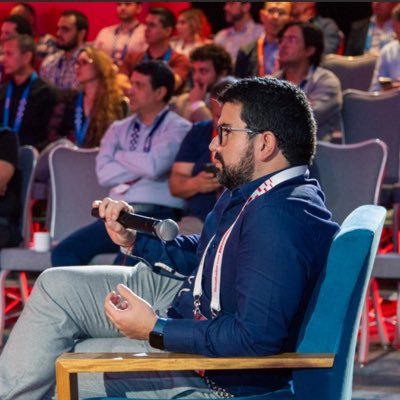










































 Jeff Ryckman @jryckman3


 MV Chandrakanth @ChandrakanthMv


 Dr Rishabh Jain @DrRishabhOnco


 Heather McArthur, MD, MPH, FASCO @hmcarthur


 Nurullah İlhan,MD @drnurullahilhan


 Mustafa Özdoğan, MD @ozdogan_md


 Noah Lindenberg, MD Oncologist-Hematologist @nlindenberg


 MedJ @MedJ0401


 OncoAlert @OncoAlert


 OncLive.com @OncLive


 Oncobites.tv @OncobitesTv


 MedShr @medshronline

 Targeted Oncology @TargetedOnc


 ONCOassist® | The go-to oncology app @ONCOassist


 Stefano Pacifico @StefPac

 OncoHub @oncohubai