EGFR NSCLC post-TKI - Summit/Akeso
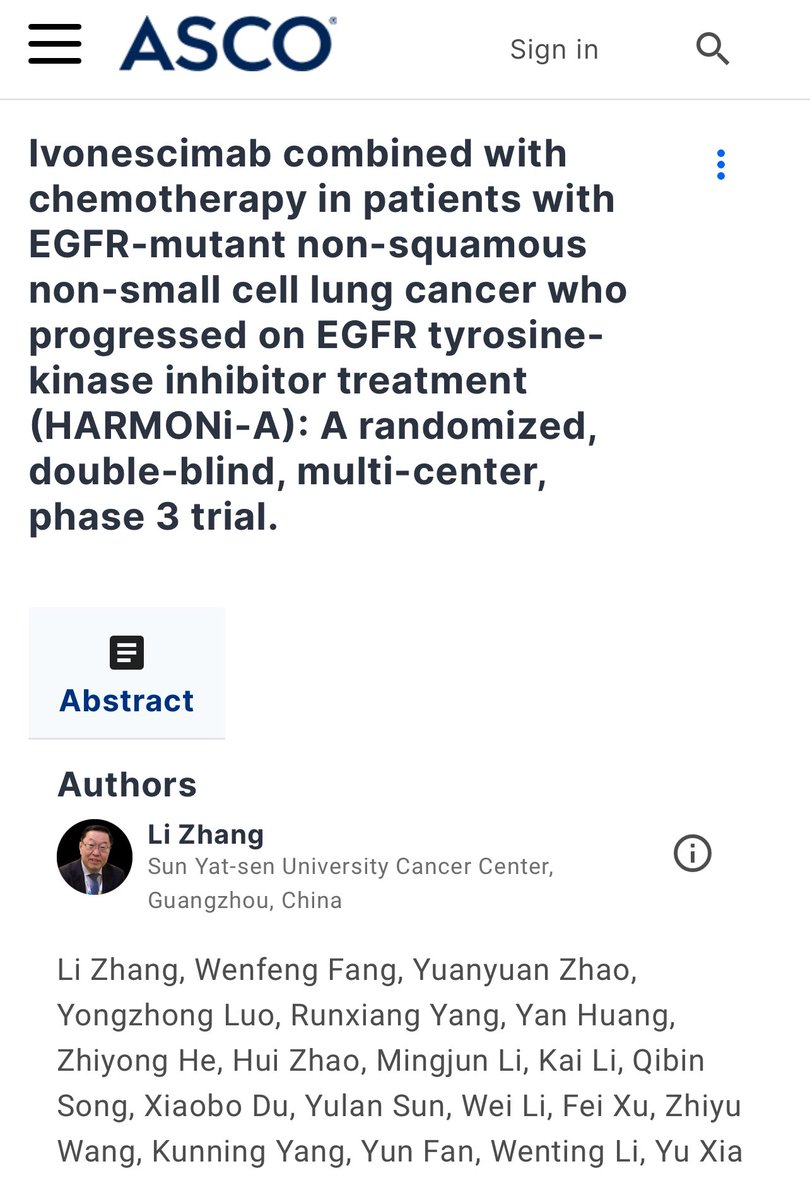
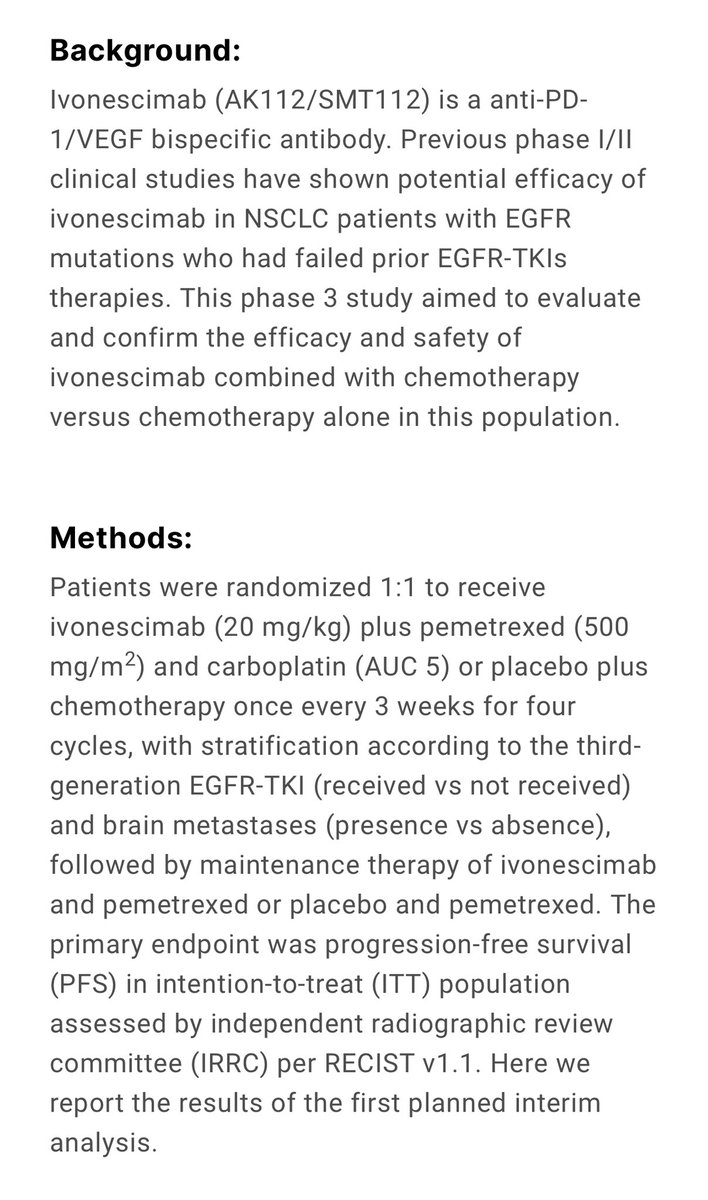
Discover KOL Sentiment on HARMONi-A →Design - Phase III, randomized, double-blind: ivonescimab (PD-1/VEGF bispecific antibody) plus pemetrexed-carboplatin vs placebo plus chemotherapy in 322 patients with EGFR-mutant non-squamous NSCLC after EGFR TKI failure; conducted in China by Akeso.
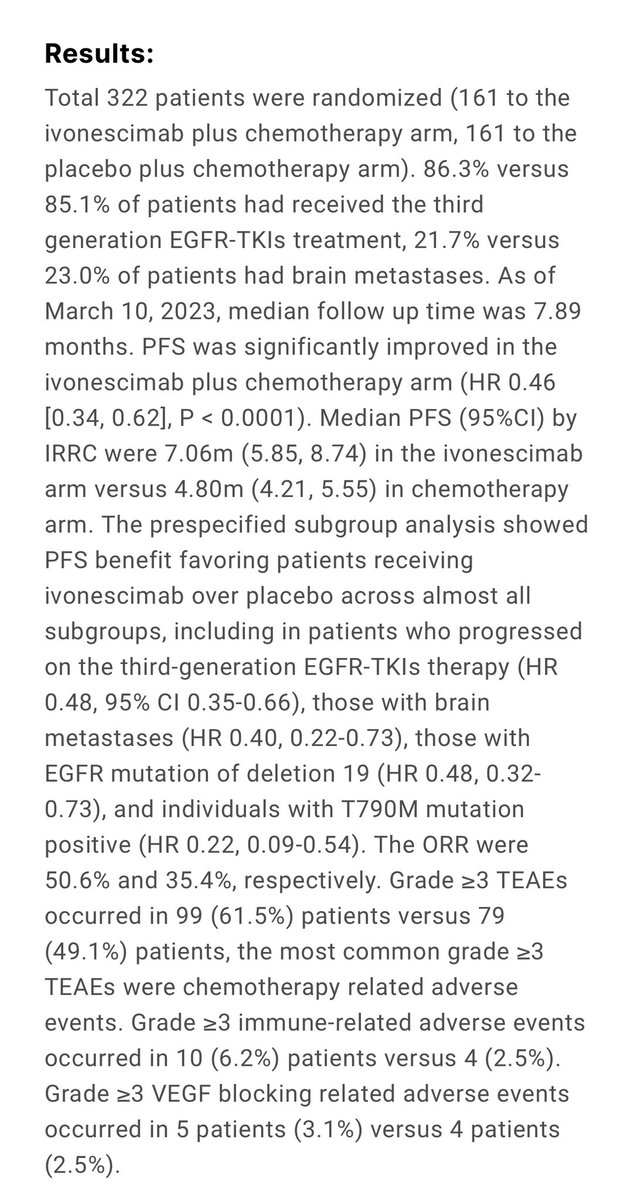
Efficacy / PFS - Median PFS 7.1 vs 4.8 months (HR 0.46; 95% CI 0.34-0.62; p<0.001) at a median follow-up of 7.89 months - a 54% reduction in risk of progression or death, with benefit across all prespecified subgroups including brain metastases and prior third-generation EGFR TKIs.
Overall survival - At final OS analysis (median follow-up 32.5 months), ivonescimab plus chemotherapy reduced the risk of death by 26% vs chemotherapy alone (SITC 2025, Abstract 1348) - the first Phase III immunotherapy trial in EGFR-TKI-resistant NSCLC positive for both PFS and OS.
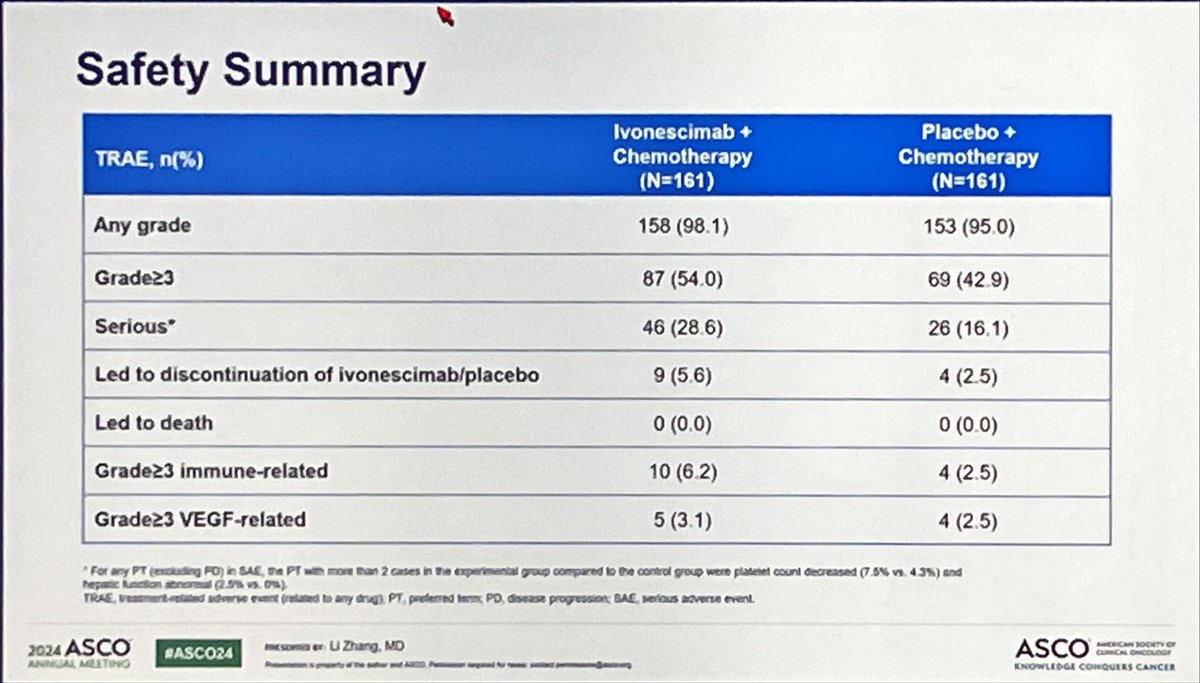
Safety - Favorable long-term profile with no new safety signals. Most common AEs were hematological toxicities, transaminitis, and elevated serum creatinine; immune-related and anti-VEGF-related AEs were less frequent than reported with separate anti-VEGF and anti-PD-1 agents.
Regulatory / sponsor - Sponsor: Akeso (Summit Therapeutics holds ex-China rights). Investigational in the US - FDA BLA under review with PDUFA target date November 14, 2026. NMPA-approved in China since May 2024.
Compiled and reviewed by the KOL Pulse research team, led by Brian Shields, Founder, KOL Pulse. Last updated August 19, 2026.










Top 10 by impressions - click to view on X
‼️HARMONi-A: Phase 3 Ivonescimab + chemo v chemo alone in pts w/ EGFR+ mNSCLC s/p 1L EGFR-TKI ▫️Anti-PD-1/VEGF bispecific Ab ▫️322 pts ▫️PFS 7 mo v 4.8 mo (HR 0.46) ▫️ORR 51% v 35% Where will...
For pts w EGFRm with Osi-Progression NSCLC not homogeneous benefit in PFS with🩸antiangiogenic + io+CT vs CT and no mature OS benefit Ph 3 HARMONI-3 trial (ivonescimab (bispecific VEGF/PD1 Ab)+ CT vs...
Probably all that's changed re Akeso's Chinese Harmoni-A, between interims and final OS, is significance boundary. Remember p values for interim OS...
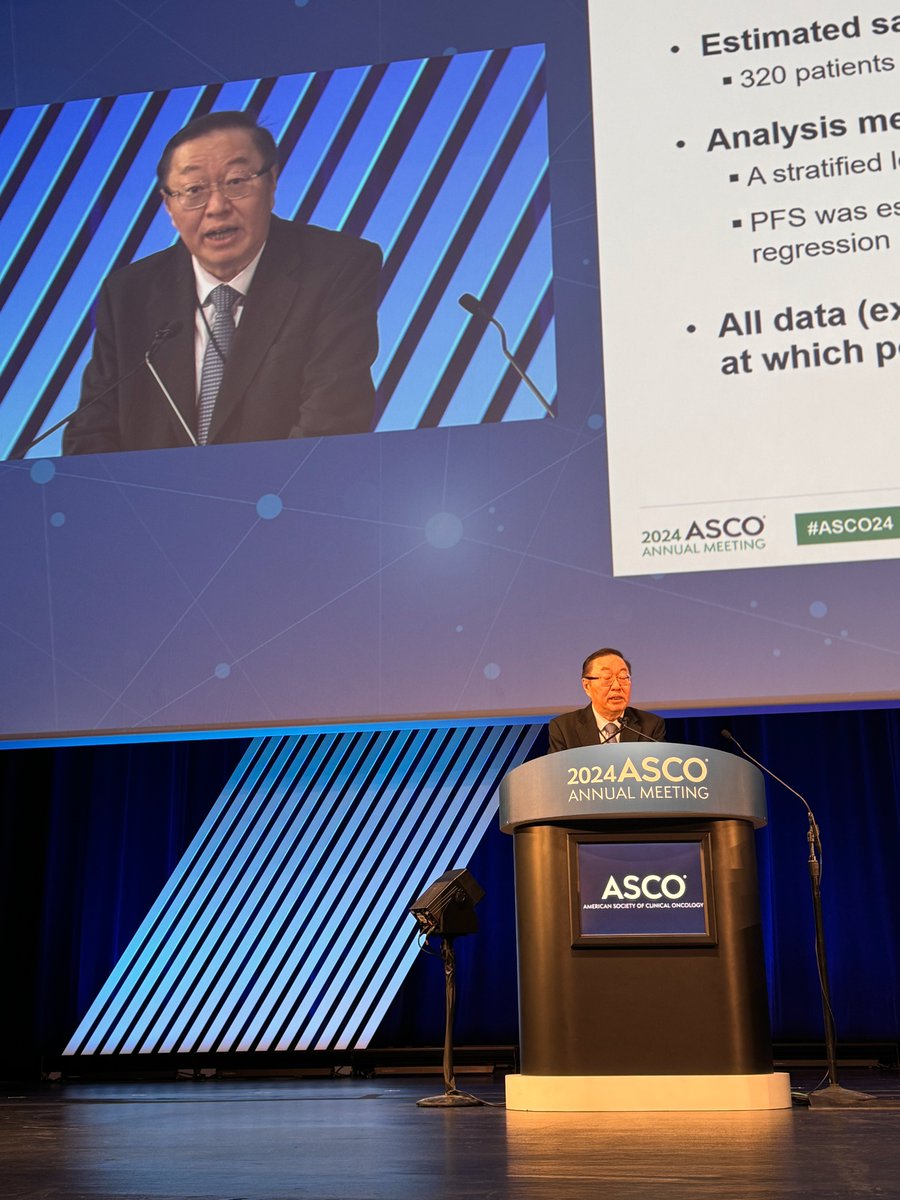
Dr. Li Zhang at #ASCO24 presents phase III HARMONi-A study of chemotherapy + ivonescimab (PD1/VEGF bispecific) vs placebo in pts with #EGFR NSCLC post TKI.

🫁 #Ivonescimab - HARMOi-A, #EGFR mut #NSCLC 🫁 🫁 Final OS 🫁 @sitcancer #SITC25 @LeXiuning
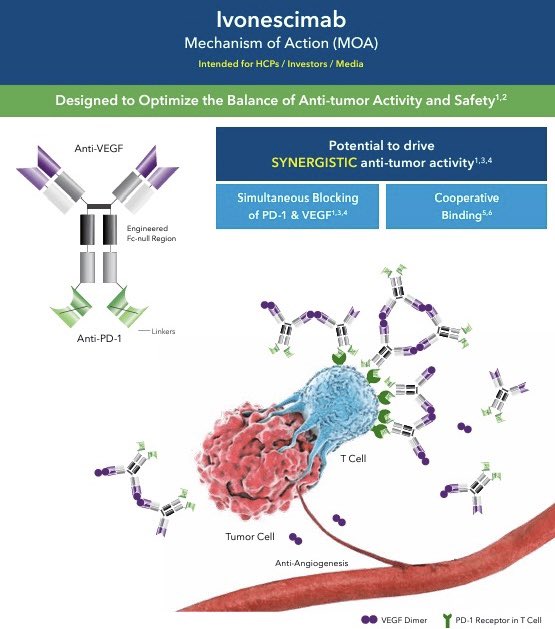
1/🇨🇳 #Akeso Biopharma has published a preprint study on MoA of #ivonescimab (#AK112) in iScience.
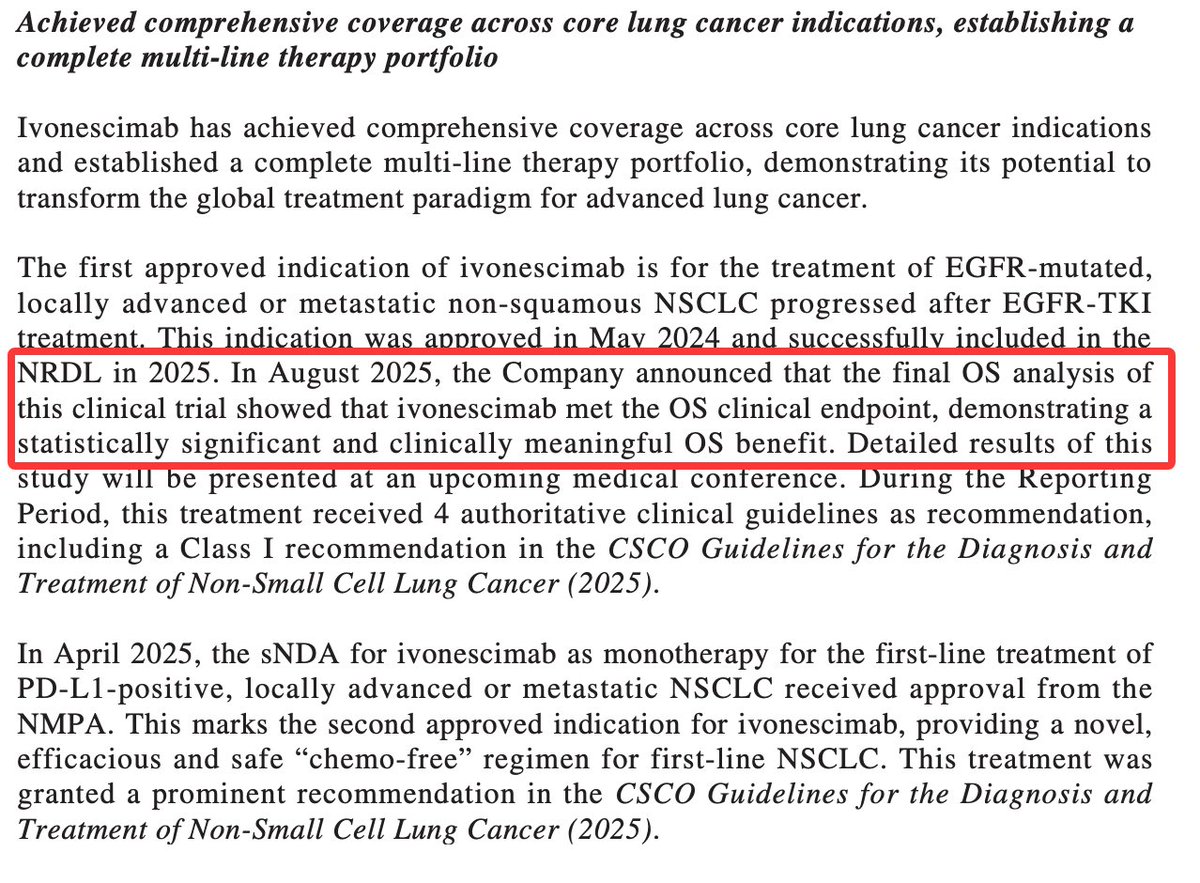
🇨🇳 #Akeso said in its H1 2025 report, its lung cancer drug ivonescimab (PD-1/EGFR) for the first time, clearly extended overall survival (OS) in a pivotal study. The final analysis...

Dr. @LeXiuning presenting @sitcancer FINAL OS results from ivonescimab + carbo/pem in TKI-refractory EGFR-NSCLC, HR 0.74, p=0.019. Benefit strongest in pts with brain mets HR...

An exclamation point on HARMONi-A results. Looking forward to discussing with folks in the lung cancer (& broader oncology) community at #ASCO24. #LCSM...
Alright! @asco #asco24 abstracts are out. Most plenary + oral are LBAs so not out yet. Let’s check a few of the positive trials we have data for in #LCSM...
HARMONi-A (AK112-301) is a Phase III, randomized, double-blind clinical trial evaluating ivonescimab, a first-in-class PD-1/VEGF bispecific antibody, combined with pemetrexed and carboplatin versus placebo plus chemotherapy in patients with EGFR-mutant non-squamous NSCLC who progressed after EGFR tyrosine kinase inhibitor therapy. The trial enrolled 322 patients and was conducted in China by Akeso. HARMONi-A is the first Phase III immunotherapy study in EGFR-TKI-resistant NSCLC to achieve positive results across both co-primary endpoints of PFS and OS, demonstrating concurrent survival benefits in a setting where PD-1 monoclonal antibodies have previously failed.
Phase III, randomized, double-blind, placebo-controlled trial. Patients received ivonescimab 20 mg/kg IV every 3 weeks in combination with pemetrexed and carboplatin, or placebo plus the same chemotherapy backbone. Co-primary endpoints were progression-free survival (PFS) and overall survival (OS).
Adults with locally advanced or metastatic non-squamous NSCLC harboring EGFR sensitizing mutations who experienced disease progression following prior EGFR tyrosine kinase inhibitor therapy. ECOG performance status 0-1; any PD-L1 expression status. 322 patients enrolled across Chinese sites.
Ivonescimab 20 mg/kg IV every 3 weeks plus pemetrexed and carboplatin versus placebo plus pemetrexed and carboplatin.
Co-primary endpoints: progression-free survival (PFS) and overall survival (OS). The related global HARMONi trial evaluated overall response rate, duration of response, and safety as secondary endpoints.
At a median follow-up of 7.89 months, median PFS was 7.1 months (95% CI: 5.9–8.7) in the ivonescimab group versus 4.8 months (95% CI: 4.2–5.6) in the placebo group (HR 0.46; 95% CI: 0.34–0.62; p<0.001), representing a 54% reduction in the risk of disease progression or death. All prespecified subgroups showed PFS benefit favoring ivonescimab, including patients with brain metastases and those who received third-generation EGFR TKIs.
Final OS analysis at a median follow-up of 32.5 months demonstrated that ivonescimab combination therapy reduced the risk of death by 26% compared with chemotherapy alone, achieving statistically significant and clinically meaningful improvement in overall survival. HARMONi-A is the first Phase III immunotherapy trial in EGFR-TKI-resistant NSCLC to show both PFS and OS benefit. Final OS results were presented at SITC 2025 (Abstract 1348).
The long-term safety profile of ivonescimab plus chemotherapy remained favorable with no new safety signals identified. Rates of common treatment-related adverse events were comparable between treatment and control groups. The most common adverse events were hematological toxicities, transaminitis, and elevated serum creatinine. Common immune-related adverse events included rash and hypothyroidism; rare events included interstitial lung disease and liver dysfunction. VEGF-related adverse events included proteinuria and hypertension. Adverse events (both immune-related and anti-VEGF-related) were less frequent with ivonescimab compared to separate anti-VEGF and anti-PD-1 agents.
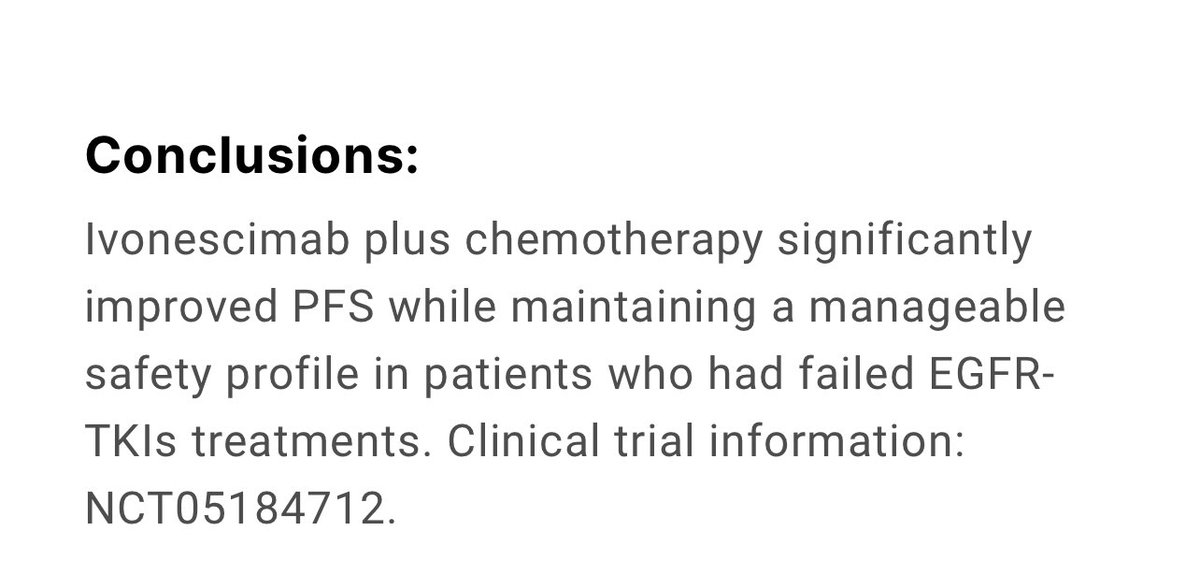
HARMONi-A establishes ivonescimab plus chemotherapy as the first immunotherapy combination to show both PFS and OS benefit in EGFR-TKI-resistant NSCLC, a setting where prior PD-1 monoclonal antibodies have failed. Key clinical debates include the generalizability of China-only data to global populations, the positioning versus amivantamab-based regimens (MARIPOSA-2/LUNAR), and the pending FDA BLA review (PDUFA Nov 14, 2026). The global HARMONi trial (NCT06396065) confirmed PFS benefit across a broader multiregional population (median PFS 6.8 vs 4.4 months; HR 0.52; p<0.0001), with notable intracranial activity (brain mets PFS HR 0.53). Ivonescimab received NMPA approval in China in May 2024 and was added to the National Reimbursement Drug List in November 2024.
HARMONi-A (AK112-301; NCT05184712) is a Phase III, randomized, double-blind trial run in China by Akeso. It tested ivonescimab, a first-in-class PD-1/VEGF bispecific antibody, combined with pemetrexed and carboplatin versus placebo plus the same chemotherapy in 322 patients with EGFR-mutant non-squamous NSCLC whose disease progressed after EGFR TKI therapy.
Median PFS was 7.1 months with ivonescimab plus chemotherapy versus 4.8 months with chemotherapy alone (HR 0.46; 95% CI 0.34-0.62; p<0.001). At the final overall survival analysis, with 32.5 months median follow-up, the combination reduced the risk of death by 26% (SITC 2025). It is the first Phase III immunotherapy trial in EGFR-TKI-resistant NSCLC to show both PFS and OS benefit.
No. Ivonescimab is investigational in the United States. The FDA accepted a BLA for ivonescimab plus chemotherapy in EGFR-mutant NSCLC after TKI therapy with a PDUFA target action date of November 14, 2026. In China, ivonescimab received NMPA approval in May 2024 and joined the National Reimbursement Drug List in November 2024.
The safety profile was favorable with no new signals at long-term follow-up. The most common adverse events were hematological toxicities, transaminitis, and elevated serum creatinine; immune-related events included rash and hypothyroidism, and VEGF-related events included proteinuria and hypertension. Overall, immune-related and anti-VEGF-related AEs were less frequent than with separate anti-VEGF and anti-PD-1 agents.
It established the first immunotherapy combination to improve both PFS and OS in EGFR-TKI-resistant NSCLC, a setting where PD-1 monoclonal antibodies previously failed. Key debates include generalizability of China-only data and positioning against amivantamab-based regimens. The global HARMONi trial (NCT06396065) subsequently confirmed PFS benefit in a multiregional population (median PFS 6.8 vs 4.4 months; HR 0.52; p<0.0001).